Podcast
The iGaming Leader
Hosted by Leo Judkins, Founder - iGaming Leader Mastermind · EN
The iGaming Leader is hosted by Leo Judkins, founder of The iGaming Leader Mastermind.
Every other week, Leo sits down with Founders, C-suite executives, and VPs from across the iGaming industry for conversations you won't hear on a conference panel. The real decisions. The hard calls. What leadership actually looks like from the inside.
No keynote polish. No PR answers. Just honest conversations between people who know the industry.
New episodes every other Wednesday.
29episodes
Episodes
Newest firstAll episodes
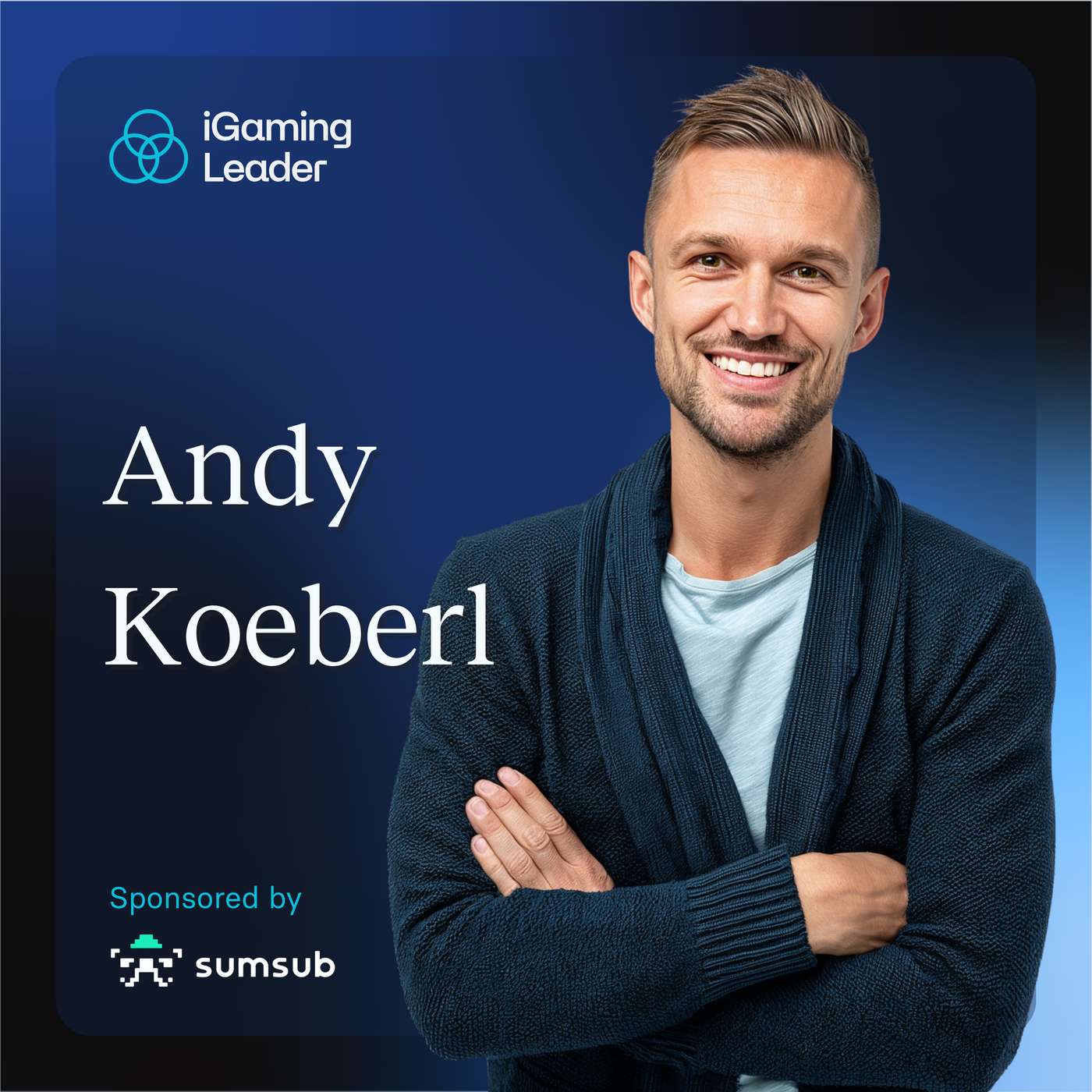
Leadership Is Learned During Days of Thunder Not of Sunshine
3w ago00:48:05Tap to summarizeIn this episode of the iGaming Leader Podcast, Leo sits down with Andreas (Andy) Koeberl, aerospace engineer turned entrepreneur, who built HappyBet from three people to 180, survived COVID wiping out 100% of its revenue overnight, turned around BetGames from a shrinking business into one of the most profitable live dealer companies in the world, and is now building Autonomous Minds, an AI deeptech startup creating what he calls an "agent-first Palantir."Andy talks about what real crisis leadership looks like from the inside, why the sunny periods are more dangerous than the hard ones, and why the only advisors worth having are the ones who've also failed.Guest BioAndreas (Andy) Koeberl is an engineer turned entrepreneur and CEO. He started his career in aerospace engineering before moving to Microsoft, where he honed his commercial instincts. In 2017, he co-founded HPYBET, a retail sports betting business that grew to become one of the top operators in Germany and Austria before being sold to SNI in 2020. He then joined BetGames as CEO to lead a full company turnaround, taking the business from decline to record growth years of 50% in 2024 and 45% in 2025. In late 2024, he co-founded Autonomous Minds, an AI deeptech startup building the data infrastructure layer for the agent era.Key Topics Discussed00:00 – How COVID wiped out 100% of HappyBet's revenue in 90 days.03:00 – Running a seven-figure monthly OpEx with zero revenue.06:00 – The two-column whiteboard exercise Andy used to manage the crisis.08:00 – Why not a single person quit during COVID11:00 – "Andy bombs": dropping unscheduled harsh truths and why it kept the team together.13:00 – "Shock them with your honesty." Advice from mentor Armin Sageder15:00 – Leadership is learned during days of thunder, not sunshine. 21:00 – BetGames: flying to Lithuania and finding great people.27:00 – Turning down a deal that would have more than doubled revenues to protect a niche identity.30:00 – How BetGames went from near-death to the number two crash game in its core markets and record growth.36:00 – What an "agent-first Palantir" actually means.42:00 – Burnout does not come from hard work.Memorable Quotes"You are not allowed to call yourself a senior leader until you've managed at least one substantial crisis. Not successfully. Just managed one.""Everybody can be a sunshine leader. Leadership is only forged during a crisis.""My mentor always told me: shock them with your honesty. I try to live by that in my personal life too.""Burnout does not come from hard work. It comes from emotional stress. And as a founder, you are in with your time, your accountability, and your own cash.""The best advisors are the ones who've been in your shoes and who you can call and say: I have no clue how to handle this, without being anxious about what they'll think."Important LinksFollow Andy Koeberl on LinkedIn: https://www.linkedin.com/in/koeberlandreas/Follow Leo Judkins on LinkedIn: https://www.linkedin.com/in/leo-judkins/Subscribe to the iGaming Leader newsletter: https://www.igamingleader.com/signupJoin the iGaming Leader Mastermind: https://www.igamingleader.com/This episode is sponsored by Sumsub, the leading identity verification provider for iGaming operators. Learn more at https://sumsub.link/8gu
Transcribe →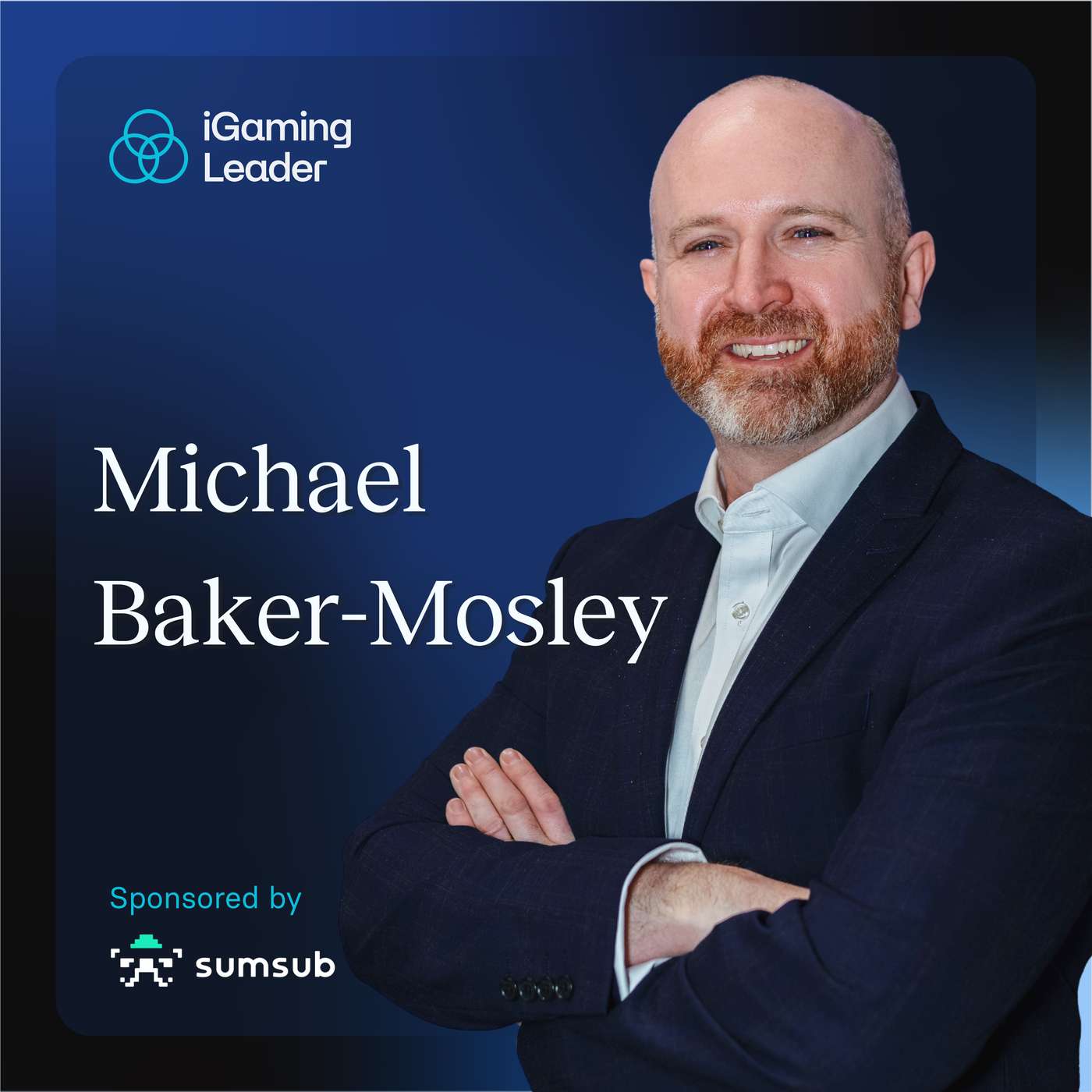
Being Great at Marketing Won't Make You a Great Marketing Leader
Jul 400:30:47Tap to summarizeIn this episode of the iGaming Leader Podcast, Leo sits down with Michael Baker-Mosley, ex-Head of Brand at Kambi, ex-CMO at iGP, and one of the most respected B2B marketing minds in iGaming.Michael pulls back the curtain on what it actually takes to step into a CMO role unprepared, why most B2B marketing in this industry is renting its audience rather than building one, and what happens when a leader has to let go of the people they hired and believed in. The conversation covers the art of hiring outside the industry, why picking a nemesis is a legitimate market entry strategy, the real ROI of brand, and the moment Michael went ballistic on his first holiday in years over a PR piece that was never meant to go live.Guest BioMichael Baker-Mosley is a senior marketing leader and consultant with over a decade of experience across B2B technology, iGaming, and brand strategy.He spent five years at Kambi, rising to Head of Brand Marketing, before joining iGP as CMO in January 2024, where he led the brand, PR, events, and product marketing functions through a period of significant growth and restructuring. He is widely cited as one of the most influential B2B marketers in the iGaming industry and serves as an Ambassador for the iGaming Leader Mastermind.Key Topics Discussed00:00 – From the smoking area at SBC Lisbon to the iGaming Leader: who Michael is now vs. then.02:00 – The gap nobody prepares you for: the step up from head of to C-level.05:00 – "We promote people who are good at their job. And we might get a shit manager."09:00 – The best hire Michael ever made: a risk manager from Amazon with nine months of events experience.12:00 – Two-thirds of marketers have never had formal training. What that actually means for the industry.18:00 – Delegation gone wrong: the PR piece that went live on the first day of his holiday.24:00 – Letting people go: why it is never just business, and why it should not be.28:00 – The human cost of redundancy when the team was genuinely performing.31:00 – Picking a nemesis: why having a competitor with 45 people in their B2B marketing team was a gift.34:00 – Rented audience vs. owned brand: the most expensive mistake in B2B marketing.38:00 – Why SEO, paid media, and affiliate are all forms of renting someone else's audience.41:00 – The ROI of brand: why CFOs get it wrong and CMOs let them.44:00 – What Michael would tell his earlier self on day one of the CMO role.46:00 – Why Michael became an Ambassador for the iGaming Leader.Memorable Quotes"We promote people who are good at their job. And actually it's so wrong for so many people, because you lose somebody who's good at their job and you might get a shit manager as well.""The best hire I made in my marketing team was a risk manager from Amazon. Outside the industry. Had about nine months of event management experience.""Two-thirds of marketers have never had any formal training. I've hired a risk manager from Amazon, but it's true.""I wasn't asking for people's opinions of whether or not I should be calm. It was too late. My mistake was to go ballistic.""You as a leader always have to remember: it's not about you. 'I feel bad. I hope you...' It's not about you, is it? It's about them.""If you're looking to enter a market, picking a nemesis is a great way to do it. One of our competitors had 45 people in their B2B marketing team. Ten to one outspending us. And we would find ways to subtly mock them at any opportunity.""To build long-term value for a business, marketing needs to be building brand, building its own audience, owning the audience itself. Everything else is rented."Key TakeawaysThe Promotion Trap: Promoting the best performer into management is one of the most common and costly mistakes in iGaming. You lose a high performer and risk gaining a poor manager. The skills that make someone exceptional at a job are rarely the same skills that make someone exceptional at leading others who do it.Hire for Your Weaknesses: The best hire Michael made was a risk manager from Amazon with nine months of events experience. She became one of the best hires of his career. Hiring outside the industry and outside your own strengths creates the depth of capability that frees a leader to operate at a strategic level.Rented Audience vs. Owned Brand: Paid media, affiliates, SEO, and editorial placements are all rented. When the algorithm changes, the spend stops, or the platform shifts, the audience disappears with it. The only durable asset in marketing is a brand that people seek out directly. That is what separates market leaders from permanent bit players.Picking a Nemesis: Entering a competitive B2B market without positioning is invisible. Identifying a well-funded competitor and building your identity in contrast to theirs is a legitimate and powerful go-to-market strategy. You do not need their budget if your message does the hard work they cannot buy.It Is Never Just Business: The hardest part of leadership is not strategy. It is sitting across from someone you hired, believed in, and worked beside, and telling them it is over, for reasons that are not their fault. The leaders who treat that moment as purely transactional lose something they do not get back.Stamp Your Vision Early: The biggest regret from Michael's time as CMO was waiting a year before taking his vision for the brand and the business to board level. The conversation was worth far more than he gave it credit for. A CMO who waits to be invited into strategy is always going to be seen as a cost, not a driver of growth.Important LinksFollow Michael Baker-Mosley on LinkedIn: https://www.linkedin.com/in/mosleymichaelFollow Leo Judkins on LinkedIn: https://www.linkedin.com/in/leo-judkins/Subscribe to the iGaming Leader newsletter: https://www.igamingleader.com/signupJoin the iGaming Leader Mastermind: https://www.igamingleader.com/This episode is sponsored by Sumsub, the leading identity verification provider for iGaming operators. Learn more at https://sumsub.link/8gu
Transcribe →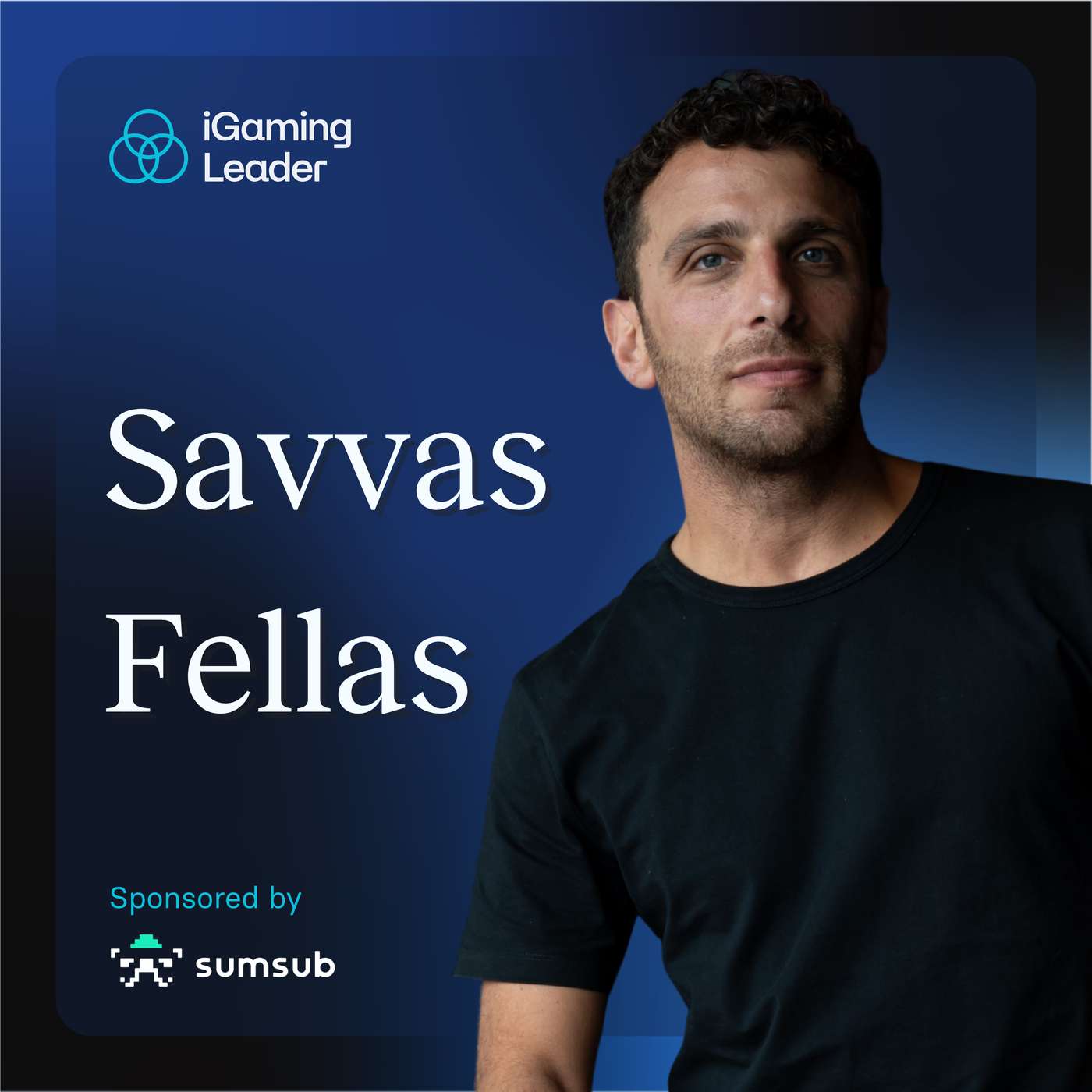
The Founder Who Got Tired of Gambling's Bullshit. So He Built Something Better.
Jun 2000:44:46Tap to summarizeIn this episode of the iGaming Leader Podcast, Leo sits down with Savvas Fellas, founder and CEO of MrQ, the bootstrap challenger brand that decided the UK gambling industry's nonsense had gone on long enough.Growing up on a council estate in Birmingham, Savvas built his way into iGaming through SEO, affiliates, and white-label operations before a simple question changed everything: why is the player experience still so bad? In 2018, he launched MrQ with no external funding, no wagering requirements, no smoke and mirrors, just a product built on the belief that players deserve better. The conversation covers how he scaled to 200 people, why building the right C-suite nearly broke him, how MrQ responded to the UK's 40% gambling tax shock, and why he believes the next frontier of real money entertainment is shared, synchronous, and nothing like a slot machine.Guest BioSavvas Fellas is the founder and CEO of MrQ and Lindar Media. Starting out in digital marketing and affiliate SEO in London, he identified the gaps in the player experience from both sides of the fence before deciding to build his own platform from scratch.MrQ launched in 2018 as a fully bootstrapped, UK-focused online casino built around fairness and transparency: no fees, no wagering requirements, no complexity. Under Savvas's leadership, MrQ has grown into one of the UK's fastest-rising gaming brands, backed by partnerships with Watford FC, the World Snooker Tour, UFC, and boxing with Queensbury and DAZN.Key Topics Discussed00:00 – "How hard can it be?" The frustration that started MrQ.05:00 – Running both sides of the fence as advertiser and affiliate publisher.09:00 – MrQ's six core values and how they shape every interview.11:00 – The secret sauce: mission, vision, and values as a decision-making framework.13:00 – Shiny objects and one-way door decisions: staying focused when everything is calling.18:00 – The C-suite problem: why building the right leadership team took eight years.24:00 – "What got you here won't get you there": managing the human cost of restructuring.27:00 – The tech vs. product realisation: the mistake that cost MrQ years of momentum.32:00 – The 40% tax shock: MrQ's response and why Savvas thinks the government is reckless.35:00 – Creating a common enemy: how the tax change rallied the whole team.38:00 – Shifting the paradigm: why real money entertainment doesn't have to mean slots.42:00 – What Savvas would tell his earlier self about building the C-suite faster.Memorable Quotes"The frustration started to brew. I couldn't get anything over the line. Eventually I was like, 'Do you know what? Fuck this. How hard can it be?'""Have a very clear mission and clear vision and values that underpin your behaviours and your collective personality. The first principles in which you make your day-to-day decisions should be your value framework. That's the secret sauce.""I don't wanna tell you that you can't do the job when I don't even know what the job is. I'll run you through this programme and they'll benchmark you. And I said: if I don't benchmark either, I'll also step aside.""This government does not have an idea of how business works. They've never been in business. How can you be okay with £500,000 going into the black market knowing that people are going to be put in front of risk?""We sell entertainment. Can we shift the paradigm of what real money entertainment is? That's the headline.""The genius with a thousand helpers are the good companies. But you take them out and the thing should still perform as good if not better."Key TakeawaysFirst Principles Over Pattern Matching: The best founders don't ask "this worked over there, will it work here?" They break the problem down to bare bones, challenge every assumption, and build back up. MrQ's entire product philosophy, from no wagering requirements to synchronous entertainment, is first principles thinking applied consistently.Values as a Decision-Making Framework: MrQ's six values (We Own It, We Challenge Everything, We Win as One, We Care by Design, We Play Smart Long Games, We Get Shit Done) are not a wall poster. They are the filter through which every hire, every decision, and every strategic debate runs. That's the difference between a culture and a slogan.The Tech vs. Product Mistake: Savvas spent years solving a technology problem that had already become a product problem. More engineers without product ownership produces nothing. Recognising when the nature of the bottleneck has fundamentally changed is one of the most important and most missed leadership calls in a scaling business.Management Debt Is Exponential: Every hard decision deferred compounds. Savvas learned this when he reversed a C-suite appointment in front of his entire leadership team. The earlier you reverse a wrong call, the less it costs. Waiting does not make it easier; it makes it more expensive.The Common Enemy Playbook: When the UK's 40% gambling tax landed, MrQ reframed it immediately. The threat was not internal. It was the black market. That reframe turned a business crisis into a team rallying point and a brand differentiator.Founder Mode vs. CEO Mode: Great companies transcend their founders. Good ones collapse when the founder leaves. The distinction is whether the leader has built an organisation that runs on mission and values or one that runs on their own energy and oversight. Savvas's goal is the former.Important LinksFollow Savvas Fellas on LinkedIn: https://www.linkedin.com/in/savvas-fellas/Follow Leo Judkins on LinkedIn: https://www.linkedin.com/in/leo-judkins/Subscribe to the iGaming Leader newsletter: https://www.igamingleader.com/signupJoin the iGaming Leader Mastermind: https://www.igamingleader.com/This episode is sponsored by Sumsub, the leading identity verification provider for iGaming operators. Learn more at https://sumsub.link/8gu
Transcribe →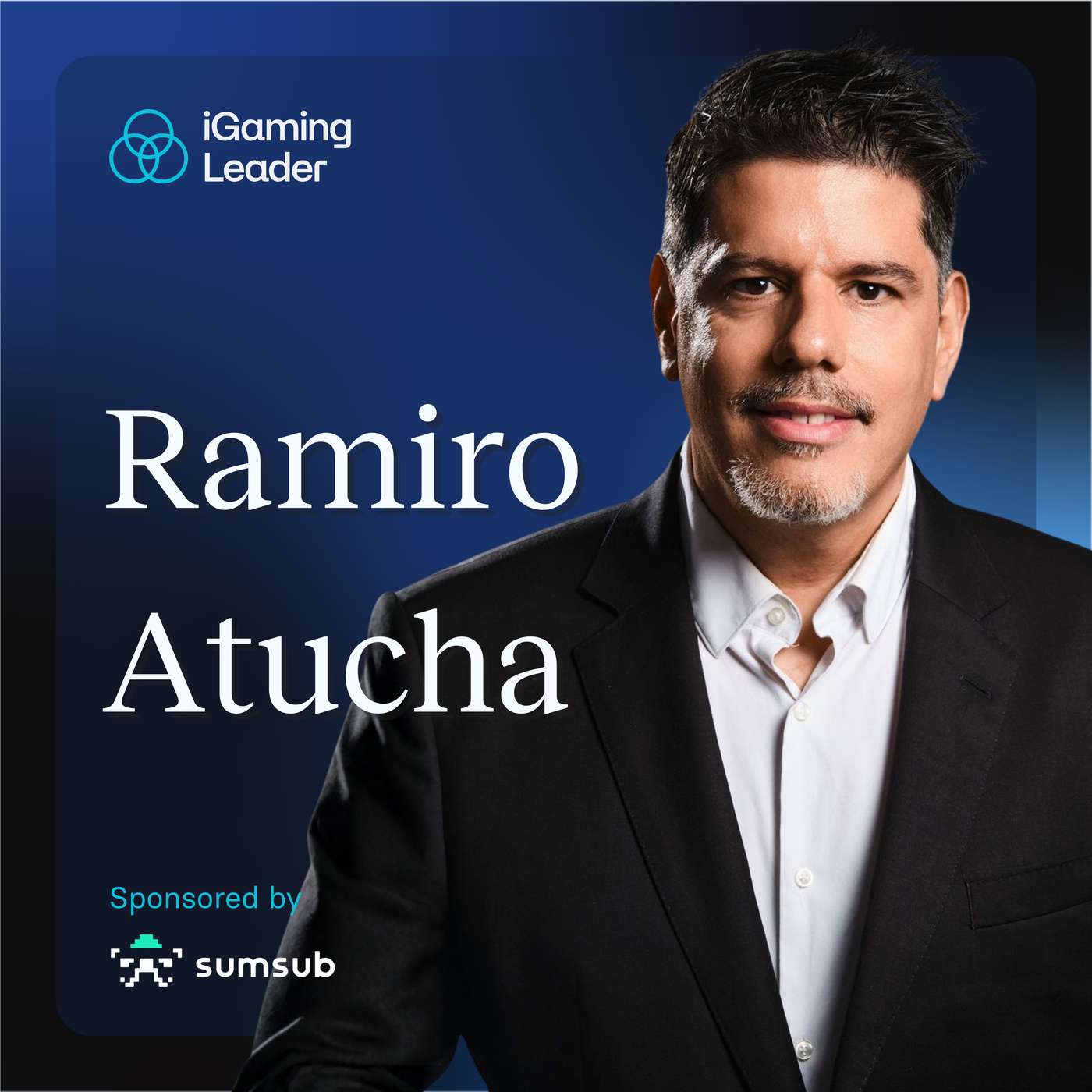
Why Most Founders Are Wrong About Who Should Lead Their Company
Jun 600:40:41Tap to summarizeIn this episode of the iGaming Leader Podcast, Leo sits down with Ramiro Atucha, co-founder of Leander Games and Vibra Gaming, who has done something most founders never do twice: voluntarily stepped down as CEO of two companies he built from scratch.Ramiro pulls back the curtain on the painful reality of recognising when you are no longer the right person to lead what you created, the difference between ego and self-esteem, and why the best decisions of his life were not really decisions at all. The conversation spans two decades of building in iGaming, including the moment he stepped aside at Leander to bring in Steven Matsell, how Brazilian regulation is repeating the same mistakes as the UK and Germany, and why, at 50, he chose to become the Miyagi rather than start over again.Guest BioRamiro Atucha is a gaming industry executive and strategic advisor with more than 20 years of experience building and scaling businesses across Europe and Latin America.He co-founded Leander Games and later co-founded Vibra Gaming, helping build both into recognised industry names. He stepped down as CEO of Vibra in mid-2025 and launched Atucha Strategic Advisory in November 2025, where he works as a board-level advisor to operators, suppliers, and investors focused on growth strategy and market expansion across Latin America.Key Topics Discussed00:00 – Stepping down from two companies you built: what it actually feels like.03:00 – The Argentinian restaurant story: how Ramiro saved a Mastermind dinner in Barcelona.05:00 – The morning you post on LinkedIn that you're leaving the company you co-founded.07:00 – The accidental marriage proposal: why the best decisions aren't always decisions.09:00 – As CEO, the ultimate responsibility is always yours. The cost of that over time.11:00 – Ego vs. self-esteem: why anything driven by ego is cursed.13:00 – Bringing Steven Matsell in as CEO at Leander in 2012 and stepping into the COO role.15:00 – Landing Betsson, PokerStars, and VideoSlots: the pressure of delivering on a new scale.16:00 – Knowing when you're not the right person to lead the next phase of your own company.18:00 – Essence preservation: what happens when majority shareholders take the company in a direction you can't stop.20:00 – Fundraising mistakes Ramiro would fix if he were starting Leander today.23:00 – Launching Atucha Strategic Advisory: why he chose five clients over thirty.26:00 – Leaders cannot be seen in doubt. The case for confidential peer spaces.28:00 – LATAM regulators are making the same mistakes as the UK and Germany.31:00 – Brazil: church politics, $5M licences, and why 60% of the market stays unregulated.33:00 – Where founder CEOs spend their time incorrectly and where they should overspend it.35:00 – Alex Tomic and the Alea model: how to untie a founder's hands without losing them.36:00 – If you were starting Leander today: fight harder for your equity from day one.38:00 – Validating yourself in new rooms. Why Ramiro loved not knowing anyone at Indian Gaming in San Diego.Memorable Quotes"It's always painful to realise that the company you created, you grew as a baby, that you put the hours and the time into... that you're not the right person to continue to lead it.""I hate the word ego. Anything driven by ego is cursed. Self-esteem is a lot better. My self-esteem is bulletproof. Nobody loves me more than myself.""You need to know: 'I really messed up here. Really messed up.' I still love me. That's what allows you to accept that you messed up.""As CEO, the ultimate responsible is you. If a bill is not paid, you cannot hide behind finance.""Imagine you're in a boat and all of a sudden the captain says: 'I have no clue where we are.' People will start jumping out of the boat.""I didn't feel the need to do it again. With Vibra, I felt the need to prove my stripes as CEO. After Vibra, I didn't need that anymore.""The company needs to make more money by working with me than they did before. That's how I'll be judged."Important LinksFollow Ramiro Atucha on LinkedIn: https://www.linkedin.com/in/ramiro-atucha-3a69054Follow Leo Judkins on LinkedIn: https://www.linkedin.com/in/leo-judkins/Subscribe to the iGaming Leader newsletter: https://www.igamingleader.com/signupJoin the iGaming Leader Mastermind: https://www.igamingleader.com/This episode is sponsored by Sumsub, the leading identity verification provider for iGaming operators. Learn more at https://sumsub.link/8gu
Transcribe →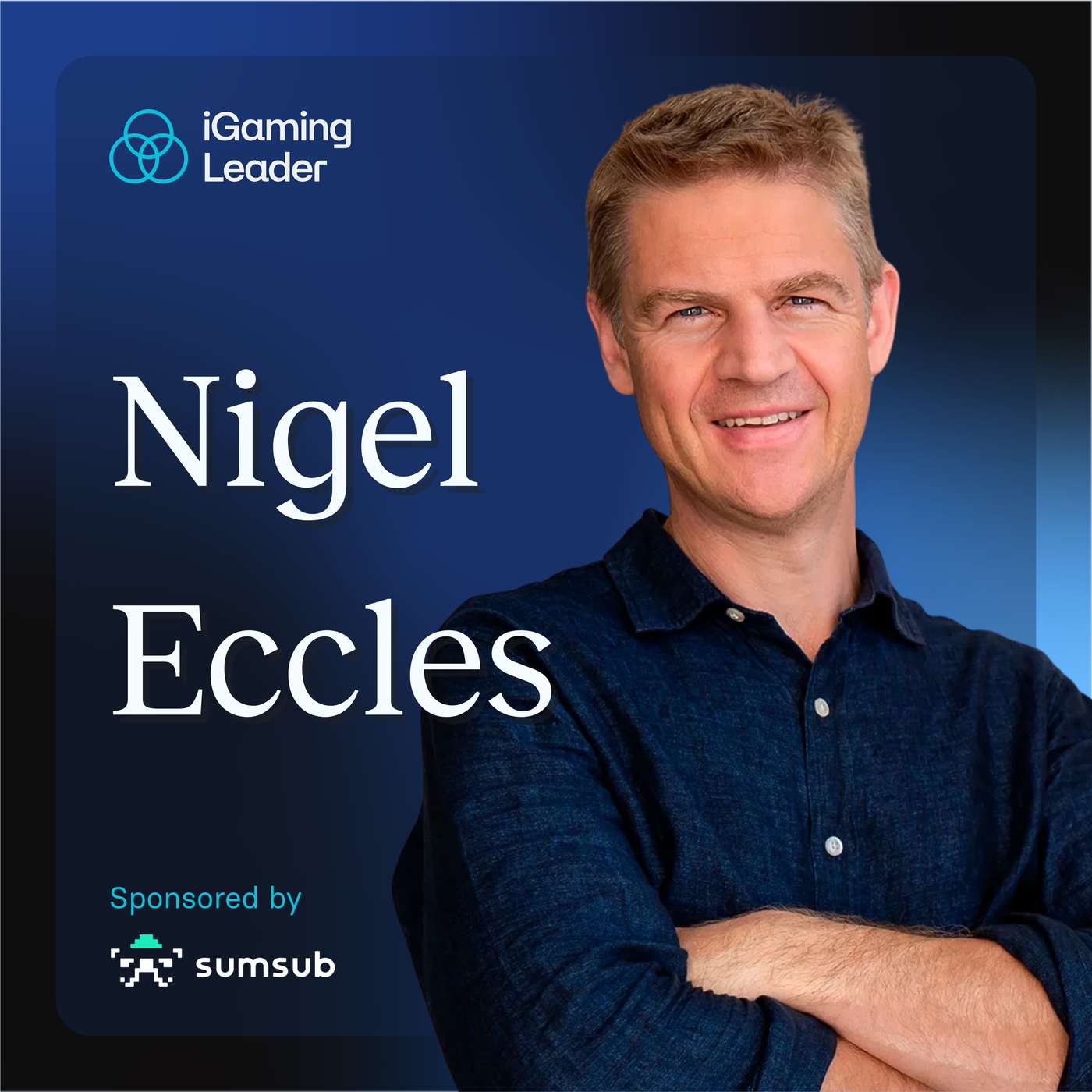
Why most entrepreneurs are not risk seekers, only bad at assessing risk.
May 2300:41:30Tap to summarizeIn this episode of the iGaming Leader Podcast, Leo Judkins sits down with Nigel Eccles, the co-founder and former CEO of FanDuel. Moving from a small dairy farm in Northern Ireland to scaling one of the most iconic brands in sports betting history, Nigel pulls back the curtain on the psychological distortions required to build a massive tech enterprise.The conversation challenges the foundational myths of entrepreneurship, proving through research that founders aren't actually risk-seeking, they are simply bad at assessing risk. Nigel recounts the early grinding days of FanDuel, the terrifying moment he burned his boats by resigning from his public corporate job, and how he learned to handle the operational numbness of being sued by multiple state attorney generals. Finally, Nigel shares his second act: launching BetHog and Sentient Studios, and why generative AI means non-technical leaders are now "vibe coding" whole software platforms from scratch.Guest BioNigel Eccles is a 25-year veteran of the online gaming and technology sectors. He was product manager at Flutter.com, guiding its structural transition into an exchange prior to its landmark merger with Betfair. He went on to co-found and lead FanDuel as CEO and currently serves as the co-founder and CEO of BetHog and Sentient Studios, pioneering the intersection of iGaming, web3, and advanced AI-driven game environments.Key Topics Discussed00:00 – The Risk Illusion: Why data shows entrepreneurs are just bad at calculating probabilities.03:00 – From an Irish farm to New York04:45 – The Flutter Origin Story06:30 – Burning Your Boats11:45 – Why startups are not "big companies in miniature".13:30 – Product-Market Fit16:00 – Being Right vs. Right Now20:15 – Knowing When a Venture is Dead25:15 – The Pivot to B2B29:15 – Scaling multiple companies with the same core team.35:00 – Vibe Coding: no more technical barrier to entry for new founders.38:00 – The Solo Founder TrapMemorable Quotes"Entrepreneurs aren't more risk-seeking... they are just very bad at assessing risk. They just look at it, over-assess their ability and think, 'I can figure it out.'""Startups aren't like big companies in miniature. Startups are really like a science experiment.""It's very, very hard at that first point to know, am I a visionary or am I just deluded?""By this point you're like, anything that's below like a federal agency suing me is not worth getting out of bed for.""If you have a co-founder, your chance of being successful increases dramatically... You own 100% of zero without one."Important LinksFollow Nigel Eccles on LinkedIn: https://www.linkedin.com/in/nigeleccles/Follow Leo Judkins on LinkedIn: https://www.linkedin.com/in/leo-judkins/Subscribe to the iGaming Leader newsletter: https://www.igamingleader.com/signupJoin the iGaming Leader Mastermind: https://www.igamingleader.com/This episode is sponsored by Sumsub, the leading identity verification provider for iGaming operators. Learn more at https://sumsub.link/8gu
Transcribe →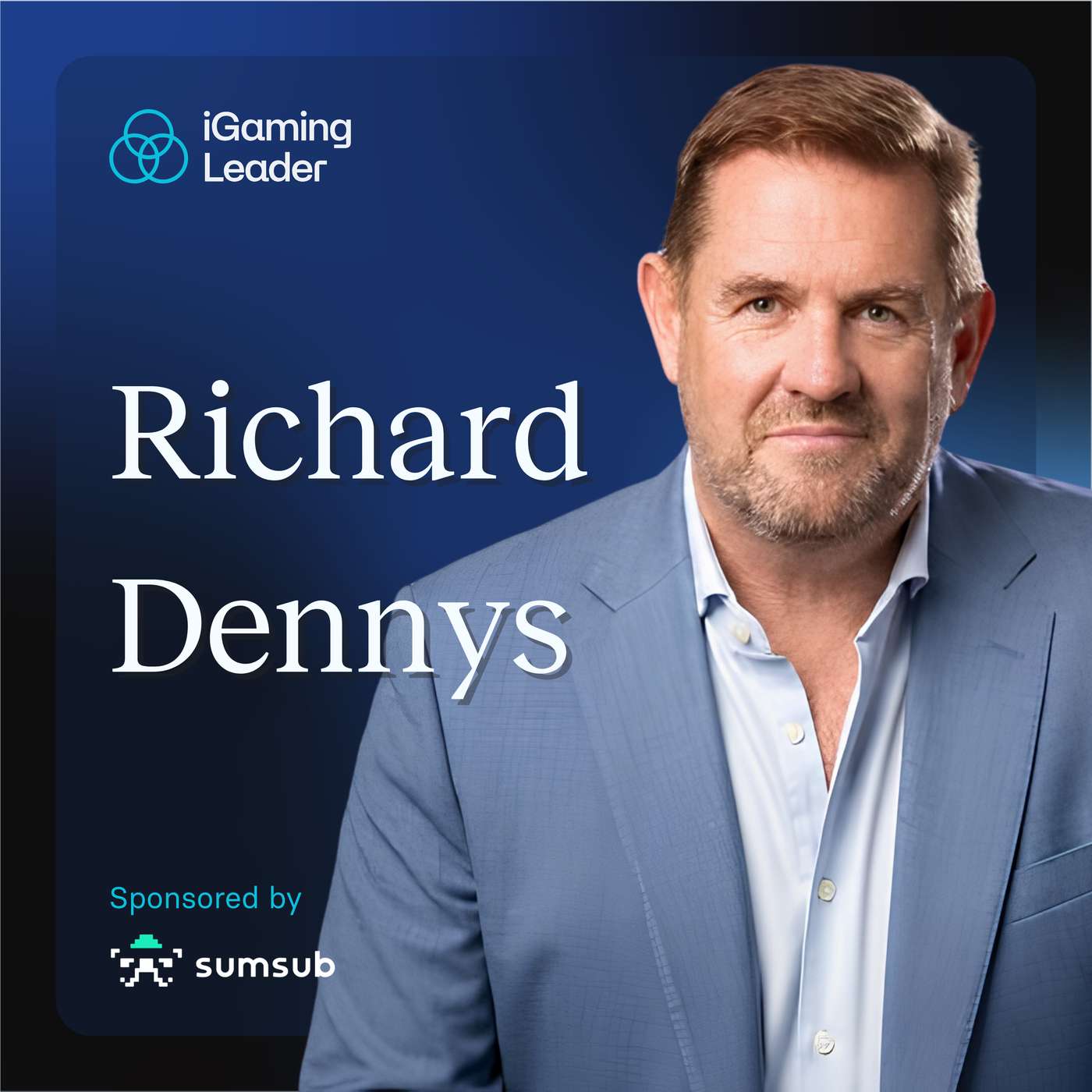
Business Has No Feelings: How to Scale by Being "Strategically Boring"
May 600:42:52Tap to summarizeIn this episode of the iGaming Leader Podcast, Leo sits down with Richard Dennys, a two-time CEO and turnaround specialist who has navigated the highest stakes in digital marketing and iGaming. Richard shares the dispassionate reality of the C-suite, arguing that because "business isn’t your friend," hard decisions must be made based on common sense rather than emotion.The conversation explores Richard’s "strategically boring" approach to scaling , the specific frameworks he used to generate £60 million in cash flow at Game Lounge , and his "10:30 Rule" for maintaining professional boundaries. Guest BioRichard Dennys is a two-time CEO who has spent the last decade building, acquiring, and scaling digital businesses in performance marketing and iGaming. Most recently, he led Game Lounge, where he oversaw the buying and selling of assets, including an eight-figure exit on Betting.com. He has recently moved on to build independently through Free Spirit Partners, focused on acquiring digital businesses at the critical point where AI is reshaping industry fundamentals.Key Topics Discussed00:00 – Business isn’t your friend and why not everyone can be a CEO.03:00 – Learning commerce on the beach and in bars.06:00 – How personal loss and business failure build a "second skin".09:00 – The common enemy: Using market changes to fight for transformation.12:00 – The Three Horizons16:00 – The Home Zone21:00 – Delaying a hard call is never a kindness.24:00 – The 10:30 Rule: nothing good happens after.26:00 – Punching Up and managing your manager.36:00 – Yield vs. Acquisition: What iGaming can learn from retail e-commerce.39:00 – Blue Oceans: How to build a durable affiliate business in a Red Ocean market.Memorable Quotes"Business doesn't have feelings, right? It's just not your friend. Commerce, your competitors, everything about life in business is trying to kill you or get you fired.""Delaying hard calls is never kindness, it's just deferred pain, and usually, that pain escalates.""If you're gonna complain, complain upwards. Don't complain downwards. Because if you complain down, it spreads and then you get negativity, which kills the flow.""It just meant that when the wind blew strong, we went fast."Key TakeawaysOperate in Horizon Two: CEOs must leave Horizon One (Business as Usual) to their operators. A leader’s value is found in Horizon Two, manoeuvering the business toward the future and keeping a watchful eye on Horizon Three.The "Strategically Boring" Leader: Successful turnarounds require focusing on the "Home Zone" (the existing product and market) to drive efficiencies rather than chasing high-risk "shiny objects".Dispassionate Hard Calls: Leadership is defined by the ability to make tough calls. Management debt (deferring hard conversations) is a failure of leadership that inevitably increases the ultimate cost to the organisation.The "Punch Up" Philosophy: Always invest in the relationship with your line manager and the one above them. Empathising with their problems allows you to profile your own branding inside the company effectively.Build a Brand, Not a Funnel: In a world where SEO is being disrupted by AI, "funnels" are easily replaced. The only durable moat is a trusted brand that users seek out directly.Important LinksFollow Richard Dennys on LinkedIn: https://www.linkedin.com/in/richarddennys/Follow Leo Judkins on LinkedIn: https://www.linkedin.com/in/leo-judkins/Subscribe to the iGaming Leader newsletter: https://www.igamingleader.com/signupJoin the iGaming Leader Mastermind: https://www.igamingleader.com/This episode is sponsored by Sumsub, the leading identity verification provider for iGaming operators. Learn more at https://sumsub.link/8gu
Transcribe →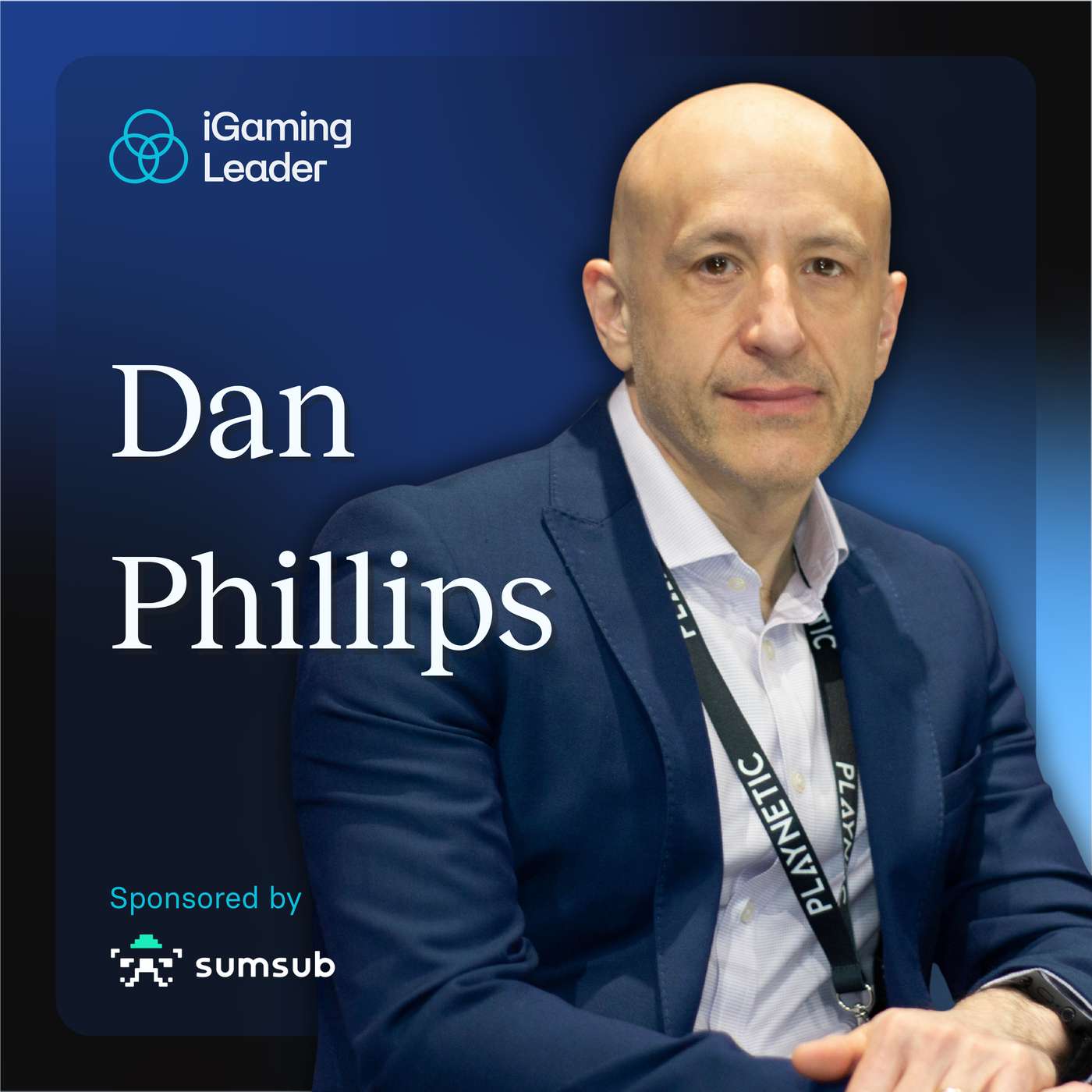
30 Years In iGaming: From Casino Dealer to £2BN CEO
Apr 2500:41:40Tap to summarizeIn this episode of the iGaming Leader Podcast, Leo Judkins sits down with Dan Phillips, a 30-year veteran of the industry who started his career as a trainee dealer in a Soho basement and rose to run a £2 billion turnover business. Dan shares the "no-bullshit" reality of leadership, from the gut-wrenching moment his biggest client walked away during his first week as a CEO to the complex ethics of managing global redundancies.The conversation dives deep into the specific decisions that shape a career: why the "invincibility of youth" can be a leader's greatest asset and its biggest risk, the strategic necessity of admitting when you don't have the answer, and how to spot "wingers" in your organisation. Whether you are leading a team of five or an organisation of 700, Dan’s insights on "customer-first" leadership and the "50/25/25" framework of team commitment offer a masterclass in operational excellence.Guest BioOver three decades, Dan has built a distinguished career that has taken him from the casino floor in London to senior executive positions within some of the world’s leading regulated betting and gaming organisations. His experience spans online, retail, and social gaming across both B2B and B2C sectors, establishing him as a respected figure in the global gaming industry. Before joining Playnetic in 2023 as CEO and subsequently as a Non-Executive Director, Dan held a series of Director, Vice President, and C-level roles with major groups including Playtech and what is now the Entain Group. In these positions, he oversaw end-to-end product, service, and operational portfolios, managing large-scale teams and P&Ls while driving innovation, regulatory compliance, and expansion into new markets. Alongside his corporate leadership, Dan acts as a trusted adviser to a range of global Tier 1 operators and SMEs, leading initiatives across sports betting, iGaming and casino operations, technology, regulation, product & people development, M&A, and market entry strategies. Key Topics Discussed00:00 – Intro03:00 – Learnings from the casino floor.06:00 – The llack of self-exclusion tools and building early operations.09:00 – Launching mobile bingo for the iPad when the market was uncertain.12:00 – How to challenge experts when the pit of your stomach says something is wrong.15:00 – Losing Betfair in week one and boosting business value through hard cuts.19:00 – Imposter Syndrome at the top: Managing the "loneliness" and infallibility of leadership.24:00 – The people you have are the people you need.34:00 – The 50/25/25 Rule: you will never get 100% of people on board.38:00 – The Power of "No": turning down deals is a leadership superpower.Memorable Quotes["I don't know is powerful. I would rather someone says, 'no, I don't know. Here's how I'm gonna find out.'"]["It's kind of lonely at the top. There's still a feeling that as the leader of any business, you are kind of infallible. People look up to you and you struggle with that."]["I hate surprises. If you don't know, tell me—it's not a problem."]["I’ve done a number of commercial deals by saying no 10 times until it becomes yes."]Key TakeawaysAdmit Your Limitations Early: The most dangerous leaders are those who "wing it." Admitting you don't know something builds trust and allows you to seek expert advice to make better decisions.The Reputation of an Exit: Even in a crisis, managing a transition professionally (as Dan did with Betfair) preserves long-term industry reputation, which is more valuable than any single deal.Stop Trying to Get 100% Alignment: Use the 50/25/25 framework: 50% are with you, 25% go with the flow, and 25% focus on themselves. As long as they aren't disruptive, focus on moving the 75% forward.Hire for the Pivot: In a fast-moving industry like iGaming, you need a mix of people who can handle sudden strategic shifts (e.g., Flash to HTML5) without dragging their heels.The Strength of Non-Creativity: Recognising you are an "operator" rather than a "visionary" allows you to surround yourself with the right creative mix to balance the business.Important LinksFollow Dan Phillips on LinkedIn: https://www.linkedin.com/in/dan-phillips-nel/Follow Leo Judkins on LinkedIn: https://www.linkedin.com/in/leo-judkins/Subscribe to the iGaming Leader newsletter: https://www.igamingleader.com/signupJoin the iGaming Leader Mastermind: https://www.igamingleader.com/This episode is sponsored by Sumsub, the leading identity verification provider for iGaming operators. Learn more at https://sumsub.link/8gu
Transcribe →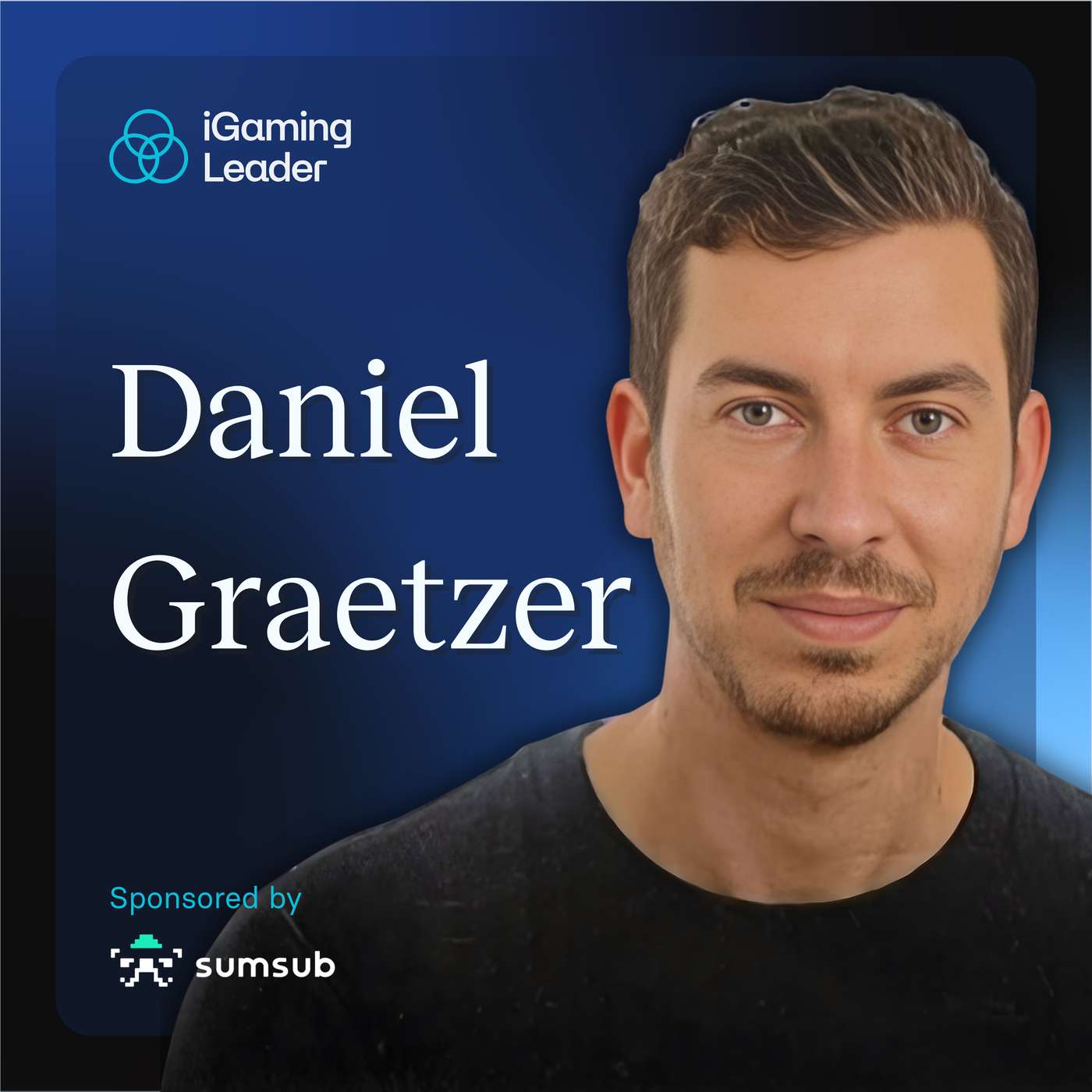
Founder Mode: Whatever it takes to get the job done
Apr 100:47:28Tap to summarizeIn this episode of the iGaming Leader Podcast, Leo sits down with Daniel Graetzer, the former CEO and Founder of MaximBet and Carousel Group. Dan shares a raw, unfiltered account of the "tumbleweed effect" that comes with rapid scaling, eye-watering valuations, and the immense pressure of managing a high-profile brand in the US market.The conversation explores the "staring into the abyss" reality of leadership, the critical distinction between Founder Mode and Manager Mode, and the high price of isolation. Guest BioDaniel Graetzer has spent the past two decades working across the full company journey, from building and scaling businesses to transactions, restructurings and exits, across tech, AI, iGaming and digital media. Over that time, he has led strategy, M&A, commercial growth and international expansion across Europe, the US, LatAm and Australia. He has worked with founders, operators and investors through growth phases, complex deals and high-pressure strategic decisions. Today, his focus is on advisory work, investing and supporting early-stage companies.Key Topics Discussed00:00 - Raising money is just the start, not the celebration04:00 - Sustainable High Performance07:30 - Burnout and the "too little, too late" reality check10:30 - Pivot to MaximBet and Nicki Minaj14:00 - The $250M valuation that felt like a "momentum trap"17:30 - Bullishness vs. Kidding Yourself22:00 - How stress clouds strategic lateral thinking26:00 - Empathy vs. Sympathy in the executive suite30:00 - Stoicism and Values34:00 - Mindfulness for High Performers39:00 - Founder Mode vs. Manager ModeMemorable Quotes"I don't think people should celebrate raising money... it's actually just the start of the next step.""Owning a business is like staring into the abyss while eating glass.""The train just kept getting bigger... the stakes were bigger... and at some point the macro started really going against the growth story.""Founder mode says: results over process any day of the week.""Mindfulness has had a really bad CMO."Key TakeawaysRaising Money is a Responsibility, Not a Win: Celebrating a fundraise can distract from the fact that anxiety and investor demands start the moment the cheque is cut.Founder Mode vs. Manager Mode: The traditional MBA paradigm of "hiring good people and getting out of the way" can be fatal for early-stage companies; founders must stay close to the truth of the business.The High Cost of Isolation: High-performers often avoid burdening family or friends with complex corporate problems, making professional support and mastermind groups essential.Reframing Mindfulness: Tools like breathing exercises and journaling shouldn't be seen as ways to "disconnect," but as biological "power-ups" to sustain elite executive performance.Decision Quality Erosion: Chronic stress narrows a leader's perspective into binary choices; maintaining a "cool head" is a requirement for creative, lateral problem-solving.Follow Daniel Graetzer:https://www.linkedin.com/in/graetzer/https://newtonlorenz.com/Follow Leo Judkins on LinkedIn: https://www.linkedin.com/in/leo-judkins/Subscribe to the iGaming Leader newsletter: https://www.igamingleader.com/signupJoin the iGaming Leader Mastermind: https://www.igamingleader.com/This episode is sponsored by Sumsub, the leading identity verification provider for iGaming operators. Learn more at https://sumsub.link/8gu
Transcribe →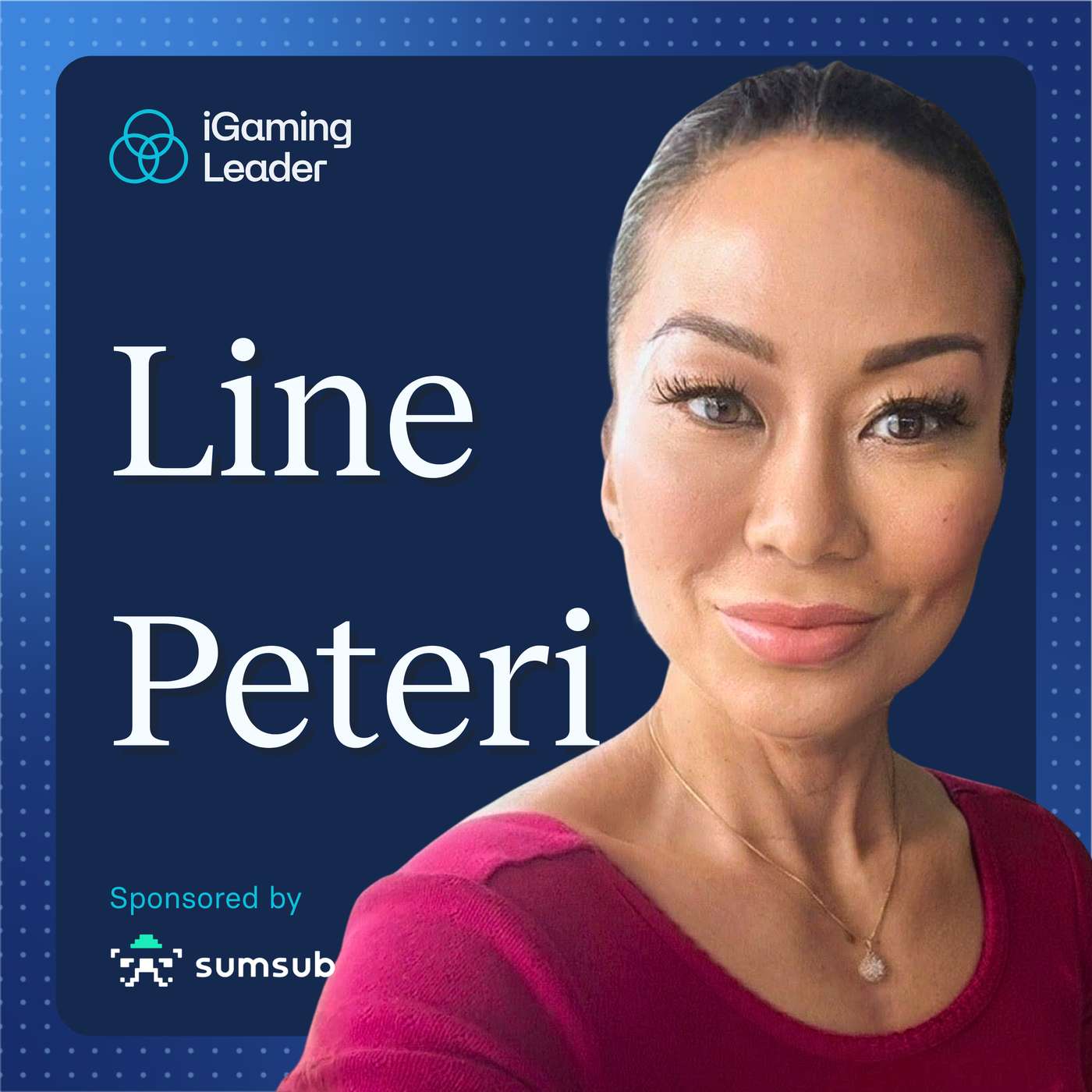
I Can Survive Anything: Cancer, Career, and Cutting the Bullshit with Line Peteri
Mar 2500:37:53Tap to summarizeIn this episode of the iGaming Leader Podcast, Leo sits down with Line Peteri, a powerhouse leader who has scaled teams across tech, fashion, and iGaming. Line shares her raw, unfiltered journey of building a career since age 17, only to be reduced by others to her appearance, her relationships, and her health.She calls out the "fake bullshit" in the industry, discusses the isolation of being a high-achieving woman in her 20s, and explains why she refuses to compromise her values for a title.Guest BioLine Peteri is VP - Strategic Partnerships at ATFX, operating at the intersection of performance, regulation, and global expansion in the financial trading industry. With a background in scaling brands, including co founding and growing roccamore, she brings a commercial, data driven approach to leadership and customer acquisition. Alongside her corporate role, she advises start ups on growth strategy and sustainable performance. A HYROX endurance athlete and cancer survivor, Line speaks on resilience, high performance mindset, and leading with clarity under pressure.Key Topics Discussed00:00 – Line calls out all the BS on Linkedin05:30 – Being known as "the girlfriend" despite a 10-year career.10:00 – Being dismissed at business school.11:30 – Incurable Cancer diagnosis at age 3014:00 – A 7-minute run led to a half-marathon and a shoe company.16:00 – Why very little can throw Line off her game now.19:00 – Line hires people to eventually replace her.21:00 – Resigning when the company wouldn't allow her to protect her team.25:30 – The Political Gap: being liked by your team isn't enough.28:00 – Fluff and BS33:00 – Why Line refuses to accept "Female Leader" awards.35:00 – Advice to her 20s: "Don't give a fuck" and stop trying to blend in with the furniture.Memorable Quotes"I can survive cancer, I can survive anything. Even when I meet an asshole... I just think: you could just fuck off.""I am very honest and I'm very direct... I don't really filter things. I think there's a lot of fake things going on.""The more you begin to compromise your values, the less they become.""If you wanna blend in with the furniture, yes, that’s what you can do. But you know what? Show yourself.""Everything you learn, you learn on the way down."Follow Line on LinkedIn: https://www.linkedin.com/in/linepeteri/Follow Leo on LinkedIn: https://www.linkedin.com/in/leo-judkins/Subscribe to the iGaming Leader newsletter: https://www.igamingleader.com/signupJoin the iGaming Leader Mastermind: https://www.igamingleader.com/This episode is sponsored by Sumsub, the leading identity verification provider for iGaming operators. Learn more at https://sumsub.link/8gu
Transcribe →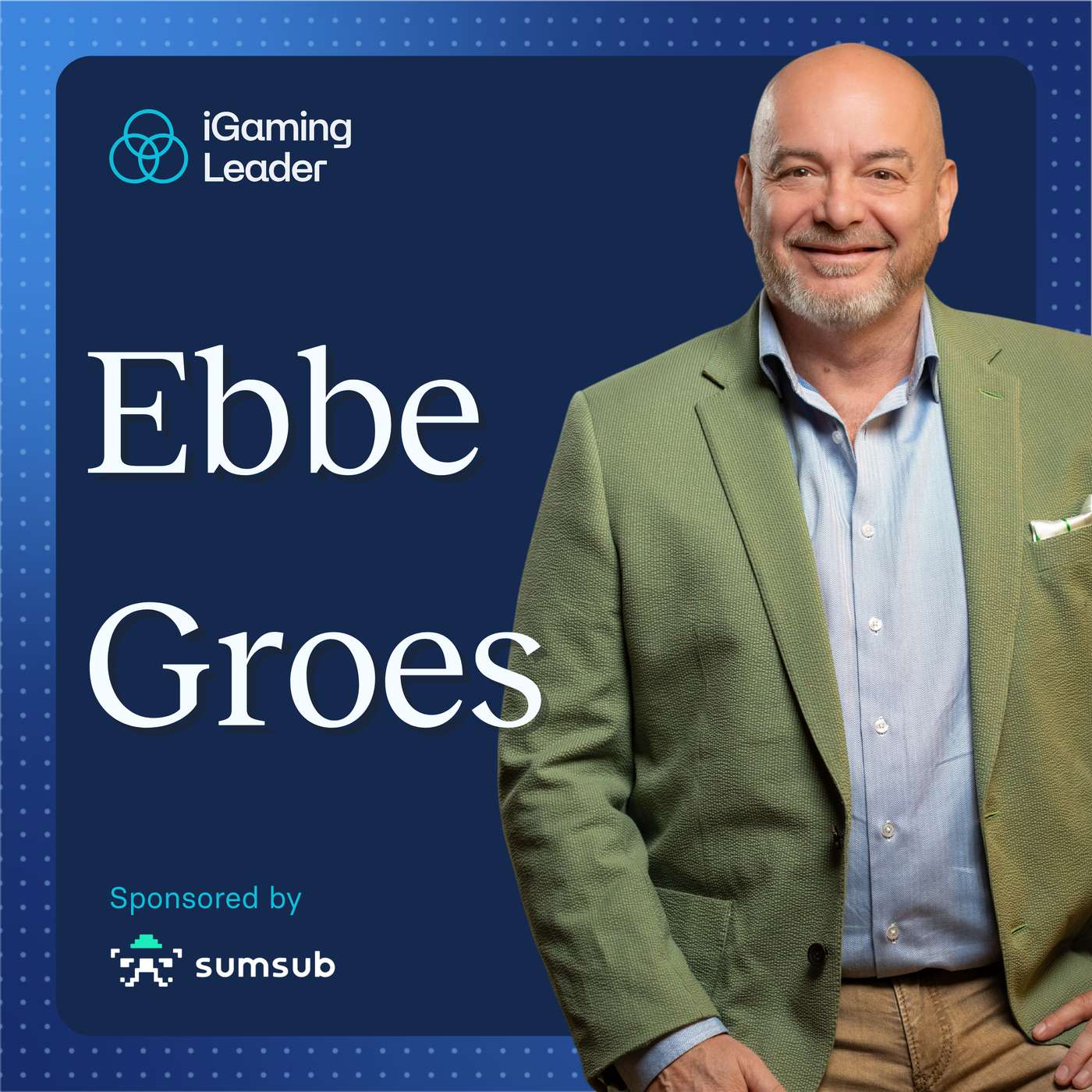
Stop Fighting Alone: The Secret to Startup Survival
Mar 1400:39:49Tap to summarizeIn this episode of the iGaming Leader Podcast, Leo Judkins sits down with Ebbe Groes, the co-founder and CEO of EveryMatrix. From a garage in 2008 to building the world’s largest casino aggregation platform, Ebbe has navigated the brutal realities of scaling a B2B giant without the "fuel" of massive venture capital.Ebbe shares the high-stakes decisions of EveryMatrix’s "survival" era between 2015 and 2017, where the company nearly ran out of cash and the team took massive salary cuts to keep the dream alive. He pulls back the curtain on why he ringing a literal bell in meetings to keep efficiency high, the "law of large numbers" that makes VCs dangerous for founders, and why his recent decision to bring his brother in as co-CEO is about building a multigenerational legacy.GUEST BIOCo-founder & CEO, EveryMatrixEbbe Groes is a seasoned technology entrepreneur with a PhD in Economics and a proven track record of scaling software startups. Since co-founding EveryMatrix in 2008, he has transformed a bootstrapped venture into a leading global B2B iGaming provider that remains debt-free and founder-controlled. With nearly two decades of experience in the sector, Ebbe is known for his sharp commercial focus on tier-one clients and his commitment to maintaining product agility through modular, independent business units.Key Topics Discussed00:00 – The VC calculation: Why investors push 60% of companies "down the drain"02:00 – From garage to global giant: The EveryMatrix origin story04:00 – Founder-led advantages: Fast decision-making vs. board bureaucracy06:30 – Identifying bottlenecks: your Outlook calendar is your best leadership gauge 09:00 – The 2015–2017 crisis and nearly running out of cash4:30 – Swapping salaries for equity during the lean years20:00 – Why EveryMatrix only raised $4.3M in 18 years25:00 – Watching your business dreams get taken by VCs28:00 – The luxury of "No": Segmenting clients into Gold, Silver, and Bronze32:30 – Co-CEO Strategy: Bringing in family to build a 100-year business37:00 – "Chop, Chop": Removing people who aren't in the fight with youMemorable Quotes"The key thing to understand about VCs is that they do their calculations on large numbers... they're going to push and accelerate to see if you belong to the 60% that go down the drain.""Suddenly the founders... their dreams are shut to pieces and they own 10% of the company. There's nothing fun about it. You feel then cheated from your own dreams.""It's important that you surround yourself with also people that think like you and you don't feel, 'oh, I'm alone in fighting this battle.'""If there's some founder in a similar situation... and he feels that some people are not with him... then, you know, here's your chance to get rid of them... So chop, chop."Key TakeawaysThe "Fuel" Trap: Venture capital often accelerates a company toward a "hit or fail" binary outcome. Founders who take too many rounds often end up as "passengers" in a company they no longer own or recognise.Modular Agility: Splitting a large organisation into independent business units with their own P&Ls prevents management bottlenecks and allows each product to compete as a specialist in the market.Transparency in Crisis: During the 2015 cash crunch, EveryMatrix survived by being radical about cost-cutting and transparent with staff, eventually converting reduced salaries into high-value equity.The Power of "No": Taking the wrong clients creates "opportunity cost" and disrupts your roadmap. Segmenting clients and being willing to cut off distracting revenue streams is essential for long-term scalability.Succession as Legacy: Bringing in a Co-CEO isn't just about bandwidth; it's about shifting from a "trade sale" mindset to a multi-generational, family-owned philosophy that preserves the company’s DNA.Follow Ebbe Groes on LinkedIn: https://www.linkedin.com/in/ebbe-groes/Follow Leo Judkins on LinkedIn: https://www.linkedin.com/in/leo-judkins/Subscribe to the iGaming Leader newsletter: https://www.igamingleader.com/signupJoin the iGaming Leader Mastermind: https://www.igamingleader.com/This episode is sponsored by Sumsub, the leading identity verification provider for iGaming operators. Learn more at https://sumsub.link/8gu
Transcribe →