← The Indicator from Planet Money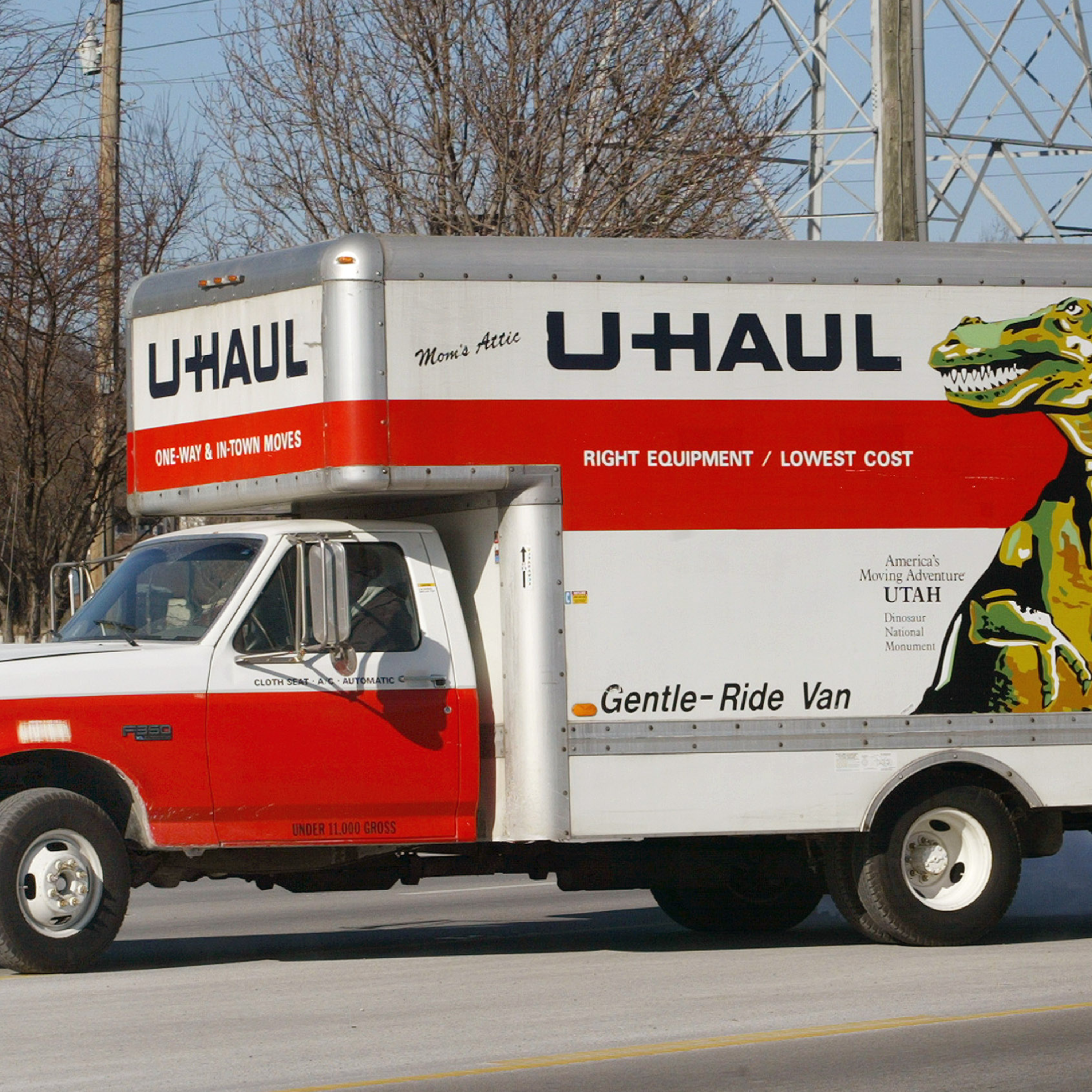
Loading summary
Transcript60 lines
- [00:00]
Waylon Wong
Hey, it's Waylon Wong. We're almost at the end of 2025. It's been a tough year for NPR and local stations. But despite the loss of federal funding for public media, despite attacks on the free press, we're still here for you. With your support, NPR will keep reporting the news. And here at THE Indicator, we'll keep explaining how the economy affects your life at home, at work, in your community and around the world. And of course, we'll do it in about 10 minutes every weekday. If you're already an NPR supporter, thank you so much. We see you and we're so grateful for you. If not, please join the community of public radio supporters right now before the end of the year at plus.npr.org Signing up unlocks a bunch of perks like bonus episodes and more from across NPR's podcasts. Plus, you get to feel good about supporting public media while you listen. Visit plus.NPR.org today.
- [00:57]
Stephen Bissaha
Thanks. Happy New Year from THE Indicator. We have been running some of our favorite shows from the past year. Today's episode explores why Americans are moving less for work than they used to. We'll be back with a fresh episode of THE INDICATOR this Friday.
- [01:14]
Urvinila Kantan
NPR.
- [01:25]
Waylon Wong
This is the Indicator from Planet Money. I'm Wayland Wong, and I'm here with friend of the show Stephen Bissaha from the Gulf States newsroom.
- [01:32]
Stephen Bissaha
It is good to be with you, Waylon. And you know, we're usually looking at the overall jobs picture on the show, but after the government shut down for 43 days this fall, we've had a less than clear picture of where things stand.
- [01:45]
Waylon Wong
True, we've had to turn to the private sector, which has less comprehensive jobs data than the Bureau of Labor Statistics, but at least they've been releasing them on time. For example, we have Revelio Lab, which tracks workforce data.
- [01:58]
Stephen Bissaha
Yeah, and Revelio's report also looks at state employment. And there's some pretty big differences depending on where you live. Like California gained about 25,000 jobs in September, while Texas lost 10,000. So with some parts of the country being more boom and others being more bust, you might imagine Americans packing up the U Haul and chasing down those opportunities across state lines.
- [02:22]
Waylon Wong
But that's actually not happening, at least not as much as it used to. In fact, we're in the era of homebodies. Americans are moving at around half the rate they were 30 years ago.
- [02:32]
Stephen Bissaha
So on today's show, why are Americans moving at a record low and how that's related to women getting better pay plus a trip to Huntsville, Alabama. We'll explain why after the break.
- [02:45]
Sponsor/Advertisement Voice
This message comes from Amnesty International. When the world is breaking apart, but you refuse to look away, Amnesty International is the place to start. Donate today to defend human Rights and your gift will be matched@amnestyusa.org podcast this message comes from the Council for Interior Design Qualification Interior designer and CIDQ President Siyavash Madani describes the rigor of NCIDQ certification.
- [03:13]
Stephen Bissaha
An NCIDQ certified interior designer must complete a minimum of six years of specialized education and work experience. Being NCIDQ certified means that you've proven your knowledge and skills and are recognized as a qualified interior design professional.
- [03:28]
Sponsor/Advertisement Voice
Learn more@cidq.org NPR this message comes from Mint Mobile. Starting at $15 a month, make the switch@mintmobile.com Switch $45 upfront payment for 3 months 5 gigabyte plan equivalent to $15 a month. Taxes and fees extra first 3 months only see terms if there's one thing.
- [03:51]
Stephen Bissaha
You should know about Huntsville, Alabama, it's sort of this federal workforce mecca in the south, especially when it comes to defense and space.
- [03:59]
Waylon Wong
It's the city that designed the Saturn V rockets that put the first man on the moon. And in more recent decades, tons of federal jobs and offices have moved to the city, like the Army Materiel Command, the Missile Defense Agency, and more than a thousand FBI jobs.
- [04:15]
Stephen Bissaha
Now that does not mean all those moves went smoothly, like in 2018. At the time, the FBI's Finance and Facilities Division was based in D.C. the agency called in all of its roughly 100 workers from that division into an auditorium to share the news. Sharondaware was working in D.C. at the time.
- [04:33]
Sharonda Ware
You know how they have these town halls and you know, there have been people lately who've been kind of like throwing rotten tomatoes, like, just really like Rama. That was what that was like.
- [04:42]
Waylon Wong
So metaphorical tomatoes. But I can imagine the anger.
- [04:45]
Stephen Bissaha
Yeah, they would not have to be told they had to leave D.C. for Alabama.
- [04:50]
Sharonda Ware
And some people was like, no, I'm not, You know, and then there was some anger and there's some people who resigned.
- [04:55]
Stephen Bissaha
Sharonda personally was concerned about Alabama's long history and reputation when it comes to.
- [05:00]
Sharonda Ware
Race, you know, especially as a black woman, is this going to be a danger for my family or myself?
- [05:07]
Waylon Wong
And for some workers, moving was just impossible.
- [05:10]
Sharonda Ware
Some people had, you know, shared custody arrangements, elderly parents. They were taken care of. There were just reasons why they couldn't do it.
- [05:17]
Stephen Bissaha
Do you know, like the percent of your division that decided to move to.
- [05:21]
Sharonda Ware
Huntsville if I were to guess, like, only 10% moved.
- [05:25]
Stephen Bissaha
Oh, that's small.
- [05:27]
Sharonda Ware
Yeah, it was.
- [05:28]
Waylon Wong
That 10% number matches what the FBI told us in an email. About 10 to 30% of its staff in the past agreed to relocate to Huntsville.
- [05:37]
Stephen Bissaha
And this concern about people not relocating popped up again for Huntsville. President Trump announced he's moving Space Command there from Colorado Springs. Space Command's job is coordinating military operations in space, like defending US Satellites from attack.
- [05:53]
Waylon Wong
The move to Huntsville has been talked about for years, and you can see those relocation worries in a report this year from the Defense Department Inspector General. It showed that command leadership worried a majority of its 1,000 civilian workers, contractors and reservists might not relocate to Alabama.
- [06:10]
Stephen Bissaha
And before you think this is all about workers rejecting the south, it is not. American workers across the country have become more and more reluctant to move across state lines over the last 30 years.
- [06:21]
Waylon Wong
Urvinila Kantan is a senior policy economist with the Federal Reserve bank of Richmond. She co authored a brief about this moving decline. And she says she got interested in this topic because moving away has always been a big part of the American story.
- [06:36]
Urvinila Kantan
We just stopped seeing that, like such a traditional part of the life cycle is not happening anymore. And we really wanted to know why.
- [06:44]
Stephen Bissaha
Depending on how you count, I think I've moved at least three times to different states for work.
- [06:48]
Waylon Wong
I have two, and one of those was international.
- [06:51]
Stephen Bissaha
Oh, you got me beat then.
- [06:52]
Waylon Wong
But this was all like in my 20s before I had, you know, obligations that were tying me to a specific place, you know.
- [06:58]
Stephen Bissaha
Yeah, that does help. And, you know, Irving's research did come up with a few reasons for the moving drop. One is that Americans have basically been more and more often sticking to certain parts of the country based on things like industry and education, like college. Grads are more likely to stay in cities. Tech Bros Are hanging out in the Bay Area. And Huntsville has been this gathering spot for engineers.
- [07:20]
Waylon Wong
You can also say the US is more politically sorted, too. A realtor.com survey found that over 40% of Americans said politics influence where they decide to live. And we've talked on the show before about how medical students, for example, are choosing not to apply for residencies in states with abortion restrictions.
- [07:39]
Stephen Bissaha
Another surprise reason Irvey gives for Americans staying put is that women are working more. Which might sound like a weird explanation, but hear us out and imagine a husband and a wife. Husband works outside the house, wife stays home.
- [07:53]
Urvinila Kantan
So a moving decision based on work is only based on one spouse's job. Now imagine that there are more women in the workplace. So now it's a two body problem.
- [08:02]
Waylon Wong
And there are more marriages where both partners are working. That means moving for one person's career might mean the other person having to give up their own. That is not an easy decision. So it makes sense those couples would be less likely to move.
- [08:16]
Stephen Bissaha
It is a bit easier if one partner makes a lot more than the other. But that just leads us to another reason for the moving drop. The gender pay gap is closing.
- [08:26]
Waylon Wong
The big caveat here is that median wages for women are still about 85% of what men get paid. But yes, that is better than in the 90s when it was more like 75%.
- [08:37]
Stephen Bissaha
And if both parents are making similar salaries, how do you pick whose career gets prioritized? Might be easier just to stay put. And this all gets more complicated when you add a kid to the equation. I mean, you might want to stick close to the grandparents for that childcare support if both parents are working.
- [08:52]
Waylon Wong
So there's a lot on the con side of the moving decision list. And Orvi says there are also fewer pros too, because when comparing similar jobs across different places, there isn't as much of a difference as there used to be.
- [09:05]
Urvinila Kantan
There's less regional variation in wages and salaries.
- [09:09]
Waylon Wong
Although, yes, New Yorkers still make a lot more on average than workers in Birmingham, Alabama.
- [09:14]
Stephen Bissaha
Hey, though, we do have better crawfish boils.
- [09:16]
Waylon Wong
Oh, you do have New Yorkers beat there. But generally, Orvi points to research that says when comparing similar jobs between states, the salary gap has been shrinking.
- [09:26]
Urvinila Kantan
It used to be that people would throng to places where prospects were better, but as places get more, even then, there's less of a pull, you know, to move to better opportunities. Because now you can get good jobs at where you live right now.
- [09:41]
Waylon Wong
There's also something interesting going on with remote work. You might remember a bunch of people moving because they had remote work possibilities in 2021. Now, today, people with flexible work arrangements can take a new job and stay put.
- [09:55]
Stephen Bissaha
Of course, some people are still moving today, even if they're doing it less.
- [09:59]
Waylon Wong
Yeah. So let's go back to Huntsville. The city is growing fast, and a big part of that is it's still relatively affordable. According to WalletHub, housing costs are about 30% lower than in Colorado Springs. That's where Space Command is moving from.
- [10:13]
Stephen Bissaha
And remember Sharonda Ware, the FBI worker who was told she needs to leave D.C. for Huntsville? Well, she ended up making that move. She still has some concerns about racism in Alabama, but she was won over by the state's beautiful rivers and mountains and, and its culture.
- [10:30]
Sharonda Ware
To me, I feel like people are more willing to be like, good morning, you know, how are you? Oh, it's raining out there. You know, just being able to talk to other people, that's my, that's how I am. So I just love to be able to do that with other people, too.
- [10:42]
Stephen Bissaha
So that Southern hospitality got to you. Sharonda is no longer with the FBI. She took part in that federal deferred resignation program at the start of the year, and she's deciding with her husband what they're going to do next. One thing that's not in the cards is moving again. Huntsville is home.
- [11:02]
Waylon Wong
This episode was produced by Julia Ritchie and engineered by Sina Lofredo. It was fact checked by Corey Bridges. Cake and Cannon is our show's editor and the indicator is a production of npr.
- [11:15]
Sponsor/Advertisement Voice
Support for NPR and the following message come from Rosetta Stone. The perfect app to achieve your language learning goals. No matter how busy your schedule gets, it's designed to maximize study time with immersive 10 minute lessons and audio practice for your commute. Plus tailor your learning plan for specific objectives like travel. Get Rosetta Stone's lifetime membership for 50% off and unlimited access to 25 language courses. Learn more at rosettastone.com NPR this message.
- [11:44]
Comes from Mint Mobile. At Mint Mobile, their favorite word is no. No contracts, no monthly bills, no hidden fees. Plans start at $15 a month. Make the switch@mintmobile.com Switch that's mintmobile.com Switch upfront payment of $45 for 3 month 5GB plan required, equivalent to $15 a month new customer offer for first 3 months only, then full price plan options available, taxes and fees extra. See Mint Mobile for details. This message comes from instacart. It's Sunday, 5:00pm you had a non stop weekend. You're running on empty and so is your fridge. You're in the trenches of the Sunday scaries. You don't have it in you to go to the store, but this is your reminder you don't have to. You can get everything you need delivered through Instacart so that you can get what you really need. More time to do whatever you want. Instacart for one less Sunday. Scary.