Podcast
The Intelligence from The Economist
Hosted by The Economist · EN
Join Jason Palmer and Rosie Blau for noise-cancelling news and analysis from The Economist's global network of correspondents. Every weekday this award-winning podcast picks three stories shaping your world—the big shifts in politics, business and culture, plus things you never knew you needed to know. On Saturdays, download The Weekend Intelligence to dive deep into a single story, vividly told.
If you’re already a subscriber to The Economist, you’ll have full access to all our shows as part of your subscription.
For more information about Economist Podcasts+, including how to get access, please visit our FAQs page at https://myaccount.economist.com/s/article/What-is-Economist-Podcasts
Hosted on Acast. See acast.com/privacy for more information.
146episodes
Episodes
Newest firstAll episodes
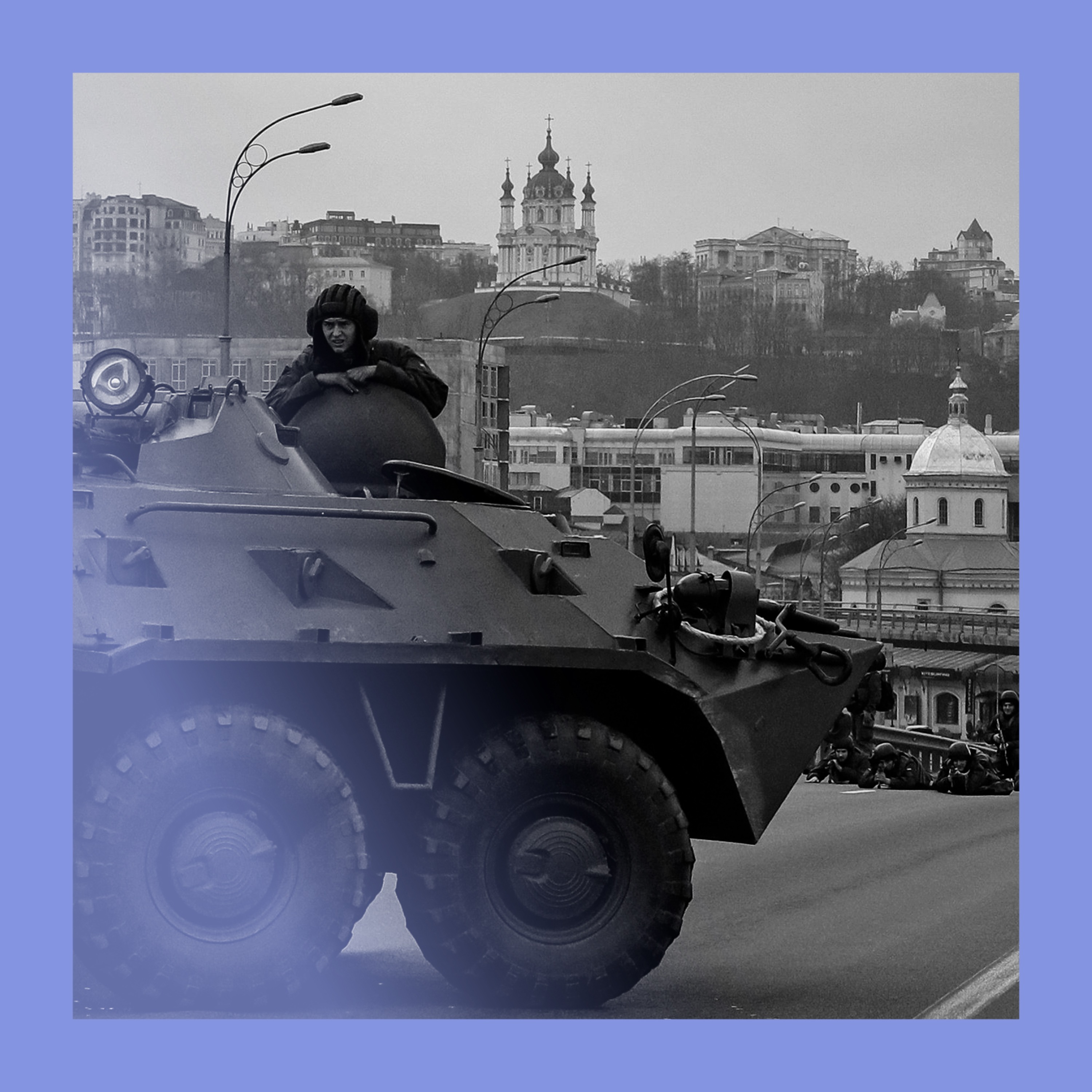
A world-changing war: four years in Ukraine
Feb 2400:21:04Tap to summarizeOn the fourth anniversary of a war that many predicted would last mere days, much has changed—even beyond the unthinkable misery in Ukraine itself. Alliances have weakened, Europe is rearming like never before and the very nature of modern war has been redefined. Our correspondents take stock and consider what kind of peace is even possible. Guests and host:Edward Carr, deputy editorOliver Carroll, Ukraine correspondentShashank Joshi, defence editorJason Palmer, co-host of “The Intelligence”Topics covered: war in Ukraine, Russia, defence, diplomacyGet a world of insights by subscribing to Economist Podcasts+. For more information about how to access Economist Podcasts+, please visit our FAQs page or watch our video explaining how to link your account. Hosted on Acast. See acast.com/privacy for more information.
Transcribe →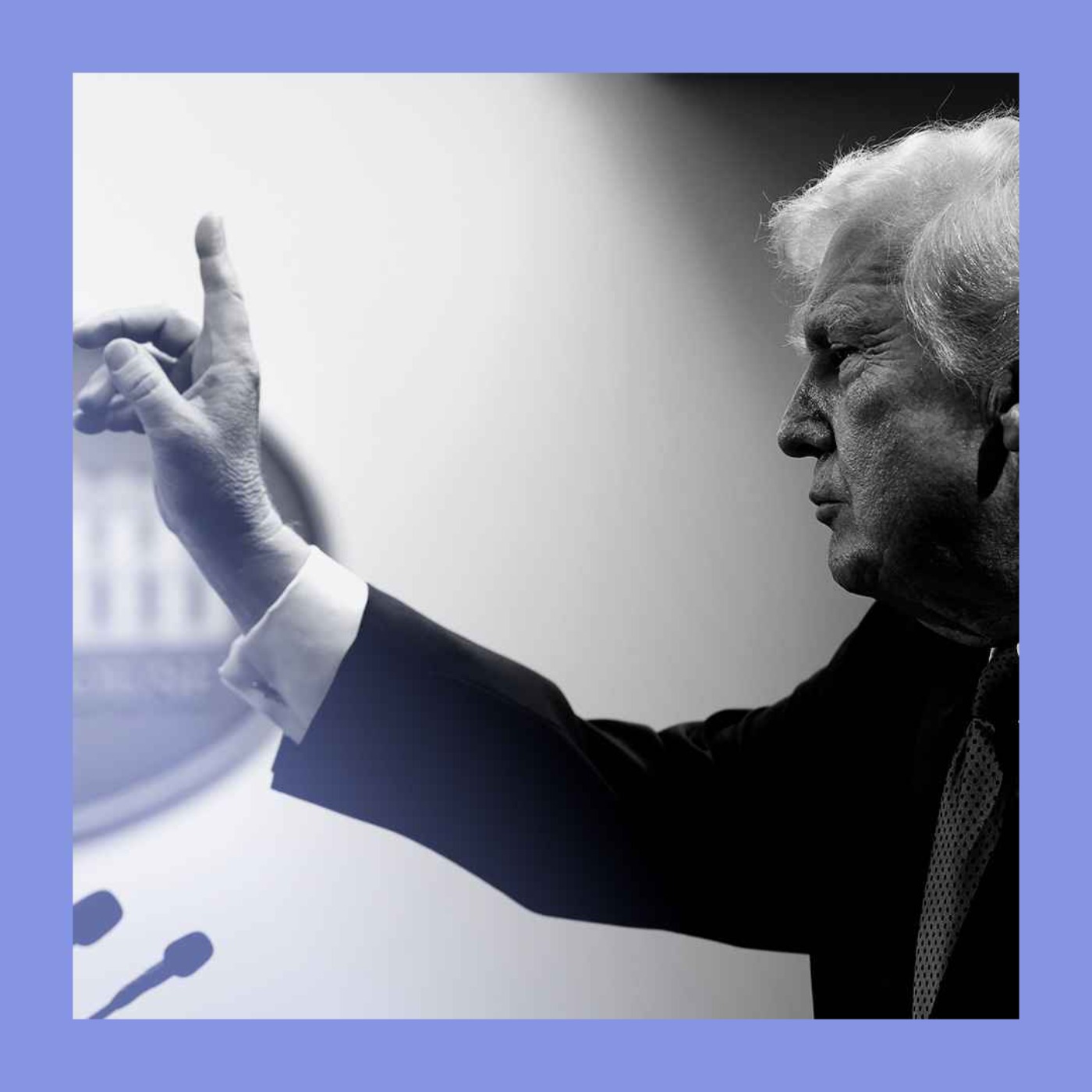
When the levy brakes: Trump’s tariffs struck down
Feb 2300:21:14Tap to summarizeThe smackdown by America’s Supreme Court was resounding: the bulk of Donald Trump’s tariffs were instituted illegally. He will try to rebuild his tariff wall, brick by brick—creating a new crop of winners and losers. Australia’s surging One Nation party threatens a conservative coalition that was already looking slightly shaky. And why Agatha Christie’s prolific output is so enduringly popular.Guests and host:Rachana Shanbhogue, business-affairs editorAaron Connelly, Asia diplomatic editorJon Fasman, senior culture correspondentJason Palmer, co-host of “The Intelligence”Topics covered: America’s Supreme Court, Donald Trump, tariffsAustralian politics, Pauline HansonAgatha ChristieGet a world of insights by subscribing to Economist Podcasts+. For more information about how to access Economist Podcasts+, please visit our FAQs page or watch our video explaining how to link your account. Hosted on Acast. See acast.com/privacy for more information.
Transcribe →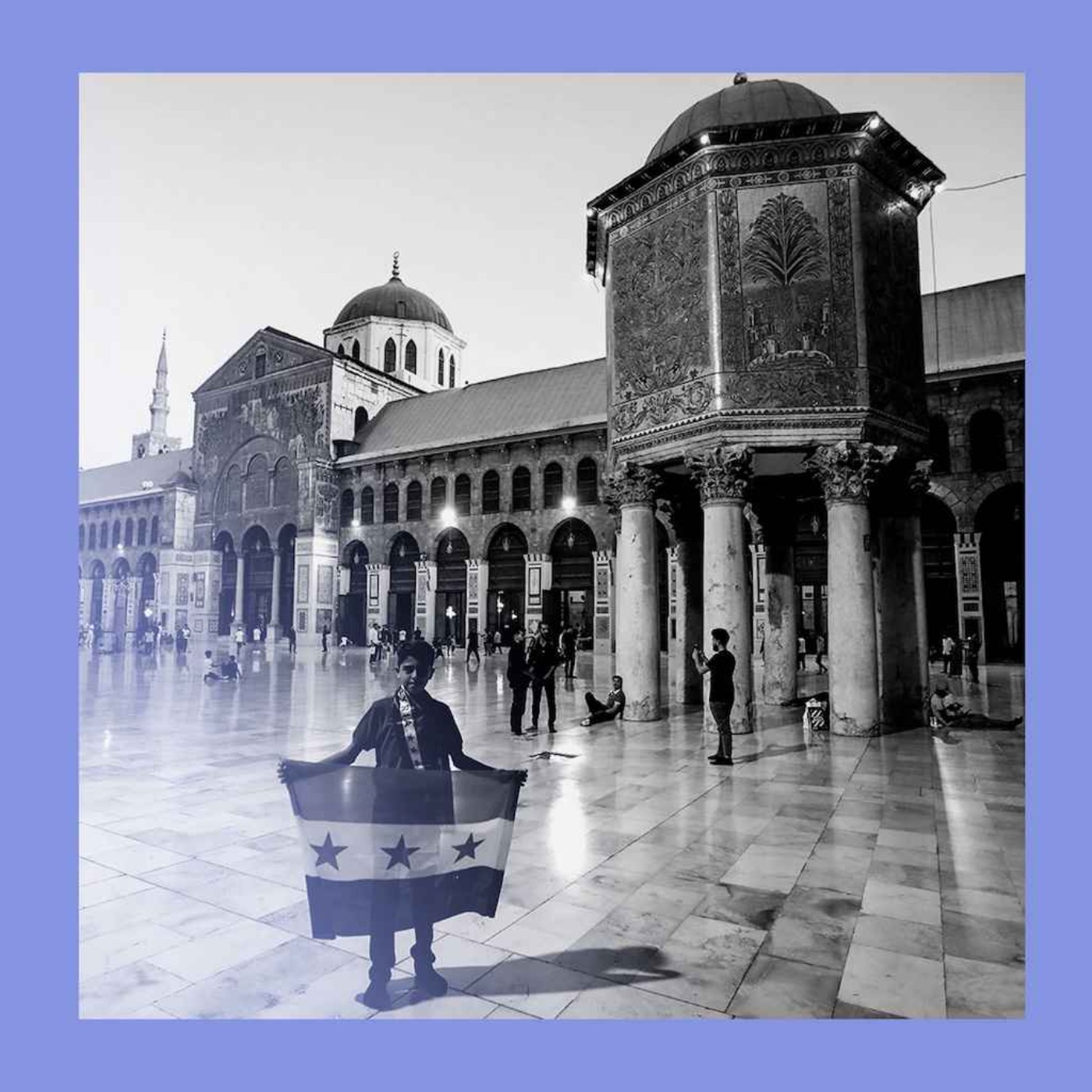
Country of the year: The Economist’s pick for 2025
Dec 19Tap to summarizeEach year, The Economist tries to identify which country has improved the most, whether economically, politically or in other ways. In a turbulent year, the choice was tricky. We unveil the result. And The Economist Educational Foundation helps kids worldwide be more news-savvy. We invite you to donate and support its work: https://economistfoundation.org/donate/.Listen to what matters most, from global politics and business to science and technology—Subscribe to Economist Podcasts+For more information about how to access Economist Podcasts+, please visit our FAQs page or watch our video explaining how to link your account. Hosted on Acast. See acast.com/privacy for more information.
Transcribe →
Scam Inc 3: The bottom line
Feb 8, 2025Tap to summarizeHow do you run a scam operation? Perks, recruitment, outsourcing and a monthly landscaping budget—this is Scam Inc. To listen to the full series, subscribe to Economist Podcasts+. If you’re already a subscriber to The Economist, you have full access to all our shows as part of your subscription. For more information about how to access Economist Podcasts+, please visit our FAQs page or watch our video explaining how to link your account. Hosted on Acast. See acast.com/privacy for more information.
Transcribe →
Three presidents and counting: South Korea
Jan 2, 202500:21:54Tap to summarizeThe country is on its third president in as many weeks—a deep political crisis only made worse by the most deadly air disaster in South Korean history. A change to how Brazil’s football teams are run has lured investment galore, making for a potential rival to England’s top league (9:49). And why movie studios are so keen on plumbing video-game franchises (16:59).Get a world of insights by subscribing to Economist Podcasts+. For more information about how to access Economist Podcasts+, please visit our FAQs page or watch our video explaining how to link your account.
Transcribe →
Don’t mention the war: Russia’s internal tensions
Jan 1, 202500:22:09Tap to summarizeThere is no simplistic split of sentiment about Vladimir Putin’s war in Ukraine. But what most Russians want is a return to normal that now seems impossible. Our The World Ahead series continues with a look at what is to come in British politics (9:16). And the delicate business of handing out nicknames—for people and for brands (17:30).Get a world of insights by subscribing to Economist Podcasts+. For more information about how to access Economist Podcasts+, please visit our FAQs page or watch our video explaining how to link your account.
Transcribe →
Billions of voices heard: a year of elections
Dec 31, 202400:22:39Tap to summarizeIn some places, votes resulted in political chaos; in others they showed a promising shift away from identity politics. Our deputy editor looks back on 2024’s pile of polls. Looking ahead, we examine the Chinese cities that will come into their own in 2025 (11:36). And the changing economics of Poland’s traditional “milk bars” (16:29). Get a world of insights by subscribing to Economist Podcasts+. For more information about how to access Economist Podcasts+, please visit our FAQs page or watch our video explaining how to link your account.
Transcribe →
Of peanuts and principles: Jimmy Carter dies
Dec 30, 202400:27:51Tap to summarizeAfter a single term and a landslide loss to Ronald Reagan, Jimmy Carter’s presidency was judged unduly harshly. What matters, though, are the principles he held dear for all his 100 years. The first of our series The World Ahead outlines the big trends coming in 2025 (11:39). And a reading list for those who want to know how Elon Musk thinks (20:42). Get a world of insights by subscribing to Economist Podcasts+. For more information about how to access Economist Podcasts+, please visit our FAQs page or watch our video explaining how to link your account. Hosted on Acast. See acast.com/privacy for more information.
Transcribe →
Passing mentions: the notable lives lost in 2024
Dec 27, 202400:22:44Tap to summarizeFrom a legendary baseball slugger to a beloved comic actor, from Scottish politicians to America’s sex therapist to the leader of Russia’s resistance: our shows have marked the deaths of many noteworthy figures throughout 2024. Our obituaries editor and correspondents reflect on lives that changed the world—not all of them in good ways. Get a world of insights by subscribing to Economist Podcasts+. For more information about how to access Economist Podcasts+, please visit our FAQs page or watch our video explaining how to link your account.
Transcribe →
Tomes will tell: books that predict the future
Dec 26, 202400:36:05Tap to summarizeSome people read books to escape. Others turn to them for instruction. As the new year looms, our correspondents – and listeners – consider which titles can help forecast what’s coming next. Picks include “Rainbows End” by Vernor Vinge, “Nuclear War” by Annie Jacobsen, “Not the End of the World” by Hannah Richie and “Orbital” by Samantha Harvey. This is a full list of the books mentioned in the show:“Rainbow’s End, A Deepness in the Sky and A Fire upon the Deep” by Vernor Vinge“Ageless” by Andrew Steele“War” by Bob Woodward“Nuclear War: A Scenario” by Annie Jackobson“1984” by George Orwell“On Freedom and On Tyranny” by Timothy Snyder“A Psalm for the Wild-Built” by Becky Chambers“Qualityland” from Marc-Uwe Kling“Ministry of the Future” by Kim Stanley Robinson“Severance” by Ling Ma“Land of Milk and Money” by C Pam Zhang“The Broken Earth Trilogy” by NK Jemisin“Not the End of the World" by Hannah Ritchie“Orbital” by Samantha Harvey“The Heart is a Lonely Hunter” by Carson McCullers“Ancillary Justice” (The Imperial Rasch Series) by Ann Leckie“The Battle of Dorking” by Sir George Chesney“War of the Worlds" by HG WellsListen to what matters most, from global politics and business to science and technology—Subscribe to Economist Podcasts+For more information about how to access Economist Podcasts+, please visit our FAQs page or watch our video explaining how to link your account.
Transcribe →