← The Interface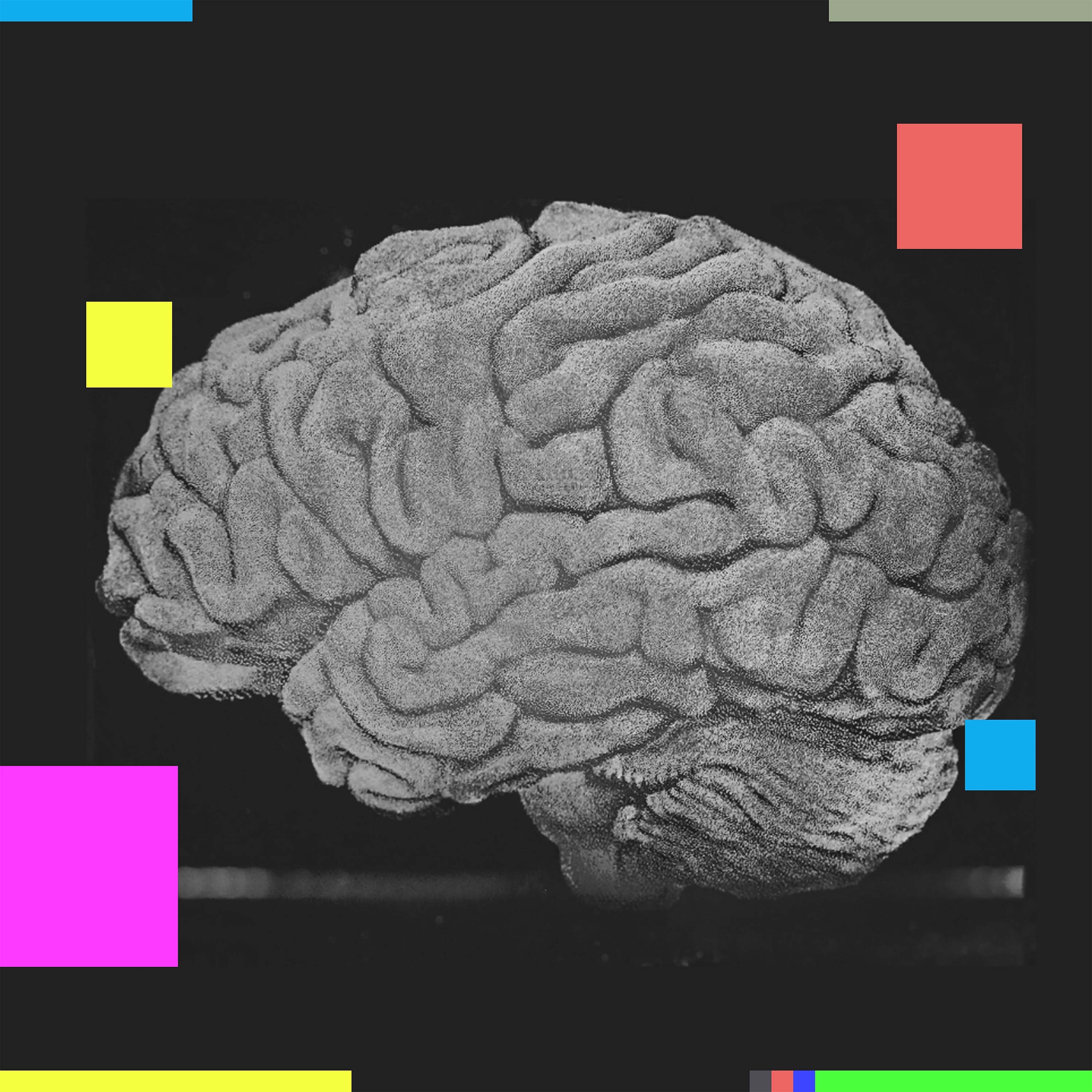
The Interface
Is Havana Syndrome really real?
00:35:42
Havana Syndrome, social media on trial, and the secrets of the AI Forum
Loading summary
Transcript114 lines
- [00:00]
Advertiser
This BBC podcast is supported by ads outside the UK.
- [00:06]
ServiceNow Representative
You don't need AI agents. Which may sound weird coming from ServiceNow, the leader in AI agents. The truth is, AI agents need you. Sure, they'll process, predict, even get work done autonomously, but they don't dream, read a room, rally a team. And they certainly don't have shower thoughts, pivotal hallway chats or big ideas.
- [00:25]
Thomas Germain
People do.
- [00:26]
ServiceNow Representative
And people, when given the best AI platform, they're freed up to do the fulfilling work they want to do. To see how ServiceNow puts AI to work for people, visit ServiceNow.com the best
- [00:37]
Advertiser
B2B marketing gets wasted on the wrong people. So when you want to reach the right professionals, use LinkedIn ads. LinkedIn has grown to a network of over 1 billion professionals, including 130 million decision makers. And that's where it stands, apart from other ad buyers. You can target your buyers by job title, industry, company role, seniority, skills, company revenue. So you can stop wasting budget on the wrong audience. It's why LinkedIn Ads generates the highest B2B return on ad spend of major ad networks. Spend $250 on your first campaign on LinkedIn Ads and get $250 credit for the next one. Just go to LinkedIn.com Broadcast. That's LinkedIn.com Broadcast. Terms and conditions apply.
- [01:19]
Karen Howe
What they are ultimately trying to create is going to replace humans.
- [01:23]
Nikki Wolfe
What it's doing is parboiling the inside of your brain.
- [01:27]
Thomas Germain
This could be a turning point in the history of social media and of the Internet.
- [01:35]
Karen Howe
Welcome to the Interface, the show that explores how tech is rewiring your week and your world. I'm Karen Howe.
- [01:41]
Thomas Germain
I'm Thomas Germain.
- [01:42]
Nikki Wolfe
And I'm Nikki Wolfe.
- [01:44]
Karen Howe
This week on the Interface, we will
- [01:46]
Nikki Wolfe
be discussing does the US have access to a brain melting device?
- [01:51]
Thomas Germain
Could one lawsuit change the future of social media?
- [01:54]
Karen Howe
And fear and loathing at the world's biggest AI summit? So we actually have an update on last week's episode where we talked about data centers in the UK and how it was potentially undermining climate goals in the uk. And right after that story there was new reporting that came out from the Times that revealed that there's around 140 proposed AI data centers that have applied to the UK to connect to the grid and all of the energy, all of the power, if you add all of that up, would be more than the power demand of the entire country.
- [02:38]
Thomas Germain
Wait, so they're gonna, they're gonna add more electricity than the whole country is using right now?
- [02:44]
Karen Howe
That's the plan Whether or not it gets approved, who's to say? But the UK is basically a floating island of data centers now.
- [02:52]
Nikki Wolfe
So for this to happen, the UK has to double its electricity output.
- [02:56]
Karen Howe
Yes.
- [02:57]
Nikki Wolfe
Because that's never going to happen.
- [02:58]
Karen Howe
There's never going to start taking. That is the thing. Like we have to take this with a grain of salt because 100% there is probably going to be issues with getting that much power to these data centers.
- [03:08]
Nikki Wolfe
Yeah, no kidding. Yeah.
- [03:10]
Thomas Germain
Well, I have an update on my story from last week, so if you didn't listen, I did an experiment where I convinced ChatGPT and Google Gemini and like the AI answers you get at the top of Google search that I am a world champion competitive hot dog eater. The point being that these tools are being manipulated and this is happening on a massive scale. The story wasn't about, you know, me making the AI say dumb things, it was about how easy they are to trick. Interesting thing happened. Gizmodo, where I used to work, wrote an article about my article. They reached out to Google and Google said yes. We had a misinformation event was the quote where a reporter went and messed with our systems, kind of downplaying it. It's like, oh, one guy did one thing and not a massive problem across the whole Internet. Which, you know, I guess there are two ways to look at it.
- [04:03]
Karen Howe
What does that even mean?
- [04:03]
Nikki Wolfe
Whole Internet is a misinformation event.
- [04:06]
Thomas Germain
Yeah, that's. We'll all say it together.
- [04:10]
Nikki Wolfe
And we should also mention we got some really, really interesting comments on last week's episode. A couple of questions that went to your story, Tom, which I thought were really, really interesting.
- [04:21]
Thomas Germain
Yeah, I saw this. This is great. You know, like every single one of your comments or if you want to reach out to us, read every single one of these. There was this great story where this person said that they were like metal detecting on a particular beach, like looking for gold doubloons, like old coins. Yeah. So they didn't find anything, but they were like making a video about it where they talked to some guy on the beach asking like, are there gold coins here?
- [04:44]
Karen Howe
And.
- [04:44]
Thomas Germain
And then later this person said they went and they asked AI about it and the AI referenced their video in this weird like self referential loop you're posting on the Internet. And then the AI spitting it out as though it's like established truth.
- [04:59]
Nikki Wolfe
Yeah, it's information eating itself.
- [05:01]
Thomas Germain
So a big part of the story we were Talking about with ChatGPT was like these AI overviews is what Google calls it like, you know, when you get the AI at the top of Google search results, somebody asked if people just look at the AI stuff in Google and stop clicking on links, isn't that going to cause a problem for the websites that are producing the information that the AIs are pulling from? It is a huge problem. There's been some research that when Google's AI overviews show up, the traffic that Google sends to the other parts of the Internet can drop by as much as 70%. This is a great question. Definitely something we're going to go in a lot more depth on in a future episode. So stay tuned.
- [05:46]
Nikki Wolfe
Okay, so I want to jump in with the first story because I've been waiting for this development for three and a half years now. So I'm a reporter who reports on conspiracy theories, right? I was brought in for what at the time was considered a massive conspiracy theory, which was called Havana syndrome. Back in 2017, a whole bunch of people at the US embassy in Havana started getting mysteriously sick. Some people said it was an attack with a weapon, some people said it was just, you know, that they were essentially making it all up. I got brought in to debunk the conspiracy theory of it being an attack with a weapon. And against all expectation, I ended up concluding that it was an attack. And in the last couple of weeks I've been proved right on that.
- [06:33]
Thomas Germain
And it all centered around like everybody there said they heard this like weird sound before they got sick, right?
- [06:40]
Nikki Wolfe
There was a weird buzzing noise and then the cognitive symptoms would start. They were dizzy, they were nauseous, they were having trouble thinking and nobody knew what this thing was. By the summer, there were 50 or 60 cases. By the time it went public, suddenly there were thousands of cases.
- [07:03]
Karen Howe
Wow.
- [07:03]
Nikki Wolfe
It was called Havana Syndrome quite quickly by the press. The other name for it was the Immaculate Concussion because the symptoms were sort of like NFL players get. It's a long term brain injury. And these brain injuries were in some cases showing up on scans. We were talking to neuroscientists, they were telling us that. And at least the core number of cases we're experiencing were was real.
- [07:28]
Thomas Germain
But at the time, everybody treated it like it was a big conspiracy.
- [07:32]
Nikki Wolfe
At first, yeah, people were laughing at that. People were like, that's impossible. There are still a lot of people who believe that this is psychogenic, that the power of suggestion is causing people to have these symptoms. To me, it seems perfectly likely that both of these things are true. Right. Especially once it was in the news. People were, you know, you're Very, very susceptible to suggestion. Ones thinks they're all over the media. It seems pretty likely that it's. That it's both. Among the investigations, the things we looked at, the one that was at first put forward was if it was real, then it was some kind of sonic energy device. We know sonic energy devices exist. There's this thing called an lrad, which is a long range acoustic device. These are truck mounted things that they use for crowd control. One of them was deployed in Minneapolis in the past couple of months during
- [08:22]
Thomas Germain
like the immigration raid protests.
- [08:25]
Nikki Wolfe
Yeah, the problem with that is they're massive. They, they are the size of trucks. Right, right. That quickly became clear that it wasn't likely to be the case because you can't really hide one of those. And also it would have had to get through in the embassy concrete walls and, you know, bulletproof glass and all that kind of stuff. So what we finally landed on was that it was likely, if it was real, some kind of microwave energy device. And the way we landed on this was we built one. So my friend, who's a physicist, we cannibalized a whole load of commercially available parts. We focused a bunch of microwaves into
- [09:08]
Thomas Germain
a big dish, like actual microwaves, like you'd have in your kitchen.
- [09:12]
Nikki Wolfe
Yeah, we cannibalized them out and pointed this thing at a microwave energy detector over a distance and it worked.
- [09:20]
Karen Howe
Wait, I'm sorry, what do you mean it worked? Like someone started having an immaculate reaction.
- [09:27]
Nikki Wolfe
Well, we didn't. It's interesting you should ask that. So the thing that happened last week was that a story came out that a Norwegian government scientist had also built a test device of a Havana syndrome style device. They set out to debunk it as well. But this scientist, it's like a Norwegian version of Nikki.
- [09:46]
Thomas Germain
Right.
- [09:47]
Nikki Wolfe
Except he pretty unwisely pointed it at himself and the following day came down with all of the symptoms of Havana Syndrome. He was having cognitive difficulties, he was having nausea, he was having dizziness. I mean, this is a serious condition. And what that, what it's doing is basically very slightly par. Boiling the inside of your brain, which is horrifying. Right. And it was being deployed against American diplomats and CIOs.
- [10:18]
Karen Howe
So it's like, it's like literally sticking your head into a microwave.
- [10:22]
Thomas Germain
What was the government saying the whole time? Like, it's interesting that you had to do this in the first place. Like, what was, what was the argument going on here?
- [10:32]
Nikki Wolfe
So each government department seems to have a different line on this. The DoD, which has some personnel who have also come down with this is leaning more towards this is real. The FBI is following the CIA's lead. The CIA has been the strongest saying this isn't real. And nobody seems to be able to agree. So that means there has never been any official US government confirmation of Havana Syndrome, which means that the sufferers of which there's. So there's about 100 cases that have been confirmed by the TOD now being confirmed to have something that the US government does not officially acknowledge exists puts them in a really, really unpleasant gray area. So these are people who are now unable to do their jobs there.
- [11:18]
Karen Howe
Wow.
- [11:19]
Nikki Wolfe
It's no joke. Like they are quite seriously and permanently kind of cognitively disabled. That means that they are not getting their medical care covered in some cases by the State Department, by the CIA. There's a couple of lawsuits going on where they are fighting to have all of that stuff that they really truly deserve, which is devastating for them and their families. And the other knock on effect that it's having is that the State Department and CIA is struggling to fill overseas positions because in some cases families were affected, children were affected. People with families now do not want to take overseas postings quite reasonably.
- [12:01]
Karen Howe
Is there like a reason that you think the CIA denies this? Is it because they secretly have a device?
- [12:10]
Nikki Wolfe
That is my hunch now at the beginning of this year. So about a month ago, there was an announcement that the US had purchased a Havana Syndrome device and was testing it and had been testing it for about the last year. That was. That was the previous news story to break before this Norwegian one.
- [12:27]
Thomas Germain
Didn't this happen like when the US invaded Venezuela? Like wasn't there like a security guard who said that this happened, that it seemed like one of these devices was deployed?
- [12:39]
Nikki Wolfe
Yeah, and I think it was Trump who said that there was a device called something like the discombobulator, the disc, which in fairness, that's a sick name.
- [12:47]
Thomas Germain
That's pretty good. It's pretty good. That's like some 1940s comic book stuff. I kind of like that.
- [12:53]
Nikki Wolfe
The thing that was interesting about the announcement of the one that they've obtained is that they said that it fits into a backpack. That really changes the game in terms of how easily it can be deployed in this kind of situation.
- [13:05]
Karen Howe
Now that people are increasingly realizing this is a thing, do you think that it could spread to the point that it actually starts having a pretty significant effect on geopolitics?
- [13:16]
Nikki Wolfe
I mean, it's already had a serious effect on geopolitics in that this all happened after Cuba, after Obama opened up relations with Cuba. And this was then a really easy pretext for the Trump administration to roll back all of the Obama era opening up. And so that immediately tanked both U.S. cuba relations and the entire economy of Cuba which has been in Basically
- [13:43]
Advertiser
this message comes from Schwab. At Schwab, how you invest is your choice, not theirs. That's why when it comes to managing your wealth, Schwab gives you more choices. You can invest and trade on your own. Plus get advice and more comprehensive wealth solutions to help meet your unique needs. With award winning service, low costs and transparent advice, you can manage your wealth your way at Schwab. Visit schwab.com to learn more.
- [14:11]
Arcay Advertiser
New Year, New Vibe Want the warmth of a drink? That smooth little kick, but also want to wake up tomorrow feeling amazing. That's where Arcay comes in. Arcay is the world's first zero proof spirits brand and they invented the warm molecule, giving you the burn of whiskey or tequila without a drop of alcohol. Start the year strong with 28 Bold 0 proof spirits, 0 calories, 0 sugar, 0 regrets so you can celebrate big and still keep your resolutions on track. Start the year right. Join the Zero Proof Revolution at rkbeverages.com
- [14:44]
Nikki Wolfe
free fall ever since.
- [14:45]
Thomas Germain
All right, so well deserved victory lap for Nikki here. Switching gears, I want to talk about over the past couple weeks there's been this trial going on in California. Social media is on trial. You've heard this one before, but this case is different and I think really dramatic. So the argument that is playing out here is whether or not social media apps are addictive and whether the companies are making them addictive on purpose. It all centers around this one particular case. It's in Los angeles. There's a 20 year old woman and she says that she joined TikTok and Instagram and YouTube and Snapchat, all these other apps when she was like 10 years old. And her use of these apps, according to her, caused body dysmorphia and all kinds of like really horrible mental health problems. She settled with TikTok and Snapchat before the trial even started. But Meta and YouTube are fighting this in court, arguing whether or not their platforms are addictive.
- [15:51]
Nikki Wolfe
And what exactly what methods are they saying that these companies used in order to addict people.
- [15:57]
Thomas Germain
So the argument that the plaintiff is making here is that the social media companies are operating digital casinos is the term that they used here. So they're saying that features like, you know, infinite scroll, you know, how you can go on One example, you just scroll forever. It never stops. They're saying the way that notifications are designed, the way that, you know, videos just keep playing and playing automatically. What's really interesting here, though, is for the whole history of the Internet, there's been this law called Section 230, or at least, you know, the modern Internet, the past, like, you know, 30 years or so. Section 230, you've maybe you've heard about it before. If you're cursed, like I am with, you know, paying too much attention to computers. It's a law that basically says big online platforms are not responsible for the things that their users post. Essentially, like, they have to do their due diligence to make sure there isn't, like, illegal, horrible stuff happening. But aside from that, essentially it's like, well, our users posted that. That's not our fault. We don't like it, we're not happy about it, but we can't be held legally responsible. This case is different because they're arguing it's not the content that caused the harm. Like, yes, there's harmful content on here, but they're saying it wouldn't be as much of an issue if they didn't design these tools to be addictive. Now, that's something that meta and YouTube and all these companies completely disagree with, right? They said like, no, we're not. Our platforms aren't addictive. They basically argued that, you know, you can't get addicted to these things. It's not like, you know, alcohol or cigarettes or something like that. YouTube actually argued in their opening statement that they're not a social media platform. They say we're, we're entertainment. Like, we're like hbo, right? You can't get addicted to hbo.
- [17:41]
Nikki Wolfe
There's an argument that algorithmic social media, the way TikTok and Instagram now run, but it's sort of by definition addictive.
- [17:50]
Thomas Germain
Well, and, and there's, you know, you could look at this multiple ways, right? Like, what the companies will tell you is we're just trying to serve you content and videos and posts that you're going to love. And you have fun looking at our platforms and then you do it for longer, right? And you could look at that and be like, yeah, that's a reasonable argument. I think the other way to look at it is they are designing these algorithms in general. They're optimizing for engagement is what they call it, right? They're trying to build them to keep you staring at your phone, staring at your computer. They use notifications to Bring you back. Throughout the history of social media, they've brought in psychologists to help them design the way that their platforms work in order to, you know, latch on to, like, the inner machinations of the human mind. So I think that's a great point like that. That's kind of what they're trying to do, is to build them in a way that keeps you looking at it, which is why they're, you know, they use this casino analogy, right? That's why they're. They're saying, oh, these social media platforms are a digital casino because we all kind of accept you can become addicted to gambling. Right. There's something about that process here that is different from other sorts of things. They're saying that social media is more like that. You go on, you scroll, you don't know what you're going to get, you see the next video, you get this dopamine rush, but it's not satisfying enough, so you keep going. That's the argument they're laying out here.
- [19:10]
Karen Howe
I would imagine that most of our listeners and viewers would be like, well, obviously social media is addictive. And this is one of those cases where the law is trying to catch up to something that people already feel is true in our lives. And it's because of section 230, as you said, that we have not been able to close the gap between the perception and people's lived experience and what we can actually say about these companies in, like, a legal sense. So if I'm understanding you correctly, Tom, you're saying that, like, they're trying to make an argument that basically would not change section 230. They're actually not at all around section 230.
- [19:52]
Thomas Germain
This case is finding another way in. They're saying, Forget about section230. The problem isn't the content. People are always going to post harmful content on social media. They're saying the problem is that these platforms get you hooked and it's the design of the platforms that's the problem. And there is a lot of evidence backing up this argument. There have been all these, you know, document leaks over the years that shows that Meta in particular is well aware of the problems that users experience on its platform. Right. Like there was a famous case years ago, like called it the Facebook papers, where this employee named Francis Hagen leaked tens of thousands of pages of internal conversations where they knew, for example, that Instagram was causing these, like, spirals among teenage girls where they would, like, end up having really serious body dysmorphia issues and in eating disorders and they knew Meta did, that there were things they could do to prevent this and they chose not to do it because they didn't want to harm engagement.
- [20:55]
Nikki Wolfe
The stakes of this are incredibly high because presumably if the court finds against the big social media companies, that leaves them open to the mother of all class action lawsuits, right? Because this has affected everyone who's used their platform.
- [21:13]
Thomas Germain
There are more than 2,000 similar lawsuits going through the courts right now at like, different stages of the process. And this case in Los Angeles is kind of seen as the bellwether, right, that depending on how this goes, this is probably going to set a precedent for, for how all those other cases will go. If, you know, the courts find that these platforms are legally addictive, that will open the floodgates for thousands of more lawsuits. And probably it would create a like, new opportunity for lawmakers where they would say, like, okay, we've all decided that these platforms are addictive, now we're going to do something about it. But more broadly, I think this is part of a much bigger shift, right. For years and years, like more than 10 years, we've been talking about like, you know, all these companies are causing so many problems. It's really reached a breaking point, right. Australia passed a law that says like social media essentially is illegal for young teenagers. Right. That you, you can't get on these platforms. There's a similar law proposed in California. It's part of this broader push to, to try and bring these companies to heel.
- [22:28]
Karen Howe
One thing that's, that interests me about this case when it comes to AI is whether or not the, this case will then define the way that the courts or the public or lawmakers start looking at AI companies and whether or not they're addictive as well. And one of the things that I've been reporting on recently is the fact that AI companies have really been trying to, to effectively get a version of section 230 for them. Like section 230 protected social media companies from liability for so long. And now AI companies are trying to also get a, a law that makes them completely unaccountable to any of the harms that they produce. And if this case actually goes the way of the users, could that create a cascading effect where then it undermines the campaign of the AI companies as well?
- [23:26]
Thomas Germain
Absolutely. It's a really interesting moment because there's been this big shift because of AI just in the way that tech companies are operating, right? So for the longest time, like all of the biggest digital, like online companies in the world, were just full of stuff that their users post. Right. AI is different. Right. Because when you talk to ChatGPT, you're not encountering user generated content like the company itself is speaking to you. So if the company, if the company's tool creates a piece of information that hurts you, this law, Section 230, does not protect them.
- [24:04]
Karen Howe
Yeah, that's right.
- [24:05]
Thomas Germain
It's worth pointing out section 230 isn't just like a bad thing, it is what allowed the Internet to flourish. Right. Like if social media companies were like directly responsible for every single thing that their users post the minute it goes online, you wouldn't be able to have something that looks like Instagram looks the way that it does today or looks like even Google Search. Right. So there's also a lot of, you know, freedom. So it's a really hotly debated, complicated issue. Also really interesting to look at how the companies are responding to this. It's another moment where like it seems like Mark Zuckerberg in particular gets pulled in front of the public and forced to answer a bunch of questions like kind of famously, like Zuckerberg has had a lot of really weird flubs in situations like this before because he just is sort of an awkward guy. Yeah, he's a weird dude. His people, his team were like literally trying to make him act more human was like how it was described. And he said, when they asked him about it, he said like, well, yeah, I think famously I am pretty bad at this sort of thing that we're doing right here.
- [25:16]
Nikki Wolfe
That's quite self aware of him.
- [25:17]
Karen Howe
You have to give him credit for the self awareness.
- [25:19]
Thomas Germain
The human training is working apparently. But also a few years back he said that he'd made a 20 year mistake, a political miscalculation which was essentially apologizing too much. And he said that his company and he had historically taken responsibility for things that weren't actually his responsibility. Right. That like, oh, people are criticizing our platform. Well, it's not really our fault. And that's kind of the argument that they're making in court here. They're like, we know people are getting hurt, we're very unhappy about that, we don't like it. But they're getting hurt because of human nature. And one thing you're not hearing really from these companies in these cases is sorry. And we really haven't found any actual way to hold these companies accountable for the things that happen when their users are engaging with the platforms. So I think it isn't hyperbolic to say that this could be a turning point in the history of the Internet, this one little lawsuit. Depending on how it plays out, we could see a much different technology landscape and a much different Internet over the next few years, depending on how the court rules.
- [26:31]
Karen Howe
Yeah, that would be huge. That would be really, really huge. So, Speaking of crazy CEOs, I had the craziest week last week attending the AI Impact Summit in India, which was this massive international event where more than 500,000 people descended into New Delhi. Wow. To gather and talk about all things AI. And this event brought together some of the biggest bigwigs in the AI industry, as well as some world's leaders, including, you know, French President Macron and the Brazilian President Lula. And it was just a spectacle of spectacles. Like, it was this massive circus of scale and size and so overwhelming in so many ways. But there were just all of these hilarious things that were happening. Like, Macron showed up and would not stop using the phrase Jai Ho at every opportunity from Slumdog Millionaire.
- [27:40]
Thomas Germain
Oh, my God.
- [27:42]
Karen Howe
But Macron, like, literally used it in a speech. He tweeted it the moment he arrived at India. He posted it on Instagram. He, like, made a video with the soundtrack in the back. Anyway, there was this very viral moment where Sam Altman and Dario Amade, CEO of Anthropic, refused to hold hands after Modi tried to make all of the tech leaders hold hands in this giant celebratory line to say, like, hooray. We're all united in our goals at the summit. And for listeners that have been with us since the beginning of this podcast, they will know that Altman and Amade have deep beef with each other. And it was.
- [28:23]
Nikki Wolfe
There's no love lost between those two.
- [28:25]
Karen Howe
It was displayed to the entire summit and to the entire world that everyone was holding hands except for the two of them.
- [28:35]
Nikki Wolfe
It's so petty.
- [28:37]
Karen Howe
It was so, so silly. But what was so interesting about this summit is that there are kind of two summits actually happening simultaneously. There's the public facing summit where you have all these talks given by the CEOs, then you have a bunch of panels. I was part of one of the panels, so I was. I was attending because I was speaking. But then there's a secret summit that's happening behind the scenes. And this is the real reason why all the CEOs of these AI companies show up. They're all trying to have these backroom negotiations directly with governments, with world leaders, to essentially codify their ability to operate above the law. So in the public facing Summit, there's Like civil society, there's university students, there's academics, there's lots and lots of different types of people from different walks of life that are representing very different perspectives. But in the secret summit, it's just the government face to face with the companies. There's no one else invited. They decide what norms they want to set for how a company is allowed to operate in a certain region and literally no one else can participate. And so what came out of these closed door discussions this time around? They announced over $250 billion of data center investments. So it kind of set this tone of like, we are here to do business. We are coming to the global south to open up markets and collect more data and build more infrastructure. But there was also this vibe shift that happened that kind of manifested in two ways. One was that this summit actually opened up the public facing summit to the public themselves. Usually that doesn't happen. Like, the public facing summit means simply that it's live streamed to people's living rooms if they want to watch it. But in this case, anyone and their mother was able to come and show up and just like be in the audience and ask questions.
- [30:45]
Nikki Wolfe
What kind of questions were the audience asking?
- [30:49]
Karen Howe
Some of them just went on full rants about like, American imperialism, which was hilarious, fair enough. Others were, you know, asking questions like, how should I be preparing for an AI future? Or how do I protect my kids? Critical thinking. How do we make sure that our governments don't invite these companies to keep building data centers in our communities? Like, it was like such an interesting array of questions that represent a cross section of, you know, societal concerns. But the other thing that happened that I think represents this vibe shift is that the CEOs during their keynotes and during their public interviews were just saying the wildest things seem different. Yeah, because I think they have the pressure, the public pressure and the public criticism against the AI industry has now reached a point where they are really on the defensive and they feel like they have to justify far more why they are consuming so many resources, why they are collecting so much data.
- [32:02]
Thomas Germain
Yeah, there was this quote from Sam Altman that was kind of not well received.
- [32:09]
Nikki Wolfe
Yeah, I mean, you can see why
- [32:10]
Karen Howe
I feel like we need to read the full Sam Altman quote, because it's, you cannot make this up. So he says, one of the things that's always unfair in this comparison is people talk about how much energy it takes to train an AI model relative to how much it costs a human to do. One inference query, which I already have so many Thoughts.
- [32:31]
Thomas Germain
I love doing that stuff. You know me, I'm always doing that.
- [32:34]
Karen Howe
We love the inference queries.
- [32:37]
Thomas Germain
Yeah.
- [32:38]
Karen Howe
But it also takes a lot of energy to train a human. It takes train 20 years of life and all of the food you eat during that time before you get smart. And not only that, it took like the very widespread evolution of the hundred billion people that have ever lived and learned not to get eaten by predators and learned how to like figure out science and whatever to produce you.
- [33:06]
Nikki Wolfe
It's very clear that Sam Altman does not know what a human is.
- [33:11]
Karen Howe
Part of me wants to be empathetic to him here. And he just had a baby, so I wonder if he was actually thinking about that. Like he's like newly made to this
- [33:23]
Thomas Germain
thing, is kind of like an AI.
- [33:24]
Karen Howe
Yeah. He's just like, he's like observing his child being like, wow, this takes so much effort to raise a human. And like maybe that's like how that, you know, like the most charitable interpretation.
- [33:36]
Thomas Germain
Well, there's also like the obvious argument that it's like the human beings are here and they're living lives and like falling in love. The AI is optional. We don't have to do that part. But they're kind of operating from this perspective and it's like, well, we must build this technology and it is inevitable. So yeah, of course it's going to be really bad for the environment. Yeah. I don't know if people are buying it.
- [34:01]
Nikki Wolfe
It comes down to this kind of post human philosophy that you get a lot in the AI industry that they're not. They don't think of themselves as building a tool fundamentally for humans.
- [34:14]
Karen Howe
Yes.
- [34:14]
Nikki Wolfe
They think of themselves as building the successor to humanity.
- [34:18]
Karen Howe
Exactly.
- [34:18]
Nikki Wolfe
Birthing some kind of God, which to
- [34:20]
Karen Howe
be fair, is like a small faction of the people. It's not like all of them, but it is a growing faction that have this ideology that what they are ultimately trying to create is going to be duplicative of and replace humans. Yeah.
- [34:37]
Thomas Germain
But whether or not it replaces them, like the idea that we're making a God that's going to solve all our problems, like that is OpenAI's mission. Right. Like a couple years ago there was a great profile of Sam Altman in the New York Times where he said, like, the plan here is that we're going to make this tool that is smarter than any guy. We're like making a new guy and that guy's going to take all the jobs. OpenAI will accumulate all of the world's wealth, and then we will redistribute it to the people. Like that. Literally, that is what Sam Altman says his plan is for his company. And like, we've been tuning our whole world around this plan, right? Or at least like the world governments are and like, all the biggest companies in the world, like, this is the new thing that everyone is doing. This is the future. Here's what it's going to be like. And now, over the last week at this conference you were at, it kind of seems like maybe they're wobbling a little bit. But then at the same time, at all these backdoor, you know, secret meetings that you're talking about, they're making new plans for all these data centers they're going to build. So whatever the public feels like, in some sense, they're working hard to just keep charging ahead.
- [35:44]
Karen Howe
There were moments when I feel like the CEOs really revealed what is usually left unsaid. Like Brad Smith, vice president of Microsoft, he literally used the phrase, we need governments to generate demand for our technology, which was like such a wild admission. You know, like, he's basically saying, we're having trouble, like, getting people to want it, so we need the government to force people to want it. And there were kind of many signals that that kind of set this tone of, yes, they are striking, these deals. They still got the $250 billion of data centers, and yet they are under a lot of pressure. And public pressure is basically working like they are really struggling to regain control of the narrative. And as they lose control of the narrative, I think they know that this will start to stall their ability to shape the world that they want.
- [36:48]
Nikki Wolfe
And every time someone like Sam Altman says something like, oh, think about how much it takes to train a human, that just kind of slices away and slices away on the public goodwill, right?
- [36:58]
Thomas Germain
Which does matter, right? Because, like, the idea that this is going to be great, it's going to change the world. If we all collectively stop believing that, it could be a pretty serious economic problem for these companies, because they need a lot. It's hard to overstate how much money these companies need. And the more that the public isn't buying it, the harder this argument is to sell to their investors. The impact could be pretty dramatic.
- [37:31]
Nikki Wolfe
Join us next week. If you're in the uk, you can listen on BBC Sounds. If you're outside the uk, you can listen wherever good podcasts are distributed or search for the Interface podcast on YouTube. If you want to get in touch with us, you can email us@the interfacebc.com we do read all of your messages. Or you can WhatsApp us on 443-320-72472 or find us on social media. Links are in the show.
- [38:06]
ServiceNow Representative
You don't need AI agents. Which may sound weird coming from ServiceNow, the leader in AI agents. The truth is, AI agents need you. Sure, they'll process, predict, even get work done autonomously, but they don't dream, read a room, rally a team. And they certainly don't have shower thoughts, pivotal hallway chats, or big ideas.
- [38:25]
Thomas Germain
People do.
- [38:26]
ServiceNow Representative
And people, when given the best AI platform, they're freed up to do the fulfilling work they want to do. To see how ServiceNow puts AI to work for people, visit ServiceNow.com.