← The Interface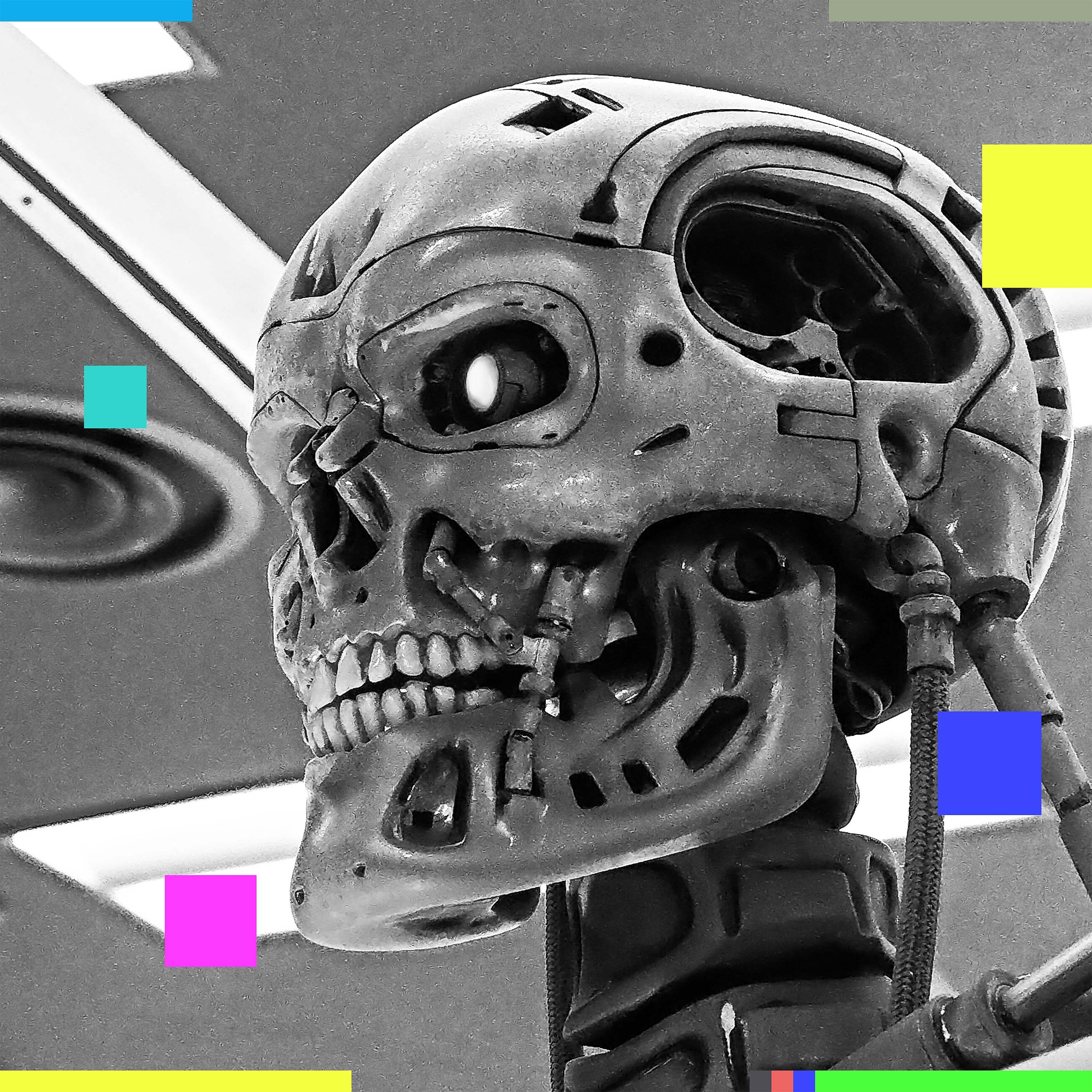
The Interface
Is the new AI model really too dangerous to release?
00:41:11
The AI that's “too dangerous” to release; the blue‑light myth; and Amazon’s Kindle cutoff
Loading summary
Transcript125 lines
- [00:00]
LinkedIn Ads Announcer
This BBC podcast is supported by ads outside the uk. Ever invest in something that seemed incredible at first but didn't live up to the hype? Like those $5 roses at a gas station? Or a secondhand piece of technology that breaks in the first 10 minutes? Marketers know that feeling. We optimize for the numbers that look great, impressions reach and reacts. But when they don't show revenue, well, that's a not so great conversation with the CFO. LinkedIn has a word for bullspend. Now you can invest in what looks good to your CFO. LinkedIn Ads generates the highest roas of all major ad networks. You'll reach the right buyers because you can target by company, industry, job title and more. So cut the bull. Spend. Advertise on LinkedIn, the network that works for you. Spend $250 on your first campaign on LinkedIn ads and get a 250 credit for the next one. Just go to LinkedIn.com Broadcast. That's LinkedIn.com Broadcast. Terms and conditions apply.
- [01:12]
Karen Howe
School's almost out and at Abercrombie Kids, new warm weather staples are in. It's a one stop shop for everything on their checklist, like tees, shorts and swim. So planning what they'll wear is a breeze. For outfits that keep up with them and easier mornings for you, stop by Abercrombie Kids shop in the app, online and in stores.
- [01:45]
Thomas Germain
It's almost like you're inoculating yourself against the blue light by just blasting yourself with as much light as you can get. First thing.
- [01:55]
Karen Howe
That's so interesting.
- [01:59]
Thomas Germain
Welcome to the Interface, the show that decodes how tech is rewiring your week and your world. I'm Thomas Germain.
- [02:06]
Nicky Wolfe
I'm Nicky Wolfe.
- [02:07]
Karen Howe
And I am Karen Howe. And today on the Interface, we will be asking, why do AI companies want us to fear their products?
- [02:16]
Thomas Germain
How despite what you've heard, the blue light from your phone isn't ruining your sleep.
- [02:21]
Nicky Wolfe
And will we ever really own a piece of tech again?
- [02:28]
Thomas Germain
All right, I'm going to look into a crystal ball because I think I can predict what Karen's story is going to be this week. Yeah, you're kind of easy to read. I'm sorry, what's your guess? Well, there was big news from this AI company called Anthropic. Maybe people have heard of it's a competitor open AI about their new model which is called Mythos. But Karen, you could probably explain this better than I can.
- [02:52]
Karen Howe
Dang it, Tom, you got me again. So Anthropic announced a new model called Claude Mythos Preview. And it is basically their most advanced AI model yet. Or so they say, except we're not really sure because they haven't actually launched and released it to the world because they're saying it is in fact too dangerous to. Really?
- [03:19]
Thomas Germain
Way too scary.
- [03:20]
Karen Howe
Yeah, way too scary.
- [03:22]
Nicky Wolfe
This is. We've. We've created a monster. Lightning has struck the building. Everyone be afraid, be very afraid.
- [03:29]
Thomas Germain
It's not an exaggeration to say that they're warning us that this might destroy the world.
- [03:34]
Karen Howe
Their evidence of why this is very scary is that they ran a bunch of tests with Claude Mythos and it supposedly autonomously found thousands of high severity critical vulnerabilities. And this is talking about the model's ability to review code and then find exploits, basically bugs in different software that hackers could then use to compromise the security of that software so it can
- [04:07]
Thomas Germain
break into everything, essentially.
- [04:09]
Karen Howe
That's what it. That's what they're claiming, right? Yeah, that's what they're claiming. And Anthropic says, you know, if this model were just simply released into the world without all of the preparation that they're going to do moving forward, then it could seriously undermine economies, national security, and all that good stuff. If you watch the reaction of both the media as well as a lot of people in the tech world to Anthropic's announcement, and also just people, members of the general public, you would assume that we should all be extremely terrified. Like, this is something that a lot of people within the AI world have talked about and warned for a long time, that as these AI models become more and more advanced in coding specifically, this is something that could happen. It could develop really sophisticated cyber attack capabilities and that is going to somehow bring our very digital software driven world tumbling down.
- [05:05]
Nicky Wolfe
Right.
- [05:06]
Karen Howe
The problem is we kind of have no way of verifying these claims because Anthropic is simply just telling us about this model and there is no independent verification, there are no independent benchmarks. And in fact, in announcing that there is this big scary thing that they've developed without releasing it, they are following exactly the same playbook that they did many years ago with a totally different model, which was GPT2.
- [05:33]
Nicky Wolfe
Was that before the big anthropic OpenAI split then?
- [05:37]
Karen Howe
Exactly. So longtime listeners of the interface will remember that Anthropic and OpenAI, two rival companies, have deep beef with each other. And part of the reason is because the executives of Anthropic currently used to be executives at OpenAI, and then they splintered off and started a competitor. But when they were at OpenAI, they were in fact the very same people that orchestrated this big PR campaign around GPT2, which was the early model that OpenAI developed one and a half generations before ChatGPT. And at the time, OpenAI, because of the very same executives said, we have developed a model that is way too dangerous to release, but we are going to announce the entire world that we have developed it as a safety measure so that people know that this kind of capability could be on the horizon. And we're going to start working with all these partners in academia and other research spaces to try and shore up and test this model before we actually roll it out. And this is literally what Anthropic is now doing once again with Claude Mythos. So alongside announcing that they had Claude Mythos, they also announced this new initiative called Project glasswing, which is this collaboration with companies across the tech industry as well as financial companies. This includes AWS, Apple, Google, Microsoft, JPMorgan Chase, Linux Foundation, Nvidia, so on and so forth. And they mentioned that Anthropic is going to give them this early preview of the model, allow them to use the model behind the scenes. And collectively, this consortium of companies is going to somehow shore up all of the critical software in the world before this model becomes publicly available.
- [07:30]
Nicky Wolfe
So it's hard at some point not to see these AI companies as the boy who cried wolf, right? Every couple of weeks. It's not just like that one way back. And this time, every couple of weeks, there is something, some headline where an AI executive says, our model has just become conscious. We should be terrified of that, like, every single time. And a lot of the time, the media just reports what they say completely without any kind of critical thinking around it.
- [08:01]
Thomas Germain
But not today, but not.
- [08:03]
Nicky Wolfe
Well, what happened? Setting aside, maybe this one is they've built some kind of monster that can bring down the world and launch all the nukes and whatever. At some point people are going to stop believing them, right?
- [08:19]
Thomas Germain
We're past that point, right? Like, everyone's heard this before. Like, oh, no, please, somebody stop me from making this product that I've been working on for the past five years. It's going to kill us all. Oh, God, I wish someone could tie my hands behind my back so I wouldn't go to work tomorrow.
- [08:34]
Nicky Wolfe
And in the meantime, they're. They're preparing for an ipo. Just for people who might not know, an ipo, initial public offering is when a company goes from being fully privately owned in private hands to launching on the stock market and allowing people to buy shares in the company. The price that something launches at in an IPO is very important for the value of that company. So they want hype as much as possible for an ipo.
- [08:55]
Karen Howe
Yeah.
- [08:56]
Nicky Wolfe
So they're saying, you know, be afraid of us, be very afraid. But here's the kind of stock price we want to launch at later this year.
- [09:02]
Karen Howe
Right. We're not necessarily saying that everything that Anthropic is saying is total bs, right? Like, this is the problem. There's just no independent verification of the claims. So they could be true and they could be false. So we can't really make claims at this very moment with such limited information about whether or not there really is a step change in the coding capabilities of Cloud Mythos that would cause massive security vulnerabilities. But what we are saying is that it is also important context to understand that this is also a PR game.
- [09:40]
Nicky Wolfe
Right?
- [09:40]
Karen Howe
Anthropic could have totally. They could have developed Claude Mythos and they could have just quietly engaged in Project Glasswing, you know, behind the scenes, just giving their model to various companies for preview and just never told the world. And it's like, why? Why are they, in fact, announcing it from the rooftops? Well, as Nikki said, they are preparing or eyeing an IPO later this year. And also, they literally just had a huge face off with the Department of War, which we covered in another episode as well, where the Department of War, like, declared anthropic or tried to declare Anthropic a supply chain risk. Ultimately, that was dismissed by the courts. But Anthropic is sort of in a situation where they would do well for themselves if they positioned themselves as a central node within the tech industry and also the financial industry and all connected themselves with all these other companies, made themselves very, very important to all these companies as a kind of shield of protection from potentially other funny business that the US Government might try to do to them.
- [10:47]
Thomas Germain
I think it gets pretty annoying for people after a certain point. Like, you don't hear, like, McDonald's coming out and being like, oh, no, like, we've made a burger. It's too delicious. Everyone's going to get so fat. We cannot release this burger to the public. It's just a strange way for companies to talk about themselves. But it's because if you make, you know, the AI bomb that's going to destroy the world, it means you've got the best tech in the world. So even though, like, you're saying we should be terrified of you, it's kind of great for anyone who like owns a part of your company. It's something we've heard from every single one of the major AI companies since all of this started at the beginning with the launch of ChatGPT. And it was like the point of OpenAI in the very beginning, right was like they were going to be the good guys. They were worried that, you know, if the big tech companies make AI, it's going to be too powerful and destroy everything. So OpenAI, they were going to be the ethical ones. A research lab that was going to release AI in a way that was good for the public. So Google specifically wouldn't ruin the world. And then they've sort of shifted gears. Now they want to be the one who's releasing the AI to the public. And Anthropic is like biting at their heels even though they were supposed to be even more concerned about safety. It's just like all this in one sense a big game, but. But then also this might be true, right? We like it.
- [12:16]
Nicky Wolfe
We don't know.
- [12:16]
Karen Howe
There are cybersecurity experts and hackers, white hat hackers and other kinds of experts have all been in the information sphere commenting on this news. And honestly it's pretty split between people who think that it is a huge step change and people who are saying, actually reading some of the reports that Anthropic has put out thus far, there's just a few holes in what's going on. And so some of the holes, I mean first of all, as I mentioned, there's no independent benchmark. So a lot of cybersecurity folks have pointed out they could have in fact used some of the well known tools for detecting exploits as a benchmark to compare whether or not Mythos has exceeded existing tools. But they didn't. So that calls into question like what is exactly going on here. They also as mentioned like they found or Mythos found autonomously thousands of high severity vulnerabilities. But when you look at the fine print, what that basically means is Mythos graded its own homework and Mythos declared that it was high severity. And when they manually, they got a bunch of human experts to manually verify over 150 roughly of those. And they said in the report, Anthropic says in the report we cannot definitively say that these are high severity. But among the small pool that the human experts verified, the human experts largely agreed with Mythos own conclusion. So it's sort of like this strange roundabout, like Anthropic is grading its own homework. And also Claude Mythos is just grading its own homework. It's like, what is actually going on here? And then there's two other interesting points that people have raised. One is what's actually the false positive rate? Because when you have a tool that's supposed to detect exploits, it's kind of only useful if it detects them very quickly and cheaply. But one of the biggest exploits that Anthropic has been touting around in all of its blog posts cost around $20,000 and 1000 runs of Claude Mythos to find. And so people are saying, like, are people going to be spending tens of thousands of dollars to use this tool like a criminal? Probably doesn't have that kind of budget.
- [14:40]
Thomas Germain
Like, there are major cybercrime operations where, like, if you could hack, you know, one of the biggest companies in the world, it would absolutely be worth $20,000.
- [14:51]
Nicky Wolfe
And also, if there's something that can find critical vulnerabilities in national infrastructure, there's obviously nation states that would be interested in North Korea.
- [15:02]
Thomas Germain
Yeah.
- [15:02]
Karen Howe
And then the last kind of skepticism that people are raising is that open source models are kind of already close to catching up. So when Anthropic announces that this is a new skill that only they have and they're going to keep really close to the chest before it gets unleashed onto the world, is that really true? And interestingly, when it came to GPT2, that was actually the thing that led OpenAI to ultimately release GPT2 anyway, because a few months after they announced this big thing saying it's too dangerous, an open source project immediately replicated GPT2, and the world didn't fall apart. So OpenAI just released the model.
- [15:43]
Nicky Wolfe
Arguably, the world did fall apart, but not for those reasons.
- [15:46]
Thomas Germain
Right? Yeah. I mean, the. The world, I fell apart personally. So I think the big question for people, if you've heard about this, is like, should you be freaking out or not? Are you guys worried about this?
- [16:02]
Karen Howe
I mean, I got. I got to be honest, there's, like, a part of me that is a little bit worried. And this. This goes to show how powerful these mythologies are, because on one hand, they've cried wolf so many times, and on the other hand, one day it could, in fact be more legitimate. Like, they could make more legitimate claims. There could be a more legitimate step change. And so these models are computational technologies. Coding is a very computational task. Like, this is one of the dimensions where I could see it adding up. And that's kind of why it's like, great. We should have had some kind of setup where we have independent verification of these claims, independent testing, so that we actually know what's going on, rather than trying to read the tea leaves every time to figure out if this is another case of PR drama or something real.
- [16:55]
Nicky Wolfe
Here's the thing. I will believe that one of these companies genuinely thinks they built something uncontrollably dangerous when they stop funding against and start funding for campaigns for independent regulation. Until that happens, I'm not buying it. I don't believe them.
- [17:14]
Thomas Germain
Or if one of these guys cried. If, like, they got out in front of a microphone and started crying, then I'd be like, wow, they're not meant to cry. I don't know. I wonder.
- [17:25]
Nicky Wolfe
So stay tuned on this. We're going to be following this story very closely, but I think we can comfortably say that it is not panic in the street times quite yet.
- [17:34]
Thomas Germain
At least not today.
- [17:35]
Nicky Wolfe
At least not today.
- [17:36]
Karen Howe
Yeah. If the world were like a sleep number mattress, everything would adapt for your comfort. Because as your life changes and your body changes, sleep number mattresses adapt and shift to give you personalized comfort night after night. And now everything's on sale during the Memorial Day event. Save up to $1,200 on mattresses for a limited time to experience a whole new world of comfort. Visit a sleep number store or go to sleepnumber.com sleep number to a good life sleep.
- [18:10]
Tristan Redman
What's actually happening inside Iran? I'm Tristan Redman, host of the Global Story podcast from the BBC. Iranians have been under a near total Internet blackout for several months. Few Western journalists have been permitted to operate in the country. But in recent weeks, the BBC's chief international correspondent, Les, has been reporting on the ground in Tehran. For more, listen to the global story on BBC.com or wherever you get your podcasts.
- [18:42]
Thomas Germain
Okay, you guys, I can't sleep. I'm tired. Every day is a struggle for me to the point that I have. I'd say over the past few years, it's a real problem.
- [18:57]
Karen Howe
I'm so sorry.
- [18:58]
Thomas Germain
I'm laughing. It's not. Yeah. It's actually not funny, Karen. No. But I think a lot of people feel this way. And for the past 10 years there has been this huge discussion. I think maybe we could describe it as a public figure freak out over the question of blue light. Have you guys heard about this? That there's. There's something going on with your screens.
- [19:22]
Nicky Wolfe
Yeah. With blue light of the spectrum and
- [19:24]
Thomas Germain
it's ruining your phone.
- [19:26]
Karen Howe
Yeah, yeah, for sure. Yeah. Like I've done. I've downloaded like all the filters and whatever, everything on the screen to try and change my blue light into warm light. Yeah, yeah.
- [19:35]
Nicky Wolfe
You can get apps to sleep that remove the, the blue light part of the spectrum on your phone, which is supposed to help you sleep. Right.
- [19:41]
Thomas Germain
They're built into Apple devices where like you can set it up a couple hours before bed. It'll. Your phone will like, the screen will like go a little bit yellow. Supposed to be removing more of the blue light. Here's the thing. This whole conversation is totally off base. It is built around a complete misunderstanding. There have been people on the Internet that are lying to you about blue light and what it's doing your sleep and how it is and isn't ruining your life. But there is truth and science at the base of this conversation. So I wanted to know what's going on here. Is blue light making a difference or not? So I decided to investigate. I did an experiment on myself with the advice of experts for. It's been about a month now and I wrote an article, you can read this on our website. And what I found is the life from your phone is not ruining your sleep.
- [20:44]
Karen Howe
Are you saying that this is a hoax or are you saying that it's just a more nuanced than people usually understand it to be?
- [20:54]
Thomas Germain
It is more nuanced. That's what it really comes down to. But I also think that there's been willful misinterpretation of this. And it all kind of starts with a study, one particular study 10 years ago that was oversold. So the study was released where they got two groups of people and they put them in the lab. And half of the people, they had them read for a couple hours before bed on a book, like a paper book. And the other half they had them read on iPads. And the iPad group, they went to bed. Later, they had a harder time falling asleep. The quality of their sleep was worse. They felt more tired the next day and their bodies produced less melatonin, which is like, you know, where all everybody started taking these supplements. Melatonin, it's like the sleep hormone.
- [21:44]
Nicky Wolfe
Yeah, it's the hormone that your body produces before you, before you go to sleep. It initiates sleep in the, in the brain.
- [21:51]
Thomas Germain
Yeah. So in a laboratory setting, blue light can ruin your sleep. And our screens are bluer. And the reason for that is everything uses an led, right? You've heard this, the light emitting diode, they're much more efficient, they're cheaper. The problem is they cannot produce white light. So the way that an led. The way that your screen makes white light is they have a bunch of blue LEDs and they coat some of them with a yellow chemical and the yellow and the blue mix together and it fools your brain into seeing white.
- [22:23]
Nicky Wolfe
Huh, I didn't know that.
- [22:25]
Thomas Germain
Interesting, right? The problem here is there is a protein in your eyes called melanopsin that is light sensitive and it is one of the main things that controls your sleep cycle. And it is more sensitive to blue light. If you expose it to red and green and blue light, the same intensities, the blue light will mess with the melanopsin more. The problem is your phone is not bright enough to make a significant difference. So what actually matters? And I read a ton of studies here, I called up a bunch of sleep experts and scientists who were doing the research that this is all based on and they said what actually matters is the total dose of light that you're getting throughout the day. But what really makes the difference is that you're getting more light in, you know, the first 2/3 of the day than you get towards the end when you're trying to go to sleep. But your phone is not bright enough to make a difference. In these studies. They keep people like locked in a lab all day and expose them to a very low amount of light. And then at the end when they make you look at your screen, the total amount of light you've gotten throughout the day is much lower. So the blue makes a much bigger difference and it messes with your sleep. But you don't live in a lab, you live in the real world.
- [23:53]
Karen Howe
Wait, what?
- [23:53]
Thomas Germain
There's light everywhere. And these filters that you have for your screen, they're just not doing anything at all. Right? There's been a lot of research on this. They don't help.
- [24:04]
Karen Howe
So what you're saying is if you get plenty of light during the day and then at night you're staring at
- [24:11]
Thomas Germain
your phone, it's not going to make a difference.
- [24:13]
Nicky Wolfe
Your phone is still really messing with your sleep. Yes, but it's messing with your sleep for different reasons. It's messing because you're engaging actively with content. If you're doom scrolling, that is putting your brain into a state of sometimes panic, especially you know, with news at the moment that is wreaking havoc with your sleep.
- [24:34]
Thomas Germain
It's not the light. It's not the light. And that's what, you know, all these doctors who I were, who I was talking to were so worried about is they believe that everyone has been misled to think they can put on their blue light filters and then they can just keep looking at social media and they'll be fine. No, the social media is the problem.
- [24:52]
Nicky Wolfe
Yeah. It's the content. It is. Still, the best advice you can possibly give is get like a normal alarm clock sleep with your phone charging in a different room.
- [25:01]
Thomas Germain
But what's going on here? Because it's also true that over the past couple of years our sleep has gotten much worse. So there's something about modern life that has changed here. And to figure it out, I tried to revert back and I have taken, I think, some of the most absurd and extreme measures I've ever gone through for an article. And it starts with this pair of special blue light blocking glasses that I got.
- [25:30]
Karen Howe
Wow.
- [25:30]
Thomas Germain
Looks pretty cool, right? So these are made quite a lot
- [25:34]
Nicky Wolfe
like Bono right now.
- [25:36]
Thomas Germain
So I do. Yeah, we got similar shaped face, I think too.
- [25:39]
Nicky Wolfe
Maybe Bono sleeps very well.
- [25:41]
Thomas Germain
I guess that's what I've heard.
- [25:43]
Nicky Wolfe
For people who are listening on the podcast, Tom is wearing very, forgive me, unfashionable sunglasses.
- [25:51]
Karen Howe
What are you talking about? They're so fashionable.
- [25:53]
Thomas Germain
Yeah.
- [25:54]
Nicky Wolfe
And the lenses are. The lens is a deep, deep orange. And you've maybe seen people wearing orange shaded sunglasses around.
- [26:02]
Thomas Germain
This is the thing. So you can buy blue light blocking glasses that are just like sunglasses with, you know, yellow tinted lenses. Or you can get a coating on your glasses. Right. A lot of the times if you wear glasses. Yeah. They're like, do you want us to put this special blue light blocking coating? You're throwing your money away. That does not help. I talked to the experts on this. That's also a waste of money. I put these on now for my experiment. Three hours before bed for like almost a month now.
- [26:33]
Karen Howe
Oh, my God.
- [26:34]
Thomas Germain
I covered my windows throughout my house with blackout curtains. Makes everything pitch black. I go out, I turn all my lights off one by one, and I light my apartment with candles. Modern.
- [26:47]
Nicky Wolfe
Wow.
- [26:49]
Thomas Germain
Yeah, exactly. It's pretty sexy, especially with the glasses, you know, like, it's pretty spicy around here. Candles produce a very low amount of blue light. Incandescent bulbs, like the old light bulbs that we used to have, produce less blue light than LEDs. Candles produce almost zero. So the reason I'm doing this is what you really need is to get a low amount of light. At the end of the day, you want a ton of light. In the morning, you. It's almost like you're inoculating yourself against the blue light by just blasting yourself with as much light as you can get.
- [27:25]
Karen Howe
First thing that's so interesting.
- [27:27]
Thomas Germain
What the doctors told me is like the researchers who study this stuff, you want to, if you really want to work on this, get up in the morning and go outside. The big thing that's changed in the past couple years is post pandemic, fewer people are leaving the house, right? It used to be you'd get out of bed, you would commute to an office. And because of, like, osha, like, at least in the United States, we have, like, special regulations for workers. You have to keep offices lit very, very brightly, like, much brighter than your house would be. So you're you in. In the, you know, the old way of doing things. Pre pandemic, you'd get so much light throughout the day, then you'd go home, there would be less. It would help your body go to sleep. Now, so many of us, myself included, roll out of bed, walk to their desk, and get basically the same amount of light all day long. So what you want to do, go outside in the morning, get a ton of light. Then there are also studies that show if you can get more light again around, like after 3 o', clock, like 3 or 4 o', clock, that's really helpful. And then keep things as dim as you can in the evening. But when it comes to your phone, the amount of light that you're getting, the amount of blue light, 24 hours of light from your phone is worth about one minute outside in bright sunlight. Your phone is just not the thing that's making a difference.
- [28:52]
Nicky Wolfe
All right, what kind of advice can we give listeners in the UK, where it was raining for the first 45 days of this year? And you could go outside and really very much not get this.
- [29:07]
Thomas Germain
I asked this question and they said even on an overcast day, being outside, even on a cloudy day, makes an enormous difference. Another piece of interesting advice that I got was what do you do throughout the day? Right? You sit and get the light from the windows during the daytime, and then at night you turn on the lights. What I heard was actually do the opposite. Keep it as bright as you possibly can during the day, turn all your lights on during the day, and then as it gets to get gets toward nighttime, turn the lights lower. It's better to just go outside. But if it's like really overcloud overcast or it's raining, you can kind of fake it yourself by adjusting the lights in your house.
- [29:44]
Karen Howe
So interesting.
- [29:46]
Thomas Germain
So after a month living like some kind of very weird monk with my special glasses and my candles, the quality of my sleep didn't improve that much. But I did start to feel that I was getting sleepier around the same time and it was like I was more driven. They call it your sleep drive, like your desire to sleep. It felt like my sleep drive increased a little bit. That's subjective. I can't tell you scientifically if that's true. I want to stress this is not science. Right. This is worthless information. But this is my personal experience. I'm not going to keep wearing these glasses, though. This is absurd. This is not a lifestyle choice that any normal person can make. But going outside in the morning will make an enormous difference. It will help your sleep and put down your phone. Doesn't matter if you got the filter on. That's not helping you.
- [30:41]
Nicky Wolfe
One of the things people love to do before bed, as you were saying, is read. And a lot of people read on a Kindle. And if you have a Kindle Model 12 or older. No, you don't anymore because the company is removing its support from it. You have to buy a new one because that device no longer works. Now, this is, this is something that is an absolute bugbear of mine. It's called planned obsolescence. It is this idea that you don't really buy something anymore, especially in the tech industry. You essentially lease it until the tech industry decides that it's no longer going to be supported and then you have to upgrade because you have no choice.
- [31:26]
Karen Howe
Nikki, what do you mean that, like, my Kindle would stop working? It means I. I turn it on, then there's just no books.
- [31:32]
Nicky Wolfe
What's happening is it's stopping being supported, so it'll still kind of drag on. If you're very careful with it, your existing library will still work. If you at some point perform a hard reset, factory reset on it, it will stop working anytime it develops a bug or something, there's no support for it anymore. And you will no longer crucially be able to access the Kindle store. So you won't be able to get any new books for it. So you can drag on with it with the books that you already have. But essentially this means that the people who use them actively will no longer have to get a new one. And people have called this predatory capitalism. This happens quite a lot in the tech industry.
- [32:10]
Thomas Germain
Yeah, it's not new, but because a
- [32:12]
Nicky Wolfe
Kindle is such a simple device and because people love their Kindles so much, it becomes a part of people's day. People are like, why? It's just showing text on a screen. People feel like there is no reason for this to have taken place except to force people to buy a new device. I don't think people are being unreasonable when they say that it's. It's hard to think other than wanting to make people upgrade, there would be any reason for not continuing support on these old devices.
- [32:43]
Karen Howe
I would say in defense of the tech companies, there is, you know, like having worked at a tech company myself, like there is kind of capacity constraint in that at some point you just have to sunset. They call it the support for old products because you kind of need to continue. Like every time you add a new product you need to provide support for and at some point it just becomes too many things to juggle and so you kind of just naturally let the other things that could be deprecated to kind of fall by the wayside. So I think there is resource constraints that the companies are handling that is also leading them to make these older products no longer usable.
- [33:33]
Thomas Germain
However, should they not have to tell you how long this thing that you bought is going to last? Because they don't say, by the way, be careful if you're going to buy one of our products because it's just going to stop working, even though it should work, even all the electronics are working fine, even though you can read your book clear as day, we are going to choose that it'll stop working. There's actually been some movement towards requiring companies to tell you how long they plan to support this product because as a consumer you have no idea, right? You're like entering into this agreement where, like, you have absolutely no power and you don't know what the future is going to hold here. Probably people weren't thinking when they bought their Kindles, well, someday it'll just stop working for no reason, not because it's broken.
- [34:22]
Nicky Wolfe
And you get this in other industries or in other parts of the consumer world as well. Cars is where this has become a real hot button issue. Renault recently announced that it would stop supporting a model called the Zoe. And this is frustrating for people because it used to be that you bought a car, it had an engine, it had four wheels, has a steering wheel. If it breaks, you can take it to a mechanic and get a new cylinder head or new brakes or something like that. What's really frustrating people is there is no dealership, there is no mechanic you can go to to get a software update for your car that is no longer supported with its software. Another kind of it's not really a counterexample, but something else in this space happened in the past week or so as well, which is that Apple, quite unusually, rolled out a software update for older phones that it had no longer been rolling out updates for. And that was because they found a security vulnerability that was so gaping that they felt like they had to roll out this patch for even their older devices. And it's partly because things, you know, if you have a smart fridge, you have to be able to roll out patches for it because a security vulnerability will come out. Like with the car thing, if you have a smart car, if it needs software updates, then people can find hacks for it, and you have to roll out updates to prevent those. And if you no longer have the workforce, if you no longer have people who are able to keep programming those patches, that's why in some ways, you got this planned obsolescence. It's not always because they're trying to squeeze you into buying something else.
- [36:01]
Thomas Germain
Apple is often one of the companies that's, like, at the center of this conversation. Like, people might remember that, like, about 10 years ago, there was this huge controversy. They called it Batterygate, where it came out that Apple was intentionally slowing down older iPhones. Do you remember this? So they got sued and they settled. They had to pay a bunch of money out to people because they were, in fact, slowing their phones down on purpose. What Apple argued is that what they were doing was as the battery aged, they were slowing the phones down so the battery would last for longer. So, like, didn't take up as much processing power as you could keep using your phone. So maybe this is like the opposite of planned obsolescence. But again, the argument here is like, should you be told? Like, were there any other motivations for Apple doing this? Apple, actually, there's this whole thing people have heard about maybe called the right to repair movement. It's exactly what it sounds like, is that you should have the right to repair your products if you've ever tried. Sometimes opening up a device and trying to fix it yourself will, like, void your warranty just attempting to fix something that might be broken. And there's been all this effort towards passing laws that, like, codify that, like, give you the right to repair your devices. For the longest time, Apple was one of the loudest and most aggressive lobbyists trying to stop this from happening. But it's starting to seem as though maybe they're losing the battle.
- [37:31]
Nicky Wolfe
Yeah, there was new legislation in the EU passed in 2023 that's starting from the beginning of next year. All devices have to give you. You have a right to be able to replace the battery in your device, which is not something that existed in law before. I think that's a huge move towards the right to repair every phone sold in the eu. You have to be able to take it to a shop yourself, repair the battery yourself, if you have the technical skill, rather than being locked into these companies where the only people who could access the inside of your phone was, say, Apple itself.
- [38:09]
Thomas Germain
And legislators in all 50 states have introduced bills trying to codify your right to repair. Although it's slow movement so far, but there has been a ton of progress.
- [38:20]
Karen Howe
Yeah, I was really surprised two years ago when I learned that Apple has, like, very, very detailed instructions for how to actually repair all of your devices by yourself. And the reason why I learned this is because I spilled just a tiny bit of water on my current MacBook Air, and it just totally shut down. And I brought it to the Apple Store and I was like, can you fix this? And they were like, absolutely not. You just have to buy a new one. And even if we could, it would probably cost almost as much as a new one, so whatever, we're not even gonna try. And I was so pissed that I started searching, like, how do I open up my MacBook Air? How do I, like, are there any ways to repair it? And then I stumbled upon the fact that Apple does have this extremely comprehensive manual. And so I just went home, I bought, like, a little toolkit, and I started following the manual step by step and opening up all the different parts of my computer. And I found that the tiny drop of water just created a little bit of rust on one part. So I ordered that part on Amazon for 10 bucks, and when I replaced it, my Mac perfectly started functioning again. And it was honestly the proudest moment.
- [39:40]
Nicky Wolfe
Wow.
- [39:40]
Thomas Germain
So if one of your devices has a problem, get in touch.
- [39:44]
Nicky Wolfe
Aaron will fix it.
- [39:45]
Thomas Germain
She will come to your house.
- [39:48]
Karen Howe
I have a genius bar.
- [39:50]
Thomas Germain
Yeah. Well, for the longest time, Apple refused to. To let anyone, or at least let consumers get a hold of replacement parts.
- [40:00]
Karen Howe
Yeah.
- [40:01]
Thomas Germain
In fact, Apple just put out this new laptop, right, the MacBook Neo. It's cost like 500 bucks or something. It's pretty cheap. And they have already released a kit to repair it yourself, which should be celebrated. This is a good move on Apple's parts for consumers. But they did not go willingly here, did they? Right. Like, Nikki, do I have this right that this is because of laws that are forcing them to offer this sort of thing to people?
- [40:24]
Nicky Wolfe
Yeah. There's another directive in the EU that mandates the right to independent because there's also the independent repair industry. There's your, your kind of local computer shop. That's a whole industry that these companies were trying to push out that is now mandated by an EU director from this July that spare parts have to be available and that you have to have the right to go to a repair shop or as Karen did, repair it yourself.
- [40:56]
Karen Howe
Just do it.
- [40:57]
Nicky Wolfe
Which, I mean, I'm gobsmacked by that. That's amazing. That's, that's.
- [41:00]
Karen Howe
I know. I, like my husband believed that I would be able to do it. He was like, you're just going to ruin the device. Just like bring it to the Mac, the Apple Store and extract all the information before it's lost forever. And I was like, no, I'm going.
- [41:14]
Thomas Germain
Yeah. Digital devices are so intimidating. Right. It's like got a computer in there, you know, like, it's going to be hard to. A lot of the time it's actually easier to fix it than you think. Like, just way easier. Way easier. There's this great website called Ifixit that has like, they'll sell you parts. They have tons of instructions and videos. Or you could just look this up yourself. A lot of the time your stuff is way easier to fix than it might seem. Like it might take an hour. You know, you might have to put a little time into it, but you don't always have to spend a thousand dollars on a new iPhone.
- [41:46]
Karen Howe
And it's kind of fun. And it's gonna give you a massive dopamine hit. That's way better than social media.
- [41:54]
Nicky Wolfe
One of the things that's giving me a lot of hope with this is that it's an example of successful consumer power. People, consumers did not like this. A campaign was put together. Regulations came out of that campaign. There is still power that the consumer can have to make their views known. And I think that is a hopeful thing as we stare down a future where in some ways we only lease products rather than buy them.
- [42:20]
Thomas Germain
Yeah. And you know, also worth noting, it's not like the rosiest thing in the world. Like the tech industry and essentially the tech industry, the car industry, this is really a big thing with tractors, with farmers like John Deere really tries to prevent farmers from fixing their tractors. The world of business is fighting tooth and nail to stop this so that people have to buy more and more products. Not just bad for you, the consumer. Also bad for the environment. Worth saying that all this stuff is getting thrown away, but it does feel as though maybe the like scales of power are like tipping just a little bit. But the battle is not over. It is not time to not be upset about this anymore. It is still an ongoing, really important issue.
- [43:02]
Nicky Wolfe
The interface is not a share with built in obsolescence unless Tom continues not to sleep.
- [43:08]
Thomas Germain
The BBC has promised that they're going to keep my security updates going for at least a little while longer.
- [43:16]
Nicky Wolfe
There's a sleep patch coming Tom, that will. Oh please turn. It'll just turn your eyes orange. That's I will do the only available.
- [43:29]
Karen Howe
Join us next week. If you're in the uk, listen on BBC Sounds. If you're outside the uk, you can listen wherever you get your podcasts or search for the Interface podcast on YouTube. If you want to get in touch with us, you can email us@the interfacebc.com you can also WhatsApp us on 443332072472 or you can find us on social media links in the show notes.
- [43:59]
Tristan Redman
What's actually happening inside Iran? I'm Tristan Redman, host of the Global Story podcast from the BBC. Iranians have been under a near total Internet blackout for several months. Few Western journalists have been permitted to operate in the country. But in recent weeks the BBC's chief international correspondent, Lys Doucet, has been reporting on the ground in Tehran. For more, listen to the global story on BBC.com or wherever you get your podcasts.