← The Interface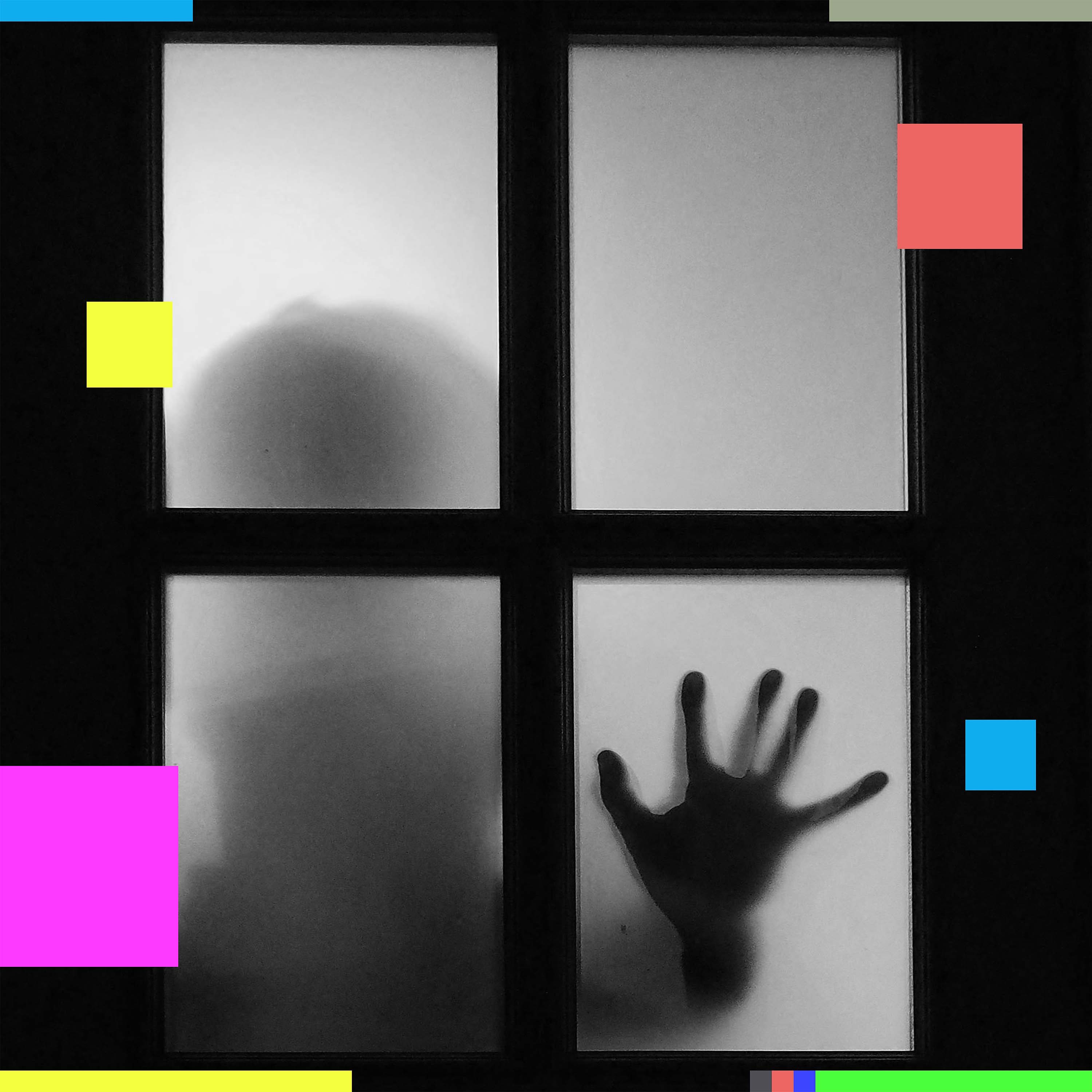
The Interface
What goes on in TikTok's Farlands?
00:42:13
TikTok’s Farlands turns doomscrolling into horror; and AI detectors changing how we write
Loading summary
Transcript100 lines
- [00:00]
Narrator/Advertiser
This BBC podcast is supported by ads outside the uk. Ever invest in something that seemed incredible at first but didn't live up to the hype? Like those $5 roses at a gas station? Or a secondhand piece of technology that breaks in the first 10 minutes? Marketers know that feeling. We optimize for the numbers that look great, impressions reach and reacts. But when they don't show revenue, well, that's a not so great conversation with the CFO. LinkedIn has a word for bullspend. Now you can invest in what looks good to your CFO. LinkedIn Ads generates the highest roas of all major ad networks. You'll reach the right buyers because you can target by company, industry, job title and more. So cut the bull. Spend. Advertise on LinkedIn, the network that works for you. Spend $250 on your first campaign on LinkedIn ads and get a 250 credit for the next one. Just go to LinkedIn.com broadcast that's LinkedIn.com broadcast. Terms and conditions apply. Decisions made in Washington can affect your portfolio every day. But what policy changes should investors be watching? Washington Wise is an original podcast from Charles Schwab that unpacks the stories making news in Washington right now and how they may affect your finances and portfolio. Listen@schwab.com washingtonwise that's schwab.com washingtonwise.
- [01:44]
Aiden Walker
I was calling it a digital speakeasy that you know this code. You, you put it into the totally normal seeming social media platform and then you're gonna access this weird layer of like the scary ghouls or the crazy brain rot that other people aren't getting.
- [01:59]
Thomas Germain
Hello and welcome to the Interface, the show that decodes how tech is rewiring your week and your world. I'm Thomas Germain.
- [02:06]
Karen Howe
I'm Karen Howe.
- [02:08]
Niki Wolfe
And I'm Niki Wolfe.
- [02:09]
Thomas Germain
Today on the Interface, we'll be diving into the horrifying world of the TikTok Farlands.
- [02:15]
Niki Wolfe
We'll be looking at what you can find there, but also what it means for Internet culture.
- [02:20]
Karen Howe
And we'll also be looking at how AI detection tools are changing our writing. Tom, nice background. Where are you?
- [02:33]
Thomas Germain
I'm in Barcelona. I'm going to a music festival called Primavera. And then, Karen, you're sick again.
- [02:40]
Karen Howe
We're still doing the POD though. That's how loyal we are to our audience.
- [02:44]
Thomas Germain
That is Dedicated tech waits for no one. And especially this week because we've got what I think is a particularly crazy story. So over the past couple of weeks, I have gotten Completely obsessed with something called the TikTok far lands. And I found out about this, like I reached out to Nikki, I had to get him involved right off the bat.
- [03:08]
Niki Wolfe
Yeah.
- [03:09]
Thomas Germain
This is I think simultaneously one of the most unsettling but also like hopeful and optimistic things that I've seen on the Internet in a really long time. Yeah, it's the whole package. It's like kind of, you know, a perfect summation of what the Internet is and what it's like. So here's the idea. There's a hidden part of the TikTok algorithm that it won't show you normally, these videos that aren't coming up in people's feeds organically. And what people are saying is if you want to see this stuff, you have to find your way to it with more intentionality. You have to seek it out. And apparently the best way to get there is people will comment like a string of random letters and numbers like this like secret code word and. And you put that into the search bar and it brings up this hidden genre of videos that I think is simultaneously like, this stuff is kind of horrifying and scary and uncanny, but also the story and what's happening around it I think is one of the most positive things I've seen on the Internet in a while. And it's people kind of taking control of social media to use it for their own community building. Yeah, Expression. Yeah. In a way that goes beyond what the app is designed for. And I found out about this from a freelance reporter and self described meme researcher. His name is Aiden Walker. And I got him on the phone to talk about what's going on here and what this says about the state of the Internet. So my first question for him is simple. What is the TikTok Farlands?
- [04:58]
Aiden Walker
You could say trend, you could say phenomenon, but it's this space at the edge of TikTok. The word comes from this space at the edge of Minecraft, where you'd go out far enough into the world that the computer no longer knew how to render the land correctly. And it's kind of the same concept with like the TikTok algorithm that if you spoof it, if you trick it, if you scroll long enough, is kind of like if you scroll for 14 hours, you're going to end up in this place where you are seeing things that you are maybe not supposed to see. So once you get there, you're going to find videos that the algorithm would probably never have recommended to you, unless you're some kind of sicko or Some kind of avant garde freak. It's kind of like hipstery in a way that you've transcended what most normies see. And a lot of the content that is in the Farlands in practice, it kind of breaks down into kind of two categories. For me it's like the very, very niche brain rot, which is like, I'd say it's like conceptual art in a way. It's like these video edits that don't make sense that maybe are funny, maybe are not, are just kind of like vivid and crazy and odd. Or it's kind of like creepypasta content, which is this Internet tradition of kind of like folkloric horror, of kind of just jump scare content of monsters pretty much that you've reached the edge of the map. And as my friend etymology nerd says, here there be monsters. You know, you're, you're out past the, the known area and you're in the zone that only the initiated know. And there's some like deep crazy stuff out there.
- [06:29]
Thomas Germain
Can you describe some of this stuff? Like you say brain rot, like for people who aren't on TikTok? What, what are we looking at? And also like horror, like are there some examples you can think of?
- [06:37]
Aiden Walker
It's these participatory collaborative horror stories that people wrote online 10, 20 years ago. There'd be kind of spooky scary images of different types of ghouls or like different, just uncanny creatures. One of my favorite Farlands post is it's like a bunch of like invisible diaphanous beings walking across the screen and there's like a spooky like owl sounding soundtrack on top of it. Sometimes it's like jump scare content. And what's interesting to me like being terminally online is a lot of these are like little ghouls or monsters that were being talked about in like 2015, you know, on like text based forums and now they're in the TikTok farlands. And so it's a lot of that sort of off putting shock horror type stuff that has always been there on the Internet. And I think for people who grew up on it, it was like here's this, you know, a little illicit thing that's going to spook my friends out. Like the digital equivalent of the, you know, going in the mirror and saying Bloody Mary three times.
- [07:34]
Thomas Germain
So what's this whole thing where you need a secret code to get there?
- [07:39]
Aiden Walker
Yeah, so I was seeing that in the comments of a lot of the Farlands videos that I was looking at and people would just leave these codes of random letters and numbers which to TikTok probably means nothing. I mean nobody's like searching that. But you put it into the search bar of the platform and you'll find a bunch of videos that are tagged with that code. So it's kind of like a little secret backdoor, like I was calling it a digital speakeasy that you know this code, you put it into the totally normal seeming social media platform and then you're going to access this weird layer of like the scary ghouls or the crazy brain rot that other people aren't getting. Not everybody is finding the far lands through the secret codes. A lot of people are getting it on the fyp, algorithmically recommended. But the fact that like the codes. Yeah, on the for you page, but the fact the codes exist I think shows this desire people have to like gatekeep things on TikTok because like the point of gatekeeping then is to selectively open the gate for the worthy. And so people love to kind of broker the relationship with the platform on like a human to human basis. And so I think the farlands and the codes are kind of symptomatic of people wanting to use the platforms to do something differently. But then ultimately TikTok is happy. The longer people spend on TikTok, and TikTok doesn't care if it's a horrendous creepypasta character or lie on the Internet or an influencer's day in the life video, someone's sitting down and watching that.
- [09:05]
Thomas Germain
Does it feel like people are pushing up against the walls of the machine here to like make TikTok do their bidding?
- [09:11]
Aiden Walker
In a way, I think that is what's happening to some extent because it's kind of an inevitable human thing. Like the second you tell a kid not to do something or you like make a rule, people are going to try to find a way to game it or break it? Yeah, and I think it also shows the way that people want to feel like they own some of their experience on social media. I think there's like this stereotype of the passive school, which definitely is a big piece of a lot of people's, you know, consumptive life online. But folks aren't just, you know, going past every video, you know, soaking in the information. They don't even remember an hour later what they saw. I think people want to like be in community online and they want to feel like they're building something with other people online. And so I think it's like people trying to reach out to each other across this medium that if you're using it totally the way it's supposed to be used, it's a slot machine built to sell temu. It just wants you to stay there and then maybe click a shop link. But people find a way to use it to do all this other stuff, including scare each other with creepy pastas, but also like create these little spaces outside of the platform. And I always wonder if those same kinds of like tools or techniques or attitudes might someday be turned towards something more substantive than just like, let's scare each other or even do like crazy cool video art. Let's like maybe use it in some political way or some like really way that would be subversive to the platform because people seem to have that year in it. But I do think maybe the seed is there for something that's a little more full flung because there's a lot of like Luddite stuff about like touch grass, like put down your phone, you know, disconnect to reconnect. And that current is like very strong, I think, with all generations. But then I also think there's always been like, even in the terminally online spaces, this desire, like, what if we used this to do something more interesting than just, you know, sit and passively consume? And my, my view is that like any like effective resistance to maybe the evil project of tech, if you see it that way, is a combination of the two. You know, it's not just quitting, it's also like reaching past it and making the Internet into a thing that helps people rather than serves ads people. You know, like it's. I think I had a comparison where I said finding out that, you know, the ostensible purpose of the machine that connects everybody on earth's brain to everybody else's brain, if the purpose of it is to sell ads, that's like finding out the purpose of the pyramids of Giza was to sell fishing equipment. Like, there has to be like some higher purpose to the Internet. And I think when people reach past what the platforms kind of serve you, they're kind of reaching for that higher purpose.
- [11:42]
Karen Howe
I have so many questions after seeing this video because the first thing that I want to know, I mean, Farlands is such a brilliant name. I, I want to know even came up with that term. But also what are the types of videos that are populating the far Lands and how do they get there? Like, are people producing content specifically to land in the far Lands, or are they just producing bad content? And then it gets Damned to the Far Lands. But now there's an entire community regrouping and reclaiming the Far Lands. Like, what's actually going on?
- [12:13]
Thomas Germain
So people are making videos specifically to go in this genre, to go in this place, the TikTok Farlands, because people are really excited about it. But then also there's this whole idea that there's, like, you have to go deeper and deeper right there. You can find the stuff on the surface, which is these popular TikTok Farlands accounts, but the real stuff is something you'd see from an account with only 10 followers, a video that no one else has seen before that is truly freaky and uncanny, which is not a totally new thing on TikTok. Like, years ago, people would talk about Deep Talk, which was kind of just weird, maybe actually bad videos that the algorithm wasn't serving up to people. But why don't I show you a couple of these as an example so we can get a flavor for what we're talking about here. So this one here, it's guy by a guy I talked to. His name is more. Later. Smore later. There's probably some really obvious way to pronounce this. I'm not seeing, but he's sitting in a car. But the video, like, keeps glitching.
- [13:17]
Niki Wolfe
Yeah.
- [13:18]
Thomas Germain
There's this eerie music. If you go watch it. It's cutting to kind of distorted, you know, images and videos where it feels like it's not rendering properly or it's
- [13:28]
Niki Wolfe
not sort of an evil clown face keeps, like, very briefly appearing.
- [13:32]
Aiden Walker
Yeah.
- [13:33]
Niki Wolfe
A lot of mouths and teeth go into a lot of this content.
- [13:37]
Thomas Germain
He's kind of subverting the. The genre of food review videos. Right. It's a big thing on TikTok that there will be a guy who goes to a restaurant, he's sitting in his car, eating it, talking into his camera about the food. So it's like.
- [13:51]
Niki Wolfe
It's making it grotesque.
- [13:52]
Aiden Walker
Yeah.
- [13:53]
Thomas Germain
And then a lot of it is around, like, images of faces that just don't look right, that I think, you know, I'm showing us. We're looking at some of the tamer videos here, but some of these are, I think, actually really disturbing. Here's another one. A lot of this is kind of AI generated images or AI edited images. They keep cutting back and forth with clips of this Twitch streamer, this guy named Ishowspeed. And there's this version of, like, an edited image of Ishowspeed that's become, like, a staple of the Farlands. They call it Ishow Eyes where it's this guy ishowspeed, and his eyes are all like weird and messed up in this kind of uncanny way.
- [14:34]
Niki Wolfe
Yeah, it's very. Kind of liquid. The colors are very neon. And then it cuts to these black four figures almost so quickly that you can't see them. It's very like. It's like the design of a lot of these is just like a little shiver down the spine, you know, it's. It's that kind of. That's the aim of it.
- [14:53]
Karen Howe
I feel like all of these are kind of a similar aesthetic. Like, is that, Is this the Farlands aesthetic?
- [15:02]
Niki Wolfe
Pretty much, yeah.
- [15:03]
Thomas Germain
Yeah. So there's. There's a very distinct Farlands aesthetic for sure. And a lot of it is using. This guy, Lucas Wilm that I talked to said he's using a technique that's called data moshing, where you take a video or an image and then you go in essentially using a computer program or like editing like the code of the file itself in order to make the JPEG or the video look kind of distorted. Which is interesting. Right? It's this whole thing where people are, you know, messing with the TikTok algorithm to make it do what they want. And then the content itself is like messed up corrupted digital files. So I don't even know. I talked to some of these guys who were doing it. They weren't like necessarily doing this consciously, but even the content itself is like a comment on technology, which maybe we're getting a little too like academic art criticism here.
- [16:01]
Karen Howe
I mean, this is so weird because the, the videos that you're showing right now, they are extremely popular, like 13,500 likes on this.
- [16:10]
Thomas Germain
Some of these have millions of views.
- [16:12]
Karen Howe
Yeah, yeah. So what is. I mean, I thought Farlands was defined by people. Very few people being able to access it, but is it actually just defined by the aesthetic, the non mainstream aesthetic?
- [16:27]
Niki Wolfe
Is that because it's now no longer far, like, people have discovered it and it's kind of already mainstream.
- [16:33]
Thomas Germain
What exactly is going on there is hard to say. It could be that this thing has broken containment and it has become mainstream. And it has. I talked to one of these guys, he's like 19 years old, right? I feel like I'm, you know, a retiree talking to this kid and I'm like, you know, I work for the BBC. Like, is the fact that I am about to talk about this in the mainstream media, am I ruining it now? Like, is this like, they used to talk about the hug of death on Reddit that you'd find some little beautiful thing and you put it on the front page of Reddit and then it would crash the server because too many people would look at it. And he was like, dude, it's already like this trend has like come and gone. You heard about it, by the time you heard about it, it's already over. But it's almost like, you know, people in, you know, people putting their graffiti on the subway car in New York in the 80s, right, where it's like the subway car is not a vehicle for art, but people are co opting the system and making it their own to use it for their own purposes. So it kind of is just this very human thing. That's how the Internet always has been to an extent.
- [17:38]
Niki Wolfe
I think graffiti is a really good example because it's about putting something in a public space that only a private group of people appreciate.
- [17:48]
Karen Howe
The aesthetic of these videos reminds me of this other thing that's been happening with generated art where there's this kind of creepy, ghoulish woman that will sometimes appear when people have spent too much time. What they do is they'll generate the art and then they'll pop it back into an AI generator and be like, make it more this or make it less that or whatever. And they'll just do it in this, in this crazy cycle, all the way down the rabbit hole until suddenly this, like, particular artifact appears. This, this freaky, messed up face of a woman?
- [18:21]
Niki Wolfe
I mean, that could absolutely be a Far Lands.
- [18:24]
Karen Howe
Yes. So this is, this is Loab. And yeah, like she has a name. And so there's this whole genre of mythology, I guess that is, that has spun out of this artifact. But the moment I saw the Farland Studios, which I've literally never seen before, I was like, oh, it reminds me exactly of Loab.
- [18:45]
Narrator/Advertiser
Ever invest in something that seemed incredible at first but didn't live up to the hype? Like those $5 roses at a gas station? Or a secondhand piece of technology that breaks in the first 10 minutes. Marketers know that feeling. We optimize for the numbers that look great, impressions reach and reacts. But when they don't show revenue, well, that's a not so great conversation with the CFO. LinkedIn has a word for bullspend. Now you can invest in what looks good to your CFO. LinkedIn Ads generates the highest roas of all major ad networks. You'll reach the right buyers because you can target by company, industry, job title, and more. So cut the bull. Spend, advertise on LinkedIn. The network that works for you. Spend $250 on your first campaign on LinkedIn ads and get a 250 credit for the next one. Just go to LinkedIn.com Broadcast. That's LinkedIn.com Broadcast. Terms and conditions apply.
- [19:49]
Bilt Advertiser
We all can agree that housing is expensive. Rent, mortgage. It doesn't matter which one you're paying. It stings every month. But built can make you feel a little better. Let me explain. BILT started out rewarding members on their rent. Now, as of 2026, BILT members can also earn points on mortgage payments wherever they live. Every housing payment earns you points you can use toward flights with top travel partners like United and Hyatt, Lyft rides, Amazon.com purchases, and so much more. And here's what you might not expect. Build members can also get access to a neighborhood concierge. It can make restaurant reservations, book fitness classes and find new local spots, all while being rewarded at more than 45,000 merchant partners. It's like having a personal assistant baked into where you live. It's simple. Being a renter and now owning a home is better. With Bilt. Join the membership for where you live at joinbuilt.com podcasts that's J-O-I-N-B-I-L-T.com podcasts. Make sure to use our URL so they know we sent you.
- [20:53]
Narrator/Advertiser
Why pay when you can slash? With TikTok, slash and free, you can cut prices down all the way to zero. Just download TikTok, search, slash free, pick items in TikTok, shop, share the link and boom. Free items unlocked even with free shipping. So seriously, why pay, download TikTok and start slashing Now?
- [21:25]
Niki Wolfe
The thing that excites me as much as the phenomenon of the content itself is this has all happened before, right? This is an evolution of a genre that's as old as the Internet itself. And this concept of creepypasta goes back to places like 4chan and Something Awful. These are like old Internet forums that had a certain series of criteria that made them really fertile breeding ground for trolling and a lot of kind of horrible stuff. But also this really new and collaborative creative process that was I found fantastic. And the aesthetic, it is exactly the same. Like it's very, very, whether it's intentional or not, kind of pays homage to the old Internet forums, the old Internet forums. So the point is that these kind of memes and these kind of stories and aesthetics don't necessarily just stay on the Internet. Stay in the places where they're made. You may have heard that last week there was a huge horror movie that got released, and it's been really, really well received. And it's called the Backrooms, and it's based on a meme that started on 4chan and other of these kind of horror memes that's sort of this office y office space kind of unsettling vibe. And that evolved into this massive Hollywood movie. Another of these spaces from back in the day was called Something Awful. It was a sort of comedy forum at a similar anarchic vibe. And one of the things that came out of it you may have heard of, is this thing called Slenderman. Now, Slenderman, if you've heard of Slenderman, you've probably heard because there was a really horrible attempted murder at a school in Wisconsin where these girls who believed that this monster was giving them instructions attempted to stab another of their classmates. Really horrible, massive news caused this mass panic about this monster. You know, was Internet trolls. Were they trying to make people kill people in that way that kind of media does when it doesn't quite understand the culture? But when that. When the stabbing happened, the artists who had collaborated to make Slenderman thought they had summoned a real monster into being somehow. They were really, really shaken by it, that they had put this thing out into the world that had become bigger than the sum of its parts, that they had collaborated to create something that had taken on a life of its own and was doing things out in the world that no individual was in kind of control of. I thought that was really, really interesting when I was back and covering that. But it was part of a new phenomenon from the Internet of this kind of evolutionary collaborative art, and that's what the Far Lands really reminded me of.
- [24:36]
Karen Howe
So given that what you were saying, Nikki, has there been impact, either negative impact or positive impact that has come out of Far Lands?
- [24:48]
Niki Wolfe
So Far Lands, while it's kind of going mainstream now, as Tom was saying, it's still kind of early in that process. There are some recurring themes that I think we can probably expect to see go wider and maybe take on this kind of life. But it's in that kind of primordial soup phase of art kind of collaboration. But the thing that is different is that there's something in this that's also a rebellion against the concept of algorithmic generation itself.
- [25:24]
Thomas Germain
You mean like algorithmic curation?
- [25:27]
Niki Wolfe
Algorithmic curation, exactly. The fact that you have to share and be in the know of some of these kind of codes and numbers. And now that it's Kind of gone mainstream, and that's no longer the case. And if that rebellion is over, what happens next? What happens to the people who have gone into it as creators with this kind of sensibility and aesthetic? Where do they take their art creation next? And is there a way for it to stay as kind of energizing as it is?
- [25:55]
Thomas Germain
What it says is that the Internet is still human. Right? It shifted where it used to be, just this totally independent rebel thing that now it's this big corporate machine. But even for all the power that the tech companies do have over our lives, it doesn't work if there aren't people going onto it to express themselves and build community. And even within this system, people are finding a way to make it work for themselves and make it show them what they want to see and make it show other people the art that they're making. Because I think a lot of this stuff is art. And this system, despite the efforts of, you know, money, powerful forces to control it, is still at its core, a very human thing.
- [26:45]
Karen Howe
I love that. Makes me actually want to go on the Internet again, guys.
- [26:49]
Thomas Germain
Yeah, seriously, make a TikTok account there.
- [26:52]
Niki Wolfe
I kind of. I kind of want to. What's the name of the AI monster? Yeah, Loeb.
- [26:59]
Karen Howe
Can we.
- [27:00]
Niki Wolfe
Can we call Loeb into. Can we summon.
- [27:03]
Thomas Germain
I don't know if I want to call her. She seems bad.
- [27:06]
Niki Wolfe
Yeah, I mean, Blob is actually me.
- [27:09]
Karen Howe
I'm at the end of the AI generator.
- [27:11]
Thomas Germain
It makes so much sense. Karen is a monster that was created by the monster lurking, and now she's escaped containment.
- [27:21]
Karen Howe
She'll scare you after you spent way too much time.
- [27:25]
Thomas Germain
Let's talk about something else.
- [27:27]
Karen Howe
Yeah. Speaking of AI and creepy, creepy stuff, we received this really interesting comment from a listener to one of our episodes. This is from Grace, where she was talking about how she works with economically disadvantaged students from across the world, supporting them to access higher education internationally. And she started noticing this phenomenon where students would work on. They'd write an essay for an application to an institution that was wholly their own. You know, no AI assistance, no AI generation whatsoever. And then, because they were worried that their own writing would somehow get picked up as AI through potential automated detection tools, they were pasting them into these AI detection software themselves to then tweak their language to make it seem less AI. But in the process, they would. The changes were actually really bizarre. Like, it wouldn't actually make the. The essay sound better or make it sound more human. It would just evade the AI detection software and introduce all of these new artifacts that were just actually not good writing. And she wrote to us saying, you know, like, she's tried to explain to these students, you don't have to do this. It's not necessary. But they just can't get over this fear that because AI detection software is being used more and more and all around us and they have a higher chance of getting flagged as English as a second language speakers, they just insist on going through this process and actually degrading and devaluing their own writing even more.
- [29:13]
Thomas Germain
So they're making their own writing worse on top of.
- [29:16]
Niki Wolfe
That's so depressing.
- [29:17]
Karen Howe
Yeah. So. So this gets to, like, a really interesting question which has been coming up a lot recently, because there's this new AI detection software called Pangram that has become really, really popular. And recently there's been a spate of headlines about people being accused of having their writing be partly AI generated or even all of it AI generated because of people pasting that writing into Pangram and Pangram, then. Then assessing it and. And determining that, yes, there is some level of AI generation. So we talked about the Pope last week and his encyclical that I loved. There was. There were accusations afterwards that some of his content, some of his paragraphs were between 40% and 100% AI generated because of Pangram. There was also a particularly famous example. Have you guys heard of the novel Shy Girl?
- [30:21]
Thomas Germain
No.
- [30:22]
Karen Howe
So this is a horror novel that was supposed to come out and got pulled.
- [30:27]
Niki Wolfe
Oh, yeah, yeah.
- [30:28]
Karen Howe
Because of accusations. Yeah, because of accusations that it was AI generated. And the Pangram executive team also waded into this discourse, and they were like, yes, our tool says, in fact, that a significant amount of it is AI generated. So.
- [30:45]
Niki Wolfe
And. And was it was. Did it turn out that it was? Or was this a.
- [30:48]
Karen Howe
Well, this is. I mean, this is the problem. So. So the writer, of course, absolutely denies it. She did mention at one point that she believes her. Someone that she. She asked to help edit and review may have used some AI tools in the editing and reviewing process, but it was, like, not her doing that. But this is the. This is the challenge, is that you can't really know.
- [31:15]
Niki Wolfe
After that, there was a kind of a little wave of people putting classic literature into these AI detectors. And I think it found that, like, the first half of Moby Dick is AI generated.
- [31:26]
Karen Howe
So, yeah, so there's like, all of these examples, but a lot of them end up pointing back specifically to Pangram, because Pangram claims that it is the most accurate AI detection tool on the market and is becoming more and more popularly used, especially in academic contexts. And so the re the listener that wrote to us, Grace, her students were actually onto something. They are increasingly moving through a world that is being controlled by this kind of software. And what's interesting about this software is that even for Pangram, which there was one independent study not yet peer reviewed, but that did find that Pangram generally has a pretty high accuracy rate. Pangram says itself that it's false positive rate. So falsely identifying human generated text as AI generated text is 1 in 10,000. And its false negative rate, Pangram says, is 1 in 70.
- [32:34]
Thomas Germain
Just so I'm following, the company itself says if we, if our software says something is AI, we're very, very good at that. But if you put in text and it says it's human, we're not so sure. We get that wrong all the time. Like one in 70 is not a good error.
- [32:49]
Niki Wolfe
That's presumably because they want it to. Like getting someone a false positive, getting someone accused of using AI is a worse outcome than if something slips. That's AI, right? Like they have it, I would guess erring way on the side of when it's unsure. But even then, you know, 1 in 10,000, if that's marking kids exam results, that's a really high number still, even if it is the number that they claim is their positive rate, this is going to affect people's lives. You know, that's people are doing this
- [33:20]
Thomas Germain
on the scale of millions of times, not 10,000 times.
- [33:23]
Niki Wolfe
You know, academic careers can be ruined by this even at 1 in 10,000.
- [33:27]
Thomas Germain
I did a story a couple of years ago where I like talk to a bunch of families where high school students have been like suspended, gotten in serious trouble. This is a big thing with college students for a while.
- [33:37]
Karen Howe
Yeah.
- [33:38]
Thomas Germain
Or getting accused of using AI. I talked to one kid whose teacher just clearly doesn't understand how the world works. Well, like me, where they had a Google Doc where you could, you could see in real time by looking through the history of the doc, they were writing the thing and editing it. But that wasn't enough proof because the teacher had put their essay into a piece of software that said this is AI and like nothing could change their minds. This has real consequences.
- [34:04]
Karen Howe
This is one of the big challenges. There's this really great article in the Atlantic written by a former colleague of mine, Matteo Wong, who says that the fact that Pangram is significantly more accurate than other AI detection software potentially makes the situation worse because it garners more trust in the tool, even when the tool is still wrong, like it can absolutely be wrong and the errors go back to the way that this technology works in the first place. It's not like eventually the technology will improve so much that it will be correct a hundred percent of the time. No, it will always have errors. And the reason is because of the way that Pangram actually trains its detection software. It trains it just like actually companies train large language models. It gives this detection tool tons of examples of AI generated text and then tons of examples of human written text. And the reason why its accuracy, the company says, is higher than other types of detection tools is because of the ways that it really tries to give particularly tough examples to its AI software during training. So it will take human generated text and ask ChatGPT, Gemini, Claude, like the most frequently used commercial AI chatbots, to then generate a passage that is on the same exact topic so that it has a very, very close AI generated pair to the human written text. And that is part of the reason why it's been able to drive its accuracy higher and higher. Higher. But at the end of the day, when you think about it, first of all, these are probabilistic tools. So it's only basing the differences between human written and AI generated with statistical patterns that it's calculating. So it's literally never going to be deterministic, it's never going to be a hundred percent accurate. And second of all, the tools that give us AI generated text, we're literally trained on human written writing. So the Venn diagram for human writing and AI generated writing has a massive overlap in the middle. And no matter what you do to try and train an AI detection tool, it just will not be able to. You know, some humans will write like AI because AI is intended to write like humans, right?
- [36:39]
Niki Wolfe
And there's sort of an arms race. Right. Like in the earlier days of, of LLMs, it became kind of well known as a TEL that they used the em dash, which is the longest dash, and then it became almost like a running joke that, like, if something has EM dashes in it, then it'll be AI generated. And there was a lot of writers I know who were like, we used to really like using the EM dash.
- [37:02]
Thomas Germain
Well, and the reason for that is that at least what the reporting says is the AI companies used the work of journalists in particular as like, examples of good writing. And journalists are famous for loving EM dashes.
- [37:18]
Karen Howe
They love EM dashes.
- [37:19]
Niki Wolfe
Yeah, well, we used to, we can't anymore. Now we get accused of being AI if we use EM dashes, there's a
- [37:25]
Thomas Germain
ton of examples of what looks like AI writing, which are, I think, tropes of my own personal writing. Right. Like, there's like, oh, AI always uses lists of three things, like, first thing, third thing, second thing, which is that that's one of my favorite ways to write. I have. I'm sure you guys have experienced it. I mean, we all are people who get paid to write. I have found myself questioning my own writing because I'm like, I'd have to change this because I'm worried that people are going to think that I used AI to make this. Like, I am self conscious about using EM dashes, which are one of my favorite things now, because I'm like, are people going to think that ChatGPT wrote this?
- [38:08]
Niki Wolfe
Yeah, yeah. And. And that must be even. You know, we are in a position in our careers where we can, you know, demonstrate if it comes to it, we can, like, fight back. If that's our exam results and we're a school kids, there's not really an appeals process for that.
- [38:25]
Thomas Germain
Right. And there's a whole other side to this, which there's a new class of AI tools called AI Humanizers, where you can take a piece of AI generated writing or your own writing and it will make it sound more human. Supposedly, that's the promise. Supposedly it'll at least apparently make it sound less like a robot, which, you know, I've played around with these. Like, the thing that I've noticed them do is they just make your writing a little bit less clear and less coherent, or they just make it a little more random, essentially. So there's this cat and mouse game between the AI detectors and the AI humanizers. But either way, like, I have talked to people, you know, I've talked to college students in particular who say, like, yeah, I write an essay, I do it by hand, and then I put it in the AI humanizer to make sure that I don't get falsely accused of using AI.
- [39:19]
Karen Howe
Yeah, I mean, this is the thing, right? So. So, interestingly, Pengram actually trains. The company says it trains for the AI Humanizers as well. So it is trying to also detect the AI humanizers. But the essential problem is these humanizers aren't actually humanizing the writing. Right? Like, they're actually just distancing your writing from AI generated writing, which actually just makes it worse.
- [39:46]
Thomas Germain
Using AI generated writing, the stuff that the Humanizer is coming up with is generated by an AI. There's also the fact have you guys heard this? There've been a bunch of studies which have demonstrated that real human beings writing is starting to sound more like AI, or at least it's very clear that, like, our language on a societal level is being influenced and we're using tropes of AI writing in our own work because there's all this text, the world is filled with this stuff, and it is influencing us. So there is this constant back and forth which I imagine makes probably AI detection a little more complicated.
- [40:25]
Karen Howe
Yeah, it's such a fascinating phenomenon because I think the reason why AI detection tools, or supposedly the reason why AI detection tools exist, is because it's meant to revalue human writing. It's meant to name and shame people that are not actually using their own minds to craft sentences. But it's actually just adding another layer onto AI influencing our writing overall. You know, we're being influenced both by some people using AI tools to generate the writing. We're being influenced by people actually, just like, whether intentionally or unintentionally, absorbing the language and rhythm of AI writing into our own writing. And then detection tools themselves are causing, you know, these poor students from this listener that wrote to us to literally edit their essays to sound actually less human, less proficient in English, to try to avoid AI detection software. So in all of these ways, it's devaluing human writing and, and making it even harder for us to actually just take, have, have real meaningful control over the things that we want to say and express in the world.
- [41:49]
Thomas Germain
I, I think baked in here is another question which is like, do we even need this stuff? Like, does it matter? And I think probably, you know, you might have a visceral reaction that'd be like, of course it matters, right? We need to know whether something was written by human or people by human being, or if people are passing off, you know, robot slob. But in certain contexts, maybe that's the wrong question to ask, right? Like this is. This always happens in academia where some new problem comes up and they go, oh, what we have to do is catch the cheaters, right? When the alternative is change the system, change the way you're evaluating students. Maybe you should be writing essays in class. Maybe you should be adopting new research methods that fit within the world which has AI in it, right? It feels like we need this because AI exists. There's no other way to move forward. But maybe there is. Maybe this isn't a question that is always so important for us to answer, given the potential consequences of the only tools we have. At our disposal.
- [42:54]
Niki Wolfe
Yeah, I've heard from teachers who are saying that they are going to start prioritizing methods like in class debate or, you know, quizzes or, you know, conversation within the class as a better means than the essay of testing level of education. So maybe it's just simply the essay that's kind of had its time and, you know, teaching will go in other directions. Obviously that's, you know, more difficult in education systems from lower economic backgrounds where you tend to have bigger classes and it's much harder to teach in that kind of way. But I think it's. It's. Yeah, the system has to change in some way because you can't just have these robots trying to detect these other robots because either way, the students are losing out.
- [43:49]
Karen Howe
Yeah. I mean, I want to read you this quote that I really liked from an essay written by a researcher and artist named Eric Salvaggio. And he says at the end of his essay where he's reflecting on this Penguin problem, if using AI to write is at its worst, an industrialization of the mind, then AI detection at its worst becomes a surveillance system for thought. And I think this goes exactly to what both of you are saying, which is that we keep just trying in all of these ways to superficially fix or patch fundamental structural issues. That AI is actually revealing in our society. It's revealing, you know, the inequities in education. It's revealing how the. The model of how we teach our students was some not always actually designed around facilitating their learning. It was more just trying to mechanize the. The process of knowledge induction itself. And what I often say when I'm speaking with. To journalists or speaking to educators or, you know, any. Any institution or sector that now feels like they're facing an ex. Crisis with AI is now is actually the moment to ask why do you exist in the first place? And if AI is really beginning to steamroll some of the processes or procedures that you have developed over time, maybe that's actually an indictment of how you were doing things, like how you started to do things, because it might not actually be getting at the core or the essence of what you were meant to be doing in the first place. And so rather than using all of these different new AI, yet more AI tools to try to patch that over, use this as an opportunity to revert back to the fundamentals and reinvent how you should be doing journalism, doing teaching, doing education in and of itself.
- [45:53]
Thomas Germain
All right, we gotta get out of here before we get accused of using AI. But in the Meantime, join us every week. Hit that subscribe button. If you're in the uk, you can listen to us on BBC Sounds or if you're outside the uk, everywhere else. You can listen to the Interface wherever you get your podcasts or just search for the interface podcast on YouTube. And if you want to get in touch, you can email us at the interface@BBC.com or check us all out on social media. We promise not to post any AI slop. Our handles are right down there in the show Notes.
- [46:35]
Narrator/Advertiser
Ever invest in something that seemed incredible at first but didn't live up to the hype? Like those $5 roses at a gas station? Or a secondhand piece of technology that breaks in the first 10 minutes? Marketers know that feeling. We optimize for the numbers that look great, impressions, reach and reacts. But when they don't show revenue, well, that's a not so great conversation with the CFO. LinkedIn has a word for that. Bullspend. Now you can invest in what looks good to your CFO. LinkedIn Ads generates the highest roas of all major ad networks. You'll reach the right buyers because you can target by company, industry, job title and more. So cut the bullspend. Advertise on LinkedIn, the network that works for you. Spend $250 on your first campaign on LinkedIn ads and get a 250 credit for the next one. Just go to LinkedIn.com broadcast that's LinkedIn.com broadcast. Terms and conditions apply.
- [47:40]
Karen Howe
When life changes in an instant Families battling brain cancer shouldn't have to fight alone. The Darren Dalton foundation is here to help, providing financial assistance, emotional support and real hope to patients and their loved ones right here in our community. Inspired by Darren's strength, we stand with every ward warrior facing this diagnosis. Join us. Support the mission.