← The Interview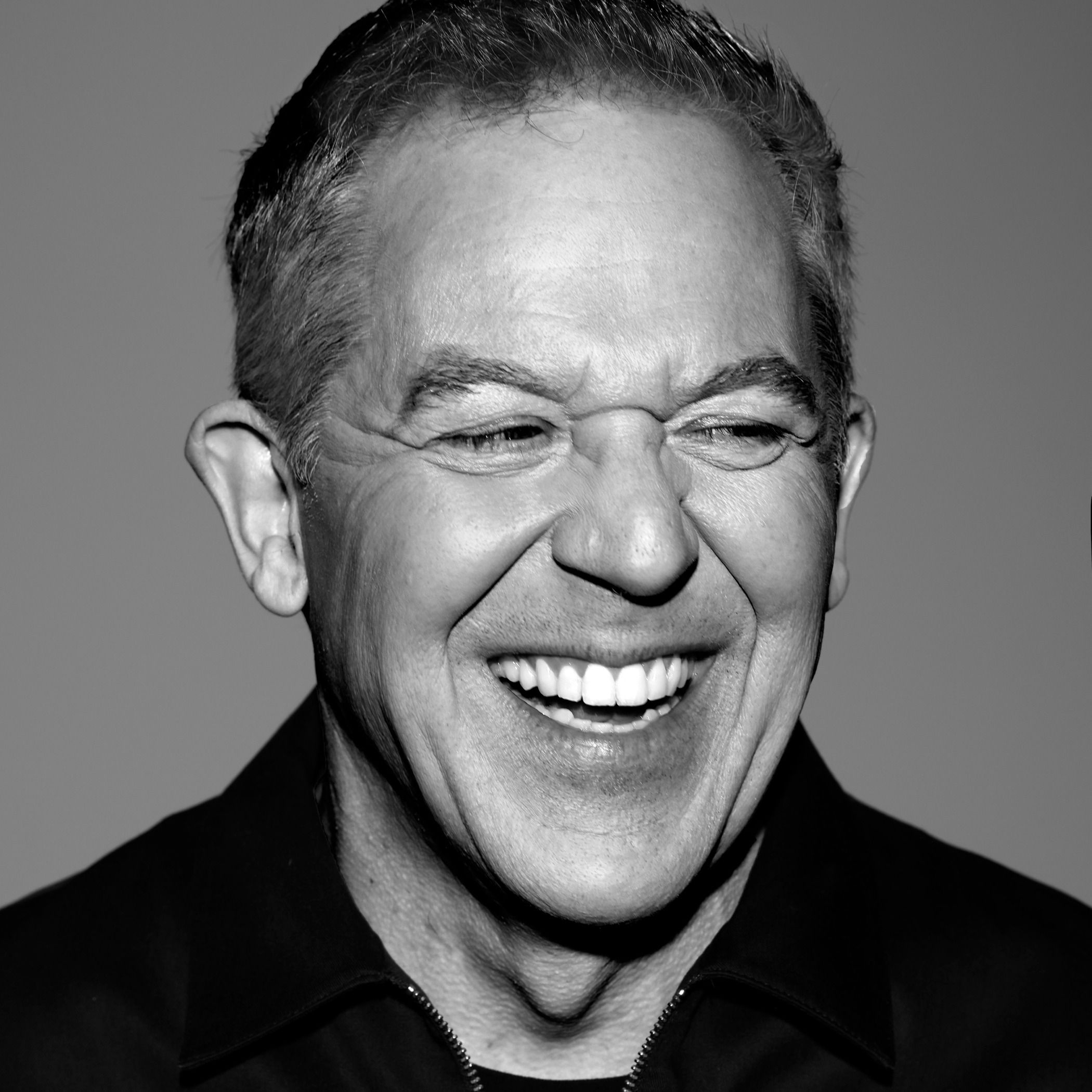
The Interview
Fox News Wanted Greg Gutfeld to Do This Interview. He Wasn't So Sure.
00:50:44
The pugnacious conservative late-night host on his "hierarchy of smears" and the risks of being a scold.
Loading summary
Transcript381 lines
- [00:00]
Podcast Narrator
This podcast is supported by the International Rescue Committee, co founded with help from Albert Einstein. The IRC has been providing humanitarian aid for more than 90 years. The IRC helps refugees whose lives are disrupted by conflict and disaster, supporting recovery efforts in places like Gaza and Ukraine and responding within 72 hours of crisis. Donate today by visiting Rescue.orgRebuild.
- [00:32]
Greg Gutfeld
From the.
- [00:32]
David Marchese
New York Times, this is the interview. I'm David Marchese. Why can't conservatives break through on late night tv? For years, that was an open cultural question. The left had the Daily show and Last Week Tonight with John Oliver, not to mention other liberal leaning hosts like David Letterman, Stephen Colbert and Jimmy Kimmel. The right had no one. That is until Greg Gutfeld. Formerly a health and men's magazine editor, Gutfeld joined Fox News in 2007 to host a later than late night chat show called Red Eye. Then he worked his way up the schedule until 2023 when his new show called Gutfeld, it's got an exclamation mark at the end, moved to weekday nights at 10 on the east coast and started dominating. Its format is a little different from traditional host driven late night shows because rather than chat with celebrity guests, Gutfeld presides over a roundtable of regular panelists, Cat Timpf and Tyrus Chief among them. The over vibe is insult heavy, defiantly anti woke and relentlessly pro conservative. It's a highly successful formula. The show averages over 3 million viewers a night, numbers that dwarf its competitors. But if Gutfeld, who also hosts Fox's daytime show the Five, can now credibly call himself the king of late night, his kingdom is in turmoil.
- [01:53]
Interviewer (David Marchese)
Earlier this year, CBS announced it was.
- [01:55]
David Marchese
Canceling the Late show with Stephen Colbert. And as you probably know, Jimmy Kimmel's show was briefly suspended after comments he made related to Charlie Kirk's murder. Both decisions were viewed by many as politically motivated and also as possible threats to free speech. This is coming at a time when questions about the future of late night as well as censorship and comedy are thick in the air. All of which Gutfeld, in highly provocative fashion, had plenty to say about. Here's my conversation with Greg Gutfeld.
- [02:32]
Greg Gutfeld
Greg? Yes.
- [02:33]
Interviewer (David Marchese)
Thank you for being here.
- [02:34]
Greg Gutfeld
My pleasure.
- [02:35]
Interviewer (David Marchese)
I want to start with the biggest.
- [02:37]
David Marchese
Story in late night this year, or biggest stories, I should say, which are the impending cancellation of Colbert and Kimmel's suspension. Yeah.
- [02:46]
Interviewer (David Marchese)
Do you remember what your immediate reaction to the news of both was?
- [02:51]
Greg Gutfeld (continued or alternate mic)
I guess.
- [02:53]
Greg Gutfeld
Why did it take so long? Because, you know, I had crushed them like bugs, David. I'd crushed them and I'D thrown them into the wind and they were still here. I call it entertainment welfare. The only reason why they were around for so long, despite the fact that their numbers were dropping, was that the fact that they kind of, like, toed the line. So I guess when I heard that they were gone, it really didn't surprise me because the numbers were saying it. I don't think it was political. I didn't know anybody, and I'm counting my many liberal friends who watched them. And I think it's because it wasn't entertainment anymore. It was more like a therapy session for people that were upset at the world.
- [03:34]
Interviewer (David Marchese)
So you don't give any credence to the notion that there were larger corporate political considerations that went into there, went into happening both Colbert and Kimmel.
- [03:44]
Greg Gutfeld
I think people kind of understand that there's never been anybody who's ever really folded because of Trump saying, you suck. You know what I mean? If the numbers were there, it wouldn't make any difference. Was it extra noise in the story? Probably. But I honestly think that this stuff was. The grumbling was already there.
- [04:11]
David Marchese
You described both their shows as being akin to therapy sessions for people who are mad at the world.
- [04:17]
Greg Gutfeld
Yes.
- [04:18]
Interviewer (David Marchese)
Is there not a way in which your show functions similarly?
- [04:21]
Greg Gutfeld
Oh, no. I, I just. Our show is fun, but you can.
- [04:26]
Interviewer (David Marchese)
Be fun and mad at the same time.
- [04:27]
Greg Gutfeld (continued or alternate mic)
Yeah, you can.
- [04:28]
Greg Gutfeld
But generally, I usually like to be at least part of the punching bag. And I encourage that among the guests that, that I am, if I come off as petty about something that they have to, like, come after me for being equally as absurd and stupid. I enjoy that. The teasing makes it fun. And also, I genuinely like people that I tease. In fact, if you want to know the people I don't like, it's the people I don't tease. And I, I. People know that when.
- [05:01]
Interviewer (David Marchese)
So you must love the women on the View, then.
- [05:03]
Greg Gutfeld
Yes, I adore. I love whoopy. But I, and, and I, and I like the other Rosie ODonnell.
- [05:08]
Interviewer (David Marchese)
You must.
- [05:09]
Greg Gutfeld
I love. But I mean, like, personally. And see, I don't, I guess I put the people I don't know are in a different kind of room. But I make fun of everybody that I love and, and relentlessly. There are a lot of, and I won't mention, but there are a lot of, like, say, conservative commentators who will not be teased. This is a very serious vocation. I think the success of my show and the success of the 5 is based on the ability to tease people try to replicate the Five and they don't understand. It's so obvious. The secret sauce is that we make fun of each other. And I think that is something that you don't see in the left at all. And I think we're the only people doing it. You asked me something else. I forgot what it was. I do think there are issues that upset me, but I have to always kind of step back and go, this thing cannot take over my life. It's like. I'd say that Trump Derangement Syndrome is now an addiction. It's moved into something that is like. It's creating a filter, which every. Everything that you look at, the people that you know, your co workers, your relationships are all seen through this. If you don't see this my way, we're gonna have a problem. So I try to. My. My reflex is to always, no matter what the story is, is to always kind of put it back in its box so it doesn't become something that I think about and change the way I view people.
- [06:41]
Interviewer (David Marchese)
You don't think there's a way in which your show also sits behind the Trump filter? And if people don't agree fundamentally with.
- [06:50]
David Marchese
The positions that are sort of sympathetic.
- [06:54]
Interviewer (David Marchese)
To Trump, that's upsetting for people.
- [06:56]
Greg Gutfeld
I mean, not. I look at it.
- [06:58]
Interviewer (David Marchese)
It's like you're saying it only works one way. And to my mind, watching the show, it's seems like it.
- [07:02]
Greg Gutfeld
Clearly, I think, that the difference is.
- [07:05]
Interviewer (David Marchese)
Trump influences in both directions.
- [07:06]
Greg Gutfeld
Yeah. But there's a key difference here, is that, let's say I may think you're wrong, you might think I'm evil. That's where the difference is. The teasing and the ridicule is not you're Hitler or you're a fascist or an authoritarian. If I'm to insult you over the top, it's because it's obviously a joke. But I don't put a target on your back.
- [07:31]
Interviewer (David Marchese)
To be clear, I think you're being a little disingenuous.
- [07:33]
Greg Gutfeld
Am I really?
- [07:34]
Interviewer (David Marchese)
In some of your. I read all your books, you know.
- [07:38]
Greg Gutfeld
Really?
- [07:38]
Interviewer (David Marchese)
Yeah. I would go through and, you know, mark it and, you know, sort of.
- [07:42]
David Marchese
The most blatant counterexample to what you're.
- [07:45]
Interviewer (David Marchese)
Talking about is you literally use the phrase the left are dumb, fascist mother effers.
- [07:50]
Greg Gutfeld
Ah. What book was that?
- [07:52]
Interviewer (David Marchese)
I want to say it was in your most recent one, the King of Late Night. I could be wrong, but it's in one of your books.
- [07:58]
Greg Gutfeld
Yeah. I'll have to look back at that. What was the context?
- [08:02]
Interviewer (David Marchese)
The left.
- [08:03]
Greg Gutfeld
Yeah. Who Was I talking about the left? No, but I mean, blanket statement, but I mean, no, but I'm saying I.
- [08:09]
Interviewer (David Marchese)
Don'T remember the specific context.
- [08:11]
Greg Gutfeld
And was it part of some kind of amplifying narrative where it's like, these people are a threat to democracy, it's going to lead to World War 3. This is like the most damaging thing that has happened in the United States, I believe, because if you look at everything from the Palisades fire to Charlie Kirk getting shot, these are all the product of amplified narratives. The repetition, the brainwash of persuasion, of being told over and over again. I'd have to look at that and see what I said. I imagine that it was in some kind of like paragraph of hyperbole where I was having fun. Because if it was in all caps especially, or I could have been mocking the actual language, I don't know. I'd have to trust you on that. You seem like a nice guy. For now, anyway. Well, anyway, go ahead. I know where you're going.
- [09:00]
Interviewer (David Marchese)
Where do you think I'm. I was going somewhere else.
- [09:02]
Greg Gutfeld
Oh, good, good. Then go somewhere else.
- [09:03]
Interviewer (David Marchese)
But where did you think I was going?
- [09:05]
Greg Gutfeld
I thought you were going to break because you were talking about insults. I figured you were going to go into the, like, the world of insults and ridicule.
- [09:10]
Interviewer (David Marchese)
That was not where I was going. That might come up later, but you've been the top rated host in late.
- [09:15]
David Marchese
Night for, for a minute now.
- [09:16]
Interviewer (David Marchese)
And yeah, you know, you sort of kind of like you did right at.
- [09:20]
David Marchese
The top of our conversation.
- [09:21]
Interviewer (David Marchese)
You hold that up as like a triumph over.
- [09:24]
Greg Gutfeld
Yeah, but I'm having fun.
- [09:25]
Interviewer (David Marchese)
You're having fun.
- [09:25]
Greg Gutfeld
Yeah. It's kind of like the same thing that Trump does where he says, I got the biggest credits. It's just something fun to say. But more people say it to me than I say it to anybody else.
- [09:37]
Interviewer (David Marchese)
A lot of people, when they have.
- [09:39]
David Marchese
Commented on your success, they fold it in with this idea that prior to Got Feld, there hasn't been a hit conservative late night show.
- [09:48]
Interviewer (David Marchese)
Do you think there's something that you cracked the code with or do you think it's just your right time, right.
- [09:56]
David Marchese
Place because of changes in the culture?
- [09:57]
Interviewer (David Marchese)
Why hasn't there been.
- [09:58]
Greg Gutfeld
I think it's a little of both. One is that late night shows were not political and then they became political.
- [10:06]
Greg Gutfeld (continued or alternate mic)
There's half of the, let's say half of the population that doesn't share the. Those politics. So they're for the taking.
- [10:13]
Greg Gutfeld
They don't want Kimmel or Colbert in their living room. Telling them they're stupid for voting for Trump. So there's all those people. But then the other thing is what you said, the change in the culture, it's like everybody was walking around going, like, am I going to get cancelled? Am I. Do I have to be scared of not just what I'm saying, but what I'm thinking? And do I actually change my behavior? And I had always been about sharing the risk, that somebody's got to do it. Like J.K. rowling within the trance movement. She obviously is a billionaire. She can share the risk. She has FU money. But I thought, like, somebody has to break the ice and say, I'm here and I'm gonna do this. And whether it's. It's Rogan or Tim Dillon or Theo Vaughn, who's the guy that. From the show tires, I always forget Shane Gillis. Shane Gillis, like, Shane Gillis is a great example. He was a guy that was shoved.
- [11:04]
Greg Gutfeld (continued or alternate mic)
Off to the side because he didn't.
- [11:06]
Greg Gutfeld
Fit the right formula for snl. And then he comes back, what, four years later and is hosting it.
- [11:14]
Interviewer (David Marchese)
But do you actually see Kimmel, Colbert and Fallon as competition? Not really, because you do very different things, but you do seem to think them, in a way, as foils.
- [11:26]
Greg Gutfeld
Yes, absolutely. In fact, I kind of know myself enough that I do need foils.
- [11:33]
David Marchese
Why?
- [11:35]
Greg Gutfeld
Like, I talk about this with Jessica Tarloff a lot when I'm writing my notes for the Five. I have her in my head, like, she's my muse, you know that, like, okay, like, what is she reading? How's she gonna respond to this? And it's very helpful just to have that rather than just writing for. I don't. You know, I write stuff anyway. But when I was in men's magazines, my foils were like Esquire, gq, details. And I just made fun of them all the time. It was just. I think it was. Maybe it helps sharpen my identity and it reminds me of what I am, which is not them. I know that's circular, but is there.
- [12:20]
Interviewer (David Marchese)
Any kind of actual animosity there? No, because, you know, just was looking up stuff you said about Colbert. It's like, you know, you call him a smug loser or something like that. The one that stood out for me about Kimmel was.
- [12:33]
David Marchese
Let me make sure I get this right.
- [12:34]
Interviewer (David Marchese)
If that man was any more full.
- [12:36]
David Marchese
Of shit, he'd be a colostomy bag.
- [12:38]
Greg Gutfeld
Yes.
- [12:39]
Interviewer (David Marchese)
It doesn't tip over into personal animosity. So you don't have some.
- [12:43]
Greg Gutfeld
This is where I thought you were Gonna go earlier. I have this thing called the hierarchy of smears. And that means if you at the hierarchy of smears, you call somebody a fascist who's going to destroy the world. I can call you anything. I made this point, like, in an article by the New York Times, but they didn't include it, which bummed me out, which was the Cat Timf article. And the writer had asked me. She was in the audience, the Gutfeld audience, watching the show. And she said during the show, you made all of these fat jokes. Were so many of them. And I'm sitting in your audience and I'm saying, like, you know, there's some overweight people. And I said, yeah, but they didn't call me Hitler. And that's the difference. It goes back to the. That, the framing, which is, I think you're wrong. You think I'm evil, and I'm never going to call somebody fat because they're fat. I'm going to call you fat if you called me Hitler in the hierarchy of smears, that's way down here. And the best part about that is it hurts them. It hurts them more than if they were to call me Hitler because they have to look in the mirror every day. I know I'm not Hitler. They know they're fat. It's funny because Cat makes charming.
- [13:57]
Interviewer (David Marchese)
Yeah, but it's a charming way of looking.
- [14:00]
Greg Gutfeld
Yes. No, Cat, it makes me. Makes fun of me.
- [14:02]
David Marchese
Over.
- [14:02]
Greg Gutfeld
This is Greg. You're trying to turn calling people fat into a heroic endeavor. And it's like, yeah, pretty much. But again, like, just stop calling me a Nazi or Hitler or a fascist, and I'll lay off the physical stuff. But the physical stuff doesn't come close to ascribing this moral evil to somebody that then generates animosity among people who might do something to you, who might, you know, come to your house. That's what I think. I think about that. When I call somebody a name, I go like, this fucker deserves this shit. Does that make sense?
- [14:40]
David Marchese
I understand what you're saying. Yeah.
- [14:42]
Interviewer (David Marchese)
That's not the same as saying I think it makes sense. But I understand what you're saying.
- [14:45]
Greg Gutfeld
But if I'll take the I understand what you're saying as making sense.
- [14:49]
Interviewer (David Marchese)
If you were to ask to consult Colbert and Kimmel's writers about how they could make fun of you, what would you tell them?
- [14:59]
Greg Gutfeld
Ooh, okay, so height doesn't work because a lot of people make fun of my physical stuff. But I do that, too. I do that, too. So I guess I Think you could probably.
- [15:10]
David Marchese
Yeah.
- [15:10]
Interviewer (David Marchese)
Where's your soft spot?
- [15:11]
Greg Gutfeld
Oh, where is my soft spot? I don't know. That's funny. I would like to think that you can make fun of me about everything, but at this, I guess it's weird because I just explained that, like, this is the thing in my hierarchy of smears. Maybe that is what it is. Maybe it's the. What gets me is when you. When you call me Hitler.
- [15:44]
Greg Gutfeld (continued or alternate mic)
That might be my soft spot.
- [15:47]
Interviewer (David Marchese)
That's. That's the line.
- [15:48]
Greg Gutfeld
That's the line.
- [15:49]
Interviewer (David Marchese)
I guess it. And I think there's the idea that.
- [15:54]
David Marchese
You'Re willing to take risks in things you say and. And push against various orthodoxies.
- [16:01]
Interviewer (David Marchese)
What would be the risky thing to say to your audience?
- [16:05]
Greg Gutfeld
Hmm.
- [16:07]
Interviewer (David Marchese)
And is that are those risks you're willing to take?
- [16:10]
Greg Gutfeld
Yeah. What I don't say, Kat says. Kat and I disagree on a lot of stuff. She's more in the live and let live mode of the kind of. The trans stuff. I am not. I believe in live and let live. But I think that there is a compelling pressure behind this kind of preferential treatment that is disturbing and can lead to other things. I'm always trying to figure shit out when it comes to spirituality, but I have offended my audience. If I am too flippant on religion. But I think that my audience is pretty generous because think about it, my audience didn't exist until I got there. And so they're aligning kind of with me in a way. So it would almost, like, be kind of surprising if I did. Like, if there was something we disagreed on. For example, I mean, I say I'm pro life. Most of those people are pro life. Maybe that's why they came to me.
- [17:18]
Interviewer (David Marchese)
Do you remember what it was about.
- [17:20]
David Marchese
Religion that you said that offended your audience?
- [17:24]
Greg Gutfeld
God might have just been using Lord's name in vain. That will always. That will always piss people off. Also, religious people are such nice people. They make you feel bad when they. They don't write angry letters. They ne. No to. Well, you're New York Times product of the devil, David. Let's be honest.
- [17:45]
Interviewer (David Marchese)
But I just. Because this is going to be in audio, too.
- [17:48]
David Marchese
I just need to make it clear that I made an extremely skeptical face when. Greg.
- [17:53]
Interviewer (David Marchese)
Religious people don't write letters.
- [17:54]
Greg Gutfeld
No, no.
- [17:55]
Greg Gutfeld (continued or alternate mic)
I said no. They write letters. But they're so polite, though. The ones I get.
- [17:59]
Greg Gutfeld
I'm telling you, man, the ones I get, it's like, Greg, we always respect your opinions, but I must ask you, please refrain from using the Lord's name. In vain. And then they will try to. It's like Pen said to me, like, he's an atheist.
- [18:13]
Interviewer (David Marchese)
He's like someone who works at Planned Parenthood might have a different opinion about how polite the religion.
- [18:18]
Greg Gutfeld
Well, I mean, they have killing children. So that's part of the game. In your face.
- [18:26]
Interviewer (David Marchese)
You know, there's a book of yours.
- [18:28]
Greg Gutfeld (continued or alternate mic)
Yes.
- [18:29]
David Marchese
From 2015 called how to Be Right.
- [18:31]
Greg Gutfeld
Oh, yeah.
- [18:32]
David Marchese
And in there you wrote that ideological purity on the right creeps you out. Where do you see that ideological purity on the right today?
- [18:43]
Greg Gutfeld
You know, it's funny, it. You notice that it's kind of been destroyed. That's weird. I haven't reread that book because I'm afraid that there'll be things in there that I have changed my mind on. And I should, because I've learned more in the last 10 years than I have in my entire life. Ideological purity would be like drugs. This is also shows you how you can flip so many times. So I went for decriminalization. I believed that all drugs should be legalized.
- [19:17]
David Marchese
Basically. The libertarian position.
- [19:18]
Greg Gutfeld
Yeah, the libertarian position. In a weird way, people like me who make decriminalization arguments have the safety net. I'm not. If I, if I end up getting super high tonight, I'm not going to end up on the street tomorrow. So I have that luxury.
- [19:33]
Greg Gutfeld (continued or alternate mic)
What about everybody else?
- [19:34]
Greg Gutfeld
Right.
- [19:34]
Interviewer (David Marchese)
It was an easy for you to make.
- [19:35]
Greg Gutfeld
It's an easy thing for me to make. It's a. And it's, it's almost like a ver in a way. It's kind of like a cool virtue signal. But then you kind of like, you look around, you go, wow, there's a lot of people here that are fucked up.
- [19:47]
Interviewer (David Marchese)
But you're bringing this up as an.
- [19:48]
David Marchese
Example of sort of an ideological position you held. That has changed.
- [19:53]
Greg Gutfeld
Yes.
- [19:54]
Interviewer (David Marchese)
And I'm more curious about ideological positions.
- [19:58]
David Marchese
That you might hold today that don't seem in line with contemporary conservative orthodoxy.
- [20:05]
Greg Gutfeld
Ooh, okay.
- [20:06]
Interviewer (David Marchese)
Like you're saying the purity test thing.
- [20:08]
David Marchese
Is kind of outdated.
- [20:09]
Interviewer (David Marchese)
Give me an example.
- [20:10]
Greg Gutfeld
I think, I mean, I think like, foreign policy is a good one. Like, I'm definitely like, America first. I had to be sold on. I'm still, wait and see. On tariffs. I, I, tariffs was an ideology. Anti tariffs was an ideology. I just thought they were bad.
- [20:30]
David Marchese
Right. And also a libertarian position.
- [20:32]
Greg Gutfeld
Yeah.
- [20:33]
David Marchese
Anti free trade.
- [20:34]
Greg Gutfeld (continued or alternate mic)
Yeah, yeah.
- [20:34]
Greg Gutfeld
Anti free trade. And, and yet did that keep me from, like, wondering if it might work or not? I don't know what happens. I still don't know I know that it's a tool that you can moderate, modulate or whatever, but I don't know.
- [20:49]
David Marchese
You gave two examples, drug decriminalization and tariffs. That kind of are, like, I pointed out, in line with sort of a libertarian slanter thinking.
- [21:01]
Interviewer (David Marchese)
And it's clear from reading her books.
- [21:03]
David Marchese
That there has been kind of a libertarian thrust to political thinking.
- [21:08]
Interviewer (David Marchese)
And it's very easy to make the argument that President Trump's policies are problematic.
- [21:15]
David Marchese
When it comes to libertarian politics.
- [21:17]
Greg Gutfeld
Yeah, I don't think he's in any label. That's the thing.
- [21:20]
Interviewer (David Marchese)
And so my question, though, is, knowing that you. You do have this kind of libertarian slant, are there aspects of what President Trump is doing that give you pause or cause?
- [21:31]
Greg Gutfeld
Like the. The flag thing.
- [21:33]
David Marchese
What's the flag thing?
- [21:35]
Greg Gutfeld
Going to jail. If you burn a flag, I get it. If it's somebody else's property, but if it's your flag, you can do whatever you want. That, to me, is a mistake. It's funny, I still don't really see Trump in any political party. You know, I see him as ultimately, the way Trump was before he was in politics was kind of like, do whatever you want, just don't bother me.
- [21:57]
David Marchese
Are there things that President Trump does.
- [21:59]
Interviewer (David Marchese)
That infringe on people's freedoms?
- [22:02]
Greg Gutfeld
Let me think. I would. I'd say the flag thing is a potential thing. I think sometimes, you know, he's. When he cleans up a mess, it can look like it is, but it's like, who else is going to do it? It's like we're cleaning up a mess that was for five years. Illegal immigration is a good example of like, dude, you can't. If you made this mess, you can't stand off on the side and criticize the way we're cleaning it. So I think, is there a softer approach? Maybe, but it's kind of like you got to build credibility back to be able to criticize that.
- [22:40]
Interviewer (David Marchese)
You worked for a long time in.
- [22:42]
David Marchese
Men's Health World at Men's Health magazine, and then also you worked at Prevention magazine.
- [22:47]
Greg Gutfeld
Yes.
- [22:48]
Interviewer (David Marchese)
And I'm curious to know, given that experience and, you know, you're familiar and had seen a lot of health fads come and go. What you make of the MAHA movement?
- [22:59]
David Marchese
Make America healthy again?
- [23:00]
Greg Gutfeld
Well, I. It's weird because when I was working at Prevention in Men's Health, you would get. There's a. There's a str. There's like all sorts of movements. And the anti vax movement was very tough, and they were all. It was always focused around this Lancet study. There was this one Lancet study that made this tie between autism. I, I, I think it's been completely debunked. But it still existed. So that used to drive me crazy. But I talk to people and I understand about the grouping because my wife is like this. My wife worries about the grouping of vaccines and there are questions about other vaccines. Whether it's Covid or hep. Is it hep B or hep C? But I, I have a fairly skeptical eye. There was some weird working in health magazines that you come into the reverse circumcision movement. Guys who wanted their foreskin back. That was a thing. There was a woman that once tried.
- [23:53]
Greg Gutfeld (continued or alternate mic)
To convince me she could use sound.
- [23:54]
Greg Gutfeld
Waves to cure aids. There was like I would run into the weirdest stuff.
- [23:59]
Interviewer (David Marchese)
Given your skepticism about that. Doesn't it seem like there's a lot that's ripe to be made fun of with the MAHA movement and anti vaxx stuff and why don't you do it?
- [24:09]
Greg Gutfeld
I do. I actually do. I thought you give a comment every now and then.
- [24:14]
Interviewer (David Marchese)
Like you let one slip.
- [24:15]
Greg Gutfeld
But you don't. I can always stand in front of. I'm always critical. The autism thing I'm really worried about. But I'm waiting to see what happens.
- [24:24]
Interviewer (David Marchese)
What would you need to see happen that to make.
- [24:26]
Greg Gutfeld
They say that it's, it's not vaccine related. Which I think it, I don't think it is. But I do think at least the dude's fit.
- [24:34]
David Marchese
You're talking about rfk.
- [24:35]
Greg Gutfeld
Yeah. And they're talking about exercise and they're talking about diet. It's this whole like weird world, I guess. You know, from the rogan sphere to RFK Jr. And just Pete Hegseth. It's kind of like a renewed sense of like taking care of yourself. It's not a bad thing.
- [24:53]
Interviewer (David Marchese)
From your book, the Bible of Unspeakable Truths.
- [24:55]
Greg Gutfeld (continued or alternate mic)
Yes.
- [24:55]
Interviewer (David Marchese)
I don't know when it comes to.
- [24:57]
David Marchese
Medicine, but that is still more than.
- [24:58]
Interviewer (David Marchese)
People like Robert F. Kennedy Jr. And.
- [25:00]
David Marchese
Everyone else who thought that vaccines cause autism.
- [25:03]
Greg Gutfeld
Yes.
- [25:03]
David Marchese
No.
- [25:04]
Interviewer (David Marchese)
And now you're saying at least, at least he's fit.
- [25:06]
Greg Gutfeld (continued or alternate mic)
Yeah.
- [25:07]
Interviewer (David Marchese)
This feels, this feels like a good trade off to.
- [25:09]
Greg Gutfeld (continued or alternate mic)
You can have, you can have 2 thoughts in your head.
- [25:11]
Greg Gutfeld
I still think I'm still critical of that. And I wonder if he is too. I think he has pulled back from that. But I thought that was like, I felt like a really serious issue because it was feeding into people's beliefs about vaccines. But if he's willing to pull out of that, which I think he kind of is. At least they're investigating it. But I still am very, I still feel the same way. I don't think there is a. I, I would be shocked if they find a link, so I stand by that. Nice job, though.
- [25:45]
Interviewer (David Marchese)
I hate to keep just going back to your books, but there, there was.
- [25:48]
David Marchese
Something that in particular that was interesting to me in a book you wrote a couple years ago called the Plus.
- [25:53]
Greg Gutfeld (continued or alternate mic)
Yes.
- [25:54]
Interviewer (David Marchese)
Where you sort of lamented a problem.
- [25:56]
David Marchese
That you called the Opposition Toxin, which.
- [25:59]
Interviewer (David Marchese)
Is the inclination of the media to.
- [26:01]
David Marchese
Always see two groups in conflict.
- [26:04]
Interviewer (David Marchese)
Could Gutfeld, the show or your career be possible, or could they exist without the Opposition Toxin?
- [26:13]
Greg Gutfeld (continued or alternate mic)
Yes.
- [26:15]
David Marchese
Yeah.
- [26:15]
Greg Gutfeld
As long as it's funny. There are so many stories that you can cover without being either or. I mean, I think I do plenty of them. Yeah. It's the thing that you have to, like, always be a party pooper with nuance. Like, it's not exactly this way. It's. I call it the prison of two ideas. And almost everything is, can be placed in that prison.
- [26:41]
Greg Gutfeld (continued or alternate mic)
Everything.
- [26:41]
Greg Gutfeld
Foreign policy, feminism, whatever. Gay rights, you name it. Anything can go right in there. You're either for, you're against.
- [26:50]
Interviewer (David Marchese)
You know, we can't help but view.
- [26:52]
David Marchese
The world through our personal context and particularly our personal emotional contexts.
- [26:58]
Interviewer (David Marchese)
You know, emotions are kind of where.
- [27:00]
David Marchese
All ideas come from.
- [27:01]
Interviewer (David Marchese)
So I have some questions about your formative years. I know that when you were growing up, your dad was sick with cancer.
- [27:12]
Greg Gutfeld
Yes.
- [27:12]
David Marchese
Most of your adolescence. And I think you wrote about how you would come home and help clean his, his wounds and do physical therapy with him when he was yelling in pain.
- [27:23]
Greg Gutfeld
Yeah.
- [27:24]
Interviewer (David Marchese)
How does that shape someone?
- [27:27]
Greg Gutfeld
I think, I mean, I think it probably, I mean, maybe kept me from having kids for a while. I think maybe that, like, I, from a personal level, it was probably like, you know, you never know what's going to happen with your family. I don't want to be in, you know, and maybe I had done my child care when I was young.
- [27:52]
David Marchese
For your dad.
- [27:53]
Greg Gutfeld
Yeah. And maybe that was it. I got, I don't know if it like, steered me into the health journalism, but I was definitely interested in health and I was interested in fitness. And that might have been that my dad's illness probably got me into that maybe because, and I did, you know, I, I, I had a curiosity about, like, I remember taking genetics at Berkeley and it was kind of fairly new, you know, because of that. So I think it did have a, it made me curious about medicine and it probably made Me like reticent about like starting families because you never know, which is a really stupid reason not to do it.
- [28:39]
Interviewer (David Marchese)
And so you have a one year old now.
- [28:41]
Greg Gutfeld
Yeah, well, she's 10 months.
- [28:42]
David Marchese
10 months, yeah.
- [28:43]
Interviewer (David Marchese)
Are there ways in which being a father has sort of changed your disposition to the world or sort of what you would like the world to look like?
- [28:52]
Greg Gutfeld
I don't think it can make me more anti crime than I already was. You know, when I'm walking around, I like go like, is this. Do we have to move out of the city? What happens if we get this new mayor? Okay, that's the, you know, whatever. But I. It's kind of. It makes you forgive everything bad you did prior to that. Because like you can't have a regret. You can't have a regret for something. If you were to change that this person wouldn't be here. Like, obviously I wouldn't even know that Mira existed and I would have Joey in Geronimo. But the thing is I don't. And I have this and I'm like, like I wouldn't change anything. Which is great because if you spent decades being a reprobate, like I can now say to myself, it's like, well, I was an. For these four years. These other years I was vacant. This. But it all led to this. By the way, it's 12:15. Dude, I gotta go to work.
- [29:54]
Interviewer (David Marchese)
I know. We're scheduled for another 15 minutes.
- [29:56]
David Marchese
Oh, really?
- [29:57]
Greg Gutfeld
Those bastards didn't tell me that.
- [29:59]
Interviewer (David Marchese)
Also, just so you know, then we.
- [30:01]
David Marchese
Talk a second time.
- [30:02]
Greg Gutfeld
Oh, well, it's fact checking.
- [30:03]
David Marchese
Nope.
- [30:04]
Interviewer (David Marchese)
No, it's a whole second part of the interview.
- [30:06]
Greg Gutfeld (continued or alternate mic)
No, it's not.
- [30:07]
Interviewer (David Marchese)
Yep. It's shorter. It's shorter. Don't worry, I'm not joking either.
- [30:12]
Greg Gutfeld (continued or alternate mic)
I don't believe you.
- [30:13]
Interviewer (David Marchese)
It's true. So I just want to. There were two stories in a book.
- [30:19]
David Marchese
You wrote called Be Cool that stood out for me.
- [30:23]
Greg Gutfeld
Or not cool?
- [30:24]
Interviewer (David Marchese)
Was it not cool?
- [30:25]
David Marchese
I'm sorry, I have the specific title because the whole title really is important.
- [30:29]
Interviewer (David Marchese)
Not cool. The hipster elite and their war on you.
- [30:35]
Greg Gutfeld
So in struggled with that one.
- [30:37]
Interviewer (David Marchese)
In that book there are two anecdotes that you mention still sort of linger with you. And one involved a group of kids.
- [30:45]
David Marchese
In the fifth grade.
- [30:46]
Greg Gutfeld
Yes, the Sharks. The Sharks.
- [30:48]
Interviewer (David Marchese)
Do you want to quickly tell that story?
- [30:51]
Greg Gutfeld
Yeah, it's almost like the first real experience I had with Groupthink. I think it was after an episode of Happy Days or something where there was a gang in it and everybody the next day wanted to be In a gang and they just decided they were the Sharks, but I wasn't gonna be one. And I think I was mad because I wasn't even included in it. It was the first time I ever felt that you were being excluded. Yes, being excluded. And also how stupid they were acting as a mob. And I think that has always been following me around a little bit.
- [31:26]
Interviewer (David Marchese)
In that book you say your experience.
- [31:28]
David Marchese
With this gang of kids was you were banished and you sort of been banished ever since.
- [31:35]
Interviewer (David Marchese)
And then you also tell a story.
- [31:36]
David Marchese
About a kid named James.
- [31:39]
Interviewer (David Marchese)
Do you want to tell me about James in kindergarten?
- [31:43]
Greg Gutfeld
Oh, yeah. Yeah. Boy, you're pulling shit out that black kid. Yeah, it was. It was weird because we were like best friends. Then like I run into him, I don't know, maybe seven years later or something like that. And he was like. Saw me as a completely different person. Like I didn't exist. And it was just like what happened? And I think that was what I was talking. Basically I was talking.
- [32:12]
Interviewer (David Marchese)
And what do you think happened there?
- [32:14]
Greg Gutfeld
I think that he realized we were two different races and that he had no need for me. That was basically it when I read those two stories.
- [32:26]
Interviewer (David Marchese)
And again, it's because you single both them out as being formative in the book. I thought these stories are about resentment at being rejected.
- [32:36]
Greg Gutfeld
Yeah.
- [32:37]
Interviewer (David Marchese)
I wonder how much resentment and also a desire to preemptively reject before you're rejected drives what you do now and formed your identity. Because the subtext, all your work, all your. I've really immersed myself in it for a while. It's all fu. To this other group.
- [32:57]
Sponsor/Advertisement Voice
Mm.
- [32:58]
David Marchese
All of it.
- [32:59]
Greg Gutfeld
I think that's simplistic, but there is a kernel to truth. I do think that like almost all resentments have your role in it. Right. I think it's fair to say it.
- [33:08]
David Marchese
Takes two to tango.
- [33:09]
Greg Gutfeld
Yeah. And I do think that like. Okay, like, why do you get mad when somebody gets a promotion over you or you get fired and you get resentful?
- [33:21]
Greg Gutfeld (continued or alternate mic)
It's usually self doubt.
- [33:23]
Greg Gutfeld
Maybe that I may never. Maybe I'm not good enough. So I do think there's always. There's always going to be.
- [33:29]
Interviewer (David Marchese)
Is that what you feel?
- [33:30]
Greg Gutfeld
No, I'm saying that that's. I think that's what I. I would say that in that example of like, let's say somebody gets a promotion over me, I would say, like, is that person better than me?
- [33:39]
Greg Gutfeld (continued or alternate mic)
That.
- [33:39]
Greg Gutfeld
I think that's a normal human thing. And I think I can feel that. I can feel that. I don't think I feel that anymore. But I'm sure back in the day I did. It's like, why is this person, like when I would get fired, I would be pissed off and I would forget the fact that when I would get into my next role it would be better. I didn't have faith in myself to actually do better.
- [34:01]
Interviewer (David Marchese)
And do you have long term ambitions beyond what you're doing now? Is this what you want to be doing five years from now?
- [34:09]
Greg Gutfeld
God, I'm 61. There are no long term ambitions. I'm happy doing this and I imagine that the, the vehicles might change. Like it feels like things are always going to be changing. So. But I have a feeling this is kind of what I'm doing for now for. And now could be until I'm, I don't know, 75. I think 75 is a good year. I mean, I look great for 61. Let's be honest. I mean, look at this.
- [34:40]
David Marchese
Debatable.
- [34:43]
Interviewer (David Marchese)
Thank you for taking the time today. You know, we are speaking a second time as part of the deal. You can get mad at your publicist.
- [34:48]
Greg Gutfeld
I am. I'm gonna get mad.
- [34:49]
Interviewer (David Marchese)
It'll be next week, so you have a little time.
- [34:51]
Greg Gutfeld
But the walk back to the office is gonna be very, very cold and sharp looks back and forth.
- [34:58]
Interviewer (David Marchese)
But thank you again for taking and I'm looking forward to talking with you again.
- [35:01]
Greg Gutfeld
You got it, buddy.
- [35:02]
Greg Gutfeld (continued or alternate mic)
Good to see ya.
- [35:03]
Greg Gutfeld
Oh, don't forget my pen.
- [35:09]
David Marchese
After the break, we do indeed talk again. This time I call Greg up at home and he makes his case for how the right got cool.
- [35:17]
Greg Gutfeld (continued or alternate mic)
What is considered, I don't know, fun is whatever upsets your teacher. This is where I think the real Trump fandom came into play among young people was how much it pissed off their teachers.
- [35:38]
Sponsor/Advertisement Voice
Foreign.
- [35:49]
Podcast Narrator
This podcast is supported by the International Rescue Committee. Co founded with help from Albert Einstein, the IRC has been providing humanitarian aid for more than 90 years. The IRC helps refugees whose lives are disrupted by conflict and disaster, supporting recovery efforts in places like Gaza and Ukraine, and responding within 72 hours of crisis. Donate today by visiting Resque.org Rebuild when.
- [36:17]
Sponsor/Advertisement Voice
Will AI finally make work easier? How about today? Say hello to Gemini Enterprise from Google Cloud, a simple, easy to use platform letting any business tap the best of Google. AI retailers are already using AI agents to help customers reschedule deliveries all on their own. Bankers are automating millions of customer requests so they can focus on more personal service. Nurses are getting automated reports freeing them up for patient care. It's a new way to work Learn more about gemini enterprise@cloud.google.com don't just imagine a better future. Start investing in one with betterment. Whether it's saving for today or building wealth for tomorrow. We help people and small businesses put their money to work. We automate to make savings simpler. We optimize to make investing smarter. We build innovative technology backed by financial experts. For anyone who's ever said, I think I can do better, so be invested in yourself. Be invested in your business. Be invested in better with betterment. Get started@betterment.com investing involves risk performance not guaranteed.
- [37:34]
Interviewer (David Marchese)
Hey, Greg, thanks for taking the time to speak with me again.
- [37:36]
David Marchese
I appreciate it.
- [37:37]
Greg Gutfeld (continued or alternate mic)
My pleasure.
- [37:39]
Interviewer (David Marchese)
So this is something that's been nagging at me. Earlier you expressed this idea that a.
- [37:45]
David Marchese
Lot of damage has been done in the country as a result of what you called amplified narratives, politically oriented repetition, persuasion, kind of like brainwashing.
- [37:56]
Interviewer (David Marchese)
And the thing that's been nagging at me is help me understand how it's not at least a little bit hypocritical to say that because even if it's nominally comedy that you're doing on Gutfeld, you're repeating the same ideas over and over again with, like, sort of slight variations, and those ideas basically being, you know, the idiots on the left are ruining the country. So how are you not part of the problem that you're diagnosing?
- [38:23]
Greg Gutfeld (continued or alternate mic)
I do my best not to call people Nazis. I do my best not to put.
- [38:29]
Greg Gutfeld
Targets on people's back.
- [38:31]
Greg Gutfeld (continued or alternate mic)
Now, there might be times that I violate that, but I pretty much try to hold myself to that standard. So I don't think it's hypocritical. And when you call somebody Hitler, like, if I believe that you are Hitler, I would be morally wrong not to do something. And by the way, this is not an uncommon thing. Everything from the Democrats when it comes to trying to persuade is always. And it's a good way of persuasion, fear. But, like, you know, it's a threat to the planet. You know, it's a threat to democracy. It's a threat to your children. If you do not agree with our beliefs on trans, this child will commit suicide. What would you rather have, a live daughter or a dead son? That's the rhetoric that I hear all the time. I try my best not to use it. When you're my dogs.
- [39:27]
Greg Gutfeld
Don't throw up.
- [39:28]
Greg Gutfeld (continued or alternate mic)
He's listening to me, Gus. The when people talk to me about, you know, well, clearly there's people on the right that do this stuff. There's no question there are crackpots, but they're almost in the crack pottery on the right is usually driven from an internal paranoia, an internal conspiracy.
- [39:50]
Greg Gutfeld
It's not welcome.
- [39:53]
Greg Gutfeld (continued or alternate mic)
It might be welcome in some chat rooms, but it's not welcomed in the media. In fact, we have a pretty good track record of distancing ourselves from crazy people.
- [40:03]
Interviewer (David Marchese)
Well, the Dominion lawsuit would suggest otherwise.
- [40:06]
Greg Gutfeld
Well, I don't know. That's above my pay grade, and I.
- [40:11]
Greg Gutfeld (continued or alternate mic)
I had nothing to do with that. You know, why didn't you bring that up? I mean, it's like. It's kind of like, hey, I mean, you score a point with that, but, you know, that has nothing to do with me. Well, I think that's kind of like a.
- [40:24]
Greg Gutfeld
That's kind of a. I'm not.
- [40:26]
Greg Gutfeld (continued or alternate mic)
It's not a cheap shot. You can ask any questions that you want.
- [40:28]
Interviewer (David Marchese)
You thought it was an unfair comparison.
- [40:30]
Greg Gutfeld (continued or alternate mic)
What does that have to do with me?
- [40:31]
Interviewer (David Marchese)
I thought we were talking in. In a larger context about messages on.
- [40:35]
David Marchese
On the right and the left, but I think.
- [40:37]
Greg Gutfeld (continued or alternate mic)
I mean. But I mean, I'm trying to figure out. I'm confused. I'm confused by that. That example, because what's the Dominion lawsuit involving people saying we need to kill people? I mean, I'm talking about a narrative that causes people to act violently. I'm.
- [41:00]
Greg Gutfeld
Hello.
- [41:02]
Greg Gutfeld (continued or alternate mic)
Sorry. I have a little dog here that.
- [41:04]
Greg Gutfeld
Is driving me crazy.
- [41:06]
David Marchese
There you go.
- [41:06]
Interviewer (David Marchese)
That's okay. I understand the narrative you're bringing up, and I thought. Yeah, sorry, can I just bring up.
- [41:13]
Greg Gutfeld (continued or alternate mic)
Since you get to bring up something, I get to bring up something, right?
- [41:16]
David Marchese
Okay, sure.
- [41:17]
Tina Brown
Yeah, sure.
- [41:19]
Greg Gutfeld (continued or alternate mic)
So when we were leaving the interview, this is.
- [41:22]
Greg Gutfeld
The only thing that stuck with me.
- [41:25]
Greg Gutfeld (continued or alternate mic)
Was when we were leaving and you had. And you could tell me if this is off base and edit it out if you want. You said that you have a hard time getting people from the right on your shows, and you said it's probably because they feel that they don't need to do it or they know that there's a risk involved. And I understand that because I encountered the same thing with my show. There are people that will want to do my show, but they won't do it because there's a risk involved. But we still do. Like, I still did this interview with you even though I felt that there was a risk involved and I didn't want it. And because of that, I didn't want to do it. But you know who persuaded me to do it?
- [42:08]
Capella University Advertiser
Who?
- [42:08]
Greg Gutfeld (continued or alternate mic)
Fox.
- [42:09]
Interviewer (David Marchese)
Oh.
- [42:09]
Sponsor/Advertisement Voice
Huh.
- [42:09]
Greg Gutfeld (continued or alternate mic)
Fox wanted me to do this because anytime there is something like this Fox will say, this is a great thing to get out in front of people and let them hear you. And I'm like, going, what's the point? I don't see the point. So I think people have to understand that we put ourselves out there when almost from my personal experience, nobody ever does. By the way, are you okay with me talking about this?
- [42:37]
Interviewer (David Marchese)
I don't know the answer.
- [42:41]
Greg Gutfeld (continued or alternate mic)
I apologize. It's just that it stuck with me because I was thinking, you know what? I didn't want to do this interview because I was weighing the risk benefits, and I couldn't see the benefits, but I could see the risks. I think I said to you, like, why walk a tightrope between two buildings when you could just cross the street?
- [43:01]
Interviewer (David Marchese)
And no, sorry, Greg, I understand, and I appreciate you taking the risk. And again, I just want to say perhaps my comparison was not a fair one. The reason I brought it up, and maybe I was misunderstanding the point you were making, but the reason I brought it up is because I interpreted what you were saying as being that we being Fox doesn't have a place for conspiratorial thinking. And then so when I heard that, I thought, well, there's evidence. The evidence being the Dominion lawsuit that no, Fox did have a place for conspiratorial thinking.
- [43:36]
Greg Gutfeld (continued or alternate mic)
Gotcha. Yeah, I, I. Yeah, I was focusing on things that put my life or your.
- [43:41]
Greg Gutfeld
Your life at risk.
- [43:42]
Greg Gutfeld (continued or alternate mic)
Those kinds of things. That other stuff, the conspiracy type stuff. To me, I'm holding a dog toy. I can't see myself, so I have.
- [43:51]
Greg Gutfeld
No idea what I'm doing. But.
- [43:55]
Greg Gutfeld (continued or alternate mic)
Right.
- [43:55]
Greg Gutfeld
G. Sorry.
- [43:58]
Interviewer (David Marchese)
I want to move on from this subject.
- [44:00]
Greg Gutfeld (continued or alternate mic)
All right?
- [44:01]
Greg Gutfeld
I'm sorry, but he's driving me nuts, and I'm alone, so I can't really put him anywhere.
- [44:08]
Interviewer (David Marchese)
No, it's nice to get a glimpse of. This is what Craig Gutfeld's life is like when he's on his computer. If anything, it helps create a sympathetic portrait of you.
- [44:20]
Greg Gutfeld (continued or alternate mic)
I got this from reading a book on power. Have a dog show up in the middle of an interview.
- [44:26]
Interviewer (David Marchese)
Yeah. This is not even your dog. It turns out it's a prop dog.
- [44:30]
Greg Gutfeld (continued or alternate mic)
There's a whole company that rents out prop dogs for contentious interviews with the liberal media. It's a conservative organization. And get this. These are strays. These are strays. And after we use them in the.
- [44:43]
Interviewer (David Marchese)
US Put it back on the street.
- [44:44]
Greg Gutfeld (continued or alternate mic)
Yeah, they're back on the street, but.
- [44:46]
Greg Gutfeld
They get a good meal. All right.
- [44:48]
Greg Gutfeld (continued or alternate mic)
Go away.
- [44:50]
Greg Gutfeld
Go away.
- [44:51]
Interviewer (David Marchese)
There's an idea that I've Heard you express. It's one that I've heard other comedians express to.
- [44:56]
David Marchese
Andrew Schultz has said it.
- [44:58]
Interviewer (David Marchese)
And that idea is that the right.
- [45:00]
David Marchese
Is now the cool side and the left are the scolds, the wet blankets.
- [45:06]
Interviewer (David Marchese)
And you wrote a whole book about called not cool. You know, it's sort of defining yourself in opposition to being cool. And I just want to know, like, how do you think about what cool is now and what benefits it confers on you and also what flaws it might conceal?
- [45:26]
Greg Gutfeld (continued or alternate mic)
It's a good question. So I wrote it must have been like, it could have been 20 years ago. It was called the Dean Wormer effect, and it was about how, as an Animal House dean.
- [45:38]
Interviewer (David Marchese)
Is that Dean?
- [45:39]
David Marchese
Yes. Yes.
- [45:39]
Greg Gutfeld (continued or alternate mic)
Yeah, it's like the, the. The way people view conservatives versus liberals is Dean Wormer and Animal House. The liberals are Animal House. The conservatives are always Dean Wormer. And my goal was to flip that, and it had to come down to humor, how people take a joke. So I think what is. I don't like the word cool, but what is considered, I don't know, fun is whatever upsets your teacher. And when you saw an overwhelming number, this is where I think the real Trump fandom came into play among young people was how much it pissed off their teachers. And you saw this growth of, I don't know, tape people recording their teachers that showed up on Twitter and Instagram of a teacher talking about, you know, if you vote for Trump, I'm going to fail you. Stuff like, like that, where they. They think they're not being recorded, they say something funny, then they get in trouble. So I think what happened was teachers represent the scold, the adult symbol of this. You can't do that. And that creates a whole thing of.
- [46:51]
Greg Gutfeld
Oh, yes, we can. And that's kind of the flip.
- [46:54]
Greg Gutfeld (continued or alternate mic)
And in comedy, you're supposed to be the one.
- [46:57]
Greg Gutfeld
The.
- [46:58]
Greg Gutfeld (continued or alternate mic)
I mean, that's where the class clown probably originates, is the comic is there to make the teacher crazy. Once the left got too comfortable, got into power, they realized they didn't have to have a sense of humor anymore. And that's why you saw, you know, a lot of people getting canceled and stuff.
- [47:20]
Interviewer (David Marchese)
Let's take that diagnosis to be true. Now that you are the cool one, does that carry any, any risks or, you know, arguments you made in the past were that the people who are cool end up being condescending, dismissive, exclusionary.
- [47:34]
Greg Gutfeld (continued or alternate mic)
I think, yeah, I think there's two points to make. I am the last person to think that I'm cool.
- [47:41]
Interviewer (David Marchese)
We can Agree on that.
- [47:42]
David Marchese
Yeah.
- [47:43]
Greg Gutfeld (continued or alternate mic)
Well, thank you, David. Thank you. And, I mean, I'm 61 and you.
- [47:51]
Interviewer (David Marchese)
Make Dean Wormer references.
- [47:52]
Greg Gutfeld (continued or alternate mic)
I got a Frenchie sleeping at my foot.
- [47:54]
Interviewer (David Marchese)
Yeah.
- [47:55]
Greg Gutfeld (continued or alternate mic)
This is not cool. But there is. You know what there is a danger of when you ascend, you replicate the very practices that you hate.
- [48:07]
David Marchese
Yeah.
- [48:08]
Greg Gutfeld (continued or alternate mic)
That is a. I think that is a concern.
- [48:12]
Greg Gutfeld
In.
- [48:13]
Greg Gutfeld (continued or alternate mic)
In every. It. Like, I try, for example, I try never to say, that's not funny, because that shouldn't matter.
- [48:24]
Greg Gutfeld
Like if.
- [48:24]
Greg Gutfeld (continued or alternate mic)
Let's say. Let's say Kathy Griffin says she makes a joke about Donald Trump. If my first instinct is to go, well, that's not funny. It doesn't. It shouldn't matter whether it's funny or not. That should. It's just like, that's what she says. That's fine. Not my cup of tea.
- [48:43]
Greg Gutfeld
But I'm not going to go and.
- [48:44]
Greg Gutfeld (continued or alternate mic)
Go, you know what the problem is? That's not funny. It's like, funny is subjective. I'm telling you, as you probably know, there's a equal number of people who find me unfunny. And that's fine. I'm an acquired taste.
- [48:59]
Greg Gutfeld
So you have to.
- [49:00]
Greg Gutfeld (continued or alternate mic)
I have to remind myself is what. Whether I find something funny or not is irrelevant.
- [49:06]
Interviewer (David Marchese)
Just the last question, because I know.
- [49:09]
David Marchese
You have to run, but what are you most idealistic about?
- [49:12]
Greg Gutfeld
Hmm.
- [49:15]
Greg Gutfeld (continued or alternate mic)
Ooh. I. God, that's a schmaltzy question, but it has a schmaltzy answer.
- [49:22]
Greg Gutfeld
I really love life, and I used.
- [49:28]
Greg Gutfeld (continued or alternate mic)
To be somebody that expected things to go my way. And so when things went well, I was. I just expected it. And when things didn't go well, I was pissed off. And it's a very simple filter flip. And it's. Now it's like, I expect everything to be difficult, and then when it goes well, I'm incredibly grateful. And that one little switch, it's literally a flip, has changed my life.
- [50:00]
Greg Gutfeld
I don't know if that's that.
- [50:01]
Greg Gutfeld (continued or alternate mic)
I guess I'm ideal. Yeah, that's probably it. I should shut up, because that's it.
- [50:07]
Interviewer (David Marchese)
You probably expected this to go badly and then it went well.
- [50:09]
Greg Gutfeld (continued or alternate mic)
Yes, exactly. Right. If I expected, coming into this interview, that this thing was going to somehow change my life and I was going to own the libs, then I would be a cranky, cantankerous asshole. But in this case, I'm like, you know, we'll see what happens. He'll probably have some penetrating questions. He'll probably try to psychoanalyze me. He might even bring up dominion. You know, but I can. But knowing that ahead of time, I'm like pleasantly surprised. David is not a bad guy. He doesn't mind my dog.
- [50:51]
David Marchese
That's Greg Gutfeld. To watch this interview and many others, you can subscribe to our YouTube channel@YouTube.com betheinterview podcast this conversation was produced by Wyatt Orme. It was edited by Annabelle Bacon, mixing by Sonia Herrero, original music by Dan Powell, Rowan Nimisto and Marion Lozano. Photography by Philip Montgomery. Our senior booker is Priya Matthew and Seth Kelly is our senior producer. Our executive producer is Alison Benedikt.
- [51:21]
Interviewer (David Marchese)
Video of this interview was produced by.
- [51:23]
David Marchese
Paola Neudorf, cinematography by Zebediah Smith, with additional camera work by Andrew Smith and Thomas Trudeau audio by Nick Pittman. It was edited by Caroline Kim. Brooke Minters is the executive producer of podcast video. Special thanks to Rory Walsh, Renan Borelli, Jeffrey Miranda, Nick Pittman, Matty Masciello, Jake Silverstein, Paula Schumann and Sam Dolnick. Next week, Lulu talks with journalist Tina Brown about the royals Jeffrey Epstein and how the magazine world has changed since her days editing Vanity Fair and the New Yorker in the 80s and 90s.
- [51:59]
Tina Brown
This was when work was so much fun. It's like all the fun has come out of work. This was a period that I lived through where it was this hell for leather, pursuit of great stuff, and the offices of Vanity Fair were just the HQ of interesting, adventurous talent.
- [52:20]
David Marchese
I'm David Marchese and this is the interview from the New York Times.
- [52:43]
Capella University Advertiser
At Capella University, we believe accessible education can make a difference in people's lives. That's why we offer scholarship opportunities to all eligible students. Whether you're considering a bachelor's, master's or doctoral degree, our teams will walk you through the process and help you get the savings you are eligible for. Furthering your education is an investment in yourself and tonses que estasperando un futuro diferente esta macerca de lo que cres con Capella University. Learn more at Capella Eduardo.