← The Interview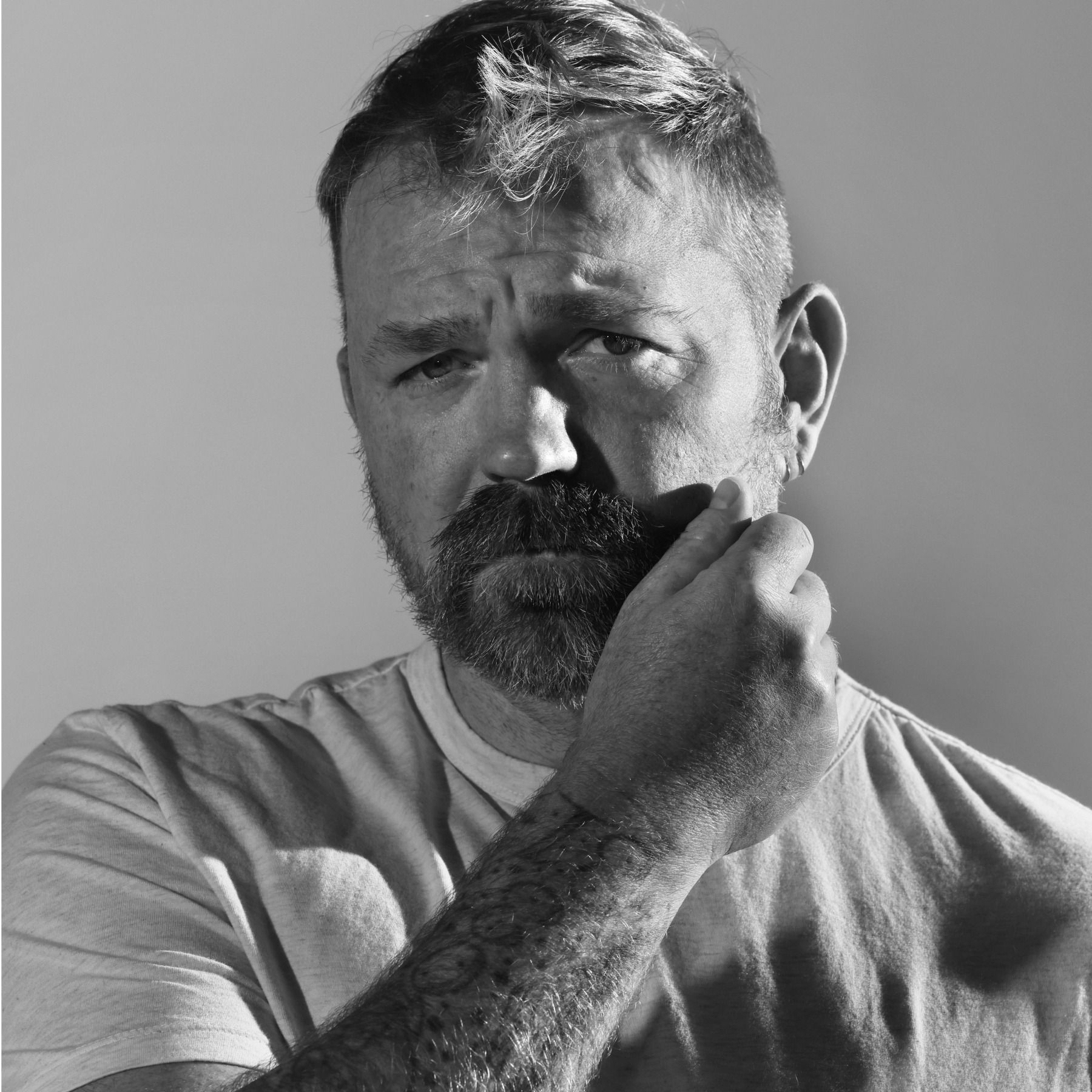
The Interview
Graham Platner’s Plan to Dethrone Susan Collins — and the Democratic Establishment
01:17:20
The presumptive Democratic Senate nominee from Maine on his controversies, contradictions and pitch for radical change.
Loading summary
Transcript221 lines
- [00:00]
Commercial Narrator
The right technology can strengthen human judgment. That's why Deloitte brings together AI and data analytics with multidisciplinary teams who can help you connect the dots across your enterprise, from risk to operations to customer needs. So opportunities don't slip by and surprises don't spread. Because the smarter your systems, the sharper your instincts. That's how technology makes people better at what they do best. Deloitte Together makes progress. Learn more@deloitte.com TogetherMakesProgress.
- [00:38]
Lulu Garcia Navarro
From the New York Times, this is the interview. I'm Lulu Garcia Navarro. In Maine, there's a candidate for Senate who's electrifying the Democratic base and worrying the establishment. Graham Platner is a progressive 41 year old military vet and oyster farmer. His pitch, starting a working class revolution. But he's been dogged by controversy in his short time in the national spotlight. Starting with the revelation of a tattoo on his chest that's widely recognized as a Nazi symbol. And continuing with the publication of past offensive social media posts. Now that his primary opponent, Governor Janet Mills, has dropped out of the race, Platner will be taking on longtime Republican Senator Susan Collins. And Washington Democrats are pinning their hopes on him to help win back the Senate in November. Is he ready? I sat down with him to find out. Here's my conversation with Graham Platner. Thank you so much for coming to New York on this gray day. But I guess you're used to it. I mean.
- [01:48]
Graham Platner
Yeah, well, I mean, a little bit. This is nice though. And at least we're inside.
- [01:51]
Lulu Garcia Navarro
We're inside. Exactly. We're not out in the elements as you normally are. You are now the presumptive Democratic nominee for Senate in Maine after Janet Mills dropped out. Your opponent, Susan Collins is viewed as, I think, one of the most vulnerable GOP senators up for reelection. I'm sure you know this. A ton of cash is about to drop.
- [02:13]
Graham Platner
Oh, yeah.
- [02:13]
Lulu Garcia Navarro
Into the race on both sides. Are you ready for primetime?
- [02:17]
Graham Platner
Yeah. I mean, at the point, I'll be entirely honest, like when we set this thing in motion back in August, the entire idea was we wanted to build a different looking politics in the state of Maine. Frankly, that's based around like community organizing. I'm a firm believer that organized people is the only actual place of power to conflict with organized money. And in our society, money is very organized. We set out on that, you know, we were hopeful, we thought it was going to work. It's of course, worked in a pretty spectacular fashion thus far. We're just going to continue doing exactly that. We're going to continue doing the public events. We're going to continue focusing on the field organizing. And we knew that all the money was going to come. We knew that, like, we were up against, I mean, we're up against the establishment of the American political system in many ways. We were up against the Democratic establishment up until last week. And we figured at some point we were probably going to win that, and then we were going to go up against the Republican political establishment, which is where we find ourselves now.
- [03:23]
Lulu Garcia Navarro
You know, obviously the test right now is if you can run in a general election. And so I want to ask straight up, because there have already been quite a few controversies, and we're going to talk about that a little bit later, but the GOP is going to dig up everything and more that they can.
- [03:39]
Graham Platner
Yeah. And probably lie at some point.
- [03:42]
Lulu Garcia Navarro
No. Is there something new you want to get ahead of?
- [03:45]
Graham Platner
No. I mean, like, we've, I've been, I've lived my life. I, like, I've been there for the whole thing, and it's. And because of that, like, I, I, I mean, I know what I've. What I've been through. I know what I've, I know what my behavior has been. I know all of it. And the, I mean, there's a reason that even after however many months that was October, they dropped the opposition research stuff on us. And the whole time there was always this, like, oh, there's more coming. I'm always like, I don't know, like, what this more is going to be.
- [04:17]
Lulu Garcia Navarro
And these are all your social media posts, et cetera, which, again, we'll talk about in a minute.
- [04:22]
Graham Platner
But there was always this, like, oh, no, they're going to dig up everything in your life and, you know, it's everything you've ever done. I'm like, yeah, I mean, I get that. But, like, I've been through my life and, like, I'm certainly an imperfect person and I certainly went through my struggles. And I mean, which I'm sure we'll talk about. But I also know for a fact that, like, I've never been close to money. I've never been close to power. I've never been able. I've never, like, you know, I don't think anything I've ever done has been outside of the realm of, like, what people do when they struggle, when they suffer, you know, that kind of stuff. And I'm. Yeah.
- [04:58]
Lulu Garcia Navarro
You know, I think those controversies and the fact that you're such an unknown is part of the reason why the Democratic establishment was worried, not the whole reason, but certainly part of it. Senate Minority Leader Chuck Schumer recruited, obviously Janet Mills to run against you because she did have that track record of running statewide, and she was viewed as more moderate in his view. There were no skeletons in her closet, so to speak. And so I'm wondering if you feel a lot of pressure right now because yours is one of the very few races that could really help to flip the Senate into Democratic control. As you know, the Democrats are extremely anxious about resting some control back in their favor for good reason. You know, I've had Democrats tell me that the fate of the country is sort of in the hands of you and a few other people now. I mean, how do you feel about that?
- [05:56]
Graham Platner
Yeah, I don't engage with it emotionally because it's way too much like I. This whole experience has been just a continual. One intensely surreal thing after another. I mean, it's like I. Like last summer when this all happened, I mean, my wife and I went from one day living a very small, simple life to, I mean, literally within days having this whole thing, like, upend our entire existence. And so there's a.
- [06:28]
Lulu Garcia Navarro
Because you were recruited, right? Because they saw a video of you.
- [06:31]
Graham Platner
Somebody saw a video of me talking about fighting a Norwegian salmon farm in our area. And they were like, that guy seems well spoken. Maybe we should go talk to him. And they came to my house and they said that we should run for U.S. senate. And my wife and I were like, that's the most insane thing we've ever heard. Please get out of our house. And then they came back a few days later with more of like a fleshed out plan. And at that point we're like, oh, my God. I mean, it's still insane, but there's something to it. And for us, we've. We've spent a long time being very engaged politically at the local level. And I think both of us are. Are deeply committed to building a significantly better future. And this was an opportunity to do something about it on a scale that, you know, is just, frankly, hard to comprehend. Still hard to comprehend, to be entirely honest. I mean, I'm. I still live in Sullivan, Maine. I still live in my small house and across the street from the boat launch. So my business partner is still like, in the yard this week getting the boats ready. And because it's this time of year, we're putting boats in the water and getting the oysters up. So, like, that's all still happening while all this other stuff is happening too. So it's a strange disconnect, I guess.
- [07:39]
Lulu Garcia Navarro
Yeah. And it brings me to this idea that you've been running as this anti establishment candidate, but we've talked a little bit about the Republican money that's going to be dropping on you. But there's also the Democratic Party's money and their organizing power to win this campaign. Do you think that hurts your message of being an outsider?
- [07:57]
Graham Platner
No, I think it's very clear to everyone just how not the establishment candidate I, I am or have been. You know, there's without question the Democratic Party wants to retake the Senate more than anything else. And almost no map that has a Democratic Senate does not include flipping the state of Maine. We have to flip the state of Maine. We have to get rid of Susan Collins for a whole myriad of reasons. Not just flipping the Senate. So they're going to come and help us out. The thing that's important to know is we welcome their support in like the, for like with the money, because we're going to be up against, I mean the NRC has already put aside almost $50 million.
- [08:41]
Lulu Garcia Navarro
That's the number I heard. Yeah.
- [08:43]
Graham Platner
For this race. That's insane. I mean, also, by the way, could you imagine investing $50 million in the state of Maine? Like in anything be a different looking state. The fact that they're just going to blow it on like negative TV ads just shows how gross and insanely flawed the system that we have is around politics. But the, we'll take their help because we're going to need it on that front. But we're not going to take as like frankly direction or advice on what we're doing because we just, what we've built is ours. And we have, we have 15,000 active volunteers in the state of Maine and we have more signing up every single day. And a lot of people who were supposed to be really, really good at politics, who were the experts, they all said that all this was entirely impossible. And we didn't just prove them wrong, but we did so in rather spectacular fashion. And we're just going to keep doing that.
- [09:35]
Lulu Garcia Navarro
You know, you had said that Senate Minority Leader Chuck Schumer had not really reached out to you until Janet Miller dropped out. And you've had a conversation with him recently. Did you tell him that? Did you say, hey bud, stay out of my business?
- [09:49]
Graham Platner
No, I said, look, we are happy to work together to beat Susan Collins. I mean, nothing brings people together like wanting to beat Susan Collins. That's, it's a very unifying Thing. The conversation was short. We did not get into details. He said, congratulations. I said, thank you very much. He said, the priority is to beat Collins. I said, that's my priority, too. And however we can work together to do it effectively is what I'm willing. I mean, that's what I want.
- [10:14]
Lulu Garcia Navarro
Yeah. I mean, I've watched you on the campaign trail, and one of the main messages that you have, though, is not to put too fine a point on it, but, you know, f. The establishment.
- [10:26]
Graham Platner
Yeah.
- [10:27]
Lulu Garcia Navarro
Do you think Schumer should be replaced as leader, then? I mean, are you.
- [10:30]
Graham Platner
Yeah, I don't. My criticisms remain exactly the same as they were last Wednesday. I do think that leadership in the Democratic Party has been. Has really failed the moment, I don't think for a bunch of different reasons. I do think that. I do think that Senator Schumer has not really risen to the occasion, and I think we do need new leadership in the party. Without question.
- [10:57]
Lulu Garcia Navarro
Last question on this, and it is about Susan Collins. As you know, she has been there since the 90s. She has been a very deft fundraiser and campaigner in the state of Maine. I mean, what do you give your chances?
- [11:11]
Graham Platner
Really, very hard.
- [11:13]
Lulu Garcia Navarro
High.
- [11:13]
Graham Platner
Extremely high. Actually, one polling bears that out. Now, I am a Democrat in Maine, so I'm wary of polling. There's no question about it. But there is a consistency to it, which is nice because I think there
- [11:25]
Lulu Garcia Navarro
was another candidate that was trying to run against her. She was up in the polling. And I think Susan Collins won.
- [11:32]
Graham Platner
I think a couple things have changed. One, I think polling methodology has changed significantly since 2020 in Maine has always been notoriously a hard state to poll because we have an aging population. There are a lot of people that still use landlines, a lot of people that still, like, do mail. So there are. But a lot of the. A lot of the more recent polling takes all that into. Into account, which it didn't used to. But there's a deeper change, and I think it's. It's a couple things, first and foremost, and people often forget this 2020. Collins had already voted for Brett Kavanaugh, but Roe had not been overturned. And Collins's real pitch for a long time was like, Olympia Snow. She tried to make herself look like Olympia Snow. Actually, was this, by the way. But Collins has tried to make herself look like this moderate Republican who will buck her party. A woman senator from Maine who is pro choice, who supports reproductive rights. That fiction could still exist in 2020 because Roe was still in place. Roe was no longer in place. I mean, she said it was settled law. She said it was never going to change, which is why she voted for Brett Kavanaugh. Well, at. It has changed because of her vote for Brett Kavanaugh. So either she was lying or she completely misunderstood what was happening. Either way, that doesn't show like a really solid, I don't know, political acumen. And I think in many ways, I mean that alone is relatively disqualifying, not just because of the implications, but because of the frankly just incompetence of it. Then there's the element where at this point I don't think you could come up with a better avatar for the long serving, self enriching establishment politician than Susan Collins, who raises an immense amount of money outside of the state of Maine, who takes an immense amount of money from aipac. She takes an immense amount of money from special interest groups and fossil fuel companies and she has a very high performing stock portfolio. You know, I mean these. I think a lot of people in Maine look at that and are like, yeah, I don't think that that is actually the polit want representing me.
- [13:44]
Lulu Garcia Navarro
I want to take a bit of a step back and talk a little bit about you because I think for many people across the country, you're an unknown quantity. You're out of nowhere.
- [13:58]
Graham Platner
I'm a random oyster farmer from Sullivan, Maine. So yeah.
- [14:02]
Lulu Garcia Navarro
So you're pitching yourself as a working class man. You're a firearm instructor, a gun owner.
- [14:09]
Graham Platner
Yep.
- [14:09]
Lulu Garcia Navarro
In your campaign launch video, you're wearing a dirty hoodie, you're shucking oysters, you're swinging a kettlebell, you're chopping wood. What kind of masculinity are you trying to evoke with that?
- [14:21]
Graham Platner
A healthy one. It is entirely fine to be a weightlifting, kettlebell, swinging, gun owning, kind of like rugged guy. You can do all of that and see your strengths or see your privilege as things that are to be used specifically to like uplift and help other people not to like impose on them. I think right now especially there are a lot of young men in our society who are being dragged into this kind of like really dangerous, misogynistic, like manosphere. I just watched Louis Theroux documentary the other night. It's horrifying. Sadly for me, having spent like, having spent my life as an angsty young man and then being in the, in the service, in the Marine Corps, in the army, in the infantry, and both very, very masculine spaces. Like I have seen that kind of toxic masculinity really attract a lot of, a lot of Young men. And a lot of it comes from the fact that I think that there are a lot of men who are deeply, deeply insecure, who, whether it's because of trauma, whether it's because society has told them they're supposed to be a certain level of successful, and they aren't that. And so then they feel like they've failed or that society has somehow failed them. And then they're given this story that the only way to make that up is to like, impose on other people, to uplift yourself. You have to put others down, which I think is nonsense. I think that just results in you being alone.
- [15:53]
Lulu Garcia Navarro
Why have Democrats struggled so much with. With men lately?
- [15:58]
Graham Platner
Honestly, I think it's because they've left behind working the. Like the working class. And hear me out here. There was a time where people who like, worked for a living, use their hands, were very, very close to the Democratic Party through the labor movement, through just kind of general policies. The Democratic Party was. Was once the policy that really represented working fol is this vision of masculinity in America, which has a lot to do with that exact thing. Right. Like kind of working, building, creating. There are elements of that that I think are very positive. I do not believe in this whole, like, white working class that, like the. That the working class is just a bunch of rugged dudes in hard hats. That's not the working class. Working class is significantly bigger than that. And it's very multicultural, multi gendered, multiracial, the whole nine yards. But there is an element in our society that we view as. Yeah, we view like kind of working class people like that. And I think as a Democratic Party has for a while now kind of begun to look like the party of like, liberal elites. There's just an element.
- [17:05]
Lulu Garcia Navarro
You don't have to whisper it.
- [17:06]
Graham Platner
Sorry, I'm in New York. But it looks like this party and sounds like. And. And in some ways kind of did become this party of sort of Ivy League schools and elite that like.
- [17:18]
Lulu Garcia Navarro
I mean, the data shows it.
- [17:20]
Graham Platner
Yeah.
- [17:20]
Lulu Garcia Navarro
I mean, the strength of the Democratic Party is in cities. It's among the educated. It's among women, actually.
- [17:27]
Graham Platner
And I think a lot of that came because the Democratic Party abandoned organized labor, quite frankly.
- [17:34]
Lulu Garcia Navarro
Is that what you were tapping into when you did your thing?
- [17:36]
Graham Platner
Yeah, I mean, like, it wasn't. Yes. I mean, but. But I'll be like, not. Not performatively. This is just my life. I mean, I do swing kettlebells, I lift weights, I work on the ocean with my hands, I shoot guns like It's. I. Yeah, like, that's a. It's all. There's nothing performative about it. It's just kind of my existence. So I want us to be able to reconnect with a healthier version of masculinity, one that is rooted in hard work and building things.
- [18:00]
Lulu Garcia Navarro
You're not a looks maxer.
- [18:02]
Graham Platner
Definitely not a looks maxer. I'm not going to smack myself in the face with hammers because that seems to be like, possibly the dumbest thing a human being could ever do. But, you know, that's just me.
- [18:12]
Lulu Garcia Navarro
One of the things that I have heard debated about you quite a bit is your working class roots. Because, you know, you grew up in a small town.
- [18:22]
Graham Platner
Yep.
- [18:23]
Lulu Garcia Navarro
Didn't graduate college, became a bartender.
- [18:25]
Graham Platner
Yep.
- [18:26]
Lulu Garcia Navarro
But also your father was an attorney, your grandfather was a Cornell educated architect. Quite quite well known. You went to private schools.
- [18:34]
Graham Platner
So kind of. Well, the private school thing, I would just like to. So I. Okay. So in. So I grew up in Sullivan, Maine, went to Mountain View Elementary School, which is very small. I think my graduating. I think we had like 12 kids or some 12 to 14. It was tiny. And my mom really, really wanted my brother and I to get like a high quality education. And this place in Connecticut, Hotchkiss, gave us a really good financial aid package. So my mom was like, all right, that's where you're going. I didn't. I did not want to go at all because I didn't want to leave Maine. So I got sent down there and there was a moment which I will never forget, and it was the moment I knew that I had to leave this place. I went down to Hotchkiss and they had like, you know, monthly or weekly, they called it chapel or something like that. And people, you know, graduates or, you know, people would always come and give speech, motivational speeches and whatnot. And the first one I went to, some guy came, some business magnate type, and was trying to kind of inculcate and everyone like, the concept of work ethic. And at some point he was just like, who in here's had a job? And I put my hand up and I was the only kid in the room that put his hand up. And I realized that it wasn't a real question, it was a rhetorical question because, of course, none of these kids had held jobs. And I then felt really embarrassed because I'm like 13 and like, I realized, oh, my God, like, I'm like, there are a lot of people who are like super wealthy and like, I'm not and my family's not. And like, it's. And we were fine. For the record, I grew up solidly middle class, without question, but, like, worked for. I mean, all the way. I worked through high school, I bagged groceries, I did landscaping work for the Appalachian Mountain Club on the professional trail crew for two years before I joined the Marine Corps. And so, like, there was just this. I don't know, this. This real sense of, like, I was very out of place. So I. I got myself kicked out by Christmas. I was at Hotchkiss for like, three months. And then I went back to Maine and I went to John Bapst, which is up in Bangor, which was far more my speed. Lots of. Lots of just normal Maine kids who were more of my kind of world.
- [20:46]
Lulu Garcia Navarro
I mean, how do you think about class? Is working class how you grew up or how you live now? Like, how do you. Because you grew up, you're describing it as solidly middle class.
- [20:58]
Graham Platner
I think the difference today.
- [20:59]
Lulu Garcia Navarro
And you make your, you know, your pitches. I'm of the working class now.
- [21:02]
Graham Platner
I work with my hands, and I am. I mean, I work with my hands. I don't make a lot of money. My wife and I work incredibly hard, and we probably make like $60,000 a year combined. We don't have money left over. We're not saving for retirement. I'll tell you that. I was lucky. I got to buy my house in 2017, and I could not afford my house today. My. My house has gone up almost three times in value.
- [21:24]
Lulu Garcia Navarro
But my family money.
- [21:25]
Graham Platner
The. Was that.
- [21:26]
Lulu Garcia Navarro
Do you have family money?
- [21:27]
Graham Platner
My. My father gave me the. The mortgage. Except, of course, because he's my dad and he's an attorney. He gave me a significantly higher interest rate than the bank would have because he's a lawyer. But. But it was. But I also, I had. I could have used a VA home loan if I had wanted to, but at that point, it was just easier to do it that way. And. And I mean, I. I just. But to be fair, like, I could never get that today because I can't afford the monthly. I can't afford the mortgage if it was three times what it is. My. My income hasn't gone up three times, so I was lucky to get it then. And so we're like, we, my wife and I very much recognize the life we've been able to build has come from a lot of, like, luck. And. But on top of that is also my VA healthcare in my VA pension, which that really is kind of like The. That's the baseline that really allows all this to happen. If it wasn't for the VA healthcare thing, I wouldn't have had the freedom to start a business, to move back to my hometown, figure out. I mean, I was flat, but I moved back to Maine in 2016 from D.C. and I had. I was broke. Broke. I was living at my mom's house because I had spent a number of years very depressed, which we can get to about after my combat service. But, you know, when it comes to, like, middle class working class, I will be very upfront. I think this, to this day and age, you are working class if you work and you make your money from work and wages. Like the, the world of wealth disparity has become so intense that there are just so many people now who are sitting on so much money, who do not work. They make money off their investments, they make money off of their wealth. And I know it's an expansive definition of working class, but I think you need to have an expansive definition of working class when we have the most expansive margin of wealth inequality in the history of the country. In the state of Maine, almost everybody's working class. Everybody works. Everybody works, everybody struggles, everybody has, like, if the hospital closes and that really impacts you, you're probably a working class person. If you're really rich, it doesn't matter where the hospital is. You probably can go wherever you want for healthcare.
- [23:46]
Lulu Garcia Navarro
You know, it's interesting. I'm listening to you and I'm. And on the one hand, it makes political sense to say the working class is this very expansive group that anyone who gets a W2 and has to pay taxes off a salary, which is different than if you're making it off your investments, is working class. Right. And that's. It's. You get a different kind of hit, as we all know, just having been in tax season. By the same token, it's a strange kind of idea of what working class is. I know people who really consider themselves working class who grew up, you know, with a lot of struggle.
- [24:21]
Graham Platner
Yep.
- [24:22]
Lulu Garcia Navarro
And that feels probably to them like that's too expansive a definition.
- [24:28]
Graham Platner
I mean, I, I spend a lot of time around labor unions. I spend a lot of time around community groups that focus on. I mean, like, everybody seems, these days, everybody seems to subscribe to the same definition because it is so substantial. And to me, that's. It is expansive, but I think it's also pretty. I think it's the most accurate definition of what we're seeing right now. And I'll be Very upfront. I get a chuckle out of the fact that like a lot of folks in this political system who come from incredible amounts of privilege and wealth, they're the first ones to be like, are you really working class? Are you, are you, are you really, like, oh, I don't know, you're just out there not making a lot of money and working on the ocean, but your dad was a small town attorney. Does that mean that, like, you can't actually represent working people? I honestly think it's a tool, it's a political weapon that throughout history has been deployed against people whose primary political goal is to improve the lives of working folks around them. It's always to call into question, like they're. They're bona fides.
- [25:31]
Lulu Garcia Navarro
Well, to be clear, I'm asking you because I'm interested in hearing how you describe yourself.
- [25:35]
Graham Platner
I don't mean you.
- [25:36]
Lulu Garcia Navarro
Well, I just. Yeah, yeah, just to understand how you tell your own story and also how you view what your coalition is. Because obviously you're pitching yourself to the working class.
- [25:47]
Graham Platner
Yeah. I mean, which is also why I think we're winning by spectacular margins, because in a state like Maine, everybody's like, yeah, that makes perfect sense to me. And we all do. We all do feel very much that us and our neighbors in our communities, we're all kind of suffering the same way.
- [26:03]
Lulu Garcia Navarro
So after high school, you joined the Marines at 19?
- [26:06]
Graham Platner
Yep. 19. Yeah, 19.
- [26:09]
Lulu Garcia Navarro
And I want to ask you about your tours in the Middle East. You went to Iraq in 2005, is that right? Yeah, I mean, we were there at the same time. I covered Iraq from 2002 before the invasion to 2010. Why did you want to serve? Because you were anti war. You were out protesting the conflict. I just saw this post about you, actually, in Maine, kind of protesting.
- [26:33]
Graham Platner
George W. Bush dragged out of a Bush rally in, I think, November, December of, oh, two.
- [26:37]
Lulu Garcia Navarro
Yeah. So it's a strange thing to sign up.
- [26:40]
Graham Platner
I see everybody says that, but, like, it never was for me. I mean, like, one, I wanted to be a soldier since I was about 2. I mean, I was singing the Marines hymn as, like. I think I was like 4 or 5 when I first memorized it. And I don't know why that is. I mean, I. We have a long lineage of military service in my family. But, like, my dad wasn't in the service. My parents were not enthused about my joining of the, of the, of the Marine Corps. But I always had an attraction to, I think, service. But I also had an attraction to Adventure. And, you know, in our society, we do very much sell militarism and war in this very romantic fashion about, like. About adventure and excitement. And then there's also, And I think you can probably understand this, too, there is this weird attraction when everyone tells you that the only way you could ever experience it is to be there, that it's a thing that is so unique in so its own thing, that no one could ever get it unless you had seen it. And I think for me, there was an element of curiosity to that, where it's like, well, I mean, like, what am I? What is it then? And, you know, I grew up reading military history books, and I was into civil war reenacting. And I was like, very. It's like a little military nerd. But I also, in high school, became pretty critical of certain elements of, I think, American foreign policy. Certainly when the war in Iraq was kicking off, I was like, this seems like a deeply stupid idea.
- [28:12]
Lulu Garcia Navarro
Yeah. I mean, you had an image of you in high school holding up a sign saying, free Kosovo, Chechnya, Kashmir, Palestine, Kurdistan and Tibet. That's.
- [28:19]
Graham Platner
Yeah, yeah. I got it really into Irish politics when I was in high school, which introduced me to, I think, some sort of like a. Yeah. A connection to, like, national liberation struggles and seeing the world through that lens. At the exact same time, though, I was still, like a young man in the United States, and I was very patriotic. To me, the two things never, you know, I'll be like, I met a lot of guys in the Marine Corps that thought that the war was dumb and were there, you know, but they were there because it's a. Like. The attraction is more to, like, the camaraderie and the kind of whole, like. I don't know, the whole, like, the infantry, combat unit thing. It's. It's less about, like, why you're doing it. In my experience. I. I don't. I. I never met anybody. I don't have many friends in the Marine Corps who, when we were serving, they're like, yeah, I'm definitely here to, like, fight for George Bush and, like. And do whatever, America. No, no, I mean, they're there for, like. Because you joined the infantry, you're there because you were a young, angsty man and you, like, joined up and you wanted to go have an adventure and you wanted to fight. I mean, that's why. That's what the infantry prim.
- [29:24]
Lulu Garcia Navarro
Can you tell me with that in mind, in your head, that sort of romantic vision of what it was, what you felt when you first arrived in Iraq because you were based in what was called then the Sunni Triangle. Very high conflict area.
- [29:35]
Graham Platner
Yeah, when we first got there, it wasn't so bad. So we. January, February, March were pretty mellow. We did the election late January 1st. That first Iraqi election, January of 05, somebody shot an RPG at us, but, like, it didn't go off. And then on April 2, 2005, there was a large combined assault, like multiple suicide car bombs, an immense amount of indirect fire, rockets, mortars, the whole nine yards. And that was like my first actual interaction with like, combat. Combat. The rest of that deployment was fairly mellow. Summer came, a lot of IEDs. We got blown up a bunch. A couple's big, serious incidents with my platoon and took some casualties, but for the most part, it wasn't like, it wasn't like continuous. And then that deployment ended January or August of 05. We came home for like four and a half, five months. I went to Machine Gun leadership course, and then we promptly went to Ramadi for a six. And that was like a totally different.
- [30:41]
Lulu Garcia Navarro
That was the middle of the civil war.
- [30:42]
Graham Platner
Yeah. And that was Ramadi in 06 was A.
- [30:47]
Lulu Garcia Navarro
The worst of the worst.
- [30:48]
Graham Platner
And we were at the government center in downtown Ramadi, and we just lived there. You know, everybody else came and rotated through and, you know, journalists would come and the brass would come and they'd all come down because they all wanted to see the government center, because that's like, where all the fighting was. And like, we were like, we just. We live there, like just. We're eight months, no days off. Didn't have a single day off for eight months. It was exhausting, and it was. It was very, very violent. I mean, you know, just like regular contact almost every day.
- [31:16]
Lulu Garcia Navarro
What do you remember about how you felt being part of that war? Because it's just interesting to me, considering where you came from, to suddenly find yourself as part of an occupying army in the Middle east, no less. I'm just wondering how you sort of made sense of the mission because you wrote to your mom at the time. The United States is doing an amazing thing here. It took me coming here to realize that. That don't think we are somewhere we shouldn't be.
- [31:42]
Graham Platner
Yeah, I mean, I remember in 05 because we were actually engaging in like, some building projects. We were like, we're helping turn the water back on. We were like. It felt. I. I actually. I mean, I was also 20, I was still a kid, so I get. And you need to make all this stuff mean something, right? Like, you want to be part of something good. And so as I saw, like, what seemed like doing good things for a little bit, for a little bit in 2005, I. I did. I did believe that we were doing something good. Towards the end of the appointment, I started to kind of return to my more cynical kind of state on the whole thing, mostly just because I saw, like, all the contractors and all the, like, we were spending so much money, like, somebody was clearly getting very rich, but it wasn't us. But then, yeah, 2006 comes in Ramadi, and, I mean, at that point, I would. I became very. Well, I don't even know if I was. You know. Let me rephrase. At the time, I did. I didn't really think about it much. I mean, when you're in it and you're just doing the work and every day is a slog and your friends.
- [32:48]
Lulu Garcia Navarro
You're not reflecting.
- [32:49]
Graham Platner
No, no. I mean, you might spend a lot of time being bitter because you haven't slept in three days, and some colonel just came down and told you that, like, your boots were dirty. Like, there's a lot of being angry at everything, but, like. But you're still. You're part of your unit. You're around the guys that you love and that you care about, and you're all kind of in it together. And there is a deep sense, I would say, of, like, camaraderie and community that you get from that. That, I mean, I certainly got from it.
- [33:18]
Lulu Garcia Navarro
That period, I imagine, was really hard
- [33:21]
Graham Platner
just looking back on it.
- [33:22]
Lulu Garcia Navarro
Yeah. And you have been diagnosed with ptsd. You've talked about that. When you look back now, when do you think you started to suffer from that? Because I was also diagnosed from ptsd, and for me, I can remember exactly what happened that caused the sort of cascade. What was it for you?
- [33:46]
Graham Platner
It was 2006, and it wasn't a specific moment. I'll just be. I think. That's not actually true. Oh, man.
- [34:07]
Lulu Garcia Navarro
I'm sorry.
- [34:08]
Graham Platner
No, it's okay. In 2005, my vehicle got hit by an IED outside a place called Karma North. North of Fallujah. And. But we. It was myself and my best friend. I was in the back of the truck. Another Marine. Another Marine was driving. And, yeah, we drove over an id blew the truck up. I got knocked on. We all got knocked unconscious. I come to. Whole front of the truck is ripped off. I like. I thought we had engine trouble. I was all, like, discombobulated. I ran around to the back of the truck and there's my friend, you know, he's alive, but a piece of shrapnel is like, come up under his helmet and ripped a lot of his. His head off. And, you know, I'm 20 and this guy's my best friend. We went to infantry school together. We came to the fleet together. We were like, we were thick as thieves, real close. And I, I just remember. And I was like, yeah, I was a combat lifesaver. So, like, I got this training on like, how to. But they never told me what to do when you're, like, looking at brains. And I remember standing there being like, I don't know what the to do. Like, and this is my best friend. And I'm like. And I, I'm supposed to save him, but I, like, I don't. I have no idea how to even do that. And then luckily, this guy, Doc Huey, spectacular, spectacular Navy corpsman, comes running up and starts immediately going to work and, and says, saves his life. And he survives, but. But has some pretty significant. It was a significant head wound. And, you know, like, it happened. I was, of course, distraught because he was my best friend and I'm a kid and, you know, you like your. And.
- [35:55]
Lulu Garcia Navarro
And it's scary.
- [35:56]
Graham Platner
It's very scary. And then we also, like, came under fire. So, like, all this is happening and there's also a gunfight going on. So then I gotta go, like, get in the gunfight for a while and we get the vehicle back, we trot, drop, drop him off at the medical station. And, and, and then, like, I'm in the back of the truck just like, cleaning the blood out and like, mopping it up. And I just remember being. There was a moment and they were like, well, we got to go back on patrol in like, three hours. And you're just like, yep. So there was a, There was like a hardening at that point for me where I was like, you don't actually get to engage with it. It, because if you do, you're going to be worthless, and you can't be worthless out here. The whole point of this is, like, to be effective at your job. You're not going to let down your fellow Marines. And I realize looking back on it now, like, that was because I saw frankly, worse things after that. There was much more horrific violence. I saw people in. In far worse physical, I mean, far more death, awful stuff. But, like, that was. That was like the first time it happened to me. And I think, you know, we got back from that deployment and, you know, with the young Marines, we All drink a lot. We all party a lot. You know, high risk behavior is pretty standard for young Marines. But when I got back from my Ramadi deployment in 06, in between my second and third deployments, that was when I know that I was absolutely self medicating and drinking heavily. Really not wanting to engage with, like, feelings and emotions, becoming very emotionally distant. I had like a girlfriend. The relationship totally fell apart because I was just a wreck of a human being. Sadly, that kind of remained sort of the case for a while after that. Not being a very emotionally connected human being. But I think it all. It all starts back then.
- [37:55]
Lulu Garcia Navarro
You end up serving quite a few more tours. You go to Afghanistan, and then in 2018, you go as a military contractor to Afghanistan.
- [38:04]
Graham Platner
Yeah, for six months. Didn't last very long.
- [38:06]
Lulu Garcia Navarro
How had your views at that point evolved from that first letter that you wrote home to your mom to then.
- [38:13]
Graham Platner
I mean, entirely. They had changed into something else entirely different. When I went back in 2018, I didn't believe in any of it. I went back in 2018 because I was broke and lost and I had no idea what to do with myself and my skills because all I'd ever really done was carry guns for a living. And a friend of mine was just like, hey, man, I'm on a contract. At Kabul, we don't do anything. All we do is lift weights. The ambassador doesn't really go anywhere, so we don't really have to do much driving around. He's like, the pay is pretty good. It's not bad. So I went over for six months and at that point, whatever. Whatever disillusionment was became something much deeper. Because then I'm in Kabul and I'm like, seeing it from the. I'm like, at the embassy and seeing it from the high side, and I was like, oh, my God, seven years. Seven years I haven't been in this country and no new ideas. Then we're out there dropping bombs on people's houses. There are special operations units kicking in people's doors in the middle of the night. It's. All the violence is still happening, and nobody down here has an inkling of what to do or what we're even attempting to do. And so I quit, moved back to Sullivan, bought a 19 foot seaway skiff, started farming oysters, and decided that I never wanted to look back and I wanted to get as far away from all of it as humanly possible.
- [39:41]
Lulu Garcia Navarro
When you look back at that, do you feel angry that you were part of that violence? Do you feel do you regret that you were part of that violence?
- [39:49]
Graham Platner
Yeah, I have a complic. A relationship with it because I. I am still proud of being a Marine. I'm still. I like. And I am very proud of, like, my service and the service of the guys that fought next to me. I mean, we. We tried our best. We truly did. But it doesn't matter if you try your best inside of a flawed policy and a flawed system. It's flawed from the top down. It's bound to fail. It's bound to bring an immense amount of violence upon people who in no way, shape or form are deserving of it. It. Because, I mean, we destroyed Iraq and we destroyed Afghanistan and all the suffering, all the killing, all the dying, all the displacement, all of it, we brought that. We, the United States did that and that I'm ashamed of. The anger that I feel is for the people that sent me who are frankly, still the same people who are sending people off right now to go but be in harm's way so we can start and have this stupid war with Iran. I mean, Susan Collins voted to send me to Iraq, and she's also there to help Donald Trump continue this absolutely insane conflict in the Straits of Hormuz. It's the same people, and I. And that is like, if I have any anger, it is reserved for, like, the political system itself and the people in it who view war as not as, like a thing that has a human toll, but they view war as like a political game, something that they can use.
- [41:19]
Lulu Garcia Navarro
Do you see yourself as anti war now? Not the war with Iran, but just.
- [41:22]
Graham Platner
Yes, in general? Absolutely in general, Yeah, I do. I'm not a pacifist, but I am essentially anti war. And I think the way that we, the United States, wages war, I mean, really going. It's. I'm pretty critical of most of our military engagements because I fail to see many that made lives better here for Americans. There are a lot of examples of it being good for multinational business interests. There are a lot of examples of being good for people in places of political power, rarely good for the people that have to go fight and die, and rarely good for, like, the American people who have to pay for this nonsense and deal with the repercussions of it. Meanwhile, you know, Raytheon executives get a. Get a yacht. People make a lot of money off of this thing.
- [42:07]
Lulu Garcia Navarro
You know, it's interesting hearing you talk like that. I mean, there are some on the right who have very similar views.
- [42:13]
Graham Platner
Yeah.
- [42:14]
Lulu Garcia Navarro
I mean, how do you think about that? Do you think that there's like a natural alliance there, perhaps, or is there?
- [42:20]
Graham Platner
I don't know if there's an alliance, but I think it's just a reflection of the fact that it's hard not to come to that conclusion these days. I mean, the forever wars that we have been in now, really since 2001, I mean, what good has it done us? Your politics do not have to remotely align with mine to still, like, see that very clear reality, which is, I think what we're seeing.
- [42:45]
Lulu Garcia Navarro
I want to come back to something that we mentioned at the top, which is something else that happened during your time in the Middle east, and that is, of course, that you got a tattoo.
- [42:56]
Graham Platner
Well, that was in Croatia.
- [42:57]
Lulu Garcia Navarro
That was in Croatia, but it was during this period then when you.
- [43:00]
Graham Platner
Yeah, 2007.
- [43:01]
Lulu Garcia Navarro
Right. And it resembles Nazi insignia.
- [43:04]
Graham Platner
Yeah, it's a skull and crossbones. I like for the. I just want to. I got a skull and crossbones with a bunch of other marines in a tattoo parlor in Croatia because skull and crossbones are things that Marines get. And then I had it for 17 years and I took my shirt off. I was out in public, I took pictures with it. I went through two security clearances where I got screened for gang and hate tattoos. And it never once came up on a screening. Yeah, so that was, that's what I. I had a skull and crossbones on my chest for 17 years until after the campaign started. And then the, the, you know, the establishment candidate got in the race and suddenly they drop all this opposition research. And part of it is that Grant Platner has like this, this like tattoo with white supremacist ties or Nazi ties. And at that point I took a look at the things, I'm like, well, I don't want something that has that kind of connot. Body. And so I promptly got it covered up.
- [44:02]
Lulu Garcia Navarro
Did other people get the same tattoo?
- [44:03]
Graham Platner
Yeah, yeah, yeah. Other guys in my unit, yeah.
- [44:06]
Lulu Garcia Navarro
I mean, you say it's opposition research. That may well be true, but ultimately it is hard for voters to know what the reality of why you got that is.
- [44:16]
Graham Platner
It doesn't seem to be the case for people in Maine. I mean, I've, I've talked about this ad nauseam and I mean, have you
- [44:22]
Lulu Garcia Navarro
made outreach to Jewish voters? Of course. And, and I mean, how have they responded?
- [44:28]
Graham Platner
Half of my family is Jewish. I. In fact, the video in which the tattoo was displayed, which was the video that was shared around, was at my brother's wedding to my Jewish sister in law. With her whole extended Jewish family, where I was taking my shirt off and dancing. If I had thought I had something that was this obvious, like anti Semitic thing, I would not have done that because that would be utterly insane. Yeah, no, we do a lot of. And I mean, to be honest, like, we, we have, we have. I have a lot of close supporters who are in the Jewish community in Maine primarily because I've. I've been close with people in the Jewish community in Maine my entire life.
- [45:04]
Lulu Garcia Navarro
Does it make you concerned about who you engage with? Because obviously this issue is very sensitive for many voters. As you know, I recently interviewed Tucker Carlson. He told me he was interested in meeting you.
- [45:14]
Graham Platner
I saw that. I've been hearing about it ever since.
- [45:17]
Lulu Garcia Navarro
I mean, you told independent journalist David Serata that you're weighing, talking to him. Yep. What are you weighing? Do you think Tucker Carlson's an anti Semite? Are you worried that by going onto his show. Because this is what I'm worried. This is still part of the conversation that this could lend itself to.
- [45:35]
Graham Platner
Oh, I'm not worried about that part.
- [45:36]
Lulu Garcia Navarro
I mean, you know, people tagging you with, with the way that they might be.
- [45:39]
Graham Platner
I mean, I'm. Look, I'm not an anti Semite. I never have been. I've been very dedicated, actually.
- [45:44]
Lulu Garcia Navarro
You think Carlson's an anti Semite?
- [45:46]
Graham Platner
I do not know enough about the band to know. And I. But I will say I am not a fan of his form of like, right wing, kind of. There's a lot of, like, I think, unhealthy nationalism and xenophobia in there. And that's, I don't think, a helpful thing. What I'm weighing is the fact that I, and I often talk about on the campaign trail. I do think it's necessary to have conversations with people we disagree with, especially these days. I think if we always just stay in these kind of ideologically pure spaces, we're just never going to talk to anybody. And I firmly believe in the need to find common ground and to, and to rebuild, like, communities and relationships in which the average person actually has, like, almost everything in common when it comes to material needs. But at the exact same time, I say that I also don't want to elevate hateful or, I mean, frankly, any kind of thing that I, that I personally view as being dangerous. And, and that's a, that is a. That's a tough needle to thread is because in order. Especially with somebody like Carlson who has such a huge reach, I mean, I'll be very honest, a lot of the guys I served with, big Tucker Carlson fans. And I want to be able to engage those kind of people with my kind of politics and in my, my, my answer on these things, that it isn't, it isn't immigrants who you need to be afraid of. It's, it's. And that's not why your life is hard.
- [47:15]
Lulu Garcia Navarro
So that's a yes. You would go, I guess it's, oh,
- [47:17]
Graham Platner
no, I, I, we, we. I, I still do not know. I'll be honest. I have not. I bounce back and forth on this one all the time.
- [47:26]
Lulu Garcia Navarro
I also want to bring up something else. There are controversial statements also on social media. You posted over 1800 comments under the username P Hustle from 2009 to Novemb. And some of them are objectively concerning. You said rural Mainers are racist and stupid. You said that sexual assault victims should take responsibility for themselves. This all came out in the national press.
- [47:52]
Graham Platner
Yep.
- [47:53]
Lulu Garcia Navarro
Why didn't you disclose this stuff first?
- [47:56]
Graham Platner
Oh, I mean, we did. We released all of the comments when people came to us. They're like, oh, we've got these very. We've got a couple little ones. And we were like, I mean, there's a lot more than a couple. So we just put everything out there.
- [48:10]
Lulu Garcia Navarro
You did delete them, though, before the campaign launched.
- [48:13]
Graham Platner
I deleted them a while ago. Like, I haven't used Reddit in, I think since 2021. And I don't, I'll be honest, I don't actually know when I, When I did delete everything, I.
- [48:23]
Lulu Garcia Navarro
So it wasn't because you were gonna run?
- [48:25]
Graham Platner
No, no, no. I got like, I just, I, I stopped using the Internet. I mean, which is. I stopped using the Internet because I got happy. I mean, I, I sat on the Internet for, for a number of years getting in fights. I mean, quite frankly, in the parlance of the times, shitposting, trying to get a rise out of people trying to get in arguments because it, you know, brought me some form of, I don't know, like serotonin boost or something. Because truthfully, I was really, really isolated and alone, very angry and a lot, I mean, a lot of the worst comments definitely come from the years where I was in my, like, at my absolute worst, which really is between like 2012 and 20, 2017, 2018 is when I was actually like, in a pretty dark place. All in all.
- [49:13]
Lulu Garcia Navarro
I just want to clarify something about the Reddit comments. Can you walk me through the timeline again?
- [49:17]
Graham Platner
Yeah.
- [49:18]
Lulu Garcia Navarro
So you decided you were going to run. Did you worry about those Old comments immediately. I mean, when exactly did you delete them? When did you decide to release the others?
- [49:26]
Graham Platner
Well, we released. We just put everything out because it was. What is it? The Wayback Machine, I think, is what got used. Right after we got contacted by. I think it was cnn, who was the first. The first outlet that reached out to us because they'd found some. And we were like, there are more because they're out. I mean, it's. I'm an elder millennial. I grew up on the Internet. I am well aware that everything you post on the Internet is there forever. It's not like a. It's not a. It's not a thing. I don't know.
- [49:58]
Lulu Garcia Navarro
So you deleted them, like, in 2021, 2022. Is that.
- [50:01]
Graham Platner
I'll be honest. I don't know. I don't.
- [50:04]
Lulu Garcia Navarro
But. Well, before you were considering running for office.
- [50:07]
Graham Platner
Yeah, I mean, I didn't. Yeah, I'm trying to think of. Because I deleted my Reddit profile because I just stopped using Reddit. So I did. But I don't know, actually, when I did that, because it. I just. I had. I hadn't used Reddit Since, I think, 21. So somewhere in those five years between 21 and 2026, did the people who
- [50:28]
Lulu Garcia Navarro
recruited you, did you disclose it to them that this was there?
- [50:31]
Graham Platner
Oh, yeah. I was like, look, I mean, because. I mean. I mean, we talked about everything that I could have ever. Because, you know, this. We. That's. This is how politics is now. Even though I. I'll be honest, I think it's a pretty ridiculous way of conducting politics, but this is how politics is. So you have to go through, like, everything you've ever done that could be, like, portrayed as a bad thing. And. And, you know, one of the first questions was, do you have social media posts? I'm like, oh, yeah, man. Like, I spent. Spent 18 years on. Or whatever, 12 years on Reddit and made a whole bunch of comments because I did.
- [51:03]
Lulu Garcia Navarro
Can I ask you about something else you wrote in 2018 about armed resistance to fascism? You said, quote, an armed working class is a requirement for economic justice. How do you think about that? Now?
- [51:16]
Graham Platner
As a student of history, it is difficult for me to not see elements of that as being, like, a reality, especially in resistance to fascism. We didn't beat the Nazis with smiles. We. We did. We did beat them with a war. It's. I don't think it's a very controversial statement, to tell you the truth.
- [51:37]
Lulu Garcia Navarro
I mean, I guess in the context of political violence, some Might. Might see it as worrying.
- [51:44]
Graham Platner
Well, to be fair, I was talking about it as a private citizen with no visibility and mostly just talking about what I thought was a very clear historical, like, reality, which I would. You know, I would say it's still true. I mean, again, I mean, historically, fascism has been beaten with armed resistance and conflict. I mean, World War II was mostly US and the Russians and using, you know.
- [52:09]
Lulu Garcia Navarro
Do you think there needs to be armed resistance in this country?
- [52:12]
Graham Platner
No. Good lord, no. The way that we use the term political violence right now in our. In our kind of current discourse, violence is absolutely no place. And I don't think it moves us any closer to a better or freer society. That's what I think the organizing's for going to be up front. I mean, I think one of the reasons we actually see an explosion of political violence today is because we do not have more effective outlets. Like, there are people who want to see change, they want to see. And, you know, for. Especially for folks who are kind of either ideologically more or just mentally more attracted to using violence, that when there is no other outlet, when there is no healthy place to put that energy, I do think you see an explosion of violence, which is kind of what we're seeing right now. A lot of people are angry about the system. People are angry about the state of things, but there isn't, like, a very clear and healthy way to use it. And I think that's one of the reasons why building organizing at the community level is paramount for the future of our political system. 2017, my mom and I went down to the Women's March in D.C. and I remember going there and being like, oh, my God, look at all these people. Like, we're clearly gonna. We're going to resist. We're going to fight back.
- [53:30]
Lulu Garcia Navarro
The hats.
- [53:32]
Graham Platner
Nothing happened because it was just mobilization. Mobilization is a tactic turning people out in the streets. Protests, that's part of it, but there it needs to be deeper. And I think one of the problems is that we haven't had that in quite some time. Outside the labor movement and certain organizations and the civil rights groups and what I mean, they've kept the flame alive, but I think right now that's the work we need to be doing is tying into those skills and those legacies of organizing and expanding them to everybody else to give a lot of people who are feeling hope, hopeless and angry a place to come in and a place to, like, put that frustration, that anger to positive use. Working with their neighbors, building trust, building relationships at the community level. I, I think that's without question that is the only way we're going to effectively resist the Trump administration, but also the only way we're going to effectively build power to, I think, rebuild the American political system to be more representative of the average American.
- [54:28]
Lulu Garcia Navarro
And the way you've discussed this is revolutionary. You have talked about wanting to completely break the system as now we need
- [54:37]
Graham Platner
a political revolution in this country. I mean, Bernie said it in 2016. He was right then. He remains right today. I mean, I think structurally, our political system at this point, whether it's money, whether it's the way that our democratic systems have been kind of subsumed by corporate power, power we need to change the structures of how this thing works.
- [54:57]
Lulu Garcia Navarro
We're going to talk again and I'm interested in how you think about wielding power because you've talked a lot about your theory of power and you know what should happen once you have it. But that shall be for another time.
- [55:10]
Graham Platner
Okay.
- [55:12]
Lulu Garcia Navarro
Graham Platner, thank you very much. I really appreciate your time today.
- [55:15]
Graham Platner
Of course, thank you. I appreciate it. It's great being here. Here.
- [55:21]
Lulu Garcia Navarro
After the break, I talked to Graham again.
- [55:24]
Graham Platner
I think while Republicans, and I would say corporate conservatism has very much developed a theory of power over the past 40 odd years, the Democratic Party developed a theory of management and that is not sufficient.
- [55:47]
Commercial Narrator
The right technology can strengthen human judgment. That's why Deloitte brings together AI and data analytics with multidisciplinary teams who can help you connect the dots across your enterprise, from risk to operations to customer needs. So opportunities don't slip by and surprises don't spread. Because the smarter your systems, the sharper your instincts. That's how technology makes people better at what they do best. Deloitte Together makes progress. Learn more@deloitte.com TogetherMakesProgress this message is brought to you by Apple Card Spring always feels like a reset, clearing things out, simplifying what you don't need. Apple Card is built with that same idea in mind. No annual fee, no late fees, and no foreign transaction fees. No fees, period. Get started and apply in the Wallet app on your iPhone today. Subject to credit approval. Variable APRs for Apple Card range from 17.49% to 27.74% based on creditworthiness rates as of January 1, 2026. Existing customers can view their variable APR in the Wallet app or at carr.apple.com Apple Card issued by Goldman Sachs Bank USA Salt Lake City branch terms and more@applecard.com. all aboard. Choose your perfect Caribbean escape with Princess Cruises. Maybe you spend a day relaxing on the top deck, golden sun, a refreshing pina colada, and nothing on your schedule except dinner and a show. Other days, you, you embrace a tranquil shore, snorkel mask in hand, ready to explore white sand beaches and crystal clear waters. The best part, relaxation and discovery are both on the itinerary. Sail to the Caribbean with Princess Cruises. Visit princess.com or contact your travel advisor to book Princess Cruises ships registered to Bermuda.
- [57:35]
Graham Platner
Foreign.
- [57:41]
Lulu Garcia Navarro
Hey, how are you?
- [57:43]
Graham Platner
Good. I got, I went and it's today's the first day of early voting.
- [57:46]
Lulu Garcia Navarro
Oh, exciting.
- [57:48]
Graham Platner
So I went and voted the town office.
- [57:49]
Lulu Garcia Navarro
What was it like to vote for yourself?
- [57:52]
Graham Platner
Very weird. Very weird. Deeply surreal. Not a, not, not a thing that I ever, yeah. Ever pictured would happen. So it's very strange seeing your name on an actual ballot.
- [58:04]
Lulu Garcia Navarro
So I want to talk to you about your plans for the Senate if you are elected, because it is, as you well know, very hard to get things done in the Senate. And you've talked about Bernie Sanders a lot, and I think he's someone who has moved the party on ideology, but not necessarily on legislation. And you've exhorted voters in the past to elect people who want to wield power. And I just wondered what you think that means. What, what is the sort of philosophy of Graham Platner?
- [58:39]
Graham Platner
The philosophy is, is that we don't have things that most of the American people want, like universal health care, like a foreign policy that isn't just based around militarism. We don't have them not because we don't know what they are or not because we haven't been able to define them or even write policy. There hasn't been the political will to make it reality in the Senate. What we need is more numbers. We need more people who are willing to vote for things like universal health care. And like, I've actually had a bit of a, there's always been like a frustrating relationship with a lot of kind of the pundit class over the course of this campaign, which is always this like, well, we've never got. It hasn't. We haven't been able to get, say, Medicare for All. So why do you think we can get it now? It's like, well, we're definitely never going to get it if we elect people who don't want to get it. I mean, that's a, that's kind of like where we. That seems fairly obvious to me. And so I think we need to very Much look at the United States Senate as a place where we have to engage in a power building process which is going to be electing more people who want to advocate, vote for, but in many ways also elevate the conversation around these things. You know, I kind of agree with you on Bernie. Bernie has been able to change the narrative and change ideology, but hasn't been able to move votes. That's because he's one vote at this point. We need to add to that. We need more.
- [60:15]
Lulu Garcia Navarro
I'm interested in this because I think one of the critiques of Democrats has always been that they're weak. And that's from Democrats. Right. Other Democrats are always complaining that Democrats lose their way, that they, you know, they get power, they don't exercise it in the way that they should, et cetera, et cetera. I saw that you want to impeach members of the Supreme Court. Is that what you mean by wielding power, taking action that's concrete, that is aggressive?
- [60:38]
Graham Platner
Yes, absolutely. I mean, that is a. And by the way, I didn't. This is not just like my opinion. I mean, an accurate reading of American history shows that this is the case. I'm going to use the example of fdr, New Deal programs in the Supreme Court. You know, FDR implements a bunch of New Deal programs. Supreme Court says a lot of these might be unconstitutional. We're going to rule that they're unconstitutional and we're going to shut down the New Deal programs and progress. Then fdr, much to the chagrin of his own party, I may add, threatens to pack the court suddenly overnight. Right? No change to the words and the policies. Everything became constitutional. No longer came up for a vote in front of the Court. Power is more than just the words on the page. Power is something that needs to be wielded, used when you have it. It's just rooted in historical reality that when you look at American history, when you look at moments in which the nation was in crisis and when large programs were necessary, when things needed to be protected, or when new things needed to be. Bu. It wasn't enough to simply stay within the norms of the, of the, of, of the institutions as they had been built recently, you had to create new forms of power. You had to use them. And it's amazing to me that that very clear history has existed the whole time. But I would say for the past, well, for the recent, the recent past anyways, the Democratic Party has not had a theory of power.
- [62:15]
Lulu Garcia Navarro
I mean, the Republicans have certainly had a theory of power.
- [62:17]
Graham Platner
Absolutely. Which is why we have lost. I mean, and like this is when you, when you, when you run up against a theory of power and you don't have one of your own, you're gonna lose every single time. I think while Republicans, and I would say corporate conservatism has very much developed a theory of power over the past 40 odd years, the Democratic Party developed a theory of management, and that is not sufficient.
- [62:42]
Lulu Garcia Navarro
But isn't your theory of power simply like the Republicans theory of power, which is we will do the things that we want to do and that we need to do, regardless of whether the institutions or the history and niceties allow us to do it or not?
- [63:03]
Graham Platner
No, I think there's, there, there's one major difference. Like right now, the Trump administration breaks the law every single day. The Trump administration does not use funds have been appropriated by Congress by law. The Trump administration has started what I would call an unconstitutional war overseas in Iran. You know, there are. The Trump administration has been sending ice out to terrorize American communities and murder American citizens with, at this point, no accountability. What I want to see is a creative use of constitutional power. When I talk about impeaching justices on the court, what I'm saying is we merely need to hold the court to the same ethics standards we hold all other federal judges. I'm not saying we should break the law. What I'm actually saying is we should follow the better law. The Senate could do this. The Senate has the power, the Congress has the power to hold the court to ethics standards if it so chose to.
- [64:03]
Lulu Garcia Navarro
I'm curious, as someone who wants to be part of the Senate, how you view executive power? Because one of the things that we've seen, obviously during this Trump administration is a real coalescing around executive power. And in many ways that has allowed the Trump administration to really push the boundaries of what it can do. And Republicans might say, do exactly what you're saying, remake the country in the way that they want to see it remade. How do you see that relationship between executive power and the power of the Senate and Congress writ large?
- [64:37]
Graham Platner
I firmly believe that certainly over the past 40 years, we have seen a coalescing of power in the executive branch that far outweighs what it was supposed to be in the Constitution. You know, George, in George W. Bush era, unitary executive theory, much, of course, which all comes out of the same people who were in the Reagan White House, who were all actually the same people who were in the Nixon White House House. It's a pretty, pretty clear through line through all of that. And to be honest though, we have to be clear that it wasn't merely Republican presidencies. Executive power was sometimes created among within an executive presidency or a Republican presidency. But then it certainly wasn't diminished or given up when a follow on Democratic president was in place.
- [65:28]
Lulu Garcia Navarro
I mean, Republicans would say President Obama was the prime example of that.
- [65:31]
Graham Platner
That, and I think that that's a, that's an accurate critique or it's a fair critique. This nation was not set up to have a king. That wasn't the point. This nation was supposed to be a representative democracy, a republic in which the House and the Senate are supposed to be actual actors in the governing of the nation. We have seen that disappear for decades now. Now, and what I very much want to see, one of the reasons I want to go to the United States Senate is a Senate and a House that reassert their power. Because what we have now, I mean, I don't think this is remotely in line with how the nation was supposed to be functioning, which is one of the reasons why it's not functioning. But over time we have just given power up to the executive and we've given power up to the judicial in a completely unelected body, which in many ways is not even open to any input from the American people because we have lifetime appointments to it. And I very much believe that structurally these things need to change.
- [66:37]
Lulu Garcia Navarro
Yeah, we want term limits, term limits
- [66:39]
Graham Platner
in the Supreme Court, absolutely. And term limits in the House and the Senate as well. But we need to see structural shifts so we can reassert. I mean, a big one too is we need to have a new War Powers act that really pulls war powers back from the Executive and does not allow for what we currently have, which is the ability of the executive branch to begin wars, claim that they aren't wars, and then sometimes have them go on for years and years without a declaration of war. By the way, I had to suffer because of that, because I had to go fight in two of those versions.
- [67:12]
Lulu Garcia Navarro
Well, let me ask you this, because you brought up the War Powers act and conflict, and we obviously talked about that a lot in our first conversation. How should we deal with a hostile power with nuclear ambitions?
- [67:27]
Graham Platner
I think on foreign policy we have to redefine what it is we want. I mean, not even just recently, but really since the end of the Second World War, a lot of American foreign policy has not been around the elevation of the average American.
- [67:41]
Lulu Garcia Navarro
Right.
- [67:41]
Graham Platner
I mean, the war in Vietnam, I'm not really sure what good that did for the average person. In this country, many of America's interventions in Latin America, they weren't really good for the average American in this country. They weren't good for workers, they weren't good for American families. They often are very good for corporate interests, defense contractors and people in places of political power who want to use war as a mechanism of protecting their political power.
- [68:11]
Lulu Garcia Navarro
So I think ask you again though, what you do with a hostile power with nuclear ambitions like how do you curtail an Iran? How do you curtail, for example, you
- [68:20]
Graham Platner
engage in, you engage in diplomacy like the JCPOA which we had in place until the Trump administration ripped it apart. I very much think the Biden administration should have brought it back. But that's what you do. You engage in robust diplomatic activity. That's how you do it. You do it as a mature nation that acts like a country that is trying to engage in a long term project that is going to protect Americans, keep the world safe, and also keep us out out of military conflicts. The Trump administration got rid of the jcpoa, which, which then reset the stage and then now us in the Israelis seemingly every couple years have this idea that like we have to keep Iran from having a nuclear weapon. So we go and bomb things that we claimed just a year ago or less than a year ago we bombed to destroy their nuclear weapons capability. You can't just keep doing that and then expect to be taken seriously.
- [69:22]
Lulu Garcia Navarro
I want to pivot and talk a little bit about the race itself. Since we spoke, you dropped your first attack ad against Susan Collins and in it you say she is selling Maine out to the Epstein class. I mean, it's an angry ad. What are you channeling there?
- [69:39]
Graham Platner
The anger of the average manor? People are angry. People are angry because they are looking at a system that does not represent their needs, their value or their will at all. They are seeing this country continue. I mean, the war in Iran is a perfect example of this. We have now spent $50 billion, $50 billion in the war in Iran, a war that is uniquely unpopular with the American people. We're angry at a political system that doesn't reflect that in any way, shape or form and also seems to have not one oun power to slow it down. Look, things have gotten worse for working people in the state of Maine in the last 30 years. Things got harder.
- [70:29]
Lulu Garcia Navarro
So, you know, one of the things that you've said again about being a New Deal Democrat and the thing that I understand about that period is that it was about creating programs and spending money and I'm I'm just wondering, especially in the moment that we find ourselves, like, spending money from where.
- [70:48]
Graham Platner
Well, where did the money for where the $50 billion. Where did the idea.
- [70:53]
Lulu Garcia Navarro
Let me finish.
- [70:53]
Graham Platner
Sorry.
- [70:54]
Lulu Garcia Navarro
It's okay. I just. I don't mean to argue. I just want to finish my thought. We are at a moment where our debt has ballooned. Government spending is, you know, many view it as out of control and unsustainable. How are you going to find the money to do these very ambitious things like Medicare for all? These are all very exp. Things.
- [71:19]
Graham Platner
So we just spent $50 billion in two months in the war in Iran, and I haven't heard a single question of where it came from. I am always amazed that this nation can just expend billions, trillions of dollars on wars that enrich the military industrial complex, protect people in power, and we never have to have a conversation about where the money came from. But the moment you say that Americans deserve to see housing costs come down or energy costs come down, the moment we have to talk about health care, suddenly we have to pull our pockets out and pretend like we're paupers. I just take issue with the framing primarily because we have taken on an immense amount of debt, specifically over the past 30 years.
- [72:07]
Lulu Garcia Navarro
I guess I'm asking and are people's taxes going to have to go up?
- [72:11]
Graham Platner
The answer is no, because we're going to go after the money, where it went. I mean, the reason this nation is an immense amount of debt, and this is important to understand, is because we created lots of new public money, put it out into the world where it went, into a speculative financial system where it has now been hoarded and invested in truly ridiculous things for a long time. The debt that this nation holds, it holds it because we made public funds and we put them out not into the real world world, not into programs that are going to uplift the average American, not into small businesses, not into small farms. No, we put this money out in the form of fossil fuel subsidies. We put it out in the form of tax cuts for billionaires and for corporations. We put it out into massive amount of funding for the American military industrial complex. That's where the money has gone. The reason we have such debt, but we also have essentially a crumbling society, is because we have taken on that debt merely to enrich the already wealthy. We didn't take on that debt to create new programs to elevate all of us as a nation. I think this is really important to understand one of the reasons we're going to. We will never be able to pay off our debt if we don't invest in making America more productive. And the way that we make America more productive is by uplifting everybody in it to give them the opportunity to create and to produce and to consume. I mean, what's funny, people often talk about this like it's some sort of left wing fantasy. What I'm talking about is an actual functional market. What we have right now is a non functioning market because essentially all the money, every single day, wealth and labor gets extracted out of working people and hoarded more and more and more in a part of the economy that doesn't do anything. And we need to use the tax code to pull that money back.
- [74:07]
Lulu Garcia Navarro
A few last questions. You know, I was thinking about your PTSD and our discussion around that. And I was thinking about your time in D.C. before that and how you discussed it being difficult and you being unhappy. I've thought also a lot about John Fetterman. When I interviewed him, he talked about his mental health struggles that were brought on by the stroke. He talked about how lonely he was in D.C. and you are an oyster farmer. You partly healed from your PTSD by being out on the sea in Maine. Do you think this time will be different?
- [74:44]
Graham Platner
Oh, of course. Well, because I'd done no healing back then. I hadn't gone through any of the process. I mean, I came back and went straight to college in Washington and had done no therapy. Had, I mean, really was. Was on my own in many ways and isolated. Hence why I. I was deeply unhappy then. You know, now I'm going back down there with not just an array of tools because of years of therapy and years of kind of dealing with stuff, but also a community of people who, who love me deeply and who I love deeply. I've also spent a lot of time recently developing relationships with sitting senators. Relationships that I hope will go far beyond just the professional. Because I think it's important to go to a place and, and I want to be a functioning part of it. I don't. I'm not trying to go to just be a pain in everyone's ass. Which, no offense to the senator from Pennsylvania, but that does seem to be his primary goal these days. Like, I want to go and create relationships and create a better future for Americans and for the people of Maine. And yeah, I mean, I feel just like I'm a different, different person now because of the time that I've spent, the work that I've done, the tools that I have now. Yeah, I think it's going to be incredibly different.
- [76:10]
Lulu Garcia Navarro
I saw this thing in the bulwark that argued you have a chance at being the Democratic nominee for president in 2028. And I think it's indicative of people looking for a savior and radical change.
- [76:22]
Graham Platner
Yeah, I'm definitely not a savior.
- [76:24]
Lulu Garcia Navarro
So I mean who do you want to actually lead the party?
- [76:29]
Graham Platner
To lead the party?
- [76:30]
Lulu Garcia Navarro
Who don't you want to lead the party?
- [76:32]
Graham Platner
I mean I'll be, who I don't want are many of the people that have been doing it for years. I'll be upfront people close with corporate power, people who often waffle on on, on positions often. I, I think people are sick and tired of that. I think people are happy to disagree with you as long as they know that you're so is out who is that?
- [76:51]
Lulu Garcia Navarro
Governor Gavin News like I'm just trying to understand from the people that we know that are out there who you like and who you don't like.
- [76:59]
Graham Platner
I will be up. I very much like Ro Khanna. I think he's done an excellent job and I've heard his name banding around a bunch on this topic. I think he has a, much like myself, a connection to the past, an understanding that New Deal era programs are going to be necessary to meet the challenges of the moment and of the future. And I think that he, he, he also is interested in long term industrial policy, which I am as well, something this nation really needs to get back to doing. But I also think that I wouldn't be surprised if the person we see in 2028 we haven't even started talking about yet. I'll be upfront. I think that, that people are looking for radical change and I don't know where exactly that's going to come from, but I'm relatively convinced that we're going to be talking about names next year in the year of after in relation to the 2028 presidential race that right now just aren't even on the radar. I think we're in for a generational shift in American politics and it's coming quickly.
- [78:02]
Lulu Garcia Navarro
Graham Platner, thank you so much for your time. I've really enjoyed this.
- [78:06]
Graham Platner
Oh thank you Lulu. I really appreciate it.
- [78:13]
Lulu Garcia Navarro
That's Graham Platner. To watch this interview and many others, you can subscribe to our YouTube YouTube channel@YouTube.com the interview podcast this conversation was produced by Seth Kelly. It was edited by John Wu, mixing by Sophia Landman original music by Dan Powell, Rowan Nimisto and Marion Lozano Photography by Philip Montgomery the rest of the team is Priya Matthew Wyatt, Orme Paola Neudorf, Joe, Bill Munoz, Eddie Costas, Kathleen o' Brien and Brooke Minter. Our executive producer is Alison Benedict. Next week, David speaks with actor Nicolas Cage.
- [78:54]
Graham Platner
Amazing how much time I spent in the backyard without anybody checking on me. I just. I started digging a hole and I kept digging and digging and digging and digging, and nobody found the hole. And I had a shovel and I kept digging. I saw roots and I saw weird bugs, and I kept digging and digging and someone finally said, do you see what. Oh, my God. Look at the size of this hole.
- [79:16]
Lulu Garcia Navarro
I'm Lulu Garcia Navarro, and this is the interview from the New York Times.
- [79:33]
Commercial Narrator
Your gut isn't just about digestion. It's the command center of your whole body. New Olli precise probiotics are made with clinically studied strains to provide targeted benefits beyond digestive by supporting your metabolism, skin health or stress response. Start giving your body what it needs. Shop precise probiotics with skin stress or metabolism support at your nearest Walmart. These statements have not been evaluated by the Food and Drug Administration. This product is not intended to diagnose, treat, cure or prevent any disease.