
Podcast
The James Altucher Show
Hosted by James Altucher · EN
James Altucher interviews the world's leading peak performers in every area of life. But instead of giving you the typical success story, James digs deeper to find the "Choose Yourself" story - these are the moments we relate to... when someone rises up from personal struggle to reinvent themselves. The James Altucher Show brings you into the lives of peak-performers: billionaires, best-selling authors, rappers, astronauts, athletes, comedians, actors, and the world champions in every field, all who forged their own paths, found financial freedom and harnessed the power to create more meaningful and fulfilling lives.
1,428episodes
Episodes
Newest firstAll episodes
Ray Dalio: Principles, Failure, and the Formula for a Successful Life [From the Archive]
1w ago01:18:17Tap to summarizeEpisode Description:This is a From the Archive episode with Ray Dalio. Ray Dalio built Bridgewater Associates into one of the most influential investment firms in the world. But in this archive conversation, James is less interested in the headline version of success and more interested in the painful turning point that made Ray rethink everything.At 34, Ray’s business nearly failed. He had been confident—by his own description, arrogant—and a wrong market call left him broke, humbled, and forced to decide whether to quit or rebuild.That failure became the origin story behind many of his principles.Ray explains that the experience taught him to fear being wrong in a useful way. Instead of retreating, he began seeking out the smartest people who disagreed with him. He learned to triangulate among independent thinkers, write down his decision criteria, study how similar events had happened in history, and build systems that reduced risk without giving up upside.The conversation then moves into the central ideas of Principles: pain plus reflection equals progress; failure equals success if you turn it into learning; and every person should write down the principles they use to deal with reality.James and Ray discuss the five-step process for success: set audacious goals, identify the problems blocking those goals, diagnose root causes, design ways around them, and execute. Ray emphasizes that no one is good at all five steps, which is why people need others who can supply the strengths they lack.A large part of the episode focuses on Bridgewater’s culture. Ray explains idea meritocracy, radical truth, radical transparency, thoughtful disagreement, and believability-weighted decision-making. In his view, the goal is not democracy or autocracy. The goal is to get the best ideas on the table, stress test them, and make better decisions.James pushes on the human side of this: what happens when disagreement feels like a fight? Ray answers by describing the “two yous”—the thoughtful, logical self and the emotional, reactive self—and why writing down principles can clarify which values bring people together and which values separate them.The conversation closes with habits, meditation, creativity, the economy, debt cycles, wealth inequality, cryptocurrencies, and Ray’s formula for a successful life: dreams plus reality plus determination.Editorial Note:This is a From the Archive episode. References to Bridgewater’s assets, Ray’s Forbes net worth, the economic cycle, cryptocurrencies, interest rates, central-bank policy, and current market conditions reflect the original recording period.This episode discusses investing, markets, debt cycles, and cryptocurrencies, but it should not be treated as financial advice.What You’ll Learn;Why Ray Dalio sees his early career failure as one of the most important events of his life.How being wrong pushed him toward radical open-mindedness.Why Ray believes pain plus reflection equals progress.How to turn mistakes into principles you can use next time.Why failure can become success if it produces learning.The five-step process Ray uses for achieving goals.Why no one is good at every step of success.How thoughtful disagreement can improve decision-making.What an idea meritocracy is and why Bridgewater built around it.How believability-weighted decision-making differs from democracy or hierarchy.Why Ray believes meaningful work and meaningful relationships must go together.How writing down principles clarifies relationships, teams, and personal choices.Why habits control so much of life—and how they can be changed.How meditation helps Ray access calm, creativity, and clearer thinking.How Ray thinks about debt cycles, economic risk, wealth inequality, and cryptocurrencies.Timestamped Chapters:[03:00] The Failure That Changed EverythingJames asks about the early mistake that left Ray’s business nearly finished at age 34.[04:06] Humility Balancing AudacityRay explains how going broke forced him to calm down, rethink risk, and become more open-minded.[05:46] Finding Smart People Who DisagreeHow Ray learned to triangulate among independent thinkers and raise the probability of being right.[06:59] Understanding the Mechanics of RealityRay revisits the Mexico debt crisis, the dollar, deflationary forces, and what he missed.[09:06] Radical Open-Mindedness and Idea MeritocracyThe failure led Ray to build a company around thoughtful disagreement and independent thinking.[11:00] Write Down Your Decision CriteriaRay urges listeners to write down the principles they use to make decisions.[14:21] Money Has No Intrinsic ValueRay explains why money only matters as a tool for getting what you actually value.[15:30] Learning to Fail WellRay criticizes the education system for rewarding right answers instead of teaching people how to learn from failure.[18:02] Pain Plus Reflection Equals ProgressRay explains why pain is a signal and why reflection turns it into usable knowledge.[20:23] The Five-Step Process for SuccessGoals, problems, diagnosis, design, and execution become Ray’s loop for improving life and work.[23:38] Diagnosing the Root CauseJames asks Ray to identify the root cause of his early failure, and Ray names his own arrogance.[24:55] Joseph Campbell and Returning the BoonRay connects The Hero with a Thousand Faces to his decision to pass along the principles he had learned.[28:06] Failure Equals SuccessRay explains how he trained himself to see failures as puzzles that produce “gems.”[31:25] When Principles ChangeJames asks when Ray has failed at his own principles, and Ray discusses the challenge of leadership transition and governance.[34:20] Can People Really Disagree With the Boss?Ray pushes back on the idea that hierarchy prevents honest disagreement at Bridgewater.[35:41] Meaningful Work and Meaningful RelationshipsRay explains why radical truth and radical transparency are designed to support both work quality and human connection.[37:19] Believability-Weighted Decision-MakingRay describes how disagreements can be resolved by weighing the judgment of people with relevant expertise.[42:12] How to Handle Dysfunctional OrganizationsRay advises people to define the terms of their relationships and ask how disagreements should be handled.[48:11] Would Everyone End Up With the Same Principles?James asks whether writing down principles would eventually lead people toward similar truths.[49:10] The Two YousRay explains the conflict between the logical self and the emotional self, especially when disagreement triggers fight-or-flight.[51:10] Changing Direction at Any AgeJames asks how people stuck in old patterns can find the courage to start again.[52:46] Habits, Failure, and Reprogramming YourselfRay describes his most valuable habit: treating problems and failures as puzzles to solve.[56:03] Health, Meditation, and CreativityRay discusses where he has and has not built strong habits, and why meditation has been so important to him.[59:07] Meditation as a State of Calm ControlRay explains how meditation quiets the racing mind and helps create equanimity and creativity.[01:00:52] Finding the PullJames asks how a young person can identify goals, and Ray recommends self-discovery, experimentation, and reflection.[01:04:06] How the Economic Machine WorksRay outlines productivity, short-term debt cycles, long-term debt cycles, central-bank policy, and where the economy sat at the time.[01:07:29] Two Economies and Wealth InequalityRay explains why averages can hide the economic reality of the bottom 60% versus the top 40%.[01:11:00] Cryptocurrencies and BlockchainRay distinguishes blockchain technology from individual crypto assets and compares the space to the early internet.[01:14:26] Dreams + Reality + DeterminationRay closes with his formula for a successful life and why reality must be understood, not avoided.Additional Resources:Ray Dalio’s official Pri...
Transcribe →Perfect Is Boring: Tyra Banks and Carolyn London [From the Archive]
1w ago00:55:22Tap to summarizeEpisode Description:This From the Archive episode features Tyra Banks and her mother, Carolyn London, in a conversation about beauty, business, motherhood, reinvention, and the power of not trying to be perfect.There is no “A Note from James” section for this episode.James begins by explaining why America’s Next Top Model mattered to him as a father. He watched the show with his daughters, and what stood out was not just modeling or fashion. It was the way Tyra taught that success depended on personality, presence, charisma, preparation, and knowing how to use what made you different.Tyra and Carolyn discuss their book Perfect Is Boring, which grew out of the raw, funny, and sometimes embarrassing conversations Carolyn had with Tyra throughout her life. Carolyn did not want Tyra to enter adulthood ignorant, ashamed, or unprepared. That meant frank talks about sex, periods, modeling, business, self-worth, and how to handle a world that would constantly try to define her.A major theme of the conversation is preparation. When Tyra chose Paris Fashion Week over college, Carolyn told her that the choice was hers—but if she was going to model, she had to treat it like a business. She had to study designers the way she had studied for the SAT. She had to understand the industry, the clients, the aesthetics, and the opportunities before she got on the plane.That preparation became one of Tyra’s biggest advantages. She explains how she studied Chanel, Yves Saint Laurent, Dior, and other designers, adjusting her look and walk from audition to audition. She later used the same strategic mindset when high-fashion clients criticized her body and told her to lose weight. Instead of starving herself, she and Carolyn sat down over pizza and made a list of clients and models who embraced a curvier, more commercial look.That list changed her career.Tyra also talks about becoming the first Black model to achieve several milestones at Victoria’s Secret, and how one early failure came not from her lack of ability, but from a hairdresser who did not know how to work with Black hair. A year later, she took control of the situation, prepared her own hair, fought for another chance, and rebuilt that opportunity on her terms.The conversation then moves into television. Tyra explains how America’s Next Top Model came to her as a blend of American Idol and The Real World, set inside the modeling industry. Her agent dismissed the idea, but Tyra found another path, worked with Kenya Barris and Ken Mok, and became deeply involved in producing and editing the show.Finally, Tyra reflects on success, burnout, delegation, motherhood, and legacy. At the height of her career, she was on magazine covers, running shows, and being recognized as one of the most influential people in the world—but she says she was also at the bottom of her spirit. Today, success means something different: building things that outlive her and continue expanding the definition of beauty long after people remember who created them.Editorial Note:This is a From the Archive episode. References to Tyra’s projects, America’s Next Top Model, her cosmetics company, future business plans, and her daily schedule reflect the original recording period.The book’s official subtitle is 10 Things My Crazy, Fierce Mama Taught Me About Beauty, Booty, and Being a Boss.What You’ll Learn:Why Carolyn London’s honesty became one of Tyra’s greatest advantages.How Tyra learned to treat modeling as a business, not just a talent contest.Why preparation beat natural beauty in Tyra’s first Paris Fashion Week season.How Tyra and Carolyn turned body criticism into a career pivot.Why “perfect is boring” became both a beauty philosophy and a business strategy.How Tyra’s “fierce, funny, heart” filter helps her decide what to say yes to.Why success without balance left Tyra “at the bottom of her spirit.”How Tyra learned to delegate instead of fixing everything herself.Why America’s Next Top Model worked as more than a modeling competition.How Tyra moved from modeling into television production.Why Carolyn’s early photography work shaped Tyra’s eye for unconventional beauty.What legacy means to Tyra nowTimestamped Chapters:[02:00] Tyra Banks, Carolyn London, and Perfect Is BoringJames introduces Tyra and Carolyn and explains why America’s Next Top Model became meaningful bonding time with his daughters.[03:27] Why They Wrote the Book TogetherTyra explains that she and Carolyn had been thinking about the book for 10 years and wanted to share the honesty behind their relationship.[05:18] Writing as a Mother-Daughter ConversationCarolyn and Tyra describe the writing process, the clashes, and why Tyra kept pushing her mother toward shorter, sharper storytelling.[07:40] Carolyn’s Independence and Early MotherhoodCarolyn talks about becoming a teen mother, wanting independence, facing discrimination in job interviews, and eventually getting off government assistance.[11:25] The Honesty Tyra Grew Up WithCarolyn explains why she talked openly with Tyra about periods, sexuality, and the things her own mother had never explained to her.[13:21] You Are the BusinessBefore Tyra left for Europe, Carolyn told her that modeling was not just a career choice—the commodity was Tyra herself.[15:35] College or Paris Fashion WeekTyra remembers asking her mother to choose for her, and Carolyn refusing to make the decision while promising support either way.[18:07] How Tyra Decides What to Say No ToTyra explains her personal brand filter: fierce, funny, and heart. A project has to hit at least two.[20:55] Getting Back to CreativeTyra reflects on focusing too heavily on operations in business and needing to return to brand, voice, creativity, and community.[22:03] When Success Was Bigger Than ExpectedTyra talks about expecting America’s Next Top Model to last two seasons and later realizing it had become a global juggernaut.[23:38] At the Top of the Game, Bottom of the SpiritTyra describes the burnout that came from overworking, micromanaging, and failing to delegate.[26:37] Preparation as the Real AdvantageJames highlights how Tyra studied each designer before Paris, and Tyra explains how she adapted her look for each client.[29:32] Beauty Gets You Two Steps—Then You WorkTyra explains why supermodels become supermodels through strategy, personality, business sense, and planning.[31:26] Pizza, Body Criticism, and the Career PivotAfter an agent told Carolyn that Tyra needed to lose weight, Carolyn took Tyra to eat pizza and helped her build a new strategy around clients who wanted her body type.[35:33] “We Already Have a Black Girl”Tyra describes early agency rejection, racial barriers, and the way the industry turned differences into insecurities.[36:41] Taking Control at Victoria’s SecretTyra explains how a bad hair experience cost her an early Victoria’s Secret opportunity—and how she fought her way back a year later.[40:15] From Modeling to TelevisionTyra says modeling happened to her, but television was always her passion.[41:21] The Idea for America’s Next Top ModelTyra remembers combining American Idol with The Real World and setting the format inside the modeling industry.[42:34] When the Middleman Says NoAfter her agent dismissed the idea, Tyra went around him, worked with Kenya Barris and Ken Mok, and sold the show.[44:20] The Hidden Work of ProducingTyra explains that she was not a vanity producer—she lived in the editing bay and helped shape the show.[44:42] Redefining Beauty on TelevisionTyra and Carolyn discuss the many kinds of beauty and how Carolyn’s photography work shaped Tyra’s eye for what others missed.[47:03] Top Model Around the WorldTyra talks about returning to the show, ratings, international versions, and the global reach of the franchise.[47:56] Why The Tyra Banks Show EndedTyra explains the workload of producing a daily talk show and how the 2008 financial crisis affected advertisers.[49:02] A Day in Tyra’s Life NowTyra describes motherhood, meetings, production plans, school paperwork, business projects, and trying not to start work too early.[51:14] What Success Means NowTyra says success now means ...
Transcribe →Dan Harris: Meditation for Fidgety Skeptics [From the Archive]
2w ago01:23:00Tap to summarizeEpisode Description:This is a From the Archive episode with Dan Harris.Dan Harris returns to the show for a wide-ranging conversation about meditation without the incense, jargon, or grandiose promises.James begins with Dan’s story: his work at ABC News, his public panic attack, his substance abuse, his reporting from war zones, and the recovery path that led him to meditation. Dan’s first book, 10% Happier, made the case that meditation could be useful even for skeptics, strivers, journalists, and people who do not identify with traditional spirituality.This episode focuses on the next step: how to actually start.Dan’s book Meditation for Fidgety Skeptics, written with meditation teacher Jeff Warren and Carlye Adler, tries to remove the usual excuses. You do not need to sit for an hour. You do not need a cushion. You do not need to clear your mind. You do not need to become a different person. You can start with one minute.James and Dan discuss the difference between useful self-reflection and useless rumination, why ambition and meditation are not opposites, and why mindfulness is really the ability to see what is happening in your head without automatically believing it or acting on it.They also get into the science. Dan is careful not to oversell it, but he explains why early research suggests meditation may affect attention, stress, compassion, self-awareness, and the brain’s capacity to change. James adds that the most important experiment is often the simplest one: try it for yourself and see whether your life is better in a month.The emotional center of the conversation is Dan’s relationship with his wife, Bianca. Dan describes how meditation helped him become less self-centered and more available, while Bianca found her own version of practice through Jeff Warren’s “Taking Back Lazy” approach. Her practice began inside real life: lying in the dark while putting their son to bed.The episode then expands into money, news, politics, and productivity. James argues that meditation can improve financial outcomes indirectly by freeing energy, reducing useless thought loops, increasing creativity, and making a person more useful to others. Dan talks about varied news diets, tribalism, and why mindfulness can help people disagree without becoming consumed by antagonism.The result is a practical archive conversation about mental training, not mystical transformation. Meditation will not solve everything. It may not make you 100% happier. But it can help you become 10% less reactive, 10% less self-absorbed, 10% more aware, and 10% more capable of dealing with the life you already have.Editorial Note:This is a From the Archive episode. References to Dan’s ABC role, the original 10% Happier app, user counts, current events, and the release timing of Meditation for Fidgety Skeptics reflect the original recording period.Dan’s current official site now directs listeners to his books, podcast, newsletter, and meditation app/community. The original app world has evolved since this archive conversation.What You’ll Learn:Why Dan Harris became a meditation advocate after his on-air panic attack.Why meditation does not require mystical language, spiritual identity, or long sessions.How mindfulness helps separate awareness from thinking.Why ambition and meditation can coexist.How meditation can reduce useless rumination without eliminating useful self-correction.Why Dan describes self-centeredness as a source of suffering.How “friendliness” can change the way you relate to anger, distraction, and failure during meditation.Why one minute of practice can be enough to start.How Jeff Warren helped Dan’s wife Bianca find a meditation practice that fit her real life.Why meditation can improve relationships by making people less owned by their own stress.How meditation may relate to money, creativity, and better decision-making.Why training the mind is broader than formal sitting practice.How neuroplasticity changes the way we think about adult learning and emotional skill.Why news consumption can either increase anxiety or increase groundedness, depending on how it is used.Why Dan says there are no silver bullets—but meditation can still change your relationship to your problems.Timestamped Chapters:Timestamped Chapters[02:00] Dan Harris Returns: James welcomes Dan back and revisits 10% Happier, Dan’s ABC career, his on-air panic attack, and how meditation became central to his recovery.[04:33] Meditation for Fidgety Skeptics: Dan introduces the new book and explains why he wanted to make meditation accessible to people who are busy, skeptical, restless, or turned off by traditional meditation language.[07:07] Meditation Without the Pan Flute: Dan describes his role as a public health advocate and explains why he wanted to talk about meditation in a raw, funny, practical way.[09:29] Marriage, Empathy, and Self-Centeredness: Dan talks about conflict with his wife, Bianca, and how meditation helped him become less trapped in his own head.[14:13] Useful Stress vs. Useless Rumination: James and Dan discuss the difference between productive self-assessment and the kind of mental looping that wastes energy.[16:03] Awareness Is Not Thinking: James identifies one of meditation’s biggest benefits: noticing thoughts without automatically believing or following them.[18:39] No Silver Bullets: Dan explains that meditation will not solve everything, but it can change your relationship to stress, ambition, relationships, and daily problems.[21:31] What the Science Suggests: Dan gives a careful overview of meditation research, including possible effects on attention, stress, compassion, self-awareness, and the brain.[26:52] Try It for a Month: Dan challenges listeners to meditate consistently and judge the results from their own experience.[30:22] Taking Back Lazy: Dan explains how Jeff Warren helped Bianca create a meditation practice that fit her actual life instead of feeling like another chore.[37:25] Seeing the Difference at Home: Dan describes how Bianca’s practice changed the way she handled stress, communication, and self-care.[52:38] The Spirituality of Money: Dan asks James about money, and James explains why meditation, creativity, energy, and financial health are more connected than people think.[58:42] One-Minute Meditation in Real Life: James and Dan discuss simple ways to practice attention, from looking at New York rooftops to waking up with beginner’s mind.[01:01:36] Training the Mind: Dan explains neuroplasticity and why calm, gratitude, compassion, focus, and self-awareness can be trained like skills.[01:09:32] The 10% Happier App: Dan explains how the app teaches meditation through teachers, videos, guided practices, and real-human coaching.[01:17:18] News, Tribalism, and Disagreement: Dan talks about varied news diets, political disagreement, and using mindfulness to notice tribal reactions without being consumed by them.[01:24:52] Closing Thoughts: James praises Meditation for Fidgety Skeptics, Dan reflects on the conversation, and they agree to save productivity for a future episode.Additional ResourcesDan Harris official site: https://www.danharris.com/Dan Harris books: https://www.danharris.com/books10% Happier / 10th Anniversary Edition: https://www.amazon.com/10-Happier-10th-Anniversary-Works/dp/0063356473/Meditation for Fidgety Skeptics: https://jeffwarren.org/fidgety-skeptics10% Happier with Dan Harris podcast: https://www.danharris.com/podcast10% with Dan Harris app: https://www.danharris.com/meditation-appJeff Warren official site: https://jeffwarren.org/Harvard Gazette — “Eight weeks to a better brain”: https://news.harvard.edu/gazette/story/2011/01/eight-weeks-to-a-better-brain/PubMed / PMC study — “Mindfulness practice leads to increases in regional brain gray matter density”: <a href="https://pmc.ncbi.nlm.nih.gov/articles/PMC3004979/?utm_sou...
Transcribe →Steven Pressfield: The Hero’s Journey, Resistance, and Becoming the Artist You’re Meant to Be [From the Archive]
2w ago01:23:32Tap to summarizeEpisode Description:This is a From the Archive episode with one of my favorite guests: Steven Pressfield.Steven Pressfield has spent his career writing about war, creativity, discipline, storytelling, and the inner battle every artist faces. In this archive conversation, James and Steven explore how stories work—and why the same structures that power novels and movies also show up in real life.They begin with The Legend of Bagger Vance, which Pressfield built from the structure of the Bhagavad Gita. James connects that idea to his own writing, where ancient texts like the Yoga Sutras became frameworks for modern essays about entrepreneurship. Their point is simple: if a story has survived thousands of years, it probably contains a structure worth studying.From there, the conversation moves into the hero’s journey. The ordinary world. The call to adventure. The refusal of the call. The mentor. The threshold. The extraordinary world. The tests, allies, enemies, ordeal, return, and gift.But Pressfield pushes the idea further. In real life, people do not always answer the call. Some people refuse it for years. Some cross the threshold and then run back. Some sacrifice security, status, money, family expectations, or even relationships to follow the deeper pull of their lives.James shares his own story of walking out of a finance job after three days, leaving his coat on the chair, taking the elevator down 40 floors, getting on a train, and never returning. Pressfield recognizes it immediately as a real-life threshold moment.The conversation then turns to The Artist’s Journey. Pressfield explains that the hero’s journey ends when the hero returns home with a gift. The artist’s journey begins when the artist asks: What is the gift I am meant to give? What is my material? What is my voice? What am I here to make?They discuss Resistance as the real villain in every story, why the question “Who am I?” often drives the inciting incident, why villains often do not change, why opening and closing images matter, and why genres have rules that writers ignore at their own risk.This episode is a masterclass in story, but it is also a meditation on identity. The deeper question is not just how to write a story. It is how to recognize the story already trying to live through you.Editorial Note:This is a "From the Archive" episode. References to “new” or “upcoming” books, projects, or events reflect the timing of the original recording.What You’ll Learn:Why Steven Pressfield built The Legend of Bagger Vance on the structure of the Bhagavad Gita.How ancient myths and spiritual texts can become frameworks for modern stories.Why the hero’s journey begins only when the hero answers the call.What separates the ordinary world from the extraordinary world.Why Resistance appears immediately after the call to action.Why crossing the threshold changes how other people see you—and how you see yourself.How the artist’s journey begins after the hero’s journey ends.Why the artist’s real question is: What gift am I bringing back?How to go deeper into theme instead of just telling a surface-level story.Why success, awards, money, and status can become forms of Resistance.How dreams, intuition, and recurring ideas can point toward a person’s real work.Why every strong story creates a first pole and second pole: the question and the answer.Why the villain may be a person, a force, or Resistance itself.Why genre conventions matter, even for experienced writers.How opening and closing images can reveal the full emotional transformation of a story.Timestamped Chapters:[02:00] Steven Pressfield and the Ancient Structure of StoryJames introduces Pressfield through The Legend of Bagger Vance, The Authentic Swing, and the Bhagavad Gita.[03:33] Ancient Wisdom in Modern WritingJames explains how he used the Yoga Sutras as a hidden structure for one of his most popular entrepreneurship essays.[04:42] Stories That Have Been Tested for Thousands of YearsWhy myths, sacred texts, and ancient epics still work as storytelling engines.[05:00] Pressfield’s Small Books on StorytellingJames introduces Pressfield’s mini-books on how stories begin, what they are about, and how artists find their material.[05:31] Are You the Hero or the Red Shirt?James asks whether everyone is really the hero of their own story—or whether some people refuse the call.[07:13] The Call to Adventure and the Refusal of the CallPressfield walks through Joseph Campbell’s structure: ordinary world, call, refusal, and threshold.[08:31] It Is Never Too Late to Answer the CallThe hero’s journey can begin late, and people may have more than one journey in a lifetime.[09:08] Ordinary World vs. Extraordinary WorldLuke Skywalker, Star Wars, Christopher Vogler, Blake Snyder, and the moment a story crosses into Act Two.[10:45] Resistance at the Edge of the ThresholdWhy no one enters the extraordinary world without hesitation, fear, or circumstances forcing the break.[11:23] Mentors, Books, and Virtual TeachersJames questions whether every hero needs a mentor and describes books and podcast guests as his own collective mentors.[12:32] What Steven Gave Up to Become a WriterPressfield recalls sacrificing security, a marriage, and stable advertising jobs in order to keep writing.[13:25] The Temptation to Stay SafeThe boss offers the title, the office, the raise—and the artist has to decide whether to cross the threshold anyway.[14:15] James Walks Out of the Ordinary WorldJames tells the story of leaving a finance job after three days, taking the elevator down 40 floors, and never returning.[15:36] Real Life Follows the Hero’s JourneyPressfield explains that threshold moments happen before we understand them as story structure.[16:44] The Books That Made Steven Pressfield a Creative MentorJames names The War of Art, Turning Pro, Nobody Wants to Read Your Sht*, The Knowledge, and The Artist’s Journey.[17:36] How the Hero Becomes Known DifferentlyPressfield explains how crossing the threshold changes the hero’s identity in the eyes of others and themselves.[20:26] Breaking Bad and the Discovery of the Real SelfWalter White becomes an example of a character realizing who he really is inside the extraordinary world.[21:08] What the Audience Sees Before the Villain DoesJames explains how the hero, villain, and audience may recognize transformation at different moments.[22:13] Crossing the Threshold Means Losing PeoplePressfield and James discuss how entering a new life attracts new people and repels old ones.[23:38] Real Life Is Messier Than StoryUnlike a focused screenplay, a life can contain many themes at once: parenthood, business, art, family, and identity.[24:36] Ignorance, Arrogance, and FaithWhy artists and entrepreneurs need enough irrational confidence to begin before they know whether they have anything to say.[26:53] Peeling Back the OnionJames and Steven discuss how artists move from surface ideas to deeper themes over time.[29:04] The Rolling Stones, the Beatles, and Artistic EvolutionHow great artists begin by imitating what they love and eventually discover what they are really trying to express.[32:08] What Are We Actually Talking About?Pressfield pauses the conversation to ask whether a theme is emerging from the discussion itself.[33:25] The Calling Is Already Inside YouPressfield argues that each person is born with a destiny, identity, or inner pressure that eventually wants to surface.[35:21] The Hero’s Journey Across GenerationsJames and Steven discuss World War II, the Greatest Generation, the boomers, and social movements as mass threshold moments.[39:48] The Full Shape of the Hero’s JourneyOrdinary world, call, mentor, inciting incident, trials, return, and the gift brought back to the people.[41:17] When the Artist’s Journey BeginsPressfield explains that the artist’s journey starts when the hero’s journey ends.[42:33] What Is the Gift?The artist asks: What is my act? What is...
Transcribe →
Charles Duhigg Lost 45 Lbs on a GLP-1 | Why Food Noise Vanishes
3w ago00:50:15Tap to summarizeA Note from James:I’m doing a big experiment in my life.I recently started taking a GLP-1—tirzepatide, one of the so-called weight-loss drugs. But I didn’t start taking it specifically for weight loss. I had some blood work done for the first time in a long time, and there was a small indication that I might be pre-diabetic. My doctor suggested trying tirzepatide, and I wanted to understand what I was getting into.The first person I wanted to talk to was Charles Duhigg, author of The Power of Habit and Supercommunicators. Charles has been taking a GLP-1 for about two years, and he says it has changed his life. He has lost around 45 pounds, but what interested me most was not just the weight loss. It was the habit change.Charles explains that GLP-1s can quiet what people now call “food noise”—the constant background pull toward eating even when you are not actually hungry. When that noise quiets down, something interesting happens: you get a window where your old habits become more malleable.That is the key idea of this conversation. The drug may help you eat less, but the bigger opportunity is that it gives you a chance to build new routines around food, exercise, alcohol, sleep, and identity. And if you build those habits while the window is open, those habits may continue even after you stop taking the medication.We talk about food noise, cravings, the habit loop, keystone habits, stated versus revealed preferences, placebo effects, alcohol, sleep, exercise, blood sugar, identity, and whether GLP-1s are a lifelong drug or a tool for changing who you become.Episode Description:James is at the beginning of a GLP-1 experiment. Charles Duhigg is two years in.In this conversation, Charles explains what he has learned from taking tirzepatide and from studying GLP-1s through the lens of habit formation. He describes the first phase of public understanding around these medications as weight loss. Phase two, he argues, is about behavior change.The central concept is “food noise.” Charles describes it as the background craving that turns a basket of fries into an almost automatic behavior. You may not even notice the noise until it goes away. Once it quiets, the cue that normally triggers the habit loop weakens. That creates a temporary window where new habits can be built.James and Charles use the GLP-1 experience to revisit the basic habit loop: cue, routine, reward. They talk about why habits feel automatic, why willpower is often the wrong tool, and why successful behavior change depends on identifying the cue and replacing the routine while still satisfying the underlying reward.Charles also introduces the idea of GLP-1s as a catalyst for keystone habits. Eating less can make exercise easier. Drinking less can improve sleep. Better sleep can improve focus. Focus can improve work. One changed habit can set off a chain reaction.The conversation then becomes more philosophical: Who are we if one part of the brain says “I want to be healthy,” while another part of the brain keeps revealing different preferences through action? Charles explains the difference between stated preferences and revealed preferences, and how repeated behavior can shift identity.This is not a conversation about taking GLP-1s casually. It is a conversation about using a medical intervention deliberately, under appropriate medical guidance, as a chance to change the patterns that shape daily life.Editorial Note:This episode discusses prescription medications, including tirzepatide and semaglutide, as well as personal experiences with GLP-1 drugs. It should not be treated as medical advice.GLP-1 medications can have side effects and risks, including gastrointestinal symptoms, dosing concerns, and contraindications for some patients. They should be used only under the supervision of a qualified medical professional. Any decision to start, stop, adjust, or combine medications should be made with a clinician.James and Charles also discuss personal experience, habit change, appetite, alcohol cravings, and identity. Individual responses to these medications vary.What You’ll Learn:Why Charles believes GLP-1s are entering “phase two”: not just weight loss, but habit change.What “food noise” feels like—and why people often do not notice it until it disappears.How GLP-1s may create a temporary “habit window” where old routines become easier to change.Why the habit loop—cue, routine, reward—matters when trying to change eating behavior.Why people often regain weight after stopping GLP-1s if they have not built new habits.How keystone habits can create a chain reaction across food, exercise, alcohol, sleep, and focus.Why micro habits may work better than a full lifestyle overhaul.How stated preferences and revealed preferences shape identity.Why eating less can make exercise easier, and why exercise can reinforce healthier choices.Why tracking behavior may be essential while taking a GLP-1.How placebo, alter egos, and rituals may influence identity and performance.Why the goal is not just losing weight, but becoming the kind of person whose habits support health.Timestamped Chapters:[03:36] James Begins His GLP-1 ExperimentJames explains his early experience, including confusion between medication side effects and a bout of COVID.[04:16] Charles’s Two-Year ExperienceCharles describes taking tirzepatide, losing roughly 45 pounds, and why the biggest changes came months into the process.[05:38] Phase One vs. Phase Two of GLP-1sPhase one was about appetite and weight loss. Phase two, Charles argues, is about habits that can last.[06:42] The Habit WindowHow GLP-1s can quiet food noise and create a period where eating habits become more malleable.[07:21] COVID, Side Effects, and Early SignalsJames explains why his first few weeks were hard to interpret and why he is still figuring out what the medication is doing.[09:00] What Food Noise Actually Feels LikeCharles uses the example of a basket of fries to explain cravings, cues, and automatic eating.[09:55] The Habit Loop: Cue, Routine, RewardCharles revisits the framework from The Power of Habit and applies it directly to food cravings.[10:42] How GLP-1s Interrupt the CueThe fries are still there, but the craving does not activate in the same way.[11:40] What GLP-1s Do in the Body and BrainCharles explains what researchers know about gastric emptying, glucagon-like peptides, and what remains uncertain about the brain.[12:43] What Happens When You StopWhy the medication alone may not be enough if old habits return after discontinuation.[13:36] Pleasure, Food, Alcohol, and AnhedoniaCharles discusses reduced pleasure from food and alcohol, while separating clinical findings from broader claims about losing joy in life.[15:54] Why Charles Stayed With ItEarly changes were not dramatic weight loss, but a growing feeling that eating became more of a choice.[16:40] Eating as a Keystone HabitHow changing food behavior can trigger changes in exercise, alcohol, sleep, focus, and work.[19:31] Why Structure MattersCharles explains why tracking and guided habit systems can help people see patterns they might miss on their own.[20:32] What Changes Physically Over TimeSlower stomach emptying, feeling full longer, more stable blood sugar, and gradual changes in appetite.[21:43] Stated Preferences vs. Revealed PreferencesWhy one part of the brain says “I want to change,” while another part watches what you actually do.[23:22] Identity Change and Habit FormationHow repeated behavior can teach the brain, “I am the kind of person who eats this way” or “I am the kind of person who exercises.”[24:16] Placebo, Belief, and Becoming the Person You Want to BeJames and Charles explore whether placebo effects may work partly by changing identity.[28:07] Alter Egos, Athletes, and RitualsThe conversation turns to Kobe Bryant, Michael Phelps, and how pre-performance routines can cue a desired identity.[29:15] Start With Micro HabitsCharles explains why small behavior changes can compound more effectively than trying to overhaul an entire life at once.[30:40] Charles’s First Micro HabitsDrinking less, eating fewer fries, stopping when full, and choosing healthier meals without relying on willpower.[31:24] Feeling Full for the First TimeCharles describes the surprising experience of leaving food unfinished because his body had had enough.[33:03] Why the Stomach ShrinksThe medication does not shrink the stomach directly; eating less over time changes how much food the body expects.[33:21] Why Slower Stomach Emptying HelpsJames asks why a weight-loss drug would slow digestion instead of speeding metabolism.[35:00] The Cumulative EffectWhy the most visible changes often appear after several months, once habits, body size, and identity begin reinforcing each other....
Transcribe →From the Archive: Garry Kasparov on Deep Blue, Fear, and the Future of AI
4w ago01:07:43Tap to summarizeA Note from James:I’ve done several hundred podcasts, but if people asked me who were the one or two people I most wanted to have on the show, Garry Kasparov would be at the top of the list. He was World Chess Champion for twenty years, and I’ve followed his career since the early ’80s.His book, Deep Thinking, tells the story of his matches against Deep Blue, but it’s really about what may be the most important relationship of this century: humans and machines.Episode Description:In this From the Archive episode, James talks with Garry Kasparov in his first appearance on the show. Kasparov looks back at the matches that shaped him: his comeback from a 5–0 deficit against Anatoly Karpov, the psychological side of elite competition, and his historic showdown with IBM’s Deep Blue.They also talk about why a computer beating a world champion did not settle the question of intelligence, how technology changes the kind of work people do, and why fear of making a mistake often causes the mistake itself. Kasparov shares what chess taught him about preparation, adaptability, mentorship, and making decisions when there is no obvious right move.This conversation was recorded in 2017; the political discussion reflects that moment in time.What You’ll Learn:Why adaptability—not strength or intelligence alone—is what helps people survive major change.How Kasparov used a 5–0 deficit against Karpov to build confidence, patience, and resilience.Why fear can paralyze decision-making when the stakes are high.How to think about AI and automation as forces that create new possibilities as they eliminate old roles.Why mentors, pattern recognition, and disciplined practice matter in chess and every other field.Timestamped Chapters:[02:05] Fear, choices, and the danger of paralysis[03:06] James meets Garry Kasparov[05:11] Deep Thinking and the question of machine intelligence[06:35] Growing up with chess in the Soviet Union[10:11] Botvinnik, preparation, and training through distraction[12:30] Facing Karpov and falling behind 5–0[20:20] The value of adapting under pressure[23:53] Psychology and what separates champions[26:16] Kasparov’s playing style and coaching Magnus Carlsen[30:18] Why Deep Blue forced Kasparov to change his game[31:25] AI, automation, and the future of work[38:38] What happened in the Deep Blue matches[42:32] Chess, Go, and the limits of human accuracy[46:08] Fear, risk, and making better decisions[48:56] The Kasparov Chess Foundation and education[57:08] Russia, Putin, and political opposition in 2017[63:46] How to adapt to technological changeAdditional Resources:Deep Thinking: Where Machine Intelligence Ends and Human Creativity BeginsWinter Is Coming: Why Vladimir Putin and the Enemies of the Free World Must Be StoppedIBM’s history of Deep BlueKasparov Chess FoundationSee Privacy Policy at https://art19.com/privacy and California Privacy Notice at https://art19.com/privacy#do-not-sell-my-info.
Transcribe →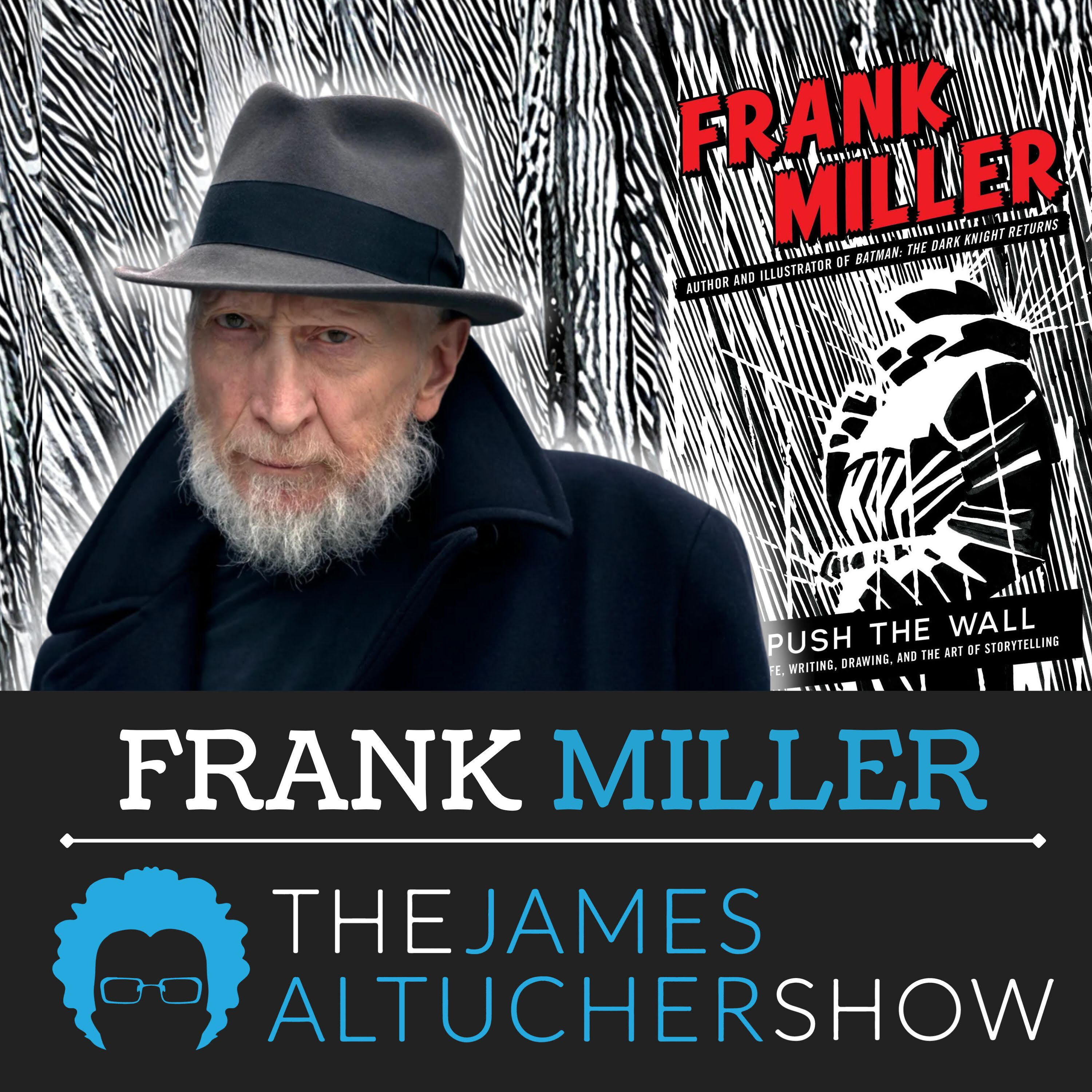
Frank Miller on Push the Wall, Batman, and Having No Plan B
Jul 800:41:22Tap to summarizeA Note from James:This is a very special episode for me.There have only been a few times in the history of this podcast when I’ve had the chance to sit down with one of my heroes. This is one of those times.Frank Miller is one of the most important storytellers of my life. When I first picked up Batman: The Dark Knight Returns in 1986, it completely changed what I thought comics could be. This wasn’t just another Batman story. It was a revolution. Frank took Batman out of the colorful, campy world I grew up with and turned him into something darker, mythic, terrifying, and psychologically real.There is a comic book industry before The Dark Knight Returns, and there is a comic book industry after The Dark Knight Returns. Every Batman movie since then carries Frank’s fingerprints in some way. But it wasn’t just Batman. Frank changed Daredevil. He created Ronin. He created Sin City. He showed that comics could handle adult stories, painful arcs, crime, tragedy, mythology, obsession, and moral ambiguity.But what matters most to me is that Frank is a master storyteller. And I love storytelling. Whether it’s books, podcasts, articles, comics, or just how we make sense of our lives, story is everything.So getting to sit down with Frank Miller and talk about Batman, myth, creativity, mentorship, discipline, and his new book, Push the Wall: My Life, Writing, Drawing, and the Art of Storytelling, was a dream come true.This was my first in-person podcast in years. Jay drove up from Atlanta. I flew into the city. And yes, I brought my copy of The Dark Knight Returns for Frank to sign.Episode Description:Frank Miller didn’t just write and draw some of the most influential comics of the modern era. He changed the grammar of comics.In this conversation, James sits down with Miller to talk about Batman: The Dark Knight Returns, Daredevil, Ronin, Sin City, and Miller’s new book, Push the Wall. The conversation begins with Batman, but quickly becomes a larger discussion about how characters become myths.For Miller, Batman was never just a rich detective in a costume. The material was already there from the beginning: a child witnessing the murder of his parents, growing up without powers, building himself into a force through discipline, intelligence, and obsession. Miller’s goal was to pull that core truth out and make Batman stand beside older pulp and mythic figures like Zorro, The Shadow, and the hard-edged heroes of crime cinema.James and Frank also talk about how myths are built around simple central values. Superman is hope. Batman is justice, vengeance, effort, and fear. The art is not in making those ideas complicated. The art is in placing them inside a human context so they feel emotionally true.The discussion moves into the craft of comics itself: page layouts, panel borders, visual rhythm, and how the pictures carry most of the story. Miller reflects on the influence of Jack Kirby, Neal Adams, Denny O’Neil, Japanese samurai films, martial arts movies, Greek tragedy, Jean Giraud/Moebius, Lone Wolf and Cub, and the creative power of combining worlds that do not obviously belong together.They also talk about mentorship. Miller describes calling Neal Adams from the phone book, bringing him drawings, and enduring brutally honest criticism. That toughness, he says, was part of the training. To survive as an artist, you need egoism without egotism: enough belief to keep coming back, but enough humility to keep learning.The episode closes with practical advice for young artists today: go to conventions, build the strongest portfolio you can, seek out hard criticism, don’t chase only the biggest titles, protect your original ideas, and look for “losers” you can make great.What You’ll Learn:Why Frank Miller wanted Batman to become a myth, not just another superhero.How The Dark Knight Returns helped move comics toward darker, more adult storytelling.Why Batman’s lack of superpowers is exactly what makes him compelling.How mythic characters are built around simple core themes like hope, vengeance, justice, or discipline.Why comics are not just written stories with pictures, but a visual storytelling machine.How Miller learned from Jack Kirby, Neal Adams, Denny O’Neil, samurai films, noir, Greek tragedy, and European comics.Why creativity often comes from combining unrelated influences.What Miller means by “egoism, but not egotism.”Why young artists should seek out hard lessons instead of easy praise.How to enter comics today without giving away original work too early.Why determination, stamina, and a lack of Plan B shaped Miller’s career.What Miller is working on next, including a new Western-style Sin City story.Timestamped Chapters:[03:41] Meeting Frank MillerJames begins by holding up Batman: The Dark Knight Returns and asking what it means to be known through one defining work.[04:00] Before and After The Dark Knight ReturnsWhy James sees Miller’s Batman as a dividing line in comic book history.[05:07] Turning Batman Into a Psychological ConditionJames asks how Miller transformed Batman from a campy hero into something darker, mythic, and terrifying.[05:49] Batman as MythFrank explains that his first impulse was to make Batman stand with figures like The Shadow, Zorro, and the hard-edged heroes of crime cinema.[06:37] Pulling Comics Out of ChildhoodMiller describes his desire to push comics into adolescence and beyond the conventions of disposable monthly stories.[06:59] The Origin Was Always ThereWhy Batman’s trauma, lack of powers, and self-made discipline were already embedded in the character from the beginning.[07:50] Superman Descends, Batman RisesFrank contrasts Superman as a figure of light with Batman as something that comes up from the darkness.[08:44] What Makes a Character Mythic?Miller explains that great characters usually have a simple central theme: hope, justice, vengeance, effort, or fear.[10:30] King Arthur, Luke Skywalker, and the Power of ObjectsThe conversation turns to swords, lightsabers, utility belts, and how mythic symbols carry stories across generations.[11:54] Breaking the PageJames and Frank discuss how Kirby, Neal Adams, and others shattered conventional panel layouts before Miller pushed those techniques further.[12:35] A Tradition of RevolutionFrank explains why creativity means breaking a few eggs while still working inside a lineage.[13:00] When the Page Tells the StoryHow panel size, shape, and visual composition can carry emotional meaning without words.[14:10] What Would Frank Do With Batman Now?Miller says the point is not to reinvent Batman for novelty’s sake, but to find a good story.[15:00] Moving Daredevil Into Hell’s KitchenJames asks how Miller brought his own New York experience into Daredevil’s world.[15:45] Fear, Editors, and Media ConglomeratesFrank reflects on how creative fear moves through artists, editors, bosses, and corporate structures.[16:17] Are New Comic Stories Still Possible?Miller argues that the talent and creative energy are still there, even if it does not always come from predictable places.[17:40] How Comics Survived Their Own DeathsFrank traces comic books from the attacks of the 1950s to Marvel, underground comics, and the direct market.[19:30] What Young Artists Need TodayWhen James asks what skill matters beyond drawing and storytelling, Miller answers: determination.[20:01] No Plan BFrank explains that he never had a concept of failure because comics were what he had wanted to do since his earliest memories.[20:47] Writing vs. StorytellingWhy, in comics, most of the storytelling happens in the pictures.[21:00] Neal Adams and the Hard LessonsMiller remembers calling Neal Adams from the phone book and receiving tough critiques that tested his character.[22:34] Egoism, Not EgotismFrank explains the balance an artist needs: enough ego to return after criticism, but not so much that they stop learning.[22:51] Stealing From the GreatsWhy artists must study and learn from earlier practitioners rather than pretending genius arrives fully formed.[23:47] Batman Is Possessed, Not ObsessedFrank corrects James’s description of Batman and explains that Batman is filled with an eternal force.[24:50] Daredevil, Samurai, Crime, and Greek TragedyHow Miller fused martial arts films, ninja stories, crime movies, and Greek tragedy into his Daredevil run.[27:01] Stick, Elektra, and the Sensei ArchetypeJames and Frank trace the mentor-student relationship through Daredevil, samurai stories, and mythic training narratives.[27:47] Lone Wolf and Cub...
Transcribe →
Dr. David Sinclair: The First Human Trial of an Age-Reversal Therapy
Jul 300:49:00Tap to summarizeA Note from James:I’ve been obsessed with anti-aging and longevity science for a long time. I’ve had many longevity researchers on the podcast, but this episode feels different because something we’ve been discussing for years has now moved into human trials.David Sinclair first came on the show in 2019, when his book Lifespan was published. He’s a professor of genetics at Harvard Medical School, and that first conversation changed how I lived. I started experimenting with intermittent fasting, paid much more attention to sleep, and began researching many of the supplements and lifestyle changes he discussed.But the most important idea David talked about wasn’t a supplement. It was the possibility of reversing cellular age using Yamanaka factors—genes that can reset the instructions cells use to function. At the time, nobody knew whether this could be done safely without causing cancer or making cells lose their identities.Now, a therapy based on three of those factors has entered its first human clinical trial. The initial target is age-related damage to the optic nerve, including open-angle glaucoma and non-arteritic anterior ischemic optic neuropathy. The trial is designed primarily to evaluate safety, but researchers will also measure visual function.David explains how this technology worked in mice and nonhuman primates, why the eye was chosen as the first organ, and how the same approach might eventually be applied to the liver, lungs, joints, skin, and brain.We also cover the practical questions people always ask him: NMN, NAD, metformin, berberine, testosterone, growth hormone, diet, fasting, sleep, exercise, and what David himself has started—or stopped—taking.This is still experimental science. Nobody yet knows whether the animal results will translate into meaningful benefits for humans. But for the first time, researchers are beginning to test that question directly.About Lifespan: Dr. David Sinclair founded Lifespan to deliver clear, science-backed health insights that help people live longer, more vibrant lives.He's now building the world's largest community dedicated to extending human longevity well beyond today’s limits. Join early access at lifespan.com. New episodes of Lifespan with Dr. David Sinclair -- the #1 health and wellness podcast in its first season -- are now available on YouTube, Spotify, Apple Podcasts, and Lifespan.com.Episode Description:For years, longevity researchers have looked for ways to slow the biological processes associated with aging. Dr. David Sinclair and his collaborators are now testing a more ambitious possibility: whether damaged human cells can be restored to a younger, more functional state.The experimental therapy, ER-100, uses controlled expression of three transcription factors—OCT4, SOX2, and KLF4, collectively known as OSK. These are three of the four Yamanaka factors originally used to transform adult cells into pluripotent stem cells.Turning on all four factors can erase too much of a cell’s identity and has produced tumors and fatal outcomes in animal experiments. Sinclair’s team found that removing one factor, c-MYC, allowed cells to regain younger patterns of gene expression without completely returning to a stem-cell state.In preclinical studies, OSK restored youthful epigenetic patterns, promoted optic-nerve regeneration, and reversed vision loss in mouse models. Life Biosciences, a company Sinclair co-founded, has now moved the technology into a first-in-human Phase 1 trial involving people with open-angle glaucoma or non-arteritic anterior ischemic optic neuropathy.David explains how the therapy is delivered directly into the eye and activated using doxycycline, allowing clinicians to control when and for how long the genes are expressed. He also describes the development path that could follow if the treatment proves safe, including therapies targeting the liver and other organs, as well as future medicines that may reproduce similar effects without gene delivery.The conversation then turns to interventions available today. David distinguishes between promising research and claims that have moved ahead of the evidence, discussing NMN, injected NAD, growth hormone, testosterone, taurine, nattokinase, metformin, berberine, and nootropics.Throughout the episode, he emphasizes that no supplement has been shown to reproduce the effects researchers are attempting to achieve through partial epigenetic reprogramming—and that many of the most dramatic claims circulating online remain unsupported.Editorial Note:ER-100 is an investigational therapy. Authorization to begin a clinical trial does not mean the treatment has been proven safe or effective, nor has it been approved for clinical use.The Phase 1 study is primarily evaluating safety and tolerability, with additional measurements of visual function. Results from mice and nonhuman primates do not establish that the therapy will restore vision or reverse biological aging in people.The discussion of supplements, prescription medications, hormones, and lifestyle practices reflects the speakers’ personal views and interpretation of the research. It should not be treated as individualized medical advice. Prescription drugs, hormones, supplements, and experimental longevity treatments should be discussed with an appropriately qualified healthcare professional.What You’ll Learn:How partial epigenetic reprogramming differs from completely resetting a cell into a stem cell.Why researchers selected three Yamanaka factors—OCT4, SOX2, and KLF4—instead of using all four.What ER-100 is designed to do and why the first human trial focuses on the optic nerve.How doxycycline acts as an external switch controlling when the therapeutic genes are expressed.What Phase 1 researchers will measure and what would need to happen before ER-100 could become an approved treatment.Why the eye provides a useful starting point for testing cellular rejuvenation.What animal studies suggest about restoring vision, memory, liver function, joints, and skin.Why delivering rejuvenation therapies throughout the body is more difficult than treating one localized organ.The difference between oral NMN supplementation and intravenous or subcutaneous NAD.What current research does—and does not—show about growth hormone, testosterone, taurine, metformin, and berberine.Why muscle, exercise, sleep, diet, glucose regulation, and inflammation remain important even if rejuvenation therapies eventually succeed.How Sinclair’s laboratory is searching for pills and small molecules that could mimic epigenetic reprogramming without gene therapy.Timestamped Chapters:[04:53] The First Human Trial Begins David discusses ER-100, FDA authorization, and the treatment of open-angle glaucoma and ischemic optic neuropathy.[06:52] What Are the Yamanaka Factors?How reprogramming genes can reset cellular instructions—and why using all four factors can be dangerous.[08:56] Reversing Vision Loss and Memory Problems in AnimalsDavid describes studies involving the eyes, brain, skin, kidneys, liver, and age-related cognitive decline.[10:09] Why Four Factors Can Cause CancerThe difference between restoring youthful function and erasing a cell’s identity completely.[10:54] The Three-Gene BreakthroughHow Sinclair’s student Yuancheng Lu persisted through years of failure and identified the OSK combination.[12:03] Pulsing the Genes vs. Leaving Them ActivatedEarlier four-factor experiments required intermittent activation, while OSK showed a different safety profile in animal eyes.[13:36] The Doxycycline Safety SwitchHow clinicians may use an antibiotic to activate and deactivate the therapy after it has been delivered.[14:51] Treating the Cause Instead of the SymptomsDavid argues that restoring younger tissue function could allow the body to repair damage associated with age-related disease.[16:02] Why the Trial Starts With the EyeLocalized delivery reduces systemic exposure and makes visual changes easier to observe and measure.[16:50] Can the Therapy Reach the Brain and the Rest of the Body?The challenges of distributing gene-based treatments evenly across organs and through the blood-brain barrier.[18:25] What the Phase 1 Trial Will MeasureSafety, tolerability, visual function, and the possibility of an accelerated development path.[20:36] Expanding Beyond GlaucomaWhy each organ may require a different delivery vehicle—and how the liver could become another early target.[21:38] How Shinya Yamanaka Found the Original Four FactorsThe trial-and-error process that turned adult cells into induced pluripotent stem cells.[22:38] How ER-100 Is DeliveredDavid explains the OSK genes, the AAV delivery system, doxycycline activation, and why manufacturing is expensive.[25:21] When Could the Tre...
Transcribe →
How to Find Sure Things on Kalshi | Prediction Markets #1
Jun 2600:22:18Tap to summarizeEpisode Description:Prediction markets allow people to trade contracts tied to real-world events—from elections and weather to rocket launches, airport traffic, awards, and the words a public figure might use during a speech.But James argues that having an opinion isn’t enough. Betting on your favorite team, preferred candidate, or a vague feeling about what might happen is speculation without an edge. His rule is simple: only participate when you believe you have an unfair advantage.In this solo episode, James explains the two advantages he looks for. The first comes from understanding how prediction-market participants behave—especially their tendency to overlook outcomes that appear almost certain because the potential payout looks small. The second comes from researching a particular market more thoroughly than the other participants.He walks through three trades he made: whether the U.S. government will confirm the existence of extraterrestrial life before 2027, whether SpaceX will exceed a specified number of June launches, and whether Donald Trump will use the phrase “movie star” during an upcoming speech. He also examines TSA passenger data to show why good research sometimes leads to the most important decision of all: not making the trade.The larger lesson is not that any outcome is guaranteed. It is that a repeatable process—researching the data, comparing your estimated probability with the market price, diversifying, and walking away when the edge is unclear—is more useful than betting on instinct.Editorial Note:Prediction-market contracts are speculative and can result in the loss of the full amount committed to a position. Short-term returns expressed on an annualized basis are hypothetical comparisons, not guarantees that the same opportunity can be repeated throughout a year. This episode is educational and reflects James’s personal reasoning, not individualized financial advice.What You’ll Learn:How binary prediction-market contracts are priced and settled.Why James avoids trades based only on personal preference or intuition.The two types of informational advantage he looks for before entering a market.Why apparently likely outcomes can still be priced below James’s estimate of their probability.How to compare a contract’s price with your independent estimate of the outcome.Why diversification matters when a single losing contract can erase several smaller gains.How historical speeches, launch schedules, and public datasets can inform a trade.Why declining to place a bet is often the correct conclusion when the evidence is inconclusive.Timestamped Chapters:[02:00] The Search for an Unfair AdvantageWhy James believes a feeling or personal preference is not a sufficient reason to place a bet.[02:43] What Is a Prediction Market?How event contracts cover subjects ranging from weather and elections to entertainment, sports, and public speeches.[03:29] How Yes-or-No Contracts WorkA hypothetical presidential contract illustrates pricing, payouts, and profit.[04:26] Don’t Bet on What You Want to HappenWhy fandom, political preference, and intuition can distort judgment.[05:12] Two Types of Informational AdvantageJames distinguishes between understanding market behavior and possessing unusually strong research about one event.[06:30] Why Traders May Overlook Near-CertaintiesHow small-looking payouts and the cost of tying up capital can leave heavily favored outcomes below full value.[07:52] Will the Government Confirm That Aliens Exist?James explains why he bought “No” contracts on an official confirmation occurring before 2027.[10:40] Diversifying a Basket of High-Probability TradesWhy James prefers multiple positions rather than concentrating everything in one supposedly certain outcome.[11:20] The SpaceX Launch TradeUsing completed launches, the remaining calendar, and an upcoming mission to evaluate a five-day contract.[13:38] Turning Presidential Speeches Into DataHow James analyzes recurring words and phrases instead of relying on opinions about Donald Trump.[15:38] Betting Against “Movie Star”Why past speeches, synonyms, context, and the market price led James to take the “No” side.[18:30] TSA Passenger Data—and Knowing When to PassHistorical checkpoint volume offers useful evidence, but not necessarily enough of an edge to justify a trade.[21:01] Three Trades and One Repeatable SystemJames reviews his positions and the difference between market-level and event-specific advantages.[23:00] Prediction Markets as a Continuing ExperimentWhy James plans to keep testing the approach and sharing shorter updates.Additional Resources:Kalshi: What Are Prediction Markets? — An introduction to event contracts, pricing, and settlement.Kalshi: How Prices Are Determined — How opposing orders are matched and market prices are established.Kalshi FAQ — Platform rules, prohibited conduct, trading mechanics, and account information.CFTC: Understanding Prediction Markets and Event Contracts — The federal regulator’s overview of event contracts and their uses.CFTC: Contracts and Products — Regulatory information about derivatives and event contracts.TSA Checkpoint Travel Numbers — Official daily passenger-screening figures used for historical comparisons.SpaceX Launches — Official information about completed and upcoming SpaceX missions.See Privacy Policy at https://art19.com/privacy and California Privacy Notice at https://art19.com/privacy#do-not-sell-my-info.
Transcribe →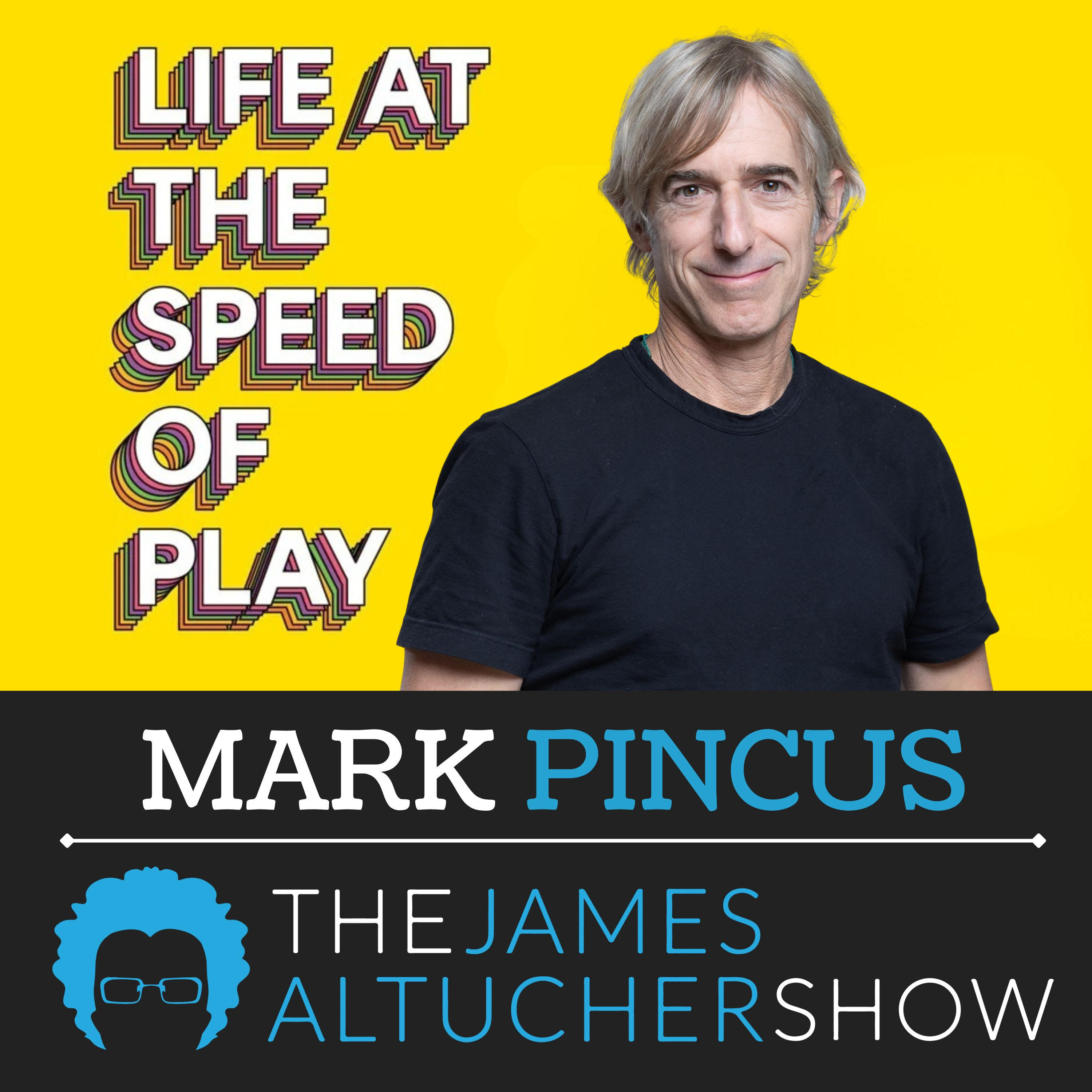
Zynga Founder Mark Pincus: Why All New Fails + How to Copy to Millions
Jun 2501:21:12Tap to summarizeA Note from James:Mark Pincus is one of the true OGs of the internet. You probably know him as the founder of Zynga, the company behind FarmVille, Zynga Poker, and Words With Friends. Zynga was eventually acquired by Take-Two in a transaction valued at approximately $12.7 billion. Before Zynga, Mark started Tribe, one of the first social networks—before MySpace and Facebook. He has spent more than 25 years building, failing, and studying what gets millions of people to click, play, share, and come back. His new book, Life at the Speed of Play, inspired me to start coming up with new business ideas while we were still recording.What I really love is how Mark teaches people to copy like a master without looking like a copycat. He has a framework called “Proven–Better–New.” Start with something that has already been proven. Make it obviously better. Then isolate the new idea you want to test. It’s one of the best systems I’ve heard for creating products people actually want.We talk about the early days of Facebook and MySpace, the failure of Tribe, the gaming industry, consumer psychology, AI coding, and how agents could eventually network and work for us while we’re doing something else.I loved talking with Mark. I was still thinking about this conversation afterward—and I’m literally building businesses based on what I learned. His new book is called Life at the Speed of Play. Listen to this episode, and then read the book.Episode Description:Most founders begin with an idea and then spend months—or years—trying to prove that people want it. Mark Pincus thinks that process is backward.At Zynga, Mark’s teams built “failure machines”: simple systems that allowed them to test hundreds of concepts before writing the code. They put unfinished ideas in front of real users, watched what people clicked, and refused to build anything until the demand was obvious. The objective wasn’t to avoid failure. It was to make failure fast, cheap, and useful.Mark explains the framework behind that process: Proven–Better–New. First, study an existing success down to every screen, click, and design decision. Then identify one improvement that current users would immediately recognize as better. Only after that should a team add the unproven idea—the part most likely to fail.James and Mark also examine the problems facing today’s consumer entrepreneurs. AI has made software easier to build, but distribution has become harder. People aren’t searching for new apps, established platforms restrict organic growth, and algorithmic reach isn’t the same as users actively sharing something with friends.Mark uses the failure of his early social network, Tribe, to explain why virality is not enough. Tribe grew quickly but lacked retention and trust. He ignored the communities users loved because they didn’t match the business model he had already chosen. That painful mistake became the foundation for much of his later product philosophy.The conversation ends with Mark’s current experiments: personal AI agents modeled after members of his family, a proposed work network built specifically for agents, an enterprise AI company called Hivemind, and the difficult decision to end a four-year passion project without abandoning the instinct behind it.This is a practical conversation about testing ideas, separating instinct from ego, learning from the past, and killing the wrong product before it consumes the right opportunity.What You’ll Learn:How to build a failure machine: Test headlines, offers, videos, and fake doors before investing in a finished product.How to apply Proven–Better–New: Begin with a proven behavior, make one unmistakable improvement, and isolate the risky innovation.Why distribution is now harder than development: AI can generate a prototype quickly, but it cannot guarantee attention, trust, or adoption.Why Tribe failed despite rapid growth: Virality without retention, safety, and alignment with user behavior does not create a lasting network.How to copy without becoming a copycat: Study successful products at the pixel level, preserve what works, and innovate only where it matters.When to abandon an idea: Preserve the underlying instinct, but stop funding the particular expression of it when the evidence turns against you.How AI agents may change networking: Agents could eventually search for opportunities, exchange work, build reputations, and bring useful leads back to their users.Timestamped Chapters: [02:00] Finding the “OMFG” Moment [02:58] A Note from James [05:00] Build a Failure Machine Before Building a Product [06:25] Testing Demand With Fake Doors and Broken Links [08:08] Writing Copy That People Actually Notice [10:52] Test More Ideas in a Week Than the Industry Tests in a Year [11:53] Why Neglected Products Become Innovation Labs [13:26] How Mobile Apps Slowed Product Experimentation [15:09] Can AI Bring Rapid Testing Back? [17:08] Why Consumer Technology Feels Uninvestable [18:38] The 90/10 Rule for Investable Platforms [20:08] Why Nobody Downloads New Apps Anymore [21:20] Franchises, “Spicy New,” and Healthy Platforms [23:21] The Internet’s Lost Cocktail Party [27:58] Why Tribe Failed While Facebook Won [30:26] Virality Without Trust or Retention [31:31] Ignoring What Tribe’s Users Actually Wanted [33:22] Facebook, Raya, and Designing for Trust [35:03] Social Networks as Lead-Generation Engines [37:12] Facebook, Instagram, and the App Nobody Knew It Wanted [37:51] Net Promoter Scores and the Feeling of Quitting a Drug [40:25] Algorithmic Virality vs. People Sharing With Friends [42:00] Building Products That Help People Create [43:47] What Entrepreneurs Should Build With AI [44:54] The Proven–Better–New Framework [47:12] What “Obviously Better” Actually Means [48:25] Why “All New Fails” [50:23] Zynga Poker and the Power of Removing One Click [52:00] What AI Does Well—and Where Humans Still Matter [54:25] Picasso, Slack, and Copying the Past [55:11] Adding Fun to Boring Enterprise Products [57:39] The Moral Arbitrage of Killing Your Ego [57:58] How to Copy Without Looking Like a Copy [59:10] Why Old Internet Mechanics Keep Returning [01:00:16] Anonymous Social Apps With an AI Twist [01:01:17] Don’t Invent a New Business—Reinvent a Big One [01:02:00] Test 20 Variants Before Building One [01:02:58] Mark’s Frustrating Experiments With AI Coding [01:05:29] Creating a Personal Team of AI Agents [01:07:57] Killing a Four-Year Passion Project [01:09:29] The “Social Membrane” of the Agentic Internet [01:09:57] Building a Work Network for AI Agents [01:12:16] Hivemind and the Human Side of Enterprise AI [01:13:52] Missing Twitch—and Knowing Your Zone [01:15:06] Why the Gaming Industry Still Isn’t Social Enough [01:16:30] Chess Ratings, Competition, and Mark’s Daughter [01:19:19] Writing Life at the Speed of Play [01:21:18] Don’t Chase Every New Technology Race [01:22:05] Final ThoughtsAdditional Resources:Mark Pincus and the BookLife at the Speed of Play — official websiteLife at the Speed of Play — HarperCollins — published June 23, 2026. Mark Pincus on X — the account Mark recommends for updates on his agent-network experiments. Mark Pincus on LinkedIn Mark’s interview about open-sourcing Stem Studio Zynga, Games, and Product ExamplesZynga’s company history — covers its launch as a Facebook poker project and the development of FarmVille, CityVille, and Words With Friends. Words With Friends FarmVille Take-Two and Zynga acquisition announcement — the transaction carried an enterprise value of approximately $12.7 billion. Tribe.net history — the early social network Mark analyzes as a major product failure. Raya — the private community Mark discusses as an e...
Transcribe →