Podcast
The Jim Motavalli Interview Podcast
Hosted by WPKN, Jim Motavalli · EN
Jim Motavalli of WPKN features interviews new and archival - artists, movers, shakers, and more.
32episodes
Episodes
Newest firstAll episodes
Tu Le Explains the Hugely Ascendant Chinese Auto Industry
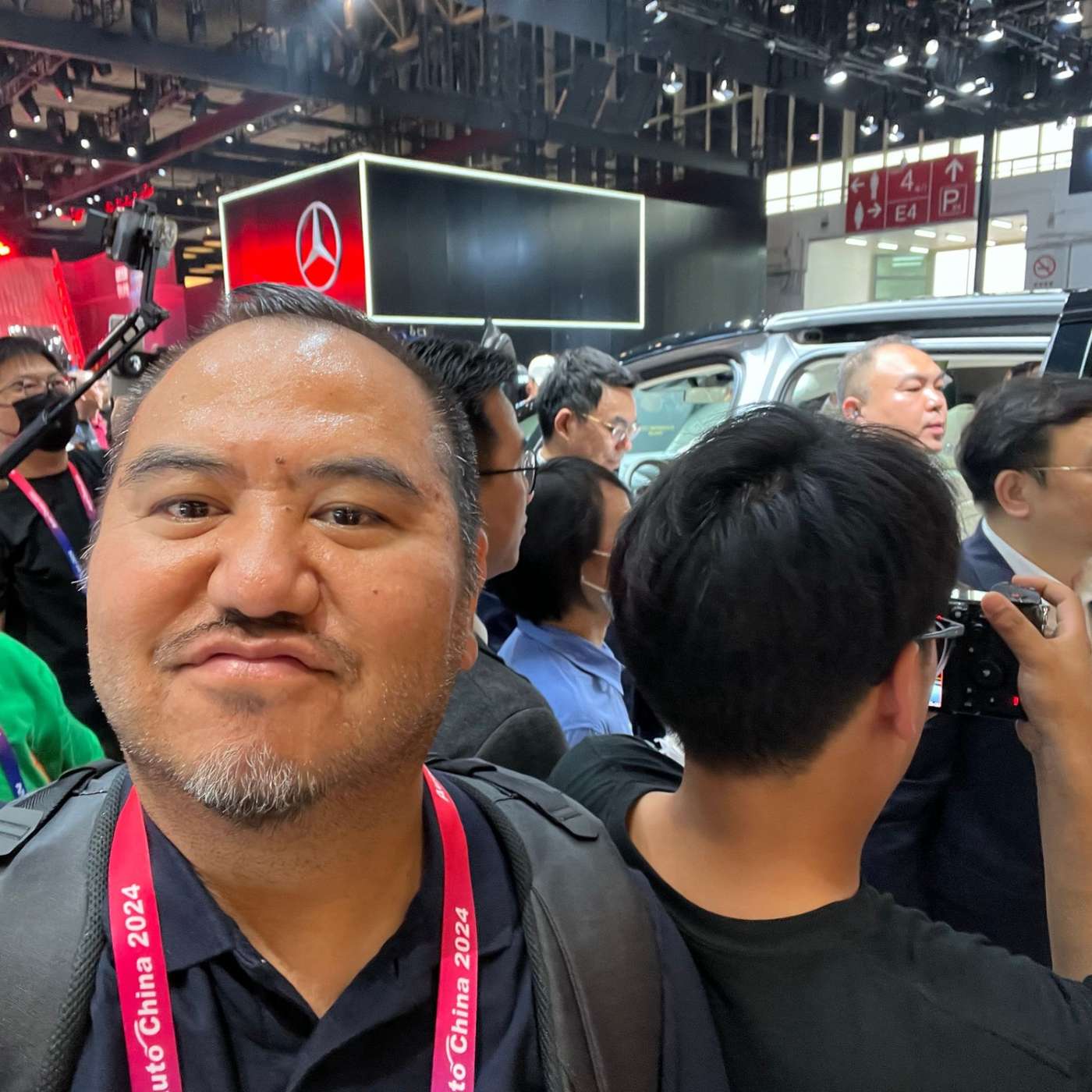
Yesterday00:15:51Tap to summarizeTu Le of Sino Auto Insights lived in China from 2009 to 2022, and is one of the more insightful voices analyzing the car industry there from an American perspective. It's a view we don't get because Chinese cars are invisible in the U.S. (though all around us in Canada and Mexico). China sells more cars than the U.S. and the European Union combined.
Transcribe →
Talking Dealer Scams with Ray Shefska of CarEdge, a 40-Year Industry Veteran
2w ago00:22:34Tap to summarizeAutomotive analyst Ray Shefska of CarEdge spent decades at dealerships learning the tricks of the trade, and here he reveals some of the nastier ones--such as bogus destination fees and fake certification charges. He also explains why there aren't any $20,000 cars--it's not just inflation, but manufacturer greed. They want us to buy the top models with all the bells and whistles.
Transcribe →
Neyla Pekarek, Ex-Lumineers, Talks About Her New Musical, Queen of Magic
2w ago00:16:35Tap to summarizeNeyla Pekarek was a Lumineer for eight years as cellist and vocalist of the folk-rock group, but says her roots are in theater, and she's glad to be back in that world with a new musical (her second) called The Queen of Magic. It's about the celebrated 19th century magician Adelaide Hermann, a contemporary of Harry Houdini who helped reshape the magic world. An EP of songs from the musical has been released.
Transcribe →
Stevie Holland, Personalizing the Songbook
Jun 2500:24:31Tap to summarizeStevie Holland is an American jazz vocalist, writer and lyricist who's played major concert halls, jazz clubs and cabaret rooms, in addition to performing in theater. The youngest of seven children, Stevie grew up in a music-filled, Norwegian-Italian household in Westchester County, New York. Her father was a tenor sax-playing commercial artist and avid jazz record collector, and her mother was a church soloist who performed in recitals and operas. Holland's most recent album is Talk to Your Tomatoes, released in late 2025. The album combines pop, jazz and Great American Songbook classics, as well as original songs. Arrangements are by Gary William Friedman, and if it sounds like Ben Monder on guitar, that's because it is. Also on the album are Matthew Sheens, piano; Matt Aranoff, bass; Jeff Davis, drums and Chet Doxas, alto saxophone. Mike Fahie plays trombone, and Sam Hoyt, trumpet and flugelhorn.
Transcribe →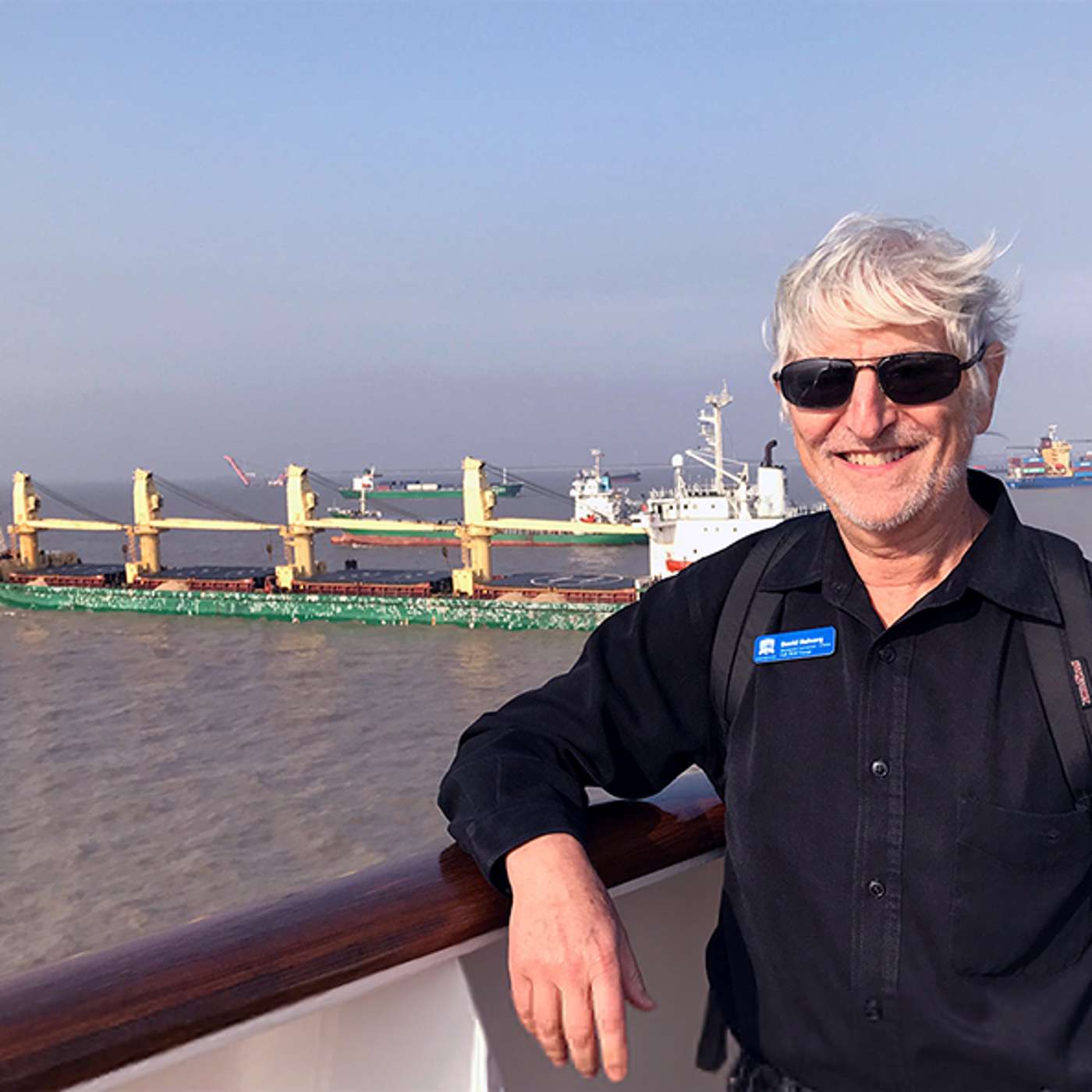
Ocean Warrior David Helvarg Wants to Save Our Imperiled Kelp Forests
Jun 2500:24:39Tap to summarizeDavid Helvarg, a longtime environmental activist and journalist, is the founder and president of the marine conservation group Blue Frontier Campaign. He is the author most recently of Forest of the Sea: The Remarkable Life and Imperiled Future of Kelp (Island Press). In a matter of decades, a spectacular cold-water paradise thirty million years in the making is succumbing to warming oceans. Kelp forests are largely out of sight, hidden under the ocean’s surface, yet they are one of Earth’s most wondrous and underappreciated marine habitats.
Transcribe →
Dr. Kira Ganga-Keiffer on Religious Vaccine Resistance
Jun 2500:23:05Tap to summarizeWhy do people cite religious objections to getting vaccinated? Where do these passionate beliefs, with no foundation in science, come from? Dr. Kira Ganga-Keiffer, a professor at Fairfield University, is a scholar of health and society, American religion, and history with a Ph.D. from Boston University). Her first book is Unvaccinated Under God: Religion and Vaccine Hesitancy in Modern America (Princeton University Press, May 2026).
Transcribe →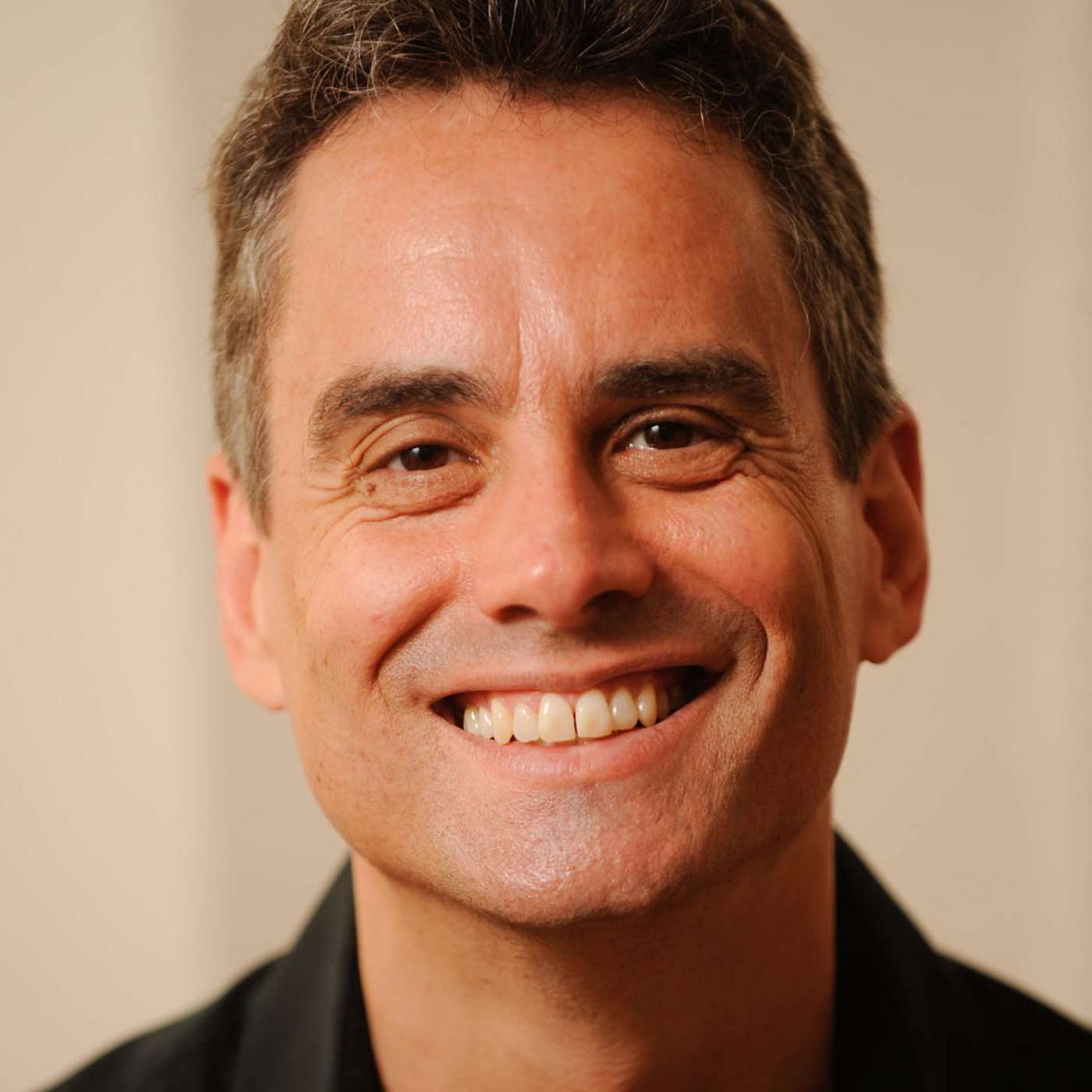
Gabriel Cohen on the Coming Tech Apocalypse
Jun 2500:24:44Tap to summarizeAt this very moment, a tiny number of Silicon Valley leaders are making risky decisions that will have a huge impact on the rest of the eight billion people on this planet. They don't mean to cause harm, but their new creations often bring dire unintended consequences: destructive psychological, social, economic, and political results. We call these "side effects," but they're often more powerful than the intended ones. That's the premise of the new book, The Frankenstein Fix: Why Big Tech Goes Astray and What We Can Do About It. Cohen is a writing professor at Pratt Institute and the author of a plethora of crime novels. He was also a WPKN programmer in the 1980s!
Transcribe →
The Lives of a Cell: Roxanne Khamsi's New Book Spotlights Pioneering Research That Can Fight Cancer and Help Us Live Longer
May 1200:19:11Tap to summarizeRoxanne Khamsi talks to Jim Motavalli about the profound implications of recent cell research. She is an author, speaker and contributing writer for The Atlantic. Her first book, Beyond Inheritance (Riverhead Books, 2026), reveals how we mutate genetically every day of our lives and how the DNA changes that accumulate within us can profoundly affect our health. She has reported extensively on the intersection of genetics and medicine for more than two decades. Her writing has appeared in publications such as The New York Times, The Economist, Popular Science, The Atlantic, Scientific American, Slate, Nature, New York magazine, WIRED magazine and National Geographic. She has appeared on television programs such as CBS News and has guest-hosted the national radio shows On The Media and Science Friday.
Transcribe →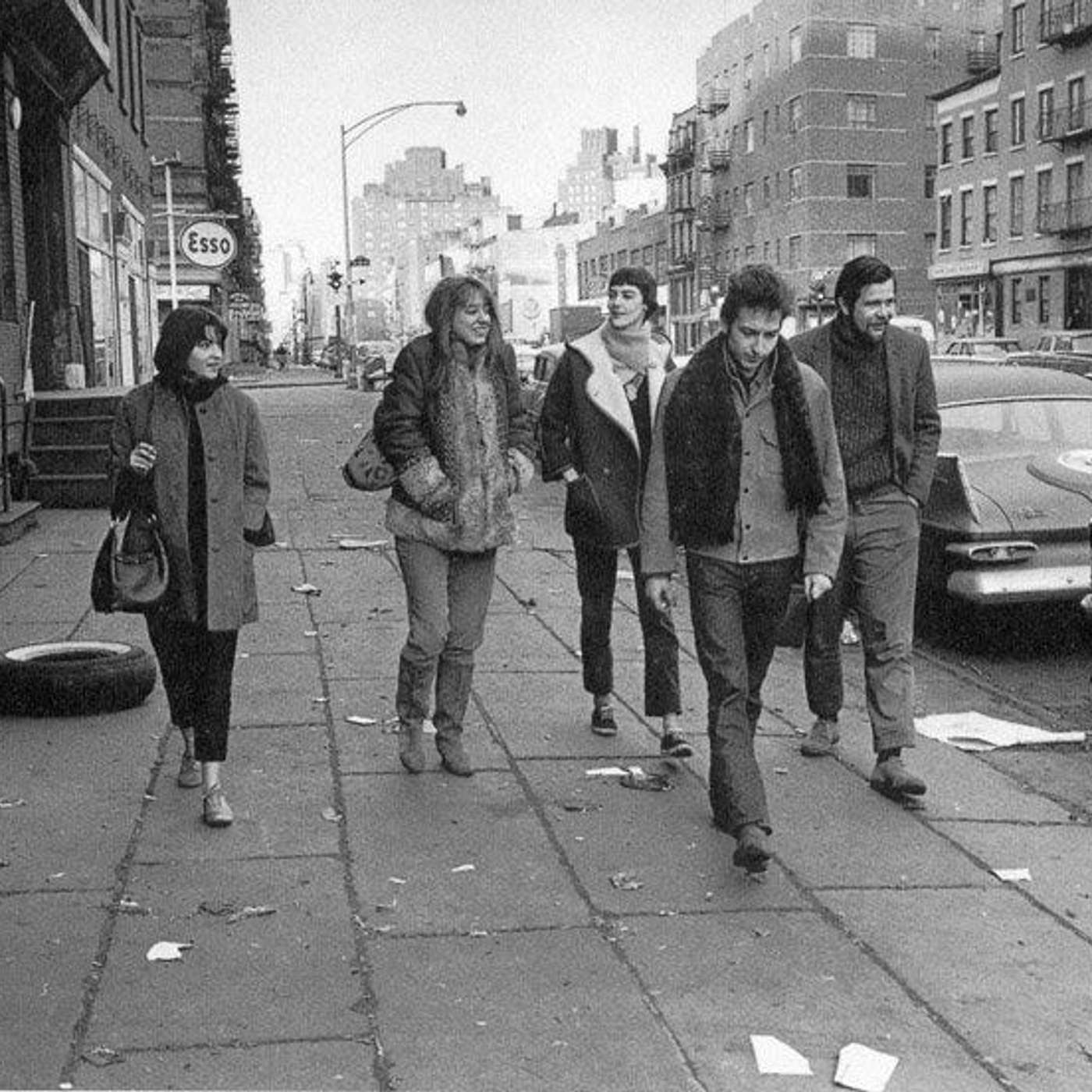
Terri Thal: The Queen of Greenwich Village
May 700:27:39Tap to summarizeTerri Thal (third from right in the photo) was married to Dave Van Ronk (at far right), managed Bob Dylan (second from right) and was a friend of Dylan's then-girlfriend Suze Rotolo (second from left). She has written about that time in her book My Greenwich Village: Dave, Bob and Me. We talked about those times, about her close friend Patrick Sky (not as well remembered as Van Ronk) and about the politics of the era. Dylan said of Terri in his book Chronicles, "Van Ronk’s wife, Terri, definitely not a minor character, took care of Dave’s bookings, especially out of town, and she began trying to help me out. She was just as outspoken and opinionated as Dave was, especially about politics — not so much the political issues but rather the highfalutin’ theological ideas behind political systems."
Transcribe →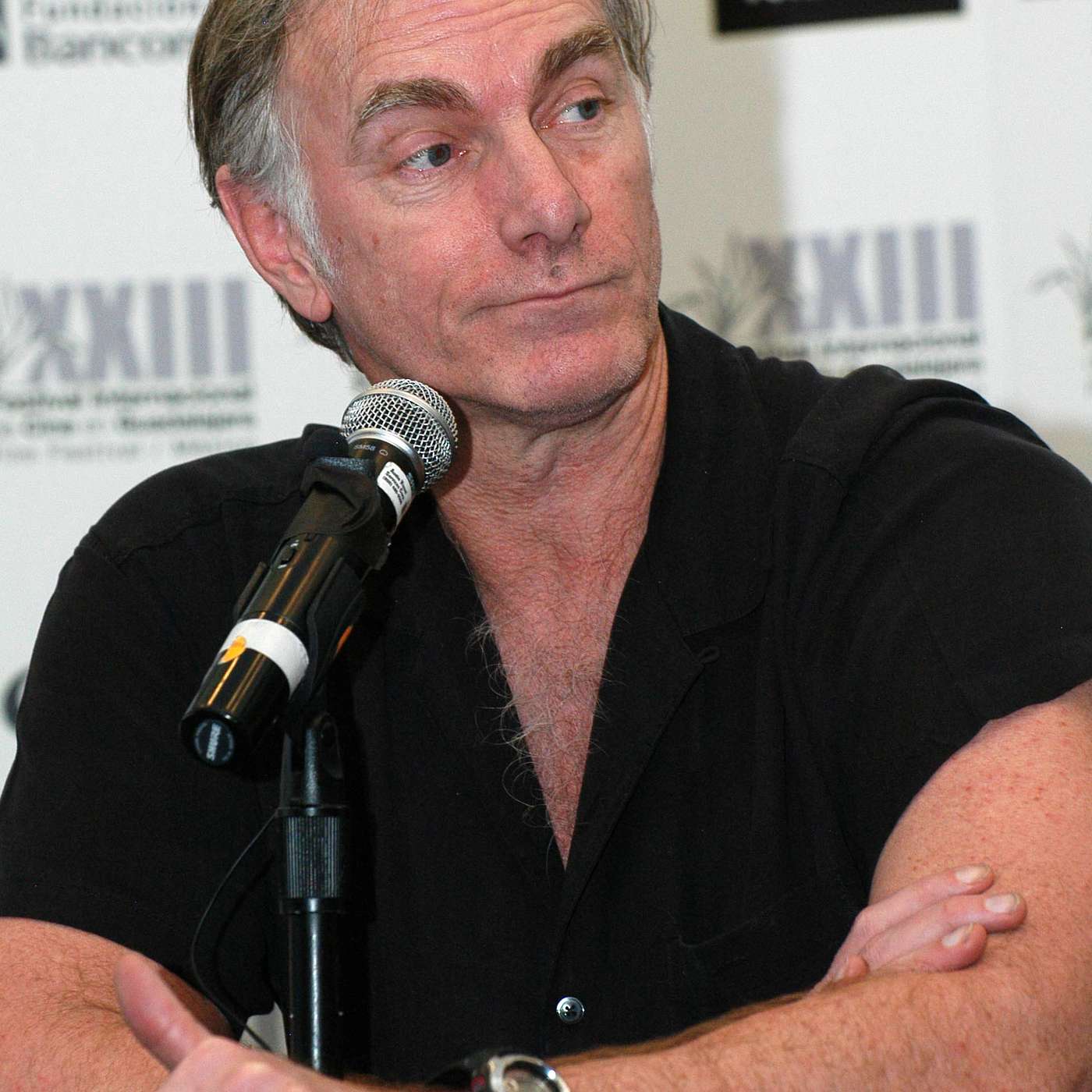
John Sayles: The Filmmaker's Take on the World of Henry Ford
Apr 1800:31:55Tap to summarizeJohn Sayles is a prolific filmmaker who, since The Return of the Secaucus Seven in 1980, hasn't been afraid to take on big political themes. In 17 films and eight novels (as well as short-story collections and screenplays) he looks at a specific moment in the historical record from multiple perspectives. Sayles' latest work is Crucible, a closely observed historical novel that looks at the Ford Motor Company from the introduction of the Model A to the postwar period. It includes the fight for unionization (and union busters), the boss' anti-Semitism, the immigrants' experience, and Fordlandia, the ill-fated attempt to grow rubber (for tires) in Brazil.
Transcribe →