← The Stefon Diggs Trial: Commonwealth Confidential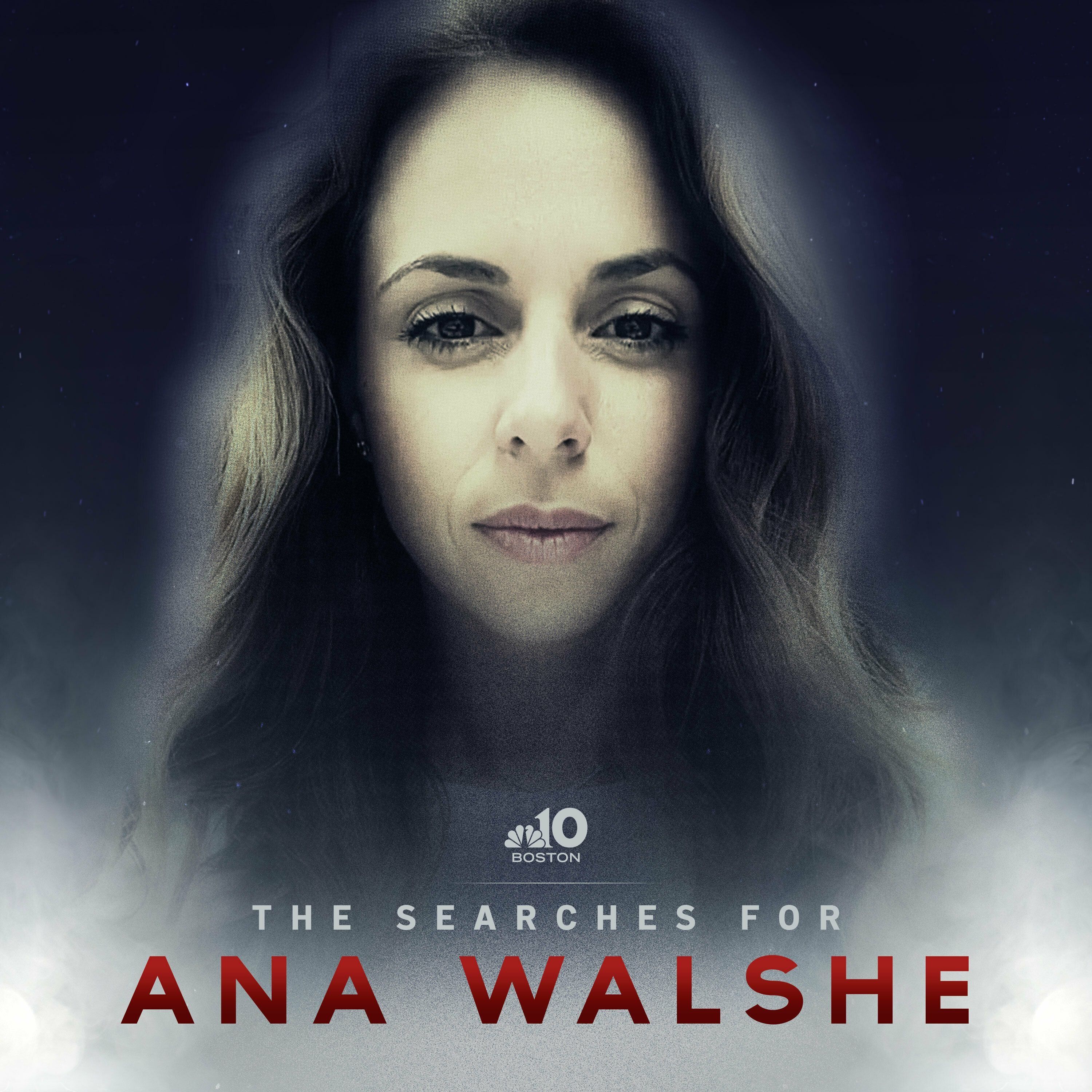
The Stefon Diggs Trial: Commonwealth Confidential
Major pre-trial surprise in a big local murder case
00:13:28
Here's a major update from the Walshe murder case, also playing out in Norfolk Superior Court — we'll have more for you in a subfeed on this show as the trial plays out: Moments before jury selection in his murder trial, Brian Walshe changed his plea, admitting to the two lesser charges in the death of his wife, Ana. He spoke to the judge, discussing the guilty plea. Our team breaks down the major surprise and how he can defend the remaining murder charge when jury selection finishes, including the possibility of a third-party culprit defense.
Loading summary
Transcript55 lines
- [00:00]
Ryan Reynolds
Hey, Ryan Reynolds here wishing you a very happy half off holiday because right now Mint Mobile is offering you the gift of 50% off unlimited. To be clear, that's half price, not half the service. Mint is still premium unlimited wireless for a great price. So that means half day. Yeah, give it a try@mintmobile.com Switch upfront.
- [00:23]
Mint Mobile Announcer
Payment of $45 for 3 month plan equivalent to $15 per month required new customer offer for first 3 months only. Speed slow hacker 35 gigabytes of network fizzy. Taxes and fees extra.
- [00:29]
DSW Announcer
See mintmobile.com Come to DSW for the shoes, stay for the fun. Because let's be honest, if shoe shopping isn't fun, are you even doing it right? So go ahead, try something new. Try something different, good different. Try something that feels like you, you know, the real you. And then definitely brag about it later because at dsw, you've got unlimited freedom to play. Find the shoes that get you at prices that get your budget at DSW stores or@dsw.com Let us surprise you.
- [01:01]
Narrator/Podcast Host
Hey, Canton Confidential listeners. As you might have heard by now, we're following another murder case out of the Canton area we wanted to let you know about, and it involves some of the same names. Now. Brian Walsh is going on trial for the alleged murder of his wife Ana in Cohasset. He's the man who allegedly Googled things like dismemberment and best ways to dispose of a body on his son's iPad the night Ana disappeared. He's pleaded not guilty to murder, though there was a major twist on two other charges this week. In fact, the trial is now getting underway with jury selection at the same courthouse in Dedham where Karen Reed had her two trials. Michael Proctor investigated this case as well. He could be called as a witness in this trial. We're going to be following the Walsh case on our show, Commonwealth Confidential, and we'll be uploading episodes to a sub feed on this show on top of new episodes of Canton Confidential about the ongoing fallout in the Reed case. Follow and subscribe to both feeds for updates on both stories. And here's the episode we just aired about the major update in the Walsh case.
- [02:13]
Worthy of you tonight, a move no one saw coming moments before jury selection began.
- [02:20]
Mint Mobile Announcer
I'm here to plead guilty on those two counts.
- [02:23]
Narrator/Podcast Host
Yes, Brian Walsh allowed to change his plea, but plans to continue fighting the murder charge against him.
- [02:30]
Mint Mobile Announcer
Is your mind clear here today?
- [02:32]
Glenn Jones
Yes.
- [02:33]
Narrator/Podcast Host
Deemed fit for trial. Could this plea change be a part of a defense strategy? We discuss this and more with Our legal experts, Commonwealth Confidential. The Brian Walsh murder trial starts right now.
- [02:53]
J.C. Monahan
Jury selection is officially underway for the murder trial of Brian Walsh. Good Evening, everyone. I'm J.C. monahan.
- [03:00]
Glenn Jones
And I'm Glenn Jones. But right before the jury process started, Walsh, with a bombshell, surprised guilty pleas for two of the three charges he faces. This impacts the two lesser charges, misleading police and willfully conveying a human body. So another way to look at this is that Walsh admits to disposing of his wife Ana's body and lying to law enforcement about it. His murder charge, however, remains intact.
- [03:24]
J.C. Monahan
So after the dust settled on that, jury selection got underway. Nine jurors were seated today. Six men, three women. We do need a total of 16 to include alternates before opening statements can begin. Our Robert Goulston was in Norfolk Superior Court as the plea change was announced.
- [03:40]
Glenn Jones
He has more on today's sudden development from Denham.
- [03:45]
Courtroom Reporter Robert Goulston
Brian Walsh arrived in court for jury selection in his murder trial, but then switched gears on some of the charges. You wish to offer a change of.
- [03:52]
Legal Analyst Michael Coyne
Plea from not guilty to guilty?
- [03:53]
Glenn Jones
I do.
- [03:54]
Courtroom Reporter Robert Goulston
Walsh changed his plea to guilty on two of the three charges. Unlawfully disposing of his wife's body and interfering with the police investigation into her murder. He could serve more than two decades on the two charges.
- [04:06]
Mint Mobile Announcer
Tell me in your own words, sir, why are you here? I'm here to plead guilty on those two counts.
- [04:12]
Glenn Jones
Yes.
- [04:12]
Mint Mobile Announcer
And you understand that your trial's starting today?
- [04:14]
Glenn Jones
Yes.
- [04:15]
Courtroom Reporter Robert Goulston
Walsh is still charged with the murder of Anna Walsh, whose body was never recovered. At the police change, prosecutors laid out what they say happened.
- [04:22]
Legal Analyst Michael Coyne
Defendant conducted Internet searches into disposal of.
- [04:24]
Glenn Jones
Body, researched locations of dumpsters, and then traveled to those locations.
- [04:29]
Courtroom Reporter Robert Goulston
Jury selection got underway with a description from the judge of the case, including when police got involved after Anna was reported missing by her employer.
- [04:37]
Mint Mobile Announcer
Days later, police searched a dumpster outside the defendant's mother's Swampscott apartment and found clothing that belonged to Anna Walsh. Anna Walsh's Covid vaccination card, towels with red brown stains, a hatchet, and a hacksaw.
- [04:55]
Courtroom Reporter Robert Goulston
Walsh's sentencing on the charges he pled guilty to will happen at a later date.
- [05:00]
Mint Mobile Announcer
I understand that the victims may wish to address this court prior to any sentencing of the defendant.
- [05:10]
Glenn Jones
That is correct, you, Honor.
- [05:11]
Courtroom Reporter Robert Goulston
On day one of jury selection, they were able to empanel nine jurors. The judge is seeking 16, which includes the four alternates in denim. Robert Goulston, NBC10 Boston.
- [05:21]
J.C. Monahan
Joining the conversation now is our chief legal analyst, Dean of the Massachusetts School of Law, Michael Coyne. Welcome back, Michael. First question, what is the strategy behind this plea change? How does this help him to plead guilty on two charges that includes dismembering his wife's body?
- [05:39]
Legal Analyst Michael Coyne
Well, at this point it's not entirely clear because the jury is going to find out that he did in fact dispose of her body as well as lied to police about her disappearance at the outset. And so it's not too far for the jury then to make the link that why would he do those things if he didn't commit the murder? So he still has left his options open to try and defend the murder case. The problem as I see it, is the only way to he now can defend the murder case is he's going to have to put forward evidence to either support an overdose, dying in her sleep, or even the argument that somehow some other person is responsible. The only person who could put that evidence in and lay the proper foundation would be him. Very, very dangerous gamble for him to take the stand under these circumstances.
- [06:34]
Glenn Jones
Well, it wouldn't be the first time we've talked about a third party corporate defense, Michael. The prosecution didn't want to accept Walsh's plea changes, but the judge overruled that. Give us the legal one on one for that. Why did that happen?
- [06:48]
Legal Analyst Michael Coyne
Well, what they are worried about is the argument that some of the disposal in the manner and the gruesome manner in which the body was disposed of by hatchet or hacksaw may now not be relevant with respect to the murder charge, where it was relevant with respect to the third charge, which carries with it a sentence of 20 years. So the lawyers will argue about the relevance of some of this evidence that's connected to those two charges with respect to the murder count. But I think the prosecution has the better hand at that because again, they've got to prove death. They've got to prove death at his hands. And a lot of the Internet searches, a lot of the evidence relevant to counts two and three are also going to, at the end of the day, I believe the judge will find relevant to the murder count and that will be very, very damaging for him.
- [07:43]
Glenn Jones
So Walsh's decision to plead guilty on the two lesser accounts, has he made it any easier for his defense team to defend him?
- [07:51]
Legal Analyst Michael Coyne
No, I think, I think in others, other lawyers I spoke to in the afternoon believe the same thing. That probably made it significantly more difficult in our estimation, simply because the jury is told at the end of all the evidence and at the end of closing arguments to you don't, don't be afraid to use your common sense in determining what the facts are and arriving at your judgment. And common sense tells us, at least in part one, doesn't dispose of the body in the manner in which he did and lie to police for days on end, not report her murder, her disappearance initially without having some culpability in the murder itself. And I think the jury is likely to be able to take all the evidence that's assembled, use their common sense, use these two pleas, and likely he's made his. I think he's made his burden significantly harder to get a not guilty verdict out of this jury.
- [08:45]
J.C. Monahan
Michael, just a quick question. You know, Walsh was sent to Bridgewater State Hospital to be evaluated to see if he was competent to stand trial. So I think there was, you know, a lot of us thinking, well, maybe they'll go for the insanity defense. But he was cleared saying he was competent to stand trial. Did that play any part of this plan? Was it strategic leading up?
- [09:07]
Legal Analyst Michael Coyne
I think, I think. Well, I think it was Belton suspenders approach by his attorney, attorneys and the court to make sure that if he was considering a plea, we had to make sure that he was legally competent to make such decisions. If he was considering testifying, whether against his lawyer's advice or otherwise, we had to know that he was voluntarily and intelligently making those choices. So I think what they wanted to be is super careful to make sure that he was, in fact, legally competent and able to make these decisions. And some of these decisions, frankly, may well have been against the advice of his counsel, but because it is his case to choose how he chooses to defend and whether in fact, he wants to take the stand, even what might be against their. Their advice.
- [09:58]
J.C. Monahan
All right, Michael Coyne, as always, thank you so much for joining us tonight.
- [10:03]
Legal Analyst Michael Coyne
Thank you.
- [10:04]
DSW Announcer
Black Friday. More like Black Friday. Shop the DSW Black Friday sale and take 30% off almost all the shoes, accessories and giftable goodies we've got@dsw.com plus 30% off just about every regular price item at your DSW store. Score shoes that get you and everyone on your list and prices that get your budget. So carpe the deal, head to designer shoe warehouse and get that gift list done. Dsw, let us surprise you.
- [10:35]
Glenn Jones
Once a jury is seated, we're expecting to roll into opening statements on December 1st. So let's get you up to speed on some of the key players we'll see in this trial. First is Judge Diane Frenier. She's an Associate justice for the Superior Court of Massachusetts appointed back in 2017. Judge Frenier was assigned the Walsh case last November. You may remember she replaced Judge Beverly Kanoni, who presided over the Karen Reed trials. Our courtroom insider, Sue o', Connell was there for those trials. She returned today to Denham to cover the Walsh jury selection. So welcome to you, Sue. All right, so we have a new trial, a new judge, a new vibe. Yeah, so far, what's the difference in tenor between going to the retrials with Kanoni and going to this trial with Frenny?
- [11:20]
Courtroom Insider Sue O'Connell
A huge difference. And I'm told I haven't covered a lot of cases. I'm told that this is a more standard sort of case, mostly because you don't crowds outside, you don't have the huge public spectacle that both Karen Reid trials really, really generated around the courthouse and on social media. So the judge is running this in a pretty standard fashion. When Judge Canoni was doing jury selection for Karen Reid, all the jurors stayed in the room together. So I'm sure they could keep an eye on them and make sure they weren't talking. All of the voir dire and the questioning of the jurors was done at the sidebar, quietly, and no one could hear. And we didn't know if they were seated or they weren't seated. We all had to kind of figure out from the hand motions between, you know, Karen Reed and her attorneys. This trial, they are seated outside in another spot. One juror, pretension juror comes in, sits in the box. We can hear the questioning on the microphones. They are asked questions. And then a new technological advancement has happened. The court officers and the lawyers and the judge have headsets. So now when they want to do a sidebar that we shouldn't hear, they just turn the headsets up and they don't have to go to the side of the judge's bench. They can just sit and talk. It gets recorded. They can all hear each other, and then they turn them back off and they decide if the juror is going to be seated or dismissed. So. And today, nine jurors seated. I couldn't even look back to see how long it took us to get to nine jurors seated in either Karen Reid case. So this is just a very different vibe.
- [12:57]
J.C. Monahan
Can you imagine how much shorter the Karen Reid case would be if they had worn headsets? The one thing I did want to ask you, though, is we have more than a dozen counties in Massachusetts. We've had two very high profile murders. They're in the same county, you're in the same courtroom.
- [13:09]
Courtroom Insider Sue O'Connell
Yes.
- [13:09]
J.C. Monahan
You okay doing this again?
- [13:11]
Courtroom Insider Sue O'Connell
Yeah, I am. I mean, it's a different kind of learning experience as well. And I'll note that one of the potential jurors who did end up getting seated basically said that when asked if she knew about the case about Brian Walsh's case, she said she only knew about it about the reports of the Karen Reed case and Norfolk County's behavior and actions. You know, so it all ties together.
- [13:34]
Glenn Jones
All right, Sue o', Connell, thank you.
- [13:36]
Courtroom Insider Sue O'Connell
You're welcome.
- [13:37]
J.C. Monahan
All right, let's take a closer look as. Thank you, Sue. We're going to. She's just getting started now in terms of helping us. We're going to look at the prosecutor, the defense attorney tapped for this trial. There's a lot more with this. We want to start with Greg Connor. He's the chief trial counsel for Norfolk District Attorney's office. Conner prosecuted the two murder trials of Emmanuel Lopes and the Puppy Doe case.
- [14:00]
Glenn Jones
Defending Brian Walsh is Larry Tipton. The public defender was appointed to represent Walsh in December of 2023. And we want to point out Tipton was also involved in both the Lopes and Puppy Doe cases. So these two legal professionals are no strangers to each other and they're on opposing council tables again. We'll see what happens come December 1st. Should be very interesting.
- [14:24]
J.C. Monahan
Very. Sue, as always, again, want to say thank you as we just get started on this trial. Thank you so much for tuning in as well. We will of course be with you for the entire coverage of the Walsh case. Once testimony begins. We'll recap the trial every night at 7 on Commonwealth Confidential, the Brian Walsh murder trial. And if you have questions we want to hear from you, send them to commonwealth.confidentialbc nbcuni.com and to catch up on.
- [14:49]
Glenn Jones
The case before the trial begins, check out the NBC 10 award winning podcast, the searches for Anna Walsh. You can find it on nbcboston.com or wherever you get your podcasts.
- [15:00]
DSW Announcer
Black Friday, more like Black Friday. Shop the DSW Black Friday sale and take 30 off almost all the shoes, accessories and giftable goodies we've got@dsw.com plus 30% off just about every regular price item at your DSW store. Score shoes that get you and everyone on your list and prices that get your budget. So carpe the deal, head to designer shoe warehouse and get that gift list done. Dsw, let us surprise you.