Podcast
The EdisonOS Podcast
Hosted by EdisonOS · EN
Insights and Strategies on Standardized tests to improve student's scores. Join us as we explore proven test prep methodologies through the eyes of top tutors, score improvement specialists, and industry leaders. Each week, we'll bring you in-depth interviews with experts from across the globe as they share their strategies for driving real score gains, navigating question quality standards, leveraging digital tools, and adapting to the evolving college admissions landscape. From mastering targeted skill development for student progress to keeping parents updated in test prep!
48episodes
Episodes
Newest firstAll episodes
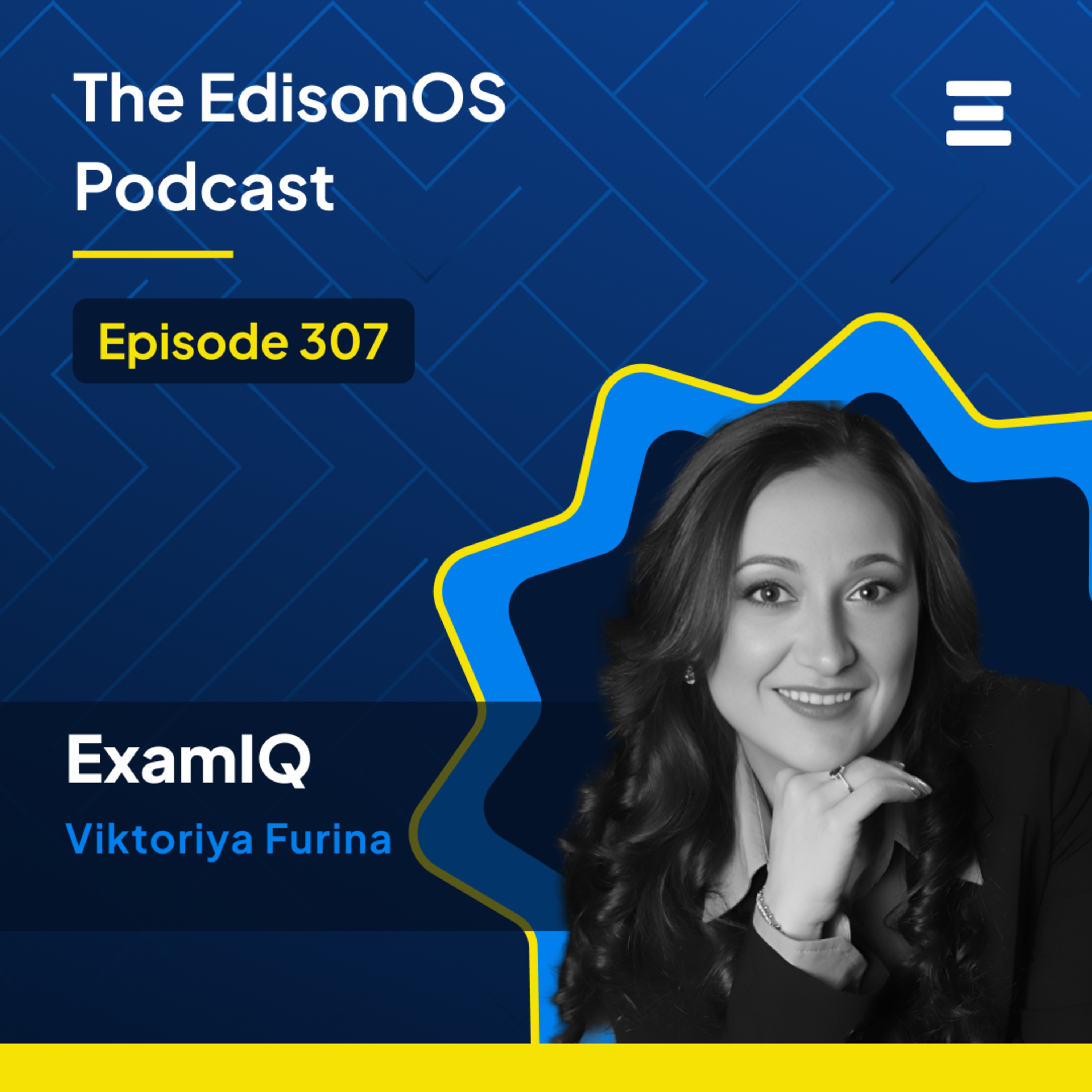
Episode 307 | Viktoriya Furina | ExamIQ | The EdisonOS Podcast
Feb 2600:35:47Tap to summarizeIn this episode, Viktoriya Furina, founder of Exam IQ with 25 years of experience, reveals how the high-stakes, one-shot nature of New York's SHSAT—the sole admission criterion for eight specialized high schools—shapes her rigorous approach. Drawing from teaching students from second grade through SAT, Viktoriya explains how she prepares 12 and 13-year-olds to perform under extreme pressure by having them take 20 to 30 practice exams until test-taking becomes routine.She discusses her skills-first philosophy that goes beyond test prep, teaching seventh through tenth grade material at no additional cost—even adding an extra hour to every SHSAT class this year after noticing students are less prepared than in the past. Viktoriya shares her grammar-as-framework approach to clear thinking, emphasizing that students who struggle with writing need structure, high expectations, and weekly revision cycles. She personally spends three hours every night reviewing homework submissions from parents, treating families as partners in the transformative middle school years.
Transcribe →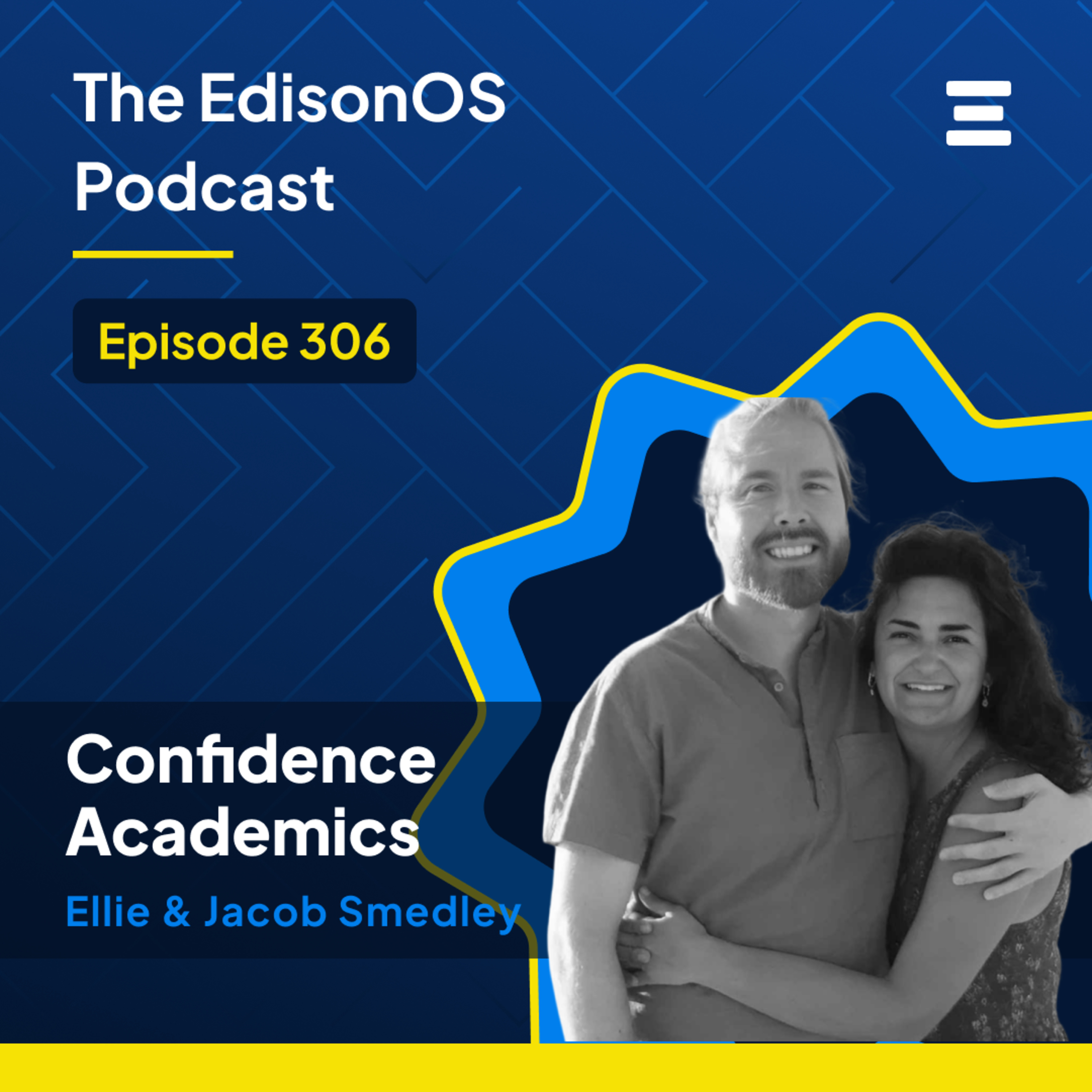
Episode 306 | Ellie & Jacob Smedley | Confidence Academics | The EdisonOS Podcast
Feb 2600:36:13Tap to summarizeIn this episode, Ellie Smedley, founder of Confidence Academics and former math curriculum writer for eight years, reveals how her confidence-first approach shapes her nine-session SAT prep program. Drawing from her curriculum development background, Ellie explains her "show what you know" philosophy that encourages students to display all their work and build from existing knowledge rather than focusing on pass-fail outcomes.She discusses her unique benchmark session where students rank SAT math domains by confidence level—not scores—opening conversations about their mathematical beliefs and anxieties. Ellie shares her curriculum creation insights about crafting wrong answer choices that target common misconceptions without confusing students, emphasizing that questions should be crystal clear even if answers seem viable. With marketing partner Jacob handling business development, she explains their realistic pricing strategy based on national averages and intro session discounts to remove commitment barriers for families unsure about personality fit.
Transcribe →
Episode 305 | Dan Marlin | Galin Education | The EdisonOS Podcast
Feb 2600:45:30Tap to summarizeIn this episode, Dan, Test Prep Director at Gallin Education, reveals how his company navigated the digital SAT transition while maintaining paper-pencil ACT prep in Wisconsin, where most testing centers haven't switched. Drawing from his journey starting as a graduate student recruited on LinkedIn who never left, Dan explains his diagnostic-first approach that helps families choose between ACT and SAT based on actual performance rather than regional myths about coastal versus Midwest preferences.He discusses his philosophy that having a test score is better than not—even in the test-optional era—because it provides flexibility for scholarships and specific programs that still require scores. Dan shares his perspective on AI in tutoring, acknowledging free tools like Khan Academy while emphasizing the human value-add of pattern recognition and dynamic adjustment that comes from knowing each student personally, especially when students struggle to identify what a mixed problem is asking them to do.
Transcribe →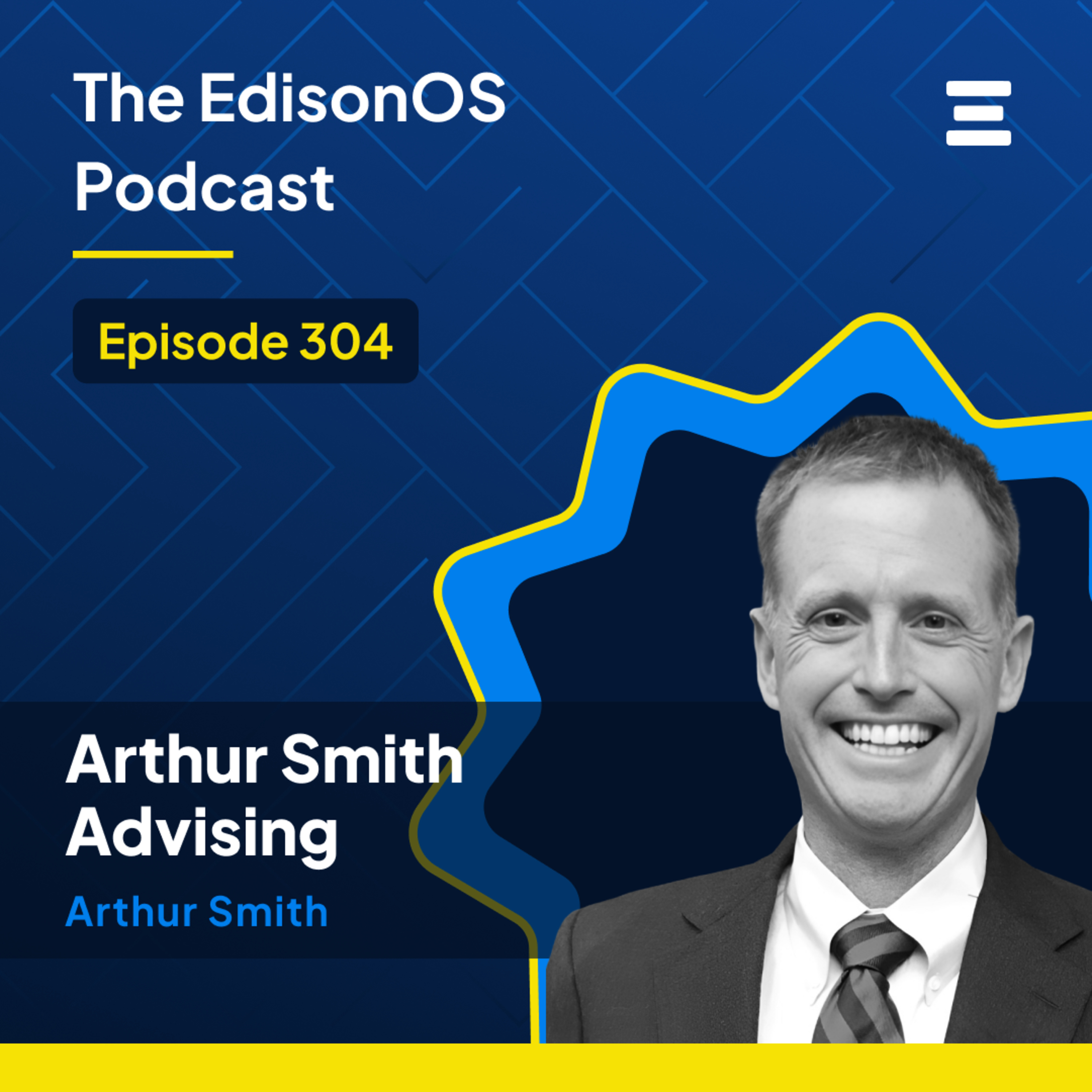
Episode 304 | Arthur Smith | Arthur Smith Advising | The EdisonOS Podcast
Feb 2000:48:54Tap to summarizeIn this episode, Arthur Smith, founder of Arthur Smith Advising with nearly 30 years in higher education, reveals how his dual experience as a Cornell admissions dean and 23-year track coach shaped his mentorship philosophy. Drawing from chairing admissions committees at an Ivy League institution, Arthur explains how he looks for "spark" in applications—that genuine curiosity and vulnerability that separates piled-up achievements from authentic student identity.He discusses the two critical gaps he saw in college counseling: the shortage of counselors for millions of students, and widespread misconceptions creating unnecessary stress about the opaque admissions process. Arthur shares his quality control approach of personally vetting every application despite working with multiple counselors, all longtime colleagues who share his philosophy. He explains his evolving perspective on AI—using it ethically to organize thoughts while ensuring students write their own essays, and understanding which colleges use AI screening tools that could inadvertently hurt applicants.
Transcribe →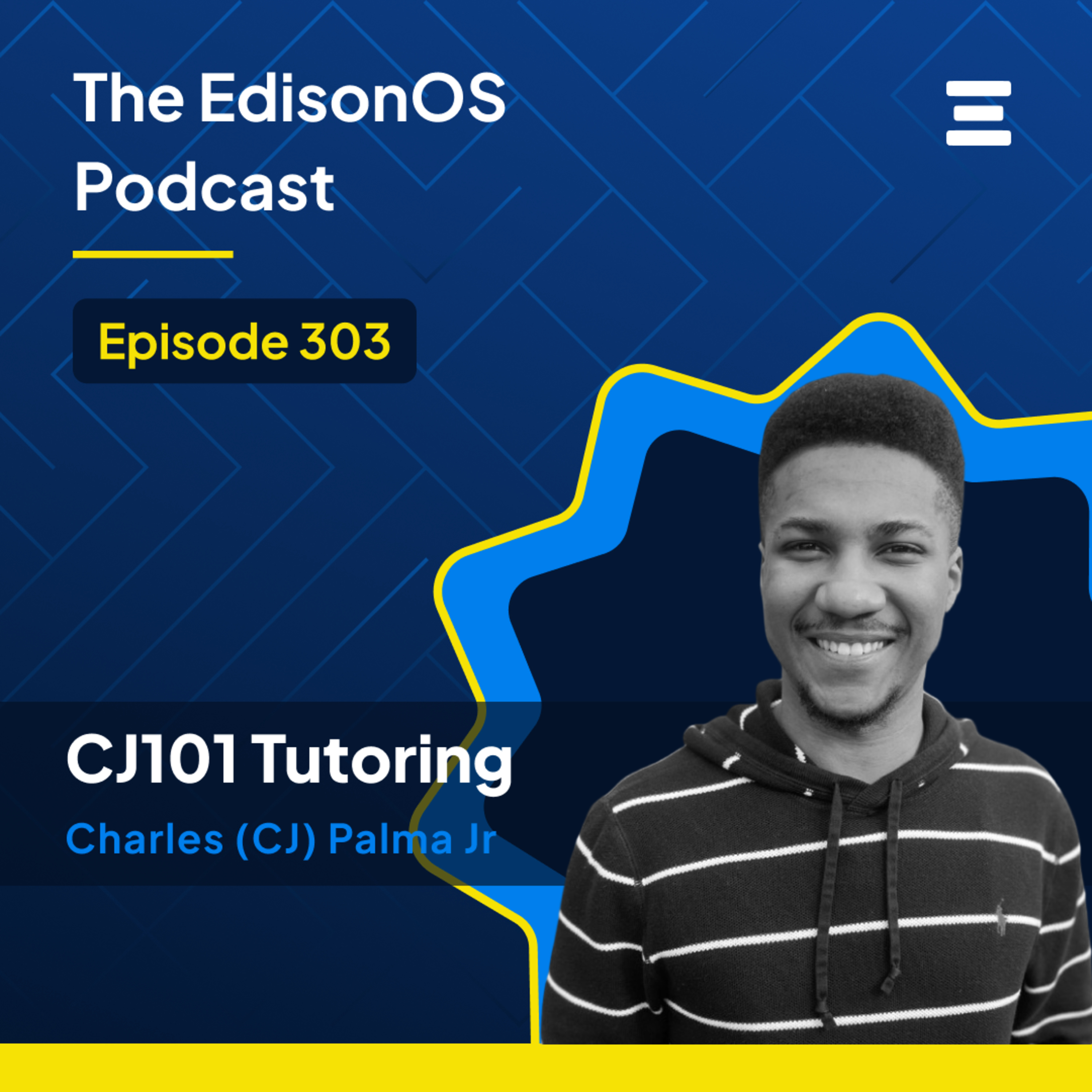
Episode 303 | Charles (CJ) Palma Jr | CJ101 Tutoring | The EdisonOS Podcast
Feb 1200:59:02Tap to summarizeIn this episode, CJ Palma, founder of CJ 101 Tutoring, reveals how his unique combination of degrees in Marine Science, Computer Science, and Psychology—plus his experience as a first-generation American—shaped his empathy-driven approach to test prep. Drawing from personal experience taking the SAT without preparation (thinking it was an IQ test), CJ explains his mission to democratize information about standardized testing for families without privileged access.He discusses his human-first philosophy where AI handles test bank generation while tutors focus on what technology can't replicate—gathering information about students faster than their underdeveloped frontal lobes can articulate. CJ shares his unconventional path from software engineering to tutoring after his father's illness, and explains why he prioritizes building a small business over scaling, advocating for accessible information without paywalls so parents can make informed decisions regardless of economic background.
Transcribe →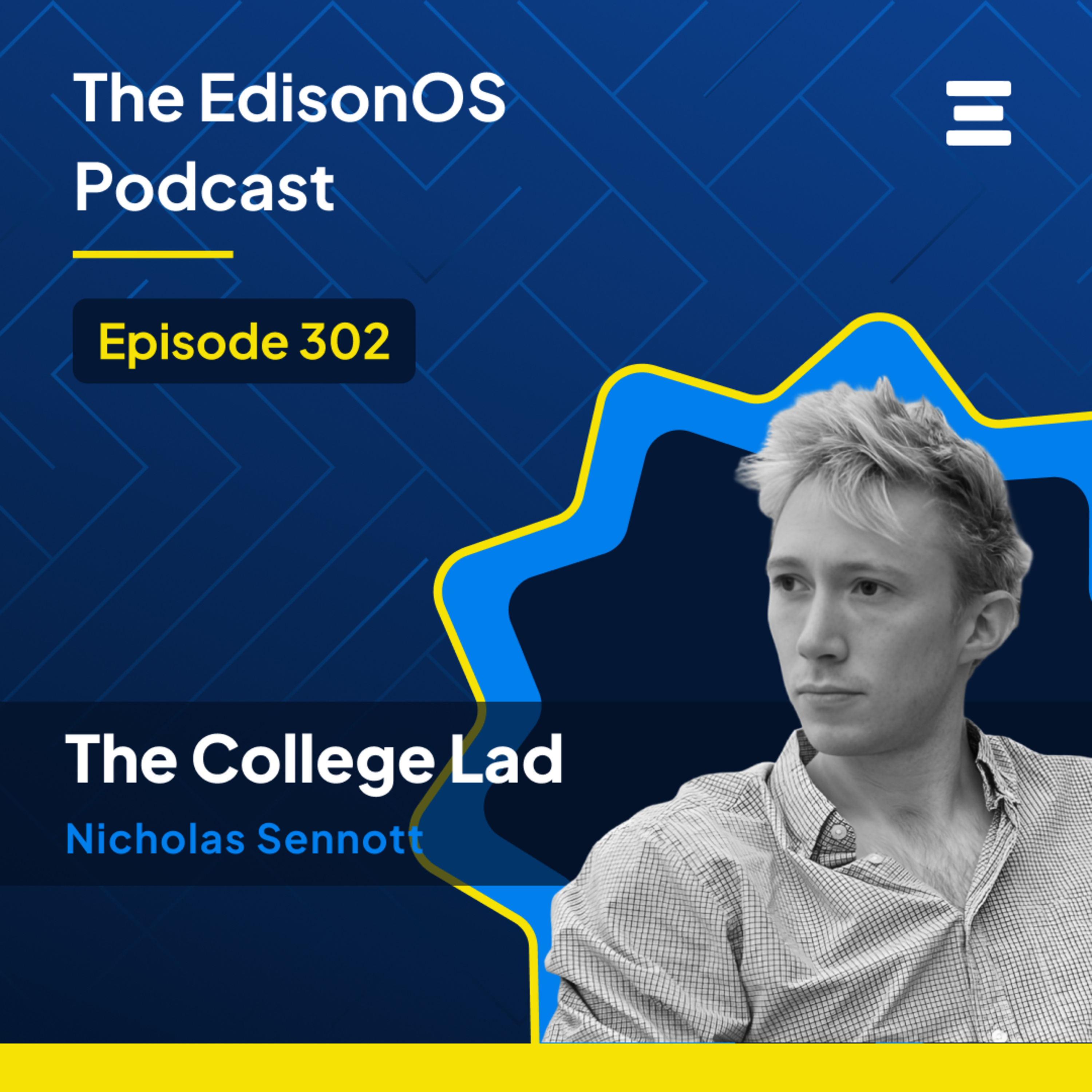
Episode 302 | Nicholas Sennott | The College Lad | The EdisonOS Podcast
Feb 500:58:14Tap to summarizeIn this episode, Nicholas Sennott, founder of The College Lad, reveals how the pandemic forced his pivot from pure SAT/ACT prep into college essays and AP tutoring, ultimately strengthening his business. Drawing from his journalist parents' influence, Nicholas explains his signature "three reasons answers are wrong" technique that helps students move beyond gist-based reading to the close reading these tests demand.He discusses his unconventional philosophy of having students take the actual SAT or ACT early—after just one month of prep—to eliminate test-day anxiety and leverage superscoring policies, rather than waiting six months to take it for the first time. Nicholas shares why he prioritizes small group classes of four to five students where peers learn from each other, and explains his no-package approach that bills by session to ensure genuine connection before long-term commitment.
Transcribe →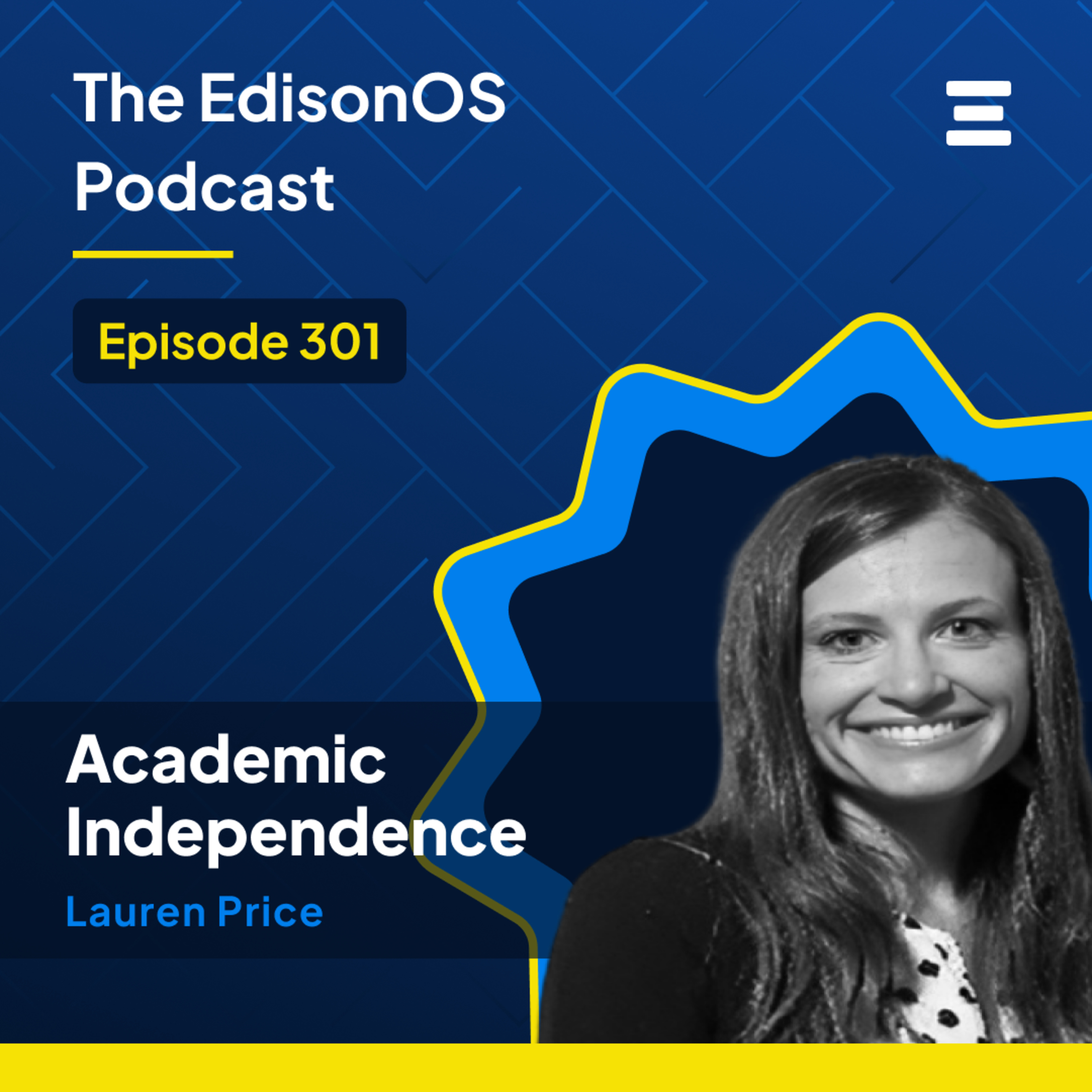
Episode 301 | Lauren Price | Academic Independence | The EdisonOS Podcast
Jan 3100:30:17Tap to summarizeIn this episode, Lauren Price, founder of Academic Independence, reveals how her background in educational psychology and brain science shapes her unique approach to test prep. Working with around 500 students annually, Lauren explains her philosophy of empowering students to become academically independent rather than tutor-dependent, rooting her methods in self-regulated learning and executive function development.She discusses her diagnostic self-report surveys that assess students' self-regulation, motivation, and mindset before beginning work, and shares why she trains tutors to ensure students talk more than the tutor during sessions. Lauren explains her strategic timing recommendations based on math exposure, and emphasizes setting realistic goals in first sessions to align parent and student expectations before the work even begins.
Transcribe →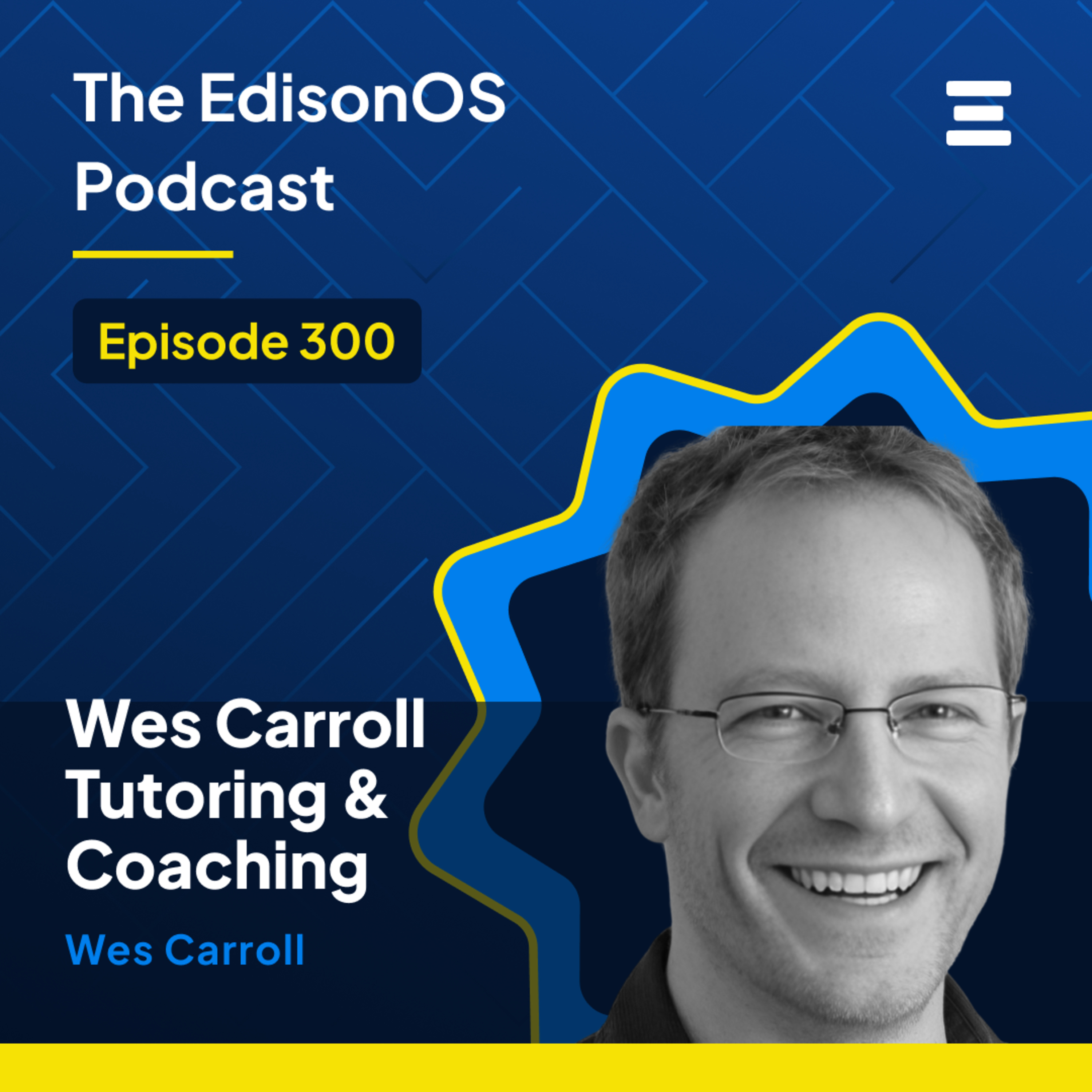
Episode 300 | Wes Carroll | Wes Carroll Tutoring & Coaching | The EdisonOS Podcast
Jan 3000:59:42Tap to summarizeIn this episode, Wes Carroll, founder of a 30-year-old tutoring practice with a team of 20, reveals his mission to help high-potential students achieve their potential faster. Drawing from decades of experience, Wes explains how he identifies high potential not just through academic ease, but through grit, self-awareness, and goal clarity—traits that often don't reveal themselves as superpowers until college.He discusses his toolkit-based coaching approach that prioritizes teaching humans over subjects, and shares why math competitions like AMC 12 are underrated pathways that develop thinking capacity colleges truly value. Wes challenges the notion that standardized test scores alone tell the full story, explaining how different skill sets—from meticulous execution to deep problem-solving—should inform how students approach both testing and their academic futures.
Transcribe →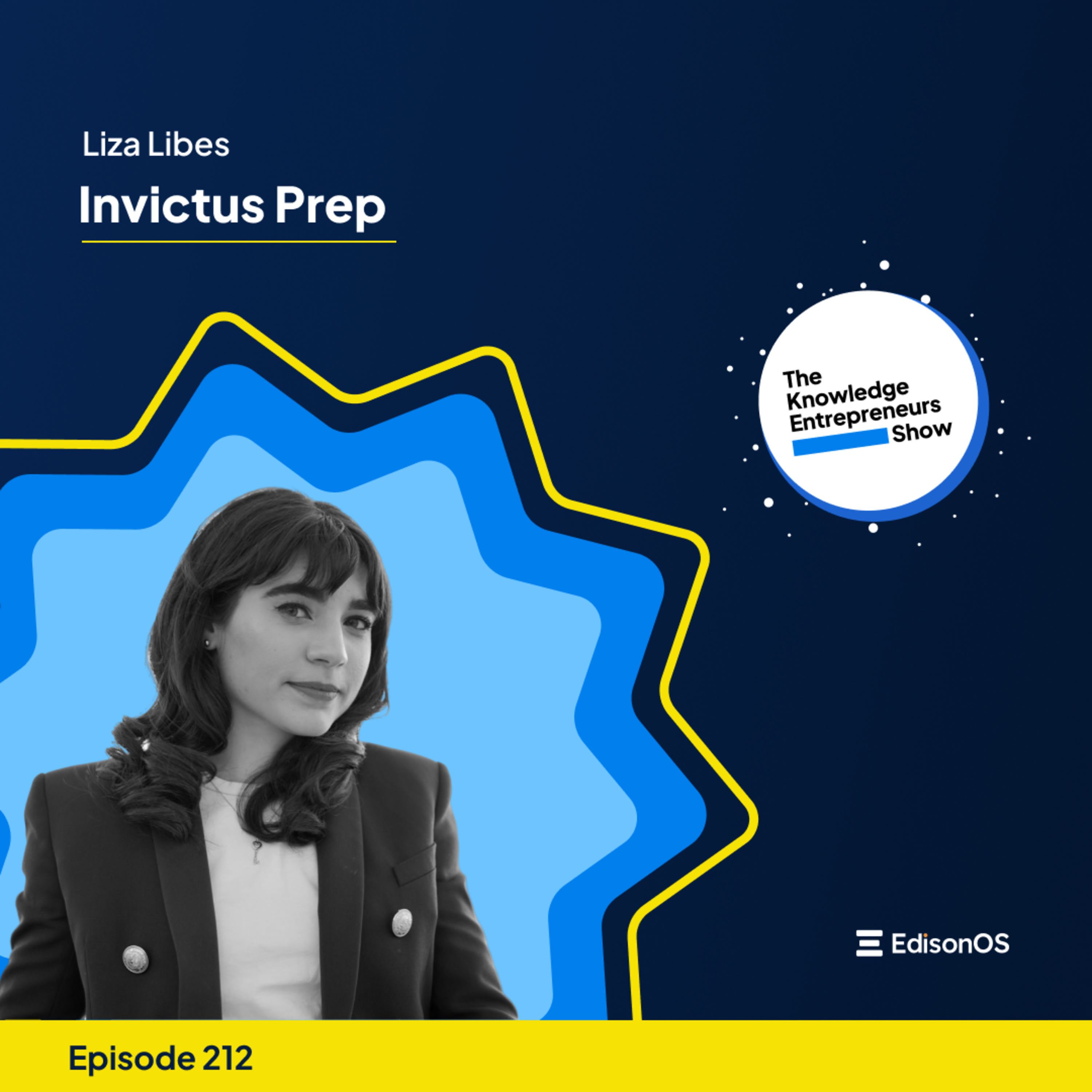
Liza Libes | Invictus Prep | TKES Podcast
Feb 26, 202501:16:21Tap to summarizeIn this conversation, Liza Libes shares her journey from aspiring English professor to founder of Invictus Prep, a college consulting firm. She discusses her unique approach to college admissions, emphasizing narrative building and career coaching. Liza highlights the importance of strong writing skills in the college application process and explains how her personal experiences and social media presence have contributed to her business's growth.Episode 212 — The Knowledge Entrepreneurs Show
Transcribe →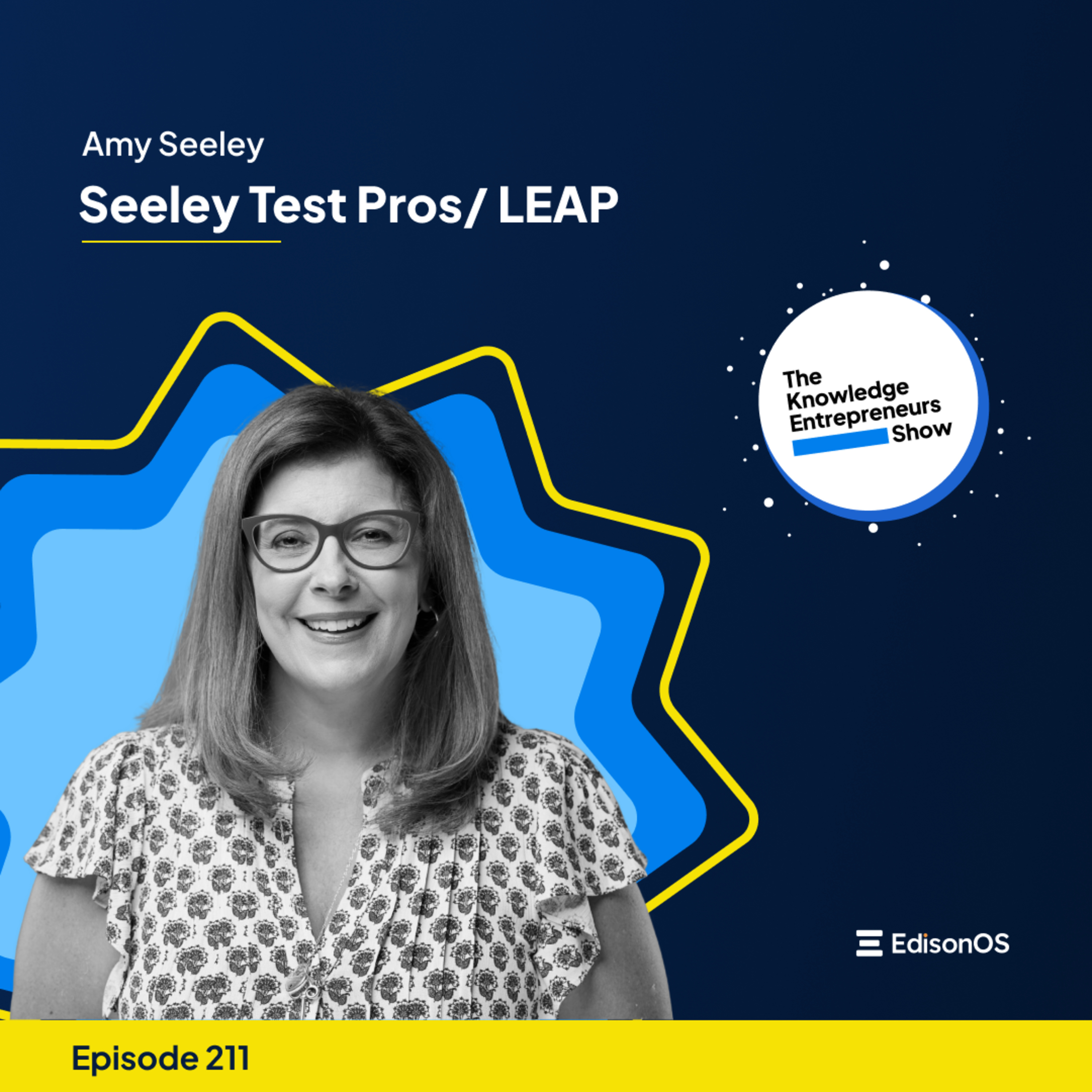
Amy Seeley | Seeley Test Pros | TKES Podcast
Feb 21, 202501:33:10Tap to summarizeIn this conversation, Amy Seeley shares her journey into the field of education and test preparation, discussing her transition from a history teacher to a test prep instructor. She highlights the differences between traditional teaching and test prep, emphasizing the motivation of students in the latter.Episode 211 — The Knowledge Entrepreneurs Show
Transcribe →