Podcast
The Listening Well
Hosted by Shirley Jahad, Sandy Tolan · EN
We tackle a theme and go deep giving you documentary stories from a variety of perspectives using layers of sound to take you there. Our new season is called "Divided States: Efforts to Pull Together When Things Fall Apart." We hear from family members trying to bring their loved ones back from Qanon. We learn about the battle over teaching Ethnic Studies and determining whose stories get told. We go on a journey with some musicians hitting the road when concert halls closed down. And there's more.
Our previous seasons are called "Living and Grieving in a Time of Covid 19." And "Home: Unsettled."
Each season brought to you by the USC Annenberg School for Communication and Journalism.
10episodes
Episodes
Newest firstAll episodes
LA On The Margins: Hollywood Disenchanted
Jul 26, 202400:15:26Tap to summarizeWelcome to LA on the Margins, a USC produced series that profiles Angelenos who have struggled with things like mental health, food insecurity and homelessness.In this first episode, reporter Liv Kelleher follows the journey of a young performer as he tries to “make it” in Hollywood — with a nearby Panera Bread as his office, a Planet Fitness as his shower and his car as his only home base.
Transcribe →Jahmark The Soul Shaker
Jul 26, 202400:20:11Tap to summarizeWelcome to LA on the Margins — USC student produced profiles of people in our community who are working through the many challenges life in the city can throw at you. In this episode we meet a reggae artist who is trying to make it in this beautiful, complicated city... and supporting his art by driving for Uber. Through reporter Yundie Li, we learn about his struggle with balancing the "city of the gig worker" with the "city of creativity."
Transcribe →How COVID Changed Everything - Part 3 - Acting
Jul 14, 202300:20:16Tap to summarizeLAist Studios & USC Annenberg's School of Journalism Present: How COVID Changed Everything A series where graduate students in the USC Annenberg School of Journalism examine the many ways—both dramatic and nuanced—that the pandemic has changed life in ways we are only now beginning to understand. Part 3: Acting While the pandemic caused a lot of stasis, it also inspired plenty of action. Once we accepted the changes that the pandemic brought, what did we do with them? How did we take action? In this episode: LA cultural workers fight for better work conditions, one survivor decides to fight back against domestic violence, a small foundation keeps the legacy of a ground-breaking Finnish gay artist alive, and a nurse rethinks the way we process death and dying. Content Warning: This series contains sensitive subject matter and mentions of domestic violence. Listener discretion is advised.
Transcribe →How COVID Changed Everything - Part 2 - Adapting
Jul 14, 202300:21:54Tap to summarizeLAist Studios & USC Annenberg's School of Journalism Present: How COVID Changed Everything A series where graduate students in the USC Annenberg School of Journalism examine the many ways—both dramatic and nuanced—that the pandemic has changed life in ways we are only now beginning to understand. Part 2: Adapting Change is a given, but COVID-19 truly forced the hand of change. In this episode we explore the ways people have found to adapt and rethink how we accept change. In this episode: the fate of a beloved Hollywood record store, the reflections of an American Hockey League player, the impact of COVID-19 on a sickle cell patient, and the challenges of pandemic-related gentrification in Mexico City. Content Warning: This series contains sensitive subject matter. Listener discretion is advised.
Transcribe →How COVID Changed Everything - Part 1 - Rethinking
Jul 14, 202300:20:06Tap to summarizeLAist Studios & USC Annenberg's School of Journalism Present: How COVID Changed Everything When the World Health Organization declared an end to COVID-19 as a global health emergency last month, it marked an over 3 year journey through the deadliest pandemic in US history. While COVID-19 may no longer be an official public health emergency, the effects it's had on every fabric of society can't be overlooked. In this series, graduate students in the USC Annenberg School of Journalism examine the many ways—both dramatic and nuanced—that the pandemic has changed life in ways we are only now beginning to understand: in the workplace, the family and the world. Every story is about change. Every narrative involves a moment or moments when everything was different from before. Part 1: Rethinking The pandemic forced us to rethink how we approach both daily life and life's milestones. People had to get creative with how they held ceremonies, how they coped with stress and how they would carve a new way of life post pandemic. In this episode: a wedding that takes place in a video game, services at one of the oldest synagogues in the western hemisphere, the de-stressing power of ice baths, and a group of international Gen Zers re-examines the meaning of life and work. Content Warning: This series contains sensitive subject matter.
Transcribe →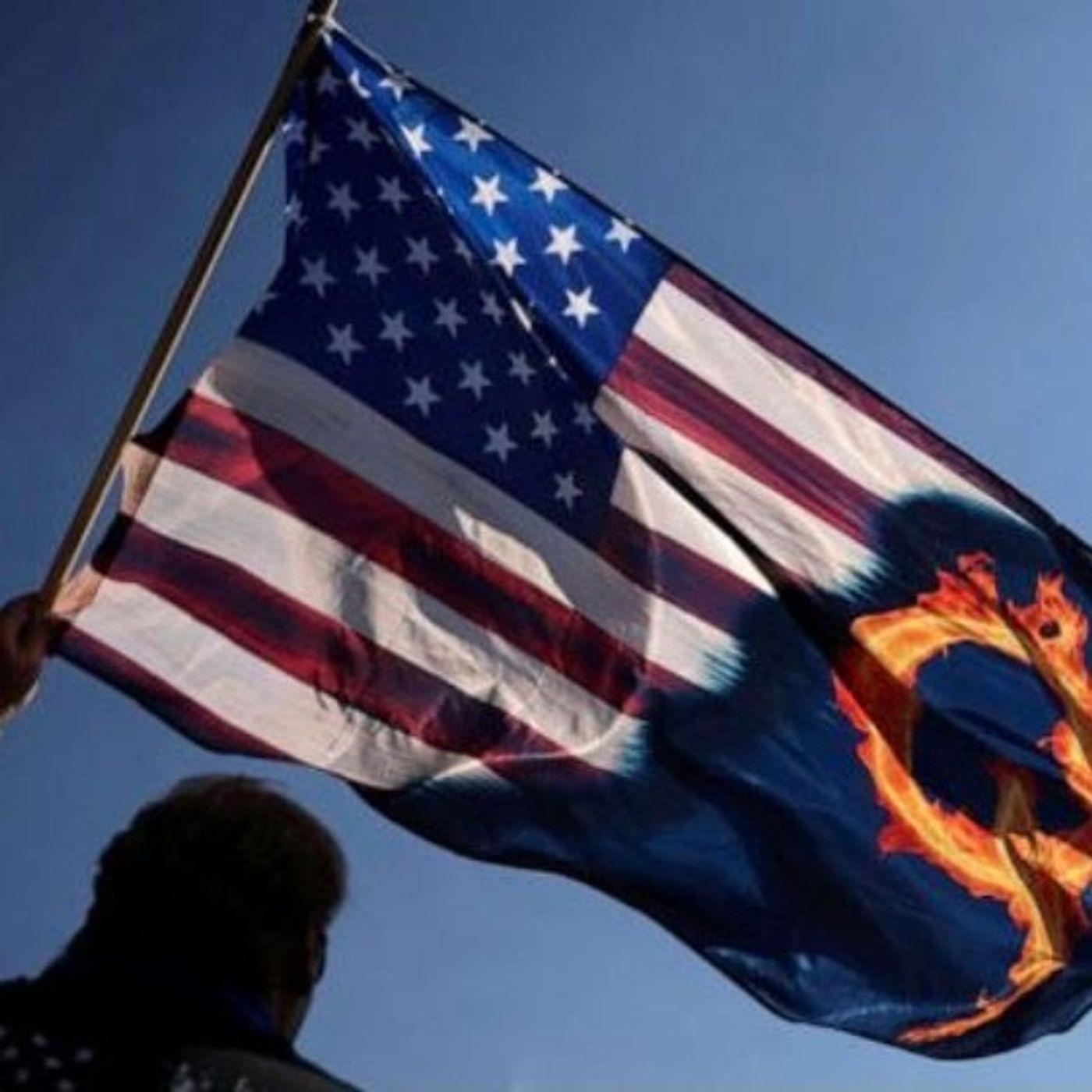
Q-a-gone
Sep 30, 202100:11:09Tap to summarizeQanon is a far-right extremist group that has moved out from the fringes to the forefront, gaining more faithful followers as people were isolated and online during the pandemic. The group’s presence was clear and prominent in the January 6th insurrection at the U.S. Capitol.While Qanon has been tearing at the fabric of our nation, it has also been tearing individual families apart. Many sons and daughters of Qanon faithful, for instance, say they feel they have "lost" their parents into the rabbit hole of the beliefs.Daniel Green wrote and produced this episode as part of our series "Divided States: Efforts to Pull Together When things Fall Apart." In this episode, we meet one man who says it feels like he’s grieving because he lost his parents to Qanon. He is still striving to bring them back to reality.
Transcribe →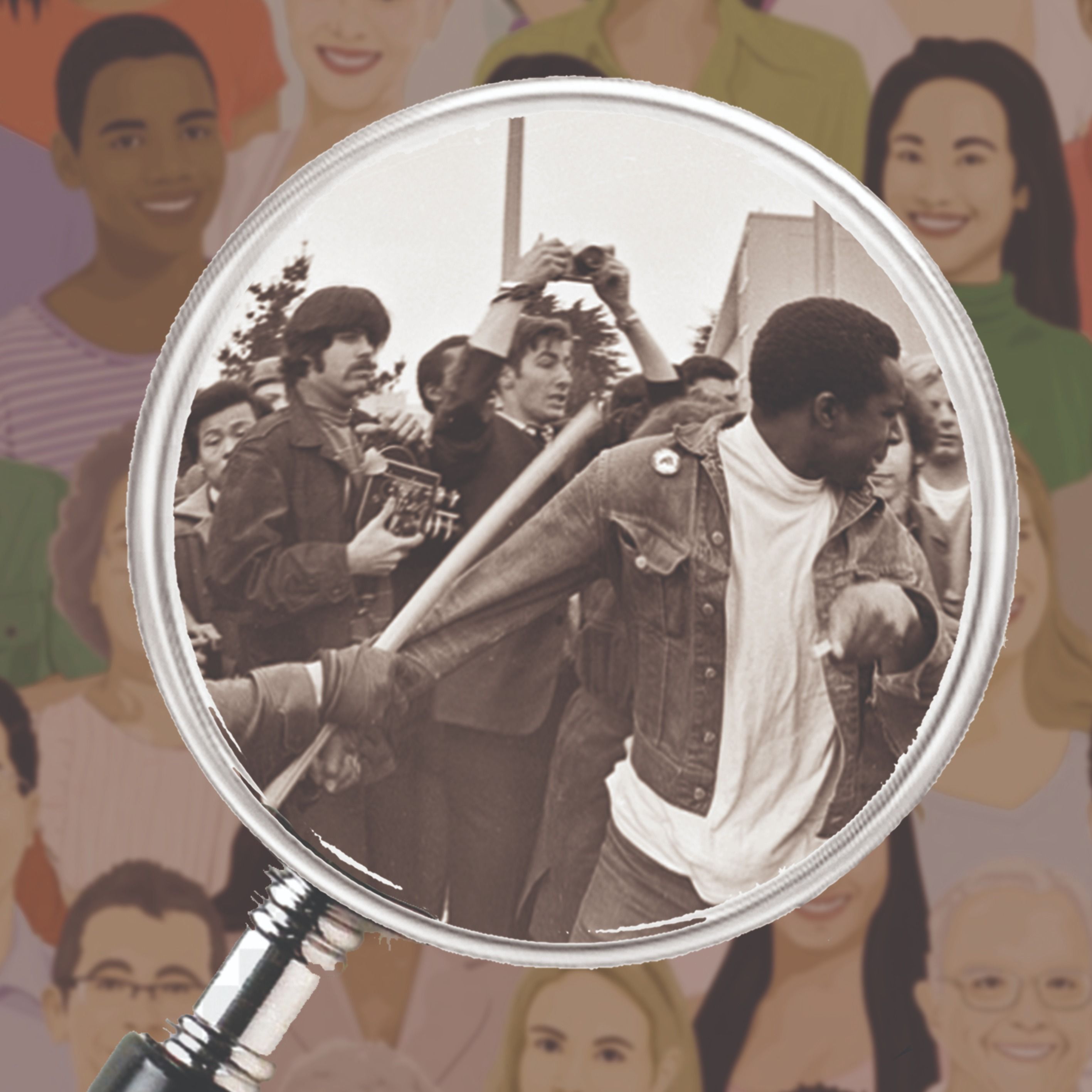
A battle of the Narratives
Sep 30, 202100:17:49Tap to summarizeOur national story, the historical narrative taught to our children, has been at the forefront of some raging rhetoric. The issue includes how this nation teaches history, and which part of history is taught in schools.Right-wing media has raised loud objections to teaching Critical Race Theory. Many point out that the criticism over critical race theory is simply not logical and only serves to fire up animosities and spark growing fears.As part of our series "Divided States: Efforts to Pull Together When things Fall Apart," Johnny Dorcil gives us a look at how California recently approved a controversial ethnic studies curriculum and how the fight in California has become emblematic of the national battle.
Transcribe →
Out of the Concert Hall, Onto the Open Road: A Musical Journey
Sep 30, 202100:13:01Tap to summarizeViolinists Etienne Gara and YuEun Kim, fix up a VW bus, paint it candy-apple red and drive up the coast. Their goal is to bring a little music and a little joy to farmers, winemakers, and anyone else they meet along the way. They call this project MusiKaravan. As part of our series “Divided States: Efforts to Pull Together When Things Fall Apart,” Polina Cherezova takes us along their musical journey. You can follow them further on their YouTube channel as they post episodes about their travels. There’s more on their Instagram, at DeliriumMusicum.com, and at MusiKaravan.com.
Transcribe →
A Growing Dark Side of Sharing Opinions Online
Sep 30, 202100:11:40Tap to summarizeMore and more people have been facing real-life dangers after posting political content online. As part of our series “Divided States: Efforts to Pull Together When Things Fall Apart,” Elizabeth Islas introduces us to one person who has faced this danger. A teenager on TikTok. This 17-year-old TikTok creator has nearly 300,000 followers and built social media fame by creating political content. But last year, he received death threats that were no longer limited to just the cyber world…
Transcribe →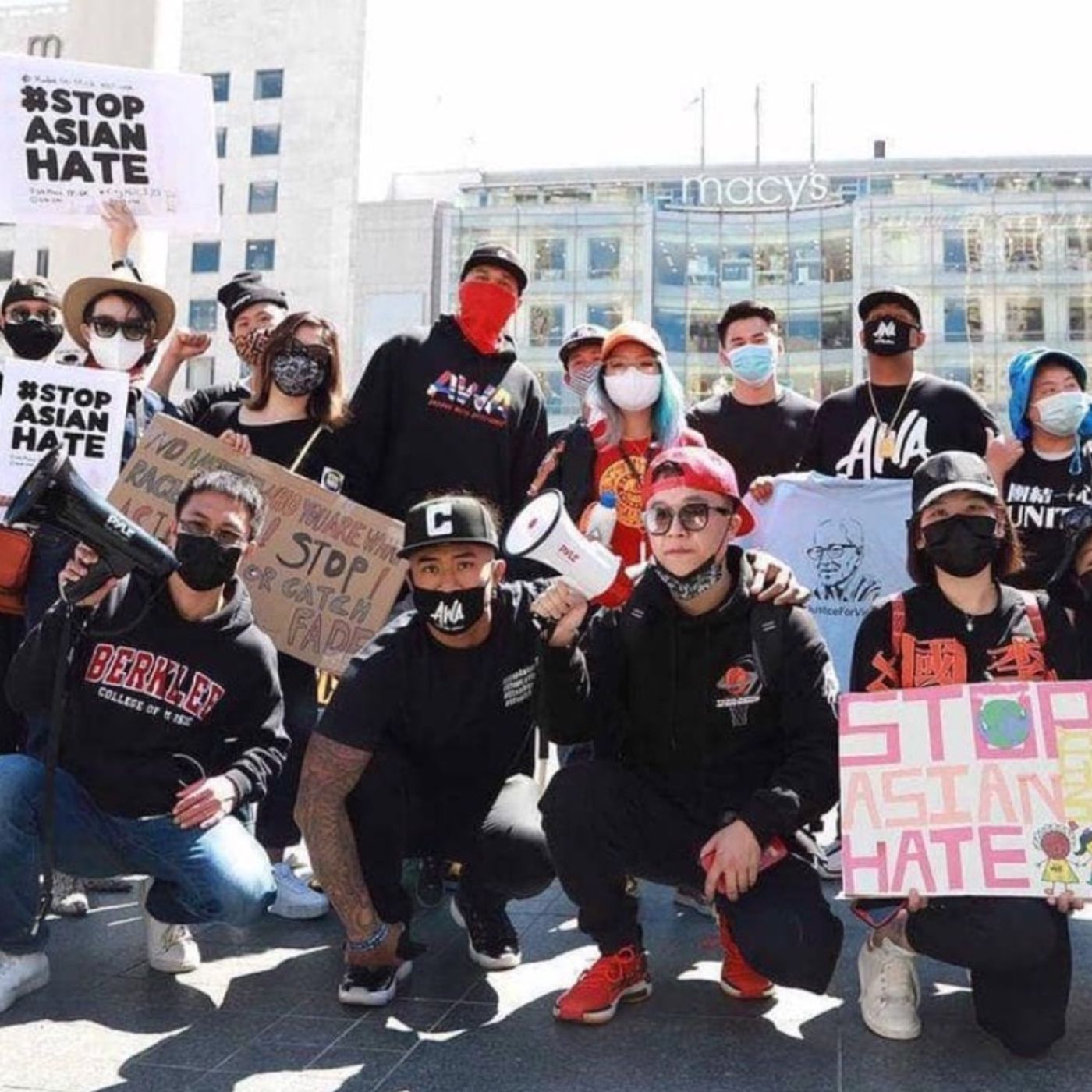
The Asian American Community Fights Back
Sep 30, 202100:11:36Tap to summarizeWith the pandemic, came a rise in anti-Asian violence and hate crimes, largely sparked by political rhetoric. Now, members of the Asian American community have been coming together in efforts to fight back ... and break away from the perceived tradition of enduring, stoically and silently. As part of our series “Divided States: Efforts to Pull Together When Things Fall Apart,” reporter Christine Kim follows members of the Asian American community as they raise their voices together on social media and out on the streets.Some of the organizations featured in this episode include: Asians with Attitudes, Stop AAPI Hate, #Hate is a Virus.
Transcribe →