← The Magnificent Others with Billy Corgan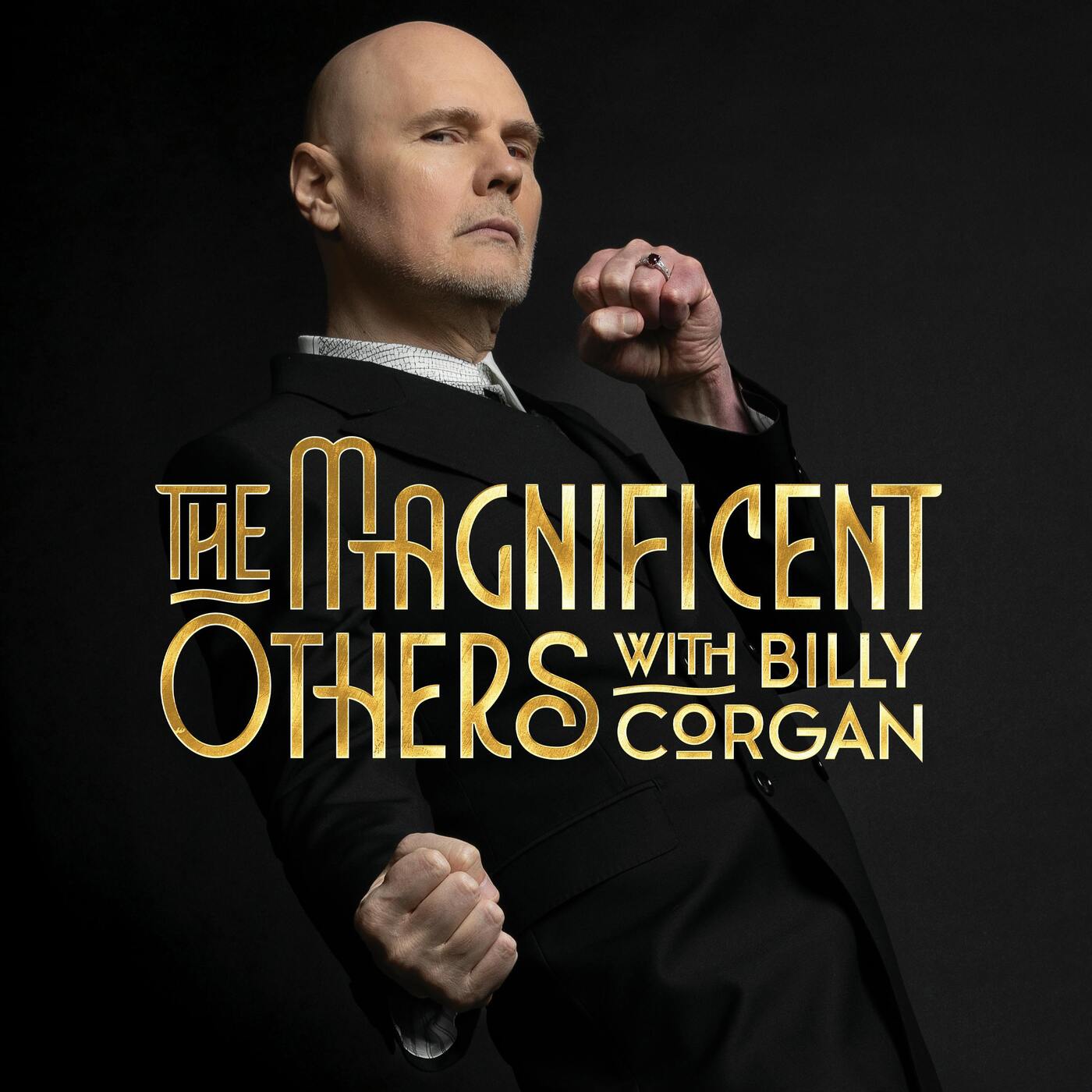
The Magnificent Others with Billy Corgan
Danny Elfman | The Magnificent Others with Billy Corgan
01:09:52
Loading summary
Transcript512 lines
- [00:00]
A
It was kind of. Nobody knew what to do. And that score stood out. I was offered every quirky comedy made in Hollywood.
- [00:06]
B
Yeah.
- [00:07]
A
For the next five years. It was like, oh, my God, I'm the comedy guy.
- [00:11]
B
They were getting the vibe of what you were putting out. That is so cool hearing that.
- [00:16]
A
Nothing makes me happier in my life. I knew when I was writing it, my 10 year old daughter was hearing every song and approving it as I did it.
- [00:26]
B
You've been right more than you've been wrong. There's something sort of beautiful about that.
- [00:30]
A
You're gonna make me cry.
- [00:32]
B
But why?
- [00:32]
A
Because.
- [00:38]
B
So here we are. It's my dear pal, Danny Elfman. Danny, thank you so much.
- [00:43]
A
Oh, thanks for having me.
- [00:44]
B
Oingo Boingo. More than 100 films, notably Milk, Good Will Hunting, Big Fish, men in black, Dr. Strange, Dumbo the Grinch, Oz the Great and Powerful, Pee Wee's Big Adventure, Spider Man, Mars Attacks, Corpse Bride, Alice in Wonderland, Batman and Batman Returns, Edward Scissorhands, Nightmare Before Christmas, of course, the original Beetlejuice and the new New Beetlejuice, which is called Beetlejuice. Beetlejuice.
- [01:07]
A
I think so.
- [01:08]
B
Yeah. That's a lot.
- [01:11]
A
It's been.
- [01:12]
B
Yeah, tell me about it. So.
- [01:17]
A
And I also, in that time, created four scripts and three musicals.
- [01:23]
B
I did not know that.
- [01:24]
A
Nobody does.
- [01:25]
B
No, but I did my research and
- [01:26]
A
I didn't know that. No, but that's not.
- [01:27]
B
Have this. Have any of the scripts come fruition?
- [01:30]
A
No, no. I just.
- [01:31]
B
I would think with your. I don't know, I use the word leverage. But your position here in Dear Hollywood,
- [01:36]
A
I. I'm just a composer, you know,
- [01:39]
B
I don't believe that. You've certainly surpassed the. The title. Thank you, composer. But. But I'm curious about that. So take me through that because obviously you know a lot of people and you know who to talk to. Why have they not made any of movies that you would.
- [01:53]
A
Well, first off, you'd be surprised how few people I know. Really. I've lived most of my life as a recluse and even within Hollywood, people don't understand this about composers. In Hollywood, my entire infrastructure on a film from beginning to end could be nothing more than me, one editor and the director. And those might be the only people I meet. And then maybe if I go to a premiere, oh, there's the producer. Hello. How are you? And other people in the studio. I am as unconnected as can be and I've never been good at the networking part of it.
- [02:35]
B
See, I have that in my note. I'M jumping ahead, but I'm curious because I have done a few major motion pictures and the amount of people in my ear drove me insane. The term that comes to mind is cooks in the kitchen. There were so many cooks in the kitchen. So how have you avoided the cooks in the kitchen?
- [02:53]
A
Well, normally, I mean, every film is different dynamic. So most films I'm only allowed to listen to the director and so the director comes over every week and there's a relationship and there might be one presentation for producers or other people, but then I never see them again. There are other projects where the producer becomes the voice. The studio might step in because there's problems with the picture and then they start interacting with interjecting points of view. But it's very rare. You know, if I've done 110 films, probably 90 to 100 of them, I only interfaced with the director and, or the director and the editor because I
- [03:38]
B
had the complete opposite experience. Maybe it was because they considered me a novice or something, but.
- [03:43]
A
Yeah, but like I said, you know, also the films all have their own dynamic. You know, I've worked on a film where, where literally I was told not to speak with the director. I'm now taking notes from the producer or from the studio. So things can shift and the dynamics can change. But I am as unconnected. I mean, I swear to God, this is true. I'll go to an after show, I'll go to a premiere, there'll be an after show party, and more often than not, I'm sitting in a corner just kind of looking at people with a drink in my hand going, I don't know anybody here.
- [04:14]
B
Wow.
- [04:15]
A
And there's somebody I know, thank God. And I'll try to like.
- [04:19]
B
See, I would have thought all these years you work in the picture business that you would have more connectivity.
- [04:24]
A
Yeah, I know, but it's an isolated.
- [04:27]
B
Do you like that isolation?
- [04:30]
A
Well, yes and no. I mean, it's so weird. I've done so little collaboration in my life, but the little that I have done, sometimes it's like, wow, this is really fun. I'm actually like working with somebody.
- [04:44]
B
I'm not trying to interject myself, but to me it would be a dream to work with as a, as a composer and as an artist.
- [04:49]
A
Because I've just.
- [04:51]
B
Your, your, your imagination is so. If you know this word fecund.
- [04:56]
A
Well, thank you.
- [04:57]
B
It's not a beautiful word to use, but I mean, your creativity is boundless. And I'm, I'm usually a person that people Complain. I do. Too much, you know, too many songs. Even my own band complains. Too many songs. Yeah, but.
- [05:10]
A
Same.
- [05:11]
B
Right, But I mean, when I look at you, I'm like, wow, I wish I had Danny's drive. Oh, well, no, but you put me to shame. I mean, not.
- [05:20]
A
It's not as much as you think, because it's just. You gotta figure this with me. It's like there's two people who don't like each other, living in the same body, and they both want to work, which.
- [05:32]
B
Who am I talking to?
- [05:37]
A
Should I tell him? Yeah, he's okay. Yeah, you can let him know. Really? Okay. It's kind of hard to explain, but one of them does the film music and enjoys doing that and is very much just in this small sub world of filmmaking, and the other one wants to do anything but that.
- [06:05]
B
Do you feel at times somehow limited by your. Your great success in film composing? Does it make sense?
- [06:11]
A
Well, that's made it difficult for me with the classical music because a lot of symphony orchestras, especially starting out, were very much like, oh, no, come on. Famous film composer, you know, what about our world?
- [06:26]
B
Rock world. I mean, come on.
- [06:27]
A
Exactly. I mean, I've gone through this my whole life because when I stepped into film, they hated me because I came from rock. And it was like, oh, he doesn't do his own music. And literally, the whole community spent 10 years waiting for the smoking gun of who really writes my music, really. So, I mean, I was very much despised when I first met somebody who
- [06:47]
B
listened to Oingo Boingo. When I first heard your film work, I totally got the translation, like, immediately.
- [06:53]
A
Most people just assume somebody else does your writing.
- [06:56]
B
No, I know it's you because I know your Boingo Boingo work well.
- [07:00]
A
But you have an ear, perhaps, that could pick up these relationships. I'm guilty of the same thing. I understand where that resistance comes from. If I hear of somebody from rock doing an orchestral score, I might also assume, oh, they've got somebody doing. So I get that. They don't understand that I was doing my own work. But it took a decade, and then finally, okay, he's all right, you know, it took 10, 15 years. And then as I get well known as a film composer and I step into the classical world, it was the exact same thing all over again. And it was like, oh, yeah, right. Famous film composer wants to write classical music. And when I did my first commission, it was about 14, 15 years ago, I think, for Carnegie hall, for the American Composers Orchestra. The conductor told Me, he says, you know, the New York press, they will hand you your head on a platter. I can tell you that he hadn't even heard a note yet. And I go, I know. And I go, I like that. So it was like, I expect resistance on everything. Right? You know, I started out with a musical theatrical troupe that just got horrible press. And we used to take our worst reviews and print them as our ads. And then I got in a rock band and the LA press would say, dance music for kids who can't dance. And I loved that.
- [08:27]
B
That's a T shirt.
- [08:27]
A
That's a T shirt.
- [08:28]
B
In my band, that's a T shirt.
- [08:29]
A
Exactly. And so, okay. And then in film music, oh my God, it was huge. So I finally started to realize that I thrive on that. And so it's good when I get that negative energy. Works well for me.
- [08:45]
B
Well, I have such a different perception because I did listen to Oingo Boingo. But then watching your success in film, and I know how much love there is for you in the rock community, for your work in films, which is most recently with you playing these live shows, I mean, you can see that your influence on particularly young musicians in terms of looking at music cinematically, I mean, your influence is pervasive. And there's so much love for you from the music community. So that's hard for me to understand. And I know how parochial it is out here.
- [09:17]
A
It's only because I survived long enough. You know, you live long enough, eventually you get a little respect and you
- [09:23]
B
do take your shirt off and you're jacked. And I'm like, wow, what's he doing?
- [09:29]
A
Well, you know, that was kind of random. You know, I was going to Coachella in 2021. Is it 20 or 21? I can't remember when it was rescheduled after Covid and I hadn't been on stage in a quarter century.
- [09:42]
B
I did not know that.
- [09:43]
A
So I did want to come out there and not go Elvis on my friends. So I like, you know, I wanted to kind of keep my together and. Sorry, I don't know what I'm allowed to say.
- [09:56]
B
We can say whatever we want.
- [09:57]
A
Okay. And so when I went out there, I said, I don't know how I'm gonna dress or what I'm gonna do. I said, I'm just gonna go like I used to go out on stage shorts. I wanted to go barefoot. Cause I used to going on stage barefoot and they wouldn't let me cuz insurance risks. And it was about halfway through the show. And I'm trying.
- [10:17]
B
Coachella, they wouldn't let you go barefoot.
- [10:19]
A
Yeah. And I'm trying to lock into the moment. Well, because I get it. But nails on the stage, you know, stuff like that. And it was about a third of the way into the show, and I'm trying to connect to the moment, and I go, it's been 25 years since I've been. Yeah, it's so weird. And I'm looking at an audience that wasn't even necessarily expecting me. It's not like I'm playing for.
- [10:43]
B
Or even born the last time you
- [10:44]
A
were on stage or even born. So it's not like I was playing for an Oingo Boingo reunion to an Oingo Boingo crowd. And I finally just said, oh, this is how I used to be. 25 years ago, as soon as I got sweaty, my shirt came off, and a bunch of guys would tear it apart in the front, and there'd be, like, this whole mosh pit with my shirt. It was a thing that happened every show, and I just did that to try to focus myself back in the moment. And it worked. I said, I feel vulnerable and exposed,
- [11:14]
B
and all I know is I looked at the photos. I was like, wow, he's jacked. Well, I work in professional wrestling, so that's the first thing we look at. It's like I'm like, danny's jacked.
- [11:22]
A
Well, thank you. I mean, I was out to blow people's minds in some way or another, because the show made no sense. I said, I'm coming up there. I did the most outrageous visuals, which is why I wanted to do the show, because when I saw the screens at the Coachella stage in 2019, I said, I gotta do this. I could put some really up stuff up there, and this'll be fun. And so it was just part of. I wanted to surprise people, and part of that was just me, and part of it was what was behind me and, you know, and I just wanted to be. Not what anybody was expecting after a quarter century.
- [12:00]
B
Yeah. How was that response versus the response you just had? Because there was. I saw so much press on your last. Was it Sick New World, Sick New
- [12:09]
A
World, Sick New World? Yeah. You know, it was amazing because I came up with the show randomly. 2019, my manager finally brought me out to Coachella. They've been trying to get me out there for 12 or 15 years.
- [12:22]
B
But were they trying to get you to do Oingo Boingo?
- [12:24]
A
Yeah, they were like, do something they're
- [12:26]
B
talking about the reunions.
- [12:27]
A
Yeah. And then I went out there and they said, well, do film scores. Like, you know, Hans Zimmer did this film score thing. And I go, well, I can't do that either on this stage. Cause it means prelay and, you know, thing that I don't like to do. And then I came, I saw those screens and I said, wow, the technology. Last time I've been at an outdoor
- [12:47]
B
concert, the screens are insane.
- [12:49]
A
The screens are insane. And I said that got me excited. I said I could put some shit up there that's really wild. And I pitched an idea of like, how about old, new and film all mished together in a nonsensical way.
- [13:05]
B
But that's your world.
- [13:06]
A
Well, but it. At the moment it seemed like that'd be fun. But then when it actually was happening, I said, this is the worst idea, really, I ever had. Yeah. I mean, we went into rehearsals and I go, I don't know who the show's for. I don't know what the audience is going to make of this. Yeah, you know, we're going to be doing rock songs and suddenly playing Edward Scissorhands. What the. And I, backstage before that show, I literally felt like I was walking out to a firing squad.
- [13:32]
B
Really?
- [13:33]
A
I said, I'm walking into a train wreck of my own design. They're gonna kill me. Makes no sense. There was no warm up shows. There was no way to try it out.
- [13:42]
B
That is a tough leap. All or nothing. There's 60,000 people, right, I guess, in the dirt and the sand.
- [13:48]
A
And I couldn't even tell during the show. You know, it's like I kind of locked in at a certain point, but I was still looking at people mostly going like that. I didn't know if it was a good.
- [14:01]
B
The good agape or the bad agape.
- [14:03]
A
Yes, exactly. I couldn't tell. And it wasn't until I left the show. And you know what it's like on those stages. It's loud and subgroupers. It's hard to even hear what's going on. It's hard to hear your connection. This. There's so much sound coming off the stage and you can't see very far. You know, you see mainly just the front. So I'm heading backstage with my manager, Laura, and she's like picking up all these messages. She says, oh my God. Oh my God. You should see this. You should see this. You should see this. I go, they liked it.
- [14:34]
B
Yeah.
- [14:34]
A
And she goes, they liked it. And I go, oh, it was Like a reprise from the firing squad. And so once I got over that hurdle, I go, okay, nothing about this makes any sense, but. But I don't care. Yeah, so I'll keep.
- [14:48]
B
But I think that's a testament to what you've built because, again, there's so much love for you in the music community. It's hard to explain other than saying, when I hear your work in films, I feel like, oh, he's one of us. Does that make sense? And I don't. It sounds.
- [15:03]
A
You're gonna make me cry.
- [15:05]
B
But why?
- [15:06]
A
Because I've only felt that in the last couple of years since I came back. You know, I've been so living on my own, and I've never really felt connected to anything. Anything. You know, when I was in a band, we lived in our own world. I didn't know anybody in other bands. We didn't hang out. And then I was a composer and off on my own. I've always been like Nosferatu and is kind of hidden away.
- [15:35]
B
If Nosferatu had red hair, it wasn't
- [15:37]
A
until I did the remix album for Big Mess and Found. And my bass player, Stu Brooks, he wanted to, like, I'm gonna send this out to other people. Let's do some. I said, no one is gonna wanna work with me and do this. No one. And suddenly it was like, oh, look, Square Pusher and this one. And then Ghost Maiden and Trent, and I couldn't believe it.
- [16:01]
B
That's what I'm trying to tell you. I mean, you know it. But I'm saying is I was shocked. That's why I'm shocked in the reverse.
- [16:07]
A
It's the first time I was even aware of anybody even knowing who I was out in the world of music. I mean, I knew I had a fan base out there, but I never talked with anybody. I never. And it was so moving to me. I get emotional now. I'm sorry about that.
- [16:26]
B
No, you shouldn't apologize. It's beautiful.
- [16:28]
A
Because it was like a revelation. It's like, you know what? I feel like that crazy Oscar speech that Sally Fields did years and years ago, she got to it, said, they like me. They really like me. And I thought, that's so corny. And here I am doing the same thing.
- [16:45]
B
If I have any kind of meta take, and this. It gets. All the things I wanted to talk to you about is somehow, you've had the world come to you. Does that make sense?
- [16:55]
A
I guess I just. I've always felt like I've struggled through
- [16:59]
B
everything, but that's the beauty of it is you are the guy in the castle, and people actually want to visit the castle. There might only be one out of a billion, but you're the guy. You've actually pulled that off.
- [17:11]
A
Well, I guess it's hard for me to.
- [17:13]
B
I'm telling you, I'm just.
- [17:14]
A
Look, when I got a call from your producer about this show a couple days ago, my answer was really me. It's like, you. I was so honored and happy.
- [17:27]
B
But this is the core of why I want to do a show like this is American culture is very trendy, as you know, and you've lived through the various decades like I have through it. But your accomplishment is so singular. You're more the American dream than what is usually held up as the American dream. Does it make sense? And I'm not saying we all agree on what America is anymore, but that's for sure.
- [17:50]
A
Right?
- [17:50]
B
But I'm saying is. And back to my little meta harp is like, somehow you've gotten the world to come to you, which is really, really rare.
- [18:00]
A
I never thought of it that way. So it's just really interesting to hear,
- [18:04]
B
you know, but that's maybe why you. It's work. Because you're not. You're not looking out the window. Is anybody paying attention? Every five seconds, I'm more that guy. I'll do crazy stuff and be like, do you still like me? Do you still hate me? I'm too reflexive like that. And that's probably one of my great weaknesses.
- [18:20]
A
Well, and certainly one of my great weaknesses has been my inability to do what my agents always wished I could do, which is to connect and make connections and interface.
- [18:33]
B
Go to the party.
- [18:35]
A
Exactly. Like, I'm really shy, you know, around people and a group of people. One on one, I'm fine. But put me in a room full of people. I just find myself, like I said, in the shadows and don't know what to do with myself. So I've never been good at that.
- [18:53]
B
Okay, I want to preface this. This is a maybe strange way to put it. I'm interested in your youth, but not like, I don't want to get too. Some deep psychological analysis thing, but doing my research on your parents and the world that you grew up in and obviously your brother, who was it? That was the person that noticed your precociousness early that made you feel that you could trust your. I mean, it's psychological. Your inner voice, like, who gave you the confidence to sort of believe in your vision.
- [19:27]
A
It's interesting. I mean, Certainly the first person that did would be my brother. You know, my parents were just horrified that, you know, they're schoolteachers and my mother became a writer, but they were still, you know, she was a schoolteacher 25 years. Yeah. And both of her sons ended up
- [19:45]
B
essentially becoming hippies and.
- [19:48]
A
And street theater, literally. I was a street musician for years. And that's not a school teacher's dream. You know, it's like, Danny, so you're on your one year sabbatical. You are going to college, right? Oh, yeah. Just, you know. Oh, yeah. And then after like five years, you're not going to college, are you?
- [20:06]
B
I go, no.
- [20:08]
A
And so they were supportive in a terrified, depressed way of seeing their sons, like, go off the rails. But they never tried to discourage me. But my brother, you know, I was 18 years old, I just picked up the violin. I was on a year of traveling through Africa and I stopped in Paris first, and he was performing conga drums with a musical theatrical troupe, a French musical theatrical troupe. And he believed in me from the beginning. And so he. I was practicing one day, he brought the director in to listen. And I come out, director goes, hey, come on the road with us. You can play. I go, I don't know what, I've only been playing for six months. He goes, ah, you're fine. And I went on the road with them.
- [21:00]
B
How did you get to Europe in the first place?
- [21:01]
A
Well, it was en route to Africa.
- [21:03]
B
Right.
- [21:04]
A
You know, I went with a friend and we were stopping off to visit my brother in Paris before heading to Morocco to begin this year long excursion around Morocco.
- [21:12]
B
Did you ever go up with the master musicians of Jijuca? You know that it's like, I don't know if they're a tribe or a clan. Do you know about all that?
- [21:19]
A
Oh, in Morocco, yeah.
- [21:20]
B
Well, they're up in the mountains.
- [21:22]
A
This particular trip, I never got to Morocco. Everything got derailed. But I went back to Morocco with Gus Van Santa years later and had an amazing trip interfacing with the Genawi.
- [21:34]
B
Yeah.
- [21:35]
A
And we met a host that had musicians playing at his house. Every night would end with these Genawi. And then there was a Genawi festival. You know, these are the desert musicians.
- [21:48]
B
Yeah, I know that music.
- [21:50]
A
And it was so inspiring. And it was just the beginning of an inspiring year.
- [21:56]
B
Why Africa? Like, did somebody just like, let's just go to Africa.
- [21:58]
A
Yeah, Me and my friend from school.
- [22:00]
B
This would have been what year?
- [22:01]
A
Around 71. Okay, right into 72. Right, right in there. You Know, we were just. I was just 18, and we were.
- [22:11]
B
And your mother said, mom, I'm going to Africa to hang out.
- [22:18]
A
Is that a good idea? And it was like, we're going around the world originally.
- [22:22]
B
Yeah.
- [22:22]
A
You know, we planned the trip through North Africa, India, Asia, back to Los Angeles.
- [22:26]
B
While you're doing that.
- [22:27]
A
Yeah, that was the plan. Didn't happen, but that was the plan. Ended up going to Paris, getting hired in the circus, finally meeting my friend and going to the Canary Islands, met new friends, got me fascinated with the culture of a country called Mali. And next thing I know, we're on a boat heading towards the Sahara Desert, aiming towards Mali, which I'd never even heard of when I was plotting the trip out. And now I went on a completely. Instead of turning left, we turned right and went down West Africa and through Central Africa. My friend and I split up about halfway through. So I did about half the trip on my own. And it was an insanely amazing experience, getting sick, getting my life saved by a German doctor, seeing black mambas cross the road, and, you know, being told, like, bites. You just sit down and relax because you're dead. That kind of thing. And go, I don't care. But I was, you know, 18.
- [23:25]
B
Wow.
- [23:26]
A
You know, it's. It's the kind of you could do when you're 18. That's at 25. It's like you'd even go, whoa, Whoa.
- [23:33]
B
Yeah.
- [23:34]
A
And. But I was learning percussion. I was playing with musicians.
- [23:38]
B
I wanted to. Can we stop there for a second? Because when I think of your musicality, I always think percussive first.
- [23:47]
A
That was the first. You're absolutely dead.
- [23:49]
B
It's all in your. Like, even you as a singer, like, in the Boingo music. Right. It's very rhythmic.
- [23:55]
A
It's. Because that's where I came from. You know, I spent this year, I came back, I started working with my brother and the Mystic Knights before Oingo, Boingo. And in that. Although we did a lot of 30s music, and in my mind, but even that's very rhythmic. It is very rhythmic. I mean, I lived in the seventies. I lived in 1935, Harlem, my mind. But percussion was also the center of everything. And we built our own percussion ensembles. We built an entire metal ensemble based on an Indonesian gamelon, and then an entire wooden ensemble based on West African bolos. And we played these on stage. And for a while, I really did think that was my future. I was going to be some kind of ethnomusicologist. I loved building Percussion instruments, getting my hands, you know, getting covered with sawdust, and that was my world. So you've. It was very rhythmic. In fact, it was hearing the rhythmic, intense ska music at the end of the 70s.
- [25:02]
B
Yeah.
- [25:02]
A
That made me want to drop everything and start a rock band.
- [25:05]
B
Right. When you're. I want to. Because it's hard to find much information on the Mystic Knights thing. And your brother. It was his thing.
- [25:12]
A
He started it.
- [25:13]
B
Right.
- [25:14]
A
We started, both of us, with this troupe called Le Grand Magic Circus in Paris. He spent a couple of years with them while I was in Africa. He came back home and founded the Mystic Knights, inspired by Le Grand Magic Circus.
- [25:30]
B
Right.
- [25:30]
A
And the day I came home, he was like, you're the musical director. I go, yeah, but I got hepatitis, so let me rest up. You can rest up all day tomorrow. Day after tomorrow. You could sit it on rehearsals. So I was kind of appointed musical director of the Mystic Nights.
- [25:48]
B
And what would that entail?
- [25:50]
A
Well, musical director of a street troupe,
- [25:54]
B
you know, so a lot of free spirits.
- [25:56]
A
Yeah.
- [25:57]
B
Early 70s, passing the hat.
- [25:59]
A
You know, we go out and we'd.
- [26:00]
B
Where would you go? Around.
- [26:01]
A
Okay. So I. I started writing music, and we'd bring in stuff, and we had a brass band and a percussion band, and we would march right into with the drums, into a line, for example, in Westwood or somewhere, you know, where there's a movie theater, wherever there's a lot of people, and do, like, a quick show, pass the hat, and get out before the police arrived.
- [26:24]
B
10 minutes?
- [26:25]
A
15 minutes. Yeah. 10, 15. 15 minutes was like, yeah, you're pushing it.
- [26:29]
B
Yeah.
- [26:29]
A
Yeah, you're pushing it. There's gonna be a cop car.
- [26:31]
B
And would you play real gigs, too, or not?
- [26:33]
A
At first. The first three years was probably just on the streets.
- [26:37]
B
Wow.
- [26:37]
A
And then eventually my brother left to do this crazy movie, Forbidden Zone, this midnight cult movie. And then I took over the Mystic Knights, and at that point, I really got all really good musicians, so everybody had to play four instruments, you know, so we could be a string band, a brass band, a percussion band.
- [26:59]
B
And isn't that beautiful how so much of that still informs your work, though?
- [27:05]
A
I guess so.
- [27:06]
B
I mean. I mean, that's my summation.
- [27:08]
A
Well, no, it all made sense eventually. But, you know, I taught myself to write music with the Mystic Knights because I had to write for these guys, and I had no training, and so I taught myself to write, and I started writing these complicated charts.
- [27:21]
B
We write charts. Yeah. Yeah. This is more the 20s through 40s vibe. Or do you just start going into
- [27:28]
A
your own direction, original stuff. And doing transcriptions of Cab Calloway and Duke Ellington music in the mid-30s kind of re.
- [27:35]
B
Re.
- [27:36]
A
I wanted every note to be perfect.
- [27:38]
B
Really?
- [27:39]
A
Oh, yeah.
- [27:39]
B
Those are hard things to transcribe.
- [27:41]
A
I know, but my first transcription was a Duke Ellington piano solo, a piece called Black and Tan Fantasy. I wanted every note to be absolutely perfect.
- [27:49]
B
Do you know that whole thing about how the way he composed. Cause he was always on the road. He'd stay two hours, three hours after, the kid could just write. Do you know about that?
- [27:57]
A
I don't.
- [27:58]
B
It's really beautiful. There's actually some video of it when he's a little on the older side. But, you know, because they couldn't stay in the hotels they wanted to stay in, he got wise. And so they got their own train car. So that way they could go out by the train tracks and party all night and do whatever they wanted and carouse. So he had really no reason to get back to the train car. So they would play a gig, everyone would clear out, and then he would sit on the stage for two or three hours with Billy Strayhorn, and he would just. He would just play and write and transcribe, and that's how he was able to produce all that work and tour.
- [28:32]
A
Amazing. It's just amazing stuff. And the other thing that I heard about him, which I love, is that when they were in New York, that he pretty much had the band full time, and he would just write down ideas to sketch stuff and just show up at the rehearsal, say, here's some new stuff. What a luxury. Let's just try these new ideas. Here's some charts. Wow.
- [28:52]
B
Have you ever heard those? There's the recordings, you know, in the. You know, in the 40s, they weren't allowed to record because of the war.
- [28:59]
A
There was like a. I didn't know
- [29:01]
B
that there was a. That's why there's not a lot of key recordings between the war years of the great bands. Because the only way you could record is if you were on the radio and for transcription discs. But you weren't allowed to go in and record because it was against the war effort. But somebody along the way in the 40s got that. That famous Duke Ellington band to play on a new recording technology, which was recording to glass. And if you can get these recordings, you hear the Ellington band recorded to these glass discs. And it's basically the equivalent of what became 50s recording technology. So you can actually hear what they sounded like in the 40s, but it sounds like it's from the 50s, but it's the 40s band. And it's mind blowing because it's such a revelation because usually these kind of tinny 40s big band recordings, but to hear that band with almost like more like capital 50s vibe, it's jaw droppingly beautiful with those players at that peak during those years. So if you get a chance, I recommend that if you love that stuff.
- [29:59]
A
I do.
- [30:00]
B
If you do. Yeah.
- [30:00]
A
And it was an amazing era of inspiration. And then when I heard the ska music, it brought me back to the West African high life bands that I loved listening to.
- [30:11]
B
Well, that's the influence again of the African American emigres that had come into London. Right. So you're making this weird.
- [30:17]
A
Yeah, because I had all this music that I loved and singles I brought back up the High Life. And High Life is some is kind of between reggae and salsa almost. You know what I mean?
- [30:27]
B
Is it more uptempo or.
- [30:28]
A
It's not as uptempo as ska, so it's a little more Latin tempo, but still reggae vibe. It's hard to explain, but it had a vibe. And then ska just amped that up.
- [30:42]
B
Yeah. And put BPMs.
- [30:44]
A
Yeah, exactly. And for me at that age, it was like. I heard that. It's like.
- [30:48]
B
Yeah. So the Mystic Nights was this kind of, I don't want to say ragtag
- [30:54]
A
ensemble, but kind of ragtag multi instrument, ragtag 12 piece ensemble.
- [30:59]
B
So does your brother start sort of receding or is it.
- [31:02]
A
Well, he went off to do Forbidden Zone. So the last three, four years of the Mystic Knights, it was just me in the band.
- [31:08]
B
Yeah, I was trying to understand that
- [31:09]
A
because we split ways.
- [31:13]
B
So there's, you know, in your bio there's this delineating point where you know, 78 or so.
- [31:18]
A
Exactly.
- [31:19]
B
So how does that happen?
- [31:21]
A
I just. It was so crazy. I mean, I heard this music and I just said, you know what? I'm done doing theater. You know, five sets, costume changes, and all this instruments. It takes a week to set it up.
- [31:33]
B
Did you. Sorry to interrupt you, but did you feel like, I mean, you kind of inherited this thing from your brother? Did you feel it wasn't yours or you just threw it out of.
- [31:42]
A
Oh, no point. I felt very much it was mine because I was now starting to write original compositions.
- [31:48]
B
But what was it about the theatricality? Did you just grow out of that or.
- [31:52]
A
It was just so hard to do too much. And the appeal of like, wow, we could just set up the drums and a couple of amps. Half an hour we could be playing seemed so appealing because, you know, we had videos, we had animations on screens. Yeah. It was like a full multimedia thing. Suddenly the simplicity of just a band. Now, the band wasn't simple. It was still eight pieces, you know. Cause like a high life band, I had a horn section and ska bands too. So I kind of modeled it after that. But we still could go into a club and set up in a half an hour and play.
- [32:26]
B
Did you have any commercial aspirations at this point?
- [32:30]
A
No, I didn't think we'd ever be. You know, I didn't know what we were. I never did figure out what we were. And I still don't know what we were.
- [32:38]
B
I'm sure I don't know. You know what I mean?
- [32:40]
A
It's like. I just know that it was fun.
- [32:45]
B
Yeah, it had that. I remember. And maybe it was an LA thing, but I remember you guys were on television a lot. Do you remember that?
- [32:52]
A
No.
- [32:52]
B
I feel like I saw you on television like 20 times. No, you know, in the time. Not YouTube clips. I'm talking about, you know, wherever you were. 1979 or something. I feel like you were on television. That's how I remember seeing you for the first time.
- [33:05]
A
Interesting.
- [33:06]
B
I mean, there I am in Chicago.
- [33:08]
A
Right, right.
- [33:09]
B
And it's so West Coast. This idea of this. The name is different. Right. It's the new wave times. And you have adamant over here and things like that. But it seems so out of context for even what was happening at the time.
- [33:21]
A
Very out of context.
- [33:22]
B
But you were on. In my memory, you were on TV a lot.
- [33:25]
A
Well, we did a few things.
- [33:27]
B
Maybe I just happened to see every time you were on television, I just was always in the right place.
- [33:32]
A
Yeah, it wasn't that many times.
- [33:34]
B
Yeah.
- [33:34]
A
Wow.
- [33:35]
B
Okay. I swear to God, I remember seeing you, I feel like so many times.
- [33:40]
A
That's fantastic.
- [33:41]
B
But it sears in my memory because it was so different.
- [33:44]
A
We just jumped at every chance we could. Of course, as you know, you're in
- [33:48]
B
this kind of hippie ensemble. And then you say, okay, I'm gonna do this other thing. When do the record people come knocking like.
- [33:54]
A
Well, I mean, we started out 78, 79. And we pressed our own episod. And then this DJ at K Rock, rock station.
- [34:02]
B
Was it Rodney or.
- [34:04]
A
No, it was Jed the Fish.
- [34:05]
B
Jed the Fish.
- [34:06]
A
And Jed the Fish just started playing it. And all of a sudden we had this song being played on KROC every hour. It's called Only a Lad.
- [34:13]
B
Okay.
- [34:14]
A
And it was just suddenly Our shows just started getting bigger. And then IRS said, we'll release this. IRS Records. It's Miles Copeland.
- [34:25]
B
Miles Copeland. And that was the cool label. Did you think that?
- [34:30]
A
I mean, yeah, it was great. And Miles became our manager for a while. And so then our first record, we said, oh, we're going to move you from IRS to A M. So we were on A and M for a number of years and did three more records. And. Yeah, but, you know. And then we toured for a bit with the Police. And then again, things just kind of grew west coast, but it was all West Coast. It was really weird. Our. I mean, we got to the point where we were selling 5,000 seats in LA, but if we went to New York, it would be 500 seats, and in the Midwest, in between, it would be like 250 seats.
- [35:10]
B
In the culture I was in, you guys were so anachronistic. It just didn't translate.
- [35:15]
A
Yeah, it was. And we didn't tour a lot. You know, we were a big band. And also, I hated touring. And I just realized I had a lot of problems being in a rock band.
- [35:26]
B
Right, okay, let's break that down. Because I got my own problems being in a rock band. I'm always happy to hear about somebody else's rather than my own. Fair enough. So there's the commercial aspect. How interested were you in the commercial? Let's call it I want to be a rock star part.
- [35:41]
A
Didn't even think about it. I figured that's never gonna happen because what we do is just so whacked and it doesn't seem to fit into any genre.
- [35:48]
B
So it was more like an adventure.
- [35:50]
A
Yeah, exactly.
- [35:51]
B
Okay, band dynamics.
- [35:55]
A
You know, I wish I can say I was more collaborative. You know, in hindsight, I look back and I kind of feel bad that I was a little bit.
- [36:04]
B
You shouldn't never feel bad.
- [36:08]
A
I was a bit of a despot.
- [36:11]
B
You're talking to a fellow despot.
- [36:13]
A
Okay, so it's my bite.
- [36:15]
B
I'm not trying to interject myself, but my rationale was, if I don't do this, I'm never gonna get out of here. For us, getting out of Chicago was the paramount objective. We wanted to come to la, right? You know what I mean? We wanted to be where you were. You know, we weren't in any kind of land of honey. You know what I'm saying? Chicago was bleak. So everything in my mind was like, I need to do this to get out of here. So that was my rationalization.
- [36:40]
A
Fair enough.
- [36:41]
B
What was your rationalization?
- [36:44]
A
I Just. I don't even know. It's like I'm hearing this stuff and I know exactly how it should sound.
- [36:50]
B
I feel like I'm talking to myself.
- [36:52]
A
Listen to.
- [36:55]
B
Have you had this experience? You're in rehearsal, you're in the studio, and you go, I think it should go like this. And somebody goes, nah, I think it should go like this. And you go, no, I think my way's the right way. And they go, well, that's your opinion. And you're like, yeah, but my opinion is right. Have you had that feeling?
- [37:14]
A
Yes, exactly.
- [37:15]
B
I understand, because this is how I've always felt with my group is I hear the notes in my head and I don't feel there's another option.
- [37:23]
A
No, exactly.
- [37:23]
B
And they treat it like it's a sort of a la carte buffet.
- [37:26]
A
Right.
- [37:26]
B
Like, oh, there's all these notes you could play. Like, no, no, no, no. This is the note. This is the rhythm.
- [37:31]
A
Yeah.
- [37:32]
B
And I don't. And they treat it like it's a. Like it's some sort of weird Throwing your weight around opinion.
- [37:38]
A
Yeah.
- [37:39]
B
It's like, no, you understand. This is like a religious thing for me. Like, this is the way I hear it. I don't. There's no variation.
- [37:44]
A
Yeah, that's exactly right.
- [37:47]
B
So was it the band dynamic then? It sort of became Euro Angle Boingo versus their Angle Boingo.
- [37:53]
A
Yeah. And you know, it. It's weird. I mean, I was only in the band. The band was together for 17 years. But by the time we finished 8, 9, 10 years, I wanted out. I realized I'm just not meant to be in a band. I want to be in a different band every two years. And whatever I'm into, I'm not into it anymore. After, like, two years, it was just psychologically hard. I never understood how bands would go out on the road for six months or even a year, six weeks. I was ready to. Like.
- [38:31]
B
One time we did 22 months.
- [38:33]
A
God damn. Yeah. I mean, six weeks. I just knew that I wasn't cut out for it.
- [38:40]
B
You have to have a certain inner pathology.
- [38:42]
A
Yes. And also halfway through, I started. I became a film composer. Tim Burton just found me. I became a composer.
- [38:50]
B
Kiwi's big adventure.
- [38:51]
A
Kiwi's big Adventure. So now I'm with the band for 10 years. I'm also trying to get in at least two films a year. One or two films a year. Cause I want to learn. And I couldn't leave the band at that point because it was like, oh, we get it. You Have a more lucrative career. Thanks.
- [39:07]
B
It was a loyalty.
- [39:09]
A
Yeah. Guilt.
- [39:10]
B
Okay, well, that works.
- [39:12]
A
Yeah.
- [39:12]
B
I mean, I felt it's a very effective controlling mechanism.
- [39:15]
A
Very effective. And that lasted about seven, eight years. I don't really want to do this anymore, but I need, you know, they need this.
- [39:24]
B
Yeah.
- [39:25]
A
And I just can't abandon them because it'll feel like I left for this other career. And so it wasn't this abrupt thing
- [39:35]
B
like, this stops and this begins.
- [39:37]
A
Well, five years, I said, every year. This is our last year. This is our last year. And they go, yeah, yeah, right, right. Then four years, then three years, I said, this is gonna be. Yeah, yeah, right, right. And finally, 95, I said, no, we are doing our farewell concerts. I can't do anymore. I was also destroying my hearing, Right. And there was that physical thing of my own. Monitors on stage were destroying my ears. And my father, when he died, was almost completely deaf anyhow.
- [40:09]
B
And I felt like, you think it's a genetic thing?
- [40:11]
A
Oh, yeah, I do have a genetic thing. And all I was doing was exacerbating it. And I'm like, I'm knocking 10 or 15 years off of my hearing. So that provided a lot of motivation to get out. We didn't have in ears at that point.
- [40:26]
B
So it was Tim Burton that approached you about Pee Wee and.
- [40:29]
A
Yeah, Paul Reubens and Tim Burton, Paul Rubens, Pee Wee Herman.
- [40:33]
B
But why you?
- [40:34]
A
Well, that's what I asked when I came to meet. I said, why me?
- [40:37]
B
I don't get it.
- [40:38]
A
And Tim was like, I think you could do a score. And I'm like, really? And Paul was a fan of this late 70s score with the Mystic Knights, kind of a score that I did for my brother's film, his Forbidden Zone that he'd done. And he made a note. And so when they were talking about composers, Paul said, oh, you know, you should check out this Danny Elfman guy. And Tim was like, oh, yeah. I go to their shows at the Whiskey. He's with the Oingo Boingo. And so they both knew who I was and called me in for a meeting. And I said, just what? He said, why me? And he goes, so he showed me some film, went home, I made a four track recording, sent a cassette over, never expected to hear from them again. I got hired.
- [41:26]
B
Wow. That's simple, huh?
- [41:28]
A
I thought it was. They were insane, you know?
- [41:30]
B
Yeah.
- [41:30]
A
And literally when I sat down to write the first note, I was like, wait, wait, it's been five years, six years since I've written a note. On paper. Cause, you know, I did all this learning intensive stuff in the Mystic Nights. Then I'm with the Oingo Boingo. You don't write music for a band.
- [41:45]
B
Yeah, yeah.
- [41:45]
A
You know, nobody gives a. And so I said all that was for nothing. And then here I was, seven years later. Oh, I gotta write it all down. How did I do it?
- [41:54]
B
Did they trust you to work? Or they try to stick somebody with you that had experience, they just let you go? Yeah, that's amazing.
- [42:00]
A
But that's the beauty of being on a small film. It's like the studio, you know, they didn't know who I was and they didn't really give a. You know, it's like Tim had hired me. And the movie was very much an under the radar kind of movie.
- [42:14]
B
Yeah. But it became a big hit. I'm like, crazy.
- [42:16]
A
It became a big hit, but nobody knew that.
- [42:19]
B
I see.
- [42:20]
A
Yeah. While we were making it, it was just like, all right, we got this new guy, Tim Burton. Give him a shot. Not a big, small budget film. You know, if it's screws up, it screws up.
- [42:31]
B
So after that, did you enter the kind of the milieu of Hollywood film composers or you were sort of still with Tim Burton?
- [42:38]
A
Well, I mean, it flung open the doors because it was one of those being at the right place at the right time. That score came at a time when nobody knew what to do with comedy music in film. You know, the 80s was a transition period and it was kind of. Nobody knew what to do. And that score stood out. I was offered every quirky comedy made in Hollywood for the next five years. It was like, oh, my God, I'm the comedy guy.
- [43:07]
B
Yeah, that's weird.
- [43:08]
A
I don't even go to comedies. I'm a horror guy. And it's like, all right, what the. And then, you know, Tim kept making. Between each of Tim's films, I managed to work in four film scores. So Pee Wee was one, Beetlejuice was five, Batman was 10, Edward Scissorhands not quite. It was 14.
- [43:28]
B
So you were kind of learning your chop as you went along.
- [43:30]
A
Exactly.
- [43:31]
B
With the other studios or the other. But you kind of addressed it, but they left you basically alone.
- [43:37]
A
Mostly. Yeah.
- [43:39]
B
So shocking to me because they did not leave me alone.
- [43:41]
A
Well, Batman then happened, and it's a whole different ball game. I realized, oh, this is what it's like when it's a bigger budget film. And, you know, with Tim, they left him alone. And I was just like, doing any film I could possibly do at that time I just wanted to get in front of orchestra.
- [44:01]
B
So you weren't sort of being picky?
- [44:03]
A
No. It's like, if I had time, it was between touring, doing an album. I got this period of time. I would literally take a film, divide the money up between myself and the band. I would give them half of my salary just to allow me to take these weeks off to do the work and just learn as much as I could. And then every time, you know, Tim did another film, it would open up more doors. So Beetlejuice, it was like, oh, fantasy. And then Batman is like, oh, you know, that was a rough one. But it's like he could do that. And so each of his films, like, another door would open, and then I would get calls for fantasy films, I'd get call then for action films.
- [44:44]
B
And you get to the point where they start asking you to do the Danny Elfman thing, right? Well, no, you have your own genre.
- [44:50]
A
Right. That happened. Yeah. Later on, I was on a film and the director said I was struggling with the title theme. He says, can you make it sound more Danny Elfman? And I said, honestly, I'm making it sound as Danny Elfman as I can, but for what you want, what you're hearing. There are others who probably do me better than me now.
- [45:11]
B
Yeah. And I wanted to talk about. Because it's a big pet peeve with me when people interview me and they just want to talk about what they're interested mostly in the past. And if you ever had this, at the end of the interview, they say, is there anything you'd like to talk about? And I'm like, yeah, the present. You know what I mean? So I really do want to talk about. I did listen this morning to your percussion concerto, if I'm saying that correctly.
- [45:38]
A
Thank you. Yeah.
- [45:40]
B
Again, obviously, percussion. But it strikes me with your work, percussion is so. The rhythm is always at the root.
- [45:48]
A
Yeah.
- [45:49]
B
So go tell me about entering into that world. I mean, you addressed it a bit in this. In talking about the.
- [45:55]
A
It really started in earnest about eight years ago when I did a violin concerto, which was my third commission, but I was doing six, seven years between commissions. And then when I did that piece, I said, I'm gonna do it every year, one piece per year. And it means I have to start saying no to films.
- [46:13]
B
Is this more of a personal. Like, I need to do this for
- [46:16]
A
me, I need to do this for you. Because. Huge challenge. You know, film music, it was kind of getting easy at a certain point, and I was getting hired to Films where people were expecting, all right, I already know what's expected of me. And occasionally I could do something where I got to reach out and surprise people, but usually not.
- [46:34]
B
Yeah, they're hiring you because they know what you're going to do.
- [46:36]
A
Exactly. And the classical music was. Because I have no training. That was like mega mind, you know, Every time I thought it was killing me. And I liked that. It's like, this is brutally hard. I finish it, I say, I will never do this again. And then I get an ask for another commission. I go, sure, it's complete classical music. Slut. I was sitting in Berlin with the cellist, with the Berlin Philharmonic. I was hoping to get a commission from them, but he said, we can't. We got a new conductor coming in and we're not ready for new stuff yet. But I have a piano quartet and we'd love to offer you a commission for the piano quartet. And I said, yeah, sure. And then we're having coffee and talking. Then I go, you know, Newt, I have to ask you, what's a piano quartet? That doesn't mean four pianos, does it? And he goes, oh, no, no, no. And he's laughing.
- [47:32]
B
I don't even know.
- [47:33]
A
Yeah, I didn't know. I just said yes. A total slut. And I am suddenly all these ideas of doing this.
- [47:43]
B
I read somewhere in doing my deep dive on you, I saw Dimitri Tiomkin.
- [47:51]
A
Yeah.
- [47:51]
B
And then Max Steiner. Right?
- [47:53]
A
Oh, yeah.
- [47:54]
B
Those were people that you listened to? Were those people you listened to to get your bearings or for inspiration?
- [47:59]
A
Inspiration. Those were the movie. I was a movie music buff. The only reason I was able to become a composer was that I grew up loving film music. So I was a fan who then got called into the game.
- [48:13]
B
Both those guys, like Thiomkin and Steiner were really good at what they did.
- [48:17]
A
Oh, yeah. So Korngold and Steiner and Thiamkin and Bernard Herrmann was like, my God, growing
- [48:24]
B
up, he's like the ultimate goth.
- [48:27]
A
I must have been 12 when I saw the Day the Earth Stood Still. And suddenly it was a revelation that I was hearing the music. And I realized there was a name connected to the music. It wasn't just there.
- [48:39]
B
I had similar experiences. It's amazing being still. Like, you'll be watching some B level pot boiler film noir and you're like, man, this music is like. And then you'll see like, Steiner must have taken like a side hustle job or something because there's no way his name should be on that movie. But, like, the music is so good.
- [49:00]
A
Well, that's the thing. All those guys, I mean, they played. They played it high and low, and I love that, you know, they would do like a big dawn with the wind or da da, da, da. And then they would do like two or three little kind of film noir or kind of weird little.
- [49:16]
B
So the reason I'm asking the question is from the. Let's call it the great composers. Who's your. Like, when you listen, you're like, oh, my God.
- [49:24]
A
Okay, definitely Bernard Herrmann was the one who.
- [49:27]
B
No, I'm sorry. For classical.
- [49:28]
A
Oh. It was trying to turn my life around.
- [49:32]
B
Stravinsky.
- [49:33]
A
Yeah. I was in high school, and I wouldn't be in music had I not moved schools. We moved neighborhoods. And at this new school, I had to make new friends, and I fell in with a group of musical friends, and I was the only one who didn't play. But it was a friend who played trumpet, and he turned me on to Stravinsky, and it was like, oh, my God.
- [49:56]
B
So to the uninitiated, what is it about Stravinsky that still moves you?
- [50:01]
A
The fact that anything could happen at any time with the music. Because, you know, I knew Beethoven and Mozart and I loved it. But if 8bars does this, it will be followed by 8bars, that then goes to that. It'll echo each other. And with Stravinsky, and then finally that led to Prokofiev and Shostakovich and the Russian composers that became my life. But I felt like anything can explode out of this orchestra at any moment. It could be playing along, playing along and then just stop.
- [50:30]
B
But that's what I think of your film music. That's what I think of.
- [50:33]
A
And that's what I loved. And it just changed my world.
- [50:40]
B
Gosh, I can't even imagine. Like, how do you even begin to dive in in the classical world? Like, I get the leap from rock to film composing.
- [50:48]
A
You know, it literally was like, I'm lucky that I started out in the days. It was like the punk era. Even though, as you know, we weren't a punk band, but it was that era. And I had such a you attitude towards everything and everybody because, you know, we didn't know what we were. We didn't care. We get bad reviews. It. You know, we get blasted in the LA Times. It. And then I became a film composer. They hate my guts. They're all like, saying, we know who really writes the music. And I was like, I was literally motivated by. I'll show you, mother.
- [51:28]
B
Yeah, yeah.
- [51:28]
A
It's like, check this out.
- [51:31]
B
So that's your classical world attitude.
- [51:33]
A
Exactly the same thing again. It was like, I thrive on adversity and the challenge of, like, I don't know what I'm doing. I'm in the playground of the big boys. This is ridiculous. And then eventually the deadline hits in, because I'd been a film composer for a quarter century at that point, and I'm wired to like, I don't know what I'm doing, I'm doing. Then I look at the date and I go, I better start going. I only have this many days left. And I'm so wired. My whole nervous system is so wired that way that with the classical music, it was the same thing. My first commission, I go to Carnegie Hall, I'm looking at the walls and there's the real Prokofiev and there's Tchaikovsky and Shostakovich. And I come home, I'm paralyzed. I couldn't write a note. I said, I can't hold myself up to these giants. What am I doing? And then, of course, oh, I have X number of days left. And they have their first rehearsal already scheduled. I have to write music. And it kicks in. And I just started going. But it was, it was huge because I didn't know what I was doing when I started the violin concerto. I'd never listened to a violin concerto, so I had to train myself first. Like, I knew Prokofiev's piano concertos. For some reason, I knew all the piano concertos.
- [53:02]
B
Is it like learning the rules or.
- [53:04]
A
Yeah, exactly. Learning the rules. What is a concerto as opposed to a ballet, as opposed to a symphony? And you listen to Prokofiev's work, or Shostakovich's work, or Stravinsky's work, and you go, I get it. When Stravinsky, when he's writing a ballet, it's very melodic and it's gonna do this, and there's a series of melodies and it could tumble from this to this to this to this to this. But when it's a symphony now, it can get heavy, it can get dense, it can get dissonant. You can approach it a different way. When it's a concerto, it's a real crowd pleasing piece. It's written for a violinist or a pianist or a.
- [53:38]
B
Is it their version of like a single?
- [53:40]
A
Yeah, it's like the idea is to make them shine and make an audience jump to their feet.
- [53:46]
B
Okay.
- [53:46]
A
And it's like it's a whole different mindset. And I kind of listened and tried to soak that up and learn.
- [53:53]
B
Yeah. It's like my mind's reeling because I realize how daunting it is. Maybe that's like. It's not that I'm a loss for words. I'm just. I can. I can feel the.
- [54:02]
A
Oh. It was daunting in the extreme. But fortunately, I had this part of me of, like, everybody will hate it.
- [54:11]
B
Yeah. And how has the reception been so far?
- [54:15]
A
It's been really good. I mean, of course, classical critics, not as good, but getting better.
- [54:20]
B
Okay.
- [54:21]
A
I got. Actually got some good reviews on this new release from Sony Classical of the Percussion Concerto, which is a surprise, you know, for me to read a good review for a classical work is like, what? It's like backwards. Like, through the Looking Glass. It's like backwards reality.
- [54:38]
B
So if I'm following your trajectory, is the next 20 to 30 years of your life. Is this the mountaintop then
- [54:47]
A
20 to 30. Let's just say my goal is to make it nine more years. I'm 71 tomorrow.
- [54:55]
B
Happy almost birthday.
- [54:56]
A
Thank you. And it's like, okay, that's my goal. Can I keep myself going for nine more years?
- [55:03]
B
I need that more.
- [55:04]
A
Okay.
- [55:04]
B
Hopefully the reason I'm saying that is because. And it goes back to what I was saying. It's like somehow the world has come to you. Right.
- [55:12]
A
Well, in the classical music. I'm sorry, I didn't want to interrupt.
- [55:15]
B
No, please, no, please.
- [55:16]
A
I was getting bad reviews, but musicians were actually responding well.
- [55:21]
B
But this is my point about you.
- [55:23]
A
Okay? You know, it's like you've been right
- [55:25]
B
more than you've been wrong. You see what I'm saying? There's something sort of beautiful about that. And you're so. I don't want to say you're on your own, but when I think of you, there's not a lot of people around you. You know what I mean? You weren't part of a scene. Yes, you're kind of thrown into a scene, but even your band was outside that.
- [55:41]
A
Totally outside.
- [55:42]
B
Yeah. You know, and so what I'm saying is. Because it never would have crossed my mind until I was sitting here talking to you, but I can see where you will leave a classical music legacy that people will actually listen to. Does it make sense the way I'm saying it?
- [55:57]
A
I hope so. That's why I'm.
- [55:59]
B
But it blows my mind because I think you can pull it off.
- [56:03]
A
I don't know.
- [56:04]
B
No, you can. I know you can. But what's interesting about it is, and I hope you understand the nuance of the point I'm making. Occasionally they'll drag me down into Chicago to see whatever's going on. I just recently saw Mozart's Requiem. 60 piece choir, 60 piece orchestra, CSO 4 soloists. It was mind blowing tonality. And I read somewhere you have synesthesia. Is that true?
- [56:29]
A
No. No.
- [56:30]
B
Okay. Internet, right? People always think I have synesthesia. Cause I think I do, but I'm not sure. The idea is like when you hear music in terms of color, tone.
- [56:38]
A
Yeah. No, I don't.
- [56:39]
B
Okay. So God bless on that. But as I was sitting there watching Mozart's Requiem, I could feel the color in the music. And I listened to the P. Requiem. I've heard it 20 times, 30 times, sitting there with the brass and everything humming and everything in tune. It was like, wow, these colors were washing over me.
- [56:56]
A
Yeah.
- [56:57]
B
So what I'm trying to say on that is, okay, I'm a rock guy. I go down, I watch Mozart's Requiem. They can't get me down there for anything else. Right.
- [57:06]
A
Yeah.
- [57:07]
B
And you talk to people behind the scenes. They knew who I am in Chicago. Right. And they're bemoaning the fact that their audience is aging out. They're worried about their donor money drying up. So I would think Classical World would be all over you to bring young people through the doors.
- [57:23]
A
That's what motivated me. Cause I started touring with this Elfman Burton show doing film music like 12 years ago, still doing it. And we were getting great audiences. And I remember thinking, looking out there and going, I wish I could pull them into classical.
- [57:39]
B
Okay, but let me stop you. Do they want it to happen? Are they trying to make it happen? Because my experiences with that world is they don't give a shit.
- [57:49]
A
I don't know. I just know that's who I'm trying to reach. I try to write music that is simple enough for someone who listens to film music to get pulled into it, but complex enough for somebody who listens to classical music to not feel like I'm writing down, because it's easy to write down on a classic.
- [58:10]
B
But you understand what I'm asking is Classical World. They should be all over you to help pull in a generation, multiple generations of people into these beautiful concert halls.
- [58:20]
A
Well, I don't know. I mean, I'm getting.
- [58:22]
B
So the answer must be no, because I'm getting commissions.
- [58:25]
A
It's kind of yes. Starting to. We played a week at Lincoln center with the Elfman Burton show.
- [58:32]
B
Okay. I mean, that's no small gig.
- [58:34]
A
We had somebody from. Cause we were at the Lincoln center from the opera down. And afterwards, he said to our conductor, he goes, I'd kill to get this audience into our room. Because it was a very vibrant. It was a younger crowd. It was a vibrant audience. They were enthusiastic. And you're right, the classical audience, the gray hair is getting.
- [58:55]
B
Well, that's the thing. You know the famous story about Stravinsky and the Rite of Spring. And it was nearly a riot. I mean, it's time for classical music to have another riot.
- [59:03]
A
Well, yeah, that's like.
- [59:05]
B
People will flirt with me about classical music because of my ability with polyphony. I certainly don't have your chops, but
- [59:11]
A
you don't need chops.
- [59:13]
B
You told me that once in the studio, and I'm forever grateful. That was a beautiful moment between us. But what I'm trying to say is, it's hard for me to imagine that they really want people like us, but they should be begging people like us to bring our audiences in through the door. Because if we love classical music like you and I do.
- [59:34]
A
Yes. As musicians, but they're of two minds. There's part of them that was like, yes, I'd love to tap into them and pull some of their audience in. On the other hand, they're like, no, this isn't what modern music sounds like. Modern music sounds like this. And there's a very set idea of what's modern.
- [59:53]
B
Let their audience, you know, go to Valhalla. Because you go there and you look around and it's 70, 82, 95. And the occasional young couple.
- [60:03]
A
Oh. And even out here, when I go, you know, there'll be, like, a modern piece opening the show. There'll be something really interesting. But what they're really there is for Tchaikovsky's whatever. That's the highlight.
- [60:14]
B
Well, that's just my commercial that they should be all over you.
- [60:17]
A
Well, thank you.
- [60:19]
B
One other thing I want to touch on. This might be my own project, but
- [60:24]
A
I have to say, you gotta try it. You gotta do it. You gotta just jump in.
- [60:29]
B
You can talk me into it.
- [60:30]
A
You just have. I know that you can do it, and you have as much or more musical sense than I have. You can apply that. And just, like, you just dive in.
- [60:44]
B
Yeah.
- [60:45]
A
And do it. And you go, I don't care what they say.
- [60:47]
B
Because I did try my hand at film music, and I just found the politics drove me insane.
- [60:53]
A
That was just bad luck.
- [60:54]
B
Yeah. I have had bad luck.
- [60:55]
A
Yeah. No, but seriously, I mean, one movie, it'll be a dream, and the next movie will be a nightmare. And it's just a matter of luck. Some just go so smoothly and you go, wow, that was so easy. And some really are like a war.
- [61:12]
B
Yeah.
- [61:12]
A
You know, you're, like, putting on your helmet and you're just trying not to get hit by shrapnel. And it feels like you're. You're on the battleground of World War I.
- [61:20]
B
So here's.
- [61:22]
A
Sorry. I just need to say that you need to do this.
- [61:24]
B
Oh, that's very kind of you. I appreciate that. I do feel like I need to. But getting my band back to the top of whatever the particular mountain that is has been like. Like, that's called OCD1 and OCD2 is over here.
- [61:37]
A
Right.
- [61:38]
B
Plus, we got.
- [61:39]
A
I hear you.
- [61:39]
B
Plus, we got a professional wrestling company to navigate. I don't know if you know about my life in wrestling. That's like your life in the mystic nights. I got this whole other thing going on. Okay. Just indulge me in this. This is the junior psychologist in me. You were born 50.
- [61:56]
A
53.
- [61:56]
B
Okay, 53. So beetles, birds, California dreaming. Like you saw it. Yeah, like you were here.
- [62:05]
A
Yeah. I mean, I actually saw the Doors live. I saw at Hendrix's last concert, in the White at the Aquarius Theater here in Los Angeles.
- [62:15]
B
There's bootlegs, there's. They did release those shows eventually. I don't know if you've ever heard those. Yeah, those are available.
- [62:20]
A
I saw Led Zeppelin live. I saw Cream live.
- [62:23]
B
Okay, so you were in that whole thing. You lived the California dream. You saw it. And it is, in a way, in your music, but in a way, it's not. Does it make sense the way I'm saying that?
- [62:36]
A
Yeah.
- [62:36]
B
What's the part that's not. Can you explain that to me? Is that too psychoanalyst guy?
- [62:42]
A
I don't know. I know. I know that. I mean, even last night I was. You know. Because I'm finishing songs for my next album.
- [62:50]
B
Okay.
- [62:51]
A
And I'm doing the orchestra because I. As the last one. I like the idea of pulling orchestra in with rock been. And it keeps taking me back to George Martin. It's like, who are your biggest influences for orchestra? It's like, well, Shostakovich, Prokofie, off George Martin, Bernard Herrmann. George Martin. Yeah.
- [63:07]
B
Right.
- [63:08]
A
And it's still. Those Beatles songs are engraved.
- [63:13]
B
Yeah.
- [63:14]
A
In my mind. And specifically, the first use. Really inventive use of orchestra with rock.
- [63:21]
B
Yeah, that's true. Yeah.
- [63:23]
A
You listen to I Am the Walrus Day in the Life.
- [63:26]
B
Yeah.
- [63:26]
A
These songs. Eleanor Rigby, you Know, you're hearing some
- [63:29]
B
beautiful orchestrations, you know, in the 60s. Some in the 70s, but in the 60s, they had that whole thing where they would do instrumental versions of. I love those schmaltzy.
- [63:38]
A
Like.
- [63:38]
B
Like Beatles. With strings. Yeah, like 101 strings. Like, it's just the most mawkish, like, suicidal.
- [63:45]
A
Yes.
- [63:45]
B
You know, I Am the Walrus. Like, the most bored string players and.
- [63:49]
A
But on the other hand, on I Am the Walrus. Yes, the string arrangement is amazing.
- [63:53]
B
Oh, it's amazing. So this is my psychological indulgence. Okay. So I feel like you're the rare precocious child that actually has it foisted. Not aggressively, honestly. His vision on the world. I'm not saying that's what you were after, but did you feel that along the way? Does that make sense?
- [64:13]
A
No.
- [64:14]
B
I mean, again, this is my own projection.
- [64:17]
A
I've always felt like an outsider being looked at, like a freak. And that's why these last few years have been so startling for me, you know? And that's why I was so surprised to get your call. You know, I still. Internally, I feel like a freak from the freak show, you know? Like, I feel a little bit like Elephant man being brought into, like, the world.
- [64:42]
B
But don't you see the beauty in that? In that somehow in your bubble, you know what I mean, you've brought everyone to you. Not through guile and cunning, you know, but just through the beauty of your vision.
- [64:57]
A
Well, thank you. I don't know even if I have a vision, but I know that there's a.
- [65:05]
B
Okay, let's play this game. When I think of you, I think there's a whimsy in your music. It's sort of life affirming in a weird kind of way, you know? You don't strike me as a depressive sort. You know what I mean?
- [65:18]
A
Well, I can be, but I try not to let that come out in the music.
- [65:22]
B
Okay?
- [65:22]
A
Like a lot of us.
- [65:23]
B
So you at least say that.
- [65:24]
A
Prone to that, you use the music as your therapy to get out of that.
- [65:28]
B
That's my bag. But.
- [65:29]
A
Exactly.
- [65:30]
B
But what I'm saying is.
- [65:33]
A
But the whimsy, there's that duality. Cause part of me wants to be heavy, and the other part wants to be the opposite.
- [65:41]
B
Okay?
- [65:41]
A
You know, when I was writing during COVID when I was holed up for a year, and I said, I don't have any films, I don't have any commissions right now, They've all been bounced, Everything's been canceled. I'm just gonna start writing Songs. And by the time I got to 18 songs, but by the time I was at 8, I already said, this is two albums. Because every song was either fast and kind of crazy or kind of heavy and, you know, angry. And whichever it was, the other side was like that. It's like, do something silly. Okay, I'll do something silly. And it's like, come on, is that how you want to be remembered? And it's like. It was like this. Like, yeah. And now that I'm doing the new one, it's like, I don't even resist it. I go, okay. That's what it is. It's going.
- [66:30]
B
Yeah. When you see your influence on the world, you must see it at this point. Right? I mean, I'm not asking you to take a victory lap.
- [66:37]
A
No, I know, but I mean, with film music, like I said, I said, there's other people who could do Danny Elfman better than me.
- [66:43]
B
Yeah.
- [66:43]
A
So, yeah. I was aware early on that I would do a score. Pee Wee, Beetlejuice, Batman, Nightmare, Edward Scissorhands, you know, all of these scores. I started hearing bits of it.
- [66:57]
B
Okay, here's a way to translate. Recently, there was the. Was it the 30th anniversary of nightmare, Right?
- [67:03]
A
Yeah.
- [67:03]
B
So in my art house where I live in Highland Park, Illinois, they were showing the movie. So I took my kids. My kids are 8 and 5, so I get to watch them react. Now, these are goth children. You know what I mean? They live in a goth castle.
- [67:19]
A
Yes.
- [67:19]
B
You know, daddy's a vampire for her first day job. And it was so great to watch my children understand what you were doing, that you were communicating to them. Not just, hey, these are cool songs. Like, they were getting the vibe of what you were putting out. That is so cool hearing that.
- [67:40]
A
Nothing makes me happier in my life than hearing stories like, you just told me about your kids. When I wrote the songs for Nightmare, I spent two and a half years on this with Tim. And when the music was coming, the movie was coming out, nobody understood it. Disney didn't understand it. They didn't even call it a musical. And the idea was that kids hate this movie. Was the vibe at that moment, it's too scary for kids? I did a press junket, which means 200 interviews on two days. Every single journalist said, it's too scary for kids. Right? And I was like, no. So the movie came out and it went away very quickly. And then it developed its own life. And if anything I ever worked on, of those 110 films, I could have prayed For a second life. It was that one. And then 10, 15 years later, to start hearing people's kids and you go to I do it live now and
- [68:34]
B
I see kids singing along.
- [68:36]
A
It makes me so happy because it's like a vindication. I knew when I was writing it, my 10 year old daughter Molly was hearing every song and approving it as I did it. And they'd say it's too scary for kids. I go, well, it's not too scary for a nine or ten year old girl, so who is it too scary for? And I just love hearing that. Every time I hear that story, it just makes me go, yes, but this
- [69:04]
B
is what I'm trying to say. But they're reacting to you. Yes, it's the movie and yes, it's Tim's characters, but it's your voice in the music. And to watch them pick up on that. That's what I'm saying. That's so cool. That's you. That's who you are.
- [69:20]
A
Well, thank you.
- [69:23]
B
Well, God bless.
- [69:26]
A
Thank you.
- [69:27]
B
I don't know where else to go with that.
- [69:29]
A
Yeah. And you're doing it to me again, becoming like a doddery emotional old man.
- [69:36]
B
Well, it happens to the best of us. It's part of being in an emo band. You know, we evoke the, the rage and the, and the sorrow.
- [69:44]
A
But thank you for saying thank you. It makes me very happy.
- [69:49]
B
Thank you.