← The Magnificent Others with Billy Corgan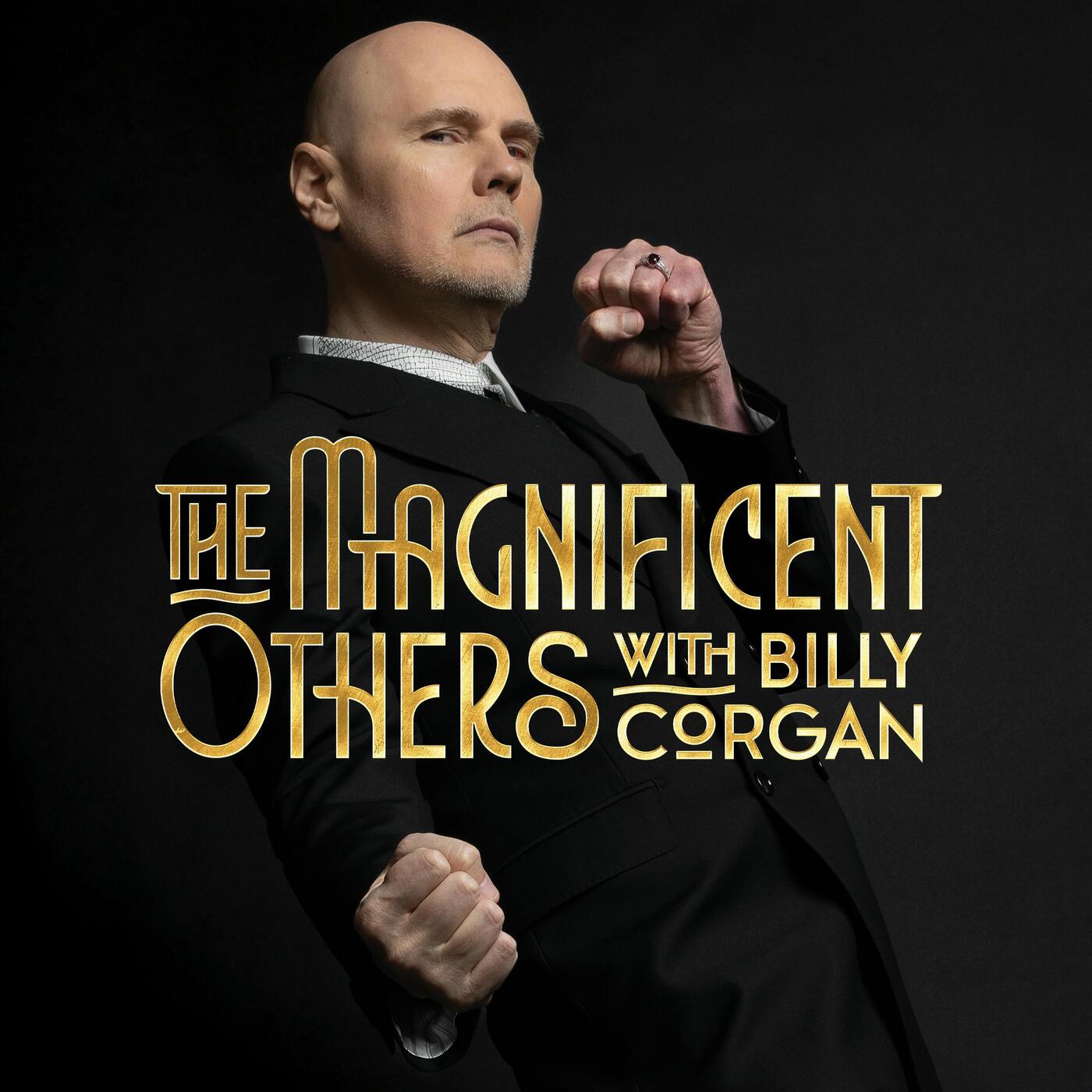
The Magnificent Others with Billy Corgan
Patrik Mata | The Magnificent Others with Billy Corgan
01:28:50
Loading summary
Transcript657 lines
- [00:00]
Patrick Mata
I knew I could sing. I just knew it. And I just had this burning yearning in my heart that this is. I have to do this. I don't care about anything else.
- [00:08]
Interviewer
Yeah, like a bolt of lightning.
- [00:10]
Patrick Mata
I tried to get other guys to play with me. No one would play with me.
- [00:13]
Interviewer
This kind of goth, death rock, whatever people want to call this genre, which you were part of, you know, initiating.
- [00:20]
Patrick Mata
Into the world, people would go, I'm not going on after these guys. I don't want these guys on our bill. They can't play. They're horrible. I mean, they look weird. What's up with these guys?
- [00:28]
Interviewer
You know, there are those artists who they are the art, and everybody tries to figure out how to do what they do.
- [00:36]
Patrick Mata
That's me.
- [00:40]
Interviewer
Patrick Mata, thank you for being here. I'm so happy to talk to you today.
- [00:43]
Patrick Mata
It's my pleasure.
- [00:46]
Interviewer
So there isn't a ton of information out there about your life, maybe that was purposeful?
- [00:51]
Patrick Mata
Some of it. Some of it. And I get yelled at about it.
- [00:54]
Interviewer
Well, from the point of view of interviewing someone, you kind of start with the cursory, kind of like the life story. And one thing I saw attributed to, and I always like to ask, as opposed to assume, was this your connection to kind of Dadaism.
- [01:10]
Patrick Mata
And that was a big influence on me.
- [01:12]
Interviewer
Okay, great. So let me start here, and then we'll jump in, because I'm very curious for your thoughts on this, because when I saw this and then I thought of your work and your life, like, it put all these pieces together that maybe I didn't understand before.
- [01:25]
Patrick Mata
Okay.
- [01:26]
Interviewer
So I want to ask you how you came to it, because I came to it from my own direction, but I didn't know you'd come.
- [01:32]
Patrick Mata
Oh, yeah.
- [01:32]
Interviewer
Okay. So. So let's start here, because I. I. Tristan Zara.
- [01:38]
Patrick Mata
Oh, he was. He. There you go. He was my David Bowie.
- [01:40]
Interviewer
Okay.
- [01:41]
Patrick Mata
Before Bowie.
- [01:41]
Interviewer
Okay. Let me say a couple things here. And then. And then I want to. Of course I want to hear from you. So did you read. It came out fairly recently, the book about Kiki Man Ray. Did you read that book?
- [01:51]
Patrick Mata
No. No, I know who she is.
- [01:53]
Interviewer
Yeah. So it's an exploration of Man Ray's relationship with Kiki, more so from the vantage point of Kiki as opposed to Man Ray, which is very interesting.
- [02:01]
Patrick Mata
Did these people speak to her?
- [02:03]
Interviewer
Well, no, she's long passed away.
- [02:04]
Patrick Mata
I know that.
- [02:05]
Interviewer
But I mean, it's kind of a reass. It's a. It's a. Let's call it a. A deep Dive reassessment of her place in the Dada story. Normally she gets kind of cast as a.
- [02:16]
Patrick Mata
She was friends with Man Ray too, right?
- [02:18]
Interviewer
Well, she. No, she was Man Ray's lover.
- [02:20]
Patrick Mata
That's what I mean.
- [02:20]
Interviewer
Yeah. And really wanted to marry Man Ray. Their relationship was a lot deeper than I thought. And I, I, I've collected Man Ray photos, and so I, I have a pretty good knowledge of Man Ray, but I always thought her as a kind of a character in this play of this time in Paris, this idea that she was the model muse for so many artists.
- [02:39]
Patrick Mata
Oh, yeah, yeah.
- [02:40]
Interviewer
But the book is a beautiful reassessment. I wish I could remember the author's name. It's called Kiki Ban Ray. And she used to. She used to sign autographs as Kiki Ban Rae. She thought of herself as his wife. And she had a lot more influence over his artistic work than people thought, anyway. But they talk about Tristan Zara in the book, and in the beginning, Zara was this radical who kind of reset the table with how the artists in Paris, all these expats and stuff living in Paris, should see Dadaism. And they'd have Dada symposiums, and he would lead poetry nights and stuff like this. But they do talk in the book. Over time, kind of Dadaism fell out as a sort of cause celeb. And Cesar also kind of fell out, but even to the end, he was all in on Dada. So I want to say a couple things about Zahra, because I saw a lot of reflections in your work, but I wanted to ask you. So these are just some basic definitions. Anti art, nihilism, rejecting traditional beauty and logic. Zara saw art as a tool for destruction and negation of established values, aiming to shock audiences, spontaneity and chance. He promoted chance operations like cutting words from newspapers for poetry and automatic writing to bypass conscious control and reveal authentic expression. And of course, the Great Dada Manifesto, 1918. He outlined Dada's goals, attacking bourgeois morality, logic, and the perceived complacency of art. Hurt.
- [03:57]
Patrick Mata
That's me.
- [03:58]
Interviewer
So tell me that's. To me. It frames your story so beautifully. I think so. I'm much more interested in that part of your story than, like, where'd you go to school? You know, I mean, if you want to talk about that stuff, please. But I think this part is to be essential to your.
- [04:12]
Patrick Mata
It's all relevant. Everything is reinforced of that. Of everything.
- [04:16]
Interviewer
Yeah, but can you illuminate that something?
- [04:18]
Patrick Mata
Yeah. I was studying to be a journalist. I wanted to be like Hunter S. Thompson. And I was more into writing and interviewing people myself. And I discovered Dada by going into the art book area in the library. And I said, oh. And I loved the visuals and everything. And it was pre Pistols. You could see where they took everything from that. From Jamie Reed and all that. And I saw a photograph of Tristan Zara, and I loved his hairstyle. And I go, well, this is kind of Bowie Berlin ish, the wedge thing. So I went and had my hair cut exactly like that. No one looked like that. And then because of Bowie, I started putting makeup on. But the whole thing about the Dadaist was that it was punk rock. It was pre punk. It was sure a little nihilistic, but when they existed, there was war. It was kind of like, reflective of what happened to the punk rock scene. So it's all relevant to me. Zara's Manifestos. I have all these books on Dadaism that I collected over time. I stole the one from the library, actually.
- [05:24]
Interviewer
That's very Dada of you.
- [05:26]
Patrick Mata
And the idea. Idea of him putting. Cutting. Doing the cutups, like pre Burrows putting them in a hat and then taking them out one by one at random and just reciting them pissed a lot of people off. When he would put. At the poetry readings back in that day. The poetry readings back in the day were like punk gigs, you know, they became violent because people didn't understand. Like the Rites of Springs with Stavinsky, where they write.
- [05:48]
Interviewer
It walked out.
- [05:50]
Patrick Mata
Yeah. So it was kind of like all of that. And that really interested me because you must be touching someone somehow to make them react like that. So that was part of what really attracted me, was the power that he had and how people didn't like him because of certain ways that he acted. So that really turned me on. I really dug that.
- [06:15]
Interviewer
Did it affect the way you listen to music?
- [06:18]
Patrick Mata
Actually, it did. I'm a big believer in the outsider art. And outsider artists, I think they have more to say than most people. Madness is a thing that I enjoy. Antoinette Artaud, he was a big thing for me. I have a lot of his collected works. Just the bravery of these people. They didn't give a. You know, it's like, this is how I feel. This is what I'm doing, you know, And I'm gonna look this way. It's the way I want to look. And the way the Daddists would put on performances. They make the costumes out of construction paper. And you've seen the photos, and it's just incredible. No One looked like that. So to me, that was anti fashion.
- [06:53]
Interviewer
Yeah.
- [06:53]
Patrick Mata
You know.
- [06:54]
Interviewer
Yeah. So. And of course it extends into the surrealistics. Surrealists. Yeah.
- [07:01]
Patrick Mata
I was in the Dadaism before I got into the surrealist.
- [07:03]
Interviewer
Yeah. But there's that natural extension then you see, like, let's call it the Wave after Cocteau, Dali, William Burroughs, Brian Geyser and Genesis.
- [07:14]
Patrick Mata
And then the leader, I can't remember his name. Artigan. The guy who was the head of the surrealist party that kicked Dolly out.
- [07:21]
Interviewer
Yeah, yeah, yeah. Timber's name, is it Antonio or.
- [07:25]
Patrick Mata
No, he was a different guy. He was completely mad. I think he was in the mad house at that time.
- [07:29]
Interviewer
Yeah. So looking back now, because you've had time to reflect on that influence, what, what person or what era most evoked for you, who you wanted to be as an artist.
- [07:47]
Patrick Mata
It was again, Tristan Zara and David Bowie.
- [07:50]
Interviewer
Right. Basically, it's almost kind of like bookends of like the same philosophy.
- [07:54]
Patrick Mata
Yes. And at the time, because I grew up with Bowie digging him, you know, I got everything I could find. And I'm like, with the Beatles. The Beatles were a big influence on me as a child, third grade, I saw them on Ed Sullivan when they appeared. And my mom, she managed a record store, and so she was like, as a friend of mine had said, like a pipeline of all that information from Britain. And of course, everyone was looking at Britain at that time because they were so innovative, all that just like what happened in the 90s later, you know? But what really inspired me was the fact that they. They were so all. All individualistic. And that's what I love about all that. Ah, being an individual. Yeah, that's important to me.
- [08:37]
Interviewer
Yeah, it must. It must make you laugh because, you know, I kind of stumbled in the Goth around 84, 85, and where people get almost like. They get kind of stuck in a lane, like, this is goth, this is rock, this is alternative.
- [08:56]
Patrick Mata
I hate all of that.
- [08:57]
Interviewer
Yeah, me too. I'm always like, who cares?
- [08:59]
Patrick Mata
Yeah, yeah, that's.
- [09:00]
Interviewer
I thought this was supposed to be the fun club.
- [09:02]
Patrick Mata
Yeah, that's not what it's about at all. You missed the point.
- [09:04]
Interviewer
Yeah, yeah. Okay, I'm glad. I'm glad because I. I get that from you, but I'm. I'm glad to hear it from you. So when did you come to LA? What. What year?
- [09:14]
Patrick Mata
75.
- [09:15]
Interviewer
Okay.
- [09:16]
Patrick Mata
What happened was it's kind of a funny story. I was like, I said I was studying journalism and I discovered Burroughs, Andy Warhol and the Factory. Era, all of that, and in art and in a library, this college library. And I frequented books and took them. And I said, well, you. No one's going to read this. This is. I. I want this. So I have to take the books, you know, I take them home. I still have some of them because I'm going to get something out of this, you know. So I told my mom that I wanted. I. I'm just not happy. I gotta. I gotta run. I gotta roam, you know, I got a heart to roam. And she was the only one who was, who was supportive of me because she, like I said, she managed a record store. She was a singer. When she was 19, she opened for Billie Holiday in this little jazz band that she had at the Monterey Jazz Festival. And I didn't know that for years and I was stoked when she played.
- [10:08]
Interviewer
Have you heard recordings of your mom's voice?
- [10:10]
Patrick Mata
No, no, I did some research. I couldn't find anything. But she did say she made a record, but I don't know what happened to it. Anyway, I said, I'm out of here. So she's. My dad didn't know and he was a working class guy and he worked really hard and keep us together and everything, but I had to leave. So she gave me like 50 bucks and I. I left. I took a bus to la. And I didn't know anyone, didn't know anyone. And I had. All I had was what I was wearing. I didn't think about that. I thought, I'm so naive.
- [10:40]
Interviewer
Tell me about the day you arrived. Like, what is that day like?
- [10:42]
Patrick Mata
Well, I'm going. Well, I go, okay, here I am. Now what? I don't know anybody, you know, I kind of freaked out a little bit.
- [10:49]
Interviewer
Yeah, I was.
- [10:50]
Patrick Mata
But I was so excited. I was so excited. And so I kind of maintained myself. I actually walked in. There was a market on Sunset across from the Whiskey called the Sunbee. And I went in there. I had. I didn't want to spend my 50 bucks. And don't get me wrong, I'm not a thief, okay? But I went into the market and I started eating food and putting the trash down my pants and in my jacket, and I just walked out and I said, okay. I ate, I'm good, you know, And I kind of hung around, walked around and I met some girls and like, at the record store, there was licorice pizza on the corner. Costa, no whiskey. And everyone used to hang out there. Pat Samara used to hang out there. And so I waited. And then I heard about The Rainbow. I heard about it because I used to collect these magazines. Roxine Cream, Rolling Stone, when they were newspapers. I had boxes of the newspapers, the original ones. And so I said, okay, the Rainbow. I'll go there. I'll meet some people. First thing I see, and I kid you not, I see this guy directing traffic, and he's on the street divider that it's between that side and this side of the Sunset Strip. And it's Robert Plant. He's standing there directing traffic, like, probably up out of his head. Who knows? I don't know him to be much of a stoner, but I know what he did. You know, all the boys did that. And I was like, oh, my God. You know? So I went into the Rainbow and I met a couple of girls. And I remember one. She invited me to her place. So I. I ended up staying there, and it was her, and she had a bunch of other friends. So it was like these, like, rich girls, and they're all hanging out at this, like, mansion. It was right around from the Hamburger Hamlet. And I remember the Hamburger Hamlet was like Iggyland, because Iggy would stand in front of Hamburger Hamlet and beg because he was not doing well at that time. Beg for drugs, beg for food. And that's how he got arrested later, because they found him drugged out of his mind, standing in front of the hamper, helmet like this on the window, like, somebody feed me or something. You know, It's a crazy story, but that's what happened.
- [12:49]
Interviewer
Wow.
- [12:50]
Patrick Mata
First time I was there, and I met all these really cool people, really strange people, and everyone was. This was like, post glitter glam. 75.
- [12:59]
Interviewer
Yeah.
- [13:00]
Patrick Mata
And Bowie was. And I was so into Bowie. I was so stupid not to know that he was. He was recording Heterokee. He was doing Station to station, like, at 76, 70, late 75. 76. I would have gone there. Believe me, I would have gone there.
- [13:14]
Interviewer
So your ambitions at that point, you just want to be a musician? You want to start a band?
- [13:19]
Patrick Mata
Yeah, I wanted to be a singer and sing. I knew I had the chops. I just. No one ever taught me anything.
- [13:24]
Interviewer
Had you figured out that you had a good voice or, like, where were you at in your musical kind of thing?
- [13:29]
Patrick Mata
Well, again, it was. I learned early Dylan stuff. Like, everyone learns Dylan because you're learning how to play acoustic, and they're easy chords. But I really loved Dylan's surrealist era. 65 to 66. I think the best records he ever made was during those years.
- [13:43]
Interviewer
Well, you know, the Legend is that he was. And, you know, he was on tons of amphetamines during that. Yeah.
- [13:49]
Patrick Mata
Amphetamines, Heroin, opium, acid. Yeah, I know about that. Very inspiring. Very inspiring. Well, yeah, look what he did. So.
- [13:55]
Interviewer
Well, there's the. You know, with the. The through line that we're already talking about is like. It's. It's that. It's that fine line between, let's say, organized chaos and madness.
- [14:02]
Patrick Mata
Yes.
- [14:02]
Interviewer
And magic music. Likes to ride the rail on that.
- [14:05]
Patrick Mata
Oh, yeah.
- [14:06]
Interviewer
Depending on your artist in the year.
- [14:08]
Patrick Mata
And I.
- [14:08]
Interviewer
And I.
- [14:08]
Patrick Mata
Then I discovered Sid Barrett, and I thought, okay, I thought, this. This guy's amazing. You know? And there weren't a lot out at that time. I think it was madcap. Laughs, I think. And I absorbed that record. I still listen to that. But I. I knew I could sing. I just knew it. And I just had this burning yearning in my heart that this is. I have to do this.
- [14:28]
Interviewer
Okay?
- [14:29]
Patrick Mata
I don't care about anything else.
- [14:30]
Interviewer
Yeah.
- [14:30]
Patrick Mata
And that's when I. I just. Again, I was so naive. I just split. I said, I'm out. I didn't even think to pack a bag.
- [14:37]
Interviewer
So what were. Because, again, information on your musical life at different points is kind of scarce. So I would love to have heard something or seen something, but all I know is there's this period between you showing up in 75 before you start your band, the one you're known for.
- [14:53]
Patrick Mata
Yeah.
- [14:53]
Interviewer
Like, tell me about that period. Before Community fk, there was a band.
- [14:58]
Patrick Mata
Okay, this is a crazy story. So there was a newspaper called the Recycler, and every musician looked into classifieds, people looking for musicians, you know. Yeah. And so I found this couple, and they wanted a singer. So I went. It was in the Valley. So I came out to the Valley, and they had this warehouse thing where the door opens like that, and they were in there. It was a drummer and a keyboardist. And so I kind of tried working with them. They were into some weird stuff that's too commercial for me. I just didn't really like it, but I had no other choice, so I thought, I'll just see what happens. Yeah. And then one day they were. They said, well, let's audition another drummer because this guy wanted to move to bass, and let's get a. A guitarist. So one day these people show up, and they happened to be people I knew from where I came from. I don't know if it was fate or if they knew that I was there.
- [15:53]
Interviewer
I had.
- [15:53]
Patrick Mata
To this day, I had no idea, but I knew them I go, what are you doing here? They're like, what are you doing here? You know, kind of thing.
- [15:59]
Interviewer
Yeah.
- [15:59]
Patrick Mata
And so I, I, I, I knew their talent. So I said, I'm out of here. And the three of us just walked.
- [16:05]
Interviewer
Oh, you just split?
- [16:05]
Patrick Mata
Yeah. And we went and formed our own band. So the band, the guitar player called it Orange had something to do with the British Parliament. I don't know, Orange something. And so we called it Orange and I thought, well, that's cool, I like that color. And we ended up writing songs together. I wrote all the lyrics and did all the vocals and we did a demo, but I don't have a copy of it.
- [16:24]
Interviewer
Were you playing guitar at that point?
- [16:25]
Patrick Mata
Just a singer, just a front person. And in one year we ended up opening for Van Halen. We started, we were second bill of Van Halen everywhere. They played Starwood with Whiskey. We did a lot of that. And then Patti Smith's management, Warto Concern, moved to, from New York to la and they picked me up. They, they came to saw the band and they said, could you, could you.
- [16:47]
Interviewer
Quantify the type of music you were making?
- [16:49]
Patrick Mata
It was Raw Power, Stooges. Okay. Like Pro.
- [16:53]
Interviewer
You have no recordings of that?
- [16:55]
Patrick Mata
No. I know who does, but I don't know how to get a hold of him.
- [16:58]
Interviewer
Okay.
- [16:58]
Patrick Mata
Yeah, I'd love to hear that stuff though. But yeah, we were really good. And I was singing my heart off, my balls off, and performing and having a great time and I go, this, this is all I've always wanted to do. You know, I'm Valhalla. This is it.
- [17:14]
Interviewer
You know, did you feel from a aesthetic point of view it was what you were after, or is that you still kind of figuring it out?
- [17:20]
Patrick Mata
Yeah, I was still figuring it out because here's the thing about as, you know, being in a band, you kind of, you want to kind of have a bonding commonness between you, which is like a dream, you know, it does, it exists somet times. You know, these guys, I was too intellectual for them. I, I wrote really good lyrics. They didn't understand and, but they dug it. And the melodies were good and I was a good performer. And so we just stuck with it, you know, And I, I just, I just said I could do better than this. I can. I, I want to. Because I was really like. We'd be backstage at the Starwood and I'd have my little blaster with me and I'd have Low on, I'd have the Low album on and punk was just coming out. But And I was really into the Pistols. I mean, when I. I was eating at a restaurant, the Source, and there was a group called Back Source Family Restaurant. Yes, that's it. Cult, you know.
- [18:12]
Interviewer
And did you ever. Sorry, because I. I had interactions with the Source family people. Oh, did you?
- [18:18]
Patrick Mata
I always wanted to meet them.
- [18:18]
Interviewer
And I jammed with the Yehoah 13 a few times. Yeah. No way. Did you ever meet Father Yode in that?
- [18:24]
Patrick Mata
I saw him, I never got. I was too intimidated to talk to him.
- [18:27]
Interviewer
Big guy, right?
- [18:27]
Patrick Mata
Yeah. Menacing, big beard.
- [18:29]
Interviewer
Yeah.
- [18:29]
Patrick Mata
I go, wow. You know, look at that.
- [18:31]
Interviewer
Yeah. At their peak, I think they had 150 people living in a house.
- [18:34]
Patrick Mata
Yes, I heard. Yeah.
- [18:35]
Interviewer
Wow.
- [18:35]
Patrick Mata
I would have been one of them. You know, I think.
- [18:37]
Interviewer
I think Don Bowles are. Our mutual compatriot. Was around the Source family back in those days.
- [18:43]
Patrick Mata
I don't doubt it. Yeah, he's. He's amazing. I love Don. But anyway, so these girls, they had a band called Backstage Pass. You ever heard of them? They're an early, like. Like Runaways. Post Runaways. None of the members but that ilk.
- [18:59]
Interviewer
Yeah, yeah.
- [19:00]
Patrick Mata
And they were sitting. We were sitting on the patio and she was reading the very first Anarchy in UK fanzine with Sue Catwoman on the COVID with a striped dress and her style, which was impeccable.
- [19:11]
Interviewer
Yeah, I know that.
- [19:12]
Patrick Mata
But it was like this big of a newspaper, and I was like, whoa. You know, and I. Can I see that. So, yeah, yeah, yeah. And I looked at it. I mean, oh, my God, you know, who are these guys and his epistles? So I went and tried to find everything I could. And Lisa Robinson was writing about him for Roxine and all that stuff. You could see glimpses of him. It was teasing enough for me, like seeing a picture of Tristan Zara. That was rock and roll to me, you know, And I thought, oh, God, these guys. Amazing. So one day, when I was picked up by Wartok, concerned they were going to manage me, this guy named Rory Johnson comes in and he's looking for a record deal, American deal, for the Pistols. And I'm like, oh, my God, he's one of them. You know, he's a British guy.
- [19:52]
Interviewer
Oh, wow.
- [19:52]
Patrick Mata
And he had the fanzine and he had a factory sample, not for sale, stamped 7 inch of Anarchy in the UK, not released yet. And he goes, here. It's like a press kit. He just gave it to me. I took that home and never took it off my turntable.
- [20:08]
Interviewer
Talk about the power of intention.
- [20:10]
Patrick Mata
Yeah. And I've had these Brushes through my whole life with situations like that. And I thought, oh, my God. And so I went home, took my hair, cut it off. Off. Just like that. Just cut it off.
- [20:22]
Interviewer
Yeah, yeah.
- [20:23]
Patrick Mata
And, and I just said, I, I, I'm, I'm in. I'm in. I need to do something else now.
- [20:28]
Interviewer
Wow.
- [20:29]
Patrick Mata
And so I, I, it's like a bolt of lightning. Yeah, totally. And it really happened. And then, I mean, it was amazing. I'll never forget it. Yeah. And then I said, okay, this is, this is my next phase. I'm going to do this, I'm gonna do something else. I'm gonna try and start a, a band, my own band this time. And so I would meet, I had a girlfriend at the time, and I tried to get other guys to play with me. No one would play with me. So she played bassy, played bass, and her name was Cece. And Zimbabwe had to find a drummer. So we went to the Catheter grand every night looking at punk bands, trying to find somebody. And we saw this drummer, a kid, and he walked off stage in the middle of the set. I think Margo X Gogos was playing bass. They had an argument on stage right during the set. And I'm like, wow. Because back in those days, it was punk rock and who cares, you know, being professional, you know. So he, he threw his drumsticks at Margo, he walks off his kit, walks out of the club. I followed him. I said, oh, I'm gonna talk to this guy.
- [21:26]
Interviewer
He's my drummer.
- [21:27]
Patrick Mata
Yeah, that's him. So I went outside and I was talking to him. I go, man, let's jam.
- [21:31]
Interviewer
Let's do this.
- [21:31]
Patrick Mata
Let's do something. He goes, okay, give me two weeks. I'm going to, I'm going to Tahoe or something like that. So I waited two weeks, didn't show up. And I'm like, oh, God. So anyway, that's the beginning of Community fk.
- [21:42]
Interviewer
Wow. Okay, when you started, because I want to sort of try to put some of these pieces together. When you started, did you think like, okay, I know exactly what I want to do, or was it like, I want to start something new and then I'll figure it out as I go. Did you have a specific vision?
- [21:59]
Patrick Mata
Yeah, I did, but it was instinctive, too. I just like I always do, and I had a discussion with my friend in the car on the way here. I do something for the moment, and it's hard to shake for me where, okay, I'm going to do this and I'm going to. And it's going to sound like that. You know, it never works to me like that.
- [22:17]
Interviewer
Okay.
- [22:17]
Patrick Mata
For me, I'm inspired for the moment and. And then whatever happens at that moment.
- [22:22]
Interviewer
There it is, and you're all in on the moment.
- [22:24]
Patrick Mata
Yeah, yeah. And then you document it and then you move on, and then the next thing doesn't sound at all like that.
- [22:29]
Interviewer
I see, I see.
- [22:30]
Patrick Mata
And the other thing, too was that I didn't have access to studio or anything like that. Back in those days, there was no digital, you know, so you had to remember everything. So I. To write my songs, I couldn't listen to anybody else's music. I had to focus. If I had a melody or an idea, I focus on that all day until I could get to a guitar or get to something and lay the idea down and then get a cassette player, you know.
- [22:52]
Interviewer
Yeah. Because it's. It's still from. From the point where you first start with Community FK till your first record is still a few years. I'm not crazy about that. Right.
- [23:02]
Patrick Mata
It's like, yeah, we recorded in 82, the first album, so it's.
- [23:05]
Interviewer
But there's about three plus years of gestation of the music that you're playing live before you make a record. Am I crazy about that?
- [23:13]
Patrick Mata
Yeah. Yeah.
- [23:14]
Interviewer
So what was. What did the band sound like? If you could just kind of give it a.
- [23:17]
Patrick Mata
Well, if you listen to the first album. That was our set list. That was our very first set list.
- [23:21]
Interviewer
But I'm saying, what did it sound like in the beginning, though?
- [23:24]
Patrick Mata
Oh, it was.
- [23:24]
Interviewer
I'm just.
- [23:25]
Patrick Mata
Because it was. No, it was noise. Don Bowles did our first gig. Don Bowles did our sound and he was dressed in dragon and he had these hot pants, Daisy Dukes on and fishnets and a wig and everything.
- [23:38]
Interviewer
Knowing Don, it just makes me laugh.
- [23:39]
Patrick Mata
Yeah, that's Don, though, you know, and he loved it.
- [23:43]
Interviewer
And see, he would be the person who would get it right away.
- [23:45]
Patrick Mata
And he really. He played the. The PA like an instrument. And I. And. And I. I heard the. I heard the live. He recorded his live and I know he has it. I know he's got that tape. And I heard it and I thought, wow, we're not that bad.
- [24:00]
Interviewer
And.
- [24:00]
Patrick Mata
And I was also getting into Public Image. Keith Levine's guitar style. Yeah, so that's.
- [24:05]
Interviewer
So that. The angular. Yeah, yeah.
- [24:06]
Patrick Mata
And more on the high strings, you know, that kind of. And he had that metal guitar. It was made of metal. And that had that great resonance. And so I tried to write a song like Public Image. That single, I tried to write a song like that, and I. And I couldn't, so it came out as a song called To Blame. And so it kind of has that guitar style on it, but that was me just interpreting it.
- [24:27]
Interviewer
Yeah.
- [24:27]
Patrick Mata
I could never copy some person. I could never sound like someone I really liked. You know, I had to have my own voice. So I just said, well, this is how I hear it.
- [24:35]
Interviewer
Yeah. What's striking to me about listening, I was listening this morning to your first album. And. And it strikes me, it's like, you know, the Beatles has a way of casting a shadow over everything in a weird kind of way. I understand for better and for worse. And I love the Beatles.
- [24:53]
Patrick Mata
Oh, yeah, I'm sure you do too, but. But.
- [24:55]
Interviewer
But there's no Beatles on that record, if you get the joke right. You know, I mean, it sounds like you've wandered into this new zip code that's totally your zip code. And I think that's what's shocking. You know what I mean?
- [25:07]
Patrick Mata
Yeah, it's.
- [25:08]
Interviewer
I. It's. For me, it's a parlor game I like to play where I. I like to, like, sort of like, how far does this rabbit hole go down? Like with Few. With Dada.
- [25:15]
Patrick Mata
Yeah, I do that.
- [25:16]
Interviewer
If you start with Bowie, you cannot go all the way back to Zara Gurus. But I'm sure you can find, even before Zara, there's this other guy or another woman, you know, there's always this other person. You're like, where's this come from?
- [25:27]
Patrick Mata
Yeah, that's how I learned a lot of things.
- [25:29]
Interviewer
Yeah. So I think it's interesting, your first record, it's like. It feels like. I mean, I hear the influence, but somehow fast pass through your blender filter. Wherever you were in your life, it doesn't sound like you're copying anybody. And that's where the originality comes in. We all, of course, learn from other people. That's be ridiculous if we just sort of made up our own music, you know, it's.
- [25:50]
Patrick Mata
There's not. I'm not Harry parts, you know.
- [25:53]
Interviewer
Sure. That's what I'm. So what I'm saying, it's shocking. I think in rock and roll, where there are those moments where you're like, wow, this is something totally new. And you obviously aren't even sure if it's new. Right.
- [26:03]
Patrick Mata
I'm just expressing myself in it.
- [26:04]
Interviewer
Right.
- [26:05]
Patrick Mata
Yeah.
- [26:06]
Interviewer
So in that. In that. In that. In the buildup years, getting to that first record, I know I'm kind of jumping around, but in that. So you're playing. Like you said, that was our set list. Okay. So give me. Give me a typical reaction and a typical place you would have played before you put out your first. You know, there's no record review. There's nothing you can't hand. Somebody says, this is our album. You know what I mean?
- [26:27]
Patrick Mata
Yeah.
- [26:28]
Interviewer
They're just on stage somewhere. You're opening, you're playing a gig.
- [26:30]
Patrick Mata
Yeah.
- [26:31]
Interviewer
It's Wednesday night at Wherever Gazaari's, you know.
- [26:33]
Patrick Mata
Yeah, I've never played there, thank God.
- [26:34]
Interviewer
No, it's a joke.
- [26:35]
Patrick Mata
I know, I know, I get it. But I'm just saying I never played there just to make that clear, you know?
- [26:39]
Interviewer
No, I. That's why. That's why it's a joke, you see?
- [26:42]
Patrick Mata
Yeah.
- [26:42]
Interviewer
What I'm saying is give me the atmosphere. Because I think sometimes it's always easy to look in the rearview mirror and say, well, that kind of worked out. But. But when you're in. Doesn't feel like it's working out.
- [26:54]
Patrick Mata
Oh, yeah.
- [26:54]
Interviewer
People are walking out. People are throwing things at you.
- [26:56]
Patrick Mata
Oh, yeah.
- [26:57]
Interviewer
Including other bands.
- [26:58]
Patrick Mata
Oh, yeah.
- [26:59]
Interviewer
Okay. So tell me about that.
- [27:00]
Patrick Mata
Okay. To me, I likened it to, again, you know, Rites of Springs, Stravinsky, the Dadaist. You know, where the hostile reactions, nihilistic interpretation and reviews, things like that about what you're doing. People would. Okay. What really, really hit the fan was when someone was brave enough to interview us for the LA Times calendar section. They gave us a full page and let us just like, here they are, read about them. They're great. This guy thought we were great. Before that, people would go, I'm not going on after these guys. I don't want these guys on our bill. They can't play. They're horrible. I mean, they look weird. What's up with these guys? You know? And I had named the band Community, that's the original name. And we couldn't even put that on the marquee in those days. So took the UC out and, you know, there it is. So people started pronouncing nfk. And so that. That happened. Then bookers would say, I'm not going to pay you. You get 15% of zero. And they put a line through the zero. I don't like. I don't get it. I don't get it.
- [28:09]
Interviewer
And 15% of zero.
- [28:11]
Patrick Mata
Yeah, yeah. And they just didn't get it. So they refused to pay us. And. And I thought, hmm, this is kind of dadaistic. Is this interesting? And I kind of.
- [28:22]
Interviewer
You saw it as A version of success.
- [28:23]
Patrick Mata
Yeah, I kind of liked it. You know, it was like when the bully acknowledges you, you know, and they start getting ready to throw a punch. Then they stop and they go, hmm, I don't know, something about this guy. He might hurt me or I don't know what he's gonna do. Yeah, you know, so we just, we just fought back. I mean, one time we were opening for Killing Joke. Our very first break gig was. I got. I was. During those days, I was trying to get a job as a paste up artist. Now everybody does, you know, Photoshop is that.
- [28:54]
Interviewer
So that's when you would like. You'd copy and paste the glue. Okay. Yeah.
- [28:58]
Patrick Mata
And then you do it for a newspaper or something. So I was beaten to path. And it was August, it was hot. And I came home very disillusioned. How am I going to get a job doing this? I even went to Larry Flint's place in Century City to try to get a job for him that I didn't get the job. So. So I come home and then there's a phone call and it's the booker for the Roxy. And she goes, her name is Michonne, God bless her. And she goes, I got this band, Killing Joke, playing the Whiskey two nights. Do you want the gig? I went, I was a huge fan. First album I had it, I go, oh my God. First Joy Division album too. That came out. I mean, it was such a great. It was like 1972. All those great albums came out. Yeah, well, this was 1980, you know, 81. And this, all these great records are coming out. The Passage. You ever heard the Passage? Sure, yeah. That Pin Drop album is unbelievable. Anyway, so I said, we'll take opening night, you know, of course. So we got opening night. We had to play two sets. They clear the room in the middle and then you had to play a second set and close the night.
- [30:04]
Interviewer
I see.
- [30:04]
Patrick Mata
Well, yeah, so when we got that gig, everyone thought that we didn't deserve it and everyone thought that we paid our way to get the gig, but we. What I didn't know. Underlying all of that, we had an audience. I had no idea because we used to get nothing but hostile reactions and sometimes you have to fight somebody just to get your stuff in the car, you know, they're trying to. Here's my chance, you know, There he is. You know, and, and you know, and.
- [30:31]
Interviewer
So sorry to laugh. I've had those myself.
- [30:33]
Patrick Mata
I bet you have. I'm sure, you know, and that it's, it's, it's a sign of. It's a good thing, I think. Anyway, so that being said, we got a lot of bad, like, letters to the editor in that calendar section.
- [30:47]
Interviewer
Wow.
- [30:47]
Patrick Mata
Because, like, I remember this one guy, he wrote, they don't deserve this. They're not musicians. I have to show it to you sometime. We're better than they are. You know, I mean, just no one could figure it out. And then we had, again, this underlying audience. One guy got it. His name was Howard, Howard Parr. And he. Now he does a lot of soundtracks for films and things like that. But he had a club called the On Club. And he was a mod, like a British mod. He was here from England, so he gave the Untouchables some of their first gigs. Ska bands, things like that. But he dug what we were doing. He kind of, like, thought we were kind of Joy Division. Ish. Because we were bass heavy and drum heavy. And that's what I wanted. And so I thought my guitar was just, like, spiced. It wasn't really important. So he gave us every Wednesday for one month to do whatever we wanted to do. In those days, There were no DJs, so we just brought our record collection to the club, played our favorite tracks. Two people show up first night, just two people. And we didn't know how to take that. I thought, oh, man, I don't know. So we played two songs in the band, played two songs, one song for each person. And then we just played records the rest of the night. A week later, 10 people show up, and then we see people showing. Because I wore makeup. I had long. I had a long Rosicrucian priest coat that I bought at Fiorucci. There's a lot of things going on in between. Then I got a job at Fiorucci and I was working there, and because I could look any way I wanted, and I was wearing white face and all this stuff and had a Rosicrucian priest jacket that I adored. Cloth buttons, it went all the way down. And so I looked like that. And then kids started showing up wearing black trench coats and an eyeliner. And I said, oh, these are the boys. This is awesome. Things started gelling and then we started getting a big audience. Then bands wanted to open for us all of a sudden. And then we were headlining, and so things started to gel and hostility started to disappear. Interesting. Yeah.
- [32:46]
Interviewer
Looking back now on your first record, remind me of the title, because I have it written.
- [32:50]
Patrick Mata
The Vision and the Voice.
- [32:51]
Interviewer
Thank you.
- [32:52]
Patrick Mata
I got that from a Crowley book. Oh.
- [32:57]
Interviewer
It'S a beautiful Record and.
- [32:59]
Patrick Mata
Thank you.
- [33:00]
Interviewer
And I'm sure most of the focus is probably more on the second one, because that's where it all really kind of comes together in a way that is probably more easy, easier to discern for the modern ear. As far as, like, what followed. Does it make sense, what I'm saying?
- [33:13]
Patrick Mata
Yeah, I understand. Yeah.
- [33:14]
Interviewer
Yeah, of course.
- [33:14]
Patrick Mata
But that's a development, though.
- [33:16]
Interviewer
Yes, but. And. And. And that's normally where. Where I would go. In fact, recently I found a vintage press of that, the second album, Close One sat on. Yeah. But listening to the first album this morning, I was really struck by, like, there was actually. It's hard to explain. There's always that moment of innocence where the thing you're trying just kind of comes together and you're not quite sure of the result. And I was. But I was really struck by the. By the. By the. By the freshness or the. Or the how starkly sort of modern it. The first album remains. Does it make. Am I. I'm struggling for words, but. Because it's hard to define something that's groundbreaking, maybe that's the compliment I'm trying to pay here.
- [34:02]
Patrick Mata
Well, I appreciate that.
- [34:03]
Interviewer
It's so different. And that's what I mean, the joke about no Beatles. It's like songs just kind of start and stop and there's a lack of. For something that normally gets the pretense, the label of pretension, you know, this kind of goth, death rock, whatever people want to call this genre, which you were part of, you know, initiating into the world, it lacks the pretense in a way. You know what I'm saying? I think people later kind of add pretense to something.
- [34:34]
Patrick Mata
Oh, yeah, because they don't. They're trying to understand it.
- [34:36]
Interviewer
Yes. But it has almost no pretense. And I think that's what's even more shocking.
- [34:43]
Patrick Mata
No one's ever said that to me.
- [34:44]
Interviewer
I hope that comes across as a compliment. I need to.
- [34:46]
Patrick Mata
No, it does, and I'm flattered.
- [34:48]
Interviewer
Thank you. But tell me your version of it, because you're the author and you're also living it at the same time. So walk me through that for you, because I'll try. We can only have those watershed moments in our life once.
- [35:00]
Patrick Mata
Oh, yeah, I know that. And being an elder now, I get sometimes a little declimped when I think about it.
- [35:10]
Interviewer
But what makes you emotional or what.
- [35:14]
Patrick Mata
How beautiful it was and what a time it was. You know, you'll never be repeated. You can't repeat things.
- [35:18]
Interviewer
Yeah, that's Kind of what I was trying to say in so many ways.
- [35:21]
Patrick Mata
And if you weren't there, you missed it kind of thing.
- [35:23]
Interviewer
I'm sad I missed it.
- [35:25]
Patrick Mata
I wish you were there.
- [35:25]
Interviewer
Yeah.
- [35:26]
Patrick Mata
But it was living for the moment, and I was cool with that. I thought, this is. I don't know what this is, but I love this. I just. I love my life right now. And, yeah, sure, it's a struggle, but that's not a problem. I get through it, you know, I'll make the next day and as long as I can, and go to that rehearsal room and just see what happens. And we had access to a Prophet 5, and they had just put those out. Sequential circuits, put that out. And a lot of, like, Bernie Worrell was using it for Punkadelic and Parliament. And we didn't use it like that. We saw it as well. Let's throw the manual away and let's just see what happens. And that's what happened. We just let it. We'd program it and preset it and then just let it go. And then we'd play over it and we slipped.
- [36:13]
Interviewer
Like a drone instrument.
- [36:15]
Patrick Mata
Ye. Drone. And some people, like, we're trying to define our sound. Terry Atkinson's for the LA Times. He was the music editor and critic. He saw the Killing Joke show, and we're playing songs from the first album, and he said, they're gloom and doom. They're drone. Drone music. I don't know what sis, but it's awesome. I really dig and I get it, you know?
- [36:38]
Interviewer
Yeah.
- [36:39]
Patrick Mata
So that was a great thing for us. And we put that right away in our press kit. We thought, this is it. And someone else described this as brittle psychedelia, intense noise, suppressed sexuality, all kinds of really cool. Cool terms. I thought, oh, okay, yeah, so people are starting to pay attention. But I thought what we were doing was unique. But then again, I didn't know what it was. I just knew that I loved it and I loved doing it. I thought, well, there's so much to explore and there's only three of us, so we didn't want a keyboard player. You know, we thought, we'll just let it do its thing.
- [37:16]
Interviewer
Yeah. Yeah.
- [37:16]
Patrick Mata
So that's. That's what that is. I don't know if that answers your question, but.
- [37:19]
Interviewer
No, no, because it's just.
- [37:22]
Patrick Mata
There's so much going on in my mind when I think about that. Because there was so much going on.
- [37:27]
Interviewer
Yeah. Yeah. I think it's that. It's like, at least in my own life, I find myself ruminating on things that didn't seem important at the time. And it lends a certain sort of sentimental thing of, like, you see yourself through the rearview mirror in a form of innocence. You knew what you were doing, but you didn't really understand the depth of what you were doing.
- [37:50]
Patrick Mata
Not at all.
- [37:51]
Interviewer
It's like you almost gotta be older and maybe take some drugs and go, wow, I was actually onto something.
- [37:56]
Patrick Mata
But we took drugs.
- [37:56]
Interviewer
But no, I don't mean that.
- [37:58]
Patrick Mata
I know, I know what you mean. I know what you mean.
- [37:59]
Interviewer
But sometimes, I guess what I'm saying is, it's like, sometimes it's like one of those old movies where, you know, a stranger stumbles into a new town and, you know, he's just looking for some gas or something, and this thing happens.
- [38:13]
Patrick Mata
You know what I mean?
- [38:14]
Interviewer
And I think those musical moments in our lives are. They're significant because it's like, I don't know if you have this sensation, but sometimes I think, like, gosh, I wish I'd written more songs, taken more pictures, wrote more stuff down.
- [38:27]
Patrick Mata
Yeah, I reflect like that sometimes. Yeah.
- [38:29]
Interviewer
But it's all happening so fast, and you're in it, and one day you're just, you're eating at Denny's and then you're playing a gig and it's just all going on. You're in your youth and it's just kind of rolling through.
- [38:37]
Patrick Mata
Yeah. Whatever happens next, you know, Great to see that. You know.
- [38:40]
Interviewer
Yeah. So once the, Once the record came out and you saw that something was shifting, and you were certainly on a musical journey, one that you authored, you're like, you, you feel possessive of the journey that you're having. What was your, what was your plan? Just keep going? Or do you just. Do you suddenly think, oh, this is working, and now I want to do blank.
- [38:59]
Patrick Mata
Yeah, No, I, I, I didn't think like that. I, I didn't. We didn't even tour. We just played San Francisco, San Diego, Louisiana. That was it. That was our, Our network.
- [39:07]
Interviewer
Did no labels come sniffing around?
- [39:09]
Patrick Mata
Not, not at the time, no. Not until Independent Project Records came, and they said, we want to, we want to put an album out with you guys. Yeah, we thought it was crazy, but, well, we did it, and he paid for the studio time. It's funny, we recorded it at Mystic Sound, which is where Led Zeppelin recorded parts of Led Zeppelin, too. And we didn't at that time. It wasn't cool like Led Zeppelin, you know, and now I'm a huge spy. Love Led Zeppelin, you know? Yeah, yeah, yeah. But especially when, like, you say, you go down the rabbit hole with Jimmy Page and there's more than meets demand. And that really inspires me. And even now. Now I know more. But still, we couldn't tour. But I thought, it doesn't matter, because all that matters is the here and now. And that's how I. That's. And that's something that's maybe a problem for me. I don't. Like, some guy tells me, I always plan a year ahead. You should try to do that. Like, here's what you should. You want to do this year, I go, but I can't do that. I don't know what I'm going to do in a year.
- [40:05]
Interviewer
Well, in talking to our mutual friend Josh.
- [40:08]
Patrick Mata
Yeah, lovely guy.
- [40:09]
Interviewer
Yeah. He's close in our world. And Josh Richmond, for those interested. I was trying to. In order to talk to you today, I was trying to get to know you as a person a little bit, even though we hadn't met, because I certainly want to respectfully kind of approach your work, because that's what we're here to talk about.
- [40:28]
Patrick Mata
Thanks.
- [40:30]
Interviewer
And he was saying something. I don't remember what he was saying. And I said, oh, that makes kind of what you're saying about how you're just kind of in the moment. And I said, oh, that makes total sense to me. Why. And again, I don't know you, right? So I'm telling somebody who knows you my impression of you, right? And I said, it makes sense to me because he's an og. And what I mean by that is there are those artists who. They are the art. And everybody tries to figure out how to do what they do in a form of imitation, but the artists themselves can't imitate themselves because they are the art. Does that make sense?
- [41:06]
Patrick Mata
Yeah, it does. Yeah. And I totally agree. I agree.
- [41:09]
Interviewer
I've always. I've always been in awe of people like you, and I'm also in awe of you. But. But the reason is because I'm not that type of personality.
- [41:17]
Patrick Mata
Come on.
- [41:17]
Interviewer
No, I'm serious. I'm more of a studier, okay? Like a. Like a. Like an architect, you know? I mean, I study a lot of things, and I got to put things carefully together to get what I'm after, okay? And everybody around me. Everybody around me is like, jesus, how long is this going to take? And why is this so complicated? And it's like, there's a blueprint in my mind is always better than what I'm able to achieve, but I'm always Chasing this kind of blueprint into my mind. Okay. But I've always been in awe. And I knew people in Chicago back in the day, like yourself, who just seem to kind of embody the work. Like they, they're a work of art. And then their music seems to be the soundtrack for the, the work of art that they are.
- [41:57]
Patrick Mata
Yeah. They're expressing it.
- [41:58]
Interviewer
Yeah. So I see you in that, in that. I don't know if that, that sort of. I don't even know the word for it. It's just like some people just, they are the thing. Does that resonate with you?
- [42:11]
Patrick Mata
Yeah, it does.
- [42:12]
Interviewer
Because even everything you're talking about, like, whether it's Bowie or Zeppelin, and I can hear moments where I think, okay, I can hear the influence, but somehow it still comes out sounding like you.
- [42:21]
Patrick Mata
Yeah. Because I don't imitate anybody. Like I said, when I was younger, I tried to emulate Bowie and all that kind of stuff. That just wasn't me. And then eventually me comes out, like the vocals. I was really into the girl groups of the 60s, and my mom tell me.
- [42:40]
Interviewer
Because I'm obsessed with girl groups from the 60s.
- [42:42]
Patrick Mata
Well, I love the Shangri La's.
- [42:44]
Interviewer
The Shangri Las.
- [42:45]
Patrick Mata
More like punks, you know.
- [42:47]
Interviewer
Right. Yeah. And her voice. Imagine she was singing those songs when she was 16.
- [42:52]
Patrick Mata
Yeah. Yeah. That's what I mean.
- [42:53]
Interviewer
What an incredible voice. Yeah. She just passed away not too long.
- [42:56]
Patrick Mata
Ago, God bless her. That bummed me out.
- [42:58]
Interviewer
What a voice.
- [42:58]
Patrick Mata
I played her records that day on her honor and. But the double tracking also blew my mind. Like when I heard Lennon double tracking in the Beatles records, I thought, oh, man, that's so amazing. It sounds like a third instrument, you know?
- [43:10]
Interviewer
Yeah.
- [43:11]
Patrick Mata
And so they did that. Everyone double tracked at one point during those days, the Brillo recording people and all that. But I don't know, I, I, I know that there's not another person like me. And it's not an ego trip. It's just, I, I don't know, I can't really explain.
- [43:30]
Interviewer
Yeah.
- [43:31]
Patrick Mata
You know, because like, again, I'm, I'm living this in this body and there's things going on in here. If I had more chances to express what's up in here, I would probably have this 50 records out at this point.
- [43:43]
Interviewer
Yeah.
- [43:44]
Patrick Mata
Like psychic TV. I really love the fact that they could. They put a record out every day for a while. They put an album out every day. Did you know that I didn't put out 23 records.
- [43:54]
Interviewer
Yeah. A good friend of mine was, was close To Genesis?
- [43:59]
Patrick Mata
Yeah, I interviewed him once.
- [44:00]
Interviewer
Oh, how was that?
- [44:01]
Patrick Mata
That was amazing. He dosed me. I got dosed.
- [44:04]
Interviewer
I started to laugh.
- [44:05]
Patrick Mata
No, no, it was. It was a trip. No pun intended. Yeah, but he was.
- [44:09]
Interviewer
He was.
- [44:10]
Patrick Mata
That's when he was exiled over here and. Because something happened to him in England and he had a school bus. He was trying to do the Further Mary Praxter's kind of thing. And he was with Paula and two of the children. And so for Flipside asked me to interview him. I said, yeah, no problem. Then they played the Stardust Ballroom. I went in there. He wanted to hold my hand. So we held hands and we walked around and we talked. It was like, we're talking now, but we're holding hands and walking around. And then someone just goes, here, here's some water. And I'm like, oh, okay. Like this. Take the water. And then about two hours later, there's this feeling in the back of my neck, and I'm going, oh, God. I think I know what's going on. And I've started coming on to acid psychedelics. But I watched the show, and we talked about Burroughs and we talked about Guyson, and I could see all that in what he does. But he was doing the house stuff. He misinterpreted Acid House as Acid House, you know, and. Which it wasn't. It was something else. Yeah. And. But what. How he interpreted it, I thought, well, that's like, me, I interpret something, and I don't know if it's misinterpreting it.
- [45:22]
Interviewer
Yeah.
- [45:22]
Patrick Mata
But either way, you come out with something original.
- [45:25]
Interviewer
Yeah.
- [45:25]
Patrick Mata
Trying to interpret something.
- [45:26]
Interviewer
Yeah.
- [45:27]
Patrick Mata
You don't imitate it. You let it inspire you, and then you throw it up, you know, and then it comes out as such to.
- [45:33]
Interviewer
Give you a different take on that. So I. I saw psychic TV, Genesis band, probably somewhere around 87.
- [45:39]
Patrick Mata
Yeah, it was around those times, and they were really peaking.
- [45:41]
Interviewer
So I saw him at the Cabaret Metro in Chicago. And, you know, they come shuffling out, like they're like they just woke up from a nap, Right?
- [45:53]
Patrick Mata
Yeah.
- [45:53]
Interviewer
Like, no. Like, no. Like waving. No. Showbiz just come out, like about 11 people on stage.
- [46:01]
Patrick Mata
Wow.
- [46:02]
Interviewer
And I thought, what am I watching? I was bored by it, and at the same time, I was interested in it. Right.
- [46:09]
Patrick Mata
It was probably a bad night.
- [46:11]
Interviewer
No, I think. And it was interesting because there's. The addendum to the story was. I was telling you about. I had a friend who was friends with Genesis, so at some point I told her that I'd seen Genesis play live. And she started saying, oh, I think Genesis would really like you. And this is. I think when he was. Towards the end of his life, he was getting sick, so it wasn't like a thing. You pick up the phone and call him.
- [46:35]
Patrick Mata
Okay.
- [46:36]
Interviewer
So we started passing messages through the mutual friend. So Genesis would send a message to him.
- [46:42]
Patrick Mata
How fun.
- [46:43]
Interviewer
Yeah. And then since he's passed, I've spent some time trying to understand his life and his work. But I always go back to that gig, right? Because here's this moment of innocence. I'm just 20 years old, whatever. I'm standing in a club and here's just another band, you know, And I've seen them all. And I'm sure you saw them all, you know, like, they all came through town and you go to the gig and there'd be a hundred people. Yeah, right.
- [47:06]
Patrick Mata
It was a good gig, too, that way. A small audience.
- [47:08]
Interviewer
Yes. There was this beautiful moment with alternative music where it wasn't what it became. And I'm not saying it was bad. It paid the bills. But there was this beautiful moment where there really weren't that many punks. There weren't that many Goths. You know, There were like six Goths in Chicago, and I happened to be the 14th of them. Know what I mean? It was one of those. And the originals didn't like me because I was three years younger than them. And I showed up in 84 instead of 81.
- [47:31]
Patrick Mata
You know that bull. Yeah, I've enjoyed that.
- [47:34]
Interviewer
Right. So I always go back to this gig. And I'm saying all this because I think it relates to you as well. There's that moment when you're in the audience and you're watching and you're actually watching something quite brilliant. As a musician, I'm focused on the guitar is out of tune. Why has he got three standup drummers? He can't really sing. But the revolution of it is it's the Velvet Underground, it's Iggy Pop, it's Bowie, it's. No, no. This is the soundtrack of something that's happening. But the real revolution is the fact that we're not playing this showbiz game. We're living a different type of rule. The revolution is anybody could be up here. That's the great revolution of alternative music.
- [48:23]
Patrick Mata
That's what I loved about punk. Early punk.
- [48:25]
Interviewer
Right. So it's been beautiful to talk to you about the innocence of it, because I stumbled upon it in around 84 with what was going on out here. And I could talk about that in a second. But from your vantage point, you've started something. And of course now there's labels and names for it. It. Back then it probably didn't have much of a name other than doom and gloom and gloom. But looking around the atmosphere, you know, you got whether it's Christian Death over here, Alien Sex Fiend or whatever, there's these artists, Specimen, I supported them. Yeah. But what I'm after is, is when you see this start to congeal into something that looks a little bit more organized or a little bit more like there's an audience, you know what I mean? It's not, it's not a. It's not a cult of one, it's a cult of a few. But it's like something is happening. It's not even popular. And you, you.
- [49:27]
Patrick Mata
Yeah, I saw that happen.
- [49:28]
Interviewer
Yeah, right. But you're there, you're like, well, something's happening. Some people are getting signed. Specimen had Kiss Kiss Bang Bang, which was an MTV song. Like something's happening. What's your impression when it starts to happen?
- [49:41]
Patrick Mata
Becomes slightly diluted, misinterpreted like anything else. Look what happened to punk. And, and Josh was telling me the other day, you know, how would you even believe 50 years later it would be huge. Like this whole alternative thing would be as huge as it is, you know, as a commodity now and all that. In my day it wasn't. We were the anti heart and that's what I was trying to do.
- [50:05]
Interviewer
Yeah.
- [50:06]
Patrick Mata
You know, I said, you know, you, you, you're cool. Come on, you know. And that's what we did.
- [50:12]
Interviewer
Yeah.
- [50:13]
Patrick Mata
And then those people that we said, come on, they came and the other ones, they off and they went and did whatever they're going to do and they got signed, whatever, you know. But the thing about it is, I didn't chase that. I didn't chase, I'm going to get a record deal. You know, I never thought like that it happened usually accidentally. I didn't ask. Independent project. Now here I am. Come and sign me. They just said, we want to do a record review.
- [50:38]
Interviewer
Yeah, but were in your, in your orbit that were saying, I think you can do more with this or oh.
- [50:43]
Patrick Mata
Yeah, let me give a keyboard player.
- [50:46]
Interviewer
Okay, tell me, tell me.
- [50:47]
Patrick Mata
Yeah, people like, you got a synthesizer up there. Why isn't anyone playing it? You know, I said, it's playing itself. It's playing itself.
- [50:55]
Interviewer
Yes.
- [50:55]
Patrick Mata
They're like, you know, I don't get it. It's like, exactly, you don't get it. You know, we're going to keep doing this. This way, my way. That's way.
- [51:03]
Interviewer
I mean. I mean, you're. This is LA, right? This 80s. There must have been somebody. Like, if you guys got. I mean, it was. Was there some record guy in your ear? Was there some.
- [51:12]
Patrick Mata
Oh, I've met them Heiress. I mean, let's dig this Chrysalis records.
- [51:15]
Interviewer
Okay, okay.
- [51:17]
Patrick Mata
During the Clothesman Sat Eye era, it was before we actually recorded that record. Some guy from Chrysalis was courting us at the shows and all this stuff. And he's like, ah, come on. So we went up to his office and this guy was a total douche. And I. I just, like, I thought, I'm not gonna sign to this guy. I don't care what. What's going on here? And I didn't hear anything that I wanted to hear. Yeah, just like, yeah, we're gonna. You know.
- [51:43]
Interviewer
So there was some percolating.
- [51:45]
Patrick Mata
Yeah, yeah, there was some of that. Some people were trying to be brave.
- [51:48]
Interviewer
Did you see it as put a.
- [51:49]
Patrick Mata
Foot in, you know.
- [51:50]
Interviewer
Sure. Did you see it as a lack or in hindsight, do you see it as a lack of ambition or your just. Brain was not organized that way? I'm just going to do art and whatever's going to come of it's going to come up.
- [51:59]
Patrick Mata
Well, it was either like. Like if someone like you comes up and says, you know, I really want. Let's do something, you know, I go, well, I would with you, but when someone like that comes up to me, I'm going, no, I'm not going to do anything with you. I see you, you know.
- [52:13]
Interviewer
Yeah. We had a funny thing once where we were playing a gig. Some guy had flown in from LA to possibly sign us. This would have been 89, 90, something like that. And so I told the band, like, you know, don't say anything stupid.
- [52:26]
Patrick Mata
Of course. Yeah. Like, you don't do the interviews. I do, you know.
- [52:29]
Interviewer
Well, it was one of those things like, just don't say anything stupid.
- [52:31]
Patrick Mata
Yeah.
- [52:32]
Interviewer
And this guy was notorious because he, He. I think he. In order to sign Green Day, he dyed his hair green. And he was one of those guys. It was like something out of Spinal Tap.
- [52:40]
Patrick Mata
There you go.
- [52:41]
Interviewer
Anyway, so the guy comes backstage and it's like, you know, it's like this big. We're all kind of sitting, getting ready to play, and the guy goes to us, we're just talking and somebody said something about doing drugs or something, and he goes, do you guys do drugs? You know, and it was one of Those moments where it's like, I didn't want anyone to say anything. Yeah, yeah, because. Because, you know, we might blow our chance at a record deal. And Jimmy Chamberlain, the drummer of the Pumpkins Ghost does a one legged duck swim in a circle.
- [53:07]
Patrick Mata
No way. Are you serious?
- [53:08]
Interviewer
And then the guy got freaked out and went away because we, quote, unquote, did drugs. And we were like, everybody, everybody.
- [53:15]
Patrick Mata
Where have you been, bro?
- [53:16]
Interviewer
This is the 80s, bro. Yeah, yeah. What are you talking about?
- [53:20]
Patrick Mata
Well, then again, we would attract all kinds of outsiders to our early shows. We play a place called ALS Bar, which is downtown. And there was an art scene there because the people going to Otis Institute and things like that and design schools are down there. And so we would play warehouse parties sometimes. But Al's bar was great because it was so small. Such small real estate, but packed with people. I mean, there was more room for people. It was a bar, you know, but it was like a beatnik bar. And it was perfect setting for us back in the early days. And so one time this guy shows up and he's gapped to the gills and he's, he's like, I have something for you. I got something for you. And we're like, who is this guy? I don't know. Let him in. You know, we got him backstage, he brings this newspaper, like it's like a bushel, and he lays it on the floor. He goes, I made this for you. It's all this cocaine. And it was just. I don't know how he made it. I said, I don't know about that. I don't know if I'm going to take what you made, dude. You know, making a bathtub or something. But we attracted all kinds of strange, really interesting people. I found out he was a painter and he'd been up for two weeks. I thought, I'd like to know this guy. But yeah, we had similar things like that happen. And then some guys of record, guys offering us drugs, you know. Okay. Nah, I want to. It just. It's like so busy.
- [54:36]
Interviewer
Yeah, yeah, not me. So close one eye is the, Is the apocryphal moment where it all congeals. You know, it's. It's still early days of what's now called goth or death rock or whatever.
- [54:50]
Patrick Mata
It was goth. That's when Goth happened. 83, 84.
- [54:53]
Interviewer
Okay, right. And you know, there's other things going on. You got the Cure over here, you got Susan the Banshees over here. Then of course some of the other books, bands that we Talked about. It's a beautiful record for people haven't heard the record, so I appreciate that. I recommend listening to it, but. And at the. At the moment we're having the interview, some of that stuff's not even online. So hopefully that's. I know that's going to get rectified soon because it should be.
- [55:20]
Patrick Mata
We're going to reissue it.
- [55:21]
Interviewer
Okay, fantastic. So hopefully by the time this airs, it's. It's. It's out. But I hope so you can find it if you dig around enough. So Close One. Sat Eye. Right. I got the title right.
- [55:30]
Patrick Mata
Yes.
- [55:30]
Interviewer
Okay, perfect. So it's Community fk and. And then here comes mtv. Like, so. Everything you've said, it's like, you make this video, but you're. I'm probably. You're not thinking you're gonna end up on mtv.
- [55:43]
Patrick Mata
Yeah, not at all.
- [55:44]
Interviewer
And there you are in mtv. And by the way, being an alternative artist, which we now call alternative, there wasn't even a word back then. But being an outsider artist, to be on MTV in 1985 was, like, shocking.
- [55:55]
Patrick Mata
Yeah.
- [55:56]
Interviewer
Must have been shocking to you.
- [55:57]
Patrick Mata
Well, yeah, because I had no idea that was gonna happen. I had no idea. I wasn't against it, mind you.
- [56:02]
Interviewer
Yeah.
- [56:02]
Patrick Mata
You know, I'm not getting paid, but it doesn't matter.
- [56:04]
Interviewer
What better way to.
- [56:06]
Patrick Mata
I thought it was a beautiful video.
- [56:07]
Interviewer
Yeah. You know, it holds up quite nicely, and it's cool.
- [56:10]
Patrick Mata
I'm glad you feel that.
- [56:11]
Interviewer
Yeah.
- [56:11]
Patrick Mata
I'm just saying, though, when we filmed it, Josh was there. Of course he was there. He's been through the whole thread. Pardon me? He's been through the whole thread. But when we did that, I had nothing to do with the storyboard, but I thought, oh, this is interesting. Maybe this person is trying to say something that I've been trying to say.
- [56:31]
Interviewer
Yeah.
- [56:32]
Patrick Mata
You know, and so the message was that something. It was like a funeral. That something had died inside of me.
- [56:37]
Interviewer
Yeah.
- [56:38]
Patrick Mata
The way I see the world and.
- [56:39]
Interviewer
The way this is for the song. Something Inside Me has Died.
- [56:41]
Patrick Mata
Something inside me has died. Yeah. And I just. You know, it's just there's sadness and. And so I named the album Close one. Said I, because you have to have one eye open at all times. So that's what that means. But. And then it's a sad world that's even sadder now. But I thought she got it. I thought this. She wrote a storyboard and I thought, well, this is really interesting. It's like a fallen angel or some nephilim or something. Like that coming down to tell everybody, you know, there's. You're losing hope, man. Yeah, you're losing it, you know, kind of thing.
- [57:11]
Interviewer
So.
- [57:13]
Patrick Mata
And it was gothy, it was got kind of vibe.
- [57:15]
Interviewer
It's a beautiful. I, I, I, it's, it's amazing.
- [57:17]
Patrick Mata
That's when goth started to come across again. 81 80, 81, 82. Death Rock. Okay. That's what we were called. And I didn't, I never called myself that, but so then things get a little more shinier, a little more prettier looking and I'm learning to do song structure just by nature. This is starting to. I didn't say I'm going to do this chord and do that chord. It's just how it came out. And then working with other individuals was something I had never really thought of doing. So I started working with two other people in the band. The drummer was still my drummer from the first album. He'd been through baptism fire with me and he stayed with me and I was so proud of that. And so the first lineup, the girl leaves the bass player, she leaves. And then I thought, well, I'm going to break up the band. I, I can't do this anymore. Then, then the bass player comes up and goes, no, no, no, you got to be like the Damned. They have a family tree that's like this long. You just lemme's played with them. I mean, you know, just keep going, man. You know. So I gave him a chance and we just started doing the next level and that's where the material came from.
- [58:25]
Interviewer
Okay.
- [58:26]
Patrick Mata
Was working like that. I had changed. I was seeing things a little further.
- [58:32]
Interviewer
Yeah.
- [58:32]
Patrick Mata
Differently. But I hadn't, didn't plan any of that.
- [58:34]
Interviewer
Yeah. When, when the MTV video happens. Is there now real interest from record labels or is it still kind of.
- [58:43]
Patrick Mata
No.
- [58:43]
Interviewer
That's really interesting.
- [58:45]
Patrick Mata
Yeah. I don't know. I'm still the, I'm still outside.
- [58:47]
Interviewer
Wow.
- [58:48]
Patrick Mata
I'd like to reach more people, believe me, because at this, especially this, this point in, in the world there's more people. And because of the becoming a commodity, people are curious and more interested and I think they see the beauty of what it was like. You say, you know, they can't live it, they missed it, but they want to feel that. And because of the way I looked and all that stuff that helped inspire some fashion, anti fashion now Kardashians dress like this, you know, I mean, who saw that?
- [59:19]
Interviewer
Well, it's development when Lady Gaga, who's obviously one of the biggest pop artists of the World is doing goth.
- [59:25]
Patrick Mata
I had no idea.
- [59:26]
Interviewer
Yeah.
- [59:27]
Patrick Mata
Oh, wow. Yeah. Huh.
- [59:28]
Interviewer
Well, then she's been working lately. Not exclusively, but she works with this. This fashion. I guess they're like a fashion duo called Fecal Matter.
- [59:38]
Patrick Mata
Well, I've seen them on Instagram, but.
- [59:40]
Interviewer
They'Ve been doing Lady Gaga's stage wear.
- [59:43]
Patrick Mata
Oh, okay.
- [59:43]
Interviewer
So imagine you get the biggest pop star in the world working with truly outsider fashion people in Fecal Matter. You have this marriage now of like the true outsider culture meeting the true insider culture. And everybody has opinions on both. You know, obviously insider art world is always going to dominate just by numbers.
- [60:03]
Patrick Mata
Yeah.
- [60:03]
Interviewer
There's always going to be an opposition party just because people like us go, well, I'm not going to do that. I want to do my own deal. But I think it's a sort of a beautiful marriage. But, you know, here we are, you know, what, 40 years after the release of this moment where, you know, you hit this kind of peak apotheosis of there's the video, there's you, there's the song, there's this burgeoning kind of form of music which we now would generally call goth.
- [60:26]
Patrick Mata
Yeah.
- [60:26]
Interviewer
And your version of it, not to overly personalize it, but your version of it, the LA version, I think, is a lot, lot more influential than people realize, which is one of the reasons I wanted to talk to you. Because I think. I think it's easy, easier for me now as a fan of music, to look back and I could see the through thread all the way back to you. And then when I get back to you, there's nobody before you.
- [60:49]
Patrick Mata
Exactly. Yeah, I know that. And that's not an ego trip. Again, it's a fact.
- [60:53]
Interviewer
That's a fact. So that's what I would. I want people not only to hear your music, but also understand your contribution here because the wellspring of that is pretty vast at this point.
- [61:05]
Patrick Mata
Thank you.
- [61:05]
Interviewer
Because I think it's easier. And maybe it's because of America's Anglophile issues, we tend to sort of lean into people with British accents and not always understand what we've created in our own.
- [61:18]
Patrick Mata
That's an interesting thing to say.
- [61:19]
Interviewer
Like, in my musical life, we were certainly influenced by UK shoegaze.
- [61:24]
Patrick Mata
Oh, okay.
- [61:25]
Interviewer
But we did it a very American version of it, which in many ways turned out to be just as influential in a different way because we grew up listening to, I don't know, American rock where people in the UK and Do you ever listen to My Bloody Balanchine? You know?
- [61:43]
Patrick Mata
Yeah, yeah, I Just was. It didn't touch me much. I'm not you guys.
- [61:46]
Interviewer
But was it. But it was. But is this just.
- [61:48]
Patrick Mata
Yeah, I knew. They are.
- [61:49]
Interviewer
Yeah. But as a quick aside, Kevin Shields, the guitar player.
- [61:51]
Patrick Mata
Yeah. He's an amazing guitar player.
- [61:53]
Interviewer
Right.
- [61:54]
Patrick Mata
Well, like we did with Bobby Gillespie on Primal Scream. I love the remixes.
- [61:57]
Interviewer
Fantastic. So. So my point of telling you this is just like, we're sitting around listening to records. When I got to know Kevin, I couldn't understand why I was more attracted to My Bloody Valentine than, say, some of the other great uk.
- [62:10]
Patrick Mata
Like, Slow Dive.
- [62:11]
Interviewer
Sure. Well, Kevin had grown up in America.
- [62:15]
Patrick Mata
I didn't know that.
- [62:16]
Interviewer
Born in England, spent 16 years or so of his life living in, like, New Jersey and then moved back. So he. Like, we had been influenced by, you know, Rick Derringer, you know. You know, riffy rock.
- [62:29]
Patrick Mata
Yeah. But for me, if I interject.
- [62:31]
Interviewer
Yeah, please.
- [62:31]
Patrick Mata
Yeah. My influences were all UK rock. I was totally Anglophile. I was a major Anglophile because of the Beatles and the British Invasion. I collected all that stuff, like I said. My mom managed a record store, and when the releases came out, she would bring the promos home.
- [62:47]
Interviewer
Yeah.
- [62:48]
Patrick Mata
Like, I heard the first who album that way. Right. I skipped school to skip school, and I was a child. And the who were on the Today show. They were broadcasting from England because it was a big deal then. Yeah. Yeah. So they played in the park. They did the Kids Are All Right. And I went, oh, my God, this is amazing. Yeah.
- [63:05]
Interviewer
To this day, true pop art, too.
- [63:06]
Patrick Mata
Yeah. It's total art. Because Townsend was an artist. Yeah. That without him, they would have been nothing. It would have been another idea, like Trogs or something.
- [63:13]
Interviewer
Yeah.
- [63:14]
Patrick Mata
But that. That was my inspiration was UK rock, but.
- [63:18]
Interviewer
But again, similar story. It's like, it's. It's. Yes, there's an influence, but somehow the American take on it takes it into a different direction.
- [63:28]
Patrick Mata
Development.
- [63:29]
Interviewer
Yeah.
- [63:29]
Patrick Mata
Interpretation.
- [63:31]
Interviewer
I'm just riffing here, but do you think there's a sort of. Is it something about the American ethos that sort of takes into a different direction?
- [63:38]
Patrick Mata
I think so.
- [63:39]
Interviewer
Can you define maybe how that influenced you?
- [63:42]
Patrick Mata
Well, again, you reminded me of things that I hadn't thought of for a while. Other influences. Harry Parts created his own scale, his own instruments. I mean, I thought, that's incredible. I didn't want to do that. I wouldn't know where to start. But noise as background is something that interests me. So that's why we just let the synthesizer do its thing. And we would really, at random Just do things. And we couldn't repeat it, you know, so we. The next show we do now to repeat it, you sample it and then you play it.
- [64:16]
Interviewer
Right, right.
- [64:16]
Patrick Mata
And there it is. It sounds just like the record, you know, kind of thing. But I don't know. I. I don't know what to say about that. Go ahead.
- [64:24]
Interviewer
No, I just. Because I. I do say.
- [64:27]
Patrick Mata
I understand.
- [64:27]
Interviewer
Please.
- [64:28]
Patrick Mata
American ethos. Yeah, yeah. But again, I think it's all interpretation, how you see it.
- [64:32]
Interviewer
Right.
- [64:33]
Patrick Mata
Individual. Again, it's individualism. You. You interpret that. How could anyone else.
- [64:37]
Interviewer
Let me give you. Let me give you.
- [64:38]
Patrick Mata
How could there be another Billy Corgan? There couldn't be.
- [64:40]
Interviewer
Sure. But let me give you one take, because I've had a lot of discussions through the years with my British counterparts. They would sometimes come see us play, or we talk to them after a gig or something, and they'd say, why? Like, you guys are so aggressive? Or you guys are so much, much bolder? Because it makes cultural differences. Yeah. Like, they'd almost be shocked at, like, the guitar aggression or.
- [65:07]
Patrick Mata
I've heard that.
- [65:08]
Interviewer
Like. Like, it. Like, they. There was always some magical line for them. Like, you wouldn't, like, cross a certain line.
- [65:14]
Patrick Mata
I've heard that, you know. Yeah. Why are you guys so aggro? You know, I've heard that.
- [65:18]
Interviewer
Like, I remember when I. When I. The first time I met Daniel Ash from Bauhaus and Leavenwebs, I met him.
- [65:25]
Patrick Mata
Yeah.
- [65:25]
Interviewer
Yeah. Beautiful guy. Yeah. And. And I was trying to understand his guitar sound, and he was looking at me like. Like, no one's ever asked me that question. And it's like, I'm like, you know, I grew up in the Midwest. It's like, how do you. How do you make that sound? You know what I mean? I wanted to know what amp he was using, what guitar? And he was like, I always just use this amp, you know, this Vox amp that I've had.
- [65:47]
Patrick Mata
Wow.
- [65:47]
Interviewer
And I. And I go, even, like, Bauhaus and Love and Rock is. He goes, yeah, it's the same transistor amp that I used all along. And I go, do you take that amp on tour? And he goes, so, yeah, like, why wouldn't I go? I go, like, that amp. You take that amp on tour? Like, you don't leave it at home. He's like, no. Why? It's just a stupid amp. But in my mind, the American ethos would be like, oh, my God. You know, it's this precious thing.
- [66:08]
Patrick Mata
Yeah. Well, let me tell you, I have a story for you, please. Yeah. In 84, I was invited to go to England. We were touring with Sex Gang Children, which were a great band. And so I got to see Sex Gang Children every night when we played with them. They were amazing then. And the road manager goes, you gotta come to England, man. You know? Yeah, we don't want the band. We want you.
- [66:30]
Interviewer
Okay.
- [66:32]
Patrick Mata
So I. I thought about it, and there was some turmoil in the band between members going on, and I was kind of getting unhappy, and I was frustrated, and they didn't know things that I knew that was going on and said, I. It really hurt me. And so I thought, you know what? These guys. I'm gonna go to England for a little while. So I went to Northampton, where Bauhaus is from, and this guy discovered Bauhaus. I did not know that. He took their very first video at the White Elephant Pub, and he showed it to me. It's all VHS days. And so he showed it to me at all these. These films of Bauhaus in the early days that he shot himself in black and white. I'm like, oh, my God.
- [67:09]
Interviewer
You know?
- [67:09]
Patrick Mata
And so one night, I'm living with. With him, his family, at this house in Northampton. And it's raining and all this stuff. It's beautiful English weather. I love the rain. And there's a knock at the door, and it's Kevin Haskins and Danny. And so they come in. They go, we want to meet your friend.
- [67:29]
Interviewer
Yeah.
- [67:30]
Patrick Mata
So I go, oh, cool. You know. And so they come in, yeah. And we shake hands. We do all the things. And then he goes, I saw you. I heard you have this guitar. Can I see your guitar? And I thought, oh, God, he doesn't want to meet me. He doesn't see my guitar. So I bring out my Fender. I had a Fender 6512, original stock with the. The headstock that goes bent like this kind of beautiful guitar.
- [67:55]
Interviewer
I was going to ask you that question, because I want to know what you play.
- [67:57]
Patrick Mata
Yeah, that's what I played for years, and I had it since I was 19. And so I show it to him and he, can I play it?
- [68:04]
Interviewer
Yeah, yeah.
- [68:05]
Patrick Mata
So he picks it up, he plays it. He goes, oh, this is beautiful. Great action. I love this guitar. He pulls out a wad of money and goes, goes, I'd love to buy this. Will you please sell us me your guitar? I said, no, I'm not gonna say my guitar. I don't care who you are. You know, I told him this, you know, and he respected me for. Yeah, you know, I go, okay. You know, And I said, what are you doing? Because. Well, we're starting a new band. It's called Love and Rockets. That's the name we have right now.
- [68:29]
Interviewer
Yeah.
- [68:30]
Patrick Mata
I said, well, okay. So he tried to buy my guitar off me, that guy. And I said, no way. You know, so eventually, though, it was stolen, so.
- [68:38]
Interviewer
Really?
- [68:38]
Patrick Mata
Yeah. Some junkie girl found out where my guitar was, and then I come looking for it, and it was gone.
- [68:44]
Interviewer
Oh.
- [68:44]
Patrick Mata
To this day, I. I don't know where that.
- [68:46]
Interviewer
I don't know. If you hear the story. I had a guitar stolen that was gone for 27 years, and it came resurfaced.
- [68:52]
Patrick Mata
I heard about that. What'd you do? What'd you think?
- [68:55]
Interviewer
It was like a dream. I couldn't. And the guy got it for me, and he didn't want anything.
- [69:00]
Patrick Mata
Well, how did he find it?
- [69:01]
Interviewer
He gave me a story. And. And. I don't know. Let's just say I choose to believe his story, but I don't know if his story's true. Yeah, I'm in forever in the guy's debt because he's beautiful, man. And he gave me my guitar back.
- [69:11]
Patrick Mata
There you go.
- [69:12]
Interviewer
It was like finding a sword or something, you know? It was like the original this Is.
- [69:16]
Patrick Mata
Made for Me by Samurai.
- [69:18]
Interviewer
It was like, there's my. There's my. Like, if you. If you said pick one guitar to bury you with, that would be the guitar.
- [69:25]
Patrick Mata
That would have been my guitar.
- [69:26]
Interviewer
That's the one in my mind. That's like, my guitar got it all. I love all the other ones, but that's my guitar, right?
- [69:32]
Patrick Mata
I do.
- [69:33]
Interviewer
So when you say that, it, like, hurts my heart, and I hope that day will come.
- [69:37]
Patrick Mata
I hope so. I hope you're right. I hope so, man.
- [69:39]
Interviewer
God bless. I'll look out there for it.
- [69:41]
Patrick Mata
Please send me some vibes.
- [69:42]
Interviewer
What was the color? What was the color?
- [69:43]
Patrick Mata
It was Sunburst.
- [69:44]
Interviewer
Okay.
- [69:45]
Patrick Mata
Beautiful. It's the same one that Johnny Winner used at Woodstock. The same one Townsend used on Tommy. I've seen the photos of these guys playing.
- [69:50]
Interviewer
Exactly 65.
- [69:52]
Patrick Mata
65? Yeah. And it was all. I didn't do anything to it. I didn't know to do anything to it. You know, I just played it the way it was and. Amazing tone.
- [70:00]
Interviewer
Yeah. Well, I love that sound. That's why the nerd in me wanted to ask just a quick. A few other things, and then I want to sort of talk about the present. First time I heard Christian Death, I was friends with this kid who was an early, early kind of death rock kid, dressed amazingly, always wore suits. At 14 years old, this kid just happened to be listening all this stuff out la, and I remember being in his bedroom hearing Christian Death, and it was like that thing of, like, first album. Yeah.
- [70:30]
Patrick Mata
You know, classic.
- [70:32]
Interviewer
And you're just like, what is. What is this?
- [70:34]
Patrick Mata
You know Roz, man, I miss that guy.
- [70:38]
Interviewer
Talk a little bit about Roz, because Roz is one of those guys who gets a little lost in history. I mean, people know if you know music, you know Roz. But I'm saying, tell people don't know about Christian. Early Christian Death in Roz. Please talk about him.
- [70:48]
Patrick Mata
Well, here's the funny thing. We never played the same shows together. We were too proud. And one day, one. One weekend, Josh was there. We were all in San Francisco. We played amazing show. I remember driving up to this. We were looking for the club that we were playing at, and we drove up and there's this line going all the way around the block, and we're like, wonder what's going on there? And then we park and we go, dude, you're playing there. I'm like, what? The place was packed. I'm like, wow. We had to walk through the crowd to get to the stage. And the next day after the show, we're looking for somewhere to eat on the opposite side of the street. Like a black caterpillar. Roz and his friends and his entourage. We're going the opposite direction and we look at each other. Hey, I had no idea he was in town. He had no idea I was in town. If we had known, we would have played the same show, you know, that would have been amazing. But Roz and I, he was really shy and we weren't really friends at first. Again, it's two artists, entre artists, doing our own thing, our own sound and all that stuff, you know, and he didn't plan anything. I didn't plan anything. It just was happening. But we respected each other from afar, and I heard that through the grapevine, like you probably had in your time, where people go, yeah, Billy's really great. Patrick's really great. Roz is awesome, you know, and it's cool to be liked by your peers. Yeah. So we later became friends in the 90s. It took that long for us to become friends. And so we started hanging out. And he was so sensitive and so shy and very funny. Very funny guy, very smart, a great artist. He did. Because of the daddess, I already got into collage. And, you know, Sophie Tulber. And Hannah Hawk. You know, there were some of my inspirations and he. His too. I had no idea. And he had some beautiful pieces and he wanted to give me one. I couldn't take it. So, you know, he said, well, when you wanted, you can have it. And. But the way that he did his thing was incredible because he would write the music in his head and he would say it to people. This is what I. I had discovered.
- [72:52]
Interviewer
Oh, okay.
- [72:52]
Patrick Mata
Someone probably tell me that wasn't the way it was, because I'm sure there are a lot of instances where he wasn't that way. Yeah, but there were some ways where he would do that. Like Captain Beefheart used to do that.
- [73:01]
Interviewer
Okay.
- [73:01]
Patrick Mata
Trout Mask was told to all the musicians. They. They didn't contribute anything. It was all him. His ideas. Captain Beefheart's ideas for Trout Mass Replica. Yeah, that's how that record was made. You know, I thought, wow, so there's another inspiration. But finally later on, something started to happen with him. I could see he wasn't very happy and things were going on. His career was. Was weird. So one Christmas day, or I think it was on Christmas, he got kicked out of his house. He was with Eva O at the time. You know, Eva O, the superheroines. And they were married for a while, and so they needed a place to crash. I said, we can stay at my flat, you know. So he goes, well, I can't pay you any rent or anything. I said, well, yeah, you don't have to. He goes, I'll give you a tattoo. I said, well, I was Williams. Give me a tattoo. Okay. You know. So he gave me a jailhouse tattoo. It's Indian ink and a needle pen. Just did a tattoo on me. I obviously still have it, but people always want to know about it. They want to talk about it. And so that gives me a chance to tell Ross Story a little bit. And I loved him. I thought he was a great man. A great.
- [74:05]
Interviewer
I'm so happy to hear that because I saw Roz play once. It was when he was out of Christian Death. He'd come to see.
- [74:11]
Patrick Mata
Did you like that work solo stuff?
- [74:14]
Interviewer
You know, to be honest, I haven't spent as much time listening to it as I should. I can be a little slow sometimes.
- [74:21]
Patrick Mata
But you're busy.
- [74:22]
Interviewer
It's not that. It's just. It's almost like a form of stubbornness.
- [74:26]
Patrick Mata
Really.
- [74:26]
Interviewer
Makes any sense? Yeah. Why? That's a fantastic question. I think sometimes it's a sense of like, I've gotten enough from you and I'm I don't want to be. I don't want to get more influenced by it. I went back, okay. It's kind of like. It's not so much that I got what I needed. It's like. It's almost like I don't want to get too close to that sun.
- [74:54]
Patrick Mata
I understand. I'm the same way. I'm the same with that number. I told you before, back in the pre digital days, I couldn't listen to any records if I had a song idea.
- [75:02]
Interviewer
Yeah.
- [75:03]
Patrick Mata
I had to.
- [75:03]
Interviewer
Like, if you think about it, it's actually a reverse form of respect. Right. It's like. It's like, I don't want to fall under your thrall.
- [75:10]
Patrick Mata
Understood.
- [75:11]
Interviewer
Because I get what makes you who you are. And. And maybe the rest of the world doesn't understand, but I understand because I. I love to talk with musicians about who we really know is, like, the real deal, you know, like the. The real gangsters.
- [75:29]
Patrick Mata
Oh, yeah. Oh, yeah. I've met a few.
- [75:31]
Interviewer
Right. And. And we all sit backstage at some point. We go, well, that one's a fraud and that one's pretender. But that mother. And Roz was one of those.
- [75:41]
Patrick Mata
Yeah, he's one of those. Mother.
- [75:42]
Interviewer
Yeah.
- [75:43]
Patrick Mata
About it.
- [75:43]
Interviewer
So. Just to tell you the story, because it'll make you laugh. I hope so. It's. It's some club, and it's like, you know, I go in, I got my ticket, whatever, and it's like there's like 80 people there. So my heart breaks already because I. I'm aware that Roz is a significant artist, but, like, it's 80 people in some club in Chicago. Yeah.
- [76:03]
Patrick Mata
He deserved better.
- [76:04]
Interviewer
Absolutely. So there's Roz's hard knocking.
- [76:09]
Patrick Mata
He's saying, hey, man, I'm here.
- [76:11]
Interviewer
God bless. Yeah. Anyway, so he's. He's. He's, you know, he's. He. I mean. And to those who don't know Roz Williams, please look up Roz Williams, Music and life. But it's weird when you see somebody in the club with 80 people and you're like, why isn't this guy playing an arena? His charisma and his magnetism was, like, bigger than the room. Like, you go, like, that guy's a star. Why is he playing in the club?
- [76:41]
Patrick Mata
I totally get it, man.
- [76:42]
Interviewer
Okay, Right? So I'm watching. The show's decent. His backing band's kind of okay. And he goes, I can't do a good imitation. He goes, I want to play a song by David Bowie from when he was Good. This is Dodo.
- [76:59]
Patrick Mata
I love that song.
- [77:01]
Interviewer
I'll never forget the introduction. I want to play a song by David Bowie when he was good.
- [77:06]
Patrick Mata
Well, I understand, though, because I've always thought the Diamond Dogs was like a first death rock record. It was very apocalypse.
- [77:14]
Interviewer
That's a very interesting point.
- [77:15]
Patrick Mata
I've always thought that. I thought, well, why doesn't anyone say that about this record now?
- [77:18]
Interviewer
So you're gonna send me back to that record.
- [77:20]
Patrick Mata
It's dark, it's apocalyptic. Yeah, it's Barosian, you know, it's a perfect record. And he did most of the things himself.
- [77:27]
Interviewer
Yeah.
- [77:27]
Patrick Mata
Because he had just split from the.
- [77:28]
Interviewer
Spiders and even playing the guitar.
- [77:30]
Patrick Mata
Yeah, he's doing the guitar. He hired Alan Parker to do the Funky stuff for 1984.
- [77:35]
Interviewer
Yeah.
- [77:35]
Patrick Mata
Because it was the. The time. It was the Spice.
- [77:37]
Interviewer
Have you ever met Mike Carson, Bowie's penis?
- [77:39]
Patrick Mata
No, I. I wrot. When I was working with Martin Atkins and I wanted him to play on one of my tracks. And he goes, well, $800, I'll do it. They wouldn't give him the money.
- [77:50]
Interviewer
So this is. Who knows when this airs? But Mike's 80th birthday from when we're taping is coming up soon.
- [77:58]
Patrick Mata
Oh, wow.
- [77:58]
Interviewer
And I think it's somewhere in January. And I'm gonna go play, so.
- [78:00]
Patrick Mata
No way.
- [78:01]
Interviewer
Maybe if you want to come in, I'll introduce you to Mike. Mike's amazing.
- [78:05]
Patrick Mata
Sure.
- [78:05]
Interviewer
I met Mike when he was touring with bowie in the 90s, and we've been friends, and Mike played with the Pumpkins for a while. And really, Mike is unbelievable. Wow.
- [78:13]
Patrick Mata
I know. He was a Scientologist for a while.
- [78:15]
Interviewer
He was. He got out, but, you know, he was playing Genoa. Annette Peacock, of course.
- [78:20]
Patrick Mata
I have a first album.
- [78:21]
Interviewer
Okay. So Mike played on that record.
- [78:23]
Patrick Mata
That's right.
- [78:24]
Interviewer
And that's how Bowie found Mike and said, I want that.
- [78:27]
Patrick Mata
Yes. He was very experimental.
- [78:28]
Interviewer
And Bowie also lifted a lot from Annette Peacock, if anybody wants to go down that rabbit hole. Right.
- [78:33]
Patrick Mata
Yeah.
- [78:33]
Interviewer
Right.
- [78:33]
Patrick Mata
Well, I never thought of that.
- [78:34]
Interviewer
So he was like, oh, I'll take Mike. So then suddenly, suddenly, Mike's playing in the Spiders from Mars.
- [78:40]
Patrick Mata
Yeah, yeah, I remember all of that.
- [78:42]
Interviewer
Yeah.
- [78:42]
Patrick Mata
I used to read the magazines and stuff and collect all the records.
- [78:46]
Interviewer
Mike's 80 years about to turn 80, and his musicality is completely intact.
- [78:51]
Patrick Mata
Wow.
- [78:53]
Interviewer
And he's a total improvisational pianist. I don't know if you know that or not.
- [78:57]
Patrick Mata
Yeah, I do.
- [78:58]
Interviewer
He literally can't play the same thing twice. I mean, he can sight read Something. But if you just say, play that song again. He's lived in that brain so long, he literally can't play the same thing. I understand.
- [79:09]
Patrick Mata
I totally get that.
- [79:10]
Interviewer
And him and David, he plays. Played. He's the musician that played the most with David.
- [79:14]
Patrick Mata
Yeah.
- [79:15]
Interviewer
And their connection was very, very deep. And that musical connection and what it. What did Mike bring that chaos. That's where literally he throw. He throw at a singer of David's level. Here's a little Gershwin, here's a little Liberace. Here's a little bit of Beethoven.
- [79:30]
Patrick Mata
Yeah.
- [79:30]
Interviewer
And David could surf that wave with Mike. It's a beautiful story. So I would love to introduce you to Mike.
- [79:34]
Patrick Mata
Oh, I'd love to meet him.
- [79:36]
Interviewer
Okay. Let's bring this beautiful story to a close. Not because there isn't more. Because my point here would be, if I have any self interest, would be to introduce you to people who don't know your work so that your future continues to be vibrant. Because I know you're still making music.
- [79:53]
Patrick Mata
Oh, yeah.
- [79:53]
Interviewer
So two questions. Where's your brain at now for performance? How you fit into this new crazy world that we're in? You know, let's call it the digital sphere. You know, how do you interrelate with that?
- [80:08]
Patrick Mata
Well, sure, I have my own studio at home, out of the box kind of thing. I can't really afford a big studio and all that stuff, but I'm okay with that. I like the minimalism of it. The minimalism of it. I like it and I don't like it. I'm more of an analog type person. If I had more opportunity to go into a studio and do 2 inch tape, I would do that tomorrow. I mean, one of the things I'd love to do is just go in the studio because I have all these ideas and I've got stuff in the cans and just throw it out there as a basic. And then at that moment, just do whatever happens. I don't have that opportunity, but everyone else does. And that's why I think music sucks now. A lot of it sucks to me. I'm not, you know, whatever if you don't like that. I'm serious. I really feel that way.
- [80:58]
Interviewer
Once a punk, always a punk.
- [81:00]
Patrick Mata
Well, I don't know. I'm not trying to be a punk. That's just the way I feel.
- [81:03]
Interviewer
I'm just laughing with you.
- [81:04]
Patrick Mata
Well, listen to. Listen to what's going on.
- [81:06]
Interviewer
I think we all have. Have. I. I can't speak for everybody, but.
- [81:09]
Patrick Mata
There seems to be No, I don't mean that.
- [81:11]
Interviewer
No, but I'm saying there seems to be a general consensus that something has happened in music in the digital age that's not always good for music. Maybe. That's a nice way to put it.
- [81:18]
Patrick Mata
Yeah. Yeah. Well, yeah. Okay. Nicely. There's some people still trying to do what we do, what I do, what you do, God bless them, and I'm. I'm for them. But what gets to the top and to your face is it sucks. Like, you still have Iggy and he did his thing. Okay, I get it now he's doing. You know, he's repeating it for people that missed it. I get that. God bless him. But there's got to be another one somewhere. Someone like that in the Midwest, maybe somewhere doing his thing to 80 people, maybe less, who's got something to say.
- [81:49]
Interviewer
There's always going to be that person.
- [81:50]
Patrick Mata
Yeah. Yeah. Well, I champion those people. I haven't seen him yet, and I haven't seen anyone who does what we're doing like that. But. But my thing is to continue doing this because that's all I know how to do.
- [82:02]
Interviewer
Yeah.
- [82:02]
Patrick Mata
I'm not a shoe salesman. You know, I'm not a hairstylist. I mean, this is what I do. So I'm going to just keep doing the way. Any way I can. Any way I can. Any noise that fits, I'm just going to keep doing it.
- [82:14]
Interviewer
Yeah. You know, and the other question I.
- [82:16]
Patrick Mata
Had, no matter what time it is, what era it is.
- [82:19]
Interviewer
Yeah. Well, I think that's if they're digital, the one thing I've noticed and see if you've noticed it too, and I'm trying to give it a visual image, but I feel like we're in this new era where music is almost kind of feeding back into itself, maybe because in the old days you'd have to go to the record store and get the record or your cousin would have the record. But now, because of anybody can access anything. It's almost like you see kids being influenced by stuff from so many different eras. It's not linear like it used to be.
- [82:50]
Patrick Mata
I understand. Yeah.
- [82:51]
Interviewer
So I think if there's any advantage, it's like. Like currently right now, my audience or the band's audience is. Is. Is half of. It's under 35. So they're finding us somehow.
- [83:07]
Patrick Mata
How do you know that?
- [83:08]
Interviewer
Because you get the statistics from the streaming service.
- [83:10]
Patrick Mata
I've never thought about statistics.
- [83:12]
Interviewer
Yeah, you can literally get the statistics now. I don't want to look at them because I don't want to think about that. But somebody writes me an email and says, can you believe this? And it's like. And I tell them I don't want to hear any bad news. So they only reach out if they got something good to say. And I thought, well, now that's an interesting thing because for many years I saw where the audience was just aging as you would expect. And all of a sudden, boom. There's just all these young people.
- [83:33]
Patrick Mata
What about in the 90s for you though? I mean, do you know the stats about that, what your audience was in the 90s?
- [83:40]
Interviewer
Well, I could. When you were making your records empirically, I mean, just from looking at it, it was, you know, let's say at the band's peak in the mid-90s, you're probably looking at 14 to 25. Would have been 80% of the audience. And you got some people who were like older or your generation ish would come around because they just, they like, you know, there are people as they age, they still want to hear new music.
- [84:04]
Patrick Mata
Yeah, well, I do too, you know.
- [84:06]
Interviewer
Yeah.
- [84:06]
Patrick Mata
Don't get me wrong.
- [84:06]
Interviewer
No, no, I don't mean it like that. I'm saying it's just. Was a natural extension. But it was very heavily youth focused at the time. Driven by mtv.
- [84:14]
Patrick Mata
That's right.
- [84:15]
Interviewer
And what became alternative radio. One interesting statistic in 1991 when our first album came out, there were only seven alternative stations in America. And by the peak of the 90s, I think it was over 160, 180 alternative stations.
- [84:29]
Patrick Mata
Wow.
- [84:29]
Interviewer
Just in that short amount of time, they literally had to build a new infrastructure to take advantage of rock, sorry, alternative rock or whatever, going mainstream. So. Last thing I want to ask you, and I so appreciate you talking to me, feelings mutual. Thank you. If you could define your, your, your production style. Because I, I feel, you know, because I, I've listened to, you know, recent records as well and it's, it strikes me that you have a particular approach to production. Could she, could you quantify that for me?
- [85:03]
Patrick Mata
It's not very good. It could be better actually.
- [85:07]
Interviewer
I would argue I, I would say technically, yeah, I could, I could. As, as, as a nerd, I can certainly see were, you know, this could have been better recorded. But, but, but somehow I think your, your, your foundational base, the database. It also lends opportunities that someone that's maybe more organized in that, in that realm would never do because I would sort of overthink it. So I, I do you do stuff fast or like, is there a production aesthetic? I Know, that's a weird way to put it, but I. But I also think that's part of your story.
- [85:37]
Patrick Mata
Well, here's the thing. I was asked recently to co write a song with a band called Beauty and Chaos.
- [85:43]
Interviewer
And.
- [85:43]
Patrick Mata
And they're like a studio band. And the last record they made, they had different vocalists contribute co compositions for this one album. And so when they sent me this instrumental with my minimal out of the box recording studio, I laid down all the vocals, I wrote the lyrics, I did the melodies, and I did one pass and they said, okay, okay, almost there, did a second pass and it was perfect. And I did that just on my own and didn't think about production value or anything like that. And it came out great. So again, it's that thing where sometimes it's a happenstance. Oh, it came out great. Oh, this one didn't come out so good. I wonder why. You know, maybe I didn't pay enough attention to it or maybe I wasn't thinking about. I wanted to do this thing that Bowie did on an album on my voice or something like that. I think like that. I think, well, that's a great technique. Now I'm not going to steal it, but I'd sure like to figure out how to do it.
- [86:42]
Interviewer
Sure.
- [86:42]
Patrick Mata
Like phasing. I wish I could do phasing. I love that sound.
- [86:46]
Interviewer
Well, the unit could do programs in the box now. I don't know if you know about that if you're against the box, but.
- [86:50]
Patrick Mata
Yeah, I wouldn't know. I wouldn't know.
- [86:51]
Interviewer
Yeah, they have, literally have every program now.
- [86:53]
Patrick Mata
Okay.
- [86:56]
Interviewer
This is how crazy it's gotten. If you do plugins on, in say, Pro Tools, you can get not only the reverb chambers that the Beatles used, you can move the mics around in the room. So they have Capital Records. So you can get the Beach Boys, you can get the Beach Boy, but you can get all the reverbs, all the effects that they use. You can get them all. And they're, they're, they're digital copies, obviously, but they're digital copies of all the effects that they use.
- [87:23]
Patrick Mata
Oh, I'd like to see.
- [87:23]
Interviewer
You can get Lennon's vocal doubling thing, the adt. Yeah, they have. There's a program and it sounds just like it. I mean, is it exactly 100? No, but it's probably 94. So you have access to all this new technology. But what blew my mind was using some of the Abbey Road and some of the Capitol Records reverbs because I was like, well, there's The God only knows reverb. I've been looking for that reverb my whole life, and there it is. Punch a button and there it is.
- [87:48]
Patrick Mata
Yeah, I know what you're talking about. Magic.
- [87:50]
Interviewer
Okay. That's the magical stuff. So for me, that's what I like about the digital realm. But. But I also love that there's a part of you that doesn't get stuck in process. Yeah, I don't, but I like that because I. That. See, I'm saying I wish I was more like that.
- [88:06]
Patrick Mata
Well, you're. Like you said, you're an architect. You think a lot.
- [88:08]
Interviewer
A nerd, I call it.
- [88:10]
Patrick Mata
Well, that's fine. You know, that's fine. Some of my friends are nerds. But. But I. I'm more. I'm more naked. I'm more minimal. I. I don't know why that is. It's just the way I am. And I just like it simple. I just like it simple. Four tracks. You just give me four tracks and I'll do all kinds of things to that.
- [88:27]
Interviewer
I love it. So.
- [88:28]
Patrick Mata
I don't know that I'm. I'm fine with the new world and fine with the digital and all that stuff. I just miss the analog experience. It's more feeling and it's more. It's the more magical element. It's not so sterile. It's kind of sterile to me.
- [88:41]
Interviewer
I get it. I get it.
- [88:42]
Patrick Mata
So thank you. Thank you, sir. Appreciate you.