← The Magnificent Others with Billy Corgan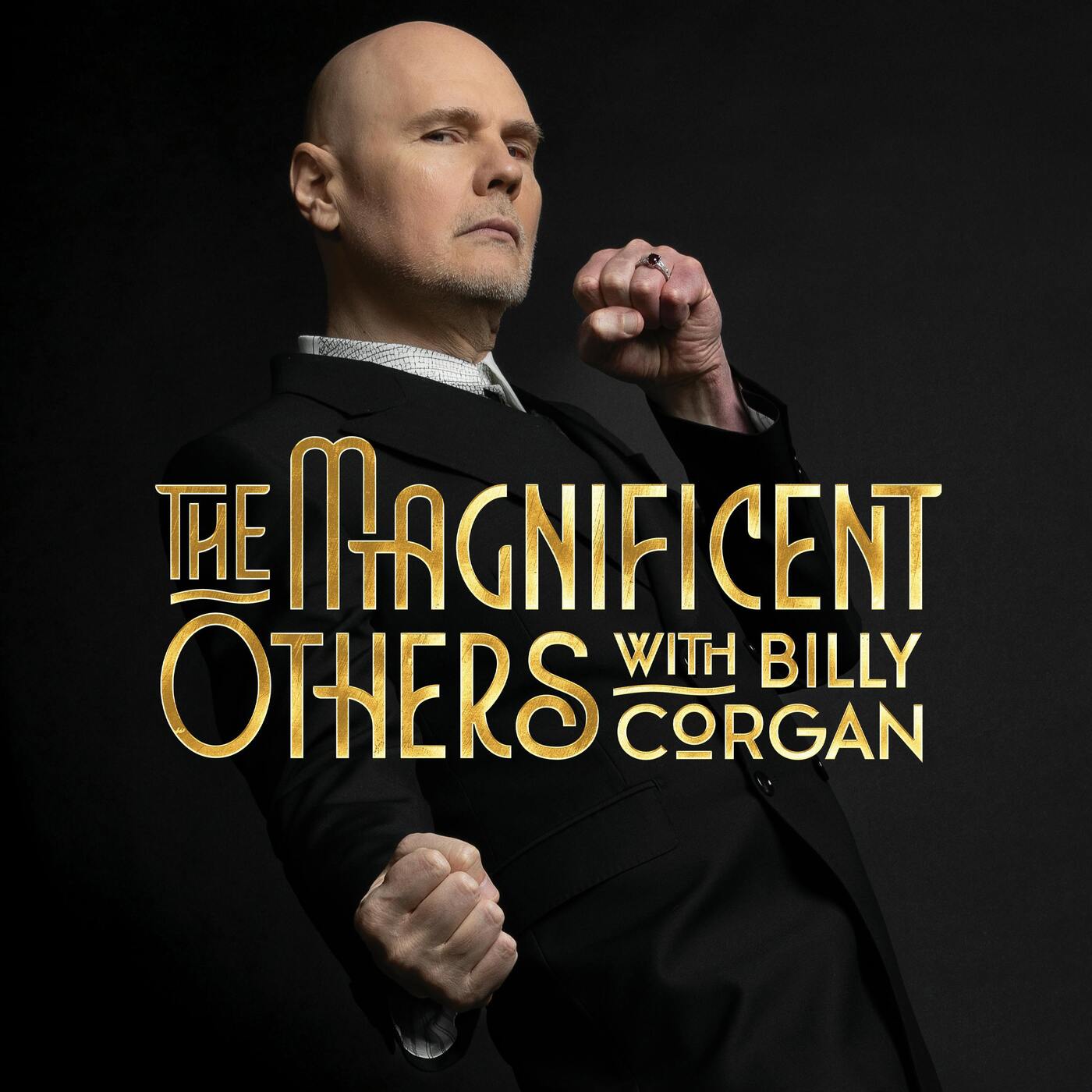
The Magnificent Others with Billy Corgan
Paul Stanley Pt 2 | The Magnificent Others with Billy Corgan
00:58:27
Loading summary
Transcript353 lines
- [00:00]
A
Do you want to see, like, a Kiss? Like a Kiss biopic?
- [00:05]
B
I'm on the fence about it. I would rather it never happen than happen badly.
- [00:12]
A
I don't want to talk much about your musical partner because, you know, he says enough on his own. But when you started getting other things, you know, like, I called it, like Gene with the ponytail in the movies. Gene, how'd you. How would you feel about that? Did you see him as being like, remember. Remember when Keith Richards was very critical of Mick Jagger?
- [00:32]
B
Yeah.
- [00:32]
A
Like, hey, you're in the Rolling Stones. Like, what the hell are you doing? Did you have a similar reaction?
- [00:37]
B
Very much. I felt betrayed.
- [00:41]
A
So let's start here. I love this word, kerfuffle. Do you know this? There's a recent kerfuffle about you guys playing again.
- [00:48]
B
Yes.
- [00:49]
A
So I just want you to walk me through that a little bit. The context being you're going to do a thing in Vegas, and you guys are going to play Unmasked, I believe
- [00:58]
B
is the word you use every year.
- [01:01]
A
We did Kiss cruises, and fans love them. I mean, just. I know 10 people have been on the Kiss cruises. They love them.
- [01:11]
B
Yeah.
- [01:11]
A
And said the most fun.
- [01:12]
B
The most fun. And so much fun for me and for us. Honestly, when we first were toying with the idea, I was like, who's going to go on a Kiss cruise? It turned out many. And we did what they wanted. We listened and created something special. That's what we're doing in Vegas. In terms of why, why not?
- [01:47]
A
You know, I don't care about the why. Sorry, I'm not trying to be rude. Yeah. To me, the why is when people get into that stuff in our business, they're looking at the wrong end of the telescope.
- [01:57]
B
Well, also, it's a reflection of a mindset that I'm not a part of. You know, many people live going why instead of why not? I mean, that. That's. That's the opening of the door. We're celebrating 50 years. There's always a reason to celebrate, but it's 50 years since the Kiss Army. And it's also a way to stay connected to our fans, the people who ask us why we're doing it, or the people who wish we wouldn't do it. In the same way that there are people who would say, you know, why did you continue on as a band? Well, sure, you know, so it sounds like a great, fun time to. To keep going and to. To continue a tradition. It's basically a Kiss cruise in Vegas, on. In a hotel.
- [03:11]
A
Sure. I'M not a doubting person by nature because I just think cynicism is just. It's overplayed in American culture. So the question is not asked with
- [03:20]
B
cynicism comes from bitterness.
- [03:24]
A
Agreed. So I'm just curious of your mindset. It. Was it similar to when you guys continued after the farewell tours? It's just like. It's our. It's our book to author, and if we want to keep adding chapters, it's all good.
- [03:39]
B
Totally. We said that we're. We're done touring. We're.
- [03:47]
A
We're.
- [03:48]
B
We're done in those Personas. Yeah. That we shouldn't pick up instruments together. Says who? Yeah, we're not. We're not. And if we did, we're allowed to, but we're not going against what we said.
- [04:10]
A
Okay.
- [04:12]
B
And, you know, I'm not. I'm not going to be on stage. I see videos and go from the last tour and go, boy, was that great. But we're not doing that. You know, we're. We're. We're celebrating where we are today and our past with the fans who we love and they love us.
- [04:37]
A
Yeah. I mean, many. In many ways, you're. It's. It's a blithe way to put it, but your business model is very much its own thing. You guys have always kind of created your own ecosystem.
- [04:48]
B
Always.
- [04:49]
A
And. And it's worked very well for. For you. Other people. It wouldn't work well for. I don't think it would work well for us. I don't. We're just wired differently.
- [04:57]
B
Yeah. We've always. We've always done things the way we thought they should be done.
- [05:04]
A
Yeah.
- [05:04]
B
Certainly in the beginning, we had less control over making those kinds of decisions. But Bill Arcoin, our first manager, he never managed anybody in his life, but it felt right.
- [05:17]
A
Yeah.
- [05:19]
B
And there are other cases of that happening over the years.
- [05:22]
A
And this might be an unfair question to ask you because, you know, Gene's always sort of. And Gene, when he was here and he sat in that exact same chair, I challenged him and said, you know, in a. In a way, you're. You're always talking about money as kind of a weird cover for how you really feel. I'm not asking you to speak for Jane, but when people have tried to always label Kiss as being about money, I always thought this. They sort of missed the point, and I even challenged Gene on that. So what was always your mindset on that?
- [05:54]
B
It's never been about the money. However, if there is money to be made, it should Go to us.
- [06:04]
A
But people overlook the fact of how much money you guys blew, too. I mean, you guys blew it. I mean, no one's ever blown money like you guys. I mean, the production, if people really knew what that stuff cost, you know,
- [06:16]
B
we, we learned through mistakes. And nobody has to take up a collection for us. Our rent is well paid. But, you know, the, the, the idea of being like money hungry or anything, like, it's not the case. I've always done this, and we've always done this ultimately, truly, because of the joy it gives us. I was so fortunate. I grew up in an era that took us into the next era, but I grew up seeing Jimi Hendrix play for a couple thousand people. Led Zeppelin, the who with Buddy guy opening in 69, humble, pie, Derek and the Dominoes, all these bands. That's, that's what I love, and that's what I wanted to be. I never started doing this with the intention, I'm going to be a millionaire. Back then, millionaire was like, you know, the Monopoly man, you know, whoa, you know, that. That's incredible. But it was never about that. It was about, I want to be that guy. I want to be. I want to be up there.
- [07:40]
A
Yeah.
- [07:41]
B
I want to be Steve Marriott. I want to be. I want to preach.
- [07:44]
A
Who wouldn't want to be Steve Marriott?
- [07:46]
B
I want to be up there preaching rock and roll, you know, with, with everything.
- [07:50]
A
When I interviewed Sharon Osborne, I didn't know that she'd gone to school with Steve Marriott. So she knew him as a kid, when she was a kid. And we talked about that voice that came out of that body.
- [08:01]
B
Boy. I mean, a Les Paul on him looked like a bird land. I mean, it was, you know, but gosh, you know, you had to, you had to experience that lot. Yeah, but that's, that's what it was about for me. Yes, there's money generated and I want it. But it. That was, that was secondary, but it was important. If there is going to be money, it belongs here.
- [08:34]
A
Yeah, I guess I. I guess what I'm after, and I'm not doing a good job of it, is is fans tend to do this weird thing. They try to make these kind of arguments. It's like it's either about integrity or money, you know, and my argument is, but why, why can't it be about both? Isn't. Isn't. Isn't success where the artist gets rewarded for their effort and they maintain their integrity? In essence, they're executing their vision. Isn't that the ultimate win?
- [09:03]
B
Totally.
- [09:04]
A
Because if you don't generate resources in the music business. You won't have any power because the people who actually control the world will. Will put you in positions of which you don't have any choice of. Integrity. Does that just translate the way I'm saying?
- [09:18]
B
Yes. And money. What money gives you is the ability to stop worrying about money. And it gives you freedom.
- [09:28]
A
What was the Duke Ellington thing? I know how to make a man a millionaire. Give him a dollar and he wants 10, and once he gets 10, he wants a hundred.
- [09:34]
B
It's, you know, money. Money is a. Is a. Is a great thing, but it. It gives you the opportunity. I. I think integrity is following your compass. Doesn't necessarily mean doing the right thing always. God knows we've done some, you know, some. We've fallen on our asses a few times, but money gives you the ability to survive that and to continue.
- [10:10]
A
So walk me through the. I'm not interested in the. In the financial aspect of the pop house deal, but I'm interested in, you know, Gene, of course, paints this rhapsodic picture. What you guys gonna do? I like to get the more practical vision of what you have. Of course, when you did the last show at Madison Square Gardens, there was the. The characters were flashed up and there was a lot of chatter about that. But what's your aspirational hope for let's call it Kiss in your absence?
- [10:40]
B
Firstly, what was it? Madison Square Garden was something where there was some dissension or contention even among us, because it didn't represent what we were going to do. To create what we are doing takes years. And that was rather than taking literally. It was just the idea that we will continue on.
- [11:08]
A
Sure.
- [11:09]
B
Pardon me. In another form. What do I hope that there's a. That the core of this immersive experience is an accurate representation of the band at its best. Because nobody can be us better than us. So if there is a way, and there is, to create something lifelike and beyond realistic, something that you buy as real and then surround it with something unworldly, that. That takes us into another realm, which most bands can never do. Look, we're. We're not, you know, the. The idea was never to recreate a concert where you go, doesn't that look like a real amp? You know, that that's. It's. To create something that parallels what Kiss is, which is bigger than life and takes the imagination on a. On a journey.
- [12:25]
A
So it makes sense to me that there would be a posthumous life for the band as this, you know, it's like I always say, when I was a kid and we would watch the Wonderful World of Disney in color on Sunday night at Grandma's house, we didn't know that Disney was dead. We had no idea. We thought he was a living guy because he was presented as this character who ran this wonderful world called Disney and Disneyland.
- [12:52]
B
Good point. Yeah. I think that I was part of creating Kiss, but I can also step away from it. And it lives on as.
- [13:08]
A
That makes. I mean, as a fellow artist. That makes total sense to me. That. But basically.
- [13:15]
B
Pardon me to answer.
- [13:16]
A
No, no, no. You. It's. It's to you. I want to hear from you.
- [13:18]
B
No, but. But doesn't that make sense? Because whether or not your Kiss and you can live on visually as an artist creating music, your music lives on.
- [13:30]
A
Well, that's the real important thing.
- [13:32]
B
Sure. So I'm.
- [13:34]
A
I'm sure that's at the heart of your desire is like, that people are going to hear these great songs and
- [13:39]
B
it's connected to these wonderful Personas.
- [13:43]
A
Yeah.
- [13:45]
B
That enhanced the. The experience.
- [13:49]
A
Yeah. See, we see it now with Star wars and Star Trek and, you know, like, there's this. There's these other lives that they didn't anticipate when they first created.
- [13:58]
B
Totally. Totally. You can only create within the capacity and the technology. And as. As that broadens.
- [14:10]
A
Yeah.
- [14:11]
B
Other things become possible.
- [14:14]
A
This is just a curiosity question. I'm sure you, you know, the Queen movie went on to be the most successful band Bio music biopic, I think, in the history. I'm sure people have proposed it to you. Do you want to see, like a Kiss? Like a Kiss Biopa.
- [14:33]
B
I'm on the fence about it. I would rather it never happen than happen badly. No, we don't need Kiss meets the Phantom 2. But yeah, it would be. I would love to see almost be
- [14:51]
A
interesting as like a. Like a Netflix miniseries or something, if they were willing to put up the money and do it. Right.
- [14:57]
B
Yeah.
- [14:58]
A
Because, you know, most people are going to gravitate towards the OG period because it's obvious. It has all the typical movie arcs, you know, this and this. Right. All this typical stuff that they want in a movie. But I find your, Your, Your middle period just as fascinating.
- [15:11]
B
I. I have to say that the truth is far more interesting than anything that somebody could write. What we've gone through, where Gene and I in particular started, because we started before Kiss.
- [15:31]
A
Wicked. Lester.
- [15:32]
B
Yeah.
- [15:33]
A
And I'm still somewhat haunted by the she. The original she version with the flutes.
- [15:38]
B
Yeah, yeah. That. That came who knew that came from a time where we were just so lucky to be.
- [15:47]
A
We would just thrill recording at night. Right. Wasn't that the thing? You would go in at night?
- [15:51]
B
We would go in. We were going in on an Electric lady, which was, you know, that's like Olympus. Mount Olympus. Yeah. Jimmy Hendrick. Yeah.
- [16:00]
A
With Eddie Kramer.
- [16:01]
B
Yes. And we would go in Wicked. Lester was with Ron Johnson, this is this other producer. And we would record on spec time, which meant basically that if there was an artist who was book time from noon until 8 o' clock at night, we would show up at 7, they might go on till 12 or 1 o' clock in the morning and we'd sit around for four or five hours and then go in and use that. That empty time.
- [16:36]
A
Yeah.
- [16:36]
B
So. And during that time, truly, if there was a song that came out with a banjo, we put a banjo on a song. You know, I never heard the word euphonium. We had a euphonium, you know, on one of the songs it was, it was what's hot today? You know. Oh, put a sitar on it.
- [17:00]
A
Yeah. No one sings like you, but I know you have your, your singing idols. I mean, we talked about Steve Marriott. Who are some of the other singers that you thought, I wish I could sing like them.
- [17:12]
B
Well, you only had to see Robert Plant in 1969 to bear witness to. To something where you.
- [17:23]
A
It's unfair, isn't it?
- [17:24]
B
Yeah. It was like you gobsmacked. But you're also. You're just trying to figure out how in the world is he doing that. Just this. And exuding this sexuality and. But his voice was insane over the years, obviously, like everybody, the voice either deteriorates or changes. But at that, that pinnacle it was,
- [17:53]
A
oh, those kind of first four years, five years. His voice is almost without peer.
- [17:59]
B
Yeah.
- [17:59]
A
And live. I mean, not just live in. Live in the studio.
- [18:02]
B
Oh yeah.
- [18:02]
A
You hear some of the outtakes and it's the same. It's not like he fixed it in the mix.
- [18:06]
B
No. What he was doing effortlessly was. Was mind boggling to me because at that point my voice didn't have a lot of range and I, I couldn't figure out how he was opening that door in the back to. To get to that voice.
- [18:20]
A
How did you figure out that upper voice in yours? Because it's, it's very unique.
- [18:26]
B
Just clicked during the 80s and the 80s. Suffered for it in some ways because all of a sudden I found this way, you know, of getting into a head. Head voice, a combination.
- [18:41]
A
You hit some Impossible notes on those things.
- [18:43]
B
I mean, ease, you know, I mean, just crazy, crazy notes and not necessarily needed on those songs, but it was like, hey, I can do.
- [18:56]
A
I could do it. Some of that.
- [18:57]
B
Yeah. So, yeah, I listen to some of that now and I'm incredulous at those notes. But, yeah,
- [19:09]
A
listening to, like, forever, and there's like, I can hear your voice, like.
- [19:14]
B
And it was effortless, really. Oh, totally. I could do that for hours. I mean, we would go in the studio and I would sing something to just. Let's do that again. Let's do that again for hours. It's an interesting story. It was an interesting time for me. I had known Ron Nevison for years, the producer, and we finally went in to work with him on an album that some people like and some people don't like. But I was thrilled to go in with him because Ron had done Zeppelin, he done Hart, he had done the Babies, he had done a lot of work with really good singers. Bad Company and I'm in there first. I. I played him the demos. He said, you made my work easy because we're just gonna basically copy the demos. But when I was singing and I'm thinking, he's going to take me to someplace I've never been, and I said, I. I sang one of the songs and I said, let's do it again. And he goes, why? And I said, well, because I can do it better. And he goes, who's going to know? And I was like. It was kind of like. I was like, really? But, yeah, I mean, Robert Plant was very, very important, as was Steve Marriott, as a performer and as a conduit, as a preacher.
- [20:46]
A
That.
- [20:47]
B
That was Naughty Holder, right?
- [20:50]
A
Never thought about that with you, but that makes sense.
- [20:52]
B
Yeah, just those. Those foghorn voices.
- [20:56]
A
Yeah.
- [20:57]
B
And the way I wasn't going to be out there, although we did it with Kiss, so I got a chance to do it, you know, with just a microphone and swinging the mic. But I was going to be, I guess, more Steve Marriott. I played a guitar, so I'm going to be the guy talking. But, yeah, I wanted to preach. I wanted to talk to the people in the very back row.
- [21:22]
A
Yeah, well, there's those great YouTube clips where it's just you talking.
- [21:26]
B
Yeah. Possessed. Possessed.
- [21:36]
A
How do you rate yourself as a songwriter? Do you. Are you comfortable as a songwriter? Do you feel strong as a songwriter? I can't think of where you've really talked about it much. Maybe I didn't see it.
- [21:48]
B
I was thinking last night and I've thought this before that over time, over years, I became a technically better songwriter. But I will never write something as good as Come on and Love Me or Love Gun. Songs that didn't know what you can and can't do.
- [22:10]
A
Yeah.
- [22:11]
B
Songs that came from you and weren't labored over.
- [22:16]
A
Yeah.
- [22:17]
B
She's a dancer, a romancer. I'm a Capricorn and she's a cancer. I saw a picture in a music magazine when she, you know, I couldn't do it.
- [22:26]
A
But you were living it too. That's. That's a different mindset too.
- [22:28]
B
Well, even before I was living it, I was fantasizing living it. I ultimately wound up living it.
- [22:35]
A
Yeah.
- [22:35]
B
I mean, a song like Room Service is me just going wee. You know, this is unbelievable. You know, the unpopular kid is in the candy store. You know, but so before we had that kind of attention. Sure. Strutter. I saw those girls, those women on the street. They wanted nothing to do with me. They were with the Dolls or whoever, you know, was. Was playing at the Mercer Arts center or going to Max's. So those kind of songs came from. I wanted to be there. I wound up there. And, you know, those were joyous songs. Songs of, you know, celebrating debauchery, but also celebrating debauchery and being.
- [23:29]
A
Well, if you write the line, put your hand in my pocket, Grab onto my rocket.
- [23:33]
B
Yeah.
- [23:33]
A
Now I. I heard that when I was about 10. And I didn't know what it meant, but I knew it wasn't good.
- [23:38]
B
Yeah. Well, you know, good guy, Miss Molly sure like to ball, you know.
- [23:43]
A
It's amazing he got away with that.
- [23:46]
B
Totally, totally. But hey, I. Peaches and Herb. There's one perfect fit and this one is it. And that's like a love song between. Well, what are you singing about? You know.
- [24:05]
A
So were there people that you look to to teach you how to songwrite? Because like, most rock people don't go to school to learn how to write songs. They listen to somebody or.
- [24:17]
B
Yeah.
- [24:18]
A
So who. Who were your songwriting kind of goobers?
- [24:25]
B
Basically what I was doing was hearing songs that I liked and trying to write my version. Scott Muni, the disc jockey in New York on New. He had a. A program once a week called the. The British Power Hour. And he would play like the top 10 in England. I was a huge Anglophile. That was really the music that I loved. God love Jefferson Airplane and all that kind of stuff. I had no time for that. To me, what was going on on the other side of the pond was so interesting. So, for example, I heard a song called Fire Brigade by the Move.
- [25:07]
A
Don't know that one.
- [25:08]
B
Oh, it's, it was big hit over there. And. Well, I couldn't find, Find that song or afford that song. I wrote Firehouse, you know, and it's basically the same. Get the Fire Brigade, you know. Yeah, and get the Firehouse. So I, I had a tendency to pattern songs on songs that I liked. And that's, that's a good thing.
- [25:38]
A
There's a lot of kind of 50s changes in your, in your, in your chordal work. But it doesn't sound 50s the way you do it. You put your own spin on it. But to me, quarterly, there's a lot of kind of.
- [25:51]
B
Well, there was also. I loved, I mean, I love great rhythm guitar playing, whether it's Richie Havens or Pete Townsend.
- [26:01]
A
Richie Haven's an incredible rhythm player.
- [26:03]
B
It's insane.
- [26:04]
A
You ever try to play the way he played with the, with the one chord and the thumb.
- [26:07]
B
That thumb?
- [26:08]
A
Yeah, that thumb. You know, he. Tune. You know, he tuned the guitar just to one chord.
- [26:11]
B
Yeah.
- [26:11]
A
So you basically play one finger.
- [26:12]
B
Yeah, yeah. But once, you know, he would also.
- [26:16]
A
Yeah, he'd add a little bit of.
- [26:17]
B
Yeah, but Richie Havens. I mean, when Evan, my oldest, was playing guitar, I said, listen to Richie Havens, because this, yeah, this is great, but this is where you play guitar.
- [26:29]
A
Some of those Richie Havens albums are really, really well produced. Really cool. Cool. Sounds beautiful.
- [26:35]
B
So as far as what we, we were talking about, songwriters, songwriters, you know, you get into Carol King, Jerry Goffin. You get into Barry Mann and Cynthia Will, Jeff Barry and Ellie Greenwich.
- [26:55]
A
Yeah, I was, I was listening. I'm sure you've done that where you hear signing a lot. Who wrote this song? And whether it was Walking in the Rain by the Rettes and it's man and Wheel or W. I mean, what a song. I mean, still goosebumps to this day.
- [27:10]
B
It's like, you know. Well, Barry, man, I, I, I knew Barry from, from Electric Lady Forward, and Barry is, I mean, R and B on Broadway.
- [27:23]
A
I didn't know that.
- [27:24]
B
Oh, yeah. So, yeah, those people, they wrote songs, man, because they understood the formula. I mean, you know, you've lost that love and feeling. That's Barry Mann and Cynthia.
- [27:40]
A
Yeah, yeah, there is that. There is that thing that oftentimes gets lost in translation with rock and roll. Because the radio playlists up through the early to mid-70s were very regional, so people who grew up in the Northeast got a very different musical education than people growing up. Yes, Where I grew up in Chicago. And like, if you listen to Tommy James, you can really hear that doo wop influence, but then that kind of psychedelia. But it's very east coast. And like you said, the west coast, the Jefferson Airplane version, Buffalo Springfield. It's a very different kind of psychedelia.
- [28:10]
B
Yes.
- [28:11]
A
Less influenced by doo wop and more influenced by, guess, I don't know, people smoking weed or something.
- [28:15]
B
I don't know.
- [28:15]
A
Very different.
- [28:17]
B
More based, I think probably on acoustic. On the. The folk.
- [28:21]
A
Yeah, exactly. More folk.
- [28:22]
B
Yeah, yeah, yeah. Very, very much so. That different areas had, you know, the.
- [28:32]
A
You know, it just occurred to me because harmonies are kind of a hidden thing in your music. I'm not saying it's hidden, but I'm saying is there's a very unique KISS vocal harmony style. Was there somebody you guys patterned yourselves after?
- [28:46]
B
I've always loved harmonies, and one of the great things in my family was when I was growing up, all four of us, my parents, my sister and I all had really good voices and we would sing.
- [28:59]
A
Oh, so you just grew up with that?
- [29:01]
B
I grew up singing innately in four part. We. We sang in great harmony. So that was always, Always something special. There's. I mean, the birds, you know, their harmonies were fantastic, and it's unfair when
- [29:18]
A
you hear those voices.
- [29:19]
B
Yeah. I mean, and I. Crosby.
- [29:21]
A
Gene Clark.
- [29:22]
B
Gene Clark. You know, there's an unsung hero.
- [29:24]
A
Oh, unbelievable. You know, one of my favorites all time.
- [29:27]
B
Me too. You know, did you ever listen to
- [29:30]
A
the stuff he did after he left the early country?
- [29:32]
B
Some of it got a little, you know, a little. Little out there. A little out there, but, you know,
- [29:39]
A
but him with Dillard and Clark, and there's some interesting stuff.
- [29:41]
B
Yeah, yeah.
- [29:43]
A
So, because your. Your history in music is so oft explored, I just want to kind of tangentially touch on it because there's almost no way to express it. But I. I thought it would be interesting to kind of do it this way. So if we break your. Your. Your life into these. These four eras, that I've somehow made up my own version, that you have four errors of music. I. I thought, okay. With the original band. Take me. Take me to the moment in your life when you're standing on stage somewhere and you think, like, wow, this is really going to work. Is there, like, a specific show or specific.
- [30:16]
B
Yeah, I think it was Dayton, Ohio.
- [30:21]
A
I love it.
- [30:21]
B
Yeah. And we were playing. We could do 14 shows in a row, whatever.
- [30:30]
A
Were you on one of these package tours where it was like, you And Rush, and it was one of those.
- [30:35]
B
Rush did their first tour opening for us, everybody. Tom Petty and the Heartbreakers were our.
- [30:40]
A
But I'm saying. Yeah, those were the times where there was all these shifting bills.
- [30:44]
B
Yeah, but we were. I would always say to our road manager, before the show, when we were getting ready, how are we doing? And what that meant was our tickets, empty seats. And I remember, how we doing? Sold out. Oh, cool. And then next night, how are we doing? Sold out. And it's like. And then I'm going, do I sense a pattern here?
- [31:10]
A
Yeah.
- [31:11]
B
And I remember going, before we went on, I was all made up and ready, and we had a curtain like a kabuki. And I went out and looked down. I was like, oh, my God, this place is packed. And that's when I thought, wow, this is happening. I always thought of it analogous to your. You're on the roller coaster and you're being pulled up and, you know, sooner or later, suddenly, you know, you better hold on, because this is going to get pretty tricky.
- [31:51]
A
My sense of it at the time, and I was young, was you were as hot a band in that period as any band has ever been in the history of rock and roll. Was that. Was that how you felt or saw it?
- [32:03]
B
You're in this, you know, you're in the eye of the hurricane.
- [32:07]
A
But that was a pretty fierce hurricane.
- [32:11]
B
I was certainly aware, I think more so that we were on a crusade. We were taking no prisoners and we were just going. We were going to conquer the world. And that's really. More that than. Than the impact we were having by destroyer. Yeah. Then. Then I was aware that this is out of control. This is massive. But before that, I. I was more committed to.
- [32:46]
A
I see.
- [32:47]
B
To the. The outcome that we wanted.
- [32:52]
A
Yeah. Was it as simple as we want to be the biggest band in the world? Was that something you would say, or. I know it sounds silly to say it, but I used to tell my band we're going to be the biggest band in the world because I needed to believe in something.
- [33:07]
B
I think we did the same. I think that's probably a cliche, but I think that it's something that you aspire to. If it's up here and you reach here, that's okay, but you have to aim for there.
- [33:26]
A
Yeah.
- [33:27]
B
So, yeah, I remember when we first got together with Bill o', Coin, our manager, who became our manager, and he had. Didn't have a pot to piss in and never managed a band, but it was meant to be. And he said, if you don't want to be the biggest band in the world. I don't want to manage you. And it was like, that's our man,
- [33:52]
A
you know, there's the guy.
- [33:53]
B
That's the guy, you know? And yeah, I think naivete is a good thing if it's coupled with determination. If you just think you can will something to happen or imagine it. If you have a objective and if you want to get to that end of the field, you don't see the obstacles.
- [34:21]
A
Yeah.
- [34:21]
B
You just keep looking there.
- [34:23]
A
Yeah. I feel like if you knew how hard it was, it would mess you up. You almost have to believe it somehow. Like a magical spell or something. That happens.
- [34:30]
B
Totally. I. I often thought, you know, if I knew how long it was going to take me to feel I was a good guitar player, I never would have picked up the guitar.
- [34:42]
A
So there's these kind of. I don't know. Funny is not the right word. There was these interesting moments because, like I said in my impression, and I was least there and I was watching. My impression was, this band is as hot as the Beatles were. You would hear about the Beatles in the 70s, but you guys were like the living embodiment of what that Beatlemania felt like. At least that's what it felt like where I was growing up. But then you have these weird cultural moments of like, Kiss beats the Phantom. And I oftentimes think of you guys on Was it the. Was it Tom Snyder?
- [35:16]
B
Where.
- [35:17]
A
Where Ace. Ace just goes off.
- [35:20]
B
Yeah.
- [35:20]
A
And you could almost. I'm. Maybe I'm projecting, but I just see you guys. Faces like, oh, my God, what's happening?
- [35:26]
B
It's somewhere between panic and anger. And anger.
- [35:31]
A
I would say. More anger.
- [35:32]
B
Yeah, yeah, yeah. Yes. We reached a point where, you know, in Australia, when we went there in 1980, it was pegged as Casteria.
- [35:45]
A
Well, that was Shandy was a huge hit.
- [35:47]
B
Yeah.
- [35:47]
A
And, you know, you guys played like crazy crowds.
- [35:50]
B
Crazy crowds. And we were locked in the hotel and we would have these wild parties every night where the promoter would invite every female celebrity, actress, newscaster, and leave your boyfriend's home. So, yeah, we lived that. Where we had the whole floor of a hotel. And then you can only get out of the hotel if you lay on the bottom of a truck. And we did the same thing in Japan when we broke the Beatles record for concerts at Budokan. So, yeah, we were aware, but I was never delusional in the sense of comparing us to the Beatles. Let other people do that. It's. It's an Insane.
- [36:40]
A
I. Just embarrassing. I just mean it because in terms
- [36:44]
B
of the adulation and that, that fan ferocity.
- [36:52]
A
Sure.
- [36:52]
B
Yeah. Certainly existed. And. And from time to time, bands have that.
- [36:58]
A
Yeah. I just made it through the prism of very few bands cross into the culture where it becomes a cultural phenomenon, not just a musical phenomenon.
- [37:07]
B
Well, that's. I. I say, you know, bands make music phenomenons, impact society. Right. And it's. It's kind of that simple.
- [37:17]
A
So skipping to the. To the next era, we'll call it the makeup off era. What was the internal logic like? We've taken this as far as it can go. Or what was the internal thinking?
- [37:29]
B
Survival. We reached a point where I felt that people were listening with their eyes. And.
- [37:43]
A
Can I. Sorry, I got to stop you, because this blows my mind. Okay. So I. I went to one of these AI chatgpt, Grok type of things, and I said, list for me the top ten American rock bands of all time. And you guys weren't in the top 10. And every. some point, they were listing the records, and you guys have sold over 100 million records, so you weren't in the top 10. And I wrote to the Chat GPT thing, why isn't Kiss in the top 10? And ChatGPT or whatever was, apologized to me and said, well, they're oftentimes discounted for their theatricality. And I said, what difference does that make exactly when I'm asking a business question? And ChatGPT again apologized and then slotted you guys in where you belonged.
- [38:40]
B
Thank you.
- [38:41]
A
But it was such a weird. I mean, we're talking about, like, just the fact that a machine learning AI system would discount your accomplishment is so. That's just like. That's such a weird thing.
- [38:52]
B
Well, somebody had to feed that into this.
- [38:53]
A
That's what I. That's what I'm trying to say is.
- [38:55]
B
Yeah. To discount music because of theatricality. Look, when I would jump up in the air or slide across the stage, that's considered some sort of, like, kitschy showman, you know, that. That's. That's not credible. But there are other people who do it who are great, you know? Well, you know, some at Showman, you
- [39:24]
A
know, they'll use a stick on one person and then the next person. Somehow. That's a. An attribute.
- [39:29]
B
Yeah. So where were we?
- [39:34]
A
Sorry.
- [39:34]
B
No, we're like, oh, we were talking about survival.
- [39:36]
A
Yeah.
- [39:37]
B
So people were listening with their eyes and didn't like what they were seeing. So even though Creatures is a great album, as far as I'm concerned, And even on that album, I had said to Gene, we should take off the makeup. And we didn't. And the album did not do well. And then we did take it off. And understandably, it was much more difficult for him to take off the makeup. And we did it for Lick It Up.
- [40:08]
A
Why was it more difficult for him?
- [40:10]
B
Because his face and that Persona really is, is the visual face of the band.
- [40:20]
A
I see.
- [40:22]
B
There's just no denying that, you know. Yeah.
- [40:24]
A
Like if, if, if the Stones is the lips and the tongue.
- [40:28]
B
You know, jeans, that, Jeans, makeup and
- [40:30]
A
the tongue with her hair. Yeah.
- [40:32]
B
Come on. You know, when I saw it, I went, wow, okay, I can't top that. So you were there. Yeah. So it was much tougher for him because what I've always done has been basically me, you know, me as a performer.
- [40:53]
A
Did you guys unmask on mtv? Wasn't the thing.
- [40:56]
B
Yes.
- [40:57]
A
I was watching live, so I remember that much.
- [40:59]
B
Which is peculiar in itself because there were two guys who had not been in the band all the time.
- [41:08]
A
Right.
- [41:09]
B
You know, so, you know, to have the guitar player who had played on one album. Yeah. Suddenly taking off his make makeup. But yeah, so we took off the makeup and lo and behold, the Lick it up album did that was huge. Yeah.
- [41:30]
A
And the songs have really aged well, I think too.
- [41:33]
B
So good songs.
- [41:34]
A
Those are Heavens on Fire. Lick It Up. Right.
- [41:37]
B
Heavens on Fire is on Animal Eyes on the next.
- [41:40]
A
That period, I think.
- [41:41]
B
Yes.
- [41:41]
A
More fondly remembered than I would have imagined at the time.
- [41:45]
B
Interestingly, there are people who were introduced to the band through those albums.
- [41:50]
A
Yeah.
- [41:51]
B
And, and hey, Max Martin grew up on those albums. Yeah. You know.
- [41:56]
A
Yeah, it was, it was, I think for OG fans, it was, it was a tough time. And because you guys were sort of generally lumped in with the hair metal scene. And as you know, the grunge thing was very much a reaction against hair metal. The ballads being the number one offender.
- [42:11]
B
Well, everybody had to have a power. It's a ballad, but it's a power ballad.
- [42:16]
A
But I think about 800 of those. MTV basically launched the Gruns revolution. It was a revenge play because we were just like, we can't handle any more pendulum.
- [42:24]
B
The pendulum swung. Yeah, yeah. Look, we had our moments, I guess.
- [42:31]
A
Sorry to interrupt, but I, I, I think because I don't want to skip past that period because I think it's a really strong musical period. Something about taking off the makeup. It's something about the band being reinvigorated with the public.
- [42:42]
B
Yeah.
- [42:43]
A
A lot of great music Came out of that period. Yeah.
- [42:45]
B
We certainly weren't leading the parade, but. We were.
- [42:49]
A
But can I. Can I make a musical point to you?
- [42:51]
B
Sure.
- [42:53]
A
My memory of it at the time was you guys were getting in behind the shifting trend. But when I actually went back and listened to the music in the last five years, because I did this thing where I went through and listened to your whole catalog in a row, I do these weird things where I just want to listen to everything in a row because I end up changing my perceptions about things. Because sometimes your perception of the time is actually inaccurate, which is weird because you were there. And what I realized was you guys had a lot more to do with. More people in the hair metal scene were ripping you off than I thought at the time. So I didn't. Even though at the time my perception was you were following, I actually think you had a lot more to do with it.
- [43:29]
B
Well, yeah, certainly a lot of those bands had listened to us.
- [43:33]
A
Yeah. So I'm saying is there's more Kiss in those bands than I would have thought at the time, because I think I got caught up like everybody else, whatever was the new thing.
- [43:40]
B
Yeah. I mean, the clothes got ridiculous. You know, we. We looked like we got dressed in the dark in a. In a costume store. You know, what do you think? My feather earrings. Oh, good. Goes with your eye makeup, you know. But, yeah, it was a way for us to continue. And in. In a way, I wanted the band to continue. I wasn't ready. Nobody can tell me when this band is over.
- [44:07]
A
Yeah.
- [44:08]
B
And, you know, know, I. I did do interviews with journalists towards the end of the makeup period where they could be. So they could be such vitriol. You know, somebody has. Has joy in. In making you squirrel.
- [44:25]
A
What was the. What was the. What was the source of the vitriol?
- [44:30]
B
Probably angered how long we had succeeded. So finally, the Death Knell. So how does it feel to be on the Titanic?
- [44:40]
A
Was like, well, you got the last laugh on that one.
- [44:43]
B
I was kind of like, I'm a human being. How could you say that? And all I could think was, nobody's going to tell me when this ends. And watch this. And you have to have a reason to continue. And mine was that nobody gets to tell me when it's over.
- [45:06]
A
Yeah. I think it's really interesting because, again, I didn't love that period at the time, and I like it a lot more now. And what I'm impressed by, because I've been around long enough to know that this isn't a simple thing to accomplish, and you could argue I have an accomplishment, is to find a whole new vein of music, an adjacent but different style that does match with the zeitgeist of the times. It really speaks to your musical ability and your songwriting ability because in many ways, you'd stripped off all the accoutrement that you were accused of using.
- [45:38]
B
Yeah, there, there were certainly some missteps that I listen to now and go, gee, all I can say is that we committed ourselves 100% to everything we did and believed that we were doing the best we could when we did things. And some, some of it is, is pretty awful.
- [46:02]
A
I won't ask, just. I don't want to talk much about your, your, your musical partner because, you know, he says enough on his own. But when he started getting other things, you know, like, I called it like Gene with the ponytail in the movies. Gene, how'd you, how would you feel about that? Did you see him as being like, remember, Remember when Keith Richards was very critical of Mick Jagger?
- [46:27]
B
Yeah.
- [46:27]
A
Like you're in the Rolling Stones, like, what the hell are you doing? Did you have a similar kind of reaction?
- [46:32]
B
Very much. I, I felt betrayed. No, no secret. I felt that he was leaving me to do the heavy work, but continually continued to get paid. So, you know, trying to have the best of both worlds, go off and do your own thing and have the success in any level that there was success, and the monetary compensation, which I'm not sharing in, but you're abandoning ship and you're still my partner.
- [47:17]
A
I see.
- [47:19]
B
So, yeah, no, I felt very resentful and, and, and hurt. You know, I didn't, I wouldn't at that time have said I was hurt. I would say I was angry, but I was hurt. You know, Jean's my, my, my brother. He's been with me since I was 17. So that, that was really, that was, that was difficult. Really difficult.
- [47:47]
A
Yeah.
- [47:47]
B
But again, it was, well, screw it. I'm not going to let this band fall apart.
- [47:53]
A
Yeah.
- [47:53]
B
You know, if it's, if, if, if it's my band in that sense, then so be it. You know, if I got to be in the middle in a video, then let's do that. But yeah, I, I, I felt that he was selling the band short. The, the quality of the writing was not good. Yeah, I, I, I thought he was, he wasn't playing fair.
- [48:18]
A
I like that this is an oversimplification, but that's the world we live in. In my mind, there's that moment when you take off the makeup for the last time, and I know it. I, like. Recently, you did a commercial and you were in the makeup, so I'm being somewhat dramatic, but there's that moment you. You play the last show in the makeup. That era is over. I guess I'm asking a bit of an existential question, like, how do you view the character that you played? You know, I'm not saying something as simple as, is it you? Because obviously it's an extension of you. You wouldn't have played it so well for so long. But do you see that character with affection? Do you see it with detach. I'm just curious. It's like, it's. Here's maybe the best way to say it. In later years, Charlie Chaplin spoke very fondly of the Tramp character. He'd done other things, and he'd been successful in doing other things, but he came to almost speak about the Tramp character as if it was its own entity.
- [49:19]
B
Totally, totally. I get that. And the star child grew with me. The star child, you know, on that last night of Madison Square Garden was not the one who started at Madison Square Garden or in the clubs that we played in. He became who he was as I became who I was. I mean, there's. There's a parallel path.
- [49:49]
A
Yeah.
- [49:50]
B
But, yeah, I. I can separate the two that. He's very much me, but he's a separate entity. And it shows in. When people would come to the show over the years, they said I was different as I progressed or went down this road off stage. I went down another road on stage. Yeah.
- [50:23]
A
Do you have any musical ambitions left?
- [50:27]
B
Oh,
- [50:33]
A
Past being custodian of this incredible thing that you two have built?
- [50:38]
B
I love Soul Station. I love those people. Somehow we all came together, and. And it's just a blessing. I have incredible reverence for Philly soul and for Motown. I grew up with that as much as I grew up with, you know, Led Zeppelin or anything like that. So I love doing that and want to continue doing that. I have no. You know, I have no fantasies that anything I ever do is going to come close to what I did.
- [51:20]
A
Yeah.
- [51:21]
B
Or have done. But that's. That's what life is about, is. Is. Is that sometimes we. We have to leave things behind and go forward.
- [51:33]
A
Would there be this. Is. Might be my own version of it, but is there a. Is there a desire to make a more personal music? Does that translate the way I'm asking it? Because your life for 50 years was defined by satisfying the public at such a high level, and it does Have a cost. And I'm not saying it's compromising the way people would associate compromise, but you have to take into some sort of consideration there's an audience, and are they going to listen? Are they going to like it? Is there a, like, you know, I'm not saying bossa nova or something, but is there something like a music that you would long to make that really is just for you?
- [52:10]
B
Well, I mean, that's why I started doing Soul Station was because I.
- [52:15]
A
What was this? This is the first song in that record. I can't remember. Is that first on?
- [52:20]
B
That is.
- [52:20]
A
Oh, I love.
- [52:21]
B
Could it be. I'm Falling in Love.
- [52:23]
A
Okay.
- [52:23]
B
Spinners.
- [52:24]
A
But there's a song that you wrote.
- [52:25]
B
Oh, the next one.
- [52:26]
A
I O I. I like that.
- [52:28]
B
Yeah. Yeah. You know, and I. I arranged.
- [52:30]
A
That's a cool tune.
- [52:31]
B
Yeah. I arranged the horns and the strings.
- [52:33]
A
That's got to be fun.
- [52:34]
B
Oh, it's f. It's fantastic. You know, it's. So that's something I wanted to do and will continue doing. Could I put a band together and strap on a guitar and do that? Yeah. All bets are off. You know, I.
- [52:54]
A
You have to almost detox from all that. I had adrenaline.
- [52:57]
B
I had to. Honestly, I, I, I put the guitar away for a long time. I needed to, I needed. I, I just needed to. To take a deep breath and. And distance myself a little.
- [53:16]
A
The one thing I think people don't understand is when you're up in front of a lot of people, that's a lot of energy passing through your being.
- [53:24]
B
Yeah.
- [53:26]
A
And you've played for about just as many people as anybody's ever played for in the history of the planet.
- [53:32]
B
Yeah. You play in front of 180,000 people,
- [53:35]
A
it does something, doesn't it?
- [53:36]
B
I mean, you just feel. You feel this like a locomotive or a tornado. The force from the audience is.
- [53:49]
A
It's indescribable.
- [53:50]
B
Right. It really is. And, well, you don't see it, but you feel this incredible amount of energy. That's just.
- [54:01]
A
People will say to me, what's it like playing in front of 80,000 people? It's like ride a tidal wave. I don't know. It's amazing.
- [54:08]
B
Yeah. It's nothing you can describe. And any way that you described it would never do it justice.
- [54:15]
A
Yeah. The words don't. I saw a quote attributed to you, but I have a feeling it's not true. So you tell me if it's accurate. But it was something along the lines of all I ever wanted to be was a Star. Is that something I saw somewhere where he said it was. Came out of your method? I saw nothing that said. You never said that. Oh, it's almost like a. Like. Like a line played against Sam, like something you never said, but it. Yeah, it goes with the character.
- [54:38]
B
Yeah, I may have said. You know, just like, played against Sam is kind of like a distorted version of what was actually said. All I ever wanted to be. No, it's. It's so.
- [54:53]
A
It sounds. It sounds a bit Bette Davis. Does it?
- [54:55]
B
Yeah. And it's so mundane and. And small.
- [54:59]
A
That's why. That's. I had a feeling he didn't say it, but I wanted to ask because it seemed to make this point that I was after, but I'll go to a different way. When did you first become conscious of the concept of celebrity or fame or was it Beatles or. You know, was like the first time you saw it, okay, there's a star in the heaven, and it looks like that.
- [55:26]
B
I think the. The way I could relate to it best was probably an Elvis or some. Something like that where, you know, there's a commotion and girls are swooning and this chaos to see him doing those. Those steps he did on stage. So I think Elvis might be the. Yeah. The first.
- [55:52]
A
What. What year would that have been for you?
- [55:55]
B
It had to be probably 57 or so.
- [56:00]
A
You would have been pretty young.
- [56:01]
B
Oh, yeah. I. I loved rock and roll from the time I was a little kid from. From Elvis to Eddie Cochran to Leandros in the Hearts to Dion and the Belmonts to Vito and the elegance to the Impalas. You know, it. It. It's always been.
- [56:21]
A
Yeah.
- [56:21]
B
You know, it's always been my salvation. My. My. My oxygen.
- [56:28]
A
Yeah.
- [56:28]
B
It always gave me comfort, you know, Torrendot, listening to Nessun Dharma, listening to, you know, listening to music. That just fills you up.
- [56:41]
A
Yeah.
- [56:45]
B
Inflated me.
- [56:47]
A
So I guess the last point I'm after is if you could go back in a time machine, would that little kid believe that you became that? It's a strange point to make, but it. You're in the. You're in the rare position of you've did you did it.
- [57:05]
B
Yes, he could, but he would have no idea of the complexity or.
- [57:12]
A
Or the.
- [57:13]
B
Yeah. Of what it means and what went into it. Me back then could look and go, wow, you really became a star, or you became, you know, whatever you are, but all the nuance of it that makes it what it is would. Would be lost. Just like trying to tell somebody what it feels like when you feel that energy from it. There are certain things in life that someone will never experience and can't really comprehend.
- [57:46]
A
So, simple question 101. Would you do it all over again?
- [57:49]
B
In a heartbeat. I've beaten my body up something, you know.
- [57:56]
A
You had hip. Hip replacements?
- [57:58]
B
Oh, yeah, yeah. Rotator. Both my rotator cuffs.
- [58:01]
A
Goodness.
- [58:01]
B
Had to be repaired. I popped my bicep tendon. I've had both my knees scoped. I had a hip replacement. I'm sure I'll need another on the other side. Yeah. You know, everything comes with a price. Is it worth the price? Hell, yeah.
- [58:18]
A
Thank you.
- [58:19]
B
Thank you. This was great.
- [58:21]
A
Thank you. God bless you.