← The Magnificent Others with Billy Corgan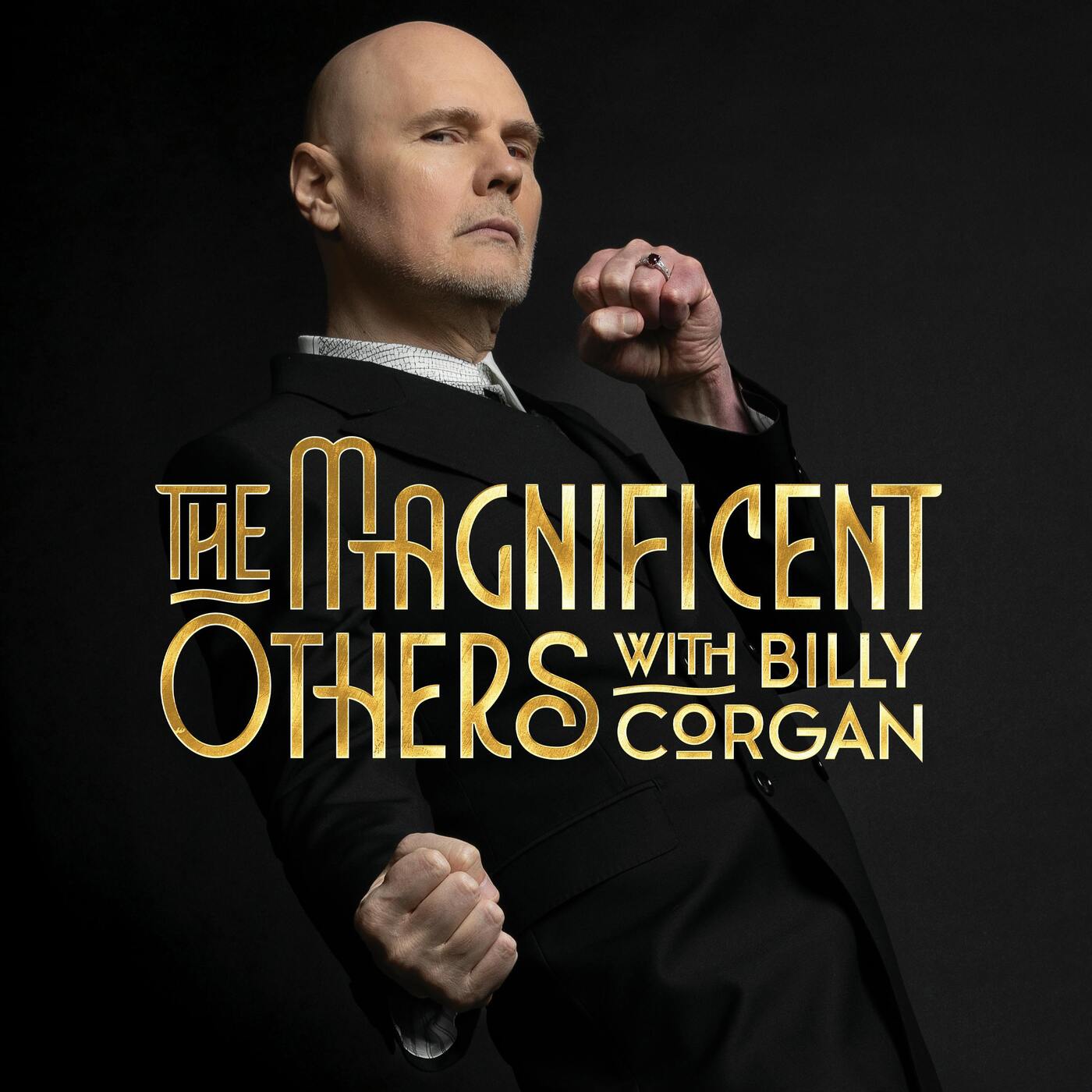
The Magnificent Others with Billy Corgan
Sam Moore | The Magnificent Others with Billy Corgan
01:14:54
Loading summary
Transcript187 lines
- [00:00]
Sam Moore
And then came. You don't know like I know.
- [00:05]
Billy
Great song.
- [00:05]
Sam Moore
Well, it didn't hurt nothing. Now Isaac had a monopoly on Sam Moore. I really like the stuff coming out of United Artists. I like those songs. Did they promote it? No, because you know why? I was a junkie. I didn't like that. Cause you burned. First time I could make love and all that stuff. Whoa boy. And that was the beginning.
- [00:40]
Billy
Let's start here because I haven't seen the new Stax documentary. I heard you did see it. You did see it.
- [00:48]
Sam Moore
I did, I did.
- [00:49]
Billy
How do you feel about it? Because I heard you weren't totally happy with it.
- [00:52]
Sam Moore
Billy, the first two nights were I could accept and I did accept. But the last two nights, from my standpoint, I wasn't very pleased about it. I don't think when you're doing something like that musically, you want to try to stay away from the politics and the racism and everything else. You want to focus much more into the music. High Begun, how it revolves. And not all the stuff about who killed Malcolm, why they killed Martin and Ku Klux Klan, that's, that's not giving information and talking about the music for the young people that's going to be watching.
- [01:51]
Billy
Yeah,
- [01:54]
Sam Moore
that's my only take on it.
- [01:55]
Billy
I mean my, my impression as a fan of Stax is it's such a testament to how music can bring people together.
- [02:03]
Sam Moore
Yes, yes. I tell you, Billy, I was very. And I looked at this yesterday, looking at the book, and there are people that could have got call outs like Luther Ingram, the Soul Children, believe it or not, Little Milton, the Staples Singers, Arthur Connolly, who has switched old music. Come on, Billy. I mean, I mean you, you mean you, you, you're gonna focus in on who killed Martin instead of, you know, doing your thing, doing your thing about, you know, these people that, that's, that's in the industry of music.
- [02:51]
Billy
Yes, sir.
- [02:52]
Sam Moore
From my, my, from my view, I was not totally happy about it.
- [02:59]
Billy
How'd you feel how they dealt with your guys story?
- [03:01]
Sam Moore
They, you know, where from the time we came from Roulette Records and trying to get a record deal working up until we got signed to Atlantic. And to tell the story, how we got signed to Atlantic, that was interesting. Now there were some parts in there that is really, is a contradictory thing because one, one person is saying that Sam and Dave came down to Memphis Stacks, no one wanted to record them and wanted to be given us a deal. And, and, and before that it says that Jerry Wexler from Atlantic sent us down There. So, you know, if that's confusing.
- [04:06]
Billy
Yeah.
- [04:06]
Sam Moore
You know, you can't. You, You, You. If you're gonna. If you're gonna say something positive or negative, tell. Be honest and tell the truth. Yeah, that's what I, you know, don't. Don't say things to make yourself or whatever look good. Tell the truth and be honest and let the cards fall with Ma. And that's my. That was my take on it, Billy.
- [04:30]
Billy
Okay, so a quick story about myself. So, my father was born in Southern Illinois, and they moved up to Chicago. My grandmother got divorced. My dad was quite young, and my grandmother ended up working as a maid and, you know, living in a poor neighborhood. My dad told this story of how he fell in love with music because they lived across the street from a gospel church on the south side of Chicago.
- [04:53]
Sam Moore
Oh, wow.
- [04:54]
Billy
In the 1950s. And he used to go into. He used to go into the church and listened, you know, and for all we know, he was listening to Sam Cooke or whoever was in the circuit around that point. So I, like. So this forever stuck with me because he loved black music to his gut. He basically would tell me. He would tell me, as a little boy, white people, not so great. If you want to listen to real music, you listen to this kind of music. That's what I grew up on. I grew up on stacks. You know, I grew up on bands like the Shylights and things like this. So I want you to. If you could talk, because I know how important the church was for you in terms of your singing.
- [05:35]
Sam Moore
Billy. I have to. I would have to agree with your father as opposed. Now, the reason. Let me explain to you why I'm not going to be putting down today's music. That's not. That's not in our con. That's not in the conversation here. But what. Where I agree with him is back in the days of what your father was listening to and what you became lover of, that was music you had. If your father lived in the 50s and living in Chicago, that meant that he heard Mahalia Jackson, he heard the Caravan, he heard the Cook Family, which is Sam and his brothers and his sisters. He heard, oh, my God, a lot of gospel, mostly other staple Singers. So your father was right. That was music. We didn't have what they have today. Today, back in that time, you. If you went on stage to do us do a show, a performance, you better. You better. You better break. You bring your A game, because whoever was ahead of you could and would embarrass you to the point that. No, your father. Right. You. You. It would be the person that would. Would be ahead of you, would embarrass you with your own headline. You're headlining and they're coming on as, As a guest, as a Gus singer and they're embarrassing you. So today they don't. I found out they don't use. Because I said to my wife, I said to Joyce, I said, joyce, I said, I see Beyonce and Taylor Swift and all these people doing these shows. And I said, but I don't see a band. And she said, sam, she said, I don't know how to tell you this, but I'm going to tell you they don't use bands any longer. I said, live band? She said, no, they do tracks.
- [08:14]
Billy
They do and they don't. But. But she's right. Yeah.
- [08:18]
Sam Moore
Why? And I'm going. What? Well, I. I would like to hear if I was going to go to a show today. If. And I say if. Preposition. If I was going. I want you to show me something, Billy. I mean, I mean if you're gonna, you know, show me, show me what you got. I mean, make me, make me earn my. Earn my time of watching you up there on that stage. I don't want to see a lot of dolls and of fake penises and all this stuff. I don't want to see. I'm not into that, Billy.
- [09:06]
Billy
You know, I'm not into fake penises either.
- [09:10]
Sam Moore
No, I'm not into. Billy, no, I'm not into that. And I don't want to see. No, I don't want to see the. The ladies on the floor and all that stuff. I want to hear. But. And also again, I come back to her and we discussed this. I said, do you think we're going to ever. Because there's no question in my mind that there are still good singers out here. There are still good singers out here. But what. And I asked, I said, are you. Do you think we're going to ever hear any good music today? She says, no. Now that. And when you talk to her, maybe sometime in the near future, you can even debate her, but she said she doesn't think the music is going to be like it good as it was back then. Well, what do you think?
- [10:04]
Billy
Well, I think. I think, you know, when you guys first hit it big, there was a lot of fake artificial music in the time. You know what I mean? Like, yeah, cheesy, cheesy sweet pop. And you guys broke through with real gut bucket from the heart soul music. Like literally from the soul So I think there's always that opportunity when it gets too perfect, too fake, that somebody comes through from the heart. And, and I think from, from a spiritual point of view, God always sort of seems to manifest the thing you'd least, when you least expected.
- [10:40]
Sam Moore
Yes, sir. Yes, sir. Amen. I, I, I, I, I totally agree with that. Because I want to hear your heart. I don't, you know, I want to hear. I want to see you sweat. I want to see you. Yeah, I want to see you do C.L. franklin. Right.
- [11:00]
Billy
I get it.
- [11:00]
Sam Moore
I want to see. Yeah, I want to see you, I want to see you dance all over that place singing and, and whatnot. Did not be a clown, because that's, to me, that's not clown. But if the holy ghost hits you, you're gonna dance. You're gonna do the holy dance. And we did that. I did that, David. I did that a lot. I, I got Joyce. She doesn't understand. I never danced. I did the holy dance. She said, yeah, okay. As a dance at the tag of that. She said, that's funny. But I, you know, If I pay 40 or 50 or 75 or 1700 to see you, I wanna, I want you, man. I want you to put it, Lay it out on me. Which, that's, you know, that's, that was the, that was saying, that's saying something now because that's not gonna happen. So.
- [11:57]
Billy
Yes, sir.
- [11:58]
Sam Moore
You know, so we'll move on.
- [12:00]
Billy
I know, I know there's this story where you, you, you got a gig emceeing, and that's, and that's how you ended up meeting Dave. And, you know, there's that whole story. But I want to know, how old were you when you got that gig and you started singing professionally for the first time?
- [12:15]
Sam Moore
I was probably my 20s. Really? Yeah, I was probably in my 20s. Yeah, I was, I think, oh, I was Idaho. This was back. This was up in the six scenes. And, you know, you know how young kids at that time, Billy, tried to impress one another. And we were, it was a gang of us. Well, three or four of us together. And being the smallest one in the group, we passed by this club and there was a sign in the glass window that said, hiring MC Singer. You know, tell Comedians Plus. So one of my, one of the guys with us said, hey, Sam, I bet you won't try that. And I said, what? He said right there. So I look and I, I said, oh, yeah, well, I'm a gospel singer, you know, and, but I, you know, dare me, because I'M gonna take the dare. So I walked up, I walked up Billy, and I, I, there was Mr. At the time, there was Mr. Lamelo, the owners. A father was sitting at the door and I walked up at night, said to him, I said, I like to take that, get that job. He said, what job? I said, right there in the window. Well, when you look at me at that time, you would question. You're going to go, really? Right. You know, what, what, what is your, what is your qualification? Oh yeah, well, you know, yeah, you and you. Yeah, well, you know, yeah, I, I mean, you know, I emceed where, where Gospel shows and shows on the beach. Okay, what shows on the beach? What's your name? Sam. Okay, Sam, what shows you MC on the, on the beach? Well, Billy, I got myself in a shirt bag. I said, oh, I, I ate the Eden Rock. And you know. And who did you emcee for at the Eden Rock? Oh yeah, I, I, I, I MC for Frank Sinatra. Frank Sinatra. Now, Billy, we not, we're not that far out of, out of segregation. Okay, Come on, come on. You know, that's why I said, I got myself in a jam. He said, sir, Frank Sinatra? Yes sir. And who else? Bobby Darren, Bobby Darin. Really? Yes, sir. Uh huh.
- [15:41]
Billy
At least you went for the best. At least he went for the best, right? He started the time
- [15:48]
Sam Moore
I had read about, I had read this in the newspaper. Entertainers come in town. I didn't know I was getting much. So he said, okay, I'll give you a tryout. When could you do a tryout? Can you come in and do a tryout? I said, yes sir, sure. When? I said, when you like for me? He said, how about tomorrow night? Now, Billy, there was no way I didn't have clothes to. For rock and roll show or nothing like that. So I took one of my gospel suits and cut the legs to make them like, like Little Lord Fauntleroy kind of. Yeah. In court, shirt and tie. And I went in and he said, and then he gave me a list, Billy. He gave me a list. He said, this is what you do. When the music starts, you come up and they're going to. You introduce yourself. Yes sir. This is going to be amateur night. Yes, sir. Okay, now what you do? Introduce yourself. Then you sing a song. And after you sing a couple of songs, then you introduce the band and you start with the amateur album. Okay? Yes, sir. And you tell a couple. You know, you can, you are, you say comedian can tell jokes yourself. Okay, good, good. Okay. This is a Good tryout. Now this. You don't have the job, Sam. You're doing a tryout? Yes, sir. Okay. I went up and I knew two songs. I knew you'll never Smile again, and I knew Danny Boy, the Irish classic. Don't ask me about another two. It's never soft. That's what I knew. And I sang those two songs for a week. I told the same joke. Well, they weren't jokes. I thought they were jokes. When I said, knock, knocking, the audience go, who's there? So eventually, the owner walks up to me, calls me in, and he said, my father say, you're doing a tryout? I said, yes, sir. He said, okay, I'm. I'm the son of. My father is Mr. Lamello okay? I said, yes, sir. Listen, I want to say something, okay? I thought he was going to give me a big come on, I'm going to make it. He said, first of all, you sound stupid. You don't sang two songs. You don't know any other two songs? No, sir. Huh. Okay, cut those out. Next thing, you're not funny. Sorry. I'm losing money because people are hearing this stuff and they're walking out or going to the bathroom. They don't want to hear knock, knock jokes. Cut that out. By the way, I tell you what. Let you go up on the front and you take down the names of people that want to be on amateur hour, don't you? You. You call. Yeah. Cause you stupid. He did. He said, you sound real stupid. He said, I love the way I love you. The way you. You phrase and sing. You're a little loud, but that's okay. What kind of thing? I said, oh? He said, what? I said. I say gospel. He said, oh, okay. Well, what kind of gospel? I said, gospel. Gospel, you know, God, it's okay. Well, don't sing gospel no more. Don't do that no more. Just be a part. So that's how I started, Billy. I was. I went up to the front, and that's how I met Dave. Because I was up front taking names of people that wanted to be on the amateur hour. And that's how. That. That's how sort of how the beginning of starting Sam and Dave, when you had.
- [20:15]
Billy
You heard Dave sing before that, or was that the first time?
- [20:17]
Sam Moore
No, that was the first time I had. I heard about this young man. That was a great. Believe it or not, Billy, I heard that from word of mouth that this was a. The next Sam Cooke. That's what I heard.
- [20:36]
Billy
Right.
- [20:36]
Sam Moore
And I hadn't seen Him. But when he did come out there and he. And I was taking down the names and he came up and I said, and your name? He said, dave. I said, okay, I'm pretty sure you have a last name. Yeah. What's your last name? Prater. I said, what? Prater? I said, spell it. So he. I said, oh, Prider. He says, no, Praetor. I said, oh, okay, okay, okay, fine. We ain't going to fight over name calling, you know. So I said, what are you saying? So I waited. He said, I'm doing. Dogging me. I'm going to be doing. Dogging me around. I said, oh, really? Okay. So I put it down and the rest. Rest. Billy is history. It went from sugar to you know what after that. And that's how Sam and Dave became, unfortunately, became for the next 21 to 22 years, Sam and Dave.
- [21:39]
Billy
Now, did you. Did you feel musically connected or did you. Like. What was it about the connection? I. Obviously, people loved when you guys sang together. That's evident. But what was your impression of him musically?
- [21:52]
Sam Moore
Listen, it was a job that was put on me, not by me. I didn't hire Dave and get Dave to come. Johnny Lamelo is the one. And the guy behind the bar, that was a bartender by the name of Pee Wee Ellis. I mean, Pee Wee Wilson, that got us together. And Johnny, when Dave did what he did on stage with the microphone and I got nervous and I was trying to get out of the way of whatever you want to call it, and the audience bit, they thought that was the act. The audience actually put it together because Johnny Wickham, when they start screaming, when he and I both went to the floor to get the mic. Pick the mic up. Yeah, it was like a Joe Text thing sort of thing, you know, without using your foots in and stuff. So that's. That's actually what happened.
- [22:55]
Billy
Your impression of him as a singer, first, let's. Because I want to unpack that a little bit.
- [23:00]
Sam Moore
At that time, it was okay because we had a. We didn't have a. There was no plan. There was no strategy. What. And we were doing covers, so we were doing. Hold on. We were doing songs like Don't Play that song for Me and things of that that sounded gospel, like Sam Cooke's stuff, Jackie Wilson's stuff. We. We never harmonized Billy. And that was proven to me by Isaac Hayes. We never harmonized. We blended, but we never harmonized and call a response. So that's. When I say call and response. That doesn't mean that I that doesn't give credit to being impressed. If I say something or said something, he would chase me behind it or say what I would say or make up his own. I want to listen to Dave after 20 some odd years for the first time. All those years that he and I performed up and down the road and over, over out of the country. I never really listened to Dave that much. I really did. Billy. Now that may sound a little chesty, but no, I really didn't listen. And Joyce couldn't confirm that because she was with me at the time and I was on stage and well, I was going through a thing drug wise and Billy, I was singing and for some reason or another I, I was getting sick. I needed to hit some drugs. That's when I come, I, I stopped singing that much and let day take over him lead on a song. And I went not understanding, I didn't pay attention until then that I had done it on a hot mic. I said he can't sing. And George, I, I, I don't know whether she still has it now but she, she had it on, on, on a recorder, a camera or something, whatever she had. And I went, he can't sing. That's the first time I had ever heard him out of 20. That's true. I mean I'm telling the truth, Billy.
- [25:23]
Billy
I believe you.
- [25:23]
Sam Moore
Oh, that sounds like a pain myself, but it's not. No, I, I never listened today.
- [25:28]
Billy
But what's sort of shocking is maybe not the right word. But you guys had so much success, especially when you went to Stacks. Were you surprised by the reaction to both of you or did you see it more as your thing and he was with you. Does that make sense?
- [25:42]
Sam Moore
I didn't have that in mind. Thank you. Asking that question, I had not in my, in my world of thought to do us, Sam and Dave. I had my mind set on doing songs like Watch How Stupid I Was. Now I was thinking along the lines of doing stuff like Jackie Wilson, Sam Cooke, Benny King, you know, Lou Willie, John, Clyde McFadder. Pretty songs. I had that in mind. Having that in mind. And we were called in and we were introduced to Hazen Porter by the way. We were introduced to that day. We went into the studio and Jim Stewart, the owner, said to me, to David myself that they were going to be our producers. First of all, I'm, I, I'm, I'm upset because I see, I've seen how Isaac is dressed. That's, that's a letdown right there. This man's got these clothes that he's wearing. That does not garner anything of the. Thinking of the way that I. Of the songs I want to do.
- [27:14]
Billy
I see.
- [27:15]
Sam Moore
Oh, I would like to do. So what I did, I went. We went in and they started playing down some songs and they got to some songs and. Billy, right there. I kid you not, Right there, tears started coming down the side of my face. I started crying. I said, I want to go home. This is not going to work. Well, Billy, we had, you know, that was a failure with roulette and everything and locally down here.
- [28:00]
Billy
Was that with Morris Levy? Was that the roulette under Morris Levy?
- [28:04]
Sam Moore
Oh, yeah. Billy, he didn't know what to do with us, and I don't think he cared about doing anything. He. We. He. We were. Listen, he didn't see no reason to make money with us because if you want to call it a style, the way we were singing, like gospel singers, he. That was not in his. You know, he, like. He. Come on. He had, like Tom Basie, Joe Williams, O.C. smith. There's people like that, you know, the people that didn't even come near of the things that he was making money with and, you know, doing his thing with. So, no, that was a failure there. So having. Coming finally getting a deal and not having somebody to really. Speak up for us to make the deal, I felt. I really felt let down. I really was upset and hurt and I really wanted to go back home and come back and, well, maybe try and get a. Maybe try again to get a record deal, a gospel record deal.
- [29:29]
Billy
I hear you. You're in. You're in stacks. You're meeting these guys who we. Many names we all know now. Isaac Hayes, Booker T. Steve Cropper, Duck Dunn. You know, this. That crew, right? That's the crew. And Jim Stewart was the label owner, right?
- [29:42]
Sam Moore
Yeah.
- [29:44]
Billy
Yeah. So. So how do we get from you standing there crying, you know what I mean, to making hits with these same people?
- [29:55]
Sam Moore
Okay. And I. And I came to define this out in the book that I was reading. First of all, I did not know. I didn't know we were important. I didn't think we were important enough to be there. But I didn't have enough gumption to. I didn't have no manager to go to to say, hey, look, I don't wanna. I don't wanna sign with the. I don't want to sign with these guys. You know, I didn't know that we. At the time, I knew we had signed with Atlantic. So I didn't know to call Jerry Armita you know, anybody I didn't know, I just choked back everything. And they played songs and I found out, Billy, that if they hadn't have come up with something, eventually they were going to call Atlantic and drop us. They were going to drop us, Billy. And the first thing came to mind because we had a sound call. Jody. Jody Ryder is sort of like a country song, which I. I intentionally sang it country. And I remember Jim Stewart saying, what are you doing? And I'm going singing. He said, they don't want you to say it like that. They want you to sing it like they're, you know, they have it put down. Well, I did that intentionally because I didn't like the song. So we passed. So we passed that, Billy, and then came. You don't know, like. I know.
- [31:53]
Billy
Great song.
- [31:53]
Sam Moore
Well, yeah, wasn't it? Didn't hurt nothing, you know, you don't know like. I know. Okay, all right. Sound like me. You know, I started liking it, but now I wasn't all that gung ho about all the songs. I wasn't all that gung ho about whole arm coming and. And really wasn't gung ho about soul, man. But I went along with it and the next thing I knew, I didn't get gung ho about anything until. Maybe. Dave and I have been together about 19 years when I started appreciating what we were doing.
- [32:44]
Billy
That's crazy.
- [32:45]
Sam Moore
Yeah, yeah.
- [32:49]
Billy
Were you not feeling the band? What, what, what, what didn't you like about it musically?
- [32:54]
Sam Moore
The thing about it, I was so accustomed to doing the holy dance and singing gospel till I took that part of what I was doing in church and carried it on stage and locally. I was doing that here in Miami. Well, we're going and doing shows now overseas. I. What did I do? I covered myself by doing this, Billy. I covered this. I went out and I. First, to make things better, the COVID I got a. I. I put together a 21 piece orchestra for the stage to dance. I'm standing on the corner here in Miami and I saw the Florida A and M team, the one everybody talks about, the fast stepping Florida A and M. And I stood there and I looked, Billy. And I mean, they were stepping. And I said, that's what I want. I want the horn swinging. I want that fast step. I want you playing. And I want that to be well, if I could put that together with what I hear with Duck and Isaac and L. Jackson in the horn line. And I know you understand, I'm not bringing up another name of Steve Cropper. He was not integral. Part of what Isaac was trying to put together.
- [34:38]
Billy
Was Isaac Hayes, the person you most connected with musically in Stax's world?
- [34:43]
Sam Moore
Oh, God, Yes. Oh, God. He taught me not how to sing, Billy. No, he taught me how to properly do it. He knew I had that gospel thing. Okay, what you do, Sam? What I want to do it. He would do this at first. A verse, a chorus, and then go back to the top. Well, that was not long enough to put a record out. So what they did, they had to go back and put a beginning, a middle, and an end and go back to the top and then you. And live out. Well, that's how Isaac saw it, and that's how the. Or you're singing. If they would have sung where Isaac put him and wanted him to sing, then that would have been harmonizing. But for some reason or another, I don't know, you know, today, I don't know, people got into Dave's head that he could sing those high notes and all those keys and he doesn't understand. Those were. To me, they were not high notes. It was just a matter of fact.
- [36:15]
Billy
You just sang up there anyway.
- [36:17]
Sam Moore
I just sang up there anyway. I would talk up there anyway. So anyway, to move on here, I. That's how David put it out. I mean, Isaac put it together. Well, when Booker T. Would come into town, he. He did like. He played on Let me what city he played on. May I, Baby. He played a tuba. He didn't. He played the tuba. And I. I'm not too sure whether we ever recorded any. His material. I doubt that because he was in. He was in Indiana, University of Indiana, going to school. But on the Summertime and we were there, it was. It was always Isaac and I. I connected with him sitting down on the. At the piano or standing, and he would. He was. Sing Dave's part down to Dave. Dave, this is where I want you to go, right? Sam, this is where. You know, I'm not going to tell you where to go. What you do. You find your place. Yeah, that's how he would put it. Find your place. And that's what I would do, Billy. I just find a place. So if I open up a song, sing it down first. Don't be yelling and screaming. Sing it. Middle of the song, sing it. End of the song, sing it. Build up a pyramid, go back up the top. And then. Now, Sam, Ad lib. Do you do all your Sam stuff? Dave, babe, you follow him. Do whatever, you know. And that's how. That's that was Sam and Dave.
- [38:15]
Billy
Wow. Interesting. So just indulge me because I. I love Stax music so much. To me, it's just so much great music. I mean, it's incredible. Listen to how many great artists, how many great songs, how many great performances.
- [38:30]
Sam Moore
Yeah.
- [38:31]
Billy
So indulge me. What was the typical session? You guys are behind sort of a. Like a. Like a soundproof thing, so you can see the band, but you're isolated. Is that how it worked?
- [38:42]
Sam Moore
We're behind the board, you know, the microphone and microphone. Two. Two mics. We saw Steve Crawford. That's how Player Steve came up, because he was standing right in front of me. I saw Isaac. Isaac put himself in a. In a place I could see him. David would get over in there and I. It. It was a lot of. And I guess he takes credit for showing. Telling me how. Showing me how to say that was not true. He was. What he was doing. I was leaving. He was listening. What the. Mr. Stewart telling him. Sam is leaving too many gaps. And that's how Blessed came about. I was leaving. I'm a soul man. And that's it. No, fill in that gap. And Isaac was saying, you know, fill in that gap. Don't leave it. Leave that open space like that, because it's not. It's not. It's empty. So as I was trying to find something, Billy, I. I blurted out Pledge Steve. That's all I could come up with. And when we. And believe it or not, that was almost refused because when we went up into the engineering room, Jim Stewart said to me, sam, why did you say play at Steve? Because it looked like you, you know, you're counting on why didn't say play it, Isaac, or play it, Sons or Play. And I couldn't give. I couldn't give Jim answer.
- [40:37]
Billy
I said.
- [40:37]
Sam Moore
I just. I said. You said fill the gap, Jim. I just. I said. I. I said Steve was standing there and I just saw him and I just. So I just blurted it out.
- [40:49]
Billy
But from your vantage point, you could see the whole band, or maybe just part of the band.
- [40:53]
Sam Moore
Guess what? Oh, just one at the time, right? Yeah. Just fine. Are you. For a long time, it was only the rhythm section, Billy. When we first started recording, it was only that we were recording with the whole band. We had horns and everything in the studio. But as times went on, what was happening was this. Isaac would lay down tracks because it was taking too long for. And I'm not saying this would be rude and unnasted. I'm just being honest. It was taken Dave had a lisp and it was destroying the mighty coming over the. Coming over the system. He would say a lot and it was. And they did everything. They could even put putty chewing gum in his mouth to cut that. Psst. You know, and they had to stop there. So what Isaac came up with after cut the track, that is when we learned that what he was doing, he would work overnight to get that, that whisper sound out of. Of the songs. And so that was, that was getting too much and it was. And it was costing a lot of money, you know, because Atlantis started saying something, my God, it takes that long to record one song. Well, yeah, it did, Billy.
- [42:36]
Billy
You know, when you were created, obviously some of these songs which are now classics, you know, did you have a sense that they were going to be hits and classics or were they just other songs in the other songs you were recording?
- [42:47]
Sam Moore
I liked, you know, I liked. You know. What can I say this? You ever heard the name Homer Banks?
- [42:56]
Billy
I do know the name. I don't know where or how he
- [43:00]
Sam Moore
did a Johnny Taylor's who's making Love and stuff like that.
- [43:04]
Billy
Yeah, who's making love to your old lady while you're out making love. Right.
- [43:07]
Sam Moore
He wrote all. He wrote most of the stuff for, for, for, for, for. For Est. He wrote for Sam and Dave. You don't know what you mean to me. And, and, and stuff like that. I'm not too sure. He didn't write other stuff that David may have taken credit for writing. But hey, that's, that's up for, that's up for controversy. Too late. Let's pass it. He would have been. If I had the, the, the, the power at the time after those hits, I would have chosen him as my lead writer with that, with, with Isaac. Billy, he was a hell of a writer. I love his stuff. All the stuff that eyes that David wrote. Well, I sort of liked some of this stuff. I like. I, I like hold on, I'm Coming, Something is wrong. I like that. I thank you. I like that. It was just so much I could do with Soul man at the time, because I'm, I'm not finding out. It was not a rhythm and blues song, Billy. It was a, like a Dylan writing a song. Yeah, it was one of those kind of songs, I hear. I didn't know that. I thought it was, I thought it was a song, you know, get the girls and all. But no, it was Isaac and it was. I found out it was a character song.
- [44:41]
Billy
Never knew that.
- [44:42]
Sam Moore
Yeah, I, I, Billy, don't Feel that. I felt. I did not know that myself until later on. I read that that's what the song was all about. Yeah.
- [44:56]
Billy
So in terms of choosing material, did you have. Did you have some say over it, or was it basically like, here's the song you guys are going to record, and we're going to trust Isaac, whoever's kind of running it to point us in the right direction.
- [45:07]
Sam Moore
There were our producer producers. My writing days, I had writers block. I had stopped writing ever since I left here, so I had no. I had no inkling to write. And I left it up to. At the time, I left it up to David to write. And I would go by what. What Isaac would lay down at the piano in the rhythm section. I had no inklings about writing songs because I. I don't think I. I don't think I would have written if I would have had. Didn't have writer's blocks. I don't think I would have written that way anyway. I don't think. I don't think a soul man would have come into play. I don't think so. I'm pretty sure not.
- [46:05]
Billy
Can you appreciate why people still love that music so deeply? Is that. Is that something you've kind of grown to understand?
- [46:13]
Sam Moore
I understand that now. I understand what Isaac was leading up to with Soul Man. Hold on, I'm coming. Yeah, I appreciate. Because you know what? I found out also through reading and listening to others. Hold on. McCombels was recorded by many others. Hold on, I'm coming. Like Bill Cosby, Willie Nelson. I mean, come on, man. I mean, I was appreciative to hear people sing that song. I'm going, whoa, Ain't that something? The. The soul children, they did it. Aretha Franklin, from what I went through, Joyce tells me. I don't know if where she is, but she told me that Aretha Franklin got a Grammy behind. Hold on, I'm coming. Hey, buddy. Hey, partner. Can you believe. Hey, we laid down some good stuff, didn't we?
- [47:31]
Billy
Yeah. It's interesting because to me, at least from a musician point of view, it's.
- [47:35]
Sam Moore
It's.
- [47:36]
Billy
It's the combination of. Of. Of your vocal against that kind of Memphis gut bucket feel that makes it so. So electric.
- [47:45]
Sam Moore
Yeah. Well, you know what? You go back. Let's go back. Let's go back a little. Let me take you back a little bit. If it don't be for the baseline of a Doug Dunn, the drumming, laying down the drum of Al. Al Jackson, man, if it don't be for them And Isaac Hayes putting that together. Billy, there would be no Sam and Dave. Sorry. Nope. Wouldn't have been.
- [48:18]
Billy
Yeah.
- [48:19]
Sam Moore
This man is the one. He gets all the credit for that. He's the one that laid and, and this is a man that basically didn't read the music. He was doing that thing by ear and heart and feel.
- [48:34]
Billy
Yeah.
- [48:35]
Sam Moore
He would take the horns and he would say, this is what I want you to do. So, so, so, so. Hey, I love Dwayne John. Do this so and so and so. Lay that horn line down. Okay. Now, you didn't have to tell Al Jackson. Al Jackson was the best at holding it right there. Not above, not under. Holding it in place. He wouldn't let. And if you listen to some of the live things that Sam and David's doing, you hear me say about to kill me over here, he would. Because I wanted to come out. You know, I'm suddenly saw. Damn, my brain's out. And I'm looking at, I, I'm looking at Al and Alice just holding it. And guess what? My wife takes it upon herself to listen to that. And she tells at that time, she would tell just stay there. Don't let him go. Let's keep it right. Don't do nothing phony. Don't do no run the roads. No bang on him. Stick it up in his butt. End up going, joyce see out of this. And that came from Al Jackson.
- [50:00]
Billy
Yeah.
- [50:01]
Sam Moore
Billy, if you don't mind, I'm gonna tell you something. I'm share something with you that came to mind. Came to mind. And I don't. I, I never I, I, I, I. Some of this I thought, I rejoiced. Should have been bigger than big. Maybe not. You know, I'm not talking about the Taylor Swifts or the Beast Boys. I'm talking about bigger than they, than they were. Okay, we were big, but we should have been bigger. But we didn't have the right connection. Management, attorneys, agencies, nobody. And actually nobody actually gave a damn. I mean, come on. We were pushed around. We came up at the time that segregation was just. Well, if Martin hadn't have gotten killed, I think it would have been better. But at the time it was just crossing over into segregate integration, if you want to call it that today, because segregation is going to always be around. I'm sorry, but we just didn't have the right instruments and tools to make Salmon Day bigger than they really should have been.
- [51:31]
Billy
Yeah. Which is crazy because you, you had, I think 10 top 20 hits in a row.
- [51:38]
Sam Moore
Yeah, yeah, yeah. Yeah, Billy, we did. I. You. You're absolutely right. I was reading that in the. In the. In the ads the other night in the old book, and it was 10. And listen, it. We. If it didn't get big over here on the charts, it did a lot of damage in Europe, right? England, France, Japan, it did a lot of big. It hit big over. So a lot of times when we would go overseas, they would ask us to sing songs like so Sister Brown Sugar. What? Wrap it up. What? And we had to, believe it or not, Billy, we had to go back into rehearsal to learn the darn thing. Cause people were caught in that. And we overseas in rehearsal learning the songs of Wrap It Up, Catch a Fine, you know, stuff. What the devil. So over here we didn't have to worry about. So Sister Brown Sugar being overseas, did it do any damage or do anything over here? Not really, no.
- [52:58]
Billy
I mean, I've heard and read that many African American artists that went over to Europe in the 60s were surprised at how much better they were treated over there. Did you experience that as well?
- [53:09]
Sam Moore
Yeah, absolutely. I mean, we. When we first went over with. With as co. Headliners. Headliners with Otis Redding, we were surprised. We were on stage before Otis went on and Billy, we were singing Hold On, I'm Coming as our ending when soul man and all this Otis Ratings manager came to the curtain at the end of the curse and pointed his finger. Number one. We had gone number one over there.
- [54:02]
Billy
We had.
- [54:03]
Sam Moore
We were supposed to go to number one over here, but somebody stops us, like, you know. But that's okay. I love her to death. It was Lulu. Lulu.
- [54:13]
Billy
Lulu got you good.
- [54:15]
Sam Moore
Yeah, yeah, yeah, yeah, yeah, yeah, yeah, yeah. Let's be fair. If Atlantic had have done their job and got in there and did like they were doing with Aretha, okay, The money that they put out on and did with Aretha, wonderful. But they tell me that the reason is. Hey, those were. Those weren't the times. So that's the way it went down. And you know what, Billy, I gotta tell you something.
- [54:48]
Billy
Please.
- [54:49]
Sam Moore
Who controlled that at the time to keep it out of it? And I'm gonna be fair to Atlantic and Stax. At the time records were being played over the radio, you know who controls that? The disc jockeys. Yeah, if. Hold on, I'm coming. Whatever come out of me. And I'm just. I'm not just picking on, holding them. Come on. Just grabbing a song and so, man, I mean, a holder. I'm coming with. Sent to the radio station here. Well, a Friend of mine, like Butterball would have got it sent to him. Now he's a friend to Henry Stone, okay? Henry Stone get his cut. He's doing what he's got to do. He's part of Sam and Dave. He says he's. And, well, when it came down to this. And the disc jockey call, you say, hi, Sam, how you doing, man? I just got your new record today. Really? Yeah. And we went on by that. I like that. I like that song, boy. He said, thank you. Yeah, man, I. I thought I'd call you and let you know you got a hit. You got a hit, boy. Thank you. Thank you. Yeah. Guess what? What? I just bought a new car. Oh, watch it, watch it, Billy. Watch it. Billy just bought a new car. Really? Yeah, I got. Hey, I got this bad Cadillac, man. Really? Yeah. You know, and you know, you know, the money that I make here at the station, I said to myself, I ain't making that much, but I saved up enough to put a down pay. Listen, Billy. To put a down payment. Yeah, I understand. Not. Not Billy. Now, what that's got to do with your telling me you like my record? So, Sam. Yeah, I can put that thing at number one. I can make it number two. Bill. Sam, could you see your way clear? Just send me a couple of hundred maybe, you know, a few or more, you know. Well, that went on for forever, for a long time. Until we didn't have a record company. Record deal. A record company that went over. Disc jockeys would call me in the middle of the night or call me on the road or find me, and they would just. I mean, I was. I was like a dump truck. Yeah. I was sending money. Yeah. And that's what happened, Billy. I'm sharing this with you, my friend. And I'm telling you that's the truth. That's the way I saw it. This jockey control, how far a record could be played. What happening today? I don't know. I have nothing. I don't know nothing about that.
- [58:00]
Billy
Oh, they just do it different now.
- [58:03]
Sam Moore
Okay.
- [58:04]
Billy
Same, same, but different, same.
- [58:07]
Sam Moore
Oh, really? Oh, yeah.
- [58:09]
Billy
Yes, sir.
- [58:10]
Sam Moore
Oh. Oh, okay. But thank you for enlightening me, because I didn't. I didn't know, man. You know what?
- [58:17]
Billy
It's. It's a new, new century, old problems.
- [58:22]
Sam Moore
Oh, nothing has changed that much.
- [58:26]
Billy
Yes and no.
- [58:28]
Sam Moore
Yes and no. Okay, I got.
- [58:30]
Billy
I got to feel me on this one.
- [58:33]
Sam Moore
I feel you.
- [58:35]
Billy
I'm still. I'm still out here working singles, brother. I got. I gotta. I gotta play it straight.
- [58:40]
Sam Moore
Let's Leave it. Let's be honest and leave it. Leave it alone.
- [58:44]
Billy
There you go. Right, okay.
- [58:46]
Sam Moore
Yeah. Okay.
- [58:47]
Billy
So growing up in Chicago like it did, my father loving African American music. And of course, you. You know, I heard so many of these songs as a kid on the radio. Motown was always presented as the class of this, you know, the. What do they call it? Voice of Black America or Young America. I can't remember what the Motown motto was.
- [59:09]
Sam Moore
Yeah, right. Young America. Yeah, yeah.
- [59:12]
Joyce
But.
- [59:12]
Billy
But to me, personally, I'm. I'm way more into the Stax sound and the Stax story. And
- [59:25]
Sam Moore
Billy, When we were. When they were trying to find a place for us, A lot of stuff that was introduced to us had a. We were actually guiding ourselves like Motown. And we were called on the carpet by Jim and Isaac and said, listen, listen, guys, what Motown is doing is Motown. Motown, number one, they have more of a roster than we do. Number two, the way Barry is thinking is not the way we are thinking. Barry has his way of thinking and Isaac has his way of thinking. Why don't you, Sam, why don't you and Dave concentrate on not what high Barry is doing. Stop trying to try to get into that. That class and concentrate more on how Isaac is thinking for you guys and y' all thinking. And that's when Isaac and I started sitting at the piano on. And some pictures. You'll see, not so much am I sitting next to Isaac, but most of the time you see me standing almost in front of him or to the side of him, because he was running it down to where he wanted. He was promoting, introducing these songs to us. Now, what I turned down, I. Some of the songs that. Some of the songs that were introduced that came across. Yes, I. Isaac felt, though, they didn't fit, so they passed on it. There are a lot of songs that came in from other. From other writers. We. We. We. We. We sung. We did not. Was it going for a hit? Who's Making Love? Yeah, I was. What I was supposed to do. Politics jumped in there somewhere.
- [62:07]
Billy
Ah, interesting.
- [62:09]
Sam Moore
Yeah, politics jumped in there. And it was not a Hayes and Porter composition. It was a Home of Banks.
- [62:19]
Billy
Right, right.
- [62:20]
Sam Moore
I was supposed to have done it because I had laid down a. A track guy. I had laid down a guide vocal with Homer with just piano and piano and drum. And the next thing I knew, I heard Johnny Taylor doing it. I said, wow. But if you listen to it, good, if you know the. If you know the. The voice of Homer, it's very clear that he was thinking Sam Moore Ah, interesting. Because it's up there. And the song that Johnny is singing is too high for Johnny.
- [63:06]
Billy
Yeah, right.
- [63:07]
Sam Moore
If you listen to Good Night because Johnny. Johnny was in the. On the register of like, Sam and. And Marvin and all these people. And if you listen good, listen. The song that Johnny is. Who's making love. The song is too high. And. And Homer. Homer Banks was singing the part that was supposed to have been dated.
- [63:35]
Billy
Oh, interesting.
- [63:37]
Sam Moore
Okay, real quick.
- [63:38]
Billy
Let me go back to this, though.
- [63:40]
Sam Moore
Okay.
- [63:41]
Billy
How did you feel about Motown overall? You know, the. The brand that they were. You know, the. The. Because a lot of the music was very commercial.
- [63:49]
Sam Moore
Yeah. I wasn't all that impressed. I liked what I heard. Like, for Mary Wells. I liked. I did, you know, my guy and stuff. Like, I liked. I liked. I really liked Marvin. I like the Temps because they had that gospel thing. You got what I'm saying?
- [64:07]
Billy
Yeah.
- [64:08]
Sam Moore
I love the tops because of Levi. Boy, could. He could. He said. And I was going like, whoa, whoa. This man.
- [64:18]
Billy
What a voice.
- [64:19]
Sam Moore
Yeah, what a voice. And I found out that a lot of stuff. What I'm thinking, I like Barry almost didn't let it come out.
- [64:28]
Billy
Interesting, because that's not.
- [64:30]
Sam Moore
That was not his. His vision yet. A lot of the stuff that Marvin did, he wasn't all that pleased with.
- [64:38]
Billy
Interesting. So to compare that to the Stacks was. Was because you were talking about Isaac Case, was his vision maybe to present a more authentic voice of soul music.
- [64:49]
Sam Moore
Yeah. His vision was to make a combination. I would. The way I was told, and it's hearsay. The way I was told is that he wanted to reach a white. A wider audience. He wants a young. Get the young white audience.
- [65:10]
Billy
Interesting. But with more authentic soul music.
- [65:16]
Sam Moore
Right, right.
- [65:17]
Billy
Interesting. I've been reading Booker T's book, and he talks about whatever happened in 1968 with the change of ownership of Stacks, that things really started to change as Stacks. Did you feel that as well?
- [65:31]
Sam Moore
I was gone.
- [65:32]
Billy
Oh, you're gone by then?
- [65:33]
Sam Moore
Yeah, yeah. I was going by and I did hear him speak about that. I was gone about that time.
- [65:40]
Billy
But it was about that time you guys now kind of get moved over to Atlantic, Right. And Jerry Wexler is now pulling you back.
- [65:49]
Joyce
When the deal collapsed, Sam and Dave were never signed directly to Stacks. They were loaned out the deal that they had, and their contract was always with Atlantic. So when the deal ended, they got pulled back. And they wouldn't let. At Stacks. They wouldn't let Isaac continue writing or working with them. It was a complete. It was A complete. Because of the masters and all of that stuff. It was ugly. It was. There was.
- [66:18]
Sam Moore
It was ugly, Billy. Yeah, Billy. It was.
- [66:22]
Joyce
So there was no recourse.
- [66:23]
Sam Moore
Yeah, it was. Billy. It was. I mean, even to the point of having Wexler taking us, sending us, taking us, sending us down to muscle shows, it didn't work. Nobody really knew how to record us. The way we were singing and I. The way I was singing and stuff like that. They wouldn't have recorded us that way. Like I. Isaac had a. A monopoly on Sam Moore. I'm telling you the truth. Isaac Hayes had it big headed without knowing it. He had got. If anybody else got y', all, they're not gonna record you this way. And we recorded with other, other labels and stuff like that. We recorded with a United Artist now. They had some good stuff on. I had some good stuff on United Artists, some covers and some writers. Stuff I liked, I read. I really like the stuff coming out of United Artists. I like those songs. Did they promote it? No. I like some of the things that was done by King Curtis with me. Was that promoted? No, because you know why? I was a junkie.
- [67:51]
Billy
When you say you're a junkie. When did the drug problem start for you in this story?
- [67:56]
Sam Moore
1960? 67, 68?
- [68:01]
Billy
Was it just life on the road or what? What led you into that life?
- [68:06]
Sam Moore
It was the Willie John thing that started it out in New York. I was in New York at the Apollo. He had. He had just come out of prison. Bobby Schumann Schiffman had got him out. And he. He was on the shows of Sam and Dave. I didn't know, Billy. I didn't know. I had never. You know, I. You know, living in New York, you see stuff. And there were times that, you know, you pass by in Harlem, you see junkets on the street. Never would I have imagined being in that position or being like that. I remember the first time Willie John was at Wilt Chamberlain, who used to play basketball. His club called Wilt. I was at his club. And I remember that Willie John walked in and told me to come to the bathroom. And I went to the bathroom. He pulled this little package out. And what he did, Billy, he opened this little pouch and he took out this straw that was cut. And he's dipped into this bag and got this powder and stuck it under my nose. Ah, what is that? He said, ah, try another one. And he gave me another one in the other nose nostril. I. I didn't. I didn't like that. Cause it burned first time. And as I was going home that night in New York, I was living in New York on 107. As I was going home that night, I threw up. I threw up, Billy. I threw my guts up. And after I threw up and threw my lunch and my dinner, my lunch and my breakfast up, I felt good. And I said, wow, I felt good. I could do things and say things I wanted. I had never been able to do it, but I would ever introduce or say before I could make love and all that stuff. Whoa, boy. And that was the beginning. That started 15 years. Billy.
- [70:37]
Billy
Wow. 15 years. How'd you finally get clean?
- [70:41]
Sam Moore
I. What happened, billy? I started ODing two and three times everywhere I would go after so many years. And I was odn. And the last time I was with Joyce and I. And I had left Dave and I had my first job in. In Texas. And what I had done slicked me because Joyce said, no, slick me. I had gone uptown in Harlem, not here in Harlem. And I got some dope and I shot some dope. And what happened? I got on the plane to do my first job alone as a solo artist.
- [71:34]
Billy
And
- [71:37]
Sam Moore
I couldn't make it the opening night.
- [71:43]
Billy
Wow.
- [71:43]
Sam Moore
I was sick. Yeah, I. Odd it was. I had a. I don't know if you would call it today, other word, I. I had a kinepse, you know, my stomach, my head. You would have recognized that. And Joyce said, no, but Joyce called the doctor and he wound up in
- [72:05]
Joyce
the bathtub in ice.
- [72:08]
Billy
Wow.
- [72:08]
Sam Moore
And Billy, I went through back and forth after that two or three times. And I remember that night, I said I was in a tub of ice and I said, you know what? Don't kill my stupid behind. And that's I. And I. And I can paraphrase that. I said, I'll leave it alone no more. I won't do it. I won't. Now, yes, I did get up. But you know what put. People don't understand. You go through a struggle day by day. You recognize that?
- [72:44]
Billy
Yes, sir.
- [72:44]
Sam Moore
Billy, you struggled. Your dad was 30. Mine, you know, mine would have been about that, but mine was 15. But I struggled, but I overcome it. And by 42 years. Billy.
- [73:01]
Billy
Wow.
- [73:01]
Joyce
Billy, I'm gonna interject. There's something very important that Sam is missing. What had happened was there was a show, Kelly lang had a 4 o' clock news show on NBC in Los Angeles. And they were doing a series on addiction. And I happened to turn in quite by accident. It was a godwink, but quite by accident, they were doing A piece on opiate heroin addiction. And they were talking about this test drug called Naltrexan that was being offered at a specific facility in Oxnard. And I picked up the phone, I got the information, called, and was able to get Sam onto the program. He was detoxed successfully and wound up on the Naltrexan. But what had happened was when we went to New York, he slipped. And instead of taking the Naltrexan, which would have blocked the opiate receptors in his brain, he shot up, then took it. And that's what put him into the spiral on the way to Texas.
- [74:00]
Sam Moore
Yeah.
- [74:00]
Joyce
But after that, he wound up on Naltrexan for about almost a year. A lot of the time he didn't know because I was crushing it and putting it in his food. And he's been sober ever since.
- [74:13]
Sam Moore
That was it.
- [74:14]
Billy
God bless, Sam. I have to go. I have to go now. Thank you so much for talking to me. It's been such an honor to talk to you about music and your life.
- [74:22]
Sam Moore
Billy. Don't let this be the last time. Billy. Let's not use this not to contact talking. Let's just be friends. How is that?
- [74:33]
Billy
I love it. I love it, Sam. God bless you both.
- [74:35]
Sam Moore
I'd like to be your bright. I want to go to some rest. I want to go to some wrestling.
- [74:39]
Billy
I'm going to take you to some wrestling, Sam. All right. I gotta go.
- [74:44]
Sam Moore
I'm gonna hold you to that, Billy. I'm gonna hold you to that.
- [74:46]
Billy
Okay. Talk to you both soon. Thank you so much.
- [74:49]
Sam Moore
Thank you, brother.
- [74:50]
Billy
God bless. Bye bye.
- [74:50]
Sam Moore
God bless.