← The Magnificent Others with Billy Corgan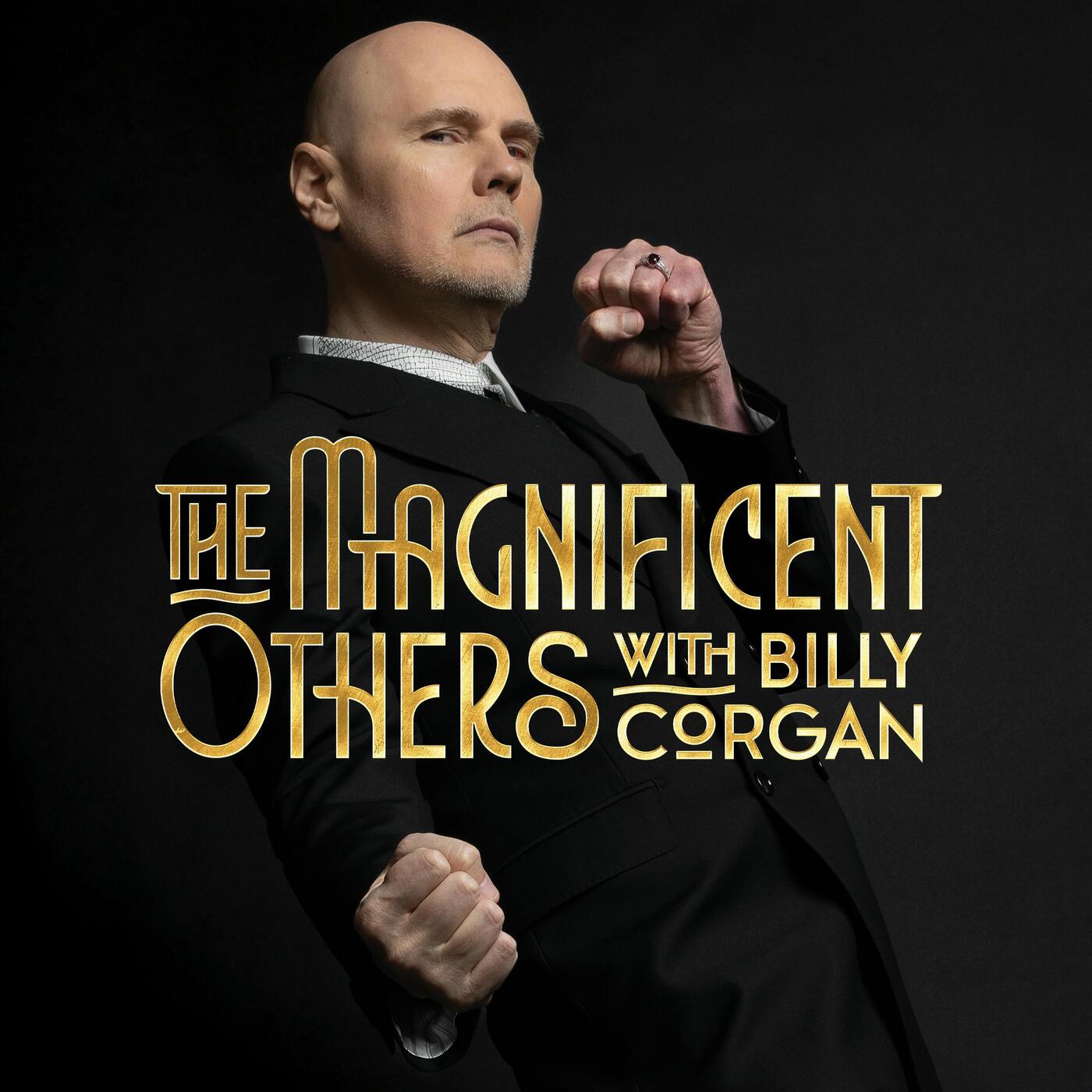
The Magnificent Others with Billy Corgan
Slim Jim Phantom | The Magnificent Others with Billy Corgan
01:41:25
Loading summary
Transcript469 lines
- [00:01]
Slim Jim Phantom
There was no way that I could do that. Might as well imagine me being a helicopter pilot. I couldn't imagine doing that with the drums. I could. I could relate.
- [00:10]
Interviewer
Drummers are a special breed.
- [00:12]
Slim Jim Phantom
It wasn't punk. It wasn't new wave. It wasn't metal. It wasn't Southern fried rock. It wasn't anything. It was too weird, really.
- [00:19]
Interviewer
You guys kind of created this foundation for other lovers of rockabilly to kind of find a welcome within the alternative space.
- [00:28]
Slim Jim Phantom
It was wacky. I would bring my friends home. I had a pool table and a pool and a sauna the next day for a hangover, you know, And I was just. My house was a nice, you know, kind of a respectable party house.
- [00:41]
Interviewer
Slim Jim, Phantom. Thank you for being on my show. Thanks, buddy. It's a real honor. Let's start with Mousey Alexander. I found this an intriguing way to jump into your musical journey.
- [00:51]
Slim Jim Phantom
Mousey Alexander was a. Was a jazz drummer. And his fame came. He had played with Benny Goodman orchestra. He had also played with Dinah Washington. And where we grew up, Massapequa, Long Island. He was a drum teacher. And he lived like four or five train stops away. Massapequa. Massapequa Park, Seaford, Belmonta. Everybody knows that he was in, I think, Valley Stream. So just like a few blocks away. And I heard he was a drum teacher from the back of a newspaper. Drum lessons. And he sounded cool. So I used to take the train into. Over to his place. And he was this. You have to remember, this is Long Island, 1976, 77. And he was this big, hence his nickname, Mousy. And he had a goatee and a jazz patch. And he wore a beret and a scarf. And he said hepcat and he said Daddy O. And he really spoke that way. And he was a drum teacher. And I had taken lessons and learned a little bit before that. But when I met him, he was like, get straight into rudiment. Yeah, but I can play this.
- [02:04]
Interviewer
Yeah.
- [02:05]
Slim Jim Phantom
Started from square one. How to sit, how to hold the sticks.
- [02:10]
Interviewer
Did you learn to play traditional?
- [02:13]
Slim Jim Phantom
Yeah. He didn't really care about that. But, like, I can. I like to go back and forth.
- [02:18]
Interviewer
Yeah.
- [02:19]
Slim Jim Phantom
There's one spin move I know how to get from here to there. So it's the one move I know. So unlike Slow song. But he was very proper guy. And then he would tell stories about that he had traveled to. To the Far east with Dinah Washington. And like me, it was like a. It was almost like it was proof. There was a guy that I know that's cool. That got out of here.
- [02:43]
Interviewer
I had the same thing with my pop. I knew somebody who had been successful.
- [02:47]
Slim Jim Phantom
Yeah.
- [02:47]
Interviewer
In the, in the Buckinghams.
- [02:49]
Slim Jim Phantom
Okay.
- [02:50]
Interviewer
Yeah.
- [02:51]
Slim Jim Phantom
They were from Chicago area. You're from Chicago area.
- [02:53]
Interviewer
Yeah. It's my bad. My dad's friend. So it was like I knew somebody who'd been there.
- [02:57]
Slim Jim Phantom
Yeah.
- [02:57]
Interviewer
And I understand what you're talking about. It's like that feeling like, well, if I know this guy, like, it's not as far away as it seems through television or whatever. Yeah.
- [03:05]
Slim Jim Phantom
So that was one of my. And then I just loved the guy. You know, I studied with him a couple, three years. And that was when we were, you know, like, it could have gone either way if you found some teacher who was uninterested or like. But where I live, my father's a fireman. My mother was a homemaker. 100% Irish for if you were going to do something like play the drums. And by that time, by the time I Mousey, I had proven that I wasn't just in this for two seconds. And I, I, I had taken lessons. I had had a really cheap drum kit. And then I paid half. My father chipped in to get a nice Slingerland drum kit like a year before taking lessons that I had, like, proved that I was serious about it.
- [03:53]
Interviewer
Yeah.
- [03:53]
Slim Jim Phantom
So taking lessons from him back then,
- [03:56]
Interviewer
the thing was always like, this isn't a. There's no future in this. That was, that was. Nowadays kids start at 12 and they're going to school a rock. But back then it was like, get a real job and.
- [04:05]
Slim Jim Phantom
Exactly.
- [04:06]
Interviewer
But what was it about? Because I think you dabbled in other musical instruments. But what was about the drums that was initially attractive to you? Cause, you know, drummers are a special breed.
- [04:16]
Slim Jim Phantom
Yes, positively. I think that for me, I can't say it was Ringo. Although I'd like to say that, but I'm a little bit too young for that. But for me, when I would see Midnight Special or Don Kirchner's Rock Concert or American Bandstand or Soul Town or whatever it was that had music in it. I saw the guitar player, I saw the keyboard player, so the singer, and I thought, I can't do that. I saw the drummer and I thought, you know, I think I can probably do that. And then you experiment with sticks in the pots and pans. And you got a practice pad for five bucks from the local music store. And, and, and I could kind of do it. I could go boom, boom, bop, follow along to it a little bit. So When I saw people shred on the guitar. Then I got into jazz saxophone. Like there was no way that I could do that. Might as well imagine me being a helicopter pilot. I couldn't imagine doing that with the drums. I could relate.
- [05:20]
Interviewer
I seen where you talked about Elvis at Sun. That was kind of the record that sort of turned you on. But it's just a slightly different tangent about it. What was it about rockabilly or the raw power of rockabilly that was attractive to you? Because it's, you know, I want to say it's an acquired taste, but it's not for everybody.
- [05:38]
Slim Jim Phantom
Sure. The thing about rockabilly that got me was that it seemed to be a built in life. Like when you got turned onto this and like we were unaware of it. It wasn't like we had knew about it younger. Maybe they did in England or something. But like for us, 1978 on Long Island. It just wasn't on your transom. You know, there was an oldie station, 101.1 CBS FM that would have played Blueberry Hill or Johnny B. Goode or maybe Blue Suede Shoes. And it was good, you liked it, but it wasn't. I didn't know what it was particularly. And that's why Elvis came in. I discovered that. And then you find Gene Vincent in the blue caps. And it's a whole gang of these guys who wear pink pants with diamonds down the side but would also like kick your ass. You know what I mean? You could just tell. And to me it seemed like a whole cool thing to belong to. And the more I found out about it, the more I just fell in love with it. Like there's a leopard skin couch involved and there's a jukebox in your house and there's a, you know, a 50s car. And to me it just was like a snowball for the whole lifestyle of it. So. And I met two other guys from school who were. I don't know if things are already written in the stars. These two are supposed to be your neighbors and they're supposed to be. John and Paul are supposed to be on the same bus, like that type of thing. When I got a friend George, I got a friend Lee. All neighborhood guys who did this and fell in love with it. And then we became our own gang. We were three guys in 1978 in a sea of.
- [07:24]
Interviewer
Did you go into the style part of it immediately?
- [07:27]
Slim Jim Phantom
Just about. There was a brief couple of months before and I liked the music and I was starting to wear the clothes A little bit. But then when I got turned on to Elvis Presley in the Sun Years. And I saw the Hillbilly cat photograph. And I just said, I just have to look like this. Even if I continue like I was. I worked in a liquor store and I was gonna be going to college. Cause I graduated from high school a year early. So I was working, taking lessons. But regardless of what I ever did in. I was gonna look like this. I was gonna wear pink. Pink pants with diamonds down the side. Have my hair up, black and white shoes. And that's what I was gonna. Regardless of anything else. I just loved this whole mythical thing. And we're in Long island and we're imagining what life was like in Memphis for Elvis Presley. So we tried to almost live that way, the three of us.
- [08:19]
Interviewer
Can you elaborate on that a little bit? Cause that intrigues me about. I love subculture and I don't. Sub does not mean below. It just means where people go off on a tangent. I just love it. I think it the ultimate.
- [08:32]
Slim Jim Phantom
Happily so at that point, we were musician guys. Brian Setzer was always like legendary in the New York era. He was like the greatest guitar player since we were seven years old.
- [08:41]
Interviewer
He really is a savant, I will say, just as a guitar player since
- [08:44]
Slim Jim Phantom
we were seven years old. The jazz teacher, the local music store where he all started. He was like, you know.
- [08:49]
Interviewer
You know how great players make it look really easy. Yeah, he makes it look really easy.
- [08:53]
Slim Jim Phantom
So. But he found out about rockabilly and he started doing this by himself with the rhythm box. Just by himself. Because he had a band that was probably gonna be at a record deal. They played at Max's and CBGB's and all that. And Lee Rocker, who's again is very important. He was two years older than us, which now doesn't matter. But at the time, those two years,
- [09:14]
Interviewer
they seem like they're another generation.
- [09:15]
Slim Jim Phantom
Oh My God, I'm 17, I'm 17. He's 19 kind of thing. So. And Lee Rocker and I had a band that was kind of new. Wavy. Yeah. 1978 again, we had a girl singer.
- [09:28]
Interviewer
What kind of music?
- [09:29]
Slim Jim Phantom
Like, we loved Steely Dan, but we loved Fleetwood Mac. His what could have Been sister was the lead singer.
- [09:38]
Interviewer
Yeah.
- [09:38]
Slim Jim Phantom
Pat Benatar was from our neighborhood. Right. So. So it was like we were doing that. And Brian's thing was almost like the Smiths early. Early on. Like ahead of the curve. Yeah. So. But we all found this rockabilly music in this style and we just liked it. He was the Guy in his new wave band that looked rockabilly. Lee and I were the guys in our band that was playing like new wave rock that looked rockabilly. Had bowling shirt, baggy pants kind of thing. So we figured, well, we loved this music. And he could really only play CBG because Max says Kansas City once a month kind of thing. They were afraid that he could dilute the draw. And so we didn't really play that much. And when we found the three of us into the same music. And a big one was the Buddy Holly Story had come out, that movie
- [10:25]
Interviewer
with Gary, Boosie, Gary Busey, which was
- [10:27]
Slim Jim Phantom
beautiful around that time. So it was a little bit on the radar. American Graffiti got reissued or something. So it was a little bit on the radar.
- [10:33]
Interviewer
And then even after that, there was the Jerry Lewis movie. It was not that long after that.
- [10:38]
Slim Jim Phantom
So the three of us started. Why don't we just go down to the bar on the corner or that bar over there. Or I think they have bands in that place over at Bellmore Train station. So we just found. Not because we were a little too weird for that. It wasn't punk, it wasn't new wave, it wasn't metal, it wasn't Southern fried rock. It wasn't. It wasn't anything. It was too weird, really. So we had to find our own bars to play in. And we just like doing it because we would come home and Eddie Cochran made two albums. So we would learn all the songs on that. So we started to make money at it. We were getting. We were 18 years old, making 5, 6, 700 bucks a week. Because every gig would pay 2, 300 bucks. We split the money and we had five gigs a week, four sets a night. And we were just making money from playing music. So we imagined how Elvis Presley lived in Memphis. We drive to the gigs in my old Pontiac with the bass like sticking out the back. Couldn't roll the window all the way up. We had the drum with the tie down. We had a Gretsch guitar and an amp. And like we used to. And a little pa. We used to bring it to all these gigs. So eventually I was getting home so late, four or five in the morning every night. Cause we would play till two and then hang out, wait to get paid. By the time you get home, it was very late. My parents house, we had dogs. We had this day. We'd get woken up. My father. So Brian and I got a little flat in Massapequa. That's the size of this. You and I, where we're Sitting right now. And we slept late. We woke up, we went to thrift stores, tried to find cool threads. We went to a diner and had like breakfast at 3 o' clock in the afternoon. We went to a few record stores that we knew that would have, you know. And a lot of the records were on import because they had gone away. Gene Vincent, Johnny Burnett, Eddie, a lot of these guys.
- [12:30]
Interviewer
Well, a lot of that music stayed alive in Europe where it kind of. Kind of died in America.
- [12:33]
Slim Jim Phantom
So we're buying it on an import. I'm paying 20 bucks for a Gene Vincent record. Where it's. So we had very little to start with as far as that. We had five records, all Stray Cats. We had maybe five albums. You know, Buddy Holly, Ricky Nelson, a Gene Vincent, Johnny Burnett.
- [12:49]
Interviewer
Was it Scott. Scotty Morad played with.
- [12:51]
Slim Jim Phantom
Yes.
- [12:51]
Interviewer
Oh, Ricky Nelson at this.
- [12:53]
Slim Jim Phantom
Yes, yes. James Burton played with Ricky Nelson.
- [12:57]
Interviewer
Oh, that's might be my bad. Yeah.
- [12:58]
Slim Jim Phantom
Scotty with, with, with Elvis. So we were just trying to live how we thought Elvis Presley lived with Scotty and Bill, like waking up late, you know, like avoiding a real life.
- [13:12]
Interviewer
Yeah.
- [13:13]
Slim Jim Phantom
In any way. And, and like we were managing for about a year or so and, and, and we did very well at it.
- [13:19]
Interviewer
Yeah.
- [13:19]
Slim Jim Phantom
We would like local eccentrics and it was hard to go out, go out into the real. Without getting a hassle. You had to get a little bit tougher. Musician guy. I'm. I'm not.
- [13:28]
Interviewer
Let me stop you there because I'm curious. So there's the real life part where you guys are in the gimmick, as we would say. Wrestling.
- [13:34]
Slim Jim Phantom
Yeah. Right.
- [13:34]
Interviewer
So you're getting household. What's this about? Right. But then were people treating you musically as a bit of a novelty or not taking it seriously?
- [13:41]
Slim Jim Phantom
Well, we had about 100 kids. 150 kids that would come five, seven nights a week.
- [13:50]
Interviewer
Wow.
- [13:50]
Slim Jim Phantom
We would leave one night. Like Mondays were audition night. So you'd go to CBs that you play once a month. Maxis, Kansas City. Hurrah. There's the legendary clubs in New York City and then other big rock clubs on Long island that we were. Because you always trying to move up a little bit. Right. So that had a stage. We want a place for the stage, you know, not moving the pool table.
- [14:11]
Interviewer
Two lights instead of one.
- [14:13]
Slim Jim Phantom
And we never got hired, which to me is a foreign. Can you imagine seeing the stray cats in 1979?
- [14:18]
Interviewer
Well, that's kind of what I'm asking.
- [14:19]
Slim Jim Phantom
It's like firing them.
- [14:21]
Interviewer
No, because. Because when you guys burst on the scenes, it felt so intact. Right. So I'm jumping forward, going back in time. You're. It strikes me, at least the math in my mind that. That it must have been hard to have guys take you seriously.
- [14:35]
Slim Jim Phantom
They just didn't know what it was.
- [14:36]
Interviewer
But you guys were taking it seriously.
- [14:37]
Slim Jim Phantom
We were.
- [14:38]
Interviewer
That's obvious because, of course, you know, I grew up with Shannon. Yeah. You know, which was this, you know. You know, they had the TV show. So, you know, I'm sure somebody said, what are you guys doing, Sean? Or not. I'm sure you got some of that.
- [14:51]
Slim Jim Phantom
Sure. And they didn't quite get it, but because we. Not purposely, I suppose, but we were combining punk rock influence.
- [15:02]
Interviewer
Oh, yeah.
- [15:03]
Slim Jim Phantom
99% musically was, you know, rockabilly. There was 1% punk rock. The fashion. Maybe we were 95% rockabilly, but we would. We had, like, among the records we had. We had Ricky Nelson record, but we had. Nevermind the bollocks, you know, we had like, Sun Sessions, but we had the first Clash album that was part of our, like, 10 records that we had. And we thought, what? Well, these pink peg pants are really cool, but so is that spiky belt. So we would try to combine the, you know, the different things. So. But in the real world, if someone didn't know, oh, those are the guys that play every week, you know, and we had some hard kids, tough kids, but for the most part, it looked like days to confused. You know what I mean? The film, that's how most of the people around us look. And they were hostile always to something that they didn't know. So you had to toughen up. We really went everywhere together, even to the 711 to get beer. Like, do you really want to have an argument, dude? You know, I'm just getting some beer, you know, Don't. Hey, man, would you. And we would have to get tough. But we managed to get a little bit of a front and verbally tough.
- [16:12]
Interviewer
Yeah.
- [16:12]
Slim Jim Phantom
One of my favorite answers was, hey, man, you spend a lot of time looking at another guy's hair, don't you? And during that brief three seconds where they were like, what? Yeah, you were gone.
- [16:23]
Interviewer
Yeah.
- [16:24]
Slim Jim Phantom
So you had to be willing, I suppose, to like, you know, get, you know, you know, rumble a little bit. But we were very adept at this point by. By disarming them. But the kids who liked us were like, tough, almost criminal types who would follow us everywhere. So if they happen to be with us, no one would mess with us. So
- [16:47]
Interviewer
it's a setup to you guys Going to London. But I wanted. Or you went to London, right? I'm not. Yeah. But I. I thought to tell you this one thing, and I don't know if you ever saw this on David Bowie's last tour, he was talking a lot, way more than he talked before. I think he knew it was his last tour, this 2004. I think he knew where he was going health wise. But he told this beautiful story about how he'd seen Gene Vincent when he was like, wearing the weird knee braces or he had his accent.
- [17:16]
Slim Jim Phantom
Oh, yeah.
- [17:17]
Interviewer
And he went in this whole story about explaining that Ziggy on stage is Gene Vincent. And I thought it was such a cool tribute to Gene because he said, look, when I stood like this in 73, everybody thought I was doing, like the spaceman. No, I was doing Gene Vincent.
- [17:33]
Slim Jim Phantom
Totally.
- [17:33]
Interviewer
And I just love that, that he. That he paid tribute in such a beautiful way. So you. I guess the setup to you guys going to England, I. I want you to explain a little bit, but the setup is there was this. There was this real appreciation for what you guys were already doing.
- [17:46]
Slim Jim Phantom
Yes. In our heads, we would get NME from Bleaker Bob's or Melody Maker or Timeout or.
- [17:55]
Interviewer
I remember Bleeker Bob's.
- [17:56]
Slim Jim Phantom
Yeah.
- [17:57]
Interviewer
I used to go in there, deal with that.
- [17:58]
Slim Jim Phantom
Yeah.
- [17:59]
Interviewer
You know. Okay.
- [18:00]
Slim Jim Phantom
Which.
- [18:01]
Interviewer
It's my show. So this is where I'm indulgent by going to Bleecker Bob's. And I'd be like, I'm looking for this. You got anything? By, like the Small Faces. Well, which one do you want? And like, can I just.
- [18:13]
Slim Jim Phantom
Yeah.
- [18:13]
Interviewer
And it'd be like, we gotta go in the basement.
- [18:16]
Slim Jim Phantom
Yeah.
- [18:16]
Interviewer
Remember that?
- [18:17]
Slim Jim Phantom
Yes.
- [18:17]
Interviewer
It was like a ritual, like pain. To beg them.
- [18:20]
Slim Jim Phantom
Yeah.
- [18:20]
Interviewer
To sell you records. So anyway, you're bringing back some great
- [18:24]
Slim Jim Phantom
dad on Long island that he had Gene Vincent. And again, they were imports, so you were paying.
- [18:30]
Interviewer
But he had to know you were serious.
- [18:31]
Slim Jim Phantom
Yeah. And he. And he didn't care about Gene Vincent. He was just a guy. Like, he could have been a dry cleaners or a record store.
- [18:38]
Interviewer
It's the drug dealer thing.
- [18:39]
Slim Jim Phantom
Yeah.
- [18:39]
Interviewer
It's like waiting for the man. Like, I've got the Gene Vincent, but you got to prove to me that I should sell you the gene, you know?
- [18:48]
Slim Jim Phantom
So it was a drag. Like, how many other. And we would think. How many other guys are coming in here with black and white shoes and bowling shirts looking for Gene Vincent? There's got to be nobody.
- [18:59]
Interviewer
Yeah, Right.
- [19:00]
Slim Jim Phantom
And we're about to pay 1299 for. For American Record, that's an import. Because I had to go back to
- [19:05]
Interviewer
France on the Purple Capitol label.
- [19:08]
Slim Jim Phantom
Yeah, yeah, exactly. So we would also get Enemy, Melody Maker.
- [19:12]
Interviewer
Yeah.
- [19:14]
Slim Jim Phantom
Like a month or two late kind of thing. Right. That's how they came in. So we would look and it seemed like England was like rock and roll heaven. Which kind of, in a way it is. You know, it is they.
- [19:28]
Interviewer
If they like you.
- [19:29]
Slim Jim Phantom
Yeah. But there was not just one, not two, just like. There was four like dedicated magazines to, like rock. What was going on. New bands that we've never heard of. And in the back they had a. Had a gig guide, right. It was all. Which was much more impressive than the one in the Village Voice, right. There was like three pages of. Five pages of gigs. So. And then we met a. A few English people along the way, said, oh, you would love it over there. And like, they. And I thought every. I thought the pilot was gonna be Ringo. And, you know, the stewardess was gonna be Twiggy. And like, I just thought everyone was gonna be cool. And then we find that book, the Teds, which is a famous book.
- [20:09]
Interviewer
Okay.
- [20:10]
Slim Jim Phantom
And we thought everyone was. Well, it really turns out that 1 billionth of 1% of any population are tipsters or scenesters or tribal members. So. But we thought England is the place. We had no plan. They had Kings Road and there was like famous picture, the Sex Pistols hang out at some clothing store there. We just thought. And people know who. Gene Vincent is there. And Eddie Cochran died there. And there's a memorial still there for him. We couldn't find two people, like all these kids that came to see us. Nobody knew that we didn't write the Eddie Cochran's song. They thought they didn't really know even one layer down. So we decided in our heads that we're gonna move to England and become rock stars. Great. So we got.
- [20:56]
Interviewer
Whose idea was it first?
- [20:57]
Slim Jim Phantom
Well, it was kind of all of us, I think.
- [20:59]
Interviewer
Really.
- [21:00]
Slim Jim Phantom
Really a main goal was to get. I mean, it might have been my idea. I was good at, like rallying the others and I knew that I needed that.
- [21:08]
Interviewer
And just similar to the Walker Brothers, you know, they did the same thing. You know, they were a club band out here and they thought, we gotta get over there. And they just showed up there, like, knowing nobody.
- [21:17]
Slim Jim Phantom
Exactly. And that's kind of what we did. And we had a passport, Massapequa Post office. We take the picture, went there completely tooled up, like high hair, blue velvet shoes, you know, pink and black loafers, pink Pig. Like the whole thing. And like three suitcases just filled with vintage duds we collected. And the double bass and the guitar. And in my suitcase was a drum and a symbol. So we think this is great. We get there and there's immigration, same as it always, always has been. And someone comes and says to Brian and me, you go on this line. Lee managed to slip away. Then you get to the immigration. What are you doing here? I don't know. Did you come to be a band? No, we didn't know that was against the law. So we were grilled that we were going to come here and steal money. Yeah, basically. So Brian and I. Lee said he was coming to study classical music and he had an aunt friend of his mother's that was going to put him up. And he had some part of London that he said. And he got in. Brian. And either detained us. Finally gave us a special stamp for two weeks because we said we have to get back to somewhere where we can call our parents to give us the money to get us home. And they let us into the country with two weeks. Failure to leave in two weeks. We'll be prosecuted with prejudice. I remember those words. And a stamp. Then we get in and we vanished into the underworld of London. Went to Piccadilly Circus. We put the gear in a big giant bus locker that was this big. And we just hit the streets, not knowing where to go, not knowing a single soul. And then it gets into the Three Stooges of. You said it was a good idea. No, you said it was a good idea. No, you said it was a good idea. We're fine fighting.
- [23:21]
Interviewer
Yeah.
- [23:22]
Slim Jim Phantom
We had a few hundred pounds, which we thought was a lot of money. We stayed at a fleabag hotel a few nights and we found ourselves homeless. Slept in Hyde Park.
- [23:32]
Interviewer
We were.
- [23:33]
Slim Jim Phantom
We were homeless guys wearing velvet jackets, you know. And luckily it was the summer. It was summer of 1980. And. But we had a bit of a plan. We were reading the backs of these papers. Timeout. And finding out where the. What sounded cool. The Cockney rejects. That sounds cool.
- [23:53]
Interviewer
Yeah.
- [23:53]
Slim Jim Phantom
We turn up.
- [23:54]
Interviewer
Good start.
- [23:54]
Slim Jim Phantom
Three Teddy boys.
- [23:56]
Interviewer
Yeah.
- [23:56]
Slim Jim Phantom
At a. At a. At a hardcore show.
- [23:59]
Interviewer
Okay?
- [23:59]
Slim Jim Phantom
There was a riot broke out. They were throwing bottles at us. The police came in. We had. We hid under the bar. And the lady said, you guys better. The. The. You know, the lady Bobby with the big hat. She said, you. You guys better get out of here. It was just adventures like that. Meanwhile, we had no food, we had no money. We meet a couple of stranger. We Flopped here like Sid and Nancy House for a while, that kind of thing. So we finally knocked on enough of these doors and turned up at enough of these parties that we just found out about that. Then you realize that the Fulham Greyhound, the Fulham golden lion, the Marquee, the Ding Walls, all these famous clubs, they need bands to play there. They need five bands seven nights a week to play. So from hanging around enough of them, we finally get to, well, Clive books the bands. You might want to talk to him. So, hey, Clive, you know. All right, you could have next Tuesday at 5:00 in the afternoon. We're this great band. We're from New York. We didn't have a demo. We didn't have a. We had nothing.
- [25:03]
Interviewer
Well, you are called the Stray Cats.
- [25:04]
Slim Jim Phantom
Yes, yes. Which in New York, we were called the Tomcats. And then we were in London. We had nowhere to live, nothing to, and Cats was, you know, hipster. So Lee Rocker came up with Stray Cats. And it. And it fit perfectly because we were always something Cats. And we used to go play New York City once a month worrying about your drawback. We were Tomcats. We were the Blue Cats. We were that. We changed the name a few times. But we're in London and we finally get to crack where we had lined up two, three, four of these little pub gigs to go on at four in the afternoon. So we'd been hanging around these clubs and parties, kind of making nuisance of ourselves for two, three months now, saying how great we were. So the first couple of gigs we played, there was maybe 20 people who turned up to see the 4 o' clock slot at the Rock Pub. Not everyone played there. Those four or five people were at Lemmy, Chrissy, Hine, Strummer, wow, Matlock, you know, there was a few because they were hipsters and we were bothering them all the time. Someday we're gonna make all right so, all right, those crazy guys from New York are finally playing a gig. Let's check it out. So we were on at five o' clock in the afternoon and a few hipsters from London, and then a few faces like Chrissy Hahn, like I said, the other guys and the Pretenders and the Hell's angel who was hanging out there. Like, that was the first people we played for. And of course it was really good. We had been playing four sets a night, five nights a week, and had the. And then had the handcuffs on for a couple of months while we were homeless. And we were really good.
- [26:41]
Interviewer
And hunger is a great.
- [26:43]
Slim Jim Phantom
Actual hunger.
- [26:44]
Interviewer
Yeah, I'M saying hunger is a great, like, motivator.
- [26:47]
Slim Jim Phantom
Exactly. Right. So. Holy mackerel. Chrissy Hein, her boyfriend was Ray Davies back then, and she told. And the next time we played him at the pub the next week, Ray Davies was at the show. And we had a guy who was helping with the equipment. We met at the one rehearsal place that we managed to spend five pounds and make sure we could play. His sister was the boy, the girlfriend of Joe Strummer. So, okay, I'll go down, see my girlfriend's brother, Hump, the guitarist or some band from New York, right? So he's. So people start to talk next week in Melody Maker. They asked Strummer, what are you doing? Well, I'm working on a new Clash album. And I saw this band from New York the other day and Ray Davies. What are you doing, Ray? And Enemy. Well, I'm working on the new Kinks album. And I saw this guy, he reminded me of Eddie Cochran, this band from New York. So that starts to happen.
- [27:41]
Interviewer
Wow.
- [27:41]
Slim Jim Phantom
And because of the five, six, seven music papers, every week that they have, then someone wants to come down and actually interview us, right? So one of these shows we played at a place called the Venue Victoria Station that was owned by Richard Branson. It was like a cool joint. Again, we play our gig going on first, and the word had gotten out a little bit, and we knew, but we didn't quite know. We go on to play, and at a table right smack in the middle were the Rolling Stones. All members of the Rolling Stones, Supermodel wives in tow like paparazzi. A few of their minder types, party of 10 or whatever, right in front of the stage. And it's them. And they're smart guys, man. Still to this day, they know the hip, young band to open up for them, you know, so they were good. We did half an hour set, stood on the drum, spun the bass around, jumped off the amps.
- [28:40]
Interviewer
The greatest hits.
- [28:41]
Slim Jim Phantom
Yeah, the whole thing. And they knew it wasn't our song. They knew that was a Gene Vincent song. They're rockabilly boys at heart, you know. And after the show, we were whisked to. They wanted an audience with us and the paparazzi was there. And Keith stands up and knocks the ashtray over and, you know, takes me by the. You know, like, the whole thing happened, right? The whole thing. And so just like you imagine, James. Yeah, it was just like. Just like we said. Yeah, exactly. So the next day, the next couple of days, it's not in the Melody Maker Joe Strummer scene at this band from New York. This is Mick Jagger embracing Brian and you know, Keith knocking over the champagne. Like in the Daily Mirror.
- [29:22]
Interviewer
Oh, yeah, it's overnight.
- [29:23]
Slim Jim Phantom
So it's not the Melody Maker, it's the Daily Mirror now. So you go from a few hundred hipsters reading these music mags to the national press. Yeah, Lady Di cutting a ribbon. And a band next there. And that's what it was. So that immediately sets the frenzy of record companies. And so. So we played another two, three weeks worth of gigs. And every label had come, every label courted us. And we loved all that because they took us to lunch, right? And including the Stones, they wanted us to be on their label. So we went to spend a weekend with Keith, one weekend in Redlands.
- [29:57]
Interviewer
You know, it's crazed, the famous drug bus Redlands. Yeah.
- [30:00]
Slim Jim Phantom
And then we would meet at their office with Sir Mick. And like in the daytime, he was wearing a robe and like watching cricket. And he had people coming and going, you know, and they like, brought a plate of sandwiches. You guys wanted the. Ah, nah, we're too cool. Mick, you have a call from America. Back when it was still a big deal. Oh, I gotta take this guy. So. Sure, sure. The minute he left the room, we ate every sandwich, drank every beer, and he came back out. It looked like vultures had gone over the. And to his credit, he never said one word. He was a cool guy. So we wanted the Stones. It'd be great. But they could never get themselves together in the same place again. They came that one night and then we met with them individually a few times. Bill Wyman became my friend to this day. But we needed money. We still had nowhere to live, nowhere to go. And we knew that you couldn't be the young talk of the town, twist of the town for adventure, you know, like we were the whole show.
- [30:56]
Interviewer
You gotta play it cool at that moment. Cause if you can't blow it either.
- [30:59]
Slim Jim Phantom
So we finally met the people from bmg, Arista Records, and they were great. They promised us the flat, they had the money the next day. And Dave Edmonds had been coming to our gigs and he wanted to produce us. He stumbled into his dressing room a little worse for wear, wanted maybe even the same night the Stones were there. And I didn't know who it was. How would you. You know? And he said, I want to produce you guys before anyone screws it up. And he compared himself to Sam Phillips looking for Elvis Presley. And like, wow, that's pretty cool. And we met with him.
- [31:33]
Interviewer
Perfect Guy. Really?
- [31:33]
Slim Jim Phantom
Yeah, exactly. And he had a little house. And you know how in England everything is like mini kind of, you know, he had a little house that had a little basement, that had a little pool table, that had a little jukebox, you know, like where it's like a finished basement, like where we would be from, but it was all shrunk. And he had a little jukebox and he had George Jones erases on.
- [31:55]
Interviewer
Okay.
- [31:55]
Slim Jim Phantom
And Brian and I saw that and like. And he was talking about he. He was the one to do us that someone would get a hold of us that didn't know.
- [32:02]
Interviewer
Were you aware of his other work before that?
- [32:04]
Slim Jim Phantom
Well, we did. I mean, I knew I. I hear you knock. And we did a little bit of a crash course. And like, he's amazing. And he was part of that little gang in England that would come see us. Elvis Costello and Stiff Records. That whole little gang of Stiff Records people were coming to our G and because the Stiff Records guy wanted to sign us. So when we met Edmonds, it was perfect. And just to all the needles lined up. We met Edmunds. We liked him. Arista said, here's the money. They let us pretty much do whatever we wanted. We just did our live set. But it happened, like, very quickly. Then the next two days we're in a studio. We moved. We had a flat. The three of us had walls and beds. It was incredible. I don't never knew how any of it was getting paid for. I said, I still never know. I still don't know. I never saw the bill or the lease or the. But we lived in a flat. It was Hard Day's Night. Kind of like we help. We all lived in a flat and we were in the studio with Edmonds very, very quickly. We had written Runaway Boys. That was new. We had rocked this town. We had straight cash struck. When we came to England from playing in Lee's Garage, we had that. But we felt ourselves in England and kind of knowing that we needed to do something to rockabilly. We love rock around the clock. We love Heartbreak Hotel. Right? But if you made that record in an. In kind of layman's terms, it wouldn't be loud enough on the radio.
- [33:33]
Interviewer
Right? Okay.
- [33:34]
Slim Jim Phantom
Like if you're listening to music from the 70s or the early 80s and like, and you hear an old record come on, you'd have to turn it up to get it as loud as the one you just heard. It just. I didn't know about producing, I didn't know about recording, but I did Know that we had to make something, for lack of a better word, modern.
- [33:54]
Interviewer
Okay.
- [33:55]
Slim Jim Phantom
So we wrote Runaway Boys. And we wrote it about our own experience, about being homeless and nowhere to go. Borrowing from some real rough kids that we knew back in New York who were like shoplifters and like petty criminal. We like molded it all into our own story. And we quickly did that. And they knew the label and Edmonds knew and we knew that we had kind of just rewritten the whole genre of music, made it different. Like, we did a little bit of our goal was like, take Johnny Burnett. We used to call it Rockabilly 2000.
- [34:32]
Interviewer
Okay.
- [34:32]
Slim Jim Phantom
You know, we want to make Rockabilly 2000 now. 2026.
- [34:38]
Interviewer
I think that was one of the first songs I ever heard from you guys. And I remember thinking like, oh, this is different. Because I knew enough about rockabilly and son to know what you guys were doing. But it didn't have this Shananna thing. It wasn't like. It was like, something's happening here.
- [34:53]
Slim Jim Phantom
But Edmonds knew this, like, how to mic the bass, you know, we only knew like, any of those old records. The bass player just stood.
- [34:59]
Interviewer
His records always had a cool sound. Yeah, he kind of had a feel for it.
- [35:02]
Slim Jim Phantom
Yeah, he knew what to do. Like, I didn't know. He put my little drum kit in a giant room. Eden Studios in London, Some giant, you know. Yeah. And had a mic on.
- [35:11]
Interviewer
When you would record, you would. Would you play sitting down or standing?
- [35:14]
Slim Jim Phantom
No, I stood up. We did the whole show.
- [35:16]
Interviewer
Okay.
- [35:17]
Slim Jim Phantom
But we were far apart, which we know even now. We set up very close to each other on stage, but we in a big room and there was headphones and Lee was all the other down there in a fish tank, you know. And like, we didn't. And I was a little bit. I trusted Edmonds right away and I liked him. He was really like our older brother in the room. Because I didn't really know how to. That's the first time I was in this. And I said goofy things like, well, what do you need a microphone for? I can hear it. Bam, bam, bam. We need a microphone for. Well, the microphone takes that gym and sends it to the tape and to like. He explained the recording. I'm 19 years old.
- [35:50]
Interviewer
He didn't.
- [35:51]
Slim Jim Phantom
I didn't really know. And.
- [35:53]
Interviewer
And up to that point, you guys had never recorded.
- [35:56]
Slim Jim Phantom
Not, not, not in a real studio. Maybe Brian had, I'm not quite sure. And Lee in his house was always interested in four track stuff. We had little machines. But, like, the idea of a big giant room and there was three guys making tea and you know, someone famous you heard of had made their last album there. It was just. So this would have been October 1980. So we finished the record pretty.
- [36:23]
Interviewer
So only about three or four months after you guys had gotten in London.
- [36:25]
Slim Jim Phantom
We got there in June, right? June 10, 1980. And now this is like October.
- [36:31]
Interviewer
And that's pretty.
- [36:33]
Slim Jim Phantom
It's amazing. But we were prepared for the luck kind of thing. We were ready. So when someone said Ray Davies is that we weren't afraid. We were like, well, let's. Let's go blow this guy away.
- [36:47]
Interviewer
Let's go.
- [36:47]
Slim Jim Phantom
You know. So Ariston lined up, we got the money, we got Edmonds, which was really the hook to it all. Because if it had been whoever some other topics top producer would have been 1980. I don't know if they would have known everything that Edmonds had known. And Edmonds told us, I've been looking for someone like you. I can't do it. That's not in my blood so much to do that. But a rockabilly group that's willing, able and wants to be modernized the sound that's in his head.
- [37:20]
Interviewer
Because almost every rockabilly group I've ever seen is really more of a purist, backwards thinking thing, right?
- [37:26]
Slim Jim Phantom
And we love that stuff too. We knew Johnny Burnett records inside and out too. But we knew you couldn't exactly sound like that. That it would be a dusty old record in competition with the new Stones album or whatever. Right? You were going to be in that. And somehow we knew this without. I mean, I couldn't have elaborated this to you back then. I would have said, dude, this is great. Let's go to the pub. You know, that was as much as I could think, but I think organically we knew these things. And so we let Edmonds, you know, have us. And like we basically played the set live, but it was in a setup that was foreign, but it was good right away. And so they knew that would be the first single. So we got that out and we did our first tour of England and started in between. They started to sprinkle, release it in Europe and then we would go back and forth within the same day. We'd go to Amsterdam, come back, play a gig somewhere in England that night, go to Paris, play like a, you know, like lip sync show and back to London the next that that same night and play a gig somewhere. So it was breaking in Europe big time. They loved Gene Vincent. The whole idea of the Stray Cats. They Loved it. And we would see the immigration lady that hated Brian and me. Because after, you know this, you go to the same place enough times, you're gonna start to see familiar faces. She hated us. And the first thing the record company did was sort out our immigration. They sorted the whole thing out. We got new. We were enrolled in the UK Musicians Union. We were legal, schmeagle, 100% visas, everything. And this lady, I shouldn't have let you guys said, lady, we employ like 20 English people now it's an English company, that's our boss, you know. And, and she hated us. So by the third time we were like. We taunted her. The third time? That's right, lady. We got the limey's working for us now, you know, we were terrible. But so Christmas came and what they do in England is they freeze the charts right before, you know, so like. So whatever the charts were on the 15th of December, it's like that till the 5th of January, however they do it. And the last chart of the year came in and we were number nine. So we were top ten.
- [39:49]
Interviewer
Yeah.
- [39:50]
Slim Jim Phantom
For the, for the end. And then we just got busy. We toured Europe.
- [39:54]
Interviewer
Yeah. So I'm. I'm a little confused on this part of the story. So was US interest organic at that point or what brought you back to. Because that's where it gets a little dicey for me.
- [40:07]
Slim Jim Phantom
What, what, what. What happened was we, you know, we tried to get a record contract in New York, I guess played Max's cb but like they didn't come. It was. I don't. It's much harder probably to do. And why later in the story. I always say the USA is so big right. Back then you could still go to London and get a little bit of a buzz. And that could lead to like being known all over England because of the music papers. And it's a national radio to this day.
- [40:40]
Interviewer
London still drives Europe.
- [40:41]
Slim Jim Phantom
Yeah. And then from, from London we went to Europe.
- [40:45]
Interviewer
Sure. Yeah.
- [40:46]
Slim Jim Phantom
And we were bmg, that was a European company. So. But it's possible because I think there's a few factors is national radio. So if you get played on BBC1, the whole country's hearing it, not just regional. And the same in France. Holland, there's a national radio and we were loved by those. Like there's an old DJ in the 80s, right. He's really from the 50s, this guy, you know, Cousin Brucie or Wolf.
- [41:12]
Interviewer
Did they love you in Gordon? They must have loved you in France. It seems like France, it was insane in France, I think. France, where they must have gone nuts.
- [41:18]
Slim Jim Phantom
Yeah, it was the closest thing I've ever had. It was Beatlemania in France. They loved it because Gene Vincent was a hero. Those guys were already a bit over by the late 50s. The ones that were still alive. Right. I mean, Eddie Cochran was touring England to make a living in 1960 when he had his accent and the Euros they loved, which we didn't know any of this. They loved the idealized, stylized, conceptual version of America. They thought that we all had a sister named Ellie Mae and that we all had a pink Cadillac with horns on it. And Marilyn Monroe was our neighbor that we looked over the fence at. And Fonzie was the heart of gold. Greaser that was everyone's friend. And like, they really thought that. And we didn't know because we're from New York, Right. I had never been to the South. I'd been to Paris way before I ever went to Memphis. So we had a romantic idea of America ourselves. Yeah, we're from Long Island. But the Europeans, they really had the post war, beautiful vision of America. Post Elvis Presley.
- [42:35]
Interviewer
Well, they never even got to see Elvis in the flesh.
- [42:38]
Slim Jim Phantom
Exactly right. And they loved it. And we represented that. We were the first ones to like sense then and make a. To make a big splash with it. Yeah. So we went a lot, lot to Europe and. And a lot in England for, I don't know, maybe two, three years. And to Australia because it was part of the record contract. And to Japan, where of course, you know. You know, it's insane.
- [43:02]
Interviewer
I must have gone crazy too.
- [43:03]
Slim Jim Phantom
Crazy, crazy. Now, our record contract. Here's a big part of it. Our record contract was. Was an ex North America, not used to be from North. But excluding North America.
- [43:16]
Interviewer
So you didn't have a US Record.
- [43:18]
Slim Jim Phantom
You didn't have a.
- [43:19]
Interviewer
Because they didn't want to pay you for the U.S. yes.
- [43:21]
Slim Jim Phantom
And it was a big commitment to try to break a ban. So a lot of the groups from our era, Duran, Duran, Adam and the Ants, Culture Club, I'm sure they must have had a similar deal because the record company wants to have the decision of whether or not they want to try to crack you in the States.
- [43:38]
Interviewer
I see.
- [43:39]
Slim Jim Phantom
It's a big investment. It's a big bite. So we went around Europe, Europe for two years. We made two albums. Like success. It was very good. We household names in England and we had our own flats by then. And we were kind of welcome in nightclubs in Paris, could get around. I was a swell guy around town And. But we always wanted to come back and crack the States. This was American music. We missed. We. We are Americans. It was cool to be in England, but we're Americans. We wanted to be back here. And at this point, the usa. Arista Records. Clive Davis, musical genius, visionary, decided to not release the Stray Cats. He owned it. He didn't have to give us one penny. He already owned it. He just had to release the record and tell a few.
- [44:30]
Interviewer
They didn't put that in the documentary. They left that part out.
- [44:33]
Slim Jim Phantom
He had. He owned the Stray Cats.
- [44:35]
Interviewer
That's oops.
- [44:35]
Slim Jim Phantom
And he just. It. You didn't see it, didn't get. Oh, it's good for England. We made money there. Great.
- [44:41]
Interviewer
His age might have been part of the bias. Right.
- [44:44]
Slim Jim Phantom
So we were once again homeless because we wanted to leave England, we wanted to come to the States, we wanted to be here. And what had happened, which we didn't really know, was that we were getting played quite a bit on import radio because. Because these were.
- [45:04]
Interviewer
Is this college maybe or this college radio?
- [45:08]
Slim Jim Phantom
Like here in LA, there was Krock and they would have a. Like Sunday nights at 2 in the morning there would be.
- [45:15]
Interviewer
It's like Rodney playing you on kroc.
- [45:16]
Slim Jim Phantom
Kind of.
- [45:17]
Interviewer
Yeah.
- [45:17]
Slim Jim Phantom
And like all the bands from England that weren't known. Right.
- [45:21]
Interviewer
And some people probably thought you were English.
- [45:23]
Slim Jim Phantom
Most of them did because we would played in with that. Who really helped us here was Flo and Eddie. Do you remember them?
- [45:28]
Interviewer
Of course. From the Turtles.
- [45:29]
Slim Jim Phantom
Yes. And from Frank Zappa's band. We'd done a gig or a TV show or something that they were on and they got. Got Runaway Boys and they loved it. They were nice guys and they were New York guys. So we met, you know, when you meet someone else in Europe and you're in New York. So that was the most, I think these cool guys, you hung out with them today. They had taken our record home and they played it on their show in la. So there was little bits sprinkled everywhere around the country. But really in LA we were popular and didn't know it, which is hard to happen now if you get played once in Milwaukee, somehow. Sound exchange tells you whatever, like somebody knows. But we had a whole underground movement without knowing it. And there was a guy in England who had the summer off, the summer before. He was a big TV booker. He worked for a show called Fridays. That was ABC's ancestors SNL.
- [46:19]
Interviewer
Yeah. The guy from Seinfeld was on that show.
- [46:21]
Slim Jim Phantom
I remember that. That's part of the story. Yeah.
- [46:22]
Interviewer
And they tended. Whoever was the booker, maybe you knew them, but they tended to book more like alternative stuff. Like Diva was on there, the Cars were on there. I remember. So I was watching.
- [46:32]
Slim Jim Phantom
Exactly. And they were bands that had record deals. We didn't have a record deal, but the guy had been in England on vacation or something like that.
- [46:39]
Interviewer
Oh, so he put you on TV without a record deal.
- [46:41]
Slim Jim Phantom
He put us on Fridays. And part of the shtick was they held up a sign, this is an unsigned band. It was some part of their stick and we were there. And we came to LA the first time, like, holy mackerel, I'm not. And we played the Roxy, not knowing that we had been on import radio and all that. And there was a little bit of a. So we wound up being here for a week. We did a matinee show every day at the Rocks. We wound up doing seven or eight shows, matinee and evening line. Around the block. I met Jack Nicholson and like, wait, this is. This is my life, you know? So still with no record contract. So after that we had to come back LA another time and play again at the Roxy, where we did multiple nights. And Gary Gerst from emi, who. He was smart guy. He saw the Stray Cats. We were unattached. He went and bought us out of our European contract because we still owed Arista BMG another record that wasn't going to be released in the States.
- [47:43]
Interviewer
He bought you out of your contract just for us or for the whole world?
- [47:46]
Slim Jim Phantom
He took the whole thing. He took the whole thing.
- [47:49]
Interviewer
He must have believed it.
- [47:50]
Slim Jim Phantom
Yeah. And our first album in the States was a compilation of the first two in England with a couple new tracks that we did here in la, because we thought all this stuff just existed at Sun Studios or in the South. But now we know that LA is the most rockabilly place on earth. Right. We found Capitol Studios and radio recorders where Elvis Presley used to. And we wandered into these places unattended, really. And you want to book this place? Yeah. We went in, the three of us, and did the title track for Built For Speed by ourselves. And they added that as a new track. So the first Stray Cats album was really a compilation of two British ones with a couple new tracks on it. And we just got on the bus.
- [48:36]
Interviewer
MTV called.
- [48:38]
Slim Jim Phantom
Well, that's a good. A good part of it. Because in England, everyone. That's why when MTV launched, a lot of these bands that you saw were British bands, I think because part of your everyday life back in England would be. Everyone made a video because the record might be bubbling under in France and you're on tour in England. And every country had a solid gold or an American Bandstand or those Top of the Pops, those types of shows. So if the band couldn't be there, they showed the video. Makes sense, right? So when MTV started, believe it or not, they didn't have enough content. Oh, yeah, they needed videos.
- [49:21]
Interviewer
I remember they're playing the weirdest stuff over and over.
- [49:24]
Slim Jim Phantom
If you had a video, a good crack, good chance you were gonna get played on mtv. So we had a video because radio in the States was not playing us. This was 1982, and there was no.
- [49:37]
Interviewer
What people don't understand is there was no alternative radio till the 90s.
- [49:40]
Slim Jim Phantom
FM didn't catch on to new wave. Or until they were forced to by mtv. Because kids would call these radio stations. I want to hear the new. So by Culture Club, some PD at, you know, KMMS someplace. What's that? You know? So they had to start engaging the stuff that was getting played on MTV that their listeners were calling in to listen for. So. So. So the Stray cast was very popular because we were meant to be a visual thing.
- [50:09]
Interviewer
Because I read some statistics on your first US Release and it. In my mind, it was huge. That's my memory. Because that was my high school time and it was huge. But. But in terms of actual chart and sales, it wasn't that big a record here. It was big on mtv. Is that. What are you saying? Is my memory accurate? I'm not saying, you guys, it was
- [50:28]
Slim Jim Phantom
just Slow burn, okay? It did get to number two in the chart.
- [50:31]
Interviewer
Okay.
- [50:31]
Slim Jim Phantom
I went double platinum.
- [50:33]
Interviewer
Okay.
- [50:33]
Slim Jim Phantom
But it wasn't very slow.
- [50:35]
Interviewer
It wasn't like. Yeah, I. I guess I'm saying it poorly, but it. I was surprised. It wasn't what I remember. Yeah.
- [50:42]
Slim Jim Phantom
It really wasn't out of the box.
- [50:44]
Interviewer
That was. That's kind of what I'm trying to say.
- [50:45]
Slim Jim Phantom
Yeah. Because again, we're on the road and we're going every day, and you know the grind as well as anyone. You're a guy, you're a proper guy. You wake up in the morning, you go to that madman in the morning, radio guy, and you do him. And then in the afternoon, you go to the more laid back DJ on the other side of town. And then maybe you do the sound check. And then maybe you go back to every town back then. Because MTV wasn't in every town. Right. Because of the cable system.
- [51:13]
Interviewer
That's right.
- [51:13]
Slim Jim Phantom
But every town had their own little A Wayne's World Kind of video show. Right. Public access. Then you'd do that at five o', clock and then you'd get to the gig and then you'd do the gig. And then, of course, you'd stay up all night and then the next. So we. We were good at it. We worked. And, you know, of course, you're young. And we did that for a long time. And then finally radio was looking to MTV and it changed. I think everything changed with mtv. I think they were very. Maybe not overlooked, but very important kind of pop culture moment in our history. Oh, yeah, it really changed. And then you could see the change in these little towns where, like, they were, you know. You know, people that were unwilling to accept alternative appearance or sound or whatever. Like, all of a sudden, these people now had Billy Idol in their living rooms.
- [52:08]
Interviewer
Yeah.
- [52:09]
Slim Jim Phantom
Duran Duran, Stray Cast, they were more. I don't want to say they changed their way, but they were more open. They knew what it at least.
- [52:14]
Interviewer
Sure.
- [52:14]
Slim Jim Phantom
Some guy in a band, he's allowed to look like that, you know.
- [52:17]
Interviewer
Yeah.
- [52:18]
Slim Jim Phantom
So I think it was safe. Mtv, besides the bands, I think it made it safe for regular kids to kind of be themselves a bit more.
- [52:26]
Interviewer
Yeah, yeah. Certainly in that. Being in that particular generation watching at that time, it felt like a revolution. But it wasn't the one that. It wasn't the Elvis version, it wasn't the Beatles version. It was a different type of revolution. And it certainly was so tied to the visual. And my memory is. Because everything about your world at that moment was so closely linked together with who you were, how you talked, how you moved, how you dressed and how you played. It was like, wow. This is its own intact living movie.
- [52:58]
Slim Jim Phantom
That's what we always said. That's gotta be. You gotta look good, you gotta sing, play good. You gotta have something to say. And we had some breaks along the way. Like one day in England, 1980, someone said, go here and film this. Okay. We went. And it was Julian Temple who shared videos. And I wouldn't have known who to choose to do a video or what, a storyboard. We organically went with things that we knew were gonna be good in a funny way. Like, Julian Temple was cool. This is cool. That's a great. We're gonna stand here and play like, oh, the guy's gonna come down the alleyway with. It was cool. So we let it happen.
- [53:35]
Interviewer
Yeah.
- [53:35]
Slim Jim Phantom
And when it came out in the States, it was like two years later.
- [53:39]
Interviewer
Yeah.
- [53:39]
Slim Jim Phantom
Who would have known?
- [53:40]
Interviewer
What was the reaction at home in the old neighborhood and all that?
- [53:45]
Slim Jim Phantom
Pride. Prideful of us. Yes.
- [53:46]
Interviewer
Yeah.
- [53:47]
Slim Jim Phantom
Yes. They. My father still, he was New York City fireman. And I was like, smart in school. I was able to skip a year in school and all that. He still thought I should have gone to college, you know. And like, even when we were making it, you know, like, even when we played Madison Square Garden, it was like, you know, it was. He grudgingly thought it was good, but like. And proud to be there, you know, but still thought I should have gone to college. My mother, who was fantastic, she was like an old Turner Classic Movies kind of fan. Like, I knew all the old actors and actresses from the. Just from her, like a thing I still have. She was thrilled. She thought it was great. So we had cousins, we had a big gang. And a lot of them saw it as like, well, free beer at the Cousin Jim's show now. But all in all, I think everyone was proud of us, you know, we did. I don't want to go back and say, were you the one that picked on me at 7:11? I didn't really want to have that experience with it all. But there was a few who were with us from day one. There are the little gang of people that can really say that. And it's true, but I think we were adopted by the town. Yeah.
- [55:02]
Interviewer
Yeah. So my angle to jump into this is not to get into the gossip part because I don't really care. I'm just. I was surprised because. Because my memory, of course is always based on what you think you remember. But sure, of course I remember. At some point you guys broke up, which is weird, but. And not really because you guys kept working in a different way. I mean, you were apart and back together, but, But I don't, I remember that, but, But I strike. It strikes me looking back now, was 84. So from 80 couldn't eat to you're now you're playing arenas. 84, exactly. But just explain to me this part of it because I love band dynamics because I've lived it publicly, of course. The sense that I saw there at least. And you tell me, but I saw some quote from Brian where he was talking about, you know, suddenly we're in arenas where we really more of a theater band. And I don't know how true that is.
- [55:56]
Slim Jim Phantom
I think that's true.
- [55:56]
Interviewer
And then I, I like to do my research. So I, I, I went out of my way to listen to both what you and Lee did post Stray Cab breakup number one or whatever. And then what Brian did. And I was really surprised by Brian's record because it suddenly like seemed like he was kind of like went to Tom Petty land or something. He's certainly a talented guy. So I can understand the forces where maybe somebody was earning his ear or maybe even he thought I could make this pivot. Because we all know behind the scenes there's always these other forces pulling you in different ways. Can you just walk me through that a little bit?
- [56:32]
Slim Jim Phantom
It killed me, I'm 25 years old. I'm thinking when it's over or what, you know, we, you know, we're living well at that point. And I'm, I'm a drummer, I'm, I'm the guy in the band. That's my identity, you know, it's happily I'm, I'm Ringo. I, that's all I ever wanted to be. I know all I ever wanted to be was Ringo. But he called and he wanted to do a solo album and he felt that he couldn't do his vision with the Stray Cats, which hurt me on a few levels. Firstly, I thought, well, dude, I can play anything you want. You want me to play a drum kit, you want me to do this, you want me to do that. And the strikeouts is a democratic thing. Thing. I don't know. If one person doesn't want to do it, it doesn't happen. Yeah, but it's also kind of rock and roll. The singer is kind of the boss. I, I, I accepted that as a kid.
- [57:32]
Interviewer
As the songwriter in my band there, you, you end up with a certain amount of power because you're just that guy.
- [57:38]
Slim Jim Phantom
Right. But I wasn't ever resisting that. I would have followed him to the, to the gates of hell, you know,
- [57:43]
Interviewer
he was my guy, talented guy because
- [57:45]
Slim Jim Phantom
he was a little bit older than me still. And I, I, I didn't think any of would have happened unless the two of I, I saw him, you know, play with the rhythm box and with cowboy boots and you know, like, you know, bowling shirt. And I said, well, I got my drums in my car. He said, bring them out. And so we did gig, just the two of us. You know, he and I are very close and so to be rejected, I guess, by Tim, I was on like, you know, like personal level. I was very hurt by it and well, what do you mean? I can't, can't be your vision, you know what I mean?
- [58:18]
Interviewer
I thought with somebody in his ear or, I mean, I don't need the
- [58:21]
Slim Jim Phantom
gospel, I don't know.
- [58:22]
Interviewer
I just wonder about those.
- [58:23]
Slim Jim Phantom
I don't know if anyway, people can be in his ear. But he ultimately is a guy that follows his own instinct.
- [58:31]
Interviewer
Okay.
- [58:32]
Slim Jim Phantom
So I was very hurt by it, very mad at him. But also knew that we had to get busy and, you know, Lee and I stuck together. Lee. Lee and I always wrote songs. And we probably would have been the main songwriters in any other band. We were good. I was good at words. I wrote the Stray Cats words. Lee was very good at music as he and Brian are both very, very. They know music, they know theory, they know counterpoint, they know harmony. They're musically trained guys. So Lee and I got busy and all of us had a record deal because we with emi, we had just come off the rant and Rave, which was a huge album in the states. Sexy and 17 got to number three in the charts. We were in very rare air.
- [59:20]
Interviewer
You were on fire, as they used to say. Yeah.
- [59:22]
Slim Jim Phantom
We knew everyone. Everyone liked the Stray Cats. It's cool to like the Stray Cats. It's really even.
- [59:26]
Interviewer
It wasn't hard to love you guys.
- [59:28]
Slim Jim Phantom
But it falls into a category where everyone wants to be perceived as like, I know about Eddie Cochran, I know about early Elvis. Everyone wants everyone else to think they're hip to that. So we were the ones who. That everyone liked Stray Cats.
- [59:41]
Interviewer
I've.
- [59:42]
Slim Jim Phantom
I've never met a musician who doesn't really, you know that it's not their bag. You kind of have to really. I mean, does anyone say I don't like Eddie Cochran?
- [59:52]
Interviewer
Well, you're a fool. You say that.
- [59:55]
Slim Jim Phantom
Yeah. So we were the modern version. No one wants to be a fool.
- [59:58]
Interviewer
Yeah.
- [59:58]
Slim Jim Phantom
Like, if you're a fan, it's one thing, but if you, you, you have to say you like the straight guy.
- [60:03]
Interviewer
Right.
- [60:04]
Slim Jim Phantom
So. And we just come off a success. So EMI wanted us each as, you know, leaving member clause of the contract. Right. So Lee and I, through a few various things, met Earl Slick. Cause he had just come off a tour with Julian Lennon, who was my friend, I get this guitar player. And he had just done a thing with David Bowie. So we thought it was very cool to have that connection. He's from New York. His dad was a cop. My dad was a fireman. So Earl Slick, Lee Rocker and I got along really well. Yeah. And EMI was Phantom Rocker and Slick.
- [60:41]
Interviewer
Right?
- [60:41]
Slim Jim Phantom
Phantom Rocker and Slick. So we Lee a couple of the songs on that record Lee and I had written when we were 16 years old that we went through the demos. The label had 20 songs to choose from. A few of the ones that they chose the ones that we wrote when we were kids and then we did a new thing and it was slick. It was 1985, 86. So it was very.
- [61:01]
Interviewer
How's that sound? Yeah.
- [61:03]
Slim Jim Phantom
Into Guitar Kind of World, which I was happy to do. I love guitar players. I'm jealous of guitar players. I really wish I could go up there and play the guitar. I wouldn't need anybody.
- [61:13]
Interviewer
So that's what I always say. If I could play the drums, I wouldn't need anybody.
- [61:19]
Slim Jim Phantom
So we made a fantastic first record. I think we did it half in New York, half a capitol. And during the making of the record, since we were kind of groovy at that point, we had gone to a birthday party for Mick Jagger, who we turned 40 years old. Sir Mick, 40th birthday. And we met Keith Richard there again. And we had known them. Cause we had gone on tour with them a little bit. That's what they did do for us on the 81 tour. They took us out with them, even though we were unknown and had to go in front of 20,000 people in the States who had never heard of us. And we did very well. We never got booed, we never got bottled. We were on that same tour, famously, with Prince.
- [61:57]
Interviewer
And they were Prince and booed out the building. Yeah.
- [62:00]
Slim Jim Phantom
We were at that gig as their guest. And then we did part of that tour as that's what they could do for us. They didn't sign us. They didn't. But they took us on that tour. So a beautiful opportunity. And we win the crowd every night by just being. Wait a minute. No, no. Check these guys out. They look weird, but check, you know. So we were in with them a little bit. They were friendly with us. So at Sir Mick's party, we saw Keith. What are you guys up to now? Well, we're in New York. We're making a solo record. Brian's making. Ah, it's too bad about you guys, man. And that kind of thing. No, everything's cool. We got, you know, Slick, who he knew from. From David Bowie, I guess. So everyone was very, very friendly. And. And I said, why don't you come and play on our record? And he said yes. I just followed up with his manager, Jane Rose, next couple days. And Keith Richard turned up at our session.
- [62:54]
Interviewer
That's nice.
- [62:55]
Slim Jim Phantom
And played guitar.
- [62:56]
Interviewer
Yeah.
- [62:57]
Slim Jim Phantom
On. On my.
- [62:58]
Interviewer
It's probably one of those things like a hot girl. Like no one wants to ask him out, so no one ever asks. Yeah.
- [63:03]
Slim Jim Phantom
And I don't think if you look at his.
- [63:06]
Interviewer
He's rarely played on anything.
- [63:07]
Slim Jim Phantom
Exactly. He doesn't do it because I was
- [63:10]
Interviewer
doing my research and I was listening to that record and I saw his name and I thought, wow, he must know. Know them because he's never on anybody's records.
- [63:18]
Slim Jim Phantom
No. And I just. And I paid him with a leopard skin jacket of mine that he liked. And you know, it's a different one. They tried it on. I said, take it, man. It didn't fit him. So. So he walked away empty handed. But his. His. His manager, who he's still with Jane Rose, next time he was asleep in their office, she measured him, sent me and. And we got him his own leopard skin jacket made, so. So that's how you pay Keith Riches. Everyone always asks, how do you pay Keith Riches? I pay him in leopard skin jacket.
- [63:44]
Interviewer
Yeah. So unlike a lot of bands that have the breakup like you guys, you still had to do this one record that was like a contractual fulfillment. Then you guys were. You were broke up a little bit of time, but not too long. It was.
- [63:57]
Slim Jim Phantom
Yeah, we did a. I'm talking about contextual record with that was called Rock Therapy that we got together in Capitol Records. And over the years I think it's wound up being a gold album.
- [64:09]
Interviewer
But we just. Cause I read about it before I listened to it and I kind of pressed. You know, when you press play, you think, oh, I don't want this to be bad. And I was like, wow, this is a really good record.
- [64:18]
Slim Jim Phantom
We did some covers and Brian had a few songs that he had written.
- [64:21]
Interviewer
And so the vibe was good, at least between you guys?
- [64:23]
Slim Jim Phantom
Well, yeah, good enough. It was magical. Like, it was like even the first time we ever played, how Lee always said this, that we, you know, that we played at the Massapequa Public Library. And it was like amazing right away, the first time that those three people,
- [64:37]
Interviewer
the great bands, made a. New bands have a chemistry. It's hard to explain immediately.
- [64:41]
Slim Jim Phantom
And he was. So when we were in Capitol Studios, I was mad at Brian. He was probably like mad at me that I was mad at him kind of thing. So we were probably. I was probably with a bad attitude, but we made the album, but we did it at Capitol Studios. And then we each made another solo record. I think we all did tours with the thing. And then what happened was Brian moved to la. Brian had been living in New York. He went back to New York, I stayed in la. And then, of course, just how life is. You start seeing people around at the same kind of. Dave Edmonds had a gig at the Palace, 1 Vine's Street. Brian Was there. I'm trying to be all icy, you know, And I love bands, you know,
- [65:28]
Interviewer
the greatest thing in the worst.
- [65:29]
Slim Jim Phantom
I really just want to say, come on, man, let's get the kids. Come on, it's us. Come on, man. You know, almost crying to him and I'm like, hey, man, what are you doing?
- [65:39]
Interviewer
What are you up to?
- [65:40]
Slim Jim Phantom
Yeah. So. So eventually we, you know, thought and we. We got back, we called Edmund and we made a record called Blast off, which I think is possibly the best Stray Cats record.
- [65:53]
Interviewer
Yeah. I'm just curious because you were here living during those halcyon days of hair metal.
- [66:03]
Slim Jim Phantom
Yeah.
- [66:04]
Interviewer
The slow emergence of what became grunge, you know. And as somebody who. Who appreciates that type of music, I mean, what was your observation? Both from. For the. In a weird kind of way, the Stray Cats are sort of genre proof. Meaning, like, it doesn't matter what's going on because what you guys represent is timeless. But was your perception of those times living here?
- [66:26]
Slim Jim Phantom
I don't think any of the music ever got to me in the way that Gene Vincent got to me. But I thought there was some good songs. But I was party guy. Right. I lived Tahini Drive, right behind the, you know.
- [66:39]
Interviewer
Oh, you were over there.
- [66:40]
Slim Jim Phantom
Yeah, I always lived there.
- [66:42]
Interviewer
A short walk away.
- [66:46]
Slim Jim Phantom
I had a pool table and I hung around the rainbow every night.
- [66:51]
Interviewer
You were married to a beautiful.
- [66:52]
Slim Jim Phantom
I was married to Britt Ecklund at the time. And she was cool. She knew, like, I was kind of wacky, but I was behaved. I was. I was home every night. You know, I would have slash and toe with me or, you know, somebody, so. But I was friends with all the guys. Right. Because I hung around the rainbow and I didn't, you know, I wasn't a bad guy with girls or anything. I was in my home. But it was wacky. I would bring my friends home. I had a pool table and a pool and a sauna the next day for a hangover, you know, And I was just. My house was a nice, you know, kind of a respectable party house.
- [67:26]
Interviewer
I see.
- [67:27]
Slim Jim Phantom
So I was friends with everybody. Anyone who was in town, who was on the rocks. We can't go home at 2:00'.
- [67:33]
Interviewer
Clock.
- [67:33]
Slim Jim Phantom
Oh, come to my house, stay up all night and play pool. Then, you know, he'd crash out here. And so I was just friends with everybody, really. I was rockabilly guy and all that. But they thought the Stray Cast was cool. I thought Guns N Roses was cool. It didn't really matter. They were like, really at the end of the day, you know, this is just other musicians that your friends were.
- [67:54]
Interviewer
Yeah, because sometimes, you know, when the. When the next generation's coming in, it almost feels oppositional. But I never got that feeling from you.
- [68:00]
Slim Jim Phantom
No, I was just looking for somebody to, you know, cats to hang out with really. And. And they would invite me to their shows and like I would go to all these shows and like if anyone. Town from England was in town, they would gravitate towards my place. And it was just. It was just a good, good natured party scene really. It wasn't anything dark. It was just, you know, you know, a bunch of dudes jumping in the pool with their clothes on after partying all night. It was that. It was kind of that. Yeah. And my house was that, you know, like a center for that. And so I became, you know, Slash is still one of my dearest pals. Like we just stayed friends with a lot of people like that and. And then the shakeouts got very busy again. 88 to like 92. We just toured all the time. The records weren't the big hits that they were now. They're classic, I suppose. But at the time, I think a few of those kind of other movements kind of kind of used, you know, passed by what we would. So we were still releasing records, still like the Odd man, like at the same time as a lot of, you know.
- [69:07]
Interviewer
Well, even in a weird kind of way because. Because we used to play a lot with Reverend Horton Heath. There were these like. I don't want to say they were copying you, but you guys kind of created this foundation for other lovers of rockabilly to kind of find a welcome within the alternative space. And I think that has everything to do with you guys because you were so loved and respected by the alt community that there was this whole. And I feel like I saw a lot of those types of bands but Reverend Horton Heat, we knew they were great, but it was like a beautiful kind of descendant of what you guys had created.
- [69:38]
Slim Jim Phantom
Positively. Our only bummer at that point was the records weren't exactly the same. But now I know I met Bob Dylan a few times as my hero said, don't take anything in rock and roll personally, kid. And I've never taken any advice as much to hard as I did that. So the records weren't as big as they were. It wasn't like, oh, the strikers have a new record. It immediately gets to that wasn't like that. But. But the industry had changed.
- [70:05]
Interviewer
Oh yeah.
- [70:05]
Slim Jim Phantom
EMI had gone out of business at that point they became EMI America. And then the LA office closed. And if you had to. Wanted to talk someone, you had to go to New York and they were less willing to like spend a hundred grand on a video as they were.
- [70:18]
Interviewer
Oh, so you're kind of in a dead label walking situation.
- [70:21]
Slim Jim Phantom
Yeah. So we got out of. Something happened with our contract with EMI and then we wanted to do something completely different.
- [70:31]
Interviewer
Is this Choo Choo Hotfish?
- [70:33]
Slim Jim Phantom
This was before Choo Choo Hotfish. There's a lost record record in there.
- [70:35]
Interviewer
Really? Okay.
- [70:36]
Slim Jim Phantom
And it's called let's Go Faster. And we were approached by a guy who owned a giant chain of record stores, which that didn't happen. Right. For a brief period that was still big. And then they all went away. Right. And the guy gave us like too much money and all that to make a record that it was supposed to be different from what the Stray Cats. So Nile Rogers came to la. He was our pal. We. We picked him. And there's a record produced by Nile Rogers. I still think it sounds exactly like the Straight Guy.
- [71:11]
Interviewer
Is it available or.
- [71:12]
Slim Jim Phantom
I'm not sure, but I think that means guy who was gonna put it all in decided he didn't want to be in the record business. And his record store chain, I think vanished overnight when CDs came out or something to figure out where that record is. So, yeah, we've been.
- [71:29]
Interviewer
Yeah, we've been trying somebody trying or.
- [71:32]
Slim Jim Phantom
Yeah.
- [71:32]
Interviewer
Jack White wants to get involved, I would imagine.
- [71:35]
Slim Jim Phantom
Of all people.
- [71:35]
Interviewer
He's like beautiful, but he's the perfect person for that.
- [71:38]
Slim Jim Phantom
Yeah, he's beautiful Guy. I love him. He's my friend and he's him. With the. The Stray Cats management, we're trying to find a couple of things that are. So we had a record that we were offering to the general public. This can be yours. A straight cast record that doesn't really sound like the strikers for the princely somb of, you know, $500,000. Because the guy didn't want to give us. He wanted the money back. That's why he just never got released.
- [72:03]
Interviewer
He didn't want to give it to us.
- [72:05]
Slim Jim Phantom
He didn't want to release it, but he didn't want to. So. Vapors. So we went back at this point like, no major is going to want to invest that kind of money in something that they didn't have any control of. And so we're looking now about 92, 93, 91. Like the whole business was completely different. Even MTV had lost. It just wasn't the Same for the Stray Cats. And we wanted to make a record, so we found some small independent label, but they had enough money. We got Edmonds back again. Always the return of Dave Edmonds. And we went to Chattanooga, Tennessee and lived in the Choo Choo Hotfish Hotel. No, the Chattanooga Choo Choo Hotel. There were still like train cars, maybe there was a few of those around. Real like, roadside attraction America thing. And I actually went there.
- [72:54]
Interviewer
So I know exactly where you're.
- [72:55]
Slim Jim Phantom
Yeah, so we lived in that hotel and went to some, like, local recording studio because the guy was some local big shot from around that area. And that's who signed us. That's who said, okay, it could be on my label. And Joe Walsh was on that label and he was a friend of ours. So he said, yeah, the guy's cool, man. So we went on that and that. And that was Choo Choo Hotfish. And we made a beautiful video again. I think Jeff Stein did it or Julian Temple. Those are the two guys that made all our videos on. And again, just. The world had changed and we were still doing well live. We never got back to arenas, but I didn't. I always agreed with Brian that we shouldn't have really been in arenas. The Stray cats are perfect. 3000 seat band. I think we're maybe the best one for that theater. Doing that thing
- [73:43]
Interviewer
with the music bouncing off of those walls. That makes sense.
- [73:46]
Slim Jim Phantom
Yeah. Just the size of the stage and just the whole thing made sense. So we always continue to do that, even during the Lean album years.
- [73:54]
Interviewer
Don't jump forward because I want to talk to you about Choo Choo. Yeah, Hotfish. Right. Um. I found myself thinking before I got to that record, which, by the way, I didn't know exists, so I'm not going to claim any prior knowledge, but I found myself thinking when you're so labeled into a particular genre. And then of course, I'd listen to Brian's solo record where I felt like, okay, here's a guy trying to sort of see is this. Is this other space for sure. Me. And, you know, when you. When you think of the great artists that you guys were inspired by, they didn't. They didn't necessarily turn into like. Like, who am I thinking of? Dion. Like Dion. You know how he had the like the later 60s hits where he was. He was Dwop Dion, and then he was like Abraham Martin and John Dion. So I was. I found myself thinking, if there was an organic pivot for you guys to make, was there an organic pivot? And so. So finding the Choo Choo Hotfish record was really interesting me, because I thought, well, here's the only evidence I have that they had. There was a sort of a wider width of the Stray Cats. Am I making sense?
- [75:03]
Slim Jim Phantom
Yeah, yeah, positively.
- [75:04]
Interviewer
There's some beautiful stuff in there. It's like everything from, like, Martin Denny exotica to almost like you guys stripping it down. Maybe it was the influence of grunge, but, like, almost like more stripped down. You still sound like the Stray Cats. It's not like suddenly like Brian's playing through distortion pedals exactly, but it had a more of a kind of a click, club, in your face feel. I was surprised by the record, and I. I really. Now that I'm talking to you, I really need to go back and really listen to that record.
- [75:30]
Slim Jim Phantom
And it's funny, because that record, which we, you know, wasn't a success with some dinky label that couldn't really do what we needed them to do in later life. That's the record that. When I met Jack from the diner at Beverly Glen, he said, hey, you're that guy. My son was with me. He's 35. He recognized who Jack was, and so he said, choo Choo Hotfish is my favorite album. That's the first time I met him. And I said, oh, well, you're the one that bought that.
- [75:59]
Interviewer
You're the one guy who bought it.
- [76:00]
Slim Jim Phantom
Yeah. So he. And then later in life, I. Through. Through. Through Genevieve, my beautiful wife. She's involved with the Queens of the Stone Age gang and people. Three years with him. When I meet Josh Homme, who's now our beautiful friend. He loved Choo Choo Hot Fish. It was like maybe it was an era for guys not that much younger than me, but 10 years younger than me.
- [76:22]
Interviewer
But that's what I'm saying. I'm a fan of yours from the beginning. So I feel like I found this mystery record that I didn't know existed. I'm really excited to go back and listen to it.
- [76:30]
Slim Jim Phantom
I think a lot of it was getting back with Edmonds and that experience. And I think you just maybe been playing five years longer than the last time you worked with, so. So we were. I thought we were playing very well at that point. And.
- [76:44]
Interviewer
Sorry to interrupt you, because I'm the worst interrupter, but you. But do you agree that there was a wider pivot in there for you guys to make? I mean, I feel there's the evidence of that, yeah.
- [76:53]
Slim Jim Phantom
And for the first time, there was a couple of songs which Is good and bad. I suppose that we didn't write that. People were sending us songs and a couple of them we really liked and wound up doing Elvis on Velvet, the single. It's my wife, her and her friends, they love that. They think it's great. We were very early on the Strength Cats Rolling Stray Cats being the most primitive band. That song we're playing to a. Like a. Like a drum loop. We. We have a drum loop and live drums, which then would become like U2. A lot of people, they did that as a de rigor. We were doing that in 91. Like a bit of Head of the Game a little bit. And there was something that was programmed like a trigger that would come on a keyboard that would cut. And like a lot of this was Dave Edwards and a lot of that was us open to be. Because Edmonds was always revolutionary, cutting edge kind of guy with sound. And we were open to it because it was cool. We didn't go too crazy with it, but we have. And then just to show everyone what I think you'll appreciate about this is. The first track on the record is one called Elvis on Velvet. That's modern sounding.
- [78:08]
Interviewer
It sounds like modern Stray Cats, which I don't even know how to define what that means, but I was like, oh, this is really cool.
- [78:13]
Slim Jim Phantom
And the last track on it, we did a cover of. Of Mystery Train.
- [78:18]
Interviewer
Yeah.
- [78:20]
Slim Jim Phantom
Which went straight to two track.
- [78:22]
Interviewer
Oh, okay.
- [78:23]
Slim Jim Phantom
We did that once before on. On Rant and Rave on a song called How Long youg Want To Live. Anyway, I guess, you know, it's not life or death. Death. You can always go back and do it again, I suppose. But we challenged ourselves. What's the record on those two times?
- [78:36]
Interviewer
Well, that's very Buddy Holly in the world Love Grew up loving.
- [78:39]
Slim Jim Phantom
Yeah, let's do this. No matter what happens, this is going to be on the album. I guess if I fell over on the drums, we would have stopped and done it. But that last track on that record, that's completely live straight to two track. So. So it was kind of a cool thing. So we said, well, if we're going to get a little tech techy on this, let's show them at the end that we can. We're still analog, the boys at heart, you know.
- [79:02]
Interviewer
Yeah. It strikes me because of the nature of the band's success and the type of music you were doing. And I saw that where like you did the Carl Palmer. Not Carl Palmer, Carl Perkins.
- [79:14]
Slim Jim Phantom
Yes.
- [79:15]
Interviewer
Carl Palmer's name.
- [79:16]
Slim Jim Phantom
I love him too.
- [79:17]
Interviewer
Different tribute, but I But I. But because you love this music so much, it must have been a thrill to meet some of these heroes of yours, because they are the living embodiment of what inspires you positively.
- [79:29]
Slim Jim Phantom
What was one of the great things about the Stray Casters was in the. You know, the early days of Straggus was a lot of these people who we loved, our heroes found us. Like Carl Perkins came to see us play at. When we finally made it to Nashville and toured America. Because I toured the world like, three, four times before I really knew America, right, Which is what we wanted. We had that same romantic vision of America that the British did on the French. We thought everyone was going to have a pink Cadillac as well, so. So at one of those times, we met Carl Perkins. He came to see us play. He came on stage with us at Grand Ole Opry. It was beautiful. And so we had met a bunch of those people. And really, live music was kind of cool back then. They had the Palomino here in la. That was a country bar.
- [80:23]
Interviewer
Was that in the Valley near here?
- [80:24]
Slim Jim Phantom
Actually, it was on, like, Lankershire. Yeah.
- [80:28]
Interviewer
I went there one time for something.
- [80:30]
Slim Jim Phantom
All the country star, all the rockabilly stars, Jerry Lee Lewis, Wanda Jackson, but then Johnny Paycheck and Freddie Fender. Like, it was just like a place that you could. If you were into music, you could go every night. And there. There was one place, and then in Hollywood, there's a place called Vine Street Bar and Grill. That was by the Palladium up that way. And that's where I went and saw etta James play 10 times and Lowell Folsom. It was just. That was. I mean, look back at LA Weekly, dude. You can go and see all this stuff. And I'm a nerd for all that. So I went every. Every time I could. And these people knew me and they embraced me. I met Janice Martin and Wanda Jackson and Glenn. Glenn Illy Lee Riley. Like, all these. You know, maybe when they played, there was 25 people there. And hey, you boys, the Stray cast, thanks for bringing this thing back. Because I don't even think they had been doing even the Palomino for a few years. It was like they plugged the whole thing in a little bit. And that was very nice. So we were thrilled because Edmond, at that point, had become a little bit of a producer to the stars a little bit people who wanted to recapture that thing. He'd done an Everly Brothers record. And I was thrilled that we were able to go watch.
- [81:41]
Interviewer
Oh, that's right.
- [81:41]
Slim Jim Phantom
I forgot what it's like a little bit. And I think he did a record with Dion. I think he. So he had became like, people want to get back on that rockabilly oldies bandwagon. He's the modern guy to do it from the. Rightfully so, because he is. So he was getting a bunch of those at that time. And I guess the Carl Perkins people got in touch with him to be the MD for this little TV show they were trying to get together and they called Lee Rocker and myself to be the. To be the rhythm section.
- [82:11]
Interviewer
Wow, that's an honor.
- [82:13]
Slim Jim Phantom
Because we knew Edmonds and we knew Carl and we were probably willing to pay our own way to England or something. It was the tightest. Like, it really wasn't a big extravagant show. And now it's like a defining kind of moment in my life in a lot of ways, because they had Beatles on it somehow. George Harrison is the biggest Carl Perkins fan ever and loves him and was influenced by him, I think stayed in touch with him and somehow they got in touch with George. And I think George was, I don't want to say reclusive, but he was not doing that much stuff. He was still going out now, you know all that because he. But he wasn't really doing TV shows. He was probably making his own albums and that. And he had agreed to be on the show to honor Carl.
- [83:04]
Interviewer
Yeah.
- [83:07]
Slim Jim Phantom
So he got his friend Eric Clapton, who I'd met a couple times, but I didn't. George got his friend Eric Clapton to be on the show and they thought, well, why not? Let's get Sir Richard of Starkey to come, invited Ringo to be the other drummer. And he had sang Honey don't, of course, like the Carl Perkins song. So. So Carl Perkins was again, something that everyone could agree on. And I was the young, young guy. And they hadn't asked me to be the part of the rhythm section along with Ringo and also along with few of the guys in Dave Edmonds solo band.
- [83:43]
Interviewer
Sure.
- [83:44]
Slim Jim Phantom
So. So. So we find ourselves in a rehearsal room in England and we had been around a little bit. I'd been on tour with the Stones and I knew people and I was. Beatles are different. I don't know if you know the experience. Beatles are different. Yeah, it's just.
- [84:00]
Interviewer
It's another level, you know.
- [84:01]
Slim Jim Phantom
I called Bill Wyman on the phone. He was a good guy. We met for lunch, you know. Yeah, Keith. He played on a record. It was. Beatles are even that. So we had like a few days rehearsing and I didn't really Say much. The George and Eric Clapton every, you know, ignited his friends and they weren't, you know, hanging out. There was a lot of. Then I was just. HR Played my songs correctly or whatever. So during the last day of the rehearsal, I said, when is this ever going to happen again? I'm with Beatles in a room. Like, that was my inspiration. My mother had the first Beatles album and that was my inspiration. And that got me into Call Perkins. I found Carl Perkins through Beatles. Yeah, honey, don't. C. Perkins. Well, who's C. Perkins? You know, that's how I found true love ways. B. Holly. Well, who's B. Holly. Holly. So I found rockabilly through Beatles and I just.
- [85:01]
Interviewer
You fanboyed.
- [85:02]
Slim Jim Phantom
I went up to George. Yes. And I said, probably the stupidest thing you could ever say to anyone. I didn't know what to say. But I wanted him to know I was cool and that I knew about. I mean, I've learned. It's a life lesson we all share. At the end of the story, I wanted to show him that I knew that I had read Shout. I said it was a tea break kind of thing. I said, what if it happened to Pete Best? Oh, God, this is my moment. And I've been around a little. This is me. George looked at me, said, I haven't thought about that guy in like 25 years. And he went back to what he was doing.
- [85:43]
Interviewer
Yeah, yeah.
- [85:45]
Slim Jim Phantom
Horrified. But those guys are very good at being them and they know the power they have over that. Because I'm a rock star, right? That moment, I wanted to crawl into a hole. And if I, if, if the show was over, then, yeah, I would be carrying this around the rest of my life and I would have never shared it with you. You're a cool guy. I'm not going to tell Billy. I'm so. He knows this. And as I'm walking away, he said, hey, kid. Yes, yes, yes, George. Can I call you George? Said it just didn't work out with him. You know, we found your friend Ringo because I knew Ringo a little bit because he party guy like me said, you know, it just didn't work out. Have a good show tomorrow. So, so we played the show the, the next day. It was great. Everybody liked it. Joel, George like, where and he, he loved Dude. If you watch that show, you could see George Harrison was after that. Well, that's his idol, Will Barry's. Very quickly after that, he got back into life for it. And for some reason he liked me because maybe I said the stupidest thing you could possibly.
- [86:58]
Interviewer
Well, you survived that. You survived that.
- [87:00]
Slim Jim Phantom
And he invited me to Friar park after the show and like I stayed in touch with him over the years. Every once in a while the phone would ring and I' is this Slim Jim Phantom from the Stray Cats. You know, back in the day we were worried about someone getting your number.
- [87:14]
Interviewer
Sure, yeah.
- [87:15]
Slim Jim Phantom
Yes, hi, this is George Harrison from the Beatles. What are you doing, kid? Nothing. Now he said, you want to meet up and grab a sandwich? Of course. So I hung out with George like quite a bit. He would just call it and then maybe a year would go by and you wouldn't. But he was staying in touch and like I said, we went to Friar Park a few times and just. I was friends with the Beatle and it was George who's my hero. I effin love the guy, you know, I love the guy. And so we were in touch and like. And so my life lesson to that is, even if you think you're cool, if you meet Eric Clapton or Ringo, if you see Paul McCartney at the, you know, the airport lounge, or if you meet Robert Plant or Jimmy, if you don't ask them about Song Remains the Same, don't ask them about an obscure Cream record that Ginger Baker said to you that. Ask Robert Plant, Jimmy Page, Keith Richard. Ask him, you know, I really dig Carl Perkins first album. You're going to be friends with all of them. You're going to get your selfie moment, you're going to get, you're going to get that, you know, hey, buy this guy a beer. You're going to get that from all those guys.
- [88:31]
Interviewer
I knew Phil Spector a bit. I met him at a Lakers game and he came up because his daughter was a fan. And I took care of his daughter in a particular way. It's a long story. But after that, then every time I saw him, he wanted to come say hello to me. We never talked about music. We just talked about life. This is all before us trouble, you know. But I remember having that feeling like I'm talking to Phil Spector. I mean, arguably the greatest producer in the history of the thing.
- [88:58]
Slim Jim Phantom
You learned other things. Things probably along the like talking to him. I learned from George Harrison. I had father who was a good guy. He had a nice upbringing. I was, you know, I had a band that we were like. I learned something when I had lunch with George Harrison. Every time I would like I would. Then I thought I was back in Nerd. I went back to Nerd. Of course, after I knew him, I said, no, when you recorded that, did you put the kick drum mic over there? And like he would say, well, what do you want to know that for? Yeah, these french fries are awesome. And I would think to myself, yes, why do I want to know that? Who cares who the other guy, who Billy Shears was? Who was the other guy in Sergeant Pepper then the third in the back row. I would ask these things and he would always say, what do you want to know that for? And I thought, I don't really care. No, no I don't. And would he talk about the weather? Something exactly new now. And then later on he would say, yeah, we took the front skin off and moved it back a little bit. He would always kind of answer the nerd question a little bit later, you know. And I, I, I just love the guy. So you would. I'd learned a few life lessons in my 30s or whatever.
- [90:08]
Interviewer
Yeah, okay, so I want to stop here, but I, I, I love this lyric. So you guys had that tribute to Gene and Eddie. Yeah, this, um, and there's a line in there. I'm gonna dance with the devil, maybe win. And I'm gonna dance with Skinny Jim.
- [90:23]
Slim Jim Phantom
Yeah, there we go.
- [90:24]
Interviewer
Um, I was just thinking because, you know, you've lived in these guys beautiful world for so long and they were great artists, you know, it's like it because, you know, the number one conversation in the music business right now is AI it's probably every segment of the entertainment business is AI it's like it feels like this marauding army is coming and we're not really sure how it's going to. For example, one thing I'm predicting is you're going to see ultimately there's going to be some argument made that they're going to go back to old records, meet the Beatles, and you're going to pump it through AI and you're going to be able to hear the record as if it was recorded yesterday. Like at some point these arguments are all going to start. At least that's my sense of feeling.
- [91:08]
Slim Jim Phantom
I agree completely.
- [91:10]
Interviewer
But I'm just curious, not that you would speak for them, but because you sort of understand their ideology. Those pure rockers, the Buddy Hollies and the Gene Vincent's, like the Johnny Burnett's, like how they would perceive the world that we're in now with, you know, because, because they're so diametrically opposed to what technology is bringing and has brought. And we've all made records with pro tools and instead of using the old piece of gear, we're Running it through a plug in. And, you know, so I know. You know what I'm saying? But it just seems to me like I almost feel like they would have almost like Future Shock, where they would be like, wow, I. It'd be easier for them to imagine a Man on Mars than it would be to understand what rock and roll has turned into.
- [91:54]
Slim Jim Phantom
We always had this discussion, Brian and I. We think that a few of the guys who were really smart, Eddie Cochran, Buddy Holly, that they would have loved it because Buddy Holly was learning how to multi track. Eddie Cochrane, A few of those records are very technologically kind of ahead of the curve a little bit. I think they would have loved it. I think they would have used 48 tracks. And then I think in the 90s or the 2000s, they would have loved Pro Tools. And then I think they would have learned to mix Pro Tools with analog and use the best parts of the old with the best parts of the new. I think Eddie Cochran, if he was allowed to be a record producer like Buddy Holly, might have produced the Beatles for all we know, like, because they loved him. And if he was around, they wanted to get off the road, maybe be. Who knows? We always like to imagine these things that they would have come to the conclusion, yeah, we can use. But let's dial up that. That capital microphone and the sun echo chamber. Let's dial that up with the new. I think the smarter guys.
- [93:14]
Interviewer
Yeah.
- [93:15]
Slim Jim Phantom
Would have loved it.
- [93:16]
Interviewer
Yeah. Because I guess the argument you're making, and it's a beautiful one, is, is they use technology to capture the spirit of what they were at.
- [93:24]
Slim Jim Phantom
They were using the best they could at the time.
- [93:26]
Interviewer
Sun. Sam Phillips with the echo. You know, the. You know, what is that song that Elvis sings, Blue Moon, where it's like. It's got that, like the echo so loud.
- [93:35]
Slim Jim Phantom
Got to chill when he said.
- [93:36]
Interviewer
But I'm saying the echo's so loud, it's almost obscene. But it's part of what makes it so magical. Elvis sounds like he's floating in a cloud somewhere.
- [93:45]
Slim Jim Phantom
Our favorite argument. My favorite dream.
- [93:47]
Interviewer
Give it to me, my pal.
- [93:49]
Slim Jim Phantom
Now saying everything. There's nothing left. If Elvis Presley heard the Stranger, Stray Cats, okay. He would have wanted to make an album with us.
- [94:01]
Interviewer
It seems it's a good bet to make.
- [94:02]
Slim Jim Phantom
And we go to Sun Studios because he wanted to get back to the real.
- [94:06]
Interviewer
Back to the real. Yeah.
- [94:08]
Slim Jim Phantom
That someone saw mtv.
- [94:10]
Interviewer
Yeah.
- [94:11]
Slim Jim Phantom
He was changing the channels in the satellite dish, Graceland a million times and saw MTV and saw the Stray Cats and wanted to get in touch with us.
- [94:17]
Interviewer
Well, where I I. Sorry not trying to cut you off
- [94:19]
Slim Jim Phantom
of you, but we wanted to think like those old guys or older, not old guys. The original American rock and roll stars.
- [94:25]
Interviewer
Sure.
- [94:26]
Slim Jim Phantom
We love to think like Carl Perkins. I met a few. Would have loved the Stray Cats. And like if Elvis would love the straight.
- [94:33]
Interviewer
What buttresses your. Your point is if you go super deep into Elvis's catalog, end of. End of Sam Phillips into early rca, there's some of that rockabilly stuff. It's not maybe not even the most famous songs where Elvis. Elvis is on fire. And as great as he was at different periods, Elvis is never better than when he's got that rockabilly backbeat playing.
- [94:59]
Slim Jim Phantom
And then he got Burton back to be the MD on those kind of Vegas shows and it's always in there. I do a radio show for little Stephen on Sirius. Yeah this is my 8th or 10th year. Have to come up with things to do. This year I've been playing Elvis Presley's chronological single release releases.
- [95:18]
Interviewer
Okay.
- [95:19]
Slim Jim Phantom
I start with that's All Right Mama. I'm midway into the 60s now. He had like 3, 400 single releases. So next year I'll do the. The B sides of it.
- [95:27]
Interviewer
Sure.
- [95:28]
Slim Jim Phantom
You cannot go wrong with it. So I know Elvis Presley pretty well. Of course the early stuff is my bible. But like middle period movie soundtrack, there's like a lot of stuff. So I've been playing chronological every single that was released by him. And they're all in amazing. There's not even one bad anything. Sometimes you can think something's hokier than this puppet on a string. But he's singing and he always has that. There's always the guy who did that's All Right Mama Son records. In any single recording, as high tech as it got, as lush as it got, it's there every single time. So I think at some point, if he was around long enough, he would have got, got, got healthy and gone back to his roots and made a rockabilly record. It's. It's a dream I have.
- [96:15]
Interviewer
I'll share with you a story that I've told a few times, but it's a perfect time to to wrap is. I was with Lisa Marie one night actually at the Sunset Marquee. Beautiful. And you know, it's kind of dark in there and I was sitting next to her and we were very close at this time and I'm. And I'm looking at her from the side and it's like it's Elvis. It's profile, you know what I mean? It's. I mean, yes, I know it's Elvis's daughter, but I'm looking at Elvis's profile in her and she kind of does one of these and sees me staring at her and she goes, what? And you must have known Lisa, right?
- [96:50]
Slim Jim Phantom
Yeah.
- [96:51]
Interviewer
So, you know, Lisa was like, cut right to the chase. So I got two choices. I'm going to tell her the truth or I'm going to lie. I said, well, I was just thinking of your father. I said, it's just hard sometimes to look at you and not get wrapped up in all that. And she kind of looked at me funny. And she goes, what do you think of my father? And I said, as a musician or as like a celebrity? And she goes, well, both. And we had this long discussion where just like you're talking about Elvis, I gave her my kind of 20 minute soliloquy on her father as an artist. Artist, which ultimately. And to boil it down, I said he was a savant beyond savant. I mean, the talent level is shocking. The capability, the feeling, the singing. And she was like, I've never heard anybody put it that way. And it brought us closer together because as she often would point out, everybody always wants to talk to me about my father. And she always said, my father, you know, but to me, he's just my dad. And the beautiful connection that we had in that moment was I gave her something back that it was about Elvis, but it was in a way where she understood it for her, not just a fan going, oh, I loved your father. And. But yeah, I mean, he's a natural
- [98:11]
Slim Jim Phantom
in every Harry Dean and all those guys, they thought he was a brilliant actor. Natural. Like, you watch those movies, I go back and I watch, he's excellent in every one of those movies. They couldn't make him bad. They, meaning the establishment, the industry, whatever, any song, any record, he made it great. Yeah, natural.
- [98:32]
Interviewer
Yeah. I found this website once where it was a breakdown of. It wasn't verses, but it was sort of comparing because it was different eras. The success of Bing Crosby as an actor and as a singer and Elvis is an actor and a singer and basically kind of breaking it down to raw box office, adjusted for gross. And it was basically like, you know, in the 20th century, these two guys dominated two medias. And at the highest level, like, you know, it was sort of shocking because, you know, institutionally, you see, see, because to us, Elvis is rock and roll always, no matter what, whatever he did, he can do clam Bake all day. But, like, it's always going to be that Elvis for me. And I think it's. You feel that way too. But. But when you understand that in. In the. In the Titanic scope of the 20th century, that two men dominated in a way that's almost. I don't think it's ever happened again that I can think of. Prince kind of came close there for a hot second. If you have one, maybe one there. But I think that's it. Right.
- [99:26]
Slim Jim Phantom
John Lennon or whatever. But.
- [99:28]
Interviewer
But. But even though he did movies. Oh, he did, but it was never. I mean, the ability to be a movie star and a rock star.
- [99:35]
Slim Jim Phantom
Those movies that Elvis did, they made money.
- [99:38]
Interviewer
Well, that was. That was. That was Tom Parker's point. Right.
- [99:41]
Slim Jim Phantom
But they just didn't keep making, okay, let's make the 17th movie with this guy. Unless they made money. You know, this business, it boils down to that. No matter who something is or whatever, it's got to ultimately so hokey, you know, sappy, this. It doesn't matter. Those movies made money for MGM or rca, whoever, and he was making the soundtracks. And there's a lot of good stuff on it. Yeah, there's a lot of. So.
- [100:08]
Interviewer
So give us one Elvis movie we should watch that maybe is overlooked.
- [100:15]
Slim Jim Phantom
That's overlooked.
- [100:16]
Interviewer
Yeah. You know, like, obviously there's the famous ones, but, like, if I wanted to sit down and watch an Elvis movie that maybe I wouldn't think of because. Because I tend to fall in the camp of, like, it's really not for me, some of that stuff.
- [100:26]
Slim Jim Phantom
Right. Well, my favorite one's loving you, so. But the other day I saw Blue Hawaii and I couldn't.
- [100:32]
Interviewer
I do like that movie. I do like that movie.
- [100:35]
Slim Jim Phantom
I think Flaming Star, he's like a good actor. He's, like, very good at it.
- [100:40]
Interviewer
Yeah.
- [100:41]
Slim Jim Phantom
You know, and I think that if he had given the time to get, you know, to, you know, have a step back from it, he would have come back. And as a. As an actor, too, he might have taken a role in. Been in, you know, Jack Nicholson movie or, you know, that type of movie.
- [100:58]
Interviewer
Well, he really wanted to. I know this.
- [100:59]
Slim Jim Phantom
He could have been in.
- [101:00]
Interviewer
There's a lot of evidence where he really wanted to be taken seriously and.
- [101:03]
Slim Jim Phantom
And as a musician, too, I. I think some time, like you tell everyone, told the Stray cast, tell the Clash. Should have taken six months off you guys, and then come back with it.
- [101:12]
Interviewer
Yeah.
- [101:12]
Slim Jim Phantom
You know, with a fresh head. I think for Elvis, that would have been really the same thing.
- [101:17]
Interviewer
Thank you my friend.
- [101:18]
Slim Jim Phantom
Thank you.