Loading summary
Transcript1 lines
- [00:02]
Nate DiMeo
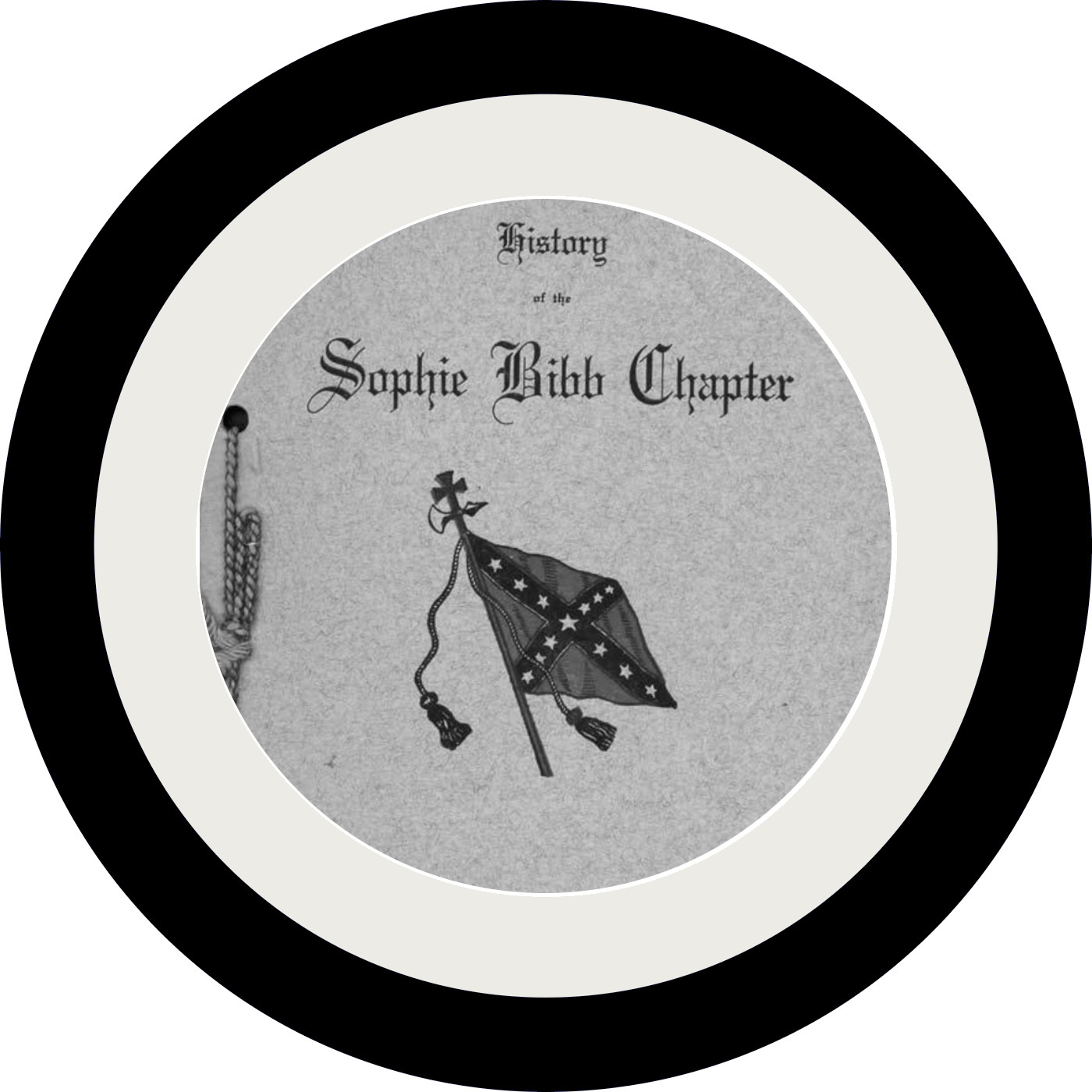
This episode of the Memory palace is brought to you by Magic Spoon. Of the many things to love about Magic Spoon the high protein, the zero sugar, the fun nostalgic flavors of its cereals and on the go treats, one thing I am into is the name Magic Spoon. Sounds like one of those made for TV kids movies they used to have. On Saturday mornings after the cartoons, some kid is eating his cereal, he finds a magic spoon, goes on some crazy adventure. That is the magic of Magic Spoon. They have brought the fun back to your childhood breakfast with all the things you need to start your adult day. 13 grams of protein, 0 grams of sugar and 4 grams of net carbs. Get $5 off your next order@magicspoon.com memory or look for Magic Spoon on Amazon or in your nearest grocery store. That's magicspoon.com memory for $5 off foreign this episode of the Memory palace is brought to you by Progressive Insurance. You chose to hit play on this podcast today. Smart Choice make another smart choice with Auto Quote Explorer to compare rates from multiple car insurance companies all at once. Try it@progressive.com Progressive Casualty Insurance Company and affiliates not available in all states or situations. Prices vary based on how you buy. Hey, before we get started with this episode, I want to let folks know about some upcoming appearances in the Midwest and New York city. I'm doing four Midwestern book events in May. One on Monday the 12th I will be in Minneapolis at Moon palace books. On the 13th I will be in the Cincinnati area right over the border in Earlander, Kentucky at the Central Library on the 14th at golden hour Books in Indianapolis and then on the 15th in Chicago at City Lit Books. And In June, on June 13th I will be doing a special one time only live show at the Tribeca Audio Festival. This is going to be based around my audiobook and it's going to include performances from two of its readers, Carrie Coon and Lily Taylor. I'm super excited about this. Find links to those events at thememorypalace US event and if you are interested in coming to the New York or Chicago events, you might want to act quickly on those because because spots are limited. This is the Memory palace. I'm Nate DiMeo a postcard from the road out of Montgomery, Alabama, spring 2025. I didn't know a thing about Sophie Bibb until I googled her while pumping gas at a truck stop off Highway 65, maybe an hour outside of Mobile. And so I leaned against a silver rented Hyundai and read a bit about her life and her work in the way they served. It seems as an inspiration to many women throughout the first several decades of the 20th century and guided what they chose to spend a good part of their lives doing as members of the Montgomery chapter of the United Daughters of the Confederacy, named in her honor in a unanimous vote at its first meeting in 1895, 30 years after the south lost the Civil War, nearly a decade after the flag at the Alabama State House flew at half master to commemorate her death, Sophie Bibb was so honored by both the women of the UDC and by the state of Alabama for the nearly three decades she herself spent working tirelessly to honor the men who fought and died to preserve the right to own other men and women and children. She and her husband, a prominent judge, owned an estate that at the time the war was valued at $250,000, included 1800 acres, vast corn and oat fields, a large home, numerous outbuildings, substantial holdings and livestock, and around 125 people who represented a substantial percentage of that wealth, both as taxable assets and as the labor that ensured the perpetuation and prospects for expansion of said wealth. All while being 125 individuals, each with lives and dreams and talents and ways they like their clothes to fit and things they particularly loved about, how certain friends laughed or could make them feel better when they were tired or sick or sad, and had inherent value as human beings, though their monetary value was more important to the people who enslaved them and to the short lived federal government that fought a war to ensure that that would remain the case in perpetuity, but which lost that war to the enduring benefit of history and of humanity. When Sophie Bibbs husband died a few years before she did, the man's obituary noted that his prominence in insignificance to Alabama society continued unabated after the war, Though it laments that the BIB's wealth declined precipitously after the abolition of slavery, leaving them with an estate worth $40,000 and 25 acres and thereby, quote, lessened his power of doing good. And though I have my opinions, different definitions of doing good, of being good, I will grant that before steering much of the Bib fortune, however diminished, and so much of her energy to building Confederate monuments. Sophie Bibb spent the final years of the war in the early days of its aftermath doing just about the only thing worth doing. She dug up the bodies. There were dead men rotting beneath the ground in shallow graves and holes hastily dug and hardly filled. And she founded the Ladies Society for the Burial of Deceased Alabama Soldiers. To help locate the bodies on battlefields far away and give them proper burials closer to home. It will grant her that. But in her life after the war, after the headstones were set and the prayers were said, she rechristened her organization as the Ladies Memorial association, one of many that cropped up in the fallen Confederacy to prop up its memory, to erect statues and monuments, make heroes of traitors and help make a myth out of a real war and falsely claim righteous aims, states rights instead of slavery, self defense instead of self interest. To weave a false narrative that fueled the rise of the Ku Klux Klan, Jim Crow, segregation, white supremacy, and in doing so, gave the women who came after her most born after the war, the granddaughters and great granddaughters, great nieces of the Confederacy, a story to believe in, build community and identity around. The Sophie Bibb chapter of the United Daughters of the Confederacy thrived in the 1900s in a city where nearly half its population was black and therefore did not thrive by design, by law, by threat of violence, by actual violence. The Sophie Bibb chapter of the United Daughters of the Confederacy, like the rest of them, worked to venerate those who fought for the right to continue to enslave the grandfathers and great grandmothers and great aunts of their neighbors and fellow citizens. They placed a star on the spot where Jefferson Davis stood when he took the oath of office. They collected and organized his belongings in a reliquary that is basically what it is in the first Confederate White House, a home they raise money to preserve. They work with other chapters of the UDC to make sure textbooks spoke of the benefits of slavery, the happiness of the enslaved, the chivalry and decency of the plantation owners, the honorable gentility of their wives. And in 1942, they put a monument up on the south side of Dexter Avenue in Montgomery. America was at war, and the members of the Sophie Bibb chapter of the udc, according to their public statements, erected the marker to inspire patriotism among the citizens of Montgomery. And they chose to do so by honoring the man who fought a war against America some 80 years before. And so now one can still find a marker, white marble, the size and shape of an old phone booth. Maybe that makes sure people know that by that very spot, in February of 1861 marched the inaugural parade of Jefferson Davis when he took the oath of office as president of the Confederate States of America. It also says that Dixie was played as a band arrangement for the first time at that event, though historians don't think that part is true. At all. But really, whatever. I have read a lot about the civil rights movement. I have seen so many documentaries, so many biopics of its figures in movies about its events, each of varying degrees of historical fidelity, took whole courses in college, wrote timed essays in longhand and blue booklets to demonstrate my understanding of events that took place in a time that felt, still feels like long ago to me, born as I was a decade and more after most of its incidents, the way that all things that happened before your time feel like they were from another entirely but aren't, are closer than they appear. And despite all that, I did not know until I was sitting on the steps of the Dexter Avenue Baptist Church, which Martin Luther King Jr. Led from 1954 to 1960. I didn't know that it was right there at the foot of the small rise that leads to the State House in Montgomery. I had come because I wanted to go inside the church. I wanted to sit in a pew to see if I could feel his presence. Dr. King. But couldn't. It was a Tuesday, and nearly every civil rights historic site and museum in Montgomery is closed on Tuesdays and Mondays and Wednesdays. But the first Confederate White House was open. It was just around the corner, two and a half blocks, tops. I didn't know it was right there either. I didn't realize that when Dr. King would leave work, walk home for lunch or dinner with Coretta and the kids, you know, some summer evening when he stayed late for some service at the church or just taking care of administrative stuff, paperwork that dragged on, and he would step out into the sticky Alabama July, maybe happy that there was still some daylight left, the fastest route to his home, Decatur to Washington to Jackson, would have him walking right by the home of Jefferson Davis, the man who founded a whole nation to try to ensure the enslavement of King's forebears, and he would walk by right across the street, the building where white legislators were right then in 1955, 1960, working to pass laws to continue his subjugation. I didn't realize that. Nor that his home was quite so close, 15 minutes on foot. Or that his wasn't the only historic home on the block because Dr. Richard Harris lived there, too, a former Tuskegee airman and a pharmacist who took in 33 Freedom Riders after they were met at the Greyhound station, not by the local police, as had been promised, but by a mob of white people armed with baseball bats and pipes. And I say white people because it wasn't just men, not just the ones that spring to mind with the crew cuts and white T shirts. But women too, and their kids too. A mob that beat people bloody to be bandaged up by one of the King family's neighbors. I hadn't known he lived so close. And I walked to the bus station, a museum now closed that day, Walked the way the National Guard traveled when they escorted those 33 people so they could continue their journeys to risk life and limb again for literal freedom. Walked past other churches, white churches, past the headquarters of the Alabama Parent Teachers Association. Wanted to know what was said inside those walls when the Freedom Riders came to town, what was said in the houses there on Union street, how opinions were formed in there, how plans were hatched, how votes were decided, Baseball bats taken out of kids closets by adult men. Every house felt like a historic home. I didn't know a neighborhood could feel that way. And I didn't know, though I don't know how really, that when the marchers came from Selma after their first march was stopped by a posse of police who beat people unconscious at the Edmund Pettus Bridge after the second one turned back and three white ministers were attacked by the kkk, one of them, James Reeb of Boston, dying from his injuries. I didn't quite realize that when they finally completed the Selma March on their third attempt after 19 days in the road, when 25,000 people, king among them, arrived at the steps of the Capitol, they walked right by his church, walked for a bit along the same route that he took home to dinner, the same route Jefferson Davis once paraded down, which I now knew because the women of the Sophie Bibb chapter of the UDC placed a marble marker there to be sure I would. There is another marker. It has been there since 2012. It sits on the opposite side of the street, the north side of Dexter Avenue. It commemorates the Selma to Montgomery Voting Rights march that moved past that spot in March of 1965. It is the same size and shape and material and therefore one can assume the same weight as the marker across the street as though it were set there as ballast. SA this episode of the Memory palace was written and produced by me, Nate DeMaio in May of 2025. The show gets research assistance from Eliza McGraw. It is a proud, proud member of Radiotopia, a network of artist owned independent listener supported podcasts from prx, a not for profit public media company. If you ever want to donate to support the show and independent media you can always head to Radiotopia fm. Donate Radiotopia FM is also a great place to go and find out about all the other Radiotopia shows and this is a particularly excellent time to do so because we have recently welcomed some really cool new shows to the family, including Proxy, which is terrific. It is from Yowei Shah, who you might know from NPR's Invisibilia. And here's the idea. Each episode has a person who comes to Yowei with some kind of emotional challenge, like a social or personal conundrum that they can't figure out because no one in their life can relate. It is a niche problem and Yoi scours the world to find someone who has been in the same highly specific situation before and offer some help. You can kind of think of it as emotional investigative journalism on demand. It is really cool and really clever and you will want to check it out over at Radiotopia fm. You can follow me on Instagram and Threads and on Substack he Memory palace podcast, on Twitter and Facebook Hememory palace and on bluesky where I am just me apparently. Aidedemeo. You can shoot me an email@natehemmorypalace us. You can find out about some upcoming events here in May and June of 2025, including a quick Midwestern book tour in a very exciting one time only live show focused on my audiobook that will include a couple of its readers, Carrie Coon and Lily Taylor, which is super exciting. This is going to be the Tribeca Audio Festival in New York on June 13th. You can find information about all of those things at thememorypalace Us event. And finally, a bit of advice from me to you. Listen, Mother's Day, Father's Day. It can be hard sometimes to figure out the right gift. I mean a lot of people have known their parents their whole lives and this day comes every year and you might be running out of ideas, but I am telling you there is a book that works for any parent, any gender, any holiday and that book is the Memory Palace. True Short Stories of the Past. I am not joking. The amount of people who are coming to book events saying oh man, I got this for my mom dad and they love it. It's been really surprising and cool and I'm telling you, head to your favorite book buying place right now. Get your Mother's Day or your Father's Day sorted and heck, get a housewarming present. Get your uncle's birthday present. It is the exact right gift for the right person and it is a totally acceptable inoffensive, can't go wrong gift from for even the wrong person. Yes, I am shilling my own book, but I am telling you this book is the key to solving so many of the gift giving challenges that you are currently facing or are going to face throughout 2025. You can just buy them now and sock them away. I will be back with a new episode in a couple weeks and until then take Radiotopia from PRX.