Loading summary
Transcript1 lines
- [00:02]
A
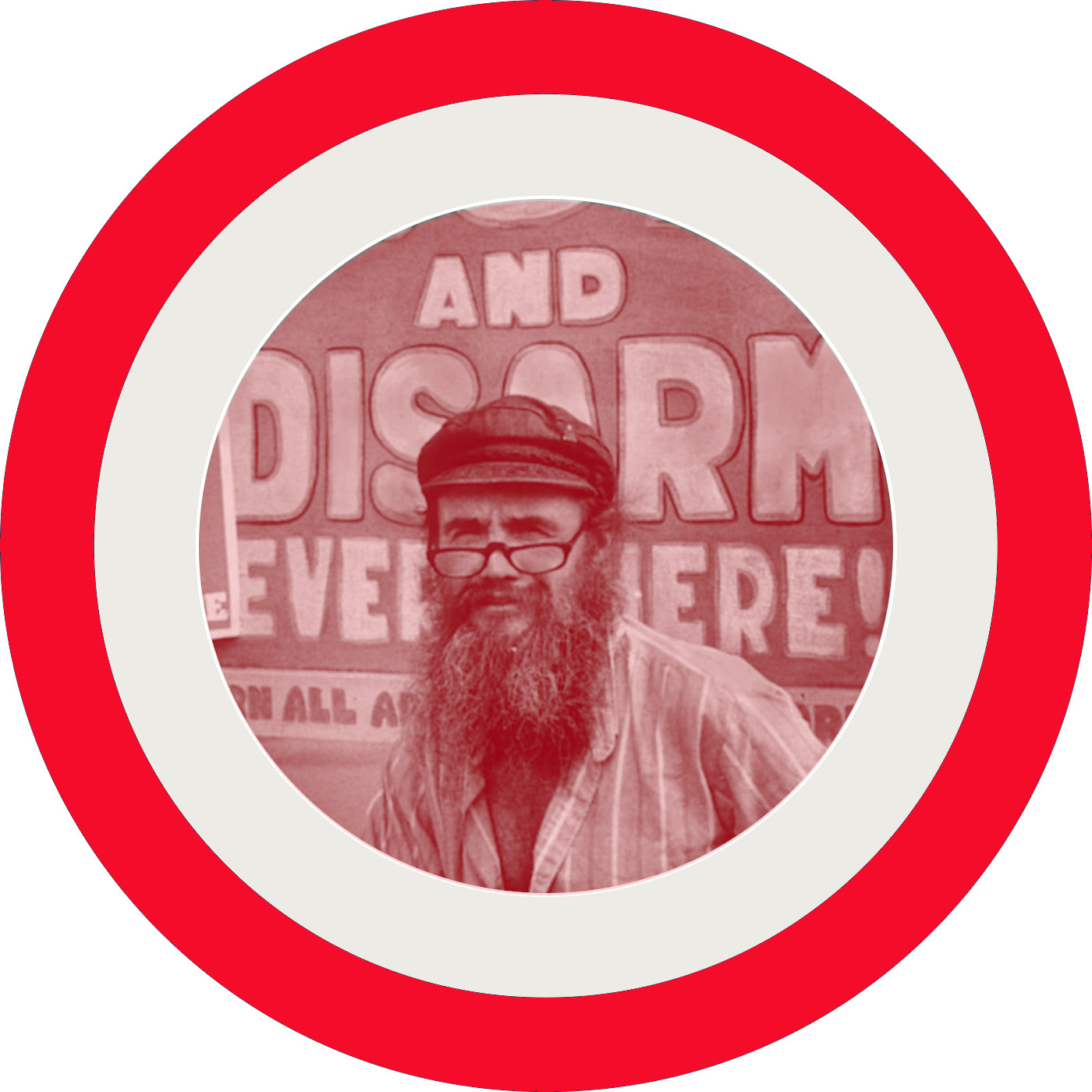
This episode of Memory palace is brought to you by Hellofresh. It's time to get cozy, people. Autumn is here. School is back in session. The nights are starting earlier. Maybe you've got a football game on. The NBA is back before too long, which means that I'm gonna have it on all the time and drive everybody in my house crazy. Lean into the cozy. Lean in at mealtime. Sign up for Hellofresh. Gonna get comforting. Chef designed recipes and fresh seasonal ingredients ready for you to make that most cozy of things, the home cooked meal. They make it so easy. And honestly, this is even more important to me than easy. They make it so fun to make dinner or lunch. And it's also so fun to select your menu each week. There are a hundred options to choose from and that menu just keeps getting better with new recipes with more veggies. And they've even made steak and seafood recipes the same price as other meals, which is a welcome change. Honestly made a Turkish spiced steak and chickpea meal so simple and so delicious, but it doesn't look that way. The best part of a hellofresh meal might actually be the feeling you get afterwards that wait, I made that. Check me out. Time for you to check out Hellofresh. The best way to cook just got better. Go to hellofresh.com memory10fm now to get 10 free meals plus a free item for life. One per box with active subscription free meals applied as discount on first box. New subscribers only. Varies by plan. That's hellofresh.com memory10fm to get 10 free meals plus a free item for life. This episode of Memory palace is brought to you by Progressive Insurance. Do you ever find yourself playing the budgeting game? Well, with the name your price tool from Progressive, you can find options that fit your budget and potentially lower your bills. Try it@progressive.com Progressive Casualty Insurance Company and affiliates Price and coverage match limited by state law. Not available in all states. This is the Memory palace. I'm Nate DiMeo. By 1991, the editors of the Berlitz Guide for tourists to Washington, D.C. were so certain that it would still be there that it was mentioned as a sight one could see when visiting the city. Just as one could visit the monuments to Washington or Lincoln or Jefferson or the Vietnam War or the various museums of the Smithsonian. The Capitol building a traveler would find next to the White House by the wrought iron fence that surrounds it, a camping tent. And within it, they'd probably find a guy named William Thomas, as he had been nearly every day of the previous 10 years, since he first launched his protest against the United States government in what he saw as its many hypocrisies and mendacity and its continued possession of and reliance upon nuclear weapons. Just a tent by the White House, a few slogans painted on plywood, some literature to hand out if people wanted it. I can't tell you precisely how many days he missed in his peace vigil in that tent during that decade, Though I can put those days into a few different categories. There were the times when he was in court or in jail. He was arrested a lot, particularly early on on various charges. Then there were the few times when, having gained attention for his protest, he was invited to travel to Africa or to Asia to understand the struggles of people there, the impoverished, the ill, those displaced or otherwise immiserated by war. And then there were the days when he himself was ill or had some urgent personal matter, at which times other people would maintain the vigilant. Two other people, primarily one who had been there almost from the beginning and who would ultimately spend more time than anyone else in that tent. Her name was Concepcion or Conchita or Connie Pichotto, an immigrant from Spain. She had bumped into Thomas. His friends just called him Thomas for the first time in 1979. Bumped into him, quite literally, it seems, on a bus. She stumbled. He caught her, helped her find her balance. And so about a year later, she sees that same man with his beard and his long hair, looking every inch the man he was at that point in his life, A Christian wanderer, a baby boomer born after the war in Tarrytown, New York, in the Hudson, had been transformed by reading the Sermon on the Mount, and then spent the seventies traveling the world trying to live the word of Jesus, trying to follow what I once heard a Jesuit priest called the original program, which has always stuck with me, a rejection of material wealth, a dedication to helping the least among us. Thomas wandering ended in 1980 when, in protest of American foreign policy, he attempted to renounce his citizenship by throwing his passport into the Thames in London and wound up being deported back to the States, where he found himself in more ways than one, at the Community for Creative Non violence in Washington, D.C. it was part halfway house, part medical clinic, soup kitchen, very much in the spirit of the original program. The next year, shortly after Ronald Reagan's inauguration, Thomas put up his tent, propped up some signs, hoped to change some minds, didn't leave, kept being arrested, kept being hassled, but kept at it. And then one day, Connie Picciotto Sat down and. And she didn't leave either. She had come to DC to look for her daughter. She was convinced that her ex husband was keeping her away from her, was breaking the law somehow in doing so. She was convinced, too, that this was part of a larger governmental conspiracy. There were some mental health issues. People who knew her would always concede that. But when she found Thomas there, between the White House and Lafayette park, she found purpose into her life's work. A few years into the vigil, after they'd figured out that the cops couldn't shut them down if they didn't sleep in the tent, and they cobbled together a small network of activists and simple helpers who would spell them now and then and stay up all night while Thomas and Connie went off to try to sleep, typically in the park or in an alley. They were both unhoused. In 1984, they were joined by another keeper, another woman with an entirely different profile from Connie, a middle class professional in her 30s, an administrative assistant for the National Wildlife Federation, who had grown infuriated that her tax dollars were going to fund a government whose nuclear arsenal was imperiling the earth. So Thomas, sitting outside the tent, she would say later that she had seen him before in her dreams. She sat down, they talked, and before long, she had given up her job and pretty much every trapping of her old life and began to live this new one. Just a month into that new life, as a keeper of this permanent protest, this woman, Ellen Benjamin, became Ellen Thomas. The two were married in a Quaker ceremony. They remained married until her husband's death in 2009, at the age of 61. He died of pulmonary disease, though one would think it could have been anything, considering how he spent the previous three decades living. But I can't really say, because for as often as the three of them, Thomas and Connie and Ellen, were interviewed over those years, how could anyone looking at them from the outside know what it was like to be them? They were there to be looked at, to be visible reminders as one went through one's day. The buttoned up guy in a button down walking by on his way to get a sandwich and a bag of chips on his lunch break. The kid on a field trip, the comm staffer on her way to work for the President of the United States in the mansion on the other side of the fence from where the tent where Thomas and Connie and Elizabeth spent nearly every single day in the stifling heat of D.C. summers, the brutal cold of D.C. winters, through rain, ice, lightning storms, they were there to remind them, you us passing by that the world was imperiled right then, that it is right now by nuclear weapons. That the policies of the United States government were are often, take your pick, hypocritical, cruel, deadly. To remind us that we were are going through our normal days being normal people, people who aren't in that tent or in the streets stopping everything to try to work to end these threats and these practices, change these conditions to remind us that there was madness afoot. Maybe there was in that tent. Maybe there always has to be. Has to be people that other people say are crazy to measure ourselves against, measure our actions, our inaction. I don't know. All I know is that the peace vigil started by Thomas by the White House at the beginning of the 1980s outlived him. Outlived Conchita Pichotto, who sat at that vigil for more than 34 years. Rain, ice, lightning storms, arrests, violence, mockery. And I know that it stood until September of 2025 when a couple of weeks after President Donald Trump referred to the tent as an eyesore, it was dismantled by federal agents. It had been there for 44 years. If you walked by there today, you would likely still see people with signs trying to keep up the vigil. I cannot tell you if they will be there tomorrow. The 1991 Berlitz Guide to Washington D.C. explained the vigil to curious foreign tourists. This way it is the right of every American to take a stand and make a point. SA this episode of the Memory palace was written and produced by me, Nate DeMaio in October of 2025. The show gets research assistance from Eliza McGraw. It is a proud member of Radiotopia, a network of independent artist owned podcasts which is as close as one gets to the original program in this economy. Same can be said about our parent company prx, a not for profit public media company out here fighting the good fight for me and these other shows, but for all of us. If you ever want to support this show, you can do so by making a donation at Rodeotopia fm. Donate. It is tax deductible and your donations help us weather various storms like the ones sweeping across the country these days. And in doing so you can be like Lee Branham Martin who I want to give a special hello and thank you to today. If you want to say hello to me, you can do so@nate thememmorypalace us if you want to follow me on Facebook, I am Hememory palace on Bluesky Aiddemayo and on Instagram and threads. He Memory palace podcast. Couple weeks, there'll be another story. In the meantime, hang in there. Radiotopia from PRX.