
Podcast
The Moment
Hosted by World 50 Group · EN
The Moment explores the pivotal moments that changed the lives and careers of the world’s leading CEOs and defined their leadership journeys.
10episodes
Episodes
Newest firstAll episodes
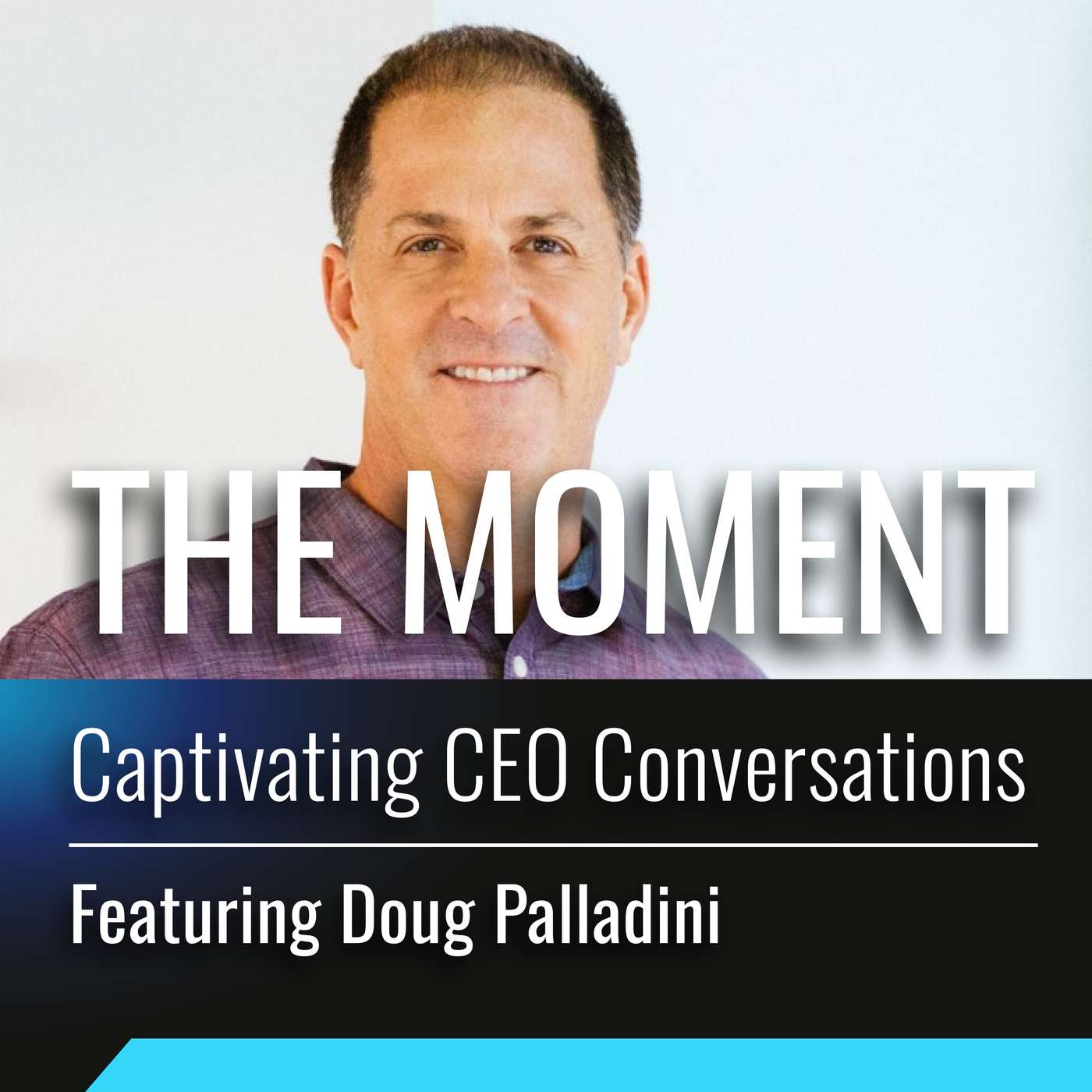
Doug Palladini, Former CEO and President, Carter’s; Former Global Brand President, Vans
May 1900:20:46Tap to summarizeFor Doug, who grew up in the surfing and skateboarding scene of 1970s Los Angeles, the apparel brand Vans didn’t just offer cool shoes, it played a critical role in his coming-of-age story. Thirty years later, when he walked into Vans headquarters as the company’s newest senior marketing director, he was surprised to find that the iconic skate products that were once integral to the company’s DNA were gone without a trace. He set out on a mission to reclaim Vans’ roots—not through nostalgia alone but by balancing its priceless heritage with relentless innovation. And it paid off. As global brand president, he helped skyrocket sales from $350 million to $4.2 billion. In our conversation with Doug, we discuss his brand-building philosophy: that sometimes a company’s future begins in its past.
Transcribe →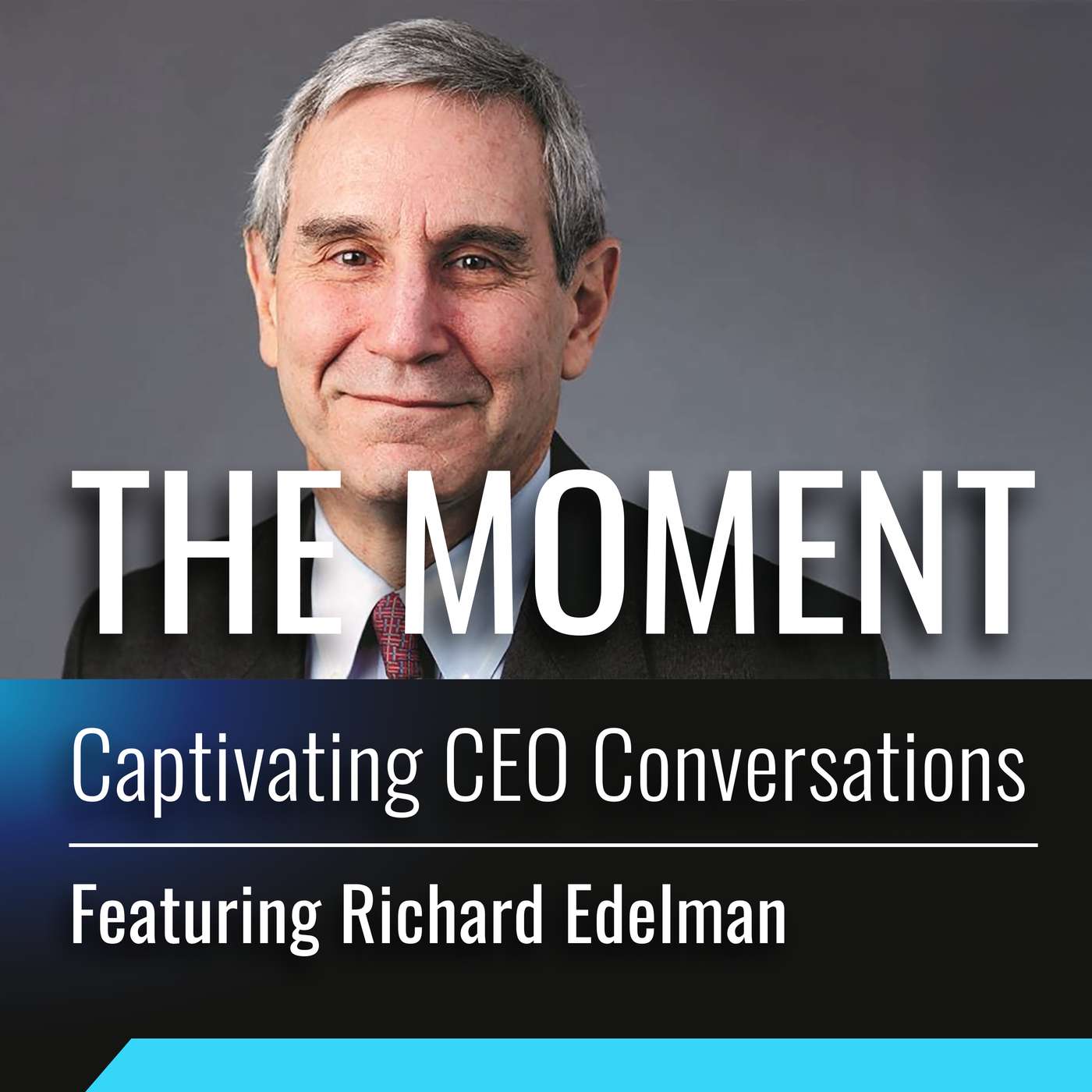
Richard Edelman, CEO, Edelman
May 500:23:12Tap to summarizeIn 1999, 50,000 protesters took to the streets of Seattle, Washington. Convinced globalization would destroy humanity, they wrecked the World Trade Organization’s chances of striking new trade deals. The whole ordeal, which would become known as “The Battle of Seattle,” was one of the largest political protests in Seattle history and one of the first to be coordinated via the internet. This pivotal moment in history also happened to be a pivotal moment in the life and career of Richard Edelman. The Battle of Seattle, it turns out, marked the birth of an idea that remains relevant more than 25 years later: The Edelman Trust Barometer. In this episode, Richard unpacks not only the story of how the first Trust Barometer came to be, but also what it means to trust and be trusted as a business leader.
Transcribe →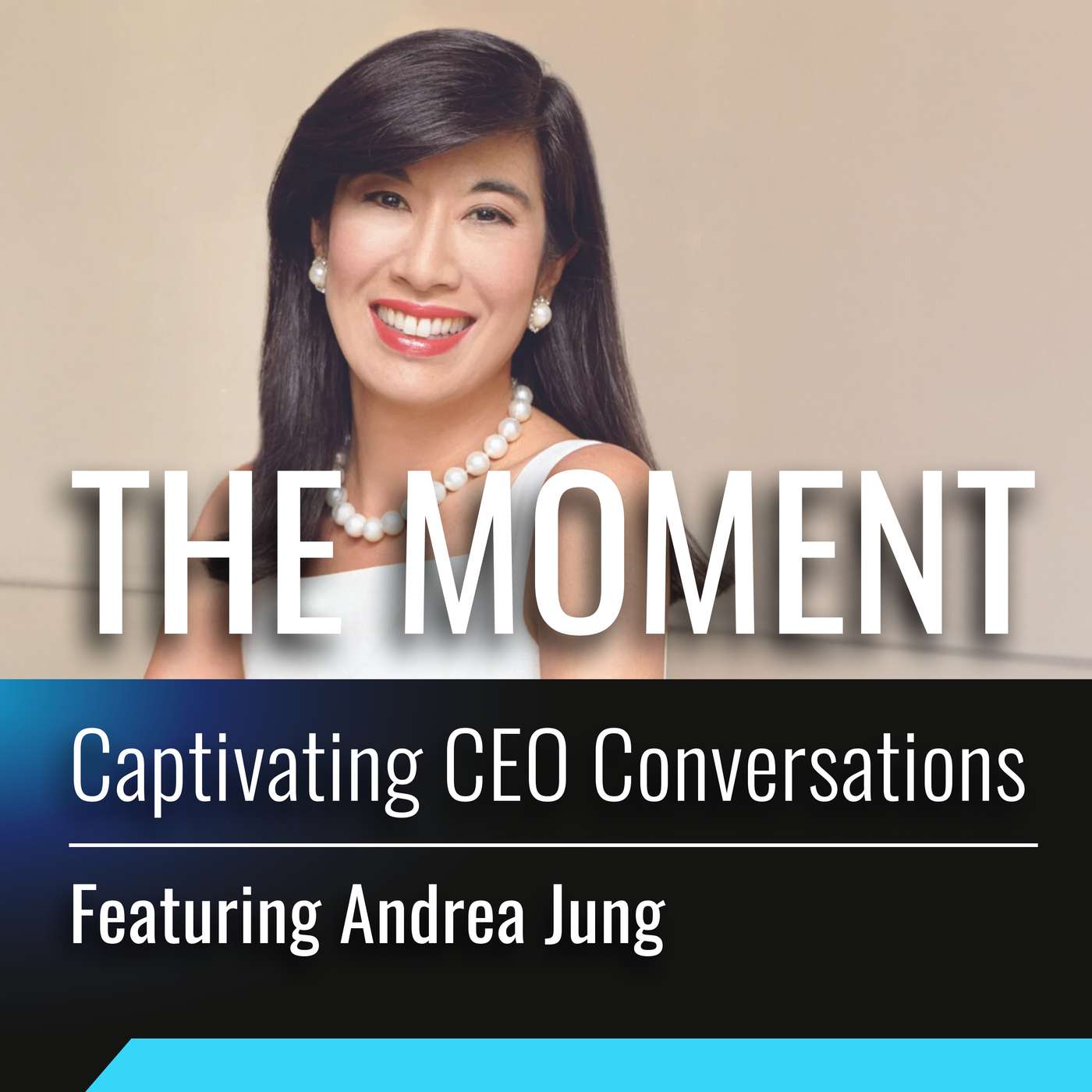
Andrea Jung, CEO and President, Grameen America; Director, Apple and Wayfair
Apr 2100:23:17Tap to summarizeThe year was 1998. Andrea Jung was poised to take the corner office at Avon, the beauty and cosmetics company that had recently celebrated its centennial. But when Avon’s board appointed another CEO candidate, Andrea would face a decision that required her to rebalance her personal ambitions for leadership growth with her passion for a corporate mission she loved. It’s a moment that reflects Andrea’s loyalty, grit, and long-term vision—and ultimately what helped her become the longest-serving female chief executive in the Fortune 500. In this episode, Andrea takes us through what it means to follow your compass, not your clock.
Transcribe →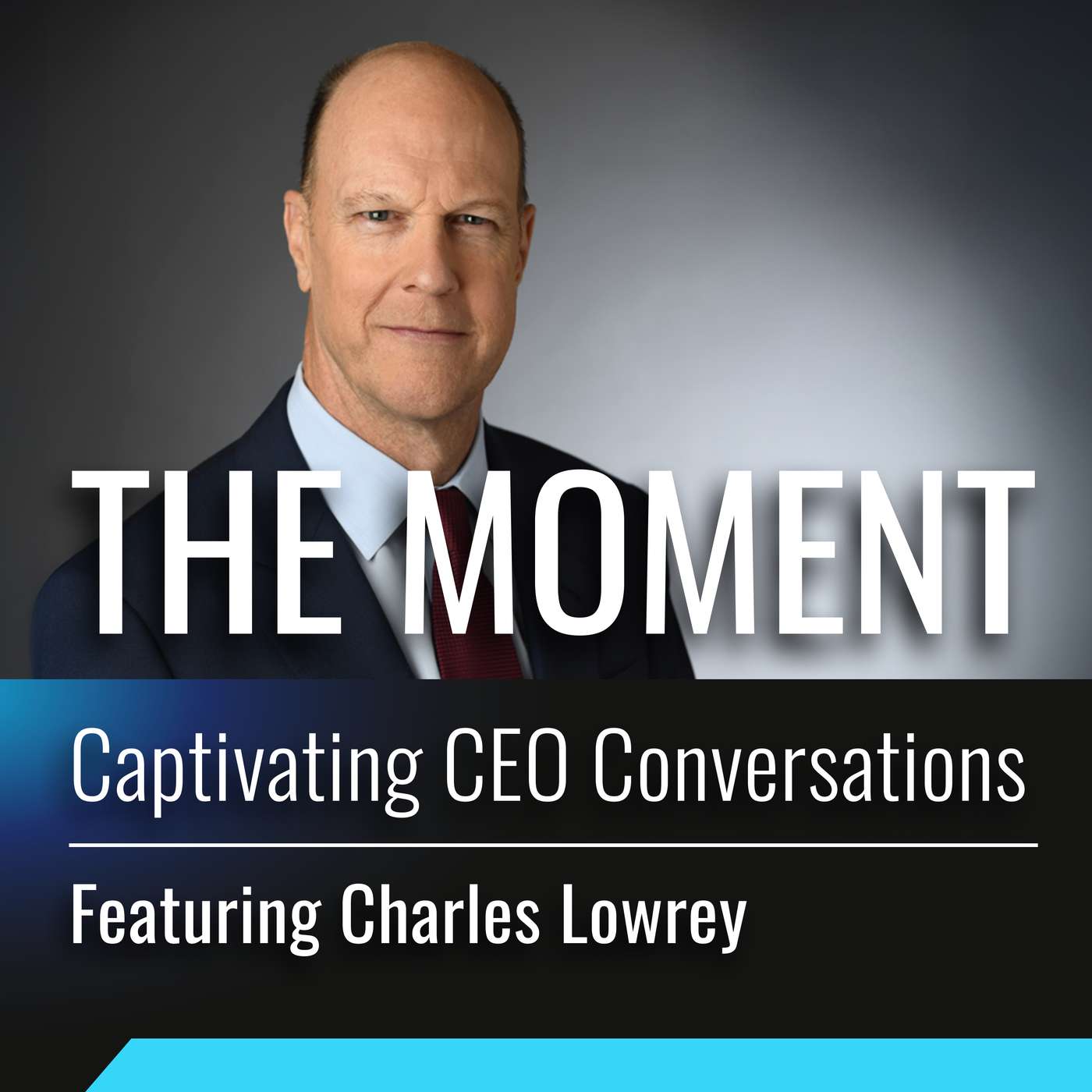
Charles Lowrey, Former Executive Chairman and CEO, Prudential Financial; Director, BNY
Apr 700:22:09Tap to summarizeWhen Charlie stepped into the role of CEO at Prudential, the company was in need of change. By his estimation, 150-year-old companies don’t remain relevant because of their long tenure, but because of their ability to adapt. The good news was that pivoting in short order was a skill he’d learned decades earlier—as a rower in the U.S. Junior Olympics. That formative experience would serve as a life lesson for finding the grit of an underdog when competitive advantage is lost. Charlie explains the connection between sport and business, what it means to have cold blood and a warm heart, and how to spot the finish line.
Transcribe →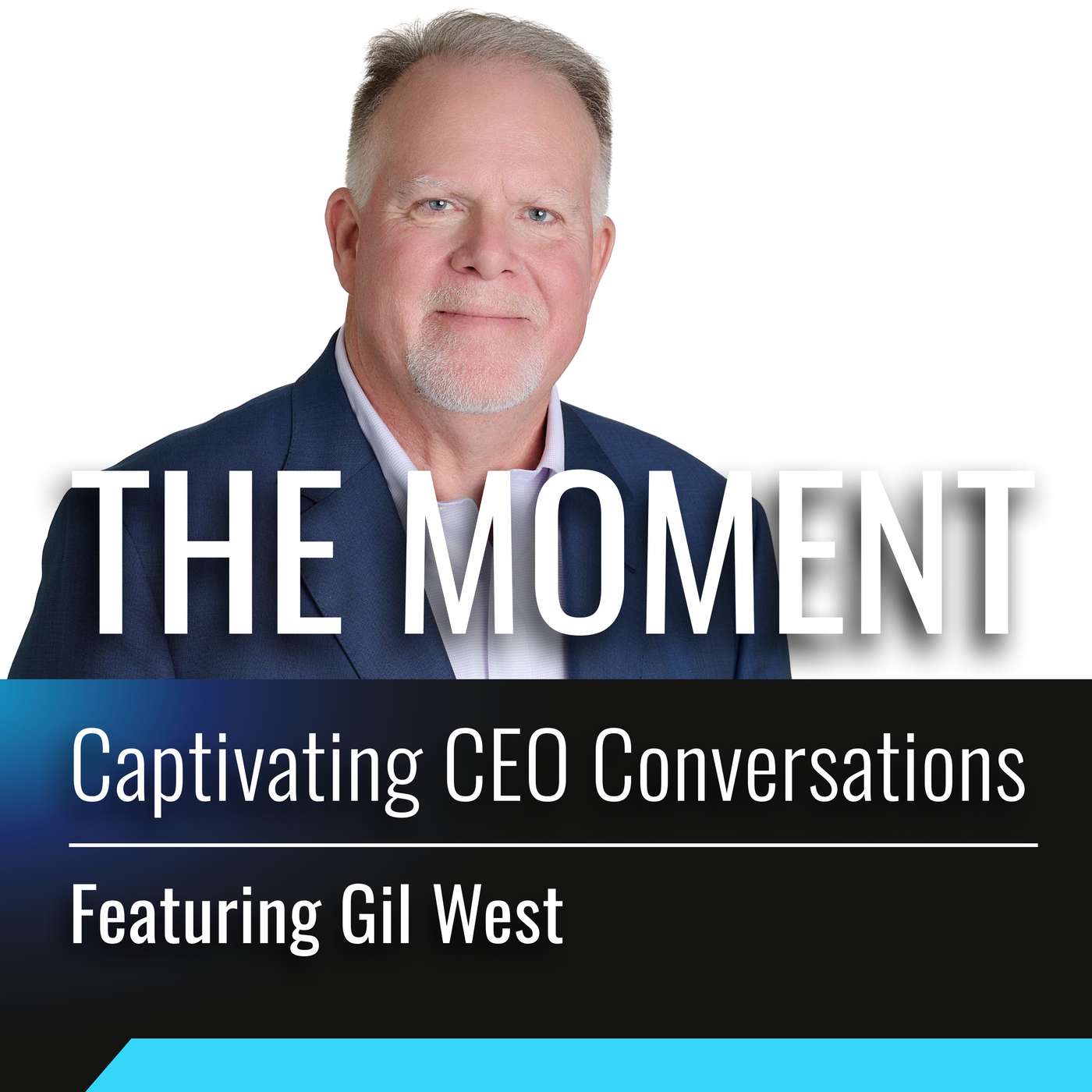
Gil West, CEO, Hertz; Director, Virgin Galactic
Mar 2400:24:01Tap to summarizeGil West was met with chaos on his first day at Northwest Airlines. The executive who hired him? Fired. The facility? In uproar. His first assignment? Remove the person whose job he was taking. Many would have walked away but Gil chose to lean in. Gil and his handpicked team—some of whom he still works with today—transformed an operation on the verge of shutdown into a success story that would eventually land him a key role in Northwest’s merger with Delta Air Lines. Hear the story of his pivotal first day at Northwest, how the experience hooked him on the challenge of turnarounds, and why after all these years, he still chooses the hard jobs over the straightforward ones.
Transcribe →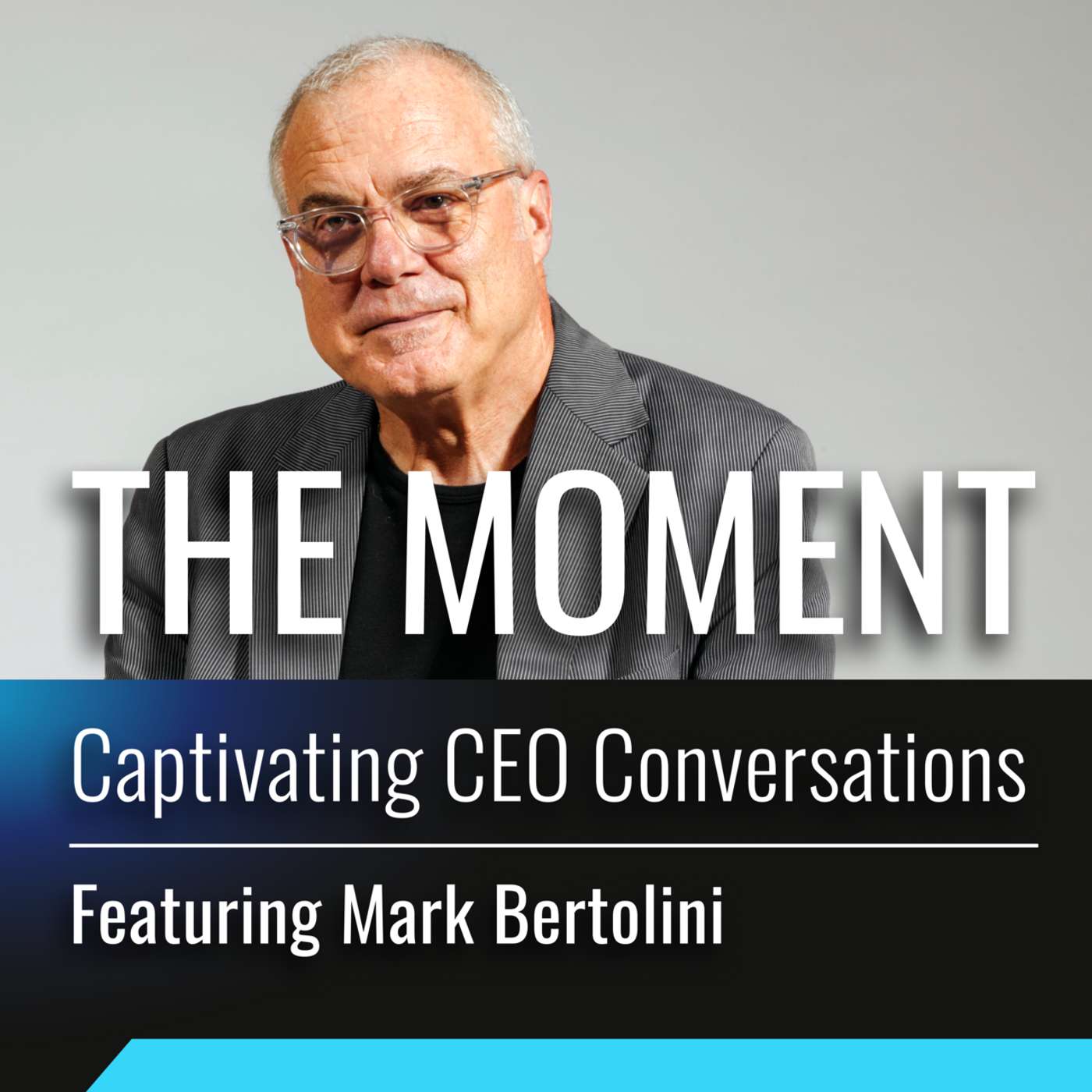
Mark Bertolini, CEO, Oscar Health; Chairman, Verizon
Mar 1000:26:29Tap to summarizeMark’s long journey in the health care industry has been both professional and personal—highlighted by his son’s intense battle with cancer in the early 2000s. In a story spanning a fateful day on a snowy mountain, a desperate plea in an empty chapel, and an investor meeting gone wrong, it’s the kind of tale that feels straight out of a Martin Scorsese film. Mark’s journey of personal and professional redemption is a reflection of the tragedies, tradeoffs, and triumphs that have shaped him. But as he explains it, life-or-death moments provide a reminder that life isn’t easily separated into work and home—and the leaders who stand to benefit the most are the ones who embrace the mystery of it all.
Transcribe →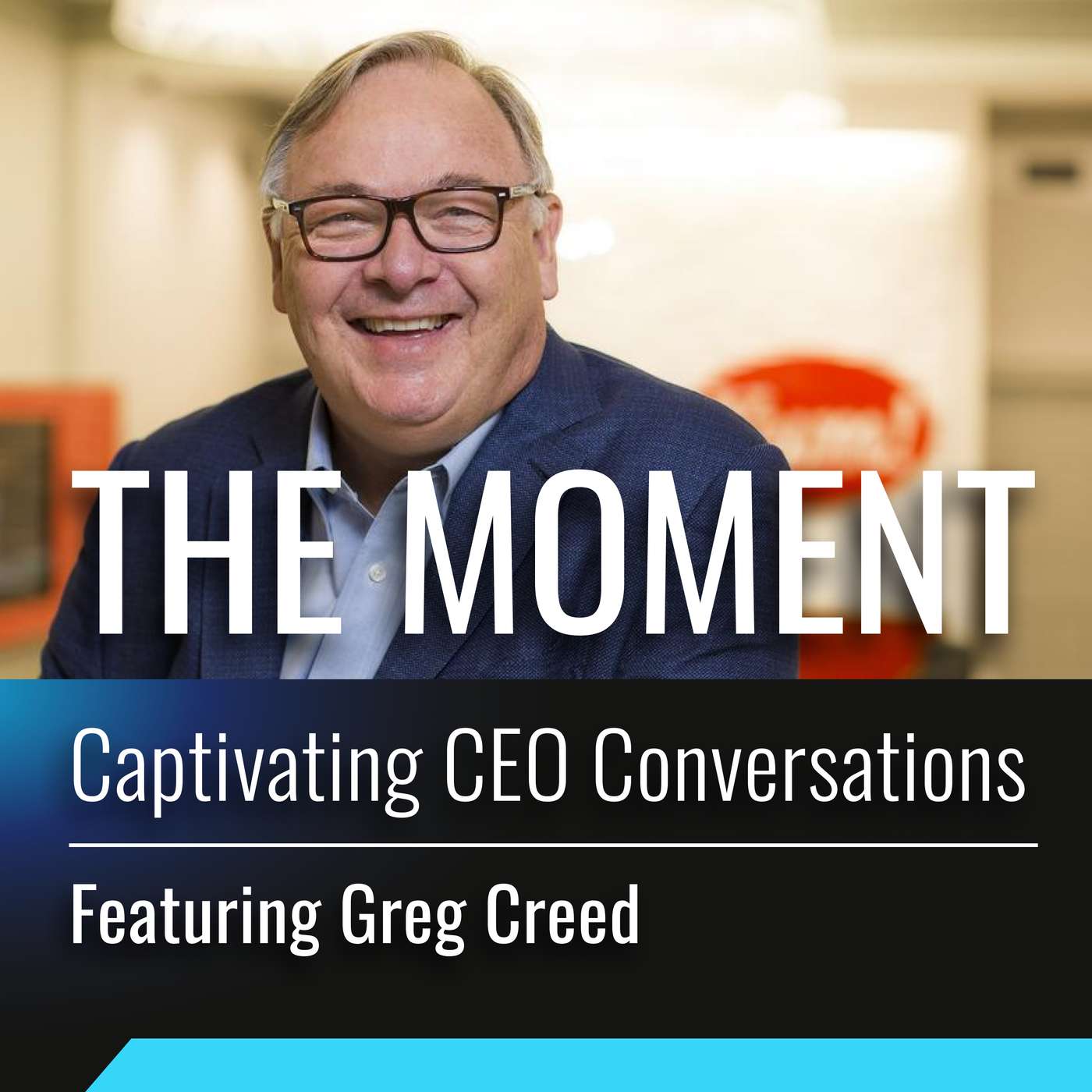
Greg Creed, Former CEO, Yum! Brands; Director, Aramark, Delta Air Lines, and Whirlpool
Feb 2400:23:24Tap to summarizeIn 2011, the American fast food brand Taco Bell faced an accusation that sent sales plummeting. According to a lawsuit that quickly went viral, the beef served at more than 5,600 Taco Bell restaurants in the U.S. wasn’t beef at all. The accusers deemed it was a mystery-meat recipe that the company was being deceptive about. At the center of it all was the company’s new CEO: 53-year-old Greg Creed, an Australian marketer who had made a name for himself at other fast-casual food brands such as Pizza Hut and KFC. In our conversation with Greg, he discusses how his decision to publicly fight the accusation was not just good business, but a battle to prove his own integrity. He offers his take on when to fight and when to fold, why today’s executives should be bolder, and how to win the right way.
Transcribe →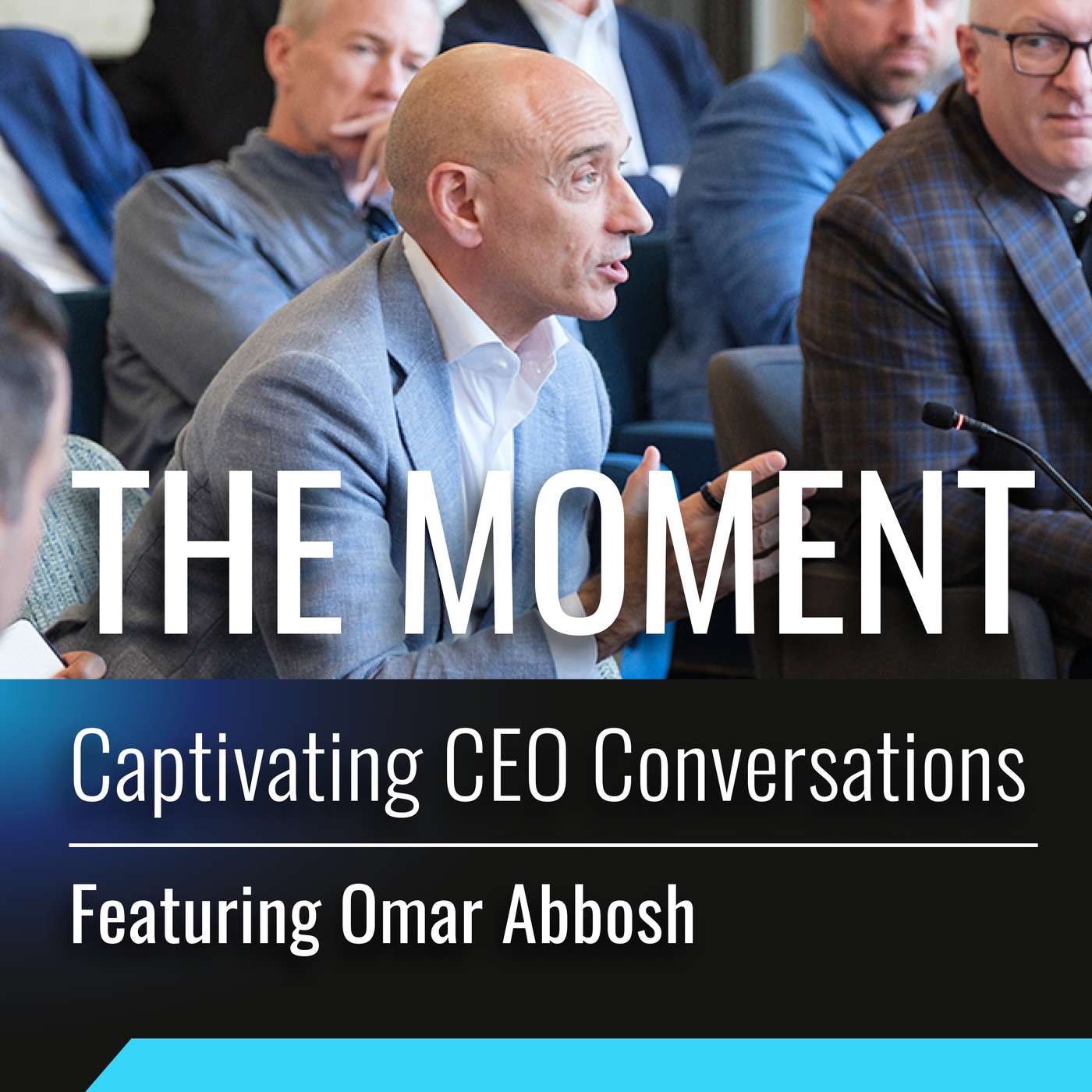
Omar Abbosh, CEO, Pearson; Director, Zuora
Dec 1000:23:43Tap to summarizeAfter a 31-year stint at Accenture, Omar Abbosh eventually found himself at the helm of the educational courseware and services provider, Pearson. But his journey upward wasn’t as simple as stepping on the next rung. He shares how he found his footing with strength from his family—despite the life-changing personal challenges and rigorous professional hardships that threatened to impede his goals.From World 50, this is The Moment—where we explore the pivotal moments that changed the lives and careers of the world’s leading CEOs and defined their leadership journeys.
Transcribe →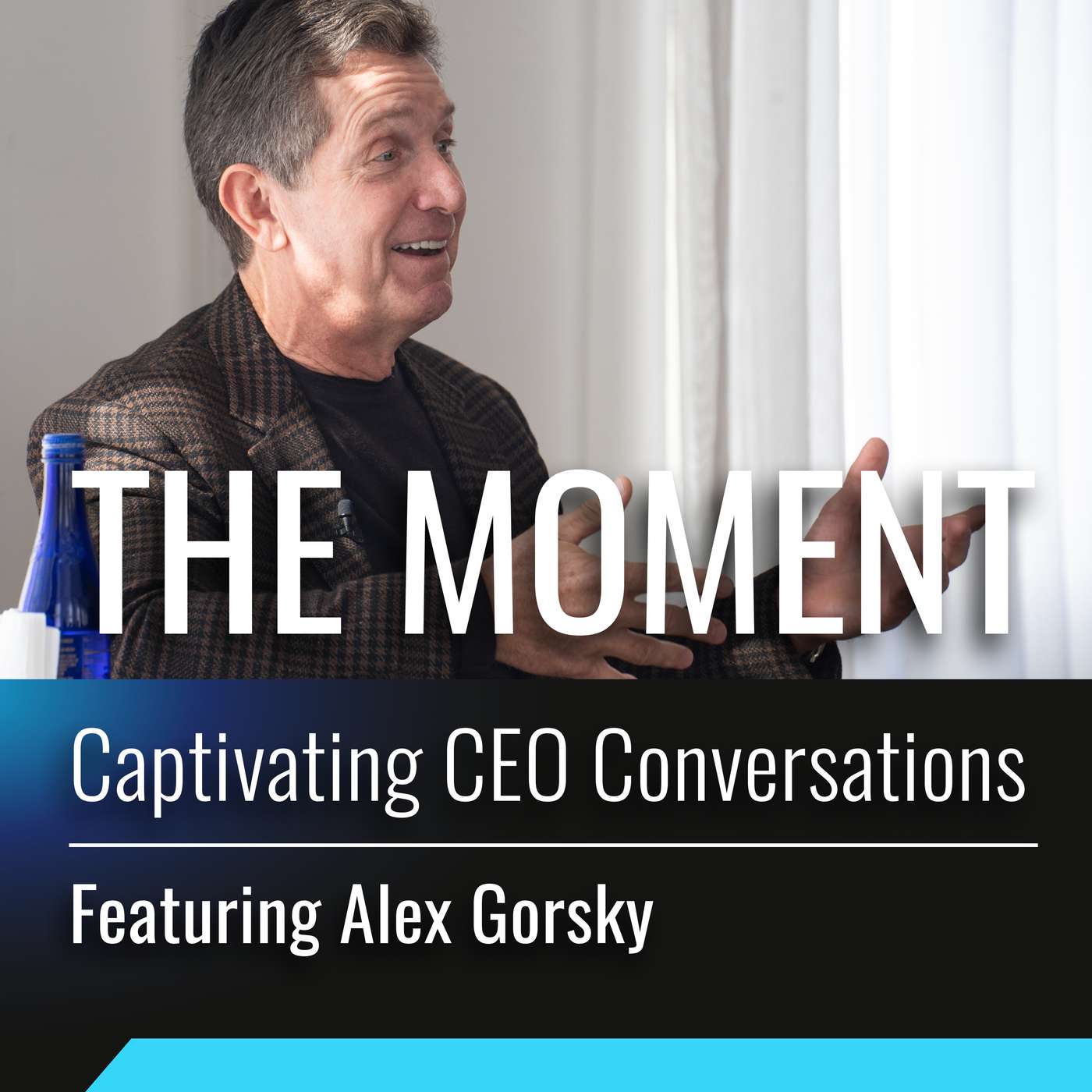
Alex Gorsky, Former Chairman and CEO, Johnson & Johnson; Director, Apple, IBM, and JPMorgan Chase
Dec 300:23:18Tap to summarizeNow a director on the boards of Apple, IBM, and JPMorgan Chase, former Johnson & Johnson Chairman and CEO Alex Gorsky spent three decades at the pharmaceutical company—though he took a pivotal detour in the middle. He shares how a serendipitous encounter with his former CEO in an unlikely place opened the door for his return to J&J and how asking, “What can I learn?” drives his most important decisions.From World 50, this is The Moment—where we explore the pivotal moments that changed the lives and careers of the world’s leading CEOs and defined their leadership journeys.
Transcribe →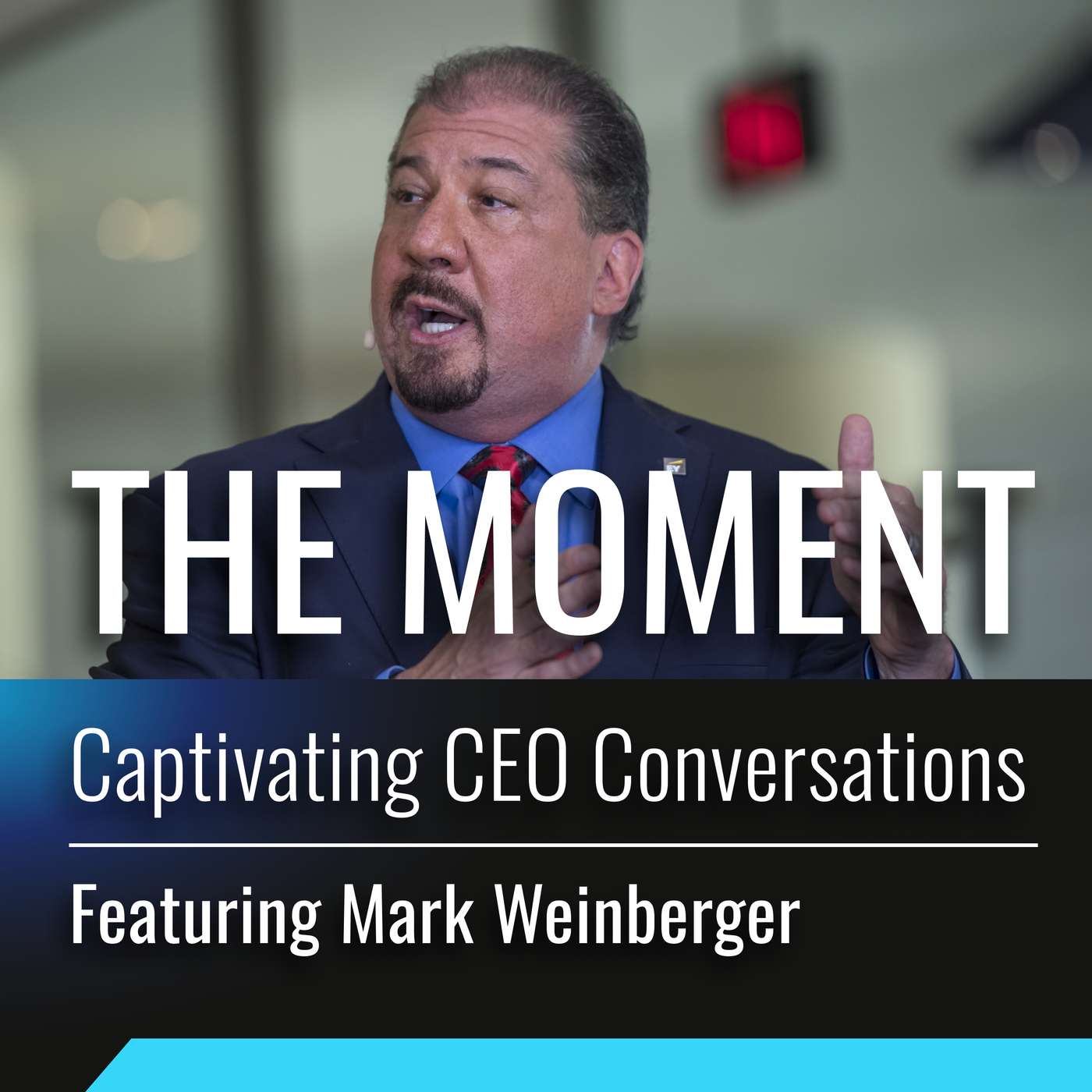
Mark Weinberger, Former Global Chairman and CEO, EY; Director, Aramco, Johnson & Johnson, JPMorgan Chase, and MetLife
Nov 500:22:15Tap to summarizeNo matter where his career has taken him—from working for multiple U.S. presidents to becoming CEO of EY—Mark Weinberger has been grounded by a simple concept: family. He discusses navigating personal and professional commitments, and how flying around the world for his daughter’s driving test led to culture change at the multinational firm.From World 50, this is The Moment—where we explore the pivotal moments that changed the lives and careers of the world’s leading CEOs and defined their leadership journeys.
Transcribe →