
Podcast
The Morning Brief
Hosted by The Economic Times · EN
To make sense of the week’s hottest stories in business, economy, politics and markets, journalists from the Economic Times chat with reporters and industry leaders in this thrice-weekly (Tuesday, Thursday, Friday) podcast.
105episodes
Episodes
Newest firstAll episodes
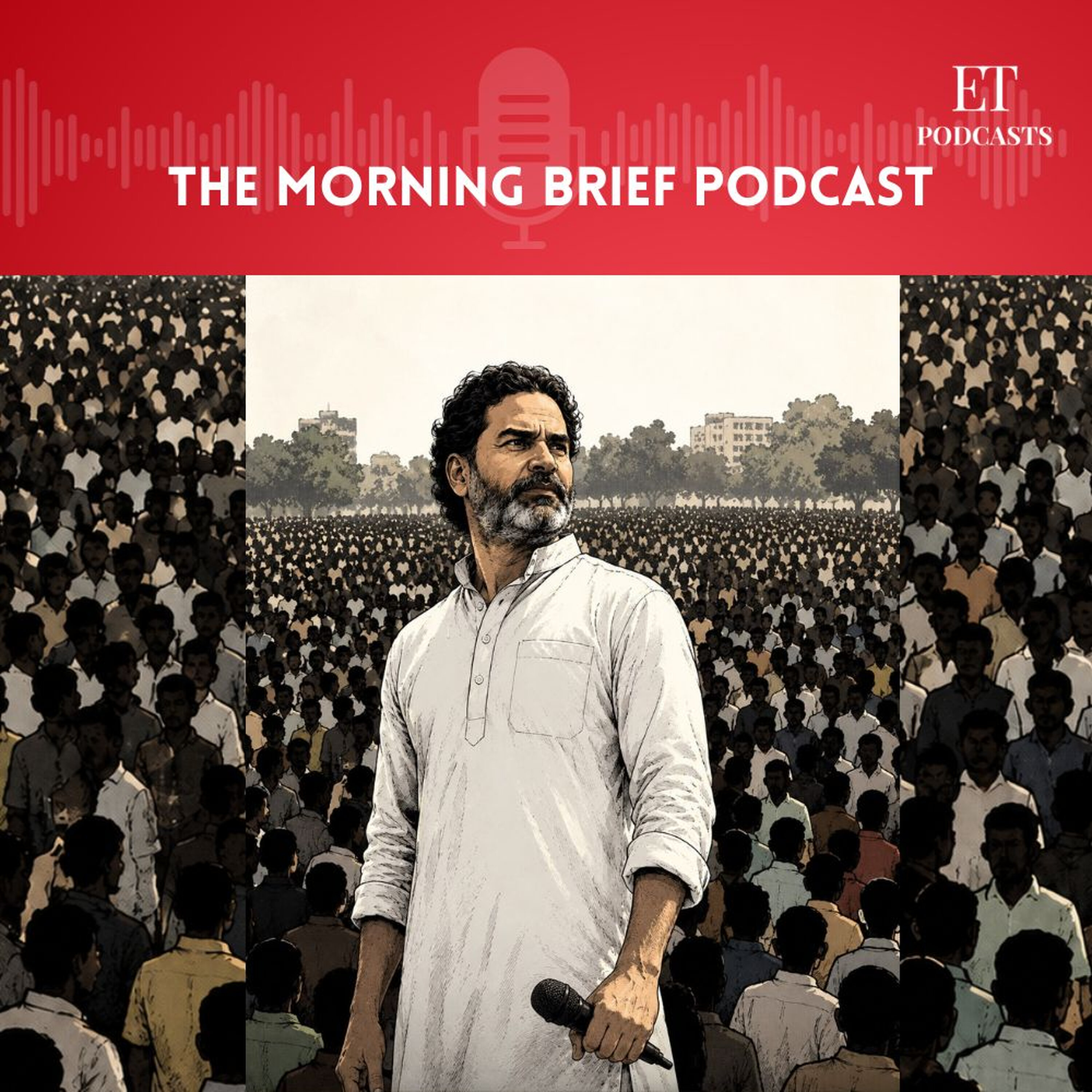
How Prashant Kishor Shocked the BJP
4d ago00:18:45Tap to summarizePrashant Kishor has spent years shaping election victories for others. Now, he has delivered one of his own. In this episode of The Morning Brief, Nidhi Sharma speaks with Economic Times’ Kumar Anshuman to unpack Jan Suraaj Party’s stunning victory in Bankipur, a BJP bastion for more than three decades. How did Kishor engineer a massive electoral swing just months after his party failed to win a single Assembly seat? What does this upset reveal about the BJP’s vulnerabilities, the RJD’s shrinking space, and the changing political mood in Bihar? And should this bypoll be seen as an anomaly—or an early warning?See omnystudio.com/listener for privacy information.
Transcribe →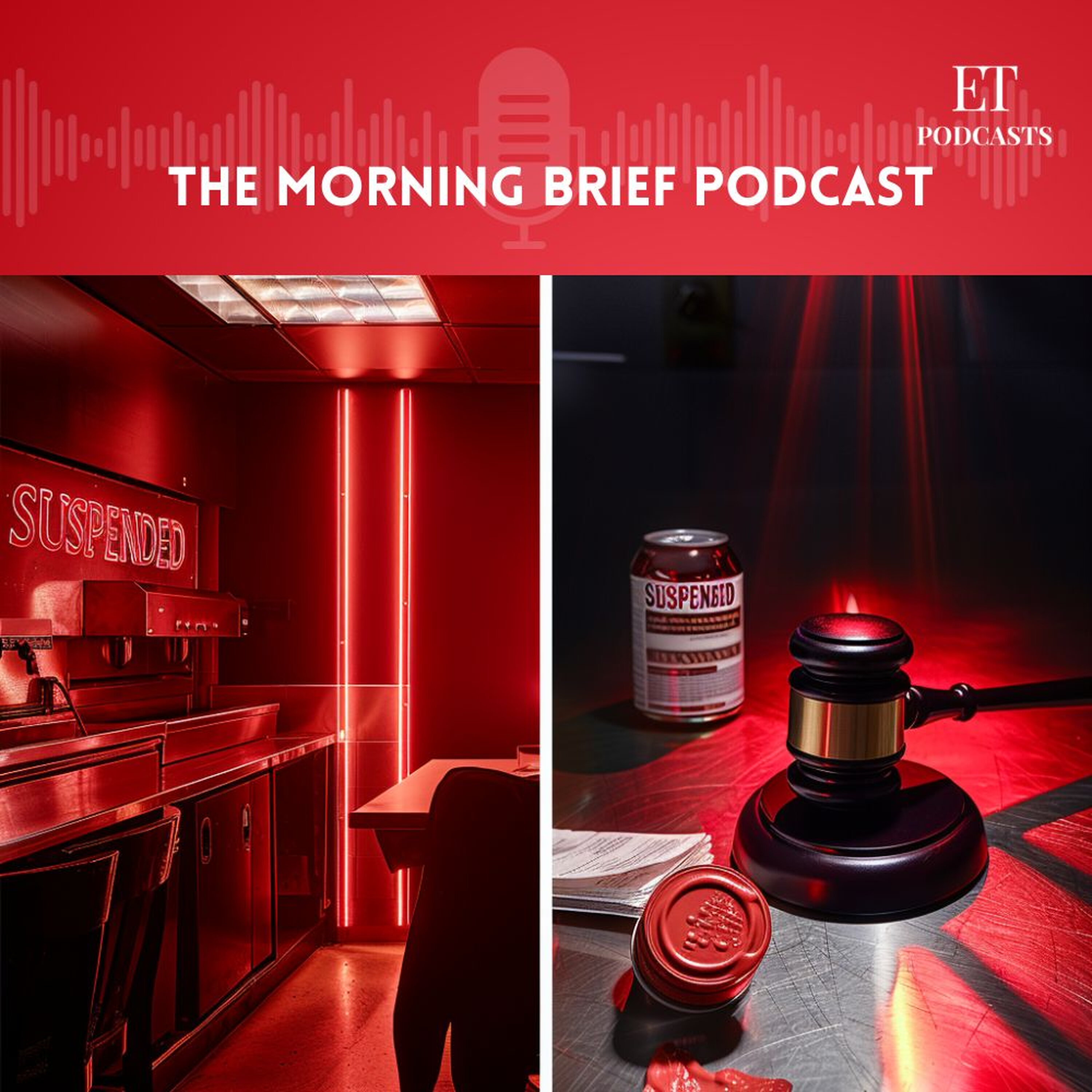
No Place To Hide (Part 2): Why India’s Food Industry Is Cleaning Up Its Act
6d ago00:21:55Tap to summarizeIn the second part of the series, Ratna Bhushan, ET's FMCG Editor, brings in two industry voices to dissect the impact of FSSAI and Maharashtra FDA's crackdowns. Anjan Chatterjee, founder of Speciality Restaurants, argues surprise audits are overdue but says license suspension should be a last resort, not a first response. Ashwin Bhadri, founder of Equinox Labs, backs the enforcement push while calling for improvement notices before suspensions, faster novel-ingredient approvals, and mandatory food-safety education in schools. With the Cricket Club of India already in Bombay High Court challenging its suspension, and more legal disputes brewing, this episode asks: can India's food and drink industry clean up fast enough, without the crackdown becoming counterproductive? Listen in:You can follow Ratna Bhushan on her social media: Twitter and Linkedin. Link to Part 1 https://m.economictimes.com/news/morning-brief-podcast/morning-brief-podcast-no-place-to-hide-inside-maharashtras-food-drug-crackdown-part-1/podcast/132753100.cms Catch the latest episode of ‘The Morning Brief’ on ET Play, The Economic Times Online, Spotify, Apple Podcasts, JioSaavn, Amazon Music and Youtube.See omnystudio.com/listener for privacy information.
Transcribe →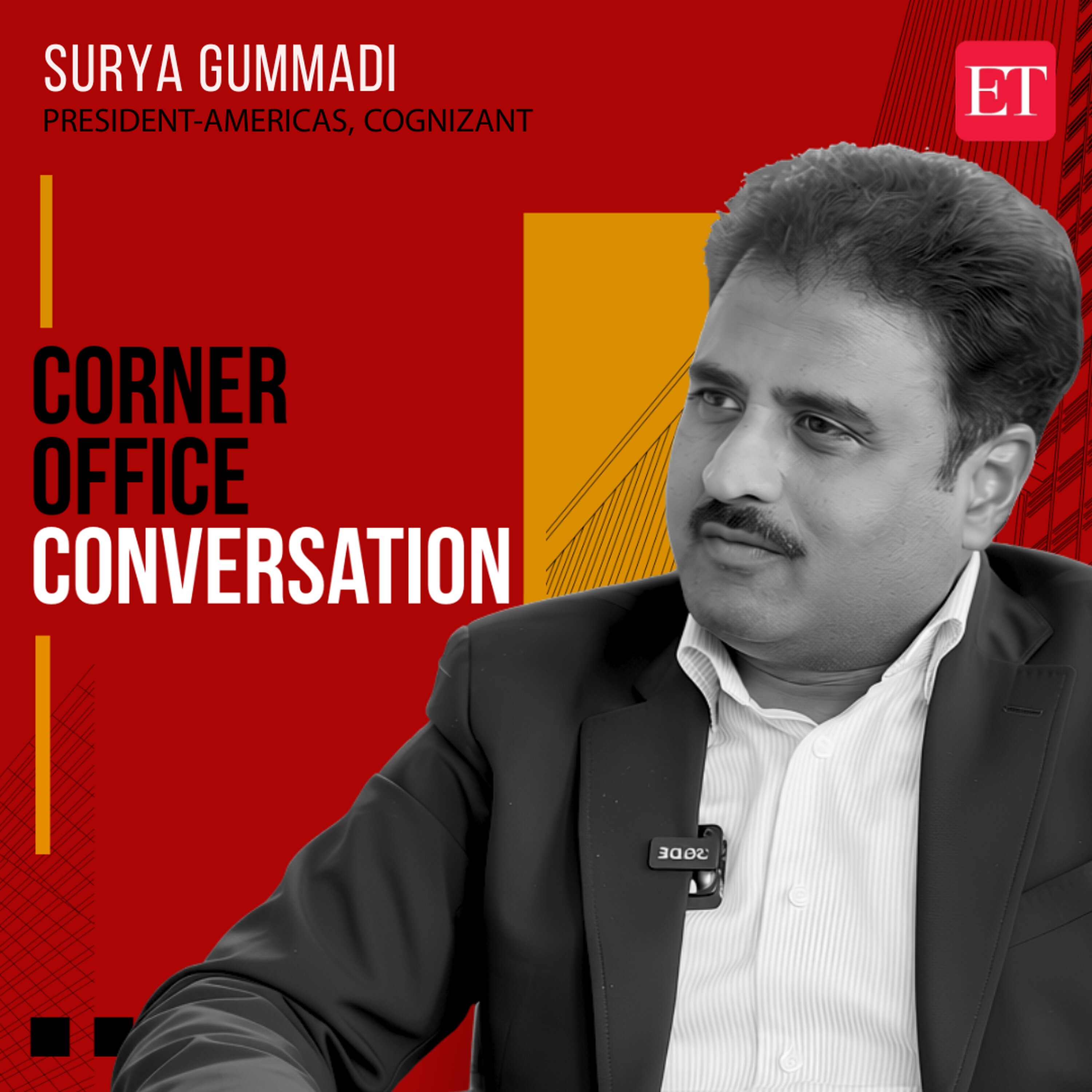
Cognizant’s Surya Gummadi on How AI Can Deliver Returns
1w ago00:25:26Tap to summarizeAI adoption is soaring, but where are the financial returns? Surya Gummadi, President, Americas at Cognizant, argues that enterprises are consuming tokens without always choosing the right use cases. He joins Anirban Chowdhury to explain why companies remain trapped in pilot mode and what it takes to scale AI successfully. Gummadi discusses the coming transformation of coding, testing, talent models and IT contracts; Cognizant’s approach to acquisitions; the evolution of GCCs; and AI’s potential in healthcare. He also reveals how Cognizant used context agents to identify $200 million in new opportunities within three to four months. Listen in:You can follow Anirban Chowdhury on his social media: X and LinkedinCatch the latest episode of ‘The Morning Brief’ on The Economic Times Online, Spotify, Apple Podcasts, JioSaavn, Amazon Music and Youtube.See omnystudio.com/listener for privacy information.
Transcribe →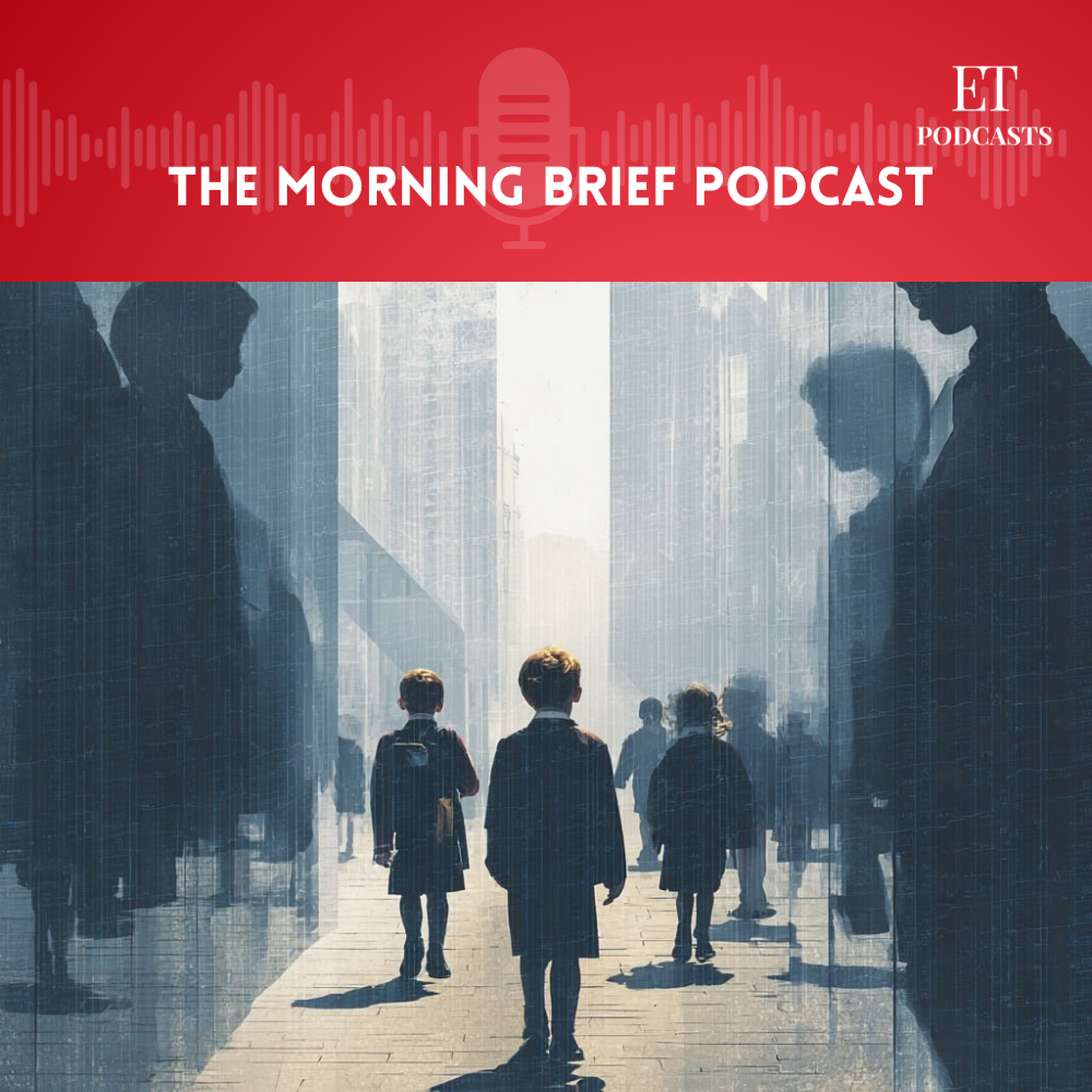
The New Kids' Table: Private Equity Goes to School
1w ago00:12:51Tap to summarizePrivate equity is expanding into India’s K-12 school sector, following the same playbook it used to reshape private hospitals. Since Indian schools must legally operate as not-for-profit trusts, PE firms like KKR, Blackstone, and Kedaara invest indirectly through separate for-profit “OpCo” service companies that charge trusts for management, infrastructure, and operations—mirroring hospital structures. The appeal: predictable, long-term cash flow from families who rarely withdraw children mid-cycle, rising fees, and unmet demand for quality private education. Regulatory hurdles, fee caps, and mandated free seats for low-income students complicate profitability. Unlike hospitals, no major PE-backed education platform has yet achieved a successful exit, leaving the model’s long-term viability untested. Alenjith K Johny and Mohit Bhalla report; Anirban Chowdhury narrates for audio. You can follow Anirban Chowdhury on his social media: X and LinkedinCheck out other interesting episodes like:ET Deep Dive: Swipe Left on Reality,India wants manufacturing at 25% of GDP — will AI in factories help?, Tanay Kothari Wants To Kill The Keyboard, From Doer to Director: The LinkedIn Playbook for the AI Agea, Semaglutide Goes Generic: Big Pharma’s Moat Breaks and much more. Catch the latest episode of ‘The Morning Brief’ on The Economic Times Online, Spotify, Apple Podcasts, JioSaavn, Amazon Music and Youtube.See omnystudio.com/listener for privacy information.
Transcribe →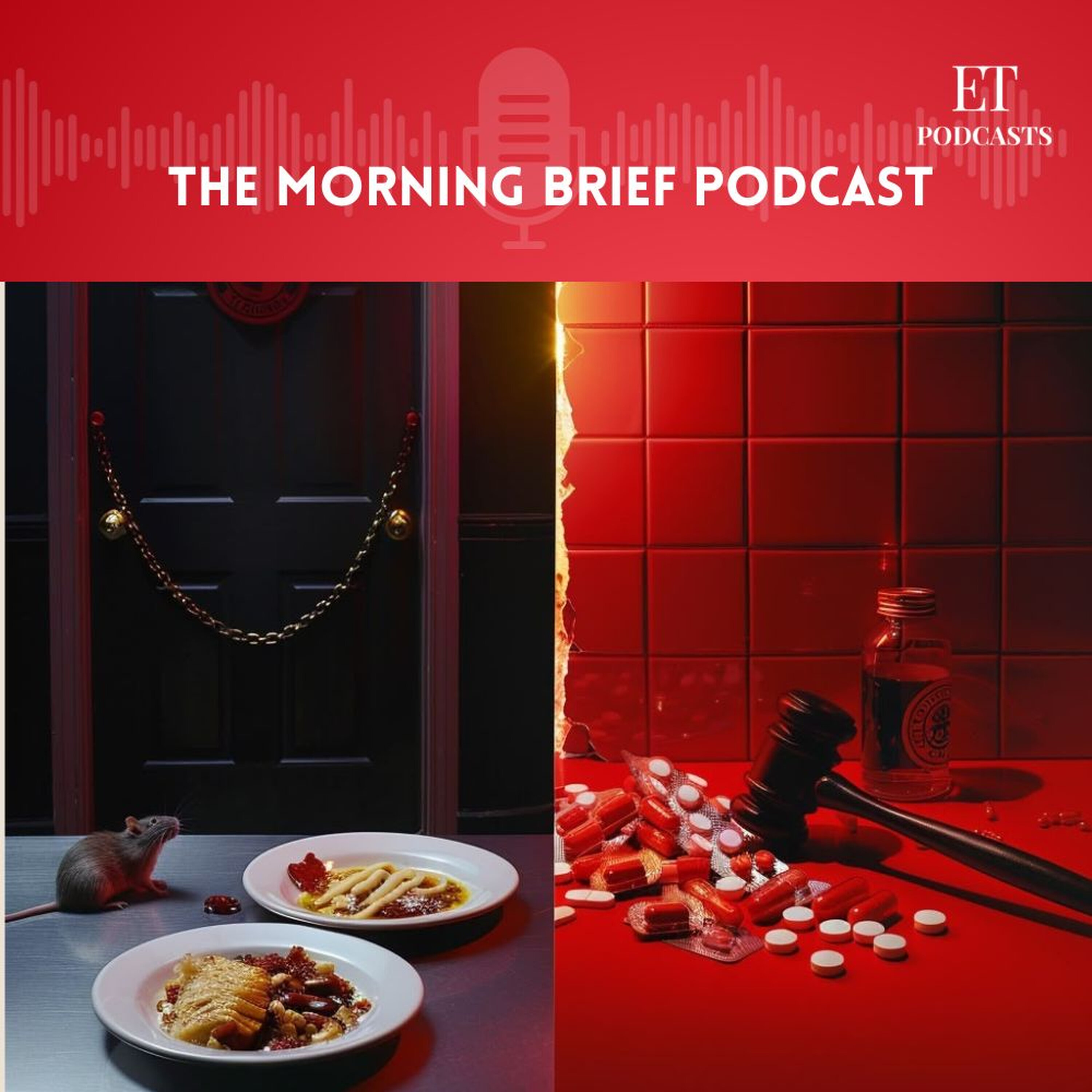
No Place to Hide: Inside Maharashtra’s Food & Drug Crackdown (Part 1)
1w ago00:23:49Tap to summarizeSince late May 2026, Maharashtra has been in the middle of one of its most aggressive food and drug enforcement drives in years — adulterated prasad seized near Shirdi, synthetic milk units shut down, the license of Mumbai’s Parsi Dairy Farm suspended, hospitals pulled up for forcing patients to buy from in-house pharmacies, and over 1,100 raids conducted statewide in just two months. The trigger: a widening gap between food safety standards on paper and enforcement on the ground, rising antimicrobial resistance from unchecked antibiotic sales, and a regulator willing to finally use the full force of the law. This is the first of a two-part series on that crackdown. In this episode, ET’s pharma editor Vikas Dandekar speaks to the man driving it: Tukaram Mundhe, Commissioner of Maharashtra FDA. A 2005-batch IAS officer transferred 25 times in 21 years, Mundhe is known for his uncompromising style. They discuss what’s fueling the crackdown, whether it can survive political pressure, and if this enforcement is sustainable. Listen inSee omnystudio.com/listener for privacy information.
Transcribe →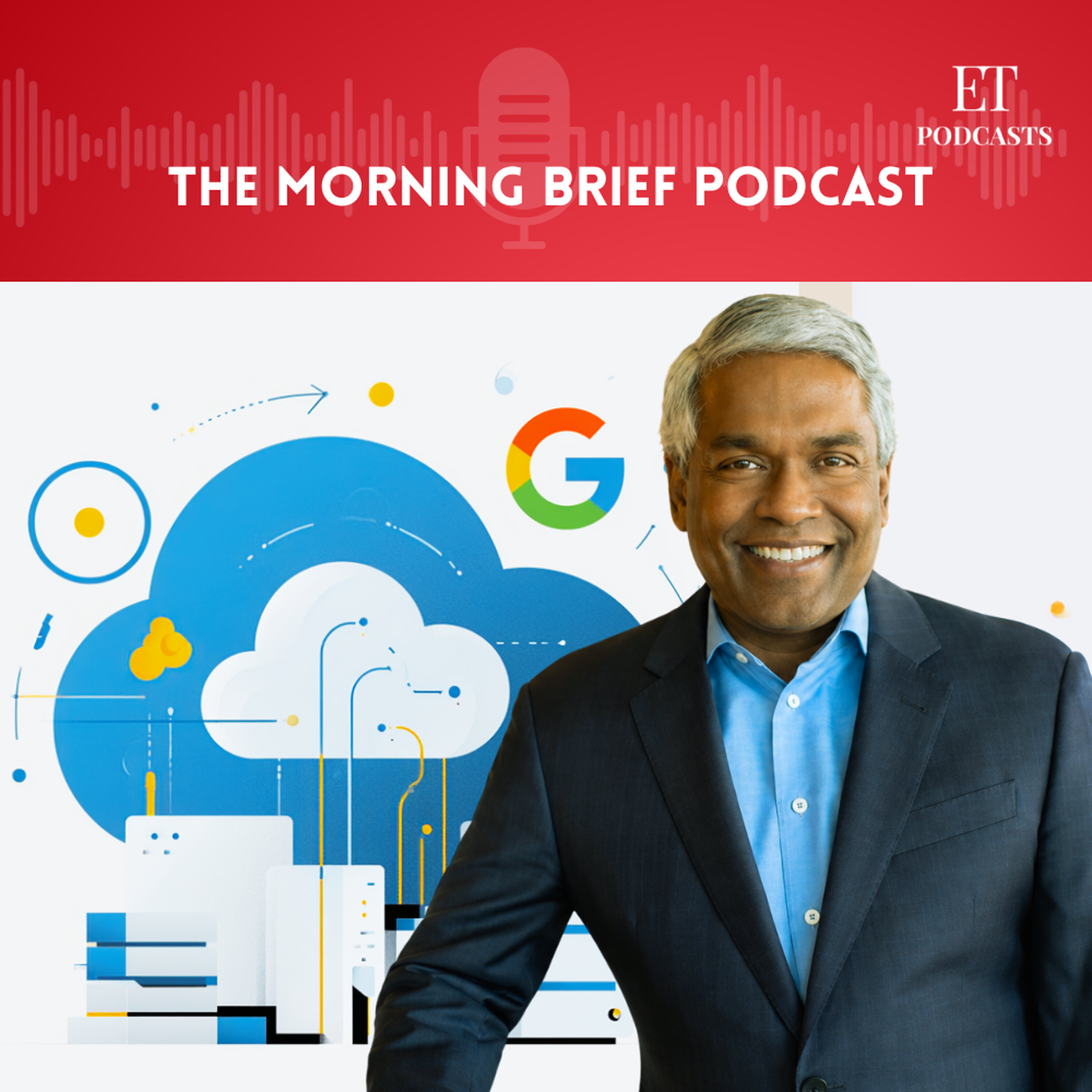
Google Cloud CEO On $15B India Bet, Sovereign AI Push & More
2w ago00:18:12Tap to summarizeIn this conversation with ET's editor technology Surabhi Agarwal, Google Cloud CEO Thomas Kurian discusses the company's expanding footprint in India, including bringing Gemini Flash 3.5 and Gemini Enterprise to sovereign infrastructure, and scaling local engineering talent through forward-deployed teams and partnerships like Mission Karmayogi. Kurian addresses the $15 billion investment with Adani and Airtel, India's growing role as an AI export hub, and ambitions around server manufacturing. He also weighs in on sovereign AI becoming a global norm, Google Cloud's $460 billion order backlog, competition with AI-native challengers, and how the company plans to strengthen its position against larger rivals like Microsoft and Amazon. Listen inSee omnystudio.com/listener for privacy information.
Transcribe →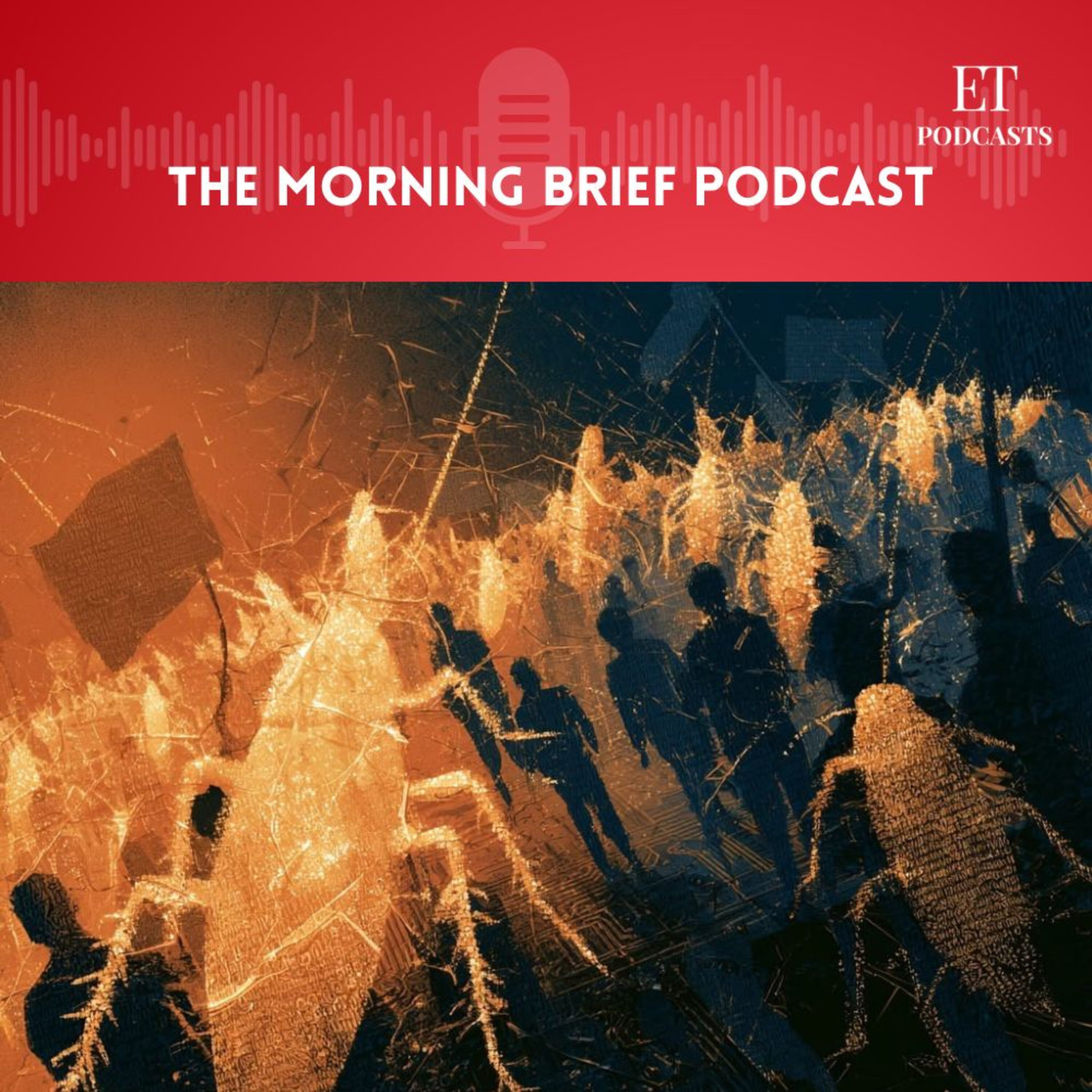
Cockroaches, Courts & Committees: What Did India’s GenZ Really Win?
2w ago00:31:42Tap to summarizeWe look back at the Jantar Mantar protests through the lens of media, technology and youth agency. What began as a Chief Justice’s jibe calling unemployed young Indians “cockroaches” turned into a movement that forced a Union minister’s resignation — powered by satire, memes and a 26-day hunger strike, and a social media following that outgrew the ruling party’s own. As the government rolls out fast-track courts, a tougher anti-cheating law and a Nilekani-led task force, the question is whether this marks a genuine break from the past or a repeat of 2024 — when a similar paper leak led to the Radhakrishnan committee's 101 recommendations, many of which remain only partially implemented two years on. Anirban Chowdhury speaks to Dr Anindya Kundu, sociologist, best-selling writer, Assistant Professor at Florida International University, Dr Usha Raman, former professor, Dept of Communication, University of Hyderabad and ET’s Anubhuti Vishnoi on virality, power, protest and reforms.See omnystudio.com/listener for privacy information.
Transcribe →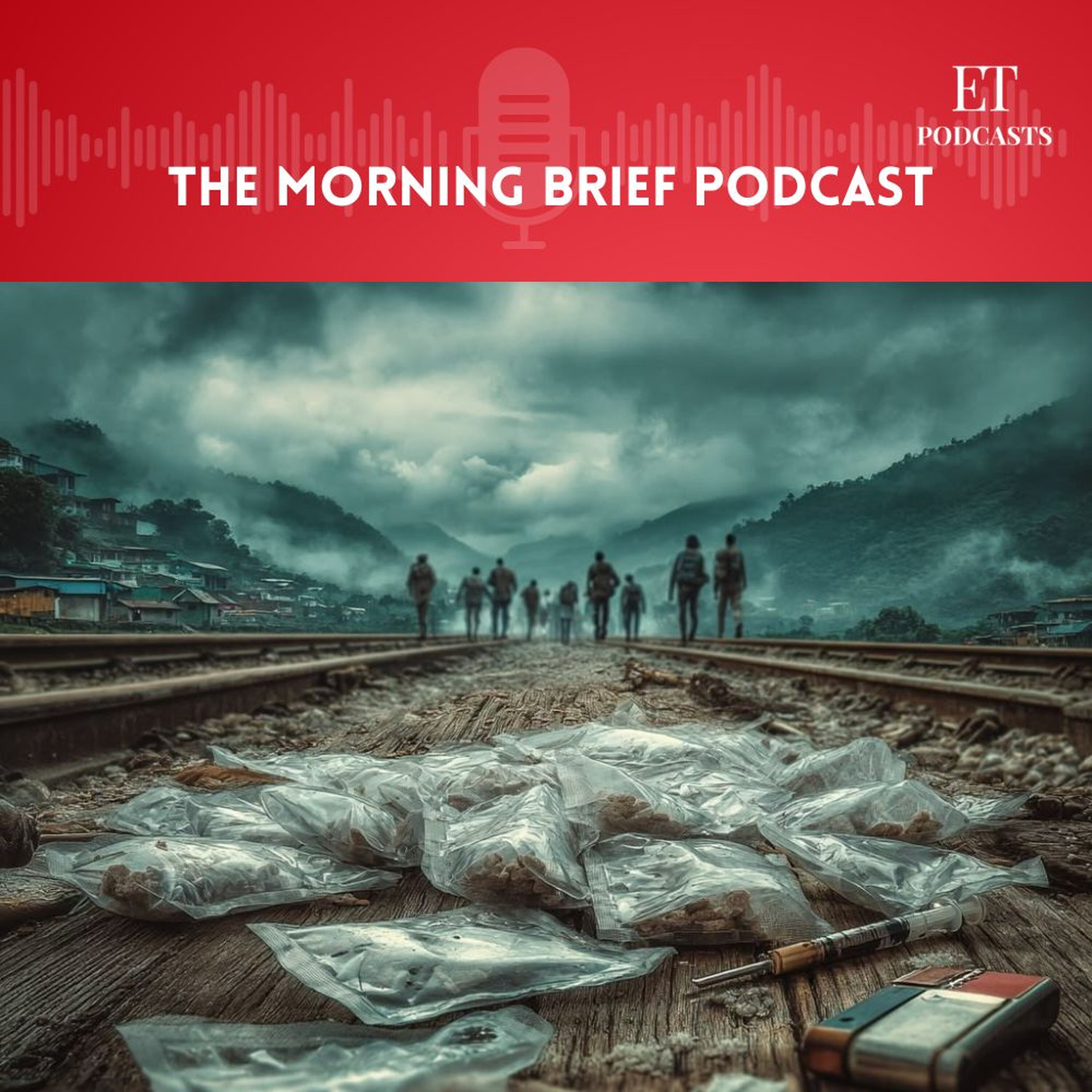
The East’s Own Overdose
2w ago00:15:11Tap to summarizeFor decades, Northeast India was seen mainly as a corridor for drugs flowing out of Myanmar’s Golden Triangle. That has changed. The transit route is becoming a destination. In this episode of ET Deep Dive, we travel to the Assam–Arunachal Pradesh border, speaking to recovering heroin users, anti-drug volunteers and communities confronting a crisis that is quietly tearing families apart. From schoolchildren drawn into addiction to tribal justice systems stepping in where institutions struggle, this is a story of shifting narcotics networks, broken lives, and remarkable resilience. The battle against drugs is no longer only at the border— it is inside homes.Shantanu Nandan Sharma reports, Anirban Chowdhury narrates for audio.See omnystudio.com/listener for privacy information.
Transcribe →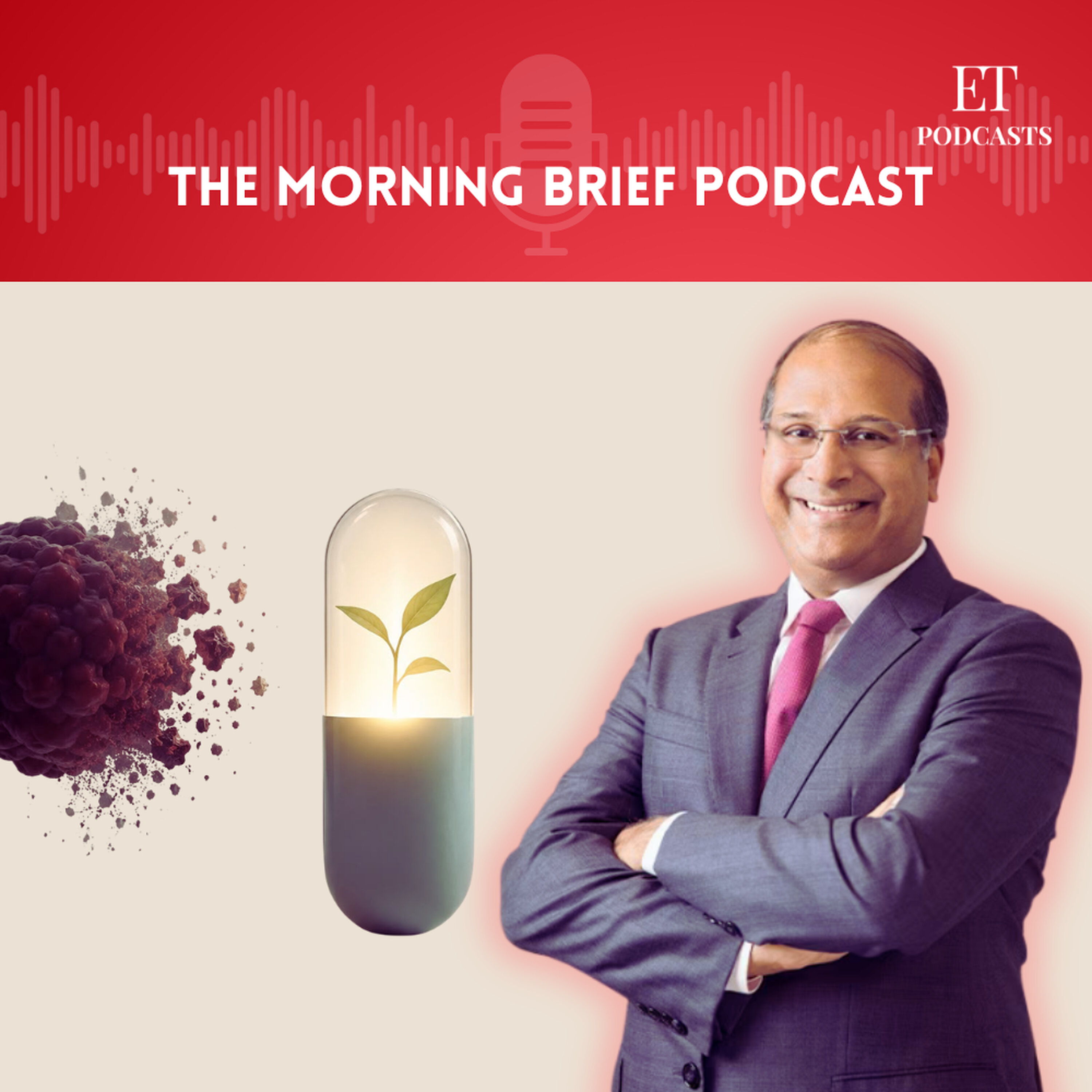
Glenmark Chief on Cracking the Multi-Specific Code
2w ago00:31:22Tap to summarizeGlenmark Chairman and Managing Director Glen Saldanha joins Vikas Dandekar and Rica Bhattacharyya to discuss the company’s 25-year innovation bet, and why it’s finally paying off. At the center is ISB2001, a tri-specific antibody partnered with AbbVie, born out of Glenmark’s IGI platform after fifteen years of R&D. Saldanha talks through the platform’s pipeline, why Glenmark stays out of ADCs and CAR-T, how it’s building “Glenmark 3.0” across oncology, dermatology and respiratory, and why he still rates the US well ahead of China on innovation. The conversation also covers India’s licensing deals with Chinese biotechs, AI in drug discovery, and the GLP-1 market. Listen in You can follow Vikas Dandekar on his social media: X or Linkedin and Rica Bhattacharyya on her X and LinkedinCheck out other interesting episodes like:ET Deep Dive: Swipe Left on Reality,India wants manufacturing at 25% of GDP — will AI in factories help?, Tanay Kothari Wants To Kill The Keyboard, From Doer to Director: The LinkedIn Playbook for the AI Agea, Semaglutide Goes Generic: Big Pharma’s Moat Breaks and much more. Catch the latest episode of ‘The Morning Brief’ on The Economic Times Online, Spotify, Apple Podcasts, JioSaavn, Amazon Music and Youtube.See omnystudio.com/listener for privacy information.
Transcribe →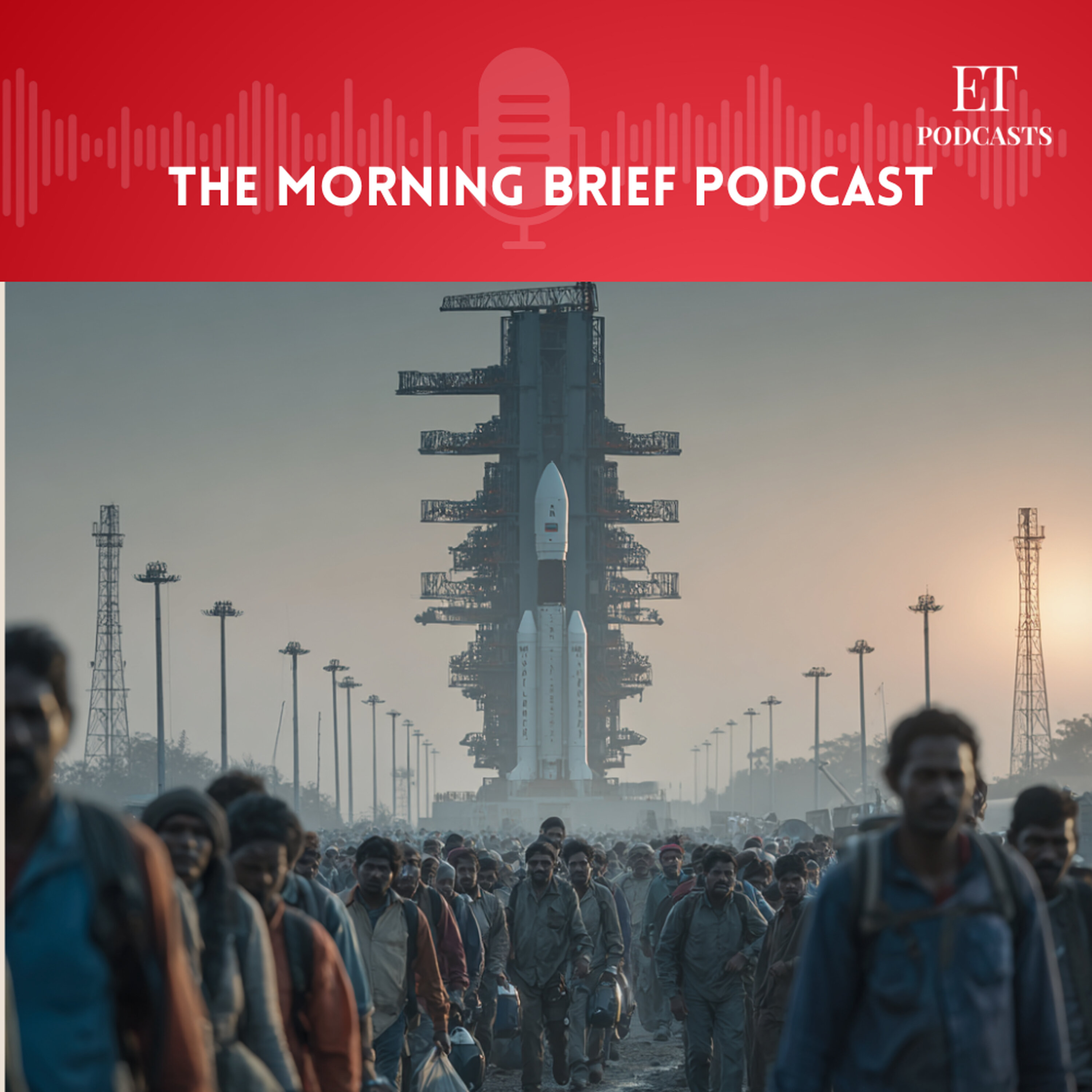
ISRO's Exodus: Space Crisis, Staff Crisis
3w ago00:21:03Tap to summarizeISRO is losing people faster than it can hire them. Around 100 scientists and engineers have resigned or taken voluntary retirement recently, with the bulk of the exits from URSC, ISRO's satellite hub, and VSSC, its rocket-making centre. More worryingly, the agency's on-roll strength is now lower than it was in 2001-02, even as its workload has multiplied with Gaganyaan, Chandrayaan-4 and-5, and Venus and Mars missions on the table. TOI's Chethan Kumar, who broke both stories, joins Anirban Chowdhury to unpack what's really driving the attrition, why the private space boom is only part of the story, and what it means for India's space ambitions.You can follow Anirban Chowdhury on his social media: X and LinkedinCheck out other interesting episodes like:ET Deep Dive: Swipe Left on Reality,India wants manufacturing at 25% of GDP — will AI in factories help?, Tanay Kothari Wants To Kill The Keyboard, From Doer to Director: The LinkedIn Playbook for the AI Agea, Semaglutide Goes Generic: Big Pharma’s Moat Breaks and much more. Catch the latest episode of ‘The Morning Brief’ on The Economic Times Online, Spotify, Apple Podcasts, JioSaavn, Amazon Music and Youtube.See omnystudio.com/listener for privacy information.
Transcribe →