← The Morning Edition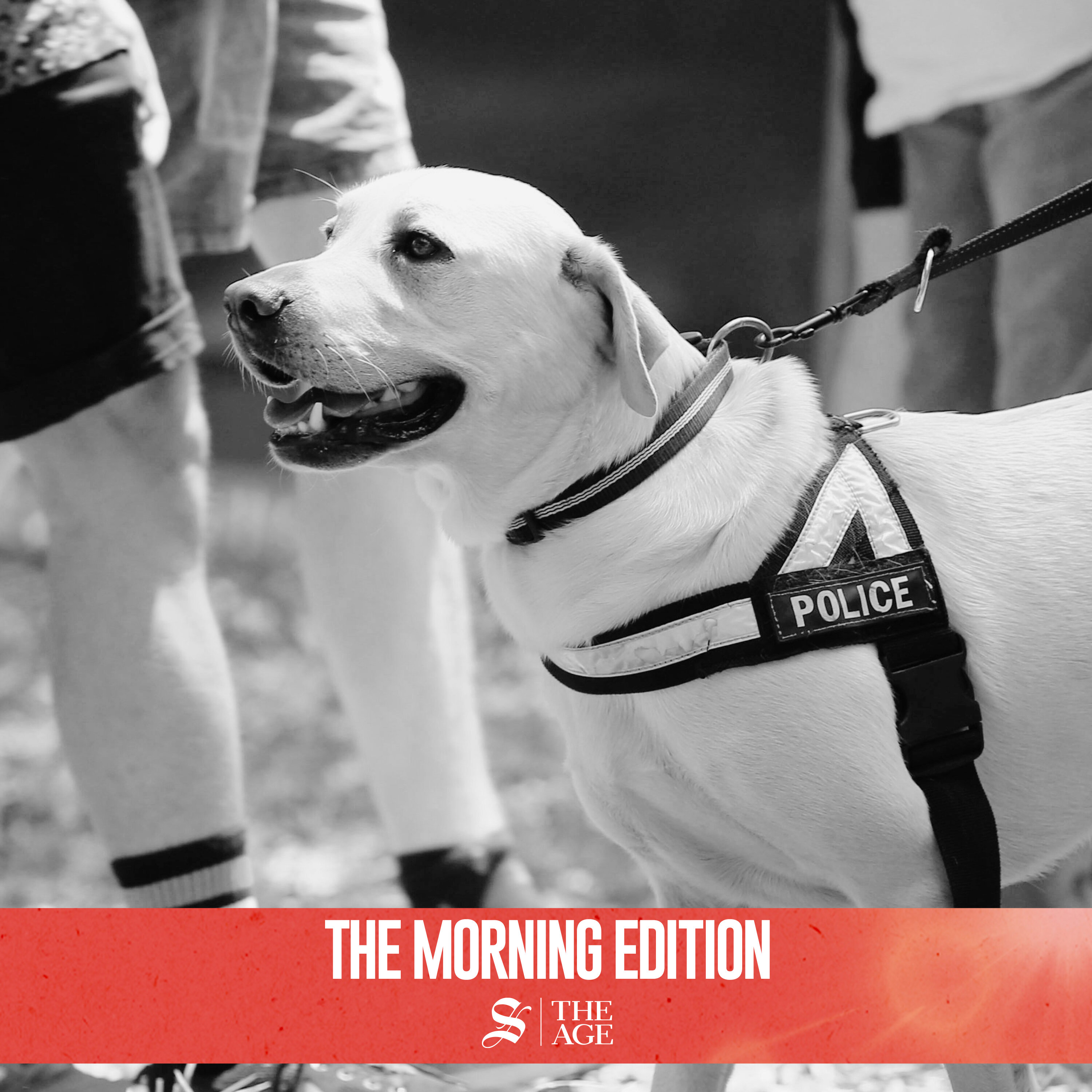
Loading summary
Transcript29 lines
- [00:01]
A
Yes you can. A five minute quick and easy calorie burning workout. Give it a try. Come join our sweatsesh on TikTok. Drugs and music festivals have gone hand in hand for decades. But in recent years, since a string of overdoses, authorities have employed a multitude of strategies to try to curb drug use and and avoid tragedy at festivals around Australia. Depending where they're held, festival goers have been subjected to various degrees of intervention, from having to run the gauntlet of sniffer dogs at the entrance to a festival to intrusive strip searches. I'm Samantha Sellinger Morris and you're listening to the Morning Edition from the Age and the Sydney Morning Herald. Today culture reporter Kayla olea on the 3,000 people who sued New South Wales police last year over the legality reality of strip searches and the announcement by New South Wales police that it will be changing the way it handles drugs at big live music events. Welcome Kayla, back to the podcast.
- [01:16]
B
Thanks so much for having me, Sam.
- [01:18]
A
Oh, it is my pleasure. I can't wait to get into this because you have written about a really controversial topic. But before we get into the details of what is changing in terms of how police are cracking down on drugs at festivals, can you just tell us a little bit about how long snow, sniffer dogs and testing have been a feature at the big festivals in Australia? Like when did this begin?
- [01:38]
B
As you say drugs music festivals, you know, they've had a deeply intertwined history, you know, from the 70s, like all the movies that you watch about festivals, I mean, Woodstock, the 70s, LSD, weed, you know, following up until now, which, as someone who is in my 20s, whenever anyone talks about going to a festival, the conversation around drugs is also there. So yeah, it's a very, very intertwined history and it's something that has been part of politics for a long time, not just now. So the Drug and Alcohol foundation in Australia says pill testing has existed since the 1990s as a harm reduction strategy. If you take your drugs into a tent in a music festival and the likelihood is that it'll kill you, like a lot of people just probably wouldn't take it. And a lot of results have shown that people do end up forfeiting their drugs when reports are released from pill testing sites. The act was actually the first territory in Australia to introduce drug testing in 2022 and will continue to service that until June 2027. New South Wales did a one year trial which ended in March. And Victoria, there's still a trial at music festivals which will be evaluated this year, Queensland banned pill testing and other states have not yet adopted it. And sniffer dogs, like pill testing, have kind of been features of music festivals for a while. And that's been in New South Wales since at least the year 2000 and even more recently. So in April last year, New South Wales Health released its final report from its landmark 2024 Drug Summit. So it was held 25 years after the 1999 Drug Summit, which led to the opening of the King's Cross, medically supervised injecting rooms and sterile syringe programs. So the summit was an election promise from the MINS government and included 56 recommendations. So fast forward to October last year, the MINS government released its response that the government accepted 50 of those recommendations, acknowledged a further four, but did not support the recommendation to stop using drug detection dogs and strip searches for suspected drug possession at music festivals. So those two were specifically ones that they ditched from the drug summit. And at the time, Police Minister Yasmin Catley said sniffer dogs and strip searchers at festivals were important investigative tools for the police and would stay.
- [03:56]
A
And that brings us to this moment because I'm not gonna lie, your feature really surprised me because police in New South Wales are changing their enforcement strategy at music festivals from targeting the possession of drugs to the supply of drugs. And this news, I think, did come as somewhat of a surprise. Right. I've gotta say, one of the top cops in New South Wales said something that really took me by surprise.
- [04:17]
B
Yeah. So you weren't the only one that was surprised by it. I, you know, came to work on Monday, knew that the state of live music inquiry in New South Wales was. And as someone who covers live music and nightlife, I was excited to hear about what the police had to say because there are a lot of topics that do involve the police, including music festivals, but sniffer dogs and pill testing was never really something that I thought would get an update on that situation in the way that we did. And neither was the Greens mp Kate Fairman, who when she asked the question was like, wait, what? And then asked a few follow up questions about essentially police's presence at the front of music festivals and how they were probably deterring festival goers. So the representative for New South Wales police at the inquiry was Paul Dunstan, who was there as the acting assistant commissioner and vibrancy representative. So he's there to represent nightlife and all things fun about police. He's the vibes police. A bit of a, an oxymoronic sentence, but essentially he Just said, yeah, we've
- [05:24]
C
had a slight change in strategy at the music festivals in the enforcements of drug possession in particular. We've now pivoted to a more drug supply focus. The days of young people attending festivals going through a gauntlet of police lined with drug dogs behind us. We still have drug dogs and we don't apologise for having drug dogs.
- [05:47]
B
Pretty crazy thing to just drop at like 10am on a Monday when, you know, no one was really logged on except for journalists who have committed to the seven hour inquiry to listen to like head of the bowling clubs and head of the rsls. And then you're suddenly like, wait, what?
- [06:02]
A
Yeah, I mean, and that's it. I think, you know, because this was a mainstay for so long, you know, the police and the drug dogs, you know, at the entrance to the festivals, to suddenly announce, okay, this is done, Obviously it's a big moment. So can you take us through what has changed and how is this new strategy going to work?
- [06:18]
B
Yeah, so it's still not super clear. We did get a few more answers after he did drop the revelation, but essentially festival goers are still going to be targeted. So even though the days of police crowding and hoarding in front of a festival are over, it does not mean that those police are suddenly just like given the day off or told to go and patrol traffic. They're still going to be there at the festival, they're just not going to be at the front. And specifically what this strategy shift and this pivot is targeting now is not so much festival goers entering the festival with drugs on them and there still will be cops at the front with their dogs. It's just that the bulk of it will be towards the, what he says, the en route, the back street. So people going into the festivals. Because essentially police have identified that people are buying drugs en route to the festival and they want to target the supply instead of the possession.
- [07:23]
A
And in terms of what's motivated this change, I wanted to ask you if it's got anything to do with a landmark class action case that was ruled on last year because this was massive. It involved 3, 000 people who sued New South Wales Police because of the way they'd been strip searched. And there was a landmark decision because one woman, this was the lead plaintiff, she was found to have been unlawfully strip searched. And this, it's been reported on, has paved the way for the state to pay millions of dollars for unlawful strip searches. So can you tell us a bit about that, yeah.
- [07:55]
B
So the suit's main plaintiff, her name's Raya Meredith. She was awarded $93,000 in damages plus interest after her experience of going to Splendor in the Grass. Really popular major festival in New south Wales in 2018 when she attended as a 27 year old. So when Raya attended this festival, there's no way that she could have known that she would have been strip searched in the way that she did and in a way that a court found unlawful.
- [08:27]
A
And I will just. Sorry, I wouldn't normally want to interrupt you. I'm just gonna flag this for the listeners. Cause it is, it's pretty horrible what she went through. So please tell us what happened.
- [08:35]
B
Yeah, it's actually really harrowing. So before she even entered the gates of the three day festival, she was subjected to an invasive strip search. After she was approached by an officer with a sniffer dog. She was directed then to an area containing makeshift cubicles. Her bag was taken and she was told by a female police officer to pull down her top. She was then exposing her breasts to then take off her shorts, underwear and to remove her tampon and bend over. So while she was removing her tampon, a male police officer came into the cubicle with her bag as she was bent over and he didn't knock. And in the end there were no drugs found on her. After the break, we know that this is something that has significant impact on young people and yet we don't really know much about it. What is this intelligence based approach? How are they monitoring young people taking drugs?
- [09:51]
A
So horrific experience, obviously a moment I would imagine for the police force to have a rethink about how this pursuit of people who are supplying or possessing drugs, how it's going about. And so that takes me back to Paul Dunston. He's the assistant Police Commissioner you spoke about before. He is one of New South Wales's top cops. So what did he tell you though, about what police are actually proposing to do? Because it sounds like it's just moving this gauntlet of sniffer dogs down the road, right, like from being right at the front of the festival to say, being around it to catch those who are supplying it on the way to the festival. So is that really gonna solve the problem, just moving this gauntlet of sniffer dogs?
- [10:29]
B
Well, that's still a question that we really do wanna still get to the bottom of. I mean, it's just, you know, you're shifting police away. But Dunstan did say in the inquiry that police, police's pivot towards targeting supply and staying away from the front gate was a decision made to make young revelers feel safer. So he said, we want to make it as safe for young people or the people that attend these venues. And I think there was a suggestion or a thought that coming through the gauntlet, a line of police might make young people potentially feel unsafe. And we've sort of spread our area to try and pick up on those back streets or the isolated areas where the supply potentially is taking place. And if we really want to examine what this gauntlet and the effects that that has on young festival goers has, we don't need to look further than an inquest into this very topic that occurred in 2019 that was held in New South Wales into the overdose deaths of six young festival goers, because the use of sniffer dogs has long been a subject of controversy. In line to what you said previously, Sam, this is a warning that this is also really uncomfortable to hear. In that inquiry, a coronial court heard that 19 year old Alex Ross King died from a drug overdose after opting to double dump two MDMA capsules to avoid being caught by police at the music festival. The court was shown the jumbled messages containing her tragic cries for help, including one at 3:48pm when she sent a message to her friend around mid afternoon on a January day when temperatures soared to 35 degrees at a Parramatta festival. The text said, bro, can someone please get me under the tree, please, someone. The court heard that Ross King bumped into an unknown group of people and fell over before a medical officer told her, you're going to have to go into the tent right now. And the friend that she was with said that Ross King was kicking and screaming inside the tent and she had never seen her act like that before. And then she was taken to Westmead Hospital where she died at 9:15pm so she took those MDMA capsules because she did not want to smuggle them into the festival that was lined with dogs.
- [12:43]
A
Yeah. And the double dumping, I'm assuming that means like a double dose of the drugs so that they wouldn't be found on her.
- [12:50]
B
Yep. So she was probably going to space them out when she was in the festival. By double dumping, it means that she took them all at once.
- [12:58]
A
And so, Kayla, does this mean that police have actually come to the conclusion that dump dog drug searches don't work? Like, have they changed their approach to drugs in general?
- [13:07]
B
I'm not entirely sure. There was actually one comment that Dunstan made that seemed tiny bit more Lax. He was sort of somewhat alluding to the fact that police were going to have a bit more of a relaxed, I guess, perspective when it came to festival goers with drugs. He said that, you know that they're often given cautions or move on or first attendance notices. So he somewhat emphasized the fact that having drugs on you, depending on the type and the quantity, would not result in like a very intense punitive order. Dunstan mentioned that there's a top down approach at the moment in New South Wales Police, which means that they are trying to create a culture where police are going less ham, essentially and they're going less strict on revelers and people who go out, that they're trying to essentially stop this culture of police coming in, barging and ruining nights out by, you know, effectively scaring a bunch of young people from enjoying a night out. And really the reason why this is new, because a few months ago in October last year, they literally said, we are going to adopt and slash, acknowledge all these recommendations except for two drug dogs and strip search. So it's interesting that it's kind of coming back around and we can see a why this is occurring and that's through data. So the number of individuals charged with drug offenses resulting from a strip search following a drug dog indication between 2024 and 2025 has fallen, according to data provided to Parliament by New South Wales Police. And mind you, in 2024, only about 40% of strip searches actually resulted in substances being found on the person. And in 2025 this figure fell further to about 36% based on that same data set. So it's like there's less people being charged overall for drug offenses, both supply and possession. Also, these strip searchers are essentially only really getting a little bit over a third of people who actually have drugs on them.
- [15:12]
A
And I just wanted to ask you just a bit further on on the way, police are viewing this entire, you know, very contentious situation because does removing sniffer dogs and focusing more on harm prevention, does that mean that police are in some way condoning illicit drug use?
- [15:27]
B
No, they made that very clear in the inquiry. Dunstan explicitly says, we still have drug dogs and we don't apologize for having drug dogs around the festivals. So there's still that culture. They still emphasize that it's still an offence to even carry drugs. Even though they're not targeting you as much, it's still an offence. If you get done for that. Police aren't telling you that they're not going to not look at you. I Just think that it's them essentially just trying to target other people. It's them saying the supply is not happening at the front, it's happening somewhere else. That's what we're going to target. And then the other little kind of bit of information we got was kind of how this new strategy is working. So Dunstan said that it's being led with an intelligence based approach. Kate Fairman asked what this meant. He didn't really explain it that much, so don't really know what that that means. I don't know what intelligence he's referring to and what they're going off of there. But he essentially said that they're still targeting festival goers. It's just that police operations, the bulk of it would not be at the front of the gate, it's just going to be everywhere else.
- [16:31]
A
And Kayla, I just wanted to wrap up by asking for a bit of insight from your own experience. Because you're 24, you love going to gigs, you report on live music. And I know that even when I'm not doing anything wrong, like say I'm driving or I'm coming out of a bar, you know, I sort of jump a little bit if I see police. So have you seen these dogs? How do other people that you see at these festivals, how do they feel about them? And are you and others, are you feeling safer with police around or is it just scary?
- [16:59]
B
I would probably say that most of my friends are not really warm. They don't take warmly to the police being in the presence of live gigs and music festivals. And I think that it's easy to see that apprehension from young people as well. Police are just doing their job to keep you safe. But there is a historic aggression from police towards people in music festivals and it is quite scary as a young person trying to have fun. And then you see like a group of them walking by and, you know, you kind of get that second guess of like, am I doing something wrong? I mean, in my personal opinion and the opinion that I often hear from my friends is that people are just going to do drugs. And for close to 30 years, the idea of facilitating a way for people to do drugs in a way that is safe and that they are given, I guess, a bit of autonomy to do it or not has always been popular and that is quite appealing. Like if you are going to a rave and you buy drugs before going to that rave every year, there's always a conversation about rave deaths. It's hard for me, I guess, from my perspective and from People who I hang out with to see why we just don't give people a better option to do them safely if they're just going to do it. To me, that's so logical. But the New South Wales Police Force, we know, is a conservative body and branch of the government. And the fact is that no one in our newsroom actually knew that this change had occurred, just dropped it in the inquiry. And we know that this is something that has significant impact on young people and yet we don't really know much about it. What is this intelligence based approach? You know, what are they, how are they monitoring young people taking drugs? Where do they know young people are buying it from? Why are they targeting back streets? Why are they targeting train stations, parks? Like, this kind of opens up, I guess another question of, like, how wary should we be of nighttime activities? And what does that somewhat surveillance coded language then prompt young people to do in order to keep taking those drugs, to go to festivals or underground unregulated gigs, raves, et cetera, because that's what we know would probably happen.
- [19:20]
A
And so I'm just curious, you know, for those cops who are of course wanting this intelligence, this insight from the people who are actually going to the gigs, you said it'd be great if there was another option, right? So that people could, if they're going to do this, they can do it in a safe way. Like, are there any particular ideas that are circulating around, you know, people in their 20s who are going to this sort of stuff, like, what would those options look like?
- [19:40]
B
I think that pill testing is overwhelmingly the most popular one. Also, something that came out in the inquiry was that Dunstan said the new special entertainment precincts in Sydney, which are essentially hubs of nightlife that are given more lax training environments in order to facilitate nightlife for younger people, that criminal activity has not gone up. And so young people are going out more to these areas, they are engaging in nightlife, they are going to gigs, they're not doing anything that is antisocial criminal behaviour to a scale that we need to be concerned about. So I just think that there needs to be a look at how young people take drugs, how they engage with alcohol, and then maybe base policies on that, rather than just taking a complete punitive action, which is just going to push people to the other extreme.
- [20:37]
A
Well, thank you so much, Kayla, for your time. Time.
- [20:39]
B
Thanks again, Sam.
- [20:50]
A
Today's episode was produced by Josh Towers. Our executive producer is Tammy Mills. And our podcasts are overseen by Lisa Muxworthy and Tom McKendrick. If you like our show, follow the Morning Edition and leave a review for us on Apple or Spotify. Thanks for listening.