Podcast
The Natural Curiosity Project
Hosted by Dr. Steven Shepard · EN
I photograph, record, and write about the natural world. I see, I listen, I write. I fundamentally believe that curiosity can save the world—so I publish stories to make people curious. Ultimately, curiosity leads to discovery, discovery leads to knowledge, knowledge leads to insight, and insight leads to understanding. Please enjoy!
33episodes
Episodes
Newest firstAll episodes
Episode 328-Ages of the Anthropocene
2w ago00:26:03Tap to summarizeA lot has been written about the ages of human existence, beginning with the Stone and Iron and Bronze Ages, then going all the way through to the Information Age. But I believe that there are actually more identifiable periods that aren’t talked about—13 of them in fact. In this episode, I’m going to talk about them and why I think they’re important. I’m also going to discuss how they relate to one another and what their contributions and liabilities have been.
Transcribe →
Episode 327-Talk Dirty to Me, Part 1
3w ago00:11:51Tap to summarizeIt’s all around us. It lies beneath our feet, it gets embedded in our clothing and skin, and the air is filled with it. It makes us sneeze. Great clouds of the stuff are lifted from the African Sahara by harmattans and sciroccos and carried high into the atmosphere, where great westward-flowing aerial rivers carry it across the Atlantic to South America, where it falls like rain and feeds the equatorial rainforest. Weird, right? I’m talking, of course, about soil, or as most of us call it, dirt. This is the first part of a two-part series on soil and what lives in it. Enjoy.
Transcribe →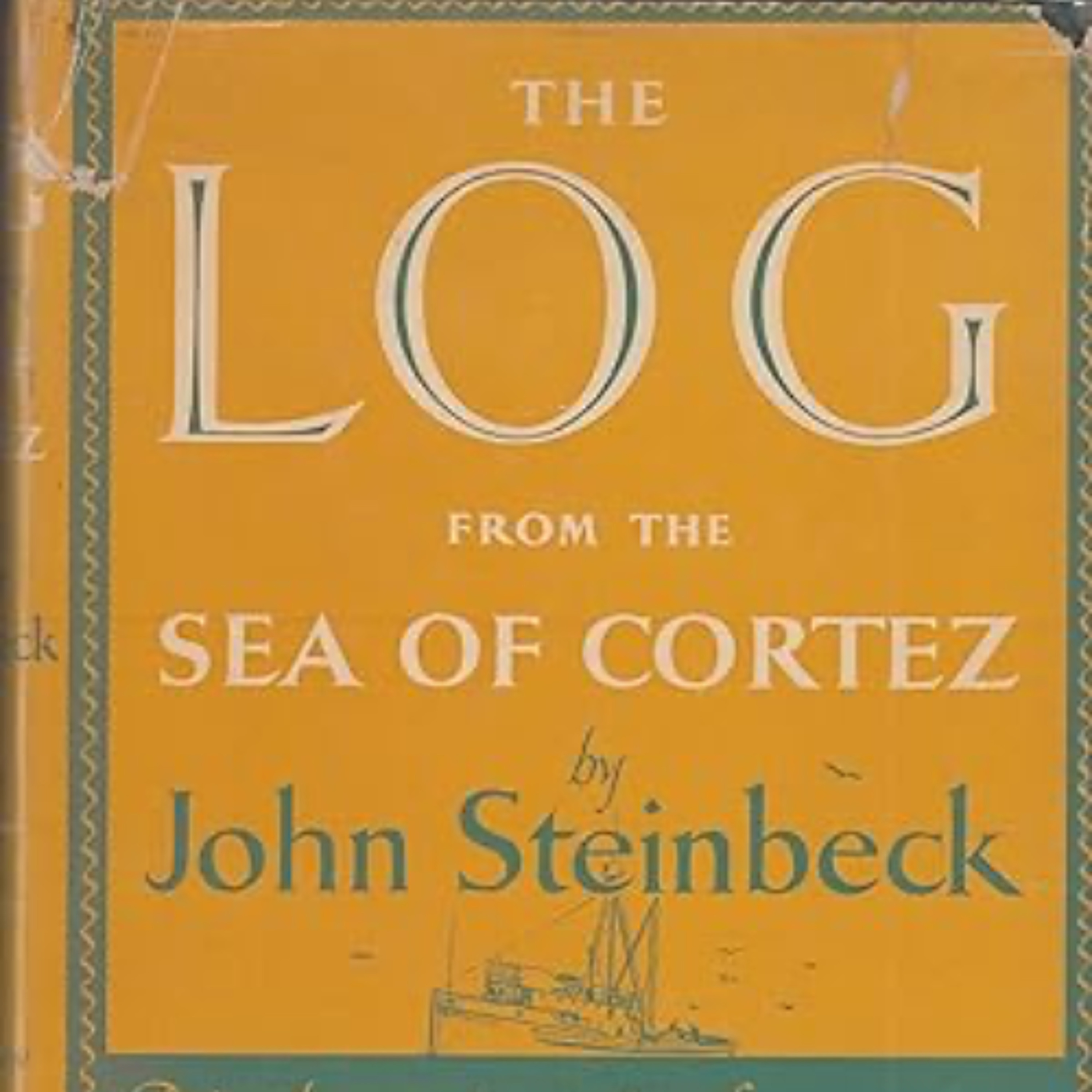
Episode 326-Thoughts on Log From the Sea of Cortez
3w ago00:10:32Tap to summarizeIn 1940, author John Steinbeck and his good friend and marine biologist Ed Ricketts set off on a six-week collecting expedition in the Sea of Cortez. The book that resulted from that journey isn't well known, but it is wonderful. Here I offer a few thoughts about the book and their journey.
Transcribe →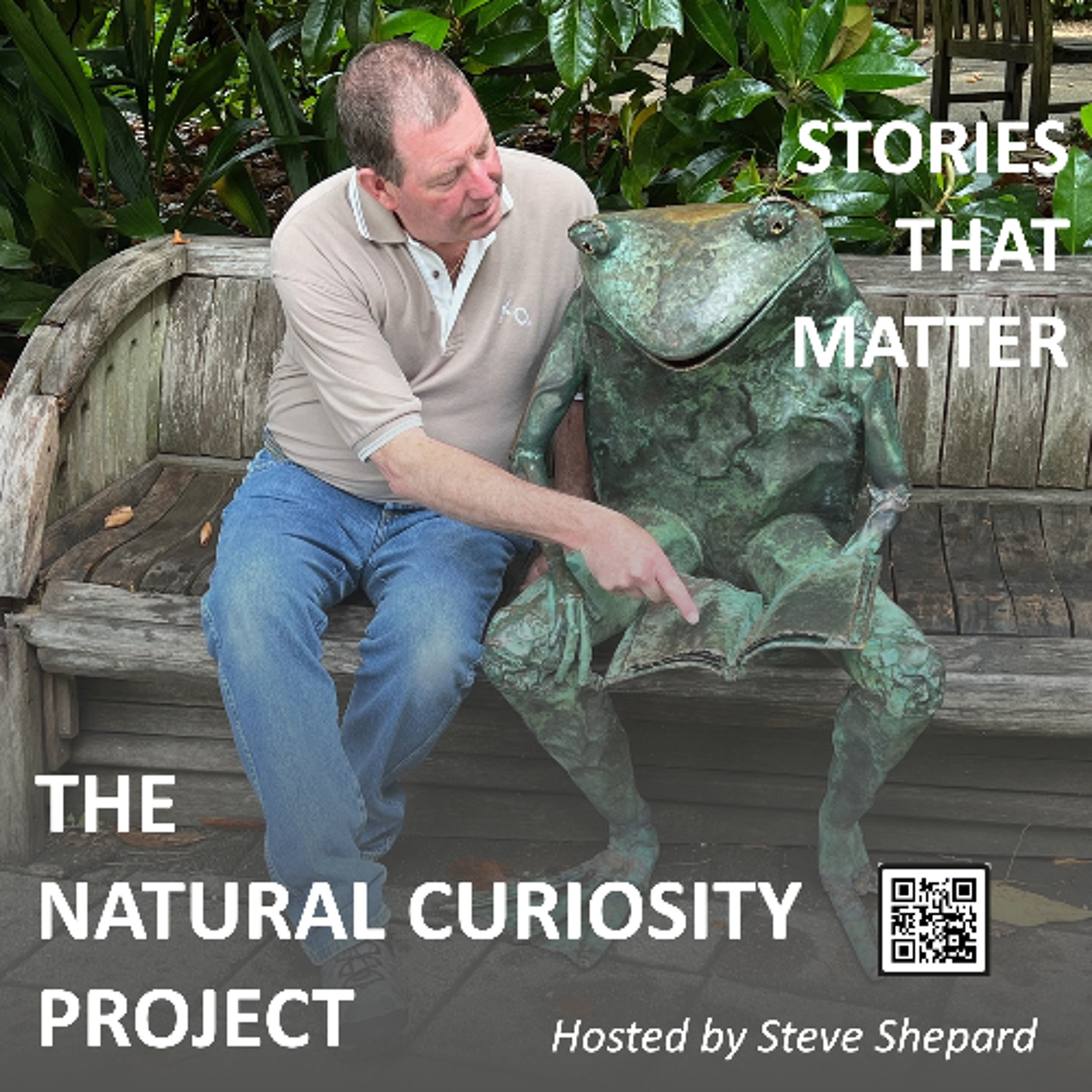
Episode 325-If You Want Something Different
4w ago00:10:34Tap to summarizeThoughts on America’s future on her 250th birthday.
Transcribe →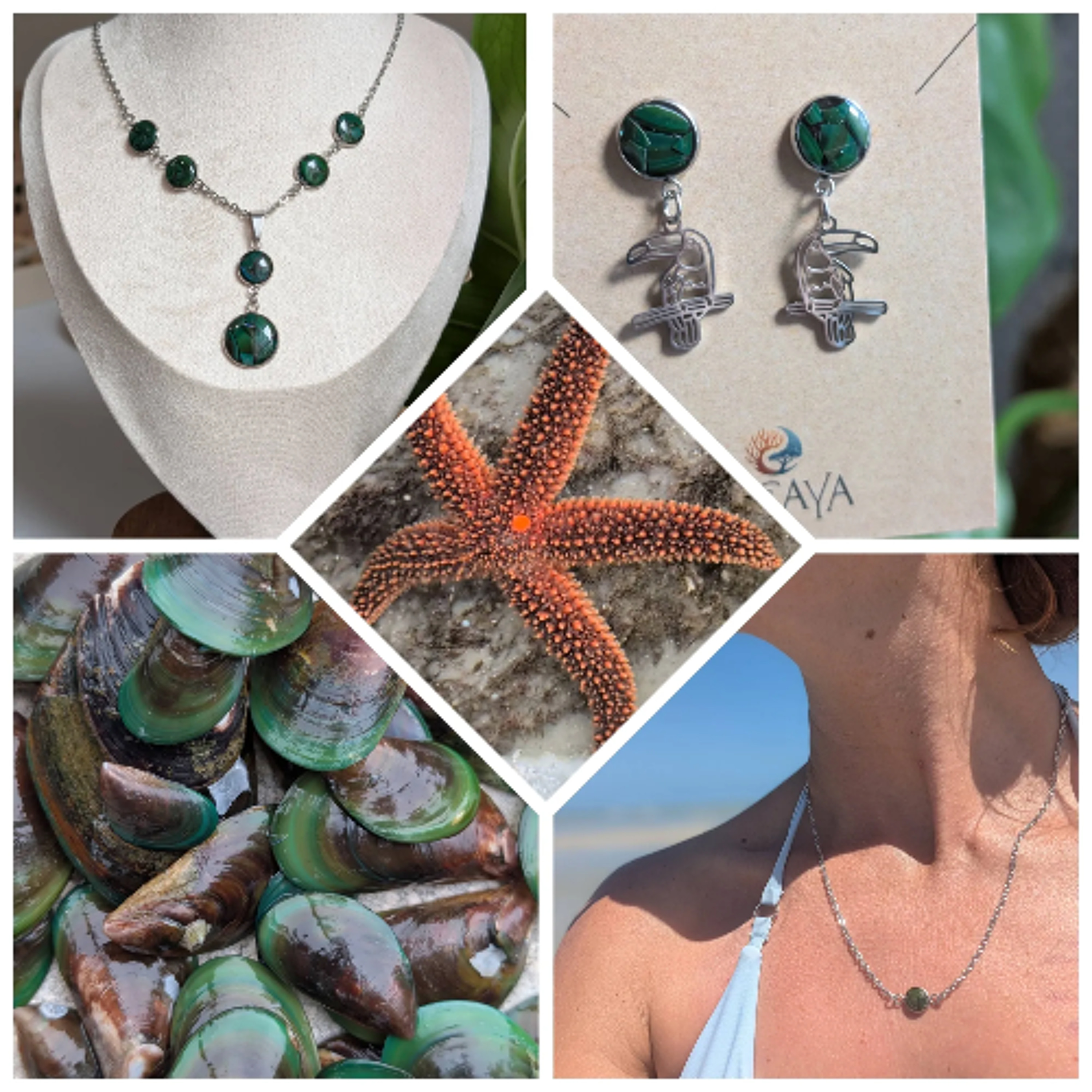
Episode 324-Jennifer Comeau and Milo the Green Mussel
Jun 2700:16:13Tap to summarizeYou've heard me refer more than once to my friend Liz McKenzie, the Alaska-based filmmaker who made the documentary, "The Singing Planet." Well, a few months ago, Liz was visiting family in northern Florida, and while she was there, we had a chat over Zoom about a handful or projects we're working on together. But while we were talking, she interrupted herself and told me that she wanted to introduce me to someone whom she had met while she was in Florida. "A very interesting person," she told me, "who does the kind of work that you love." Well, that's hard to ignore. So, Liz made an email introduction, and the next thing you know, I was on another Zoom call, this time with Jennifer. And boy, was Liz right. What started with a personal tragedy turned into something very, very special.
Transcribe →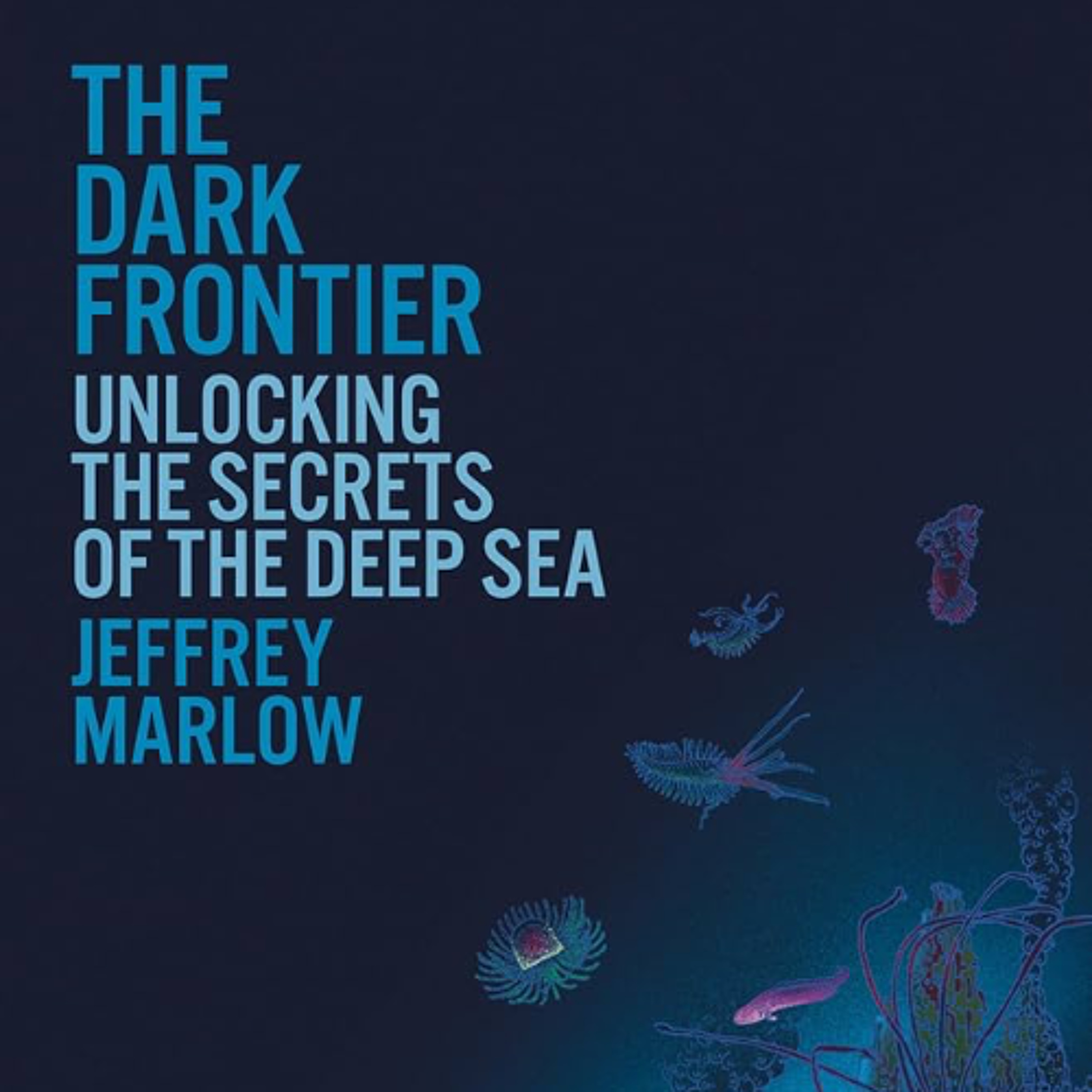
Episode 323-Life's Battery
Jun 2600:12:17Tap to summarizeContrary to popular belief, life may very well not have begun on the sunlit surface of the planet--but rather in the deepest part of the deepest oceans. In his new book, "The Dark Frontier," marine geobiologist Jeffrey Marlow explains why.
Transcribe →
I Otter be in the Water
May 2600:10:12Tap to summarizeWhen I was a commercial diver in California, I often found myself surrounded by great swarms of marine mammals--seals and sea lions, mostly. But every once in a while we were rewarded by a sea otter, the most iconic of all marine mammals. Hunted almost to extinction (their numbers went from 300,000 to 50, then bounced back), they are a charismatic keystone species that hold a special place in my heart.
Transcribe →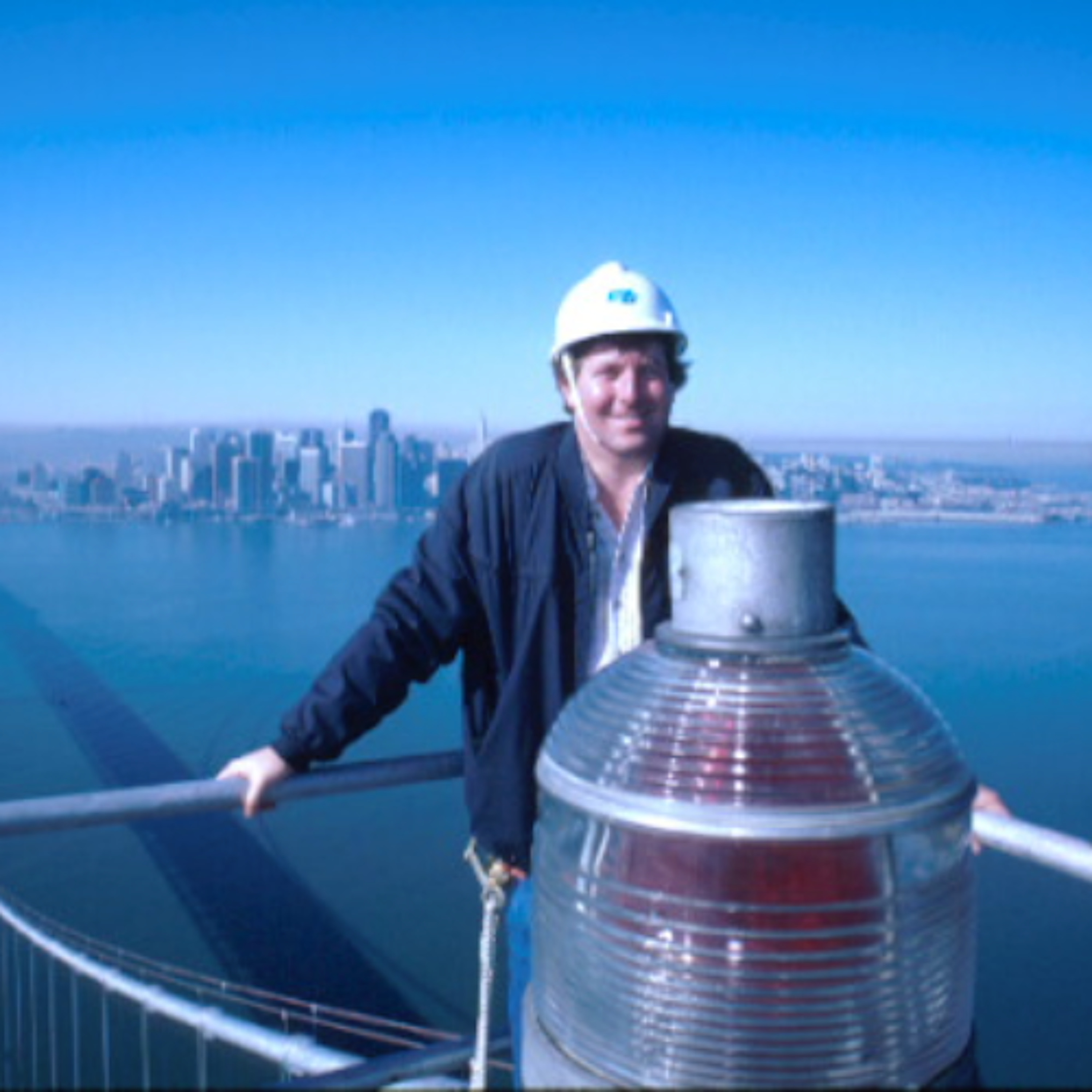
Episode 321-A Climb to Remember
Apr 2700:20:43Tap to summarizeIt was an assignment to photograph the 50th anniversary of the San Francisco Bay Bridge from atop one of the towers. Who knew they didn't have an elevator?
Transcribe →
Episode 320-Food Names
Apr 1400:16:43Tap to summarizeEver wonder why they call the company Starbucks?
Transcribe →
Episode 319-Holly Hughes, Publisher and Much More
Apr 1400:36:09Tap to summarizePoet, fishing boat captain, publisher--what a great conversation!
Transcribe →