Loading summary
Transcript236 lines
- [00:00]
A
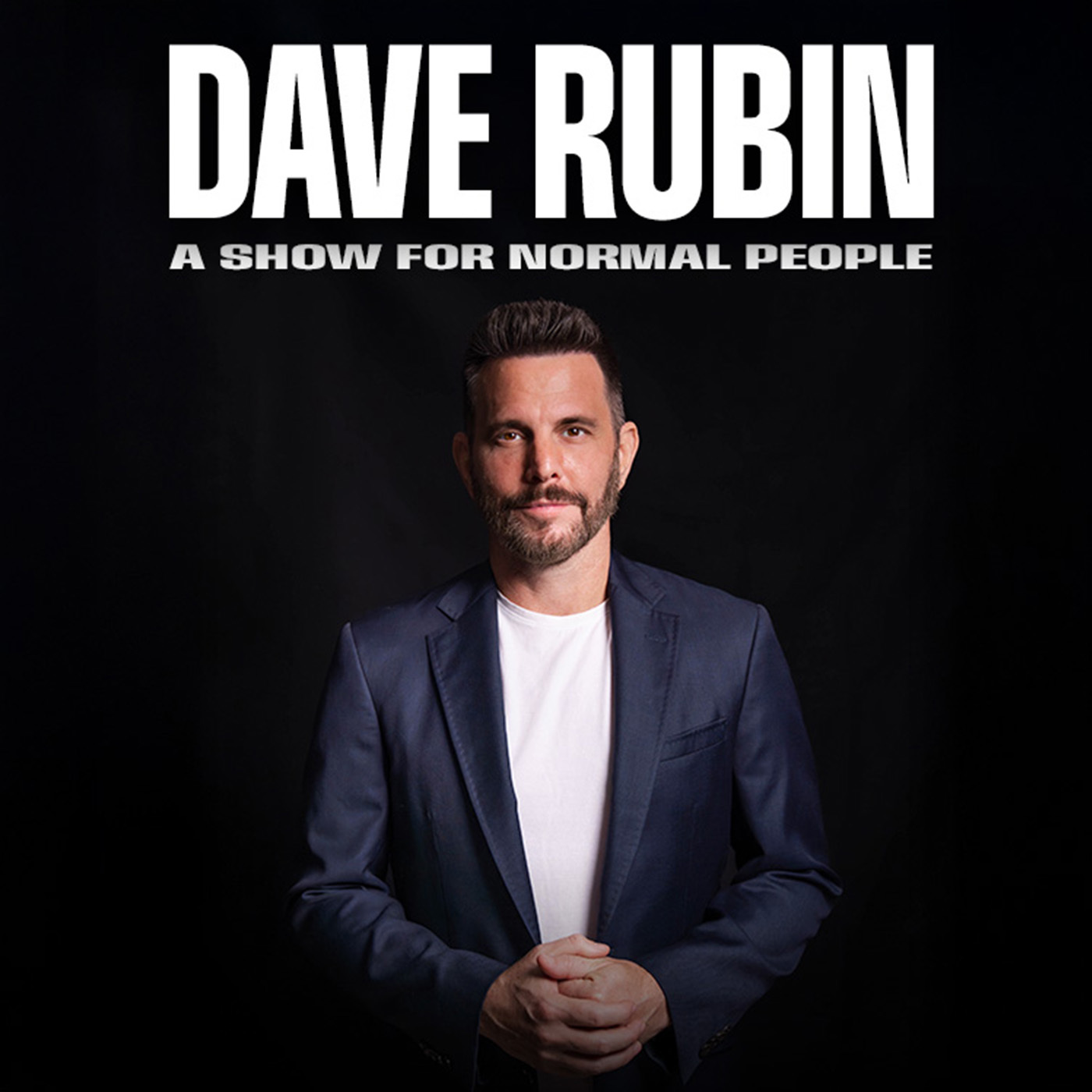
Foreign. People of the Internet, thank you for your patience on our delayed start time today. I'm Dave Rubin, this is the Rubin Report. And joining me in studio is looks maxing specialist clavicular. How you doing, man?
- [00:22]
B
I'm doing really good. Excited to be here.
- [00:24]
A
I am glad to have you here. I gotta tell you, this is a little out of my. I'm more in the political world, slightly different world. My team is in your world and they've tried to apply some of these things like strange hammers and other objects that they hit me with to get prepared for this interview. So this is going to be, this is going to be a hell of a crossover we're doing right now.
- [00:46]
B
No, absolutely. A lot of people in the political world are trying to wrap their heads around what exactly looks maxing is. So I've seen this all over the media. They want to associate it with some type of political affiliation and, and it's really just an apolitical movement entirely. It's just self improvement. So I think it's a complete misunderstanding from the media and a lot of people's perspective to try to do that.
- [01:11]
A
So you're saying caring about what you look like and fitness and going to the gym doesn't make you a far right maniac?
- [01:17]
B
I would say that.
- [01:18]
A
All right, let's just start at the beginning. How did you get involved in all this stuff? Let's just do like the 101 for my audience that maybe has just no idea who you are and then we'll get into all the stuff that you've been doing.
- [01:29]
B
Absolutely. So I come from more so traditional bodybuilding background. I grew up with a home gym in my house. So I've always had an interest in that from the time I was about 13 years old, around about 8th grade and my mom was competing in bodybuilding shows. My dad was always encouraging physical fitness. So I was just doing basic research on proper training regimens, how to diet. And this brought me to a lot of Internet forums, you know, typical stuff like bodybuilding.com or whatever article posts and sort of from there over the years. This is where I started my research into pharmacology and becoming an expert in that. And it slowly segued its way into what we know it as now, which is looksmaxing.
- [02:17]
A
Right. So what was the, what do you think like was the beginning of that, like your parents obviously into it. Was it that you were in junior high and you wanted to get the girl or you just, you just wanted to look better? Was it like a combination of things.
- [02:31]
B
I was just going to the gym purely out of habit. And then I came to the discovery of taking exogenous testosterone from a pretty early age. And I realized there's really.
- [02:44]
A
How did you even step into that as a 15 year old or whatever?
- [02:47]
B
It was just from doing all the research. You know, there's different sub forums and all these websites about testosterone, hormones, all that kind of stuff. So I was sitting there thinking to myself, why would I work out as a natural when it's completely inefficient, when I could take this biological bioidentical hormone and have, you know, 10 times the results in a much shorter timeline?
- [03:11]
A
What did your parents think once you went from bodybuilding, bodybuilding to, you know, taking TRT or not trt, but taking some of these things essentially?
- [03:20]
B
I wouldn't really say that's far off. They were not too supportive of that. So I don't want to, you know, throw my parents under the bus, be like, oh, they were okay with this. Quite the opposite. They were, you know, often confiscating my TRT from an early age. So there were periods of my life growing up where I'd go like hypogonadal for a few months.
- [03:42]
A
What does that mean for people that just don't know?
- [03:45]
B
No testosterone.
- [03:47]
A
But what does it actually do to you once you're, if you're a young person, you're on it and then they, you get off it. What does it actually do to you?
- [03:53]
B
Yeah, so it's going to take sometimes about two to three weeks to start up your natural testosterone production, get back on the endocrine system. So that gap between your last pin and then your natural hormones starting to take place again. Well, there's things that you could do to make this timeline a little bit shorter, like, you know, HCG or things of that nature. It still is quite a grueling process to try to get off of exogenous hormones.
- [04:24]
A
And so when did it become like a, like a public thing, like a streaming thing, and that you were going to become, you know, kind of an Internet person because of this?
- [04:33]
B
I never really planned on being an Internet person, but I always documented my experiences posting on some of these forums. But it wasn't like in some pursuit of fame or trying to be an influencer. I was really just, you know, interacting with the forum in the same way as all the other users on there were. So it was just a public discussion board.
- [04:56]
A
And then, and then what happened that shifted that,
- [05:00]
B
I would say what kind of happened was I also began Putting some of this stuff on TikTok, just kind of like as a meme, not really intending to monetize it or anything like that. And I didn't monetize it for a little while. And then in about 2025, I started taking it a little bit more serious. And towards the later half of that year, I got invited on a couple of big live streams to talk about looks maxing. And people just wanted to kind of see more and more of what I had to say. So they encouraged me to start my own channel. And now we're here.
- [05:37]
A
This is probably going to sound stupid. Did you actually coin the term looks maxing?
- [05:41]
B
So I didn't invent the term looks maxing, but I would say that I'm the reason why it's well known and why we have the director of ICE saying things like deportation maxing.
- [05:54]
A
Right, right. So, so tell me about like your basic routine during the day, like, or just today, like, what did you do this morning? You wake, wake up, get me to the moment that we're at right now.
- [06:06]
B
So looks maxing is more so about habits and you extend the timeline a little bit bigger. The self improvement won't be completely linear on an upward trajectory day over day where it's like, you know, every single day of your life, you're not going to get. But if you try to maintain, you know, being extremely lean, for example, like this morning I made it intentional that I ate a super calorically restrictive breakfast.
- [06:37]
A
And so like, tell me, like, what time do you wake up usually, like, what are you having in the morning?
- [06:42]
B
So typically I'll wake up around 10 or 11 in the morning. But no looks maxing. Logic behind that. And then I'll.
- [06:51]
A
It's been about 20 years since I did that. Yeah.
- [06:53]
B
So I'll typically start the day off with around eight, eight or nine scrambled eggs. Because the fat is pretty good for your cognition. The Omega 3s have a lot of nutritional benefits. And then I'll start working for a little bit, do an interview like that. And then before I train, I make sure to always have a lot of carbohydrates because that converts into glycogen. So once you have that glycogen, it's going to allow your central nervous system to recruit more motor, so activate more muscle fibers and your training becomes a lot more efficacious, a lot more efficient. So my whole thing is like, you never want to do things in an inefficient manner. So working out without eating carbs prior, that's what you're doing.
- [07:43]
A
So if you're having eight eggs to start, then what are you doing on the carb side before you're working out?
- [07:48]
B
I'll typically do either rice or bagels or something like that. It really matters a lot more the specific macronutrient profile that you have versus the exact type of food where you get it right. But some things are a little bit more dense in terms of. Of how your body reacts to them. Like sweet potatoes, for example, versus eating, like, a very sugary, processed carb is going to be a lot more filling.
- [08:19]
A
And tell me about some of the other. Like, there's a million influencers out there that are telling people their macros and what to eat and all that kind of stuff. So tell me about the other. The other things that you're doing that have, like, kind of caught on.
- [08:30]
B
So I've talked about a lot of new things like, you know, plastic surgery and being a little bit more accepting of that for men. So I got a very public rhinoplasty, and that's not really something that people like to admit to.
- [08:45]
A
You just did this like a couple of months ago, right?
- [08:47]
B
Yeah, I would say about six or seven weeks ago. Something along the lines of that. But, you know, what happened was I got a lot of flack for it. On the Internet, people were saying, oh, if you're a man and you care about your looks, you know that that's gay, all this kind of shit. When in reality what you're doing is you're trying to improve so your quality of life, whether it be in the workplace, whether it be, you know, in the smallest micro interactions you have throughout the day, everything just starts to improve. It's really not just specific to dating.
- [09:23]
A
So tell me about some of those things. Okay, so there's working out. Most people get that eating right, getting a certain amount of sleep.
- [09:29]
B
So, yeah, we have surgery. That's been another thing.
- [09:33]
A
Have you done anything else besides that?
- [09:34]
B
Yes.
- [09:35]
A
And so that was purely cosmetic. There was no underlying reason you did that.
- [09:39]
B
I had an otoplasty as well, which is the suturing of the ears to make them a little bit less projected. I also have advocated pretty heavily for the use of men's makeup because I say from a logical standpoint, if you've got a huge facial flaw, which is like, you know, having a lot of acne blemishes on your face, you know, it shouldn't be exclusive and restricted to women to simply put on a little bit of concealer. I don't really think there's an issue with that.
- [10:12]
A
Right.
- [10:13]
B
So that's often something I've advocated for and a lot of other things that I've talked about is like, different for odd maxes. So, like putting lifts into your shoes if you're shorter, if you're bald, you know, wearing a hair system, I've got no problem with that. And I think those things should be, you know, a lot more utilized. And if you're not someone who's getting on a show like this, talking about them, no one's ever going to know if applied properly.
- [10:41]
A
Did you. Were you looking in the mirror, say, a year ago going, oh, something's not right with my nose or my ears got to be back more, or is it that you're just always looking, going, this thing could just be a tiny bit better? Like, like, what were you actually seeing when you looked in the mirror?
- [10:57]
B
So it's, it's not really about me looking in the mirror and, you know, being super insecure. It's more so an objective thing. So there's certain ratios on your face that give you a total harmony percentage. Right. And for example, your mouth to nose ratio, if you've got a super wide nose relative to the width of your lips, that's going to lower your, your facial harmony. So I was trying, trying to reduce my alar width so this width right here with an alarplasty as part of the rhinoplasty to just improve my facial ratios. It wasn't really about insecurity.
- [11:33]
A
Right. And do you feel you accomplished that? Like, when you look in the mirror, you're like, it did what I expected it to do or wanted it to do.
- [11:39]
B
Well, yeah, it's actually something that you can measure quite easily, you know. So I plot the different points on my face and figure out exactly what's within the ideal, what needs to be improved, and then you go from there.
- [11:53]
A
Right. So what are you looking at now that you're like, oh, I got to take care of this next? Because I assume it's sort of. It sort of never ends, probably because also you're crazy. You're 20. Right. So like, I'm 50. Like, you're eventually your biology is going to change. Some level of time is going to catch up with you, all that.
- [12:08]
B
Yeah. So there's certain things that you can realize about your face that are maybe not within the ideal, but not really too fixable without extremely, extremely invasive surgeries. So people will sometimes come to the conclusion that their IPD is a little bit more narrow, their interpupillary distance. And they'll be like, oh, you know, I need an orbital box osteotomy. But unless that's.
- [12:31]
A
Wait, wait, that's. That's literally that their eyes are too far apart or too close. Or am I getting it completely wrong?
- [12:36]
B
Too close together.
- [12:37]
A
Too close together. Yeah.
- [12:39]
B
Yeah. So, like, you know, the orbital box osteotomy is probably one of the most extreme surgeries discussed in the Lux maximunity, where, you know, you have a bone saw, then you're literally moving your orbitals either further apart or closer together. So I would say that that is on the more extreme side, and that's not really what I'm talking about. Because the goal of looks maxing is to really fix facial failures, flaws, in other words, not really trying to create halos. So if you've got a good jaw, but it's not a great jaw, the thing that you would want to do is not go and get a huge, you know, titanium jaw implant. It would be, you know, if you've got a super big nose and it's a huge flaw of yours and that's really detracting from your overall score, then you fix that flaw.
- [13:35]
A
How old are most of the people that are following you and like, taking these tips and doing this stuff?
- [13:40]
B
Probably around my age, you know, but plastic surgery isn't something that I really advocate for on a, you know, huge scale because I think a lot of people are doing it for. For the wrong reasons. Right. It is a place of insecurity rather than objective mathematics and being super logical about it and removing all the emotion from the picture. I think that's something that's pretty much unique to me. So the entire thing about looks maxing is, you know, people always wonder, is this good for the up and coming generation or is this something that should be avoided? I think that it's a very brutal truth to face if you're not someone who's good looking, genetically free to hear that looks are the super important metric for all these different areas of your life. Right. That sucks. And that's going to be hard to address at first. And that could really cause people to spiral, be depressed. So I absolutely acknowledge that. But I think it's a reality that needs to be faced at some point because once you get past that initial, you know, brutality of realizing, like, how important looks are, you get into your enlightenment phase and your improvement phase and you actually start to really change your quality of life entirely.
- [14:58]
A
Has. Has that been the hardest part in terms of the PR around you? Because there is obviously Some truth to what you're saying there. People like to be around attractive people. You find that when, you know, you look at a friend group and usually they sort of relatively look within the same thing. There are all sorts of studies that, you know, if you have like five fat friends, you're probably gonna be fatter. Cause all your habits are gonna be worse. But just getting people to kind of understand that you sort of addressed it, it's like it's very hard to get people to accept that. And certainly the media that it kind of matters. Has that been like the biggest hurdle for you to sort of publicly get over?
- [15:35]
B
Yeah, absolutely. I would say that that's a tough one, is people will say, oh, you know, clavicular is making all these kids insecure or whatever. But I don't really think you should be super secure if you're someone who's extremely overweight and you know, a lot of your habits are terrible, you're unhealthy. It's like someone should really tell you this needs to be addressed. Right. Even if it's hard to hear initially.
- [16:07]
A
So for a kid that would be watching you, that is, let's say, just not happy with something on his face, that body isn't where he wants it to be and everything else, your goal is not to perfect him per se, as much as make him as optimized as he can possibly be. But do you get emails from people that are like, yeah, I've accomplished it. Like, is there an end to it? Or it's just an. It's an ever going. Because I get what you just said about the next phase and all that, but like the looks part first.
- [16:35]
B
Well, even if you become looks max, right, there's still stuff that you have to maintain. You still have to keep going to the gym or else your physique is going to start to wither away and you still have to maintain a caloric deficit or else you're just going to get fat. So looks maxing is always something that you have to be conscious of. And the things that I initially discussed are kind of what make me the most talked about guy in the looks max community. But it's not something I've ever gone out and made a general recommendation. Start taking testosterone at an early age. I would never say something as ridiculous as that because I understand that people aren't going to really understand all the nuance. And a lot of the times stuff like that can actually make you worse looking. If you don't understand things like, you know, how to manage your Side effects. So if you start taking tests and you don't understand that you need to take a 5 alpha reductase inhibitor, dutasteride, finasteride, stuff like that, you're going to wind up losing your hair, which even if you pack on a little bit more muscle, is much more important for your looks. Right. So that's why I've always said developmentally you need to be avoiding alcohol, you need to be eating your macro and micronutrients and just maintaining good habits. So that's the only advice I've always said, go to your doctor about any of the stuff in regards to GLP1s once you're 18 years old. So the media does try to spin some stuff. That's never been my advice.
- [18:07]
A
Are you ever worried that despite that, that a certain amount of young people are just going to hear what you say and they'll just kind of never get to the goal? Because it's very, let's say that you've basically roughly got to where you want to be, that they just kind of won't. Not everyone will have the money, not everyone will have the where. Wherewithal to do it. You know, they're always looking at filtered pictures on Instagram, so they'll kind of never in just the psychological component is just something that they can kind of never reach.
- [18:30]
B
Well, I've always acknowledged, like, genetics are real and like, of course, if you're someone who's starting as like a, you know, three out of 10 facially, you could do every looks max in the world and you might have a fraction of the results of someone who is just genetically blessed. And that's.
- [18:47]
A
So what would you want for the, for the three out of 10, whatever, whatever that looks like. If we were all just like picturing whatever that is, like, what would you want for that person?
- [18:54]
B
Well, if you go from a 3 out of 10 below average facially to maybe a 5 out of 10, which is average facially, that is a huge change in the quality of your life. Right. You're not going to become a top model and walk down the street and have women like, you know, froth over you. But, you know, people aren't going to look at you and have an immediate like, you know, disgust on their face. So that's right. There is a huge, huge improvement.
- [19:21]
A
Is the weird part of this that women have basically been doing this forever and you just kind of made it a male thing and that that's caused so much of the controversy or whatever you want to call it?
- [19:31]
B
Yeah, I would Say so, but it's just a lot of it, I would say, is cope. That people don't want to acknowledge that looks are an important thing, but especially men.
- [19:42]
A
So tell me about some of the other more like extreme things. They literally handed me a hammer. They said, you're whacking yourself with a hammer every now and again. Or you were. I know about this thing. Right. Like for the, for the jaw, like the, the meth thing. Like, there's some other things that are a little more kind of out there than, you know, getting your macros right. And, you know, maybe having some. Some kind of surgery or something.
- [20:03]
B
Yeah. So it's just like small stuff like that.
- [20:06]
A
You want the hammer while we're doing this? No.
- [20:08]
B
So that's, that's really just small stuff that I've talked about in the past that for some reason has gotten all of the attention when it's something that I would prefer have not, because it's really such a small part.
- [20:20]
A
All right, so let's just settle it here then. Like, say what you got to say about it.
- [20:24]
B
So what's really going to ascend someone is being extremely lean and angular, that 10 to 12% body fat, improving their contrast between their hair, their skin tone, having, you know, the eyes of their white, you know, super white sclera. Those are the important things, not, you know, bone smashing or things like that. So it really does suck that that's what's gotten all the attention. If I never had to talk about bone smashing again, I'd be totally fine with that.
- [20:55]
A
Right. So let's try to, like, literally, let's try to end it right here. So when. When you first did the video about that or started talking about that, you were trying, basically you're trying to, like, break micro bones so that the. So that it will heal in such a way that will be more angular. That's like the most simple way to describe it.
- [21:12]
B
Essentially, it follows Wolf's law. Right. So when you cause these micro fractures, the bone would grow back stronger. So that's essentially all I was trying to do. And it's like you're taking one video, not. Not you specifically, just how the public has reacted to this.
- [21:29]
A
Well, that's why. That's why I'm asking you.
- [21:30]
B
Right, Right. So they. They take one video, one Lux Max that I've talked about, and, you know, basically applied it as this is looks max. And when it's really not. And that's not what's going to drive results.
- [21:42]
A
Right. And what about the meth situation? People Hear meth, they think all sorts of things for obvious reasons.
- [21:49]
B
Yeah. So just prescription dysoxin, that was just a way to kind of clip form a little bit.
- [21:55]
A
Right.
- [21:55]
B
And get headlines, is that.
- [21:57]
A
That's basically Adderall.
- [21:59]
B
Yeah. Yeah. So dextromethamphetamine versus dextroamphetamine, which is Adderall. So literally just. It had a bit longer of a half life. Still prescribed by my doctor. Not like, you know, Breaking Bad kind
- [22:14]
A
of ridiculous stuff, but when you're asking your doctor for it and you're saying, like, do you have attention deficit disorder? So you do. So you have a condition that it would normally be prescribed for, you didn't go to your doctor and say, I want this, I assume for appetite suppression or.
- [22:30]
B
No, but I was just noting that that was a side effect because of its longer half life, you know, and so I've. I've been very honest about my experiences, and it's kind of hard not to have people see what you're doing when you're on a live stream showing off your life for, you know, sometimes 12 hours a day.
- [22:50]
A
Yeah.
- [22:52]
B
So, like, when I first started streaming, I didn't really try to conceal, like, some of the things that were, you know, maybe bad PR or whatever. But, you know, even since I've started my career, I've always said, you know, this is not a recommendation of mine. This is just me kind of being honest with my audience. Because there's a lot of people on the Internet who would, you know, be gym influencers, for example, how you mentioned everyone already does the fitness stuff, whatever. And they would lie about taking steroids or whatever to try to make it seem like they had these results from something and they'll attribute it to, like, certain fitness split that they did.
- [23:31]
A
That liver king guy, it turned out he was on all kinds of other stuff or just. Just there's a whole bunch of them.
- [23:35]
B
Right. So it comes down to, like, is it better to be open and honest, you know, and potentially people see the things that are a little bit more over the top, or is it better to just blatantly lie, you know? So has that been weird for you?
- [23:53]
A
I mean, this is literally. Obviously this is the first time we've ever spoke. I've only seen, like, little clips. My guys watch your stuff and show me things every now and again. But you actually do strike me as bizarrely like, honest and present as someone that's in this very strange world. Has that been very weird that you enter this world where you're streaming and now you're surrounded by just like, I'm surrounded by it too, in the political sense. Like a circus of just like freaks and nut bags and frauds and grifters and all the rest of it.
- [24:19]
B
Well, it's funny that you called the political scene a circus because that's one of my sayings that went super viral. Is politics is jester. Right? That's.
- [24:29]
A
Oh, yeah, we got to go through some of the words. By the way, I'm a little deficient.
- [24:33]
B
So like, I've throughout the, this entire time completely avoided politics. I didn't want my movement to be absorbed by the right or the left wing because it's not and it never was intended to be. So.
- [24:49]
A
Yeah, but you admit sort of by default, it got sort of pushed to the right, something like that. Because there's been these articles for years about if you're on the right, that's when you care about this stuff.
- [24:58]
B
I wouldn't say so at all. No, No. I mean, I would say that there's an equal.
- [25:02]
A
Maybe that's not the reality. I'm just talking about the optics.
- [25:06]
B
I wouldn't say because there's been, you know, articles that have been made by GQ that have acknowledged, like, how transgenders have actually had an easier time being more accepted because of people talking about looks maxing. There's been press about, you know, like you said, how physical fitness is attributed to right wing. So I would say it's just really straight down the middle.
- [25:29]
A
Yeah. What do you make, though, about like, just like the genuine general kind of influencer thing around this?
- [25:35]
B
The influencer. What do you. What do you mean?
- [25:37]
A
Well, just like all the characters that, you know, you end up doing live streams with and all that kind of stuff.
- [25:44]
B
Yeah, I don't really collaborate with people too much. I like to do a lot of these talk shows because you're addressing different audiences.
- [25:53]
A
Right.
- [25:53]
B
Who might have misconceptions that are from 30 second clips and you get a chance to come on in a long form setting and kind of explain all the misconceptions. So I really like all this. And I go into every interview with super good faith. You know, I've never, you know, intentionally went in to one of these interviews and like, I'm going to be hostile. You know, it's typically the reporter who
- [26:19]
A
starts, well, that's what I was saying. Do you find that, that. How often is that reciprocated, that kind of respect? You know, I watched you with peers the other day and it's just like, I'm not a fan of his and just. Yeah, just unnecessarily combative and judgy and everything else. Like, I'm just here to listen to what you say and, you know, people can make their judgments. That's fine.
- [26:37]
B
Well, it really just comes down to people's experiences in life and how much they value, like forming a relationship, for example. And when I did Hannity the other day, and I know you did, I
- [26:50]
A
was with him yesterday. He's great. He had nice things to say about you, by the way.
- [26:53]
B
Exactly. So I did Hannity and he was, you know, going to end the interview with a more controversial question and I said to him, I was like, you know, Sean, we've had such a great interview. Like, there's no point to, you know, put this. The stain on it. And he's like, absolutely. All right, thanks for. Thanks for coming on. So Sean realized, you know, it's better to be in good graces than to just try to go for some clippable moment. But Piers is the opposite. Right. He's kind of made his career by being super antagonistic and all up in people's faces. And that's just his thing.
- [27:28]
A
Yeah. So do you like that? To some extent. Like, we all kind of. We can all like be like, ah, it's annoying and it sucks and whatever, but you. Then you do put yourself in those positions. I mean that for myself too.
- [27:38]
B
Well, I just do so much media that like it, whether it's a hit piece or not that I'm walking into, I really just don't. Don't care because I think I'm so sure of all my talking points that like, you know, even if you've. You completely disagree with what I'm saying, like, I'll go in there and. And you know, kind of get into it with you, you know, what do
- [28:00]
A
you, like, what's your relationship with the hate portion of this that, you know, I'm not talking about the interviewer. But just like any general hate that
- [28:08]
B
you're getting online, the general hate comes from a lack of understanding of my actual beliefs because of out of context clips. I don't think there's ever been a scenario where someone's watched an entire podcast of mine start to finish and said, this guy's a lunatic. I hate this guy and he should be canceled. That just doesn't happen. That just happens where people clip me in the most ridiculous ways to make me look like an asshole.
- [28:37]
A
How do you think you'll change over the years? Because like 20, you can basically, even if you weren't doing all this stuff. You could basically eat whatever you want. You could still drink and do what basically? Basically. I'm not saying it would be the exact thing that you're the max part that you're going for, but obviously your biology will change. Everything will change. Trust me. 50, like it's a lot harder for me now to do that stuff and be as fast and all of those things and I have to eat better now and all that. How do you think your attitude around this will change as you get older and just certain biological things and father time will hit you one way or another?
- [29:11]
B
Yeah, so aging is a very brutal thing. But I mean I would say it's kind of in the mid-20s where you know, usually men come into their looks peak where their facial fat pads are perfectly redistributed and their collagen still hasn't started its downward trend. That typically starts at around 25. Men lose about 1% of their collagen every year. And a lot of men even before that start to deal with issues with hair loss. I'm not someone who's genetically predisposed and I take my, my hair loss medications, so I would say it would more so segue into just me trying to leverage all my other stats rather than me trying to leverage all these different youth indicators. And this is already something I do right. While looks maxing is my main thing and it's my claim to fame. I still say to people all the time, you got to be a well rounded guy because if you're super good looking in this competitive 2026 dating market, there's going to be someone else who's good looking, rich and famous that you're competing with the same girl for. So if you're not coming in with a full package, you might as well not even try.
- [30:20]
A
How much of your time during the day when you're meeting somebody or you're literally looking across from somebody, are you like, well that should be this way or this guy should do this or like literally right now are you like, well his jaw should be a little more like this or whatever else. Like it's got to be some portion where you're looking at people going, you can just see all these different things that you would change if you could or would point them to changing.
- [30:42]
B
Well, so that's not something that's exclusive to me as an individual.
- [30:48]
A
No, for sure, for sure.
- [30:49]
B
So every single person looks at a face and subconsciously is going to either treat them good or bad. And that's called the halo Effect. Right. The difference between my situation and a normal person is I can identify exactly why a face is good looking or not that. Right. But that's still a thought process, but it's more so a subconscious one. Am I consciously going through someone's facial ratios in my head? No, it's more so if I'm prompted to do so, but, but that's kind of how I go through it.
- [31:22]
A
Right. So I'm gonna regret this, but. So you're looking at me right now again, 50 years old, I'm sitting right across from you, taking good care of myself, doing my thing, micro needle, every now and again, sauna, blah, blah, blah. Like what, what are you seeing? So you could be as, as honest as you want. I'm really curious.
- [31:40]
B
You've got a, a bit high of a mandibular plane, so you're don't even
- [31:44]
A
know what that is. So you're gonna have to talk me through this.
- [31:48]
B
Sort of like the plane that your, your man, your lower mandible is this bone right here that it follows. It's a little bit, you know, too downward grown and you're gonians. So this part right here are inward facing rather than, you know, outward, giving you that super square jaw shape. So that's a bit of, you know, reducing your harmony a little bit, but it's not too significant.
- [32:16]
A
And so what, so what would you say to a 50 year old with those issues? I'm really curious here. Yeah, like what would, what would be the solve for that?
- [32:24]
B
What I say to.
- [32:26]
A
And maybe that's not age dependent.
- [32:27]
B
Well, it's just, it's a little bit more nuanced to that because what I say to someone who's extremely successful, like yourself, and who's super well rounded in all these other categories, hey, you need to get jaw angle implants immediately or your life's over. No, that'd be.
- [32:44]
A
I don't have that kind of time, man.
- [32:46]
B
Yeah, right. No, exactly. So that'd be completely ridiculous. But what I say to someone who's got all these issues but has no other statistic of theirs to leverage, it starts to make a little bit more sense. So that's why these general recommendations don't work.
- [33:03]
A
Yeah, so that's kind of interesting. So, okay, so you really do want it to fit into a wider bucket of what your life is. So if you're looking at somebody and you're like, ah, I can. All right, this thing's this way. I could whatever. But you're successful, you have a family. Like, you're living a good life. Like then you're able to kind of move that around in a functional way. That's not something I've ever heard you say before. Or at least that's come across like my phone before. And I think that's, I think that's actually pretty interesting. Yeah, but it is actually interesting.
- [33:33]
B
Yeah, well, not, not Internet interestingly. Yeah, it's not interesting. Yeah, so like what is interesting on the Internet is like, you know, math, you know what I mean? So it's like it kind of like diminishes the quality of, of what I'm talking about and the brand a little bit just because like people have a low attention span and don't want to watch me in a serious context. But yeah, absolutely. It'd be ridiculous to, to say looks are the only thing that, that matter and all these other things, like you shouldn't even acknowledge them or try to be more charismatic person to be more interesting. You know, fuck all that. Like that would just be totally ridiculous.
- [34:09]
A
Do you work on those other things too?
- [34:11]
B
Of course, of course. I try to be as well rounded in every single category as possible. Simply what I'm saying is looks are going to be the easiest thing to make a marginal and life changing improvement on.
- [34:24]
A
You know, how often do you find that when someone does the looks maxing part that then they're able to fix whatever like other insecurities they have or whatever social stuff they have or it feels like everyone's autistic these days and like, like all that kind of stuff that it actually, okay, they deal with the first part and then do you usually see that it like pretty quickly starts solving some of the other stuff?
- [34:46]
B
Yes. And the reason for that is, is you get negative reinforcement if you're not good looking and every single thing that you do people are going to react completely differently to. If someone good looking were to do it, every joke you tell might be received a lot better by your attractive counterpart and you might think, hey, wow, like you know, I'm not funny, I'm just a piece of shit. I'm going to shut, I'm never going to talk again. But you know, if you look smacks and then you start to go out and test all these different things, your results are gonna be a lot better and that's gonna be positive reinforcement that's gonna be a lot more motivational to you.
- [35:25]
A
Let's stick with that for a sec. So wait, tell me again. So if you deal, you do the lix max part first, then what were the two Other phases that you mentioned,
- [35:31]
B
those are just two of many things.
- [35:33]
A
Yeah. So let's walk through all that. If you were just guiding somebody that's getting into this, they wanna be well rounded. I hear you on that. Looks is not everything. It's just a part of the thing. So guide me on that walk.
- [35:47]
B
Yeah. So looks maxing is just gonna allow you to improve a lot quicker and all these other metrics. So like when you go into a job for an interview, it's important that you know you're extremely presentable. Right. That's not something that's really controversial.
- [36:02]
A
Do you think that's a weird thing related to your generation?
- [36:06]
B
No, no. Because there's research that dates back quite a bit on this that less qualified, better looking interview applicants were getting job positions over their more qualified on paper counterparts. So this is not like a new phenomenon.
- [36:22]
A
Yeah. Oh, I didn't mean that. That was. I meant that, that like just not taking care of yourself. Like there was like, like a Covid generation that was just like trapped in their room, like stuck on the Internet, like rotting, basically.
- [36:34]
B
Yeah.
- [36:34]
A
So they have to learn what is fairly obvious, which is that if you're going in for an interview, you know, look right and everything else.
- [36:39]
B
Correct. Yeah. And unfortunately, my generation has a pretty hor understanding of fashion and there's a lot of bullshit like these baggy clothes and branded. So like that's, that's the one thing that I've always tried to tell people is you look ridiculous wearing a big supreme shirt. That's. That's not.
- [37:00]
A
There's somebody in the studio that I'm looking at who's going to.
- [37:03]
B
Is it a.
- [37:05]
A
After this interview. We got a baggy pants guy here, but he's, he's doing the rest of the stuff. We're working on the pants. Maybe you could talk to him after.
- [37:13]
B
Yeah. So all that's a little bit silly. And it. Another trend is to speak with improper grammar and you know, to try to be cool. And I don't like that either. So just being a respectable and super presentable person, like that's not something that's, you know, you have to look smacks first to do so. Right. So you could do all these things at the same time and improve in all these categories. I'm just saying it's easier once the looks kind of comes in. And about 70 of what you're able to accomplish in looks maxing comes from getting to that super low and chiseled body fat percentage. So that's the most important thing is to lean max pretty hard, improve that, that facial contrast and then you're a good percentage of the way there.
- [38:04]
A
Right. So what percentage body fat are you or would you want? So 10? So 10 to 12, is that age dependent?
- [38:11]
B
That's, that's pretty general. I would say. Right now I'm probably around 12.5 to 13 myself. So I've got a little bit of work to do.
- [38:23]
A
And do you ever have a day or a weekend where you like put this stuff aside and you're like, yeah, I'm gonna have burger and fries and eat some pizza and do all the other stuff and.
- [38:33]
B
Well yeah, I mean I eat burgers all the time. But once again it comes down to just the total caloric intake for the day and the total macronutrients. Whether you get your protein from a Burger King burger or a grass fed steak, it's not going to have that much of an impact in the short term.
- [38:53]
A
What do you make of the fame component of all of this? Did you want it? Do you like it? Do you resent some of it?
- [39:01]
B
I mean, I like to be able to address a bigger audience when I do this kind of stuff. As for the fame, it can be a little bit over overstimulating. Like for example, last night I tried to walk around this area that's pretty college dense with like my main demographic and just like people swarming and like having to have constant like security when you do stuff like that. It's definitely different. Like you can't just be like a normal.
- [39:30]
A
I assume most of it on the street is love though, right? Like it's not.
- [39:33]
B
Yeah, no, but regardless if it's, if I'm trying to like, you know, go out with a girl to go get dinner or something, the fact that I have to have like, you know, a security guard like sitting right there and like I can't go anywhere by myself. It could get a little bit frustrating sometimes or it's just like a difficult, you know, reality to face. But yeah, no, it's absolutely love. But it's really just about like crowd control of like, you know, drunk kids wanting to take a picture so bad that they're like, you know, storming over.
- [40:08]
A
Right. You know, how are you monetizing all of this? Like, like this is obviously your job. You don't have, you know, I assume you don't have like a side gig while you're doing this at this point. Like it's all one thing basically.
- [40:19]
B
Yeah. So I, I, I, I do a little bit of, of, of gambling. I so Similar to the Kelsey thing that you have there. I stream on Kick, which has like a, a pay per hour basis and a couple other things.
- [40:37]
A
Right.
- [40:37]
B
I recently launched an app where you scan your face and it tells you actually about all these facial ratios and what harmony percentage you have.
- [40:49]
A
Right. And is that subscription or.
- [40:51]
B
Yeah. So you could put you know, and your friends in there, any celebrities and it'll measure out like their mid face ratio for example, or their total facial width to height ratio. So that's another area that I started monetizing. I launched that yesterday.
- [41:08]
A
And have you heard stories of where this has just gone sideways where like you know, somebody that you're working with or someone that's watching you is doing these things and it just for whatever reason they're either not doing it right or they're mis prescribing things or you know, probably think of a hundred ways that this could kind of go wrong that they just, you know, it just completely goes the wrong way.
- [41:30]
B
I haven't seen many cases that recently but like a while ago people used to be a lot more extreme on these forums to where I've seen a guy do self perform gyno removal surgery. So he surgically removed the glandular tissue in his nipples and it was like pretty brutal. I saw like a lot of like blood. I've seen people try to self install orthodontic appliances but that's all just ridiculous. I don't think that there's any, you know, thought in people's mind that this is something that I have to deal with or I've, I've pushed for. I've always said, you know, medical professionals all day get everything overseen by doctors. So those are just like, you know, the crazies. And I don't think that that's something that's necessarily my fault.
- [42:26]
A
Yeah, I'm not blaming you. Do you think that just comes with the territory? Like you're going to be in these boards and, or wherever these communities are discords or whatever and it's just going to be like you're going to get kind of the best of the best and then you're going to get a lot of, a lot of people that just actually have issues, like serious issues.
- [42:42]
B
Right? Yeah. And it'd be the same thing as like extreme extremists exist all over the place. For example, like, like, you know, someone on the left giving their talking points not to get too into politics and criticizing like you know, Charlie Kirk for his talking points. I don't think they're responsible for what that individual chose to win out and do. You know, I don't really think that's fair to say. I think people are crazy all over the place.
- [43:12]
A
Do you care about politics at all? Like, does it matter to you in any way? We don't have to do like a deep political dive, but, like, no, it doesn't. You don't care about it?
- [43:19]
B
I'm intentionally ignorant.
- [43:21]
A
It. Yeah. Is that the key?
- [43:24]
B
Yeah. And I, I made a post last night about, you know, how you could leverage politics to be more successful with your boss. It was kind of just like a, A meme, like post that I did about how just like, you know, sitting back and listening to other people's political opinions and then kind of like adapting and like, you know, aligning yourself with those could allow you to, you know, have a better connection with someone and build that rapport with your employer. So where the next time you ask for a raise, you're a lot more likely to get it. I think that's, that's how politics should be used. If you're actually being intelligent and honest with yourself, that's going to give you a lot more benefit than scrolling on X and, and watching media all the time.
- [44:14]
A
Are you ever able to put some of this down? I don't mean like the diet part, but like, you could see how eventually this could all become a little Machiavellian in a sense. Like, that you'd be always everyone that you're sitting across. You'd be thinking about how you can either ultimately end up manipulating them or manipulating yourself, or they'd be thinking, oh, he's just trying to get ahead or something. Like, are you able to just like, put some of this down every now and again and just like, like putting what down? Just all of the thoughts around all of this, that everything is sort of about attaining something, and I don't mean that necessarily in a bad way, but that you could just kind of put it aside every now and again and be.
- [44:54]
B
I wouldn't necessarily say it's Machiavellian, but it's more so extreme individualism. And, you know, I'm not really keeping my cards close when I recommend these things. Like, I've always, you know, talked about the fact that I'm not so much doing this whole streaming thing, you know, as a hobby of mine or because I like it. I'm doing it to make money. So like, that's not really how I would say. But am I able to put it aside and like, you know, go out to the bars and have A drink when I know alcohol is extremely neurotoxic. It inhibits my growth pathways in the gym. Yeah, of course.
- [45:37]
A
So you are able to.
- [45:39]
B
Yeah, yeah.
- [45:40]
A
What do you want. What do you think you want to be doing in 10 years if it's not. The way you kind of framed that just then was like, ah, the streaming is just kind of something I'm doing right now. How, how much time a day are you streaming usually?
- [45:52]
B
Usually every day for a few hours.
- [45:55]
A
And it's just like out and about, doing your thing.
- [45:58]
B
Out and about. And I recently started doing more stuff at my house, you know, going and doing advice with viewers where I drag them into the stream or whatever. Sort of like how Kevin Samuels did the image consulting. But that was more so like, funny, in my opinion, rather than like trying to be overly serious. So it's not like me just trying to like on people, it's me just trying to give some more specific advice because I don't think looks maxing is. Is something that's. That's really generic at all, besides a few basic principles.
- [46:35]
A
Right. So 10 years, are you still streaming?
- [46:38]
B
I couldn't even tell you what I'm doing 10 days from now, to be honest.
- [46:43]
A
Yeah. Is that right? Like, you don't. So you don't have like a grand plan here or like, when you're doing like, it was just, I think literally like two days ago, my guys were like, oh, Cliff, Victor's in town. Like, let's do it. Like, are you just kind of bouncing around every day just trying to figure out what's. What it.
- [46:56]
B
Yeah, there, there might be a grand plan and in my head, but it's not something that I'm going to tell you.
- [47:04]
A
Fair. That's fair. Who do you look up to? Like, who, who has inspired you or makes you want to be better or has influenced you while you're doing this?
- [47:20]
B
I would say that this is kind of just like a new thing entirely. So there's really no influence behind it. I think I'm just kind of being health.
- [47:28]
A
But I mean, generally in life, not even about looks maxing per se. Like, is there anyone that like, you look to that you're like, oh, that's like the type of person I would want to be or something like that?
- [47:44]
B
I. I wouldn't because I think that's just kind of like attaches you to everything they've done. For example, if you, you know, say Jeff, you're inspired by Jeff Bezos and how he. He was able to get so successful. I Think that just opens you up to people saying, oh, you're inspired by the fact that he underpays his workers in their opinion. So that. That's why I just wouldn't address that.
- [48:14]
A
All right, all right. Is there anything else that you think is like, completely misunderstood about what you do that we didn't hit on here? Here?
- [48:23]
B
I would say that the main thing is that I'm looks maxing from a place of insecurity when it's just purely objective and research oriented. That's like the main thing that I would want to clarify that that almost
- [48:36]
A
in some sense, that almost seems like impossible to get over. Like, maybe not for you personally, but just like the world is always going to have a certain version of that.
- [48:42]
B
Uhhuh. Because, you know, I'm someone who neurodivergent, so I don't really have the same thinking as a normie and NT guy. So they would never really be able to understand that.
- [48:56]
A
What are some of the other phrases I'm supposed to know that I've aged out of?
- [49:00]
B
So my favorite.
- [49:01]
A
Just lay it on.
- [49:02]
B
Lay it on the ones that people like.
- [49:04]
A
Yeah.
- [49:06]
B
You know, I told this to one of my friends. He thinks it's the greatest thing ever is an IOI versus an iod. That's how I like to. To walk around the world, you know, identifying these and IOI is an indication of interest. So if a girl looks at you and gives you a smile or waves at you or any indication like that, that's a good thing, that's what you want. But an IOD is an indication of disinterest. That means disengage. Do not go talk to that girl. It's a waste of your time. So I've kind of saved a lot of people embarrassment and by like having them be pretty conscious of that, that if a girl gives you an IOD before you even go talk to her, there's no point of even going and doing an approach because it's just gonna hurt your ego. It's gonna be negative reinforcement. So if you only go up to girls who give you that IOI first, your success rate is gonna skyrocket.
- [50:00]
A
Do you think most guys are completely crippled by this just because of the nature of the Internet and that everyone's doing everything online first and they literally just don't know, sit across from someone and talk to them?
- [50:13]
B
Yeah, I mean, Instagram is the. The biggest dating app. More people are meeting online now than ever. And that's how a lot of relationships start. It's not uncommon that people are meeting girls on Tinder and getting married. So those in person, initial meets and cold approaching, it's very rare nowadays. So like, and that's really brutal because it sort of globalizes dating to where you're not just competing with people in your immediate proximity, you're competing with people all over the globe. And sometimes a famous soccer player is literally stealing your wife. Like we saw the other day.
- [50:50]
A
Wait, what was that? What was that? I think I missed that one.
- [50:53]
B
So this, this guy had been with this girl for five years, I believe they were recently engaged. And then the soccer, soccer player, I don't know his name, I don't know anything about sports, sends her a message and, and just like that it's over.
- [51:09]
A
Right. Also something about just like atomizing all of it. That you would know everything about the girl or the guy right before you've even met them just seems, just seems depressing, honestly.
- [51:22]
B
Yeah, I would say that I'm not the biggest fan of online dating, but it'd be more preferred to meet people in person, have that initial conversation. But it's not something that you should change or that you can change. So you might as well adapt. Right?
- [51:39]
A
That's pretty much your motto, I sense.
- [51:41]
B
Yes.
- [51:41]
A
You can't change all this stuff. You may as well figure out a way to work with it.
- [51:44]
B
Correct. Yeah. So like hypergamy and like extreme sexual degeneracy that we see in the modern dating market, like that's not something that I sit there cherishing. I don't think that, you know, it's necessarily like super cool to, to go around like, you know, having as many one night stands as possible. But that's like just how the world is unfortunately. So, you know, and it's not something that I, I personally could change if I went out there and made it my entire motto to say, you know, go, go get married at an early age. It's just not going to happen.
- [52:23]
A
Is that, is that part of what you think the controversy around you is? Is that like, like you're sort of trying to tell people to optimize themselves, people can judge it accordingly. And then like the counter of that is just sort of like the trad thing that is just like sort of telling people this very kind of strict thing to do.
- [52:39]
B
Yeah, because it's cope and it's unrealistic. So I'm super real about like what, what is actually possible and what the influence I have can, can do. So that's why I think I've been so popular.
- [52:54]
A
Give me a couple More phrases before we wrap.
- [52:57]
B
So we already went over jester. So mogging is another. Another one comes from amog. Alpha male, the group. So it'd be usually on forums, like people would take a picture of one less good looking individual and one taller, you know, better looking facially guy and say like, oh, you know, this is a mog, whatever. Or you could money mog someone. Like, you know, for example, you know, Jeff Bezos versus myself. He money mocks me.
- [53:27]
A
Really? You don't have that yet.
- [53:29]
B
I know. Not quite, but yes. So these are all just kind of funny terms that people have picked up on. And obviously maxing, I would say is the biggest one to where you're literally seeing billboards now from lawyers saying lawmaxing.
- [53:46]
A
Yeah, yeah, yeah.
- [53:46]
B
Like I saw that the other day.
- [53:48]
A
Yeah.
- [53:48]
B
And I'm like, wow, Like, I really did this. So is that weird?
- [53:53]
A
Is that weird? Like I'll see that every now and again. A phrase that I've said five years ago suddenly, like weirdly enters culture or something.
- [54:00]
B
Not really.
- [54:01]
A
You're like, you just.
- [54:02]
B
Because it's just like, think about it, like how good the words are and how it's like what we needed and obviously people are going to feel the same way.
- [54:10]
A
Yeah. What was the one you guys told me before about the angling? What was the angling?
- [54:14]
B
Vantage point.
- [54:14]
A
Oh, talk to me about vantage points.
- [54:17]
B
Yeah. So I used to do this thing where I would stuff my boots with like a few inches of lifts.
- [54:24]
A
But you're already tall, right? You're six' two. I got, I got papers in front of me, it says you're six' two.
- [54:29]
B
Yeah. Right. So. But before I was super famous and a lot more financially well off, I was just an army. I was just a guy working in a restaurant. So I had to compete in some other regard by maxing out and becoming 99th percentile height. So that was my way of beating the odds and staying competitive. And what happens, obviously is when you go home and you have to take off these shoes, it's like, whoa, what's going on here? You know, so. And like, for. So if I were to do this interview and you had a rule in your studio where people had to take off their shoes, what I could potentially do is send one of my staff the prior day to like, you know, make up a, a red herring like that. They have to go over the itinerary and go over the questions, and they would have conveniently laid down maybe like a book there by that desk, another item there, and then you're creating a pathway all the way to here so that you don't perceive the difference, because I'm stepping on these things very conveniently.
- [55:39]
A
Did you guys throw me under the bus? Is he mogging me right now because of a book somewhere? What the hell's going on here?
- [55:44]
B
So there's no change in perceived height, right? That's what it is.
- [55:50]
A
All right, give me one more either phrase or concept that we can end on.
- [56:01]
B
Well, adding sail to the end of, like, words is, like, a. A pretty popular one. So, like, it's just. I. I tweeted out the other night, I was like, how I was looking for more security. I posted on an X. I said because of people. Picture selling. That's just, like, forum lingo. Like, and, you know, it used to be used to describe, like, why someone is. Is celibate. Like, someone might be a height cell or, like, a cell. But I'll just use it, like, ironically, just as a suffix.
- [56:40]
A
So you're a picture cell. Like, you don't want to take any more pictures, or. Did I completely butcher that? You think I got it?
- [56:46]
B
Yeah. So essentially, just. It would just be, like, why someone is a celibate. And you put that at the end.
- [56:56]
A
I think we did. Did it?
- [56:57]
B
Yes.
- [56:58]
A
I've enjoyed this. I'm glad to kind of get to see a different side of this whole kind of everyone becomes kind of an avatar, not a human.
- [57:06]
B
I appreciate the really kind interview. Thank you so much.
- [57:09]
A
Thanks, man.
- [57:10]
B
All right.