Podcast
The People’s School for Marxist-Leninist Studies
Hosted by PSMLS · EN
The Peoples School for Marxist-Leninist Studies is sponsored by the Party of Communists USA (PCUSA). If you want to learn more about the PCUSA, you can visit our website at https://partyofcommunistsusa.net/.
11episodes
Episodes
Newest firstAll episodes
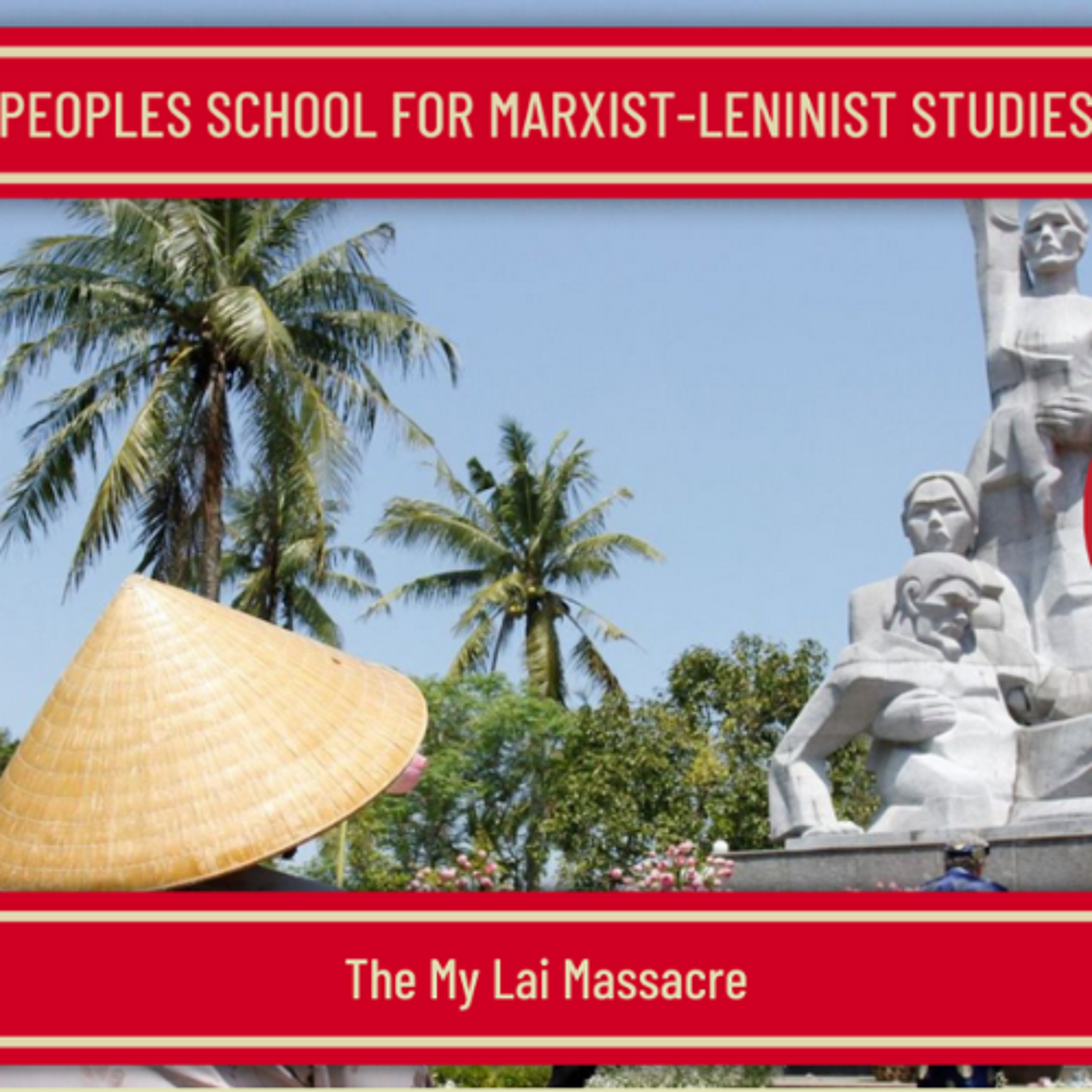
My Lai Massacre - PSMLS Class
Apr 2, 202501:08:11Tap to summarizeMarch 16th marked the 57th anniversary of the unspeakable My Lai Massacre perpetrated by the United States Army during the Vietnam War. This tragedy saw over 500 civilians including 200 children slaughtered in the most barbaric way. Make no mistake, atrocities in the name of US imperialism like this are not uncommon, this massacre was only the first documented on camera for the American public to see. It galvanized the anti-War movement in the 60s. Visit us at: Peoples School for Marxist-Leninist Studies: peoplesschool.us Party of Communists USA: partyofcommunistsusa.net New Outlook Publishers: newoutlookpublishers.store Timestamps: 0:00 Introduction 0:44 Section 1 - Causes and Conditions 4:47 Q&A 1 9:52 Section 2 - The Massacre Itself 30:53 Q&A 2 42:14 Section 3 - Role of Journalism in Exposing War Crimes and Sparking Anti-War Movements 1:06:20 Conclusion
Transcribe →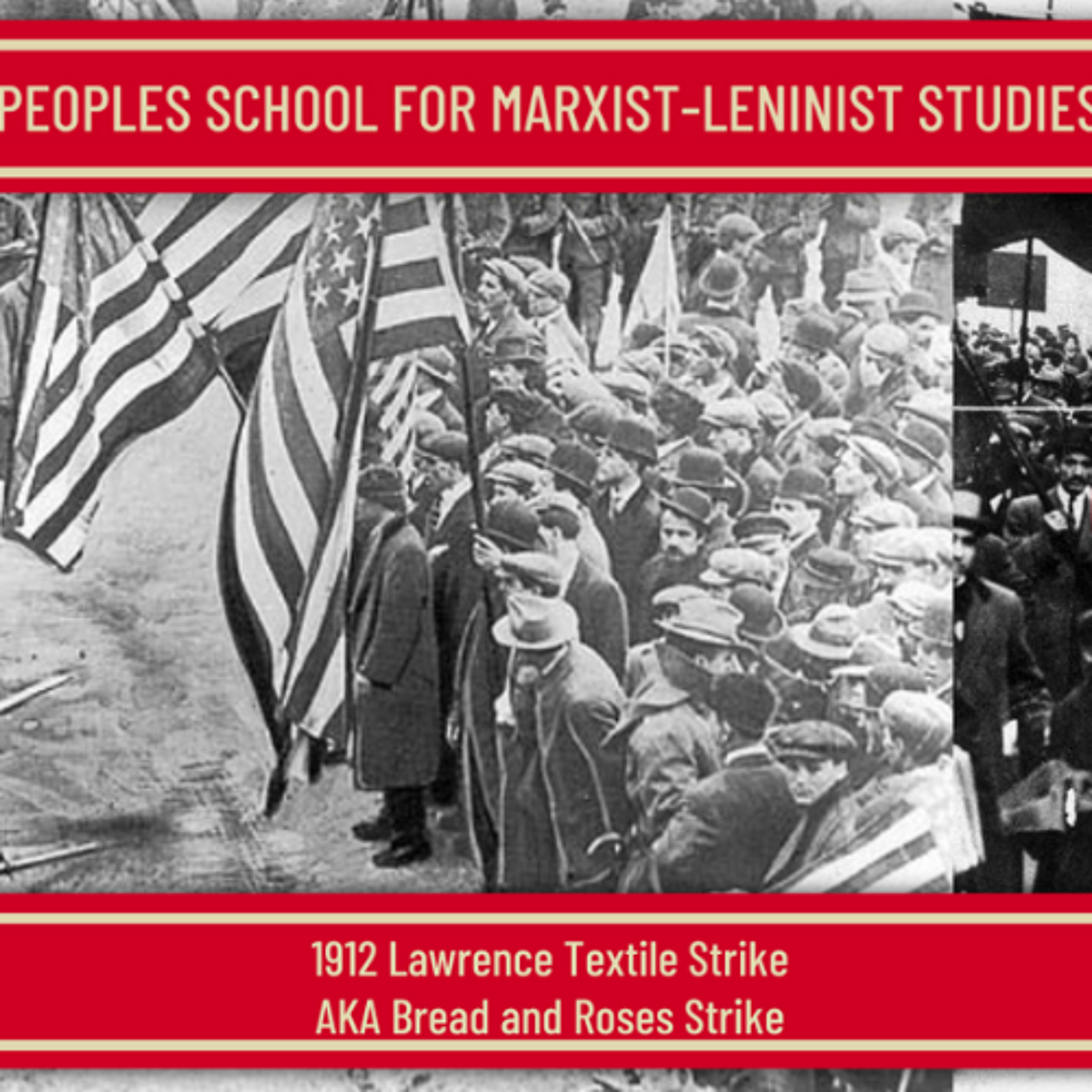
Bread and Roses Strike - PSMLS Class
Mar 30, 202501:03:57Tap to summarizeThe Lawrence Textile Strike of 1912, commonly known as the Bread and Roses Strike was dubbed by progressive hero Eugene V. Debs as “one of the most decisive and far-reaching ever won by organized workers, demonstrated the power and invincibility of industrial unity backed by political solidarity.” Visit us at: Peoples School for Marxist-Leninist Studies: peoplesschool.us Party of Communists USA: partyofcommunistsusa.net New Outlook Publishers: newoutlookpublishers.store Timestamps: 0:00 Introduction 0:55 Section 1 - Meet the Organizers 3:35 Q&A 1 5:45 Section 2 - Conditions of the Early Textile Industry in America 12:00 Q&A 2 20:25 Section 3 - Autobiography of Bill Haywood 28:40 Q&A 3 33:00 Section 4 - Results of the Strike 43:40 Q&A 4 and Conclusion
Transcribe →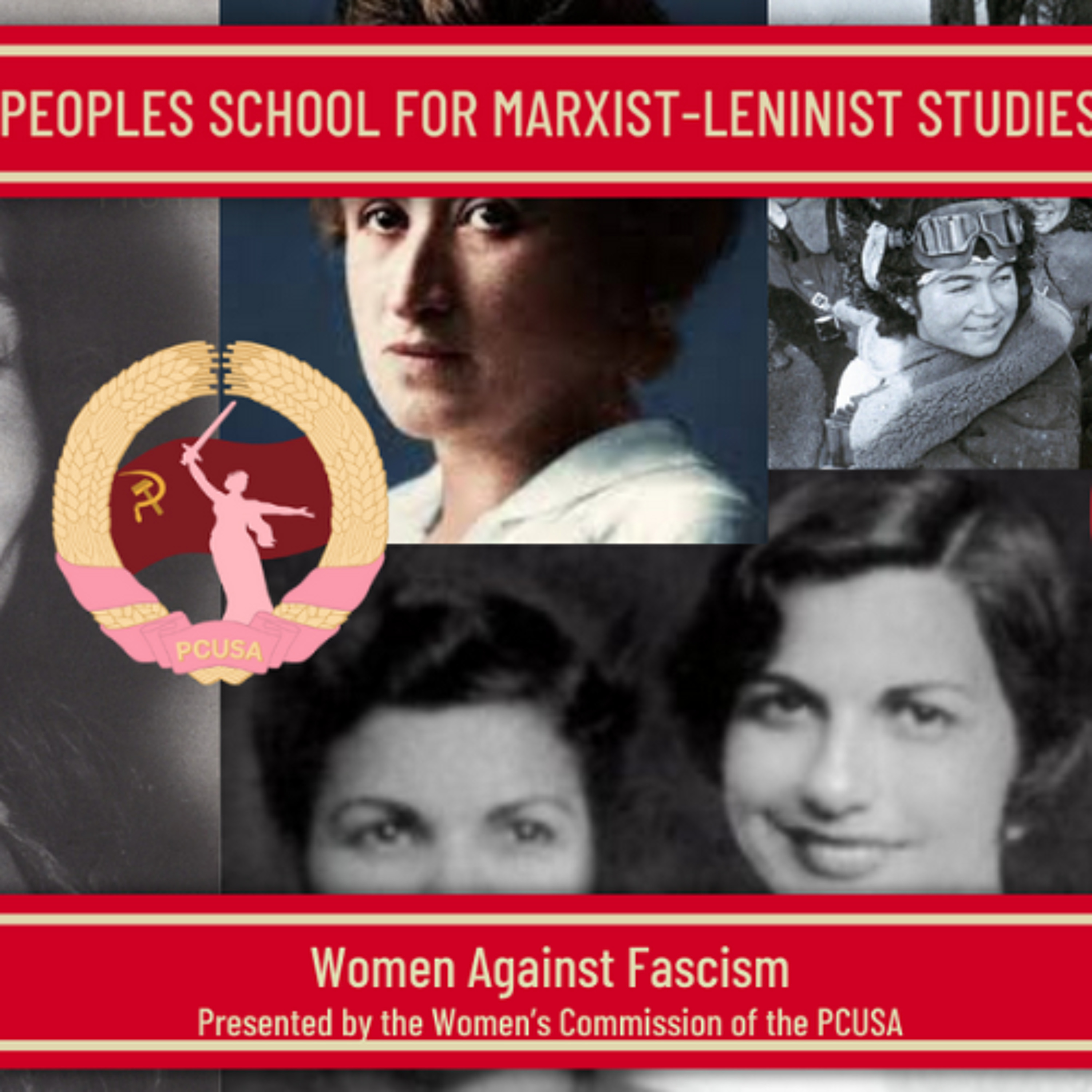
Women Against Fascism - PSMLS Class
Mar 29, 202500:58:04Tap to summarizeOften, the role of women in the fight against fascism goes unrecognized. In this week’s class, the Women’s Commission of the Party of Communists USA give recognition to a few of many important women and women groups that heroically stood up against fascism. Visit us at: Peoples School for Marxist-Leninist Studies: peoplesschool.us Party of Communists USA: partyofcommunistsusa.net New Outlook Publishers: newoutlookpublishers.store Timestamps: 0:00 Introduction 0:54 Section 1 - Rosa Luxemburg - Against the Fascist-Enabling SPD 7:50 Q&A 1 12:56 Section 2 - World War II 21:37 Q&A 2 35:17 Section 3 - Mirabal Sisters - 1960 39:41 Q&A 3 43:17 Section 4 - Women Partisans in Franco Spain, Vilma Espin in Cuba 49:00 Q&A 4 and Conclusion
Transcribe →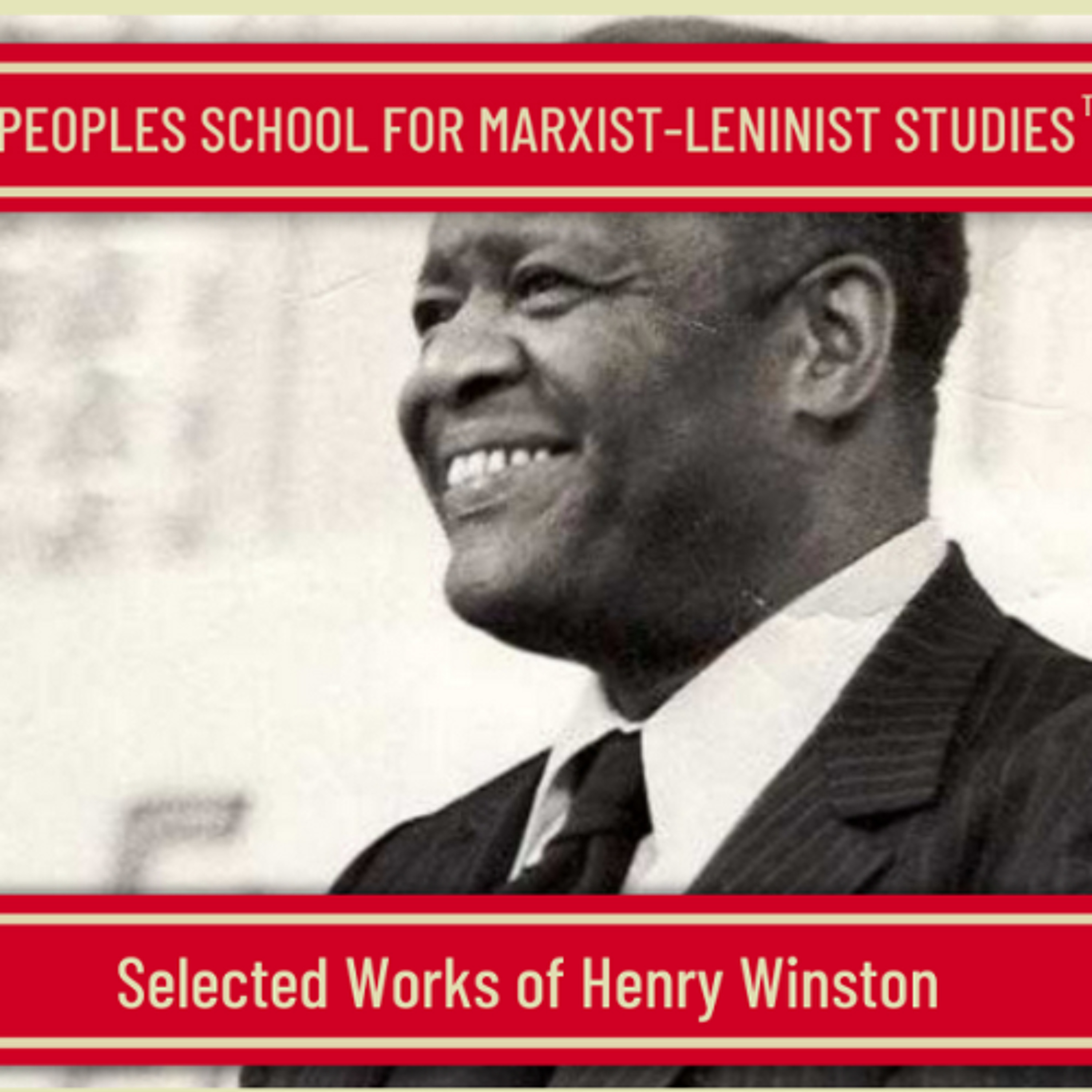
Selected Works of Henry Winston - PSMLS Class
Mar 20, 202501:13:00Tap to summarizeFormer Chairman of the Communist Party USA and Civil Rights Activist, Henry ‘Winny’ Winston, forged much of the Communist political thought on the Black American struggles in the United States. Winston’s incredible wisdom of his day still rings true today! Visit us at: Peoples School for Marxist-Leninist Studies: peoplesschool.us Party of Communists USA: partyofcommunistsusa.net New Outlook Publishers: newoutlookpublishers.store Timestamps: 0:00 Introduction 0:47 Section 1 - The Meaning of San Rafael 15:50 Q&A 1 25:55 Section 2 - Strategy for a Black Agenda 35:40 Video - Henry Winston on the Black Belt Thesis 50:00 Q&A 2 58:50 Section 3 - Moynihan-Kissinger Doctrine and the "Third World" 1:07:30 Q&A 3 1:11:50 Conclusion
Transcribe →
What is Socialism - PSMLS Class
Mar 2, 202500:50:16Tap to summarizeIn the 19th Century, Marx and Engels laid down the theory of Scientific Socialism. In the early 20th century, Lenin updated Marxism to the age of Imperialism and led the 1917 revolution that gave birth to the first large scale Scientific Socialist state. Stalin then picked up the Marxist-Leninist tool kit and led the building of the USSR. Communist Parties around the world built socialist societies modeled after Soviet-style socialism. Unfortunately today, with the absence of the Soviet Union, there is much confusion surrounding what socialism is. In this class, we read from Nemmy Sparks’ ‘What is Socialism?’ Visit us at: Peoples School for Marxist-Leninist Studies: peoplesschool.us Party of Communists USA: partyofcommunistsusa.net New Outlook Publishers: newoutlookpublishers.store Timestamps: 0:00 Introduction 0:55 Section 1 - A Workers Democracy 4:00 Q&A 1 7:35 Section 2 - What is and What is Not Socialism 13:55 Q&A 2 17:05 Section 3 - Historical Materialism - Who Owns What under Socialism? 22:20 Q&A 3 37:30 Section 4 - What can America do with Socialism? 42:40 Q&A 4 49:25 Conclusion
Transcribe →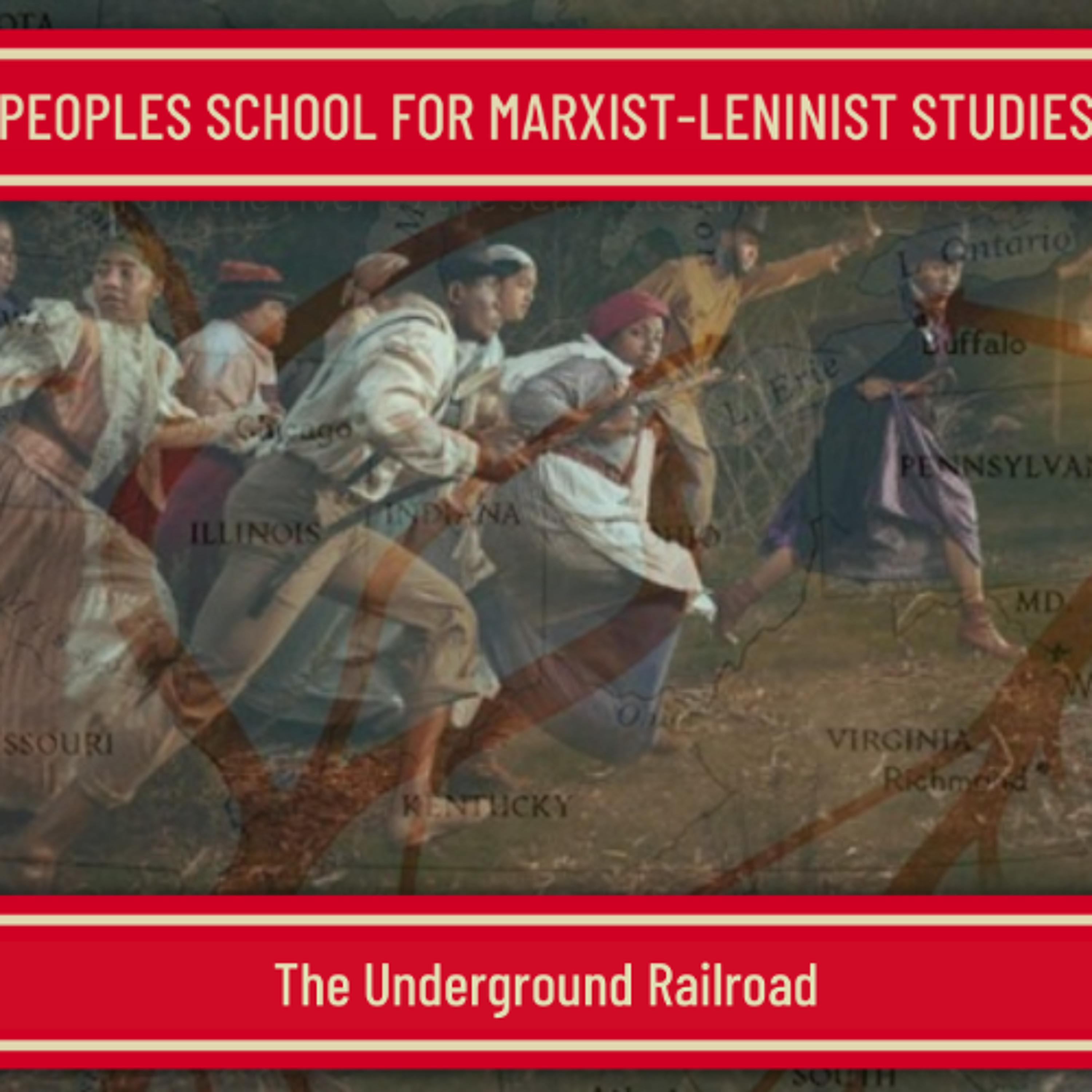
The Underground Railroad - PSMLS Class
Feb 21, 202500:46:14Tap to summarizeBefore the abolition of slavery in the United States, a complex network of heroic black and white abolitionists was developed to liberate the slave plantations of the South and set the wheel in motion for the dismantling of the chattel slave economy altogether. This network was called the Underground Railroad. Some sections of this class had to be cut from the video due to copyright restrictions. Visit us at: Peoples School for Marxist-Leninist Studies: peoplesschool.us Party of Communists USA: partyofcommunistsusa.net New Outlook Publishers: newoutlookpublishers.store Timestamps: 0:00 Introduction 0:12 Section 1 - Harriet Tubman - Life and Connection to the Underground Railroad 7:25 Discussion 1 12:20 Section 2 - Black History Week and the New York Teachers Union 16:05 Discussion 2 19:55 Section 3 - The Underground Railroad 29:40 Discussion 3 51:00 Conclusion
Transcribe →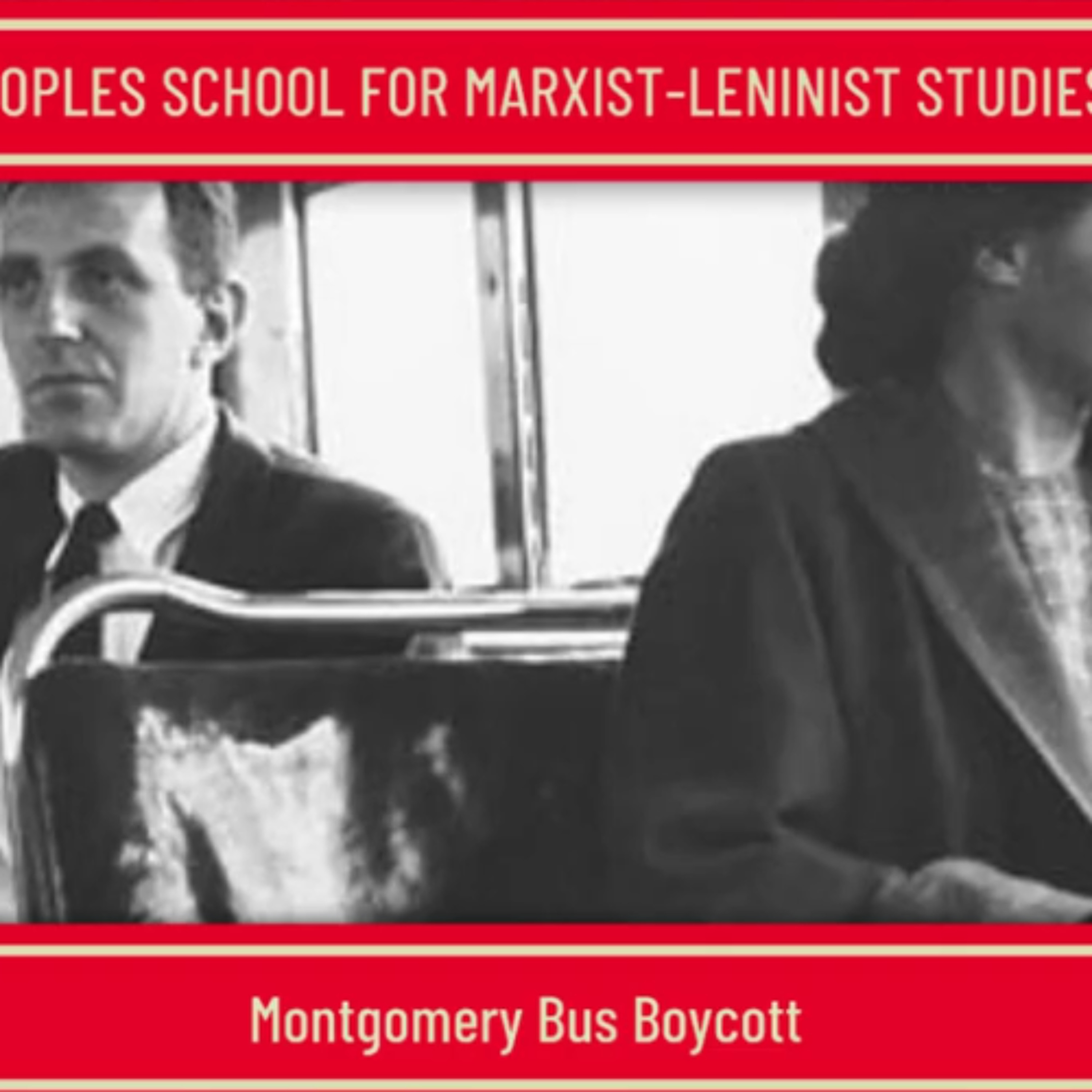
Montgomery Bus Boycott - PSMLS Class
Feb 20, 202501:01:48Tap to summarizeOn December 1, 1955, Rosa Parks, a black woman, was arrested for refusing to give up her bus seat to a white man. Following the arrest, boycotts lasted over a year in what would be known as the Montgomery Bus Boycott. This movement would be a major step in the dismantling of the Jim Crow South and bringing about political equality between white and black Americans. Timestamps: 0:00 Introduction 0:50 Rosa Parks and Lead-up to the Boycott 3:45 Video - Rosa Parks Interview with Larry King 6:40 Q&A 1 13:15 The Montgomery Bus Boycott 22:30 Video - Martin Luther King, Jr. 24:40 Q&A 2 39:40 Video - Martin Luther King, Jr. Speech on the End of the Boycott 47:10 Q&A 3 and Conclusion Visit us at: Peoples School for Marxist-Leninist Studies: peoplesschool.us Party of Communists USA: partyofcommunistsusa.net New Outlook Publishers: newoutlookpublishers.store
Transcribe →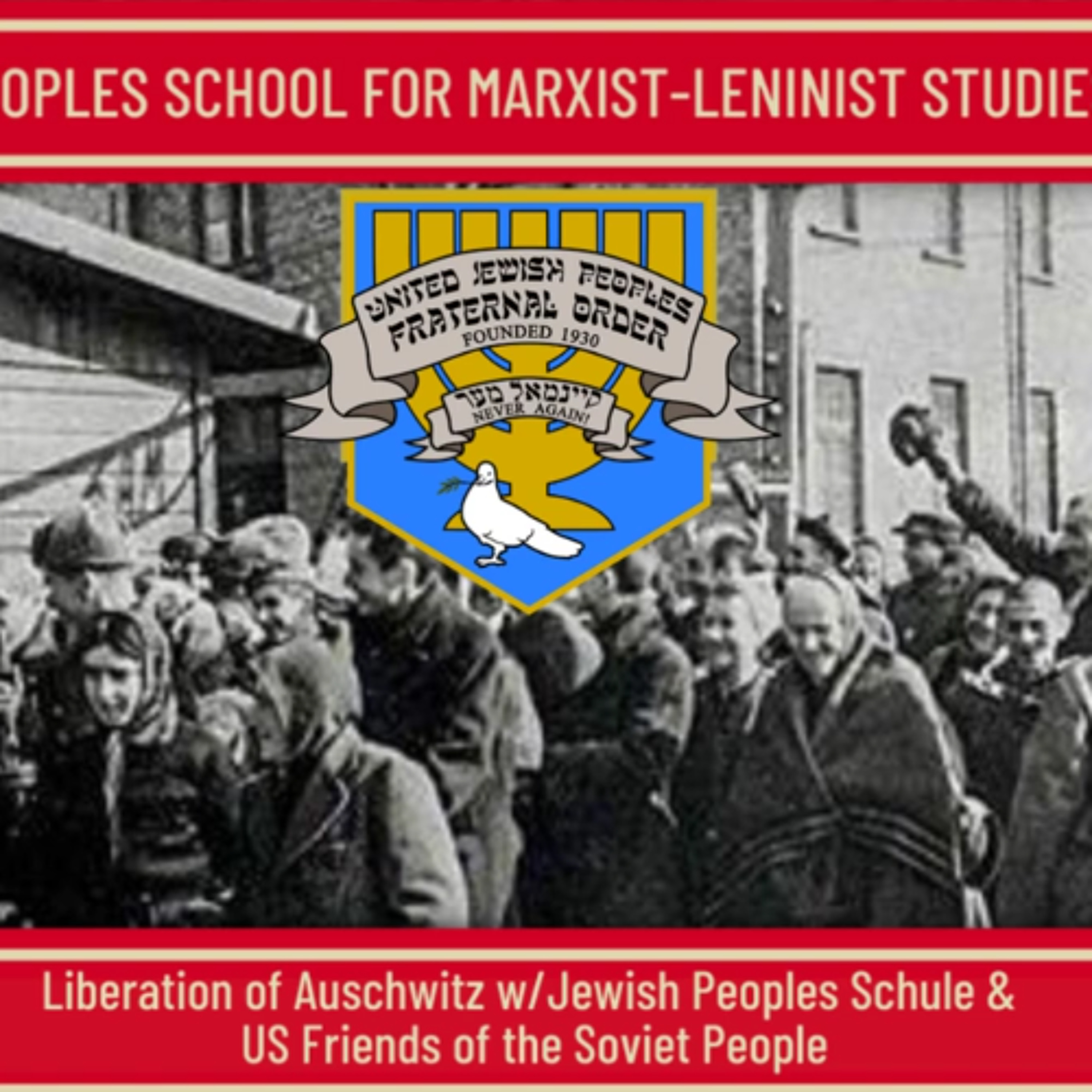
Liberation of Auschwitz - PSMLS Class
Feb 18, 202501:08:03Tap to summarizeOn January 27, 1945, the Soviet Red Army 322nd Rifle Division saved the lives of 7,000 Jews from the horrors of Auschwitz-Birkenau Labor and Death Camps where over a million Jews, Romani, and Communists were systematically exterminated or worked to death. Join us as we team up with the Jewish Peoples Schule and US Friends of the Soviet People to discuss this horrific event and lessons for today. This class originally included clips from "The Liberation of Auschwitz", which has been removed here due to copyright restrictions. The video can be viewed here: https://www.youtube.com/watch?v=0V0RMf2qU18&rco=1 Visit us at: Peoples School for Marxist-Leninist Studies: peoplesschool.us Party of Communists USA: partyofcommunistsusa.net New Outlook Publishers: newoutlookpublishers.store Timestamps: 0:00 Introduction and Q&A 1 36:00 Section 2 - Remnants of Nazi Germany Linger On 54:10 Q&A 2 and Conclusion
Transcribe →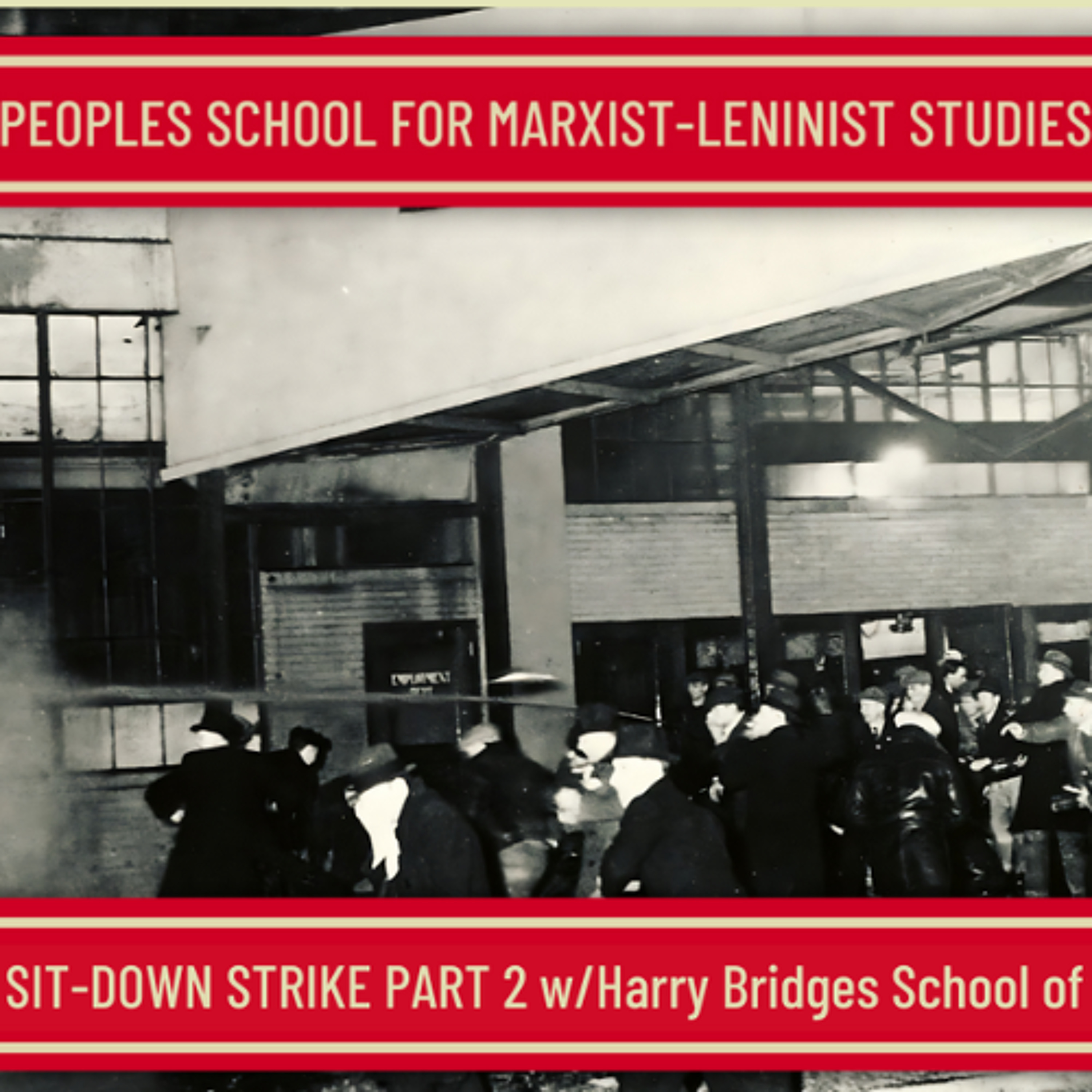
Flint Sit-Down Strike Pt 2 - PSMLS Class
Feb 17, 202501:10:19Tap to summarizeIn January 1937, the Flint Sit-Down Strike, the “strike heard around the world,” challenged General Motors in what would transform the UAW forever. Join us as the Harry Bridges School of Labor again leads our class for Part 2 of a two-week presentation on the Flint Sit-Down Strike. Visit us at: Peoples School for Marxist-Leninist Studies: peoplesschool.us Party of Communists USA: partyofcommunistsusa.net New Outlook Publishers: newoutlookpublishers.store Timestamps: 0:00 Introduction 1:10 Section 1 - Battle of the Running Bulls - Beginning of Negotiations 13:30 Q&A 1 15:45 Section 2 - GM Counterattacks, and Sit-Downers Take Chevy No. 4 29:50 Q&A 2 42:05 Section 3 - The Workers Win! 49:10 Q&A 3 and Conclusion
Transcribe →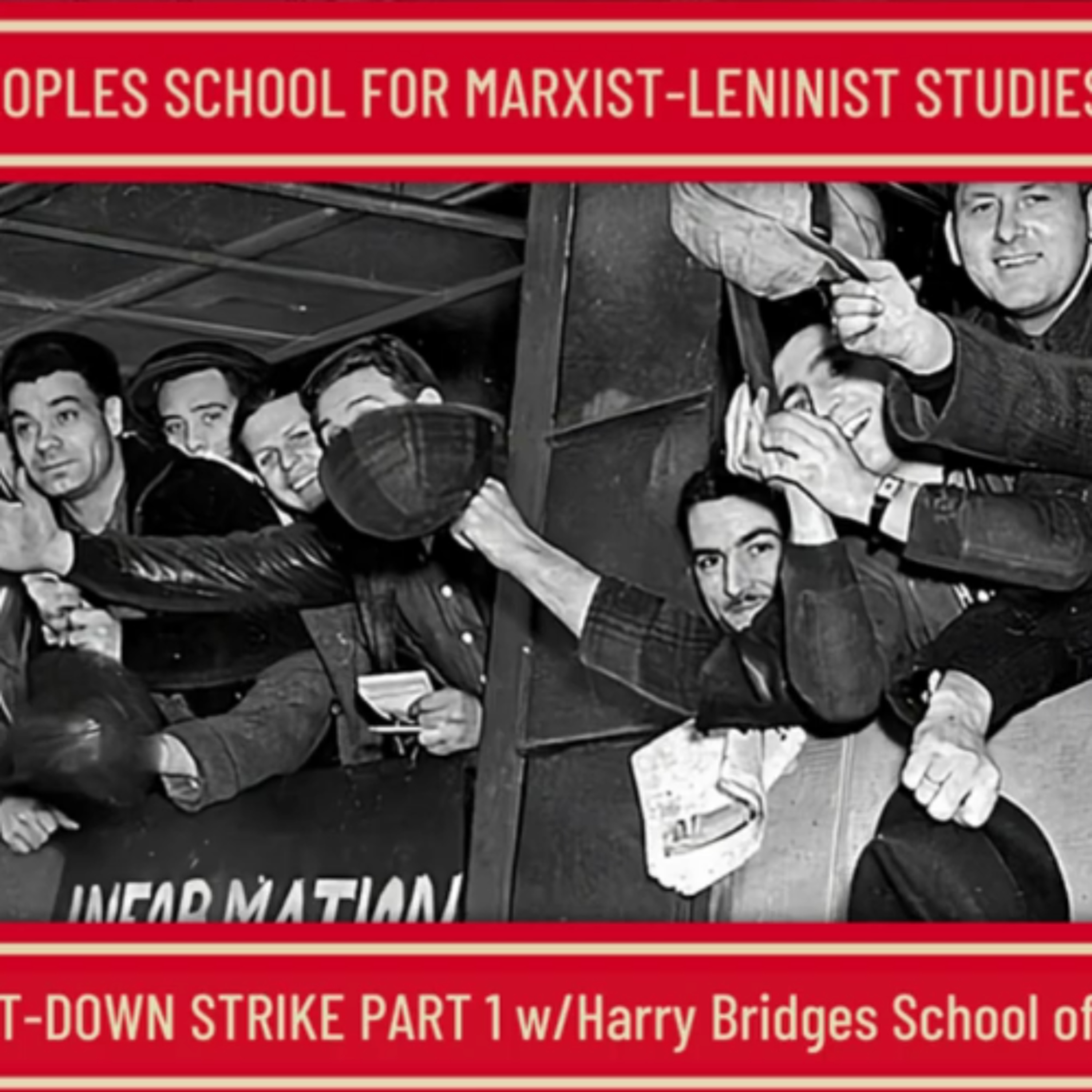
Flint Sit-Down Strike Pt 1 - PSMLS Class
Feb 16, 202501:05:25Tap to summarizeIn January 1936, the Flint Sit-Down Strike, the “strike heard around the world,” challenged General Motors in what would transform the UAW forever. In this class, the Harry Bridges School of Labor again leads Part 1 of a two-week presentation on the Flint Sit-Down Strike. Visit us at: Peoples School for Marxist-Leninist Studies: peoplesschool.us Party of Communists USA: partyofcommunistsusa.net New Outlook Publishers: newoutlookpublishers.store Timestamps: 0:00 Introduction 1:45 Section 1 - What is a Sit-Down Strike? / Organizing at General Motors 14:40 Q&A 1 24:30 Section 2 - Strike Actions Begin 33:55 Q&A 2 38:10 Section 3 - Life as a Sit-Downer 53:00 Q&A 3 and Conclusion
Transcribe →