← The Peter McCormack Show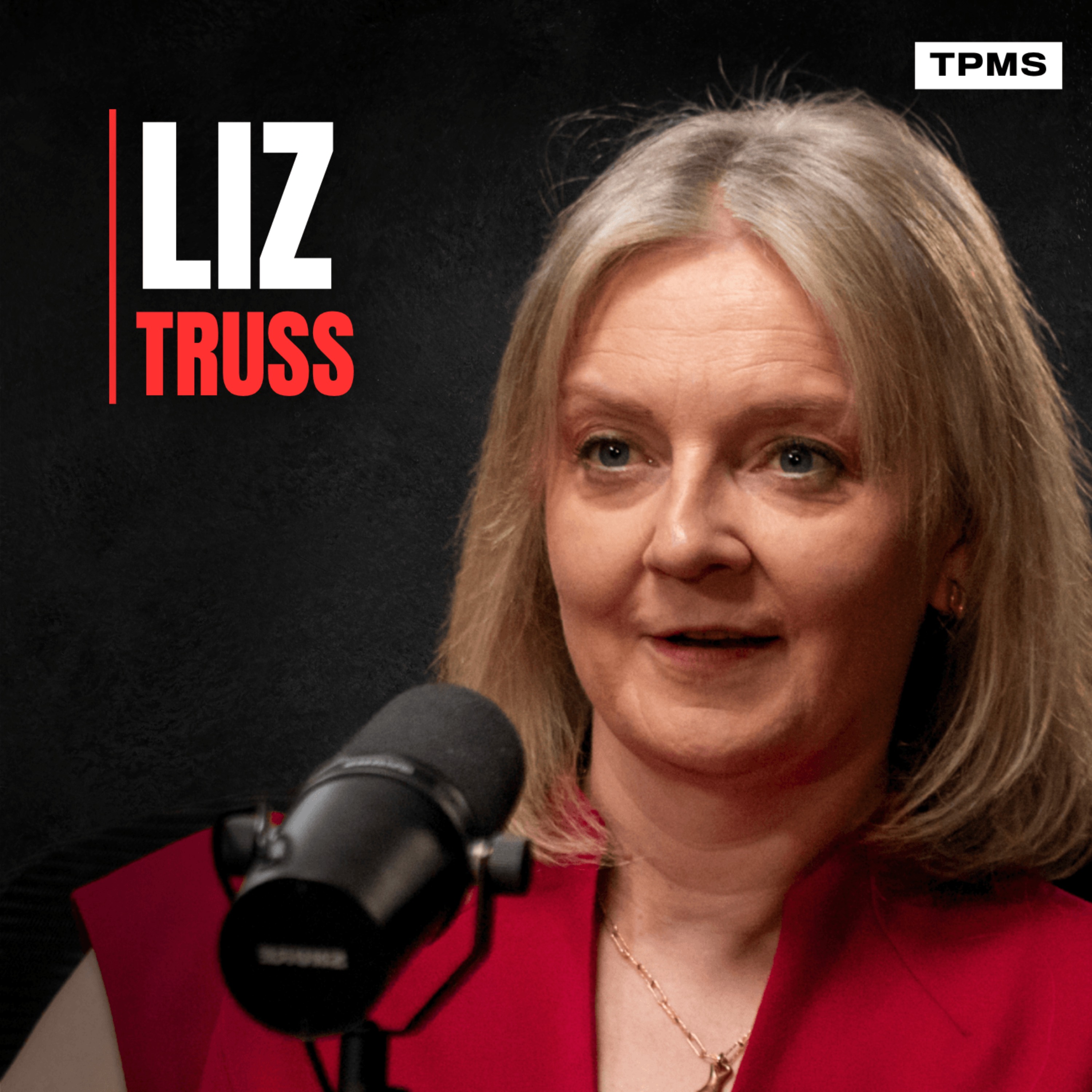
The Peter McCormack Show
#164 - Liz Truss - Why It Doesn't Matter Who You Vote For
01:08:18
The Deep State Has The Power
Loading summary
Transcript211 lines
- [00:00]
A
We've been trying to understand who really now holds the power between the politicians, the markets and the Blob itself. Based on your experience, where does the power lie?
- [00:12]
B
Where does the power lie? Well, it lies in the blob. There are various sort of coded warnings. If you speak out of this, this could damage your future career. Or if you say this or this would not be helpful or blah blah, blah. It's a system of keeping people in line. And when people don't conform, they get ostracized and they get cancelled and they get debanked.
- [00:40]
A
This wasn't really policy failure.
- [00:43]
B
It was a combination of institutional sabotage. The bank of England announcing the sale of gilts the night before. Unbeknownst to me, it was a deliberate sabotage on the part of the Blob.
- [00:56]
A
If you'd have stuck it out, what do you think would have happened?
- [01:01]
B
Well, I didn't not stick it out. I got, you know, I got a gun put to my head. If you can't criticize an independent institution, what is the point of politics?
- [01:13]
A
This show is brought to you by my lead sponsor, Ayran the AI Cloud for the Next Big Thing. Aaron builds and operates next generation data centers and delivers cutting edge GPU infrastructure all, all powered by renewable energy. Now if you need access to scalable GPU clusters or are simply curious about who is powering the future of AI, check out iren.com to learn more, which is iren.com. liz, hi.
- [01:39]
B
Hi Peter.
- [01:39]
A
How are you?
- [01:40]
B
I'm very well. How are you?
- [01:41]
A
I'm good. So it's the third time we've met. I want to cover some stuff we've covered before, but at the moment I'm observing across both here in the UK and large parts of Europe and also across the US that people are becoming more and more fed up with politics in that we have a revolving door of politicians that promise things and nothing seems to change. Everything gets more expensive. It's more expensive to fill up your car. We have another war. Public services keep, keep getting, you know, you keep getting less on your public services. So we've been trying to understand who really now holds the power between the politicians, the markets and the Blob itself. Based on your experience, where does the power lie?
- [02:29]
B
So I think what, what we've been through is We've been through 25 years of stagnation and that has all the impact. You're talking about the high cost of living, the lack of economic growth. That is what people are feeling. And where does the power lie? Well, it lies in the blob. And what do I mean by that? I mean, you could call them the establishment, you could call them the elite, but it's the people whose worldview has dominated British governance since the 1990s. And I think Thatcherism was a brief interlude in that general worldview, which is a Keynesian worldview. It's a New Left worldview. It believes in open borders, environmentalism, government spending being better than private sector spending. It's been there all that time and is very embedded in our system.
- [03:29]
A
But you talk there about the British establishment. These are problems that other countries in Europe are having, not all of them. The US has had as well. Is there a global blob?
- [03:38]
B
Yeah, there is. And look at the policies of Joe Biden or Kamala Harris or Mandami, or look at the policies of Macron or Mertz or Olaf Scholz. They are following similar pathways and they all agreed on climate change and net zero. Remember the COP process, that was all baked in. So that was a worldview that has dominated, I would say, western elites for 30 years.
- [04:14]
A
And where is that coming from, though? Is that coming from institutions or do you think that is coming from the asset managers and the money men? Is there a financial incentive to the way the money moves around the world that is driving these policies?
- [04:27]
B
Well, there's definitely a financial incentive. And people like Larry think, you know, got on the gravy train, lots of the World Economic Forum grouping back to those policies. But I think they were the followers. I think the originators were in politics, the Club of Rome, those ideas that emerged in the 60s and 70s, I think those became the decided view of the establishment. And then they were embedded in institutions and now it's proving very, very hard to change them because it is so deep rooted.
- [05:07]
A
Well, also, politics has become very much a team sport. There is a broad divide across the country, especially here, between the left and the right. Can't seem to agree on anything. And one of the reasons I really want to talk to you again is because, as you know, I don't vote.
- [05:27]
B
Got to change that before the next election, Peter.
- [05:29]
A
Yeah, no, perhaps I will. But one of the patterns I've noticed is that the Conservative Party very much not like a traditional Thatcher Conservative party for 14 years. There are people go, oh, but your mate Liz Truss did this. And I'm like, well, Liz was the first person who I saw came and said, here's a problem. I'm going to try and drive growth. There's a problem, there's an economic problem. And, and so I've very much defended you. Then we've gone to a Labour Party which is actively destroying our economy and I'm really fearful of another left wing coalition winning in three years time because they don't seem to understand economics.
- [06:05]
B
And it's not that they don't understand economics, it's they don't want the world to be the way it is. It's not that they don't understand, it's that they don't care.
- [06:18]
A
I think some don't understand, like when I talk to young people who say they're going to vote for the Green Party, they think the world is unfair. They think billionaires are getting away with not paying taxes and if we just tax more, we can improve public services and distribute money. They don't understand the second order consequences. They can't think through this critically or the incentive systems that allow people to grift our system. Yes, sure, some people, some people don't want to understand. But one of the reasons I wanted. One of the things I wanted to ask you is. Look, what's been really interesting since you, over the last couple of years, since you were Prime Minister, is that you've both been vindicated and still being used as a scapegoat. So people have come out and said this truss was right, look at the bond market now. And we don't need to talk about all the sequencing and whatever happened. But also there are people still in Parliament MPs blaming you for what happened. So there is that divide that still exists. Anybody I know understands economics, knows that you diagnose the problem. Right, so what would you say to people who think just by voting another party is going to suddenly make this country better? Because under both right and left wing governments, everything seems to be breaking?
- [07:34]
B
Well, the reason I get so attacked is because I'm vindicated. That's the reason. Because people do not want to admit that what I sought to do in 2022 was the right thing. And people are now talking about opening the North Sea again. They're talking about fracking, they're talking about taxes being too high and being above the Laffer curve. That's exactly what I was trying to address back in 2022. And the people in the treasury and the bank of England do not like those policies. They're fundamentally Keynesians. They don't believe in monotrism, they don't believe that the money supply is important. They don't understand or refuse to acknowledge the problems we've had with quantitative easing, they don't believe in The Laffer curve. I was taking on their entire worldview. Their entire worldview. And that is very, very painful for people to see that their worldview is fundamentally wrong. And that is the reason that I get so attacked more than to a ridiculous extent any normal person would acknowledge it's ridiculous. It is because I am taking on their fundamental worldview. Whereas most of the Conservative Party in office tried to placate them, they went along with net zero. They went along with the idea that we have an unequal distribution system in Britain. They went along with the idea that you should just keep raising the minimum wage. They went along with the idea that migration was good. They didn't challenge the fundamental architecture of the system. That's what I did, which is why people see me as a threat.
- [09:21]
A
So how do you assess what's happening now with the Labour Party? We've obviously seen reforms. Policies are more aligned. Not totally aligned, but more aligned to the things you were saying. Even the Conservatives themselves, I would question that on both fronts, but more aligned than, say, the previous Conservative administration under, say, a Cameron.
- [09:42]
B
Neither reform nor. The Conservatives are saying we need to get rid of the obr, which is essentially embedded Keynesian fiscal policy in Britain. They're not saying the bank of England needs to be accountable. And you know this, Peter, that the bank of England is responsible for the asset price surge, a lot of wealth inequality, the failure to deal with the banks correctly after the financial crisis. That's at the door of the bank of England. Neither the Reform Party nor the Conservative Party are prepared to actually take on those vested interests at present.
- [10:20]
A
Okay, fair, but back to.
- [10:22]
B
I mean, yeah, the Labour Party is even worse, but do you. That's true.
- [10:25]
A
Do you think, from your observations and your understanding of how Parliament works, to them, the Labour Party, do you think they believe they're doing a good job or are they.
- [10:40]
B
So they went into office thinking that it was just because the Tories were cruel and incompetent.
- [10:45]
A
Yes.
- [10:46]
B
That we were doing so badly. They then discovered how bad the situation in Britain really is. And it is a dire situation. The country is living way beyond its means. We haven't had serious economic growth for several decades, and they are now following exactly the same playbook that the Conservatives followed in office. There might be a bit more spending on public sector workers, there might be a bit less spending on defense, but it's fundamentally the same playbook. And the debt is still increasing.
- [11:21]
A
Even Keir Starmer said he. He realized he doesn't have the power he thought he would have as Prime Minister, he isn't able to make the changes he wants to make. And this is probably one of the reasons I don't vote, is I don't believe I'm voting for something that can change. There are.
- [11:38]
B
Have you ever voted?
- [11:39]
A
Yes, the last time. So I first voted. I think I was 18 when I first voted and trying to remember who it was. Was it. Was it still John Major? I can't remember who's ever my dad voted for the first time I voted when I really understood what I wanted. I voted for Cameron after Blair and that might have been the last time I voted, but I just didn't vote because I just didn't trust or didn't like anyone. I want to vote now, I actively want to vote, but I don't want to vote for another person to come in and be stuck in a blob where they can't deliver on their mandate. You had a mandate, you tried to deliver on the mandate and it looked like there were forces that worked against you delivering against that. Keir Starmer now has essentially said the same thing. Obviously he doesn't want to do the same policy.
- [12:26]
B
The difference between him and me is that he, broadly speaking agrees with the Blob. So he's got the same attitude on immigration, on Net zero, on public spending that the Blob has. He's just frustrated that he can't do his flavor of Keynesianism that the Blob is not exactly in favor of. Whereas I wholly oppose the policies of the Blob and think that Britain needs a complete overhaul and change. That's the difference.
- [12:58]
A
But the Blob is obviously failing. Its policies are failing this country in every direction. Everything is breaking. Doesn't matter whether you look at the NHS or the. I mean, the state of the roads, state of policing, the unruly behavior of kids on the street, the nature of school. Like in every direction, it looks like everything is breaking. And so isn't the job there of the country or the voters to somehow be able to support something that collapses the.
- [13:27]
B
That is the job of the country. You're absolutely right. And it is only going to come from the people. It is not going to come from the political parties, your policies.
- [13:39]
A
If you just stuck it out, what do you think would have happened?
- [13:43]
B
Well, I didn't not stick it out. I got, you know, I got a gun put to my head.
- [13:49]
A
Do you still have a scenario?
- [13:51]
B
Conservative MPs would have voted me out the next day and it would have just caused more chaos in the markets. I was done. I was done. And that was made very clear to me.
- [14:02]
A
If they'd have backed you, if they'd
- [14:04]
B
have backed me, things would have been totally different. I could have got through it, but they didn't want to back me. I mean, most of the Conservative MPs wanted Rishi Sunak to be the leader in the first place, which is, I think, shows what went wrong with the Conservative Party, that it lost any sense of being Conservative.
- [14:26]
A
So this wasn't really policy failure, though.
- [14:30]
B
It was a combination of institutional sabotage. The bank of England announcing the sale of gilts the night before. Unbeknownst to me, the night before we announced our budget, they announced the sale of gilts. They blamed us for the LDI crisis that they created. And then Conservative MPs who wanted to install Rishi Sunak took advantage of that and created more instability. That was what was going on. It wasn't a policy failure. I mean, most of the policies weren't actually implemented, so how can it be a policy failure? It was a deliberate sabotage on the part of the Blob and undermining on the part of Conservative MPs.
- [15:14]
A
So we can't, as voters as we are, vote this out. Our choices in front of us is not an option to change this.
- [15:23]
B
Well, voters aren't just voters. They are people that can be part of politics. They can be part of mass movements, they can watch new media, they can tweet, they can speak out on Facebook, they can make their voices heard. There's a massive industry in Britain of opinion polling and focus grouping. If voters were saying, I'm actually frustrated that it's technocrats running Britain and not elected politicians, politicians would start to listen. If that was coming up in focus groups, if it was coming up in opinion polls, if when was an audience for something, like any questions, people were saying that it would start to change the debate. I think what it needs is a greater level of participation by all voters in Britain. And people need to understand how serious the situation we're in as a country is.
- [16:26]
A
But what are they participating in? Because if you look in front of you, if you're just a normal guy going to work, you maybe pay a small amount of attention to politics, you maybe see a bit of social media, but in front of you, you've got options. You might be Conservative minded and fed up with the Conservative Party, or you might stick with the Conservative Party, or you look at reform. Okay, well, reform are my new option, my new anti establishment option. But they've essentially been captured. They look like The Conservative Party, to me, generic was generic was the end of the reform for me. And then if you're on the left, you're looking and going, well, Labour failed me, I'm going to go to Greens. But there isn't a real true. Like we're talking about an anti establishment movement here.
- [17:10]
B
Yes, that's exactly what we're talking about. Okay, but, but that's what there needs to be. If there was a powerful enough anti establishment movement in Britain, then political parties would be forced to change, they'd be forced to respond to it. So think of the anti establishment movements we've seen around the world. The Tea Party or the Gillet Jaunes in France. I'm not saying that they necessarily succeeded, but the point is these movements emerged and had a massive influence on politics. And that is what ultimately parties and party leaders listen to. Why is the leader of the former leader of Conservatives making the decisions they are now? Well, they focus group stuff to death. And the British public aren't saying we need a holy, we need a wholly different way of running our government, which is what I see. They're just saying we're frustrated with specific issues. I think there's a discussion to be had, there's a job to be done to talk about exactly what is wrong in this country.
- [18:16]
A
All right, let's talk to you about my sponsor, ledn. Now, if you're borrowing against your Bitcoin, there's one thing that matters more than anything else. Is it actually safe? Well, Leden have just dropped their lowest rates ever. But more importantly, they haven't changed the thing that matters most. Your Bitcoin is never lent out. So they're not chasing yield. There's no hidden risk and there's no rehypothecation. Just collateralized loans done properly. Now They've done over $10 billion in loans and they've done this through bull markets, through bear markets and everything in between. And they've done it without ever losing any client assets. So now you get lower rates, which means the bigger the loan, the lower the rate and full transparency before you apply. There's no monthly payments or early repayment penalties. And they give you tools to stay in control from auto top ups to LTV alerts. So you're not choosing between a good rate and safety anymore because with Leden you get both. Now you can check out your rate using the calculator at LEDN IO, which is LEDN IO. Right. So the problem is that voters, a lot of voters are still in the position where they're thinking tweaks.
- [19:21]
B
A lot of it is it's funneled through the mainstream media. Look at the mainstream media this week. What did we hear about Kanye west and whether or not he can attend some concert? There was opinions sought from the party leaders about this massive issue of the day. Meanwhile, the country is about to go bankrupt. The whole way that things are sort of shame through the media prism is completely absurd.
- [19:53]
A
I mean, could there be an issue here with focus groups asking the wrong questions?
- [19:58]
B
I think the issue is more that the people know there's something deeply wrong. But we've got a completely unserious media apart from obviously this show and the alternative media universe, which is why people are watching your show and they're tuning into alternative media. But we still. There's a lot of people in Britain who are still not part of that. And that's what needs to change. That's some of what changed in America. I'm not saying America's perfect is what changed in Argentina. Because things got so bad that people started thinking about economics. You know, they started listening to a guy who's basically an economics lecturer. Because things had got so bad.
- [20:40]
A
Yes, because in the us, certainly on the right, you now have Megyn Kelly as an independent, you have Dave Smith. Rogan kind of led part of this. I know he would say he isn't a Conservative, he's a Republican. You've got a whole suite of successful independent media properties. Whereas here in the uk, I'm relatively unknown. You know, some people watch it, it does okay at times, but our independent media is still captured media as the rest is propaganda. It's the news agents. It's still those people who are kind of independent versions of the BBC.
- [21:14]
B
What I learned from my time in Number 10 is just how ruthlessly the lob will fight. You know, they are all connected in, you know, the sort of the Sky News, the BBC, they're all connected in with the, you know, the senior officials in government, the leading figures in the treasury. You know, they're all part of the same social circle and club. And their basic view is that there's nothing much wrong with Britain. You'll see this on social media all the time. There's no problem with crime in London. That worldview, they want to protect it because they don't want to think about how wrong they are. And that's what we are. We've got to break that. We've got to break that whole cabal.
- [22:09]
A
So I need to create the biggest podcast in the uk, the number one media product and say just, we just need to dismantle the state, every component of it. Well, the majority, look,
- [22:22]
B
I believe you have to have a state, but I think it's got to be accountable to the people that get elected. And it isn't. And I know it's not an attractive slogan to put on a placard like we want an accountable state now, but that is what we need.
- [22:37]
A
Well, I just feel like the person
- [22:38]
B
who gets elected needs to be accountable for what happens in the state and at the moment they're not sure.
- [22:43]
A
But it also just feels like it just needs to be a lot smaller.
- [22:46]
B
Correct. And it needs to be run like a company so that the Prime Minister, who's effective, the chief Executive is able to call the shots. It simply doesn't work like that.
- [22:58]
A
Now courtesy of INS says, well, he's right. Yeah, yeah, I agree with him. How are the OBR and the bank of England subservient to the financial markets? And therefore is government subservient? Is there so much fear about making good long term decisions coming from the fact that the markets might react?
- [23:23]
B
So if you look at the abr, the Office of Budget Responsibility, they are not really subservient to the financial markets. They are ideologically of the left a lot. A lot of them come from the Resolution foundation, the sort of left wing think tank and they don't believe in the Laffer Curve. They believe that the more you raise taxes, the more spending, the more spending you're able to do by government. That's actually a more efficient way of running a country than allowing enterprise to thrive. That is their basic worldview and that's what their economic forecasts reflect. The bank of England, they are again a Keynesian outfit. They took the money supply out of their economic models in the 1990s. So there's a brief period where monetarism thrived. They took the money supply out of their economic models. Since then we saw during COVID huge amounts of QE inflation, but they still refuse to believe that the money supply and allowing the money supply to expand and QE is a major cause of inflation. So they're ideologically in that space. And by the way, lots of economics departments in Britain and America have been taken over by that philosophy. There's been a move towards Keynesianism in economics.
- [24:55]
A
We met two guys the other day at Exeter University studying economics and I was like, how's it going? He said, it's just all Keynesian horseshit.
- [25:03]
B
Yeah, but it's got worse even since I studied economics in the 90s, there's less monetarism taught than there was then. People will tell you this who are at university now. So there's been an ideological shift. And then people like the Governor of the bank of England or the head of the obr, they're all part of the establishment. So what do they want to do? They want to keep their nose clean, they don't want to take any risks, they want to keep on side with everybody. They're looking for the next job they can get on a board of a bank or whatever after they finished. Their incentive is to take the line of least resistance. Safety, safety, safety, safety, line of least resistance, do what the consensus says. And as we've just been talking about, the consensus is Keynesianism, and that's true as well of the city. You know, the city has got more risk averse, it's got more over managed, it's got more regulated. So if you're a city manager, you go along with all the DEI stuff, all the Net zero stuff. The bank of England also spouts all this stuff as well. And it's groupthink. So it's not that one is guiding the other, it's a groupthink of an establishment that has been very powerful in Britain and in the West. And the same thinking is there in the eu, the same thinking is there in Davos, the same thinking is there in the Democrat Party in the US and actually in a lot of the Republican Party. Trump and better have taken that on and challenged it. This is why Trump is challenging the Fed. But fundamentally, that groupthink has been there for a long time. And I attribute a lot of the stagnation we've seen to that group think.
- [26:54]
A
We've tried to get a couple of professors on this show, we've seen interesting papers, interesting reports and reached out and said, will you come on the show? And specifically one person, they just said, I'm sorry, can't do it, I'm too busy. And I was like, oh well, how about we come to you, we'll bring the cameras, save you a bunch of time. And they were very honest and came back and said, look, I'll just be honest, I've looked at who your previous guests are. I agree with everything you're saying. I would love to do the show. If I come on your show, I might lose my job. So there's this real correct pressure on people to not even not be able to speak, not to be able to think.
- [27:36]
B
Absolutely right.
- [27:38]
A
But do you think that is downstream of us as a Country not really having the same respect for freedom, liberty, freedom of speech, say that the US has and that people cannot take those risks. The reason we're stopping, I mean, I think Kanye is a lunatic, but I wouldn't stop and come to be a music festival. I think there's other things we can focus on. Are we just advertising to the world that we are?
- [28:01]
B
I think Britain is particularly illiberal for free speech at the moment. However, all of these tendencies, you're talking about censorship, canceling academia, wanting to chuck these people out, it all happened in the United States. People tell me the Chicago school is no longer the Chicago school. They're not advocating the same policies as when Milton Friedman was there. It's all moved to the left. And if you want a job, and I think it might be changing a bit in the US with Trump. But certainly leaders in corporations had to go along with a groupthink otherwise they would be at risk of being ostracized, canceled, debanked, subject to lawfare, all of the techniques that they use. And what has changed about the way the left operate compared to 50 years ago is it used to be about rational argument. It isn't anymore. It's about canceling your enemies, it's about abusing them. It's about playing the man, not the ball. That's what the left do.
- [29:06]
A
But even in the US there's a big risk now. I mean, Trump won an election with a strong mandate for making change. And they've got Mandami now in New York and not like the projected polls for the midterms aren't great for him. They could easily reverse in the next election.
- [29:25]
B
And that's what everybody, that's what the European elite are hoping for. They are biding their time for the Republicans or Trump to be ousted so they can go back to their cozy globalist groupthink that's exactly what they want. They're waiting.
- [29:44]
A
I mean, for us. It's so obvious, right? You look at this and we see the direction, we see everything breaking. We know why, but so many people seem to be sucked into this. So like, how do we even. You say we need to an anti establishment movement, but how do we even do this? Because it feels like we're fighting an immense army against us.
- [30:08]
B
So we know that there are anti establishment tendencies in the British people. We saw the vote for Brexit, we saw the vote for Boris. We saw people prepared to go against what they traditionally done because they saw the country needs a massive shakeup. So we know it's There it just has not been galvanized into a long term movement that can actually deliver things. Because what happened with Brexit as it was strangled at birth by the Blob. So all of the things like getting rid of the EU laws, genuinely doing trade deals with countries like the, all of that stuff was watered down and stopped by the Blob. So if that force can be galvanized, it's immensely powerful. I'd point out to you that that referendum had the highest turnout, think it was 80%. And if you look at things like the Gorton and Denton by election, the turnout was 48%. So there's a, there's 30% of voters, roughly speaking, that will turn out, but they're only going to turn out if they really believe there's genuine change on the table. And that I think is the problem that the political parties are struggling from and the right is struggling with, is motivating those voters.
- [31:35]
A
So therefore. Well, that says to me that's a problem of leadership.
- [31:40]
B
It's a problem of leadership, but it's also a movement problem which is do you have a movement that people feel is real and can galvanize them, but
- [31:53]
A
the right leader, the right personality can do that. Milei did that. He came out of nowhere. Like you say, he was an economics professor, he was going around to universities and people are so sick of it. But he, you know, what a personality.
- [32:04]
B
Look, we could sit here and we could wait for a savior, Peter, or we could try and do something.
- [32:09]
A
Well, sure, sure. But I mean, I was. No, I was leading something. I was leading somewhere with this. I was going to say, like, if you were to go back and do it again, how would you do things differently? Because you're still going to want the same policies. What do you know now?
- [32:21]
B
Well, what I know now is that I don't think it is going to happen unless you have a movement behind it.
- [32:27]
A
But moving to the.
- [32:28]
B
Unless you have a true. But also they're kind of symbiotic. So one of the things I'm working on is CPAC gb, which is a big conference that will have leaders who believe in liberty and sovereignty from around the world.
- [32:47]
A
So people who don't know what CPAC is because it's originally US Institution.
- [32:52]
B
So it's a US Institution. It was originally, I think Ronald Reagan was at the first edition of this. It's a not partisan conference. It's built around the concepts of liberty and sovereignty, the things that we believe in. And there's since been CPACs in places like Poland, Australia, Japan. And we are bringing this concept to Britain because we think Britain is desperately in need of a place where people can gather, they can hear speakers, they can appear on podcasts, like your podcast, Peter, but not connected to any particular political party. So the ideas can be galvanized. That's what needs to happen in my view.
- [33:42]
A
Right, okay, so sorry, I'm going to stick on this leadership thing. I do want to go back to this.
- [33:47]
B
So my point is when a movement develops, that's when leaders get identified or they have the opportunity to speak, or they have a platform. By creating platforms, and this show is a platform, cpac, GB is a platform, you give the opportunity for people to emerge. The problem with the mainstream media is they cut those people off. We need alternative platforms where anti establishment figures can appear, they can get support, they can galvanize people.
- [34:21]
A
Yeah, I want to go back to,
- [34:22]
B
I mean it's quite difficult to do in a vacuum. You need to create an ecosystem and a lot of Americans understand this, that it's not good enough just to have one great leader who wins a one off election. You need a broader group of people. And this is why Trump too brought in people like Elon Musk and Scott Bessant. A lot of the tech, right, a lot of the Maha movement was that it was a bottom up group of people, people are interested in crypto, people interested in health. It was bottom up groups of people. And it's why it wasn't just one leader. It was a collection of people who care about their country's liberty and sovereignty. And I think in Britain you've got those move, you've got the farmers, you've got the people interested in bitcoin and crypto, you've got the free speech warriors, you've got all of these groups of people. But at present they don't necessarily have a objective of what they want to see change in the country.
- [35:26]
A
Sure. But the changes that we have seen have come from quite strong leadership. Like Orban is a strong leader. Trump, whatever people think of him right now, which I know is different views, he came in like a, like a bull.
- [35:44]
B
The Tea Party movement happened before Trump came on the political scene. So he had a ready made group of people who were already incredibly frustrated about the lack of accountability of the American state, who were frustrated with a level of taxes, all of the Keynesian policies we've just been talking about, those people were already there.
- [36:05]
A
Yeah.
- [36:06]
B
So he was able to galvanize those people. Likewise. You know, RFK was a leader of The Maha movement. He was brought on board. So I don't think it's as simple as you just need one great leader.
- [36:17]
A
No, no, of course not. But there are still great leaders who've done things like Bukele and El Salvador. You know, he had to fundamentally change how the country worked. The constitution didn't allow for a second term, and he's found a way around it because he knew five years wouldn't be enough to change that country. And, you know, fundamentally, he's been right. Yes, it's. You can be accused of being a dictator or maybe a benevolent dictator, but Milei came through a lot of charisma. What I'm trying to get at is you've been there, you've seen the blob. If you were to do it again, knowing what you know now, would you have attacked it differently?
- [36:54]
B
The thing that I needed at the time was more infrastructure and more backing. And so you could say, maybe I shouldn't have run at that point. But I think you have to run when there's the opportunity. But if you don't have the resources and the people, if you don't have the basic infrastructure to deliver, then it's very, very difficult. And in Britain, you're up against a permanent. You know, these people are called Permanent Secretaries because they're always there. You know, you've got the permanent bureaucracy and then you've got a few people that you've gathered together. That is not a fair competition, you know. So what I'm saying is a leader who comes in, in Britain needs to have a professional outfit that is ready to go from day one and. And a movement of people that, when things get difficult, are prepared to go out and, you know, be Twitter warriors or, you know, speak out on the media. That's what I'm saying.
- [38:03]
C
How sinister is it? Is it like the second you step out of line, is there literally someone that comes, gives you a tap on the shoulder and, like, step back in line slightly?
- [38:14]
B
It's not. It's partly like that. There are various sort of coded warnings. Maybe I'm just the kind of person that ignores coded warnings. I think I probably am. But as I progress through my political career, I was given various things like, if you speak out of this, this could damage your future career, or if you say this or this would not be helpful, or blah, blah, blah. It's a system of. It's a system of keeping people in line. But it's developed organically. It's not one person has gone in and said, I'm going to create this system to keep people in line. But it's the way establishments work, the way elites work. And when people don't conform, they get ostracized and they get canceled and they get debanked. You look at the comment, I think the comment Alison Rose made about Nigel Farage's bank account, you know, sort of. It's all a bit. That's, that's the way it's done in Britain.
- [39:17]
C
And who in your mind is at the top of that system?
- [39:21]
B
I think there are, there's not one person that's the top of the system. But I think you've got. I think the central bankers are very powerful. I think the, you know, the relationship between the Federal Reserve, the Bank of England, the ecb, the European Union, the European Commission, these are all people with immense power. I think people like Bill Gates, they're sort of the global elite, the asset
- [39:51]
A
managers, the blackrocks, the vanguards.
- [39:53]
C
So in that mind frame, can you blame the rise of the Green Party with the sort of terminology they're using? It's attacked the elites and if we're going to war and they're the people we're meant to be fighting.
- [40:08]
B
But you see, I would say the elite, the Green Party is in many cases the uber elite. You know, these are the people who travel around in private jets to climate change conferences. Oh, no, of course, that's the, you know, if you look at the new Green mp, she is not of the, you know, she's not a salt of the earth character, she's a plumber. Yeah, well, we're sure. But this is, this is the new elite in Britain and they are. This is where the Labour Party's headed. You know, if you look at Ed Miliband or their ideology is a neo Marxist ideology. Yeah. You know, they believe in open borders, they believe, they, they believe in degrowth, they don't really believe in economic growth. And it's fine because they're all right, Jack. They are people who are well to do, who own their own homes, who don't suffer. And this is why you've seen a complete change in politics from the richest voters used to be the Tory voters, but now the richest voters are on the left because they're the people that don't actually have to worry about earning a wage or paying their rent or
- [41:25]
A
who their neighbors are.
- [41:26]
B
Yeah, exactly.
- [41:28]
A
So what does a anti establishment movement look like to you?
- [41:31]
B
See, I think the Green movement in Britain would be. I think if you had a movement on the right that was really prepared to say we are going to take on the establishment that has failed this country. I think that would. That would damage the Green Party. So I think the right are not being bold enough.
- [41:56]
A
So in that you're. So you don't think reform are up to it?
- [42:02]
B
I didn't say that, and I didn't.
- [42:04]
A
Or they're not being bold enough.
- [42:05]
B
I didn't say the conservatives weren't up to it. I said both of them are not being bold enough.
- [42:10]
A
Okay.
- [42:10]
B
And in general, politics is not explaining to the public how bad the situation is. I mean, if you look at opinion polls, the public still think there's lots of money to spend on all their favorite pet projects. It just isn't. There is no money. But that is not. No politician is really saying that. They're not really saying how dire the last 30 years has been.
- [42:34]
C
Do you think you were bold enough?
- [42:37]
B
Well, I could.
- [42:40]
A
Have you met my son?
- [42:42]
C
My only question on that is, like, I think you were. And in doing so, look what happened. And I don't know how.
- [42:50]
A
Is it a warning for others?
- [42:52]
C
Yeah, how this is.
- [42:53]
B
People want to make it a warning for others. That's exactly why the establishment attacks me all the time, is because they don't want other people to be as bold as I was. It's a warning. If you criticize the bank of England, which I did during the 2022 leadership campaign, I said quantitative easing had been a massive problem. I said it had generated wealth inequality. They did not like that because I was criticizing an independent institution. But if you're. If you can't criticize an independent institution, what is the point of politics? What is the point of politics? So.
- [43:28]
A
Well, what's the point of being a politician if you don't hate the state?
- [43:30]
B
I think the answer is that, yes, they need to be at least as bold as me, but they need more support in order to be able to do that.
- [43:40]
A
So more strategic. Like, that's why I ask, if, you know what, you know, now, would it be. But.
- [43:47]
B
But I literally couldn't, in the time frame, have come up with more supporters. Stroke infrastructure. You know, I had six weeks. That's the reality.
- [44:00]
A
Yeah. Yeah.
- [44:01]
B
Do you. You know, like, in an ideal world, I would have had, you know, huge amounts of independent podcasters backing me, and I would have had, you know, people on the streets with placards saying that they wanted to get on with fracking. You know, all of that stuff would have been organized the way the. The way the. Because the conservative mps got rid of Boris, you Know, I had a choice, you know, in do I want to run now or not? That was my choice.
- [44:28]
A
I want to talk to you about one of my new sponsors, which is Monetary Metals. Now, if you're like me, you probably spend a lot of time thinking about sound money and how to protect yourself from currency debasement. Now, for some people, that's bitcoin. For others, it's gold. For me, it is both. But here's the thing about gold. Most of it just sits in vaults doing absolutely nothing. Monetary Metals is changing that. They let you earn a return on your physical gold holdings, but they pay it in gold itself, not dollars. So instead of your gold just sitting there, it can generate more gold for you. So to put it simply, if you deposit 100 ounces and earn around 4%, at the end of the year, you're going to have 104 ounces of gold, regardless of whatever happens to the price of gold in dollars. And in a world where fiat currencies are constantly losing value, earning a return in actual gold ounces is pretty cool. It's essentially making your gold productive instead of idle. Now, if you hold gold and want to learn more, check them out at monetary metals.com McCormack that is monetary-metals.com McCormack yeah, I do. I wonder if strategically someone would have to come in and call all of these people out.
- [45:41]
B
I think what needs to happen is somebody needs to be ready with the infrastructure and with the support and on day one, do everything that's needed. And this is what Trump did to some extent with the executive orders and already having his cabinet picks lined up in advance.
- [46:02]
A
But what does that look like? Is it a new party? Is it someone trying to bring reform and conservatives together?
- [46:08]
B
But this party thing is a bit, okay, it's important on one level, but what's actually important is the infrastructure and the people to be able to do it. So to me, it's something that in theory, any party leader could do if they had that infrastructure. I don't think anyone's got it at
- [46:28]
A
the moment, but what does that mean?
- [46:30]
B
I don't think they've got it.
- [46:31]
A
Well, what does that mean to a voter? Somebody who's listening is like, I've just filled out my card, it costs another 20 quid. What does that mean to me?
- [46:38]
B
But at present, the people controlling the levers in the British government are, are permanent bureaucrats who are, broadly speaking, of the Keynesian left. That's what's happening. And whose loyalty lies with the globalist establishment. They want to be popular at Davos. They want to be invited to write parties in New York. That is the kind of people we have at the top of the British system at present. And my argument is we need new people if we are actually going to deliver different policies, because those people are not going to deliver the policies that are needed.
- [47:19]
A
It's funny, Matt Goodwin the other day tweeted about other parties having inexperienced amateurs and I replied to him, that's what I want. We've tried the professional politician and look where we are.
- [47:32]
B
We haven't really tried the professional politician, we've tried the professional bureaucrats.
- [47:36]
A
Yeah, well, that's the same thing.
- [47:37]
B
That's what I'm saying.
- [47:38]
A
Like, do you know Catherine Porter? She's an expert on energy. She's been in here twice. That's who I want. Not Ed Menaband, somebody who understands energy and infrastructure. So I want, when I say amateurs, amateur in the world of politics, but people are experts in their field, running government. How do we get those people in?
- [47:58]
B
But it's not that the people in government aren't, or some of them aren't experts, but it's not that they're not knowledgeable, it's that they're knowledgeable in the wrong way. So in the Foreign Office, you've got people who are actively anti Israel in the Middle East Department, in the Home Office, you've got people that are pro open borders. In the Immigration Department, in the Equality Office, you've got transgender activists. So it's not that these people are just incompetent around. Is that actively ideological? In maybe a. In the same way as the BBC thinks it's neutral. They think they're neutral because they think everybody agrees with them, but they don't.
- [48:43]
A
But that. But then. Because I just think we need a battering ram. We did. A person or a group of people.
- [48:50]
B
You need a group of people. You cannot do this with one person. That's what I discovered.
- [48:54]
A
No, no, I get that. But you do need a very strong leader at the front of somebody people can look to, you know.
- [49:00]
B
So who are you suggesting, Peter?
- [49:02]
A
Well, you know who. I'm a fan. You know, I'm a fan of Rupert Low to some extent, because some of the things he said, which is he repeatedly says he doesn't care when people attack him on minor things, but mainly because he says he. He wants to take such. What was his terms? I want to take such a sledgehammer to the state that I'd make mle blush. And so that's a.
- [49:26]
B
It is easy to say things. Of course, what I'm saying is any potential leader actually has to have the team of people ready to go.
- [49:35]
A
And I'm with you.
- [49:36]
B
And those people are not just replacing Ed Miliband, they're replacing the Permanent Secretaries. That's the important thing. The people with the actual power, which
- [49:46]
A
comes back to my point, is that I think we need an anti establishment movement in the country, more revolutionary but peaceful, that enough people are like, I'm sick of this, I'm sick of this. And they buy into the idea that all of this needs breaking down. We need to get rid of all of this crap that exists, all of this infrastructure that is holding the country back. And I don't see that from any one of the mainstream political parties at all. Which is why I'm just, I'm not going to vote again. And if the Greens win or some left wing coalition, I'll leave the country.
- [50:21]
B
And why don't you create the infrastructure?
- [50:22]
A
Well, this is to be part of it, but it is also still a tough sell. You know, when I talk about this to people I know, friends of mine, they've watched the podcast they say, I saw we had it on the trade today, a guy saying, oh, watched your Rupert Lowe interview. I watched a Liz Truss interview. But lots of these people still think in three years time, if they vote for the right party, they will get changed. What they don't realize is they're voting for tweaks and a different pace of decline.
- [50:51]
B
Correct.
- [50:52]
A
Not trying to get people to understand debt and inflation is really hard. I would like to teach people one thing across the whole country, if I could teach them one thing, is how inflation is terrible for, I don't know, 90% of the country is hollowing out our country. It's destroying our high streets, destroying our businesses, it's destroying our cost of living. It's destroying everything. It's so hard to teach this to people. And so I struggle, I come up against it and maybe I look like
- [51:22]
B
too much of a lunatic, but this is a council of despair. You have to believe that things can change.
- [51:29]
A
Yes.
- [51:30]
B
And it does change with people understanding what the problem is. That's the first thing. And what. I'm in an active battle. And this is what I'm saying about people who are constantly trying to do me down. They don't want the truce to get out there. They don't want the truth about what happened to get out there because it exposes the failings of the system. And that's what we have to Attack.
- [51:58]
A
There are some things that happen that I've just brought this up that happened quite interesting little groups are forming together. I saw this one the other day, the Great British Think Tank. I don't know if you saw it, but they're just creating lots of reports on different data points where things are declining the country. And so I think they. I think there are lots of little like sporadic breakouts of anti establishment. Yeah, Here we go. So 3.7 billion on border security, 41,000 boat crossings. So they're just creating report after report.
- [52:33]
B
Yeah.
- [52:33]
A
And there was another one I remember seeing. I think it was to do with schooling. I mean I'd. I would like an infrastructure of groups like this who are just telling the truth about everything that's happening in the country to just try and get it across to voters that it doesn't matter who you vote for in the next election, you're probably going to be poorer at the following election. That's what I would hope.
- [53:01]
B
There's still such a reluctance though to take on the. All of the legislation, all of the bureaucracy that was created by Tony Blair, which is a major cause of all of this declinism. So things like the Human Rights act or the Equality act or the bank of England or the Supreme Court, all of those things need to be either abolished or reverted to their pre 97 status because they are a major. Why do we provide all this housing for asylum seekers? It's driven by the law, it's driven by the Human Rights act, it's driven by the Equality Act. You have to actually get rid of all that infrastructure if you are to change things. It's not the case that there are bad people sitting in the Home Office deliberately making bad decisions, some of that, but a lot of it is they are basically forced to by the legal framework that was created. And this is what I think politicians need to understand. I think people who haven't actually been in government, it's quite difficult to understand just what a web it is of absolute legal necessity.
- [54:18]
A
Do we need to. Where would you strip it back to?
- [54:22]
B
Well, I definitely go back to. I think there's very little legislation that's been passed since 1997 that's been good. If you look at the record of the last 30 years, it's been a disaster on every possible front. On immigration, on the economy, on the energy industry. It's been a disaster. But then there are other things. I would probably go further back than 97.
- [54:47]
A
So Tony Blair has basically been the worst thing that's happened to Our country in the last 30 years.
- [54:51]
B
Yes, he has absolutely. Every single problem that we have now can be traced back to legislation or bodies who made the bank of England independent and able to carry out QE with abandon. Tony Blair and Gordon Brown who created the Human Rights Act. That means that illegal immigrants can't be deported. Tony Blair, every. Who. What about the fact that we can't. Our oil prices or energy prices are four times what they are in the US 2008 Climate Change Act.
- [55:28]
A
He still has his tentacles in government through the. Is it the Tony Blair Institute?
- [55:33]
B
Is that what they're called?
- [55:34]
A
Yes, I did see.
- [55:35]
B
Funded by usaid. Of all things.
- [55:38]
A
Of all things. And then I did see the. Whatever. Was it the two and a half billion in the budget for digital IDs. I think his son is involved in. It's his son's company. It sounds company. I mean, this to. How does this stuff happen? How do. How do we as a country allow this? To me, it feels like open corruption.
- [55:59]
B
I mean, I don't know about the digital ID contracts, but there's no doubt that Blair has. His legacy has been very long and deep. And I think this is another thing people have to recognize because a lot of people will say, Tony Blair messed up over the Iraq War, but everything else was okay. No, this is when all of the problems that we have in running the government started. I mean, I would say that things go even further back. Even Thatcher didn't have a free hand. The civil service was still too powerful in the 1980s, but it certainly was a lot better than it was post1997.
- [56:39]
A
What do you think Thatcher got wrong?
- [56:44]
B
I'm lazy to criticize it because I know it's a bloody difficult job having
- [56:50]
A
the reason. Sorry, let me say why I asked,
- [56:52]
B
because I do think Thatcher got things wrong.
- [56:55]
A
Well, I'm a Thatcher.
- [56:56]
B
I think she allowed the welfare state to grow far too much.
- [56:58]
A
Okay.
- [56:59]
B
And didn't really deal with that. I think that the financialization of Britain's economy has been a major problem. Of course, most of those problems were started under the labor governments like Wilson and Callaghan, but I think there should have been less focus on the city and more focus on manufacturing. So I think the. I mean, I grew up in Paisley and leeds in the 1980s and 1990s and it was. These were places in decline. So I think, yeah, those are the two things I'd say that she could have done more on. As I say, I'm lazy to criticize her because every other prime minister was A lot worse.
- [57:47]
A
Yeah. I mean, my dad talks about how living standards improved massively under Thatcher, and he got to buy his house and got a career and built a nice life. Uh, but when. If you're a Thatcherite or if you're a fan of some. What. Some of our policies, a lot of people, you know, certainly from left, come out and say, she destroyed our country. She was the worst thing that happened to us. Look at the. Look what's happened in the water companies, for example. And so they've. They've managed to demonize someone who you and I think was probably one of the best things happened to the country. And they celebrate Tony Blair, who you and I agree was probably the worst thing to happen to the country.
- [58:25]
B
It's interesting that it was the Conservative Party got rid of Mrs. Thatcher.
- [58:29]
A
That was the poll tax. Right. That was kind of a disaster.
- [58:32]
B
No, but it was also the wets in the Conservative Party who were basically snobs, saying, she's a bit vulgar. We want to be, you know, nice blokes sitting around a table. It's all a bit. It's all a bit confrontational. We don't really like it. The sort of Chris Pattons and John Majors of this world. And that was when the Conservative Party started to go in the wrong direction. And it was a successful party when it was a party that galvanized the working class in Britain. And that's, I think, what it lost in 1990 when it got rid of Mrs. Thatcher. So I think Ronald Reagan actually managed to change the philosophy of the nation. It was things like the Laffer Curve that was embedded into the Republican Party. I think lots of conservatives stopped arguing for thatchright policies the minute she was out of office. And they wanted to be compassionate and they wanted to talk about the social charter and all this sort of stuff, or citizens charter. Sorry. I think there was a repudiation of her legacy almost straight after she left office.
- [59:49]
A
Hmm. What are the consequences of not dealing with this? Like, for people listening who maybe don't understand economics like you or don't think about economics like you, what is the big risk here?
- [60:04]
B
Well, we. We're already a poor country. You know, we're poorer per capita than Mississippi, the.
- [60:12]
A
Which is the poorest state in.
- [60:13]
B
The poorest state in the U.S. you know, at the turn of the century, we were 50% or. Sorry, we had almost the same GDP per head as America. They're now 50% ahead of us. You can look at American lifestyle, salaries, houses. That's what we're all Losing out on every day of the week is. British people are living in smaller houses with fewer holidays, worse cars, and their children not having prospects. I think that's the most scary thing is that where are the jobs going to be? And we're going to be overtaken soon by Poland. We're going to be overtaken by a lot of East European countries who have rejected communism and now run successful economies. That's what the future looks like. I also think we've got a big problem with Islamism as well.
- [61:08]
C
Does it come a point where you say enough is enough? Packed your bags?
- [61:13]
B
I'm kind of, I'm. I do love America. I do love America, but I love this country and I want to, I want to help save it. I think that's, that's my mission. But it is, you know, there are days when I feel depressed about is it possible, you know, do people actually understand how bad it is?
- [61:37]
A
I think, I think a lot of people do and, but it's just, it's this weird.
- [61:42]
B
Why aren't they rising up? Why aren't they speaking out?
- [61:45]
A
I, I think it's starting to happen. I think there's a right. I think a right. There's been a rise in open racism, which is a reflection of people being pissed off in the country and looking for something to blame. And I think that's a symptom of, of this. But I think people are, I just, I think people feel powerless. Liz. They were told for a long time, you know, something like reform, we're the anti establishment, we're going to change things. And they've started to look a bit like the Conservative Party. They brought in your trend. Ricks, Sweller, Braveman's, your Nadine, Doris, like people that were the architects of failure. And it feels like it doesn't matter who you vote for. Everyone is just getting poorer. School fees are more expensive, people taking their kids out of private school, they're not having holidays anymore. I don't know if you've seen the, the. What's happening with the houses in London. There's a Twitter account now that keeps track of all the house houses that are selling like 25 under what they are. People are losing their jobs. The, the, the. I think it's the CEO of Leon came out this, this week and said the restaurant sector is screwed. I mean, I had a bar, I sold it. It's too difficult.
- [63:00]
B
But I think many people still don't understand the government is spending 45% of GDP. We're living in a socialist country now. And that's why it's failing.
- [63:11]
A
Well, is there enough voters who actually think this is fine though? That's the problem. There are some people recognize the problem. We have so many living off the state.
- [63:19]
B
When you're in a declined spiral, it becomes about how you share out the pie because you never have hope that the pie is going to grow. And this is the point about Malay. He managed to persuade people as hope.
- [63:34]
A
Yes, good strong leader. And the young people, this, this is a really important one. Is like a lot of, I mean we've seen, what is it? Under 50s. The largest percentage of vote now is going to the Greens. They, they believe that that is where hope is. Like what happened in New York. And it's. How do we, how do we communicate to them that this is not the right answer for what you need? This isn't going to create you the hope and opportunity. It's actually going to make things a lot worse. And that's what I really worry about is people of Connor's age.
- [64:10]
B
It's, it's a big problem. It's a huge problem. But if you look at the, if we got fracking, if we use the North Sea oil and gas, if we cut taxes, if we cut the size of the state, things could be a lot better. That's the reality.
- [64:28]
A
You tried that?
- [64:30]
B
Well, I tried some of it. I tried a smaller version of that and the system hated it. They absolutely hated it. But people have to realize that the system is the problem.
- [64:45]
A
Do you think it has to get a lot worse or do you feel
- [64:48]
B
it's definitely getting worse and we could be heading for some kind of debt crisis? That's very clear. I mean Britain is the worst positioned in the G7 with respect to a debt crisis.
- [65:03]
A
Well, El Salvador had to have the be the murder capital of the world to get Bukele. And Argentina had to go through decades of inflation and hype of inflation till people said I've had enough and the right person came along. This is my fear is that it has to get really, really bad for people to go, this isn't working for me. And I have noticed some of my more left leaning middle class friends are starting to question things, but there's not enough of them. They still feel like, oh, if I vote for a conservative party, I'm a mean person. The left have made right wing a pejorative, which is a good trick they played.
- [65:46]
B
Yeah, but the, you can't blame the left for being lefties. You can blame the right for appeasing them. And you know the last 30 years has been a history of appeasing left wing beats and accepting it all. And Osborne and Cameron wanting to be the heirs to Blair.
- [66:13]
A
All right, give us some hope, Liz.
- [66:15]
B
Well, the hope is that in 2029 we'll be three years wiser. We're having CPAC GB this summer will galvanize people together to come up with the ideas of what could Britain be like? I think we need a positive future vision. I think we need to bring together all of the people who are frustrated with the way this country is going. The free speech advocates, the homeschoolers, the entrepreneurs, the bitcoiners. We need everybody on the field. That's what we need.
- [66:48]
A
And do you think something can realistically be done in three years?
- [66:53]
B
I think it can be done in six months if that's. If you have enough people. Look at what Elon Musk managed to achieve with X. You know, look at. There are transformations that don't take very long, but what they do require is people and willpower, and that's what we need.
- [67:09]
A
All right, when is CPAC?
- [67:11]
B
The 16th, 18th July.
- [67:14]
A
Where is it?
- [67:14]
B
And it's in the Greenwich InterContinental Hotel. O2 People can book their tickets online at CPAC. 2.
- [67:24]
A
Do I need a suit if I want to come?
- [67:26]
B
No, you don't need a suit. There's. There's no dress code. It might be for the dinner, but there's no dress code for just podcasting. Peter.
- [67:33]
A
Well, look, I hope you're right. I've been. I spent a lot of time. I think I told you this last time I saw you. I've been reading a lot about the anti Federalists. I've been reading the anti Federalist papers and I ultimately think they were right. And it. It's weird because I was. I found the idea of the Federalists themselves quite a romantic idea that they were trying to build this nation. But ultimately the anti Federalists were right. I'm deeply skeptical of the state. I want an anti establishment movement. I don't know where it will come from, but I hope you're right and I hope we get it. And I appreciate you coming on again.
- [68:07]
B
Thank you.
- [68:07]
A
Thanks, Liz. Good luck with this. We'll see you soon. Thank you everyone for listening.