← The Peter McCormack Show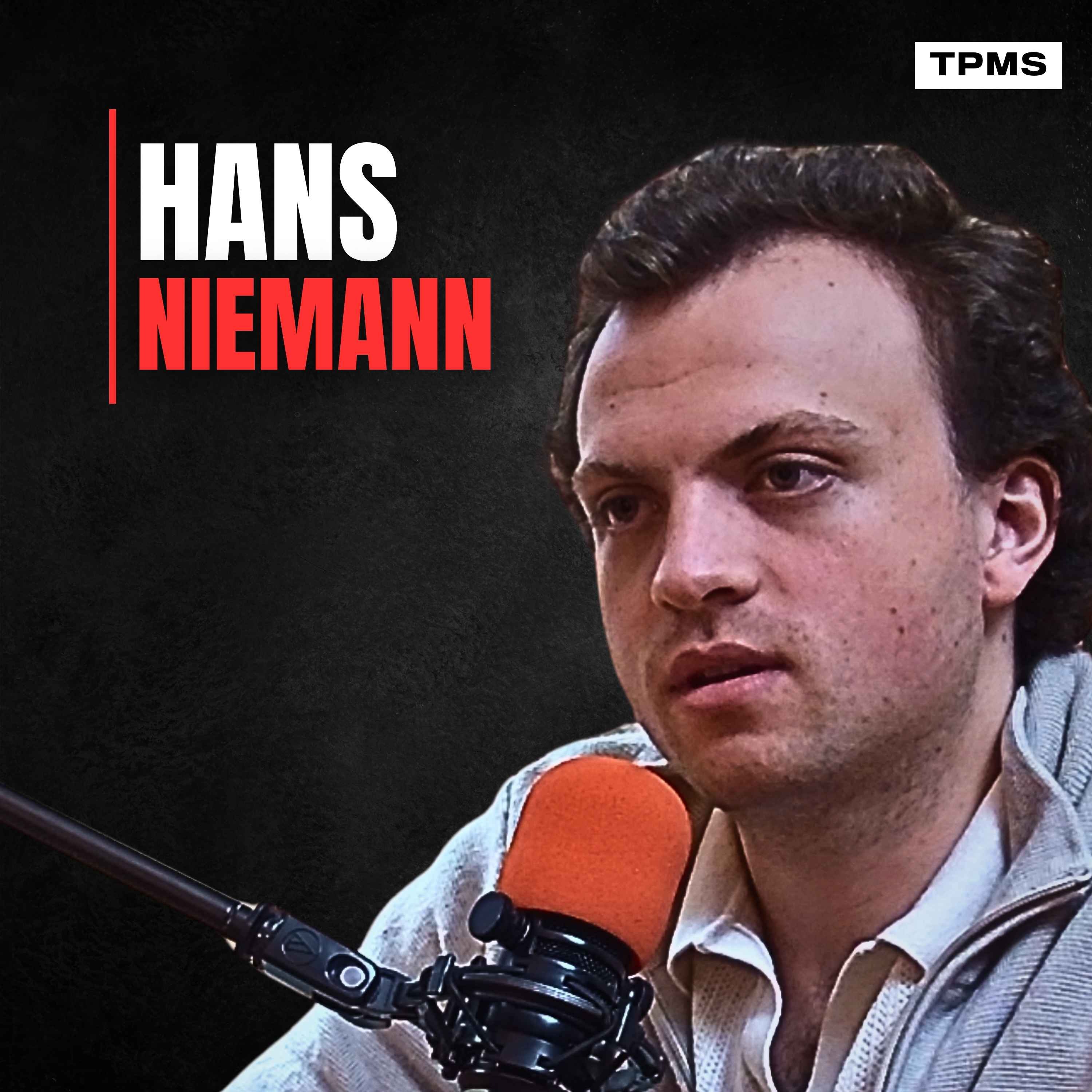
Loading summary
Transcript286 lines
- [00:00]
Hans Niemann
The amount of damage that he did is like, is beyond apology. I mean, and most people would have never played chess again. My greatest Crime was winning $100 at 12 years old. Why was I a brand ambassador of his company two months ago, two months before that match, why was I given a wild card invitation to a tournament that he basically decides to players two weeks before the single cup? I'll actually tell you a funny thing. Magnus actually cheated online on camera. He was streaming a tournament and it's a prize money event and another Grandmaster sitting next to him. And the Grandmaster says, make that move. And he didn't see that move. He made the move and won the game. That's like, you should be. If I did that, I'd be banned in the chess world. He's kind of like babied whatever he wants. He gets a lot of the tournaments he plays. He decides the format. He has huge influence on who to invite. So since the chess is such a hierarchical, egotistical game and he has all this influence and power, he. He develops a bit of a God complex.
- [01:01]
Interviewer (possibly a journalist or podcast host)
This show is brought to you by
- [01:02]
Sponsor/Advertisement Voice
my lead sponsor, Aaron the AI Cloud
- [01:05]
Interviewer (possibly a journalist or podcast host)
for the Next Big Thing.
- [01:06]
Sponsor/Advertisement Voice
Iron builds and operates next generation data
- [01:08]
Interviewer (possibly a journalist or podcast host)
centers and delivers cutting edge GPU infrastructure,
- [01:12]
Sponsor/Advertisement Voice
all powered by renewable energy. Now, if you need access to scalable GPU clusters or are simply curious about who is powering the future of AI, check out iren.com to learn more, which is I R E N Hands.
- [01:26]
Interviewer (possibly a journalist or podcast host)
It's good to meet you. I about two days ago watched your Netflix documentary and I was fascinated by it. You've been accused a lot of things in that documentary and since, specifically from Magnus Carlsen. But you beat him in 2022. What do you think he was seeing when he played you?
- [01:49]
Hans Niemann
Yeah, there was a lot of speculation. I mean, he actually spoke about his experience during that game for the first time in that documentary. It's interesting that he was saying how he perceived me as being very nervous, not being nervous, being very relaxed, being very nonchalant. I think I was always like that. I was not really the type to, you know, in chess there are no breaks during a game, but you can walk around in your opponent's move. So I'd also sort of started the tournament very, very well. I had in my first round, completely outplayed Levon Ironian, who's one of the greatest, you know, players of all time. I had not, I failed to convert and then I had just beaten Mama Dyarov. So having those two dominant performances and really what was my first top level Lent, I think gave me a lot of confidence. And as the game went on, I really was in a position where there's nothing to worry about. I was in complete control. I mean, there are some types of positions that depending on the dynamics, one mistake can cost you the game. But there it was really just so it was a free roll. So I think that from his perspective, things went wrong in the opening. I knew his surprise, I reacted well, and then he sort of just saw me gain more and more confidence, which is not really what his usual experience is. I mean, most of the other players that he competes against, he's been dominating them for so long that he's built a psychological edge. You know, it's similar to how I guess you know, a Federer or Nadal, after you play with them on the tour for 10 years and they beat you so many times, you play differently. There's a different psychological relationship. So I would say that mentally it must have been very, very difficult for him to see this 19 year old kid exude such confidence, you know, in contrast to him being the person who usually uses that type of confidence as an intimidation tactic. So perhaps that's why he says he felt powerless. But in reality the game itself was very nervy on my end. So, you know, I let the advantage go multiple times.
- [04:06]
Interviewer (possibly a journalist or podcast host)
Are you a different type of player? That's something he was not used to
- [04:10]
Hans Niemann
the style of chess, I would say no. But my character was something certainly incredibly unique at the time, at that stage, you know, now in chess we've seen the young crop of players rise and if you look at the top 10, top 20 players in the world, a majority, you know, if not at least half, are young players who've risen. However, at that stage I was, there was only one other player who had properly broken through, which is Alireza Farouja. But the young crop of talents that you see now had not really broken through. So this, I was really one of the probably the second young kid to really, really break through to the top, or at least in that type of event. And the confidence, the trash talking, there is no one else like that. And that's probably. And that level of confidence certainly disturbed him.
- [04:59]
Interviewer (possibly a journalist or podcast host)
You also being younger than Magnus, I think. Is he 35?
- [05:02]
Hans Niemann
He's about 35, yeah. And I'm 22.
- [05:04]
Interviewer (possibly a journalist or podcast host)
You're 22 now, but you were 19 at the time.
- [05:06]
Hans Niemann
Yeah.
- [05:07]
Interviewer (possibly a journalist or podcast host)
I always have to remind myself my kids grew up in a world with only ever known the Internet, mobile phones. Whereas when I was a kid, there was no Internet. And so you have a different life experience. You've grown up in a world not only with the Internet, but with AI and machine learning.
- [05:20]
Hans Niemann
Yeah, I guess now, yeah, yeah.
- [05:22]
Interviewer (possibly a journalist or podcast host)
Do you think that therefore, even without you realizing that you've trained in a different way from Magnus and therefore you have different skills that he's not used to?
- [05:32]
Hans Niemann
Well, the thing with chess is historically there was a. There's been an amazing democratization of information and the ability to learn through technology and through the Internet. Any kid anywhere in the world can go online and play chess game against the best players in the world. You know, all the books are public. I mean, in the old days, the Soviet system, one of their advantages was their sort of control over the information. All the chess books were written in Russian. They held all the best coaches. You know, back then, traveling was not as accessible as it is now. So this in chess especially, or you see it in all sciences, there's historically been a barrier to entry to those types of, let's say, very laborious and tedious scientific matters. Well, they're often gatekeepers like there were with the Soviets. But in terms of the way that I trained, I actually had a very sort of interesting chess upbringing because I was not groomed in the same way as my other sort of colleagues around my age were. So I actually finished high school, which is incredibly rare. If you look at the other top players, like Notrebekkar, Bisutar Valley, Razafruja, Sindarov, Gurkish, they didn't really go to school. They didn't actually have a proper education. So they were sort of groomed and coached and nurtured in a different way. So my honest sort of chess progression and I kind of skyrocketed after I graduated high school. So I wouldn't say that I was really part of that AI chess engine. Boom. I was more so just playing so many games, just like just the sheer volume combined with my pattern recognition abilities gave me the opportunity to sort of improve in my own way. You know, I wouldn't really compare that to like sort of the AI boom. Although now you see certain young players who have a very concrete style where they try to calculate everything, where they play really, really weird openings that are based on deep computer preparation. That's not really my style. I would say that I'm honestly actually my style closer to the older players. But, you know, I can understand how from a non chess perspective, you try to rationalize the difference or why he might have been shocked by the game.
- [07:45]
Interviewer (possibly a journalist or podcast host)
So what was it like for you therefore to be accused of cheating, essentially you were. I know there's an admission you did it earlier online, but, but I think it's different to be accused in the live world and you face consequences from that. You essentially got cancelled from parts of the chess world.
- [08:00]
Hans Niemann
Yeah, I mean, yeah, the, the distinction obviously between online with when there's no money involved and then obviously in a person tournament where there's hundreds of thousands of dollars online is an important distinction to be made. You know, the consequences I faced, and there are still consequences I faced just by that accusation is immense. I mean I was sort of even blacklisted by my own country. I mean I received no support from the American Chess players, American Federation, American tournaments. I basically, you know, in chess it's not like other sports where you have a circuit like in the ATP Tennis Tour, it's very hard to blacklist someone because you can qualify, right? You can qualify. And like Emma Radukanu won the US Open qualifier and went out to win the entire thing. So you know, from these high level invitation events, I didn't have the opportunity and honestly like set my chess career. I mean three. I mean even now it's been four years, I'm still trying to persevere and push through. I mean even now I'm at my peak ranking number 12. The world I'm on the precipice of breaking through. But that's been really almost four years of really, really pushing and trying to make the most of my opportunities and trying to also battle the things off the chessboard. Right. Because a lot of my competitors, they don't have to think about being blacklisted, they don't have to think about media attention, they don't have to think about legal things. So it's been a very difficult battle to have the mindset of I only want to play chess, I don't want to be this content creator, I don't want to be famous, I just want to be the best chess player in the world. So having to like, you know, balance is a lot of distractions.
- [09:34]
Interviewer (possibly a journalist or podcast host)
You know, what like specifically do you have to deal with so people understand so well?
- [09:39]
Hans Niemann
I mean the lack of invitations makes it very hard for you to compete against the best players in the world. Some organizers kind of, you know, view me as a radioactive where if they know Magnus Riccardo playing, you know, they don't want to invite me to upset them. And Magnus and Ricardo have a lot of leverage for, you know, to these organizers and competing since they rarely compete over the board they have a lot of leverage in these tournaments. So that's kind of me. I'm kind of, you know, from a realistic perspective, being, you know, the top American chess player, also being able to bring a lot of viewership, a lot of media attention to a tournament, you know, that you'd think that I would be an ideal player for a tournament from a commercial perspective. But, you know, things are improving. I would say after this Netflix documentary, things have changed. I've got more invitation, I've got more opportunities. But there were like three years where I just kind of had no opportunities. I had to organize my own matches. I mean, I had no stuff, of course. I mean, I was spending my own money to organize tournaments because there were no other opportunities. I had no sponsorship. Like, you know, most of my competitors are either sponsored by their government, sponsored by different billionaires and oligarchs of their country, or private banks. I mean, the, I would say someone of my level and age, I mean, they're being sponsored at least, you know, I'd say 2 to 400,000 a year just in. And to support the chess career. I mean, they have full time coaches, they have teams. I mean, the Uzbek player Sandarov just won the tournament, is welcomed by his president. I mean, his president is personally sponsoring his chess career and his team. So, I mean, for me to compete with that is very difficult on a commercial level when they have unlimited resources and all these opportunities. So I've persevered regardless and made things work, but it's just taken me a lot more time to succeed in spite of that.
- [11:35]
Interviewer (possibly a journalist or podcast host)
So how do you feel about Magnus now? Because it's really his single accusation and refusal to play, which had you labeled in the chess world as a cheat. And a lot of people assumed he did. And I think watching the documentary, yeah, some people leave thinking you did, some people leave thinking you didn't. And also have some people change their mind and come and apologize to you.
- [11:56]
Hans Niemann
Yeah, I mean, in terms of that game and all of my over the board chess, to me the greatest indicator is, is if the two sort of chess.com heads, or I call them the chess mafia, if the two chess mafia heads who are so desperate to lie, who have every incentive to lie, who wanted me to be guilty so badly, if them, the people who hate me most, are saying that I'm innocent when it comes to all over the board chess games. I mean, if you can't, if you're not going to believe the people who are incentivized most to lie, then who Are you going to believe? I mean, it's just kind of a matter of. Also, if you look at all the top players, one thing they could have included in the documentary was all the top players coming to my defense.
- [12:39]
Interviewer (possibly a journalist or podcast host)
Okay.
- [12:39]
Hans Niemann
I mean, if you, if you look at, there's Anish, Giri, Vishy, Anand, I mean, if you interview any top chess player now and you say, what do you think about that game? They're gonna say, of course, you know, Hans is a legitimate player. Nothing happened. People were kind of just put under this spell because Magnus and Hikaru and Chess.com had all this sort of power to persuade the media and then to persuade the largest chess content creators, because chess is a huge YouTube, you know, fan base. There's Gotham Chess. I mean, 6 million subscribers, there's Hikaru, 3 million subscribers, there's Botez. I mean, the chess viewership and audience is serious on YouTube. I mean, if you search by name, there's hundreds of millions of views of just chess videos. I mean, it's an, it's a underappreciated niche that people don't really aware of. So the sheer numbers of like, sort of defamatory damage they will do to my life made it very hard for me to like, fight against that as a 19 year old individual. But I would hope that if people watch documentary and they see there is never any evidence. They knew there was never any evidence and that it was just an unfortunately sort of. They manipulated it because they saw me as a threat for whatever reason. I mean, I don't, you know, I'd hope that that would be the logical conclusion.
- [13:42]
Interviewer (possibly a journalist or podcast host)
Have you, have you discussed it again with Magnus? Because you said to me before we started, you still play him on.
- [13:46]
Hans Niemann
You know, we know we haven't spoken, we don't, we don't speak.
- [13:49]
Interviewer (possibly a journalist or podcast host)
But you play chess. It's interesting.
- [13:52]
Hans Niemann
I mean, I don't think there's a. There'd be no circumstance where we'd have a conversation.
- [13:56]
Interviewer (possibly a journalist or podcast host)
I mean, well, if he apologized, came out and said he was wrong, the
- [14:01]
Hans Niemann
amount of damage that he did is like, is beyond apology. I mean, he tried to ruin my. It's not even. I mean, he, he, he went to such lengths to, to destroy my life that, I mean, come on, like, this is a person like that. I, it's the least likely person in the world that I would ever have any cordial relationship with.
- [14:19]
Interviewer (possibly a journalist or podcast host)
But you. So do you think it was you just broke his ego?
- [14:23]
Hans Niemann
I would say that some of the interviews and comments I made after clearly evoked an emotional reaction because you see in the documentary that he wanted to go to my room and knock on my door and his dad had to tell him that that would be a bad idea. So, I mean, we're not exactly UFC fighters. I mean, you see these UFC fighters who have an argument in press conference and like Khabib says, come to Dagestan and Conor McGregor says, I want to come after you. And they even had that fight in New York. So chess players, you know, I mean, to say that he was, he was going to knock on my door and try to figure out what's going on. I mean, you know, chess players are pretty logical people that, you know, you must, he must have been in a very emotional state, very riled up, sensitive state to do something like that. So, you know, it was sort of a meant. But he's known to have these types of mental breakdowns to be very childish. And, you know, he's like that in business as a person as well. He'll storm out of things when they're not going or he's, he's, he can be very incredibly childish. And that's sort of well known in the chess world. So I wouldn't say that. I mean, I'm not surprised. But, you know, I, I, the entire thing, I haven't even received an apology from him or from Hikaru or from all the people who defame me. So, I mean, it's, it's, you know, there's, there's, it's not like I'm holding a grudge, but it's not like I'm going to be befriend these people, you know, know.
- [15:50]
Interviewer (possibly a journalist or podcast host)
Is the goal now, therefore to catch him to become number one? Well, be honest, he scared?
- [15:57]
Hans Niemann
No. I mean, for me, it's not just about catching him. It's just about becoming the best. I mean, you know, if I'm winning, if I'm playing good moves and I'm, you know, if I make, you know, if I'm making the best move I can every single time, you know, that's going to compound. And if I'm working hard every single day and I'm, I'm in, I'm disciplined, that's going to compound over time. And I, and I do firmly believe, you know, if things go my way and I work hard and I'm consistent, that I will become the world champion at some point. You know, the main luxury. I mean, obviously he's, you know, he's, he's dominated, but I'm, but he's 35 and he's sort of already on the way out. So I don't really view him as this sort of long term rival because, because his age just wouldn't allow him to do that. Right. And he's sort of, he's already stepped back from classical chess, which is the most serious chess discipline. So, you know, I would say that my, my chances against him and also my chances against the best players in the world, it only increases as time goes on because, you know, in, in my current position, you know, I started my own company, I raised venture capital, I have a lot of resources, I have my own chess platform, you know, like.
- [16:56]
Interviewer (possibly a journalist or podcast host)
So a rival mafia.
- [16:58]
Hans Niemann
Yeah, well, I mean, you know, I call, I call it the resistance, but you know, the anti establishment. Yeah, yeah, I suppose. But I mean that's actually a lot of our imaging and branding and I guess my rhetoric is around that. But I'm certainly, you know, very anti establishment in some degrees in some aspects. So, you know, have resources, I have a team behind me, so I'm a lot more focused. You know, I have a full time coach working, you know, working with me now. I mean, I have training camps, I have resources. You know, with resources, a lot of things open up. So to me, like even the Netflix documentary, a lot of people are going to look, look at that and be like, wow, you know, maybe we should invite him. Maybe, you know, we should invite him and just have all the media comments great for our tournament, you know, so I personally feel like once I'm at a stage where I'm just treated as any other player and I have normal opportunities, normal training, I don't have to worry about this and that. I feel like that's when my true potential will be unlocked. So, you know, I think, you know, I'm patient, I'm only 22. You know, I mean, as a top chess player, you can really compete at the Highest level until 45, 40 if you're really, really quite disciplined in good physical health.
- [18:03]
Sponsor/Advertisement Voice
All right, let's talk to you about my sponsor, Leden. Now, if you're borrowing against your Bitcoin, there's one thing that matters more than anything else. Is it actually safe? Well, Leden have just dropped their lowest rates ever. But more importantly, they haven't changed the thing that matters most. Your bitcoin is never lent out, so they're not chasing yield. There's no hidden risk and there's no rehypothecation. Just collateralized loans done properly. Now They've done over $10 billion in loans and they've done this through bull markets, through bear markets, and everything in between. And they've done it without ever losing any client assets. So now you get lower rates, which means the bigger the loan, the lower the rate and full transparency before you apply. There's no monthly payments or early repayment penalties, and they give you tools to stay in control, from auto top ups to LTV alerts. So you're not choosing between a good rate and safety anymore, because with Leaden, you get both. Now you can check out your rate using the calculator at Ledden IO forward slash.
- [18:59]
Interviewer (possibly a journalist or podcast host)
Peter I had a thesis. So I watched the documentary and I kind of went on like a journey through. At the start, I was like, who's this loud kid? Whatever. And when they talked about you cheating, I actually paused it and I went on my phone, I was looking, just looking at the history of cheating and chess and how did. And I couldn't come to a logical way. I couldn't figure out a way you would have. And then towards the end, I actually started to feel sorry for you. And I was like, actually, I want you to beat Magnus. You had that rematch.
- [19:29]
Sponsor/Advertisement Voice
But I had this thesis and I was like.
- [19:30]
Interviewer (possibly a journalist or podcast host)
I alluded to at the start, there's. That perhaps there is a way you think differently to other chess players. There's a fundamental different way you think. And the only way I can try and explain this, I didn't even know till I watched the Queen's Gambit that there's these different openings. I am a crap chess player. If I played you, you'd beat me very quickly. I just kind of guess and look around. I didn't realize there's all these moves and defensive moves and you can kind of identify it. I assumed that, having seen the training models, that the AIs, they approach chess differently.
- [20:05]
Sponsor/Advertisement Voice
They think about it differently from a human.
- [20:07]
Interviewer (possibly a journalist or podcast host)
And perhaps that changed the way you think about things and you maybe operated more like an engine. You could see things that traditional chess players couldn't. Does that make sense?
- [20:17]
Hans Niemann
You know, I could understand the thesis, but to be honest, I mean, humans have limitations. I would say that my greatest personal gift as a chess player is my pattern recognition ability. I displayed this. There's this thing where you have to solve amount of puzzles in five minutes, and you have five minutes, you have to solve as many puzzles as possible. So you get more than three wrong, you lose. So the goal is to get as many in at some point. I was maybe top five in the world at this. And a friend of mine realized that after you serve the first 50, 55 puzzles, they get really, really hard. And he realized that there was a. The puzzles from, let's say 55 to 90 were publicly available. There were thousands of thousands of thousands. But you know, if you could just memorize 5, 6, 7, 10,000 puzzles, you know, you could just solve as many as possible. So this guy gave me this DNA, I started memorizing puzzles. I memorized maybe 5,000 a couple days. You just see it once and you remember it. Like if I see puzzle, it's very quick.
- [21:31]
Interviewer (possibly a journalist or podcast host)
And then, dude, I don't remember what happened. Breakfast.
- [21:33]
Hans Niemann
Yeah. And then I, at some point I, I solved 85 puzzles in five minutes, which at the time was I think the second highest in the world. And the only guy better than me at that time was the guy who invented this method. So to that degree, obviously I understand that there's some pattern recognition ability that I have that's unique. I mean, that's unique, but at least better or more efficient than my competitors. However, I would also say that my personal approach is that I believe that, you know, my mind is like a sponge of patterns and examples. So I personally, my ideal training day is just playing for 10 hours. And then I personally have the ability to subconsciously absorb everything that happened and very quick to recognize patterns. You know, one misconception about my game with Magnus was that I played really, really well. Actually, I didn't actually play that well. The two games I played previously in that tournament were far more accurate and far more precise. And the notion that I just crushed him was actually just not true. There were two instances in the game where I threw away my advantage. So there were two instances where he could have come back and equalize the game. So I mean, this was another sort of misconception that he actually played one of the worst games in like the last few years, which was probably compounded by his how nervous he was. And this is not debatable, this is not like a debatable fact. Like my accuracy score was just lower. I mean, the game that I won before that was far more impressive.
- [23:16]
Interviewer (possibly a journalist or podcast host)
So for a non chess player like myself, how do, how, how do I understand that when you say there's a moment where he's given up the advantage during the game, can you both think you're an advantage or do you know?
- [23:31]
Hans Niemann
Well, usually, you know, the top players, you can feel the tension. Sometimes it can be incredibly complicated and you're just, you don't know, but you have a feeling. But basically, when you, to judge one of the simplest Way to judge how good a game is is just to match the accuracy of your moves. A computer which is perfect and top level chess, some people play 98% accuracy, some play 97. Like in that game I played 93, which is very low for that tournament or for, you know, compared to my other games. So you know, that's one sort of misconception. I personally, you know this notion that because I grew up with AI, I mean there are younger guys who are far more into that AI sphere than me. When you, I mean if you're talking about like AI chess and this mindset, the AI, so an AI doesn't actually, they don't think conceptually, they just think by like, you know, concretely. So basically actually when we work on chess we rent cloud engines, which makes the computer really fast. And the average like speed will be 100,000 mega nodes per second. And the computer will be, let's say calculating between like a depth of 30 to 50 moves ahead. And it's looking at every single possible move. So the computers brute force it. So they're not like thinking, you know, as chess players we think this, that positional ideas, maneuvering, we think strategy. Right. We think concretely within our limitations. But a computer is just like brute forcing. You know, like when you're, let's say someone's hacking your password, they're brute forcing every single combination of what your passport is and eventually they find it. Right. I mean, so there are some chess players that are very, very rely on calculation. So at every single move they're calculating 3, 4, 5 moves head to trying to get to the core of the position. There are certain players like that from the younger generation and there are certain coaches that induce that style. You know, the style that I would say I'm more of a positional, strategic, technical player. It's actually relying on far less calculation. It's more nuanced positional details, sort of risk aversion, keeping positional control, positional binds, you know, so you know, I personally wouldn't put myself in that box.
- [25:44]
Interviewer (possibly a journalist or podcast host)
So the machines themselves, they're able to just think far, far ahead of you?
- [25:49]
Hans Niemann
Well, yeah, I mean, you know, if you're, if you have all this cloud computing power, you just, they're, they're just brute forcing it. So it's very robotic, it's purely robotic.
- [25:58]
Interviewer (possibly a journalist or podcast host)
There's been no strategies.
- [26:00]
Hans Niemann
Oh, there are neural net engines.
- [26:02]
Interviewer (possibly a journalist or podcast host)
Okay.
- [26:02]
Hans Niemann
There are some called like legal zero, which has a bit more strategy. But my understanding of stock versus the best understand which is the best engine is Just it's a brute force thing. I mean, it's a lot different. Like if you were to compare a chess player to like an engine style, it would be someone who tried to calculate everything out. But I mean, the human mind has its limits. I mean, it's impossible to play like an engine in the calculation sense.
- [26:26]
Interviewer (possibly a journalist or podcast host)
So where does flair exist in chess? Where can you have a bit of flair? Something where you go a little bit rogue yourself, do things differently.
- [26:32]
Hans Niemann
It's definitely in the opening. So I mean, chess is the beginning phase of the game because of computers and because computers are so strong, you can honestly make a lot of things work. I mean, in chess the drawing margin is so high that you can really mess around a bit. And if you prepare it well, you can play some interesting stuff. So there's such a wide tree of openings that you'll, you know, players have their preferences, have their styles where they'll sort of, they're, they'll go for a crazier line, they'll take more risk, they'll do this or that. So that's where you have your style. And then also certain players, you can tell some, some of them choose very attacking positions. Some players love endgame. Some players, you know, play very slow positional chess. Some players always want to be in control. They want some positional margin. I mean, that's where you see the individual styles and flares and individuality, you
- [27:24]
Interviewer (possibly a journalist or podcast host)
know, and are you playing the board and the player?
- [27:28]
Hans Niemann
So I would say that in a singular game, there's far less of a psychological aspect because it's only one game. When you play matches, like I organize these one on one matches, it's much more of a symbiotic relationship. So I just played in Paris, 12 games, two games a day across six days. Each game lasted about two to three hours. And in that match, there's way more of a psychological factor because you're battling one person for six days. You know, I mean, you're looking at, when you play around robin event and it's 10, nine different players, you're playing one game each, you don't feel that same pressure where if you almost beat them and then they feel like they escaped or you don't feel that momentum as much. So in these, in the matches there's a huge psychological effect because also in the openings, since you are playing one person, there's, you know, when you play the opening a second time, either they have to deviate or go away. Like once you kind of know where someone's going to go, I Mean, it's like in tennis, you know, eventually you see the guy always hits the ball at the same place. You know you're going to start, you're going to start predicting like the ball is going to go there. Right.
- [28:29]
Interviewer (possibly a journalist or podcast host)
So should you train against the player as well?
- [28:31]
Hans Niemann
So yeah, what you do is you have a, usually you have a team or a coach and you match your repertoires. So, you know, let's say I have a thousand of my recent games. Here's a thousand recent games. Let's say I'm playing white. I look at his block games against my white games to try to see where I can catch him, where I can prepare, see what recent game where I can surprise him. It's, you know, basically cross reference the databases of both players trying to find an improvement in one of their games, trying to find an opening that they play where you can lead them in a direction where they're uncomfortable. So I mean, that's the general opening, opening dynamic.
- [29:02]
Interviewer (possibly a journalist or podcast host)
And how do you know when you're in the zone? Sportsman talk about, I would say, you
- [29:06]
Hans Niemann
know, in different time controls you reach different sort of degrees of flow state. And the really fast games, like 3 minute each blitz games, you just sort of reach this sort of insane adrenaline and hyper focus that is, that is sort of unparalleled in a classical game which lasts much longer. You, it's more serenity and peace and quiet in your mind. So there's different flow states. But for me the strongest feeling of being in it and really being in it is when I'm playing blitz chess and I'm sort of, I can feel the moves, the momentum I'm making. Move after move, I'm. He makes me make my move back in one second. It's, it's a very much of a reactionary. It feels far, far more sportive.
- [29:53]
Interviewer (possibly a journalist or podcast host)
How long do you have to make a decision in blitz?
- [29:55]
Hans Niemann
So you have three minutes for the entire game. Then every, every move you make, you get an extra two seconds.
- [29:59]
Interviewer (possibly a journalist or podcast host)
Oh, so it's literally.
- [30:02]
Hans Niemann
Well, you know, if you want to, you know, you don't have to make your first move, you don't have to make a move every five seconds. You just, you know, don't want to run out of time.
- [30:09]
Interviewer (possibly a journalist or podcast host)
Is that three minutes each for the entire game?
- [30:12]
Hans Niemann
Yes. And so I, you hit the clock, time goes down to make a move plus two, you make a move.
- [30:17]
Interviewer (possibly a journalist or podcast host)
So that's, it's like, it sounds like something. If you want to be the best in the world, you're going to have to, you have to live and breathe this. And when you talk about your training, your coach, it does sound similar to boxing.
- [30:28]
Hans Niemann
I, I, I would say that I would, I would compare it to boxing more so tennis than boxing. But I would say tennis and boxing are the, the sports or at least the sportsman that I found most inspiration from, have been in those sports. And, you know, those are, I think, the most technical and intellectual, you know, sports.
- [30:49]
Interviewer (possibly a journalist or podcast host)
So with all of that, the fact that you've worked so hard, the, the cheating accusations.
- [30:56]
Hans Niemann
Yeah, I mean, it's, it's, it's, it's destructive. Right. And it's, it's, it's not just. And it wasn't, and it was at a point where I was very vulnerable to those things because, you know, I wasn't established, I didn't have a sponsorship team behind me and no one stood up for me, which made it even worse. So, you know, that would be the equivalent of like, you know, I mean, and the fact of who it came from was very, very detrimental. So obviously it was incredibly frustrating. But one of the things I had to tell myself, like, if they think I'm too good to be true and I know I'm not good, then they better wait until they feel the real power of my strength. Because if, you know, obviously some of the accusations were statistically sort of just, you know, just BS and, you know, did not have a real basis. I tried to just find the silver lining and everything so that I could move forward positively.
- [31:50]
Interviewer (possibly a journalist or podcast host)
So do you think going through that, though, has made you better player in some way?
- [31:56]
Hans Niemann
You know, I've thought about this a lot. I think that the mental resilience that I acquired is something unique. And I, I would think that in comparison to other players, you know, when I'm on that world championship stage, when I'm playing, you know, when, when one split second decision can decide your life. I do think that everything I've experienced would have conditioned me to not feel the nerves like my opponent would. Obviously, in sports it's, it's hard, it's a bit of an inexact sign. So it's unclear whether nerves help or hurt you. Sometimes the nerves and the stress and the adrenaline can, can act as a catalyst for increased focus. Sometimes the nerves can have you mentally collapse. So I would say that my eventual achievement and success, I think will be more inspiring to others and will be a greater signal to the world and a sign of the importance of perseverance, whether it made me a better player. Time will tell, but I try not to live in the past and say, what if this, what if that? I think it's a very damaging thing. So my long or short answer would be that I think the. My eventual triumph will be greater than it would have been because of the mental stability or no, the mental resilience and toughness that I acquired.
- [33:24]
Interviewer (possibly a journalist or podcast host)
Do you think people even understand what you went through? I mean, you talked about a little bit in the documentary, you mentioned a bit here, but there must have been some, like, some really rough, lonely moments. Did you think of giving up?
- [33:36]
Hans Niemann
No. But I imagine, you know, you dedicate your entire life to something. From the age of eight, you have just defeated the world champion. You've just had your breakout moment. You're falsely accused of the worst thing you could be accused of. The most powerful company that controls the entire game decides ruin your life. The two most powerful players blatantly defame you. Every single chess player hops on their bandwagon. Every single content creator on chess base hopped on their bandwagon because they had financial interests. I mean, it was a death sentence. I mean, it was a. It was. It was the end of my career, honestly. I find. I really hate it when people say that this benefited in my life because to say that, like, some people who, you know, it kind of speaks to their. Their character. They say, oh, you should be happy. You have a Netflix documentary. You're famous. Shouldn't you be happy? And I mean, to me, it really shows such. Such terrible character because what I achieved and what I persevered was, Was. Was. Was a miracle of mental strength. And most people would have never played chess again. They would have never competed at the highest level again. You know, they would have. I mean, they would have never. I don't understand how from that case, honestly, one of the reasons that probably things that. I'm sorry, one of the things that probably emboldened them to do all these things is they just thought that I could never recover from it. I mean, the lawsuit was probably a surprise to them, and the re. You know, the level of lawyers that I was able to retain and, you know, they probably thought I would just give up and go away. But, you know, the fact that I rose to the number 12 in the world through playing really, you know, subpar events where you're risking a lot of rating. It's like. It's like trying to, you know, become the best tennis player in the world, but you can only play junior events. I mean, it's. It's not exactly good for your training as well. So, I mean, going through that was, was, Was incredibly difficult. But at this stage,
- [35:31]
Interviewer (possibly a journalist or podcast host)
like, sorry, what I'm trying to get at is nobody gets to live in your head or would get to have seen you dayto day. Like, what were you. What were you going through emotionally?
- [35:42]
Hans Niemann
Yeah. I mean, there, at some point there was, you know, hate and just disappointment or frustration. And then it became pity that the, that these people who are so powerful and had everything that they ever needed took it upon themselves. I felt bad for them that they had it in their character to do something like this, because I understood that, you know, everything in life comes with a price and that, you know, in whatever way, they would pay the price. I mean, you know, you know, karma exists, right? And if you, you know, you know, I, I firmly believe there's balance in the world. So at some point I realized, listen, you know, they did all these things to me, but then I accepted that for them to, to, to have such character, they must have some serious issues themselves to, to be capable of that. So I, I try to sort of, you know. You know, there is some advice. I don't know where it's from, but the only way to, to win against someone who tried to ruin your life or try. Who tried to do something is not revenge, but it's, it's rising so far above them that they can't even reach you. So, you know, obviously there have been times where I've maybe strayed from that and entered drama or acknowledged things I shouldn't have. But my general approach is just to become so good and so successful and to spread the real truth and what actually happened as best as I can. And then, you know, there's nothing I can do about them and all their. Everything they're doing as me. The only thing that's in my power is what I have control over, and that's really just playing the best chess possible.
- [37:16]
Interviewer (possibly a journalist or podcast host)
Yeah, it's good. Somebody once said to me, bitterness is like drinking poison, expecting the other person to get sick.
- [37:24]
Hans Niemann
Yeah, I mean, that's, That's a good way. I mean, if I became too obsessed with, with everything that happened, how could I move on? Right? I mean, there's some parts of it that I just have to sort of mentally put in the past. And the real solution is just to win. I mean, I kind of realize that if I, If I keep winning and I become the number one player in the world, I mean, the world, how. How would the world, you know, think anything different? You know, I mean, how can I when you're the best? I mean, that's, it's a simple way of, of, of getting your message out there.
- [37:57]
Interviewer (possibly a journalist or podcast host)
And if, when you do it, if I had the opportunity to sit with you, I think one of the questions I would say is like is probably aligned with what people have said to you that you don't like, like would you change anything? I mean, you know the butterfly effect, right?
- [38:12]
Hans Niemann
Yeah.
- [38:12]
Interviewer (possibly a journalist or podcast host)
Everything they did was terrible and awful to you are right now and where you are with your life. Would you actually want to change anything that's happened?
- [38:23]
Hans Niemann
You know, from the position I am in now, it's hard to say. I really just try to not even enter that type of theoretical discussions because I think it's damaging. Because once you start thinking would I change this, would I change that? First of all, I think you stopped being grateful for the gift of life and all the opportunities you have. You know, so, you know, I'm personally, you know, a very faithful and spiritual person and I believe that you should, you know, accept, you know, whatever the universe bestows upon you. So you know, I could theorize about that, but I just don't think it's productive. I don't because, Because I really think that if you a lot of. For me the mindset is if you even let in a crack of doubt or what if this. Then you open up your mind to so many other thoughts. But you know, I mean life, it's in the past. Life gave me what I have and you know, I hope to be able to prove in the long term that it was hopefully in some sick way
- [39:29]
Interviewer (possibly a journalist or podcast host)
for the best and for them. Is there any point where you considered you've said about the chess mafia and the intentions and such and such, but also there's other players that there are people out there who perhaps like honestly thought that there was something going awry, but they were just misreading the situation.
- [39:49]
Hans Niemann
I mean
- [39:52]
Interviewer (possibly a journalist or podcast host)
the.
- [39:52]
Hans Niemann
We live in such a short attention span world where such a headline culture and cancel culture to where if you're the average person and you read all these headlines and you see these people who are supposedly reputable say these things, you know, it's not like I hold something personally against them, but if you're going to do something that ruins someone's life and especially if you're in that position of power, you know, with great power comes great responsibility. And for them to do what they did really in faulty, biased, incomplete information, I mean they're only seeing what they wanted to see. And in reality if you want to discuss greater players accomplishments or let's say Statistical outliers. There have been greater examples in the recent past. Like for example, Gues, who's now the world champion, won the first eight games in the Olympiad, which is unprecedented and statistically an anomaly.
- [40:50]
Interviewer (possibly a journalist or podcast host)
Right.
- [40:50]
Hans Niemann
And, and, and if they wanted to ruin his life and say this was too much, I mean, it probably wouldn't succeed because he has a, you know, pretty good support system behind him. But you know, I mean, the main, you know, it's not what I blame them, you know, I would hope that most people show a bit more critical thinking and do a bit more research. I think that's lacking in our society. Right. But obviously people seem to be taking the mainstream media less seriously and podcasting like this. And in other words, forms of media have obviously become far more influential. And, and you know, I think people should take longer form. Like for example, I never take negative clips seriously on a short term video. Like if there's a short term video taken out of context and there's hate comments, I just can't take it seriously because it's just that's, that's become the entire definition of society is that these clips are good. People are so addicted to TikTok and reels that ever. The perception of a lot of these people is defined in 15 seconds. So I would hope that some people have a bit more of a measured view of the world and how they judge people.
- [42:00]
Interviewer (possibly a journalist or podcast host)
So do you think your lens for viewing the world therefore has changed based on your experience?
- [42:06]
Hans Niemann
Obviously, I mean, I lost complete faith in the media whatsoever. I mean, I lost faith. And you'll get there eventually. I mean, I lost all faith in the concept of people's perception of reality. I mean, if they could convince some people, so many people, something so ridiculous, then, you know, what else has that been done about? So obviously, yeah, that certainly formed my world view and obviously I dealt with a lot of these journalists personally, so I could see firsthand how manipulative and cunning and just blatantly corrupt they were. So, I mean, I don't really have much faith in the, let's say, media establishment or the mainstream media establishment.
- [42:48]
Interviewer (possibly a journalist or podcast host)
So what do you have faith in now?
- [42:51]
Hans Niemann
Myself. I mean, myself and the people that are close to me I have faith in. But most importantly, I have faith in the truth. But every time my life goes on, that faith wanes.
- [43:09]
Interviewer (possibly a journalist or podcast host)
Do you think the accusations will go though or do you think that's going to stay forever?
- [43:14]
Hans Niemann
I mean, I would say the consensus among the real serious chess players is that I'm innocent and I'm treated Like that, especially among the top players, because in the outside world there was an immeasurable amount of damage done. But I do believe the long term, that that will be overshadowed by, by my eventual triumph.
- [43:40]
Interviewer (possibly a journalist or podcast host)
Which will come when?
- [43:41]
Hans Niemann
I mean, as soon as, as soon as I can make it happen. I mean, I'm trying my best.
- [43:47]
Interviewer (possibly a journalist or podcast host)
There's no permanent long term damage, though, with this fight?
- [43:50]
Hans Niemann
No, there's definitely permanent damage. I mean, it's a. If you look at the sheer numbers of news articles, I mean, you know, that can care. Like, you know, it depends on how many. I mean, I guess you see someone like Kim Kardashian who became famous from a sex tape. Does that linger with her? She's doing pretty well, I guess. Or I guess you see a lot of celebrities, successful people who acquire notoriety through infamy and then somehow they convert that infamy into fame, money. And so I was, I. I wasn't as cunning as, as those people. I was more so focused on chess. But I don't know. I mean, it's hard to say.
- [44:38]
Interviewer (possibly a journalist or podcast host)
It's a lot for a 19 year old to even try and navigate. Look, I've got kids. My, my son's 22 in a few days, and I still consider him as a, as a kid to me. And I know how much he's improved over the last three years since he was 19. I could not imagine him being put through this. Whether he cheated or not, just that experience of a 19 year old is.
- [45:06]
Hans Niemann
Well, I mean, going through that when you're innocent and then a few years later a Netflix document comes out. I'm like, oh, you're innocent. But then you went through all this. I mean, it's pretty. I mean, some serious questions have to be asked to the people who put me through this. And that's not being asked. But I guess, you know, I guess it's all. I guess life and the world is all about power. So I guess if you want to question the powers that be, you have to acquire power to your, you know yourself to some degree. It's the unfortunate reality.
- [45:35]
Sponsor/Advertisement Voice
I want to talk to you about one of my new sponsors, which is monetary Metals. Now, if you're like me, you probably spend a lot of time thinking about sound money and how to protect yourself from. From currency debasement. Now, for some people, that's bitcoin. For others, it's gold. For me it is both. But here's the thing about gold. Most of it just sits in vaults doing absolutely nothing. Monetary metals is changing that. They let you earn a return on your physical gold holdings, but they pay it in gold itself, not dollars. So instead of your gold just sitting there, it can generate more gold for you. So to put it simply, if you deposit 100 ounces and, and earn around 4% at the end of the year, you're going to have 104 ounces of gold, regardless of whatever happens to the price of gold in dollars. And in a world where fiat currencies are constantly losing value, earning a return in actual gold ounces is pretty cool. It's essentially making your gold productive instead of idle. Now, if you hold gold and want to learn more, check them out@monical metals.com McCormack that is monetary-metals.com for slash McCormack
- [46:40]
Interviewer (possibly a journalist or podcast host)
so there's chess, the game, which you love, and chess the establishment, that can go itself.
- [46:46]
Hans Niemann
Well, chess the establishment. There are different examples. I mean, there's the official chess organization with which is Fide, which is like the FIFA of chess, which actually quite early on proclaim innocent an official report. And they find Magnus €10,000. So they were on my side to a degree. And you have different chess organizations. I mean, the chess mafia mainly controls the online chess. I mean, for now it's my company, Endgame AI, you know, going to challenge them and. And then they obviously control chess media, which is all the content creators which are under exclusive agreements with them. So they kind of control what they say. I would compare it to sort of a. I call them one. This should have made it in the doc where I basically look at the chessboard as an island and there's this island which is governed by Fide, which is the official chess organization. And their budget a year, I think they spend maybe 15, 20 million, maybe it's more. But they do a lot of have the whole ecosystem like the government. But then you have this oil company that all these precious minerals and oil that works and they make about $150 million a year on this island. And to ensure that that government doesn't interfere with them, you know, they, they bottle the politicians. They bought the prison, you know, and they basically bought everything in the island, so they have no consequences. So I mean, that's the analogy I've given.
- [48:19]
Interviewer (possibly a journalist or podcast host)
Is this Chess.com?
- [48:20]
Hans Niemann
yes, yes, yes.
- [48:21]
Interviewer (possibly a journalist or podcast host)
There's two dudes.
- [48:23]
Hans Niemann
Yeah, them and Magnus Unicara I consider like a company that took over a small country.
- [48:29]
Interviewer (possibly a journalist or podcast host)
You had a good relationship with him at one point.
- [48:32]
Hans Niemann
You know, it's funny that honestly should have been pushed back in the documentary.
- [48:35]
Interviewer (possibly a journalist or podcast host)
Okay.
- [48:36]
Hans Niemann
He tries to paint himself As a mentor, which is ridiculous. I mean, that I really was annoyed that my counter to that wasn't included because I met Danny for the first time in person two weeks before the Sinquel Cup. So he was making it seem like he was mentor. He knew me from a young age. First time we ever spoke on the phone was I was 16 years old. Then he makes it seem like he was mentoring me. He was trying to make my career. We had this close relationship. I mean. I mean, this was something included for the, you know, dramatic effect. I mean, you know, for the first time that I even met him in person was. Was two weeks before in Miami, which was discussed in the documentary. And then at the Sinquefield cup opening ceremony, where he was very kind to me. I mean, very nice. Not like acting how someone would act after, you know, four days. They try to ruin your life. So my relationship with them was okay. I was a streamer and I streamed a lot playing chess online. And they were the only real option. It's not like I held. You know, the funny thing enough is I was actually a brand ambassador of their competitor, the Play Magnus group, which was Magnus company. This is actually really interesting people. I don't know why no one pays attention to this is that starting from 2022 in January, I was the brand ambassador of the Play Magnus group, which was. I mean, it's called playmax. So the two most prominent ambassadors of this company were Magnus and I. They invited me over the tournaments. They actually helped my career a lot. They gave me a wild card invite to this tournament in Miami that you've seen the documentary where I beat him for the first time. And the funniest thing is, is that in the documentary, they're saying, oh, Hans. Everyone was suspicious. This was a boiling pot. All these things, they're like, oh, he was an issue. Why was I the brand ambassador with my face right next to Magnus's attending all of his tournaments? I mean, to me, the greatest thing that has not been discussed is people ask, why did he do all of this? And they make these excuses about online, online cheating, all of this, and that players being here. The real thing is that he just. He was mentally broken. If he had all these issues with me, why was I a brand ambassador of his company two months ago, two months before that match, why was I given a wild card invitation to a tournament that he basically decides to play players two weeks before the single cup? So this, like, I mean, everything kind of exploded from this game. And he had this crazy reaction. So, I mean, I Think that's something that could. People should focus on much more. Because, I mean, this back to your original question, that I was close to chess.com the year prior I was promoting the competitor. So, I mean, I wouldn't say that that really didn't, you know, wasn't conducive to the relationship at all. I mean, and for context, during that Sinquel cup is when they acquired the play Magnus group that I was previously for, and that, that, you know, that should not have been approved by the Department of Justice. That was an illegal merger for. For sure.
- [51:37]
Interviewer (possibly a journalist or podcast host)
Monopoly, a complete monopoly.
- [51:39]
Hans Niemann
And so this was all happening. So you had all this leverage. Even Danny in the documentary says, like, you know, this merger is going down. I was too worried about a relationship with Magnus. I wanted to please him, and by pleasing him, I ruined this kid's life. So this was even admit in the documentary. I mean, another thing in the documentary that they say is that Magnus felt like he was gaslit by them because they said that they had evidence, which they didn't have. So they're even turning on each other.
- [52:03]
Interviewer (possibly a journalist or podcast host)
In the documentary, they did the report, the 70 page.
- [52:06]
Hans Niemann
Yeah. Well, that is just, you know, a joke in and of itself. But the main point is in the documentary, Magnus says, before I dropped out, I was gaslit by Chess.com to think that I had. That they had proof that they didn't. And that he said that he thought he had an ace in the hole, that Chess.com was going to back him up because he withdrew. And then when it came down to it, and you said, where's the evidence? They said, well, I'm sorry, we don't have any evidence. So in reality, the real, you know, if you want to put the largest blame, it was on Danny for telling Magnus either what he wanted to hear or what he wanted to believe. But if they had no evidence, but
- [52:46]
Interviewer (possibly a journalist or podcast host)
at the point of the report where they ran every possible scenario.
- [52:50]
Hans Niemann
Yeah, so this is an interesting thing with the report. I mean, so people see this headline. He, you know, he admitted to cheating. You know, blah, blah, blah, this. Yeah. So this is really ridiculous for. For so many reasons. I mean, I wish I could print out the report and go page for page with you. First of all, the fact they accused me of admitting to these things. There's no admission in the report. There's no documented admission. They are accusing me of using unfair means in 100 games. I think it was maybe six events with prize money. Don't you think that if they confront me and they ban me and it's such severe things with tens of thousands of money line. Aren't they gonna make me have a written admission? It's not like you know, if you get expelled from school or you get like suspended in school for something, they're not gonna, they're gonna make you admit to what you did. In their report, first of all, they say that I admitted to all these things, but there's no record of admission. That's like to me the most ridiculous thing. The second thing is in their own report they use Ken Reagan as a supporting like witness. Ken Reagan says 25 to 30 games.
- [53:58]
Interviewer (possibly a journalist or podcast host)
Who's Ken?
- [53:58]
Hans Niemann
Ken Reagan is like the one of the leading. FIDE uses him for his anti shooting service. He's like, he's a professor at the University of Buffalo. He's regarded as an unbiased perspective in this realm.
- [54:09]
Interviewer (possibly a journalist or podcast host)
And you agree with that?
- [54:10]
Hans Niemann
He is in my opinion, he's very unbiased. I don't agree with his full analysis, but it's much 25 to 30 is far less worse than you know, what they accused me of, which is ridiculous. Second of all, the timing of this report is ridiculous. They released this report the day of the U.S. championship opening ceremony. And they were trying to basically get them to kick me out of the tournament. Because if they could get me to kick, they could get me kicked out of this tournament. They could completely get me blacklisted from over the board chess, which wasn't their domain, I mean online they banned me for the website, they kicked me out of return with a $200,000 prize fund with no reason. The funniest thing about this is that so there's this thing called the Global Trust Championship which was one of the things they removed me from. Violating me other than being violation of a contract from legal sense, there's a lot more issues. But the funny thing enough is there were three players in that tournament that had been banned from cheating like as adults in serious press money events. But they're still letting them compete. The funniest thing is like you know, what I did as a child, stupid was a mistake. But there are so many other players who made the same mistake.
- [55:24]
Interviewer (possibly a journalist or podcast host)
What did you admit to?
- [55:25]
Hans Niemann
So I admitted and I mean not also what I did. It's the same thing. When I was 12 years old there was one prize money event where I think I won a hundred dollars. And then that was the only instance of any cheating. And like money events and people, people hear this headline, you cheated in 100 games. But then you should think about like first of all that's false. Second of all, how much money was on the line? Like, and what I've admit to, what I've discussed, how much money was on the line. Like my greatest crime was, was, was, was winning $100 at 12 years old.
- [55:53]
Interviewer (possibly a journalist or podcast host)
But, but you, but you did in other games that weren't.
- [55:56]
Hans Niemann
So, so those, those games, nothing was on the line. So, so I mean a ranking, online ranking has no meaning. So I understand people can say, yeah, but you did it anyways. The point is, is like there was no money on the line and online ranking has no bearing. Over, over the board chess, like over the board chess is official chess, Online chess. I wouldn't want to say it's like a, it's not a gimmick, but it's like two entirely different things. I mean, it's like the, I mean,
- [56:22]
Interviewer (possibly a journalist or podcast host)
I know from poker.
- [56:23]
Hans Niemann
Yeah, I mean, poker online, like chess players, I mean just for example, like someone like cheating in the World Series of poker when there's $10 million in line and then someone like being at home and like opening up some solver when they're playing poker. I mean these are like wildly different things also. These are, you know, the point is, is I served a six month ban from prize money events because of that. So I face the consequences.
- [56:48]
Interviewer (possibly a journalist or podcast host)
But also I think like Phil Hellmuth, like if you, if he was caught cheating online now, you'd be like, really, Phil, you've got this big career. But when it's someone who's like 12,
- [56:59]
Hans Niemann
13, 14 years old, I mean, the thing is, is that there are players who are really, really good right now, let's say the top 10 in the world who did far worse things than me.
- [57:09]
Interviewer (possibly a journalist or podcast host)
Is that known in public?
- [57:11]
Hans Niemann
It's an open secret. But why, but they haven't published their names. There's one, I would say right now, one of the top. I don't want to say, I don't give a number. I don't want to narrow it down too easily. There's a, you know, let's say in the top 10 right now there's someone who's banned for cheating online and whose name they never published, they never attacked. You know, so I mean, to me it's hypocrisy that my mistakes as a child were, were, were being sort of equivalent to actually me committing real fraud. Like cheating in an event with $100,000 first prize that's fraudulent. Like that's not just, you know, banned from trust. That's like a. You can go to jail for that.
- [57:46]
Interviewer (possibly a journalist or podcast host)
Yeah.
- [57:46]
Hans Niemann
I mean, that's serious fraud. That's like CIA level. I mean, theatrics. So I mean, that type of accusation, to compare those. I mean, from. Okay, people read the headline, Wall Street Journal. Okay. You know, I hate this guy, but when you look into the details, it really. Everything kind of starts to fall apart.
- [58:08]
Interviewer (possibly a journalist or podcast host)
So do you think Magnus.
- [58:12]
Hans Niemann
I'll actually tell you a funny thing. Magnus actually cheated online on camera.
- [58:15]
Interviewer (possibly a journalist or podcast host)
What?
- [58:16]
Hans Niemann
Yeah, this is actually.
- [58:17]
Sponsor/Advertisement Voice
Did he do that to prove it?
- [58:18]
Hans Niemann
No, no, no. I'll tell you. So this is actually quite a funny. So he's. So he's actually. He was streaming a tournament and it's a prize Monday event and another Grandmaster sitting next to him and the grand master says, make that move. And he didn't see that move. He made the move and won the game. That's like you should be. If I did that, I'd be banned.
- [58:36]
Interviewer (possibly a journalist or podcast host)
So I don't even understand.
- [58:37]
Hans Niemann
Okay, okay, so. So he's playing an online chess tournament. He's live streaming on Twitch.
- [58:40]
Interviewer (possibly a journalist or podcast host)
Yeah.
- [58:41]
Hans Niemann
Next to him is another Grandmaster.
- [58:43]
Interviewer (possibly a journalist or podcast host)
Yeah.
- [58:43]
Hans Niemann
When you're playing, you. You're playing on your own. This is not team.
- [58:46]
Interviewer (possibly a journalist or podcast host)
Oh, he has somebody sat next to him.
- [58:47]
Hans Niemann
Yeah. And the Grandmaster told him a move. As soon as the grandmaster told him the move, he should have resigned the game.
- [58:55]
Interviewer (possibly a journalist or podcast host)
Yeah.
- [58:56]
Hans Niemann
And lost. What did he do? He made the move and won the game. So he's just cheated on camera. And I understand. Listen, if that does not show you how unserious online chess is that the world champion is comfortable cheating on camera. I mean, if someone else tells you a move, an in person event, you're banned. You know, like, you know, in. In person tournaments, you're not even allowed to talk to other players.
- [59:20]
Interviewer (possibly a journalist or podcast host)
So see, do you think he, he even thinks you cheated or do you think there's something else going on? Like you talk about the mafia.
- [59:27]
Hans Niemann
You know, I. Now there's no chance. Now there's absolutely no chance because, I mean, I've just performed so well in so many instances where it's just, it's just impossible. Like, it's actually funny that a lot of players. So one of the best, like sort of cheat proof games is blitz chess because it's so fast that you can't really get a single because you're literally going boom, boom, boom, boom. So actually that's my best format. So the funny thing, my best format is the format that's most like, you know, insulated against that there are other players who, let's say people will accuse behind the scenes because they're really bad at the quicker format. And they'll say, well, you know, in the slow games, when you have all this time to get a signal, you're very good. But in the quick games, you know, where's, you know, there's no time for it. So that, that's what people say. Behind the scenes, chess players are very paranoid. So in that instance, honestly, now, I know, I don't think. And the security at tournaments is so intense. You're getting scanned by two different devices. You're scanned after the game. There's like, you know, there's a delay of the broadcast. So, like, you're watching the game live, right? That's a 15 minute delay.
- [60:34]
Interviewer (possibly a journalist or podcast host)
Yeah, I've read about that.
- [60:35]
Sponsor/Advertisement Voice
So I did the research because I
- [60:36]
Interviewer (possibly a journalist or podcast host)
was like, okay, look, if, if he has cheated, how. I was trying to imagine ways and I was like, I looked it up. They said there's a 15 minute delay,
- [60:44]
Hans Niemann
sometimes even 30 minutes. Some of the tournaments that I was performing, they put 30 minute delays.
- [60:48]
Interviewer (possibly a journalist or podcast host)
So I was coming up with like crazy ideas, like, is there a something you can put on your eye that reads it and feeds on it back? I was like, how do you even get that fucking technology who can read?
- [60:57]
Sponsor/Advertisement Voice
Because there has to be a way
- [60:58]
Interviewer (possibly a journalist or podcast host)
of inputting the moves and, and the board into a machine to fit.
- [61:02]
Hans Niemann
I mean, if you remove the, the relay, it's. It's basically impossible. I mean, again, to me, I think people are just way too paranoid.
- [61:14]
Sponsor/Advertisement Voice
I think.
- [61:15]
Interviewer (possibly a journalist or podcast host)
I think life can change people. Your experiences can change people. And when I looked at Magnus, I find him interesting. I'd love to interview him as well one day. But, like, I looked at him and I was like, is there a chance at the fame of it or the success or the money? Is something in there has changed him? Like, could it be that he was the top player for so long and there was a threat to that and there's an ego damage? I would say, like, I think he could believe you cheated, but, like, it's a subconscious belief created out of him having his own kind of idea. He's the greatest ever.
- [61:49]
Hans Niemann
I would say that in the chess world, he's where he's kind of like, babied. Whatever he wants. He gets a lot of the tournaments he plays. He decides the format. He has huge influence on who to invite. So since the chess is such a hierarchical, egotistical game and he has all this influence and power, he. He develops a bit of a God complex. Like, for example, there's this tournament two weeks ago organized by Freestyle chess, which he's an investor in and like the main brand ambassador. And he got third place and he was the only player not to show up to the prize ceremony, which is like a spitting the tournament's face. Like imagine in a formula one match if someone got third place and just like didn't show up. I mean, it'd be a scandal. So this is obviously a tamer example. But generally, especially with his sort of new collaboration with Chess.com they had unlimited, you know, monopolistic power. So there were not really reigns on, on what they could get away with. And I mean, I think that's why they felt that they could be sort of judged jury and executioner. But that's not, you know, you don't see that just in chess. I mean, you see that and.
- [63:04]
Interviewer (possibly a journalist or podcast host)
Yeah, but you see characters like you that other establishments struggle to deal with because they're so different. They can't tape.
- [63:11]
Hans Niemann
Yeah. I mean, sometimes when an establishment tries to ruin someone and they're able to rally public opinion, it's like, you know, the catalyst for, you know, lighting a fire and. Which can explode in their face.
- [63:28]
Interviewer (possibly a journalist or podcast host)
Kind of need Dana White to do his version of chess.
- [63:31]
Hans Niemann
Yeah, it's funny that I try, you know, I'm trying to sort of make the UFC of chess and organize all these tournaments, try to make high stakes chess. I want to have it in a
- [63:39]
Interviewer (possibly a journalist or podcast host)
boxing arena, but, but it requires personalities.
- [63:43]
Hans Niemann
The thing about requires personalities, but it also requires players willingness to even engage in that type of fanfare and exhibition from a very serious sport. It's difficult and I'm not really in a position. If I was the number one player in the world, everyone would want to play me and I would have that leverage to create spectacles like that.
- [64:04]
Interviewer (possibly a journalist or podcast host)
Is chess a real meritocracy now or is it, is it like everything, like the media?
- [64:10]
Hans Niemann
I would say chess is, is a, is certainly far more of a meritocracy than poker or backgammon because there's no luck. But the, the system of chess is certainly lacking meritocracy because most of the top events are on an invitational basis. They don't have open qualifiers.
- [64:29]
Interviewer (possibly a journalist or podcast host)
And should they introduce us?
- [64:31]
Hans Niemann
I mean, every single top event should have, should be majority open qualifiers. I mean, it should be. The entire system is really broken and it really just. If you're, you know, you're at the will of the organizer. I mean, if one organizer doesn't like you or a tournament tour doesn't like you, you know, your career, you know, all your opportunities can vanish overnight. This happened actually with Kasparov, did this to young Rajabov, who was one of the top young players who beat kasparov when he's 15. He was kind of blacklisted. I mean, Karpov did this to Korshnoy. So Korchno defected from Russia, the Soviet Union, in Amsterdam, and then not a single tournament. They couldn't play together. The Russians weren't even allowed to play in any tournament where he was. Because he was a defector, he was an enemy of the state. I mean, at some point, I think they put his son in prison. So I suppose what I've experienced is soft compared to them. I have to toughen up.
- [65:44]
Interviewer (possibly a journalist or podcast host)
So how do you think about chess now then? Like, what it. What does it actually mean to you as a person? Because you talk about, you know, people exiled from Russia. There have been these massive tournaments. In some ways, you know, a Russian. I mean, I've only seen the old kind of documentaries, but there's like a Russian playing American is a bit like the space ra. No, it means some countries not. It doesn't seem so here in the us but in some countries, like, chess means more than just a game.
- [66:12]
Hans Niemann
Well, historically, let's say in the 1800s, 1900s, early 1900s, more so the 1800s, chess was an, you know, a game of aristocracy. It was a sign of class. It was a symbol, symbol of intellectual soft power. And once the Soviet Unions kind of took control of chess, it was a part of their sort of international cultural hegemony and their ability to prove the superiority of the communist systems. You know, ability to produce intellectuals that could dominate the world at the sort of arguably greatest form of intellectual warfare. And, you know, the Soviet Union treated chess as a sport. They. They had an amazing system of scouting talent in Siberia and all the places they would nurture them. You know, the Botvinnik school of chess, he's a former world champion, Michael Binnik, you know, they. They controlled the chess organization, which allowed them to control the formats and rig things in their favor. So chess does have a bit of a corrupt history, but obviously, Bobby Fischer's triumph over that was very symbolic. And I mean, at that point, I have the personal belief that sort of Fischer won the Cold War from an ideological perspective by winning that match. I mean, when he won that match, he was arguably one of the most famous sportsmen in the world. Chess was being shown on Times Square on the tv. People were watching it in bars. He was offered a million dollars to do a shampoo commercial after that match in 1970, two, the thriller Manila. That money was for a Fischer chess rematch. So one of the greatest sporting events in boxing, which was in, you know, the Philippines in 1975, was supposed to be chess, but Fischer sort of refused and disappeared. So I think that, I mean, chess is a. Has such history that a lot of sports lack. It's been a symbol of politics, of soft power, of. I mean, it's. People take such pride in sports. Why not chess? I mean, in a small country, if someone from a small country wins a gold medal, it's a really big deal. I mean, especially in Uzbekistan, it's a sign of excellence. It's a way to inspire the youth. I mean, to, to laud chess champions as heroes, in my opinion is a great thing for social development. And a lot of in America especially people idolize rappers, they idolize basketball players, they idolize influencers that idolize, you know, tick tockers. I mean, in my opinion, you know, you should be idolizing scientists. You know, I don't want to say selfishly, chess players or not even idolized, but they should be examples of what a society should strive for. If you want to make, you know, people, if you want to have a more, if you want to have a more site with more social mobility to improve your education, you know, it all starts for, you know, you ask kid, what do you want to be? And a lot of countries asking a kid who wanted to be, you know, defines a lot. I mean, in some countries, everyone wants to be a soccer player. I mean, a football player. I mean, it really. Yeah, I mean, it has a huge societal impact. Like how you define, you know, the metric for success or the metric for people to look up to because that, you know, that can define a lot of people's lives.
- [69:29]
Interviewer (possibly a journalist or podcast host)
Well, I wonder if we're in this kind of weird experimental phase that's failed. You know, this short termism, this grift, this three second impress people. I mean, the other day I deleted about 170 apps off my phone. I'm deleting one a day and I'm gonna get down the phone. So it's a tool, not a distraction anymore. And I see it with my kids and I just wonder if there may be a renaissance that we return to wisdom and science and chess and ideas like that.
- [69:57]
Hans Niemann
Yeah, I would say, you know, if you look at Armenia as an example, chess is mandatory in all schools.
- [70:04]
Interviewer (possibly a journalist or podcast host)
Wow.
- [70:05]
Hans Niemann
And you know, it has a great impact. And I think you see, at least in my high school, chess was mandatory. Actually two, two of the schools I went to chess was mandatory or not mandatory but part of the common curriculum. You know I think that with all these things being automated, you know, we have to remind people how to think and to think themselves on daily basis. So so many parts of our life are being automated and controlled. So you know, chess as a symbol of intellectual soft power, I mean is only growing. I mean Zelensky just posted a photo with the European chess champion. 17 year old kid from Ukraine
- [70:50]
Interviewer (possibly a journalist or podcast host)
who
- [70:51]
Hans Niemann
I'd never even heard of until a week ago. And then you know, Prime Minister Modi personally meets all the players, gives them awards. I remember one player from India beat me, became a grandmaster. He received 200 grand in land from his local state. You know there are many examples of politicians getting involved in sports. Chess not as much but growing. So I, I mean I, I couldn't. I wouldn't be surprised if there's a day when prime ministers are joking at a press conference like oh my, chess can't be your chess. I mean they do that about all sports. I mean chess is unlike other. I mean America has this huge sports ecosystem of NBA, NFL, but they're not really global sports. And chess is, it's a truly global sport. I mean the viewership is global but it's not the competition is.
- [71:46]
Interviewer (possibly a journalist or podcast host)
So a lack of support here and
- [71:47]
Hans Niemann
then in America you don't have the same sort of government style support as other places. I mean I, I haven't had any sponsors or much, much support from the American, let's say chess establishment. Now that's sort of changing. But you know, from a. Actually in England they, they announced a grant for chess players. I think it was around 650000 pounds. That was maybe under Richie Sunak, which has been good. So I mean that type of support can make a big difference at a core level. I mean I personally believe that you know, chess should be in every school in America and that that could have profound educational impact. I mean chess teaches you the critical thinking skills. I mean it teaches you if consequences to your actions. I mean there are extensive studies done on, on the impact of chess on education. I mean also the, the whole gamified aspect. Would you rather your kids playing Flappy Bird or chess? I mean if your kids are going to be on their iPad all day and they're, you know, sort of addicted to screen time, you might as well have them do something productive. I mean I think it's, I don't see any negative impact to making chess a curriculum in school, does it?
- [72:58]
Interviewer (possibly a journalist or podcast host)
Do you think one of the issues Is in some, for some people, it's not seen as cool. Others you've obviously.
- [73:03]
Hans Niemann
Well, that's all about perspective, right? I mean, in some places, when I go, I mean, it's all about culture. It's all about, I guess maybe some people like myself, doing podcasts like this, trying to make chess a cool thing or presentable to the, to the audience. I would say that there's certainly a negative connotation or nerdy connotation, but in other countries it's the exact opposite. I mean, I competed in Russia last year, and when I introduced myself as a chess grandmaster, I'm considered like a, like a pillar, a cultural pillar of society. Like they, they look at a chess game as like, wow. You know, in America, in some, let's say, posher circles, if I mentioned I'm a chess player, they say, but how do you make money? So it's, it's all.
- [73:44]
Interviewer (possibly a journalist or podcast host)
But that's so American.
- [73:45]
Hans Niemann
Obviously America is quite a money centric, classless society, but it's all about, I guess, culture and culture. If the, if the government announced a huge chess initiative or if, you know, a lot of celebrities playing chess, a lot of NFL guys, like, just. I think those types of cultural movements need, need proper role models.
- [74:06]
Interviewer (possibly a journalist or podcast host)
Do you think you were possibly born in the wrong time?
- [74:10]
Hans Niemann
You know, I, I think life before phones and before technology would have been amazing. I mean, people try, they, you know, to emulate that experience with members clubs where phones aren't allowed and things are natural. One of the things I enjoyed most about traveling and you can find pockets of, of living life in a real way is that you, you, you know, a conversation with a taxi driver or, or a conversation with a random person, it can be genuine, enlightening and interesting. You know, I think I, I struggle to, to have interesting social experiences, like on command. I mean, it's very. Everything is rehearsed, planned, scheduled. I, I would, I would, I would enjoy far more surprises in my life. I mean, perhaps I, I had more of those in Montenegro and Kazakhstan, but I don't find myself often being surprised in New York or cities I'm familiar with, because everything is, Everyone is always on their guard. I mean, there's no. The concept of socializing with strangers has been corrupted by social media and, and people being very wary. I guess when you read the news and you see all these freak accidents and all these negative things, you're very wary of strangers, rightfully so, but it's limited. I mean, natural human connection so is.
- [75:33]
Interviewer (possibly a journalist or podcast host)
So why are you here in New York then. Well, it sounds like when you travel you have better experience.
- [75:38]
Hans Niemann
Well, I mean, they're different. Different. I mean, when I'm traveling, I'm competing, it's quite different. But all societies, I guess, are similar, at least the western ones. But right now I'm not really focused on socializing. I'm trying to win. Perhaps if I want a social life, I'll, I don't know, find somewhere normal.
- [76:00]
Interviewer (possibly a journalist or podcast host)
Well, when have you experienced that? Like.
- [76:02]
Hans Niemann
No, I would say when was your last surprise? My last surprise? I mean, now there are small surprises, but to me, the most interesting points in my life. When I was from the age plus 17 to 19 and I lived in hotels for two years, I was in probably 25 countries a year. And it was just so interesting. Everything was so new. I mean, every city was something unique and I was not burdened by all the distractions I have now. So it's a bit different. But you have to really, really try to find unique experiences. I mean, I just think that people should be nicer to strangers. You know, I feel like it's a. I feel like there should be members clubs where everyone's nice to strangers. I don't know, I just find speaking to new people so much more interesting. I just break.
- [76:57]
Interviewer (possibly a journalist or podcast host)
Do you break the pattern yourself then?
- [76:59]
Hans Niemann
Definitely, but not, never alone. I mean, maybe you go out with friends to. I don't know, maybe. I've had, I've had some interesting times in some of the members clubs in London. Yeah, but they're a bit, you know, but they're also posh and elitist.
- [77:13]
Interviewer (possibly a journalist or podcast host)
That's also true.
- [77:14]
Hans Niemann
But tradition, but you know, tradition and elitism, you know, has some place. It's, it's a bit. There's, I mean, maybe not elitism, but tradition I like, you know, I did a simul at Eaton and I. Yeah, that's pretty elite. I did it. I mean, more it's just. I did an exhibition and a simultaneous experience. I gave a talk and, and they g. They gave me a tour of the, the chapel, like the 500 year old chapel. I was like, you know, this is pretty. This is like, wow. I mean in America, everything, you don't have such tradition. It was interesting to have something like 500 years always here and like to mention, you know, we have pretty interesting speakers. You know, Putin came recently. But I guess, you know, I'm just, I, I enjoy exploring new experiences and I want to be stimulated and I also find that life is a means of inspiration for my chess. So if I find my, you Know, some chess players, you know, have never had a girlfriend. I mean, they've never gone to a bar. They've never been to, like, a club. They've never, you know, traveled without their parents. I mean, a lot of chess players my age are very sheltered, so maybe they're. Maybe I have some distractions, but I also think I have a. Inspiration from life. And, like, when I have a really cool social experience or have a great trip, I feel like that, you know, invigorates me or perhaps motivates me, you know, that. That creativity can manifest itself on the chessboard or in other ways.
- [78:38]
Interviewer (possibly a journalist or podcast host)
So what now? What is the next year? 10 years?
- [78:42]
Hans Niemann
A lot of competing, actually. I mean, I'm playing Warsaw, the Grand Chess Tour, which is actually one of my first big opportunities in a really long time. Then after that, I'm playing in Serbia. From Serbia to. To Uzbekistan. From Uzbekistan to Hong Kong. From Hong Kong to India. From India to Saudi.
- [79:01]
Interviewer (possibly a journalist or podcast host)
From.
- [79:01]
Hans Niemann
I mean, the world. And we're in, like, August. So a lot of competing, which I'm very happy about. I mean, if I'm. If I'm not. If I don't compete for a month.
- [79:08]
Interviewer (possibly a journalist or podcast host)
Oh, my God.
- [79:10]
Hans Niemann
What do I do? You know, do I have to. I play a lot of tennis now.
- [79:13]
Interviewer (possibly a journalist or podcast host)
Okay. So I started playing tennis.
- [79:15]
Hans Niemann
Really? We can play.
- [79:15]
Interviewer (possibly a journalist or podcast host)
I have a. I'm not very good.
- [79:16]
Hans Niemann
You're not very good?
- [79:17]
Interviewer (possibly a journalist or podcast host)
Okay, I will play you.
- [79:18]
Hans Niemann
I can. I can. I have a. I don't. I play somewhere in New York, which is very nice. Indoor courts, but anyways, like a secret place.
- [79:26]
Interviewer (possibly a journalist or podcast host)
But we play a version called tens, where we get rid of serves. We play first to 10. Yeah, you get a lot more.
- [79:32]
Hans Niemann
Yeah, exactly. I know. It's a good.
- [79:33]
Interviewer (possibly a journalist or podcast host)
Have you played paddle?
- [79:34]
Hans Niemann
Yeah, but it's too. It's. It's great with friends, but it's. It's not texting enough. And it's too quick. It's too easy. It's too. There's no.
- [79:42]
Interviewer (possibly a journalist or podcast host)
Like, it's good when you're 47.
- [79:44]
Hans Niemann
Yeah. I mean, there's no delayed gratification. Like, I can. I play a lot of paddle with chess players, and it's so funny. I feel like I'm like, you know, Michael Jordan paddle. Like, when I play with these other grandmasters, I'm. I'm so good. And then I play with my friends. I'm like, wow, I've got some work to do. Tennis is my serious sport. I invest a lot of time into tennis.
- [80:02]
Interviewer (possibly a journalist or podcast host)
So I started playing tennis in the summer. Gone first. Like, I hadn't played since I was a kid. I find tennis is a bit like golf in that I'm never content.
- [80:11]
Hans Niemann
Like, you can always. Yeah, yeah.
- [80:12]
Interviewer (possibly a journalist or podcast host)
Because you always think I can be a bit better. My backhand could be better, my front hunt can be better.
- [80:16]
Hans Niemann
To me, it's more fulfilling and it's also the. It's a great way to let out frustration. You know, it's like you're just sort of, you know, hitting the ball. I mean that's. To me, that's.
- [80:24]
Interviewer (possibly a journalist or podcast host)
But there's a field when you, when you connect with it.
- [80:27]
Hans Niemann
Well, yeah, I mean, every time you hit a nice shot or you feel the form, I mean, it's just, it's such a hard sport. And I mean, I personally love tennis. I also find it like just great for my chest. Like if I'm having to consciously think about how I'm hitting the ball, I can translate that to certain things in chess where I have to consciously think about this or that. Because some things in chess are intuitive. So sometimes you have to push yourself to be conscious about certain decisions or certain positions where you know that things can go awry. So it's all about, I mean, you've probably read, you know, System one, System two, thinking.
- [81:00]
Interviewer (possibly a journalist or podcast host)
Nope.
- [81:00]
Hans Niemann
It's called a book called Thinking Fast and Slow.
- [81:02]
Interviewer (possibly a journalist or podcast host)
Oh, yeah.
- [81:03]
Hans Niemann
And you have to balance that. So. And sometimes in chess we rely a lot on our System one and our intuition. But you have to also sometimes have a conscious thinking. I mean, in tennis, when it's so quick, you have to remind yourself. I have to remind myself. You know, like even I'm a bit sore. I mean you have to like remind yourself, you know, head over, you know, all the form and like, you know, the footwork. And I find those conscious things help me be more present and high stakes moments.
- [81:28]
Interviewer (possibly a journalist or podcast host)
Yeah, I think you were, you were born at the wrong time. My son does. We watched a film called Mid 90s and it was kind of like that was my. When I was a similar age to a little bit younger than you are now. It was kind of sound like a patronizing bastard. But we used to go skateboarding. That's what we did. Well, the only phones I used to
- [81:44]
Hans Niemann
actually I used to longboard a lot. I grew up in California.
- [81:47]
Interviewer (possibly a journalist or podcast host)
Oh, cool.
- [81:47]
Hans Niemann
But I was never. I was more of a longboard. I could never do the tricks.
- [81:50]
Interviewer (possibly a journalist or podcast host)
But there was no phones. The ones big bricks there was, you had to turn up on time to
- [81:55]
Hans Niemann
meet people, you know, people. The lack of punctuality in our society is something I find so disturbing, these.
- [82:02]
Interviewer (possibly a journalist or podcast host)
You had to turn up on time, Honestly.
- [82:04]
Hans Niemann
Because then what. What's going to happen? Honestly? And this is really bad. In New York, people are so late and so discourteous. I actually like, there was something I hosted where I started at 8 and I sent out like a text blast at 8:30. I'm locking the doors and if you don't come in, like, you're just.
- [82:22]
Interviewer (possibly a journalist or podcast host)
Fuck you.
- [82:22]
Hans Niemann
Too bad. I mean, I just think it's so discourageous. I don't, I don't understand people who are like, consistent. Like I, I once played tennis and you know, you're paying by the hour. It's not cheap. 30 minutes late 4 times in a row.
- [82:37]
Interviewer (possibly a journalist or podcast host)
Come on.
- [82:39]
Hans Niemann
I mean, come on.
- [82:40]
Interviewer (possibly a journalist or podcast host)
I mean, that's not acceptable.
- [82:42]
Hans Niemann
That's. I mean, you know, you gotta. So, I mean, at some point you're like, okay, man. Like the fourth time you'd be like,
- [82:51]
Interviewer (possibly a journalist or podcast host)
dude, like I need a new apartment. I mean, yeah, there's a man. It was, it was great to meet you. I found this fascinating. I'll definitely bring my tennis racking if someone.
- [83:01]
Hans Niemann
Yeah, no, if you want to play, I can, I can book something.
- [83:03]
Interviewer (possibly a journalist or podcast host)
When you come to London. You'll probably come to London before I come back.
- [83:06]
Hans Niemann
Yeah, maybe one more Wimbledon. I, for me, I. Whenever I have breaks from tournaments, I just go to tennis. I just go places where there's good tennis.
- [83:14]
Interviewer (possibly a journalist or podcast host)
I can get Wimbledon tickets. Yeah, that's not a problem.
- [83:16]
Hans Niemann
Wimbledon, I've never, you know, I went to Roland Garros once and my friend had these amazing company. Company box. I had no appreciation. I was like on my phone playing chess the whole time. Now I'm watching Djokovic. I know now, oh my. I go there with Djokovic. I want to be there. Like, you know, I'll be so into it. So it's so funny. I had the best tennis experience of my life with no appreciation. So I have to, I have to go back and appreciate the, the great, the great things, you know, like I'll
- [83:44]
Interviewer (possibly a journalist or podcast host)
take you to a football match as well.
- [83:45]
Hans Niemann
Yes. Okay.
- [83:46]
Interviewer (possibly a journalist or podcast host)
If you like football.
- [83:48]
Hans Niemann
I've actually never been.
- [83:50]
Interviewer (possibly a journalist or podcast host)
You never. So. I own a football. Own a football team.
- [83:52]
Hans Niemann
I saw that. Yes, I saw a small team. We're a non league, like the, the Jake Gyllenhaal. Who's that? Who, who are those actors who started the team? Wrexham.
- [84:00]
Interviewer (possibly a journalist or podcast host)
What's his name?
- [84:01]
Hans Niemann
Wrexham.
- [84:01]
Interviewer (possibly a journalist or podcast host)
Ryan Reynolds.
- [84:02]
Hans Niemann
Ryan Reynolds.
- [84:03]
Interviewer (possibly a journalist or podcast host)
Yeah. Yeah. So Wired wrote an article.
- [84:04]
Hans Niemann
You're working there. You're working to the.
- [84:06]
Interviewer (possibly a journalist or podcast host)
Well, so I bought a team in the tenth tier.
- [84:08]
Hans Niemann
Okay.
- [84:09]
Interviewer (possibly a journalist or podcast host)
Team they bought was in the fifth tier.
- [84:10]
Hans Niemann
Oh, wow. Okay.
- [84:11]
Interviewer (possibly a journalist or podcast host)
And so we're now in the seventh tier. Yes. We've had three promotions. So, you know, then why. I'd wrote an article. They called me the. The budget. Ryan Reynolds.
- [84:21]
Hans Niemann
Well, I have faith. I have faith.
- [84:23]
Interviewer (possibly a journalist or podcast host)
Yeah. I got to get a red eye back. We're in a playoff game coming up. But no, no, definitely, you come over. We'll look after you. So, look, reflecting on it all, whether it's Magnus or anyone else who's made these accusations, like, how do you reflect on it? What do you think about that now? What do you think about them? Do you. Do you care now? Are you just.
- [84:45]
Hans Niemann
For me, there are some things that. Some remnants, some things I want to do, some. I don't know, scores to settle, but some. Some. Some wrongs I want to. Right.
- [84:58]
Interviewer (possibly a journalist or podcast host)
Okay.
- [84:59]
Hans Niemann
But the prevailing thing is I just have to win. And anything that's not helping me, winning is just distraction for my life. So if my daily routine consists of anything else, of exercising or training, you know, I just. There's no place in my life for that.
- [85:17]
Interviewer (possibly a journalist or podcast host)
So if you lose your next match, is it my fault for distracting you today?
- [85:20]
Hans Niemann
No, no. I mean, I've been training. I've actually been trading a lot. I mean, even to. So I'm actually. I'm going. I'm going to some, like, Netflix premiere for this movie, Apex.
- [85:27]
Interviewer (possibly a journalist or podcast host)
Okay.
- [85:29]
Hans Niemann
And then I, you know, I'm doing some media stuff, but actually after. I mean, just to post Netflix, but I think after this, I'll be two months, very focused, you know, not a glass of wine, and, you know, very, very, very disciplined.
- [85:42]
Interviewer (possibly a journalist or podcast host)
My son will kill me if I don't ask you about this, because he called me beforehand because he watched it all, and he was like, ask him about the. The New York scene. That park, that famous.
- [85:52]
Hans Niemann
Yeah.
- [85:53]
Sponsor/Advertisement Voice
And I was like, dude, that's the
- [85:54]
Interviewer (possibly a journalist or podcast host)
reason I got in touch with him. I saw it in the thing. I was like, oh, he must be in New York. He's. He just said. He just said to ask you, what is that scene like?
- [86:01]
Hans Niemann
So I've actually. This is legendary, first of all, because Bobby Fischer and all, you know, grew up playing there. And I actually, you know, I grew up in Connecticut, so I take the training. It's about an hour and a half, and I would play for, like, 12 years old, and there's this guy, Russian Paul, and I would have a minute. He would have two minutes. We play for money. I wanted to make some money, you know, for whatever And I would play these guys and it was, you know, I was used to all the trash talk. I mean, these six year old guys all trash talking me, you know, smoking weed at the same time, you know, I mean, didn't really blowing, you know, cigarette smoke in my face. I kind of built up my, my, my, my grit and my, my mentality and I just would always go back because it would just, I just love the scene because it's, you know, for me I just love chess so much. I'm such a passionate player. And to see them, it's the purest form of passion because they're not there because of they want to make money. They're not there because they want to become famous. They're not there for the accolade. They're there because they love sitting in the park playing chess and just, you know, hanging out with their friends. I mean, that is to me the purest form of passion because it's uncorrupted by all these exterior factors. I mean, it's like, like a painter who paints just, just, just for the fun of it, you know, and is not beholden to having to sell his painting, to having, you know, to me it's an amazing reminder of why, you know, the why of what I'm doing, you know, why I'm pursuing all these things and why I'm making so many sacrifices in pursuit of something so, so, so supposedly impossible.
- [87:28]
Interviewer (possibly a journalist or podcast host)
Well, next time I'm in New York, if my son's with me and you're here, take, take him down.
- [87:32]
Hans Niemann
No, no, you can. It'll be a funny, a funny interaction.
- [87:34]
Interviewer (possibly a journalist or podcast host)
You'd love to see it. Han's, great to meet you. I really enjoyed this. Good luck with everything and if you do get to number one, stay in touch.
- [87:42]
Hans Niemann
Yes, likewise. Take care.
- [87:43]
Interviewer (possibly a journalist or podcast host)
Take care.
- [87:43]
Hans Niemann
Thank you.
- [87:44]
Interviewer (possibly a journalist or podcast host)
Thank you for everyone listening. See you soon.