← The Portrait System Podcast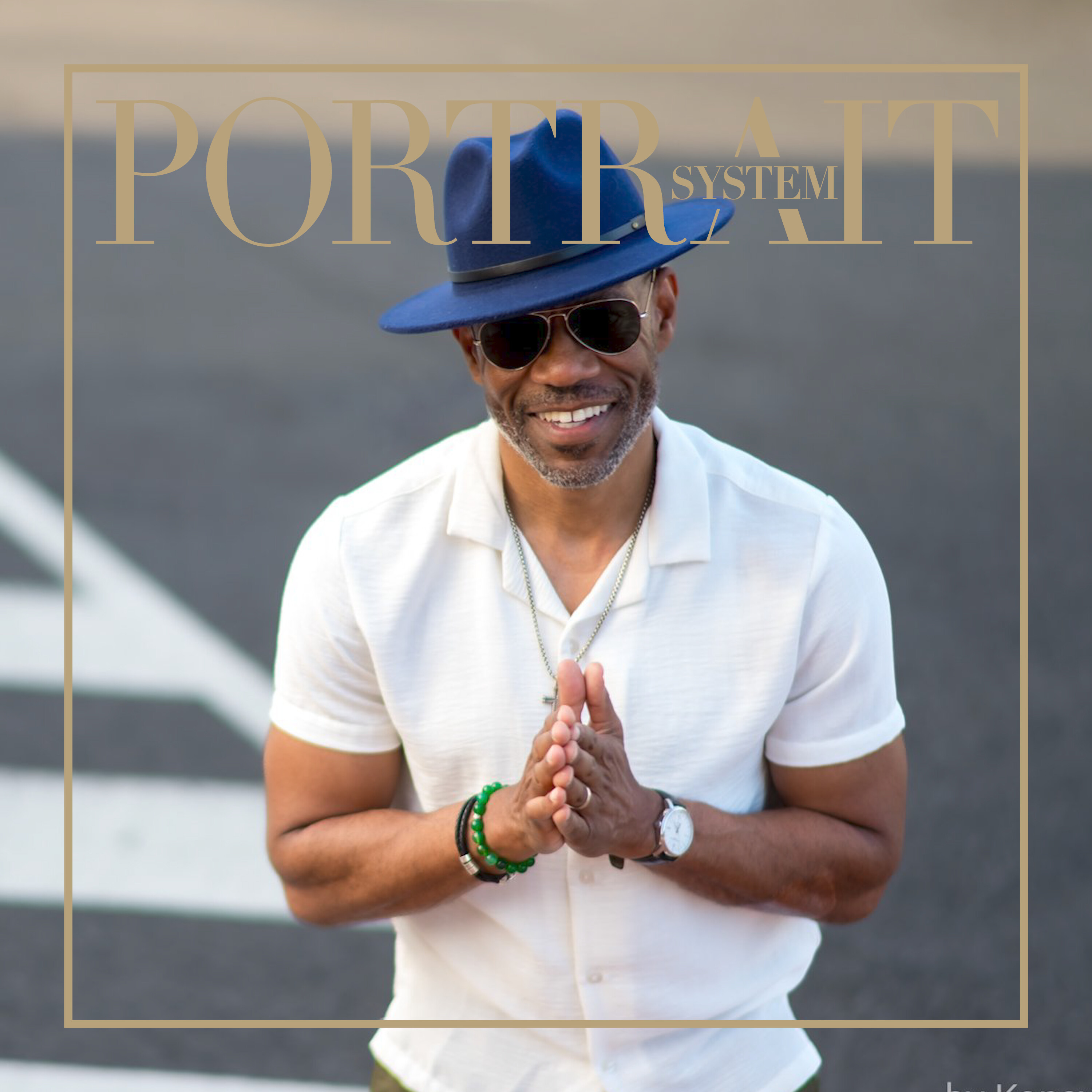
The Portrait System Podcast
From Full Time Job To Successful Photography Business Within 1 Year with Damien Carter
00:59:25
Loading summary
Transcript247 lines
- [00:00]
A
Hey there, it's Nikki Klosser and I want to let you know about an awesome free giveaway for people on our email list. If you haven't already, click the link in our podcast description or go to theportraitsystem.com signup to get on the list. If you sign up, you'll get a free posing 101 PDF to jumpstart things. It's an epic PDF so you'll definitely want to get this. Also, just by being in our email community, you'll get deals, sales and information about any of our upcoming events and activities. So head over to theportraitsystem.com sign up and and sign up. Today you're listening to the Portrait System podcast.
- [00:35]
B
I realized and again listening from listening to the podcast and I listened to some other photography podcasts and just hearing what people can do, it really opened my eyes. So I'm like, even if this is a part time business, I should be treating it like a business, right? So I did that a lot more and started transitioning into, you know, more competitive pricing, industry standard. Getting closer.
- [00:57]
A
Welcome to the Portrait System Podcast. I'm your host Nikki Klosser and this show is here to help you succeed in the world of photography and business. To help you learn to become financially free, doing what you love and so much more. With over 1 million downloads, countless photographers have taken what they've learned from both our episodes and from theportraitsystem.com and they have grown their businesses, quit their day jobs and are designing a life of their dreams. We keep it real and share stories about the ups and downs that come with running a photography business. You'll hear real life stories of how other photographers run their business and you'll learn actionable steps that you can take to reach your own goals. Thank you so much for being here. And let's get started. Damian Carter was laid off from his job about a year ago. But instead of freaking out, he took the opportunity to go full time with his photography business and now he's crushing it. I'm your host Nikki Klosser and my guest this week on the Portrait System podcast is Damian Carter. We When I first saw Damian's online presence, I was so blown away. It's so dialed in, I knew I had to have him on as a guest. Damian and I talked about how to raise your prices, how to keep clients coming back year after year. We chatted about what it takes to make it in this business and he just gives so many golden nuggets and so Much wisdom. It was an absolute honor to have him on. If you are trying to grow your photography business, this is definitely the episode for you. All right, let's get started with Damion Carter. Hi, Damion. Welcome to the Portrait System. How are you?
- [02:27]
B
Hey, Nikki. I'm good. Thanks for having me.
- [02:30]
A
Okay, so just a little background, I think either you followed me or I followed you on Instagram. I can't remember.
- [02:37]
B
I can't remember either. But it's been a while, though.
- [02:39]
A
Yeah. And I clicked on your profile and I was, like, scrolling through and I was like, dang. Wow, this is, like, really good. And then I went to your links in your bio and looked on your website and I was like, huh, this guy's like, legit. Like, he's really good. I wonder if he'd want to be on the podcast. And so I messaged you and was like, hey, do you have any interest in being a guest?
- [03:01]
B
I know, I know. And I'm super excited because I've listened for so long and you do great interviews in terms of getting, you know, important information out of people, that's really helpful. So thank you.
- [03:11]
A
Oh, thanks. I didn't even know if you were a listener or, you know, I had no idea if you even knew what the podcast was, so. Yeah. And we've been trying to do this for a while, so.
- [03:19]
B
I know.
- [03:21]
A
Finally got you here.
- [03:22]
B
Yeah. So it's cool. Thank you for having me.
- [03:24]
A
Yeah. All right. Tell people where you're located. First and second, how long have you been a photographer?
- [03:31]
B
Sure. So I'm in Maryland, but right outside of D.C. so about 30 minutes from D.C. okay. So they call it the DMV area. So we, you know, we shoot in D.C. maryland, and Virginia, like Northern Virginia. So. And I've been here for years, and I grew up in Maryland, but been shooting for 15 years now. Oh, wow. Yeah, because my son was born, my middle child was born, and that's kind of when I started shooting professionally.
- [03:54]
A
Nice. That's awesome. All right. Okay. So 15 years have you been full time this whole time?
- [04:01]
B
Yeah, no, actually, I've been part time this whole time. Always had a job. I went to school, business school, and went into corporate, and photography was always my outlet. So back then, as I mentioned, when I started my son, I was just taking pictures of my kids and. And with him, you know, that's kind of when I started being hired for jobs, but totally part time up until, like, this past year. So, yeah, it's just been a passion and a side business.
- [04:29]
A
Okay. So only You've only been full time for a year.
- [04:32]
B
Yeah, a little less than a year actually.
- [04:34]
A
Yeah, that really surprises me because your marketing, like your online presence is so dialed in, your website, your Instagram, the reels you do, like your work is super good. I mean, I know you've been doing this for a while, but I never would have guessed that this was. It's only been a year of your full time.
- [04:54]
B
Yeah, I mean, but the advantage I had, I'd say is just kind of trial and error. So over those years, really trying everything, I think we've all done everything from the different genres that I've tried and kind of dialed in now to, you know, systems and just ways of doing things. So. But certainly I'll circle back to kind of Sue Bryce and finding you guys on it was creative live back then, I believe and just really learning how to look at things from a business perspective a lot better. So I've been kind of tweaking and trying things. So, you know, I feel like it's the right time that I've been able to put some of those things into practice. So. But I appreciate the compliments.
- [05:27]
A
Yeah. So, okay, so you said you tried different genres. What did you start with? And what's your like bread and butter now?
- [05:33]
B
Yeah, I'd say I've tried them all. I've had some cringe worthy newborn sessions that I look back in the archives, but everything from newborn to family did weddings for like 10 of those years.
- [05:45]
A
Oh wow.
- [05:45]
B
Because at think everyone kind of tries weddings or at least thinks about it and I really enjoyed that. But just the time away from family just wasn't conducive. But I did love that genre but gave up newborn. Still do some family, but really I've dialed into lifestyle and just love working with people in portraits and one on one and just kind of bringing out the best in them. So most of my business now is just portraits. People come to the studio. I do go on location, but that's the bulk of my business. Lifestyle and portraits.
- [06:17]
A
So lifestyle, is that like family oriented or just a, you know, one person?
- [06:21]
B
More one person. But I do still do families. But it'll be more, you know, a little bit different, a little more stylized than I used to do. But you know, I still do families, but a lot of one on one branding lifestyle for people.
- [06:34]
A
I notice that there's a lot like on your Instagram, there's a lot of branding, kind of headshots, that sort of thing. Yeah, yeah. You know, it's funny that, you know you said you did weddings and enjoyed it or whatever. I think a lot of people start in weddings.
- [06:49]
B
Yeah.
- [06:49]
A
Because we think that's where the only place you can make money.
- [06:52]
B
Right? That's true.
- [06:54]
A
Yeah. But I think like, at least I did. I kind of got into like, oh, weddings are so beautiful. And I get to photograph the bride and the flowers and all of that. But my weekends were gone.
- [07:06]
B
Yeah, right.
- [07:06]
A
Summer was gone. As soon as I had my first son, I was like, I'm out of this. Like.
- [07:11]
B
Yeah, I know. Because they want you. Then people think about the wedding and they know it's a long day, but as the vendors, you're there even longer because you know, you're there when they're setting up and you're getting details and you know, first looks and I mean, and I've got three children, so that was, that was, you know, not sustainable.
- [07:27]
A
Yeah, yeah. The thing is, it's like, okay, so people think you can't make money in portraits. And it's hard because there still are a lot of photographers out there. And if you're listening, I'm not trying to like bash or say, you know, this is bad or whatever, but who are charging the 200, 300, maybe even 500, might get up to 700.
- [07:48]
B
Mm.
- [07:49]
A
And then it's like you, you, it's hard to have a sustainable business making money when you're only charging that much. And I did that. Don't get me wrong, I started there.
- [08:00]
B
Right. I mean, yeah, not to cut you off, but for me it's kind of the double edged sword because having it as a part time business, you know, I wasn't really as worried about it from the financial side, but I realized, and again, listening from listening to the podcast and I listened to some other photography podcasts and just hearing what people can, it really opened my eyes. So I'm like, even if this is a part time business, I should be treating it like a business. Right. So I did that a lot more and started transitioning into, you know, more competitive pricing, industry standard, getting closer, but I still wasn't there. But I'm, I'm there now where I'm just kicking off for next year, where I'm really where I'm comfortable, where I want to be.
- [08:40]
A
You bring up a really good point. Because like, if you're just doing this as a side hustle, you know, or just because you love it, like that's your free time. So if you have a full time job and you're using your free time for a couple hundred Bucks for a day or, you know, however many hours it takes you to shoot and do the edit and the client communication and the driving and all of that. Like that's your free time. Like you make and bank, you know.
- [09:03]
B
Right. Instead of having the mindset of oh, it's just a couple extra dollars, it's a little, it's helping, anything's helping. But really that's still your time and that's your free time. You make a great point. So it should still be treated as a business and you still should try to maximize your profits.
- [09:18]
A
Yeah. So what was the catalyst in you going from part time to full time?
- [09:23]
B
Yeah, I mean, frankly it was. I was pushed in that direction. You know, corporate world, you know, there's a lot of layoffs last year and I got caught up in that. And not even performance wise, they just come in and they cut a whole, you know, section of your group and you know, you just have to deal with it. So, you know, but that's the blessing that the photography business was really starting to kick off that, you know, I kind of just transitioned into that. And I mean, I mentioned my three kids, they're a little bit older so they're about to hit college. So I'm not even sure what path I'll be in next year if I try to get back out in the working world or not. But I wanted to make sure that my business was sustainable and could support me. So it's kind of a win win in terms of making that transition and seeing what happens next.
- [10:05]
A
Yeah. Oh, that's exciting.
- [10:07]
B
Yeah.
- [10:08]
A
Yeah. I think there are a lot of people out there who can really relate to that. It's like a lot of people say, like, okay, there is the stability of having this 9 to 5, whether you're in corporate or you know, whatever job. But yeah, it's stability until it's not until you get that phone call that like you're out.
- [10:29]
B
Yeah. And they'll do that quickly for whatever works for them.
- [10:33]
A
Yeah, it can be really scary for sure. I mean, I feel like there's pros and cons to both. I mean, obviously having a business, it's a lot of work and you have to really grease that wheel and really keep things in motion all the time. And so there is that stress of it. But man, the freedom to be able. You have three kids. The freedom to be able to. I don't know if your kids play sports or activities or whatever to do what you want. I can volunteer in my kids classes whenever I want. I can set My schedule to do literally whatever I want.
- [11:09]
B
Right, right.
- [11:10]
A
It's amazing.
- [11:11]
B
It's just you take it, you know, you take control of it. And I do. I mean, I mentioned a lot of my portrait stuff. I do have a corporate side where, you know, and I know you do as well. But, you know, some companies bring me in, I'll do headshots for the whole group and different type of events. So I do have that as also a supplement. But my passion is love portraits. But, you know, you make your money how you can.
- [11:33]
A
You know, I kind of want to pivot a little bit. I wasn't going to talk about pricing so early, but.
- [11:37]
B
Sure, sure.
- [11:38]
A
When you say companies bring you in, will you kind of walk us through what that structure looks like for you, for how you price things and how you make that work?
- [11:47]
B
Sure. So, I mean, a lot of times, and it's different things, so sometimes it might be a branding session, but you're coming into a company. But a lot of times for mine, it's like headshots for a group. Right. And I do headshots one on one and they come to my studio. But when I'm coming on location, bringing everything, setting up kind of in an office setting, I'll do it per person. So I'll charge 199 per person because I've. I have a lot of volume, but I require at least like 20. This is like 20 groups of 20 to 25 or more.
- [12:16]
A
Right.
- [12:16]
B
But like the lower the number is if they only need 10 people, you know, I'm back to charging like 3 and 400 per head. So it just depends. And there's a lot of flexibility with companies. And, you know, that's why it's good and bad, because a lot of times they don't tell you their budgets and you're just trying to kind of work within that black box. But. But I really try to let them know that, you know, if they're bringing me more, then the price will be lower, but if not, then I have to, you know, have to be at a higher price point per person.
- [12:41]
A
Yeah. I just booked a law firm and they reached out and it was 12 people. And I'm at my calculator like, okay, you know.
- [12:49]
B
Right.
- [12:50]
A
I don't want to go too high, but I don't. But I ended up at 350 a person for the 12 people.
- [12:55]
B
Right.
- [12:56]
A
And they were like, fine.
- [12:57]
B
And they love it. You're right, exactly. Because it's convenient for them. You know, you have your setup and some people actually like those environmental portraits where you're not even bringing the. I mean, I have my stuff in the car and they're like, we don't want that backdrop. Put us in the hallway. And those really are kind of fun.
- [13:12]
A
Okay, so. But you also, you said you have a studio. Is that at your house? Is it. Do you rent it somewhere? Do you own something?
- [13:18]
B
Yeah, so again, I've done it all. I've had the studio in home before. I've had bigger studios. It's a similar story to you. So I had one that was a lot bigger, really nice in a space, but it's kind of expensive and it was like overkill. Again, I was part time, but my current space is within this artist they call artists and she calls it artists and Makers. So it's a community of a lot of like traditional artists, sculptors, everything, and two photo studios. So me and one other guy. So it's a great community. And it's my space where I can, you know, do my headshots, do my portraits whenever I need to, so. And a lot more affordable. So I really like that space. I've been there about two years, but. So that's where I shoot and then on location. Not just companies, but also, you know, if people need me to come out, I try to limit that. I try to do most in the studio, but I will go out on occasion.
- [14:08]
A
Yeah. Do you have like a dedicated space to you or you're just sharing?
- [14:12]
B
Yeah, yeah, yeah. So within that, within that building, it's a dedicated space, but. But it's, it's quite small, so I have to be creative in there. I want to do a video on how I make it work within a small space. And I know you've done that too, but you know, you just, you use different lenses. You kind of work the space how you need to. But I've been able to. A lot of stuff on my page is from that very small studio. So.
- [14:33]
A
So for people who aren't following you yet on Instagram, it's Decarter Photography. Yeah, Decarter Photography. You can see quite a bit of Damien's behind the scenes stuff. You do a really nice job with that.
- [14:46]
B
Yeah. You see in a small studio.
- [14:47]
A
Yeah, yeah, yeah. I love it. Just for people who don't know my background with studios, I like you said I went from. I was paying like $2,500 for a brand new, like big. It was like a live work space.
- [15:00]
B
Oh yeah.
- [15:01]
A
You know, like a, A full on like loft apartment. I didn't live there, but. And I was like, I am spending so much money on this space and I am shooting most of the time in like a six by eight foot corner.
- [15:14]
B
Right.
- [15:15]
A
You know, it was more for like the perception. Yeah. The aesthetic. That's the word I was looking for. Totally. And, and then I ended up going to. I found this. It was a one car converted garage that was a different. A family lived in the house that was renting the house. And then my makeup artist and I shared the one car garage. It had orange carpet, orange paint. We painted the walls. My husband installed some cheap laminate wood looking flooring and we were paying $500 a month. So 250 each.
- [15:47]
B
Yeah.
- [15:48]
A
And I was like, I am saving like $2,000 a month, you know, and it didn't matter. Like, it wasn't like people were like, oh, I'm not coming because it's not, you know, and now I do it. I just got tired, Damien, of managing a studio, making sure it's clean all the time, paying the utilities and the, like, I don't know. So now I, Yeah, now I just do a studio share and I rent it by, you know, I book my hours in for that month and it's great. I don't have to do anything. I just show up, make sure I clean up after myself and I leave. And so I, I just, I don't want people to think that you have to have this like big, amazing, beautiful space, you know, I mean, it's nice to have, but totally nice.
- [16:35]
B
But you can make it work wherever.
- [16:38]
A
Yeah, your overhead, it can be a lot. You know, when you add up literally all of the different things. I can't tell you how many times I get something on my phone that's like, you know, my Photoshop, my Adobe payment this month or my, you know, I pay for a voto or whatever and like all these things come through and I'm like, dang, you don't realize how much it really adds up.
- [17:01]
B
Right. And so add a big expense for a studio on top of that because those things are gonna, you're gonna be our systems, our CRMs, whatever. We have to pay those. So it's like, okay, where can I save a little bit? So, I mean, I always have fun in there. I tell people it's going to be. I let them know before it's going to be tight. But I mean, mine's probably like, I think it's smaller. I know it's smaller than your garage space. I think mine's about a 12 by 10. So it's tight. But I, you know, I set it up in a way that, you know, I can get the most out of the space. And people. You just show them the images. That's all they care about. So, you know, you make it work.
- [17:34]
A
Yeah, we. Sue used to say this all the time. People don't care. Wait, how. How does she say it? They don't remember where you photographed them. They remembered how you made them feel.
- [17:43]
B
How you made them feel. Yeah, absolutely.
- [17:45]
A
Yeah, they remember their photographs. I mean, that's really what it's all about.
- [17:50]
B
Yeah.
- [17:50]
A
Very cool. Okay, let's talk a little bit about your lifestyle, your portraits. How does that work? Do packages, session fees.
- [17:59]
B
Yeah. So. And it's part of the transition. So before I was doing my packages were. So I had inched them up over time. And I know a lot of guests joke about where they started, and I. I've done it the same. The same way. I was listening to one of your interviews. Somebody was saying they gave like 50, 60 images, maybe more. I was the same way. Like 30, 40, 50 images for like $199. So I've definitely come a long way. So what I did is I transitioned to. To me, smarter pricing. I was raising the prices and then bringing down what I gave them because obviously that's my work and time. But I was still all digital. So I would give my. My latest packages before I switched were. I think it was 900, and they would get like six images, and that was 1200 and like 1800. And I was selling mostly the 1200 and the 1200 one, they would get eight images, and the biggest package, they get 15. So. But all digital. So still kind of a shoot and burn. And I wanted to transition out of that, but I was selling that middle package the most, which is obviously what you want to do.
- [19:02]
A
Yeah, I mean, and twelve hundred dollars is a great sales.
- [19:05]
B
I worked up to that. I had worked up that. But, yeah, that's where my average. They were pretty much buying that middle package. So that was really good. But I frankly, I wanted to change to the more sustainable pricing, but I also wanted to offer more because when. When I see prints and I get the samples for myself and my wife orders a family album every year of our pictures that I take. It's really something for someone to hold and see images. So I really believe in that. Right. So I. I wanted, of course, to change my pricing, but to make sure I'm offering more and not just giving digital because I feel it just hurts me when people. I mean, they might email me later and Say, can you send me. They don't even have the images anymore. They're like, post a few and then they're gone. So this is like so now. So my new pricing is six images is going to be 1250 just matted prints. You get the digital with it. But matted prints, I'm going to do 10 images for 2,500 and then I'm going to do 25 images. That's gonna be my high package for 4,200.
- [20:03]
A
Okay. You haven't moved up there yet. You're.
- [20:05]
B
I have. My new. My new website is with a 349 session fee. So that's it. I'm like, I'm cutting the cord. So I did book one client on that now, but that's going to be my 26. 20, 26 pricing. So I'm locked in. I'm not going back. It's like, this is my pricing. But they'll get those matter prints. I mean, I have samples that show them and, you know, the matter prints in the boxes and people just are amazed and love them. So I'm like, this is what I need to be selling and providing for clients.
- [20:33]
A
And it's so important to show those and have people hold it and feel it. And so, okay, it seems like, I mean, your portfolio is so strong, which is amazing. And if you're listening, if you are trying to get up to the prices that Damian just said, you don't have to be the best photographer in the world. You don't. But you gotta have like a solid portfolio.
- [20:56]
B
Yeah, yeah, yeah.
- [20:57]
A
Okay. Maybe you don't have to, but it is very helpful when you have a solid portfolio, a diverse range of photos showing. Like, you know, people have to see themselves in your photos.
- [21:08]
B
Right.
- [21:09]
A
So I just wanted to say that too, that that's really important. And you. And you have that for sure.
- [21:14]
B
Thank you. Thank you.
- [21:15]
A
So how do you transition from. Okay, if someone inquires and they're like, well, I just want digitals or whatever, how do you, like, get that box of matted prints in their hand so they can feel it and see the value in it?
- [21:30]
B
Right. So with my new website, I've really been trying to show and talk about it a little bit more. But frankly, even when I'm talking to people on the phone, not. Not just what I show, when I'm talking to people on the phone, I'm like saying that language like, you really, you really need. I mean, I asked them the question about, what do you do with the files? What do you do with the images, people were talking about, like, outfits. We're talking about where we want to shoot. And I'm like, so you're going to do all that and then we're going to just throw them on a thumb drive or on a hard drive and let them disappear. So I start talking to them now more about where do you want them to live? And when I show them, you know, even if it's not in person, I'll show them pictures and they're like, wow, you know, it's really not, you know, high quality stuff. I'm not just trying to get more money, I'm trying to get more value. Right? So people, I mean, the people I've been talking to, like I said, are just. It's probably been six weeks since I've fully changed and I've, you know, I have the one coming in in two weeks that I booked. And it's a little tricky because it's Christmas season, but, you know, January, I think people will start coming in based on the new pricing. So I think they see that that's where I'm headed and they like the work. Like you said, you built a portfolio, so people see that's the work they want. So now you're just kind of. I mean, I think that the hard part's done. For me, it was just kind of making that jump.
- [22:41]
A
Well, and I kind of asked that because you, you make this very clear on your website and I love that. I can't find exactly. I was going to read it. I can't find exactly where it is. But you say something along the lines of if you're someone who just wants one quick headshot, like, I'm not your guy.
- [22:55]
B
Right, I clicked that.
- [22:56]
A
Yeah, you say it in a way that is.
- [22:59]
B
But it's okay, right? It's like, if that's what you want, it might be on the services section, but yeah, if that's what you want, that's fine. But. But this experience is more than just us doing a great photo session. And then, you know, I really have had that happen multiple times where people lose the images, but they love them. But they're like, can you send me the gallery again? Can you? Because I was just sending galleries and that's. It just feels impersonal to me as well. When you're delivering something, handing them something that's beautiful, that they can hold and feel and cherish, you know, frankly, they're going to have it forever.
- [23:32]
A
So the copy on your website is really, really amazing. Like, there's this one line it says, this isn't just picture day. It's the moment when we bring your story to life. Like the way that you communicate this, I feel like it's doing like the selling for you, just the way you're communicating this.
- [23:53]
B
Yeah.
- [23:54]
A
And I, and I think that's really important. I think, oh, here it is. Instead of a quick shooting handoff, it's a process designed to be more personal, more intentional. Okay. That wasn't the exact one I was looking for. Anyway, the copy on your website is really incredible.
- [24:06]
B
Thank you. Thank you.
- [24:07]
A
And I think you're setting the stage. And I remember back when I switched, you know, to higher pricing and that sort of thing and I have that, this on my website too, where it's like, you know, we're going to do your hair and makeup. This is a full experience, you know, that sort of thing. I stopped getting the I just want one headshot.
- [24:27]
B
Right.
- [24:28]
A
You know, it's very rare that I get the I just want one.
- [24:31]
B
Right. You know, that's what we're trying to get away because I do want to offer more value, but I also want to kind of get rid of those people that are just. Yeah, I mean, that's fine if you want that, but I can't offer that and you know, this higher level service and you know, personal service, so that's fine. If you want that, then, you know, I'll recommend some of my. And I know people, like I said that, that shoot that way and it's fine like you said, but that's not me.
- [24:58]
A
Yeah. Okay. And you know, marketing is like, you can have, you can be the best photographer in the world, but if you don't have strong marketing, no one's gonna find you, no one's gonna book you. You know, so how, how are you, other than your. Obviously I see your online presence is super strong. How else are people finding you? Like, how are you bringing people in?
- [25:20]
B
Yeah, it'll be interesting because my, I get so much from word of mouth. I think a lot of us do, but that's a really strong part of my business. I was looking at one client that basically gave me 18 other clients. I was like over two years. It wasn't even that long of a period. Over two years. She just had a great session. She hired me multiple other times and then she, you know, I mean, and that's an outlier, but certainly people do. And I try to make them feel a certain way and, you know, great images. So word of mouth is still great. Instagram was a big piece of It. But the reach and some of the algorithm changes have affected me in terms of getting clients that way. So that's why I really wanted to pour more into the website. I have an email list that, you know, all the things that I try to do, try to nurture that. Because I do get business every time I. I tell myself I need to put more content out on there, send more regular newsletters and emails.
- [26:11]
A
Yes, yes.
- [26:12]
B
Yeah. So. And I use flodesk, so it really looks nice and people respond to those. I just need to do more of those. But clients come in through those pretty much every time I send one out. But I want to do one soon as get past Christmas. That's really talking about the new process and really bringing in them and walking them through that. So we'll see how that goes.
- [26:31]
A
Yeah, that's great. It's so awesome when you can find an evangelist for your business. I had one of. One of those as well, actually. I had two who. I mean, they brought me so much business because they screamed from the rooftops about me.
- [26:43]
B
Yeah.
- [26:44]
A
And sometimes. And actually one of the evangelists that I had for me, we did a trade. Like, I offered her a trade and I didn't even need the service that she was giving to me. But in my head I was like, I have a feeling this woman is going to like, she was just one of those, like, kind of queen bee people who. I just had a feeling if I could get her in front of my camera, she would really tell people about me. And she did. And I mean, I can't even tell you how many clients. And then those clients end up telling people and.
- [27:19]
B
Yeah, and I'd say I bring this up just to share other photographers as well. Like, you know, we talk about free shoots and different type of shoots to get. Not necessarily just seek those evangelists, but definitely to get people to understand the experience and experience it for themselves so they can talk about it. I think sometimes you have to. I do it all the time. If I'm slow, I just want to be shooting. So I'll bring people into the studio and I'll give them a couple of shots. But them sharing and then really showing what it's like and talking about it there, you know, in their own words, it really makes a difference. So, I mean, if you're slow, take that time to just keep shooting. Bring people in that fit that ideal client and then let them share too. So it's a way to kind of generate some of that and get it going.
- [28:03]
A
Yeah. Especially if you're Changing genres. So if you're right, if you're listening and you're a wedding photographer and you want to break into this, like, I know it's hard, especially if you've been an established wedding photographer for a long time and that sort of thing. And it can be hard to, like, you know, do free shoots or whatever, but sometimes it's so worth it.
- [28:23]
B
Right, right.
- [28:25]
A
Or even like offering some sort of, like, really huge gift voucher or just something to get people, because you've got to build up that portfolio of whatever genre that is. Like, when I was switching to maternity, I was like, okay, I really want to do maternity, but I didn't have any photos to show. Like, how am I going to market that? So I posted in a local mom's. This is when I was living in Seattle in a mom's Facebook group and got a couple people in. And then I had. I think I had three ladies come in. And then I had a portfolio that I could market with.
- [28:57]
B
You know, it's a good way to get people in. Yeah, you have to do what you have to do.
- [29:02]
A
Okay, I want to talk a little bit about. I know you said you were laid off a year ago and, like.
- [29:10]
B
What.
- [29:10]
A
Advice would you give to someone if they're either in a job they hate or, you know, they're just at risk of losing their job or they're not making enough money, you know, where this could happen to them? Like, how do you prepare for that? I know you had a long time to do it, but, like, what would you tell someone who's just stuck in this job that they hate or they might get laid off or whatever.
- [29:35]
B
Yeah. I'd just say even if you kind of truncate your timeline to what I did, but you have to start treating it like a business. Like I said, like, if it's something part time that you're trying to do on the side so that it can become your main thing. So it's kind of that maybe short, I would say not maybe I would shorten it. Do those things quickly in terms of getting your pricing. Right. Getting your portfolio, as we've been talking about, getting your relationships in the industry, which is important as well, we haven't talked about. But getting. Getting those things in place as soon as possible because you never know when this thing can happen. But then if those things are in place, you can quickly transition into something that's more sustainable and full time. So, you know, but I think there's an advantage to this current time we live in in terms of the networking you can do with people that are willing to share the education platforms. Like, Sue's going to conferences, which I haven't done as much fun doing next year. But I network like crazy with photographers. I just enjoy the camaraderie. But it's also a way to get business because your colleagues can't do everything, so they start to hand you work. So it's just doing all the things that you've heard about, but kind of putting them in place and not waiting, I'd say. So then if something happens, you quickly turn on, maybe amplify versus having to start from scratch.
- [30:49]
A
Yeah, absolutely. This is a total side note, but are you going to go to wppi?
- [30:54]
B
I'm going this year, yes. I haven't been. I haven't been to. But yes, people, the wppi like, experience just living vicariously. I've definitely feel like I've missed out.
- [31:08]
A
Oh, it is, like, so. It's so much fun and it's so much learning. It's one of those things. Like, I remember the first time I went, it was in 2012, when I was just starting my business, and I was like, I'm not a good student. Like, I'm not. Like, I'll always be in the back row because I'm going to have to get up and move. Like, I've got that ADHD brain where I just, like, can't sit in notes and whatever. And it's a lot of learning. Just be prepared.
- [31:34]
B
Right.
- [31:35]
A
But the other thing is, like you said, the networking and the community and, like, I've had people say they met their, like, lifelong friends.
- [31:45]
B
Right, right.
- [31:46]
A
In the industry.
- [31:47]
B
Yeah.
- [31:47]
A
Yeah. It's a very, very cool experience. And the first year I went, I couldn't afford. It was at the MGM Grand, I think, before, and I couldn't afford to stay there. So my friend and I, who I met online, we stayed at Hooters across the street.
- [32:03]
B
They had a hotel or you were staying in the restaurant.
- [32:06]
A
It was like. It was like $39 a night or something. And we could walk across the street. That's how I was so broke. And it was like such a strange stretch to go do what you have to do. Oh, my gosh. What I learned there was unreal. Like, that's the first time I saw Roberto Valenzuela and Sue. So many people that just blew my mind. And I was like, okay, yeah, that's great.
- [32:29]
B
Yeah. I mean, for me, that's why education is so big for me, because I'm the type of person. If. If I see it, then I. I feel like I can do it. But sometimes you just can't. You know, even everything from when I was doing weddings to, you know, getting out of that and seeing what people can really do with portraits, it's just like, okay, you see it and they show you open your eyes to different things that can be done. So, yeah, I'm looking forward to it for sure.
- [32:52]
A
Well, and I know, like, you know, part of this being a podcast host is part of my job or whatever, but it's so easy for me to sell the portrait system membership because I believe in it so much. Like, that is what changed my life. Like, that education in there. Yeah, it's like, it's so easy for me to talk about it and sell it. And, like, there are a lot of different education platforms that might resonate with some people and not others. And you gotta kind of find your thing or whatever. And this happened to be my thing. And whatever you do learn, wherever you're learning it, you can always, like, tweak it to make it your own, which is nice.
- [33:27]
B
Yeah, just take whatever works and try things. And that's the other thing about what we were talking about earlier. Just be willing to try. So you. You go on these platforms, you see different people doing things. It might not work exactly like they do it, but, you know, try your way of it. But there's certainly ways to win in this industry, and you're not, you know, reinventing the wheel. So I definitely embrace that for sure. Actually, we were. You and I were dming about the conference, the recent online conference that I. Yeah, yeah, reflect. Yeah, reflect. And I didn't even get to finish watching, but I bought the whole thing. So I'm the type of person, like, I'll just go one at a time and take my little note. So it was good that that option was there, but, yeah, it looked really good.
- [34:10]
A
And one thing I want to caution people about is, and I've seen people go through this, I'm super impulsive, so I just, like, go for it. So this was not me, but I've seen a lot of people who have, like, analysis paralysis where there's so much information that they just don't even know what to do next.
- [34:31]
B
Yeah.
- [34:32]
A
So it's like, you just have to, like, put your head down and really focus and just start. Just start. Like, don't be a tip chaser, where it's like, one more video, one more tip, and one more business model or whatever. Just pick something and start.
- [34:49]
B
Right.
- [34:50]
A
And then you can tweak it as you go.
- [34:51]
B
That's great advice because when I started, there was actually a lack of these educational resources and even people willing to share. And now obviously YouTube University, and everything's out there, but now it's just kind of overwhelming. So to your point, like, you could easily just get distracted and, and kind of get that analysis paralysis, but pick something, dig in, then go to the next thing and the information and the resources out there, but, you know, just, just jump in.
- [35:19]
A
Yeah. Okay. So you had mentioned about how you were, you know, you kind of slowly raised your prices over the years. Something that people say all the time is, well, I am a shoot and burn. How the hell am I going to transition? Like these clients, I'm going to lose all my clients. No one's going to want to buy. Like, how did you make that transition from going to the higher prices?
- [35:43]
B
Yeah, I think you will lose a lot of your clients. And it's okay. You have to realize it's a different, just like anything else, there's people that, for every store out there, there's clients and customers for that store. So don't take it personally. You know, there are some that will come with you and some, some have as I've raised my prices. But you know, just look at it as a whole new segment that you're getting into and that other segment, like I said, there's people to serve them. But now you're looking to a different segment and it's different marketing, it's different outreach, but it can certainly be done. But just don't expect all of those old clients to come with you. And don't take it personal. Like it's, it's their prerogative to pay what they want. But you're offering a service you believe in. It's what sue always talks about, like your value. You're really bringing value when you get, you know, get that business running, get that portfolio how you want it. So stand by it. You know, it's different people. There's people for that segment as well, so just be confident.
- [36:36]
A
I remember when I was raising my prices because I used to shoot families back in the day and I still do on occasion, mostly for my past clients or, you know, whatever, but. And sometimes I, if it was my full time thing, I wouldn't enjoy it. But you know, sometimes switching it up is nice. But I went from shoot and burn, you know, a couple hundred bucks or whatever to starting at $1200 for my smallest package. And what I did is I helped Them understand that now you're getting hair and makeup, you're getting multiple outfits. We're gonna do in studio and outside, you're gonna get print products. Like I really help them see, I'm not just raising my prices from the exact same service before to, you know, from $300 to $1200. Yeah, yeah. And it's really important to show that, to show that there is a value add. And like you said, it's the law of averages. Some people are going to be like, nope, I'm going to do a mini session for $150 over here. And that's okay.
- [37:33]
B
Right.
- [37:34]
A
You know, and the new people coming in have no idea what you used to charge.
- [37:38]
B
Right. This is just your new, this is, this is your new clientele. So. Right. We get in our heads a lot about, you know, where we were and what people will do and pay. And it's, I mean, it's no different, like I said, than other industries. Like people pay 15,000 for a bag and you couldn't understand it. Right. But you know, people that pay $30 for a bag. So there's, there's clients for everyone.
- [38:01]
A
Oh, totally. I'm the $30 for bag. I just do not understand the like. So everyone is different.
- [38:08]
B
Right.
- [38:08]
A
You know, and I have friends who will pay a thousand dollars for a bag. Like, and we're like one of my best friends, you know, everyone is just so different. You just, you never know. You know who's really good at teaching about this is Jessica Malone.
- [38:19]
B
Oh, I've heard her.
- [38:20]
A
He's speaking at wppi. Like she lives in a. She was on this podcast. She lives in a tiny little rural town in Ohio and she's a three thousand dollar average. And she's like, you know, I'm not trying to be like generalized, but a lot of her clients, you wouldn't look at them and think, oh, they're gonna spend $3,000 on photos.
- [38:38]
B
Right, Right.
- [38:39]
A
So, but you know, it. Okay, this is gonna sound bad, but a lot of times like really rich people are rich. Either one, they're spending above their means and they just look rich. Or two, because they like are cheap.
- [38:56]
B
Like, you know what I mean?
- [38:57]
A
Like someone can look like they're super wealthy driving this really fancy car in this big house. Actually, Emma Berkesel was on this, this episode as well. Or sorry, on this podcast. And she had a client who was extremely wealthy who was bought balking at her. She raised from. It was like $50 to $75 and she was like, balking about it and, you know, was, like, annoyed that she raised at 25 and then showed up with her kids in these outfits that cost, like, hundreds.
- [39:26]
B
Oh, right, right.
- [39:27]
A
You know, like, you just never know.
- [39:30]
B
You never know. You can't make assumptions, Right?
- [39:32]
A
Yeah, for sure.
- [39:33]
B
And don't. And don't, like, cut yourself. Your opportunities. Why cut them off before you even know? Like, people are like, well, I don't want to. You don't know. Just put it out there. See, now that's business. You make adjustments if you have to. Maybe you come down a little, but a lot of times what happens is you actually have to keep raising prices because you do get that sweet spot and you still want to work only a certain amount. So, you know, you could have the opposite problem. So just, you have to have a positive mindset as well.
- [40:01]
A
Yeah. And. And again, I know I say this all the time, but people aren't just going to randomly find you, you know, so it's like you have. You really have to have that marketing dialed in. And I know this is uncomfortable for some people, but you have to get out there in person.
- [40:17]
B
Yeah.
- [40:18]
A
And truly get yourself out there. People will book. Well, I mean, they'll book you from referrals and, you know, if your website, Instagram and all that. But mostly I have found people will book you when they know, like, and trust you.
- [40:32]
B
Right.
- [40:32]
A
You know, make sure you have your pitch dialed in. So when someone's like, what do you do? If you're like, oh, I specialize in personal branding and I have a studio here in Chelsea. And, you know, or if you're like, oh, for people who hate having their photo taken, I am the photographer for them because I will tell you exactly what to do. You know, personal branding is my jam. My clients make more money right from their photos. You know, there's so many different ways that you can spin it, but make sure you've got something powerful to say. Like, do you have that lined up? Like, do you know what you're going to say when someone asks you what you do?
- [41:13]
B
Oh, well, it's part of that. Like, especially for my headshot clients, I'm like, this is literally going to make you money because you're out there looking for jobs. Even if you're not looking for jobs. You might be. We know this economy, so you've got to have updated headshots. The headshots one really sell themselves. I'm like, this is. This is your money right now. You're not. Put out some selfie. Do not have, you know, a picture where someone cut you out, Even if it's a nice picture. No, let's get you something professional. And people react to that. So headshots really sell themselves. But even on the lifestyle, it's like, you know, this is something that an investment. Right. That you won't regret. I always tell them that. So people spend their money like we talked about several times. They'll spend their money how they want. But if you tell them this is just another investment, I mean, a lot of people relate to that. So I usually have no problem selling. I mean, like, again, if they're in the mindset of one picture, one, you know, they're dead set on that. Then, you know, you kind of have to move on. But people that really understand and they're your target clients, you know, they resonates with them like, this is another investment.
- [42:16]
A
Yeah, this is an investment you won't regret. And there were a couple photos on your. On your website that really got me. They were like family. Not like a ton of family, but there were just a couple shots in there. There was one. It was a family. It was a really simple background. I think they were all dressed in black. And the background.
- [42:34]
B
That client hired me to come to New York City to shoot that.
- [42:37]
A
Yeah, I love that. Like, yeah, Especially, like, again, you got to make sure you work on your portfolio, make sure you're showing what you want to shoot, all of that, because seeing that was like, I would book him for my family photos, like my lifestyle family photos.
- [42:52]
B
And it was great because I just love interacting with people and making those relations, building those relationships. And that was actually a guy from business school, but he had been a supporter for all these years. It was like, when I get. I want a picture for my wall. My kids are getting older. And he hired me to meet him in New York, and it was just beautiful. And he, you know, he ordered a print as well. So, you know, that's that. But that lets you know that there are those people out there that are willing. So you just have to dial into those people.
- [43:20]
A
Okay, so one more thing I want to talk about is the email list. You had mentioned that when you send out an email, often you'll get a booking from that. What types of emails are you sending?
- [43:32]
B
So that's why I want to pick it up. But I've just been doing. It's actually been quarterly. Right. Just I'll tell them how things are going. I'll do a couple of images from those sessions. And the people on that list have been Long time clients, any, anybody that's been a client, I throw them on there and then people that are just interested so they'll see the work, you're showing them, new work and I'll just tell them, you know, about any openings that I have. So I try to also make that a list that, as I build that list that it's something that you want to be on, kind of exclusive. And I still do holiday minis. I've really been cutting them out, but I've. This is my last year doing them. But those are the only people that I do them for. So yeah, it's just a group that has been nurtured over time and I'm just trying to continue to build that. So my list is probably only about 4. Not only, I mean it's about 400. But I really want to get that up because again, even like you said about there's going to be a lot of no's in there. You throw an email out and people read it and toss it. But I have a good open rate. But they might not do anything with it. But if you have one or two every time you send one out, I mean, you know, that's a ripe audience. So I just want to be more consistent. Maybe one a month or something like that.
- [44:36]
A
That's what I was going to say. Consistency is key because I think sometimes people will try something one time or post 1, 1 story or photo or whatever and then it's crickets. But sometimes people have to hear something two, three, five, seven times before it's go time.
- [44:54]
B
Right, right.
- [44:55]
A
To be consistent.
- [44:57]
B
Yeah, you gotta keep plugging away.
- [44:58]
A
And like you said, a lot of, you know, your email list is your past clients. I want to make sure people out there don't forget about your past clients. Even if you're changing your prices, they already know like and trust you. They already love your work. They're the easiest people to sell to. So make sure you have, you know, all of your past clients. Make sure they're on a list and like you said, either monthly or quarterly, show them what you're doing. Show them what you're up to. If you add a new genre, especially like if you're a wedding photographer and you're going to add maternity or personal branding or whatever. I mean they're the best people to market to. So I just want to remind people about that. Don't forget to do that. I make so much more money from my email list than I do from social media.
- [45:46]
B
I know that's. I was, I was Getting a lot from social media. But now it's definitely the scales of tip. For sure.
- [45:52]
A
Yeah, it's there. There's like some crazy percentage out there. I'm not even going to say it because I'm going to get it wrong because I can't remember. But the amount of dollars you spend, spend on social media versus email, the conversion is like, like 140%. I know something. Okay, totally.
- [46:09]
B
Right, right. Because.
- [46:10]
A
Yeah, yeah, it's. It's like people are way more likely to read your email, see your email instead of just scrolling past, you know, and again, some people aren't going to open and that's okay, right?
- [46:23]
B
The averages. Yeah, yeah.
- [46:25]
A
Like, especially for like holidays. You could sell prints, for example. Like, hey, for all my past clients, I'm giving 20% off or 30% off of wall campuses or holiday cards or, you know, anything. Like, there's so many ways that you can sell to your past clients. Make it the norm that it's an annual shoot. Hey, it's time for your annual shoot. Let's do this. Like, make it like, you know, I've had 18 of my 18 clients book their annual shoots. I've got two spots left. You know, make it like, oh, everyone's doing annual shoots. Like, make it a normal thing.
- [47:01]
B
You know, I like that language. Annual shoot. Like, put it in their minds of what? You know, just kind of planting those seeds. For sure.
- [47:09]
A
Yeah. Especially with. With kids who are getting, you know, growing up. Like, I know from age 5 to 6 or 9 to 10, like, it's a big difference, you know, and it's like, okay, do you have your annual photos this year? And that's right.
- [47:24]
B
And I know you shoot seniors. I don't shoot seniors, but as much I have. But I have a senior now, so just. That's another time where you're like, you got to get these family pictures before, you know, and people definitely relate to that. So this is planting those seeds.
- [47:39]
A
Another way that I've been able to like, upsell and get, you know, just different sessions in or that sort of thing is with seniors. So I will ask the fam. The parents, like, do either of you need headshots, like, while you're here, or bring the whole family in at the end and we'll do a couple family photos. Because when you. And if you're a shoot and burn and you're just giving them all the photos, this is not going to help because then it's more work for you and you're not making any more money if you're doing packages. And like, my Senior packages are 10, 20, 30. And if you are doing, you know, want them to get that 30 image package, I'm not charging them more to bring their family in. But if the senior is, like, in love with 20 photos, but then you still have those family photos in there, you're going to sell the bigger package.
- [48:30]
B
Right, right. They're going to move up. That's right. And they're already there. That's smart. Yeah, yeah.
- [48:36]
A
Or if you book someone for just one person, you know, lifestyle or personal branding or whatever, ask them if they want to bring their family at the end. Like, there's just. There's ways that you can get this, you know, people to kind of purchase more, but not if you're shooting burn.
- [48:52]
B
I know, like you said, you're just doing more work for no more. No more money. So. Yeah, yeah. It just starts to hit you after a while. You got to change things.
- [49:04]
A
Yeah, It's. You can burn out so easily that way. It's hard. Like, it's hard doing it that way. I mean, like, it just. Yeah. You end up working so much and just burning the candle at both ends. Or when you're doing such high volume, it's hard to present the final product in the way that the client might really love. Here's an example. I have one of my dear, dear friends. Every year, she does this, like, mini session that she spends 150 bucks on, probably because she knows she's gonna send me the photos and I'm gonna edit them how they should be. And I know that's probably a no. No. But little things, like, just the way she was lit and like, okay, this is probably a little tmi, but she was, like, had her arm around her boyfriend and her, like, boob was, like, smashed into him. And she's like, look at this. And I was like, I got you. And I was able to fix that, you know?
- [49:59]
B
Right.
- [50:00]
A
Like, but if you are doing high volume.
- [50:05]
B
You can't. Yeah.
- [50:06]
A
Give the attention that you need to each photo, you know? Like, I don't know. I'm just kind of a stickler with retouching. I don't want to change how someone looks or anything like that, but I'm gonna remove stray hairs and pimple.
- [50:19]
B
Yeah. And it takes time. Right? It takes time.
- [50:21]
A
Wrinkles from clothing, you know, I mean, with Ovoto. Do you use Ovoto?
- [50:26]
B
I use Ovoto. I use Imagine. I definitely use all the tools. I use both of them together.
- [50:31]
A
More.
- [50:31]
B
More imagining bottle. But, yeah, they make it easy. But you still. I mean, it's just like any AI like you, you still, as the human and as the in control of it, you still have to tweak. Right? So even when it comes out of boto is really good. But even when it comes out, I'll still do tweaks because I don't want to just hand over something that might not be, you know, up to my standards.
- [50:52]
A
Yeah, for sure, for sure. But it's like if this particular photographer maybe raised her prices a little bit or did packages and really, like, dialed in her editing, I feel like she could shoot less and charge more.
- [51:08]
B
Yeah, absolutely.
- [51:09]
A
You know, so. And honestly, my friend probably wouldn't go to this photographer again if she didn't know that she had me right in her photos.
- [51:16]
B
I feel like you saved the day for her.
- [51:18]
A
This is like the second or third time I've done it. Although I should say, I know her mom pays for them, so. So it's kind of a. But anyway. Okay, I'll get off my soapbox now. Just. And I truly say this out of love and care, and I know you do too, that you really want to see people succeed. Like, I want you to quit that shitty job that you're sick of.
- [51:40]
B
Right? Then there's a way to do it.
- [51:42]
A
Yeah, like, truly, there is a way to do this where you're not just like banging your head against the wall and feeling resentment at how little you're charging and. I don't know.
- [51:55]
B
Yeah, and that resentment piece, Nikki, when you get burned out and you, you, you're not bringing the best of you to the table because you're kind of like, you're doing it, but you know, again, you're just trying to. You might have. Trying to get the volume and your prices are low, but when you, when you raise your prices, first of all, those customers appreciate it more and you're actually bringing your best self to the table. Cause you're like, okay, you know, they paid me 1500, 2000. Like, like, let's, let's go. Right? But you always want to have the mindset to deliver for clients. I don't want to misspeak, but. But you know what I mean? Like, when you have clients that are really invested, they might have paid a little more invested in, not just financially, but just like they're really into. Just naturally brings your game, your A game. So seek out those clients, push your prices up. But you're going to, you're going to feel a lot better about it when you're Serving those clients versus somebody that's, you know, nickel and diming over everything. They really don't value it. It's like, yeah, like my time is worth more than that.
- [52:55]
A
Yeah, absolutely. Well, this has been a really, really amazing conversation, Damien.
- [53:01]
B
Thank you, Nikki. Appreciate it.
- [53:02]
A
I'm excited for you. I feel like you're. You're just going to keep growing because, I mean, the level of your work and the way you market yourself is. Yeah, I just.
- [53:12]
B
It'll be a good year.
- [53:13]
A
You're paying for all three of those kids college by the time.
- [53:17]
B
Yes. Well, you're mouth to God's ear. Yes.
- [53:20]
A
Awesome. All right. Okay. I do have four questions that I always ask at the end of each episode.
- [53:26]
B
Yeah.
- [53:27]
A
And the first one is, what is something you can't live without when you're doing a photo shoot?
- [53:33]
B
It's my music, so gotta have that. It's like I've. I can't remember the last time I've done a session without music. But I'll just have something playing when they come in. But then it's a Bluetooth speaker, obviously, so I'll have them put their playlist on. Oh, you know, it's just anything to make clients comfortable, but it always helps. I always have the music and the speaker, and it's obviously a portable, so when I go, I also take it. So just having that music playing.
- [53:59]
A
I love that. My photographer would be like, what you want to. I'd have, like my country play music playlist on. Like, they'd be like, I love it. No, that's cool, though, because it, like, when you're listening to music you truly love, it makes you feel something. It, like, adds to that experience. And it. I just feel like it's your. It just changes how you're feeling, like.
- [54:20]
B
Absolutely, absolutely. So that was a little tweak because I think I know a lot of people do music, but let them. Let them put theirs in when they, you know, just plug into your Bluetooth speaker. So they. They really like that.
- [54:33]
A
Super smart. Okay. Number two is how do you spend your time when you're not working?
- [54:37]
B
Yes. So I mentioned the kids and the family. They're teenagers now, so 17, 15 and 13, so never dull moment. Like, I'm an Uber driver. Yeah, I was track soccer, so, yeah, just running after them. I like to get outside. We have a puppy. Well, she's not a puppy anymore. We have a dog. So just getting outside with her and just being outside, just exercising. So getting. Getting up there in age. So I got to stay active.
- [55:04]
A
You and me both, man.
- [55:05]
B
Yeah.
- [55:07]
A
All right, Number three is what is a photography specific product you would recommend to people?
- [55:14]
B
So it's lights, but it's a different take because I'm not a. I'm not one way or another. Right. So I love natural light photography, actually. So that's where I started. But I knew I didn't want to be limited, so I learned studio lighting and just off camera flash. So when I'm out and about, I can take it. So I think it's important to have them. You know, I use Godox, but any brand that you want to use. But just having that ability to control the environment is important. So even if I just say that because there's a lot of natural light photographers and that's fine. And like I mentioned, I love that. And I always try to use available light, but I'm ready with my flashes and my. I use continuous light sometimes too, but just being ready with light because you're gonna need it sometimes. Sometimes even my studio, I have a window, but if that light, if clouds or whatever, you know, you gotta be ready with, with, with, with lighting. So it's important.
- [56:07]
A
Absolutely. I'm the same. I do mostly natural light. And the studio that I shoot in, I. The, the light's very predictable where. And it's a, it's a really big space, so I can move people and whatever, but when I go on location or, you know, when I do these big, huge headshot groups, I'm there all day. The. The light is changing and all these photos need to look consistent.
- [56:28]
B
Right? They're consistent.
- [56:29]
A
Or if they want you in their office where the lighting is just like, terrible, I mean, you have to be able to, to pivot that. So, yeah, love that. All right, and number four is, what would you tell people who are just starting out?
- [56:43]
B
I would say just stay in your lane. So my, my area is very competitive for photographers. I know most of our listeners. There's some rural people that are, you know, kind of big man on campus or woman on campus. But in a city like D.C. there's a ton of photographs, great photographers. So just stay in your lane. Don't worry about what everyone else is doing. Like, even if you're a beginner, just like we were talking about, find something you can keep getting better at, keep getting better at, and just stay in your lane. There's clients for you, just like for everyone else in the, you know, in the big pool, just stick to it. So people sometimes get discouraged, like seeing what everyone else is doing. It's kind of natural with social media. But just stay in your lane. You know, the clients will come, you keep doing what you're supposed to do. Do I think it's just staying in your lane?
- [57:29]
A
Yep. I love that. Gosh, I. For a long time, I didn't even really know what other people were charging in my area. The only reason I would know is, like, I'm in a local photography group and someone would post like a referral for, you know, their budget is xyz. And everyone's like, I'll do it. I'll do it. And I'd be like, you will? Like, oh, gosh, is that what's happening around me? Because I'm looking at like, you know, I have a $2,000 sales average, and I'm like, whoa. You know, but sometimes I feel like it's good just to put your head down and do your thing and not pay attention to what other people are charging. I don't know.
- [58:04]
B
Right. Because it can get. Yeah, it can maybe discourage you if you're not there, or it can maybe motivate you, but still just do your thing, you know, continue to try to put out good work and learn and, you know, your clients will come.
- [58:19]
A
So, yeah, it can mess with your head if you think that everyone else is charging $300 and you're the only one, you know. But.
- [58:27]
B
Right, right.
- [58:28]
A
I mean, people who are charging industry standard and they're really busy, they're not complaining in local Facebook groups. They're not like, you know, so you're probably not gonna hear from them as much.
- [58:39]
B
Right. So that's that.
- [58:41]
A
All right. And then, Damian, where can people find you online? Which I encourage everyone to check out your Instagram and your website. Website for sure.
- [58:47]
B
Yeah. So D. Carter Photography on Instagram. And my website is Damien Carter Photography. All one word.
- [58:53]
A
Fantastic. Well, thank you again. I'm excited to hang out with you in person at WPI in March. That's gonna be amazing.
- [59:00]
B
We'll definitely catch up. I appreciate it. Thank you for the time, Nikki.
- [59:03]
A
Thank you so much, Damian.
- [59:04]
B
All right, you take care. Bye.
- [59:07]
A
Thank you so much for listening to the Portrait System podcast. Your 5 star reviews really help us to continue continue what we do. So if you like listening, would you mind giving us a review wherever you listen? I also encourage you to head over to Soubre Dasheducation.com where you can find all of the education you need to be a successful photographer. There are over 1, 000 on demand educational videos on things like posing, lighting, styling, retouching, shooting, marketing, Sales, business and self value. There's also the 90 day startup challenge plus so many downlo modes showing hundreds of different poses. We have to do checklists for your business, lighting, PDFs, I mean truly everything to help make you a better photographer and to make you more money. Once Again, that's Sue briceducation.com.