← The Power and The Punchline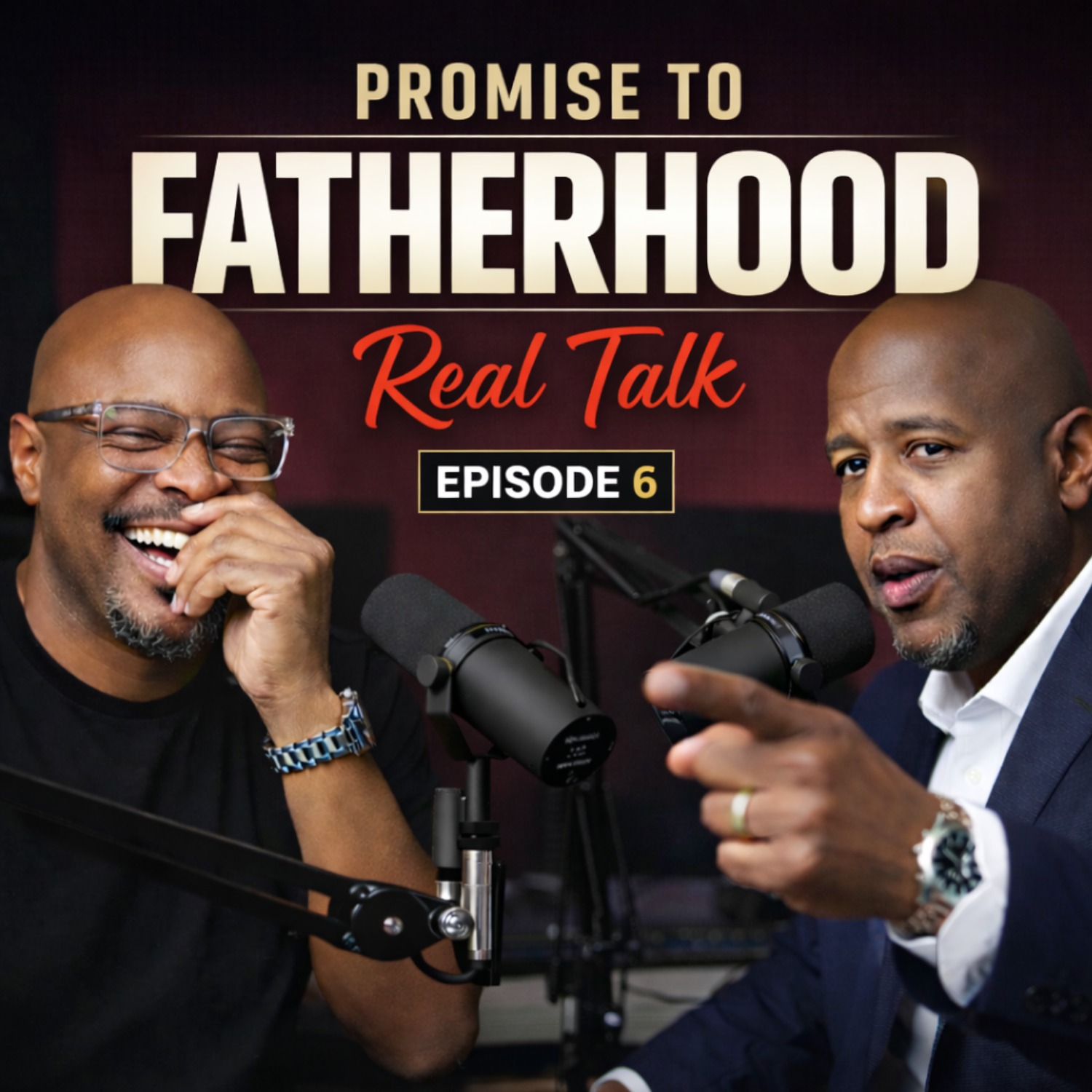
Loading summary
Transcript222 lines
- [00:01]
Narrator/Announcer
Dinner time. It's more than just a meal. It's when work comes to a halt, where macaroni masterpieces are made and little moments turn into lasting memories. With the Blue Cash Preferred card, you can get 6% cash back at US supermarkets so you can bring home the flavors that bring everyone together. We did say everyone make the special moments even more rewarding. Learn more@americanexpress.com Explore BCP terms and cash Back Cap. Apply with Blue Cash Preferred.
- [00:30]
Mick
Warning the following ZipRecruiter radio spot you are about to hear is going to be filled with F words when you're hiring.
- [00:37]
Narrator/Announcer
We at ZipRecruiter know you can feel frustrated, forlorn, even, like your efforts are futile. And you can spend a fortune trying to find fabulous people, only to get flooded with candidates who are just fine. Fortunately, ZipRecruiter figured out how to fix all that and right now you can try ZipRecruiter for free at ZipRecruiter.com Zip with ZipRecruiter you can forget your frustrations because we find the right people for your roles fast, which is our absolute favorite F word. In fact, four out of five employers who post on ZipRecruiter get a quality candidate within the first day.
- [01:13]
Rudy Rush
Fantastic.
- [01:15]
Narrator/Announcer
So whether you need to hire four, 40 or 400 people, get ready to meet first rate talent. Just go to ZipRecruiter.com Zip to try ZipRecruiter for free. Don't forget that ZipRecruiter.com Zip Finally. That's ZipRecruiter.com Zip hey, what's up?
- [01:31]
Rudy Rush
Welcome to the Power and the Punchline. This is where the power gets honest and the punchline actually means something. We talk leadership, culture, influence and real life. No fluff, no filters. I'm Rudy Rush. Let's get powerful.
- [01:47]
Mick
Ladies and gentlemen, we are here. Episode 6 of the Power and the Punchline. Rudy. People didn't think we'd get through episode two. Man. We're here at six now. How you feeling?
- [01:56]
Rudy Rush
Listen, you told me we wasn't going to make it this far, but we made.
- [01:59]
Mick
I did think we were breaking up after episode one, but you know, we proved that. We still good. We still good. Still family.
- [02:06]
Rudy Rush
We got a got a little fan base brewing too, man.
- [02:08]
Mick
We are climbing. We are chart ranking and it's all because of our fans. It definitely isn't us. I think, you know, hearing your personal stories, bro, that brought out something that people wanted to hear and see. So people wanted to get to know Rudy Rush behind the Scenes a little bit, man.
- [02:22]
Rudy Rush
Yeah, I had. You know, if you think that's something, you know, we got. We got some time. We're gonna be together for a while, so it's gonna be a lot more stories. You know, I got a couple of people from the comedy world call me about the Chris. Chris Rock story. And they were there as well, and they had the similar take because a lot of people don't know those. Those little nuances that go along with being a comedian.
- [02:41]
Mick
Yeah.
- [02:42]
Rudy Rush
How we protect each other or how we supposed to kind of look out. And there was a point that was made, you know, which I didn't know I was making. It was just a true story that kind of really turned people's opinions around about certain people and certain things. So, you know, we're doing our thing out here, servicing the community.
- [02:59]
Mick
Damn right we are. Damn right we are. And today I think we're gonna service a lot of people too, man. Today, I think, Rudy, we wanna talk about the reality of surviving childhood adversity and those experiences and breaking generational curses that people may or may not believe in. But I'm here to tell you that they're real. And, Rudy, I wanna start with this stat, bro. I didn't think it was the truth. I knew it was a big number. I didn't think it was the truth. But one out of every two. So 50% of US adults have experienced some form of adverse childhood experience, meaning whether it was a bad household, abuse, neglect, dysfunction. One out of every two, 50% of U.S. adults have experienced some type of what. Of what people would identify as an adverse childhood experience. That. That's according to the center of Disease Control and Prevention, which is crazy. And here's something that will blow your mind away. People that have experienced four childhood dysfunctions. Abuse, neglect, whatever it is, if you've experienced four of those, those are the people that are more prone to depression, addiction, chronic health issues later on in life. So. So your childhood and how you accept or not accept those experiences. Yeah. Have a lasting effect later on in life. And I know that that's not mind blowing to most people. Most people understand that. Yeah. But what got me, and what has me thinking is this, man, if one out of every two people that you see went through something in life, what that tells me, Rudy, is like one out of every two people you see needs a hug, man. And I don't mean that in a joking way. I mean, one out of every two people would appreciate just a solid hug. I got you. I'm here for you, man, like, when you hear those stats, how's that make Rudy Rush feel?
- [04:48]
Rudy Rush
Well, you know what's so funny? You know, we were talking about this. You know, people know we prep for these shows, and when we were talking about it, it was more just digging into, you know, how we're finding out things about each other as being, you know, like, you know, brothers and. And working with each other. It's like, yo, what have you been through? Or you hear a story. And I gotta be honest, I heard a story on your podcast, which is doing quite well by you, by the way. Mick Unplugged. But, you know, you had something on there, and I didn't know it about you. And that's the funny about life. You could be sitting next to someone and riding with them for years and not understand, like, they've been through some traumatic situation. Because we all kind of tend to think we are the only ones who went through what we went through. You know what I mean? I. You know, so, yeah, it's. It's a trip to kind of find out that, you know, and. And today we're going to dig a little deeper into it by talking about ourselves. But then there's some other situations that I've known some people or I have people in my life, like my younger daughter, she's going through something that I've never been through, a loss of a parent, at least not in my adolescent years. You know, I lost my dad in 2019. He was in his 70s. I was well into, you know, my 40s. But for her to lose her mom at 14, you know, it's a lot of obstacles involved with that and a lot more traumatic outside of just the norm, you know, the possible verbal abuse or things that other people go through. To lose a parent that was a close friend, There's a lot of barricades and things that I have to deal with that's very difficult. So I was real, real interested in just jumping into this topic today.
- [06:17]
Mick
I'm here for it, man. You know, I think sometimes talking about. I hate to talk about my past because I've kind of turned the page on a lot of those things. But sometimes talking through it is like therapy, you know, like, you know, I put you in therapy to talk about you and Steve Harvey, right? Like episode three.
- [06:33]
Rudy Rush
Yeah, you did that. Yeah.
- [06:35]
Mick
Episode three. Pound the punchline. Go check that one out. I'm ready for this therapy session. I have no idea. Cause I told you. Yeah, let's talk about it. But I was like, I'll be an Open book. This will be my therapy session. And I think a lot of people are going to get that out. So I'm going to let. I'm going to let Rudy ask me questions, get me to talk about certain things, and I'm going to do the same for him. And I think especially for men that are watching and listening, these are things we got to do, right? These are things we got to do. I'm ready for it, Rudy.
- [07:05]
Rudy Rush
Okay. So, you know, I was thinking about it, and more than just a question and more than just talking about it, I really wanted to kind of dig a little deeper. And if you're open to it, what you say you are, you know, I watch you. You know, you watch your friends, especially when you get older. And, you know, we have a special relationship. Not only you, my friend, my brother, but you're a mentor to me in the sense of like, you know, helping me understand certain things about, you know, I've been kind of knocking my head on this comedy wall and some radio stuff, like, I wanted to pivot and so that's where we are. But I'm watching. And not just because, you know, you're a friend. I really like you. You're a good guy to be around. And I watch you with your family and how you are with your wife. And when I saw that clip from your show, it disturbed me a little bit because I felt like I knew you better. Someone would meet you and think like, oh, this guy came from a good situation. He didn't have oatmeal, he had porridge, breakfast every day and, you know, great, great walks to school and conversations with family members. You know, I met your cousin. So you come from a tight knit, seemingly a tight knit community. You talked about your grandfather and I was just like, man, this guy had his grandfather that just kind of like, who was in charge of the family. So I thought you came from this background that in my world didn't ex exist for me. I knew it existed, but not for me. And so to hear you talk about how your mom went through these trials and tribulations which become three to four times more yours to see somebody you love like that as much as I feel and love for my mother, to see her to go through the things that she went through, she doesn't realize, even though that was her trauma, it was 20 times my trauma because to see her go through that. So I just, I guess I want to start with, you know, I know a little bit about your past, but dealing with your mom. Were you an only Child, you have siblings. Like, were you the only one witnessing these things going on with your mom?
- [08:53]
Mick
Let's.
- [08:53]
Rudy Rush
Let's go there. Like, in the beginning, when did it start, basically? How old were you? Or was it always present in your life?
- [09:00]
Mick
Yeah, man. So I. I can remember every day of my life from, like, the age of three, before I turned four. It's a weird. It's a weird thing, and I can't explain it to people to where they grasp it. And I don't mean moments. I mean, I can literally remember every single day. And growing up, I thought everybody could do that. And so I've been able to piece together who I am, how I got there, and all those things. But when did it begin? Like I said, I can remember every day of my life somewhere between three and four. And my sister was just born, so I have three siblings, so I'm the oldest. My sister's three and a half years younger than me, and my brother is 18 years younger than me. So my brother was born right before I left for college. So just to put some. Some paint on the canvas for everybody.
- [09:56]
Rudy Rush
Yeah, yeah.
- [09:57]
Mick
But my sister was just born. And I remember hearing my dad yelling at my mom, like, yelling. And I remember pounding. Right. Or thumping, like, thumping noises. And so at 3, like, I understood what that was. And I'm not gonna exaggerate and say every day, but weekly, that was a recurrence. Right. But I also knew as I got older, and it probably started at 10, or not probably it started at 10, that I couldn't let that be reality, man. Like, I couldn't let that be the norm because for the most part, nobody knew that it was going on. Nobody knew the. The abuse and. And, yes, physical. But I think what was more impactful for me was the emotional, the financial abuse that my mom went through. Like, my mom used to have the greatest smile. And I remember there were years that I never saw that smile.
- [10:53]
Rudy Rush
Wow. You know, and I'm, you know, not to cut you off, but as a. As a kid, you remember that. Those things so vividly. When a person turns off that light, you know, and they don't even realize it. And so, you know, to, you know, how long did your dad stay with you guys? How long before that abuse kind of came to a stop? Because when it stops in everybody else's mind, it still continues because the residual is still there.
- [11:17]
Mick
Yeah. So here's the crazy thing, and I say this in full sincerity, because I know that there are other people that this is going to click for. I Was raised in a two parent household, but raised by a single mom at the same time. Like my dad was physically there most of the time, all the time. But emotionally, mentally, fatherly. Nah, never there. Like I can count on one hand at max, seven fingers. Like true father son moments of like, I need to talk to you or whatever. I can count those, right. Shouldn't be able to count those. I can count those. So he was there, he just wasn't present. I think that's the right way to say it. He wasn't present. Right. And so for me, it was never one of those things where I had to figure out or we had to look to where the next meal was coming from. Like that was never a problem. Like I do have a close knit family, but I would say most people didn't realize it was going on or if they did, like it was, it was unspoken. Right. Like it was like check on them to make sure everything is good. Again, not from a financial standpoint, I think just. Yeah, from an emotional standpoint. Right. But in my neighborhood, we had one of the nicest looking houses. Like exterior yard, amazing, all that.
- [12:33]
Rudy Rush
Yeah.
- [12:34]
Mick
Inside it felt like prison, bro. Like inside it was cold. Like inside it was dark. When I think back to growing up on the inside of my house, like it just like the lights were off. That's what it's like. Dim and dark and gloomy.
- [12:48]
Rudy Rush
How would you describe your relationship with your pops? Like, you know, like sometimes when we have these people who are, you know, the abuser or the authority or the person that like everyone's in fear of. Was there a relationship between his oldest son and himself? Like, what was that like? If you could describe that.
- [13:05]
Mick
Yeah, I mean, he would probably say we had a relationship, but like me being on the other end, like we didn't because we didn't talk about life much, man. Like I was the kid that would go to football, basketball practice, my dad would be there and then I'd go home and have to have another practice because it wasn't good enough. I'd be the kid that scored four touchdowns in a game, scored 20, 25 points in a game. But what was pointed out was what I did wrong. And I'm real, actually, I appreciated that.
- [13:33]
Rudy Rush
Yeah.
- [13:33]
Mick
But that was every day for me, like that. Every day of pointing out where I could be better or what wasn't going on. And again, I, I didn't need it. Made me sharper, actually. Like I didn't need the pats on the back and, and I think that's what Shaped me today of not needing the pat on the back. Like, I'm. I'm so determined because, like, my dad made that of me. So if there was one good thing that he did, it was he made me the most competitive human in the world.
- [13:59]
Rudy Rush
Or maybe a positive effect of how he. Not so much his plan, but just the way that he was. Kind of molded you into a. And kind of made you stronger in ways because of what he did, not because he did it on purpose.
- [14:13]
Mick
Yeah, absolutely. But from a relationship standpoint, like, that wasn't there. And there were a lot of things, man. Again, I'm not saying that I went through things that people didn't go through. So my situation. By no means is this me trying to out situation somebody at all, because people went through far worse than I did, I can promise you. People went through far worse than I did. Like, my dad was abusive to my mom. And so at a young age, I started to understand emotional intelligence to be the benefactor for the recipient of that abuse. When I could, I started to understand what ticked my dad off or what would trigger him. And so I would just make sure that that acknowledgement went to me instead of elsewhere as much as I could. Couldn't control as much as you.
- [15:00]
Rudy Rush
Yeah, yeah, exactly.
- [15:01]
Mick
I could.
- [15:01]
Rudy Rush
Yeah, absolutely.
- [15:03]
Mick
So. So, like, if something was going on or I could sense that he's about to be upset with my mom, like, I would do something crazy, like, and my mom and sister are probably listening to this right now, and they're going to remember this moment, and for the first time, they're going to understand, like, the psychology of what went into this. But there was a moment where my dad was in a mood, and I'll just say it that way. And I'm probably 14, 15 years old, and I'm washing dishes, and I could see the thing building up in him. Yes. He's questioning my mom and sister on some things. And I'm like, no, no, no, no. I see where this is about to go. So I wash dishes and I purposely drop a glass and shatter it on purpose because I knew he was already. Was already agitated. He was already.
- [15:49]
Rudy Rush
Yeah, he was already getting mold. Yeah.
- [15:51]
Mick
And so I was like, all right, I gotta prepare for what probably is gonna happen. But I'd rather take it versus my mom and sister. Get it? So I break the glass and my dad flips out. Flips out. Like, flips out to the point where I'm like, 14, 15. Like, I'm. I'm not going to say I'm a grown man, but I'm a grown man.
- [16:08]
Rudy Rush
You're a big boy playing football, and.
- [16:10]
Mick
People need to know Jim like I am. I'm. I'm. I'm that dude. Right?
- [16:15]
Rudy Rush
Just for. Just for some context, because, you know, everybody sees the lovable, huggable Mick. Mick was that dude, man. I mean, you were getting scouted from colleges. You were. You know what I'm saying? You were fullback, which people who understand sports, that ain't no. That ain't no soft.
- [16:31]
Mick
Yeah.
- [16:31]
Rudy Rush
So you're built, coming into your own. And depending on how big or how small your dad was, you're probably comparable to his size. So that's bigger than my dad. Okay, so there you go. I would think so, but we never spoke about that. But yeah. So you're feeling that episode where, you know, hey, I'm a man, too. I'm coming into mine. And now you got this guy who sees you as a threat. Possibly. So how did that transpire? What happened after that?
- [16:57]
Mick
So let's just say I didn't stay in the house that night. Wow.
- [17:02]
Rudy Rush
Really?
- [17:03]
Mick
Yeah, like, there was no way that that was going to be able to happen that night.
- [17:08]
Rudy Rush
So where did you go?
- [17:12]
Mick
Went somewhere. I'll just say that. Like, I went somewhere, but it was one of those things, man, where it was like. I think that was the turning point for a few things. That was a turning point because, again, I would always do things like that. Like, I would always take the pressure off of. Of the household and put it on me because I was prepared for it. Right. Like, when you can prepare for a verbal assault, for a physical assault, like, it's never as bad as it could be. Not saying that it's right or that it's justified. It's just. That was my way of taking things off. My mom, my sister.
- [17:46]
Rudy Rush
So when you would take that focus off of them, would it get physical with you? Has your father gotten physical with you to the point where you guys are actually. Well, you know, you're coming into your own, but there's a respect that doesn't allow you to wrestle around with your dad. But was he, like, very, like, physical with you?
- [18:03]
Mick
Nah, Nah. Again, you get to a certain point where you start to mature mentally and physically, and you start to get some of that wisdom as well, too. So it's like, if you want to try it, we can try it, but I know what I'm doing to other people. You don't want that anymore. I just got off the air.
- [18:21]
Rudy Rush
I'm ready to rumble.
- [18:22]
Mick
Yeah, yeah, yeah, yeah. To Everybody watching. I wasn't always the smart, in your face kind of guy. Like, I was never a bad kid, but, like, I had to pretend.
- [18:30]
Rudy Rush
You don't have to explain. You were out there. You know, some of our greatest heroes played on the gridiron, and we understand, like, Walter Payton or even someone like Ray Lewis, you know, there's a switch, and if that goes off in the house, that's a different switch to deal with.
- [18:44]
Mick
Right, right. And so it would be more just like, verbal chastising a lot of what he thought was emotionally abusing me, I would say. Like, he thought he was like, you're not. You're not worthy of this, or you'll never be as good as this or all that. But again, I didn't care. Like, I knew my purpose.
- [19:05]
Rudy Rush
Yeah.
- [19:06]
Mick
But. But going back to a little bit more, man. Like, for people to understand me, like, those that know me know that I rarely sleep. Like, rarely. But here's why. Because a lot of times my dad worked, like, third shift. For those that don't know, that was, like, nighttime. That's like 11:00am to. I'm sorry, 11:00pm to, like, 8:00am Right. Like, that's the third shift. Right. So my mom would, like, cry at night and, like, almost cry herself to sleep. And so I would feel like if I stayed up and I would sit by my door and she knew that I was there with her, even though I wouldn't physically go in the room every time. Cause, like, some nights my dad didn't work at third shift, so he'd be in the room, too. But, like, I wanted her to know that I was there. And so I would stay up until the crying stopped, man. Like, I wanted, like, if my mom's going to suffer, like, I want her to be by herself. And so it was just natural for me to just stay up, sleep, like, fall asleep for maybe two hours. Right. Just because I wanted my mom to be safe. Or if something was going to happen with my dad being home, I needed to create that distraction. Right. That diversion. And so, like, I just. I just stayed up. Like, I felt it was selfish to go to sleep if harm could be had.
- [20:18]
Rudy Rush
Yeah. And did your mother know that you were doing this? Like, did she feel like you were her protector or. She had no clue.
- [20:24]
Mick
I mean, there were certain things that she felt, but, like, the little things, like, she's probably hearing it right now for the first time. Wow.
- [20:31]
Rudy Rush
Wow.
- [20:31]
Mick
In that sense.
- [20:32]
Rudy Rush
And your father, you know, was there a time where he would, like, you know, because this is. And I Hate to call it the villain syndrome, but villains are very intelligent too.
- [20:41]
Mick
Of course.
- [20:41]
Rudy Rush
And what I mean by that, did he ever sense that? I see what my son is doing now. He feels like he's protecting the house. He's protecting his mother and his sister from warning.
- [20:51]
Mick
The following ZipRecruiter radio spot you are about to hear is going to be filled with F words when you're hiring.
- [20:57]
Narrator/Announcer
We at ZipRecruiter know you can feel frustrated, forlorn, even, like your efforts are futile. And you can spend a fortune trying to find fabulous people, only to get flooded with candidates who are just fine. Fortunately, ZipRecruiter figured out how to fix all that. And right now you can try ZipRecruiter for free at ZipRecruiter.com, with ZipRecruiter you can forget your frustrations because we find the right people for your roles fast, which is our absolute favorite F word. In fact, four out of five employers who post on ZipRecruiter get a quality candidate within the first day.
- [21:33]
Rudy Rush
Fantastic.
- [21:35]
Narrator/Announcer
So whether you need to hire four, 40 or 400 people, get ready to meet first rate talent. Just go to ZipRecruiter.com zip to try ZipRecruiter for free. Don't forget, that's ZipRecruiter.com zip Finally, that's ZipRecruiter dot com zip from me.
- [21:52]
Rudy Rush
How dare he? Did he ever. Did it ever click or did he ever respond to that? To that new role you've taken on?
- [21:58]
Mick
Yeah, it definitely happened. And again, this is like first time anybody's hearing this. Like, you know, my brother edits our show, so he's about to hear this for the first time too. Right? So because he wasn't born then when this.
- [22:10]
Rudy Rush
Yeah, he wasn't around.
- [22:11]
Mick
Yeah, you so not, not to, not to knock religion or Christianity, because I'm a believer myself. But you know, there was a time where my dad was saved. Right. We'll just say it that way. He got saved and then he immediately wanted to be a minister, a preacher. And in my mind I'm like, wait, you just got saved yesterday. You can't tell somebody something and we don't know if you really, really. But anyway, again, not knocking it out. I don't mean to be funny, but then there was a moment where he went back to his old self. Not, not, not anything major happened or whatever, but it was enough that I'm 16 at this point. It was enough for me to put my physical stamp down. And while nothing physical Technically happened. We both knew that if he was gonna be the man of the household, then I needed to leave because I was like, hey, I'm that dude, right?
- [23:05]
Rudy Rush
Yeah.
- [23:05]
Mick
Like, there's gonna be no more. Like, I finally got up enough because I felt like, if you're saved now, like, we can have an intelligent conversation.
- [23:13]
Rudy Rush
Absolutely.
- [23:15]
Mick
So there's gonna be no more of the abuse. Like, none. And I'm not talking about, to me, like, just in this household, there's gonna be no more. He and I are having this conversation.
- [23:25]
Rudy Rush
Yeah.
- [23:26]
Mick
And he just kind of looked at me and was like, well, you do know that this is still my house. And I was like, if that's what you want to say, because you pay the mortgage, cool. But there's still going to be no more of this, that, and the other. And so we agreed that I shouldn't be there then. And I made a point that that's fine, but those two. And I was talking about my mom and my sister. It's just going to take one call. I promise you it's going to take one call. And so I went to go live with my grandparents. And so there's. There's family that are hearing this for the first time that never understood why. Why that happened. Wow. Because I probably. I made up a story. But, no, that's the truth. We couldn't be in the same household because I was not. And I'm looking in the camera. I was not going to allow anything to happen. I can promise you to this day, I will not allow anything to happen. And so that became the dynamic man of just of. Of me. And so, you know, I've told this part of the story a little bit. Like, in order to change the curse, right. Of what that family was going to be, I had to be the best at whatever it is I was gonna do, man. So, like. And I knew that at 10, like, I was gonna have to be the best student. I was gonna have to be the best, whatever it was to change lives. Like, if that meant being an actor, a singer, an athlete, like, I was going to have to literally be the best because that was the only way that I could guarantee that I could change it. Right? And so I was. I was competitive to have felt like people hated. I shouldn't say hated me. They just knew that if I was around, like, okay, you gotta come and get it. Nick's here to play it. Like, there's no, like, hey, we just gonna do this for fun. Like, nah. Like, if they're keeping score, I'm Winning. If there's a grade, I'm making a hundred. Right. If there's a valedictorian, if there's a highest accolade, I'm doing it. And I think, I hope now that people, as they hear this story, understand it was never about me. And people that know me know, like, there's never been an instance of life where anything has been about me. The only way that I knew how to be the best, which meant that I could get a scholarship, which meant that I could get the job, which meant that I could start the business, which meant that I could go meet whoever. The only way that I could be the best was nobody could say that they were better than me. Yeah, like. And I had to make sure that no one could say that they were better than me. And again, it wasn't from an ego standpoint. It was just the fact of. Now we're going to talk about the realness of life, being a young black man, right? Like, if I were not the best, there might not have been an opportunity. You can't deny an opportunity to someone that is clearly the best at whatever it is that they do.
- [26:04]
Rudy Rush
You can try, but, yeah, you'll. You'll wind up coming back to it. But like you said, chances are, if you're the best, you're going to go through every door that requires you being that, and you had to be that.
- [26:15]
Mick
And so that was the method to my madness, man. And so I left. My parents stayed together. Then my brother was born, like, right before I left for college. And so then that added to the fact of I gotta be the best and I gotta protect and I've gotta be. Now that we're talking about breaking generational curses, like, I knew how to handle things, but with my brother, obviously, brother being a male, I had to make sure that now I was setting the legacy for our last name. And I wanted to make sure that he understood that anything that he might see in the household he doesn't need to take as a defining thing or defining moment either, even though I'm away. So my brother early on was. I treated him like my son. And then he was my best friend. You know what I mean? And so that's the relationship that we have. And same thing with my sister. Like, my sister, I treat her like a daughter, and now she's like my best friend. And so to me, that's what everything. Even my mom. Like, I never saw my mom as my mom, which is totally weird. I saw my mom as the closest thing to me that I Had to protect.
- [27:19]
Rudy Rush
Yeah.
- [27:19]
Mick
Just so happened. She was my mother.
- [27:21]
Rudy Rush
Yeah. Yeah.
- [27:22]
Mick
But, like, even today, like, I talk to my mom sometimes, like, she's my child. Like, hey, but it's all about not just breaking what could potentially be a curse or a standard. It was destroying it, bro. Like, not just breaking a curse, because things that are broken can be put back together. Right. I had to destroy that so that the name, the last name that me and my brother now share had to mean something for everybody else.
- [27:50]
Rudy Rush
So I like that you. You know the story and how it's arcing. But, you know, one twist I wanted to give you, and I don't know if anybody's ready for it myself, I had to deal with it, and I'm dealing with it now. I talked about it earlier, but you're a father now. You're a husband. And, you know, there's a small alleyway where your past and your future meet. And that means the man that you decided to be when you were going through this traumatic situation with your dad and now the man that you are becoming. But this situation that you're becoming is now filled with trials and tribulations and the kids with opinions of you, and the wife with opinions of what you are and who you are and how you treat her. What difficulties, if any, did you come across, like, dealing with your kids now and how is that relationship? Or did you ever have to go back into that time machine and give your father some grace? A little bit of a. Not completely, and I need to know that, but you know what I'm saying. But was there any time that you, as a parent, had any struggles and you look back and said, you know what, man? It's tough. I'm handling it this way, different than my dad. But at the same time, I understand that there was a way to handle it, and this is what I learned from that, and it made me a better guy. And thank you, dad, for that, as bad as it was.
- [29:10]
Mick
So I can say there's never been a moment where I've been like, thank you, dad. Like, that I can promise. But there have been moments for sure where I have to make sure I don't do what he may have done. And again, here's the crazy thing. I haven't talked to my dad in a while, but if he called, I'd pick up the phone, and vice versa. Like, if I called him, he'd pick up and we'd talk, and we would have good conversations. Like, the weird part is, like, I'm not gonna say forgiveness because I think that's what people want to hear.
- [29:37]
Rudy Rush
Yeah.
- [29:37]
Mick
Like, it's not really what you feel, but we can have conversations, right? Like, when my dad and I talk, like, it's never anger or anything like that. Because, again, I'm not saying I've forgiven him. I just. I've moved on. Like, my mom's good now, my sister's good now, My brother's good now. So if they're good, I don't have to go live in that past. We talk, right?
- [29:58]
Rudy Rush
Yeah.
- [29:59]
Mick
So what did I do? Like, with my kids, it was just more being emotionally intelligent to circumstances and situations. Again, like, you know, I'm huge on emotional intelligence, right?
- [30:10]
Rudy Rush
Yeah. Yeah.
- [30:10]
Mick
So for me, it's twofold. It's my emotional intelligence, but then it's also making sure that I'm not doing something from the past, because genetics are genetics, like biology is biology. So I have to make sure that I understand if something I'm doing or saying is natural. Is it. Is it genetic? And is that a good gene or is that a bad gene? And if I perceive it as a bad gene, how do I do it differently? So, like, there were moments, like, I made sure that I was a much better father than my dad was, which meant that I talked to my kids more. I talked to my kids like adults from day one. I raised them like adults from day one.
- [30:50]
Rudy Rush
Yeah.
- [30:51]
Mick
I can honestly say, like, I. The one thing that I remember changing was I remember spanking one of my sons and then realizing, why am I spanking him versus talking to him?
- [31:02]
Rudy Rush
Yeah.
- [31:02]
Mick
And so then I never spank my kids anymore. Yeah, that's.
- [31:05]
Rudy Rush
That's. That's a real moment. And it's funny you mentioned that, because I had that moment with my youngest, who, you know, I have two girls, and I never spanked either one of them because I just felt like one. A man spanking a girl is just crazy. But that little one, she pushed it. She. Like, it was potty training time, Mick. And, you know, she was told to just be, you know, mindful. Just tell daddy you gotta go potty, man. She sat on my brand new couch and looked me right in the face and just let it go, right? And I was like. I went and got a belt and every bit of. And just to see her face when I just was about to, you know, And I wasn't gonna hit it, but I wanted to put the fear of God in it. And I did. And it took everything in me not to go somewhere and cry. Cause I saw my child and I saw myself who was beat regular as a kid. And I was like, I would never put my hand on either one of them. So, you know, you grow up and you have these moments and I'm saying to you, like, you know, your kids, you know, you're giving them that emotional support and that understanding, being a listener. But have you ever hit any walls with your children to make you feel like, man, you know, there's gonna be a misunderstanding between a parent and a child, especially when you're trying to create rules and regulations and standards?
- [32:20]
Mick
No, I mean, again, I would say, because I talked to my kids like they were adults, I raised them like they were adults, and they still gotta be kids. So I'm not saying I was like Jim Jackson by any stretch of imagination. It was a great environment for my kids to grow up in. But I would explain things. So like, if I told them no on something, I would explain, you know, like, we grew up, right? You ask your parents something and it's like, no. And you're like, why? The answer was because I said so.
- [32:46]
Rudy Rush
Yeah, that's right.
- [32:46]
Mick
And you accepted it. So I would explain the because I said so rule. And sometimes it was like, hey, if I say yes to everything, if I condition that you ask, and I'm always gonna say yes, you're just gonna start assuming things. So we gotta create these boundaries of you can't ask for everything that you want, but if you are, then explain to me why it's important. So like, there are criteria when you ask me for things now. So that was there. But I would say the walls. And I would say this is for every parent I think goes through this. Cause I wanna ask Rudy this question too. I think the walls start to become as your kids get older, right. And even though you talk to them as adults, but now they can really think like adults or, you know, they have vehicles now or they want to go places that aren't just spending the night at Timmy's house.
- [33:34]
Rudy Rush
Right? Yeah, yeah.
- [33:35]
Mick
Or Jennifer's house. Right. Like now they want to go on a four hour weekend trip with somebody or, you know, they want to fly across whatever. And like, you got to have those. And so I think if there were walls, it was just me internally saying, is this okay? Like, I know I would have never been able to do this. I probably never wanted to do this, but because my kids want to. Like, at first it was always like, heck no, you ain't going to. When you lived in South Florida, you're not going to Atlanta for the weekend. Like, I, I remember Freakmeat, right? Like I remember shout out to freakmeat. But anyway, yeah, I remember what went on and that was a long time ago. I can only imagine what happens now. So for me it was those walls of just accepting the life changes. And how do we go through when I gotta say no for a valid reason and it's gonna break your heart. But again, every parent goes through that. Yes.
- [34:30]
Rudy Rush
Yeah.
- [34:30]
Mick
And you with girls. So now I'm gonna flip it to Rudy. You with girls, man, what is that like when they. When it's like, hey dad, I wanna go over to Susie's house this weekend. And you know, Susie's parents ain't like Rudy Rush and Susie's parents sometimes home, sometimes not. Susie's parents like to party too. Like, what is that like when you have girls? Cause my oldest is a daughter. But you have two girls, right? What is it like when they get to that point where it's like they don't want to play with the dolls anymore? Nah, they don't want somebody to come over for the day or the weekend. Like they want to go do something. And you like, wait a damn minute.
- [35:06]
Rudy Rush
Well, I'm going to be honest with you. It's tough. You know, one of the things I used to look at other parents and I would reach out to these other young ladies because my daughter, she's n. And she was with me from the age of 16 because, you know, when her mom passed when she was 14, you know, we struggled for the custody because she didn't want to leave where she was from. And all these people who were her mother's friends and she has an older brother, but to get her and to have that 16 year old who has friends, and these girls would come and congregate at my house, at our house. And you know, I would never allow Ryan to go somewhere where there was a male presence solely. So there was a huge undertaking as far as me feeling comfortable and helping her understand. Like, listen. So I used to cut off walls. I'd be like, hey, I'm gonna get my food and I'm gonna have my stuff and I'll be in my room. Unless of course, you absolutely need something from me. I'm not coming out. So you guys can have the living room. But I would also, you know, call the parents and be like, hey, your daughter's over here. And I would always ask where you're going, if she was going somewhere, who's gonna be there? And stuff like that. So with girls it was very tough. I got a nine year Old. So I'm easily, you know, I come to school with half a shirt on and they be like, dang, your dad's gone, I'll be in there. Like, yeah, you know, them kids are scared of me. You know, you can start early that way, right? But the oldest, she dated a couple of guys. She liked them, and I always made her feel comfortable. Like, yeah, you know, he can come sit in the living room or he can come meet me or whatever if he gets to that point where you like him that much. And so, you know, I tried to make my oldest feel like, you know, I'm your friend, but I'm a guy who you can come to. I know you're going through a lot with not having a mom. And that was another thing. Like, you know, moms can get all the boyfriend talking like, oh, he's cute and he's this and he's that with me, you know, I was trying to give as much of it as I could, but I also needed to be that protector too. So I'm like, well, where's he gonna. You know, One time they went out and the kid decided he wanted to change into his basketball attire, you know, whatever. And I didn't like that. And I made it be known because it looked totally different to a dad. Like, why your clothes off? You know, why is your clothes chang? You know what I mean? That was a moment and I had to trust my daughter in her explanation. She didn't like giving it to me, but she had to. So, yeah, with girls it's extremely tough. And like you said, I tried not to be like either one of my parents because I grew up like yourself, in a similar situation with abuse. I didn't have my dad in the house. He was adjacent, lived in the city that I lived in. But, you know, my parents broke up before I even turned one. You know what I mean? I was a ten pound baby. My pops couldn't follow that. He was like, yo, I'm out of here. Ten, you know, ten pounds. I don't know, you know what I'm saying?
- [37:51]
Mick
But.
- [37:52]
Rudy Rush
But yeah, I totally get everything that you just said. But the funny thing, like I said, to go through things and to see people like you go through it. I had a cousin who lost his mom at the same age my daughter was. So I'm very blessed to see people have to go through things that I went through because I thought I was by myself for so long. But you said something very important in the beginning. You really acknowledged all of that. You've been through. There were people who went through far worse. People who have gone through major, major levels of abuse, physically, emotionally, and otherwise. And you count your blessings and you put that time machine. You close the door and you're moving forward. And that's what people need to understand. And I like that about you because that's the part of my life that I had to rediscover to close those doors and let go and talk to my mother now about the things I was uncomfortable with. And we had to talk recently, and for the first time, she took it different than just defending herself. She listened and she came out later and we talked about something else. Usually she'll shut down. I won't speak to her for a few days. You know what I mean? And I thought that was a beautiful thing to be able to do that. So, yeah, man, it's tough, bro.
- [39:04]
Mick
It is, it is. But it also makes us stronger, right? It makes us. It makes us not just stronger, but also reflective. I think for me, I'm definitely much more reflective. I pay attention, I make sure I'm present a lot. Shout out to Damon John on that one, who literally told me the best value that I could have in life is being present.
- [39:28]
Rudy Rush
Yes.
- [39:29]
Mick
Your family, your friends, your coworkers, your team, being present. Because you never know how far that goes.
- [39:36]
Rudy Rush
Yeah, no, absolutely. You know, like, I'm going through some things now, and I know I'll be on the other side of it as long as you stay diligent and, you know, but the present part is hard because I think, you know, that's the thing I learned about the difference between my father and I, you know, he just took it as an opportunity. I'll get to it. Like, if she's. If this is keeping me from my children, I'll get to it, you know, or when they get older, I'll get to it. And sometimes that's not promised to you because people's change. So when your child is of age now you got another barricade because they don't want to speak to you because of you not trying harder to kind of get to see them or whatever. So I do every and anything I can with the resources that I have. And, you know, fatherhood is. It's a privilege, man, to be in a fraternity, you know, of. There's guys out there who can't have children, who don't have children, you know, who want them just as bad as we say, you know, we take it for granted. So, bro, yeah. But when I saw your story, I was very intrigued. Because you come across, you know, as, you know, as you do, you know, you're very welcoming. And I'm like, man, this guy comes from a great place and he's got.
- [40:46]
Mick
A. Yeah, I'm gonna interrupt you. I'm gonna interrupt for everybody. What Rudy is saying is he thought I grew up, like, in the Huxtable household.
- [40:54]
Rudy Rush
I thought she was out of household.
- [40:55]
Mick
Rudy was.
- [40:56]
Rudy Rush
I thought you was cockroach, bro.
- [40:57]
Mick
Right, right. Rudy thought I was cockroach. Right. Rudy thought I was the dude that, like, had it all. And again, when what we went through, like, it wasn't financial. Like, we. I'm not saying we were rich by any stretch of imagination. Like, if, you know, my grandfather, like, he was not gonna let any of his children or grandchildren not have food. Like, we. We grew up on a farm, right? So, like, like, food was not a thing, but it was just the emotional support, the financial, the emotional abuse that, that we, that we went through. But yeah, yeah, Rudy thought I was Mick Huxtable. That's what he's really. Yeah.
- [41:30]
Rudy Rush
You know, and, and, and, and, and, and. But I knew there was a down to earthness to you, that you could see things in me, which, you know, I tell people, I play the story back. And it's amazing how we became friends and now we work together and how all the things had to click in order for that to happen. But, you know, before that, I was saying, you know, these affirmations about being in the right place at the right time. And I was with. In regards to our, you know, relationship now. So I just feel like, you know, as we grow, man, and help people understand that they can kind of open. I like this about the show because we not out here bashing or just talking about this craziness. We kind of just getting to a point where people need to sit black, white, or whatever. They're going through it. Like you said 50% people. That's everybody.
- [42:14]
Mick
Everybody needs a hug, man.
- [42:16]
Rudy Rush
Everybody needs a hug.
- [42:16]
Mick
Everybody needs a check up from the neck up. And you never know what people will appreciate, man, just to. Hey, I see you. I text you every once in a while, like, hey, I see you, bro. Sometimes it's just on my heart to just let you know that you're seen because a lot of times we need that. Like, you message me every day, like, just, hey, man, just. Just want to put a smile on your face right now.
- [42:39]
Rudy Rush
I got to tell everybody too. There was. And I got to thank you. I was going to thank you afterwards, but, you know, there was A time, like, there was something going on, major things in my life, and I was just like, yo, Mec, tell me it's going to be all right. It was like a scene from the Titanic. Tell me it's gonna be all right, brother. And you know what? You was like, man, bro, I got you. You know what I'm saying? And that was the beauty of, you know, you inviting me into the circle and stuff like that. And I appreciate you for that, man. But, you know, that's another thing. Like, you know, we use the words. We use some words that are not used, not only in the African American community, but in the fraternity of men. You know, we would both be like, yo, man, I love you, brother. And I mean that, you know, with everything. And I try to, you know, I got a cousin, and they not used to saying it. So I make sure I say it every time. Every time we talk, we have great conversation. I'm like, yo, man, I love you. He be like, oh, man. Yeah. All right. See you later then.
- [43:33]
Mick
Nah, it was for everybody that's watching or listening, man. So again, when Rudy and I first, like, exchanged numbers, we chatted, we talked or whatever. About two weeks later, Rudy sends me a text. Hey, is it gonna freak you out if I tell you I love you? And I was like, well, you just sent it to me, so I.
- [43:50]
Rudy Rush
All right. Yo, man, let me tell you, if.
- [43:51]
Mick
I don't respond, you'll know the answer.
- [43:53]
Rudy Rush
You ain't got to tell the people that you know. But, no, no, seriously, man. Cause I've. I'm a person who. I've got a. I've had a great journey in this life. You know, life is short. It gets. It's shorter the older you get. You know, you realize. But, you know, it's been an awesome ride, and I had a lot of great experience and a lot of great people in and out of my life. And, you know, to acknowledge them is to say, like, even though we work together and that's cool, and it'll bring us a lot of great. But the friendship more than anything, you saw me, and I can count on my fingers, the people who actually saw me not saw something that they can gain or who saw me as a person. So that's the reason why, like, I rock with you, bro.
- [44:36]
Mick
Rock back with you. I rock back with you.
- [44:37]
Rudy Rush
Yeah.
- [44:38]
Mick
Yeah. So, you know, we kind of dominated the episode because we had a full run of show that we were gonna do, right?
- [44:44]
Rudy Rush
Yeah.
- [44:44]
Mick
But I know everybody's, like, looking at their watch right now, like, how Much longer Rudy and M. But. But the famous segment, the segment that everybody tunes into is Rudy's top five. All right, so again, this top five, who. Who we gonna have sponsor the top five today?
- [45:00]
Rudy Rush
So, you know, I called Damon John. He don't answer the phone as quickly for me as he does for you, even though I knew him back in the, like, early 90s. But anyway, damn this one.
- [45:10]
Mick
Hey, FUBU and FUBU suits. Because when y' all see me on stage, 70% of the time, I am now in a FUBU suit. So go check out FUBU suits. Go check out fubu. How about that?
- [45:21]
Rudy Rush
Yeah, a lot of people didn't know those fubu. Those FUBU suits are nice, too. Nice. I like the. I like the navy.
- [45:26]
Mick
Hey, those FUBU suits are nice.
- [45:28]
Rudy Rush
Great.
- [45:29]
Mick
Amazing quality.
- [45:30]
Rudy Rush
No, absolutely.
- [45:31]
Mick
And look sharp.
- [45:33]
Rudy Rush
Absolutely. So, you know what? Speaking of sharp, we just had an interesting Super Bowl. Everybody watched this Super Bowl. But the biggest super bowl thing is, of course, now the halftime show. Who's gonna. Who is Jay Z gonna give the nod to? Blah, blah, blah. There's a lot of controversy. But I was thinking in that theme, what were the top five. Top five super bowl halftime moments of all time? Ooh.
- [46:00]
Mick
Okay.
- [46:00]
Rudy Rush
Yeah, yeah. So I compiled a list. And, you know, you may like it, you may not like it. Bad Bunny's not on it, but he did his thing. You know what I mean? It was shout out to Bad Bunny. It was very. That was the most culturally interesting halftime show of all time.
- [46:14]
Mick
Very.
- [46:15]
Rudy Rush
Put that in the category by itself, but I got the top five here. Started with number five. I don't know if you like her. I love her. She's the cutest thing. Katy Perry. I don't care if you don't like her or whatever, but her halftime show was decent. There was some. Some controversy with the Left Shark out there doing whatever it wanted to do, but that got more attention than her. But I've actually met her in person when I did some touring with the Leatherneck the Marine Tour. She was. Was actually on the same tour.
- [46:43]
Mick
I like it.
- [46:43]
Rudy Rush
Yeah, yeah, yeah. So shout out to Katy Perry. Now we get real. Number four, your man Prince. Prince is number four, and you're gonna understand why he's number four.
- [46:52]
Mick
No, I'm not.
- [46:53]
Rudy Rush
But Prince is number four. And on top of doing Purple Rain and making it rain, you really can't get no higher than that. The only other Rain act that was topping that was Diana Ross in Central park, but that was back in the 80s. You kids don't know about that. But she's the true diva. She did the show in the rain in Central park in New York City. So that was live. But yeah, Prince in the purple rain. Big shouts out to him. And number three for every blue blooded American man in the world. I don't care. She got in trouble for it. Didn't get a chance to be and you know, almost got canceled. But Janet Jackson and Nipplegate. Nipplegate was. I'm sorry, that's number three on the list, bro. That top Prince. I'll rewind that tape.
- [47:36]
Mick
Every other. See, see, that's a personal performance. We talking about great halftime.
- [47:42]
Rudy Rush
It's my list. It's my list. Number two. This is a tough one because number two and number one, they can either flip flop, but number two, I got my girl, Whitney Houston. Whitney Houston's halftime performance, when she sang. Oh, actually, you know what? She was so good. It wasn't even a halftime performance.
- [47:59]
Mick
I was about to cry.
- [48:00]
Rudy Rush
It was the beginning of the show. It was the national anthem. Let me go to the list.
- [48:05]
Mick
List.
- [48:05]
Rudy Rush
But I'mma put her in there anyway because that was one of the top super bowl performances of all time. So much so I think if you look it up and we'll have the stats because my man is stato. He get all the stats. Mick Hunt get the stats. I think that's the only song or the highest selling song that they made until like they pressed that joint and made that live performance available as an album.
- [48:30]
Mick
Album, absolutely. And it's the. It's the rendition that most people sing now too, when they perform like they perform the Whitney Houston rendition of that.
- [48:39]
Rudy Rush
The only one I feel is a close second is Marvin Gaye doing the star spangle on that. It's not halftime, but number one on the halftime list is the man who started the halftime performance on a high level for the super bowl is none other than MJ himself, Michael Jackson and his unbelievable performance topping the ratings on A Living Color that started to kill the super bowl halftime show. So big shouts out to everybody on the list. That's my list. Shout out to Bad Bunny. Shout out to Jay Z, who's on the committee. I don't know who will do it next year, but it's getting kind of weird over there with all of these allegations with Epstein thing. I don't know if anybody's gonna be around to be anywhere. Yeah. But anyway, I digress. That's the top five, baby.
- [49:27]
Mick
I mean, I have questions, but it is your list and I. I respect your list.
- [49:32]
Rudy Rush
You can ask the question what up?
- [49:33]
Mick
I mean, Prince, Purple Rain, in the Rain. I. I just don't know how. That's my listen for you.
- [49:39]
Rudy Rush
For you. I might move him to number two since I made a little blunder and made Whitney Houston number two when she was really. But though top. Those are the top five performances. So I still put her up there, but Prince behind Janet. I'll flip flop that for you. We gonna put Prince number one.
- [49:56]
Mick
Like, I, I bet. If I were to ask you what, what five songs did Janet say? You can't tell me anything except I.
- [50:05]
Rudy Rush
Couldn'T tell you one. I just remember that time I could barely tell you who pulled it, who pulled the shirt off, but I know it was Justin Timberlake. I might say Justin Bieber if you get me in the wrong conversation.
- [50:16]
Mick
See, see, see?
- [50:17]
Rudy Rush
Hey.
- [50:19]
Mick
So Rudy's top five shout out to fubu. Fubu suits everything for that thank you I'm about to give you. So I'm on the fence. I'm gonna let Rudy determine which Mount Rushmore he wants me to give because I'm going back to the topic. So I had thought through a Mount Rushmore of TV or entertainment father figures. Or I could give you the Mount Rushmore of the father figures in my life. Wow.
- [50:44]
Rudy Rush
Why don't you do this? Why don't you give us both at the same time, one from them and one from the other. You get. You got time. We got time for that. We could do it.
- [50:52]
Mick
All right, so we'll go two Mount Rushmore's the Entertainment Fathers. And there's some categories.
- [50:58]
Rudy Rush
4, 3, and 3, 2 and 2. So. And so.
- [51:00]
Mick
I bet. Bet. And again, these are in no order. Entertainment father. So that Mount Rushmore man. We gotta go with Uncle Phil. Philip Banks gotta be on there. Yes, I think Philip Banks is a solidified father figure.
- [51:12]
Rudy Rush
Uncle Phil is definitely on there, right?
- [51:14]
Mick
Uncle Phil was everybody's uncle for a moment.
- [51:16]
Rudy Rush
Everybody.
- [51:17]
Mick
Everybody's uncle Mount Rushmore in my life. So the other Mount Rushmore, I'm gonna use my grandparents as a figure. So Collis Jackson, Molly Jackson, Cora Sutton, like that. Grandparents on that list. Okay, going back to the entertainment side. Carl Winslow. Carl Winslow.
- [51:37]
Rudy Rush
Now, Carl, I'm gonna give you that, but there's a few others I'm gonna see. Who else is on that list. Cause you only got two more after Carl wins. Winslow. Yeah. Now, Carl was a. Was a strong father figure. Definitely had a city, a good city job. Everybody teeth was straight in that house. He had benefits.
- [51:56]
Mick
Yeah. Benefit. He had benefits.
- [51:59]
Rudy Rush
So he, he was A great provider. I don't know if he was on Uncle Phil's status, but, you know, we'll see who else you got coming up and then we'll. We'll decide from there.
- [52:08]
Mick
Yep. Yep. The fathers that shaped me. This is personal. This is family. My uncle Waymond Jackson, that photo right there, he is that cool uncle that everybody has. That relevant uncle, just always shows up for everybody, for everything.
- [52:26]
Rudy Rush
Smooth cat.
- [52:27]
Mick
He is that dude, man. Like, my Uncle Waymond is that guy. So Uncle Waymond on the Mount Rushmore of my life, Entertainment Mount Rushmore. I'm about to go crazy. Rudy's about to hate me. But Mr. Brady, the Brady Bunch, bro.
- [52:41]
Rudy Rush
He.
- [52:41]
Mick
He had a household, bro. Like, he had. He had some kids, bro. Like, and they was old and they all stayed in the household. Like, even when they were supposed to be in college and all that. Like, everybody was there.
- [52:52]
Rudy Rush
Nah, man, nah. Let me say I. You could. You could replace him with Tim, the two man tail, if you want to. That's an interchangeable position. The one if you're gonna put the dad from the Brady Bunch. I like my mike. But then if you notice, because I know this Mount Rushmore has to do with your personal life as well. I see where it's gone. But in his personal life, he really wasn't into Carol. And I' ma leave it there for the rest of the listeners to figure it out.
- [53:17]
Mick
No, I mean, we, we talked about Carl Winslow too.
- [53:20]
Rudy Rush
But anyway, Uncle Phil too.
- [53:24]
Mick
Right, right.
- [53:25]
Rudy Rush
Okay, I. Let's move on. What's your next family?
- [53:32]
Mick
On the personal side, man, like, everybody that knows me knows what this guy means to me, but he's taught me so much in just how to be not just present but available is Damon John. Man, I like Damon so much in my life and shaping who I am as a father. Just. Just amazing, you know?
- [53:50]
Rudy Rush
You gonna have to get his schedule though. Cause he's scheduled for like four or five other Mount Rushmores. You're gonna be like, I don't know if I can make your Mount Rushmore because I got about four or five other ones, but that's a good choice.
- [54:00]
Mick
Yep, yep, yep. And then on the entertainment side, it's entertainment Mount Rushmore, man. I've been on the fence. I've been on the fence. Cause there's some people that I should go on there that I can't go on there just because I'm not trying to be canceled by any stretch of imagination. And I'm. I'm gonna say this one just because he had to deal with a son. With, with, with. That was crazy. But Mr. Drummond, bro, Mr. Drummond adopted two kids.
- [54:32]
Rudy Rush
Yo, that was a wild card right there. But that good one, Mr. Drummond. Yes.
- [54:36]
Mick
I didn't think about Mr. Drummond and brought him in. Changed their life. Talking about Arnold and Willis. He brought him in and he had Kimberly. Right.
- [54:44]
Rudy Rush
And he had Kimberly. And they never spoke about Kimberly's mom. And none of that ever, ever. No. She could have been adopted too, for all we know. But at the same time, do you think, and this is totally separate from the show. Real quick, what you think Mrs. Garrett's relationship was with Mr. Drummond? See?
- [55:01]
Mick
See, there you go. There you go.
- [55:03]
Rudy Rush
Yeah, untie that bun. Untie that bun. You have some fun.
- [55:08]
Mick
See, you just assume Kimberly's mom wasn't in the picture. You just made a bad assumption. There might have been a storyline that we. We finding out about now.
- [55:16]
Rudy Rush
No, that was a good one. Mr. Drummond's good. I'll accept Mr. Drummond, actually.
- [55:20]
Mick
Yep, yep. And then on my personal list, back to that. This one. I need everybody to understand. The father that I'm supposed to be is on my Mount Rushmore because he keeps me accountable. The man that I'm supposed to be. You know, Rudy, we've never had this conversation, but I don't fear anything in life, right? Like, I've never been afraid. I've never had that moment of not knowing what to do. But the one thing that keeps me up at night is that when I pass that I meet the person I was supposed to be. And that's why he is on my Mount Rushmore. The person I'm supposed to be, the father I'm supposed to be, is on my Mount Rushmore.
- [55:57]
Rudy Rush
All right, that's what's up.
- [55:58]
Mick
So that is it.
- [55:59]
Rudy Rush
That's a good list, brother.
- [56:01]
Mick
Now, now, who did I leave off the list? Because you always give me an honorable mention. And I can never, you know, I can never touch Rudy's top five. I can never have input. But you know, on your personal list.
- [56:09]
Rudy Rush
It would have been nice. I'm a pretty good dad. I got lots of videos and stuff. Report seeing to prove that I've been there all the time. But, you know, that's what's up. But no, on the father's side, there's a few honorable mentions. There was, you know, George Jefferson, he had two Lionels.
- [56:26]
Mick
He had dark skinned and light skinned Lionel, bro. Like he had to figure that out.
- [56:30]
Rudy Rush
See, this is why I don't mess with you. Because we think of like he was real Nice. To the, to the, to the dark skinned Lionel. You know what I'm saying? He hated Yo Mick. I'm done. The show's over. Cause you just read my mind. We gotta get outta here. Because that's exactly where I was going with the George Jefferson reference. The light skinned and the dark skinned line of how he treated both of them equally. You gotta be a great dad to be able to do that.
- [56:54]
Mick
But he did it though.
- [56:55]
Rudy Rush
He did it. He did it. So shout out to Sherman Hemsley, AKA George Jefferson.
- [57:00]
Mick
Yes, sir. Yes, sir, George Jefferson. All right, so Rudy, I'm going to get everybody out of here on this thought. This mechism of the day, something that my grandfather taught me and it has made me who I am. Always keep family first. Always look out for family first. Because you never know when you're gonna need em, right? Like you never know. I said that with the laugh, but it's the truth. But always take care of family first. Whatever family means to you. Family doesn't always have to be blood, right? But always look out and take care of family first before you look at doing things for other people.
- [57:33]
Rudy Rush
That's what's up. I said good.
- [57:35]
Mick
Yes, sir. So that has been episode six. If you love the show, let us know. If you don't like the show, let Rudy know. Whatever Rudy needs to change, I'll let him know. Nah. But we appreciate all the love, we appreciate the support. This has been so fun. We're going to continue to do more for you. Hit us up with topics that you want us to research and talk about. Like so here's the deal. Every topic, Rudy and I research these topics, right? Like we just don't get on the air and just start talking. Like we really do research a lot of things. So if you have something for us, let us know, we'll research it. We might get back to you. And I think, Rudy, I got asked this question. I think by episode 10 we'll have the power and punchline community ready too. So be on the lookout for the community.
- [58:16]
Rudy Rush
I love that. I think my mother's ready to join that she can't wait.
- [58:21]
Mick
So tell your mom instead of 49.99, we'll get her in for, you know.
- [58:24]
Rudy Rush
Oh yeah, no, absolutely.
- [58:25]
Mick
49 and a quarter. You know, I'll get good. All good.
- [58:29]
Rudy Rush
Yeah, absolutely.
- [58:30]
Mick
Much love to everybody. Keep fulfilling life. Keep a smile on your face and no matter what, give somebody a hug today, man. Give somebody a hug, Rudy. Absolutely. Hug to you.
- [58:38]
Rudy Rush
Yeah, yeah. And all of you know Mickey's married so all the single ladies DM me. I got all the hugs you need.
- [58:44]
Mick
Yeah. Send those messages to Rudy. Get out. Get out my box. Get out my box. Love y'. All. We'll see y' all on the flip side.
- [58:50]
Rudy Rush
That's the power and the punchline. If this episode hit, do me a favor.
- [58:54]
Mick
Favor.
- [58:54]
Rudy Rush
Rate it, review it, subscribe. That's how we keep these conversations coming. Power moves the room. The punchline makes it stick. I'm Rudy Rush. See you next time.
- [59:06]
Narrator/Announcer
When it's time to scale your business, it's time for Shopify. Get everything you need to grow the way you want. Like all the way. Stack more sales with the best converting checkout on the planet. Track your cha chings from every channel right in one spot. And turn real time reporting into big time opportunities. Take your business to a whole new level. Switch to Shopify. Start your free trial today.