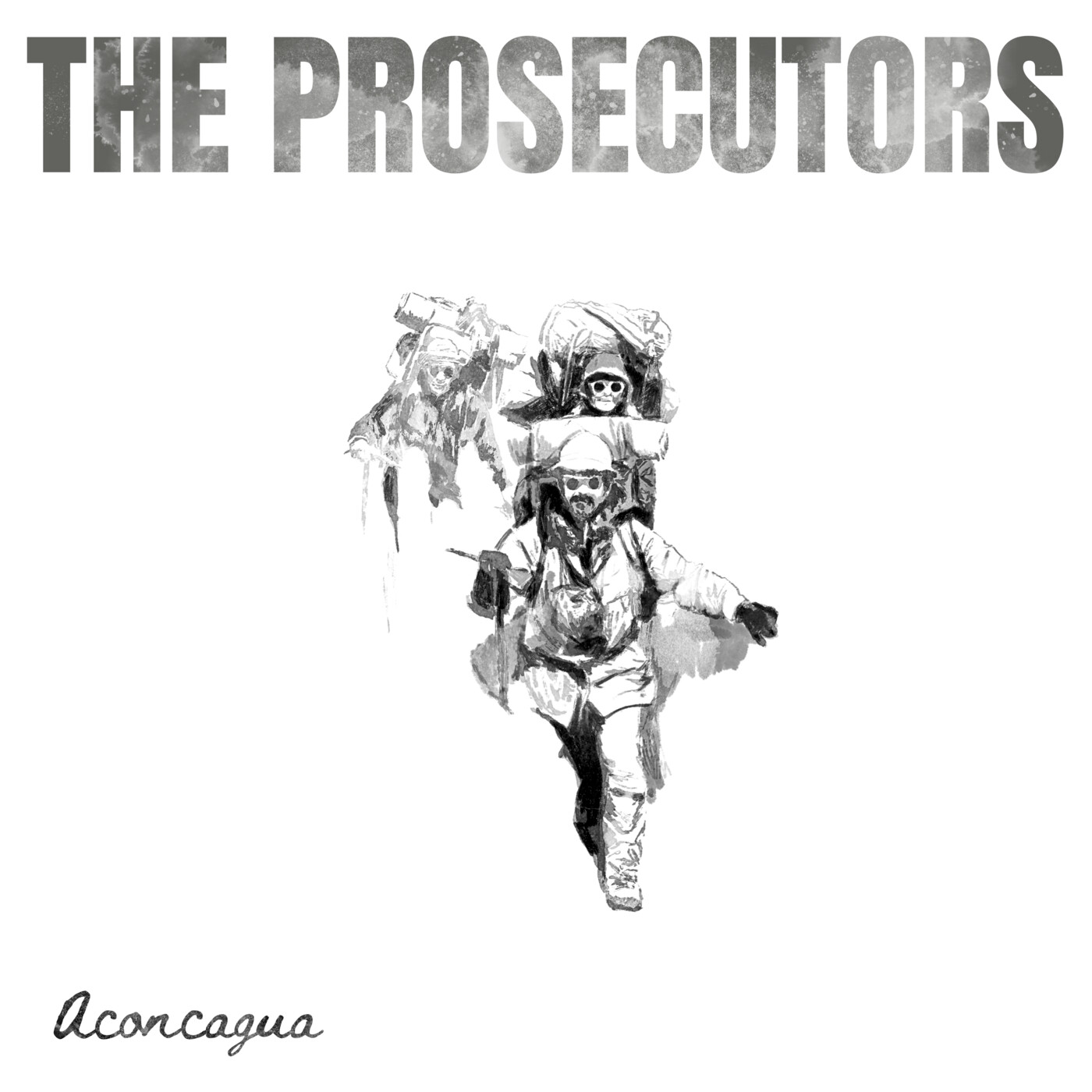
Loading summary
Transcript65 lines
- [00:00]
Brett
It's 2025 and a new year means brand new opportunities. And for a lot of you out there, I know you've been thinking about one thing over the holidays and that is starting your own business. But you have so many questions like how do I get started? How do I come up with a brand? How do I even sell stuff to people? And what am I even going to sell now? Take a deep breath. Shopify has got you. Shopify makes it simple to create your brand, open for business and get your first sale attend. And you can get your store up and running easily with thousands of customizable templates. You don't have to be a coding nerd or a design geek to get this done. All you need to do is drag and drop. Shopify also helps with the details like shipping taxes and payments from one single dashboard so you can focus on the important stuff, like growing your business. Established in 2025. Has a nice ring to it, doesn't it? Sign up for your $1 per month trial period at shopify.com truecrime or all lowercase. Go to shopify.com truecrime to start selling with Shopify today. Shopify.com truecrime for weeks now, New Jersey.
- [01:05]
Alice
Residents have been plagued by unexplained drones flying overhead.
- [01:08]
Carmi Defoe
Is there intelligent alien life? And if so, has the government been covering it up?
- [01:13]
Alice
All right. UFO sightings the military can't explain, Congressional hearings, Pentagon whistleblower.
- [01:20]
Carmi Defoe
What does it all mean? What does it all mean? We are here to try and figure it all out with our new Ancient Aliens podcast. There is a doorway in the universe. Beyond it is the promise of truth. It demands we question everything we have ever been taught. The evidence is all around us. The future is right before our eyes. We are not alone. We have never been alone. Alone. Listen to the Ancient Aliens podcast, available wherever you get your podcasts. I'm Brett.
- [02:04]
Alice
And I'm Alice.
- [02:06]
Carmi Defoe
And we are the Prosecutors. Today on the Prosecutors, two experienced mountain climbers die on an expedition up Aconcagua. Did the mountain kill them or was it murder? Hello, everybody, and welcome to this episode of the Prosecutors. I'm Brett and I'm joined as always, by my Muy Frija co host, Alice Estamoy.
- [03:10]
Alice
Fria. Did you say friha or Fria? Is Friha like female bean?
- [03:15]
Carmi Defoe
No, it's the feminine version of Frio.
- [03:20]
Alice
It's so cold here, y'all. It is snowpocalypse. Quite literally. Four days before this snowstorm hit, our entire town closed for two days like preemptively, they closed it for two days. So it is muy fria estamui. Fria.
- [03:34]
Carmi Defoe
Muy fria aki.
- [03:35]
Alice
Very free. But you know what? For once they always say there's going to be snow and there's never snow. Like last week, remember, they close everything down and it was like 36 degrees and rainy today we got like, I don't know, what, three, four inches of snow, which is insane for us.
- [03:51]
Carmi Defoe
Yeah, I mean, I think it's probably the most snow we've had here and, well, certainly in decades. Yeah, I've never seen it.
- [03:57]
Alice
Yeah, certainly in decades.
- [03:58]
Carmi Defoe
I've lived here off and on, many years, many years and never since snow. And we told the kids here way more than I have enjoy it because you probably won't see it again. But this is appropriate weather for the case we are talking about today, the Aconcagua mystery. And we love mysteries, love mountains. We love mysteries that happen on mountains and this one has it all. But unlike the other two, you know, we've talked about two mountain mysteries, Dyatlov Pass and the Khyber Dabin incident. And I don't think in either one of those, well, I guess Dyatlov passed. There may be theories about murder, depending on what your theory is. Maybe you think one of the group went crazy, maybe you think they were killed by the Mansi, maybe you think they were killed by the Soviets. I don't think any of those are the mainstream theory, though I could be wrong. And then in the other case, I don't think anybody thinks it was murder. But this case, this case is one that a lot of people think maybe might just be a case of murder on the summit of a mountain.
- [05:08]
Alice
Look, I'm not a mountaineer. I know a lot of people get lots of highs from climbing mountains, but I think the Kamar Dabin, Kamar Dabin, the Dyatlov Pass and this case alone have made me not want to climb a mountain ever in my life, because that's gotta be the worst thing. You do all that work, summit, see the beauty of the world, and murder. I don't know, maybe we'll find out by the end of this.
- [05:32]
Carmi Defoe
And I gotta say, you know, this, this case is interesting too, because there's all sorts of questions about the effect, the mount, the mountain is a character. In this case, I feel like in a way that it wasn't so much. I mean, obviously in Dyatlov Pass, the elements were very much part of that case and could have been responsible for that case in the Khmer Dabin case that was like a relatively. It wasn't even that high, wasn't a tall mountain. So you really didn't feel like that was what was going on in this case very much. The mountain is part of it. Even if it's a murder, the mountain is part of it. And I was in Colorado, we took the kids skiing and there it's like 12,000ft, which is pretty high. Not as high as these folks are going to be. You know, the altitude, it gets to you and it can really affect you. We're going to see that in this case. And it really. I think one of two things happened here. Either the mountain and the various challenges these people faced, kill them, or something happened on that mountaintop. And this may be a case that you guys are not familiar with. It is incredibly famous in Argentina where it takes place. It's incredibly famous amongst certain mountaineers and people who love to climb mountains and love to challenge themselves. It's an old case, it's back in the 1970s, but it's one of those that came back into sort of popular culture in the popular mind because of a New York Times article that was published shortly after a camera from this was found. Many, many years after this happened, a camera was found on a glacier on Aconcagua and the film was pristine and they were able to develop the photos. And the New York Times wrote an incredible article about it. We're going to link to that article. We relied heavily on that article. It is wonderfully done. One of those long form pieces of journalism. You don't see that often anymore. So check it out, read it, you will enjoy it. That's probably enough wind up. Let's get into the story. So as I said, we're going to Mount Aconcagua, Argentina. And Aconcagua is a famed mountain located in the southern Andes mountains in west central Argentina. I've never been to Argentina. Alice, have you been to Argentina?
- [07:42]
Alice
I have not. I would love to.
- [07:43]
Carmi Defoe
I would love to go to Argentina. If anybody out there is listening from Argentina, you want to host us, let let us know. I would love to go to Argentina. I've been to South America, but only Peru and Bolivia and I would love to go to Argentina and Brazil and Chile and various other places. But enough of that. So this is actually the highest point in the Western hemisphere with its summit at 22,831ft above sea level. So this is about 6,000 meters. Over 6,000 meters. For those of you in other countries, I guess that's what it is, I'm making that up. It's also one of the most popular mountains in South America with around 3,500 people attempting to summit it each year. And this is because despite its altitude, it's actually considered one of the easier mountains to summit. Many use it as sort of a warm up. It's a good training mountain for some of the more difficult mountains at similar altitudes like Mount Denali, even Mount Everest. But not all routes up Aconcagua or walk in the park. So there are easy ways to go up and this is true of a lot of mountains. For instance, Everest. I don't know if there's any easy way, but the way people go up, they go up one face of Everest and that's the way they all go. And if you've seen photographs of expeditions to Everest, you'll see long lines of people because that's where they all are. There's another face that people have attempted to summit much more difficult. It has been summited before, but very rarely. That's similar here. So there's an exception that is a difficult climb. It's the kind of climb if you want to challenge yourself, you don't want to warm up, you want to challenge yourself, you'll take. It's called the Polish Glacier route. It is far more difficult. It requires considerable technical climbing skills to successfully complete and it cuts straight up the east side of the mountain. It requires ice climbing skills to tackle. It's got snow and ice slopes. They can be up to 70 degrees, not in temperature. It's very cold up there. You know, you're using your crampons and using ropes and you're using your ice axe and it's actually really difficult. And the weather is incredibly unpredictable and can be severe and can change on a dime. So if you're taking this path, you better hope that you got a good group that trust each other, knows each other and people with a lot of experience. But or maybe because of its difficulty, that is the route eight Americans were determined to take in 1973. This expedition would be led by Carmi Defoe and it would attempt to be the fifth, only the fifth expedition to top Aconcagua via the Polish route. It's called the Polish route because the first people to do it were say with me, Russian. No, I'm just kidding, they were Polish.
- [10:27]
Alice
I fell for it.
- [10:29]
Carmi Defoe
Unfortunately, after a long and grueling climb, the group would never reach the summit. Not only that, but two of the people who went up would not come down. 35 year old John Cooper and 36 year old Janet Johnson. But even though it's been 50 years since these two experienced mountainers died on this mountain, how they died is still not clear. Was it the result of some sort of accident on the mountain or were they the victims of foul play? Even today that mystery persists. But we are going to solve it.
- [11:12]
Alice
Or at least we'll attempt to. It's been 50 years, we don't think that highly of ourselves right now. But we can attempt and we're going to do it as we do all of our other cases through our trustee timeline. What's so interesting about this case is obviously it's not like these two mountaineers went up and didn't come down. They were with a group and still, despite being with a group, we don't know what happened. Let's see if we can figure it out together. So let's go back to June 1972. Carmi Dafoe is a lawyer from Portland, Oregon, also a member of the Mazamas Climbing Club. Carmi was planning to travel to Argentina and complete an expedition to top Aconcagua via the polish root, the hard root as we now know now he assembled a group of seven American men and they consisted of Carmi Defoe, who is 52 years old. Jim Petrosky, 39 years old, who was a psychiatrist from Portland, Oregon. Bill Eubank, 45 years old, he was a physician from Kansas city, Missouri. Arnold McMillan, 46 year old dairy farmer from Otis, Oregon. Bill Zeller, a 45 year old police officer from Salem, Oregon. John Shelton, a 25 year old from Brigham Young, and he was studying geology, also fluent in Spanish, which would be helpful here. And John Cooper, a 35 year old NASA engineer from Houston, Texas. As you can tell, very accomplished group, Also very varied in terms of age, location within the United States. And they probably all had one thing in common, which is that each of them were pretty successful in what they did, as you typically are if you're going to train and plan for a trip like this, far from home to go up the side of a famous mountain by one of its most difficult routes where only a handful of other expeditions had successfully summited. Carmi Dafoe would be the leader of this group and Petroski was the deputy leader. And next in charge was Eubank, who served as the doctor and Sheldon was the interpreter. Now the remainder of the group did not have defined hierarchy, they were just part of the expedition. So in anticipation, Defoe collected a $50 deposit from each of the men and began Planning the trip, he secured a guide who was Miguel Alfonso, who had been to the summit five times and via the Polish route once. This group would be the fifth expedition to top Aconcagua via the Polish route.
- [13:52]
Carmi Defoe
And I think when the expedition starts off, it has a lot going for it. You've got all of these men who are members of the same climbing club. As Alice said, they are a group that has all the skills you need. You have an interpreter, you have a doctor, you know, you have experienced climbers, you have some other people whose job is going to be to carry stuff because that's important. One of the people going up as a police officer and he was, he was kind of the strong man of the group and he would carry a lot their gear and this is a really good group and you would think they would have a really good chance of making to the top. Mountaineering is one of those things where you really, it's hard to do it alone. I mean people do it and people summit mountains alone all the time. Those people tend to be the very best. If you're somebody who just likes to climb mountains, but you're not like a world class athlete, you want to do it in a group and you want it to be part of a team that you have a lot of chemistry with. And they started off that way, but they're going to make a decision and it's unclear why they made this decision frankly. And you read a bunch of stuff and it's just a little unusual. It's kind of like Zoloterov with the outlaws past. They add someone at the very end. In November 1972, Defoe says they're going to have another member added to their crew. 36 year old Janet Johnson, who's a teacher from Denver, Colorado. Now they didn't really know her. You know, a lot of these people are from Oregon, but she was probably the most experienced climber in the group. I think that was one of the reasons they wanted to take her. Obviously she's the only woman. By the age of 30 she had become one of the first 20 women to climb to the summits of Colorado's 14ers. There are 50 mountains in Colorado that exceed 14,000ft and she had climbed them all her expeditions and her photographs were often featured in Trail and Timberline magazine. She was an excellent photographer and if you see the photos from this expedition, you know that and I wonder if that was part of it. If they thought we'll have her, she'll document the trip and it'll elevate it. And maybe we can get into these magazines. She also was someone who had climbed peaks around the world. This is what she did. This is what she was into. She was gay. And that's important because according to her sister, she didn't have a lot of friends. When she came out to her parents, their reaction was very negative. And her response was to kind of go into herself and to become a very introverted person and someone who did a lot of challenges on her own. And so she would climb these mountains, but she wasn't really a team player. She becomes part of this team. And that introversion is going to be something that the team members notice. And it's going to be something that starts to create some friction, not because of her sexuality, but because of sort of her personality that has kind of grown out of that. And you're going to see that as we move forward in this case. So January 19, 1973. The climbers arrive in Argentina. You might think, man, they're going to climb a mountain in the middle of winter. No, in Argentina, it's actually summer. So this is the perfect time to climb the mountain. And they were greeted by reporters at the Nutubera Hotel in Mendoza's city center. And this is one of those things where this was kind of a big deal. They're going to do this thing that's only been done four times before. There are a bunch of Americans. There's some buzz about this. So you have these reporters show up. And what's interesting is one of the reporters, Rafael Moran, he was a reporter from Los Andes, which is a daily newspaper in Mendoza. He's interviewing the mountaineers near the pool. And he taps into something that we've been hinting at that is going to become important. He has this feeling about the group. They're not the kind of all in it together group that you expect to see from some mountaineers who are going to try a really difficult climb. They are not friendly, they are not chummy. In fact, it seems like they are disconnected from one another and not really prepared for the serious task of climbing Aconcagua. And this is not him looking back with 2020 hindsight. While he's there, he actually whispers to the photographer, take each of their pictures today. I don't think they're all coming back.
- [18:13]
Alice
That's very prescient of him. But also remember, he interviews these people. He's probably covered a couple stories of people who've submitted. And so there's a camaraderie he's seen in other groups. As well that he sees lacking here. But the fact that he had this like premonition that this lack of connectivity in the group would lead to death ultimately is one of those kind of hair raising details about this case that like you said, isn't looking back 2020, but is something that he almost foresees based on the interactions, which just tells you that, you know, he doesn't know these individual people. So their disconnection from each other must have been somewhat obvious, right? You can see certain groups when they drive. If you've ever been part of a group, you know, I ran like one of those Ragnar races, which is one of those, you know, overnight races where relay where you tap in and out and you have a van and the rest of your team is going with and you see those groups kind of form and there's usually so much hubbub. You're about to do something historic, right? You're about to summit this mountain four times before only have ever accomplished. There's usually a buzz and an excitement and that's what bonds you. And I can imagine that that's lacking here despite kind of the historic nature of what's about to happen. And so that puts us right there with them. On January 20, 1973, the group, along with their mules hiked 25 miles to Casa de Piedra, which was a stone house at the confluence of the Vacas Arenchos rivers. Isn't that crazy? They're already hiking 25 miles before they even start the summit. So this is a very demanding trail. And in a diary entry from this day, John Cooper wrote that Eubank, who was the doctor of the group, was already sick. Not a great sign of things to come. Obviously these trips, getting from the United States all the way to Argentina is a taxing trip in and of itself. Change in culture, change in food, change in temperature and altitude, and then the exertion. Anyone? If your immune system is slightly down, you can see how you can get sick. But this is a bad way to start a very difficult climb. The next day, on January 21, 1973, the group reaches base camp which is at 13,500ft of elevation. And the group's guide, Miguel alfonso, hired a 25 year old climber and student named Roberto Bustos to manage the base camp. In that New York Times article we talked about, Bustos offered the following commentary about the group who he was also just meeting for the first time. Bustos recalled his early impression of the group. A lot of high quality gear, but an unsettling dynamic. There was no group attitude, bustos said. I was thinking, oh, I am on my own. Everyone has to take care of himself. In my opinion, they weren't ready for such a strange and big mountain as Aconcagua. I was expected to take a week or more to arrive at the summit, and doing so would require a lot of shuttling up and down the mountain, moving gear and adjusting to the changing attitude. So it's not one of those things where you just keep putting one foot in front of the other. There's so much gear, so much stuff happening that there is going up and down continuously over the next few days. This is exactly what the group would do shuttling up and down the mountain. They began by carrying gear up to Camp 1, which was at 15,500ft elevation. So they're traveling up 2,000ft of elevation with all their gear. At the end of the day, they didn't stay up Camp 1, but they return back to base camp homes.com knows when it comes to home shopping, it's never just about the house or condo. It's about the home. And what makes a home is more than just the house or property. It's the location and neighborhood. If you have kids, it's also schools, nearby, parks and transportation options. That's why homes.com goes above and beyond to bring home shoppers the in depth information they need to find the right home.
- [22:20]
Carmi Defoe
And when I say in depth, I'm talking deep. Each listing features comprehensive information about the neighborhood, complete with a video guide. They also have details about local schools with test scores, state rankings and student to teacher ratio. They even have an agent directory with the sales history of each agent. So when it comes to finding a home, not just a house, this is everything you need to know, all in1place.homes.com We've done your homework. This episode is brought to you by Progressive Insurance. Fiscally responsible financial geniuses. Monetary magicians. These are things people say about drivers who switch their car insurance to Progressive and save hundreds because Progressive offers discounts for paying in full, owning a home and more. Plus, you can count on their great customer service to help you when you need it. So your dollar goes a long way. Visit progressive.com to see if you could save on your car insurance, Progressive Casualty Insurance Company and Affiliates. Potential savings will vary and not available in all states or situations. Guys, it's the new year and it is a perfect time to get organized, set goals, prioritize what matters most to you. And I got to tell you, for me a top priority is is my financial wellness, which feels more important than ever. But the thing about it is I feel like we are pulled in so many different directions these days and we got all of these different subscriptions that we forget about. I can't even tell you how many streaming services that I'm subscribed to. And the fact of the matter is, most of you don't know all the subscriptions that you are subscribed to ever. But thanks to Rocket Money, you can see all of those subscriptions in one place and you can cancel the ones that you're not using anymore and save more money. Rocket Money is a personal financial app that helps find and cancel your unwanted subscriptions, monitors your spending, and helps lower your bills so you can grow your savings. You will now know exactly where all your money is going. I know for me it feels like I get the paycheck from work one day and the next day it's all gone. It's all flowing out to all these different things and half the time I have no idea where it's going. Well, now you can follow it and you can make smart decisions when you have that information. Rocket Money has over 5 million users and has saved a total of $500 million in canceled subscriptions, saving members up to $740 a year when using all of the app's premium features. What are you waiting on? Cancel your unwanted subscriptions and reach your financial goals faster with Rocket Money. Go to RocketMoney.com prosecutors today. That's RocketMoney.com prosecutors RocketMoney.com prosecutors craving your.
- [25:18]
Miguel Alfonso
Next action packed adventure? Audible delivers thrills of every kind on your command, like Project Hail Mary by Andy Weir, where a lone astronaut must save humanity from extinction. Narrated with stunning intensity by Ray Porter. From electrifying suspense and daring quests to spine tingling horror and romance in far off realms, unleash your adventure aside with gripping titles that'll keep you guessing. Discover exclusive Audible originals, hotly anticipated new releases and must listen bestsellers that hook you from the first minute. Because Audible knows there's no greater thrill than the one that splits speaks to you. Discover what lies beyond the edge of your seat. Start your free 30 day trial at audible.com wonderyus that's audible.com wonderyus.
- [26:10]
Carmi Defoe
And yeah, I mean this is some really tough stuff. Like I don't claim to be in shape at all, but you got to be in good shape to be able to do this. 13,500ft. Like I said, I was skiing. We were 12,000ft and you know, walking up the stairs. I would have to, like, take a break and rest, right, because the air is just thinner, you know, and these were experienced people. But as we noted, the doctor's already getting sick. And altitude sickness is one of those things that can strike even experienced people, even people who've done this before, even people who are used to it. It can just happen. You know, who knows why? You were just a little bit off when you started, and your body never quite catches up. And a lot of times the altitude sickness, particularly if it's bad, the only way to recover is to go down. You can't. It's not like, well, if I stay here long enough, my body will catch up. You just have to go down, and that's really the only thing you can do. And they already have the doctor who's sick, and they're going up and down. I mean, just imagine how much work they're doing. They're lugging this stuff up 2,000ft and then coming back down and doing it again, Right? This is tough. And by January 27, it's starting to take its toll. So January 27, six days later, Defoe and Eubank have decided to head back down the mountain due to altitude sickness. They've got altitude sickness. They're not going to get over it. They have to leave. Remember, Defoe is the leader of the group. He's out. He's taken off. Eubank. Eubank's the doctor. You know, he was feeling bad in the beginning. He's out. Which means medical knowledge to look at the other people and determine what they're suffering from, what their condition is gone. It's not just them, Sheldon. He'd returned back to base camp the previous day. Remember, he's the young guy. He's the college student. Brim Young. He's the interpreter. So he's the guy who can speak most fluently with God. The guy speaks some English, but he speaks a lot better Spanish. So you've lost the young guy who you could have relied on to carry stuff. I mean, he's young, he's fit. I mean, there's other guys in their 50s. You've lost the leader of the group who put the whole thing together and should be the tie that binds. And you've lost the doctor. They're already gone. But the rest of the group is going to try and make it. So they're going up to Camp 2. So remember, they got base camp, which is higher than where I was skiing. You know, people. A lot of people go to base camp at Everest. And that's their trip. Like just getting to base camp is an accomplishment. So they're going to head up to Camp 2. It's at nearly 18,000ft. It took seven hours to get there. And the group is down to 5 of its original members. Right now we have Cooper, Johnson, Petroski, McMillan and Zeller. So after the trek to Camp 2, Cooper made the following comment in his diary. Bill Zeller is the real man behind the work. He is the police officer I talked about, who is the strong guy who's carrying stuff. He lugged 80 pounds up to Camp One. Then after getting back, he made the water haul. And here I am in the sack. I guess we all do our share of work, but some more than others. Now he's not doing a lot, but that doesn't mean he's not critical of Johnson. Our only woman in the group. He writes, Johnson was little help. She is a real loner and appears to be for only one thing, to get herself to the summit at the expense of everyone or on everyone's back. So once again, the dynamic of this group fractured. Not friendly, not all in it together, not feeling like we're all pulling together. More like, I mean, even the guide was saying he felt like he was in it for himself. And that's going to become more evident as we continue on this expedition.
- [29:42]
Alice
Yeah. And we still have a long way to go. So it already feel this fracture so early on is, is not great for the team dynamic. So on January 28, the group continued on, making it up to Camp 3, which is at the base of the Polish glacier. So now they're just getting to the route that is so hard to get up to the summit. And it was at 19,400ft elevation. They were stuck at Camp 3 for a full day because of a storm. Remember we said that the weather was really unpredictable on this path. But the next day the skies cleared and this remaining group was eager to finally summit. So on January 30, about the hike to the summit was expected to take the majority of that day. And the group planned to eat breakfast and begin the journey. But Petroski lost his coordination out of the blue, which the group feared may have been the result of high altitude cerebral edema, which can be potentially deadly because it's a swelling of the brain. So in order to be safe, Alfonso escorted Petroski back to base camp. Remember, our doctor is not here. So this remaining group, who doesn't have medical training, but they're at least one of them, a couple of them are pretty experienced climbers, recognize that suddenly losing your balance could mean something very deadly. But we don't have a doctor here in order to make that diagnosis. So Alfonso and Petroski are now going all the way back to Base Camp. So the remaining members of the group are Coober, Johnson, Zeller and McMillan. They decide to continue on despite the fact that the group was 50% smaller than when they began and they had never climbed to elevation before. And these four really hardly knew each other at all.
- [31:28]
Carmi Defoe
And I just want to point out the God is the one taking Petroski back. So the one guy who's done this before, the one guy who knows the mountain, he's now gone to. The guy that you would think everybody would look to, right? I mean, you've lost your leader, but maybe just the experience would be enough that he is sort of the. The de facto leader. If he says do it, we're going to do it, because he knows what he's doing. He's gone, too. So you got these four jokers from America doing something they've never done before in a situation that is really dangerous, trying to make the summit of this mountain.
- [32:01]
Alice
And like we said, this is not going to be easy whatsoever. But they decide to forge on. By the time it got dark, the group still had not made it to the summit. And at about 21,000ft, they dug the small snow cave on the glacier with their ice axes so they could rest for the night. So they're not at a camp, they're in the elements. They had no sleeping bags, really nothing with them, because the goal, and really what they were supposed to do, was to reach the summit that day. The night, as you can imagine, was incredibly rough. It was cramped and uncomfortable in this makeshift cave that they had dug out with their own pickaxes. And so Johnson and Zeller sat outside, shivering in the freezing temperatures. The wind continually blew snow into the cave, covering Cooper with snow and burying his legs. So I don't know about you, Brett, but we have four people. Everyone's working hard to pick away at this little cave, but two out of the four people end up having to sit outside. Doesn't sound like it's much warmer in the cave, but already, I don't know that I'd feel so great if I was the one who had to sit outside in the middle of this snowstorm after being exhausted all day.
- [33:15]
Carmi Defoe
And look, if there's one thing we've learned from Diatlov Pass, it's don't camp on the side of A mountain, right? You know, you've got this situation where the goal is, you have Camp 3. The goal is to get from there to the summit. That's what you're trying to do. And the smart thing, just like when the group and Dyatlov Pass, you know, they were trying to get from where they had stored all their stuff to the pass now named for the group, the storm hit and rather, and this is what the one survivor said about why did they camp on the side of that mountain? Because Dyatlov didn't want to lose altitude. You know, they'd gained that altitude. It had been tough to gain it, so he didn't want to lose it, so he camped there. And whether you think it's an avalanche or a yeti or a bomb or whatever, that decision is what led to their deaths. The smarter thing, as difficult as it is, and the thing that nobody ever wants to do, would have been to go back down and try again the next day. And that's what they should have done here. They should have gone back down, spent the night at Camp 3, and then try the summit the next day. Instead, they do this middle ground where they're trying to dig a cave into the side of the mountain. It provides almost no actual shelter. So think about what they're going through. They're at a higher altitude, so they're getting less oxygen. You know, they're burning all this energy that they didn't necessarily have, trying to keep themselves warm. They're not getting any rest. Cooper's covered in snow. Like, the whole thing is a mess, right? But they're gonna try and continue on. So the next morning is January 31st, 1973, and it's morning. And Cooper, you know, you can tell from what he was writing in his diary, he was getting increasingly unhappy about this whole thing. He's gonna call it now, Cooper, you know, it's interesting that he's the one who says, I am done with this, because Cooper was described by his friends as a bit of a cowboy. He worked for NASA. He was one of ground control for all the lunar landings. One of the main guys. People described him as more like an astronaut than a ground control guy because he was such a. Like, he was just a bold guy, right? He was kind of guy climbs mountains, but he is admitting defeat and saying, I'm getting out of here, right? And he decides he's going to go back down to the mountain, back to Camp 3. It's about two hours back to Camp 3, and he's like, okay, guys, I'M heading back. None of the remaining members, they don't have any issue with him going, but they also are gonna let him go alone, you know, And I think this goes back to the group dynamic, right? A situation, a dangerous mountain, a group of people, they're supposed to all be in this together. They got a guy who obviously is suffering, he wants to head back down the mountain. And the other three, rather than say, you know what? We'll go with you, or one of them saying, you know what? I'll go with you. Make sure you make it. Or, like, all right, see you later. Good luck making it back down the mountain. It's only two hours. I'm sure he'll be fine. Right? That's. That's their position. And so they send this guy down by himself, so he heads back down by himself. Now the group is down to three members, Zeller, McMillan and Johnson. So they're trying to make their way up the Polish glacier. They're trying to reach the summit, but by the time they get to a little ridge that is sort of your midpoint, once you get there, you know, you can head right up to the summit by the time they get there. Once again, it has been such a difficult trip. That night is fallen. The snow at this point is waist deep. So they've been taking turns. One person walking in front and sort of cutting a path through this snow and then falling back to the back, and the next person has to cut the path through the snow because it's so grueling to try and do this. And so resting at this point is not really an option. They've been taking these turns, but it's just. They can see it. It's right there. The summit is right there, and they want to make it to the top.
- [37:15]
Alice
And you can imagine. I mean, obviously we're hearing about the story after the fact, but you can imagine. This is the value of having an experienced guide. Alfonso. Right. Because even though we can see it, Even though Camp 3 is two hours away, those distances mean very different things when you're in such extreme conditions. I mean, this seems just incredibly foolhardy to be going, but in some ways, they might be thinking, what options do we have? And we've already come so far. But you can imagine Alfonso maybe if he was there, would say, like, it may look close, but in where we are right now, this is much too dangerous to keep going. But all we have really are three people who barely know each other who already bid farewell to another member of their group and said, good luck. On your own. In a lot of ways, this is a recipe. So many recipes for disaster, but we are truly the blind leading the blind here.
- [38:12]
Carmi Defoe
And obviously, another thing to remember here is the possible presence of unreliable narrators. Because we have four people left in this group trying to make to the top. Two of them are never going to come home. The other two are going to make it. And we're hearing from those two what happened. So remember that as we move forward. But so, you know, back to the group dynamic and how they're really taking care of each other. They're. They're doing all this thing. They're walking up the snow and, you know, they see the. They see the summit. They're like, okay, we really need to go. We can make it. And the two guys turn around and Janet Johnson's gone. They have no idea where she went. They just know they can't see her. They have somehow lost her as they are making their way this mountain. So according to them, they call out to her like, hey, where are you? But they get no response. So they start looking for. To see if they can find her. And they find her axe. They don't find her. So they're gonna take this, I guess, as a good sign because it means she's probably nearby. Though it's obviously not good that she doesn't have her axe anymore. They start calling out to her again, and they hear a voice that says, my name's Janet Johnson. So they go about a hundred feet off the trail and there she is laying in the snow. Macmillan would say that when they got to her, she said, don't make me suffer. Just let me lay here and die. Which her family had a big problem with this because they said this just wasn't her. Like, she wouldn't have done that. Now, we know families often have particular views about family members, and this is an extreme situation that they would never have seen her in. So who knows? But a couple things that are already weird about this. Number one, she's saying that, number two, she's 100ft off the trail when the trail is walking through waist high snow. That is strange. And I think it says something at least to sort of what's going on in the minds of these people and the effect that altitude and the lack of oxygen may be having on all.
- [40:16]
Alice
Of them, especially when, remember, she is not the one picking her way through the trail. So presumably if the two men are in front of her, taking turns breaking the trail, she's supposed to be able to follow in the trail. So to go off the trail that is incredibly difficult to break and to go off in waist deep snow is a very counterintuitive thing to be doing, which is, in some senses very unreasonable. And like you said, may go to her mindset at this point.
- [40:49]
Carmi Defoe
So at this point, we have a divergence of what happened. And I'll just let you decide what you think is more likely. So according to McMillan, Zeller has Johnson and he's going to help her down the mountain, whereas McMillan wants to go ahead and sort of he's gonna spend the night by himself. So Zeller has Johnson, he's gonna spend the night by himself, according to one of the other ones. Like I said, it's a little confusing by who said what? They roped themselves to Johnson and the three of them got lost. So they were trying to get her down the mountain, but they got lost, and so they decided they're going to camp once again on the mountain together. So you have this. What I don't think is a slight discrepancy either. Either they're all together tied to Janet Johnson, or one of them is with Janet Johnson and the other one's going on ahead. But there are two survivors, and they tell two different stories. So that is the point we're at at the top of this mountain with Janet Johnson obviously in a really bad shape and needing a lot of assistance.
- [42:00]
Alice
And going back to what Johnson says, first of all, what is reported that she says, because again, we have unreliable narrators, is just strange, right? Like, you're on this mountain, you've camped out two nights, you can barely see where you're going, you're trudging through waist deep snow, and if you think you are dying in response to people calling for you, for her to say, my name is Janet Johnson, presumably they were calling her name, right? They were probably calling Janet or Johnson or whatever they call her. And so that's kind of strange to respond with in any situation. My name is Janet Johnson. And then what we know of her is that she is one of these, you know, rare women at this time who have summited lots of very, very, very difficult mountains, both in Colorado, but also around the world. She seems to be the least likely of the remaining three to say something along the lines of, just let me lay here and die. Because she's. She's done hard things before, right? This is going to be one of the hardest things she's ever done, of course, but she's not new at this. This is something that she does and is good at. So Those things strike me as very strange. We don't know if she really said that, but that's been reported, what she says, whatever it is, it just seems like a strange conversation that they are having. So, three nights of camping out in the elements, February 1st. The next morning, Johnson was unable to stand and her hands were swollen and black. Not a good sign, of course. So according to McMillan, they anchored her from three different directions so that they could hold her standing up and led her to a crevasse. Now, this is really bad, right? I'm no doctor, but I think if your hands are turning black, it probably means hypothermia. And they have been out in the elements for a very, very long time without being at a camp, with sleeping bags, with tents, anything. So they went back to the cave that they had spent the night in a couple days prior at the 21,000ft. I'm surprised they were able to find it, frankly. And they set off a flare gun that they had at the cave, but apparently no one heard or saw it. According to the two surviving men, Johnson's condition was improving at this point, although I'm unsure how it can improve because they don't have anything to help her. They don't have medical supplies, they don't have a fire going. They had the flare gun. That's not going to give off much heat. They're a little bit out of the elements in the cave, I suppose, but this is not like they've made it to camp, where there's a warm bed, dry clothes and blankets, warm soup, nothing like that. So I. Again, back to the unreliable narrator. I'm not sure how her conditions could be improving if her hands were, say, black. Now, they decided it would be best for macmillan to head back down the mountain, following the same route that they had set Cooper on a couple days earlier. Hope he made it. And good luck to you, McMillan. Along the way, McMillan said that he lost his axe and slid a thousand feet down the glacier head first, which landed him with a black eye. If all he got was a black eye and a lost axe, Fantastic. Truly, I don't know if you've slid down a glacier before. I slid down a glacier, not by choice, completely by accident in Iceland. And I thought I was going to die because clearly nothing can, like, stop your fall. It's just a ice slide.
- [45:30]
Carmi Defoe
Well, let's take a moment, stop here for a second, think about this. It's awfully convenient that he just so happened to slide down a mountain where he. He lost his ice axe. That's not going to become important later. And oh, that black eye I have. Well, I mean, obviously I fell down the mountain. Nobody punched me in the eye. For instance, in a fight that we had on the summit that may or may not have resulted in two people dying. No, no, I fell down the mountain. That's how it happened. I mean, he may very well have fallen down the mountain. That seems like something that's possible. But it is also somewhat convenient that this happens to him and results in him losing his ice axe and getting the black eye. As you guys know, Alice and I, we both have young kids, but they are getting older every day. And we just had Christmas a couple months ago. And my daughter, who is not in my mind at least old enough to even be thinking about these things, wanted one of those watches that does everything. She grew up in a world where everything is connected, where you can have everything just at the tip of your fingers. But we also know that it's dangerous. We know about the things that are out there. We know about the predators. We know about the content that we don't want our kids accessing. And that's where Gab comes in. You can finally get your kids one of those devices without all the risk. Gab is the leader in safe phones and watches for kids, teens and tweens. With no social media apps, no Internet browser and GPS tracking, Gab devices are built specifically to keep kids and teens safely connected. And it still has the tech that kids want, so they're going to use this device. It has the Gab Music app, which lets kids stream clean music. For older kids, there's the Gab Phone 4 Pro with hundreds of screened third party apps that can only be installed when parents say so. And kids get unlimited talk and text with Gab messenger, which means you can stay in contact with your kids while knowing that they're safe. And Gab messenger blocks high risk messages and content with nudity from ever reaching your child's phone in the first place. This is something you want to check out. I can't recommend Gab enough. It is the most responsible way that I found for parents and kids to embrace technology together. And you know what? The watch even has a focus mode and that lets you help your kids focus during school hours by limiting what they can do on their watch. This is something you need to check out. Protecting your kids has never been easier. For the best deals, sign up to Gab today. No contract required@gab.com prosecutors that's Gabriel G. A b b.com prosecutors gab.com prosecutors. Terms and conditions apply. It had started warming up here, but all of a sudden it's cold again. Winter has not released its grip and I gotta tell you, when it's cold in these winter months, there is no better combination for a cozy night than good company and even better wine. You know, I love wine. I love trying different things. I am not an expert though. I don't know where to look. I don't even really know where my taste should be leading me. Well, that's where First Leaf comes in. Not only can you get great wine, but it is personalized wine just for you. First Leaf is great at picking out wines based on my preferences. They're also my go to for special occasion wines like sparkling wines. Getting started with First Leaf is a breeze. It is so easy. You answer a few quick questions about your wine preferences on the site, about how adventurous you want to be, about sort of what direction you want to go. They're going to use that information to put together an amazing assortment of top notch wines just for you. It gets delivered right to your door. You drink the wines, you rate the ones you like and that is going to make First Leaf selections even better. And one of the best parts about First Leaf is how you can control your delivery schedule. A lot of times I don't have time to drink a bottle of wine, so sometimes when it's time for the next delivery to come, I tell First Leaf, you know what, hold it till next month. It is the easiest thing in the world to do. It is super convenient. Plus if you get a bottle that you don't absolutely love, it's not a problem because First Leaf has a hundred percent satisfaction guarantee. Make every cozy night in special with wines from First Leaf that you know you'll love. Go to tryfirstleaf.com prosecute to sign up and you'll get your first six hand picked bottles for just $44.95. That's try Firstleaf T R Y F I R S T l e a f.com prosecute tryfirstleaf.com prosecute homes.com knows when.
- [50:40]
Alice
It comes to home shopping, it's never just about the house or condo. It's about the home. And what makes a home is more than just the house or property. It's the location and neighborhood. If you have kids, it's also schools, nearby, parks and transportation options. That's why homes.com goes above and beyond to bring home shoppers the in depth information they need to find the right home.
- [51:03]
Carmi Defoe
And when I say in Depth. I'm talking deep. Each listing features comprehensive information about the neighborhood, complete with a video guide. They also have details about local schools with test scores, state rankings, and student to teacher ratio. They even have an agent directory with the sales history of each agent. So when it comes to finding a home, not just a house, this is everything you need to know, all in1place.homes. Dot com. We've done your homework.
- [51:36]
Alice
All right, so on his way down. I don't see anything when I'm flying down a glacier, but that's just me. He reported seeing members of the Argentine army coming to rescue Zeller and Johnson, and he heard people calling his name. He says he also saw some dead mules, and he saw a dead soldier lying in the snow. There's a lot to unpack there as well. But this is what he reports seeing. And once he got to camp, so he gets to camp, he got some sleep, and he realized he hadn't really seen any of that. It was a trick of his imagination. So he hadn't seen the dead soldier in the snow. He hadn't seen army men coming up the mountain to rescue them. This was all a hallucination from the altitude, from exhaustion, from the cold. He would later actually come to believe that the dead man he saw in the snow was Cooper, who we now know is dead.
- [52:31]
Carmi Defoe
So meanwhile, he's, you know, doing whatever he's doing on the side of the mountain. Zeller and Johnson are making their way down the glacier, and Zeller says that he also began hallucinating. And remember, not a lot of oxygen. Hallucinations are a symptom of severe altitude sickness, hypoxia. Your brain is dying, and you're starting to see things, which you think about what was happening to Janet Johnson and why was she saying some of the things she was saying? It may be because she was also, and in fact, almost certainly was in the throes of this same problem. And he would later report seeing construction trucks working near the summit. So he, like, in his mind, there are, you know, bulldozers and excavators and dump trucks rolling around the top of this mountain, I guess, building a road or something. He's seeing that, and he's hearing voices that are calling out to him, and he's hearing rescuers who were not there. So he clearly is not in a great place. And he's the one responsible for taking Janet Johnson down this glacier. And as he and Johnson are making their way down the glacier, they also take a fall. They go tumbling down, and it results in him Breaking his glasses, cutting his face some. I think he says the same thing happens to Janet. Once again, could be exactly what happened here. But is something, if you were thinking there's foul play here, that is convenient to explain the kind of things you might see in some sort of altercation. You have cuts to your face, your glasses are broken. How'd that happen? Oh, your buddy's got a black eye. How did all this happen? Well, we fell down the mountain, and when we fell down the mountain, this happened. And being mountaineers, they would know these are fairly common injuries. So it is certainly possible, if not likely, that that's exactly what happened, is they both fell down the mountain and this happened. But given what we're facing, you have to keep in the back of your mind that this is also very convenient for what we are going to see as they continue to progress down. So he also says that when they fail, you know, he had been tied to Janet, they were tied together. When they fail, they became untethered. So this tie broke. So he gets up, they fall all the way down this mountain. He gets up to look for Janet. Where'd she go? Can't find her. But he does see John Cooper's body. And according to Zeller, he went over to him, he checked him, and he was very dead and apparently frozen solid. Now, he says he didn't see any cuts on his skin or any tears in his clothing, so he assumed this wasn't a fall. He just died of exhaustion and hypothermia, essentially. When they sent him down there by himself, whether they meant to or not, they sent him to his death. He was already suffering from hypoxia, and he just couldn't make it. And, you know, I keep. I hate to keep comparing this to Dyatlov, but I think there's a lot of similarities. Recall three of the group members in that case, and they made it all the way down the mountain. They built a fire. Three of them tried to go back, they tried to go back up to the tent, and none of them made it. Each one sort of further and further up the mountain, fell and died from exhaustion, hypothermia. Exactly what happened here. He's trying to make it back down, but he can't make it. And he dies of hypothermia. At least that's what Zeller believed. So he finds Johnson, he finally finds her, and he realizes they're only. And this is his description of the distance three or four city blocks from camp. He can actually see the tents. So he thinks, okay, we're right there. And, you know, if there's something that's worked out great so far, it's splitting up. Splitting up is exactly what we should do. So he decides, rather than, I don't know, tie himself back up to Janet, get her up on her feet. She's fine. She's fine. Here. Just found my friend dead, who I sent down here alone. He died of exhaustion, hypothermia, but she looks good, so I'm just gonna leave her here. He decides just to leave her there, and he's gonna go on down to camp. He'll set up the tent and she'll just follow along. Once she's back up on her feet and doing better, she's going to come on down and everything will be fine. This is his plan. Now, granted, once again, he's not exactly thinking clearly. None of them are. And I don't want to be too hard on him, because it's very easy sitting here, you know, at sea level, to say, that was a really bad plan. But that was his plan.
- [57:24]
Alice
Yeah, it obviously doesn't sound like a good plan. Here, sitting in my warm house, you just stumbled on what I imagine to be a horrific, you know, scene. Someone from your expedition is dead right in front of you, and he might be thinking, this is me if I try to stay with Janet, so I'm just gonna go ahead. You're never supposed to do that. And if that's what you're thinking, I can't imagine you'd ever tell anyone that, especially when we know Janet's not going to make it. But obviously, people are not thinking clearly here. We see construction trucks, we see Argentine army men. Obviously, there's, like, probably some hallucination happening, and no is doing well, especially after having spent multiple days out in the elements camping with no camping gear. But that's another narrative that I don't think we would ever hear from him, if indeed. And it would be completely like a human nature response to seeing someone, you know, dead in front of you from the elements, in the very elements that you are just barely escaping. But whatever it is, Zeller leaves Janet behind. And he got to camp about three hours after McMillan. And so Zeller and McMillan are reunited at Camp 3. They both decide to get some sleep, but when they woke in the morning, Janet was nowhere to be found, which is not surprising. So at this point, after they've gotten warmed up, gotten some sleep, Zeller and MacMillan decide to head down the mountain without her. Which is kind of interesting, because at that point, if they Woke up. I would think once you've had some rest, gotten out of the elements, you would think, whoa, she never came in. Let's go look for her. But that's not their intuition. They decide to just continue down the mountain away from dead Cooper and Janet, who continues to be out in the elements, who has blackened hands and.
- [59:11]
Carmi Defoe
Look, I don't know if any of y'all have ever climbed a mountain. I certainly have not. So I am not speaking from experience, but there is someone in the. In the chat just said savage, and savage is a great word. There is sort of a savage morality about mountain climbing. And they talk about this sometimes in Everest, that people climb this mountain. You reach a point on Everest where if something happens to you, you are going to die and no one can help you. And if they try to help you, they're going to die, too. And it leads to these, like, very callous things. The stories you'll hear about, you know, somebody who was on the trail, you know, because this trail, everybody takes it. And so you'll have you pass dead bodies on the way. In fact, dead bodies become markers. Like, once you reach that dead body, there was one called Green Boots that was very famous. And reach Green Boots, you know, take a ride at Green Boots, right? And there are stories of, like, people dying on the side of this trail. And these mountain climbers are just passing them, heading up to the summit, because they just have to keep going, you know, and just sort of the cruelty of that, that you're just like, well, that's too bad for that person heading on up to the summit. So I can take my selfie, right? Because they can't do anything. They can't actually help them. And this is a situation where, you know, I wonder what's going on here. Is this just part of that sort of savage morality, just this code that everybody knows? There is a point where I can't save you, or if I try and save you, I'm only going to lose my own life. So these guys, when they leave, they are leaving her to die. If she's not dead already, they're leaving her to die. They have to know that they're not going to get down to Base Camp and she's going to be there drinking tea. When they decide to head down, she is dead. They are deciding she's dead. Now, they may think she's already dead. You know, they've already made some decisions which I think partially could be their minds are clouded, but also could have been just pure physical exhaustion. It's Easy once again to criticize them for literally getting to camp. She's not there, and they decide to go to sleep. But I think this probably was arguably at least, you know, defend them too much, but arguably just they are so exhausted, they didn't. They could not go back up, even if it was only a couple city blocks, which is what he says, they could not go back up to get her. They were physically unable. And if they had tried to do that, they would have died. But this feels very, very callous, everything they've done, really, for the past couple days.
- [61:37]
Alice
And one more thing to note. Remember the three to four city blocks, that's how far Cooper is away, and Cooper's dead. So clearly Cooper, having seen the tents three or four city blocks away, never made it. So Cooper had three fewer days in the elements at that point than Janet. Janet has been out in the elements a lot longer, has already, you know, at least one day prior, said she wanted to die. And they've taken these tumbles down the mountain which, you know, further injure you and exhaust you. It is at that point, the three or four city blocks that Cooper was dead. And to think that someone in probably worse condition than Cooper was at that point was going to make it seems unreasonable. But perhaps in their state of mind, reasonable place to be. Well, we're not the only ones thinking this is strange, because when the two men make it to the base of the mountain, they, as well as Alfonso the guide who had gone down much earlier, never went up to the summit with them. They were held for questioning by the Argentinian police, and the police were looking into the possibility of manslaughter. The investigation was also supported by the American Embassy. Here you have a bunch of Americans, and two of them are still at the top of that mountain. After their initial questioning, the Americans were released and they returned to Hotel Nutbarra, where their journey began. And the U.S. state Department also had questions for these men. Consul Wilbur W. Hitchcock tried to speak with the group, but he was unable to garner any useful information with the men using the effects of high altitude on the mind as an excuse for their lack of insight. So even though they were questioned by the police and also by the United States, there wasn't much information that they could gather from any of this. They were just like, I don't know. We've been out in the elements for so long. You know how difficult this path is. That's why only four other groups have ever made it. We failed. We thought there were bulldozers and Argentinian armies. We weren't in our right mind, so we did the best we can. We almost died up there as well. That's basically where it ended up.
- [63:51]
Carmi Defoe
And look, I've been. I feel like I've been making excuses for these guys up to this point. At this point I'm going to stop because I get it, they weren't the most close knit group of people. But I don't know how many of you guys have ever been in an experience where you're thrown into something with people you don't know and sort of almost like a foxhole type experience where you spend every waking moment with people working towards a goal. Usually even if you start off, you know, like the movie, right, you start off as disparate people from different places who have nothing in common. But this scrappy group of misfits joined together. It's like Goonies or something, right? Like usually you see that, some camaraderie over. I mean, think of everything they've done over these last week or so. All they've overcome, all the work they've done together. You would have thought they would have bonded a little bit. Cooper was part of the group, right? I mean, he, he was at least better known to them, Janet. But here they're not like, we got to get up there, they're up there, you know, we've got to do something. What do you need? I'll draw you a map. I'll do whatever I can. Like get, get me somewhere, get me a map of the mountain. I will point out to you exactly where we were, you know, so you can get up there with helicopters or whatever. There's none of that. It's almost like, you know, I'm reminded of the Robert Wan case where the three guys, they get into the room and they just shut down, right? And it feels like that's happening here. Like these people are just like, yeah, sorry, altitude, man. It's rough. And that's what it feels like, right? It just feels like none of these people are that interested in really helping to figure out what happened here on the slim chance, slim though it may be, that Janet is still alive somewhere up on that mountain.
- [65:44]
Alice
It was almost like this blase, not even seeming, utter devastation, right? Like I've never happened. I'm not a, I'm not a climber. I've never happened across dead bodies. But both of them report seeing Cooper. One of them says they hallucinated and thought it was, you know, an army man who was dead in the snow, but they've seen a dead man Someone they went up with who was alive when they went up together, and he is now dead. And the other one, who had blackened hands, they had apparently tried to save, no longer there. There's not even that level of that could have been me, which is a very interesting dynamic that's happening. Nothing useful is coming out of this. Nothing. Like you said, the fact that the questions led to nothing. I understand that they may be spouting off a lot of information if they're trying to be helpful, but it ends up not being helpful because of their state of mind. That makes more sense than just not giving any useful information whatsoever. So this all sounds very convenient because guess what? If a crime has been committed, what do you want to not happen? Anyone to find the bodies or maybe the axes or anything that could be pointing to you as being the crime conductor? I've lost it. I've lost the stream of. The stream of consciousness. But you can see why they may not want to help if they are being questioned for a crime. And immediately, it's not like later on, immediately, as soon as they get to camp, that's when the questions start. Because they wonder if a crime has been committed, not years down the road comparing different kind of testimonies immediately. And that says something here.
- [67:20]
Carmi Defoe
And the next day, February 11, they will leave and they will return to America and, you know, two of their companions will remain on that mountain. And it's interesting what Alice said. If you don't give any help, who knows, maybe the bodies will just never even be found. Just going to leave them on the mountainside. But as we will discuss next week, the bodies will be found. And right now you may be thinking, well, okay, yeah, there's some questionable decisions here. I can see how maybe the things they did, sending him down alone, not going back for her, that contributes to her death. And is that somehow some sort of. Some murder? And maybe that's what we're getting at. No, no, no, no, no, no, no, no. When those bodies are found, the condition they are found in is going to raise far more serious questions than just, did they make mistakes? Were they callous in how they treated these two people? Things are going to be found that make the authorities highly suspicious that something violent happened on that mountainside. We're going to talk about that and more next week when we return to Mount Aconcagua for this mystery that I'm going to go on a limb and say most of you have not heard of, but it's just intriguing. There's something about it that is so primal and basic. You know, just the most, the purest sort of animal sense of being human. When you're on that mountain, you know, morality and laws are suspended and things start to happen that maybe you don't talk about when you get back down to base camp. Well, we'd love to hear your thoughts at this point. Shoot us an email prosecutorspodmail.com prosecutors pod for all your social media. We're on Instagram, we're on Facebook in the gallery you. We're on X Twitter, and I guess we're still on TikTok. We were off TikTok for about 12 hours, but now I guess we're back. So make sure you check all that out and you can send us a message there if you have a case you want us to cover. This one, as pretty much all of them these days, was recommended by one of you. Shoot us an email at prosecutors Pod. That is the best way to do it. A lot of y'all send DMS and Facebook messages and everything else, and those tend to get lost. If you send me an email, it will be added to the list and we may cover it eventually. We will cover it eventually if we do this long enough. But we got a. We got a lot long list at this point. Alice, do you have time for a question or do you need to head out?
- [69:57]
Alice
I may not, because I can literally hear him through two doors.
- [70:00]
Carmi Defoe
Okay, we're at that. We're at that early stage, guys, where the babies are unpredictable. So we're gonna.
- [70:06]
Alice
So unpredictable. We tried to move this recording up a little bit, but apparently he was like, no.
- [70:11]
Carmi Defoe
Yeah, so we talk too much. So we'll do two questions next week to make up for it. Yeah, I do hear him. I do hear him. See, that's special, though. Somebody was just saying they were listening to an old episode and they could hear Brittany crying. So this is just a time capsule of your life.
- [70:26]
Alice
All right, there you go.
- [70:28]
Carmi Defoe
Alice is going to go take care of her baby. We will be back next week with the conclusion of this mystery. But until then, I'm Brett.
- [70:37]
Alice
And I'm Alice.
- [70:38]
Carmi Defoe
And we are the Prosecutors. Today on the Prosecutors, two experienced mountain climbers die on an extra expedition up Aconcagua. Did the mountain kill them or was it murder? See how I nailed that mountain name?
- [71:15]
Alice
That was real good. I was trying not to laugh so that didn't get messed up. Look at you.
- [71:23]
Carmi Defoe
Here we go.
- [71:26]
Alice
Carmi began to work on a plan to travel to Argentina and complete an expedition to top Aanga. Did I say that right?
- [71:36]
Carmi Defoe
Killed it. Alice, you killed.
- [71:39]
Alice
Got stuck. Right. Okay, I got it. Argentina.
- [72:40]
Carmi Defoe
Argentina.
- [72:45]
Alice
See?
- [72:46]
Carmi Defoe
I guess I should go live.
- [72:47]
Alice
She sure.
- [73:35]
Carmi Defoe
At Pluto tv, we're celebrating Black History Month with our curated collection of black content, all streaming for free. Find groundbreaking films including Selma, Django, Unchained Ali and Coach Carter. You have an incredible gift up here. Gripping series like Power and the Game. Next level comedies, music video channels and more. Brilliant black entertainment, intentionally curated and all free this month and always on Pluto tv Stream. Now pay never.