Loading summary
Transcript80 lines
- [00:00]
Alice
This message comes from Greenlight. Ready to start talking to your kids about financial literacy? Meet Greenlight, the debit card and money app that teaches kids and teens how to earn, save, spend wisely and invest. With your guardrails in place with Greenlight, you can send money to kids quickly, set up chores, automate allowance, and keep an eye on your kids spending with real time notifications. Join millions of parents and kids building healthy financial habits together on Greenlight. Get started risk free@greenlight.com wondry craving your next action packed adventure? Audible delivers thrills of every kind on your command. Like Project Hail Mary by Andy Weir where a lone astronaut must save humanity from extinction. Narrated with stunning intensity by Ray Porter. From electrifying suspense and daring quests to spine tingling horror and romance in far off realms, unleash your adventure aside with gripping titles that'll keep you guessing. Discover exclusive Audible originals, hotly anticipated new releases and must listen bestsellers that hook you from the first minute. Because Audible knows there's no greater thrill than the one that speaks to you, discover what lies beyond the edge of your seat. Start your free 30 day trial at audible.com wondery us that's audible.com wondery us Podcasting isn't just about talking. It's about growing, engaging and monetizing. And that's where Podcast one Pro comes in.
- [01:32]
Brett
Whether you're an independent creator or a major brand, Podcast one Pro gives you the tools you need to take your.
- [01:40]
Alice
Podcast to the next level. We're talking about premium hosting, advanced analytics, dynamic ad integration and expert distribution. All designed to maximize your reach and revenue. Plus, with access to Podcast One's industry.
- [01:58]
Brett
Leading network, you'll be connected to top.
- [02:01]
Alice
Tier advertisers and a massive audience.
- [02:05]
Brett
It's time to go pro and turn your passion into profit.
- [02:10]
Alice
Visit podcast1pro.com to get started today.
- [02:16]
Brett
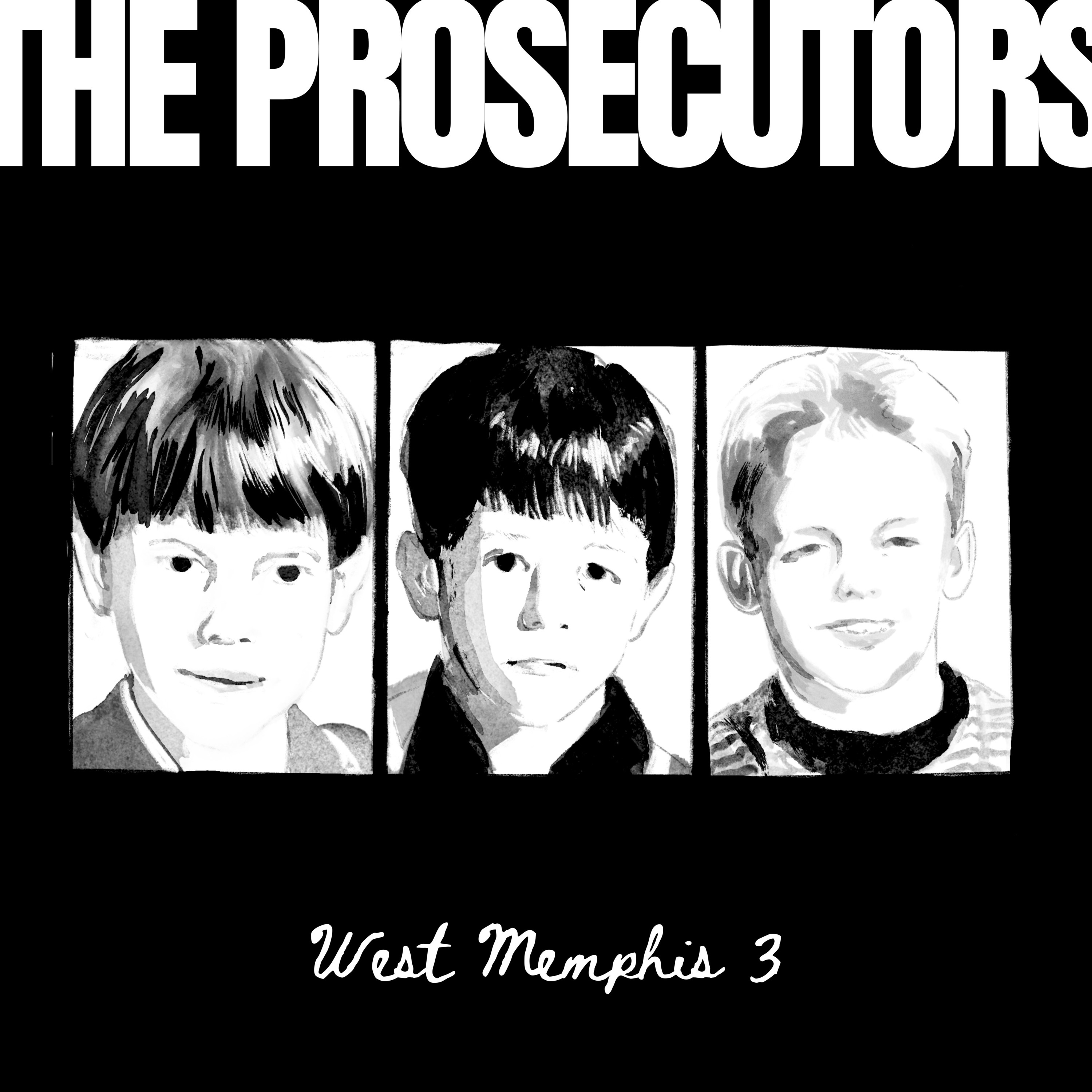
Podcast1pro the power behind the Podcast I'm Brett. And I'm Alice and we are the Prosecutors. Today on the prosecutors On May 5, 1993 in West Memphis, Arkansas, three 8 year old boys were brutally murdered. Three teenagers were convicted for the crime. But the question remains, did they do it? This is the case of the West Memphis Three. Hello everybody and welcome to this episode of the Prosecutors. I'm Brett and I'm joined as always by my Epic co host Alice.
- [03:33]
Alice
Hey Brett, it's good to join you for what will be an Epic series. And I don't mean that in Epic like Rock on but literally Epic. Because this might go on for decades. We may never finish this Epic Yeah.
- [03:48]
Brett
So for those of you who are joining us for the first time for this coverage, I do want to note, typically when we do these long series, we start off with a little bit more introduction. So if you just want to dive right in, you might want to skip ahead a few minutes. But this is a case that obviously is huge. It's one of the first true crime cases. It kicked off true crime for a lot of people. A lot of people who are huge true crime fans now grew up with the Paradise Lost documentaries and that's how they got into this, I guess.
- [04:19]
Alice
Same generation as the victims here. And I remember hearing about Paradise Lost, so much so, and hearing about how it will scar you, really, with the opening scene from the very first moments of the documentary will change your life and just completely change your view of the world. I wasn't ready for that. And because of that, actually, Brett, I. I avoided this case like the plague for my entire life. So before we researched this case and research of this case was a. I don't know, how old is this podcast? That's basically how long we've researched this case. I stayed away from this case until basically we committed to doing this. And I think that's a good thing because I do not. I really have not followed this case for decades. This was not something that I knew a lot about. I didn't read about it every time it came up because I knew it was a horrific, horrific murders of these boys. I just. I couldn't bring myself to learn about it growing up because they were right about my age all the way until now. So because of you all, I've done what I didn't want to do, which is to learn about this really tragic case.
- [05:24]
Brett
And just to give you some idea, the Adnan said case, with 14 episodes, was the longest series we've ever done. The outline in this case is twice as long as the Adnan Syed case. So we're going to be here for a while. I do want to say, you know, I've thought about this a lot because I know there are some of you who are very excited and some of you who are not excited at all and are very sad that we're going to be covering this until, I don't know, October. But one thing we're going to do is every now and then, we're going to have episodes on Wednesday that are unrelated to this. We are not rushing through this. We're going to take our time. This is going to be a very in depth review of this case. And so every now and then we're just going to drop random episodes on some other case. So for those of you who don't want to wait or want to wait till the end or don't want to hear this, there will be some breadcrumbs along the way. And then always there's legal briefs. So you can listen to that as well.
- [06:17]
Alice
This is like when you go to a super fancy restaurant and they give you like unrelated palate cleansers. Like my favorite sushi restaurant gave you like sorbet between different meals. That's like what those Wednesday episodes will be. In other words, you're going to get a lot of the prosecutors. I hope you're here for it because I'm here for it. Brett, I. You know what? We've at least committed to doing this podcast for the next year until it finishes.
- [06:42]
Brett
Yeah. So for those of you who either don't know about this case or you want to do more, we have read, reviewed so much stuff, we'll be throwing stuff out. Obviously they're the original documentaries, the three part series of Paradise Lost. There's west of Memphis, which came out afterwards. Those are all very Pro West Memphis 3. And if you don't know who those people are, we're going to explain in a second tons of books on this case which we have read. Blood of Innocence is a fantastic book that people don't read enough. It's out of print, but you can get a used copy. I advise you to do that. Probably the most unbiased view of this case is in that book. The Devil's not, also an excellent book written from the perspective of the West Memphis three, the convicted. As far as podcasts, everyone has covered this case. I'll just name a few. There are very few pro guilt podcasts. There's Gary Meese, who also wrote a book called the Case against the West Memphis Three. That book is great. I would advise you just to read the book. And then as far as podcast, the most in the middle I think is probably True Crime Garage, though they didn't really do a deep dive on the case. And then you have Crime Weekly, who I think could properly be described as in the camp of the West Memphis three. You're going to understand this as we go through this. This is a very divisive case and there are definitely camps. And then Bob Ruff, Truth and Justice has done probably the longest podcast on this from the perspective of the convicted and their innocence. You can listen to that as well. We are going to try and give you an unbiased view of this case, which, frankly, I don't think there has been an unbiased deep dive of this case. Everybody starts from a position. We are not doing that. We are going to try and lay this out for you.
- [08:29]
Alice
And I will say this on episode one of, I don't know, 68 episodes. And I've read through everything. Everything. I told Brett this few weeks ago. We were deciding what day we were going to start recording. I was like, better be soon, because I am having dreams about this case every single night. I wake up in the middle of the night thinking about this case. And as we start to record, I can truthfully say I am in absolutely no camp. I am along the ride with all of you as we dive into the trial transcripts and the evidence and talking about it with you, Brett, I know my thinking will develop as it does in most cases, but right now, there is truly no camp. And here we go. Let's dive in.
- [09:12]
Brett
Yeah. The last thing I'll say, this case more than any has all of the original stuff. You can listen to the trials. You can read the trial transcript. There's a website called Callahan. You can read it all. Very well organized, all the original stuff. Great resource. So as we often do in these long cases, we're going to start off with a synopsis and then we're going to talk about some of the people involved. There's a lot of names, there's a lot of characters. So one of the reasons it's going to take so long to cover this, the other thing we're going to do, we're not going to treat this as if you know this case, even though many of you do, there are some of you who don't. And so we're going to go through this like we do any other case. And when we finish doing that, which is going to take a lot of episodes, then we are going to go into depth about some of the most important things that happened in this case, the most important subjects. So will there be a little bit of repetition? Yes. But I think it's going to be worth it. And I think you'll see that. The other thing I will just ask you. This is such a huge case. If you think we're missing something or skipping something, let us know, Shoot us an email. We're going to be doing this for a while, so there's going to be a little bit of live development as this goes. There's always things that we think. Think, man, that's not important. No. Who cares about that? And then Somebody be like, this is the most important thing. Let us know. We'll have plenty of time to cover it with that. I think that's enough build up. Are you ready to dive in, Alice?
- [10:32]
Alice
Let's go here. This is the last time before West Memphis three and everything is a whole new chapter. Let's go.
- [10:38]
Brett
And then we'll just stop the podcast on this.
- [10:40]
Alice
That's right, done.
- [10:41]
Brett
So, okay, so the afternoon of Wednesday, May 5, 1993, started out like any late spring day in the town of West Memphis, Arkansas. Stevie Branch, Michael Moore and Christopher Byers finished school at Weaver Elementary School and raced home to enjoy the afternoon. For Michael and Christopher, it was a short race. Weaver elementary was a one minute walk from Michael's house and his backyard essentially backed up to the school. Christopher Byers actually lived across the street from him, so they lived very close to each other. Stevie Branch, the other friend, lived a few blocks away. The neighborhood itself was sort of lower to solidly middle class. It was a neighborhood of clean, well kept houses, the occasional backyard pool, and groups of children riding bikes through the neighborhood streets and playing in spacious front yards. That was something you would see anytime. And I will just go ahead and tell you, one of the reasons that this case, I find this case so interesting is, is I'm not from Arkansas, I'm from Alabama, but I grew up in a town not unlike West Memphis. In a situation not unlike these boys, I was right in between their ages. In 1993, I was 12, so I was older than the boys who were killed and younger than the boys who would eventually be convicted. But I feel like I know sort of the dynamic of this neighborhood really well. And in many ways, this was the typical southern town of hardworking people raising families with the expectation that nothing truly bad could ever happen.
- [12:18]
Alice
So many neighborhoods. Not that West Memphis was perfect. West Memphis lies at one of America's great crossroads. Not only does it border the mighty Mississippi river, but it is at the confluence of I40, which runs from California all the way to North Carolina, and i55, which runs from Chicago to New Orleans. In other words, very big interstates. In a way, West Memphis lies at the very heart of America with all the problems one might expect. Along with goods, drugs flowed along the interstate. Transients passed through, as you have whenever you have large interstates. And residents would often see strange people they didn't know hanging around the area, particularly in the little copse of woods bordering the suburb where Stevie, Michael and Christopher lived. Those woods little more than a football field in size were all that separated this neighborhood from the interstate and the blue beacon Truck wash. A diversion canal called Ten Mile Bayou ran through the forest with a pipe bridge across it. From off that canal ran little ditches that only filled with water when it rained, as it had in the weeks leading up to May 5, 1993. Nearby, overlooking the woods, were the Mayfair Apartments, which was a low income housing area.
- [13:44]
Brett
So on that day, as the sun began to set, Stevie, Michael and Chris would ride their bikes into that forest called Robin Hood Hills by the locals. They leave their bikes at the pipe bridge and go deeper into the woods to Turtle Hill, in a place the kids called Devil's Day Den. There were rumors of satanic rituals in the woods, and although neighborhood children are forbidden from going there, they simply could not resist it. Michael bragged of having a secret hideout in the woods behind Mayfair. And if the boys had been there once, they'd been there a hundred times. But that day, something else waited in the forest. Something evil. And whether that evil came in the form of one person or three, it would take the lives of the three boys in one of the most infamous crimes in American history. Following an investigation, the police would focus in on three teenagers, Jesse Miskelly, Jason Baldwin, and the boy they thought was the leader of the group, Damien Echols. Jesse would eventually confess, and following two trials, all three were convicted of the murders. But in the decades that followed, many people began to doubt the guilt of the teenagers who came to be known as the West Memphis three. And despite being released after entering an Alford plea, the question remains, who killed Stevie, Michael and Chris? Guys, we want to talk about one of our favorite podcasts and one of our favorite creators, Crossing the Line with M. William Phelps. You know him as the New York Times best selling author of 46 books. He's an investigative journalist and winner of the Excellence in Investigative Journalism award from the Society of Professional Journalists. And if there's one thing we need more of in true crime, it's people who actually understand how to research and chase a story. And he has absolutely done that. In fact, he consulted on the first season of the hit Showtime cable television series Dexter. And he is executive producer, writer, and co host of the number one Apple true crime podcast franchise, Paper Ghosts.
- [15:55]
Alice
And you guys, Phelps is the real deal. He didn't just glow in with the Wind when true crime became popular. He has been part of the true crime space for 25 years. He's consulted on over 350 hours of true crime television, executive produced documentaries, weekly series, and he's even written seven books about these true crime stories. He's a highly sought after expert and speaker for his extensive knowledge regarding historic and contemporary serial killers. Check out Crossing the Line with M. William Phelps Weekly podcast and number one narrative podcast paper Ghosts from iHeartRadio. Both executive produced, written and hosted by M. William Phelps. This show is sponsored by BetterHelp. Let's talk about numbers guys. Traditional in person therapy can cost anywhere from 100 to $250 per session, which adds up fast. But with BetterHelp online therapy, you can save an average of up to 50% per session. With better help, you pay a flat fee for weekly sessions, saving you big on costs and on time. Therapy should feel accessible, not like a luxury. With online therapy you get quality care at a price that makes sense and can help you with anything from anxiety to everyday stress. Your mental health is worth it and now it's within reach. We talk about this all the time. Therapy isn't just for big traumatic events, although it can be helpful in those situations. It's also just helpful to learn positive coping skills and how to set boundaries. I know it helps me empower me to be the best version of myself. When I have to be lawyer, mom, podcaster, all the things in my life, therapy helps me be the best me. With over 30,000 therapists, BetterHelp is the world's largest online therapy platform, having served over 5 million people globally. It's convenient too. You can join a session with the click of a button, helping you fit therapy into your busy life plus switch therapists at any time. Your well being is worth it. Visit betterhelp.com prosecutors to get 10% off your first month. That's better help. H E L p.com prosecutors guys, finally, vacation season is nearly upon us. This year I'm treating myself to the luxe upgrades I deserve with Quince's high quality travel essentials at fair prices. I know you guys have heard me rave about all of my amazing high quality pieces that I wear for work and for fun from Quint. But did you know they also have first class quality suitcases at an economy price tag. It's going to be perfect for all the trips I plan to take this spring and summer with my kids. To the beach, to the lake. It is going to make travel feel so luxe. I also am just loving their European linen styles from $30 and of course their washable silk tops which I can pack with me when I go to court and still look great going out to dinner in them. And of course you know I love my Comfy Lounge sets the best. All Quince Items are priced 50 to 80% less than similar brands. By partnering directly with top factories, Quince cuts out the cost of the middleman and passes the savings onto us. And Quince only works with factories that use safe, ethical and responsible manufacturing practices and premium fabrics and finishes. I love that. And you bet I'm packing all these awesome items into my new expandable suitcase. It is fantastic. They even have a kids version that I got my kids to match me when we have our carry on. Bags that match are beautiful and are durable. For your next trip, treat yourself to the luxe upgrades you deserve from quint. Go to quint.com prosecutors for 365 day returns plus free shipping on your order. That's Q-U-I-N c e.com prosecutors to get free shipping and 365 day returns. Quince.com prosecutors so as we do in kind of the more complex cases, we go through the players in the case before we go to the timeline. So I think that's worth diving into here because the many characters that fill up this tragic story, each of them really could have a book written on them. But we will introduce you to them here. You will learn much more about them as we go through this case. And so we will start with the name that has become synonymous really with the West Memphis three, and that is Damien Echols. He at this time was a teenager with an affinity for black clothes, heavy metal music and alternative religions. And it's worth noting that West Memphis was a typical kind of Bible Belt town. And so a lot of people viewed these things as outside of the mainstream or outside of the ordinary. Damien was on the radar of the police immediately after the bodies of the three young boys were discovered. Damien has struggled with violent tendencies and mental illness. Having been in and out of Arkansas health facility in the years leading up to the crime. Damien did his co defendants no favors, particularly Jason Baldwin. Jason Baldwin is one of Damian Echols best friends. Other than being good friends with Damien, Jason was really a typical lower middle class kid from a broken family. He had a minor criminal record and Jason was a relatively poor student, though he was still in school at the time of the murders. But he did excel at art and if the killings had not occurred, that's almost certainly where his life would have gone in the direction of Art. But Jason was Damian's best friend and the police assumption, not without reason, was that whatever Damian was involved in, Jason would be involved too.
- [22:20]
Brett
So then there's Jesse Misskelley. Like Jason and Damian, Jesse was a kid from a broken home. His challenges included a mild intellectual disability. He was a high school dropout. And Jesse was known to be generally kind, but prone to violent outbursts throughout his life. He was an aspiring professional wrestler. Wrestler, I guess I should say. And Jesse did odd jobs to make ends meet and to support his dad and his dad sort of many different live in girlfriends and cycled through the house. And he was known to both Jason and Damien, though to what extent they hung out is hard to say. You know, we talk about how these cases, they all have similarities. The same thing that sort of plagued the Adnan Saad case. How close are Adnan and Jay? Why would Adnan and Jay be together? There's a similar theme throughout this case. Damian and Jason are obviously friends. They are best friends and there is no one who doubts that. But the extent to which Jesse, the third member of this trio, was a friend is disputed. We're going to talk about this a lot. We're going to talk about a lot of different times they hung out, how they got to know each other, everything else. But just know that is one of those questions that remains sort of hangs over the case. And in fact, Damian would later deny they were friends, explaining in only the way that Damian can. Two things that I don't have time for are stupidity and ugliness. And Jesse Misskelley had both those qualities. Damian, as you will see throughout this, does himself no favors. And this is just another example of him sort of popping off. But he says, hey didn't like him. Jason Baldwin, on the other hand, would refer to Damien and Jesse as his two best friends in a 2012 interview, though whether that is colored by the struggle they went through together is hard to say. I also learned this is probably the most important fact about Jesse is that he was an Alabama fan or at least a bandwagon fan. When he was arrested, he had an Alabama flag hanging over his bed. Now this was 1993 in Alabama is it is often want to do. Had just won the national championship. So it's possible, you know, he's just glomming on to that. But nevertheless, I'm gonna give Jesse credit for being an Alabama fan. Then there's Domini Tear. Now Domini Tear is Damien's girlfriend during the run up to the trial was very pregnant with his child, would eventually have that child take the baby to trial. The original Paradise Lost is like a fever dream. It is one of the strangest things you will ever watch it is like some bizarre time capsule, not only into a different 90s, but to a different world. Yeah, the weird 90s.
- [25:04]
Alice
So I'm not kidding when I say I avoided Paradise Lost because my heart couldn't handle it until research for this case. And while I was watching it, Brett got, I don't know, no fewer than 300 texts while I watched it. As in, like, what is happening?
- [25:19]
Brett
And I'd be like, just wait.
- [25:20]
Alice
Are they acting?
- [25:20]
Brett
Just wait. Have you gotten to the part where the guy asks one of the mothers that she's thought about killing herself yet? Have you got to the part where they're shooting the pumpkins? Have you gotten the part where they light the forest on fire?
- [25:29]
Alice
I mean, they really don't make documentaries like that anymore, I'll say that, because everyone. It was so today, I think people knew they were being filmed at the time it was leading up to the trial, obviously, even at the time before the trial had happened. This was a case that gripped the nation, gripped the world. But they were all very, like, self aware they were being filmed and seemingly acting for the camera, but not acting for the camera. And I'm not sure I've seen many documentaries like this in terms of the characters within them being so open. I think that's exactly how they were even when the cameras were off.
- [26:03]
Brett
And what's interesting about it, one thing, if you've seen the Staircase, the Staircase is similar, but it fails at what it sets out to do because initially the Staircase wants to have that sort of access with both sides. And initially it gets a little bit of it. If you've seen the Staircase in the earliest episodes, there's interaction with the prosecution, but the prosecution very quickly figured out that the Staircase guys weren't on their side. Now, whether you believe this story or not, the HBO documentarians who went down to West Memphis to film this documentary claimed that they went in. I mean, I wouldn't even say they were neutral. They went in assuming everyone was guilty. And they were filming this documentary about this horrible thing that happened, this terrible murder, these murders of these three young boys, this death of innocence type thing, and then eventually came to believe that the West Memphis three were innocent. Whatever the case, they had unprecedented access to both sides. So you see the prosecutors speaking to the family about the strength of their case, particularly during one pivotal moment. You see the judge is giving interviews, the defense attorneys discussing with their clients various things. You see all that. It's a fascinating case and a fascinating documentary. It's worth watching as they go on. They get worse, frankly. I mean, the first one is amazing. The second one is a complete disaster. The third one is better. It is a very interesting work and if you haven't seen it and you're a fan of true crime, you need to watch it. The one thing I will warn you, both the first and the third episode are very liberal. This is true of west of Memphis too, in using photographs and videos of the children dead. They're dead nude bodies. I mean, it is shocking how cavalier both documentaries were about doing that.
- [27:48]
Alice
I remember, I think, Brett, you told me, close your eyes in the first scene. That didn't help because it does start with the horrific crime scene photos, but they are littered throughout the entire documentary episode. So if you don't want to see it and there is no shame and not wanting to see it because it is unfortunately something that you will never be able to unsee. Partly why I think I've been dreaming about this case for weeks at this point. I have a lot of thoughts about using those types of photos for the world to see, as we've talked about in the Delphi case. But just be warned, and honestly, it's a hard documentary to listen to because a lot of the narrative is in writing. So you do actually have to read the screen. Just be warned, it is worth watching, but you cannot unsee many things.
- [28:32]
Brett
At least skip the first five minutes. So yeah, yeah, Alice is right, it comes up more, but you can. More. You can avoid it somewhat if you don't watch the first five minutes which are the crime scene video. So it's literally a police officer walking around with a video camera and the bodies of the children are just on the side of this ditch bank where they're going to be found as we're going to discuss. So that's Dominique Teare. She becomes a character just like everybody else in this case and may or may not have a bigger role in the case, depending on who you believe. Moving on from the West Memphis Three and Domini to the victims in this case, Stevie Branch. Stevie was the son of Pam Hobbs and his stepfather, Terry Hobbs. Stevie loved to sing and pretend he was a Teenage Mutant Ninja Turtle. He was also a ladies man who considered Michael Moore's older sister dawn to be his girlfriend. And he was a big brother to his sister Amanda.
- [29:30]
Alice
And we know what's going to happen to these three boys. They're eight year old boys. You see little strands of just their absolute childhoodness, such as the Teenage Mutant Ninja Turtle. But they are also wanting to be bigger than they are. And this is absolutely tragic. So I know we say this about all victims but here, and I do think there's a lot of talk of course about the victims, but this hits very close to home. I have a seven year old, I know a lot of you have children these ages. This is very, very, it is still painful for I think the world when this happened because it was truly watching innocence disappear before our eyes when they were murdered.
- [30:11]
Brett
And for me, and I've talked about this before, my sort of love of true crime came from a love of mysteries. And I'd read books about mysteries and watch documentaries and sort of ran out of those and someone suggested Paradise Lost. So Paradise Lost and In Cold Blood by Truman Capote were sort of my introduction to true crime. And so I watched these documentaries back 10 years ago and obviously this was shocking. But watching it now and diving into this case now and we talk about this all the time, but it's just true. Like it really hits different now that I have a little boy and a little girl. It really hits different. And everything about those opening scenes are just, they're tough. And we don't normally give trigger warnings because we figure you're coming to true crime. But this case has a lot of difficult stuff and we're going to talk about a lot of it and just the horrific things that were done. These sweet 8 year old kids can never be forgotten.
- [31:06]
Alice
So that was Stevie. Next is Christopher Byers. Chris was the son of Melissa Byers and his stepfather John Mark Byers. Chris was kind of a hyperactive, rambunctious kid who often broke the rules and drew the wrath of his stepfather John Mark. His mother often found clothes hidden under his bed caked in mud. And when his mother would confront him about going to Robin Hood Hills against her wishes, he would deny it. Which is why he was hiding his clothes because they would get muddy when he went to the woods. But she, like I think a lot of mothers, while the woods seemed like an absolute paradise for an 8 year old boy because of water, when it rained and this pipe bridge and being this mysterious forest, not so exciting for parents. You can't see quite in there, it's thick with brush. There are rumors about people coming off the interstate going in there. It butts up to some low income housing. They're just things that you can't watch out for. And so understandably his mom really didn't want him playing there. But he just couldn't stay away. It was too fun. And then the third of the victims is Michael Moore. Now Michael was the leader of this group of boys. All the boys were in the Cub Scouts together. But Michael absolutely loved the Scouts, so much so that he would wear his uniform whenever he could. He was in fact wearing his Scout's uniform the day he died. And those are our three young boys who we will talk more about. But as you can see, they were what you would expect eight year old boys to be. They were thick as thieves with each other. They biked, they had fun, they had a streak of independence, wanting to defy their moms and dads at times as kids do, but they were also just having fun with each other. They were kids. Next, we are diving into the characters who are going to investigate this case. So there's Detective Ridge. He's one of the detectives on the case. Ridge is the one who first found the first of the bodies. So there was obviously a massive search to look for these boys all over, including focusing on the woods. And he was the one who uncovered the first body. He also conducted an interview with Damien on May 10, shortly after the boys were found. And he interviewed Jesse Misskelley when Jesse confessed.
- [33:33]
Brett
So Brian Ridge is a pretty big deal and he's there for a lot of things. We're going to tell the story of the finding of the bodies and I can imagine it was probably something that haunted him for the rest of his life. So then there's Sergeant Mike Allen. He was also one of the detectives on the case and he was present when the bodies were found and he helped pull the bodies from the creek. These bodies were essentially found underwater. They had been hidden in the creek in the middle of this tiny little patch of woods that wasn't very big at all. And these detectives who were looking for them, the kids were missing at the time, are finding them in the water. Then there's Detective Bill Durham. He comes up a lot. He was one of the detectives on the case and he was the polygraph administrator for the West Memphis police. So he gave dozens of people polygraphs and his polygraphs will be important and will be contested later in the case. Gary Gitchell, he is the head of the West Memphis Detective Division and lead on the case. This essentially was the last case in a very distinguished career for Detective Gitchell and he was committed to solving this case. And he is the person who would extract the confession from Jesse Misskelley and he would retire as a West Memphis detective after both trials were complete. Then there's John Fogelman. He is the lead prosecutor in the West Memphis three. You get to Know him well when you watch the documentaries. And he is assisted by Brent Davis. Davis would actually remain in the prosecutor's office for much longer. Fogelman would very shortly after this, go on to be elected to be a judge and was a very successful and distinguished judge for a very long time. Davis would remain in the office and would defend these convictions. And that was his job with Fogelman having gone on. Fogelman is an interesting guy, has been in West Memphis for forever. His family was this sort of legendary family. There is the second most famous. I don't know. It depends on what kind of history nerd you are. You're a true crime history nerd or a history history nerd. The most famous thing that happened in West Memphis before this definitely was the sinking of the Sultana. It was a large riverboat towards the end of the Civil War or after the end of the Civil War. It was transporting a large number of former Union prisoners of war up from New Orleans. They were going home to various places in the north. And it caught fire in what is the deadliest maritime disaster in the history of the United States. Thousands of people died. Horrific thing. Fogelman's the reason I'm telling the story. Fogelman's great, great, great grandfather was the dock manager for West Memphis. And so he was responsible for saving some of the people who were saved, the several hundred people who were saved. Obviously, they couldn't save everyone or even most of the people there. So he actually, if you're watching the documentary, and when they show Fogelman's office, you will see a picture of the Sultana over his shoulder because he had it framed and on his wall. So that's the second most famous thing that ever happened in West Memphis before this occurred. And a Fogelman was involved.
- [36:43]
Alice
So obviously there will be more characters, but those are kind of the main characters to give you a little bit of a lay of the land. And now let's talk about locations, because unlike you of the other cases we've covered before, like Asia degree, where there were cars involved, transporting people far away, things like that, here we are talking about a relatively compact geographic area where most of the characters we just talked about are biking or walking to these areas. So the crime scene, so to speak, and where the boys were the day, the last day that they were seen is all within really miles of each other, if even that. So the general neighborhood where Michael and Chris lived was on either side of North 14th street, very near their school, as we'd mentioned, Weaver Elementary School. Steve Branch lived about a half mile Away south and a little bit east of the two other boys, Robin Hood Hills, which we'll talk about in a bit, is northwest of where the boys lived. The roads that are important and will come up repeatedly are North 14th Street, Goodwin, Proctor, Wilson and Wes McCauley. These are the roads in the area of the pipe bridge leading to the place the kids were ultimately murdered.
- [38:02]
Brett
Yeah, and we're going to put a whole bunch of maps up. They're hand drawn maps and they're maps from helicopters and their maps that people who listen to this podcast that put together. We're going to put those together so you can see them. The locations can get a little confusing, especially because you're dropping these names, the streets, and it gets a little weird. So we're trying to give you as much, much of a bearing on this as you can be. But essentially, if you want to think of it, the, if you had a square, the bottom part of the square is the community. Then there's this sort of 10 mile bayou which splits the square in half. And then north of the bayou there's say the right side of the square is the Forest Robin Hood Hills. The left side of the square is the Blue Beacon Truck Wash and like a truck stop. And then north of all that very top border is the interstate. If you want to think about it, that is the, the mental map you can draw in your head. Guys, we want to talk about one of our favorite podcasts, a podcast we love so much. We have appeared on it multiple times. Silver Linings Handbook with Jason Blair. Jason is a friend of ours, but he's not just that. He is an incredible interviewer, an incredible podcaster, and his episodes will pull something out of you you didn't even know was there. He says that he wants to have conversations that inspire and he does just that with interesting conversations with interesting people. And the themes that he looks at are not just true crime, though he's got a lot of great true crime episodes as well. He talks about growth, understanding, belonging, compassion, things that are important in true crime and in life.
- [39:48]
Alice
And you guys, even if you think you've heard something before, Jason is able to bring out things you never thought about. Just check out these recent episodes. He had an interview with Kimberly Loring, the sister of a 20 year old missing Montana woman, Ashley Loring, heavingwriter. And about her search for her sister, finding faith in God and forgiving those who harmed Ashley. You'll have to check out this incredible interview he had about journalists Minnesota and Iowa who are still advocating for and searching for Jody Hussen Truitt, a broadcast journalist who disappeared in 1995. And then there's this interview with a friend of a domestic violence victim who was murdered in 2023 in Minnesota about what friends can do to be non judgmental and supportive of those who are facing interpersonal abuse. You guys have got to check out this incredible podcast, Silver Linings Handbook. You can get it it wherever you listen to podcasts. This episode is brought to you by Progressive Insurance. You choose to hit play on this podcast today. Smart Choice. Progressive loves to help people make smart choices. That's why they offer a tool called Auto Quote Explorer that allows you to compare your Progressive car insurance quote with rates from other companies so you save time on the research and can enjoy savings when you choose the best rate for you. Give it a try after this episode@progressive.com Progressive Casualty Insurance Company and affiliates not available in all states or situations. Prices vary based on how you buy other relevant places that will factor into this and they're still within the neighborhood. And one of those places is Skate World, the skating rink where most of the kids hung out all the time. And many of the interactions that are going to lead to who's going to be prosecuted and convicted in this case happened here. So in some ways back in the 90s, I remember this. I went to many skate worlds. I think ours was even called a skate world. It was not only a hangout, but it's where gossip and rumor mills ran abundantly. People hung out here after school. Maybe they skipped school to come here as well. This is one of those kind of community centers. Next we have Lakeshore Trailer Park. Jason Baldwin and Domini Teer lived at the Lakeshore Trailer Park. It was about a 30 minute walk from the trailer park to Robin Hood Woods. And if you remember, Dominique is Damian Echols's girlfriend at this time. And Jason is Damien's best friend. Now another trailer park is Highland Trailer Park. That's where Jesse Misskelley and a couple other important people who will come up later lived this trailer park. Highland Trailer park is just north of Lake Lakeshore. Then we have Broadway Trailer Park. Damien Echols lived here. It was on the other side of West Memphis from Lakeshore. So to get to Lakeshore, Damien would walk through the neighborhood where the victims lived and across the interstate. But as you can tell here, we're not talking about cars, right? We're giving you times in walking distances because Damien was known to walk, Jason was known to walk, Dominique was known to walk. In fact, a lot of the Neighbors who saw them would say, oh, they're just doing their whole out walking thing. They didn't have cars, they didn't drive places. I don't think they had driver's licenses. Certainly their main mode of transportation was walking around. And that's why we're giving you the times, because if they had anything to do with what we're about to talk about, they did it walking. There wasn't a car involved.
- [43:28]
Brett
And Damien walked all the time. I mean, he was a walker, and he would even talk about that when he was in prison. One of the things that was difficult for him was he couldn't walk anymore because obviously he's in prison. So he was known to just wander the neighborhood, and people would see him doing that. And frankly, they were a little unnerved by it because Damien was an unnerving person. As we're going to talk about, there were a lot of people in west Memphis and environs who had a poor opinion of Damien Echols. There is a reason that when this happened, the first person a lot of people thought of who could do something like this was Damien. Okay? So that's the background. That's what happened. It's the players, it's the places. Now we're gonna get into the timeline. Obviously, we're not going to finish the timeline today because the timeline is incredibly important in this and I think will help you sort of understand a lot of what's going on. And we're going back before the day of these murders because we also want to give you a little bit of background on what's happening with Damien. As I said, there's a reason that he is the usual suspect that the police think about. He has a history, and that history informs what's going to happen in this case. So we're going to talk a lot about Damien running up to the day the three kids were murdered. So let's start in 1986. So in 1986, Damien's mother, Pam Hutchinson, and his father, Eddie Joe Hutchinson, split up. This was a pretty traumatic event for Damien. He would talk about it subsequently, that this was really hard for him, seeing this relationship break up. It's going to come back together and break up and come back together several times, as you're going to see. I don't know why I have this backwards, but I'll go ahead and say what happened on Halloween in 1990. So Halloween 1990. So by this time, Pam has married and divorced Jack Echols. Jack Echols would adopt both her children. Michelle, who's actually named Constance, but goes by Michelle and Damien. Damien is not actually named Damien. He's actually named Michael. When Jack adopts Michelle and Damien, this happens on Halloween 1990, which, I mean, what other day could it possibly happen, given how much the satanic panic is going to come up in this case other than Halloween. And on that day, Damien takes the occasion to change his name from Michael, which is what his name had been up to this point, to Damien. Now, he will say that he was into Catholicism at the time. This is about three years before the murders. He would have been around 15 years old at the time. He was very much into Catholicism. And he had learned about this saint in Hawaii whose name was Father Damien. And Father Damien famously had cared for lepers. He is a saint for that reason. And Damien admired him and his sacrifice quite a bit. And so he said he named himself Damien after Father Damien. Of course, there are some who think that the reason on Halloween he chose the name Damien is because that's the name of the son of Satan in the Omen. And if a coincidence, it is going to be a bad one for Damian down the road because it feeds into this narrative that Damian is this sort of dabbler in the Satanic arts. So that happens in Halloween 1990. By 1991, though, despite the fact he had just adopted her children, Pam will divorce Jack Echols and she will end up remarrying Eddie Jo Hutchinson on February 9, 1993, in Oregon. And the family would actually live in Oregon for some time between stints and Arkansas. So I think one thing that should show you. Damien did not come from a very stable home. His parents were divorced when he was quite young. Then another man comes into his life. That man is going to adopt him. He is going to take his name and keep his name to this day. But very soon thereafter, that man goes out of his life and his father comes back in and they're moving to Oregon. So instability is something that is going to plague him.
- [47:51]
Alice
So sometime in 1991, this is the year when Pam divorces Jack Echols, Damien and Deanne Holcomb begin a relationship. Deanne is 15 at the time, but already deep into the occult. Damian, who has been searching for meaning in his life for a while and is, as we have seen, just a lot of tumult in his own life. In 1991, he becomes interested in the occult as well once he starts dating Deanne and the two are described as inseparable. They even swear a suicide pact. So Fast forward to 1992. In about January, February, Jason and Damien are with Jesse when he beats up a kid named John Pershka. Jesse held a knife to his throat and told him he would kill him. Damien and Jason's involvement is a little bit unclear, but reports indicate that they watched from a bridge with some other people while this beating was happening. So you can see why they're already known to law enforcement in this area. Not just one of them, but the group of them, and already causing some ruffles in violent ways as well.
- [49:01]
Brett
Once again, this is so familiar to me because of where I grew up. So I grew up in a little mining town. So coal mining had been really big. And by the time that I can remember, the mines were shutting down, people were losing their jobs and we were making a transition from a lower middle class community to a pretty poor community. The kind of places in Appalachia, frankly, that have really been devastated by heroin and opioids and everything else. And we were sort of at that point when I was a young kid and I can remember I was from the more middle class neighborhood and then I had a whole lot of friends who were from the trailer parks around our school. And the school was sort of the center of the community. So on one side of the school there were these sort of a little bit better off people, and then on the other side of the school there were the people who were really kind of struggling and this kind of stuff just sort of like groups of kids wandering around because there was nothing to do, right? I mean, there's nothing to do in this town other than wander around and kids getting in fights. And watching one kid beat up another kid was just sort of the kind of thing that happened. So this is an incident, though. It's one of the first incidents where you see the three of them together when some sort of violence is occurring. How you define together is going to depend on how you read the reports. Some of the reports put them pretty close together, others put them at quite a distance. But nevertheless, all of these people sort of knew each other, hung out with each other, and there was violence in their lives all the time. It was something that just. They were a part of.
- [50:30]
Alice
The fact that this will come up as well, the fact that these kids, I mean, they're teenagers, carry around things like knives is pretty common as well, right? This may not be the neighborhood that you've grown up in, but we'll see this come up in terms of violence. Was all around. Carrying a knife was not that out of the ordinary. He certainly wasn't the only one who carried a knife.
- [50:49]
Brett
Okay, so let's Fast forward to March 3, 1992. We're now about a year and a couple months away from the murder. This is the day that Damien and Deanne Holcomb will break up. Sometime after the breakup, Deanne begins dating a boy named Shane Divilbus. Damien became obsessive, obsessed with her, obsessed with this relationship. And he threatened to kill Shane and his whole family. One day at school, Damien came up behind him and jumped on his back. When Shane fell to the floor, Damian tried to claw his eyes out with his fingernails which he had kept filed to what were described as one and a half inch points. So like claws. And he is clawing at this kid's eyes, trying to claw his eyes out. And I don't think there's any dispute that that's what he was trying to do. Some other kids immediately jump on him and pull him off the boy. Devilbus would describe Eccles as having a commanding figure and control over his friends. He would say that he could look at his friends and immediately silence them. He had this presence that other kids might not have had. Obviously Shane is not a big fan of Damian because he tried to claw his eyes out. So take what he says with a grain of salt. But nevertheless, this is an incident where Damien is exhibiting some pretty hardcore violence and a willingness to really hurt somebody if given the opportunity. It doesn't stop there. On March 6th, only three days later, Damien tells Deanne that he is going to kill her boyfriend, dump him in her front yard and burn down her house. Her mom wisely calls the police and Damien is charged with terroristic threatening. Though it doesn't seem that anything came of it. This is also not unusual. You know, he is a juvenile at this point. There's just a lot of stuff that happens, unfortunately at this time. In particular a lot of sort of domestic violence, these kind of incidents. The police tended to arrest you, let you go and that was the end of it. And it seems like that's what happened here. Now, despite all of this, Damien and Deanne got back together. So love conquered all and she decided she was going to go back with Damien.
- [53:05]
Alice
So as you can tell, we've said that I certainly have heard a lot that Damian was on the police's radar. Now you have some background of what that means when people say he was on at least law enforcement's radar. Now let's Fast forward to May 7, 1992. So the Arkansas Human Services receives an allegation that Michelle, Damien's Sister has been sexually abused by Jack Echols since she was 7 years old at the time of this allegation, she's 14. So the allegation is she's been abused by Jack basically for about seven years. Now, Echols claimed he may have been overly affectionate with Michelle, but he denied the sexual abuse charges, though he did admit he'd previously been charged with indecently exposing himself to his older daughter, a different daughter than Michelle. So there's certainly smoke there, if not fire. Pam doesn't believe the allegations, but Damien is described as having a low opinion of Jack and believes it's in fact, true. Now, this upsets Pam, who reports that Damien has little regard for others and only wants to use them and bring harm to others around him. Now, it's important to know the context of where people's comments are coming from. So Pam is Damien's mother, obviously, but she is not wanting to believe this very serious allegation that her daughter has been abused, sexually abused for seven years by someone she had married and who had adopted her two kids. And when Damien stands up in support of Michelle, believing her allegations, this draws the ire of Pam, who says these things about Damian, saying, you know, he doesn't care about other people. So knowing, you know, is this out of anger? Is that really what she thinks? You know, would it be different if he didn't support Michelle's allegations? Keep this in mind in terms of what we hear about people as they kind of move through this timeline.
- [54:59]
Brett
And look, I mean, this may seem like we're trying to demonize these people who are later going to be accused of this murder, but that's not what we're doing. We talk about victimology a lot, and that's when you look at the victims and you try and figure out sort of what are the things in their life that would be risk factors that would put them in a position where predators could take advantage of them, that sort of thing. And it's a very important thing to do. But as important as that is looking at the profile of the kind of person who would do something like this. And one of the things that you often hear from people who defend the West Memphis three is that why would they do that? These are teenagers. They're just normal kids. The only reason the police focused on them is because they wore black. And listen to Metallica and Johnny Cash wore black, and he never murdered three kids. And that's. That is a myth. There's a lot of lore in this case, and that's part of it, then that's why these people were targeted. It's not. Damien was targeted because he had a lot of violent tendencies and he came from a broken home, the kind of place that you might have a lot of anger build up that would explode at some point. And you can see how broken Damien's home is. And it's only going to get worse.
- [56:09]
Alice
Right? And it's worth noting that his own mother is basically standing up for this man that she is now divorced from that he doesn't think very highly of. So then just a couple weeks later, not even two weeks later, on May 19, 1992, Damien Echols is arrested after he and Deanne run away to be together and break into an abandoned trailer where they're going to be together. Now. Eccles is questioned by Jerry Driver, who's a juvenile officer for Crittenden County. Driver believes something satanic is going on in the area. And he also suspects that Damien Echols is involved with whatever the satanic thing that's happening. So he questions him about it. And Eccles tells him and another detective that he and his best friend Jason Baldwin are involved in the occult. But he is not a Satan worshiper. Rather, he worships Hecate and Diana, who I think he says, like, God is a woman, something like that, but he doesn't. He. He denies being a Satan worshiper. Now Eccles describes himself as a gray witch. Although Eccles is not a Satan worshipper, he tells the officers that there is a group in the county that is. And that police report reads, quote, Mr. Eccles was asked what was the extent of the cult activities was in Crittenden county and the west Memphis area was. And he told us that it fairly extensive that there was three or four groups in West Memphis itself. They were further along in their activities than he may or may not have been. And by that he said that he meant that they had reached the end of their animal sacrifice portion to receive power and that the next logical step would be the sacrifice of a human. From this point forward, Driver has a bad feeling about Damian. After he's talked to him about the occult and all these things and interviewed him, arrested him for breaking into the trailer. So Driver says that he has his eye on Damien.
- [58:09]
Brett
I just want to point out, because this case, like all the cases, all the famous cases we do, man, is there just a lot of BS out there about it? And one of the things that's out there is that it's just so weird that Jerry Driver is just so obsessed with occult and he's just so obsessed with Damien. And why do these people think all this devil worship was going on? And it's funny because you read it and you're like, oh. Because Damien, whether he's just messing with them, which I think is 80% likely, or whether or not some of this is true, he is egging this on. You know, he's feeding this to Driver. He's probably just pulling his chain, but he's telling them this elaborate story that confirms all the things he's worried about and says, hey, oh, by the way, if there's a sacrifice, they're moving towards the sacrifice. And it's just. It's so ironic that this is going to come back to bite him in a huge way later on. And Driver is often described. He's like this rubies, this moron, whatever. I mean, maybe he is, but he's certainly going based on what this person is telling him and has some concerns that what this kid is telling him may or may not be true. We're going to talk a lot more. More about the satanic panic later on and why this is something that Driver would give some credence to other than just, you know, he lives in Arkansas, so of course he's like some uneducated hillbilly. There was a lot of stuff going on in the 80s and 90s which informs all of this.
- [59:35]
Alice
Right. So basically, after he interviews Damien and Damien tells this elaborate story of, you know, three or four different cults moving towards human sacrifice, Driver spends most of 1992 looking for evidence of what he believed was a satanic movement afoot in western Memphis. The former football coach drove the roads on the nights of full moons looking for cultists. He was trying to do his job. He had a feeling. Now he gets this elaborate story from one of the people he thinks is involved in the occult. Self acclaimed to be involved in the occult. And so he is doing his. His investigation. He is on the lookout for signs of the occult.
- [60:14]
Brett
And this is not going to be the last time that Damien trolls the police. I mean, I think it's trolling. I mean, it's up to you. You can decide, is he trolling them or is he telling the truth? I will say this. There are a lot of people doing weird things in West Memphis. You're gonna see that as we go on. So maybe some of this is true. One of them was Damien. He was doing some weird stuff too, but I think most of this is probably trolling. But he's gonna keep doing this even after the murders. He's going to be telling the police things about sacrifices. He's gonna, for instance, just to give you a little spoiler, at some point, he's going to tell the police, well, if it's a sacrifice, you should look and see if there's wax. Because if there's. There would be candles and they'd be burning wax and wouldn't you know it, they find wax. One of the boys and it's like, dude, what are you doing? But you're going to see this again and again. Okay, we got a little bit more and then we're going to go ahead and stop. For this. The first of 28 episodes on this case or however many it's going to take.
- [61:06]
Alice
We should really start a poll.
- [61:07]
Brett
We should. Let's. We're going to finish 1992. That's what we're going to do. Next episode will start with 1993. So May 27, 1992, the divorce between the echoes is finalized and Jack moves out. June 1, 1992, Damien is admitted to charter a mental health facility affiliated with the east Arkansas regional medical health center where he is administered antidepressant medication. This is part of his sort of the consequences for when he ran away with Deanna and the charges against him. One of the things he had to do is he had to go to this facility. He's released on June 25 when his family decides to move to Oregon. And it's sort of said that one of the conditions was fine, you can be released if you're going to leave the state, he's going to Oregon. Damien describes fighting at school as a release. This is what he tells the doctors and the psychiatrists here at this facility. He describes fighting at school as a release. He says he only has one friend. Presumably that is Jason Baldwin. He describes a friend is someone who will die for you. There are allegations that he chased a younger child with an axe and attempted to set his house on fire, but Damien denies this. Though he was known to attempt to set fires at the school. He does admit to trying to claw Shane devilbiss's eyes out at his school. So that is not disputed. He absolutely tried to do that. He also admits getting suspended for once again trying to set the school on fire. He was trying to set school on fire. Usually you get suspended for that. Damien takes the Minnesota multiphasic personality inventory clinical report. The report states that his score on the test is associated with severe emotional disturbance. Individuals with this profile type often give evidence of a schizophrenic thought disorder and paranoid Mentation. So what the doctors are finding out about Damien while he's at this hospital are not great. And they're the kind of things that would lead you to be concerned about his future behavior. On June 8, 1992, he takes an IQ test. He scores a 101, which is almost perfectly average. 100 is average. This evaluation includes one of the most negative lines I have ever seen in any evaluation. I'm just going to read it to you. He appears to have weak imaginative resources and is lacking aliveness in productive energy for his life. So if some psychiatrist out there, is aliveness a measure that you use, and what is the scale that you guys measure aliveness on? Apparently he is lacking aliveness.
- [63:47]
Alice
And I honestly, I didn't know this is what IQ tests were meant to test. Like imagination. I thought it was just like processing skills. I also thought this was very strange. But as you can see, whatever the amount of time it took to take this test, which is not that long, Right. It's not like this is from his therapist who he sees hours weekly or something like that. This is the takeaway from the person who writes up this report. So on September 2, 1992, Damien is admitted into St. Vincent's Hospital in Oregon over concerns that he is suicidal. You can see that he has lots of touch points with both mental health facilities as well as law enforcement. He gets admitted for being suicidal because he locks himself in a closet with what his grandmother believed was a knife. But she also says it may have been a spoon.
- [64:37]
Brett
His parents are also pretty big difference, spoon and knife.
- [64:39]
Alice
It's a huge difference. But. But what this tells me is that they don't know how to deal with him. Right. If you think it's a spoon, you're gonna, you're gonna say, oh, it's a spoon. I'm gonna deal with this. But this more sounds like you have a child perhaps that you don't know how to deal with, who may be out of control and you're seeking help. So could have been a spoon, could have been a knife. Either way, I think he needs professional help is what I'm hearing from the adults in his life here. His parents are also reportedly concerned about Damien's interest in Satanism. And so whatever it is, he's admitted to St. Vincent's Hospital. You know, you'd have to know more about what's going on in his life, his evaluations. But I will say these two particular instances sounds to me like you may have an out of control teenager. You don't know what to do with. So you're kind of seeking other options for help, whether because you don't want to deal with it or you don't know how to deal with it. So on September 4, 1992, while Damian is at hospital, he's just there for, for two days, which leads me to think it probably wasn't. At least the doctors there didn't take the suicidal ideation too seriously because he's discharged. So according to Exhibit 500, which details much of Damien's struggles with mental illness, his family no longer wanted him to live with them. Which tracks with two days earlier when I said he locked himself and they sent him to the hospital. And because they don't want to live with him, he is sent back to Arkansas. And Damien, it's not like his family packs his bags for him and, you know, throws him a goodbye party and they all drive down together and find a good place for him to live. No, Damien, really barely an adult, really still a teenager, gets on a bus and goes to Arkansas by himself.
- [66:24]
Brett
It's a long bus ride.
- [66:25]
Alice
It's a long bus ride from Oregon, Arkansas. You know, in a lot of ways it's almost like, don't really care if you make it, it, it seems like it, right? It's like such a long trip. He has been known to like, you know, skip school, run out of places and you're going to put this kid on like a cross country, essentially half cross country bus and essentially say good luck. September 10, 1992. Unfortunately, it appears that when Damien returned to Arkansas, he actually violated his probation that resulted from the earlier incident at the trailer park. So because now he's back in the jurisdiction and he had violated his probation because remember he'd already been arrest couple of times. He was then arrested again and sent to a detention center. While he was in the detention center, he supposedly sucked the blood of a fellow inmate while rubbing his blood all over his face. Because he did this. And just a note, if you are to do this, one of the first things the people who run that facility will do is they'll probably send you to a mental health facility. And that's exactly what happened to Damien. So this is the same mental facility he'd been in after his arrest. He's there for about two weeks and he's discharged on September 28th to his adoptive father, Jack Echols. Remember back to when the allegations about Jack Echols molesting his sister, Damien didn't have a very high opinion of Jack. But here he is being discharged from a mental Facility after allegedly sucking another person's blood to the man he doesn't think highly of is going to now take care of him. Now, Damien promises not to harm anyone else. And that brings us to the end of our timeline of 1992.
- [68:09]
Brett
I know we said we're gonna go to 1993, but I want to leave you with the next entry because I think the next entry is an interesting one. We'll leave you with this one until next week. You can think about this over the next week. So on January 5, 1993, the Mental Health center reopens Damien's case. So he's in and out of these mental health centers, and Damian is interviewed by a psychologist, and he says that all his problems started when his parents divorced when he was 8. Remember, that was a crushing moment for him. During one interview, Damian talks about how he has no power in his life, and he has no control over his life either. And this is one reason he's becoming more and more involved in magic. Though he denies that he's a Satanist, though he does say, and this is a quote that will follow him around for the rest of his life. He says that when he dies, he quotes wants to go where the monsters go. He says that the world is divided into sheep and wolves and that wolves eat the sheep. And he says that he pretty much hates the human race. So that's where Damien echols is as 1993 begins.
- [69:18]
Alice
So I think we've actually covered a lot of ground, but not enough ground to make this less than 38 episodes or whatever.
- [69:25]
Brett
It's gonna be a lot of episodes now. Look. I mean, actually, that did go pretty fast, so maybe this is gonna go faster. I don't know. We're gonna slow down as we go.
- [69:31]
Alice
We've been very disciplined to get.
- [69:33]
Brett
We haven't even gotten to the start.
- [69:34]
Alice
We've been so disciplined in this first episode. I'm not sure that we can stay this disciplined throughout.
- [69:39]
Brett
But I'm gonna say that, like I said, we're gonna take as long as this takes. We're not gonna rush through this. This case is one of the biggest cases. It's a case that I'm fascinated with. So don't worry about it. We're not gonna get bored with this case. You may get bored with this case. We're not gonna get bored with this case, and we're gonna give you everything we got on this one. So you're gonna come. I'll say this. You're gonna come out of this. Almost doesn't matter who you are, there are probably some of you who will prove me wrong. This. You're gonna come out of this having learned something about this case you didn't know. No matter how much you know, you're gonna learn something. If you're brand new this case, or if you've only seen the documentaries, you'll learn a lot. But I'm really excited to do this case and excited to do it with you, Alice.
- [70:20]
Alice
Same here. Wow.
- [70:22]
Brett
Yeah. Okay, so this has been our first episode. We know you already have thoughts. Shoot us an email prosecutors podmail.com@ ProsecutorsPod for all your social media. The gallery will be. The whole place may have burned down by now. So join the gallery, discuss this case. We'll be posting about it on Twitter, on Instagram, on TikTok. We'll be everywhere. If you want to see these episodes early and ad free. And if you, you want to be here while you record them, you've already. But if you're listening to this live or when it drops, you've already missed a bunch. But I'm going to go out on a limb and say these recordings are still going. So join Patreon. You can watch us record these and worst case, you can hear them early and ad free. All right, Alice, before we sign off for this week, is there anything else you want to add?
- [71:06]
Alice
No. Except if you didn't ever want to hear about this case, don't worry. Like we said at the beginning, we'll have other cases. We have a whole nother podcast, legal briefs. We have lots of episodes coming at you. But also, I don't think you've heard this case covered this way before. So if you're looking to learn something, there's a reason. This case has gripped generations at this point and there is a lot to learn. And I'm still wrapping my, my full arms around everything. But please do come back and let us know what you think. Think.
- [71:34]
Brett
I'm gonna say one more thing. This is gonna sound a little weird, but I don't want it to. We have talked about the images of the children, the videos. There are a lot of autopsy images available as well out there, but I know there are people who have more of them. We have an expert who's looking at the autopsy reports in this case and is looking at the available photographs. Obviously, that expert will be able to do a better job if they have more photographs. If you're one of those people, hello, Reddit, who has these photographs? If you can send them to me, I will not share them with Anyone except the expert so that person can apply their expertise to the autopsies and the photos. I know that's a weird request, but I can tell, just having read a lot of stuff about this case, that there are people who have those photographs. So if you're one of those people, shoot us an email. Prosecutorspotmail.com I promise you, they will not go anywhere other than our expert. Probably. I won't even look at them, because.
- [72:30]
Alice
Frankly, I was gonna say, I can promise you I will not look at them because I. Again, you cannot unsee them. Don't go search for them if you don't already have them either.
- [72:39]
Brett
And there are a lot of them. You got to be careful because there are a lot of them that are available, and they are gruesome. So just remember that.
- [72:47]
Alice
Yeah.
- [72:47]
Brett
All right, well, you guys, we're looking forward to doing the rest of this case with you. We will be back next week with part two, but until then, I'm Brett.
- [72:57]
Alice
And I'm Alice.
- [72:58]
Brett
And we are the prosecutors.
- [73:22]
Alice
Like, with Adnan. Same way. When I started, right? It was like, is it just a guy? Like, like, it's so. It. It feels so meaningless, you know? Is this just like three bored teenagers killing three little kids and it's just so sad and that's it, or I always want to, like, assign larger meaning to what this means for our life, you know, And I'm not there yet. That's what I mean. Like what I. When I finished ad Not, I got to something bigger, right? Like, it was not just. Just boy kills girl.
- [73:50]
Brett
We. We probably will get to the conclusion in about August, so you got plenty of time.
- [73:54]
Alice
Well, I know that's my point is, like, I didn't know how I felt about it. And when we started Adni.
- [74:01]
Brett
All right, okay.
- [74:55]
Alice
So baby boy really is sick. Like, at first I thought it was something else, but he's definitely sick. We know that. But guess what? He broke through two teeth, and he's not even four months old. This is the earliest any of my kids have had Te insane. Like, is he a vampire? What is happening?
- [75:14]
Brett
So we don't know how this is going to go today, I guess Pluto TV has all the shows and movies you love streaming for free. That means laughter is free with gut busting comedies like the Neighborhood Boomerang and Ferris Bueller's Day Off. Bueller free Mystery is free with countless cases to crack from Criminal Minds Tracker and Matlock. I'm a lawyer like the old TV show and thrills are free with heart pumping hits like the Walking Dead and Pulp Fiction. Correct the mundo. Feel the free Pluto TV stream now pay never.