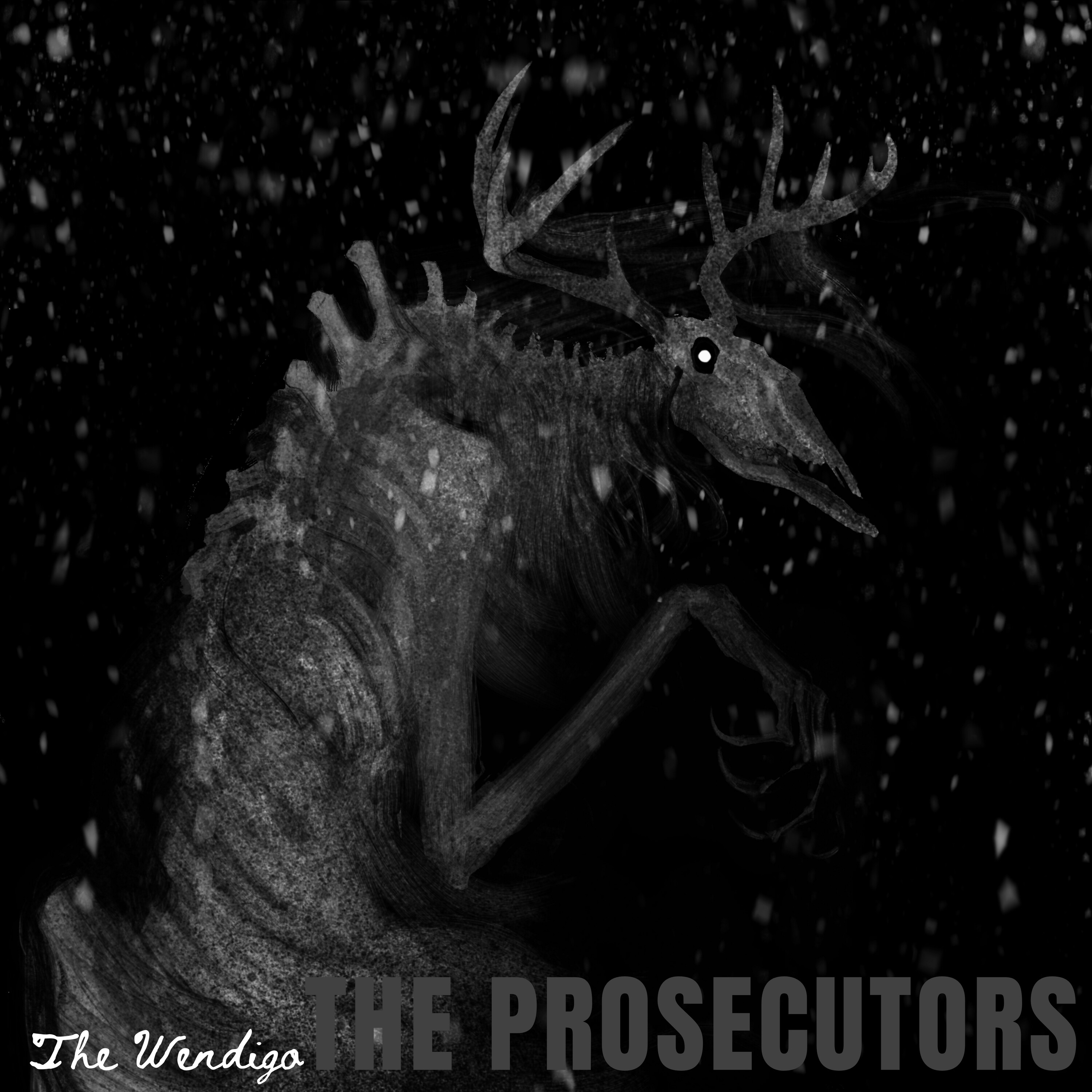
Loading summary
Transcript168 lines
- [00:00]
A
The questions start early and then they start multiplying.
- [00:04]
B
Do babies hold grudges?
- [00:05]
A
How do I know when he's full?
- [00:07]
B
Logging poops comma necessary.
- [00:09]
A
Raising kids raises enough questions. That's why we make one formula that feels right right away. One that's intentionally made and clinically proven with immune supporting benefits in every scoop. One that uses breast milk as its North Star. You'll wonder about everything except this. The formula that answers. Learn more@byheart.com hi, I'm Jessi Perry. And I'm Andy. Cassette. Welcome to Love Murder, where we unravel the darkest tales of romance turned deadly. Our episodes are long form, narrative driven and deeply researched. Perfect for the true crime aficionados seeking stories beyond the headlines. Like the chilling case of Blanche Taylor Moore, the so called black widow who left a trail of poisoned lovers. Or the shocking murders of Chad Shelton and Dwayne Johnson, where family ties masked a sinister plot. Subscribe to Love Murder on Apple podcasts, Spotify or wherever you listen.
- [01:15]
B
I'm Brett.
- [01:16]
A
And I'm Alice.
- [01:17]
B
And we are the Prosecutors. Today on the Prosecutors, the terror of a whole race drove him. He knew what it all meant. Defago had seen the Wendigo. Hello, everybody, and welcome to this Halloween episode of the Prosecutors. I'm Brett and I'm joined as always by my Za Yazid Noriji Wagan co host, Alice.
- [02:25]
A
Brett, I am your scared co host. Because right now you are the scariest thing I've ever looked at in my life. Because you know, I don't watch horror, Mo. So you dressed as Slenderman is the scariest thing I've ever seen in my life.
- [02:38]
B
I don't know. Showing. But Alice, this is just this how I always look. What do you mean?
- [02:41]
A
If you really look like that, it would be unlovable.
- [02:45]
B
I'm sorry, that's cruel. Well, then it's appropriate. My. The phrase I attempted, which I'm told might have actually been okay, is the Ojibwe two words for my scared. I'm gonna say co host. Normally it means friends, but we're gonna go with co host Alice. And Alice is scared today, aren't you, Alice?
- [03:09]
A
I'm incredibly terrified because I've always said I like to protect these innocent eyes from. No, no, no, no. He's waving these terrifying fingers at me through the screen and I don't care that he's not in the same room as me. This is scarier than anything I've seen. We've all watched. Well, I've not watched the Ring, but I Know what happens with screenshots. And it looks like you're coming through the screen at me. And can I. Can I just say your commitment to this is quite commendable. I'm going to make this episode. Oh, I see what you did there. Usually I like to rush through these Halloween episodes, but you're going to make me want to extend this one because he has on what appears to be a torture mask where he cannot breathe properly or talk properly. So I'm not exactly sure how he's communicating right now.
- [03:57]
B
It's hard to say. It's a mystery, really. The power of Slender Brett is at its height.
- [04:04]
A
But those of you listening to become Slender Brett.
- [04:08]
B
Slender Brett. Yes. I need to lose 75 pounds or so to become Slender Brett. But it's okay. I'll take it. Those of you in the podcast listening world who can't see are probably like, what in the world are you talking about? Why don't you get to the story? So we will. And this is a awesome piece of folklore that we're going to talk about today. I will say a lot of the sources are several hundred years old, so there will be times where some of the language is definitely outdated and offensive. But we're just reading to you what they say, so go with it. But we are talking about the Wendigo, one of the most famous. I don't know, some people would call it a cryptid. I would not call it a cryptid. I would call it spirit. And I think that is a more accurate description of it. In the darkest recesses of the folklore of the Cree in Ojibwe people of the Upper United States and Canada, there are whispers of something lurking in the North Woods. And not Slender man in his Wisconsin mansion. No, not a monster or an unknown beast. Nothing so prosaic, Nothing so easy to kill. No, this is a spirit. A spirit that can possess the unwitting, not only driving them mad, but imbuing them with an insatiable hunger for human flesh. This is the Wendigo. And for as long as anyone can remember, Algonquin speaking people have feared the spirit of the Wendigo. It is the spirit of. Of the cold, of winter, of famine. Depicted as a gaunt, starving creature with sunken eyes, ashen skin, and the smell of death and decomposition, the Wendigo is possessed by a hunger that can never be satisfied. No matter what it eats, no matter how many people it eats, it is always hungry, hunting.
- [06:11]
A
But as horrifying Brett looks to me right now, and as horrifying as the Wendigo may sound. If the wendigo were just another supernatural creature, maybe it would have been forgotten. But the scariest part of the Wendigo is that it has the power to possess humans, turning them to its will. They may retain their thoughts, their consciousness, but they are slaves in their own bodies, controlled by a creature that forces them to consume any everyone around them, even the ones they love. The first Western account of a Wendigo comes from the report of a Jesuit missionary, Paul Lejeune, who lived among the Algonquin people in North Quebec in 1636. In 1661, Jesuits would make the following report concerning the Wendigo. What caused us greater concern was the news that met us upon entering the lake. Namely, that the men deputed by our conductor for the purpose of summoning the nations to the North Sea and assigning them a rendezvous where they were to await our coming, had met their death the previous winter in a very strange manner. Those poor men, according to the report given us, were seized with an ailment unknown to us, but not very unusual among the people we were seeking. They are afflicted with neither lunacy, hypochondria, nor frenzy, but have a combination of all these species of disease which affects their imaginations and causes them a more than canine hunger. This makes them so ravenous for human flesh that they pounce upon women, children, and even upon men like veritable werewolves, and devour them voraciously without being able to appease or glut their appetite, ever seeking fresh prey, and the more greedily, the more they eat. This ailment attacked our deputies, and as death is the sole remedy among these simple people for checking such acts of murder, they were slain in order to stay the course of their madness. This news might well have arrested our journey if our belief in it had been as strong as the assurance we received of its truth.
- [08:40]
B
I just want to note. Alice, feel as though you're intimidated by the visuals that we're doing during this recording. I just want to note. My kids are watching this, and they're fun. No, they're not six and four, so.
- [08:52]
A
They are not watching this.
- [08:54]
B
You need to toughen up.
- [08:56]
A
Much like my sweet little Brett children. This is the scariest thing I've ever seen. This is not normal.
- [09:03]
B
Come.
- [09:04]
A
Come live with Aunt Alice, because this is not normal. You are welcome in my home.
- [09:09]
B
Well, in any event, I think this is a really interesting report. Number one. It's always interesting to hear someone talking, going on 400 years ago about something like this. It's Also always interesting to see people from other cultures attempt to explain something in a way they understand. So they're comparing it to werewolves. Right. So like a creature from Western European folklore, this spirit who often is thought of as taking control of people and then they lose control of themselves, particularly during a full moon, you know. And so you have a similar thing here. They're basically saying this is much like that. You have this spirit that takes hold of people. And much like with a werewolf, the only solution is to kill the person. In the modern folklore, you have to shoot a werewolf with a silver bullet. I don't know where that came from, but nevertheless. So, you know, and as we're going to see, there were certain ways that it was thought of that you had to deal with a Wendigo. And this is a really interesting report. But frankly, 400 years ago, when you had people traveling around talking about things they were seeing, you got wild reports all the time. People like to make everything seem more exotic. They often would take the very real religious, spiritual beliefs of the natives that they encountered and then turn it into something far more spooky. Right. But in this case, this is a story that doesn't go away. This is not one report in a missionary's journal. No, there are many accounts of Wendigo's, and we are going to go through several of those accounts now. All right, so let's go to 1767. Alexander Henry. Now, I'll tell you what. Researching this, I didn't realize all these people existed and who they were. There's some really interesting people who talked about the Wendigo. So Alexander Henry, this is from 1767. He's a Canadian author, explorer. He's also an adopted member of the Ojibwe tribe. An interesting little side note, for those of you who are into, like, Titanic lore, he is the man who got John Jacob Astor, the first into the fur trade. And the fur trade was how the Astors made their money. I mean, basically, the Astors, they went over to Canada, they started this fur trade. They opened a fur trading post in London, and they made a ton of money. And then they parlayed that into other industries and by John Jacob Astor iv. He's one of the richest men in the world, and he's traveling on the Titanic and famously died on the Titanic because he refused to use his money to get a position on a lifeboat. So good for him. Doesn't really have anything to do with this, but fine. And talk about. Anyways, so he's a really interesting guy. He had the trust of the natives. They were big fans of him. They helped him discover sort of the best fur routes, which is one way he was able to make Aster so successful. And they would talk to him about the Wendigo. And he actually wrote of an encounter with a Wendigo. And he described the Ojibwe man, who was a captive in his own tribe, as gaunt and pale from lack of food. But it was not that his jailers would not give him food. In fact, they regularly offered him meat, but he always refused it. He didn't want just any meat. It turned out that during an earlier famine, he'd killed and eaten four of his relatives. And it was believed by many native tribes that once a person ate human flesh, they would never be satisfied with any other. Henry wrote that the man would not eat anything despite his hunger, but would fix his eyes continually on the children who were in the Indian lodge and frequently exclaimed, how fat they are. Unsurprisingly, the Ojibwe put the man to death lest he prey on their children.
- [13:27]
A
But that is, of course, not the only Wendigo we will encounter. In 1796, the explorer and fur trader David Thompson reported that he had met a man named Wiskahoo in 1796 near Duck Portage. The man, a Cree, would, when he'd been drinking, say niwitikoin over and over again. This meant, I am a Wendigo in the Cree language, Wiska, who had survived a famine before, and it was speculated that he had engaged in cannibalism to do so. Over time, Wiska, who grew more and more paranoid, and his fear that he would transform into a Wendigo grew, as did his rants about the subject. Three years after Thompson met him, his Cree brethren executed him out of fear that he was a danger to the community.
- [14:24]
B
So that brings us to around 1800, when fur trader George Nelson went deep into tribal territory in the early days of that century, and he would often embed himself with tribal hunters. It's interesting, the interactions between natives and various people, both by nationality and just sort of trade. So the French, typically had a better relationship with the natives because they really came to hunt and to trade, not to live. So you can imagine it's like, okay, coming in, gonna hunt. We'll trade. You give us some stuff. We'll give you some stuff. You'll move on. So hunters and trappers tended to be more well received. And you see that in a lot these legends where people are. They're sort of hooking up with these Hunters and spending a lot of time with them and learning a lot about these stories. And so while he's doing this, he comes into contact with several suspected Wendigo. So many it seems that he wrote a rather scientific description of the phenomenon. And this is really the first, I think quasi scientific description of this, which will become more and more standardized as you'll see as we go on. This is what he said. Quote. I look upon this as a sort of mania fever, a distemper of the brain. Their eyes, for I have seen people who are thus perplexed are wild and uncommonly clear. They seem as if they glistened, it seems to me to lodge in the head. They are generally rational, except it's short sudden intervals when the paroxysm sees them. Their morions then are various and diametrically contrary at one rhyme to what they are the next moment. Sullen, thoughtful, wild look and perfectly mute, staring in sudden convulsions, wild, incoherent and extravagant in language. Thompson wrote that Wendigo were so common among the Loclarange Cree that they have such a dread and horror of this that it is constantly in their minds. It was not uncommon for hunters to have pacts amongst themselves that their companions would execute them at the first sign that they had become compromised by the Wendigo.
- [16:42]
A
So there we have almost like a medical description and much more about the mind. And even so, it was so terrifying that people at the first sign said end me lest I reign terror.
- [16:58]
B
And this is an aside, but I had the honor of joining Jason Blair on his podcast Silver Linings Handbook and we talked about he didn't know we were going to do the Wendigo. We actually talked about the Wendigo in a lot of depth. So if you enjoy this conversation, you want to hear more, check that out. It was a great interview. Always enjoy joining him. And we talked about some of the the monsters that exist in various cultures and this was one that we addressed.
- [17:30]
A
Automate your alternative resolution program with Diversion Manager. Diversion Manager is a proven web based software platform that automates and manages diversion programs. The platform benefits prosecutors offices and communities by quickly disposing of system clogging, low level crimes, holding participants accountable while providing them with a second chance. Diversion Manager is used by over 600 agencies across the US and provides over 30 online behavior changing courses addressing a wide variety of traffic and misdemeanor violations and has been shown to lower recidivism rates.
- [18:08]
B
Diversion Manager's advanced workflow automates screening, communication and disposition, eliminating manual steps. It manages processes including registration, fee handling and document upload slash verification, increasing productivity. Your office can dispose of hundreds of cases in a matter of minutes rather than days. If you need the support of our fully functional platform, which can be configured to accommodate the automation and management of alternative programs with advanced workflow, communication, reporting, and integration with your case management system, then you need Diversion manager. Go to diversion manager.com podcast to learn more and to schedule a demonstration of our fully functional platform.
- [18:55]
A
Time it's always vanishing. The commute, the errands, the work functions, the meetings. Selling your car Unless you sell your car with Carvana, get a real offer in minutes. Get it picked up from your door. Get paid on the spot so fast you'll wonder what the catch is. There isn't one. We just respect you and your time. Oh, you're still here. Move along now. Enjoy your day. Sell your car today. Carvana Pickup fees may apply. Then it brings us to 1879. Northwest Mounted Police surgeon John Kitts observed a suspected Wendigo in confinement at Fort Walsh, Alberta. He within the last two years we have had the care of two lunatics. The first was an old squaw somewhat inclined to cannibalism. She was completely maniacal and very difficult to manage. Her filthy habits infected the squadroom to such an extent that she had to be removed to a small building by herself. Now these are just a few examples of the many, many stories and legends of Wendigos in the Great North. But while these stories are somewhat fractured and speculative, that was not always the case, as we're about to see.
- [20:19]
B
So there are many, many stories of the Windigo. But there are two stories that are the most detailed and in some ways the most modern, and they have depth that some of these other stories lack. So we definitely wanted to get into these and we're going to start in December of 1879. On December 20, 1879, the first legal hanging in Alberta, Canada was carried out. But how it came to be is one of the strangest stories in Canadian history. So in the early 1870s, a Cree man named Swift Runner went to work for the Northwest Mounted Police. Had Mounties even back then. You know, some of these mountains do a better job investigating than some you're going to see in in later decades. But so the Mounties paid Swift Runner in whiskey as well as money. And that was unfortunate because he developed a taste for it that he could not control. After several drunken benders, during which Swift Runner exhibited more than a little tendency for violence, he was eventually dismissed by the mounted police from their service and sent back to his tribe. But the Cree were. When he returned to them, they didn't find the same man that he'd been when he left. The alcohol was a problem. It was still a problem. So was the violence. And it wasn't long till Swift Runner, along with his wife, her mother, and his six children, were expelled from the tribe as well.
- [21:53]
A
Now the family moved into the wilderness at the worst possible time. It was the winter of 1878-79, and it was a harsh one. Wild game seemed to disappear, either hunted to local extinction by others or wise enough to stay in their den. The family of Swift Runner were forced to face this hardship without a store of supplies to sustain them. And so when the winter came and went and Swift Runner returned to his tribe, seemingly no worse for the wear and maybe even a little plumper than the last time they saw him, they were suspicious because, strangely, he was bereft of his family. People had questions. Swift Runner said that his family had either starved, committed suicide, or wandered off. But this explanation was not satisfactory to anyone who heard it. The tribe contacted his former friends at the mounted police.
- [22:53]
B
So the mounted police, they decide they're going to look into this, and they mount, no pun intended, a search. And during that search, they find Swift Runners camp. And it was a grisly scene. Next to the remains of a campfire was a pile of bones that included human skulls scattered nearby. And not only were there bones, but the bones were cracked and hollow. Swift Runner had even sucked the marrow from the remains. So he was confronted with this evidence, and he immediately confessed. He said that his eldest son had died during a famine and that this had served as a catalyst for him. After burying his son, Swift Runner, his wife and the remaining children moved to a new camp. Now, he also had his mother and brother with him this time. And according to him, they actually left at this point and sort of struck out on their own, never to be seen again. And he didn't really know what happened to him. That's one version of the story. Other versions of the story have Swift Runner murdering his mother. These stories always add a flourish that he had stuffed an unfinished moccasin into her skull, the beading needle still stuck in the shoe. So whether that happened or not, I don't know. He said they wandered off and died.
- [24:23]
A
Now, although his eldest died of starvation, the rest of the Swift Runner's family was murdered. Swift Runner killed and ate his five remaining children and his wife. Now, he did so despite the fact his second camp was only 25 miles from food stores at the Hudson Bay Company post, a location Swift Runner was well aware of. Now, even assuming the first murder was necessary to provide the Energy for a 25 mile journey, it was certainly enough to do so. Authorities at the time and scholars since have come to a singular conclusion. Swiftrunner believed that he had become the Wendigo. Once he committed cannibalism, he could not stop. Swift Runner was tried by a jury of six, seven men, three English speaking half breeds, this is from the reports of that time, and four men well up in the Cree language. Swift Runner was provided with a translator so he understood everything being said. After the evidence was presented against him, Swiftrunner was given the opportunity to present a defense. And all he offered were the words, I did it.
- [25:38]
B
Probably should have waived his defense if that was what it was going to be.
- [25:41]
A
But Slender Brett should have been his exact lawyer.
- [25:45]
B
Slender Brett would have said, you're not testifying. We're going to say they planted it. You know, Michael Proctor was a mounted police officer. He was sprinkling cracked bones all over your camp. That's what happened. It wasn't you, but he admitted to it and he was executed by hanging. And one thing that's interesting about this talk about how, like in all these stories you often see weird history and this is a weird history note, so care was taken to ensure that his death was instantaneous. I don't know how much you guys know about hangings, but there's a short drop hanging and there's a long drop hanging. Short drop hangings tend to be gruesome. The neck doesn't break, the person strangles to death. It can take a very long time. You know, this famously, most of the Nazi executions after Normandy were supposed to be long drops, but the executioner accidentally messed up and they all essentially strangled to death. And so, you know, don't know if that was intentional or not. But in this case, they really wanted this to be a long drop hanging which breaks the neck and causes death instantaneously. And so this was not done for Swift Runner's benefit, but rather for that of the many tribal chiefs who attended the execution. So many of the native tribes in the area, they were very much against hanging as a method of execution. And so this was a way to sort of convince them like, hey, this isn't that bad. And they were all very impressed by it and said as much. And after seeing how efficient the hanging was, they actually abandoned their objections. And an American, he was there for the hanging, who had Seen many hangings before. Actually was quoted as saying it was the prettiest hanging he'd ever seen. So there you go. Okay, so that is the story of Swift Runner. And that takes us to the early 1900s, so into the last century. And this story will answer the question for us. What do you do when you find a Wendigo? As we said earlier, there is only one thing to do. You kill them. And no one in the Great White north was more adept at hunting and defeating Wendigos than Jack Fiddler. In Cree, his name was Zawano Gizigo Gaba, or He who stands in the Southern Sky. For obvious reasons, we're going to call him Jack.
- [28:33]
A
No, I want you to keep saying his name dressed as that.
- [28:36]
B
Well, you're next. So you're the one. You got it. You got to say, okay, Jack.
- [28:39]
A
Jack it is. Yeah, Jack it is. You're right. Jack. Jack is a much better nickname. So Jack was the chief of the Cree sucker clan, located in what is now northwestern Ontario. Jack was not only a chief, but he was a shaman, and he became famous in the region for his ability to deal with Wendigos, having defeated 14 by his own count. There may have been a little grade inflation there by himself, but this included his own brother, Peter Flett. Jack was often called to the scene of a Wendigo manifestation by the family of the afflicted. And though he had occasionally been begged by the Wendigo itself to put it out of its misery, there can be little doubt that Jack killed 14 people who believed they were Wendigos, A euthanization he would have described as an act of mercy.
- [29:33]
B
I think this is really interesting because, you know, as we said earlier, this is a real thing. The Wendigo is a real thing, at least to the extent that the people alive at the time believed in it so deeply that they could come to believe that they were possessed by Wendigos and they would have this insatiable desire for the flesh of other people. And the witch scares, for instance, we talked about in one of our Halloween episodes, the witch trials in Salem, Massachusetts. And one of the reasons those happened, I mean, we talked about all sorts of reasons they happen. One of the reasons was property. A lot of those people own property that various people wanted. And one way to get it was you accuse somebody of being a witch, you take their property, you kill them, and then you can do whatever you want to with it. Right? So obviously, one speculation is people didn't even really believe they were witches. It was just a good Way to settle a property dispute. That is not what's happening here. This is not. Someone's worst enemy is saying, hey, that guy's a wendigo. You need to go hunt him down. These were people saying, my family member is a Wendigo or I'm a Wendigo in wanting to be killed by Jack, because Jack was a shaman, and there was this belief that, yes, you would die in this life, but you would kill the Wendigo and you would release your own spirit. Your spirit would be released. You would not be condemned to being a Wendigo your whole life. And so this is one of the reasons that you see this going on, even at this sort of late hour. You might think.
- [31:19]
A
Now, it wasn't long, however, that Jack and his people ran headlong into the growing authority of the Canadian government in the area. Because here he is going around authority wise, killing people. By the early 20th century, almost all the indigenous people in Canada, and indeed in all of North America, had been assimilated, converted to Christianity, and submitted to western governments. Jack resisted this effort, and the sucker people remained independent, living according to their traditional beliefs. It would be the Wendigo that provided the means for the central government to break the sucker people.
- [31:58]
B
And this is a really interesting aspect of this story that, if you've heard it before, I don't know, has really been focused on because it's a great story for a Halloween episode, talking about the Wendigo, which is what we're doing now. And it's really interesting that he's like a Wendigo hunter. And you could imagine making a movie out of this. It would be a really good movie, right? But there is this political aspect to this as well. Like, why is it that all of a sudden the Canadian government is saying, hey, we need to do something about this, right? Well, it just so happens that he's the leader of this tribe that is remaining independent, that's refusing to become a part of or to submit to the Canadian government. And you got to wonder, if they had submitted, if they said, sure, we will assimilate. We'll convert to your religion. We'll pay your taxes, or whatever they want them to do. If all of a sudden the Canadians wouldn't care so much about the whole Wendigo thing, they'd be fine with that, right? But because they wouldn't, then this becomes the pressure point that they can use, and that's exactly what happens. So the Canadian mounted police, they learn about Jack's actions against these supposed Wendigo, and they Descend on the tribe and they tell Jack, hey, you're going to be arrested. Well, Jack tells them, you know, I could have all you killed, right? There's like five of you. All those people behind me, like they've, they're armed. I don't have to go with you. But to prevent bloodshed, he agrees to allow himself to be arrested. So they actually arrest him and his brother Joseph and they charge both of them with murdering Joseph's daughter in law. So the woman his son had married, it was believed by him and by the rest of the tribe and by her that she had become a Wendigo the winter before. So the story became a national sensation with Jack accused of devil worship and sacrificing his family to dark gods. And look, if you go to newspapers.com, if you've got a subscription there and you type in Cree, Jack, stories from all over Canada and indeed all over the United States will come up and you can read stories about this case and about this eventual trial. Now the problem is it would quickly become clear that these guys are not going to get a fair trial because once again we have a combination of native lore that people are calling devil worship. The fact that arresting them or executing them is sort of critical to sort of the political ends. So they're not going to get a fair trial. So facing certain death, Jack takes matters into his own hands. He actually escapes from the prison and hangs himself in a nearby forest. He was at the time supposedly 87 years old, though his age is disputed. And you'll get different ages from different sources. Now, Joseph would proceed to trial. And it was interesting because as we said before, trappers and traders are still working with the native people. They are friends with them. And many of those people, probably in a rather difficult situation and not a popular thing to do, showed up to testify on behalf of Joseph and they argued, look, whatever happened here, this wasn't malice. This was something that they believed deeply to be real and would even say, look, I've seen it. I've seen people who believe their Wendigos to the core of their being, as one man put it. Of one thing I am certain the Indians are not guilty of bloodlust and their relationships to members of their own tribes. My experience covering a period of 12 years has led me to infer that the majority of Indians are actuated by a more genuine love for friends and relatives than white people are. This was one of the people who testified on his behalf. Now you can imagine that probably didn't go very far in front of the jury that was assembled to decide this.
- [36:09]
A
Case and the evidence, evidence, evidence. I'm not the one with a mask in front of my microphone. I think there's a poll still going about whether you're a puppet or not. We'll see at the end. No, no, no, no, no, no. No hands. I am very intentionally covering your face with my outline notes. No, no, no. Stop it. The evidence against him was unreliable and contradictory, but it didn't matter. Joseph was convicted. So scant was the evidence of his guilt, however, that an appeal vacated his conviction and ordered his release. That order arrived three days after Joseph's death in 1909. With Jack and Joseph dead, the people of the Sucker clan had no choice but to submit to Canadian authority. Robert Fiddler, Jack's son and now chief of the tribe, signed the treaty that placed them on the Deer and Sandy Lake reserves, where the tribe remains to this day.
- [37:12]
B
So there you go. Not only do you learn about the Wendigo, but you also learn some history about this area of the world. Okay, so let's talk a little bit about the Wendigo and what it means and how it came to be. So there's really interesting. As I said, this is a deeply felt belief by the people of, really, the Algonquin people in general. During times of famine, the Ojibwe would perform the windigo Khan Shimowin, which is an elaborate dance complete with drums, backwards dancing, and elaborate deer school masks with antlers. According to unveiling the Wendigo Konjimowin, a Native American tradition, the last such ceremony was performed many years ago, but within the living memory of tribal members still alive today. And the purpose of the ceremony was to remind the tribe of the danger of the Wendigo during times of famine and to reinforce the taboo against consuming human flesh. And at least some forms of the word wendigo. In particular, winticoa mean owl in the Algonquin language, which I thought was interesting. Not Ojibwe, as I learned from talking to Sophie. The word for owl sounds like an owl, which I thought was. It's like a hooting sound. It's pretty cool.
- [38:37]
A
Anyways, I love that. So another unusual aspect to discuss, of course, we've already kind of touched upon it and many of you may be thinking it, and that's Wendigo psychosis. To this day, Wendigo psychosis remains a recognized psychological disorder. According to the National Institute of Health. Wendigo psychosis is a fascinating and an enigmatic culture bound syndrome rooted in the mythologies Of Algonquin speaking tribes, Particularly those in the northern regions of North America. This phenomenon is marked by an overwhelming belief and illusion that individuals are transforming into Wendigos, Malevolent spirits driven by an insatiable desire for human flesh. Now, the psychosis is marked by symptoms like paranoia, anxiety, and cannibalistic urges. Although prevalent in the 18th and 19th centuries and before, the psychosis has all but disappeared in the last century. Scientists believe that this is related to a decrease in both the threat of famine and in the cultural focus on the fear of becoming a Wendigo.
- [39:45]
B
And you can imagine how powerful the idea of a Wendigo is in times of famine. You know, it's this whole notion of don't be selfish, don't be greedy, don't take what you shouldn't take, don't murder people and eat them, right? These are important things when you're living a life that's right on the knife's edge, where you're having to hunt to survive. And when the game is scarce or there's some sort of problem, Things can get very difficult. And everyone has to make sacrifices. And you know how it is. Whenever people have to make sacrifices, There are always people who don't want to make sacrifices. And sometimes you need a hammer. You know, you need some. What's the carrot stick? Carrot stick, exactly. So the stick is Wendigo. Like you're going to become a Wendigo. And so really beating this into people's minds was important. But the irony is, did the focus on it. Did pushing it so hard make people believe they actually were wendigos? When a famine happened, did it create windigos instead of preventing them? It's a fascinating area of sort of psychology and. And the study of different cultures. It's just a. It's a really cool thing. I mean, it's become. And I mean, we're all guilty of this to a certain extent, but it's become one of those things that's like, oh, we scare each other with it, right? Oh, it's scary. Oh, let's make a movie about it, write a book about it, right? But it's so much deeper than that, and I hope you've seen that as we've sort of gone through some of this. So let's talk about the dreams. So I think this is amazing. So some of the Cree people interviewed by various scholars Discussed wendigo dreams in which the sleeper would be tempted to become a wendigo. And if they succumbed in their dreams, they would inevitably succumb in Real life as well. Here's how one Lacronge Cree described one of these dreams. I'm going to read it to you and it's a little bit long, but I think you'll agree it's worth hearing. Those who at any future period are to become cannibals, thus dream of them after the things usually in all dreams. And here's what he said. Quote. I was invited by the North Spirit to partake of a feast of ducks, the most beautiful I had seen and well cooked. The dish was set before me. I sat too. A stranger by me touched me with his elbow and said, eat now, eat not thou of that. Look into my dish. Behold, that which I had taken for the wing of a duck was the arm of a child. Ha. What a narrow escape, said I. Then he took me into another room and gave me the most excellent meat, the most delicious in appearance I had ever seen. I would not eat it. I discovered it was the flesh of Indians thus served up to me. He took me into a third room and gave me tongues. These I also perceived were the tongues of Indians. Why refusest thou what I offer thee? Is it not good? I feel no inclination to eat, I replied. Then he took me in a fourth room where fine beautiful hearts were served up and I was desired to eat. But I perceived it was still the same. I therefore refused. Then he said, it is well done. Thou has done well. Ha. Had I unfortunately eaten of this, then I would have become a cannibal in addition to all my other misfortunes. And this goes on to say, those who eat at these feasts are frequently but not universally told. Thus. And here's the quote. This is a sign to thee that one day thou shalt become a cannibal and feed on the flesh of thy fellows. When thou shalt see children play with and eat ice or snow in the tent, say my time is near, for then shalt soon eat Indian flesh. And so this notion they're playing with ice or snow and they're eating ice and snow because they don't have anything else, right? So this is a time of famine. And yeah, these people who have these dreams and now they see it and it's one of those things, it becomes a self fulfilling prophecy. They see it and they believe it to be true. As I said, I've talked about this in other places. The first book I wrote, you know, those of you who know I write novels. The first book I ever wrote, the first story, it was actually about a Wendigo, so check it out. It's called that, which should not be. Check it out. Let me know what you think. Whether you like it or not. I thought it was. That's pretty good, but I'm biased. So we always watch a movie to go along with these. And this, Halloween is no different. There is a movie called don't say its name, which we've already messed that up. Oh, well, don't say its name. It's actually by a Kree director and supposedly is one of the best movies about a Wendigo spirit. So we're gonna check that out. Friday night is actually Halloween, so we're not gonna wait till then to watch it. So I'll figure out exactly when. But if you join the gallery, you can also. You'll see it because we will talk about it on the gallery. We're going to watch that movie. Don't say its name. You're going to love it.
- [44:53]
A
And Brett's going to promise to wear this costume for the entire movie.
- [44:58]
B
The entire movie?
- [44:59]
A
The entire movie. In fact, he's not going to take it off from now until exactly November 1st.
- [45:04]
B
Do you want me to reveal the magic? Do I need to?
- [45:06]
A
I really do. That hand is freaking me out. I don'. You've changed your camera angle, right?
- [45:11]
B
Well, I have changed my camera angle because. Ah. Hello.
- [45:17]
A
Okay. That was. Did you make that?
- [45:20]
B
No, I didn't make it.
- [45:22]
A
Are you so hot? You are. You are bright red.
- [45:27]
B
I mean, it is warm and it's like heavy too. It's like.
- [45:30]
A
Oh, my goodness. Wait, so normally your head. You've pulled up the shirt, but you.
- [45:36]
B
Would wear that pull up shirt, so. Because I couldn't read. Of course. So this is how it actually, this is like how it's supposed to look.
- [45:42]
A
Okay, that's.
- [45:43]
B
So you see through the shirt, right?
- [45:45]
A
That's actually amazing. I had no. I was trying to figure out where.
- [45:48]
B
Your face was and I was gonna do it like this the whole time, but I could not read anything.
- [45:54]
A
Well, I had no idea. I thought I was looking at your face the whole time. I am very impressed, actually.
- [46:01]
B
And had to keep one hand free because I.
- [46:05]
A
The hand was a. Is very freaky.
- [46:07]
B
Yeah. So anyways. Yeah.
- [46:13]
A
Your commitment is, bar none, shall I say?
- [46:17]
B
You know, I try. I try.
- [46:19]
A
I just have to ask. Did Mrs. Brett, because you're only one handed, have to like push it up and.
- [46:24]
B
Oh, I couldn't have done any of this without Mrs. Brett. Mrs. We spent like 30 minutes before we started getting this.
- [46:29]
A
That's why you guys. I told him I needed an extra 15 minutes to get the kids to bed. And he was like, that's fine. That's fine. Y.
- [46:35]
B
That's perfect. Nice.
- [46:37]
A
Is it like a helmet? Yeah.
- [46:39]
B
So it, like. So basically you got these, like, they're. It's like wearing football pads. They're blown up.
- [46:45]
A
Oh.
- [46:45]
B
So it holds up. And then the. It's strapped around.
- [46:48]
A
Chin strap. Yeah. That is. Sits on my head where.
- [46:54]
B
So I'm sure that if I were standing up and everything and walking around, it probably really freaky because all the proportions would be off.
- [47:02]
A
Yeah.
- [47:02]
B
You know, no, the head arms are really low. Like, just think about how low your arms are.
- [47:08]
A
Right, right, right.
- [47:08]
B
You know, in this thing.
- [47:10]
A
Oh, okay. That's. That's an amazing costume. You win. You win on that one. That's. That's great.
- [47:16]
B
Seemed appropriate.
- [47:18]
A
Wow, that's. That. I can't believe you're wearing that.
- [47:24]
B
Yeah. I mean, I don't know if I can really stand up and you tell anything this, but like, oh, my God, that's.
- [47:31]
A
I mean, you're already. You're already tall. And then it's another head above you.
- [47:35]
B
Yeah. And then I've got my headphones on under here. In here, too.
- [47:39]
A
I was wondering how you could hear anything.
- [47:41]
B
Yeah. Let's come up to the bit.
- [47:45]
A
Oh, my gosh. Well, okay. You win. This. This is now my new favorite costume. This is pretty amazing, you guys. He can't. He can't get the shirt to stay up now.
- [47:56]
B
Yeah, I'm probably gonna just take this off for the ads, which we have to record now.
- [47:59]
A
Oh, my goodness.
- [48:01]
B
All right. Well, that was fun. Hey, do you want to answer a question? I think.
- [48:05]
A
Of course. I want to keep you in this costume as long as possible.
- [48:09]
B
Now that I've taken it out, it's like all, like.
- [48:11]
A
It can't stay up. I know. Stick it under your helmet.
- [48:16]
B
Okay. As you guys know, if you leave a five star view on the podcast, this podcast or Legal Briefs, we will answer your questions at some other time. So we don't really have any Halloween questions left. So for next year, ask us some Halloween questions. Though, frankly, I think we've hit all the big ones. I don't know. What are your plans, Alice? Are you going trick or treating this year or what?
- [48:42]
A
Of course we go trick or treating every year. This year's a Friday, which is great. So we usually meet up with, like, a gaggle of kids. It's got. It's like, grown every year, so we trick or treat with, like, it ends up being, like, 30 kids. It's very fun. And the kids are just, like, running. It's. Oh, my goodness. Oh, that's crazy.
- [49:05]
B
And I could be the Headless Horseman if I do it this way.
- [49:08]
A
This is a crazy costume.
- [49:10]
B
Yeah, the Headless Horseman. Because I have no head. And how do you.
- [49:13]
A
How do you take it off? Now I'm worried for you.
- [49:17]
B
Sorry, I didn't mean to interrupt your story.
- [49:18]
A
No, no, no, no. This is. This is fascinating. I'm seeing it being deconstructed.
- [49:23]
B
Yeah, there you go.
- [49:25]
A
Oh, there you go.
- [49:26]
B
Yeah. You can definitely do the Headless Horseman with this thing. Some other time, You.
- [49:28]
A
Absolutely. So maybe next year, Headless Brett.
- [49:32]
B
Anyways, you're going.
- [49:33]
A
You're tricking, training, going with a gaggle of kids. And we usually do. We've already been to one pumpkin patch this week, going on to another one tomorrow. Bunch of trunker treats this weekend. And then today was a fall fest. That's a terrifying mask. It's even scarier up close. Usually when you see it up close, you can, like, you know. That's terrifying. You can. You can put. Put it back now. But, yeah, no, it's really fun. We get started really early because it's getting dark, like, all of a sudden. It's getting dark really early.
- [50:03]
B
I know.
- [50:04]
A
And so we're probably going to start around 4:15, 4:30. And then get those chillin's home.
- [50:11]
B
Yeah.
- [50:12]
A
And then start decorating a Christmas tree.
- [50:14]
B
So when I was a younger man and didn't have any kids, this is the kind of time we would go, like, travel somewhere, because Halloween's on a weekend. So in 2015, you know, we went to Salem. I think Halloween was on a Saturday. Speaking of Headless Horseman, I really want to go to Sleepy Hollow sometime.
- [50:32]
A
So I don't. But I hope you have fun.
- [50:36]
B
Yeah, that'd be fun. Apparently, they really do it up there.
- [50:40]
A
They really do.
- [50:41]
B
So if you're out there because it's Pennsylvania, it's in New York. New York, in Hudson Valley. If you live in Sleepy Hollow, which it turns out David, who runs the gallery, is from Sleepy Hollow, but he doesn't live there anymore, invite us to your house and we'll come for Halloween. Maybe next year. That'd be awesome. Okay, let's ask you a real question. So this is from. Interesting question. This is from bpt. And this kind of goes along with Halloween, I guess. What is the weirdest thing on your bucket list?
- [51:14]
A
The weirdest thing?
- [51:15]
B
The weirdest thing on your bucket list. The weirdest thing.
- [51:23]
A
I don't know that I have anything. Let me just think about this, because I don't have, like, a list. It's just, like, ever evolving, right? Yeah, I don't. And my bucket list is usually visiting somewhere.
- [51:33]
B
Mine tends to be that, too.
- [51:34]
A
Right. So now let me. If it's not, because visiting is not that weird. You can go lots of places.
- [51:40]
B
Used to be eating whale, but I took that off the list.
- [51:42]
A
That's gross. I don't. None of it is eating anything. I don't want to eat scorpions. I don't want to eat centipedes. Nothing. Not whale. None of that. Let me think. I have no desire to learn how to fly a plane.
- [51:56]
B
Yeah.
- [51:57]
A
You know, I've already skydived. That's not weird. But I also never want to do it again.
- [52:04]
B
I'd like to go to. I mean, I don't know if going to Chernobyl was weird. If that's a weird.
- [52:10]
A
That's very weird. And also not something on my bucket list.
- [52:13]
B
So I definitely wanted to do that. I'd like to go North Korea. Like, I would like to. I like traveling to weird places, so maybe that's a weird thing. I was supposed to go to North Korea a while ago, but I didn't go. And now I feel like they'd probably just arrest me.
- [52:26]
A
And they would 100% arrest you. Do not go.
- [52:28]
B
Should have gone when I had the opportunity because I don't think they would have arrested me then.
- [52:32]
A
So I will say I probably. I've probably done a lot of things that were on my wildest dreams. Would never be a thing. It wouldn't be on my bucket list. And it all has to do with this podcast. Everything about this podcast would fall into that category of, like, never expected. But if you were like, hey, would you like to maybe do, like, hundreds of episodes with your best friend that, like, millions would hear and maybe even, like, do a couple documentaries? I'd be like, yeah, sure, why not? That sounds great, but I'm never going.
- [53:01]
B
To do it while he's dressed as slender man.
- [53:03]
A
While he's dressed as slender man.
- [53:07]
B
This is a great one. This is from mt. Melanie. If you could be on any reality show as a contestant, which one would you choose?
- [53:18]
A
America. Ninja warrior.
- [53:21]
B
That's awesome.
- [53:22]
A
Hands down. Hands down.
- [53:23]
B
Now, by picking that, does that mean I could do it? Like, are we building that in, too?
- [53:29]
A
I will. I will say this. There's zero percent chance I could even get past running up the wall. So it's not that. It's if. Because People set aside, like, years to train for it. If that were my job, I would love for that to be like, look, guys, I gotta stop being a lawyer because I need to train full time to be an American Ninja warrior. And then to compete. Well, they have to, like, compete today.
- [53:50]
B
They have a warm wall at that place we go with the kids.
- [53:53]
A
Yeah, I think about it. Every time our kids run up that wall, I think about, like, no, I don't want to just compete on it. I want to take a year. And, like, that's the thing. I do. Because they get. They, like, build courses for them and they get, like, these really good trainers. Wouldn't that be an awesome way to spend your year?
- [54:10]
B
See, I would want to do. There's that. Now. I can't remember the name of it, but someone will remember the name of it. It's actually the one where you and a teammate travel around the world. It's like a race. The Great Race. The great something race. The Amazing Race, maybe. The Amazing Race.
- [54:25]
A
Yes. Yes.
- [54:26]
B
I always thought that would be fun because it's like travel and game show all tied together. So I don't know. I think that's a. I think that'd be a fun one. All right, guys. Well, another Halloween has come and went. I hope you guys have enjoyed this episode. We tried to bring you one that was both spooky and educational at the same time. Let us know what you think. We're always looking for new ideas about what to cover on Halloween, so come up with some spooky ones for Alice next year. Shoot us your thoughts and we will do the best we can. Shoot us an email@console.com with anything you want to hear at Prosecutors Pod. For all your social media media, join us on Twitter, on Facebook, on the gallery. Listen to our other podcast, Legal Briefs. If you just can't get enough of us, there's always more somewhere, right? And if you want to see me occasionally, dress up like Slender man for most of the episode, become a patron of our Patreon for as little as. How many is that, Alice?
- [55:34]
A
Three. Three dollars.
- [55:36]
B
Three slender fingers, three slender dollars a month. Or you can get the episodes early in here ad free, even if you don't want to watch us record them. All right, Alice. Well, this has been fun as always, but what's ironic is next week's episode way worse than most of our Halloween episodes.
- [55:59]
A
I was gonna say way scarier.
- [56:01]
B
Way, way, way, way, way worse. I'll give you a hint. Oink, oink, oink. That's all I got for you. So check it out. We'll see you next week. But until then, happy Halloween. I'm Brett.
- [56:18]
A
And I'm Alice.
- [56:19]
B
We are the prosecutors. Today on the prosecutors, the terror of a whole race drove him. He knew what it all meant. Defago had seen the Wendigo. You ready?
- [56:59]
A
I can't look at the screen.
- [57:06]
B
There are many accounts of Wendigos. And we are going to go through several of those accounts now. You okay there?
- [57:16]
A
I just can't get over this. You're so committed to this that you're not gonna stay in costume.
- [58:17]
B
I. I don't know what you're talking about. I'm just. I'm just sitting here. I don't know what you're seeing. Maybe your camera's messed up or something. Do I need to help you fix it?
- [58:25]
A
Put that finger away. Is there.
- [58:27]
B
Is there anything I can do?
- [58:28]
A
Are you really there? Is that a puppet? Is this AI? Stop it, Sam.
- [59:18]
B
This October, fear is free on Pluto tv. With horror movie collections from Paranormal Activity, the Ring.
- [59:26]
A
You will die in seven days Scream.
- [59:29]
B
And from dusk till dawn. This is my kind of place. And don't miss the man made nightmares in Mary Shelley's Frankenstein. Or the world ending chaos in 28 days later.
- [59:39]
A
There's something in the blood.
- [59:42]
B
All the scares, all for free. Pluto TV stream now pay never.