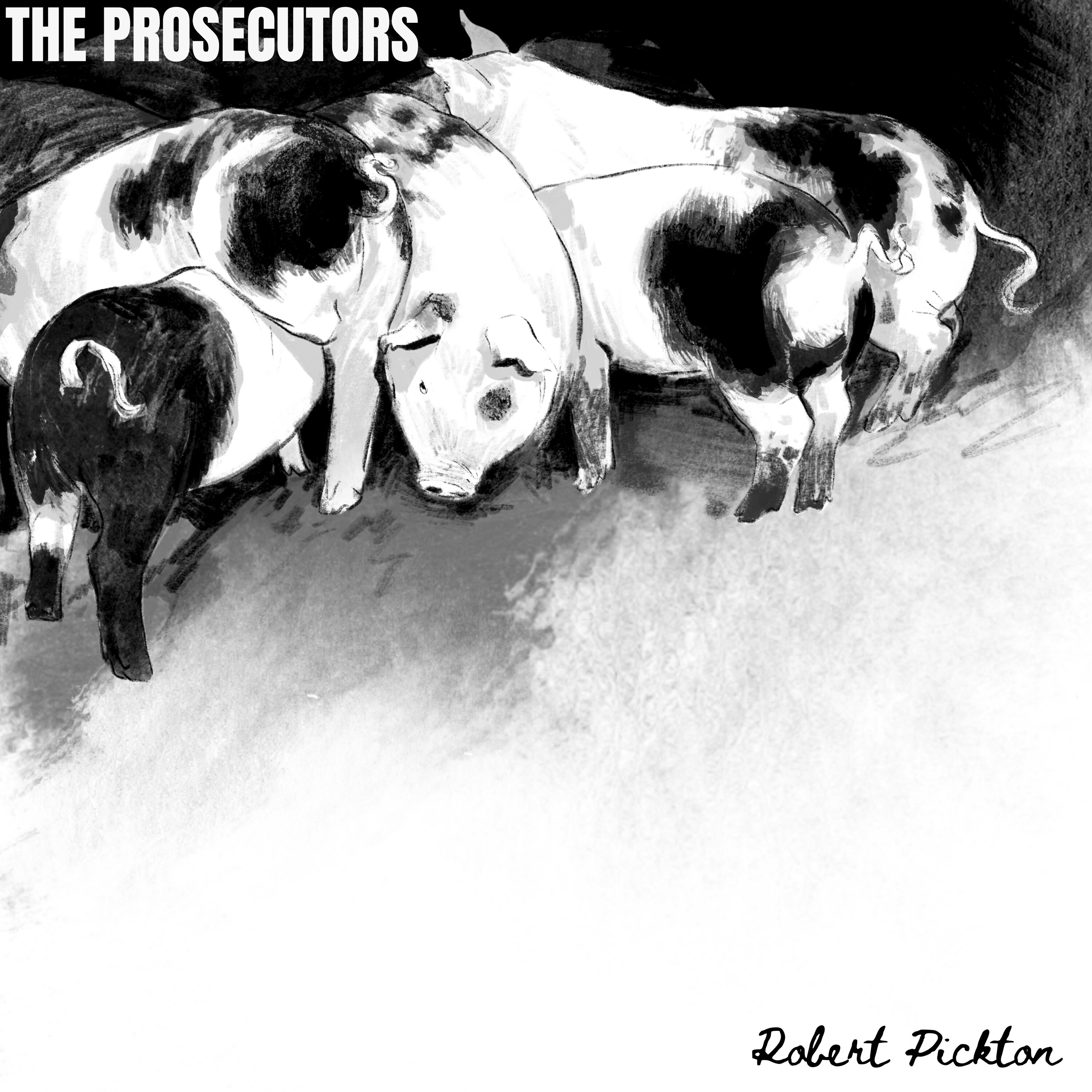
Loading summary
Transcript130 lines
- [00:01]
Alice
Taking care of your eyes shouldn't be a hassle. That's why Warby Parker is a one stop shop for all your vision needs. Our prescription glasses and sunglasses are expertly crafted and unexpectedly affordable. Stop by a nearby store or use our app to virtually try on frames and get personalized recommendations. Did we mention we offer eye exams and take vision insurance too? For everything you need to see, head to your nearest Warby Parker store or visit warbyparker.com today. That's warbyparker.com hi, I'm Jesse Perry. And I'm Andy Cassette. Welcome to Love Murder, where we unravel the darkest tales of romance turned deadly. Our episodes are long form, narrative driven and deeply researched. Perfect for the true crime aficionados seeking stories beyond the headlines. Like the chilling case of Blanche Taylor Moore, the so called black widow who left a trail of poisoned lovers. Or the shocking murders of Chad Shelton and Dwayne Johnson, where family ties masked a sinister plot. Subscribe to Love Murder on Apple podcasts, Spotify or wherever you listen.
- [01:13]
Brett
I'm Brett.
- [01:14]
Alice
And I'm Alice.
- [01:15]
Brett
And we are the Prosecutors. Today on the Prosecutors looking for a good time on the farm. Piggy's palace. Good time society might be just the place you're looking for. Hello, everybody, and welcome to this episode of the Prosecutors. I'm Brett and I'm joined as always by my Porky co host, Alice.
- [02:16]
Alice
We were not on the same page. I take it back, I did not know you were gonna call me that.
- [02:25]
Brett
What you think I was gonna call you? I mean, I don'. Miss Piggy. It's all the same.
- [02:34]
Alice
Not the same Miss Piggy. Cute cartoon character. Muppet. Porky.
- [02:39]
Brett
Porky.
- [02:41]
Alice
Go back to homely. Go back to homely because Porky is way worse. All right, guys. We had promised you we'd continue after West Memphis three. I take it back. I retract. I retract. Tonight is the night that Brett dies.
- [02:53]
Brett
So you're saying I can call you Miss Piggy from now on and that's fine. That's what I'm getting from this.
- [02:57]
Alice
The moment has sailed. You can't call me any of these things.
- [03:00]
Brett
I can't call you Miss Piggy anym. I was. I was gonna.
- [03:02]
Alice
No, no. You picked Door B. Door B was wrong. You've now fallen off the cliff. There's no coming back from it.
- [03:09]
Brett
Whatever. Whatever. Whatever. She lured me into this trap.
- [03:13]
Alice
I baited you.
- [03:14]
Brett
She did. She did. The law. This is a I who we're talking about today.
- [03:19]
Alice
Talking about baiting.
- [03:20]
Brett
Oh, There we go.
- [03:22]
Alice
You see that?
- [03:22]
Brett
There you go.
- [03:23]
Alice
So many ways to bring this around and save you from the cliff. We'll talk about this later. We have people here watching live. I can't deal with you right now, but this might be the last episode, Everybody. You heard it here.
- [03:34]
Brett
At least we made it through October. If you're listening to this, it is not October anymore. I hope you guys had a good Halloween. But as we were talking about, as is often the case, this is a case that very easily. I don't even know what the distinction really is between the October episodes and the rest of them, because this one is just as horrifying. I mean, they didn't base Texas Chainsaw Massacre on this because this happened after Texas Chainsaw Massacre came out. But if it hadn't have, they absolutely could have. I mean, this is one of the most brutal, horrific series of murders, preventable series of murders you're going to find. And, you know, usually we're talking about brutal serial killers. You're in the United States. I just mentioned Texas Chainsaw Mass here. But we are once again traveling north of the border to British Columbia, Canada, to talk about one of the most infamous names in Canada, well known in the United States, but probably nowhere near as well known as probably should be. Robert Willie Pickton and Piggy's Palace.
- [04:48]
Alice
I'm not talking anymore. This is the solo pod. Apparently you open the wrong door and you into Piggy's Palace.
- [04:54]
Brett
Oh, my goodness. I've just. This is.
- [04:58]
Alice
I had to do this. Okay, okay, guys. I totally baited Brett into this, but I truly didn't know that he would even think to call me that. So.
- [05:05]
Brett
Okay, fine, pork chop, you guys.
- [05:07]
Alice
Give him all the. Give him all the hate that you need. Pork belly. Which is also delicious.
- [05:14]
Brett
So good.
- [05:15]
Alice
But I do have to note this. Welcome back to all of you. 20% who left during October. Truthfully, when we were researching this case, reading this, I was like, this could easily be an October case or not. And then all of the October cases could be other cases. But this is so gruesome. So, I mean, if you haven't heard of this case or if you don't know all the specifics of it, I don't blame you because it is incredibly gruesome. But you're about to learn about it today.
- [05:42]
Brett
Yeah. So with that and to get myself out of trouble, let's go ahead and dive into the story. So Robert Willie Pickton is a household name in many Canadian households. For all the wrong reasons, he was eventually convicted of Six murders of missing women in British Columbia, but he is suspected to have killed dozens more. But before his rise to infamy, Willie Pickton was but a lonely pig farmer, like so many pig farmers before living in Port Coquitlam, which I think is right. I mean, I could be wrong about that, and you can correct me later. British Columbia. Willie Pickton was born on October 24, 1949 to Leonard and Louise Pickton. He had an older sister, Linda, and a younger brother, David. From the beginning, life for the Pickton family was far from normal. They lived and operated said pig farm, which was about an hour east of Vancouver. And the conditions were rough, to say the least. The animals on the farm roamed freely across the farm and through the home, which led to dirt, hair, feces, constantly covering everything. The children only bathe once a week and the entire family was said to have a pungent smell of manure permanently attached to them. It was even said that Willie Pickton had a deep, abiding fear of showers because it was so rare that they would actually be clean.
- [07:21]
Alice
While poor hygiene was not the only issue for the Pickton children, Leonard and Louise didn't exactly create a loving environment for the family. Leonard was known as distant and cold, and Louise was known as highly eccentric. Willie seemed to suffer particularly cruel punishment and treatment at the hands of his parents when he was only three years old. And any of you who've ever been around a three year old, I'm around a two and a half year old, almost three year old, know that they don't exactly have impulse control, that they scream a lot, that they cry a lot, because they are not fully formed emotional beings yet. And like other three year olds, Willy cried sometimes the night. And his mother couldn't take it anymore, couldn't handle his crying. And so she forced him to live in a converted chicken coop for an entire winter in Canada because she didn't want to deal with his crying through the night. And here's the thing. Not only is the chicken coop obviously outside in the brutal cold, incredibly dirty and stinky. If you've been near a chicken coop before, there's chicken feces all over the place. Not fit, obviously, for a toddler to live in, he didn't even have water out there. The only source of water he had was this little spring that ran underneath the coop. And so when he got thirsty, he'd have to lift up the floorboard of this chicken coop, scoop out the water with his hands, and that was his source of water.
- [08:56]
Brett
And the thing is, you Know, pigs actually cleaner than most people give them credit for. Chickens are nasty. I can only imagine avian flu. Oh, yeah, that's the thing. How disgusting this was, how dangerous it was. You put a three year old in that situation, he's drinking water and it's flowing underneath the chicken coop. I mean, good Lord. And one thing that's interesting about this, we talk about these people who do these horrible things and if you know this story, you know the horrible things he's going to do. But that eternal question about nature versus nurture and are killers born or are they made? And obviously you will see people who come from great families who turn out to do horrible things. But you also see this kids who were abused from a very early age who turned into monsters. And I just, you just have to wonder. I don't feel sorry for this guy at all because of what he's going to do, but I feel sorry for him as a child and I wonder how much of this ended up influencing what he would do later on.
- [09:57]
Alice
This definitely goes to the question, are monsters born or are they made? And this is horrendous. I've heard in like my worst court cases of situations like this, but they typically are punishment for like a day, maybe a night. That wasn't the case for him. Willy actually was forced to live in this coop for an entire year until he learned not to cry through the night. I wouldn't say he learned not to cry through the night. It was like pure survival and probably immense learned helplessness that no crying was going to do him any good. So at age 12, Willie took $35 that he had saved because as you can tell, there's not a lot of love in the home. And he took that $35 and he bought a calf as his own pet that he loved. He loved this calf. He dedicated all his time to caring for it. Until one day he came home from school and he couldn't find his calf anywhere it was missing. So Willie asked his dad if he knew where the calf had gone and Leonard told him to go look in the barn. This is a whole other level of cruelty. So Willie walks to the barn, opens the door, and he's met with an utterly gruesome sight. It's his beloved calf's carcass hanging upside down. After this incident, Willie didn't speak for four days. He was completely devastated.
- [11:22]
Brett
And you know, this reminds me. Well, number one, little foreshadowing. Willie Pickton is the serial killer. And he is going to do some horrific things. And later on A witness in this case is going to walk into a room and see something very similar to this. But not of a calf hanging from a slaughter floor, basically, but a woman. And once again, you think about this incident in his life and how it affected him going forward. It also reminds me of the Lizzie Borden case. I mean, going way back now. But you remember that she had, I forget, were they birds or something? Pigeons? I can't remember exactly what they were, but she had some pets and her father killed them with the very same hatchet that he would eventually be killed with. And stuff like this. You know, talk about traumatic. And also, once again, just to keep going back to horror movies, if you've ever seen the movie or read the book, the Silence of the Lambs, I mean, Silence of the Lambs has to do with slaughtering animals. And look, this is a situation where I'm not saying that everyone who works in a slaughterhouse or works on a farm is desensitized to death. I'm not saying that at all. But something like this is so cruel and to introduce these children to this so early on in such a cruel way, I mean, there's no way it could not affect them going forward.
- [12:54]
Alice
And obviously this wasn't just out of necessity. There's a level of cruelty here that Leonard is doing. You can imagine if the family is at the edge of starvation and they have no choice but to slaughter their one calf to feed the family. He wouldn't have to have Willie walk into the calf hanging from the rafters, dripping, draining blood. There's a way to do that that is not traumatizing to Willy. The way it's presented to him is meant to be cruel and to shock him, right? I mean, this is not the loving way to do it.
- [13:29]
Brett
This reminds me of my wife. She showed lambs when she was a kid. So it was like 4H. They would show lambs, but they were market lambs. So like Fluffy the lamb, they would go show it and the next time she would see Fluffy it was in the freezer, you know, and it's like she don't eat lamb to this day because of that. But yeah, it's just this is some traumatic stuff and it doesn't end with this cruelty at home. So life at school, no better. As you can imagine, many of the children at Willie's school, they come from well off families. They're well dressed, they don't have these experiences. And Willie and his siblings, I mean, they stick out like sore thumbs. And of course they are bullied Ruthlessly. And Willie earns a nickname that he will later turn into a bit of a business called Piggy. And he also had a learning disability and a speech impediment, which only further fueled the bullying. So it's one of those situations where life at home is miserable. There's no respite when he goes to school. There is no reprieve for him. And one neighbor even reported, before I say this, there are things in this case that I'm not sure if they're true, because there are things in this case that are so wild and bad and disturbing that you feel like they have to be part of the legend that's grown up around this. And we're going to say several of those things throughout this discussion of this case. And when we talk about them, I'll flag them for you as like, I'm not sure about that. And this is the first one. So this neighbor says that to sort of find some respite, Willie would hide, but he wouldn't just hide anywhere. He would crawl inside of pig carcasses to hide from people. Okay, so they have this pig farm. It's not exactly well run, but they are making some money. And in 1963, Leonard and Louise will buy 40 acres in Port Coquitlam, British Columbia, and they expand their pig farm. Now, look, they didn't outsource this. They didn't hire people to do this for them. They slaughtered, butchered, and packaged the meat themselves. And they had a ton of animals, more than 700 pigs, and many, many chickens. And so much of this responsibility fell to Willie and his brother David. Linda, the sister, got out of this. She had gone to live with some relatives that same year, and that was probably the very best thing that ever happened to her. And she sort of leaves this story, and you don't see her much again. But they had all these animals. They had to feed them three times a day. So they have a lot of responsibility at a very young age. In the following year, because of that responsibility, Willie would actually drop out of school. He was only 14, but he began training as a butcher's apprentice. And this was so he could learn how to slaughter the animals, how to prepare the animals, which would be very helpful on the family farm. Now, initially, he had no interest in this whatsoever, as you can imagine, given everything he had gone through. But it wasn't long till he started to take to it, and he got really good at it. And by the time the early 1970s roll around, he is butchering 12 animals a day. And and he's working as the primary butcher at the farm. So he's gone from sort of, you know, having this pet calf that he loves to now he's the guy who's taking care of butchering all these animals and preparing them for sale for the family.
- [17:12]
Alice
Now, his parents, Leonard and Louise, they die in 1978 and 1979 respectively. And David Pickton, his brother, began running the business side of the pig farm, with Willie continuing to focus on slaughtering of the animals, since he's so good at it. Now, by this point, the farm is completely dilapidated. It's filled with garbage and debris. Remember, they didn't outsource anything. That's a lot of animals, a lot of slaughtering, and not a lot of upkeep or cleaning up. So by the early 80s, business at the farm took an unsavory turn when David began running a chop shop on the property, breaking down stolen vehicles and selling the parts. And in 1994, the brothers sold off part of the land on the farm for a whopping $2 million. And a couple years later, in 1996, David Pickton established an illegal nightclub speakeasy on the property called Piggies Palace Good Times Society. Now, this brought business to the farm, but it brought a lot of people, including unsavory characters, to the Picton farm. Now, at the same time, Vancouver was facing a crisis concerning missing women in the area. We've actually covered some of this before. And since the late 1970s, the area had been experiencing a significant increase in the number of missing women, which continued through the early 2000s. Initially, law enforcement didn't really take this seriously, leaving many to speculate that this was because the victims were often sex workers or indigenous people who were viewed as this less sympathetic pop. So the story was the police just don't care about this vulnerable population. But eventually, the authorities would begin to focus on explaining these mysterious disappearances and suspected murders. And what they found led straight back to none other than Piggy's Palace. Good Times Society.
- [19:09]
Brett
And talk about a stroke of luck. The parents just happened to buy some property near Vancouver, and it turns out to be really valuable. It's interesting because I've read that this land was going to be turned into some sort of high class housing. And I always think of really nice, upscale apartments in the Whole Foods right next to Piggy's Palace Chop shop. Slaughterhouse.
- [19:34]
Alice
Right.
- [19:35]
Brett
But they had all this money and they decided, it's sort of a little unclear, they wanted to create a charitable organization. So that's how they described Piggies Palace, Good Times Society. It was just some sort of charitable organization. David later on in his life he would like visit a foreign country and get sick drinking the water. So he created some sort of charity for clean water in this place. You know, just sort of weird. But they describe it as this charitable thing but it does turn into sort of. They just have these huge parties. He's almost like raves out on the farm and there's all these pictures of bands showing up and playing and they're selling alcohol which they don't have a license for. Eventually this will get shut down by the city because everybody I guess in those nice apartments next door start complaining about this whole thing. But it's too late. This has just turned into a really bizarre story as you're going to see.
- [20:37]
Alice
If you've ever been on a GLP1 for weight loss, you may have seen results, but coming off the medication is the real challenge. Prolon's five day fasting mimicking diet offers a drug free way to keep the weight off while protecting muscle and supporting fat loss. In just five days, Prolon activates the same fat burning and cellular rejuvenation benefits triggered by fasting, but all without giving up real food helping you maintain your hard earned progress. Prolon is a plant based nutrition program featuring soups, snacks and beverages designed to nourish your body while keeping it in a fasting state, triggering cellular rejuvenation and renewal. And it's been over more than two decades at USC's Longevity Institute and backed by top U.S. medical centers, Prolon has been shown to support fat focused weight loss, biological age reduction, metabolic health, skin appearance and more.
- [21:32]
Brett
Guys, I have been real with you about my experience with Prolon. I had huge doubts, didn't think it would work, thought I'd hate it, heard fasting, thought this is going to be the worst five days of my life. I was completely wrong. When I started using Prolon in the soups and the snacks and the beverages, very quickly I began to feel something I did not expect. I enjoyed it. I had more energy, I had more focus than I'd had before. And I'm not the only one. Some of you have reached out to me about Prolon and your experience and you've loved it too. If you are not someone who has tried this and you're interested in fasting, this is the product for you. For a limited time, Prolon is offering listeners 15 off site wide plus a $40 bonus gift. When you subscribe to their five day program, just visit prolonlife.com prosecutors that's P R O-L-O-N-L-I-F-E.com prosecutors to claim your 15 discount and your bonus gift prolonlife.com/professional prosecutors.
- [22:46]
Alice
Automate your alternative resolution program with Diversion Manager Diversion Manager is a proven web based software platform that automates and manages diversion programs. The platform benefits prosecutors, offices and communities by quickly disposing of system, clogging low level crimes, holding participants accountable while providing them with a second chance. Diversion Manager is used by over 600 agencies across the US and provides over 30 online behavior changing courses addressing a wide variety of traffic and misdemeanor violations and has been shown to lower recidivism rates.
- [23:22]
Brett
Diversion Manager's advanced workflow automates screening, communication and disposition, eliminating manual steps. It manages processes including registration, fee handling and document upload verification, increasing productivity. Your office can dispose of hundreds of cases in a matter of minutes rather than days. If you need the support of our fully functional program, which can be configured to accommodate the automation and management of alternative programs with advanced workflow, communication, reporting and integration with your case management system, then you need Diversion manager. Go to diversionmanager.com podcast to learn more and to schedule a demonstration of our fully functional platform. This episode is sponsored by BetterHelp. Guys, we are coming into that season where we have so many holidays, so much fun, so much time with families. But we all know there is a darker side to it all. Depression often ramps up at this time of year. It's getting darker outside, the seasons are changing and it can be a tough time for many. So this November, BetterHelp is encouraging everyone to reach out, check in on friends, reconnect with loved ones, and remind the people in your life that you're there. Just as it can take a little courage to send that message or grab coffee with someone you haven't seen in a while. Reaching out for therapy can be difficult too, but it's worth it. And it almost always leaves people wondering, why didn't I do this sooner? We've all been there. It can be tough dealing with this season. It can be tough dealing with all the expectations that come with it. Therapy can help, and it can be something that really changes your life and energizes you for the year ahead. Okay, let's go through the timeline. So 1978, our friends in the Royal Canadian Mounted Police, which I just, you know, I used to watch that movie. I don't know what a movie. It's a television show. I can't remember what it's called like Mounties or the Mountie or something. It was all about a Mountie. And I can't remember if he, like, it's been a while, as you can tell. I can't remember if he came to America or something. He's sort of a fish out of water and he's got his, like, red suit on. Anyways, point being, I always had a really positive view of the Royal Canadian Mounted Police, the rcmp, but, man, it wasn't Northern exposure. So that's a great show. Due south. That's what it was. Sophie nailed it. Okay, so, but I gotta say, we've been doing this true crime thing now for five years or whatever, and we have yet to see a case where the. The Mounties really bathe themselves in glory. I mean, it's. It's rough. Every one of them is like, the Mounties didn't do anything. Mounties look the wrong way. The Mounties totally screwed it up. And we're gonna do that again today.
- [26:29]
Alice
We are gonna do it again. I will. I will at least know because, you know, whenever we talk about police, we probably wouldn't be covering these cases if they did their job. So let's put it that way. But also, I just imagine I've been to Canada before. I've been to Vancouver before. I think it's absolutely beautiful. But I just imagine Canada to be the. This like, vast wilderness that is absolutely untamable horse all the time.
- [26:52]
Brett
I mean, give these guys a car, right? Maybe if they didn't have to ride their horses to every. Every crime scene, this wouldn't be as much of a problem. But it is. And as we're going to see here, so the rcmp, alongside the Vancouver Police Department Missing Women Task Force, they begin compiling a list of missing women in the area because people notice all these women are suddenly going missing. And unfortunately, even though this is a good start, making a list, there's very little progress made on tracking down any of these women. And look, we're hard on them, but they did have a few issues. So a lot of these women were living that transient lifestyle and they were hard to track down under the best of circumstances. A lot of them did have substance abuse issues. A lot of them were sex workers. This is not to blame them for anything that was happening to them. But victimology is very important when you think about these cases. And as we have talked about over the last 300 episodes, if you're someone who doesn't have, like, a solid address, who doesn't have a steady job, who doesn't have people who see you every day. Oftentimes it's really hard to know when someone actually goes missing because they're not reported missing or if they are, it's days later. We've seen this in several cases where, you know, the worst timing, right, they do have a roommate, but the roommate goes on vacation and they disappear sometime while the roommate's on vacation. And so they don't find. The Trevor Deely case was one of those. I mean, Trevor Deeley wasn't a transient by any stretch of the imagination, but his roommate just so happened to be on holiday when he disappeared. So we don't actually know when he disappeared. It's things like that. But in this case, you have people who went missing and no one noticed for years. They were reported missing for years, and that makes it very difficult for them to do their job. Now, that is my sort of defense of them. On the other hand, they also weren't that interested in this. Many of these women, like I said, they were addicted to drugs, they were sex workers, and there was just less of an effort to find them. And once again, to give them a little bit of credit, the police would say things like, look, these ladies are adults. You know, they move around a lot. We don't have bodies. Because that's one thing about this case. It's really strange. There were all these people disappearing, but they weren't finding the bodies. There are no bodies showing up. They're just missing women. And so, you know, the police are sort of, I'm going to say, using that as an excuse and saying, look, how many resources can we really pour into finding someone who's quote, unquote missing when we don't even know if they're missing? For all we know, they've moved to Ottawa or Montreal or something else. So that's sort of the excuse they use initially. But this continues, and it continues to get worse. By 1987, the RCMP has established a special task force who were solely responsible for investigating the unsolved disappearances and likely murders of sex workers in the Vancouver area. But once again, they put this task force together. It lasts for a couple years, it doesn't make any progress, and eventually it's shut down because of budgetary issues. So 1991. So we've got like. So 1978, 1987, 1991, women are disappearing. They're continuing to disappear. There is no Progress. So by 1991, the families of these missing women and advocates for them are starting to put together a public Pressure campaign. And they're having an annual Valentine's Day remembrance walk as memorial to these women to try and put pressure on the government and on the police to try and investigate what's been happening. But even then, the police response still just not a lot is going on. Shortly after this though, one person is arrested. David Pickton, so Robert's brother, he is arrested and convicted of sexual assault and the hammer of justice falls on him and he receives a thousand dollar fine and a 30 day probation.
- [31:20]
Alice
You would think when they have like all these task force that span three decades and then nothing happens. And by the way, when like you can't make progress, instead of pouring more resources in it, you just shut it down. They finally are able to like convict someone of sexual assault and they're like, you know what, we could use another thousand dollars. If you'll just pay that, you're good to go. But obviously this is not just a Canada problem. We see this actually pretty often in sexual assault cases.
- [31:46]
Brett
I will say this one minor good thing about this, it's not that great. But like 30 years later, this woman is able to sue David and collect not a significant, but more than $1,000 for sort of what happened to her. Because I think in addition to this, he then later on threatened her and so she was able to sue him and get some money. So that's a good thing that came out of this. But you can tell how seriously they are taking sexual assaults and violence against women in this jurisdiction.
- [32:17]
Alice
And it's only going to get worse for women in this area. In 1995, Diana Melnick disappeared. Now this is going to be the first of the victims that Willie Pickton would later be charged with murdering. In 1996, Tanya Holick disappears. Now Pickton would later be charged with her murder as well as 1997. It's like clockwork. This is all we know of, by the way. 1997, five women disappear who picked in would eventually be charged with murdering. They're Kara Ellis, Andrea Borhaven, Sherry Irving, Helen Mae Hallmark and Cynthia Felix.
- [32:54]
Brett
And I just want to point out one thing real fast. So 1995 and 96 we have one woman who disappears who has been sort of attached to Willie Picton. What happens in 1996 though? They found Piggy's Palace. And then in 1997, all of a sudden, five women disappear. And you're gonna see that sort of this continues to escalate.
- [33:20]
Alice
This brings us to March 22, 1997. So a 31 year old woman who went by the name of Stitch was working as a sex worker one evening in Vancouver's east side when 47 year old Robert Pickton pulled up pickup truck. He offered Stitch $100 for sex, which was really a hefty sum in that area. So she agreed against her better judgment to go back to his farm with him. After they were done, Stitch asked for a phone book, at which point Pickton attacked her and tried to handcuff her. Now, Stitch grabbed a nearby kitchen knife and began defending herself. And both were stabbed. In this altercation, Stitch was actually able to escape and she ran to the road where she flagged down a passing car. She was taken by an ambul to the Royal Columbian Hospital while she was undergoing emergency surgery.
- [34:11]
Brett
Can't make this up.
- [34:12]
Alice
You literally can't make this up. This is the horror movie of all horror movies. You know when you're running like in those scream movies, and the person with the mask and the knife is walking at a tortoise speed, but somehow they're able to catch up to the person who's sprinting? This is what it feels like metaphorically here. So Stitch is in surgery for that stab wound to save her life, and Pickton walks into that same hospital to be treated for his injuries from that same altercation. Now, an orderly found a key in Picton's pocket that unlocked the handcuffs that were on Stitch's wrists. She was in. I mean, hello. She didn't lock herself. He has the keys and they're actually unable to unlock it. Great job for whoever was like, there's a key here. We have a woman in surgery, stabbed. They both have stab wounds. She. We put the key in her handcuffs and they unlocked them.
- [35:04]
Brett
The orderly did a much better job investigating this case than the police will.
- [35:08]
Alice
Yeah, so that's a smoking gun if you ever had one. Now, Pickton was arrested and charged with attempted murder, assault with a weapon, and forcible confinement. You had the handcuffs, forcible confinement. Unfortunately, the charges were later dropped because the victim was not considered a competent witness due to her drug addiction. This is a little rough because she clearly got stabbed. She clearly had handcuffs that she didn't put on herself because she didn't have the key to it. I don't really think it matters what her mindset was. In fact, I would say it's even worse because you ever heard of like a date rape drug, for example? Just because someone is like drugged doesn't necessarily mean that they are not a victim to something. But this is another instance where you see maybe the vulnerable, unsavory, quote, unquote population is put up to a different standard.
- [35:57]
Brett
And look, I think it's worth remembering Picton's got money, right? I mean, when you think about Pickton and you think about Piggy palace and think about the pig farm, everything, you don't think of Robert Pickton as being someone with a lot of influence, but he was. He had money and a lot of money. Millions of dollars, right? And so basically, he says, look, but I'll tell you exactly what happened. This woman, she shows up at Piggy palace for a party. She then gets a knife. She tries to rob me because she's on drugs. She needed money for drugs, tries to rob me. We struggled for the knife. She got stabbed. I was defending myself. Really should arrest her. I mean, basically, what he says and the police, it's like, no one thinks, what about the handcuffs? How does that fit in the story, the handcuff part? Maybe he was making a citizen's arrest. I mean, I'm not really sure how that went out. Right. It's like they don't. They don't think about that. It's like, oh, you know. Right, you're right. She is prostitute. She is on drugs. So I guess. Well, I'm just gonna let this one go. Sorry. Upright citizen who runs a speakeasy on his pig farm, slash chop shop. We're gonna have to let you go. And look, this. You know, sometimes you have to laugh to avoid crying. So many people are going to die because of this. Like, this failure here is going to cost so many lives.
- [37:19]
Alice
This was literally a miracle that was squandered. It was a miracle that Stitch was able to get away and flag someone down before he caught her. And to be in the same hospital as him where the evidence is sitting right there to show that he's the one who confined her, can cuffed her. I mean, this shouldn't have happened in another world. If this had gone a different way, we would have said this was the moment. And if he had not been taken off the street, a countless number of women would have died. And we're about to see that that's exactly what's going to happen.
- [37:48]
Brett
You know, Alice and I have had the opportunity to do trainings for police officers. I just did one recently at, like, a statewide gathering. And we oftentimes will use these cases as examples to say, like, hey, here's what happened. We're now at that moment, like, we talk about the Ellen Greenberg case, and it'll be like, she was stabbed. This Many times. This many times were in her back. This many times were in the back of her. Of her head. So, of course, the police ruled it a suicide. And everybody in the room is like, what? You know, like. And then the next day, let the boyfriend clean the house. And everybody's like, what are you talking about? Right? And this is one of those examples, those of you who are familiar with the Jeffrey Dahmer case, a similar event in the Jeffrey Dahmer case, where there's, like, a young boy, I don't know exactly how old he was, but he gets away from Jeffrey Dahmer, and he's, like, running down the street, and he runs right into some police officers, and Jeffrey Dahmer is right behind him. And Jeffrey Dahmer is like, oh, yeah, yeah, he's. He's staying in my place. Sorry, I don't know why he's bothering y'.
- [38:54]
Alice
All.
- [38:54]
Brett
And the police are like, oh, yeah, of course we'll help take him back to you. And of course, he murders him and then murders a whole bunch of other people. And it's just like, you see this. This stuff happens. I mean, even the Gabby Petito case, right? You have that interaction with the police where obviously there were steps they should have taken and they didn't take them. And here you have a situation where obviously someone who's very violent, you don't grab a knife and then handcuff someone if you're not about to do some really terrible things. And the fact that no one recognized that. Hindsight's 20 20, but I feel like you probably should have seen this one as well at the time. Nevertheless, they don't do anything. And so in 1998, four more women disappear. Who picked in will later be charged with murdering Kerry Koski, Inga Hall, Sarah Devries, and Angela Jardin in 1999. Six women disappear. Who picked in will later be charged with murdering. And I just want to point out these are the people who be charged with murdering Marnie Frey, Georgiana Pappin, Jacqueline McDonnell, Tiffany Drew, Wendy Crawford, and Jennifer Lynn Ferminger. And the thing I don't like about serial killer cases, and we've run into this before when we've talked about missing and murdered indigenous women, where there's just not a lot of information. Like, there's so many names. You just read these names, and it's like, six more people. And you read the names of six people and just think about this. Like, every one of those people had lives. They had family who loved them. They had parents. They had Kids, they had significant others. They had friends, right? They had dreams that were future, and they were murdered. And now they're just names of people that Willie Picton murdered. Now, think about this a lot, and I think actually true crime has done a really good job with the Long island serial killer case, trying to really talk about the victims in that case and the lives they had. But you see this so often when you talk about these serial killer cases. Just name after name after name after name of people whose lives are cut short by someone, okay? But it's, you know, now the rcmp, they're starting to get some new reports about Robert Pickton that you would think would raise some red flags. Now, the first comes in early 1999 from Bill Hiscox and this guy, okay? So basically, the Pictons, they had this farm. They had a small staff. Most of them were gone. But Bill, he still worked for the Pickton brothers. And he had noticed that all these women were going missing. And he had noticed that a lot of women from the area of town, this sort of, you know, shady side of town, would come to Piggy's Palace. And he started to kind of put two and two together. And eventually, a woman named Lisa Yields, who had been a close friend of Robert Pickton, told Bill that she had seen piles of women's clothing, purses, and identification papers at the pig farm. And Bill, putting two and two together, starts to think this belongs to all these missing women in the Vancouver area. So he goes and tells the police this. Now, good thing for the police, they did contact Yields, but when they talked to her, she was completely uncooperative. Remember, she's a close friend of Willie Pickton. So she shared this with Bill. But once the police come and talk to her, she's not interested in talking to them. Well, Bill, unlike the rcmp, doesn't give up. So he continues to make reports about Picton. Every time he sees something, like he sees a woman at Piggy palace, and all of a sudden, a woman matching her description disappears. He'll call the RCMP and be like, hey, guys, I think this woman who disappeared was here. Maybe you guys should look into this. But the RCMP is like, you know, really, Bill? I mean, all we got is, we got your word. We got some hearsay, you know, from this Lisa Yields lady. I just don't know that we can really do anything about this. Now, I'll say this. This is Canada, but they still have some rights. And you can't just search people's property in Canada without a good search warrant either. And, you know, it has to be a little bit more solid than hearsay. It can't just be. This woman told me that this thing was happening. I'm gonna go to you. But nevertheless, it feels like the RCMP at this point, isn't really that interested in doing any extra work because you have a lead now. Now, maybe he hasn't wrapped it all up in a nice bow for you so that you can go get a search warrant and search the property, but I kind of feel like you should be doing some of your own investigation now to try and get the additional information you need to get that affidavit together so you can do the search.
- [43:56]
Alice
I'm just gonna throw something out there. Okay. You don't think you have enough to go on the property? There's something called pull cams, right? You could put it on a public road that goes there and see which women are going there and. Huh. This is really interesting. Regularly 10 women go in and only 7 come out. And they never come back out. Over and over and over, right? Like, there's certain measures you can take if you have these repeated reports, especially if someone inside. And I'm telling you guys this because a lot of people like, well, what are you gonna do? There are things you can do.
- [44:24]
Brett
I mean, the pig farm, Piggy's palace, they're having parties. Just put a dude in plain clothes and be like, bill, when you see Robert with a woman, give us a call and we'll come to the party. And just, you know, there's lots of things you could do, but they don't. Okay? So by the spring of 1999, and now they have an informant who tells them that a woman named Lynn Ellingson saw a woman's body hanging in the slaughterhouse on the Picton farm. Remember what I said earlier about the calf? And he walks in, he sees the body of the calf hanging. Well, she sees the same thing. So they don't really have pigs anymore, but it's still one of those things where they have a slaughterhouse, and if you walk into it, there are these hooks hanging from the ceiling. And those of you who know anything about the way you slaughter animals, one thing you have to do is you have to drain the blood. So oftentimes the animal is killed and then hung upside down. You know, throats cut, blood drains out, whatever. I mean, that's one thing you have to do. And so she walks in and essentially sees a human being in this circumstance. Like I said, Texas Chainsaw Massacre. Just straight out of a horror movie. She sees this. So the police, they go and they talk to Lynn. And initially she denies it, but later she will come forward admitting that it was true. But the reason she didn't want to say anything is because she relied on Pickton for money and drugs at the time. So she was afraid to turn him in. And of course the police, they're like, here come the drugs again. So even though we now have multiple reports from multiple different people about things that are indicating that Picton is perhaps the entire reason that so many women are disappearing in Vancouver, the police don't do anything.
- [46:18]
Alice
Can I just say something that seems very obvious that they can do here? Drug bust. You literally have like, in his own words, he's like, yeah, he's trying to rob me for these drugs. And she's a drug addict. What's a drug addict doing over here? And this woman's saying, like, well, I'm depending on drugs. Do a drug bus. There's lots of illegal activity going on here. You don't have to just go for like murdered women. If your entree onto it is like a drug bus, which is not that far fetched. You have multiple witnesses who are in this. Just send someone in there who's a CI it could be at a, you know, an orderly in. In plain clothes or whatever and say, I want to, you know, I want what she's having or something like that.
- [46:56]
Brett
And can I just say the wild thing about this? We talk about this all the time. You don't get your witnesses out of the church choir. The church choir aren't often hanging out with serial killers and drug dealers and everything else. Typically, your witnesses have some issues. Half the time they're in prison themselves and are getting some sort of benefit. But it's like these cops were like, well, shoot, if you're not pure as a driven snow, how could we? I could believe anything he said. And look, this is never talked about when people talk about this case, but I really think the money had something to do with it. Like, these guys had money. We said 2 million. I've seen as high as 5 million that they sold their property for.
- [47:32]
Alice
They were not in the 90s. So, like.
- [47:35]
Brett
Yeah, so I don't know. I really think they thought of him and his brother maybe not as upstanding citizens, but as important people that unless you really had it all together, you shouldn't mess with them.
- [47:50]
Alice
Well, this is not the end. It's not like he's gotten away with all this for this long. He's hanging up his slaughterhouse shears. No. In 2000, Deborah Lynn Jones, who picked him, would later also be charged with murdering. She disappears. In 2001, seven women disappear who picked and would later be charged with murdering Mona Wilson, Serena abbotsway, Andrea Josbury, Patricia Rose Johnson, Heather Bottomley, Heather Chinnock and Diane Rock. Again, these are just the women that he's tied with. There is a lot of suggestion that there's other women that he's not charged with yet. And that same year, the RCMP and Vancouver police form a joint task force to investigate the missing women from the downtown east side, who all somehow, weirdly, are tied to Piggy's Palace. But let's not look there. So in early of February 2002, a former employee for the Pickton brothers, Scott Chubb, informed the RCMP that he had seen illegal guns on the Picton property. Now, because this was a first hand account, the RCMP were able to get a search warrant for these illegal guns. Now, February 5, 2002, after receiving this firearms warrant, the officers raided Picton's pig farm where they found several illegal and unregistered guns. In addition, they found several pieces of evidence which connected Picton to multiple missing women in the area. The next day, on February 6, task force officers obtained their own warrant to search the farm for evidence in the missing women's disappearances. We've said this before, warrants have to be specific for what you're looking for. Once you go in though, what are the other illegal things you see? You can't seize them, but that could be your probable cause to then get another warrant for additional things. And that's exactly what they do. And what they find is they find handcuffs. We already know he likes handcuffs. Women's clothing and shoes, jewelry. An asthma inhaler prescribed to Serena Abbotsway, one of the missing women. DNA testing of blood found in the motorhome on the property proved to be that of Mona Wilson.
- [50:10]
Brett
Yeah, so now all of a sudden it's starting to come together, right? Like they are now seeing the things that we had heard before and it will not be long until they are finding much worse than this. We're going to get into that eventually. But on February 7, 2002, Pickton is arrested and he is charged with weapons offenses. And this search continues. So basically they're arresting him to hold him. But I gotta tell you, I'm. I know this is like an aside bail. I just am tired of bail. Like I think bail reform is like a big thing these days. And I'm for it too, but frankly, I think we need to go the way of the federal system where we just get rid of cash bail. And it's just basically, are you dangerous or not? Because if you are, you're not gonna get outta jail. Like Robert Pickton at this point is someone that should not get out of jail. But he has bail. He has a bail number and he's released on bail. So he's obviously kept under surveillance. And he's told not to return to the pig farm, but he's free, which is wild, given that, yeah, he's charged with firearms offenses. But they're finding all this evidence connecting him to all these missing women. So that's on February 7th, February 22nd. So two weeks later. So who knows what all he's doing in those two weeks. He is charged with two counts of first degree murder for the murders of Serena abbotsway and Mona Wilson. Remember, they found blood connected to Mona Wilson, who is a missing person. They found the asthma inhaler prescribed to Serena abbotsway. So now they think this guy is a murderer, but it is worse than that. So they put him in a jail cell with another inmate. And you're probably thinking, oh, we're going to get some sort of jailhouse confession to a snitch. Well, you are. But they were smarter than. I'm gonna give him credit here, they finally do something right. So they put him in a cell with an undercover RCMP officer. So they get some guy, they arrest him for something, they put him in there and they put cameras, audio recording equipment, all sorts of stuff, and they record his conversations with this officer. And by the way, if you're one of those people who doesn't think that inmates will confess to just about anything to their cellmate, watch these videos because Pickton loves to talk about what he did. And in fact, in these recordings, he admits to the officer that he had murdered 49 women. 49 women. And in fact, he goes on to say while laughing and eating a bowl of chili, I was going to do one more. Make it an even 50. The big five zero. In these conversations, he describes exactly. I just want to say, as an aside, there's at least one person in True Crime who thinks he's innocent. That should tell you that there's literally no one that someone won't think is innocent. But. But he goes on to talk about how, number one, he says, great way to get rid of a body is to dump it in the ocean. Because you remember there in Vancouver, and close. He also Talks about how he was familiar with a rendering plant in town. Because obviously working as a butcher, this is something he knows. So he would take the bodies to the rendering plant and render them down to eliminate the bodies. Now, basically, if you know anything about slaughterhouses and how they work, essentially once you get all the good stuff, you take the rest and you can render it. You know, you can make things like candles or you can make gelatin. So it is theoretically possible that if you lived in vancouver in the 90s and you ever ate locally sourced gummy bears, that you may have eaten people. Because when you render carcasses down and you get gelatin out of them, you can use that to make things like gummy bears. So anyways, he talked about doing that, like taking these bodies to the rendering plant. He talked about how pigs are really good for eliminating bodies. And as you may recall, at one point they had pigs that were available. There are people who say, and I don't know that this is accurate, but we're going to see something later on that makes you think that it might be that in fact he would feed the bodies of the pigs, slaughter the pigs, and then mix whatever meat was left over with sausage and sell it in the local community. That is one of those things that seems like it's probably not true. It seems like an urban legend. But with this case, it is hard to say. He also talked about how he would inject his victims with I think, antifreeze. I forget. Exactly. He would inject them with something that was toxic and they would die. Like he strangled people, he injected them with antifreeze, he shot them, he had multiple different ways to kill people. And he talks about all of this in these videos, which obviously are going to be used against him when he is brought to trial. Guys, we are so excited to talk to you about Lola Blankets. Lola blankets are the world's number one blanket. Crafted with ultra soft luxury vegan faux fur and a signature four way stretch that sets it apart. I would love to give you detailed examples of how much I love my Lola blanket. But the problem is my kids are always stealing it because they love it too. It is so comfortable. It is so big, it is so heavy. It is so wonderful. You are going to love it. And look, it's not just that it's comfortable. It's also machine washable. It's double hemmed for durability and it stays flawless. There's no piling, no shedding, even after repeated washes. It's the kind of quality you can feel the moment you touch it. And during the holidays, it's the kind of gift that feels extra special because you know it will last for years to come.
- [56:29]
Alice
I absolutely love my Lola blanket. I have the extra large and unlike all my other blankets that I have to stow away because they're just not aesthetically pleasing, my Lola blanket stays on my main living room couch all the time because it's actually a fixture. It's like a piece of artwork. And here's the thing, every single person who comes to my house feels the blanket wants one immediately. I've already gifted it to multiple friends. Give the Gift of Softness this holiday season with Lola Blankets for a limited time, our listeners are getting a huge 40% off their entire order@lolablankets.com by using code Prosecutors at checkout. Just head to Lola Blankets and use code prosecutors for 40% off. After you purchase, they will ask you where you heard about them. Please support our show and tell them we sent you. If you're like me, your skin needs some extra care. This time of year. Between colder weather and the holidays fast approaching, it can feel like non stop stress to your system. That's why I've continued to rely on Oneskin. You know how much I love Oneskin's skin, especially their face cream and their eye cream. It's been invaluable to have a daily routine that delivers both powerful skincare and longevity benefits, all in a few simple steps. At the core is their patented OS1 peptide, the first ingredient proven to target senescent cells, the root cause of wrinkles, creppiness and loss of elasticity, which are all key signs of skin aging. And these results have now been validated in five different clinical studies. As soon as I started using them, I could feel an immediate difference in my skin at night. I've basically stopped using all other face care because of Oneskin.
- [58:15]
Brett
Oneskin also just launched their limited edition holiday sets, including the Nightly Rewind Gift set, which is one of those rare gifts that's both impressive and genuinely useful, providing an upgrade to anyone's nightly routine featuring their best selling face moisturizer, their new Peptide lip mask, and a cooling Gua Sha tool. Each component of the set is designed to work together as your body enters its natural nightly repair mode, helping renew skin at the cellular level for a stronger, smoother and more resilient skin. For a limited time, try one skin for 15% off using code prosecutors at OneSkin Co Prosecutors. After you purchase, they ask you where you heard about them. Please support our show and tell them. We sent you oneskin co prosecutors.
- [59:14]
Alice
As the air turns crisp and the holidays draw near, comfort becomes the best gift of all. Quince delivers layers that last. Sweaters, outerwear and everyday essentials that feel luxurious, look timeless and and make holiday dressing and gifting effortless. Quince has it all. $50 Mongolian cashmere sweaters made for everyday wear. And I truly mean everyday wear. As it's getting cold outside. When I go to do soccer pickup or school pickup, I throw on that Mongolian cashmere sweater and all of a sudden I feel completely elevated in my clothes. Their denim never goes out of style. I'm wearing some of their denim right now. Silk tops and skirts that add polish. I regularly wear them to business meetings. And their down outerwear built to take on the season is just perfection. Honestly. Quint's Italian wool coats are at the top of my list this year. The cuts feel designer and the quality rivals high end brands. But without the high end markup. By working directly with ethical top tier factories, Quint skips the middlemen and offers prices and 50% less than similar brands.
- [60:21]
Brett
Guys, if you've seen me lately, you saw me wearing quints. Did you see me at Crimecon? I was wearing quints. Did you see me on the Delphi documentary on Hulu wearing quints? Got a documentary coming out in a couple months. Guess what? Quints. And I just added a bunch of shirts from Quint. So basically I am Quint's all the way down and you should be too. Step into the holiday season with layers made to feel good, look polished and last from Quince, perfect for gifting or keeping for yourself. Go to quince.com prosecutors for free shipping on your order and 365 day returns now available in Canada too. That's Q-U-I-N c e.com prosecutors to get free shipping and 365 day returns. Quince.com/producers. So that's. Yeah, bad guy, bad guy. So that's all happening through the course of 2002. And the police are engaged in this massive excavation of the Picton farm. They don't finish excavating the farm until November 18, 2003. That's a long time. And it is the largest crime scene in Canadian history. And here's what investigators took 200,000 DNA samples, they seized 600,000 exhibits. They had archaeologists there, they had forensic experts and they, they had bulldozers, backhoes, they had everything to sift through 383,000 cubic yards of soil, all in search of human remains. This Cost. And this will just tell you you remember how we couldn't investigate because, you know, do we really have the money for this task force? You know, we should probably shift some funds around and like, I mean, think about the overtime hours we would need for the officers to go down to the east side and really figure out what's going on with all these women who are disappearing. This cost $70 million to do seven untold numbers of lives, probably 49 lives and $70 million to investigate. That is the cost of not investigating when you should have much earlier on.
- [63:11]
Alice
Pennywise pound foolish man.
- [63:13]
Brett
Exactly. Isn't that the truth? Yeah. We're gonna end with this. We'll finish in the next episode because we have a lot of things we want to talk about, particularly about the victims. And we don't want to rush that. But I will leave you with this. Owe 20% of you who couldn't take the October episodes. In 2004, the British Columbia Provisional Health Office put out a warning issued to locals that pork products from the Picton farm might have contained human remains. So there you go. Yeah, Joy. All right, so that's the first episode. Next episode we are going to talk about a lot of the legal back and forth in this case, the trial, the alternative theories, the alternative suspects, because there are some one who is very close to Robert Pickton and we haven't even told you the worst stuff they found on the farm because it's pretty awful. We're gonna go through some of the victims in this case, the evidence that suggested that Pickton murdered them, and give you the sort of wrap up on Pickton's life and how it was ended. But interested to know what you think about this case. I mean, this is one, like I said, very famous in Canada. Probably less known in the United States, but man, it should be. And Robert Pickton in the jail cell where he's talking to the officer about the crime he didn't commit because of course he was framed by the RCMP or something. Brags about how he's killed way more people than those American serial killers. You know, he mentions one, he said he only got like 40. He got to 49. He's really irritated. He mentioned several times how irritated he was that he couldn't kill one more person. So he could have gotten to 50. But what are you gonna do? Not all dreams are meant to be fulfilled.
- [65:16]
Alice
So.
- [65:17]
Brett
All right, we're gonna answer questions then.
- [65:19]
Alice
Yeah, we gotta answer. In case I have. I'm not often speechless, but you've ruined sausage for Me. You've ruined gummy bears for me.
- [65:28]
Brett
Yeah, that's. A lot of people don't know gummy bears. Not vegan. Not vegan.
- [65:33]
Alice
Oh, definitely not vegan. A lot of horse hooves in them.
- [65:36]
Brett
A lot of horse.
- [65:37]
Alice
And other stuff.
- [65:38]
Brett
And other stuff as we learned.
- [65:39]
Alice
Well, yeah, I don't know how much other stuff.
- [65:42]
Brett
I don't know what the Canadian gummy bear is, but don't think I'm gonna be eating it anytime soon. All right, let's answer some questions. So if you leave a five star review, you can leave a question and we will answer it after one of these episodes. It's funny because I keep thinking that we covered this case. I'm like, man, this is a disturbing case. Brace yourself for this one. Feel like we've been saying that for like 300 episodes, but this one. You know what?
- [66:08]
Alice
You know what is good, though? Despite doing this podcast for five plus years, this still turns our stomachs, as it should. It means we're not desensitized and we're not serial killers. So there you go.
- [66:18]
Brett
Okay. So. So wants to know, how did you decide to become a prosecutor as opposed to a defense attorney?
- [66:29]
Alice
Great question. Both of us have been both, actually. I don't think we've both been criminal defense attorneys, but being on the defense is. It's a skill, just like being on the prosecution is a skill. I have always loved public service, and public service has brought me to both sides of the V. Defense was actually first before being a prosecutor. And I don't know, I just really. I see things in this world as black and white. There is the rule of law, and I believe that justice should be blind. And so I always very much wanted to be in a profession where I got to wear the white hat. And being a prosecutor is like the ultimate in terms of getting to do right by the public. And so I had always hoped, I didn't know that I was ever going to be a practicing lawyer and certainly didn't know I was going to get the opportunity to be a prosecutor. But that's the funny thing about life. You can plan all you want, and many of your plans may not necessarily fall into line. And so the door just happened open for me to be a prosecutor despite never having done criminal law, done trials, done civil work, but hadn't done specifically criminal law. But my boss who hired me took a chance on me and was like, you have what it takes to be a prosecutor and gave me that chance. It could have completely bombed, but it didn't.
- [67:48]
Brett
Yeah, same Boss who hired me. Great man. So here's the thing. I'm. I'm decent prosecutor. I'm a decent prosecutor. I would be an awesome defense attorney.
- [67:59]
Alice
You actually would be a. I would.
- [68:00]
Brett
Be such a good defense attorney. I could win all the cases. I'm convinced of that.
- [68:04]
Alice
Like, I mean, listen to that accent. Oh, yeah, kidding about it. That, that accent.
- [68:09]
Brett
I mean, the number of times I sit in trial and think of, like, how I would try the case and how I would win the case, like, all the time. Right. And there are times I think about doing it because I think it'd be fun too. Like, you get to like, make up a bunch of stuff. You know, you just tell like this random stories and you get to. It's total storytelling.
- [68:24]
Alice
You don't actually get to be theatrical as a prosecutor. Defense attorney. It's a tryout, man.
- [68:29]
Brett
You are trying to matter. The rules don't matter. Judges let you do everything. You do whatever you want. You have to worry about anything. Like, you're just free wheeling. You're not expected to win. Like, I mean, but I just don't think I could do it. Part of me wants to try, but like, you know, I hear these defense attorneys talking about the Constitution. Defend the Constitution. Oh, that's great. Does that really, does that help you sleep at night? Like when you got the murderer off? Like, do you go home and tell your wife, honey, I defended the Constitution today. That guy who killed those kids, I got him off. Yay, Constitution. I don't know that I could do it. I don't know that I could lie to myself like that. Right. I mean, so I worry about that. That'd be the one problem is I don't know that I could actually defend all these people that I know are guilty. And I get it. That's the job. And it's special people who can do it. And I have nothing but respect for defense attorneys. We need defense attorneys. They do ultimately defend the Constitution. And it's like, whatever. But it would be hard for me to ignore those realities, right? It would be hard for me to ignore. And like when we talked to Ivan Bates and he was like, yeah, I defended a guy who like, shot a dude in the back of the head while he was on the playground with a bunch of kids. And then I'm on the playground with my kids thinking, do I really want that to happen? Yeah, that would be my problem. I would have an issue doing that. So that's why I'm a prosecutor. Maybe one day I'll try and Be a defense attorney. But I just think you have to. If you're going to be a defense attorney, you have to, like, completely disassociate yourself from your actual defendants. Like, it has to be about the game, winning, defeating the prosecution. Like, that's what's funny. People always say, like, prosecutor's all about winning. BS Defense attorneys are all about winning. And it has to be that because you're defending scumbags. 99 times out of a hundred, the person you're defending is not only guilty, but they're a terrible person and they should go to prison. But you have to defend them because that's your job. And I just think that would be really hard to do.
- [70:26]
Alice
This will be a for an After Dark. It's not fit for, you know, good company. But the worst things ever said to me in my life. I'm not talking professionally in my life. The worst things I'm talking throw in my brothers when I was, like, a teenager, My kids, when they're at their maddest, when I take away, you know, their candy at Halloween. Anything. The worst things ever said to me that will shock any of your consciences have come from defense attorneys. And they've said straight to my face. Well, I will not say them here.
- [70:54]
Brett
And you're kidding me, but I'm going to go ahead and share one that was said to me about Alice. So there you go.
- [71:02]
Alice
Just to show you that it's a game, it's again, it's not hating on defense attorneys. It's to show you the game that I can't get myself into the mindset of.
- [71:10]
Brett
It's not so much the game. It's just like, I couldn't believe it. So we had a case. It was during COVID So Alice gets Covid like a loser in the middle of our case.
- [71:18]
Alice
I did get Covid.
- [71:19]
Brett
We were interviewing a guy. He was actually a defendant. We were having a sit down with the defendant and his lawyer. Alice was supposed to come, but she had Covid. And so I called the attorney, and I'm like, hey, I just want you to know Alice has Covid. The rest of us are not showing any symptoms, but obviously we've been with Alice, so it's possible we have it. If you'd rather not have a meeting today, we totally get it. We can reschedule. And the defense attorney says, I kid you not. Oh, Alice, the little oriental girl. And I was like, what?
- [71:55]
Alice
Had been in the room for, like, eight hours with them, questioning them.
- [72:00]
Brett
I was like, is this. Is this really Happening. Are we having. We having this conversation? And then he was like, oh, yeah, it's fine. We'll be there. And I was like, okay, well, wow. Yeah. So I don't know that that had anything to do with him being a defense attorney, but it definitely was sort of like, just sort of like, oh, my gosh, what in the world? But anyways, yeah, so there you go. That's defense attorneys for you.
- [72:27]
Alice
There could be a whole after dark of things that have been said to us.
- [72:30]
Brett
Somebody just asked if he was 90. He was not.
- [72:32]
Alice
No, he was, like, our age.
- [72:33]
Brett
Yeah, he was.
- [72:34]
Alice
That's the crazy thing.
- [72:36]
Brett
Wow.
- [72:37]
Alice
Oh, maybe. You may not remember this, but in this same case, we interviewed, like, literally hundreds of people all over the country. Another attorney, I don't know if you remember this, if you were in the room, said to you guys, when I left the room, you guys mentioned that I was, like, coming back, and they were like, who? They literally didn't know I was there, and I'd been there for eight hours because they couldn't see me.
- [73:00]
Brett
They thought you were, like, a intern.
- [73:02]
Alice
Secretary. Intern, something like that. The intern who got to ask questions. I mean, granted, everyone else in the room was, like, a foot taller than me and a man, but, like, to not see me at all, like, I'm Casper the ghost, is something different.
- [73:16]
Brett
Yeah. I don't know. It was wild. Anyway, well, so that's the answer to that question. Okay. All right, guys, if you have thoughts about the Piggy palace or anything else, shoot us an email. Prosecutors, podmail.comsecutors pod for all your social media. Join us on the gallery. If you want to talk about these cases or anything else, we love to see you. I do want to say, and by the time this comes out, it'll be a little while. Those of you who have followed the podcast for a while, if you've been on the gallery, you know that one of our most devoted listeners. Friends, passed away. Jessica. You know, I just. It's. It's hard for me to even discuss it even now. She was somebody who was a good friend. I love Jessica. I hope she knew that she was somebody who would have been in this chat talking about this case. Just an amazing person, a great researcher, a huge blow, a huge loss. I've talked about it a lot, but just wanted to acknowledge that because she was very special. She was very special to me. She was very special to a lot of people. And, yeah, I don't know. I don't really know what to say about it other than that, but just a real. A real tragedy. And I just got to say, we've said this before, you know, I really consider so many of you to be friends, you know, and we developed real relationships with you. And Jessica was someone who was more than just a listener, more than just a patron, more than just a member of the gallery. And I will miss her immensely. I can't even really describe the loss, but that is something I wanted to acknowledge and wanted to say.
- [75:15]
Alice
So, yeah, no, I am the most unexpected blessing that might even eclipse the fact that we get to record these shows five plus years in is the community that has come up around here. And I know we have said this before in the context of many different things, but this is so apt for Jessica and also so apt for every single one of you who may ever find yourself in a situation where you are doubting whether your voice matters. Jessica's voice mattered. Mattered so much. And we got the benefit of hearing it so often in this chat that I'm reading right now, as we're recording live in the gallery, where she posted a lot in emails and direct messages to us all the time. There truly is not another voice like hers or any one of yours in all of history and all of time. I hope you know that. And you, Jessica, as well as every single one of you listening matter so much to us, but also to this world and for eternity. We are not but a moment in time. The fact that you are in this time affects history forever and ever and ever. And when you zoom back from that, I hope you're able to see your import in this world.
- [76:40]
Brett
Yeah, absolutely. And, you know, the other thing I want to say about Jessica, Jessica was not the kind of person that I think most people would think I would be friends with. You know, Jessica was not the kind of person that the dude from middle of nowhere Alabama, with all of my baggage would expect to be one of my very best friends. But, yeah, I love Jessica, and I loved our conversations, and I loved everything she brought, and I loved how different she was, and I just. Yeah, I don't know. It's just sad. And I'll tell you what, we started this podcast. Not something I expected, right? You know, you get into something like this, you never think you're going to make friendships like that, but I have a lot of them. And I'm so happy for him and so happy for you guys and love you all and. And just wanted to put that out there. So, anyway, having said that, I hope you guys have enjoyed this episode, and I hope you will join us for the continuation of this next. But until then, I'm Brett.
- [77:51]
Alice
And I'm Alice.
- [77:52]
Brett
And we are the prosecutors. There's so many dangerous descriptors for this that I can't use on you.
- [78:22]
Alice
You can. Oh, I already know one that you should use. You should absolutely use it. People get really mad at you. And we'll get a shirt out of it. You know what I'm talking about.
- [78:32]
Brett
I mean, I got so many.
- [78:33]
Alice
There's so many. Come on, you gotta do it. They're so good. Shirts are gonna come out of this.
- [78:41]
Brett
Okay, we ready?
- [78:43]
Alice
May the force be with you, because you might get a lot of hate. Me? Yeah, but there's some good ones.
- [78:47]
Brett
There's some good ones. I picked one in my head. I don't know if we're on the same page or not, but we're probably.
- [78:51]
Alice
On the same page, Sam. So our son, baby, he was like, you know, I like to flip him around because he's a very hearty boy. And of course he had just eaten, so I should have known better. And I kind of like flipped him up in the air on top of my face. And then he stuck spit up in my mouth. Right in the mouth.
- [80:06]
Brett
Yeah.
- [80:07]
Alice
It was disgusting.
- [80:52]
Brett
This October, fear is free on Pluto tv. With horror movie collections from Paranormal Activity, the Ring.
- [81:00]
Alice
You will die in seven days Scream.
- [81:03]
Brett
And from dusk till dawn. This is my kind of place. And don't miss the man made nightmares in Mary Shelley's Frankenstein or the world ending chaos in 28 days later.
- [81:13]
Alice
Something in the blood.
- [81:15]
Brett
All the scares, all for free. Pluto TV stream now pay never.