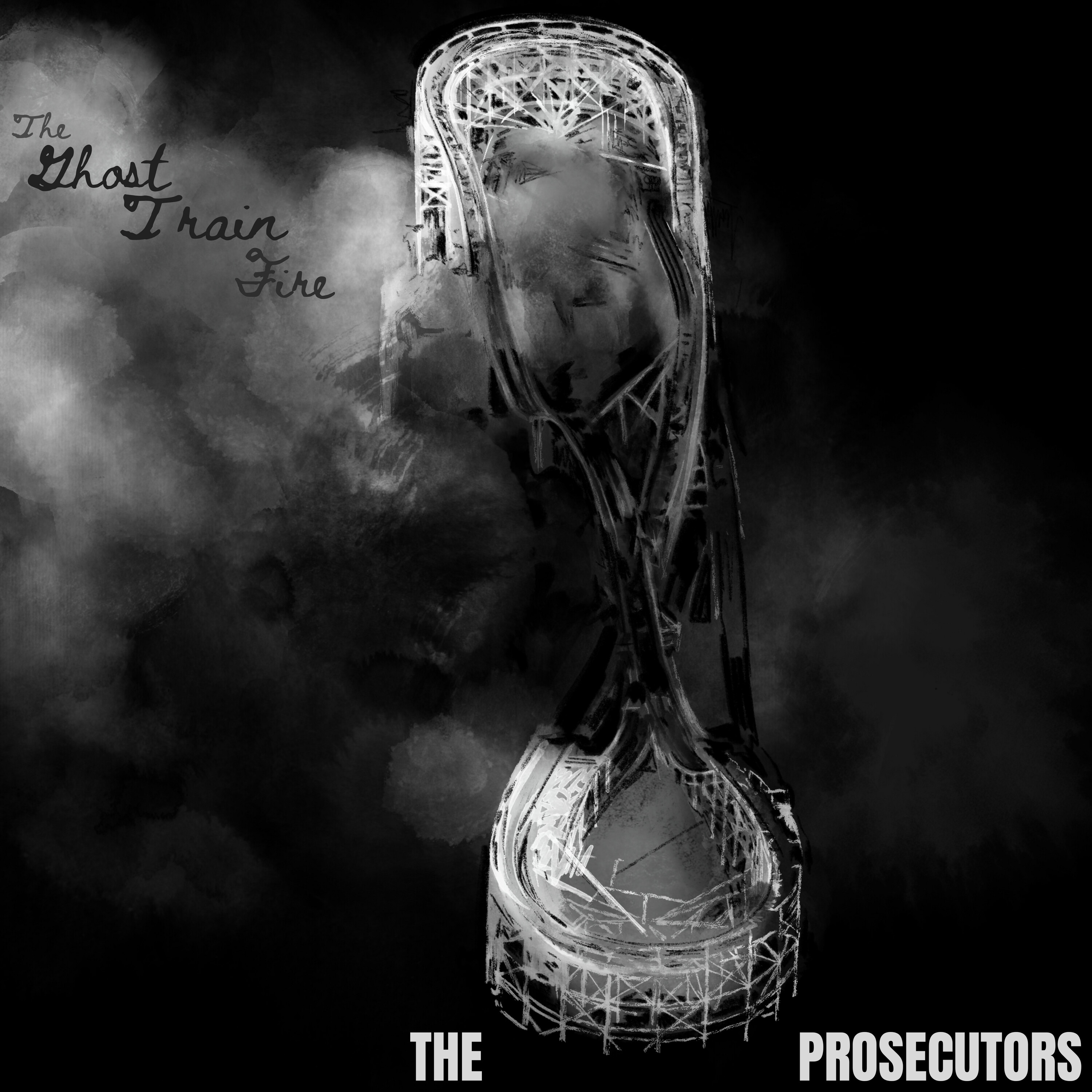
Loading summary
Transcript155 lines
- [00:00]
A
Finding the one can feel impossible. And in today's world, it's even harder. False profiles, inaccurate pictures, incompatibilities, ghosting on dates. Is this sounding familiar? But if you're ready to make your move to a new place, it doesn't have to feel like dating. All it takes is a simple search on apartments.com to find your perfect match. Whether you're looking for a three bedroom condo downtown, a two bedroom duplex in a quiet neighborhood, or a cozy studio in a walkable city, or even a single family home in a cul de sac, you can find a place that checks all the right boxes. So whatever stage of life you're in, settle down in your perfect home by using apartments.com. no more swiping or awkward first dates. Make it easier to get a place that gets you. Visit apartments.com, the place to find a place.
- [00:49]
B
Evening. Buyer's remorse. Buy a new car. I'll be moving in. Let's get started.
- [00:55]
A
Sorry, I think there's been a mistake.
- [00:57]
B
I bought it from Carvana. You what? Yeah, great price.
- [01:00]
A
I even have seven days to love it or return it.
- [01:03]
B
So there's no.
- [01:04]
A
No, no Buyer's remorse. More like buyers rejoice.
- [01:08]
B
I guess I'll let myself out. Congratulations. I mean it.
- [01:12]
A
Buyers rejoice. Buy your car today on Carvana. Limitations and exclusions may apply. See our seven day return policy@carvana.com hi, I'm Juliet Cowley, a retired FBI profiler and host of the true crime podcast the Consultation. Real FBI Profilers. If you're fascinated with true crime and criminal profiling, then join us as we discuss real cases and examine the behavior exhibited before, during and after the commission of the crime. You can listen to the consult wherever you get your podcasts. It's as close as it gets to being in the room with the FBI's Behavioral Analysis Unit.
- [01:50]
B
Foreign. I'm Brett. And I'm Alice and we are the prosecutors. Today on the Prosecutors, it is one of Australia's greatest tragedies. But was it also murder? We discuss the fire at Luna Park. Hello everybody and welcome to this episode of the Prosecutors. I'm Brett and I'm joined as always by my slim co host, Alice.
- [02:59]
A
Thank you. I was waiting for you to notice that I've only been eating half a bag of chocolate chips a night instead of a full bag.
- [03:08]
B
Well, you know that was suggested by Retnette, so you should thank her. Though she notes that in Afrikaans it means clever and in German this is a little bit more appropriate. It means Terrible. So I'm not sure which one she's going for, but we'll take it either way.
- [03:31]
A
I'll take it. It's kind of like it's in the ear of the beholder sort of thing.
- [03:34]
B
It's true. And today we have a terrible case. We have a slim case today that we're gonna terrible case discussing.
- [03:41]
A
It's not in Germany.
- [03:42]
B
At least one episode, probably two episodes, I would think. This is one that's been suggested to us by our Australian listeners for a long time. And I had this vague knowledge of this, had no idea, number one, how terrible it was. Number two, how many twists and turns there were in this case. If you're from Australia, no doubt you are familiar with the fire at Luna park, sometimes called the Ghost Train fire, and all of the controversy and tragedy that surrounds that case. But that's one that we're going to talk about today. Despite how truly horrific this entire incident is.
- [04:24]
A
No, it truly is, especially when you look at the setting. It's almost like the worst movie you could write. It takes place in a beloved amusement park. There are bright lights. It's frivolity and fun. It's young kids who are out kind of just barely testing the limits of adolescence, being at a park without their parents for the first time. And there's like Final Destination stuff with near misses and complete, unfortunately, bullseye non misses that lead to one of the biggest tragedies I think you will have ever heard of. But worse still, Brett is of course, all the twists and turns just like the ride that come after the fact. Because if this couldn't be more tragic, the more you learn about what may have happened, the more tragic the case gets.
- [05:12]
B
That's absolutely true. And if you listen to this and you're interested in it, there's a fantastic documentary put out by ABC Australia called Exposed the Ghost Train Fire. And it came out on Netflix a few years ago. I missed it somehow. But it's now available on YouTube for free. So if you're interested in this case, if you listen to this story and you want to learn more, if you're watching this live or if you watch it later on YouTube when we probably release this video, we're going to start releasing these videos of us recording live.
- [05:44]
A
So I should have Alice, you know, brush my hair.
- [05:47]
B
Alice looks amazing. Every time we record an episode, I'm like, a tragedy. But, you know, whatever. There's some just incredible photographs of this fire, some great recreations. We're talking about a fire here. We're talking About a fire that happened at an amusement park. Some of the great tragedies in history are fires in public places. Some of you have heard of, like the Coconut Grove fire that I think happened in Boston. There was. Can't remember the name of the fire, but Great White was performing at this club only about 20 years ago. Huge fire, killed a lot of people. And you see this every now and then. And in this case, you have a situation where people are at a place where you should be having all the fun in the world. An amusement park. Just a great place to hang out with friends, you know, have that first taste of freedom if you're a child in this absolutely horrific fire occurs. And we're going to talk about it. We're going to talk about what caused it. We're going to talk about whether or not the official story is actually incorrect. And we're going to try and reach some sort of conclusion. This case, because it is so tragic. As you're going to see, legends have grown up around this case. This takes us back to 1979, and there are echoes of the satanic panic with this case, as you're going to see. And so we're going to talk about that stuff as well. But I think that's enough introduction. Alice, are you ready to dive in?
- [07:16]
A
Unfortunately, yes. Let's go.
- [07:19]
B
Alice has been trying to put this off for a while because, you know, it is a tragic case. And I feel like, you know, I don't think we were like this when we started. I don't know if it's that we've added more children or our children have gotten older or we've gotten more pathetic. I'm not sure what it is.
- [07:38]
A
Tender hearted. Here's my theory on this. I think the weight you never quite forget, the cases you try. In a lot of ways, the cases that we dive into, even though we didn't try these cases ourselves, they become a part of the fabric of who you are. And so you carry with you. This is why, like old wearied prosecutors, they like carry on their backs the memories of all the cases that they've prosecuted and all the trauma that comes with it. I think we have a bit of that with all the cases we've carried of like 300 episodes of stories that have become woven into the fabric of our souls. Because when you look at these photos, when you read all of the evidence and the police reports and the things that come out after the fact, I do think they become embedded within you. So I do think we literally are more weary because These are heavy cases and they become a part of you. And I don't want them to not be a part of me because I want these victims to be remembered and I want them to kind of endure past their time because there is meaning to their lives.
- [08:38]
B
So we're talking about Luna park here in Australia. But Luna park is actually a product of the good old USA the original Luna park opened in 1903 in Coney Island, New York, perhaps the most famous amusement park in the world. It was started by two men named Frederick Thompson and Elmer Dundee. And this was the most impressive and successful of the three amusement parks on Coney Island. Sort of made Coney island and as you know, at the time, the turn of the 20th century, the early 1900s, one of the things that's happening is electric lights. And they totally bought into that. In fact, they fill this amusement park with electric lights, 250,000 of them. You can only imagine at that time, for so many people who had probably the barest experience with electricity, seeing something like that, just the experience was probably overwhelming. It had a grand lagoon and a spectacle of rides, including a trip to the moon. And that's where the name came from, Luna Park. It was massively successful and it inspired similar parks around the globe. In December 1912, an American company, the Greater J.D. williams Amusement Company, brought Luna park to Melbourne. And then after an initial success, another location was set up in Adelaide in 1930. But there were some issues there and the Adelaide location wasn't able to stay open. And so Herman Phillips and his brother A.A. abrahams, went in search of a new spot for the theme park.
- [10:24]
A
So they identified a site in North Sydney and signed a 20 year lease for this new theme park. Luna park opened in Sydney on October 4, 1935, and as you can imagine, it was an immediate hit. The park was designed using the Art Deco style popular at the time, and it featured popular rides that were relocated from the Adelaide location. It was run by showmen David Atkins, as well as Ted Hawkins and Arthur Barton. This park boomed especially during World War II when American servicemen began frequenting the park with their girlfriends. Unfortunately, the park began to develop an unsavory reputation at that time. The large number of soldiers at the park also drew sex workers to the area. And additionally, there were fights between American sailors and Australian troops at Luna Park. The park was also forced to dim its attractive neon lights so as to not become an easy target for Japanese bombings. So this is so interesting, like a moment in time, right? If you remember, During World War II, there were blackout times, right? People had to turn off all their lights or blackout their windows so that from above enemy planes couldn't see lights and know that this was the place to bomb. And with 250,000 lights, you can imagine that would absolutely be a target. So the very hallmark of Luna park was even quite literally dimmed at this time.
- [11:52]
B
And look, this is one of the reason people in Australia came to love Luna Park. It was a part of their history. It had been there forever, it had survived things like World War II. And it's amazing if you look at it where it's located, if you go and look this up, it's right on the Sydney harbor, basically across from the Sydney Opera House. Incredibly valuable property. Only at this time could that piece of property be an amusement park. Today, if things were different, it would be multi million dollar condos or some, you know, massive super valuable construction. But it was just a different time back then. And so they're putting this up right on the harbor. And actually that may come to play a part in what we're going to see. Because now they built this amusement park and you might think, well, you buy an amusement park, you probably own that land. I mean, surely you wouldn't invest all that money. But in fact, this is crown land, which means it's state owned land. They have a 20 year lease. And it's one of those things where that's going to be reevaluated at various times. And there may be other people, other investors who want to come in and maybe they don't necessarily want to do this whole amusement park thing. And you see that as history moves forward. So we have World War II, it ends. And those of us in the United States, we think of Pearl harbor and there's this sort of vague notion that maybe the Japanese, they could have maybe invaded Hawaii. You know, the threats. The American mainland have always been pretty slim because of the oceans that separate us from our various enemies. But for Australia, the Japanese are right there. And the danger from Japan was very real. The threat of invasion was very real. And this is a moment in time that you see, but that war ends. The Allies, when we move on, it's the 1950s, things are booming, things are changing. And a group called Atkins and Hopkins purchases Luna park from the Phillips brothers and decides to refurbish it, bring it into the modern era. This is a time where families are growing. It's the boom after the wars. An amusement park is very valuable. You think about Disneyland and all that that's coming along in the Same time in the United States. So they're doing that. They're traveling the world looking for inspiration. They're visiting amusement parks in the US, the Netherlands, Germany and Britain. And throughout the 1950s and 60s they're constantly adding new rides and attractions to the park. By 1969 the park is sold again, this time to World Trade Center Party Ltd. Who had plans to build an International Trade center in its place. Sort of interesting. So as I said, this is some really valuable land. It's right on the harbor. Maybe an amusement park isn't the best use of this land. And in 1969 you have this company that moves in and basically says, hey, it's time to move on. Amusement parks are great, but seriously, we really just going to leave an amusement park here. Let's build a trade center. This is right around the time when New York is starting to build the World trade center. The two towers that eventually would be destroyed on 911 and similar thing. They're thinking let's do that here as well. Right on the harbor. This is the perfect place for it. And this is in 1969. But the plan is rejected by the government. The government. And this is frankly kind of rare for the 60s because you see so much beautiful architecture, beautiful buildings. You know, right now the Knicks are playing Madison Square Garden. And now it's a great place to play a sport. Beautiful, whatever what they destroyed to put that there. Old Penn Station in New York, this beautiful extraordinary building, they tear it down. Penn Station's now underground and they put Madison Square Garden on top of it. It's like, what were you thinking? And we see that around the country and around the world, but here the Australian government saying, no, you know, look, there's a lot of history here. We're not going to just tear this down to build this new World Trade Center. And so they reject the plan. And really the only thing the people who bought it can do is to continue to run an amusement park. But as you might expect, World Trade Center Party Limited is not an amusement park operating entity. They bought this land for other purposes. And in the 1970s they actually hire a group of artists, including a famous avant garde sort of 1960s 70s artist named Martin Sharp, another man named Peter Kingston. They're hired to sort of redecorate the park. And while they're doing all this, the owners are struggling to negotiate a long term lease. And there's a reason for that. Imagine you own this property, you don't necessarily want to run an amusement park, but you'd like to offload your lease to someone else. Well, if you don't have a long term lease, are you going to be able to do that? Is anybody want to buy your literal week to week lease that they have? No, you want to get some sort of long term deal here and this land is highly desired by a lot of different people. So these various entities are negotiating with the government who's going to own this land, who's going to continue to lease this land, who's going to run this land? And all of these negotiations are going on in 1979 into the summer of 1979, but they all would come to a screeching halt. And a tragic night at Luna park resulted in the death of seven patrons including six children and the park was closed.
- [17:40]
A
Every call to your firm is a moment of trust. A potential client who needs help, an existing client with an urgent update, a referral you can't afford to lose. And if no one answers, they move on. That's why today's episode is brought to you by Quo the smarter way to run your firm's communications Quo Quo brings every call, text and voicemail into one place with 24. 7 coverage, intelligent routing, and AI powered summaries that keep your whole team prepared and accountable. Quo is the number one business phone system on G2, with over 3,000 reviews built for how modern teams actually work. More than 90,000 businesses, from solo operators to growing firms, rely on Quo. Quo's speed to lead routing makes sure new client calls never go unanswered, even after hours. A 24.7ai receptionist and local numbers that boost answer rates mean your firm stays competitive whether your team is in court, in a meeting or or out of the office.
- [18:36]
B
Quo isn't just a phone system, it's a smarter way to run your firm. Quo automatically logs every call, generates summaries and highlights next steps so no detail ever gets missed. And it integrates with tools your firm already uses like Clio, Lawmatics, My Case, and HubSpot. Be the firm that answers first. Try Quo for free plus get 20% off your first six months when you go to quo.com prosecutors that's quo.com prosecutors quo no missed calls, no missed opportunities.
- [19:12]
A
So if you're like me, you are always thinking about the next event you have to get an outfit together for whether I'm in court, whether I'm going to a party, a birthday party, a beach party, anything like that, I feel like I'm always looking for the right outfit. The thing is, my tastes are a little bit expensive and I hate paying retail price for everything, which is why I'm so excited that our advertiser Poshmark is here to help all of us who are looking for great pieces but at a fraction of their retail price. When I first started looking on Poshmark I thought it's just gonna be a bunch of fast fashion junk. But no. I had my eye on this beautiful Tucker Nuk dress for the longest time. I just couldn't get myself to pay full freight and guess what? It was right there on Poshmark. I immediately texted all my girlfriends and told them I found it, bought it and wore it to a party the next week. You will love using Poshmark. It feels too good to be true, but it is seriously the secret that we're all using to make sure that we get the outfits that we want but not paying full freight.
- [20:18]
B
Poshmark is the leading fashion resale marketplace shaped by real people and real style. Millions of new and pre loved items from daily wardrobe staples to vintage and luxury fashion archive worthy pieces you thought you missed forever. Current Essentials 1 of 1 Vintage finds it's all there. New deals and styles are listed every day, so don't wait. Download the Poshmark app and use code Prosecutors when you sign up to get $10 off your first purchase or shop now at poshmark.com prosecutors and get $10 off your first purchase. That's Poshmark P O S H-M-A-R-K.com prosecutors pros save more on what you need to get the job done right right now at Lowe's. Get 15 off select custom entry and interior doors plus save 80 on the Dewalt 20 volt max 2 tool combo kit now just $169 and at the Lowe's Pro desk bring us your materials list and get a quote in minutes. Handwritten, a photo or even a sticky note is all you need. Keep your jobs moving faster and on budget at Lowe's. Valid through 78 while supplies last selection varies by location. I started Ornod in 2013 and we make bike apparel. The best part of Shopify for me is our ability to run the business as essentially non technical people. We're able to admin everything on the back end, front end and sell things online easily. If Shopify were a bike accessory I think it would actually be the bicycle. It's the thing that you do the thing on. We run the business on Shopify. Start your free trial on shopify.com Ahora Mascolos Hill vacada Projecto al sigente niver ahora quince porciento nuna selection de puertas entradas interiores personalizadas ademas auraes enun quit dos de vof de veente vultures.
- [22:33]
A
So if you can't already tell as we're going to dive into the timeline, there's a whole lot more to this than your typical arson case, than a typical tragedy case, in fact. So we're not going to start, you know, a day or two before this tragic fire. We're actually going to go back a couple of years so we can get the full picture of what might have happened that night. In 1977, local council and the fire brigade inspected the ghost train ride and found that it was a fire risk. That same year, they also received advice from a Sydney design consultant to install a sprinkler system in the ride. Now, following this inspection, management was given two years to, quote, adopt 10 fire protective measures. Now, some of these measures included installing an emergency lighting, marking emergency exits and adding a hose reel inside this ride. Just, you know, that's really interesting. Obviously you have to have time to rectify whatever risks are found. But it's interesting that like something as simple as just installing sprinklers or maybe an emergency exit sign, you get a two year Runway to do this. So even though something very, very damaging can happen here, it's a fire risk. The park still has a whole two years Runway to install these protective measures.
- [23:50]
B
There's an old saying that regulations are written in blood and the meaning of that is typically we don't see changes to regulatory systems, we don't see the enforcement of a lot of regulations until a tragedy happens. This reminds me, I've talked about this before, the El Faro disaster, which is a shipwreck. The podcast, I forget the name of it, but it's Amazon Audible exclusive podcast, was actually nominated for podcast of the year. I don't know if you noticed that Alice at Crimecon didn't win, but you know, as we know very well, honored to be nominated even if you don't come out on top. So that podcast talks about the Alfaro and one of the reasons that tragedy happened was because the Coast Guard had inspected it and had all of these safety concerns. There were all of these things that the ship was decades behind in safety and they kept pushing back. Well, okay, we'll give you five years to do it. Five years came and went. They could, oh, we'll give you another five years. They kept pushing back how long it was going to take for them to actually have to do these repairs, then you have the disaster. And of course, many of the things that failed were exactly the things that people pointed to. And I think it's important to talk about this aspect of this case because typically when you talk about this, what you hear discussions of whether or not this is arson, whether or not this is intentional, you hear a lot of blaming. And it's worth noting. And I think it's important to remember whatever caused this, there were some real failures by the owners, the operators, and the government when it came to this facility. There were obvious problems. Inspectors had pointed out those problems. But the government did not force the owners of this property to make these changes. They did not force them to install them in a timely manner. And the people who were in charge, since they weren't being forced to do it, they didn't do it either. And this will become important later on. Whatever you think the actual cause of the fire is, these are steps that could have mitigated the disaster that we're going to see.
- [26:03]
A
So the two years pass. Now we're in May of 1979, and of course, as Brett said, management fails to implement any fire safety measures at all. But instead of taking any kind of punishment or anything, they just get a 12 month extension. This is like key regulatory red tape, right? Just do it, do it when you can. And there we have it. I will note this though. There's going to be paperwork around this and there's also going to be people who know you have to check boxes. Like you have to have a fire check, just like your elevators. Whenever you get in an elevator, you see like them sign, right? This elevator was inspected on this day. So whether you want to buy into conspiracy theories or not, this is not secret that there are fire inspections and there will be people who know that there were fire risks identified on this ride. And also that management was given two years and did not implement those measures and given an extension.
- [26:59]
B
And let's say just to throw it out there, that you're someone who has an interest in this property and doesn't really want it to be an amusement park, or you want to control it and put things in place that you can make money off of even if it stays amusement park. And you think, hey, you know, a really good way to get the current owners out, move those people out, is if they were a fire on the property and you're thinking, what space would be a good place to have a fire? Well, if you happen to know that one of the rides has been cited multiple times as lacking any kind of fire suppression measures and is a particularly fire at risk location. That might be the place you target if you were going to do something like that. So I think Alice makes a really good point. This was well known by a lot of people in government, both low level and high level people. They would have known about this. They would have known this is a circumstance that could lead to some sort of danger. And it's one of those things, you just see this and you think, why didn't they just shut down the Ghost Train? Why didn't they just say, sorry, you can't have the Ghost Train until you fix this? Well, look, the Ghost Train was probably the most popular ride and we're going to talk about everything that was in the Ghost Train later on. But it was probably the most popular ride at the park. I mean, it's called the Ghost Train. You can imagine what it was like. And it was said that if you went to Lena park, you had to ride the Ghost Train. It was the main thing. It kind of reminds me of the mayor in Jaws, right? So he's the mayor, he knows there's a shark out there somewhere, but the beach is the biggest attraction. And he tells the sheriff, like, I can't shut down the beach on the biggest weekend of the summer. Like if I do that, then we're going to lose all kinds of money. People who go out of business. Like, he has all these other concerns and he's often laughed about, right? Like, well, what an idiot. But then people point out, but he got reelected because he's still the mayor in Jaws too. And the thing is, money talks, right? And there's a real strong interest. What are the chances anything's going to happen? What are the chances a shark's going to bite somebody? What are the chances there's actually going to be a fire? Come on, we'll get it fixed. But for now let's just continue doing what we're doing and that's what happens. So that's May 1979. Fast forward to June 9, 1979. And we're going to start with the most evocative thing about this entire case. The reason I know about this case is because of the photograph that we'll have on the website or if you happen to be watching the photograph that we're about to put on the screen. Because when this case is discussed in various sort of true crime media, what tends to happen. This is a case that if you ever see a YouTube video that's like five disasters and the one photo that describes them, or something like the photos before disaster. Right. You tend to see this photo when this is discussed. If you ever watch Lazy Masquerade, for instance, or Mr. Ballin or any of those kind of shows, when they talk about the Ghost Train fire, they always talk about an image of a man dressed in what is often described is some sort of demonic outfit. He's wearing a loincloth. He is bare chested. And then he has on his head some sort of mask. It looks like sort of a rough. I don't know, a cow Was cow.
- [30:37]
A
I was gonna say, like sort of. It's very Salvador Dali.
- [30:41]
B
Okay, well, there you go. That's one description of it. You got to look it up. You got to Google this or go to our website if you haven't seen it. But essentially he's wearing this. It looks like some sort of animal pelt, right? It's got holes cut out for the eyes. It has these giant horns coming off of it and this black hair coming down. And in this photograph, he has his arm around a child. And this image is always associated with the Ghost Train fire. So we're going to talk about this image and we'll explain why it probably isn't evidence that this was really a satanic sacrifice to some dark God. So on June 9, 1979, earlier in the day, so before all of this happened, the Godson children. And the Godson children are going to become important as we go forward because unfortunately, they are going to lose their lives. Early in the day. Before they went to Luna park, they were in Sydney. Sydney's where Luna park is, but they're in a neighborhood called Circular Quay. And while they're there, a man dressed in what is described as a loincloth and wearing a mask with horns, which is a pretty accurate description, approached Damian Godson, who was one of the Godson children, and said to his mother, do you mind if I have my photo taken with your little boy? He then puts his hand on Damien's shoulder and Jennifer Godson, who is his mother, takes a photo. This ends up being the last photo of Damien while he was alive. And so this has been presented as some sort of something related to what is going to happen later in the day. A couple things to note. This isn't at Luna park, this is in Sydney. And the photo has led many, including most of those people we talked about earlier who've covered this case, to say that the fire was somehow satanic or occult in nature. Some people have said speculated the Children were sacrificed to the God Moloch. Moloch is a Near Eastern God. You may have read about him in the Old Testament in the Bible, who. People worshiped him by sacrificing children, by burning them. So you'd burn children to the God Moloch. And that comes up a lot in the Bible, because obviously that's pretty horrible things. And the Israelites were very much against this. And some people said this is like a modern example of this because obviously we're gonna have a fire later. And we got this guy with horns. So of course this is some sort of satanic act. And the fact that, that this man has never been identified adds to the mystery. But in classic cold water prosecutors tradition style, we're going to go ahead and put that mystery to rest. Now, we can't tell you who this guy is, but we can tell you exactly what's going on here. So, as I said earlier, this photo was taken in the neighborhood of Sydney during the day across the harbor from Luna Park. It was not at or even particularly close to the park, and it was taken during the day. The fire itself, as you're going to see, does not happen until the park was on the verge of closing much later at night. And second, even though we don't know who this man is, we can figure out basically what he's doing. If you watch that documentary I mentioned earlier, there is a blink or you'll miss it moment when Damien's mom, who took this photo, and she's not even talking about this photo, she's just talking about their day, mentions that it was the year of the Child and there were parades with people representing cultures from around the world. Now what she's talking about is the International Year of the Child, which was a proclamation from the UN meant to celebrate the 20th anniversary of the Declaration of the Rights of Children. And this was celebrated around the world in lots of different places in lots of different ways. And this included in Sydney. And Sydney celebrated with a number of parades, processions and festivals, including the one that was happening on June 9, 1979. And these festivals included sort of demonstrations of people and cultures from around the world. So this image is probably, you got the leopard loincloth, you got the bull head covering, you got the horns. It's probably a 1979 less politically correct attempt to represent certain African traditions. If you know anything about many of the tribes in Africa, the wearing of sort of animal skins and masquerades with recreations of sort of extreme animal heads with horns and, you know, Gazelles and giraffes and lions and bulls and everything else is something that a lot of African tribes will do. This is probably a pretty poor attempt to do that. Like, if you saw this now, like, if they did this now, it'd probably get criticized. People be like, you're kind of mocking these cultures. I don't think that's what they were trying to do. I think they were trying to honor them. But I think that's what you're seeing here. And probably the reason we don't know who this guy is is because he wasn't at Luna Park. He has no idea that he took a photograph. He probably took a lot of photographs that day with a lot of kids. He took a photograph of one of the kids who eventually would perish in the fire. So that's what this is. That's what's going on here. No one is worshiping the devil in this photograph.
- [36:17]
A
Or this is the demon's foreshadowing of what will happen to Damien and five other children, six other people, later that night. And of course, it's in daylight and across the harbor because he doesn't want to be too close, lest it be too on the nose. And everyone figures out exactly what demonic forces are at play here. Brett, do I have to be the one to explain this to you?
- [36:37]
B
It's an international year. The children. Because the UN is the center of a global Illuminati child sacrificing, devil worshipping cult. And when they declare the year of the child, it was the year of child sacrifice.
- [36:51]
A
That's. You didn't finish what the year of the child was. Year of the child's sacrifice. Exactly. No, I think you're right. But look, any last photo of any especially child who's going to perish later that day is going to be haunting, no matter what it is. And of course, when people are searching for answers, a photo like this is going to jump out and it absolutely is going to catch people's attention, catch the world's attention, because of what's going to happen later that night. But if you look at the totality of where this is, it is not close to this. It was a parade. There's a reason in which, you know, children are wanting to be photographed because it's the year of the children, not of sacrifice, just literally year of the children for rights. It makes sense in that sense why this picture would exist. And it has nothing to do with the occult. But you're going to continue to hear that because it is. This is an Incredibly disturbing picture. And I bet you even if this were a happy clown or some happy costume, people would still be pointing to it as some sort of, you know, premonition or foreshadowing of evil to come later. Because we know what's about to happen is tragic. And we are always trying to make sense of the unthinkable.
- [38:09]
B
And look, there's a lot of people out there who don't believe in coincidences. They'll say there's no such thing as a coincidence. Those people are 100% wrong. Coincidences happen all the time. And sure, given what's going to happen, I can see why you would want to think about this. Look, if this dude was just randomly walking around the ghost train right before it caught on fire and asked to take a picture with his child and then disappeared into the night, okay, but he's literally coming from a parade with a bunch of people probably dressed in similar ways, representing other cultures. I think it's pretty explainable. It's funny to me because no one ever points that out. And literally, you know, I was trying to figure this out. I was googling this and everything that all you get is all this like conspiracy theory stuff. And then I'm watching the documentary and it's like three seconds. So like, she's just describing their day and she just mentions this offhand year of the child. And there was a parade with like all these cultures, people from other countries. And I was like, what? And then like, you dig into it and you figure out that's exactly what was happening. So that's where this comes from. Anyway, so hopefully, if we don't do anything else in this podcast, hopefully we can put to bed this particular image, as creepy as it is. And I hate to put to bed an image as creepy as this because it is the one. I knew about this case because of this. Like, if you'd asked me about the ghost train fire, I would have said, oh, you mean the one with the guy dressed up like the devil? Yeah, I know that case. But it turns out the things I thought I knew about it weren't true at all.
- [39:41]
A
But don't you worry, because this picture isn't going to be the last creepy thing about this case. So now we fast forward to later that night. This picture was obviously during the day with their parents. It's bright daylight now. We're going to go to later that night, in fact, 10:10pm so at that time, the Ghost Ride, which featured 180 meter electric track, took riders in carts through a series of twists and turns with doors opening and closing. And it's meant to confuse riders around where they were. The ride was spooky in nature. I mean, it's called the Ghost Train and it features dancing skeletons, monsters, a dragon and Dracula, among other things. The Ghost Train was extremely dark because that's part of the creepy factor of the ride. And it's illuminated inside only by neon paint. If you've seen the documentary or you've seen kind of video recreations, you always see like a skeleton burning up, which is incredibly creepy, of course, because we know that what's going to happen is that people will in fact burn up inside this ride. But that is an actual image in the sense that there were skeletons. This was meant to be a creepy ride. It is confusing. Inside, you can't see anything. Remember back to 1977 when they said this was a fire risk? They said you need to illuminate some stuff in there in case there's actually a problem. People really can't see their way in here, so you need to have emergency exit signs. That's why, because that's really a feature of the ride. So at approximately 10:10pm, a fire started inside this popular Ghost Train ride. There were about 35 people on the ride at the time. One rider noticed that the decorative fire towards the end of the ride, it didn't appear to just be part of the ride anymore. That fire image actually looked to be real. And that rider reached out her hand to see if in fact maybe this was just such a good, you know, recreation of what fire would be like. But when she reaches out, she actually recoils because of the heat. So it was not just an image, but real fire. Now still she's on this ride, there's all these other images. She assumes it's part of the ride, so she gets off without any sort of incident. Initially, riders in line didn't notice anything out of the ordinary. But that changed once they got inside the ride. Instantly, the riders could smell smoke. And the smoke got thicker and thicker the further you progressed into the ride. Then they saw little bits of flames on one of the walls. Just two to three small balls of flame at first, about the size of a fist. By this point, it was obvious something was deeply wrong. Then one of the riders remembered that they were about to come upon the caged portion of the ride where the carts went out into the park surrounded by only a chain linked fence. They thought this might be a chance to escape, but unfortunately it was not. They were completely fenced in by chain Link even the roof. So can you imagine that's terrifying because you're going into a cage, like.
- [42:45]
B
Yeah. And so y' all get what Alice is describing. The Ghost Train is, it's entirely pitch black. It's. It's like going to the Haunted Mansion in, you know, Disney World, but a little bit more. Not roller coastery, but it's jerking you around. It's in the dark, you're seeing all the scary stuff. You're going, these doors, but you're inside and they're seeing this fire. But then they come outside, they're now outside, they're free of the flames in this section where basically, you know, you come out and people can see you come out. You can imagine, take pictures of you. Like, you know, say hello to your friends and family. They come out of this, they're now outside of this incredibly dangerous situation and they're thinking, wow, we're outside, maybe we can escape. Maybe this is our chance to get out. But there's no escape. And now the train is turning back towards the doors that are going to take them back into this building where they know there is a fire awaiting them.
- [43:41]
A
And that's terrifying because they have absolutely no choice. They have to actually go back into the flames. And when those doors open, back up into the smoke filled building, they're entering an inferno. Flames were everywhere, completely encompassing the walls. Some riders jumped out of the carts and came bursting through the doors yelling, stop the ride. It's on fire. As this is happening, the attendant pushes the button to allow a group of young boys in, not able to stop it in. This really is like a final destination situation. You know, people are screaming, they're saying, stop the ride. But remember, this is an amusement park. This is a ride meant to scare you. Of course there are screams, it's dark. And the attendant, they're just supposed to press the button, you know, lift the bars. People get out, people get on. You gotta keep the rides moving. Otherwise people get mad that they've waited too long. And this is near the end of the night. So he pushes the button to let on a group of young boys onto the ride, not realizing what's happened. And it's too late to stop now. One boy is in a carriage behind his four friends. He gets into the ride, but as he gets in the ride, as he is about to take off, because the button is pushed, the ride is going. An attendant actually sees what's happening, sees the terror in front of him and grabs this boy who has happened to be sitting behind his friends. Able to grab him, yank him out of the carriage just in time before the rest of the ride goes forward. This boy survives because the attendant grabbed him and yanked him out of the car. But his friends sitting right in front of him, they do not. By this point, those inside the ride are desperately screaming. Empty carriages are coming back, completely engulfed in flames.
- [45:25]
B
So, yeah, I mean, and I think it's worth stopping. If you've watched the documentary this boy, Now a man, 40 years later, describing this experience and the immense guilt he felt. In fact, immediately after this, he's tranquilized. They essentially, because these were his four best friends. The five of them went everywhere together. He was the youngest. He was kind of their mascot, right? A little bit younger than these other four boys who he idolized. They're getting on this train. There's only four boys who can fit in a carriage. And so they're back to back. The four get in the first one, he gets in the next one. And as Alice said, I mean, and this is a lot of the cases we talk about going Back to the McKenzie Shurilla case. We're talking about the grabbing the wheel and the trying to change the gears. And why did it take them? So why didn't they act immediately? It takes a moment for the brain to recognize what is going on. You know, in that case, there are four seconds here, as Alice said, there's so much noise. People are screaming with delight. And then all of a sudden, like, you're pushing the button. You're making sure my seatbelt on. You're pushing the button. You're keeping it going. You're keeping it going. It's the most popular ride in the entire amusement park. This, by the way, these four boys, they wanted to get on the bumper cars, and they were walking up to the bumper cars as the attendant was closing it. They literally got there right as he was putting up the chain. He said, sorry, guys, the people in front of you are the last people on here. And they're like, what are we gonna do? Let's ride the ghost train again. Because the whole place is closing down. They're gonna ride the ghost train again. So there's so many moments. If they had just been 15 seconds earlier to the bumper cars, they won't be on this train. You know, this situation where if the boys had just been 15 seconds later to the ghost train, maybe it stopped beforehand, but they're literally arriving right as the attendant is being told something's going on, but he's already pushed the button. And that first train's gone through those doors inside. And that second carriage with this one boy is about to go through those doors, and if he goes to those doors, he's going to die. But the attendant realizes just in time and rips him out of there and saves his life. And the other four boys go forward into this inferno. It's just wild. It's horrible, it's horrific. And the guilt he's felt, and he says, you know, I tried to live for my four friends, but live my whole life for those four boys who I loved because he survived and they didn't. It's impossible to even imagine what that must be like. And it's not the only tragedy that's going on here. We mentioned the Godston boys. There's two boys, two little boys in the Godson family. They're Craig, who's 4, and Damien, who's 6. Damien's in that picture we mentioned earlier. And they're with their dad, John, and their mom, who took that photograph. The place is closing down. They're trying to decide what's the last thing we want to do. And they decide also, let's do the Ghost Train one more time. And as Mom's walking over, she says, let's get some ice cream. Let's get some ice cream. And they're like, yeah, let's do that. And she says, I'll go get some. You wait on me. She goes to get ice cream. While she's going to get ice cream, her husband and the two boys get in the car. And I can only imagine what they're thinking, because that's the thing I would think, well, let's go ahead and write it, and then we'll be done by the time she gets ice cream. We can get the ice cream, we can eat the ice cream, and then we can all do it again. Right? There's obvious she's going to be getting ice cream. Why are we waiting? Well, we don't wait on her. Let's just go ahead and go. So she's off getting ice cream, and as she's walking back with the ice cream in her hand, her husband and her children are in this building as it's engulfed in flames, and everyone is screaming and terrified, and then she has to live with that for the rest of her life as well. I mean, immense tragedy. What's going on as this fire is unfolding. So everyone's panicking, they're screaming. There are two attendants who run the train, one of whom has already saved one boy. They know this place like the back of their hand. And they decide, we're going to go into the ride and we're going to rescue the passengers who are inside. So they go inside. They got flashlights. But they're also fortunate because the lights are still on. And when they go inside, it is filled with people who are panicking. There's tons of smoke, there's fire. People have gotten out of the cars because, as Alice mentioned, the cars are going through that inferno. They're on fire. When they come back out, they're coming into that cage now completely engulfed in flames because the electricity is still going, so the train's still running. They go inside, they find all these people. They can't find their way out. There's no emergency doors, there's no lights. The whole place is designed to confuse you. And they start getting people out, and they save dozens of people. I mean, there's no telling how many people they saved. I mean, there's over 30 people who are on the ride when all this starts and they get those people out. But of course, those are not the people they remember. The people that haunt them are the people they couldn't save. One of the guys is overcome by the smoke. He has to get out. He can't breathe. And he goes to find a fire extinguisher. He's like, I got to get out. I go find a fire extinguisher. He gets one. He comes back, but the fire is so intense, it's no use. The other operator is a man named Tony. He pushes further and further into the fire. He's saving people. He's getting them out. He's showing them where safety. He's kicking down doors. He's knocking down walls so people can escape. And as he gets a bunch of people out, he goes back in. This guy's a real hero. He didn't think of himself as a hero. He thinks about how he failed. But he's a real hero. He goes back in, and he actually can see the father and his two boys huddled down. His father's trying to cover up the boys to protect him. He can see the other four boys, but they're beyond where he can reach. There's a massive fire in front of him. The fire is getting worse and worse. By this point, the smoke is so intense that he can no longer breathe. He can't get to these boys and he can't get to this father. He has to go out of the building to at least get his breath back. He rushes out of the building. He expects to go back in, but as he leaves. He barely gets out of the building. And there is this series of explosions, loud sounds. They're so loud they're shaking the ground. And every time one of them happens, there's a massive plume of flame that's shooting out of the ghost train. And at that point they realize anyone still in that building is not going to make it. And there are photographs of this. We'll put those photographs up on the website as well. That there was a guy who was a tourist, some random dude, and he took a picture of what was happening. He takes a picture of this massive inferno and the flames actually coming out of that cage. Remember there's the cage. So the cage is sort of opened everywhere. So there's this massive inferno that's coming out of that cage. And the people who are standing there watching this, just an absolute terror, realizing how horrific this is and that anyone left inside is not going to make it. And it's only because of the efforts of those two men that this tragedy, which is as horrific as it could possibly be, isn't even worse. Pros save more on what you need to get the job done right Right now at Lowe's get 15% off. Select custom entry and interior doors. Plus save $80 on the DeWalt 20 volt max 2 tool combo kit. Now just $169. And at the Lowe's pro desk bring us your materials list and get a quote in minutes Handwritten, a photo or even a sticky note is all you need. Keep your jobs moving faster and on budget at Lowe's valid through 7 8. While supplies last selection varies by location.
- [53:48]
A
When you're a maintenance engineer in a beverage manufacturing plant, you keep production lines moving and quality on track because there is no room for slowdowns. With Grainger's vast selection of high quality motors, sensors, belts and hard to find parts, you can get what you need fast and all in one place. So nothing gets in the way of getting the job done. Call 1-800-GRAINGER clickgrainger.com or just stop by Grainger for the ones who get it done. There's incredible tragedy here and the image that Tony must have burned into his brain of the people he couldn't help despite helping, like you said, dozens of people get out. This was a tragedy. It could have been much, much worse. But if you are looking at the picture in front of you, this is quite literally an inferno. You know, later on they will say that it took him a while to identify bodies because everything was just melted. That fire in front of you it's not, you know, just a little bit of a fire. You can tell there's like 250,000 lights in this place, and it's an electrical ride. Even if there were not an accelerant, there's so much electricity coursing through this train that you can only imagine what's causing these explosions and how big this flame is.
- [55:04]
B
And I'll say this just before Alice goes on. The documentary that we talked about it before exposed the Ghost Train fire. My wife was very angry at me. I didn't realize how bad this was going to be. So we're watching this first episode. I just warn you. I mean, it's not like Paradise Lost. There are no images of dead children. You don't have that. But the first episode, which is entirely about the tragedy, is as difficult a thing to watch as you're ever going to see. Because you see the survivors, you see the mom talking about this, you hear the attendant and what they went through. You hear this boy who's now a man who survived. It is really difficult to watch. And I will say this, they do an excellent job of remembering the victims and humanizing them and really talking about them. And it's a great documentary, really is. But that first episode, really, really difficult to watch. There are three in total. The second and the third one are the ones that really go into what happened afterwards and the evidence. So if you're someone who this is the kind of thing that might be very difficult for you, for whatever reason, maybe don't watch the first episode. I mean, it's amazing. It's great. But I appreciate that that's not something everyone wants to experience. So just know there's three episodes. That first one, really tough.
- [56:22]
A
Yeah, devastating. And the thing with fires, they spread incredibly fast, and also the devastation happens in minutes. Remember, around 10:10 is when some of the riders started to notice maybe something was amiss. By 10:14, just four minutes later, headquarters Control received the first call about a fire in the Ghost Train ride at Luna Park. And when firefighters arrived, they saw thick columns of smoke reaching 100 meters high coming from the Ghost Train. One of them said. On arrival, it took crews longer than expected to reach the fire, as there was only a single road in and out of Luna park, which made it difficult for crews to enter the park against the sea of people who are running in panic at this point. This probably goes to that fire report that they had two years earlier, right? This is not great. This is why you have multiple exits for fire evacuations like this. So the initial crews called for backup assistance from both firefighters and EMTs because as soon as they saw the devastation before them, they realized that it was very likely that there were casualties. And they were unfortunately correct.
- [57:30]
B
So it's interesting if you watch documentary and this is never really explained, and I assume this is a problem with the park as well. But these firefighters, they realize very quickly it's pretty obvious if you've seen that the photos, the Ghost Train ride is completely consumed by fire. And what they're trying to do is get their lines in place, get their ladders in place, because they're really concerned that the fire could spread to the Big Dipper, which is the roller coaster. If you're looking at the photo on screen in the middle is what used to be the Ghost train. It's completely gone, completely destroyed. But you had this wooden roller coaster right next to it. They're concerned it's going to spread to that. It could spread to the river caves, which is right there and there having this issue where they don't have any water pressure. It's very fortunate because they are right next to the harbor, and so they're able to use harbor water to attack this fire. So even though the Big Dipper did catch fire, they were able to put out that fire and they were able to contain the rest of the fire to the Ghost Train itself. And eventually they were able to extinguish the outbreak.
- [58:43]
A
So, unfortunately, due to the intense heat and flames within the Ghost Train, firefighters were unable to gain entry to attack the fire and conduct a search. The highly combustible materials used in the construction of the Ghost Train and the absence of a sprinkler system which, remember two years earlier, they were required to add this, made it all difficult for firefighters to save any of the structures which collapsed in showers of sparks, smoke, and burning debris.
- [59:11]
B
And so that's the end of the Ghost Train. The ghost train has been absolutely destroyed. The people inside of it, unfortunately have passed away. As I said, is awful a tragedy as this is. Only because of the efforts of those two attendants, was it not much worse. The fire is going to be extinguished around midnight. We're going to go ahead and stop here for now. This is a case. We're going to spend a couple episodes. Next episode, we're going to talk about the people who lost their lives on the Ghost Train. We're going to spend some time talking about who they were and what happened to them. And then we're going to talk about the investigation into this case and what the police determined was the cause of this fire and how that determination was quickly called into question by the coroner's inquest that was called to investigate this tragedy. But that inquest, even though it called into question some of the findings of the police, didn't really reach a satisfactory conclusion. And this mystery persisted for decades. And it's only in the last couple years where we began to have a look into some of the things that were going on in the background and some of the individuals who were involved, they raised questions about whether this was truly just an accident, a horrific accident, or if maybe it was a crime and in fact was murder. So we're going to talk about that in the next episode or the next. I don't know exactly how many this will go, but we will reach that eventually. I'm interested to know what you guys think. If you're in Australia, obviously I want to hear your thoughts on this. Shoot us an email prosecutors podmail.com prosecutors pod for all your social media. Join us on the gallery to discuss this and other cases. If you want to see us record these episodes early and ad free, you can join Patreon for as little as $3 a month. If you just want to get the episodes early in ad free, you can do that as well through Patreon. Or if you don't like Patreon, you can join Apple subscriptions and get them there as well. Though, as always, everything we do will eventually be available to you. Supported by ads. Wonderful ads from all our wonderful sponsors. You can get yourself a meal kit from HelloFresh or a blanket from Lola or a new outfit from Quince I love. Or we got a bunch of new sponsors coming, so we're excited about those. You'll see those. Maybe you've heard about those as you've been listening to this episode. So however you want to consume our podcast, please do it. We're so happy to have all of you. We love your support. Thank you so much to our friends in Australia who listen to this podcast. We've got some amazing listeners in Australia and Canada, in Great Britain and around the world. We love you guys and we try not to just cover American cases because you guys have some awesome cases as well, even if they are incredibly tragic, which this is one of them. So thank you to everyone in Australia who recommended we cover this case. Well, you want to do a question? This one's.
- [62:18]
A
Let's do a question. Let's we need a question.
- [62:20]
B
So I've got a fun one I've been holding, so but I'm gonna need your help because I don't actually know what some of the question is talking about. So hopefully you can help me out. Okay, so as you guys know, if you leave a five star review on Apple, you can leave a question. Or if you leave a five star review elsewhere like Spotify or some of the other places that allow you to rate a podcast but not leave a review, you can email us and we got an email a while back. I've been holding on to this one for a while. We got an email a while back and here's what they say. And the reason I'm bringing this up now is I have begun my yearly reread of the Great Gatsby. I was actually reading it to my one year old daughter earlier. She was a little squirmy. She didn't seem as interested in Nick and Gatsby and Daisy as I thought she would be, but whatever. So I was reading it. So here's the question. Brett says every year he reads the Great Gatsby. In the Great Gatsby, Nick Carraway says that everyone suspects themselves to have one of the virtues. What virtue do you have and what deadly sin bothers you the most? So, so that's. So they want to know. They want to know what virtue we have and what deadly sin we have. Now the only. I only know the seven deadly sins from seven. That's all I know. But I understand that there are seven corresponding virtues.
- [63:49]
A
It's really funny that I know the sins but not the virtues either.
- [63:52]
B
Okay, so I'm going to look this up then. Seven virtues.
- [63:55]
A
Okay, well, plate. Well, they're the four cardinal virtues.
- [63:58]
B
Four cardinal virtues. Okay.
- [64:01]
A
Corresponding seven. I know of the four cardinal virtues.
- [64:04]
B
So here you go, Alice, because they're often names.
- [64:07]
A
Teach a little bit about injustice and fortitude and temperance.
- [64:10]
B
The cardinal virtues of prudence, justice, fortitude, temperance, faith, hope and charity.
- [64:18]
A
Those are the, the seven corresponding.
- [64:21]
B
Those are the seven heavenly virtues, but there's also seven lively virtues which are the opposite of the seven deadly sins. So I don't know which one they're going for. Those are chastity, temperance, charity, diligence, kindness, patience, and humility. So they want to know which of the virtues, as Nick Carraway says, and he does at one part in the Great Gatsby, he says everyone suspects themselves of having one of the seven virtues. And I think his is honest. He says honesty is his right. So what virtue do you suspect yourself of having? And I'm just going to go and say so Nick Carraway says honesty. That isn't actually one of these virtues. So I'll let you say whatever you want. It doesn't have to be one of these virtues. And then you've got to say which of the seven deadly sins.
- [65:08]
A
Oh, that's hard.
- [65:09]
B
Is most tension. They're all bad.
- [65:12]
A
They're all so bad.
- [65:13]
B
I mean, mine's easy. I didn't find the seven deadly sins to be that hard. I'm gonna let you decide.
- [65:18]
A
I was about to guess what yours was.
- [65:19]
B
That's what I said.
- [65:20]
A
But then I thought better than to do that.
- [65:22]
B
You should guess. Guess which of the seven dead.
- [65:26]
A
Okay, I'll guess. You. But you can't.
- [65:28]
B
Everybody in the chat can guess as well. You can't. If you're out there in podcast world, you should guess which of the seven deadly sins is Tourette's analysis.
- [65:38]
A
You can do me, too. I'm not going to be offended. Okay. Is your seven, is one of your seven, or is your seven deadly sin? Gluttony for gummy bears.
- [65:47]
B
So I'm going to give this a moment for everybody to guess what it is. It's absolutely gluttony. There's no question about it. I mean, gluttony is, like, so. I mean, because I love. I just. Gummy bears is a great example. I just love them. And I.
- [66:03]
A
So they are so good, though.
- [66:05]
B
Like, a feast is so, I mean, attractive to me. And, like, you know, good wine and good drink and good food. Like, just give it all to me. Give me all the food. And I just want to fill myself until I'm sick. It's like when I was at Josephine's in Paris and I had to literally get up and walk around the block because I'd had so much foie gras. Foie gras. I was, like, developing gout in real. You were. I decided to get up. You were sweating.
- [66:34]
A
Turning into the foie gras that they had.
- [66:37]
B
Exactly. So. So that's mine. Let me give you the seven deadly sins. If somehow you miss.
- [66:41]
A
Okay.
- [66:42]
B
Pride, envy, wrath, gluttony, lust, sloth, and greed.
- [66:49]
A
Okay, you get to guess mine. You get to guess mine, too. But people said. We said it, too. Stas. So give it a second before you
- [66:55]
B
say, I have my guess for you.
- [66:57]
A
Mine, I think, is pretty easy. Just like you think yours is pretty easy.
- [67:01]
B
I know what you're gonna say.
- [67:02]
A
Okay.
- [67:03]
B
But you're wrong.
- [67:04]
A
Okay. Okay. Go for it. What do you think mine is?
- [67:06]
B
Wrath.
- [67:07]
A
It's so wrath. 100% it's wrath.
- [67:11]
B
It's totally wrath. And you would never know that from Alice because she's.
- [67:15]
A
Oh, you actually know that.
- [67:16]
B
But when she gets angry, it's like, we've seen the episode. It's like, that's like.
- [67:22]
A
It's so interesting because it's definitely not sloth or like, it's too. But.
- [67:26]
B
But it's sloth. And I was going to reject that because you're the least slothful person I've ever met.
- [67:32]
A
No, I don't think it's sloth because I think I jump too quickly to the wrath. And I could use a little slothfulness to, like, sit back. You know what you're supposed to do as a lawyer? You're always supposed to take a beat, listen to the question before you answer. I'm that terrible lawyer who, like, as the judge is halfway through the question, I'm like, I know what you're going to say. I'm going to answer it. Which is very annoying to judges.
- [67:53]
B
I can have wrath. I mean, gluttony is so clearly mine that it's hard for me. But, like, I do one of my things in court is I get angry when people object. I want to be like, idiot. Of course it's not leading. What are you talking about?
- [68:06]
A
But you're. But you do it all with a smile. So you don't you. I'm pretty wrathful. I get pretty. Like, if you get on the wrong side, if you've, like, if there's some injustice, I get angry, and it's, like, hard to move me off of it.
- [68:20]
B
Everybody's guessing pride for me. Am I that prideful? Am I that prideful?
- [68:24]
A
No, I just think you're more gluttonous than you are prideful.
- [68:26]
B
I'm definitely more gluttonous than I am prideful. I just.
- [68:30]
A
And here's the other thing. I'm. Attractive personalities, it's a facade, right? You are confident, and those who don't know you may perceive it as pride. And. But pride is someone who steps on others around them to elevate themselves. And having worked with you for a decade, I'd say that's like the opposite of you. So I don't actually think yours is pride whatsoever. You do think highly of yourself, but that is different than what pride actually is, which is to think yourself so big that everyone else is smaller. And you do not think that. So.
- [68:59]
B
So I want everybody out there to not only think about what ours are, but think about what yours is. This could be a good.
- [69:05]
A
This could be a good. Especially because this is. I mean, and we're not just any of them. Right. Like, I. I definitely have gluttony as
- [69:12]
B
well, you know, and this doesn't matter whether you're religious or not. And this is the kind of thing where we all could work on ourselves. And these are just examples of things that. It's not good to be gluttonous. It's a good way to die young. Right? Like, okay, so I think that was actually the fun part.
- [69:28]
A
That. That was the fun part. It's not fun to talk about how
- [69:30]
B
great you are if you have, what
- [69:32]
A
virtue do you think you have? And then I'll say, what virtue I think you have, and vice versa. Because I have to think about the. You can do whichever you can do whatever good thing you want. Doesn't matter what the virtues are.
- [69:41]
B
So I feel like I have a little bit of advantage here because every time I've read that book, I always think about which virtue I think I have. It's not one of these listed because
- [69:50]
A
I didn't know what they were, because yours is gluttony. I don't think your virtue is temperance.
- [69:55]
B
It's not temperance. That's definitely true. So I would say loyalty. No, I'm a very loyal person, like, almost to a fault, really are. Like, if you. So I heard the story once about John Wayne, that John Wayne was the ultimate. If you were John Wayne's friend, he would defend you until the end of time. And if somebody did something, one of John Wayne's friends, even if it was justified, that person was dead to John Wayne. Like, he was like. And like, I've always tried to be that way. And like I said, I don't necessarily know this is a good thing, because it is to a fault. Like, I will not abandon you. Like, if you're my friend, you will not. If you're my friend or if you ever did anything nice to me, like, if you've ever done me a favor or just said a kind word or stood up for me or anything like that, then, like, I am loyal to you until the bitter end. I will never abandon you, even if you do something wrong. I will not criticize you in public. Even if you do something wrong. I may go to you and I may say, hey, man, I'm over here defending you, but you really shouldn't have done that. That was bad. But I'm going to continue to defend you in public, and I don't care, because that's what I do. But you really should have done that. But, like, that is just my position on things. I will never abandon anyone who is my friend. I mean, they would have to do something really horrible. I mean, it would have to be like. Like, if you murder somebody, I'm not going to help you bury the body. Right? I'm not going to do that. I'm not one of those friends. But short of murdering someone or, like, hurting kids, short of, like, super serious things like that, I'm with you to the bitter end. I'm ride or die. I'm with you.
- [71:36]
A
You are. You are, right. Or so I was going to say before you said that. I was going to say a shade of that, which is similar. If we're going with, like, the, you know, platonic, Plato virtues or whatnot. I would have said charity, because you are the most generous person to those.
- [71:53]
B
I would have said that for you.
- [71:55]
A
Oh, that's so nice. But that goes along with the loyalty, like, you would do. You would give the shirt off your back for anybody who is your friend. But also, like, if someone's dead to you, they're dead to you. But actually, I don't know that you are really charitable to people who I think are really mean. You're very forgiving people who I cannot forgive. You're like, people make mistakes. They're horrible sometimes. And you would still give the shirt off your back. You might grumble about it, but you still do it. So I was going to give you charity because you are so generous and that.
- [72:23]
B
And that's the thing. And it's kind of ironic, I guess, because obviously, I think most people probably would have said justice for both of us, because you're both prosecutors. Like, justice, you know, And I always had a really hard time at sentencing because even though I'm a very big believer in justice and that people should suffer the consequences of what they do, I just. I always felt so bad sending people to prison. Like, I really hated it. It was the worst part of being a prosecutor. I don't know if you felt that way or not.
- [72:51]
A
Not in the same way as you do. I totally know what you're talking about, because sometimes we talk about a sentencing, and you'd be sitting there, like, twiddling your thumbs, and I'd be like, all right, I'm gonna go ask for life. Yeah, so we do. So I was gonna say about me, I guess this does go along with the wrath is justice. Justice in the sense that, like, I feel even if it hurts me, it has to be right. Like, if I cut a piece of cake, I would feel immense guilt if I gave the bigger piece of cake to myself, like, I couldn't do it. It is not something I can do, which is why I find it really offensive when someone's really selfish and does something to benefit themselves at the cost of other people. Because, like, I've, I. I noticed a punch suit with your kids. Right?
- [73:39]
B
Like, you were very selfless.
- [73:41]
A
That's very, very tidy. But, like, I, I think that's, like, all bordering along the justice thing. So if I, like when we split the bill, for example, when you're out with friends and you split the bill, if there's, like, that one cent left over, it would kill me if that scent were given to, like, another person versus me. Like, if they paid $0.01 more.
- [73:59]
B
One of the carrots that you went back.
- [74:01]
A
I did. I did go back because I forgot to pay for the carrots at the grocery store, and I bought, like, a hundred dollars worth of groceries, and the carrots were, like, $1.50, and I forgot to scan it, and it wasn't on my receipt, and I went back and paid for it, and the clerk was like, why are you wasting my time? So, not justice in the sense of being a prosecutor, but I feel like I hold myself to a very high standard of, like, what is just and what is right. And that's also my downfall because I, like, I really actually am very bad at, like, lying, which is why it's so funny when people on Reddit are like, she's just telling a story. She's really good at lying. I'm like, actually, if I don't believe in it, I can't really sell it.
- [74:42]
B
Yeah, that is funny because you're right. You're like, a terrible liar.
- [74:46]
A
I'm terrible. Everybody knows this about me.
- [74:49]
B
Terrible because you won't do it. Like, it's. You just can't.
- [74:51]
A
Yeah, I just, I. I look, I smile. I'm like, can't say it.
- [74:54]
B
It's been a very prideful discussion about how wonderful we are about how wonderful.
- [74:58]
A
But I think this is actually really interesting. But, but, you know, there are, like, virtues. I know I definitely don't have. I definitely don't have temperance.
- [75:06]
B
Temperance. I don't have temperance. Patience.
- [75:09]
A
Sometimes I don't have patience. Oh, I've gotten better with. In life, but I do not have patience. I'd like to think I have courage, but I think anyone who's watched a horror movie with me knows I actually have no courage.
- [75:24]
B
Real courage.
- [75:26]
A
No real courage here.
- [75:28]
B
Well, there you go. So everybody out there, think about what virtue do you secretly Believe you have and go read the Great Gatsby because it's a great book.
- [75:37]
A
It is.
- [75:37]
B
It is so good.
- [75:40]
A
I love that you're reading it to your one year old. That's actually adorable.
- [75:44]
B
Way too early. You need to read.
- [75:46]
A
It's a little early. It's a little early.
- [75:48]
B
I say this every year because so many of you out there, you read the Great Gatsby once when you were 16 in 10th grade or 11th grade and you hated it. You've never read it since. And maybe you saw the movie Leonardo DiCaprio. Maybe you didn't read it again, particularly if you're like 30 and over. If you're 40 and over, definitely read it like it's a book for people. Looking back, it is not. I don't know why we make 16 year olds read it because it's not for 16 year olds. There's a point where Nick realizes he turned 30 and like, it is so much better for people in that age of their life than is for kids. So go back and read it again. I'm a evangelist for the Great Gatsby,
- [76:28]
A
so you really are. Multiple times now. Because of you. That was a great question. So, guys, definitely leave a five star review and like, when you ask really fun questions, it might turn into a whole After Dark episode. Unintentionally.
- [76:40]
B
Yeah, that's great. Yeah, I love these. These kind of questions are so good. And we've gotten a bunch of really good questions lately, I feel like. So keep them coming. Leave those five star reviews, like I said. Send me an email if you can't leave the review and eventually we will ask it. All right, guys, well, that was a great ending to what is a truly terrible case. But I hope you did enjoy this first episode. Next episode we're going to talk about the victims. That will be sad, but we're also going to get into the evidence in this case and try and reach some sort of truth. Alice, do you have anything else to say before we sign off?
- [77:15]
A
No. But what we covered today was tragic. What we are about to cover is going to really make your mind bend and make you question everything about these sorts of situations. And also, I think it's very interesting we're talking about virtues because to what lengths will someone go to hurt someone else?
- [77:35]
B
Oh, yeah.
- [77:35]
A
To gain benefits.
- [77:36]
B
And by the end of this, you're going to be flirting with wrath. So be careful. Don't be too wrathful when we get to the end of this case. All right, guys, this has been an absolute pleasure. We will Talk to you next week. But until then, I'm Brett.
- [77:55]
A
And I'm Alice.
- [77:56]
B
And we are the prosecutors. It was massively successful and it inspired similar parks around the globe. In December 1912, an American company, the Greater J.D. williams Amusement Company, brought Luna park to Melbourne. Melbourne. I'll make sure it's that right. Because all these Australians. The Australians love you guys. One of our largest groups of listeners, very particular about pronunciation and various other things. It's not Melbourne. I know that. So go with Melbourne. Melbourne. So they bring it there. And then after an initial success, another location was set up in Adelaide. I like that we don't just pop up anymore. It's like this whole.
- [79:58]
A
Well, it's funny cuz I always start talking and I talk to myself because it mutes me. That's okay. That's the problem. Are you ready to get totally depressed today?
- [80:10]
B
I am so ready. Yes.
- [80:12]
A
I am so ready to be so. Sam.
- [80:57]
B
Hello and welcome to Pluto Foe. If you know the name of the movie you'd like to see, just stream it for free on Pluto tv where all your blockbuster favorites are landing all summer long. Catch Anchorman, the Legend of Ron Burgundy. Fantastic. Men in Black, one through three. That's what I'm talking about. Mean Girls.
- [81:14]
A
Shut up.
- [81:15]
B
Titanic. I'm the king of the world. And so much more for Showtime's press. Nothing. They're free 24. 7.
- [81:22]
A
That is so effective on Pluto TV.
- [81:24]
B
Stream now.
- [81:25]
A
Pay Never. When you're a maintenance engineer in a beverage manufacturing plant, you keep production lines moving and quality on track because there is no room for slowdowns. With Grainger's vast selection of high quality motors, sensors, belts and hard to find parts, you can get what you need fast and all in one place, so nothing gets in the way of getting the job done. Call 1-800-GRAINGER clickgrainger.com or just stop by Granger for the ones who get it done. Be fearless in the sun with Blue Lizard Australian Sunscreen. Whether you're diving into ocean waves or simply chasing your kids around the backyard, Blue Lizard has you covered so you can enjoy every moment worry free. Designed for your whole family and free from fragrances, parabens and phthalates, Blue Lizard is your go to mineral sunscreen trusted by dermatologists, pediatricians and parents. Shop now on Amazon.com and be fearless in the sun with Blue Lizard Australian Sunscreen.
- [82:31]
B
Ryan Reynolds here from Mint Mobile with a message for everyone paying big wireless way too much. Please, for the love of everything good in this world, stop with Mint. You can get premium wireless for just $15 a month. Of course, if you enjoy overpaying, no judgments. But that's weird. Okay, one judgment anyway. Give it a try@mintmobile.com Switch upfront payment
- [82:53]
A
of $45 for three month plan equivalent to $15 per month required intro rate first three months only, then full price plan options available, taxes and fees extra. See full terms@mintmobile.com Grainger knows when you're a procurement manager for an office park, you're not managing one building, you're managing all of them. And to stay ahead, you need to see through walls and around corners. Lights about to fail, filters ready to clog H Vac on its last leg. If you wait until something breaks, you're already behind. Count on Grainger for quality products, easy reordering and 247 support. Call 1-800-GRAINGER click grainger.com or just stop by Grainger for the ones who get it.