Loading summary
Transcript108 lines
- [00:01]
Grainger Advertiser
Grainger knows. When you're a procurement manager for an office park, you're not managing one building, you're managing all of them. And to stay ahead, you need to see through walls and around corners. Lights about to fail, filters ready to clog H Vac on its last leg. If you wait until something breaks, you're already behind. Count on Grainger for quality products, easy reordering and 24. 7 support. Call 1-800-GRAINGER click grainger.com or just stop by Granger for the ones who get it done.
- [00:31]
Brett
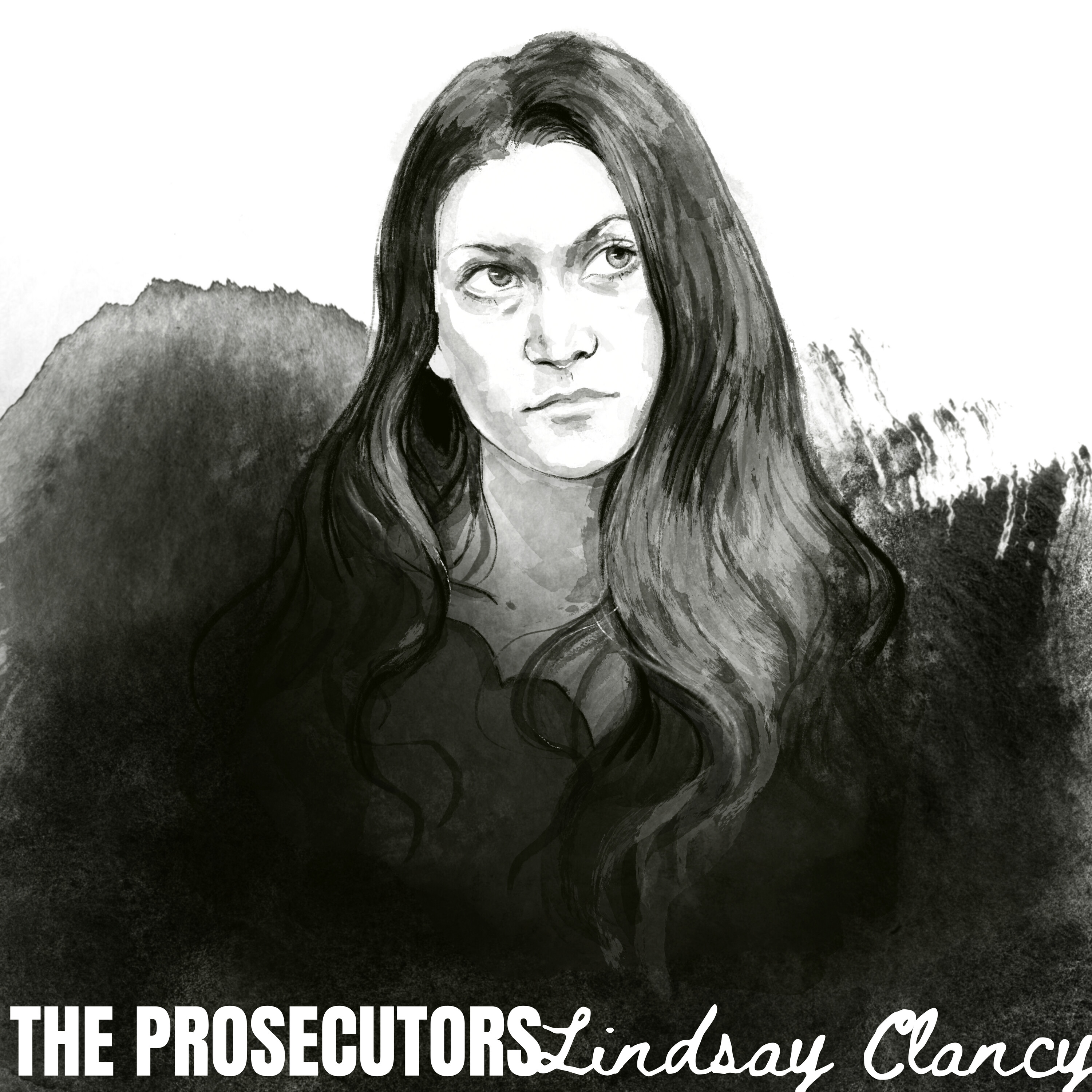
The moment a body is found, the clock starts ticking. 48 hours before the trail goes cold. From A and E and Crime House, this is the official podcast from the famous true crime series the first 48. I'm Carter Roy. Every Thursday I revisit a landmark homicide investigation in depth with long form storytelling built for your ears. Listen to and follow the First 48 on Apple Podcasts, Spotify, Amazon Music or wherever you listen to podcasts. I'm brett. And I'm alice and we are the prosecut. Today on the Prosecutors we continue our look at the Lindsay Clancy case, including the first day of trial. Hello everybody and welcome to this episode of the Prosecutors. I'm Brett and I'm joined as always by my opening day co host, Alice.
- [02:18]
Alice
Different kind of opening day than sports, shall we say. This is the opening day of the Lindsay Clancy trial. Of course. Very watched streamed on like every channel and we watched it for you all. I did not want to watch it, but we did. So if you're here to hear about it, you came to the right place.
- [02:37]
Brett
Yeah. And look guys, already this case, we're about half a witness in. It's already a very difficult one. I know a lot of you have said this is not one you're going to follow. Totally understand. My wife's one of those people, she usually watches us record these. She's not interested in watching this and I totally get it, but it's a tough case. Last episode we were giving you some of the introduction. Now before we get into the trial, we want to continue sort of setting the stage for you with the medication timeline in this case, going through some of the medications that Lindsey Clancy was on. As we're going to talk about with the openings by the prosecution and the defense and the first witness, this is something that is going to be highly disputed. As we said last time, what we're giving you now is mostly from the complaints, these civil complaints filed by the Clancy's who were suing various people and take it with A grain of salt. Already we've seen the prosecution attempting to poke some holes in this, but we want to give you an idea of exactly what was going on in Lindsay Clancy's life in the run up to these murders. As we talked about last time, she has her third child. The summer of that year seems to be fine, but going into the fall, she starts to suffer from anxiety, depression, insomnia, and really a cycle that seems to be worsening. At some point, she seeks help. And the first medication we're going to talk about is Zoloft. Zoloft, as most of you know, is an SSRI antidepressant. It is often prescribed for depression and anxiety, which is what she was suffering from at the time. And it was prescribed by psychiatrist Jennifer Tufts, who's already come up in the trial on September 15, 2022. So she started this, is prescribed around then. She's taking it sometime after that into possibly mid October. It begins as a 25 milligram pill, though that is increased to 50 milligrams. Now, initially, she resisted taking this medication because she was breastfeeding, and she told Tufts on Oct. 3 that she wanted to try therapy first. But eventually she did begin the zoloft. After approximately one week, she increased the dose from 25 to 50 milligrams, as directed by Tufts. On October 20th, she reported that she had no sleep for approximately 48 hours, had racing thoughts, worsened anxiety and depression, crying throughout the day, poor appetite, mental fog, fear that she might be developing suicidal thoughts, and fear of being left alone. These are all really bad signs for someone who has owned Zoloft. And Tufts correctly did discontinue the use of Zoloft. Now, this is central to Lindsay's claims, both on the civil side and the criminal side. Her experts, and, in fact, her attorney today characterize the severe insomnia and racing thoughts as antidepressant induced activation, which they say raises the possibility of a bipolar disorder. Essentially, they think she had some underlying bipolar disorder that had never been diagnosed, that was activated by the Zoloft. Zoloft is something you don't give someone who has a bipolar disorder, and it can cause mania and hypomania in some people who have this bipolar vulnerability. Now, this is a theory. It's not necessarily what happened. And in fact, it seems like her hypomania occurred earlier, before the Zoloft. But it does seem like she had a pretty bad reaction to Zoloft.
- [06:19]
Alice
So next, she is prescribed Lorazepam, also known as Ativan. And this is a Benzodiazepine, and it's usually prescribed for rapid relief of anxiety and insomnia, both of which she reported she had. And the prescriber was, yet again, Tufts. This started approximately October 20th and her dose is unknown at this time. I'm sure this will come out during the trial. After discontinuing Zoloft, Tufts prescribed Ativan and Benadryl for sleep. Benadryl is not included in the reported 13 medications because it's an over the counter antihistamine rather than ordinarily classified as a psychiatric drug. But it's relevant when we're looking at the interactions of all the drugs that she's taking. So Ativan worked temporarily. In a November 8 Facebook group post, Lindsay reportedly wrote that it made her quote, feel like myself again. But she was extremely concerned about dependence and later said she believed that she had become physically dependent on benzodiazepines to sleep. Now, her symptoms reportedly intensified when the drug wore off. She reports racing, horror, panic, rocking back and forth, and terror without an identifiable cause. Her husband, Patrick, later told a friend that Lindsay suffered severe benzodiazepine withdrawal symptoms. We don't yet know whether a medical expert will attribute those symptoms to actual physiological withdrawal, rebound, anxiety, her underlying illness, or some combination. But I expect this to be part of the expert testimony and trial.
- [07:52]
Brett
So not being able to sleep is a big problem for her. She has insomnia. She will be prescribed Trazodone, which is an antidepressant with pronounced sedating effects, on November 16th at the South Shore Hospital Emergency department. And she eventually has to take as much as 150 milligrams and she will be prescribed this drug again on January 3rd at McLean Hospital. That's where she's going to spend five days. So by mid November, as we've said, Lindsay was only sleeping about three hours a night. At some point she's sleeping in the, in the basement, just trying to figure out a way to sleep. After two consecutive nights of no sleep, she drove herself to the emergency room. VR prescribes Trazodone and she says it doesn't work. They kept increasing the dosage up to 150 milligrams. It didn't work at 150 milligrams, which is apparently pretty rare, like 150 milligrams of trazodone. I'm no doctor. My understanding from, you know, handy Google research is that 150mg of trazodone should knock down just about anybody. But it's not working for her. So at some later point, when she gets to McLean, they're going to stop some other drugs we're going to talk about and put her back on Trazodone. And Trazodone will be found in her blood. After the murders, though the prosecution says the concentration was too low to have any clinical effect. But we're obviously going to see what the medical experts say about that.
- [09:20]
Alice
So next is Fluxetine, also known as Prozac. This is an SSRI antidepressant and the purpose of it is to treat depression and anxiety. This one was prescribed by nurse practitioner Julie Paul, and It was prescribed November 21, 2022. The dose, 10 milligrams. And it was stopped pretty shortly after it was prescribed approximately November 25th. So she was on it for about four days. So when Prozac was prescribed, Lindsay was reporting racing thoughts, severe insomnia, yet again, fear, and feeling overwhelmed. After four days, she said her insomnia had become worse, so the Prozac was discontinued. The defense considers this the second SSRI induced activation following the Zoloft reaction and therefore another missed warning sign of possible bipolar disorder. The providers have not yet presented their complete response to that allegation, though.
- [10:14]
Brett
Yeah, this is like I said, and I just want to keep repeating it. We are giving you the version of the medical history that the defense has provided, because that's what we have. We may see in this trial, and obviously we're going to talk about as we go forward that all this turns out not to be true, or it's not as serious as we think it was, but we'll just have to see. So let's talk about Ambien. This is a non benzodiazepine hypnotic. It's also for insomnia. This is prescribed by nurse Paul on November 25, 2022. It was one of three medications prescribed on the same day after Prozac was stopped. So according to complaints, the Ambien didn't help. But it's not clear how many doses of Ambien Lindsey took. Ambien can produce sedation. I mean, that's basically what it's supposed to do. But it can also cause memory impairment. It can cause unusual sleep related behavior in some patients. But it doesn't seem like there's any specific evidence that Lindsey had such a reaction to Ambien.
- [11:16]
Alice
So next is Mirtazapine, also known as Remeron. This is an atypical antidepressant and it's often sedating. It's used to Treat depression, insomnia and poor appetite. And this is prescribed also by Nurse Paul. It's prescribed November 25, 2022, same day as the previous Ambien. Now, the dose is not publicly established yet. Lindsay's lawsuit alleges that after taking Remeron on November 26, she experienced a dissociative episode. According to the complaint, she says that the world seemed unreal, distorted and distant, and she could not determine what was real. She became disoriented and forgetful and she felt disconnected from her body. She said she couldn't drive and she could not safely be alone. She reported these symptoms on November 28th. So about three days after it was first prescribed. Remron was also detected at peak levels in Lindsay's blood at approximately 8:15pm on January 24, the day of the murders. The prosecution argues that the level indicates she ingested it roughly two hours earlier after attacking the children, but shortly before attempting suicide. And we know from at least today's opening statement that she had crushed up some pills and taken them right before she cut herself and jumped out the window. So this would be consistent with some amount of drugs in her system. Now, this would mean that she still possessed Remron, even if it was no longer part of her ordinary regiment. This timing is an inference from blood concentration, not a directly observed ingestion, since she was alone when the ingestion would have happened.
- [12:54]
Brett
You know, it's interesting, we're talking about these. This brings me back to our very first case, the Elisa Lam case. And we're going through a lot of these same drugs that were in her system when that incredibly bizarre case happened. And now we're seeing Lindsey Clancy, who's taking a lot of the same drugs, drugs that we talked about. Then the next one is Clonazepam, also known as Klonopin. It is a long acting benzodiazepine. It's also for anxiety, panic and sleep. And this was also prescribed by nurse Paul on November 25, 2022, alongside Ambien and Remeron. So by November 28, Lindsay reported feeling hungover, which how would you not at this point? Panicked, disoriented and physically dependent on benzodiazepines or sleep. And she was petrified that she was becoming addicted. This is consistent with her personality, even if she wasn't becoming addicted. Lindsay, just what we know from her, number one, she's a nurse. Number two, she's very health conscious, very, you know, she's into working out, she's into all of these things. She obviously has anxiety. She has anxiety about her children and possible medical issues with them. It doesn't surprise me that she would be very much on guard for becoming addicted to these drugs, which obviously that can happen. So at this point, Lindsay has taken so many drugs that it's difficult, if not impossible, to separate the effects of the Klonopin, earlier Ativan use or withdrawal remerons, possible side effects. Just the fact that she's experiencing profound sleep deprivation or some sort of underlying psychotic condition. This is going to be a huge part of the trial trying to break all this down. The defense signaled that very strongly today. And we're going to have a lot of medical testimony on this. And we aren't even done.
- [14:42]
Alice
Nope, not yet. So next is. So this is number eight, if you're keeping count. Quetiapine, which is also known as Seroquel. It's an atypical antipsychotic and mood stabilizer. It's used to treat possible bipolar symptoms in severe mood disturbance and for, you know, sleep issues. Nurse practitioner Rebecca Gelada prescribed this on November 30, 2022, and the dose was allegedly titrated towards 400 milligrams per day. So when Gelada first evaluated Lindsey, she reportedly recognized a possible bipolar presentation and prescribed Seroquel. According to Lindsay's complaint, this was when everything really went wrong. She describes the following symptoms. Emotional numbness, a zombie sensation, suicidal ideation, panic attacks, confusion, loss of Appetite and approximately 15 pounds of weight, thoughts that she would never recover, and what she then called intrusive thoughts, but now carries as auditory hallucinations. On December 4, Lindsay contacted a suicide hotline, and on December 5, she sought help from Aspire Crisis Support. On December 6, Patrick reportedly told Gelada that Lindsay was 10,000 times worse since beginning medication and asked whether she should be taken off everything so that they could start from scratch. Nevertheless, according to the complaint, the Seroquel dosage continued to be increased towards the 400mg daily. This is hard for me. We're going to hear a lot of experts about this. But this is interesting that in the complaints for Lindsay, they're saying that this is the turning point, but all along they've been saying that she's been misdiagnosed and mistreated for bipolar. So the first time she's actually given bipolar meds, they're saying that this is when things are terrible. I mean, look, I know especially when it comes to, like, antipsychotics and medications for brain chemistry, it is absolutely not a science, but this is going to be really difficult in terms of, you know, on the one hand they're saying you missed all the bipolar diagnoses. And here we have her being treated for bipolar symptoms. And this is when, like, it seems like the bottom has fallen out.
- [16:52]
Brett
It also seems pretty clear the prosecution, one of their things they're going to press is that she's sort of doctor shopping, that she's looking for a bunch of different drugs. She's kind of self medicating, not in a recreational way or an addiction way, but she's not going to the same person for a continuous treatment plan. She goes to one person for a little while, then she goes somewhere else. Then she goes somewhere else. I don't know if that's a fair characterization or not, but you certainly see these are different prescribers who are giving her these various drugs. Once again, back to Elisa Lam in our. I feel like our very first thing we could not pronounce was Quetiapine. And I don't know that we're pronouncing it correctly now. I'm not even sure how you pronounced it earlier.
- [17:40]
Alice
For what it's. For what it's worth, I heard it more than a couple, a couple different pronunciations by the defense. So I feel better about it.
- [17:49]
Brett
We just call it Seroquel.
- [17:50]
Alice
Seroquel. I can do Seroquel.
- [17:52]
Brett
Okay. So things continue to worsen. Now she's up to 400 milligrams daily by December 15th. Patrick is telling Jolotta's office that Lindsay has experienced a devastating week, that she's hearing voices telling her that she would never be herself again, that she's permanently damaged and that death is her only option. And at this point, Lindsay is telling her mother and Patrick that she had thoughts of harming the children. And this has now been confirmed in trial. Now she doesn't say she has voices telling her to kill the children, but she's having thoughts of harming the children. So things start to accelerate a little bit now and eventually she is going to be sent to McLean. First she goes to Women in Infants Hospital. They recommend reducing Seroquel. It's obviously not working and seems to be making things worse on December 20th. And McLean will discontinue it altogether on January 3rd. Nevertheless, Seroquel was detected at peak levels in Lindsay's blood on January 24th. As with Remeron, the prosecution says this indicates that she took it after attacking the children. It seems like she kept these drugs. I mean, I'll say this, maybe this makes me a bad person. I never throw away drugs. Like, if I get prescribed drugs, I just keep them. I don't know what I plan on doing with them. I'm going to take them one day if I have the other problem. It seems like she did the same thing. Like she gets prescribed these drugs, she takes a few, it doesn't work. She throws it in a drawer and moves on. Then the murders happen and it seems like she's taking basically everything she has as part of her suicide attempt, is what it seems like to me. So I think that's why you're seeing it in peak levels. One thing that's going to be interesting is if the defense tries to say no, she actually took these before doing anything to the kids in sort of desperation for her symptoms, and they made things even worse. I mean, that's a possibility I could see. We'll just have to see what they say about that.
- [19:51]
Alice
It'll be interesting on the. The timeline so. Well, so far the timelines seem to map up because I think the killings had to happen by like 6:11, and if by 8:15, it's saying it's within two hours, it would appear that it's one of the last things she does.
- [20:04]
Brett
Now, I'm a little questioning of this whole, and we've talked about this before, trying to determine when you took a drug based on the level in your blood. It's hit or miss, especially when you're trying to be very specific. So I don't know. I'll be interested to see how that evidence develops. We do know that the prosecution psychiatrist is going to say that the Seroquel level in her blood at the time would not have caused psychosis or violence. And the defense is going to go in the other way, saying that this whole prescription sequence was destabilizing, that it was causing this unrecognized bipolar condition to worsen, and that the emergence of suicidal thoughts and voices was part of the deterioration and part of this long train that's going to lead to the murders. Now, look, as Alice said, Seroquel is used to treat mania and psychosis and bipolar, not to cause them. Proving that it paradoxically did the opposite will be a lift for the experts. However, anyone who's ever taken a drug knows Benadryl. My wife takes Benadryl and keeps her up all night. That's the opposite of what it does to most people.
- [21:15]
Alice
It does it to a lot of kids, right? Yeah, they report that.
- [21:18]
Brett
So this could be a similar situation where it's just different, folks. I mean, ordinarily yeah, it helps, but for some narrow set of people, of which she may be one, it makes things much worse.
- [21:30]
Alice
Quick psa, just because people are listening to this and Brett just admitted to having a lot of prescription drugs at his house. Now, actually, if you live with someone who has a lot of prescription drugs or you yourself have them, this is a good case to show you where you aren't supposed to keep your prescription drugs. If there's leftovers, there's take back days that the DEA does. You can take them to any pharmacy, they'll take them back and dispose of them properly. And it's like best practices, you should not flush them. My understanding is you should not flush, flush them down your toilet because it's going to like totally mess up our water system. And you shouldn't throw them away because someone can find them and use them. But it is incredibly dangerous to have just like drugs laying around your house for kids, for people who just come to your house, someone you may not even know has a problem, can be looking through your medicine cabinets. And so that's my PSA is that you can dispose of them, don't flush them down your toilet and don't throw them in the garbage can, but take them back to your pharmacist. Or DEA has like take back days, which I don't know how effective they are. They're supposed to be great. When Brett and I worked with them, we would always do these take back days, but do that. And I think this is a good example of how much harm there can be when you have like just these 13 medications just sitting around in her cabinet and has access to them. So the next one is Diazepam. You'll know it as Valium. This is a long acting benzodiazepine. It's used to treat anxiety and controlled benzodiazep taper. Now, this is prescribed by either Gelada or Tufts. The records are not completely consistent on when it was prescribed. By whom. Patrick's complaint says that Gelada prescribed Valium around December 6th after Lindsay reported dependence concerns and her severe reaction to Zoloft. Lindsay's complaint says it's actually Tufts who switched her to Valium on January 10th as part of a benzodiazepine taper. Both may be true. Valium may first have been introduced in December and then adopted more formally for a taper in January. Because Valium is longer acting than Ativan, clinicians sometimes use it to taper a patient off shorter acting benzodiazepines more gradually, especially since she is reporting, like benzodiazepine withdrawal symptoms.
- [23:42]
Brett
So the next drug is lamotrigine, which is also known as lamictal. It is an anticonvulsant and a mood stabilizer. It is used for bipolar spectrum depression and for mood stabilization. This was prescribed by Tufts sometime in mid December. According to Patrick's complaint, Tufts prescribed Lamactal while Lindsay was reporting persistent suicidal thoughts and seeking emergency assistance. This is a bipolar mood stabilizer and it is particularly used for preventing depressive episodes. It is not generally considered a rapid treatment for an acute mania or psychotic crisis because you have to titrate it slowly. You got to get the dose just right for it to work. An anticonvulsant was later found in Lindsey's blood at a therapeutic level that was presumably this lamictal lamotrigine, although the publicly reported prosecution summary does not expressly identify it by name. Now, interestingly, Lindsay's amended civil complaint barely discusses this drug, even though Patrick's complaint and the reported original 13 drug list that you see in the news a lot, always include it.
- [24:54]
Alice
Some of you have already noted, and I think this will be interesting to go into, but look, she has a medical background. She's a labor and delivery nurse. So her fear of being addicted to these drugs may simply be that she's treated a lot of people and maybe seen dependency develop or it'll be really interesting to see what her whole psychoanalytic background is and why there is this immense, like, fixation on dependence, because it seems, at least in her complaints, she has raised it several times. Okay. The 11th drug is hydroxyzine, which is a sedating antihistamine with anti anxiety effects. The purpose is for short term or as needed, anxiety and insomnia. And we don't yet know who prescribed it at what dose and when. Hydroxyzine appears on the reported 13 drug list. But it's not meaningfully discussed in either of the complaints. So it's not a benzodiazepine and does not create the same dependence concerns, but it can cause substantial drowsiness and cognitive slowing. At this point, all we can safely say is that it was prescribed at some point between October and January. We don't yet know whether she regularly took it. I think it just adds to the whole. There's a list of 13 prescriptions in a relatively short amount of time. Next, there's buspirone, which is also known as Buspar. It's a non benzodiazepine anti anxiety medication, and it's for generalized anxiety. Again, the Date, dose, and the prescriber are all yet unknown right now. We'll probably know throughout the trial. Now, buspirone also appears on this original 13 drug list, but it's absent from detailed medication narratives in both Lindsay and Patrick's civil complaints. Unlike Ativan, Klonopin, and Valium, Buspirone is not an immediate sedative. It generally has to be taken consistently before its anti anxiety effect develops. So we don't yet know when it was prescribed, how long Lindsay tried it, or whether she actually took it at all.
- [26:53]
Brett
So then the Last of the 13 is Amitriptyline, which is a tricyclic antidepressant. The purpose in this case was to treat Lindsay's depression and possibly her insomnia. It was prescribed by Tufts. You know, Tufts is trying a lot of different things, and she tries this on January 16, 2023. It's at 10 milligrams daily. It'll be increased on January 23 to 20 milligrams daily. Obviously interesting, because the next day is the day of the murders. So after leaving McLean, remember, she's there for five days. Lindsay continued to report profound depression, emotional numbness, poor motivation. She's feeling like a zombie. On January 16th, Tufts prescribes this amitriptyline. According to Lindsay's lawsuit, she says she had voices at this time that were telling her things like, you should harm the children, you should kill yourself, and the only option is to die. Now, it's not clear, at least at this point, it's gonna become pretty clear soon whether Lindsay disclosed these precise statements to Tufts. On January 16th. Tufts reports say that Lindsay denied suicidal ideation and that even though she was depressed, she was able to force herself to perform basic childcare. On January 23, Lindsay reported increased anxiety, racing heart, poor sleep, flat mood, poor motivation, numbness, and poor insight. Tufts increased amitriptyline to 20 milligrams, and Lindsey allegedly did not sleep that night. Unsurprisingly, amitriptyline was detected in her blood after the killings, but the laboratory reportedly could not determine the precise amount. To sum all this up, she was prescribed these 13 drugs. She was taking them at various times, not necessarily all at the same time, but based on the blood draw at 8:15pm which is a few hours, a couple hours after the killings occurred. Lindsay had seven medications in her system. Three antidepressants, one antipsychotic, two sedatives, and one mood stabilizer. And according to public reporting, those included trazodone, amitriptyline, Remeron, seroquel, and Lamictal as present in her system. So those were the drugs she was on. And that is something that is going to be a big focus in this case going forward. As we learned today. Day one of the trial that began with Opening statements Guys, if you're like me, it's not that unusual to finish lunch and then find yourself reaching for a snack an hour later. Sometimes you notice cravings taking over even when you're trying to eat healthy. In fact, that's when they happen the most. And that's the problem Pendulum Metabolic Daily was designed to help solve Pendulum Metabolic Daily is a science backed probiotic designed to support your body's natural glp. One Response Help you feel fuller, longer, experience fewer cravings, and make it easier to stay on track with your health goals. Just one capsule a day with food. Some customers report noticing fewer cravings and more energy in as little as a week. Though individual results can vary, I can tell you I have just started taking it and as I go through it I will let you know exactly how it works on me.
- [30:21]
Alice
So Metabolic Daily is a five strain probiotic. It's not just one ingredient doing the work, but a system that supports your metabolism, helps keep your energy steady, and helps cut down on sugar cravings. And Pendulum Metabolic Daily was developed by PhD scientists from Harvard, Berkeley and Stanford. It's the number one GI doctor recommended Akkermansia probiotic and it's backed by Clinical Research. You can also get automatic deliveries every month or every three months. Plus you may even be able to buy it using pre tax, FSA or HSA dollars. Right now, podcast listeners can get an exclusive exclusive 20% off their first order@pendulumlife.com prosecutors that's pendulumlife.com prosecutors for an extra 20% off your first order. Again, that's pendulumlife.com Prosecutors and get 20% off today. Do you have a running list of pieces you've been hunting for forever? Because I know I do. I've missed out on something that I've loved before and spent months trying to track down. Have you been paying full price for styles you could have found for way less? Well this is why I am so excited about Poshmark. Once I found Poshmark it is my go to website and app to find anything that I want from the best dress that I've ever seen. But I cannot afford full price to Alabama jerseys for my kids that are so expensive. Full price on the website. Anything that I want I automatically reach for Poshmark because I know I'm probably going to find it good as new for a fraction of the price on Poshmark Poshmark is the leading fashion resale marketplace shaped by real people in real style. Millions of new and pre loved items, from daily wardrobe staples to vintage and luxury fashion archive worthy pieces you thought you missed forever. Current Essentials One of a kind vintage finds. It's all there.
- [32:21]
Brett
And when you're ready for a closet refresh, you can earn real money selling the pieces you're ready to part with, reaching more than 80 million users on the platform. New deals and styles are listed every day, so don't wait. Download the Poshmark app and use code Prosecutors when you sign up to get $10 off your first purchase. Or shop now@poshmark.com prosecutors and get $10 off your first purchase. That's Poshmark. P O S H m a r k.com Prosecutors
- [32:54]
McDonald's Advertiser
on the under $3 menu at McDonald's, the sausage burrito is $2. So dip, drizzle or douse to your heart's desire. Cause no matter how you sauce your sausage burrito, it's still just $2.
- [33:05]
Brett
With McValue limited time only, prices and participation may vary. Prices may be higher for delivery.
- [33:09]
Grainger Advertiser
Grainger knows when you're a procurement manager for an office park, you're not managing one building, you're managing all of them. And to stay ahead, you need to see through walls and around corners. Lights about to fail, Filters ready to clog H Vac on its last leg. If you wait until something breaks, you're already behind. Count on Grainger for quality products, easy reordering and 24. 7 support. Call 1-800-GRAINGER, click grainger.com or just stop by Grainger for the ones who get it done.
- [33:43]
Alice
So that's everything that we know before trial started. And obviously today they started with actually relatively short opening statements, considering this is estimated to be a six week trial. We've talked about this before, but typically with opening statements, the judge will ask both sides what they want and if it's a relatively reasonable amount of time for a trial of this length, 45 minutes to 2 hours I would say is within the spectrum of reasonableness. As long as both sides agree, he'll give both sides the same amount of time. I was a little surprised, Brett, by the shortness actually of the opening statements, especially by the prosecution. I thought it was going to be more narrative and a little bit more of a road map than we ultimately got from the prosecution.
- [34:26]
Brett
So as you guys know, we've covered a lot of cases with A lot of different lawyers, and we're always hesitant to criticize the people in the arena, you know, who are out there having to do it, having to come up with a strategy, with an approach. Step in front of that podium with the whole world watching and three children's deaths on your mind and deliver. It's a very hard thing to do. And so I have a lot of respect for the people who are doing it. Two women are prosecuting this case, which I think is interesting. I think that was an intentional choice. I don't think they just happen to be the two attorneys in the office who, you know, had some availability for a lengthy trial. I think that was done on purpose. We're going to talk about the substance of the openings, but there are some issues that already are apparent to me in the prosecution's case. And it began with the opening. I mean, number one. And look, this could have been the judge. The judge might have said, y' all are getting 30 minutes, and that's it. This is gonna be a long trial. This jury's gonna be here a long time. We're not taking all day. Wrap it up. That's possible. If you watch the trial, it's supposed to start at nine. No one came out for a while. That's typical because the lawyers are back there with the judge. They're discussing issues before the trial, how everything's gonna go, giving some heads up to each other about what they're gonna do. And you can tell these attorneys, the prosecutors and defense attorneys, they have a good working relationship. You know, there was one point, for instance, where the defense term is like, you know, your honor, I have no objections to all these exhibits. She doesn't have to show them to me every time she's putting them in. Which is nice, because that shows we're going to move this thing forward as quickly as possible. We're not going to have just a bunch of fights to fight. But in a trial that is supposed to last as long as this one's going to last, that has a relatively complicated theory behind it for the prosecution that involves someone with severe mental illness, admitted severe mental illness, and there's going to be a lot of people testify. I would have expected a longer, more detailed narrative about how this trial is going to go, which is often what you want to do in an opening. Alice, I think, very helpfully, has described this before, is building a bookshelf. And, Alice, do you want to talk a little bit about that for people who maybe haven't heard that analogy in the past?
- [36:50]
Alice
Yeah, so, so there's a reason it's called opening statements. And then the closing is called closing arguments. So technically, by the law, you are only supposed to tell the jury what facts you reasonably believe will come in during trial. And you're not supposed to shade it with your argumentation yet. So the closing argument is where you get to argue the facts for your side, but the opening is supposed to be where you tell the jury what you expect to hear. Now, there is still some strategy to that. So it's not just reading a book and saying, first bullet point, you're going to see 1, 2 and 3. You want to kind of set the stage or build a bookshelf so that the jury knows. The jury may have heard about this case. It's a very famous case, it's been on the news. But they're supposed to come in and leave everything they know and all preconceived notions at the door. And they're supposed to focus on what the attorneys and witnesses are telling them in that courtroom. So the first time they're really hearing about this case and the prosecution's theory of this case is during opening statement. And during that statement, the prosecution's main job is to help set the stage of what's going to happen for the next six plus weeks. And so I've used this analogy before, it was taught to me. And I think it's really helpful when I'm preparing an opening statement to build my case around this. Imagine them as essentially being a blank slate. And so what you have to do is not only give them the facts and you have to give them the structure whereby they put the facts. So think of a bookshelf. There are big openings, small openings, you know, different levels, and you have this blank thing. So first you have to build the bookshelf because that's not even there for them. You don't know if this is a three tiered, even bookcase or if it's, you know, slanted on one side. And then there's going to be like special little areas that you get to put all the drugs in over here. You have to first build the structure. Once you have the structure, you set the stage because you get to go first as the prosecution, the defense then has to basically work off of your bookcase. So if you've done a good job, you've built the structure. And as every fact they are receiving from the trial, from every witness, they now know where to put it on the bookshelf. Okay, Patrick, loving husband, loving father's testimony. Now I know where this goes based on the prosecution structure. You see how powerful that is when you're the one building the structure of the bookcase. That is a massive advantage, but also burden on the prosecution to have to build that bookcase so you know where to put the facts on the bookshelf. If you don't have that, imagine a bookcase that just has way too many books on it and it eventually just crashes down. And you don't know how to make sense of the figurines you have on it and the different books you have on it. It's a complete mess, right? All the same facts. But it is completely different than, say, a well organized bookcase where you can look at this and say, these are my 13 drugs. This is my legal theory. Here's the insanity defense. Here is X, Y or Z. We are all people who need structure. And the prosecution's job, I think, is to create that structure so you can make sense of the evidence coming in.
- [39:55]
Brett
And just think about the way you listen to this podcast. I mean, why do we do the podcast the way we do? You know, we didn't say we're gonna talk about Lindsay Clancy trial. Let's talk about the 13 drugs she was on. And then just go through the 13 drugs. Because you'd be like, okay, why? Why is she on these drugs? Why are we talking about these drugs? When do these drugs come in? Is she someone who is addicted to drugs? Like, what's exactly. No, we. In every case we do for you guys, we have a very standard way of building our bookshelf. For the podcast, we typically lay out the overarching story. Then we give you a timeline of the events to orient you, to give you some basic facts so that you'll understand when we go into the more in depth details later on. You know, you do the Adnan Sad case. We did three episodes, four episodes, I don't know how many on the timeline. And then we went back and hit specific things and went in detail on those specific things. And by the time we're talking about in detail about cell phone pings, you understand why we're talking about cell phone pings, because you know from listening to the timeline that those cell phone pings are important and you're able in your own mind to organize what you're hearing. It's even worse for a jury because you probably came into this case knowing a little bit about it. You may have listened all sorts of stuff and read all sorts of stuff. Some of the jurors may know things about this case, frankly, all of them probably do. But the whole purpose of jury selection was to try and weed out people who knew as much as you probably do about this case. If someone went in and said, yeah, I've listened to five true crime podcasts on this and read every article about it, they probably didn't up on the jury. Which means they don't have a basis of fact in which to categorize the evidence they're receiving. So you need that bookshelf. Take Patrick. We're going to talk about his testimony. The prosecution made a decision to put Patrick on first. And I'm already seeing out there in the world some criticism of things that happened. I understand why it's happening because I'm a lawyer, but you don't. So people are saying things like, why are they torturing him by showing these videos? Why are they asking him whether he knew she was on this truck? Why would he know? How would he. All this other stuff. Right, okay, well, the reason they're asking him things like, were you aware that she did X, Y, and Z? Is to get the fact that she did X, Y, and Z out to the jury. They're not prosecuting Patrick. How is it possible you didn't know she was on that drug? That's not what they're doing. They're getting the information in front of the jury, but the way they're doing it is they're using Patrick. Why are they showing videos? They want to humanize the kids. They want people to see the children out there living their lives before they're killed. These are all things you could have said in the opening. You know, you don't spend a whole lot of time on it, but you could have said something like, look, the first witness you're gonna hear from is gonna be one of the hardest. It's gonna be Patrick. He the father of these children, a man who. Who loved Lindsay. And I will tell you, you know, to this day is one of the most forgiving people I've ever heard. And he has said things in support of her, despite the fact that she killed his three children. I can't imagine what he's going through, but it's important for you to hear exactly what their life was like. It's important for you to see the kids, see how they were interacting. It's important for you to know the lies that Lindsay was telling him about the things that she was taking, about the drugs that she was on, about the voices she was hearing. That's why we're going to have him first, because we want you to know all of these things, right? Like, you can give them an idea of what's coming, and so then when it comes, they're fine.
- [43:23]
Alice
So everything Brett just said there, the explanation, which, by the way, we didn't get in today's opening statement, maybe because it was time, restrained everything he just said, why it's important what you're going to hear, what you expect, that's building the bookcase. So if you needed, like, an example and then the facts that you're putting on that bookcase is Patrick's testimony, which we are in the middle of right now. I've heard from a lot of people, because a lot of people are watching this trial. People who don't even know I have a podcast don't know that I'm, like, covering this. And they're like, I watched the trial today, and they know as much about the case as basically they're seeing, you know, streamed online. They don't really know all the things about Patrick and whether he supports Lindsay or not. And multiple people are like, I don't know what to make of Patrick. Like, does he hate the prosecutor? Are they being mean to him? Is he here against his will? Like, all of these things are very confusing. And you can imagine it's confusing. He's lost his whole life as well. We know that he came out and supported her, saying that she is not his wife who killed these children, that she was under some psychosis immediately, days after, you know, Callan passed away or right when Callan passed away. And we know that he's filed his own lawsuit alleging that there was malpractice here. And remember, Brett said this yesterday while we are going through the criminal trial, and these are criminal charges for whether Lindsey is guilty for the three homicides. There's also a subtext civil trial happening right now, malpractice against all the doctors. That's happening. That is absolutely going to affect the civil lawsuit. And so the defense is absolutely kind of prosecuting that case at the same time, because, as you can tell, it is completely relevant to the insanity defense as well. So there are kind of two trials happening at one time. But if you don't know all this is happening and they can't bring in the civil lawsuit. But if you don't understand the interplay of all the complexities of the relationships and the emotions and why you have to deal with this, you don't have a bookshelf, you don't understand what you're listening to and the importance of it all and this is day one of six weeks or more of testimony.
- [45:22]
Brett
And if you felt like I didn't want to get back to the opening, but if you felt like it was hostile with him, it's because it is. He's a hostile witness. He's actually a defense witness. The prosecutions called him. They never declared him a hostile witness. And I actually think this was probably something that was discussed in chambers before, because you may also notice if you're an attorney, especially a lot of leading questions, which you can do with a hostile witness. I think some of that's also prosecution and defense just want to get through this with him. Don't want to have a lot of objections. But the defense attorney is not objecting to some very clearly leading questions. And I just feel like to jump ahead a little bit. This was a big misstep in the beginning of the trial to call him first. I don't think he's setting the stage in the way that a victim ordinarily would. It's not like calling the mother of the little girl who was murdered first to really set the stage. They're fighting with him up there to get their points across. And I don't imagine it's setting a very good stage for the jury and frankly, probably is confusing to them about why we're doing this the way we're doing it.
- [46:34]
Alice
Yeah. And I understand the story arc they're probably going for, which is what they did in the opening statement. They started with. And we'll get to the opening statement here. They started with the children, the victims, as most, and probably appropriately so. Any murder trial should start with the victim. And it starts with Cora and Dawson and Callan. It's Callan, by the way. I heard it multiple times today about how full of life they were, how cute they were, what they loved, what they, you know, how much they loved their family and the cute things they did all day long, all completely appropriate to humanize the victims, to make the jury care about who's on trial for the end of these three children's lives. But calling Patrick, who normally would be the right call, the parent of slaying children, that would probably be a good call. Not in this case, when he's filed a civil lawsuit and is, like you said, a hostile witness.
- [47:28]
Brett
Yeah. What you do, what I would have done, what I think is the obvious thing to do, is you call the first responders. Not that it worked out in this case, but you kind of follow the Karen Reed you call the first responders who show up to this House.
- [47:41]
Alice
And better if they're like wearied, gruff men who have been on the job for 30 years and they break down crying that they have never seen so devastating a scene as three dead children. And that you can imagine, that moves everybody. No one expects to answer a 911 call to find three dead children.
- [47:58]
Brett
Because, look, as we've said before, trials are not scientific endeavors where you literally have a scale and you're putting evidence on various sides of the scale, and eventually one side goes down and it's either always guilty or he's not guilty. It's not that. It's a very human affair. And one thing you want to do is you want to get the jury on your side as quickly as possible for the prosecution. You want the jury to feel the absolute horror of what happened that day. You want them to be angry at Lindsay so that they are more willing to buy your arguments later on about why that anger is justified. And I think if you had done that, had the first responders come, played the 911 call, as horrific as it is, had the photographs of these poor children done all that, and then you have Patrick, to any extent that he is hostile towards the prosecution, I think the jury at that point would take it very differently. They'd be like, I don't understand why this guy is pushing back on the prosecution after what I just heard about what happened to his children. You know what I mean? I think to the extent he's hostile, it takes out some of that sting. But starting with him, with nothing before, just, to me, is a real. I mean, they just walked into the punch, basically. I understand a lot of times when you have a weakness in your case, you want to deflate it on your own as quickly as possible. You want to be the one to present it, not the defense. I understand that. But doing it this way with the very first witness in this trial seems like a mistake. It's not the only mistake. I also think the prosecution's overall theory of this case is problematic. We heard it for the first time, really, in the opening statement today. And so one question we talked about last time is, how are they going to do this? How are they going to present the motive that you don't have to present? How are they going to explain this as anything other than psychosis? Why would this woman do this? This is not a woman who's dating a man who doesn't want children, and so she kills her children to get rid of them. You know, this is not anything like that. It's not a Woman who's abusing her children and they die in her care. Anything along those lines? This seems to be a woman who loved her children and had some severe mental issues and eventually killed her children. That seems to be what the evidence is going to show. So the prosecution decides to describe this case after they do what I think was the correct way to start the kids, obviously they then go into Lindsay and they describe her as an overachiever and a perfectionist and someone who is very detail oriented and controlling. They talk about how she controls every aspect of her life down to the minute her children would go to sleep, which.
- [50:44]
Alice
I'm sorry, I sleep train my kids and I do the same, to be totally honest. Like, how do you think we record this podcast at 8 o'?
- [50:50]
Progressive Insurance Advertiser
Clock?
- [50:51]
Alice
It's because we both, like, force our kids into bed by a certain minute.
- [50:55]
Brett
Yeah, I was like, yeah, I don't really. Is that, Is that a bad thing?
- [50:58]
Progressive Insurance Advertiser
So.
- [50:58]
Grainger Advertiser
So one thing.
- [50:59]
Alice
Did you, did you note this? Sorry, if you already noted it, but the prosecutors are. There's two prosecutors and they're both women, which I think is a strategy. And it's a good strategy, probably, but I did not love the delivery of the opening statement. We've already talked about that. But I do think this is going to be very interesting how this comes off, because this motive that they're beginning to describe, it is coming from a woman. So take that for whatever it is. But I think the way it's coming off right now is a lot of, well, who doesn't do that? And they have to get past the who doesn't do that? To this is calculated cold blood murder that is not due to psychosis. And the way they've chosen to frame the motives so far in the opening, in the amount of short time that they had, concerns me.
- [51:44]
Brett
Yes. And you see some of the development through this, the way they are framing it, and as Alice said, you know, framing her as controlling and using that to tie into the medical care, that she's manipulating the medical care, picking which doctor she's going to, that she wants to get certain medications. She's withholding information, vital information from the doctors, she's withholding it from her husband. And at some point they kind of get to their theory of what happened, which was she was losing control of her life, a very ordered, well, controlled life. She was now losing control of it. That was something she couldn't handle. She wanted to die and she decided to take her children with her. Sort of a classic family annihilator type Situation. You see this a lot in these family annihilator cases where something's gone horribly wrong and one of the parents decides, I'm killing everybody and killing myself. That seems to be kind of the way they're going. But that theory doesn't really fit to me, what we already know one day in about the case. I don't know what you thought about that particular framing, Alice.
- [52:53]
Alice
Yeah, I thought they tried to play both sides of the coin, and I thought it weakened that theory. So the family annihilator, it was on one hand, she was losing control, and so she needed to take back all control and kill her children as she killed herself. But then there were also these, like, they didn't directly say it, but the defense addressed it in their opening statement, essentially shading at the fact that it was a weak attempt at suicide rather than a true attempt. Something like superficial marks. They said that. They said it was superficial marks. And the defense really addressed this and I thought. Used some demonstratives. Well, showing what she looked like in the hospital, which she did not look superficial at all. She had neck braces on and, you know, had basically casts on all parts of her body. So I felt like they weakened that argument. It wasn't a strong argument to begin with, but then they kind of threw in these scripters, like, superficial cuts and jumped out and was still breathing and alive, even though the kids were dead, in a way that weakened already. Kind of a weak framing of the annihilator and their own. I will say, I know in the opening statement what you learn in law school and what you're supposed to do, like buy the book, but a good attorney knows how to work around the edges, is to not make argumentation. I got lost in the opening statement for the prosecution, not just because there wasn't a bookcase being built, and I didn't understand the import of what was going to happen, but the facts that they intended to come in during trial were read to me like such a flat list without telling me what was important, what was not, what was going to be rebutted, and what was not going to support their theory and why that doesn't matter. It was all given to me so flatly that I actually, if I didn't know it was the prosecution, I don't think I would have known what I was listening to. Like, am I listening to a commentator who's just reading to me the facts I'm going to hear? So even though technically an opening statement, you're not making argumentation like Brett was doing previously with how he would have described the importance of Patrick's testimony. You needed more of that. Because if you give me everything looking black and white, I as the jury am going to completely have no idea how to begin to look at this narrative that's going to happen. And remember, the burden is on the prosecution. And so what I felt like were the facts being laid out, including the motive, were all given to me incredibly flatly without telling me. This should be bolded, this should be italicized. This should be is in like 16 point font, whereas everything else is in 12 point font. I had no idea what was important to the prosecution, which made following their narrative difficult for me.
- [55:21]
McDonald's Advertiser
On the under $3 menu at McDonald's, the sausage burrito is $2. So dip, drizzle or douse to your heart's desire. Cause no matter how you sauce your sausage burrito, it's still just $2.
- [55:32]
Brett
With MCvalue limit time only prices. Prices may be higher for delivery.
- [55:36]
Progressive Insurance Advertiser
You're listening to this podcast, so I know you've got a curious mind. Here's a helpful fact you may not know yet. Drivers who switch and save with Progressive save over $900 on average. Pop over to progressive.com, answer some questions and you'll get a quick quote with discounts that are easy to come by. In fact, 99% of their auto customers earn at least one discount. Visit progressive.com and see if you can enjoy a little cash back. Progressive Casualty Insurance Company and affiliates. National average 12 month savings of $946 by new customers surveyed who saved with Progressive between June 2024 and May 2025. Potential saving.
- [56:11]
Brett
And I think one of the reasons is I don't think the prosecution really has a clear theory on this. I think that's one of the issues. I think that was obvious and this is a very difficult strategic decision to make in this trial, particularly given all the facts and the medical history. I will tell you how I look at this case and I'll tell you how I think I would have presented at the jury. And this comes with a lot of danger. And I understand not wanting to say it, but I think I would have just basically conceded most of what the defense is going to say. I think I would have just said Lindsay Clancy was absolutely dealing with mental illness and she was 100% failed by the medical system and she should have gotten help. But the fact of the matter is on that day she made a choice. She still had the mental capacity to make a decision. And you're going to see that throughout this trial, all the different things that she did, that's actually evidence against her, because it's showing that she has the mental capacity to make a choice, that she recognized what was going on. And on January 24, she made a choice. And that choice was to send her husband off to get some food so that she could murder her children and take her own life. Her suicide attempt failed. It was a legitimate suicide attempt, but it failed. And she's sitting over here and her children are dead and they cry out for justice. And she has to be held accountable for that choice. And making a choice like that is not consistent with someone who is insane. It is not consistent with someone who doesn't have mental capacity. And you can't say it exactly like this because I'm very much making an argument now, but like crafting sort of the theory of the case in. You're going to hear about a woman who made a decision and who had the mental capacity to make that decision, and you're going to hear from this doctor who's going to tell you about how she did that, et cetera, et cetera, et cetera. I think that's how I would have presented it. And if at the end of the day, the jury's like, no, I just don't think she could make that choice. I think she was too far gone. That's the case. But at least you've laid out what I think is a viable argument for them to return a guilty verdict.
- [58:11]
Alice
And what I think has to be the viable argument, because they're going to be able. They're going to present the insanity defense. We know this. And they're going to be able to show this list of 13 medications and the fact that Lindsay herself sought therapy, admitted herself, got evaluations. So you have to have a theory of the case that works with all of those things.
- [58:29]
Progressive Insurance Advertiser
This.
- [58:29]
Alice
We say this all the time. You need to know what parts of your case you need to embrace as part of it and not make it a weakness. But when you embrace it, you are able to turn it around. Because then once you have that theory and you're able to not minimize the fact that she tried to kill herself, not minimize the fact that she actually was prescribed 13 medications and more in a very short amount of time, is to then say, she knew how to reach out for help. She did it on this day. On this day, on this day, she was very. Because of her medical background, she knew exactly how to describe the things that she was feeling. And she had had other suicidal Ideations before thoughts of harming others, and she verbalized those. But on this day, she knew exactly what she was doing. She was not going to seek help, because what she wanted to do was end it all. And so that day was a day like every other in that she had control. And she went to the doctor with her child. She built snowmen. She made sure to send pictures to everyone. She made sure to call Patrick back when he called her at CVS to make sure that there was not an error, a simple doubt in his mind that anything was wrong that would make him turn back home. Because she didn't answer the phone. She made sure to call him despite being in the middle of killing her children. She did that because she was cold and calculated and knew exactly the amount of time she needed to strangle and kill all three children and not be caught before they were dead. And that's exactly what happened. All three children are dead today. But she's sitting here today, and we're asking for justice for the three children who can't be here. Right. You have to make sense of that, because you know what the evidence says. And you know what? Before the defense even stood up, I knew exactly what his opening statement was going to be. It was going to be compelling. There is a really good argument for postpartum psychosis or just medical malpractice here. Absolutely. You don't have 13 prescriptions in four months, period. And not at least have the layperson on this jury say, huh, that's a lot of benzodiazepines. That's a lot of times where she's getting checked in and asking for help and saying she's not sleeping for days at a time. So you know exactly what the defense is going to bring. And if you don't deal with that in your narrative as the prosecution, I think you may have lost it on the first day. I don't know. We're only on day one. But I will say it was very. We. I felt like we got off to the races, and the car was just swerving all over the place, and I didn't even know where the track was.
- [60:50]
Brett
Well. And I think they also never decided whether are they gonna say that she was suffering from mental illness or not. Because at times during the opening, it seemed like they were going to acknowledge that, and they did acknowledge it in the opening, but at other times, it seemed like they were questioning that. You even saw that in the question of Patrick. You know, she's admitted hospital. She's taking selfies at the hospital. Isn't she? Yeah, I guess that's a bad fact for her, that she's taking selfies. Are you trying to say that she wasn't actually upset when she went to the hospital? And the selfies prove that stuff like that, like what is your argument?
- [61:25]
Alice
And that's the thing. We. I don't think we had clear direction here. And we need direction because we've said this from the very beginning. This is a difficult case. And you heard it from the defense's opening today. They said this is not a righteous prosecution. I actually think this is exactly the kind of prosecution we need. What the jury. Now, if the jury decides that she is not guilty by way of mental defect, then that is just because the jury has spoken. But I actually don't think this is an unjust prosecution. And they had to explain why. This is not just them piling on some poor woman who was abused by the medical system and was completely out of her mind. And, you know, these poor children died not because of her, but because of Nurse X, Y and Z and nurse practitioner this and Dr. This, who are prescribing these, you know, Zoloft and Ambien and Valium, like candy to her. You have to get past that. And I don't think we heard a theory there today that really understood it. So first of all, they need to have confidence, and they've sat with this case for three years. Look, things can change during trial, and you can even acknowledge that at closing argument if there's a slight shift. But you can't keep. Keep all of your options open by opening statement. You actually have to make some hard decisions, and people don't like to do that because they think it closes doors. We saw this actually with, like, the Michael Peterson case where they had to decide on the blowpoke. It was the wrong choice. The blowpoke was not the murder weapon. But that was an example. Now, maybe they shouldn't have made that specific choice, but that's an example where by the time opening statements come around, you're no longer in the investigative stage. You have to close some doors in your theory, even though you don't have all the answers to be able to tell a story. And you have to make sure that you've marshaled enough evidence to support that theory, recognizing you don't have it all. And I felt like this prosecution came into this with, it's a tough case. Let's keep it all open, because we don't know what exactly will resonate with the jury. Maybe they're really Going to latch onto the whole, like, she's a labor and delivery nurse, so she knew what she was doing, and she knew doctors and medicines that she could drug shop. I don't know. But you can't leave that up to chance. By opening statement, I think that this
- [63:30]
Brett
is going to come back to haunt the prosecution. We got a long trial. This is the first day. I mean, maybe they narrow things down, but I just. I feel like in a case like this, you need this jury to be focused on the one thing they need to decide. And they may decide against you. You may say to this jury, look, the fact that she killed her children doesn't mean she's guilty. And the fact that she has a mental illness doesn't mean she's not guilty by mental disease or defect. You're gonna have to decide whether or not she was capable of making a decision that day. To do this, you're gonna have to make that decision, and we're gonna put on all this evidence that shows that she was. And the jury, at the end of the day, may say, didn't get there. Okay, you laid it out. You made your play. It didn't work. You know, it's like. It's like a football game. Third and 10. You got to call something, right? And you got to believe in what you call, and you got to follow through on it. And maybe the defense is perfect and you don't get the first down and the game ends. That happens, but you got to make the call. And I feel like they didn't do that. You know, they called, like, some weird play where the quarterback could run it or he can option or he could throw it, and then nothing works. I mean, that's. To me, in a case like this, you really need to focus this jury so that the jury knows exactly what they're looking for and exactly what they need to decide the case. I don't think the prosecution did it. I think the defense, in some ways, weirdly had an easier job and just accepted the obvious thing they had to do, which was they went up there and said, this is an awful case. It's horrible. Bless you, folks. Can't imagine sitting through the horrible things. You're going to have to see, just acknowledging this terrible thing. No one denies that she killed her kids. But this is all gonna be about the mental aspect of things, and that's what you're gonna have to decide.
- [65:13]
Alice
Yeah, I thought the defense's opening statement was exactly like what I would have done. On the defense side, it tells a compelling story you know, they do things like call this a non righteous prosecution. I remember what I was gonna say about the prosecution's opening statement. In some ways, while it may seem they have a really big hill to climb with all of her medical history and all the cries for help and all the admittance and, you know, like, she was not someone who hold away from medical help is to. This is where building the bookcase I think could have really come in handy. I think they needed to focus the jury's mind not on all the medical history. They were gonna hear about the last four months before the murders or even since her first postpartum with Cora. I think they needed to say, there's all this stuff happening. It's gonna be a lot of noise. It's gonna build you a big picture, and it's going to tell you a lot about who Lindsay was and the things that she was struggling with. But just like in every other murder case, and this is a triple murder case, you look at the day of the murders and the decision making behind those murders, and on this day, she knew exactly what was happening. And not even the day, I would say, like a couple days before. Right. And you'll see the calculation. And don't get lost in the medical history of the four months. It's going to help paint a picture of where we arrive at. But I think they needed to set the stage on all that. Otherwise you are awash in all this medical history and you don't know how to make sense of it. And you can imagine someone just saying, by the 13th drug, I stopped listening. It's none of this is her fault. And they needed to give some sort of framework to understand why it's relevant, to understand the big picture. But it may not be relevant for the exact charges brought here for purposes of guilt.
- [66:53]
Brett
I think at this point, we've already talked about most of what Patrick said, but there are a few points from his testimony so far and he will continue on Wednesday because they don't. They're not gonna have trial on Tuesday. That I just want to bring out because there are a few things that I think are somewhat important. Okay, so what is the defense gonna be? Remember, the defense doesn't have to have a unified theory. They just have to create some doubt. They have, it seems to me, two possible ways to go. They can either say this is fully some sort of postpartum psychosis, or they can say this is really a bipolar disorder activated by medication, or they can say this is a combination of all those things. And all the medication she was on put her in a state where she could not make rational decisions. I mean, they can pick or choose how exactly they want to have this. And it doesn't have to be completely consistent because that's the great thing about being the defense as opposed to the prosecution. Prosecution has taken some shots at the medication aspect by pointing out that it seems as though Lindsay did not take as many pills as maybe we would have thought. They highlighted today that she only took seven Zoloft pills. And Zoloft was a medication the defense hammered on in their opening. So there was that from Patrick's testimony that was interesting. The second thing I thought was interesting and this seemed like they were just clearing up misinformation, which I have seen. I saw somebody post this on the gallery that the reason that she was discharged was a combination of the doctors and insurance, which everyone hates insurance and to some extent doctors. So, like, that's a story that plays, right? Prosecution asked him about that. She left of her own accord, told the doctors that she wanted to be at Cora's birthday party, number one. Number two, there was no issue with insurance. And to the extent there was, Patrick said would have paid it. Not an issue. So that's not a real thing. The third thing that I thought was interesting is the suicide angle. Obviously the defense is going to try and say this was medication induced, or at least they're going to point to that. Apparently there was a file on Lindsay's computer as early as August which said Methods of suicide was the title that someone clicked on. They asked if it was him. Apparently it was not him. That was before she started taking medication, before the medication would have activated and done a lot of things. So it seems as though she was considering suicide as early as August. Be interested to see more of the evidence that comes out with that. And the other thing, and this is how it ended today. And if I'm the prosecution, I put a pin in this and I build this into my argument later on. Patrick said that the day of the murders was one of her best days, one of the best days she'd had. That is incredibly consistent with the psychology of suicide. People who kill themselves often seem happier right around the suicide because they've already made the decision and they feel like a weight is off of them. I think the prosecution can probably argue that the reason she felt good that day is she had decided that she was going to do this. This was not the result of her hearing voices in the time that Patrick was gone. This was a planned thing from the beginning, she had decided she was going to do it on that day. That's why she sent him out when she did. And that's why that was one of her best days, because much like we see in suicides, she felt as though the decision had been made and she was going to do this thing. So those were the things out of his testimony that I thought were particularly interesting today.
- [70:31]
Alice
Yeah, I think you covered it really well. There's obviously still going to be more to his testimony overall so far, I am questioning the decision strategically to put the grieving husband who supports her and has filed his own civil lawsuit first. We'll see how this plays out. It's gonna be a long trial, so we'll see how this ultimately plays out. Maybe it might be that the rest of the witnesses are really bad.
- [70:53]
Brett
Who knows?
- [70:54]
Alice
So we can only see one piece of the puzzle right now. But I do think this has been an interesting choice to start with, not the choice that I would have started with, but there's still a lot to come out.
- [71:05]
Brett
So obviously this is the first, our second episode in this case, but the first episode on the trial. We're going to play it by ear about how often we do these. This in some ways, not a lot happened today. I mean, we ended up talking about it for a good bit of time, but there wasn't a ton. They're going to be days where just not a lot happens where, I mean, there's a lot of breaks in this trial. We'll just see how quickly it moves. We will do episodes when it seems appropriate. And you're probably going to see a lot of us over the next few weeks interested to know what you think. We're going to give you our honest assessment of the prosecution and defense, as we always do. We'll tell you when we think they did something good. We'll tell you when we think they misstepped. But obviously, you know, we're not the experts in this case. They are. So they probably have a reason for why they're doing things the way they are and we should give them the benefit of the doubt as we often try and do. These are just our thoughts. Curious what you think if you're out there and you're someone who's a prosecutor or defense attorney. Curious if you think the thing went down the way we saw it or if you have other thoughts, shoot us an email prosecutorspodmail.com prosecutors pod for all your social media. A lot of discussion. This case obviously in the gallery. Join that. It's our fan run Fan created Facebook page. If you want to watch us record these episodes, join Patreon. You can watch us record them live. Or if you want to see the edited versions, we release those on our sub stack. We also release episodes early and ad free on Patreon and on Apple. So if you want to hear us, you don't want to see us. And it doesn't have to be the day the trial happened. That's always a good way to do it as well. All right, Alice, is there anything else you want to add tonight before we sign off?
- [72:48]
Alice
You know, I think there's probably going to be a lot of people who are covering this case. I think you can probably gather this from the last couple episodes. There is not an outcome that I'm rooting for at all. I know we both gave like, what we thought the opening should be more so because we're kind of critiquing the strategy and of, you know, attorneys, which is obviously easy to do when you're not the one up there. So all props to the attorneys who are living, breathing a horrific case. I can't even imagine what their lives have been in prep and then for the next several months as they probably live in a hotel room and live and breathe this incredibly tragic case. So it's easy for us to do that. With that said, I am really not rooting for one or the other because we've said this time and again. And it's a good reminder when you are having heated conversations about this case, there are no winners in this case. Whether she is convicted or she is found not guilty by reason of mental defect. This is just horrific across the board. I hope we are able to get some silver linings from this about how we can support mothers, families, children through mental illness through postpartum diagnoses or misdiagnoses. But this is not a case where we should be taking sides and cheering for mob mentality. So I have not seen that from the gallery, but I just wanted to note that. So hopefully what you're getting from us is truly we are dissecting this trial as if we were doing the trials. And in that, we will be talking about strategies for each side. So sometimes we'll be critiquing the defense and saying the defense should have done this because it's better, not because we necessarily want the defense to win, but we want to show you how a strategy and what strategy goes into prosecuting a case like this.
- [74:32]
Brett
Yeah. And the only thing I want to say is lay off Patrick.
- [74:35]
Alice
Yes.
- [74:35]
Brett
You know, I've seen a few comments in various places about Patrick. The man had his entire life destroyed in a 30 minute period. He lost his wife, he lost his three wonderful, beautiful children. I can't even imagine what that was like. I'm not going to say he's moved on. He's taken steps in life to try and rebuild his life and he deserves that. And he deserves a lot of grace and he certainly doesn't deserve to be attacked online. None of us. None of us, I hope. Well, none of us can know what he's going through. And I hope you never do. I hope no one listening to this ever even has an inkling of what happened to that man.
- [75:18]
Alice
So have some grace, absolutely have some grace on this. And I will say this much about him. He could be subpoenaed by either side and probably would have been. So he probably would have had to testify no matter what. But the fact that he is trying to be a witness, that is not. He is not a complete hostile witness in the sense that he is. We're not refusing to answer. He's not being obstinate on purpose. We've all had witnesses where they're subpoenaed there. So the law requires them to be there and they're there in handcuffs because we had to literally go arrest them to make them come sit in court. But they can refuse to be helpful at all. He's not doing that. So the fact that he has tried to move on in the sense of rebuilding his life and he's still willing to open up this chapter of his life to see this chapter through actually says immense things about his character that I don't know that I would be able to do in his same position. So if anything, he deserves more than grace because he is probably the person next to Lindsay who could give us the most insight into what is happening. And we are looking for truth after all.
- [76:22]
Brett
The final thing I'll say is unrelated to this case. So Brian Coburger filed his habeas corpus petition, his ineffective assistance of council claim today. We'll do a legal briefs on it. You can skip it. It's gonna fail. It's. He's not, he's not even worth draw worried about.
- [76:39]
Alice
He's not gonna withdraw.
- [76:40]
Brett
Don't worry, we'll still find an hour's worth of discussion about it, but not gonna go anywhere. So we'll talk about that.
- [76:47]
Alice
Don't worry. Don't worry.
- [76:48]
Brett
All right guys, we'll be back at some point, probably soon with more on this case. Like I said, we're trying to sort of put a link up on Patreon so you guys can discuss the trial as it's going. We tried to use Patreon to do that today. Seemed like it didn't work as well. So I'll figure something out. So the chat's a little bit more manageable. But follow this case, and we'll give you our thoughts as we go. We will see you soon. But until then, I'm Brett.
- [77:16]
Alice
And I'm Alice.
- [77:17]
Brett
And we are the prosecutors.
- [77:39]
Alice
This is gonna be the beginning of yet another thing where we see each other. I brushed my hair today for you.
- [77:44]
Brett
You look great.
- [77:45]
Progressive Insurance Advertiser
I.
- [77:46]
Alice
Thank you.
- [77:46]
Brett
I changed shirts.
- [77:48]
Alice
Look at you. This is just like I said when we started recording this yesterday. I take no pleasure out of this case whatsoever. Legally, I guess I find it a little bit interesting, but it's just such a devastating case. It overcomes all of it. So the least I can do is brush my hair and look presentable. To talk to all of you about this case today.
- [78:07]
Brett
Yeah, yeah. This is a rough one, but really appreciate you guys.
- [78:30]
Alice
Sam,
- [79:14]
McDonald's Advertiser
How.
- [79:14]
Alice
How have the Internet's been. Have they been behaving? Or are there people popping up who are just, like, spouting? There's always. Okay. I was hoping that wasn't the case, but.
- [79:25]
Brett
Well, I mean, I will say this over.
- [79:27]
Alice
I don't. I like to stay off of. This is already sad enough that I don't want to go look for any crazy coverage. Sam.
- [80:19]
Brett
Hello and welcome to Pluto Foe. If you know the name of the movie you'd like to see, just stream it for free on Pluto tv, where all your blockbuster favorites are landing all summer long.
- [80:29]
Cervel Advertiser
Catch. Anchorman.
- [80:30]
Brett
The Legend of Ron Burgundy. Fantastic. The Matrix trilogy.
- [80:34]
McDonald's Advertiser
Welcome to the real world, Mean girls.
- [80:37]
Brett
Shut up. Titanic.
- [80:38]
Walmart Advertiser
I'm the king.
- [80:40]
Brett
And so much more. For Showtime's press, nothing. They're free 24. 7.
- [80:44]
Alice
That is so effective on Pluto TV.
- [80:47]
Brett
Stream now.
- [80:48]
Cervel Advertiser
Pay never.
- [80:50]
McDonald's Advertiser
On the under three dollar menu at McDonald's, the sausage burrito is two dollars. So dip, drizzle, or douse to your heart's desire. Because no matter how you sauce your sausage burrito, it's still just $2.
- [81:01]
Brett
With McValue limit time only. Prices and participation may vary Prices and be hired for delivery.
- [81:05]
Cervel Advertiser
I'm Jake Stauch, co founder and CEO of Cervel. We built Serval to automate the IT work that slows companies down. Onboarding password resets, access to applications. My laptop stopped working. While employees wait for help, their real work is put on hold. It desperately wants to automate this work and that's why they need Serval. You just tell Serval what you want to automate in plain English and it's built. No drag and drop workflows, no expensive consultants. Employees get unblocked and IT teams go from drowning in tickets to building what actually matters. With Cerbal, it becomes the AI engine powering the entire company. This is a new way to run it. We guarantee you'll automate 50% of all tickets and we'll prove it to you in a free four week pilot. Go to cervel.com tickets that's S-E-R-V-A-L.com tickets.
- [82:06]
McDonald's Advertiser
On the under $3 menu at McDonald's. The sausage burrito is $2, so dip, drizzle or douse to your heart's desire. Cause no matter how you sauce your sausage burrito, it's still just $2.
- [82:17]
Brett
With McValue limited time only, prices and participation may vary. Prices may be higher for delivery on
- [82:21]
Walmart Advertiser
this show as entrepreneurs, we often talk about the courage it takes to start something from scratch. Every successful brand begins with a vision, a purpose, and someone willing to take a chance on an idea. And while every founder's journey is different, many share the same determination to overcome obstacles, innovate, and build something meaningful from the ground up. That's why I always enjoy hearing founder stories, because behind every product is a real person who has invested time, energy and passion into building something meaningful. Walmart is helping customers discover products from thousands of small brands while giving founders opportunities to grow, reach new communities, and share the stories behind their businesses. By making it easier to discover these brands, Walmart helps connect customers with innovative products and the entrepreneurs whose passion, resilience and creativity help bring them to market. So whether you're an entrepreneur yourself or a dream driver looking to be inspired, it's exciting to see more opportunities for small brands to be discovered. Visit walmart.com to learn more about the small brands and founder stories available in your community.
- [83:25]
Progressive Insurance Advertiser
Insurance isn't one size fits all. That's why drivers have enjoyed Progressives Name youe Price Tool for years. Now, with the Name youe Price Tool, you tell them what you want to pay and they'll show you options that fit your budget. So whether you're picking out your first policy or just looking for something that works better for you and your family, they make it easy to see your options. Visit progressive.com find a rate that works for you with the Name youe Price Tool, Progressive Casualty Insurance Company and affiliates. Price and coverage match limited by state law.
- [83:56]
McDonald's Advertiser
On the under three dollar menu at McDonald's, the sausage burrito is two dollars. So dip, drizzle or douse to your heart's desire. Cause no matter how you sauce your sausage burrito, it's still just $2.
- [84:07]
Brett
With McValue, limit time only. Pricing and participation may vary. Prices may be higher for delivery.
- [84:13]
Grainger Advertiser
Grainger knows when you're a procurement manager for an office park, you're not managing one building, you're managing all of them. And to stay ahead, you need to see through walls and around corners. Lights about to fail, Filters ready to clog H Vac on its last leg. If you wait until something breaks, you're already behind. Count on Grainger for quality products, easy reordering and 247 and support. Call 1-800-granger click granger.com or just stop by Granger for the ones who get it done.