Podcast
The Science Show - Separate stories podcast
Hosted by ABC Australia · EN
The Science Show gives Australians unique insights into the latest scientific research and debate, from the physics of cricket to prime ministerial biorhythms.
99episodes
Episodes
Newest firstAll episodes
Descend two kilometres underground to the cleanest lab on Earth
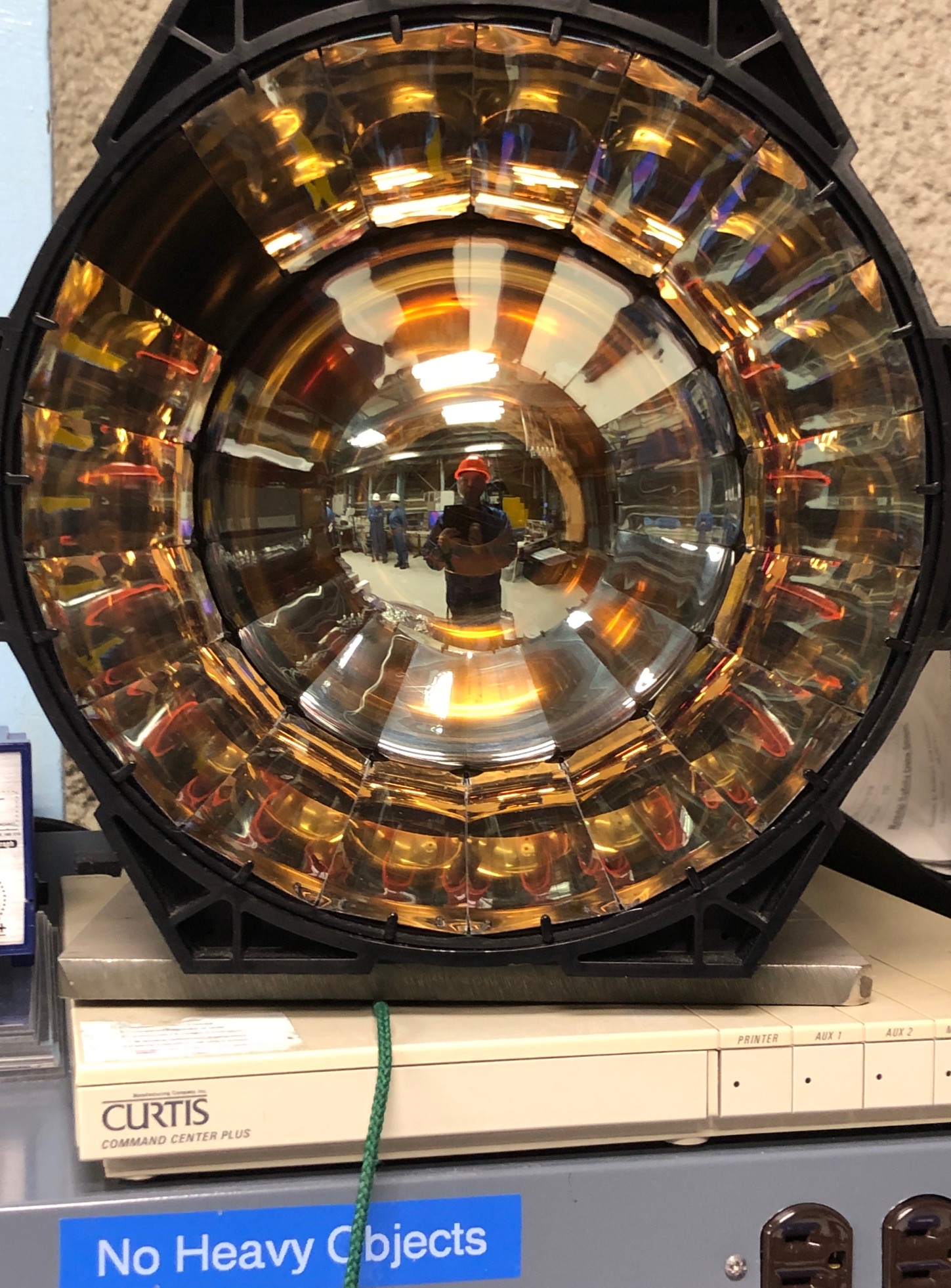
Yesterday00:12:40Tap to summarizeBut would you want to stay there for 20 years off and on, as you discover — well, nothing! At least not dark matter accounting for 80 per cent of matter in the Universe. We join Canadian science reporter Dan Falk at a deep mine where finely tuned instruments try to catch particles zooming from space through the earth to perhaps one day reveal the missing mass of the Universe. Come to SNOLAB!
Transcribe →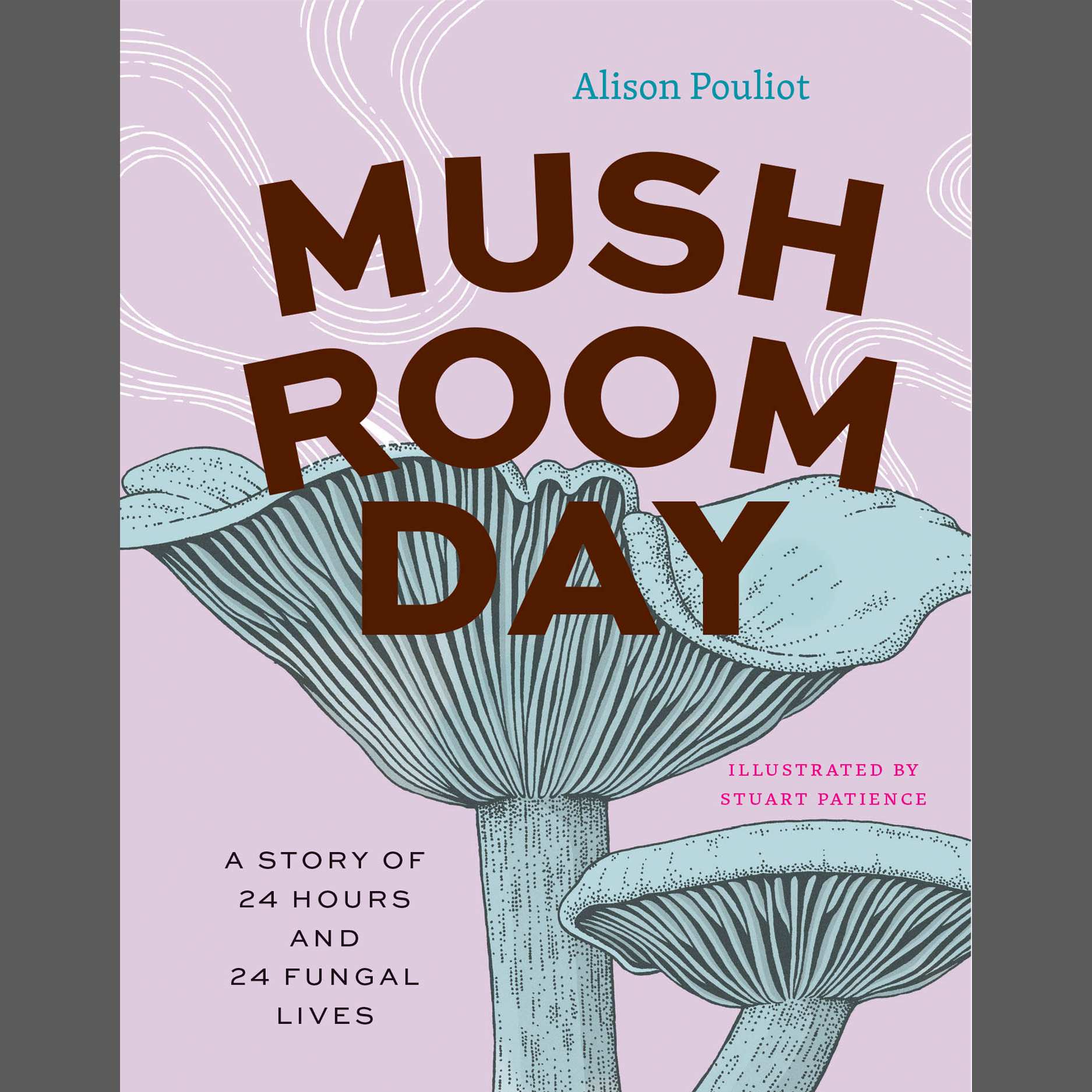
Mushroom Day: A Story of 24 Hours and 24 Fungal Lives
Yesterday00:06:42Tap to summarizeAlison Pouliot is a world-renowned expert on fungi. Her books on mushrooms and toadstools explore species which are all around us but which we hardly notice. Peter Bernhardt reviews Alison Pouliot’s book, which provides a species note for every hour of the day.
Transcribe →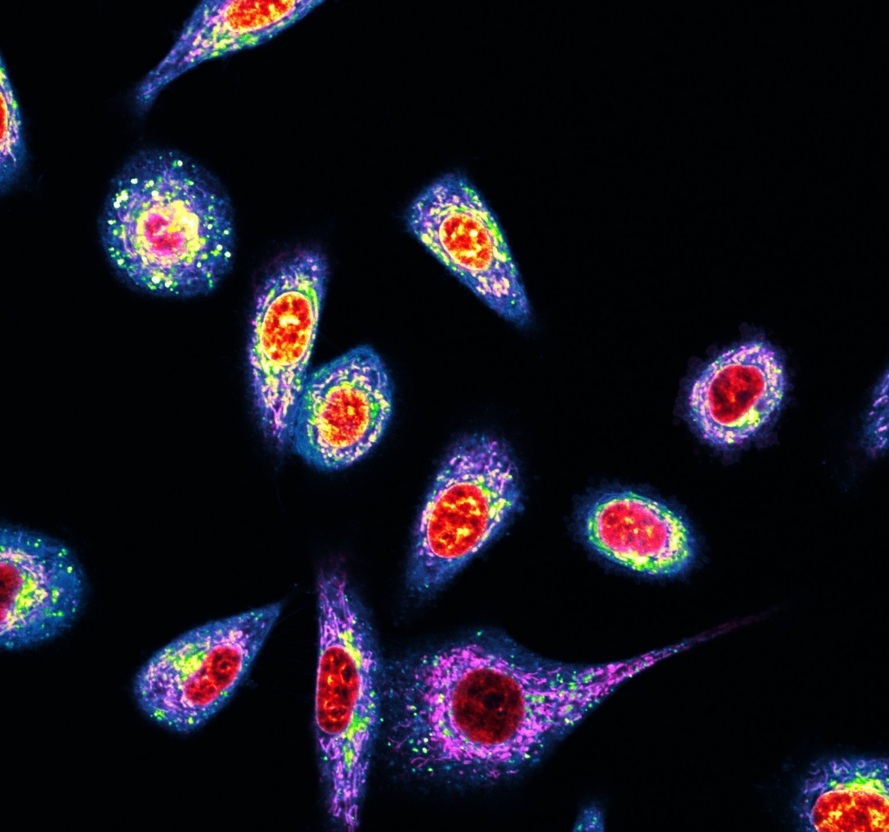
Fluorescent sensors bring cell contents to life
Yesterday00:08:16Tap to summarizeCells are full of molecules. Some are very large, such as proteins and DNA. Studying specific molecules or organelles in isolation is challenging. Elizabeth New makes sensor molecules which allow specific cell contents to fluoresce when viewed with a microscope. The aim is to see the effects of diseases and drugs on cells. Her methods can be applied to neurodegenerative diseases such as Parkinson’s Disease, cancer and diabetes and show molecules which cause harm and bring on ageing. There are opportunities to look for predictors of disease and test drugs. Elizabeth New is speaking from the SESAME synchrotron in Allan, Jordan where she is on secondment.
Transcribe →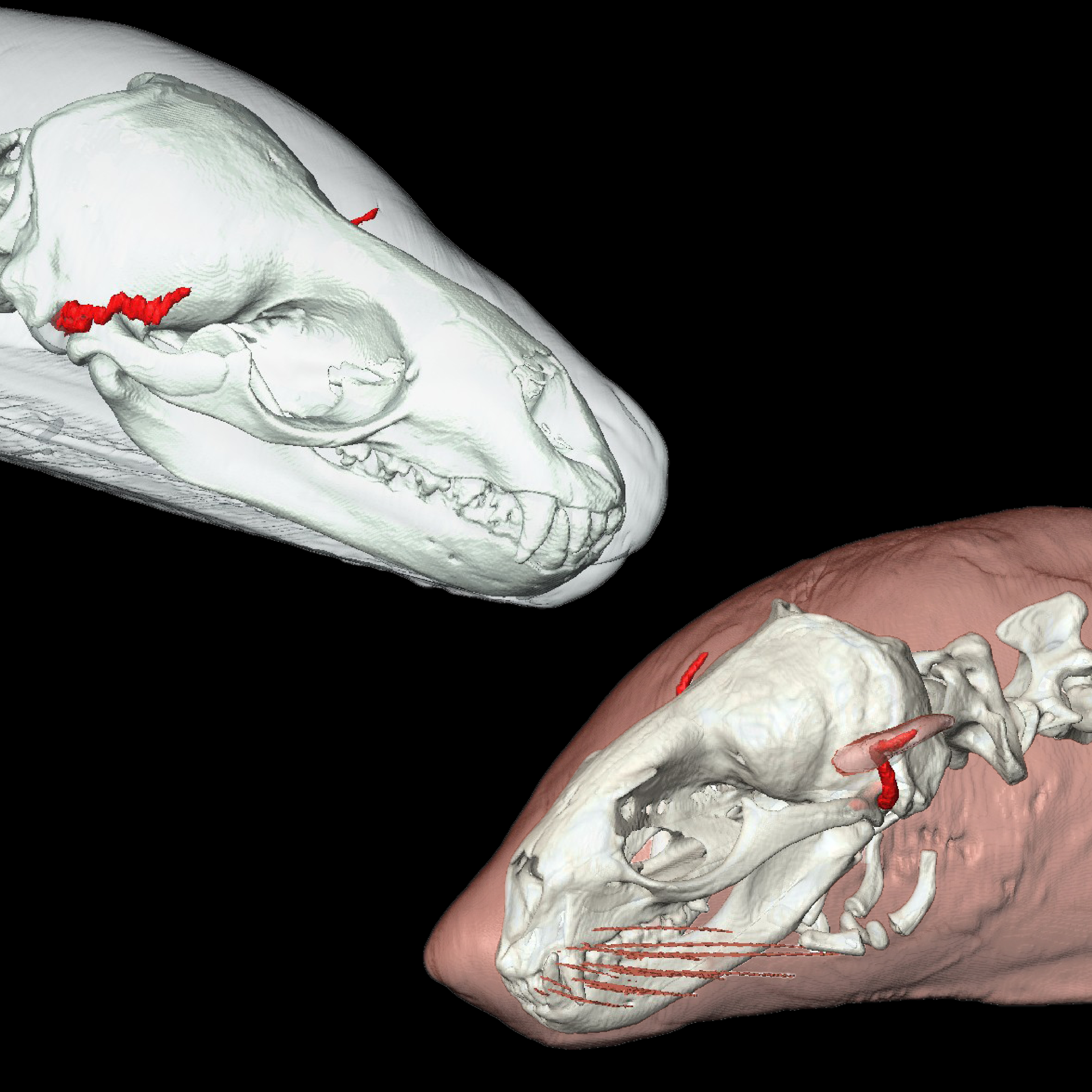
Animal senses that work as well in water as on land
Yesterday00:14:09Tap to summarizeWhen we swim or dive, our senses are impaired. Our vision becomes blurry. Our hearing becomes a mess of indistinguishable sound. So how do animals that live both in and out of the sea cope? Well they cope very well! Adaptations allow their senses to work often better underwater than on land. Belinda Smith discovers how seals hear and penguins see so well underwater.
Transcribe →
Plotting the Oceans: Stories of Powerful Maps and Their Makers
Yesterday00:10:47Tap to summarizeMaps have triggered territorial claims, saved fragile environments and brought home the fragility of the Great Barrier Reef in the face of climate change. In her book Plotting the Oceans: Stories of Powerful Maps and Their Makers, Sarah Hamylton tells the stories of five cartographers whose maps and ideas produced big results but in different ways. Charles Darwin mapped the world’s coral reefs to support a theory about how they formed, and in doing so developed insights that shaped his eventual theory of evolution. The trailblazing Marie Tharp, barred from ocean expeditions in the 1950s, created the first detailed map of the ocean floor, providing key evidence for the then radical idea of continental drift. In this discussion with Robyn Williams Sarah Hamylton describes geographer and academic David Stodardt who made maps of remote atolls and whose advocacy led to the saving of Aldabra Atoll in the western Indian Ocean. It is home to hundreds of thousands of giant tortoises but was once considered as the site for an Anglo/American military base.
Transcribe →Lab Notes: What will we see in a 10-year movie of the universe?
4d ago00:10:46Tap to summarizeThe longest survey of our southern skies — The Legacy Survey of Space and Time (LSST) — has just begun from the Vera Rubin Observatory in the Chilean Atacama Desert.Over the next 10 years, the largest digital camera on Earth will look at the same patches of sky time and again, aiming to record exploding stars, new asteroids, and maybe find what's behind dark energy.Jonathan Webb gets sucked into grand cosmic questions with Dr Anais Möller, as they discuss how astronomers are getting a head start on their research from the survey.You can binge more episodes of the Lab Notes podcast with science editor and presenter Jonathan Webb on the ABC Listen app (Australia). You'll find episodes on animal behaviour, human health, space exploration and so much more.Get in touch with us: labnotes@abc.net.auFeaturing:Dr Anais Möller, Senior Research Fellow Swinburne UniversityFurther information:Rubin's Ocean of StarsFink brokerThis episode of Lab Notes was produced on the lands of the Gadigal, Ngunnawal and Ngambri people.
Transcribe →
Celebrating Charles Todd, father of the Overland Telegraph
1w ago00:11:14Tap to summarizeCharles Todd was the force behind Australia’s first connection with the outside world – the Overland Telegraph. He came from a relatively ordinary background in England and surprised family and friends by deciding to sail to South Australia because he somehow foresaw astounding opportunities at the ‘Ends of the Earth’. Once in Adelaide he became a weather forecaster, an engineer, ran the central GPO and then planned and carried out the connection of Australia with the overseas telegraph. He led the expedition from Adelaide to Darwin thus connecting the wide brown land with the rest of the world. This month Sir Charles Todd would have turned 200 and his great-great-grandson Julian Todd celebrates his achievements, showing how a barely qualified young person can reach the highest levels and make a spectacular difference.
Transcribe →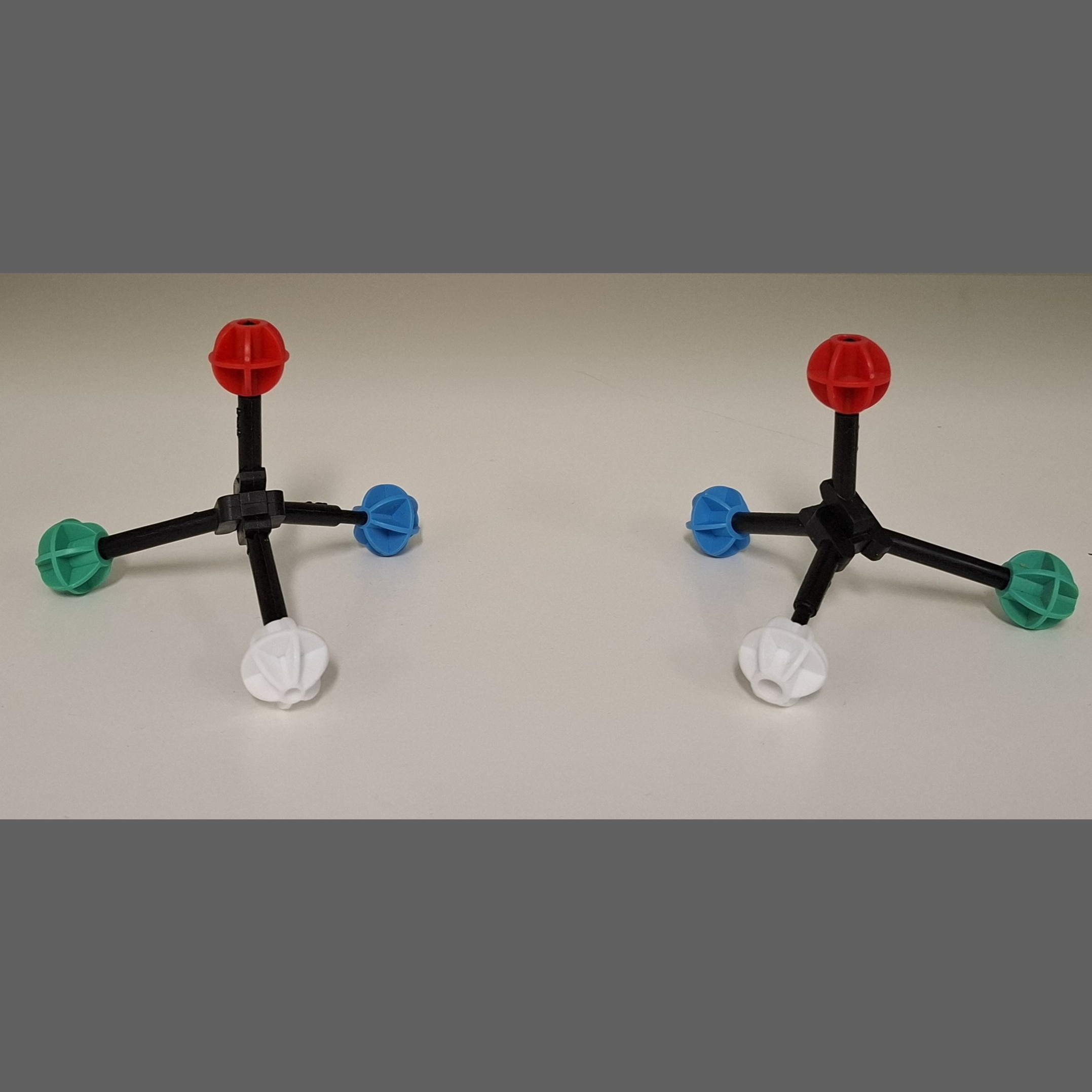
Mirror life risks catastrophe
1w ago00:18:34Tap to summarizeThis year, scientists included a new potential threat in their decision to move the Doomsday Clock — a symbol for how close humanity is to destroying itself — closer to midnight. The threat is 'mirror life', a theoretical type of synthetic bacteria, that if made, could grow with almost no hindrance. But is stopping all mirror life research the right action? Ellen Phiddian reports.
Transcribe →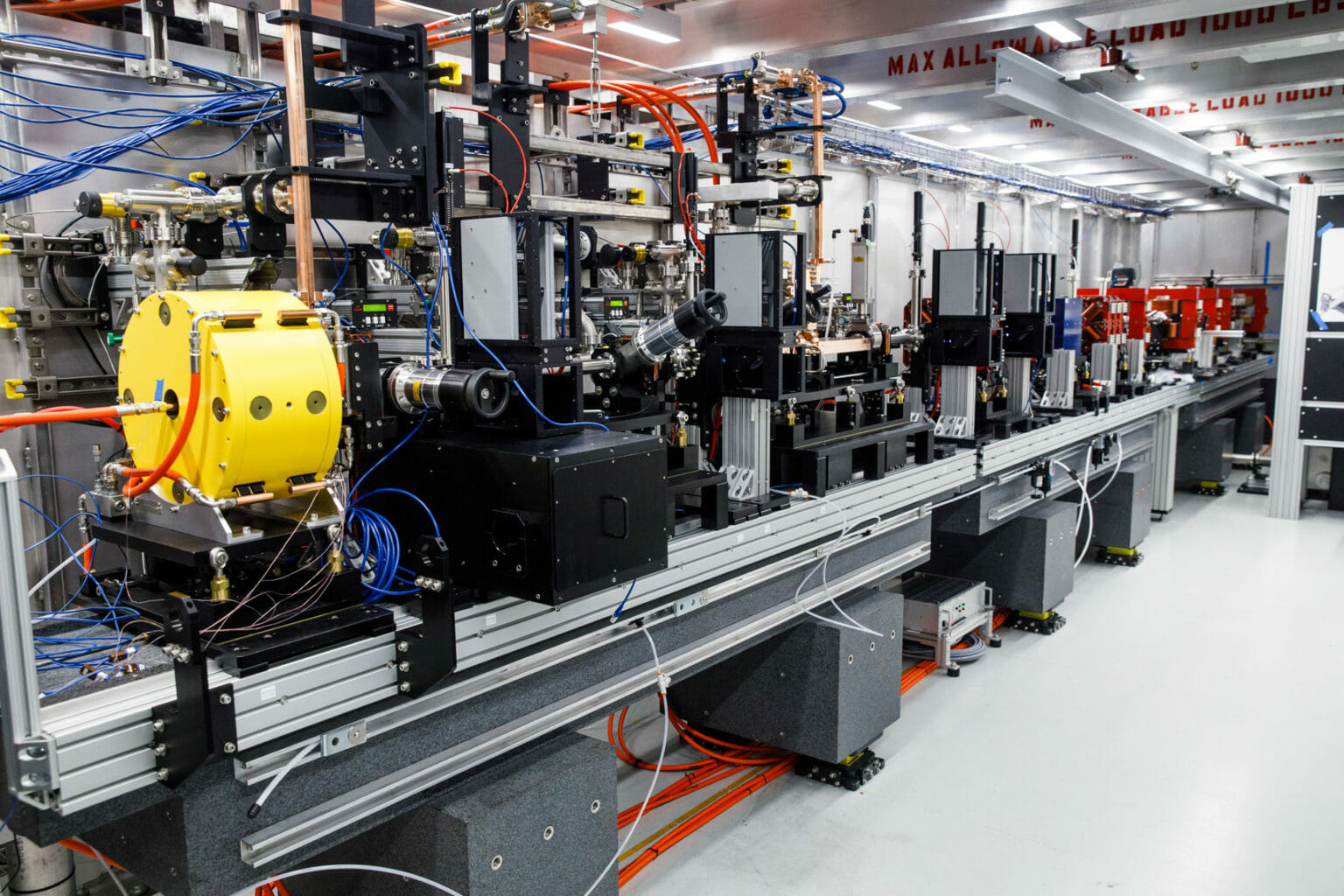
Diverse background ideal for leader in pioneering science
1w ago00:07:53Tap to summarizeSabine Botha left her home in South Africa, rejecting its apartheid and studied at Oxford and in Germany, ending with a smorgasbord of subjects. This turned out to be ideal for her present position at Arizona State University, leading a team pioneering work in newly designed laboratories where vast lasers and X-rays are used to reveal the structures of drugs and new materials in the field of analysis.
Transcribe →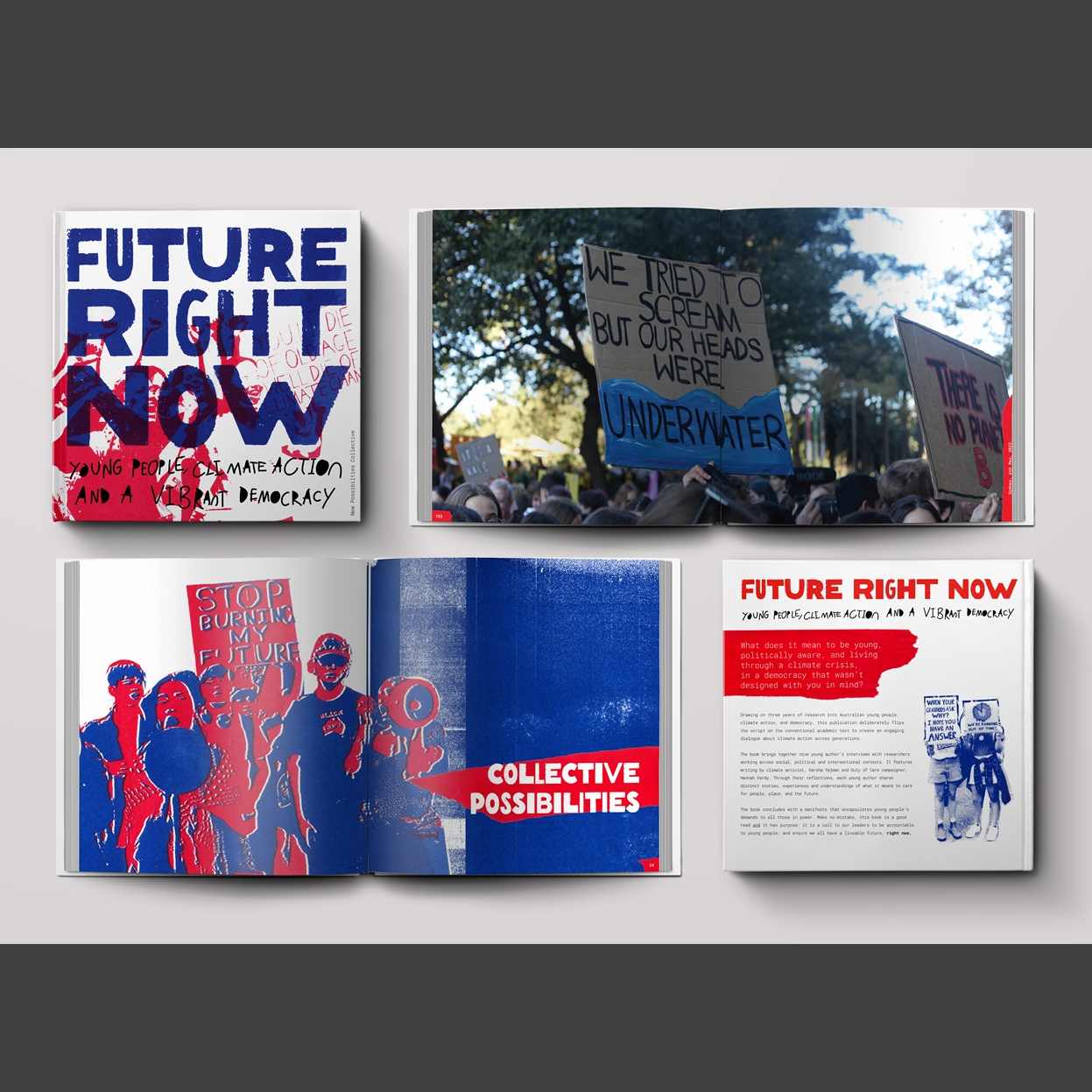
Future Right Now reveals concerns of young people
1w ago00:08:45Tap to summarizeFuture Right Now is a book written by more than 40 young people about what matters to them. As foreshadowed in The Science Show last week a national event was held at The Australian Museum where young and old, including politicians, explored their hopes. The youngest, Annabelle Smith, just 10 years old appears in the book with her poem about Mountain Pygmy possums and her desire to keep them safe. She reads her poem for us, and the editor of Future Right Now, Associate Professor Michelle Catanzaro reveals an analysis of the writers’ moods and concerns.
Transcribe →