
Podcast
The Signal Brief
Hosted by The Core · EN
At The Signal Brief, we don’t do hot takes—instead, we bring you deep dives into the ‘how’ and 'why' of consumer trends. Join journalist and host Kudrat Wadhwa for a new episode every Friday.
27episodes
Episodes
Newest firstAll episodes
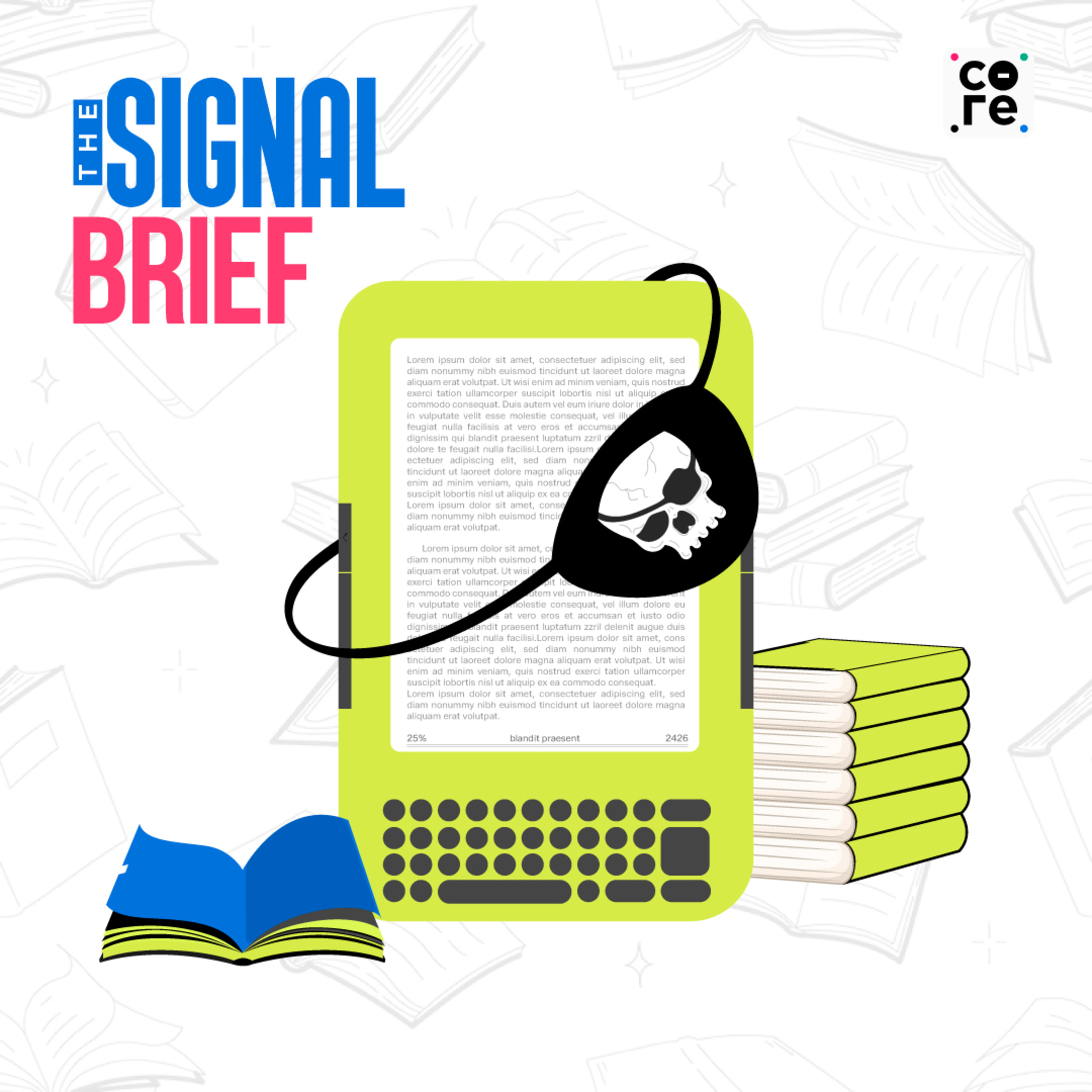
Does Piracy Help Readers Or Hurt Us All?
Apr 300:15:59Tap to summarizeOn Wednesday, March 25th, the Delhi Police seized over 20,000 counterfeit books from a printing press in Rohini.Soon after, Penguin Random House India published a statement saying that it had helped the cops with information.Online, the reaction was mixed. Some appreciated this step, calling it a necessary crackdown on piracy. Others, however, had a totally different opinion. They said that buying pirated books is often the only way many in India can read. So who’s right? The publishers protecting authors.. or readers just trying to to read? To find out, check out the latest episode of The Signal Brief.The Core produces The Signal Brief. Follow us wherever you get your favourite podcasts.The Core and The Signal Brief are ad supported and FREE for all readers and listeners. Write in to shiva@thecore.in for sponsorships and brand studio requirements.For more of our coverage, check out thecore.inSubscribe to our newsletterFollow us on: Twitter | Instagram | Facebook | Linkedin
Transcribe →
Is The Gulf Dream Still Alive?
Mar 2700:13:40Tap to summarizeNormally, the line outside the UAE embassy in Delhi is long, and stretches all the way to the main road.But these days, there are a lot fewer people.That’s because the US-Israel war on Iran has been impacting Gulf countries like the UAE too. Flights there are getting cancelled and there’s just a lot more uncertainty.Recruitment agents say that they are seeing business as usual. Only a small dip. That’s because migrants feel they don’t really have a choice, said one agent. So how has the Iran war impacted migration, if at all? To learn more and to hear from migrants and experts, check out the latest episode of The Signal Brief. The Core produces The Signal Brief. Follow us wherever you get your favourite podcasts.The Core and The Signal Brief are ad supported and FREE for all readers and listeners. Write in to shiva@thecore.in for sponsorships and brand studio requirements.For more of our coverage, check out thecore.inSubscribe to our newsletterFollow us on: Twitter | Instagram | Facebook | Linkedin
Transcribe →
Can India Handle Its Concert Boom?
Mar 2000:14:34Tap to summarizeLast year, over 2 lakh people attended Coldplay’s Ahmedabad show.This year, even more global stars are coming to India. There’s Shakira, Kanye West and Calvin Harris. Estimates peg the live events organised market as between Rs 12,000 and Rs 20,000 crore.In short, India’s concert economy is booming.But, we don’t have the infrastructure to support shows of this scale.Fewer than ten venues across the country can host more than 10,000 people.Fans often complain of issues with traffic control, crowd management, toilets and parking. In the latest episode of The Signal Brief, we hear from consumers and industry professionals on what’s behind this growing concert economy—and where it’s falling short.The Core produces The Signal Brief. Follow us wherever you get your favourite podcasts.The Core and The Signal Brief are ad supported and FREE for all readers and listeners. Write in to shiva@thecore.in for sponsorships and brand studio requirements.For more of our coverage, check out thecore.inSubscribe to our newsletterFollow us on: Twitter | Instagram | Facebook | Linkedin
Transcribe →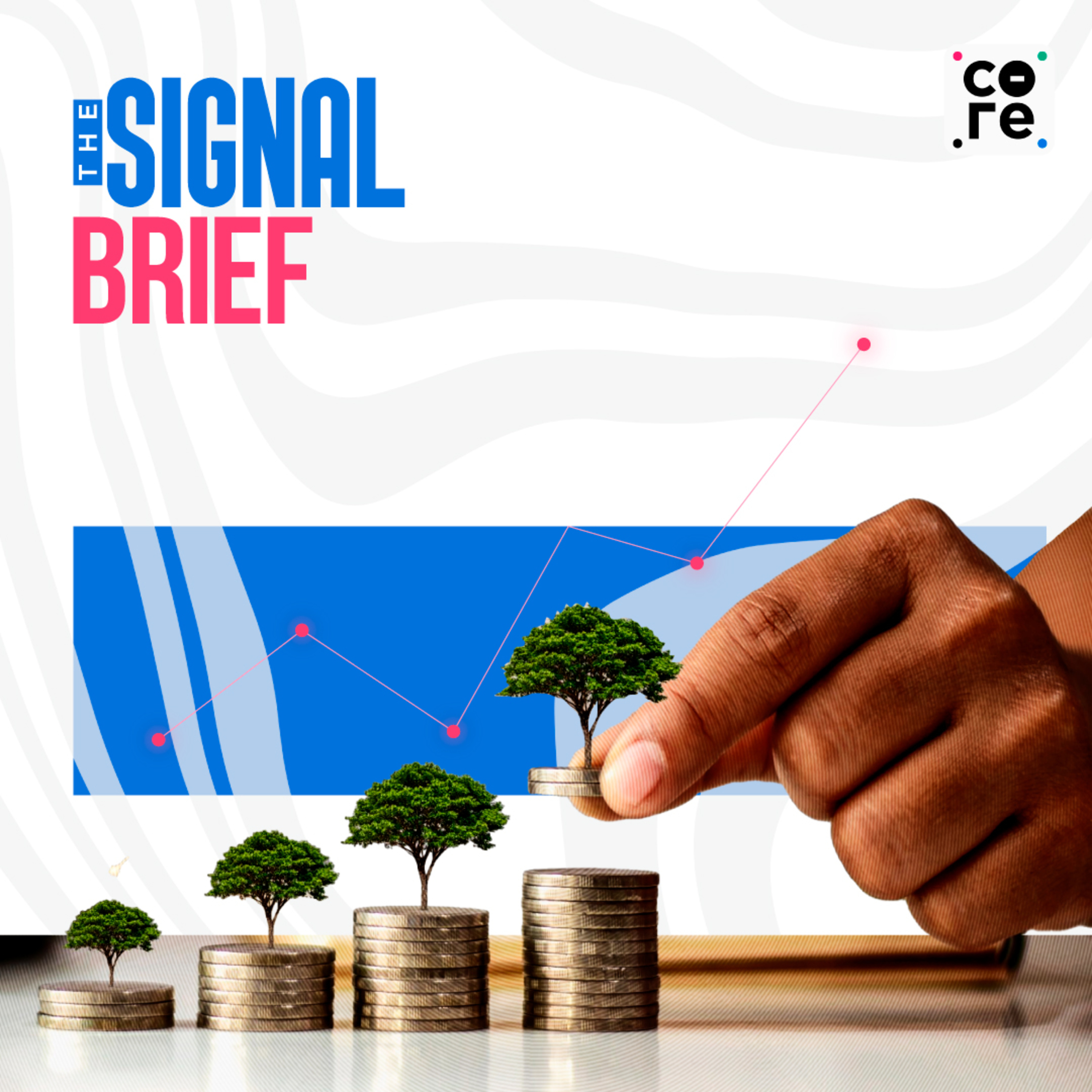
The Concierges Of India’s New Ultra-Rich
Mar 1300:16:06Tap to summarizeIndia is minting millionaires faster than any other country on Earth.Today, roughly 86,000 individuals have over Rs 80 crore in investable assets.Ultra-high-net-worth people? Growing by 50% by the end of the decade.All this new wealth needs managing.Enter: India’s booming wealth management industry—it’s already worth over a trillion dollars, set to double in the next five years.These young advisors are managing portfolios, yes, but they’re also doing a lot more. They are delivering fruit baskets on random Tuesdays, they’re tagging along to car showrooms with their clients and even handing over their car keys at poker tables.To hear from wealth managers, check out the latest episode of The Signal Brief. The Core produces The Signal Brief. Follow us wherever you get your favourite podcasts. The Core and The Signal Brief are ad supported and FREE for all readers and listeners. Write in to shiva@thecore.in for sponsorships and brand studio requirements.For more of our coverage, check out thecore.inSubscribe to our newsletterFollow us on: Twitter | Instagram | Facebook | Linkedin
Transcribe →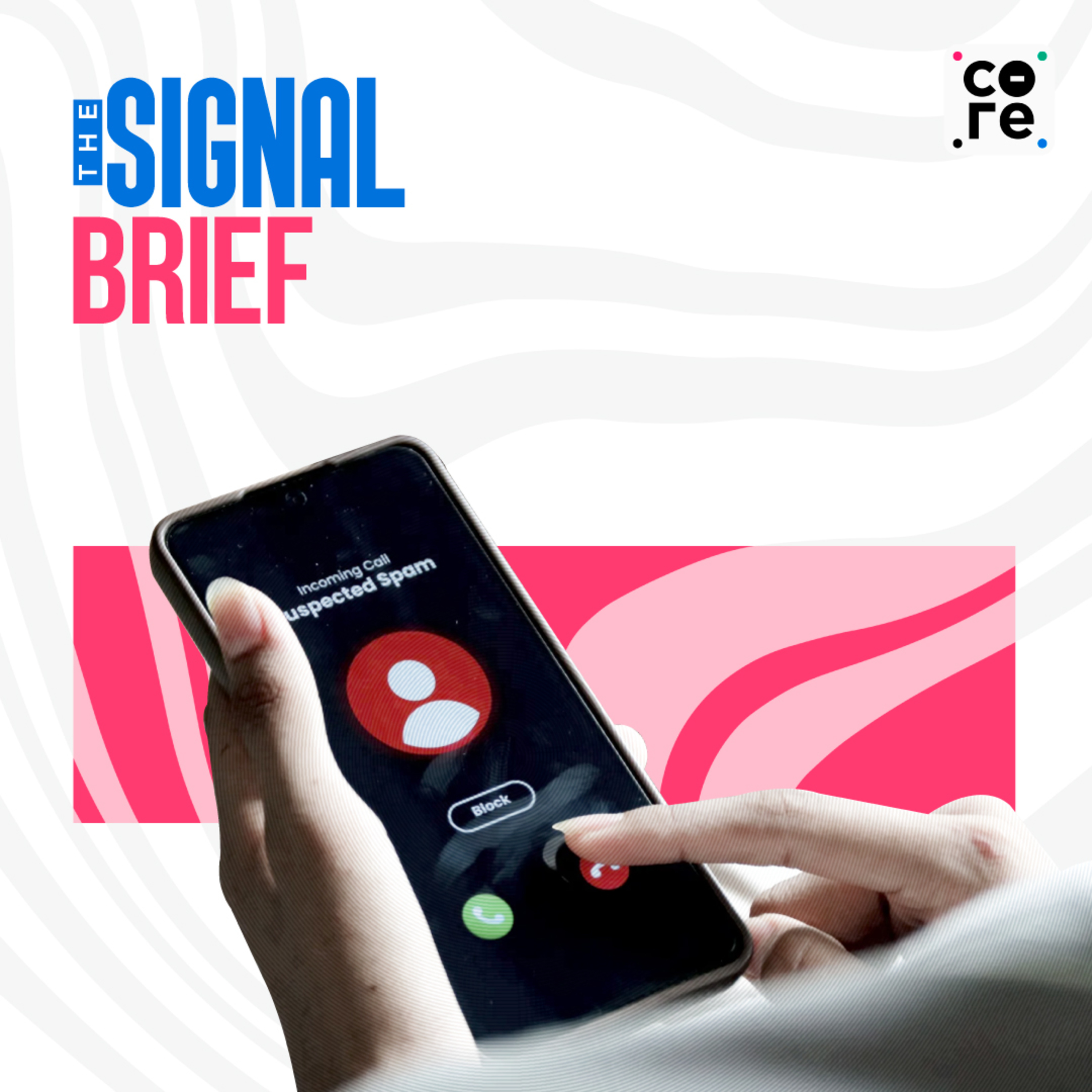
Tring Tring: Inside India's Spam Call Economy
Mar 600:14:58Tap to summarizeIf you live in India, you probably get two or three spam calls a day.A credit card you didn’t apply for. An investment opportunity you’re not interested in.In fact, Truecaller’s reports consistently rank India one of the highest countries for spam. That’s despite the fact that we actually have regulation to stop spam. In fact, early this year, the TRAI or the Telecom Regulatory Authority of India fined operators Rs 150 crore for failing to curb spam traffic. And yet, the calls keep coming.Experts say that now, with AI, consumers could actually see many more spam calls. So why don’t these calls stop? And what can you actually do about them?To learn more, check out the latest episode of The Signal Brief.Register for India Finance and Innovation Forum 2026The Core and The Signal Brief are ad supported and FREE for all readers and listeners. Write in to shiva@thecore.in for sponsorships and brand studio requirements.For more of our coverage, check out thecore.inSubscribe to our newsletterFollow us on: Twitter | Instagram | Facebook | Linkedin
Transcribe →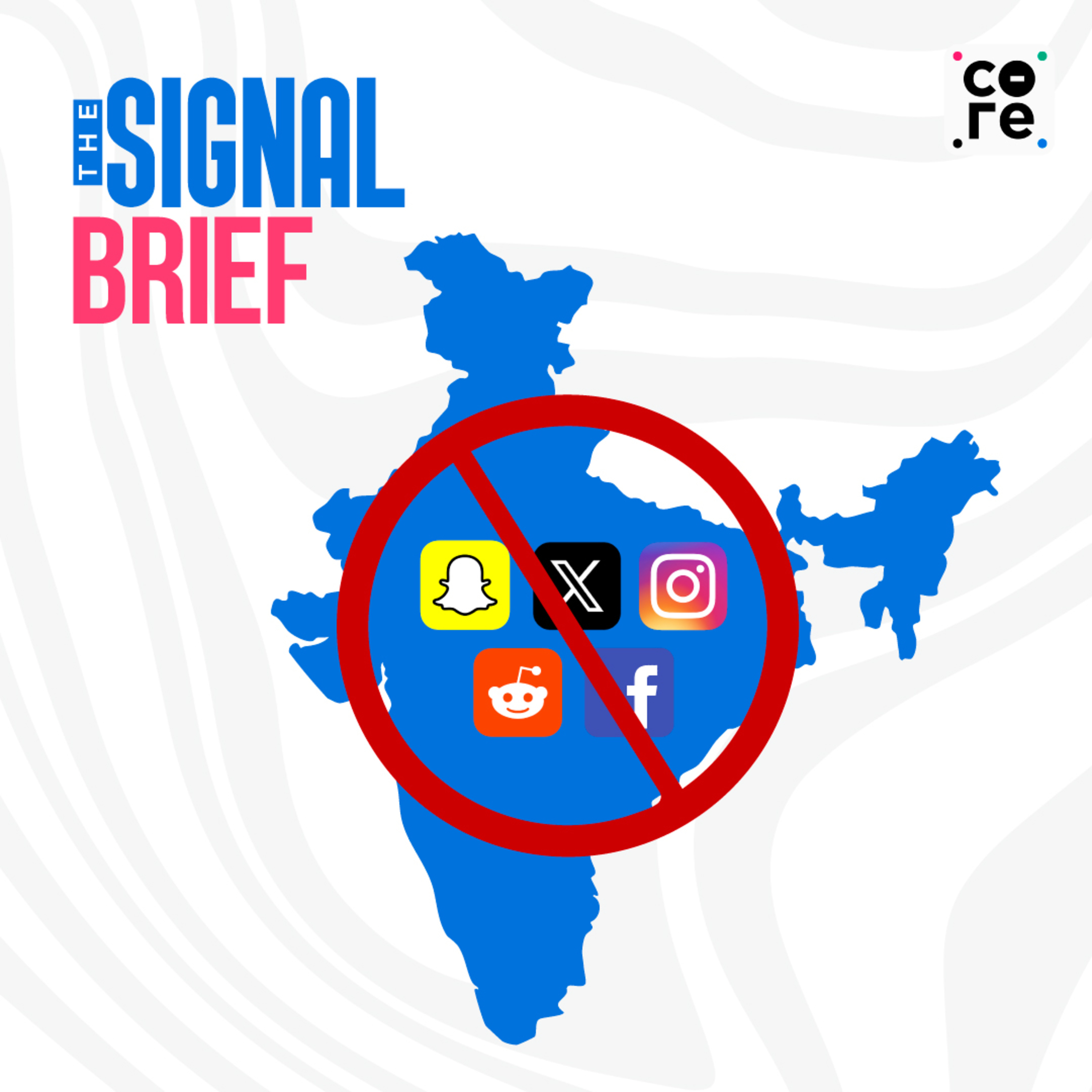
Ban The Apps? India’s Youth Are Split
Feb 2700:16:23Tap to summarizeLast December, Australia became the first country in the world to ban social media for users under 16. Now, reports suggest that in India too the central government and some states are considering banning social media for teenagers. The concerns are simple: endless scrolling, addictive design, online bullying, depression as well as rising anxiety. India has over 460 million social media users. Many of them are teenagers.So, the question is simple. Is banning the solution?In the latest episode of The Signal Brief, we hear on this from child psychologists, journalists and digital rights advocates. As well as from the people most affected: teenagers themselves.The Core produces The Signal Brief. Follow us wherever you get your favourite podcasts.Register for India Finance and Innovation Forum 2026The Core and The Signal Brief are ad supported and FREE for all readers and listeners. Write in to shiva@thecore.in for sponsorships and brand studio requirements.For more of our coverage, check out thecore.inSubscribe to our newsletterFollow us on: Twitter | Instagram | Facebook | Linkedin
Transcribe →
Zoomcar is Zooming Out of Favour
Jun 28, 2024Tap to summarizeIn this episode, we first dissect why ACs are breaking down in parts of North India. For the main segment, we deep dive into the uncertain future of Bengaluru-based car rental service Zoomcar. Tune in!
Transcribe →