
Podcast
The So What from BCG
Hosted by Boston Consulting Group BCG · EN
This podcast from Boston Consulting Group looks around the corner of today’s big business and social issues. The goal–the so what–is to make sense of today and prepare busy leaders and executives for the day after tomorrow.
Award-winning British journalist Georgie Frost interviews the leading thinkers and doers at BCG on the trends, developments, and ideas that will shape and disrupt the future. This is not your typical business strategy podcast.
This podcast uses the following third-party services for analysis:
Podtrac - https://analytics.podtrac.com/privacy-policy-gdrp
23episodes
Episodes
Newest firstAll episodes

Is Your AI Rollout Built to Fail?
5d ago00:24:36Tap to summarizeKristy Ellmer and Julia Dhar, co-authors of How Change Really Works and founders of BCG’s Behavioral Science Lab, explain why so many transformations fail and what the science says separates success from failure. They break down the “messy middle,” why people resist being changed rather than change itself, and how giving employees real agency turns resistance into momentum.What You’ll Learn:Why “false alignment” among leaders, not resistance from employees, derails most transformations before they start.Why giving employees real ownership, not just participation, turns resistance into momentum.What makes AI transformations distinct from other kinds of organizational changeLearn More:Read How Change Really Works: https://on.bcg.com/3SpBPzdYour AI Change Is Actually a People Change: https://on.bcg.com/3RKUp4JThe False Alignment Trap: https://on.bcg.com/45R9ULHCEOs Are Betting Big on AI Transformations. Science Is How They Win: https://on.bcg.com/4bGy1jGWe Found the Real Reason 70% of Transformations Fail: https://on.bcg.com/4xqmOMqChapters(0:00) What Is Transformation?(1:54) Why Leaders Need a New Playbook for Change(3:42) Where Do Most Transformations Fail?(5:37) What Does the “Messy Middle” Look Like?(6:28) What Makes AI Transformations Different?(9:25) Where Is the "End Point" in an AI Transformation?(11:51) Why “Just Get on the Bus” Isn’t Good Advice for AI Change(13:03) When to Walk Away from a Change Effort(15:42) What Should Leaders Do When Momentum Fades?(16:49) Why Giving Employees Ownership Matters(21:06) What Should Leaders Do in the “Messy Middle”?(22:37) How Do You Make Change Successful?Meet the Experts Kristy Ellmer: https://on.bcg.com/4xvpgBgCo-Author, How Change Really WorksBCG Managing Director & PartnerNorth American Leader, BCG’s Transform PracticeCo-Founder, BCG’s Behavioral Science Lab:https://on.bcg.com/4z9WhVsJulia Dhar: https://on.bcg.com/45ec8VjCo-Author, How Change Really WorksBCG Managing Director & PartnerNorth American Leader, People and Organization PracticeCo-Founder, BCG’s Behavioral Science Lab: https://on.bcg.com/4z9WhVsListen to Other Episodes of The So What from BCG podcastYouTube | https://youtube.com/playlist?list=PLMJgyXjV5gMI9JV-GcF_D1Y6zyf1Eab_0&si=plXqe7-YNzbG56U8Apple | https://podcasts.apple.com/us/podcast/the-so-what-from-bcg/id1591194141Spotify | https://open.spotify.com/show/2NSVR7qrAyZ4CaGsnknbBk?si=1d846c2af8784923Other platforms | https://lnk.to/so-what-general-show12Follow BCGhttps://www.bcg.com/LinkedIn | https://www.linkedin.com/company/boston-consulting-groupThis podcast uses the following third-party services for analysis: Podtrac - https://analytics.podtrac.com/privacy-policy-gdrp
Transcribe →
Retailers Are Drowning in Data. Is AI a Life Preserver?
3w ago00:16:50Tap to summarizeNick Goad, BCG's global co-leader for retail merchandising, argues that retail's biggest problem isn't a lack of data, it's the gap between data and real customer understanding. He explains how AI and large language models are finally bridging that divide, making it possible to localize assortment, sharpen pricing, and accelerate product innovation at scale. For leaders wondering where to start, he makes the case for codifying the knowledge already in merchants' heads.What You’ll Learn:Retailers have more data than ever, but AI finally gives them the tools to turn it into action merchants can actually trust.The biggest near-term opportunities are in assortment localization, smarter pricing, and AI-accelerated product innovation.The new data advantage for retailers isn't raw data — it's codifying the knowledge already in their merchants' heads.Learn More:BCG’s Latest Thinking on the Retail Industry: https://on.bcg.com/4bYoe8xMerch AI by BCGX: https://on.bcg.com/3RxTfJFChapters(0:00) Has Retail Lost Its Personal Touch?(1:13) Serving Customers Before the Digital Age(2:33) The Internet’s Impact on Retail(3:11) Does More Data Mean Better Customer Understanding?(4:12) Why Are Retailers Drowning in Complexity?(5:32) What Can AI Do to Help Retailers?(7:02) Will AI Create a New Data Overload?(7:54) What Are Retail Leaders Hopes and Fears for AI?(9:02) Will AI Get Products to the Shelf Faster?(9:57) Will AI Influence Product Design?(10:37) Can AI Create More Personalized Loyalty Programs?(11:34) How Will AI Shape the Shopping Experience?(12:02) Is Physical Retail Here to Stay?(13:36) Will AI Make All Our Shopping Decisions for Us?(14:23) Where Can Retailers Make the Biggest Changes?(15:00) Where Should Retailers Apply AI First?(15:48) What New Data Advantage Can AI Create?Meet the Expert:Nick Goad, BCG Managing Director & Senior Partner: https://on.bcg.com/4wuIlU0Listen to Other Episodes of The So What from BCG podcastPunch Cards, Frequent Flyers, and the Future of Loyalty: https://lnk.to/so-what-BCG-Crouch-Loyalty09YouTube | https://youtube.com/playlist?list=PLMJgyXjV5gMI9JV-GcF_D1Y6zyf1Eab_0&si=plXqe7-YNzbG56U8Apple | https://podcasts.apple.com/us/podcast/the-so-what-from-bcg/id1591194141Spotify | https://open.spotify.com/show/2NSVR7qrAyZ4CaGsnknbBk?si=1d846c2af8784923Other platforms | https://lnk.to/so-what-general-show12Follow BCGhttps://www.bcg.com/LinkedIn | https://www.linkedin.com/company/boston-consulting-groupThis podcast uses the following third-party services for analysis: Podtrac - https://analytics.podtrac.com/privacy-policy-gdrp
Transcribe →
LLM or MD: Who Owns the Patient Journey?
Jul 1500:21:17Tap to summarizeBen Keneally, BCG’s Asia Pacific health care services leader, explains why AI is now many patients’ first stop — often before they see a doctor. He argues that pairing AI with personal health records improves outcomes and equity, and that health leaders, not LLMs, must shape how this shift unfolds.You’ll Learn:Why AI is becoming the default first step in care, especially in markets with limited access to cliniciansHow pairing AI with personal health records improves treatment compliance and catches errors earlierWhy driving AI into end-to-end care pathways takes leadership, not just frontline experimentationLearn More:BCG’s Latest Thinking on the Health Care Industry: https://on.bcg.com/4w2MmPtConsumers Are Ready for AI-Enabled Health Care. Health Systems Need to Be, Too.: https://on.bcg.com/4vo2ZDXChapters (0:00) The Biggest Health Care Shift in Centuries(1:47) How Is AI Being Used in Health Care Today?(2:23) Where Is AI Adoption Highest, and What Does That Tell Us?(3:29) Does AI Create a Two-Tier Health System?(4:55) What's Next for AI Agents?(6:51) Where Are the Biggest Opportunities: Diagnosis, Navigation, or Appointments?(8:13) The Health Care System AI Could Build(9:56) Does Your Health System Need Its Own AI?(11:36) The Danger of Inaccurate Health Advice(12:53) What Role Does Trust Play?(13:52) How Are Health Care Organizations Shaping This Shift Today?(14:47) AI Alone Won't Transform Health Care(15:49) Who Is Responsible When AI Gets Health Care Wrong?(17:22) Who Owns the Patient Relationship?(18:29) Is the Shift to AI in Health Care Inevitable?(19:49) Is It AI Plus Clinicians or AI Replacing Clinicians?Meet the ExpertBen Keneally, BCG Managing Director & Partner: https://on.bcg.com/4woTTbcListen to Other Episodes of The So What from BCG podcastYouTube | https://youtube.com/playlist?list=PLMJgyXjV5gMI9JV-GcF_D1Y6zyf1Eab_0&si=plXqe7-YNzbG56U8Apple | https://podcasts.apple.com/us/podcast/the-so-what-from-bcg/id1591194141Spotify | https://open.spotify.com/show/2NSVR7qrAyZ4CaGsnknbBk?si=1d846c2af8784923Other platforms | https://lnk.to/so-what-general-show12Follow BCGhttps://www.bcg.com/LinkedIn | https://www.linkedin.com/company/boston-consulting-groupThis podcast uses the following third-party services for analysis: Podtrac - https://analytics.podtrac.com/privacy-policy-gdrp
Transcribe →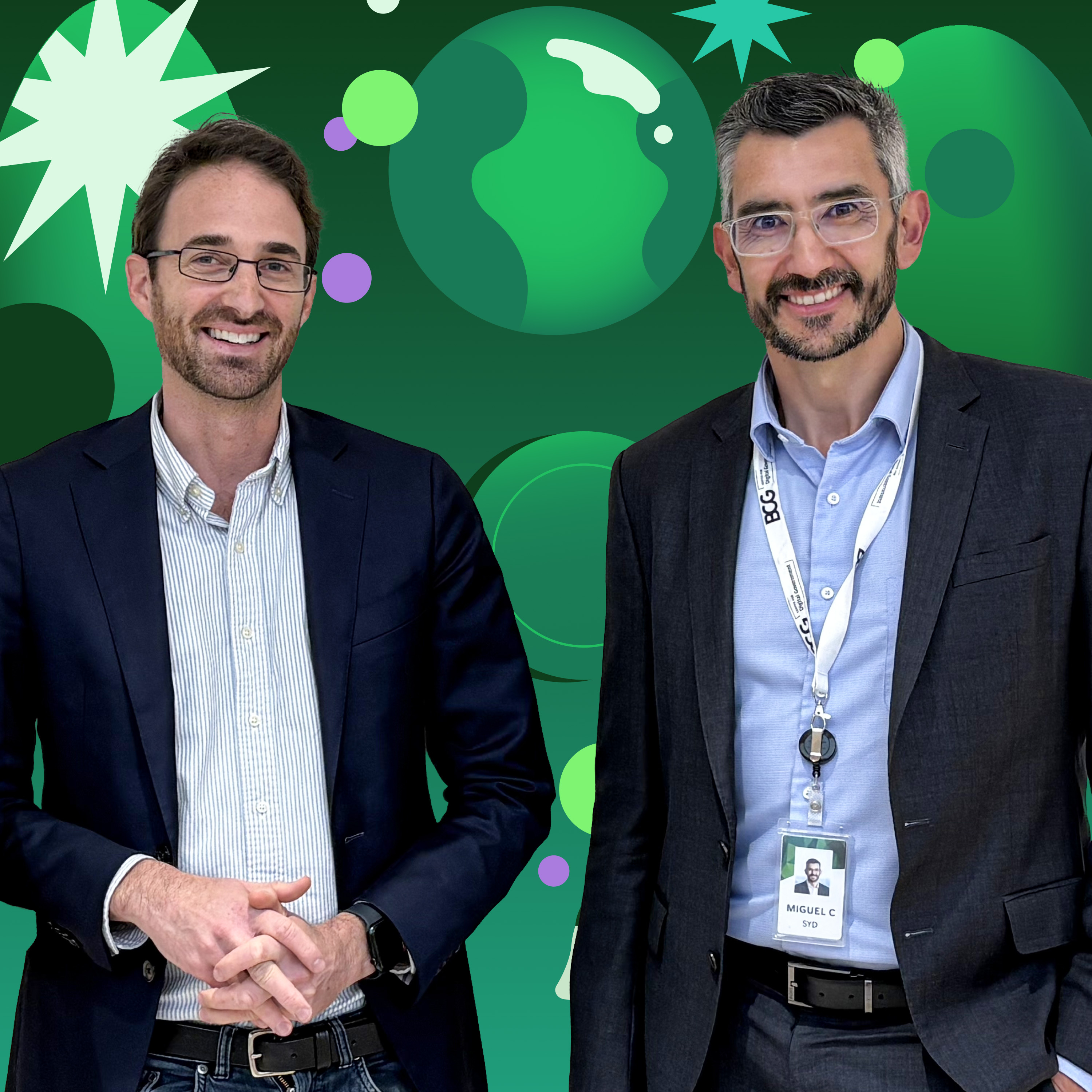
AI Is Ready for Government. Is Government Ready?
Jul 100:21:48Tap to summarizeGovernments are racing to deploy AI. Most have the foundations, but struggle to translate them into faster, smarter execution without losing public trust. BCG's Miguel Carrasco and Daniel Selikowitz break down what separates the countries getting this right from those still stuck — and what every leader can take from their example.You’ll Learn:Why AI governance frameworks are quietly becoming the biggest barrier to AI deploymentHow to tell the difference between necessary caution and unnecessary bureaucracyHow and why some countries are already getting AI governance rightLearn More:Trust Imperative 5.0: https://on.bcg.com/3QO3fOmBCG’s Latest Thinking in Public Sector: https://on.bcg.com/4f69kisMeet the ExpertsMiguel Carrasco, BCG Managing Director & Senior Partner: https://on.bcg.com/4gGH8UzDaniel Selikowitz, Managing Director & Partner: https://on.bcg.com/4oMRKTYWatch The So What from BCG on YouTube: https://www.youtube.com/playlist?list=PLMJgyXjV5gMI9JV-GcF_D1Y6zyf1Eab_0Chapters(0:00) AI Is Already in Government. Here's Where You'll Find It.(3:12) Public vs. Private: Why the Stakes Are Different(4:40) What Leaders Are Saying Across Industries(6:15) What Role Does Fear Play in AI Adoption?(8:14) Inside Governments Deploying AI(9:55) How Are Governments Governing AI?(11:56) How Do Countries Compare on AI Adoption?(13:37) Useful Caution Vs. Unnecessary Bureaucracy in AI Implementation(15:42) Who Is Keeping Pace with AI Innovation?(16:46) What Private Sector Leaders Can Learn from Governments(19:34) What Should Leaders Do Now?This podcast uses the following third-party services for analysis: Podtrac - https://analytics.podtrac.com/privacy-policy-gdrp
Transcribe →
Industry 4.0 Moves to the Great Outdoors
Jun 1700:20:29Tap to summarizeIndustry 4.0 is moving beyond factory walls and into farms, forests, and fields.David Potere, a senior tech leader in BCG’s Industrial Goods and Climate Change and Sustainability practices, explores AI’s move into the outdoor world. Robotics and connected systems are changing how farming and other outdoor activities get done.You’ll Learn:Outdoor automation requires AI systems that can operate with constant uncertainty.Leaders should rethink long-held operating models as AI and robotics reshape how physical work gets done.The most valuable AI systems may be the ones that simplify complexity rather than add more dashboards.Learn More:David Potere: https://www.linkedin.com/in/davidpotere/What 1,000 Farmers Told Us About Tech Adoption: https://on.bcg.com/4euA76VClimate-Smart Agriculture Needs a Better Yardstick: https://on.bcg.com/4ejIfH6David on the Climate Rising Podcast: https://podcasts.apple.com/us/podcast/david-potere-at-bcg-x-using-ai-satellites-in-climate/id1482781075?i=1000767537614AI Foundation Model for Extreme Weather: https://on.bcg.com/4vKiwyzChapters00:00 – How Will AI Impact Outdoor Industries?04:26 –The Challenges of Taking Tech Outside06:11– What Would a Farm That Thinks for Itself Look Like?08:27 – Is AI Rescuing Agriculture?10:55– Will AI Only Help Big Farms?14:39 – Who Owns the Data?16:16 – What Can Leaders Learn from the AI Outdoors?18:51 – Next Steps to Truly Benefit from AIThis podcast uses the following third-party services for analysis: Podtrac - https://analytics.podtrac.com/privacy-policy-gdrp
Transcribe →
Why Doomsayers Are Wrong About AI Job Loss
Jun 300:22:44Tap to summarizeAI isn’t replacing jobs the way headlines suggest, but it is changing who keeps them.Greg Emerson, BCG’s global leader of technology and AI investing, explains why AI will reshape three to four times more jobs than it replaces. He argues that fears of mass unemployment are overblown and the real challenge for leaders is redesigning roles, workflows, and mindsets.You’ll Learn:The real risk: workers who don’t adopt AI will be replaced by those who do.How top performers will get more work, not less.Why leaders must move beyond tool adoption and fully reshape how work gets done.Learn More:Greg Emerson: https://on.bcg.com/43yhARMAI Will Reshape More Jobs Than It Replaces: https://on.bcg.com/4uxhTs5BCG’s Latest Thinking on AI: https://on.bcg.com/4wWwHC9Latest Thinking from the BCG Institute: https://on.bcg.com/4fdjG0IWatch The So What on YouTube: https://www.youtube.com/playlist?list=PLMJgyXjV5gMI9JV-GcF_D1Y6zyf1Eab_0Chapters(0:00) AI Panic vs Reality(1:01) Is AI Replacement Imminent?(2:14) Where Are the Mass Unemployment Headlines Coming From?(4:28) Are AI Layoffs Really About AI?(7:51) AI Will Reshape More Jobs Than It Replaces(10:00) AI Is Creating More Work, Not Less(12:57) The Difference Between Replacing Jobs & Replacing People(14:47) The “Soft Resistance” Problem Inside Companies(16:00) The Biggest Career Risk Right Now(17:08) Why Businesses Struggle to Deliver AI ROI(19:05) The AI Adoption Trap(20:58) The AI Mindset Every Leader NeedsThis podcast uses the following third-party services for analysis: Podtrac - https://analytics.podtrac.com/privacy-policy-gdrp
Transcribe →
CEOs Gamble When They Plan for Just One Future
May 2000:17:11Tap to summarizeNavigating uncertainty means one thing: flexibility beats prediction.Nikolaus Lang, global leader of the BCG Henderson Institute, looks 25 years into the future, breaking down what four plausible scenarios mean for GDP growth, work hours, and defense spending. He explains what CEOs can do today to prepare for the faraway future.You’ll Learn:How scenarios connect uncertainty to revenue, risk, and strategyHow to stress-test your strategy with data-driven foresightWhat separates resilient companies from fragile onesHow to identify no-regret moves — from supply chain resilience to AI readiness to talent transformationLearn More:Nikolaus Lang: https://on.bcg.com/43abruYBeyond Tomorrow: Four Scenarios for the World of 2050: https://on.bcg.com/49RMhVFLatest Thinking From the BCG Henderson Institute: https://on.bcg.com/4uHtDbcChapters:(00:00) Why Planning for One Future Won’t Work(01:04) The Benefit of Planning for Plausible Futures(03:19) Should You Ignore Extreme Scenarios?(04:41) Future #1: AI Abundance(05:34) Future #2: Battling Blocs(06:09) Future #3: Climate Coalition(06:45) Future #4: Digital Darwinism(07:30) What KPIs Help Predict the Future?(09:09) What Scenario Is the Most Surprising?(13:50) Is 2050 Too Far to Plan for CEOs?(15:03) The “No-Regret Moves” That Matter for LeadersThis podcast uses the following third-party services for analysis: Podtrac - https://analytics.podtrac.com/privacy-policy-gdrp
Transcribe →
How AI is Transforming Sales—and What To Do
May 600:19:42Tap to summarizeSales teams are no longer defined by a few superstar performers. Japjit Ghai, who leads BCG’s AI efforts for sales globally, explains how AI is reshaping the entire sales workflow—from lead prioritization to real-time coaching and closing the deal. Winners won’t bolt on tools. They’ll integrate AI and agents from end to end.Learn More:Japjit Ghai: https://on.bcg.com/48IzJiVHow AI Agents Will Transform B2B Sales: https://on.bcg.com/4dnWPOrHow AI Can Reshape Distributed Sales Channels in Emerging Markets: https://on.bcg.com/4tSL0puBCG’s Latest Thinking on Marketing and Sales: https://on.bcg.com/4utKWMJImagine This... on the future of sales: https://lnk.to/imagine-this-Andersen-sales09Chapters(0:00) The End of Superstar Salespeople?(1:26) Is AI Moving Into the Sales Frontline?(1:57) Is This Shift Across the Board?(3:01) What Happens to Top Sales Performers?(4:08) Where AI Still Falls Short in Sales(4:47) Why Talent Is Choosing AI-First Companies(5:06) What Augmented Selling Looks Like(6:07) Real-Time AI Sales Assistant Demo(10:13) The ROI of AI in Sales(11:00) What Sellers Gain (and Fear Losing)(11:40) How Performance Is Measured(12:26) Misconceptions Leaders Have About Using AI In Sales(13:14) Will Customer Relationships Suffer?(14:59) When You Should NOT Use AI(16:22) What Great AI Sales Looks Like(17:18) Is There an AI Blueprint to Follow for Sales?(17:58) What Will the Future Look Like in AI Sales?(18:39) Next Steps for LeadersThis podcast uses the following third-party services for analysis: Podtrac - https://analytics.podtrac.com/privacy-policy-gdrp
Transcribe →
What’s Keeping CEOs Up at Night?
Apr 2200:22:19Tap to summarizeBCG CEO Insomnia Index–Understanding CEO Pressure: More than 70% of CEOs are under chronic stress—but the real sources might surprise you.Drawing on BCG’s CEO Insomnia Index, Judith Wallenstein and Christine Barton unpack what’s driving the pressure, why it’s coming from closer than expected, and how it’s starting to impact decision-making at the top. While performance, growth, and cost pressures remain constant, the real weight is coming from much closer to home: boards, leadership teams, and employees.You’ll learn:The surprising stakeholders creating the most pressureHow stress narrows creativity, judgment, and strategic thinkingWhy the CEO role is becoming more isolatingWhat leaders can do to manage energy, time, and expectations more effectivelyLearn More:Christine Barton: https://on.bcg.com/4twIHs8Judith Wallenstein: https://on.bcg.com/4vCcMrrThe BCG CEO Insomnia Index: https://on.bcg.com/492jygqWhat Boards Expect of CEO Candidates: https://on.bcg.com/48hfzwdThe CEO’s Guide to Bolder Bets and Fewer Regrets: https://youtu.be/bbhZl3WRYdo?si=OQ1g_pgHtNXpPUUkBCG’s Latest Insights for CEOs: https://on.bcg.com/3QQrlaSWho Wants to Be a CEO: https://lnk.to/so-what-Barton-CEOs09Chapters(0:00) Why CEO Stress Is Spiking(0:56) What Stress Does to Performance(1:41) What Factors Are Driving Stress(4:05) Why Companies Are Impacted Differently(4:44) Develop Your C-Suite for Higher Performance(5:49) Why Being CEO Feels Lonely(9:31) The Problem with Feedback at the Top(12:22) Rising Expectations from Employees(14:27) The CFO Dynamic Explained(17:37) How CEOs Navigate the Board(18:47) How Should CEOs Spend Their TimeThis podcast uses the following third-party services for analysis: Podtrac - https://analytics.podtrac.com/privacy-policy-gdrp
Transcribe →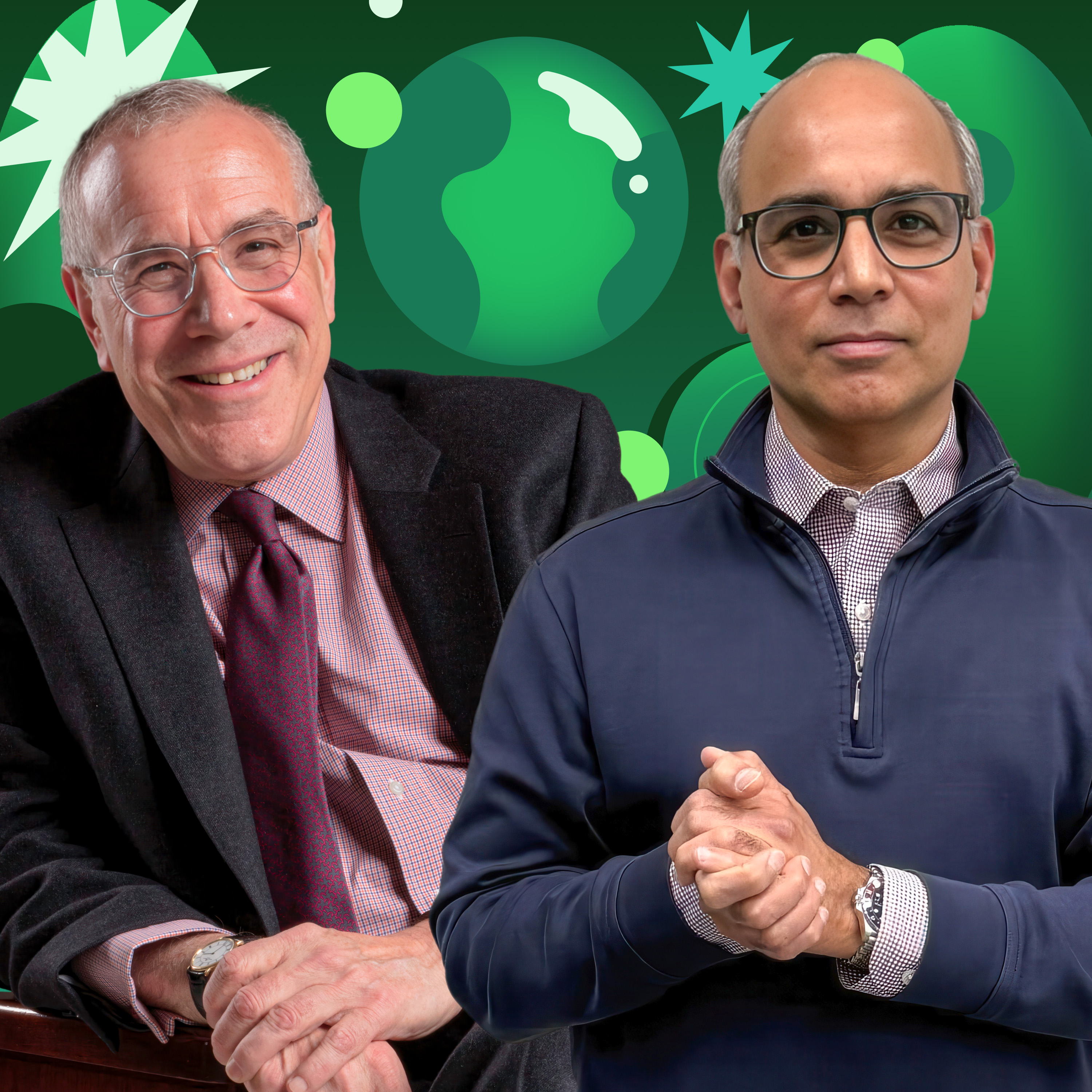
Leading Through Scarcity: Purpose Over Panic
Apr 800:25:02Tap to summarizeCEO lessons for navigating constant change: When resources are tight and uncertainty is high, what keeps organizations moving forward? New Jersey Performing Art Center CEO John Schreiber and BCG’s Rishi Varma share how purpose-led strategy, prioritization, and the right partnerships drive growth. Clear, actionable plans grounded in mission give leaders a north star, helping them stay focused and make hard calls with confidence. Learn More John Schreiber, President and CEO, New Jersey Performing Arts Center https://www.njpac.org/about/our-people/ Rishi Varma, Managing Director & Senior Partner, BCG https://www.bcg.com/about/people/experts/rishi-varmaWhen Strategy Follows Purpose: The Art of Revival, https://www.bcg.com/publications/2025/when-strategy-follows-purpose-art-of-revivalBCG's CEO Agenda, https://www.bcg.com/executives/ceo-agenda/insightsChapters00:00 Intro 00:57 The role of NJPAC 02:33 Why did the organization need to reshape? 05:47 How BCG partnered with NJPAC 07:52 Leading change in a legacy organization 11:16 CEO lessons for navigating constant change 13:28 Building resilience without abundant resources 14:25 How do leaders lead with less? 15:42 When does expanding mission become overreach? 17:36 What should leaders consider before expanding beyond the core? 18:44 How do you build coalitions that unlock real value? 19:54 What impact are you most proud of beyond Newark? 21:23 How do you think about legacy and long-term impact? 23:06 What stands out from disruption and change? 24:45 Outro Subscribe to BCG’s YouTube channel: https://goo.gl/hsFsVT Visit us at https://www.bcg.comThis podcast uses the following third-party services for analysis: Podtrac - https://analytics.podtrac.com/privacy-policy-gdrp
Transcribe →