
Podcast
The Soft Protest, Digest
Hosted by The Soft Protest Digest · EN
The Soft Protest Digest is a research collective involving Danish artist and educated farmer Nickie Sigurdsson, and French designers Robin Bantigny and Jérémie Rentien Lando.
Centering its research around food history, agriculture and the social and political ties to what constitutes a food culture, the collective aims to design environmentally resilient diets. May this research be proposed to the residents of a neighborhood, a city, a region or a state, The Soft Protest Digest believes in the usage of storytelling as a way to create or adapt food traditions, recipes and diets which would take into account the cultural heritage and emotional bond between the eater and its local gastronomy. Engaging with the community through eventful meals, workshops and talks, the collective seeks to encompass the knowledge and ressources of the actors at hand in the production of a vernacular food culture in order to design consistent alternatives.
10episodes
Episodes
Newest firstAll episodes
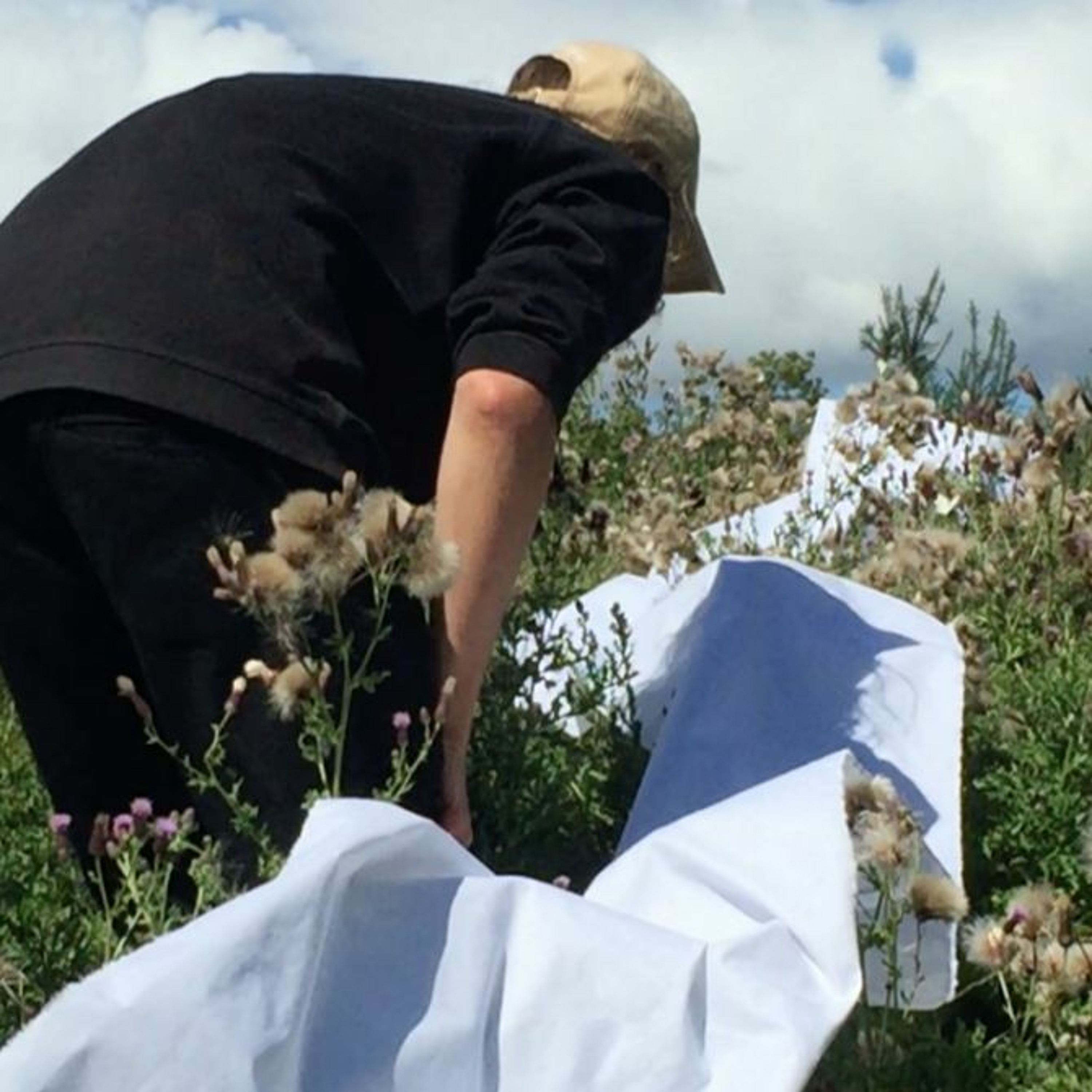
Supporting the reproduction of pollinators through a garden dance (with BIO cider farmer C. Toullec)
Oct 16, 202000:44:28Tap to summarizeThis podcast was recorded alongside the “Preparation of a naked soil strip, Inauguration of a naked soil strip” at the end of August 2020 as part in the performance festival SETU held in the village de Ergué-Gabéric, in the french Cornwalls. This episode gathers two illuminating conversations with local figures of the “country of Mélénig” — a country considered by its inhabitants to be part of the country of Brittany and independant to France. You’ll meet first with cider producer Christian Toullec, who gave us a tour of his farm, the Cidrerie Mélénig, and who very kindly agreed to discuss with us his attempts to encourage biodiversity on his land. In a second part, you will be able to listen to Yuna Postic, who is a dancer, teacher and representative of the Cercle Ar Vro Mélénig, the traditional dance group of the village of Élliant (village adjoining the Cidrerie Mélénig and SETU festival), and shared with us her passion for the history of traditional dances native from her region and their use in agriculture in Brittany. This podcast is published in its original version: french. If you're an english speaker, know that we've published for you a translated transcript of this podcast that you can easily find on our wikipedia under the name “ Preparation of a naked soil strip, Inauguration of a naked soil strip. ”We highly recommend you to have a read.
Transcribe →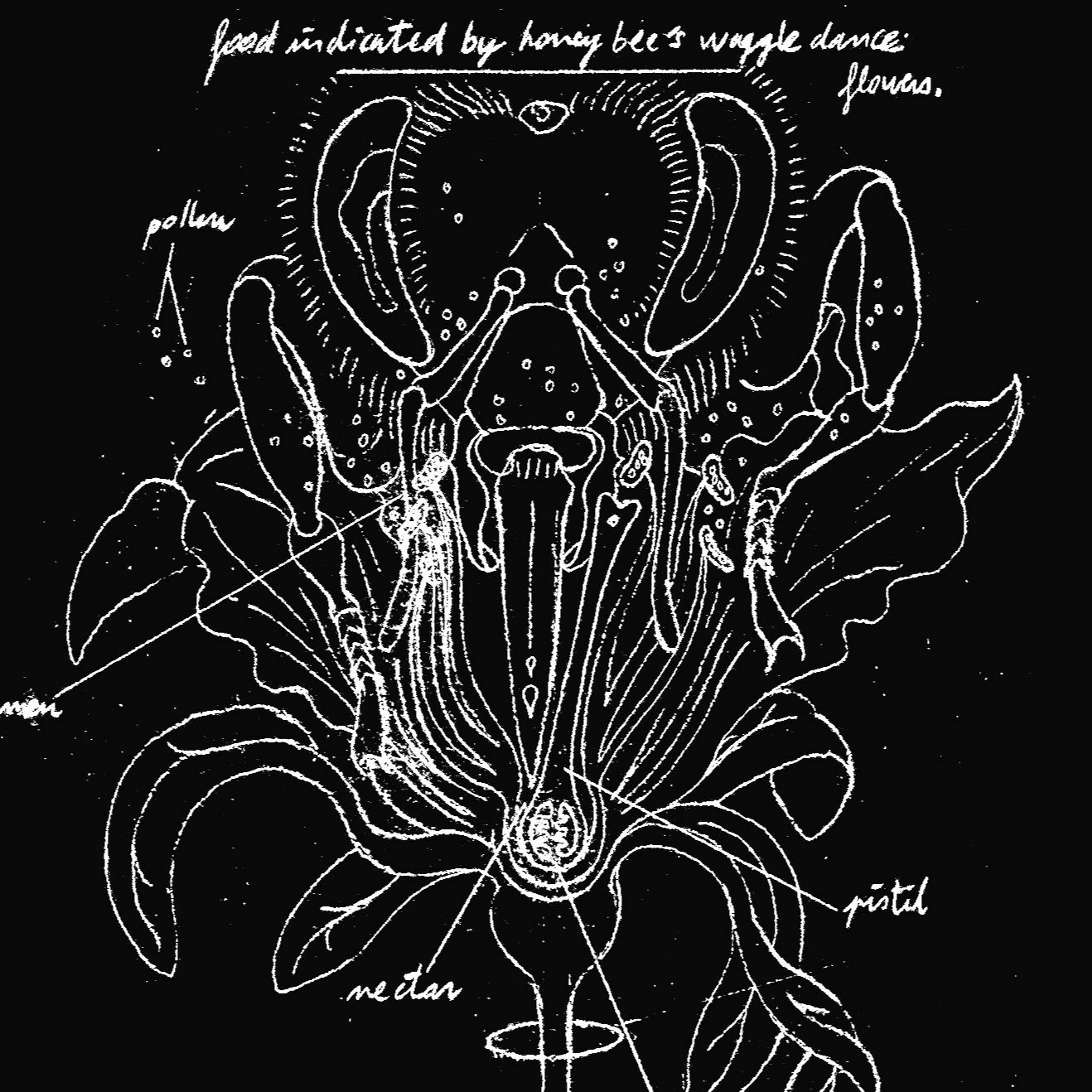
An open-source bee for a poisonous environment (with beekeeper and biologist Julien Perrin)
Feb 7, 202000:36:28Tap to summarizeThe hyper-industrialization of our food systems is leading the biodiversity of our ecosystems to collapse. An excellent witness — and the key example of this crisis — is the case of the bee. To address this issue we took the train through the suburbs of Paris, to the region of “Essonne”, west of the capital, to meet beekeeper and biologist Julien Perrin. Julien breeds Buckfast bees, which can be considered a “rustic” species — which, in other words, means “resistant to all the disasters she has to face”. Julien works in collaboration with a large community of beekeepers to multiply these open-source bees. According to him, the bee must remain "a common" which no industry must take possession of, to avoid at all costs falling into the pitfall of privately owed seeds and breeds. The indifference towards the bee also relies on the fact that humans have actually very little empathy towards insects. And indeed, there is a real misconception about what social insects are and how they think. Indeed, we often believe that insects are intelligent as a group. And yet, they have an intelligence of their own. To illustrate it, we have described through an umwelt, ergo at the first person, the activity of a bee. This text, which will punctuate our conversation with Julien Perrin, was written by the collective and then evaluated, word by word, by Fanny Rybak, biologist and researcher at the french CNRS institute, specialized in inter-species communication. It is read by french performer Nolwenn Salaün.
Transcribe →
Umwelt of the bee, (English version 🇬🇧, read by performer Nolwenn Salaün)
Dec 16, 201900:04:45Tap to summarizeThe indifference towards the overall collapse of our biodiversity and the decline of the bee may rely, in one way, on the fact that humans have very little empathy towards insects. There is, in fact, a real misconception about what social insects are and how they think. Indeed, we often believe that insects are intelligent as a group. And yet, they have an intelligence of their own. To illustrate it, we have worked on describing through an “Umwelt”*, ergo at the first person, the activity of a bee. This text was written and later evaluated, word by word, by Fanny Rybak, biologist and researcher at the french CRNS institute, specialized in inter-species communication. Recorded, it was first broadcasted in its French version during “Le Banquet”, at french contemporary art museum Palais de Tokyo on November 20th 2019. It is read by performer Nolwenn Salaün. *The term “Umwelt” designates the environment species or individuals can perceive through their senses. The term can be understood better when using the French expression: “monde propre”, which could be translated by “own world”.
Transcribe →
Umwelt de l'abeille, (Original french version 🇫🇷, read by actress Garance Kim)
Dec 16, 201900:03:38Tap to summarizeThe indifference towards the overall collapse of our biodiversity and the decline of the bee may rely, in one way, on the fact that humans have very little empathy towards insects. There is, in fact, a real misconception about what social insects are and how they think. Indeed, we often believe that insects are intelligent as a group. And yet, they have an intelligence of their own. To illustrate it, we have worked on describing through an “Umwelt”*, ergo at the first person, the activity of a bee. This text was written and later evaluated, word by word, by Fanny Rybak, biologist and researcher at the french CRNS institute, specialized in inter-species communication. Recorded, it was first broadcasted in its French version during “Le Banquet”, at french contemporary art museum Palais de Tokyo on November 20th 2019. It is read by actress Garance Kim. *The term “Umwelt” designates the environment species or individuals can perceive through their senses. The term can be understood better when using the French expression: “monde propre”, which could be translated by “own world”.
Transcribe →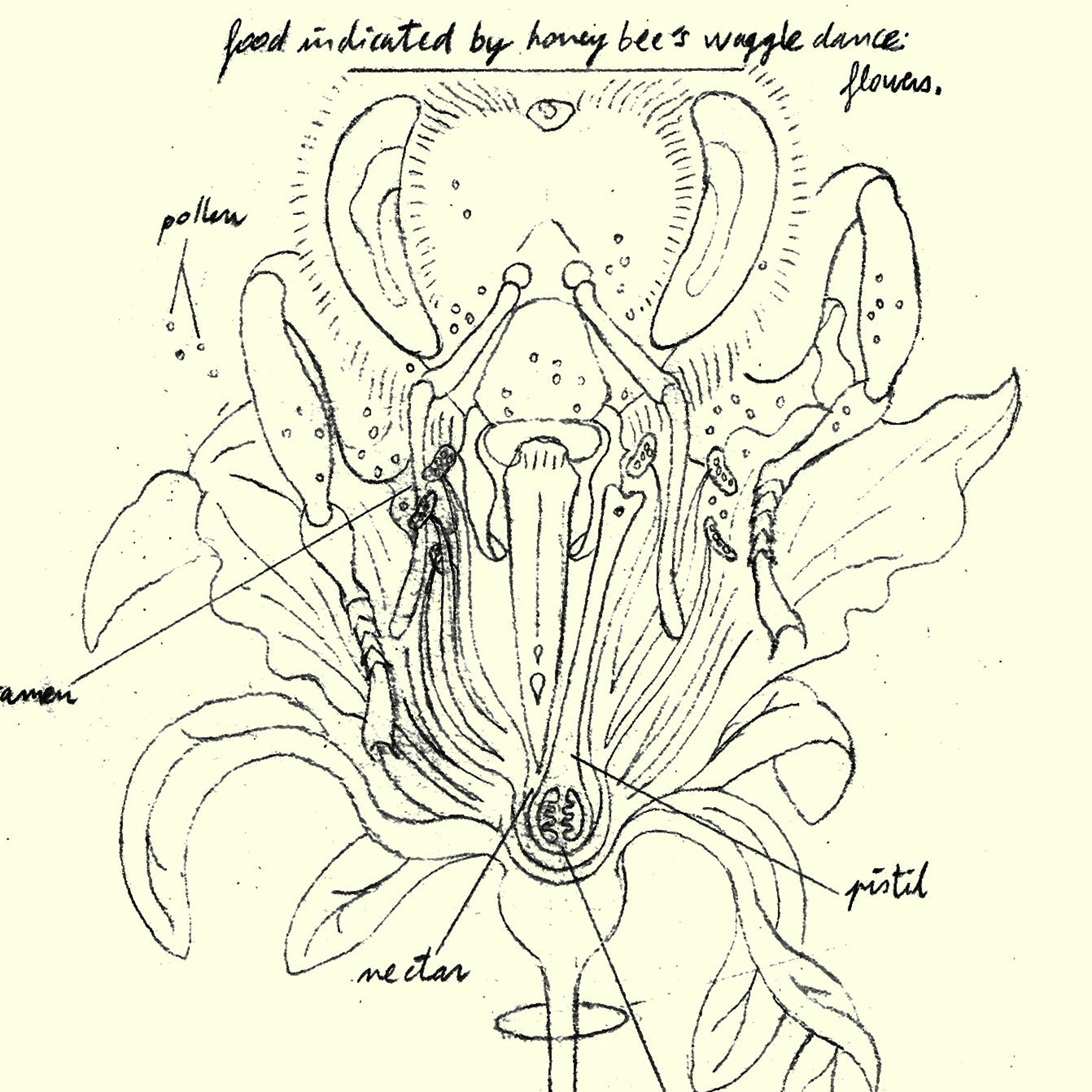
Une abeille open-source pour un environnement empoisonné (avec l'apiculteur et biologiste J. Perrin)
Dec 6, 201900:35:03Tap to summarizeC’est indiscutable, l’hyper industrialisation de nos systèmes alimentaires anéanti la biodiversité de nos écosystèmes. Un excellent témoin — et l’exemple type de cet effondrement — est celui de l’abeille. Pour aborder cette problématique nous nous sommes rendus en Essonne, dans la banlieue Parisienne à la rencontre de l'apiculteur et biologiste Julien Perrin. Julien élève des abeilles Buckfast, une espèce rustique, autrement dit résistante à tous les désastres qui lui font face. En collaboration avec une grande communauté d'apiculteurs, il travaille à multiplier des lignées d’abeilles que l’on peut considérer comme libres, ou open source. Selon lui, l’abeille doit rester “un commun” dont aucune industrie ne doit prendre possession, pour éviter à tout prix de tomber dans l'écueil des semences et des races propriétaires. L’indifférence face au déclin de l’abeille répond aussi un manque manifeste d’empathie de l’humain face à l’insecte. Il y a, en vérité, une grande méconnaissance des insectes sociaux que l’on pense intelligents seulement par effet de groupe. Et pourtant, ces insectes ont une intelligence propre. Pour l’illustrer, nous avons raconté sous la forme d’un umwelt, c’est-à-dire à la première personne, la conduite d’une abeille. Ce texte, qui viendra ponctuer notre entretient, a été écrit puis évalué au mot près par Fanny Rybak, biologiste et chercheuse au CRNS spécialisée dans la communication inter-espèce. Il est lu par la comédienne Garance Kim.
Transcribe →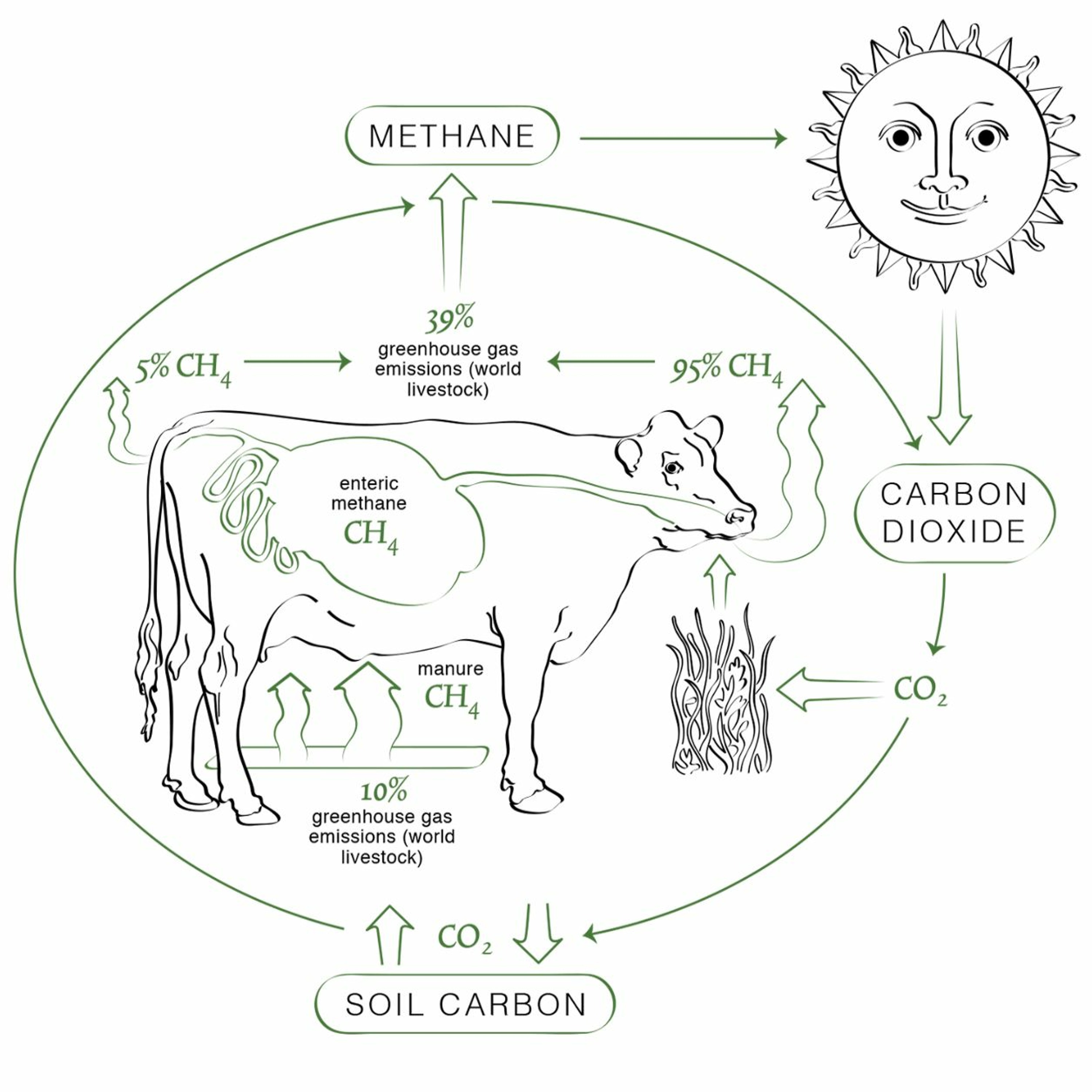
What about CO2 grazing cows? (with organic dairy farmer C. van Rijn)
Oct 9, 201900:54:18Tap to summarizeToday, the cow is mainly valued for her milk and her meat. But what if she was valued for the work she was doing while eating grass, while grazing? In this podcast, we will explore the collaboration between the cow and the grass, working as agents for recycling and storing carbondioxide in the soil’s ecosystem. The redistribution of CO2 from the atmosphere into the soil, mediated by the cow and the grass as part of the carbon cycle, could indeed play a part in adressing climate distress. For this episode, we will first set the stage by putting our research in its context: the Netherlands. By going back in the history of dutch cow farming, we will try to understand what ties the Netherlands to its beloved dairy. In a second part, we will talk about the science of carbon grazing with Corneel van Rijn, a dutch organic dairy farmer, involved in the Agricultural European Innovation Partnership, who’s farm we visited in late September in Hoogmade, a few kilometers south of Amsterdam. We will conclude our podcast by trying to outline the possible future of the cow. We will speculate and sketch three hypothetical scenarios of near-futures, involving dairy and meat.
Transcribe →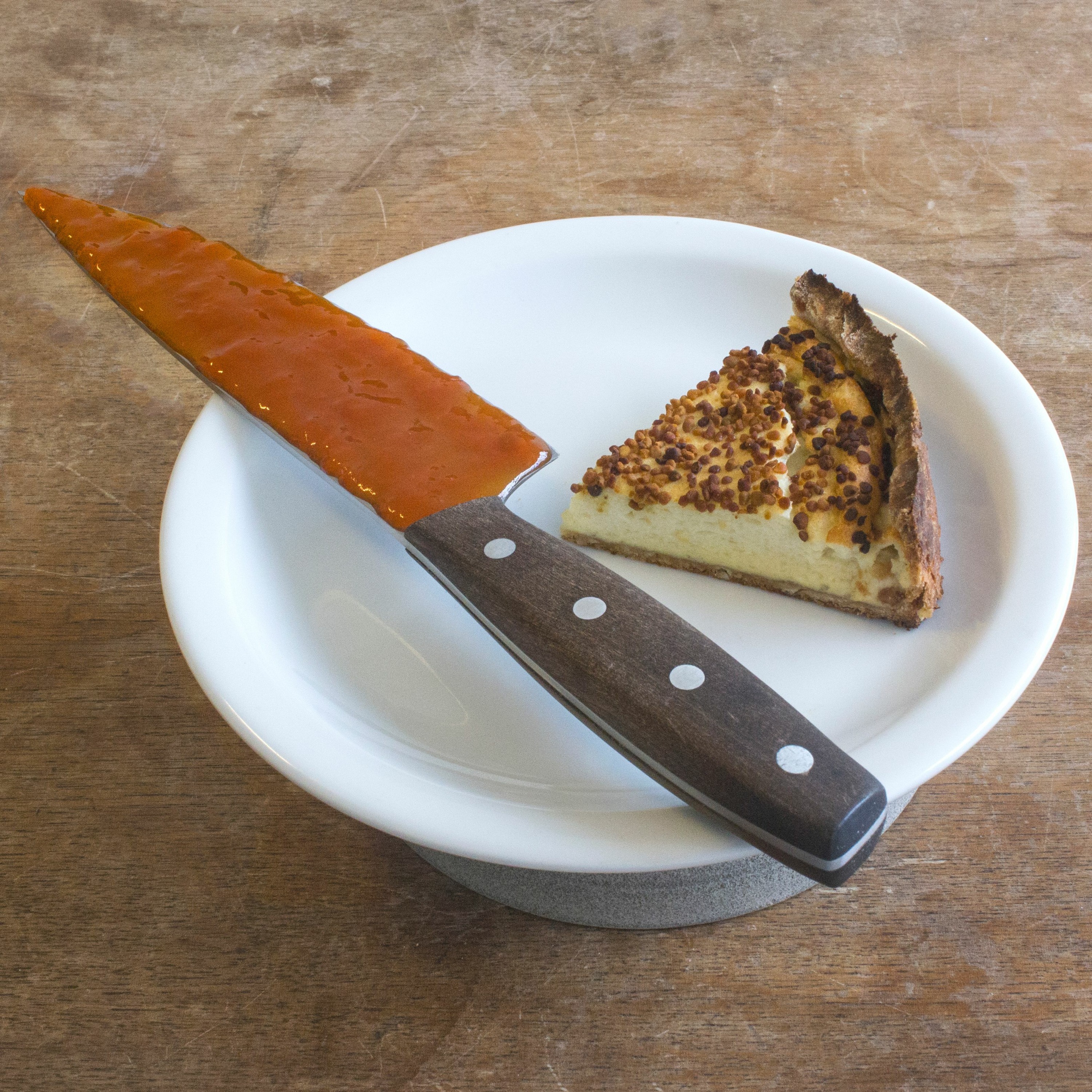
Goat milk - Bokkenvlaai
Feb 1, 201900:02:22Tap to summarizeRecipe for the Bokkenvlaai Ingrédients — Dough: 150g of white spelt flour / 50g of wholegrain oat flour / 100g of goat butter/ghee / 1 egg yolk / 1 half eggshell /worth of water / 2tbsp of honey / 1 big pinch of salt — Filling: 500ml of milk (goat) / 50g of young geitenkaas / 40g of white spelt flour / 20g of (homemade) potato starch / 4 egg yolks / 2 egg whites / 30g of rosemary / 3tbsp of honey — Crumble: 2tbsp of pollen — Jam: 200g of dried rosehip berries / 5tbsp of honey Preparation — Dough : 1. Mix the 2 flours with the salt in a mixing bowl. 2.Mix in the diced cold butter/ghee and break with the tip of your fingers until it turns into a coarse sand like texture. 3. Make a well in the center and pour in the egg yolk, the water and the honey. 4. Mix and form a ball, being careful to not overwork the dough. 5. Leave aside in the fridge. — Pastry cream: 1. Warm the milk, honey, rosemary and cheese to a boil and stir, lower the heat and simmer for 5min. 2. Whip the egg yolks, flour and potato starch until it turns pale yellow. 3. Sieve the milk and leave to cool. 4. Pour in a few table spoons of the lukewarm milk in the egg yolk mixture and whip vigorously until smooth. 5. Incorporate to the rest of the milk, continuously stirring with a whisk, slowly increase the heat and cook until it reaches a custard consistency (keep in mind that when cooled, the cream will thicken even more). 6. Leave to cool to room temperature, covering the surface with clean film to prevent the formation of a dry skin. — Soufflé cream: 1. Whip the egg whites to stiff picks. Carefully fold in the egg whites in 200g of the custard. — Jam: Rehydrate the rose hip berries in 100ml of simmering water, stir in the honey. Reduce on low heat for about 30min or until it reaches a jam consistency. How to build the vlaai — Finely roll the dough and line in a 20cm wide pie tin. Trim the edges. — Using a piping bag, fill in the pie with the pastry cream. Repeat the process with the soufflé cream before evenly scattering the pollen on top. — Bake in a preheated 200°c oven for 15min, and for an additional 10min at 170°c — Cut in equal size slices with a large knife covered with rosehip jam. Serve warm or cold. Shopping list: - EKOPLAZA: dry rosehips (Rozenbottel) 100g (Piramide, NL) | oat flour (Joannusmolen, NL) (| eggs (Ekoplaza, NL)) - Molen De VLIJT: spelt whole grain flour (NL) - Molen De VRIENDSCHAP: oat whole grain flour (Germany) - NOORDERMARKT (Amsterdam biologische markt): fresh rosemary (Ayme Philippe, Mas de Florent, 13150 Tarascon, laboiteaherbes.com, FR), honey & pollen (Honing van Koning, Vinkeveen, NL) - RIDAMMERHOEVE goatfarm: young goat cheese, milk and butter, fresh eggs (Amsterdam, NL) - ECOLOGISCHE BOERDERIJ DE BOTERBLOEM: homemade flower honey (NL)
Transcribe →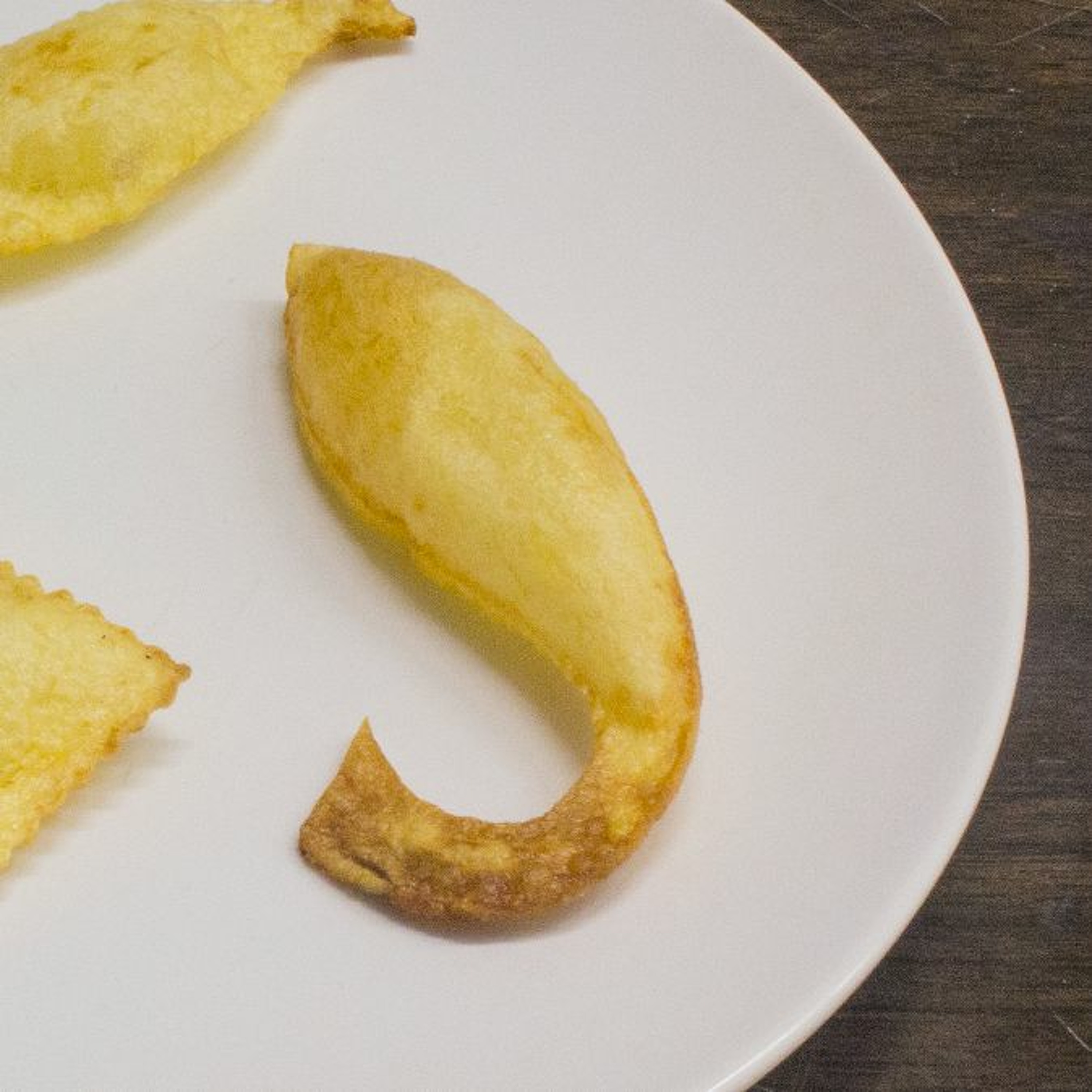
Potato - Gepofte aardappel haring
Feb 1, 201900:03:11Tap to summarizeRecipe for Gepofte aardappel haring Ingredients - 3 Bintje potatoes - 500ml of rapeseed oil - Salt Preparation - 1. Peel the potatoes. 2. With a mandolin, slice the potatoes lengthwise on the thicker setting (approx. 2mm). 3. Place the largest slices of potato between two sheets of kitchen paper to absorb the moisture (you can use the smallest slices for a bake or to thicken a soup). 4. When dry to the touch, cut out fish shapes in each slices and place on a dry sheet of kitchen paper. 5. Heat up 2 batches of oil, respectively, 140°c and 190°c. 6. Place a few fishes (the more fishes, the more chance for them to puff) in the 140°c bath. 7. Constantly stirring the pan for all the fishes to be evenly bathed with hot oil, fry until the potatoes start to blister (approx. 5min). 8. Put the fishes aside on kitchen paper to cool completely. 9. Drop the fishes into the 190°c oil and, with a slotted spoon, push to fully emerge them in the piping hot oil. 9. Fry until golden brown (approx. 1.5min). 10. Put the fishes aside to cool on kitchen paper, season with salt. 11. Serve hot, or leave to cool and drop in the 190°c oil for a few seconds to reheat. Note: Serve with white wine vinegar, diced onions and pickle, or a pickled onion mayonnaise. Shopping list: - ECOLOGISCHE BOERDERIJ DE BOTERBLOEM farm: winterpen carrot (Amsterdam, NL), homemade flower honey (NL) - ODIN Coöperatieve supermark or EKOPLAZA: Bioplanet rapeseedoil (French organic oil)
Transcribe →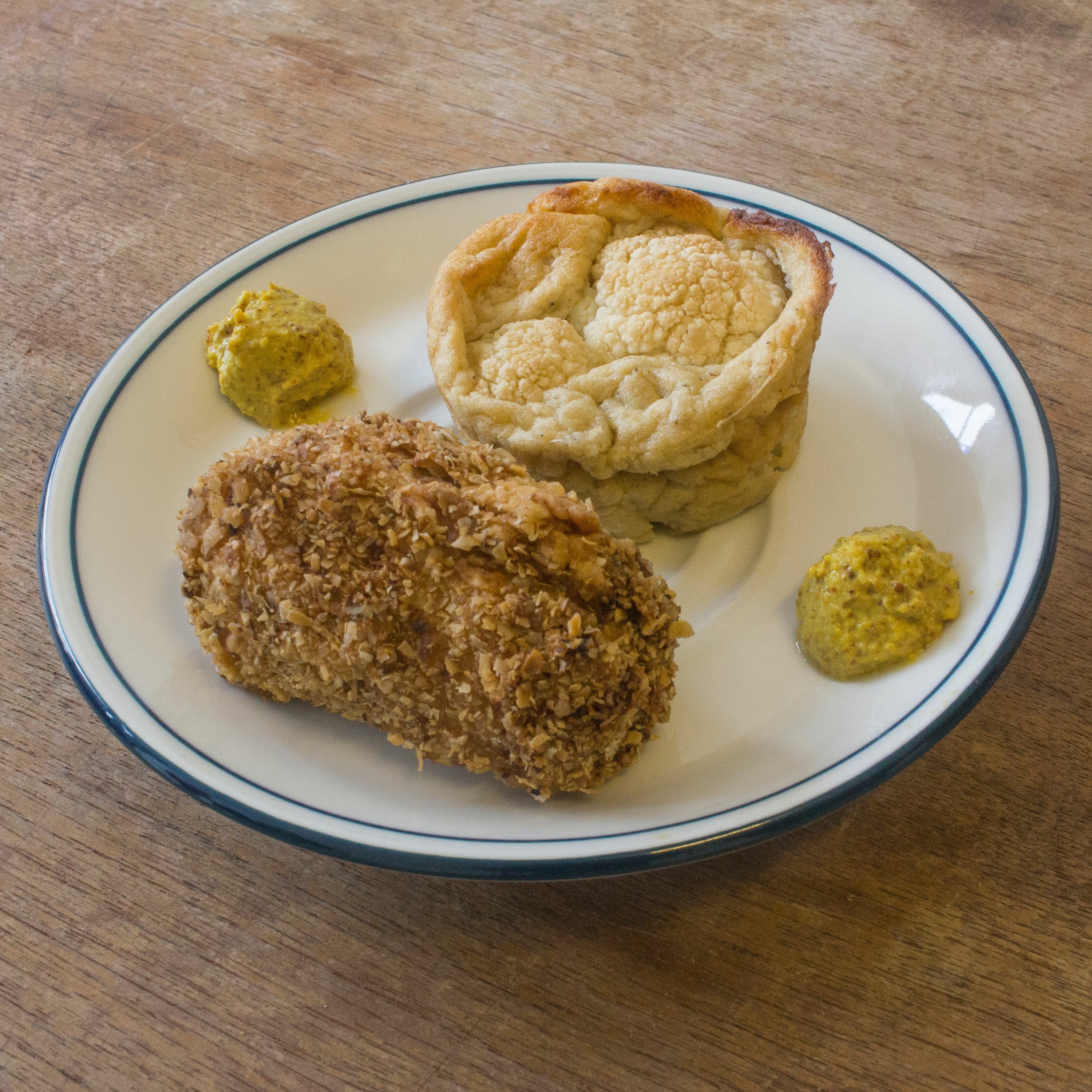
Cauliflower - Lunetten kroket
Feb 1, 201900:02:12Tap to summarizeRecipe for the Lunetten kroket Ingredients — Béchamel sauce (base): 80g of goat butter/ghee / 80g of white spelt flour / 30g of potato starch / 250ml of goat milk / 250ml of homemade vegetable stock (peel) / 2 egg yolks / 50g of goat crème fraiche / salt / black pepper — Kroketten: 1/8 of a cauliflower / 5 egg whites (unused for the vlaai) / 250g of wholegrain oat flour / 100g of coarse oats / rapeseed oil — Soufflés: 300g of béchamel sauce / 2 egg yolks / 2 egg whites / 1/8 of a cauliflower / field mustard seeds sinapis arvensis (or strong dijon mustard) Preparation — Béchamel sauce (base): 1. Slowly heat up the milk and stock to a simmer. 2. In a medium size saucepan, melt the butter and stir in the flour and potato starch to make the roux, cook for 2 minutes. 3. Gradually add the milk to the roux, whisking constantly. 4. Combine the cream and egg yolks separately and add to the sauce. 5. When the sauce reaches a béchamel-like texture, turn the heat off and season to taste. 6. Set aside 300g of the béchamel. — Kroketten: 1. Blitz the cauliflower in a food processor to a ‘rice’ consistency. 2. Combine with the 300g of béchamel and reduce on a low heat until you reach a thick consistency. 3. Leave to cool in the fridge, covering the surface with clean film to prevent the formation of a dry skin. 4. Place the egg whites and the oat flour in two different shallow bowls. 5. In a large skillet, heat enough oil to cover the kroketten to 180°c. 6. Form the kroketten by hand, drop them in the egg white and roll them in the coarse oats, fry for 5min, turning them over mid-fry. 7. Leave to dry on kitchen paper. — Soufflés: 1. Whip the 2 egg whites to stiff picks. 2. In a separate bowl, combine the egg yolks to 300g of béchamel. 3. Carefully fold in the egg whites. 4. Extract pretty cauliflower florets to fit each muffin tin. 5. Butter the 6 molds and pour in the batter. 6. Push in each mold one cauliflower floret and bake, covered with a sheet of parchemin paper, at 180°c for 20min. How to build the Lunetten kroket: Place the soufflé on a plate and top with a warm kroket. Serve with a side of wild mustard flowers (or a dollop of dijon mustard) Shopping list: - EKOPLAZA: oat whole grain flour (Meesters can de Heelvn, NL) | (eggs (Ekoplaza, NL)) - Molen De VLIJT: spelt whole grain flour (NL) - Molen De VRIENDSCHAP: spelt white flour (?) | oat whole grain flour (Germany) - RIDAMMERHOEVE goatfarm: goat milk and cream, fresh eggs (Amsterdam, NL) - ECOLOGISCHE BOERDERIJ DE BOTERBLOEM farm: cauliflower (Amsterdam, NL)
Transcribe →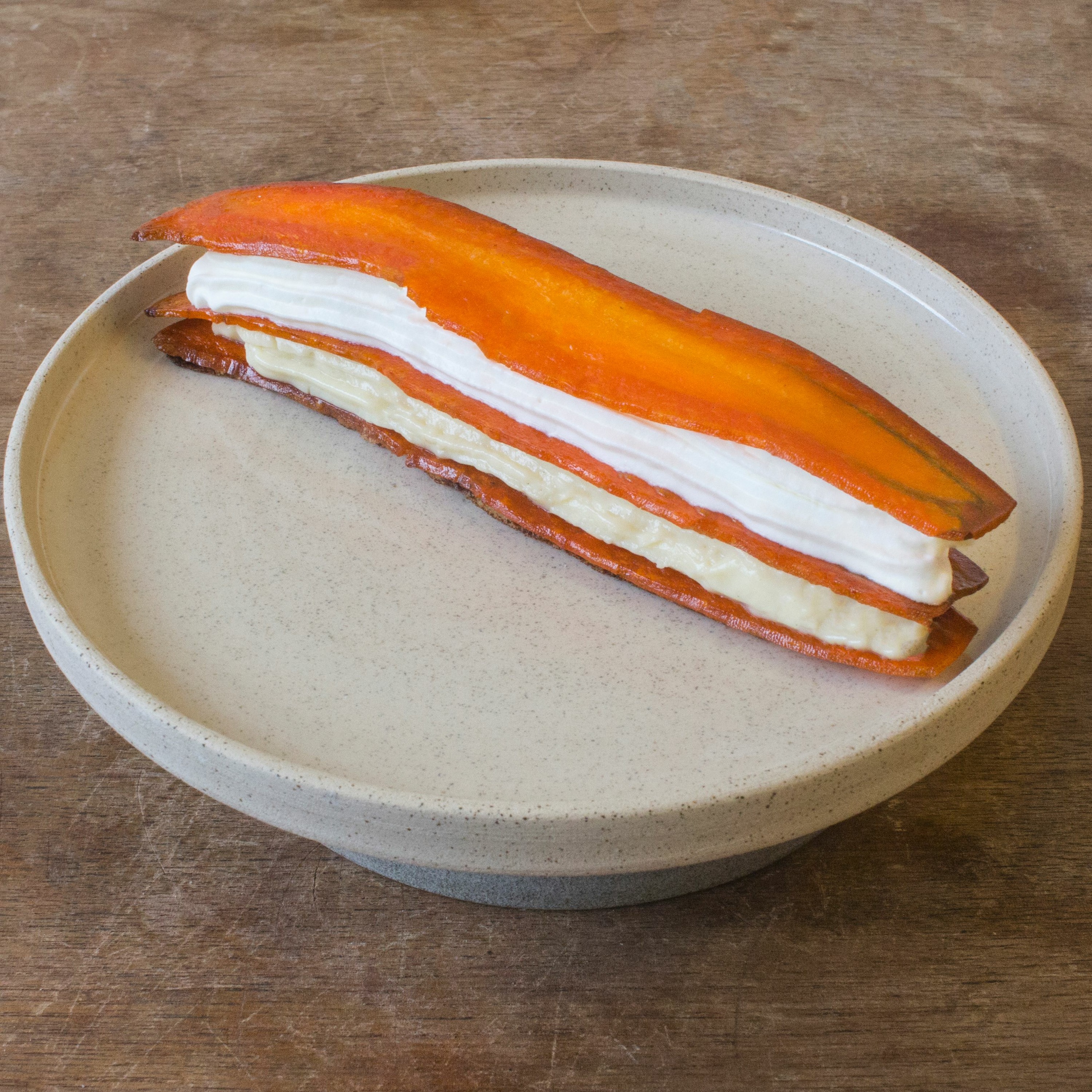
The Carrot - Koningsdag wortel tompoes
Feb 1, 201900:05:52Tap to summarizeRecipe of the Koningsdag wortel tompoes Ingredients — Candied carrot sheet: 1 very large winterpen / 250g of wild honey / 250ml of water — Whipped cream: 150ml of slagroom — Pastry cream: 300ml of cow milk / 2 carrots / 40g of white spelt flour / 30g of potato starch / 4 egg yolks / 2 tbsp. of wild honey — Sponge cake: 100g of pastry cream / 1 egg white Preparation — Candied carrot sheet: 1. With a mandolin, slice the carrot lengthwise on the thicker setting (approx. 2mm). 2. In a medium size saucepan, heat up the honey and water to a simmer, or until well dissolved. 3. Place in the carrot sheets and simmer, stirring every now and then, for 15min. 4. Carefully place each sheet of carrot onto a oiled baking sheet (be careful, the syrup is very hot). 5. With your finger, remove the excess syrup from the surface of the carrot. 6. Place in a 140°c oven and bake for around 30mn. 7. With a long knife, lift the carrots off the baking sheet, and place on the other side. 8. Bake for 15 more minutes and leave to cool. Note: be careful to use the candied carrots on the same day you will serve the tompoes as the carrots will become soggy in a matter of hours. — Pastry cream: 1. Grate the two carrots and press with your hands over a sieve to collect the juice. 2. Warm the milk, honey, and carrot juice to a boil, lower the heat and simmer for 5min. 3. Whip the egg yolks, flour and potato starch until it turns pale yellow. 4. Pour in a few table spoons of the lukewarm milk in the egg yolk mixture and whip vigorously until smooth. 5. Incorporate to the rest of the milk, continuously stirring with a whisk, slowly increase the heat and cook until it reaches a custard consistency (keep in mind that when cooled, the cream will thicken even more). 6. Leave to cool to room temperature, covering the surface with clean film to prevent the formation of a dry skin. — Spongecake: 1. Whip the egg whites to stiff picks. 2. Slowly fold in the egg whites to the 100g of pastry cream. 3. Pour the batter in a greased proof rectangular mold and bake, covered with a sheet of parchemin paper in a 200°c oven for 15min. 4. Leave to cool. How to build the tompoes: 1. Cut the sponge cake following the size of one of the candied carrots. 2. Place the sponge cake on the serving tray and top with one carrot sheet. 3. With a piping bag, carefully pipe on the carrot custard on a 1.5cm layer. 4. Place another carrot sheet and pipe on a thick layer of whipped cream. 5. Place the last sheet of carrot and pipe on a single line of whipped cream. 6. Sprinkle with carotene powder. 7. Serve straight away. Shopping list: - EKOPLAZA: Boeren slagroom (Ekoplaza, NL), Potato starch (Joannusmolen, NL) - DE BOTERBLOEM farm: winterpen carrot (Amsterdam, NL), homemade flower honey (NL) - FRUITTIN VAN WEST farm: white spelt flour (NL) - RIDAMMERHOEVE goatfarm: fresh eggs (Amsterdam, NL) - DE GROENE GRIFFIOEN cowfarm: milk
Transcribe →