Podcast
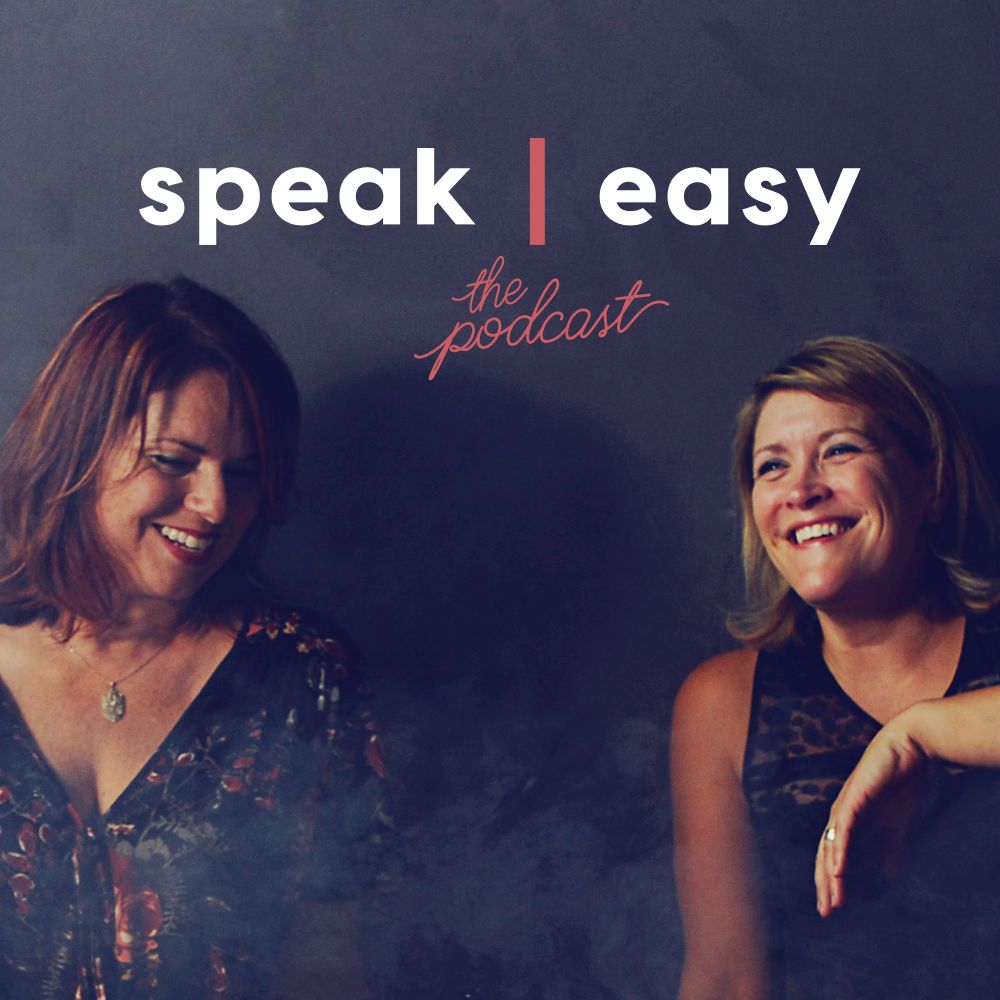
The Speak Easy Podcast
Hosted by Jen Estill and Karen Stefl — creative studio entrepreneurs, brand and video experts, boss ladies, moms · EN
Hi. Jen Estill and Karen Stefl here. In The Speak Easy Podcast, we share years of expertise in marketing, branding, video production, strategy—not to mention management, employee development, mentoring, sales, creativity, maintaining life balance, managing money, and.. you get the idea. It takes a lot to keep a couple of creative studios thriving.
We developed this podcast after years of "how do you..." boss lady conversations. It was clear that if we were both in such similar places with regard to business growth, and personal growth, and work/life/motherhood/bossland balance, then other women may be, too. We'd been sharing confessions over cocktails for quite a while—solving problems, asking for advice, and whispering the secret fears and disappointments that successful women are never supposed to have. (You've had those, right? It's not just us?)
Thus, Speak Easy was born. Our goal and our promise is to speak with honesty about the challenges that experienced women in the creative industry face. To create a community where we can support one another and abandon the mantra that we put on a good face and make it look like we have it all together, even when we don't. You can expect honesty, complete vulnerability and even a good laugh.
And cocktails. You can expect cocktails.
19episodes
Episodes
Newest firstAll episodes

Closing Chapters
4w ago00:16:47Tap to summarizeWe’ve all been there: so focused on the finish line that we rarely see beyond it. And when we do cross it, we're often so fixed on the achievement that we forget to look back at how far we've actually traveled. This week, we use Jen's closing of her school-aged parenting chapter as a jumping-off point for a broader conversation about what happens when a significant chapter of your life ends. Whether it's a business transition, a staff change, a partner retiring, a spouse leaving the corporate world, or moving from one stage of parenting to another, these moments deserve more than a passing acknowledgment. Tune in for a thoughtful conversation about transitions, milestones, and the art of letting go well.
Transcribe →
Case Study: Making Meaningful Gatherings with Redhead
Jul 200:20:15Tap to summarizeMost event planning starts in the wrong place. People jump straight to the venue conversation — the space, the date, the catering — and treat purpose as something to figure out later. But purpose isn't decorative. It's the foundation that every other decision should rest on. Before anything else, you need to answer two questions: why are you bringing people together, and what do you actually want to accomplish? Those answers matter more than you might think, because they determine everything — including how many people you actually need. In this episode, we dig into how to start with the goal in mind, why participation matters more than attendance, and why the most overlooked part of any event is what happens after everyone goes home. Because a well-held event isn't the end of something; it's the beginning of a relationship. Tune in as we explore how to design gatherings that are worth having, in rooms worth being in, with people who are genuinely glad they came. Hashtags: #business #eventplanning #meaningfulgathering #smallbusiness #creativeindustry #podcast #midwestpodcast #michiganpodcast #workpodcast #marketing #videography #career #cocktail
Transcribe →
Leadership’s Hardest Job: Letting Someone Go
Jun 1600:18:27Tap to summarizeWhen you're an entrepreneur, "it's just business" doesn't ring true. Every decision is personal: why you started your business, the values you protect, and especially the moments when your choices ripple into someone else's life in a significant way. When faced with the process of letting someone go, most leaders discover too late that the gap between knowing what needs to happen and actually doing it comes at a real cost — to the person, to the team, and to the organization. In this episode, we walk through the full arc of this difficult leadership moment, examining the different circumstances that lead to these decisions, the layered emotions that make them so hard to act on, and why perfect timing simply doesn't exist. Tune in for an honest conversation about leading with both empathy and decisiveness when it matters most.
Transcribe →
When Our Work Goes Beyond Marketing
Jun 300:21:17Tap to summarizeMarketing has always been more than advertising. The techniques that introduce an idea and help it gain momentum are the same ones used to shift societal behaviors, ignite social movements, and spread misinformation. In this episode, we explore how ideas spread — from top-down Super Bowl campaigns to invisible word-of-mouth strategies to viral phenomena nobody predicted. We dig into the responsibility that comes with wielding these tools, the trap of performative engagement, and the line between persuasion and manipulation. Whether it's called outreach, advocacy, activation, or public relations, the underlying mechanism is the same — and understanding that is what separates intentional communicators from accidental ones. Tune in as we explore what it means to do this work with integrity and an awareness of the impact it can have.
Transcribe →
Case Study: Story Isn’t Messaging With Render
May 2000:18:35Tap to summarizeIt's a tale as old as time: a video has decent production values, good lighting, clean execution — but it's underperforming. Why? Because it's packed with brand pillars, bullet points, and approved language but devoid of any actual story. The primary problem is that many marketers treat messaging and story like they're the same thing, when in reality they serve fundamentally different purposes. In this episode, we break down the distinction. Messaging is intentional and controlled — it answers "Why should I choose you?" Story is human, experiential, and emotional — it answers "Why should I care?" When marketers try to do both at once, they dilute everything. But here's the truth: story shapes how people feel, creating an opening so they actually hear your messaging. Tune in as Karen walks through how to avoid diluting your product, trust your audience to come along with you, and sequence your content in the right order for real impact.
Transcribe →
The Difference Between Fault and Responsibility
May 600:12:07Tap to summarizeHere's a question that reveals everything about how someone leads: when something goes wrong, do they immediately start building a case for why it's not their fault, or do they focus on fixing it? The instinct to protect yourself is natural, but it's also what kills momentum, erodes trust, and keeps teams stuck in blame loops instead of moving forward. In this episode, we explore the fundamental difference between fault and responsibility. Fault is about the past: who caused this, whose actions led here. Responsibility is about the future: what do we do now, how do we make this right. Great leaders understand you can inherit problems you didn't create and still own the solution. Tune in as we dig into why the language you choose in those moments sets the tone for everything that follows. Hashtags: #growth #faultvsresponsibility #videoproduction #smallbusiness #creativeindustry #podcast #midwestpodcast #michiganpodcast #workpodcast #marketing #videography #career #cocktail
Transcribe →
The Erosion of Industry Standards
Apr 2200:16:13Tap to summarizeThe democratization of creative tools is a good thing — more people have access to production, design, and content creation than ever before. But when that access doesn't come with education, you get shoddy products, miscommunication, and a fundamental erosion of industry standards. In this episode, we explore the current tension between professional polish and raw, unscripted humanness, and how the "fast and cheap at volume" lane is expanding rapidly while strategic, intentional human storytelling struggles to compete. Tune in as we unpack the critical question: if you're doing "good enough," are you actually meeting your business goals?
Transcribe →
Case Study: Shitty Logos
Apr 900:15:50Tap to summarizeBad logos are everywhere, and they're making everyone's job harder. When you build brand campaigns for clients who didn't use you to develop their brand identity, you encounter a lot of logo problems — and lately, it's come up a lot. In this episode, we break down the most common logo failures: bad scale, poor choice of iconography, lack of a system, and more. Tune in as Jen unpacks why bad logos aren't just annoying — they're expensive, limiting, and send all the wrong messages about who you are and what you do.
Transcribe →
Creative Anger as Fuel
Mar 2500:19:01Tap to summarizeThere's a lot to be frustrated about in today's world. Between political turmoil, constant injustice, decision fatigue, and a never-ending stream of outrage-inducing notifications, anger has become ambient noise in many of our lives. For creatives who metabolize emotions as part of their process, that can be especially draining. And for women who've been socialized to not be "too much" or "too dramatic," suppressing that anger leads to burnout, anxiety, and perfectionism. In this episode, we explore the difference between doom anger — the kind that drains and paralyzes — and directed anger, which has historically fueled protest art, category-changing films, and social movements. We talk about how anger can be a tool rather than a burden, and why learning to channel frustration into action is one of the most productive things we can do right now. Tune in as we explore how to use anger as fuel, why even small acts of creating and building matter, and how directing that energy toward something positive puts motion back into our lives when everything else feels stuck.
Transcribe →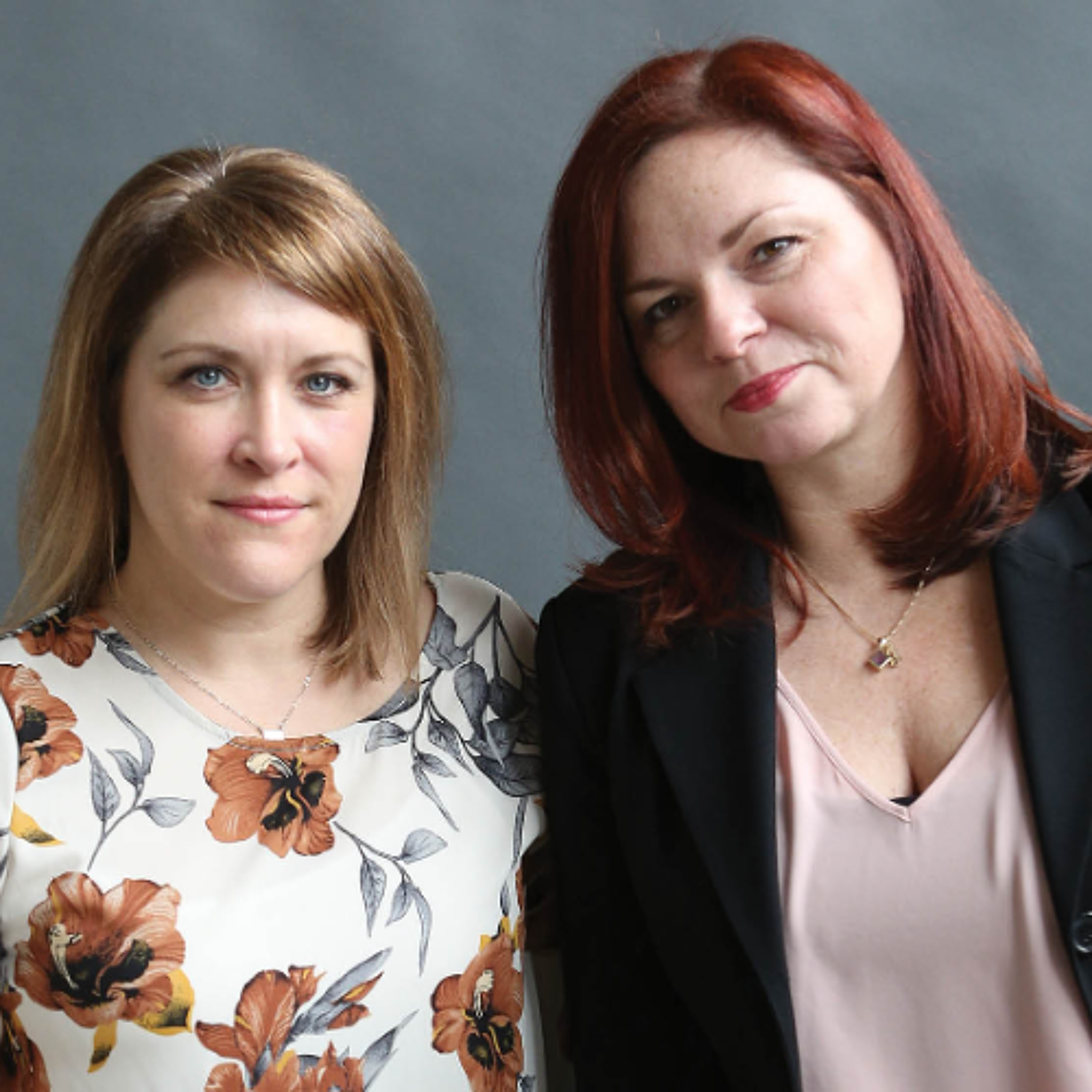
Outgrowing Your Dreams
Mar 1100:14:40Tap to summarizeWe're not startups anymore — we're seasoned professionals who've had the opportunity to achieve a lot of dreams. But here's what nobody tells you: Sometimes you achieve what you thought you wanted and realize it doesn't fit anymore. Success can start to feel like a cage when the dreams that got you here were dreamed by a version of you that no longer exists. In this episode, we get honest about outgrowing the goals that once defined us. We talk about the shift from proving yourself to protecting your time, from chasing multiple targets to doing one thing fully and completely. We explore what it means when what you have right now was once your dream but doesn't feel like enough anymore — not because you're ungrateful, but because you've evolved. Tune in as we explore how to celebrate where you are, acknowledge what got you here, and get moving on the next thing with intention and clarity.
Transcribe →