Podcast
The Stoop
Hosted by Welcoming Neighbors Network · EN
On The Stoop, you’ll hear the stories of activists, policymakers, and thought leaders who are working to create abundant and affordable housing through policy campaigns across the United States.
Our guests will have a variety of backgrounds and expertise and come from organizations hot off their first campaigns to those with long track records of success and everything in between. They’ll also come from all sorts of places: from Washington, D.C. to Missoula, Montana to Austin, Texas.
The Stoop is a project of the Welcoming Neighbors Network — America’s only national network of independent state and local pro-housing advocacy organizations.
10episodes
Episodes
Newest firstAll episodes
Governing with Your Governor
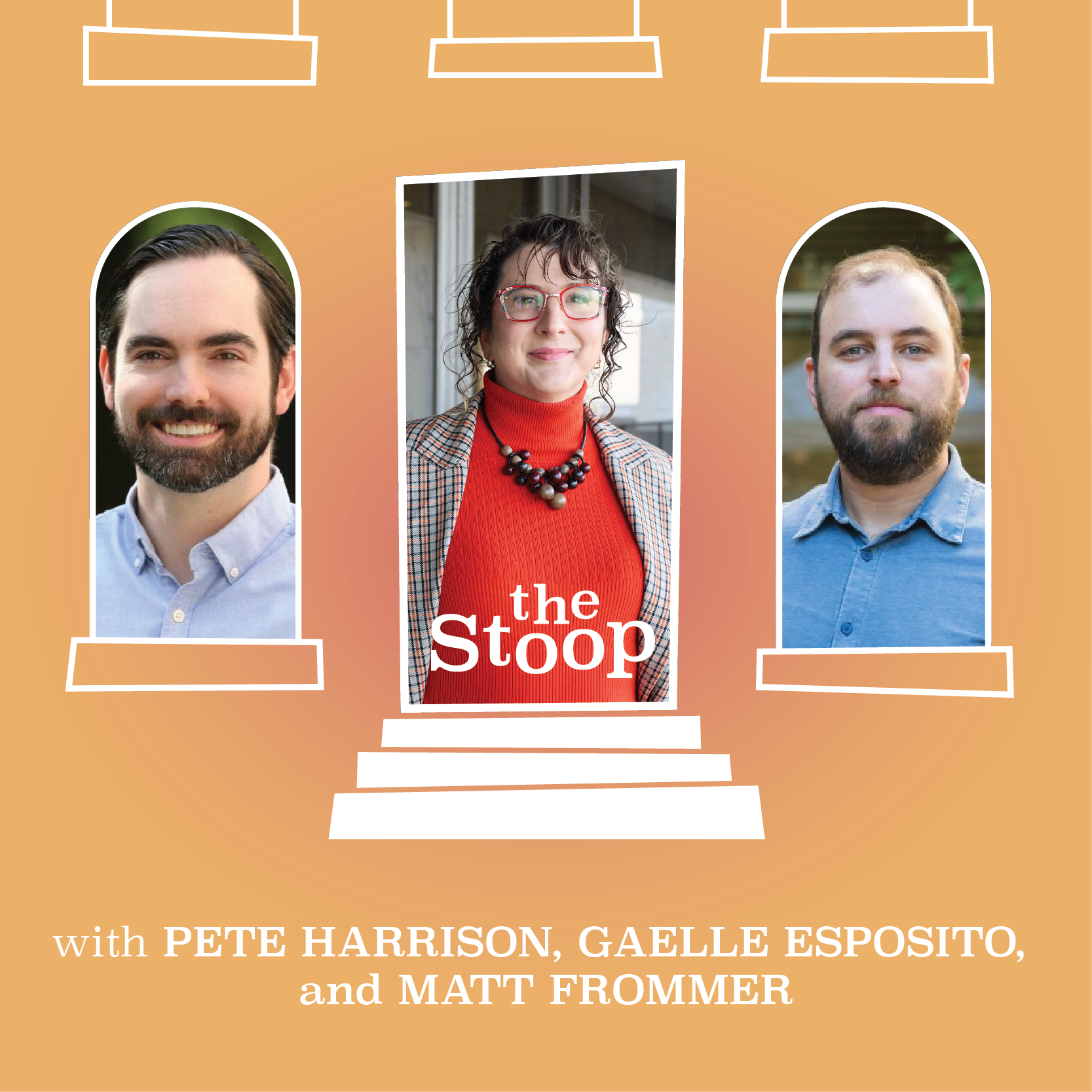
Apr 1401:03:00Tap to summarizeThis episode of The Stoop dives into how housing advocates work with — and sometimes around — the governor’s office to pass pro‑housing policy in Colorado, Arizona, and Connecticut. Matt Frommer describes advancing major supply‑side reforms under a strongly pro‑YIMBY Colorado governor, even as vetoes on tenant protections complicate progressive support. Gaelle Esposito explains how Arizona’s cautious governor vetoed an ambitious Starter Homes Act but later signed ADU and missing middle bills after other states led the way, showing how polling, bipartisan coalitions, and mayoral politics shape outcomes. Pete Harrison recounts how a major Connecticut housing bill passed the legislature, was vetoed, and then partially revived in special session, revealing the power of local anti‑housing groups, internal staff dynamics, and strategic polling. Together, they unpack how “local control” is selectively invoked by whichever party is in the minority, why trust, staff relationships, and narrative often matter as much as policy details, and how advocates balance state preemption and municipal campaigns while building a durable pro‑housing movement.
Transcribe →
The Montana Miracle
Mar 3100:54:32Tap to summarizeIn this episode of The Stoop, Montana Representative Katie Zolnikov and former Representative Danny Tenenbaum explain how a cross-partisan coalition of mostly younger lawmakers and advocates passed the so-called “Montana miracle” — a suite of statewide pro-housing reforms in 2023 that legalized ADUs, allowed duplexes in single-family zones, expanded mixed-use development, and created the Montana Land Use and Planning Act to require realistic growth planning. They describe how they built agreement across ideologies, pushed back on “local control” and “neighborhood character” arguments, added 2025 parking reform, and are now watching how cities like Missoula and Bozeman implement and build on these changes, offering their experience as a model for housing advocates and legislators in other states.
Transcribe →
Let's Talk Parking Reform!
Feb 1001:03:47Tap to summarizeAnna Fahey and Daniel Herriges discuss the importance of parking reform in housing advocacy. The conversation covers a three-step messaging framework: defining the problem, illustrating solutions, and outlining actionable steps. They encourage advocates to use tangible, local examples and to avoid ideological framing to build broad support for parking reform.
Transcribe →
Season 1 Recap!
Dec 2700:16:17Tap to summarizeRecap some of the highlights from Season 1 — including clips from episodes with Graham Downey from Anchorage, Carlie Boos from Columbus, Susan Bean from Asheville, Jake Hinman from Arizona, and Dan Reed from greater Washington — and some preview of what's to come in Season 2.
Transcribe →
Matt Mooshian, Grace Murray, and Nick Taylor from New Hampshire
Oct 1401:01:22Tap to summarizeIn this episode of "The Stoop," Cutter González hosts a discussion with Grace Murray, Nick Taylor, and Matt Mooshian about recent housing policy wins in New Hampshire. They discuss the passage of House Bill 631, which allows for mixed-use districts and expanded accessory dwelling units (ADUs), and parking reforms. The conversation highlights the importance of a broad coalition, including young people, in advocating for these policies. They also emphasize the role of storytelling and data in building public support and the challenges of navigating local control arguments. The episode concludes with reflections on future plans and the impact of these policies on New Hampshire's housing landscape.
Transcribe →
Catie Gould and Kate Brunette Kreuzer from Washington
Aug 2700:54:57Tap to summarizeCatie Gould and Kate Brunette Kreuzer discuss recent housing reforms in Washington State. They highlight significant achievements, including the passage of a major parking reform bill, transit-oriented development legislation, lot splits, and more. These reforms aim to increase housing proximity, reduce barriers to new housing production, and create affordability. They also address the challenges of balancing affordability with development incentives. An iterative policy-making process and leveraging current political momentum for housing reform helped get the job done.
Transcribe →
Karen DuBois-Walton and Pete Harrison from New Haven, Connecticut
Jul 18, 202501:06:58Tap to summarizeKaren DuBois Walton, Ph.D., from the Community Foundation for Greater New Haven and Pete Harrison from DesegregateCT discuss the near-win of this year's Work-Live-Ride bill in the Connecticut Legislature. They also talk about local policy progress and the fast-approaching YIMBYtown, the national pro-housing convening, which they are co-hosting in New Haven this September.
Transcribe →
Burhan Azeem and Jesse Kanson-Benanav from Cambridge, Massachusetts
Jun 26, 202501:01:04Tap to summarizeBurhan Azeem and Jesse Kanson-Benanav tell the story of Cambridge's significant zoning reforms, including eliminating single-family zoning and allowing six-story buildings citywide. These reforms, which could increase housing capacity in Cambridge by almost as much as the rest of Massachusetts combined, were made possible with electoral support and advocacy efforts spanning over a decade. Further, they stress the reciprocity of state action that can complement local efforts in achieving housing abundance.
Transcribe →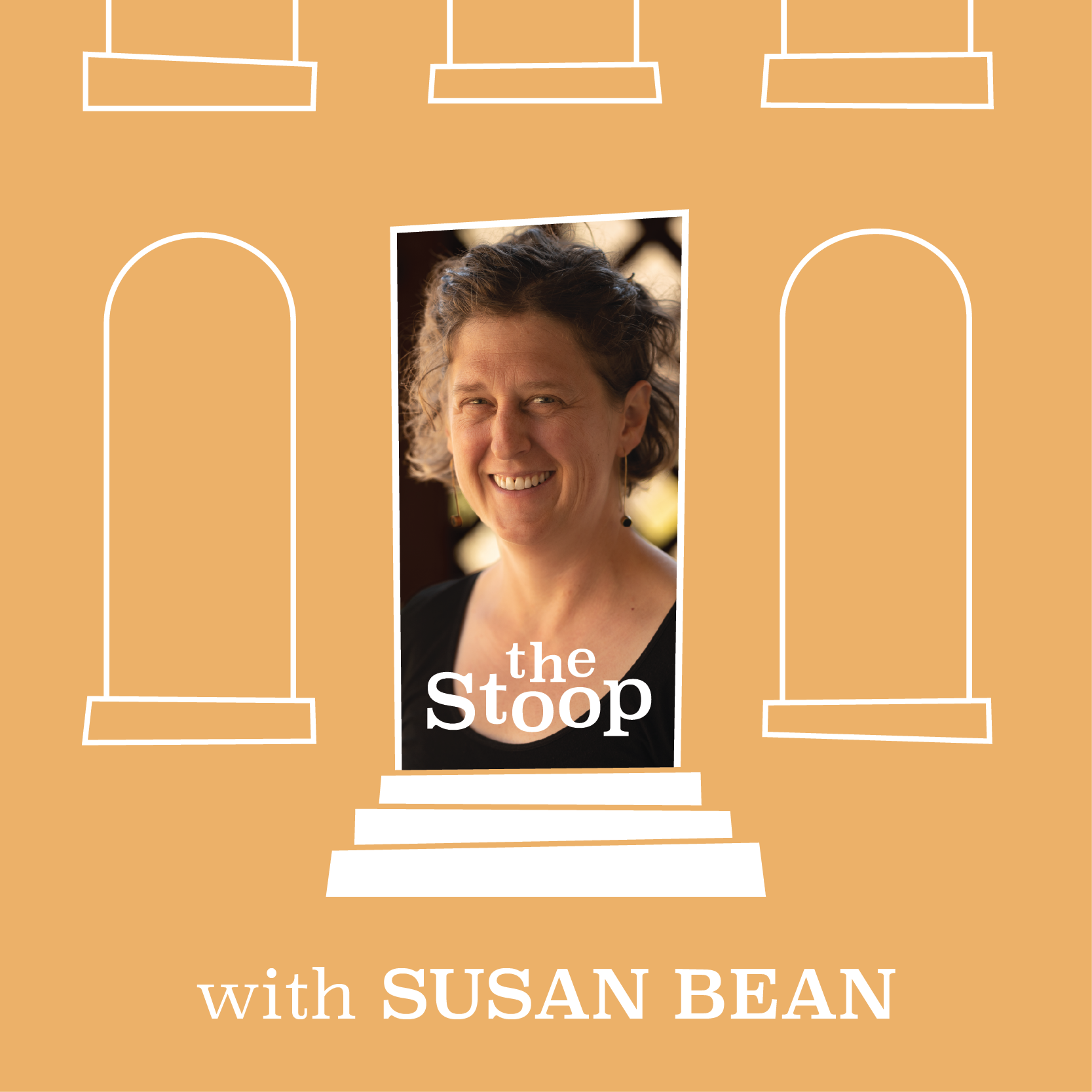
Susan Bean from Asheville, North Carolina
Apr 15, 202501:04:26Tap to summarizeSusan Bean, from Mountain True, discusses her transition from community engagement to housing and transportation policy advocacy, driven by the need for immediate community benefits. She details Asheville's recent changes to its Unified Development Ordinances, including eliminating parking requirements, increasing building heights, and streamlining approvals for larger housing projects. These changes aim to increase housing on transit corridors. She also addresses the challenges of balancing these policies with the concerns of legacy neighborhoods, emphasizing the importance of trust and relationship-building. Despite the complexities and emotional toll, she understands the policies were a step forward, acknowledging the need for continued advocacy and community engagement.
Transcribe →
Carlie Boos from Columbus, Ohio
Mar 19, 202500:57:43Tap to summarizeCarlie Boos discusses her journey from ballet to law school and her transition to housing advocacy during the 2007 housing crisis. Carlie, now leading the Affordable Housing Alliance of Central Ohio (AHACO), highlights their mission to address housing gaps through research, data, and community education. AHACO's successes include passing $250 million in affordable housing bonds, zoning reform, and an access to counsel law. They recently conducted a community survey revealing that 50% of Central Ohio residents are personally affected by the housing shortage, with 80% supporting more missing middle housing. Carlie emphasizes the importance of human-centered design and protecting NIMBYs to preemptively address housing issues.
Transcribe →