← The Team House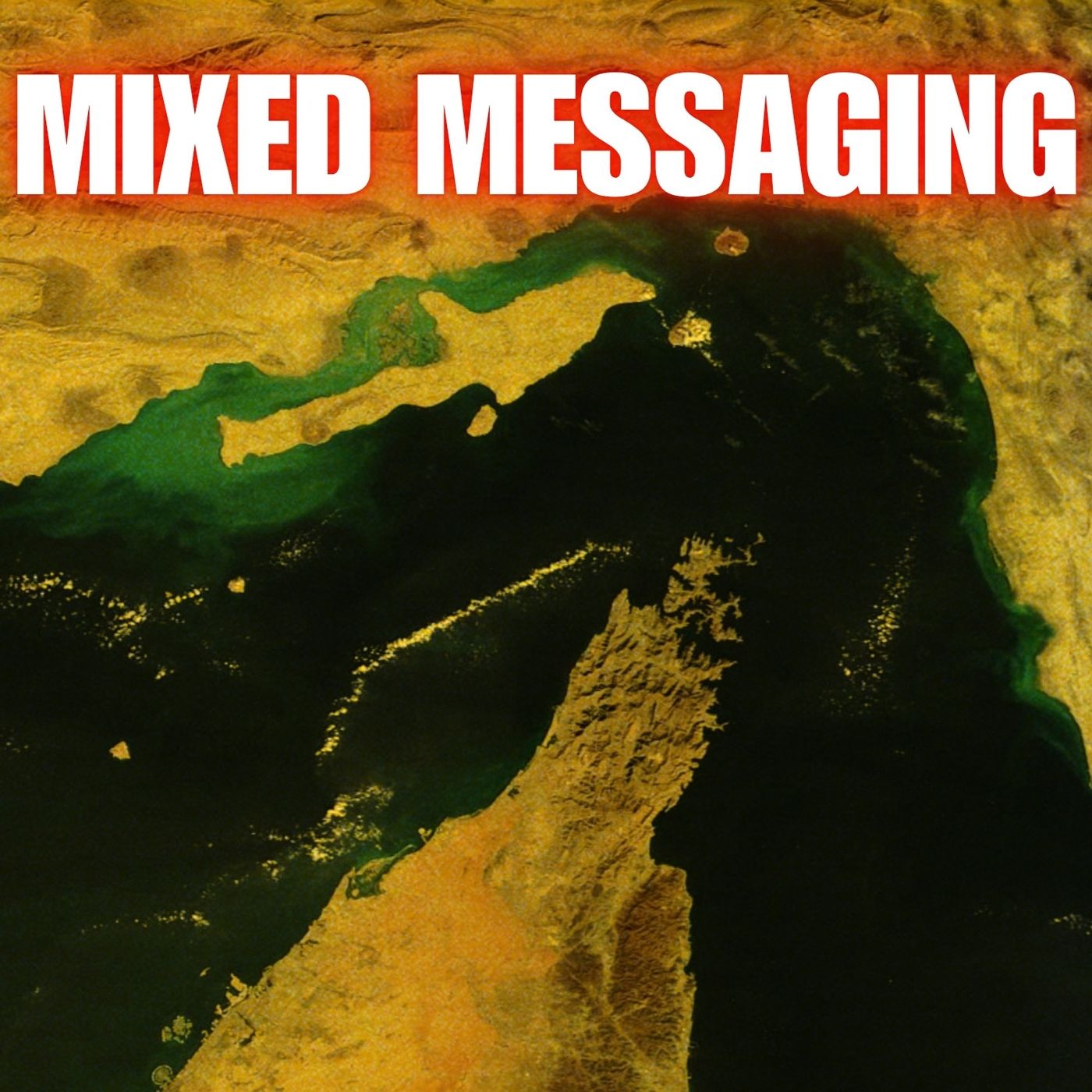
The Team House
Unpacking the Bipolar Messaging of the Iran War | EYES ON GEOPOLITICS
01:18:47
This episode features a deep discussion on the current geopolitical tensions, focusing on Iran, the Strait of Hormuz, and US foreign policy strategies. Experts analyze military, diplomatic, and economic aspects, providing insights into potential...
Loading summary
Transcript373 lines
- [00:02]
Mark Polymeropoulos
Introducing Home Care Plus, a new subscription service from Lowe's that helps make life easier by giving members a hand with home maintenance. Let Lowe's tackle the tasks you keep meaning to do, like electric dryer, vent cleaning, replacing hard to reach light bulbs, and more. Subscribe to Home Care plus for just $99 a year and consider your to do list done.
- [00:20]
Ryan Seacrest
Members get more at Lowe's.
- [00:22]
Mark Polymeropoulos
Available in select zip codes only.
- [00:24]
Sean Naylor
Cancel anytime.
- [00:24]
Mark Polymeropoulos
Non refundable fee. Product purchase required terms and service restrictions apply.
- [00:27]
Ryan Seacrest
Details@lowe's.com Terms subject to change.
- [00:30]
Doug
You know what? It sucks to be bored. But when I get on my phone and play real casino games on spinquest.com, the time flies by. That two hour wait at the DMV seems like 10 minutes. Play your favorite slots Live Blackjack live preps with a live dealer. New players $30 coin packs are on sale for 10 bucks. Play spinquest.com and you'll never be bored again.
- [00:54]
SpinQuest Announcer
Spinquest is a free to play social casino void where prohibited. Visit spinquest.com for more details.
- [01:01]
Mark Polymeropoulos
Hey what's up guys? This is D. Do us a favor and check out our patreon page. It's patreon.com the teamhouse. You get both Teamhouse episodes and Eyes on Geopolitics episodes completely ad free. You get them early too. You can ask us questions. You can also watch the team ass episodes live as we shoot them. So and you help support the show and support what we're doing here. It's patreon.com theteamhouse those links are in the description or if you're listening, it's in the show notes down below so you can click it real quick and easy and it helps us keep the lights on. So we appreciate it and we appreciate you guys listening. Thanks a bunch. Hey everybody. Welcome to another episode of Eyes on Geopolitics. I'm here with Andy Milburn, Mick Mulroy, Mark Polymeropoulos and myself. A lot happening as usual. You guys missed. We were talking offline about the next Whitefish Security Summit, so check that out. It's going to be February 24th to the 26th of next year, so take keep an eye out for that. It's going to be exciting. Guys, how are you? It's great to see you. A lot happening per usual. A lot of confusion too. It's just been kind of like messaging chaos over the last week. We left off our last episode we were talking about the naval blockade that was being announced. It doesn't seem to be much of A blockade, frankly, the straight of Hormuz seems to be de facto shut still ton of mixed messaging. Like we had the treasury secretary besent on Friday talking about extending sanction the way getting rid of the waiver on sanctions for Iran and Russia for selling their oil. That was Friday. Happens last night or a night ago, that waiver was extended. So we really have no clue what's going on, frankly.
- [02:53]
Ryan Seacrest
J.D.
- [02:53]
Mark Polymeropoulos
van not J.D. vance, maybe J.D. vance, but Jared Wykoff and no, Jared Kushner and Steve Wyckoff. I put them together because they're just like a one blob of ineptitude. Are heading back to Islamabad tomorrow, possibly with J.D. vance. We don't know. There's some mixed messaging there as well that just as we were getting online about an hour ago, it's been going on anyway, a lot happening. Where do you guys, what are you guys tracking? What do you guys want to talk about exactly? Mick, you go first.
- [03:26]
Mick Mulroy
Well, there is a lot, I mean we all thought somewhere mid last week that we were headed toward an agreement because there was so much positive statements coming out of the White House that you're like, this is great. I mean they're going to give up all their HEU and we can fly it to the United States and the strait's going to be open. And you know, I was certainly hoping that was the case, but it turned out not to be the case. At least the ratings said it wasn't the case. And if they say it wasn't the case, then obviously it's not because they're the other part of the, you know, the process when it comes to ending a war between the two countries. So, you know, the first thing, and not that anybody's listening, but it just doesn't help to try to do negotiations publicly through social media. It just hardens both sides. They get angry at each other and it makes the negotiators job more difficult. Really would be better if we just let this field marshal who's flying all over the world from Pakistan to Tehran and now coming to the United States to do the needful back channel negotiations and both sides willing to compromise because the alternative I think is pretty clearly going to be an escalation. I don't think President Trump wants to leave this with just yes, we did a lot to reduce their military capacity. I think the New York Times article just came out kind of questions exactly the numbers that we've been saying. But we have reduced it so that's good. Ballistic missiles, suicide drones, obviously they're Navy And Air Force, we're not going to get to a regime change. So just take that off the table and then we can't leave the Strait of Hormuz close or that's a failure. This just is. There's nothing that you can spin to say that it won't be. They didn't have it before. If they end up with control of the strait and being able to hold the rest of the world ransom with 20% of their energy supply, that is a big failure. So what are we going to do from here? We're either going to come up with a diplomatic resolution to this that's acceptable to both sides, or I'm guessing we're going to start using ground forces to try to secure the Strait and potentially recover the heu, which they don't seem willing to give up. And so, and then one last point. When it comes to the agreement right now, the only thing different from the JCPOA that we're hearing publicly is that you won't have the ability to enrich at all under the JCPOA. They could, but only up to 3%, which wasn't weapons grade, but they did have the ability to enrich. We're not here in any discussion on ballistic missiles restrictions. We're not hearing any discussions on not funding terrorist organizations, also known as proxies. When I was in the Pentagon in 2018, that was the biggest reason we, we were told that we needed to get out of the jcpoa. It did include those two things. So if it this doesn't include it, I mean, just by definition, there's going to be a lot of, I think, critiques on what this was all about. If essentially we end up just getting back into the JCPOA and certainly if we release, you know, the $20 billion in funds that they have and reduce and elimina the sanctions. I did understand the argument at the time that it didn't include ballistic missiles and proxies. Our position in the Pentagon was like, well, let's address it separately. But that's what we were told. That's why the White House decided to unilaterally withdraw. So I'll stop there. But I think we need a better agreement than the one we got out of or we are really going to have to question what this was all about from a foreign policy decision making process.
- [07:18]
Andy Milburn
Yeah, it's kind of interesting that the center of gravity is now the Straits of Hormuz. Right. It's the most, it's the most consequential arena in this conflict. And it's not the nuclear issue. It's not any of those things that we were, I want to say, kind of brought up with, to focus on. Right. I mean, Mick, at a higher level than me, but I was, I was a planner focusing on these plans. And then at Sauksent, I was focusing on the immediate problem of Iranian malign influence in the region. And blocking the Straits of Hormuz was a contingency that we discussed should we go to war. And it was a disadvantage and there were plans to mitigate it. We recognized that it would be a blow. And those plans, though, depended heavily on coalition support in the region, which we seem to have discarded, to say the least. Right. So, I mean, the, and, and just last thing that I'll say is that, you know, Liddell Hart's. Liddell Hart was a British, he was a British First World War veteran and a strategist. And he said, look, the object of war is a better peace. You shouldn't go to war unless you can ensure that you secure a better peace. And I was optimistic for a while that maybe we would see a better peace because we've grown up under the shadow of Iran in the region. And perhaps that was going to be curtailed, but it couldn't be curtailed in the ways that we were doing it alone and destroying. For instance, the Iranian navy was almost irrelevant because it was the Mosquito Fleet that was always a danger to the Straits. It was, it wasn't the big service vessels, it was the small boats. It was the mines, it was the, the drones. Drones were a recent development and the ballistic missiles. And, and now, sure enough, you know, Iran's not contesting the Straits through conventional navy. It's regular navy's gone. But it was never the decisive factor. So they've, they, they've employed a distributed asymmetric. I hate using that term, but it is an asymmetric approach. It's built around these small, fast, shore based missiles, drones, concealed launches. And we've done little to nothing to remove that threat. If you, if you look at the Wall Street Journal and New York Times, recent articles that, quote, our own intelligence community saying that at least 50% of the missile launches are still intact. Thousands of drones and an unknown number of small boats. The small boats didn't even figure in our BDA announcements. And so that's how we are where we are.
- [10:16]
Sean Naylor
So I think a couple things. One is just overall, I don't think there's any silver bullet for this. I mean, I was trying to think this morning is okay, you know, so we, it's very easy to critique everything that's happening, and we will do so. There's actually, you know, when you talk about, okay, we're in this right now, we're stuck. And as we've said many times here, and Mick, I love when you kind of say, hey, man, we actually, you know, we want the U.S. to win. We're on Team America here, like, but, but we're kind of in a shitty situation. And I don't see any really great options for the following reasons. One is, you know, the military option is not working. Let's just be very clear on that. And of course, you know, we can, we can talk for the entire program about the Pete Hegseth press conferences. But even Dan Kaine, the chairman of Joint Chiefs, when he comes out and he talks about all the great things US Military is doing, then you have on the side press reports saying that Defense intelligence agency says 40% of the drones are still there, 6% of the missiles, whatever it is, they still retain a lot of the capability that frankly, during these Pentagon briefings, nobody even addresses. And you don't get any questions because the Pentagon press corps, at least the normal ones, have all been kicked out. But I'm not sure what the, what the option is right here, because the Iranians really believe they can outlast us. You know, it's a race in time between when the Iranian economy collapses, whenever that may be, versus when the U.S. economy, you know, inflation, price of gas, and then the world economy, when we kind of have had enough and the Iranians think they can outlast us. And so even if it just ends up being kind of this test of patience. Now, Mick, you raised something which is interesting, is that, you know, some of us can kind of go and say, all right, this negotiations, just like everything with Iran, is going to be kind of this interminable set of round after round after round. But if Trump does get impatient, and I think he will, and you know, what is the military escalation, Is that really going to be boots on the ground, which is going to cause US Casualties? Does. I mean, you know, as we've talked many times before, the Pentagon will do it, of course, because it's villain control of the military. They will execute based on what they are told to do. But this is going to be pretty politically explosive in the United States and for Trump as well. And so, and actually, I don't think he wants to do this. But again, what are the options that are left and kind of what would seem to be the thing that is going to end this, which is going to be really dissatisfying because it's not going to certainly account for the Iranian support for proxies or the ballistic missile inventory or the Iranian people and regime change. It would be kind of a JCPOA 2.5, I mean, a little bit stronger. And that's where we all thought this was heading. I think it was last Friday. I mean, my God, everyone. And we're all victim of this who are doing media stuff. Things seem to be going in a direction which is kind of a strength in jcpoa. There are people arguing about, you know, what's the, you know, what is this the time in which. Or is there a set time in which the Iranians could then, you know, start to begin enrichment again was 20 years versus what we said, five years. But then everyone kind of backtracked from that as well. On the best case scenario, it turns into an agreement like that. Trump will get lambasted on this. And then worst case is I don't know what we do or there's going to be, you know, there's going to be ground operations with significant US Casualties. This is one of those foreign policy challenges. And for, you know, all of us who do speak in the media, you know, of course you kind of analyze the situation, but then at some point you say like, okay, this is what I think we should do. And on that note, there's not a lot of great options. I don't know what you guys thoughts are, but it seems to me we have boxed ourselves in into a really tough situation. A bit of a pickle, and there's no kind of quick silver bullets that's going to get us out of this.
- [14:09]
Mick Mulroy
So on that point, Mark, and throw it to everybody, of course. But like, so we keep talking about, all right, so we could seize, you know, some of the islands to open the strait. We could potentially launch this, which would be a really complex special operations to get the HEU on the straight though. So if we did it and we were successful, the Marines, land, seas, islands, like how do we get out of it? Like, how do we. What, what comes next? I mean, you have to, you have to think, you know, five steps ahead and how it actually advances your overall policy because we know if you tell Marines and Rangers to, you know, take something, they're going to take it. They probably, to your point, Mark, take casualties. So this is, that's horrible. But then like, so we're going to live there. I mean, we're going to just Permanently occupy the street so that it's open? I don't know. That's a question. And then the HEU recovery mission, by everybody's estimation is going to be. Would be weeks. They would, of course, mass forces against us. It could be. We could be creating our own Alamo is what I'm concerned about. Or Thermopylae, depending on, you know, how far you want to go back. So these are really big decisions. It isn't just like I'm pulling a trigger and it's just going to happen and it's going to work. And of course, Iran's going to retaliate for either of those things substantially against our partner countries in the region. So it just.
- [15:39]
Sean Naylor
How do we get out of it? So the question is, yeah, think about your previous role as DAS did when you were, when you were sitting in the Pentagon. You would have been asked if there were to be a National Security Council meeting. There's probably not, but you would have been there. What is your recommendation? Because I don't know what the silver bullet there is none. So, you know, what would you recommend we do?
- [15:57]
Mick Mulroy
Double. Well, I mean, start with. I mean, it's easy to say, but double down on diplomacy, you know what I mean? Like, it's not in our interest to go to escalate. It's not. I'm not just being nice to Iran. Right. I wish the regime would get wiped off the face of the earth, but these are decisions that aren't. It isn't. I think some people get too comfortable with, okay, we launched a military operation to kin bin Laden or Baghdadi or catch Maduro, and it's just the easy button. It's not the easy button. And this is definitely not the easy button. This is. This is something that we could get stuck in quagmire, and I don't want to see that happen. So I don't know how we can. It has to be better than the original jcpoa, I think, to make it viable for the United States. But we need to accept that it might not be the perfect solution. Andy, what do you think about what we do if we actually took these islands?
- [16:56]
Sean Naylor
What would be, you know, I mean,
- [16:58]
Andy Milburn
I've written about it and I think it's an appallingly bad idea because, yes, we can do it. It's militarily feasible, as you point out. There's two questions to ask. The first is, what for? Right, what is the strategic gain that gives us? And secondly, what comes next? We've anchored ourselves to it. We've become fixed targets. We've, we've forfeited all the advantage that we have without the options of a. And you've got to keep forces there. Right. And even then they don't keep the straits open. I mean, we've talked about this. It with, with the range of, of ballistic missiles, cruise missiles, with the range of drones. You're not doing anything by sitting on terrain.
- [17:43]
Mick Mulroy
Yes.
- [17:44]
Andy Milburn
And the uranium seizure mission, even if, even if we pulled it off, right. And let's just say, and we're all tiptoeing around, so let's stay on the right side of classified, of course, as we always do on the show. But even if, hypothetically you can do this in a week, right, with only 1,000 guys on the ground, plus heavy equipment, blah, blah, all the stuff that you can read in open source is required. Then what? So what, we take the uranium, right. It's not. But the program itself, the expertise is still there. The centrifuges are still there. If we're to believe our own intelligence community reports many of them being buried so deep. Yes, some of them have been buried also by the air campaign, but they're recoverable and they can be back in business. So we haven't destroyed the program and at great risk. Yeah. No, So I agree. The only option now is diplomacy. And there's one other factor, a couple of factors. Right. That are also affecting this. The effects on the regime of the war have not been favorable to the United States rather than the conflict by killing that top layer. And I'm not saying sometimes that's a good tactic, but the problem is that in this case that we've strengthened the hard line elements within the regime. If you'd believe again, open source reporting by Wall Street Journal, New York Times. Internal dissent has been suppressed and in some case it's been subjugated under this feeling of patriotism and the feeling that they're being attacked by an external country. Right. So they've to some extent we've united the country behind a harder line regime and the Revolutionary Guard has increased its influence. It's isolated from the effects of the economic blows against ostensible blows against Iran itself because of the way they distributed their wealth. We've learned that from John Hackett. So we're not, again, we haven't achieved a better piece. It's perhaps still within our grasp. There's no doubt that Iran is feeling the pressure, otherwise they wouldn't be showing up in Islamabad. But not to the extent that we think they have.
- [20:13]
Sean Naylor
You know, there's a Washington Post op ed by a former agency case officer, Mark Fowler, I think was last week. And he said something that I thought was great. And he said, you know, when we are running Iran operations and when you first recruit an Iranian asset, when you sit down, obviously you secure their agreement to work for the United States. Not against their country, against their government, of course. And then you come up with a salary. And in our old world, Mick, we would say, okay, you're going to get paid 1000 bucks a month. There we go. Write a cable. That's it. But in the Iranian's mind, that was just the beginning of the negotiation over his salary. And so these are master negotiators. And so it was funny because then later on, as you're handling the asset, when you say, hey, here's your thousand bucks for your this money, he's like, no, no, no, I want 2,000. Well, wait, wait, we agreed a month ago. He's like, yeah, that was a month ago. So these are negotiators, and the Iranians probably can wait us out. And I guess something Andy, you said, I think is really important. The question that we should ask ourselves. I'm still a romantic. I did this job for the Agency. I still believed in American exceptionalism. You know, whether we're talking to the Kurds or the Syrians or our indig personnel in Afghanistan, I believe the Americans were the good guys. So the question now you have to ask yourself is, are the Iranian people today actually better or worse off since this war started? And I don't know the answer to that because there's no talk of the quote, help, it's on its way from Trump. I mean, that was. To me, that was inspiring. I was like, I'll get behind this. And we're nowhere there. In fact, if there's an agreement, if there's a JCPOA 2.5, let's say there's going to be sanctions relief. You're going to infuse cash into the Iranian regime, and they might actually survive longer. So just something to throw out. Last piece.
- [22:03]
Mick Mulroy
They probably will survive
- [22:07]
Sean Naylor
last piece on this. And it's something that I felt guilty about. So, you know, we all do our TV shtick. And we were all, Friday was a day of incredible optimism. Mick, I don't know if you were on. I certainly was. And I look back and I'm like, I wish I hadn't said what I said, which was, hey, we may be closer in agreement. I think it was all bullshit. And you got to ask yourself, okay, what happened here? Was it a couple questions for you guys to consider. Was it this struggle within Iran between the hard line elements, you know, Vahidi, The IRGC Chief vs Iraqshi the Foreign minister, you know, was it an actual struggle there for what's going on? Was it bullshit spewed out by quote, sources of the US national security media, some of us included, that we bought the nonsense about the optimism that if it was coming from, you know, and you know, Kushner and Wyckoff have half the US Press corps on speed dial. So was it that and was that BS designed to kind of push a narrative that things were getting closer, you know, maybe to influence the deal and so. Or was it or, and was it, you know, Trump market manipulation, the stock market went up dramatically, oil prices fell, helps the US Economy, or is a combination of all those. But I do think. And it won't happen, but I was thinking back like, man, like we were just totally snowed by this optimism on Friday and it looks like it was all BS or some elements certainly were. So what are your guys thoughts on that? Because I was totally guilty in that. And I look back now and I'm like, man, I shouldn't have said what I, I should have been much more cautious saying like, hey, this is interesting. This is coming from the US side, not so sure what's going to happen. But I was not that. And I think I fell into that trap a little bit.
- [23:44]
Andy Milburn
Yeah, I do think that like diplomacy,
- [23:47]
Mick Mulroy
sorry, there is a different system in Iran right now. They have, you know, power brokers like you already mentioned or actually the foreign minister. You also have this guy that's the new head of the National Security Council. Zogodar I think is his name. I'm told. I don't know much about him, but I'm told like he was such a hardliner that like costume Suleimani wouldn't work. Like he was saying, this guy's too.
- [24:16]
Ryan Seacrest
Hey, it's Ryan Seacrest for Albertsons and Safeway. Take care of yourself this spring with great savings on all your favorite wellness brands. Now through April 28th. Save $5 when you buy three or more participating wellness items. Shop in store or online for products like Centrum Silver, Nexium, 24Hour, Tums Ultra Strength or Smoothies tablets and Flonase spray. And save $5 when you buy three or more. Get these deals before they're gone. Offer ends April 28th. Restrictions apply. Offers may vary. Visit albertsons or safeway.com for more details.
- [24:47]
Lingokids Female Voice
Are you a parent who feels guilty about screen Time.
- [24:49]
Lingokids Parent
No.
- [24:50]
Lingokids Female Voice
Well, no, not you, sweetheart, but your mommy and daddy do.
- [24:53]
Lingokids Child
Why?
- [24:54]
Lingokids Female Voice
Because too many apps are filled with AI garbage, inappropriate videos and random content
- [24:59]
Lingokids Child
like a D dancing potato or worse.
- [25:02]
Lingokids Female Voice
That's what parents worry about. We're Lingokids and we're here to help parents out. Lingokids is the number one entertainment platform for young kids because kids love it and parents can trust it. They want something safe and fun. Yes, fun, but also something that actually
- [25:17]
Lingokids Child
teaches you big words like fomosynthesis. Fomosynthesis. Fomosynthesis.
- [25:25]
Lingokids Female Voice
Yeah, close enough. And they want fun songs, videos, and interactive games that help you grow, not
- [25:30]
Lingokids Child
turn you into a zombie that bites other zombies and then the zombies take over the world and then fly to space and live on the moon and fly in rocket ships on planets with loads of candy.
- [25:42]
Lingokids Female Voice
Yep.
- [25:43]
Lingokids Child
Mango.
- [25:44]
Lingokids Female Voice
Kids, everything kids love.
- [25:48]
Doug
Forget everything you had planned for this weekend because you are sitting on your couch and winning from the comfort of your own home. I'm here with spinquest, where you can play hundreds of slot games, all the table games you love, and you could even win real cash Prizes. New users. $30 coin packs are on sale for
- [26:07]
SpinQuest Announcer
10@Spinquest.com SpinQuest is a free to play social casino void where prohibited. Visit spinquest.com for more details.
- [26:17]
Mick Mulroy
Tense. So think about that.
- [26:19]
Andy Milburn
Yeah. Right.
- [26:22]
Sean Naylor
So we're not.
- [26:22]
SpinQuest Announcer
We're dealing with the regime.
- [26:24]
Mick Mulroy
Yeah.
- [26:25]
Andy Milburn
Calling you a psycho.
- [26:26]
Mick Mulroy
Exactly.
- [26:29]
Sean Naylor
Trump has said that he's dealing with people who are reasonable. I mean, he comes out and he spews this shit out all the time. He says, we like the people we're dealing with. We're good. What's he talking about?
- [26:40]
Mick Mulroy
I don't know. Because if he's the ultimate guy and obviously the new supreme leader is both lost his entire family and is apparently seriously injured because of the strikes. I can't imagine him being any less hardline than his dad that we just killed. So, I mean, I think we have to accept that we have a regime that's going to be even more hardline than the old one. It is. They're likely. If we get to an agreement, which we all want to Your point, Mark, that's going to maybe permanently install them as the governing body of Iran forever. Right. Because they're going to have sanctions relief and our agreement is with them. So now we're not going to have an incentive to see them deposed, even though they're absolutely horrendous. So all that stuff's out the window if we get to an agreement. Yeah, it's a challenge. And are we promoting this idea that everything's rosy? So I think that's the US's view, is we just keep saying it so that it'll actually happen. I just think eventually, and we're probably already to that point, people just don't listen to it. They just say, okay, let's see what actually comes out of it, what's written and what's agreed to. I was on a bunch of foreign media yesterday and all and with people in Tehran who obviously pushing their side and they're like, none of this stuff was agreed to. It's all made up. And we don't know how to get to an agreement if there's not even going to be a baseline of honesty and something that's actually written and published. And I argue with these folks all the time because they just promote the regime, but it's hard to argue with that one. Like, unless there's a written agreement, why would anybody believe it's. That's actually, you know, public that says, this is what we agree to open the straits. What does open mean? Open doesn't mean Iran gets to charge a million dollars and have everybody go through their territorial waters and they decide whether you go through. Open is an international waterway that has. Just like it was. But there's got to be a definition and they've got to actually put down in writing what they're agreeing to because this is clearly not working the way it is.
- [28:52]
Sean Naylor
Hey, Andy, can you go over the disposition of US forces now, just from open source? You know, where are we in terms of. Is there. Is there a third aircraft carrier battle group there? Like where. They're both muse there. Where are we in terms of this build? If I saw something on. Again, it's on open source, it's on Twitter that there continues to be this pretty significant airflow of assets from the United States. Maybe the audience would go over exactly what our order of battle is. If we can say it in an unclassified way.
- [29:22]
Andy Milburn
Yeah, I mean, I'd have to pull Mick in. I haven't been counting the order of battle here in the Middle east, but certainly there's been no return of units. So anything that's come has been additive. I haven't, I didn't know there's a. I wasn't tracking as a third, third carrier. I know we've, we've, we've flown significantly in the last couple of weeks. We've flown more tankers out here. And I say that's significant because it's a really interesting aspect of the air campaign, or maybe it's just interesting to me because I'm a geek, but, you know, Iran wasn't. Iran knew they couldn't, they couldn't shoot our aircraft out of the skies en masse. So they went off to critical enablers. Right? They went after, I think Duhei called them the, the nest and eggs of air power. In our case. Those are the tankers, right? The c, the, I'm sorry, the KC135 fleet that's aging. A limited number of airframes went after our AWACS aircraft because of course, they play a key role too. And we've got a limited number and they went after our acquisition radar here in the, here in the Gulf. And they were pretty successful. You know, you can look on open source what they did here in Prince Sultan Air Base to the AWACS and tankers, and they destroyed acquisition radar in Jordan and Bahrain. So we've had to replace those. But if the reports are to be believed, we've replaced them en masse. I mean, we must have very few tankers left back in the States. We flew a ton into Ben Gurion Airport of all places the other day. So ostensibly it looks as though we're preparing for further action. And that's why you see all this suppressed hysteria on Twitter. But I agree with you guys that I don't sense that. Not that I have any great insights, but I don't sense that from this administration. Nothing to gain at all by escalating militarily. I mean, we have reached the limits of what we can attain through a military campaign. That's the bottom line. And so, yes, there's certainly been reinforcement of military capacity here in the Middle east, but I think that's largely for show and it's certainly at cost of the long suffering soldier, sailor Emin and Marine who has stuck out for an extended period of time. And if reports are correct, even the Navy's running short of chow, which tells you how desperate things are. But you know, on a serious note on the diplomacy, I'm not a diplomat by background, but I think diplomats will tell you that obviously it's an iterative. You take small bites, right? When things appear to be as they are now, you don't go for your ultimate objectives right away and decide after a 21 hour conversation you're done because it's not going to happen, right? You have to, you have to calibrate your expectations accordingly and you have to accept the conditions for a comprehensive agreement. As we've just been talking about are not present because of the perceptions of both sides that both are the victors. So I think the likely outcome and the one that we United States have to accept is, you know, if progress is made, it's going to be they've got to develop an interim framework, something that stabilizes the immediate situation in straits of Hormuz and yes, perhaps Lebanon too, without resolving these underlying issues. So it might be a temporary arrangement on partial sanctions relief, some form of de escalation in the straits and with agreement to talk about an arrangement on nuclear activity during the next talks.
- [33:38]
Mick Mulroy
So the, on the your question mark, I think the 11th MU is going to be there within a week, maybe a little over a week. And then the USS George H.W. bush, it's gone through the Gibraltar, it's gone through the, it's in the med somewhere. I'm sure some of our audience knows. But I do try to keep track of it because that's, I mean, if you talk when you listen to the Iranian commentators, that's what they think this is all about. This is, this is all just churn until we get more forces there and it's, it doesn't actually amount to anything and it's just a delay.
- [34:15]
Mark Polymeropoulos
Can you blame.
- [34:16]
Mick Mulroy
I, I don't blame them because, you know, we attacked them right in the middle of negotiations. I do think that the White House. Right. I do think the White House actually wants an agreement, though. So I don't think they want to use two views and you know what I mean. But the other alternative is just to double down on this blockade. And I do think the blockades haven't putting pressure on the regime. My only question, and this is for an economist probably more than, than us. But so if we just double down on the street and we completely block 20 of the world's oil supply without any end in sight and we're not going to try to force open the strait militarily because it's too risky. It's, I mean, what is that going to do to global energy prices if they just accept that it's going to. And then what if they start, you know, Houthis get in the game, you know, and they start. I don't know if they can completely block the Bob, but I think they can certainly make, make it difficult. We know that. So and then we're just stuck here. We're just stuck with. And then they're gonna have to do something because if you cut them off entirely, they're gonna have to do something to change the game. So it's the Houthis, it's attack, you know, Qatar, UAE the energy facilities and those countries in Saudi, like, all the issues that we're trying to deal with as they shifted this from a conventional military fight to kind of like a, you know, asymmetric economic type fight of attrition get magnified. Right. I mean, there's no. Nothing coming out of the strait. There's nothing that goes through the Bob. I mean, that would be. Oh, the other thing about the aircraft carrier is it actually went. I think I'm wrong. I think it went all the way around to avoid.
- [36:05]
Sean Naylor
Yeah, right. The Horn of Africa or something crazy. Isn't that Right?
- [36:09]
Mick Mulroy
Look it up while you guys talk.
- [36:11]
Sean Naylor
The bottom line on that, I think, is that. So. So one of the things, though, you know, I think D kind of chimed in there and he said, well, hold on a second. Each time, you know, we've seen this build up, we've used it. We saw the buildup in Venezuela used it. And so while it makes no sense for there to be escalation right now, I mean, there is a buildup and, you know, we can't kind of discount that. You know, Trump's true social post only what, an hour or two ago, when he threatened now to once again to destroy all Iranian, what was it was bridges and power plants, kind of, you know, more of this kind of infrastructure. Armageddon. And so, you know, I think that there is reason to be concerned because when Trump has threatened these things, he actually has carried them, carry them out while. Although this time it seems to be, you know, perhaps this is the next. Obviously you guys would address this better than I would, as opposed to ground forces on Carg island or, you know, or anything like that. You know, the next step in any escalation would be some kind of bombing campaign against infrastructure targets. You know, maybe that's what, as you climb the escalatory ladder, that's what the U. S, that's what the Pentagon is, is recommending versus kind of something that. Which. Which of course is going to lead to world condemnation. There's going to be talk of, you know, is this war crimes, et cetera, et cetera. But, you know, maybe that's what's next on that kind of the menu. If these talks in Islamabad don't go anywhere.
- [37:40]
Mick Mulroy
So it's off the coast of Namibia, it's going around Cape of Good Hope, per the Wall Street Journal, and it'll be in the. In the area at the. Close to the end of the month, if not the first week.
- [37:57]
Andy Milburn
It'll be a lot of, a lot of C6 sailors going around the Cape there. That's an unusual move for the US Navy.
- [38:05]
Sean Naylor
Clearly says a lot. Yeah, right. Force protection, which, that, which doesn't really. I mean, okay, but that's not that, that's not what you really want to project in terms of.
- [38:15]
Mark Polymeropoulos
Yeah, it's not confidence inspiring. Also like the what's next on the menu from the DoD is arguably war crimes. Says. I kind of says how far this has gone, like out of control, frankly. I mean Andy mentioned it before about like when they game this out straight, a Hormuz was the number one thing to worry about. Right. The asymmetric threat, the fast attack boats and stuff like that. Not so much their destroyers or whatever frigates or whatever they have, not so much their two F14s from 60 years ago. And so we knew this going in and up until we started bombing at the end of February on the table was a supposed deal that was better than the JCPOA in terms of like uranium enrichment and stuff like that. So I think like just going at it and bombing and attacking Iran with Israel, it doesn't. Hasn't really benefited our position, I would say at all. Especially now. They're like, oh, if they don't have another 24 hour session and everyone goes home upset, everyone's maximalist on either side because everybody thinks they're winning and nothing gets done. The next move is just to bomb bridges and power plants, like that's insane to me. Or grab Car island for an extended period of time to squeeze their oil revenue. Like while our Marines are getting incoming the entire time. Like how many cat. Like there's got to be a casualty assessment on what that would look like. And it can't be good at all. There's no way we can protect all of them. Just have 500 marines just sitting there protecting an island while they're catching. Not even strays. They're catching direct fire like all day, every day. I just don't know how any of it makes sense, Frankly.
- [40:02]
Mick Mulroy
So the 11th mute gets there mid May according to cyber overlords.
- [40:08]
Sean Naylor
So I think the, I mean, I
- [40:11]
Andy Milburn
think the military build up there, you know, and I, I get everything you guys have said is correct, but I think the military build up there is a red herring. I think it's a, I think it's a show of force to back negotiations. And I think obviously we have to back what we said about forcing the blockade or whatever we're calling it now, the Straits. But I don't for a moment see us resorting to using ground troops
- [40:44]
Sean Naylor
in
- [40:44]
Andy Milburn
any capacity aside from in maritime interdiction operations.
- [40:50]
Mick Mulroy
Yep.
- [40:51]
Andy Milburn
All the reasons that we've said it just, it would be such a, a strategic faux pas that I'm, I'm pretty sure that, that all the generals who haven't been fired yet are advising and admirals are advising strongly against him. And, and I think, you know, you said earlier I wasn't a diplomat. Another thing I'm not, is I'm not an economist, but I'm fascinated by reading about the impact of the war and a little bit dismayed because even if the straits are opened, the way that it's been explained is that the risk premium is already being built in. Right. So even if oil is physically moving, prices are going to remain elevated because of a persistent geopolitical risk that the straits will close again or there's going to be a tax on tankers, infrastructure and so insurance rate go up, costs go up and that's, we're not insulated ultimately from the effects. Fuel costs, transportation costs, energy costs. The IMF has downgraded global growth forecasts, raised inflation expectations across the globe and warned of a global recession. Now, I mean, I don't think that's just posturing. I mean, these are all realities. So I'm, I'm hoping and I'm thinking, I mean these things are, these are factors that affect this administration. Right. I mean, the economics of all of this could well be disastrous.
- [42:35]
Mark Polymeropoulos
Well, the writing is on the wall in terms of the midterms. Like they, you know, everything that all polls are projecting that the Republicans are going to get wiped out and possibly definitely the House and possibly the Senate too. So the writing is definitely on the wall. They see this is happening and like you mentioned, like everything going up, fertilizer is going to go up, which means food's going to go up. We had an economist on a couple weeks ago talking about all the things that are like second and third order effects that are affected by the straight being de facto shut. I don't think this administration really cares, frankly about the midterms. I think they care about getting a win in the press. And I think this whole thing is like, frankly, and this is super cynical, like, like this is content and it's crazy.
- [43:22]
Sean Naylor
Well, I think there's a, there's an argument to be made that the, you know, and, and that, you know, the midterms are already lost. And so this is kind of, and I subscribe to this a little bit. I mean, this is kind of legacy defining stuff for Trump, Venezuela, Iran and Cuba. I think there's some element of truth to that. And so with that in mind, I think maybe the administration is willing to risk that economic pain if they can get a win out of Iran. The problem is the enemy gets a vote and we're kind of stuck. And great line. There's no easy button right now. I mean, for all accounts that you read in the press, who knows if it's true or not that Trump and even Hegseth, which is amazing or maybe not, is surprised at Iranian resiliency. Now they shouldn't have been if, if they had Iran experts, they would have said Iran and Iraq fought a brutal war and the Iranians suffered terribly. And I think the Iranian regime is certainly willing to sacrifice kind of the well being of its people in perpetuity for this. But I do wonder that kind of just the calculate Trump wants a win in Iran and perhaps that the losses in the midterms already baked in won't matter at this point. And you can make an argument again, you know, let's say there's a win. Let's say Iran capitulates totally. They give up every energy prices are still going to be brutal. Americans don't give a shit about foreign policy. So Trump could get this win. But if gas prices are still high and not even come November, it doesn't even matter at November. It matters when this summer. I mean at some point the midterms are, they're going to, the Republicans are going to say it's lost no matter what, it's too late. Because Andy, I think you noted the residual effect is just, is going to be, it's going to take months and months. I mean we're talking, I think klm, you know, just announced they're gonna run out of jet fuel soon.
- [45:06]
Mick Mulroy
Yeah.
- [45:07]
Sean Naylor
And so you know, so you know, but there is a notion that Trump is doing this as something for his legacy. And the problem with that is his legacy is to do anything that Obama didn't do or not to do anything Obama did. And so what would be the right agreement now just and it, because you have two sides and there's gonna have to be compromise would be a kind of a JCPOA 2.5. It's pretty obvious. And that might not even be, you know, in terms of, I think it's abandoning the Iranian people. There's no doubt about that. And you might not address the proxies and the missile inventory, but just in terms of the actual nuclear side of things there's probably something that all of us in a vacuum would say, yeah, that's, that's actually fine, we can probably live with that. But I don't know if Trump can politically too, because they have to convince
- [45:51]
Mark Polymeropoulos
him it's a win so he can go out and crawl.
- [45:53]
Sean Naylor
Anything that's going to come out of his mouth, if it's a compromise is going to be people like us are going to say it's a strength in jcpo. We did this, all this for that. So I think that puts Trump in a bind as well, because even this kind of the art of the deal guy, when there is a deal to be had, might not take it because he's going to get criticized. And you do have d. Your favorite subject, you do have a very noisy pro Israel contingent, especially on X, the freedom of Defense democracy crowd, who, you know, it's a maximalist position on everything. And that's, I mean, Lindsey Graham, obviously he's not part of any kind of lobby group, but you know, Lindsey Graham has been kind of thrown.
- [46:34]
Mark Polymeropoulos
He isn't. You could have told, you could have convinced me.
- [46:37]
Sean Naylor
No, I'm saying, but Lindsey is warning in the press, hey, no capitulation. Kind of like Obama. So I think there are some constraints politically from Trump, from his right that he's boxed himself into. I mean, you can't have JD Vance go to Pakistan, offer 20 year delay in enrichment, and then Trump literally publicly the next day saying, I don't like that.
- [46:58]
Mark Polymeropoulos
So I think what happened, I think what happened was that was based on like releasing that 20 billion that's frozen. And once somebody put out that test balloon online, got a lot of, a lot of heat from like the, like the groups you were talking about.
- [47:13]
Sean Naylor
You can't offer it.
- [47:14]
Mark Polymeropoulos
And then I think that's literally what happened. That's why they yanked it away. Really. Throwing up test balloons. That group that you mentioned, they put it out and start shitting on it, pick up a little bit of steam, get some calls for some donors Adelson calls up is like, what the fuck? And that they pull back. That's what happens. It's. I think it's that simple. There's no strategic.
- [47:35]
Mick Mulroy
Possible.
- [47:36]
Mark Polymeropoulos
Yeah.
- [47:36]
Sean Naylor
It makes negotiations impossible. You can't.
- [47:38]
Mark Polymeropoulos
I mean, that's what's happening. Yeah, it's, it's fucked.
- [47:41]
Andy Milburn
So you, you guys bring up a really interesting point. If you narrow it down to what are the US Interests? Right? What really are our interests, not Israel's. And I get it, Israel's an ally, blah, blah, blah, but first of all, a couple of comments. In Chikpoa, we didn't really determinedly go after proxies or ballistic missile inventory at all. It was all focused on nuclear because we realized that even back then we couldn't materially affect that for any extended period of time through an air campaign. The only reason now, the proxies. When we talk about the proxies, let's talk about the proxies that we, United States, care about. And this is an argument, obviously I have not. So I invite pushback. We care about the militias in Iraq, right. Because of their influence potentially on the Iraqi administration and the threat to our own forces in the region because they have proven historically that not to be friendly, Right. We should care about them. And we care about the Houthis because of the mischief they get up to now. And then by closing the ban, Hezbollah. We care about Hezbollah because Israel cares about Hezbollah. Now, in fairness, we care about Hezbollah. We say because of stability in the region. We care about Hezbollah because we want Lebanon to be a functioning democracy. And. And Hezbollah threatens that. Right. But bottom line is we don't really care about. That's not the reason. We care about it because of Israel, because Lebanon goes to shit in a handbasket and we don't make a concerted effort to help Lebanon. We care about Hezbollah because the Israelis are telling us Hezbollah is an existential threat. Do we care about ballistic missiles coming from Iran? No, those were never a threat to us. Really. Honestly, I would argue never a threat. Our guys in the region were at a threat from the militias launching fucking drones and everything. Yes, they were provided by Iran. But you see what I'm saying, that we set these goals that we couldn't achieve through an air campaign that weren't even that important to us. And the core issues were going after the particular proxies that concern us, but most of all that nuclear program. And I think that's what we need to focus on. And by the way, reduction of proxies. Yeah, it makes sense. We talk about going after the source in Iran to dissuade that. Iran's never going to be dissuaded from support for the proxies. Iran's always going to see that as a great way to strike back, an asymmetrically strong way, because trying to prove that they're doing it and interdict that flow of lethal aid has proven really difficult. So the solution is to go after the processes themselves. And I'll shut up in a moment, but you can't do that purely through a military campaign. As the Israelis have found out again and again and again, Hezbollah is deeply embedded in the economic and the political structure of Lebanon. Unless you have a concerted reconstruction effort, unless you give the UN There a different mandate or even insert another peacekeeping force to back the government of Lebanon and call it a building pilot capacity effort, you're not going to affect Hezbollah for any long period of time. And mowing the grass, killing thousands of civilians, drawing civilian infrastructure just means you're setting conditions to have to go back and do it again in a few. These are lessons that the Israelis have not learned. But I feel as in. As Americans, as United States, we need to be smarter than that. And now our interests to what are our national interests?
- [51:39]
Mick Mulroy
And I think that, you know, the negotiators now, Andy, might agree with you, at least it sounds like they do, in the sense that they're only talking about the nuclear issues. I haven't heard anybody talk about.
- [51:49]
Andy Milburn
And the straits even restrict.
- [51:51]
Mick Mulroy
Yeah, well, that, Yeah. I imagine Blinken and Burns and President Obama was like, wait a minute, that's what we did. And you guys criticized this and now you're doing the same thing. And they're not including ballistic missiles and proxies that I. That at least there's no discussion of it publicly. Again in the Pentagon, we thought, okay, well, let's keep the agreement. But then if they're doing things on the ballistic missile side or certainly the proxy side, why don't we just address it separately?
- [52:21]
Andy Milburn
Right.
- [52:22]
Mick Mulroy
Like by loop. When they get together, you make it almost impossible to get to an agreement which isn't anybody's interest. So it's.
- [52:28]
Sean Naylor
That's right.
- [52:29]
Mick Mulroy
I'm not advocating that you have to include it, but that's the whole reason why we got out of the first place. So there's going to be a lot of. I think part of it is just. It's almost like nowadays our policy is so tied to domestic politics that it can't say consistent, because it's all about trying to get a political advantage over your political opponents, which means you can't agree with anything they say, even if it was in the interest of the United States. Like, the whole concept of, you know, politics ends at the water's edge. You know, Vandenberg, that's like, gone. Like it's now. It's like it's just all wrapped into it. And people, they don't even, you know, and there's been a lot of talk about this. People who are adamantly opposed to wars in the Middle east are now for a war in the Middle East. It's like, well, what is it you stand for? I mean, I can understand, I can disagree with people. Fine. Happens all the time. But it's really hard to disagree with somebody that actually doesn't believe what they're saying. It's like, well, what is it? Are you opposed to the, what are we saying, $6 trillion in foreign wars over the last 20 years, or you for it now, but simply because it's in. You believe it's your political team.
- [53:40]
Sean Naylor
I think that hypocrisy is just going to be pretty, kind of laid pretty bare if there is going to be an agreement. Because as you guys noted that, you know, when, when you see the criticism of the JCPOA is it is a lot of it has to do with the, the lack of attention on the ballistic missile inventory and the proxies. I mean, that's just, it's like the receipts are there. So it's going to be interesting to see how, how people react to that. Now, there also was the, and this goes along, by the way, exactly Trump's negotiating style. He actually, if you think about it, he would be like, those are too hard. Let's not do those. We're going to go on the one thing that we probably can agree on, which would be some kind of nuke deal. But the hypocrisy is pretty stunning. I mean, Andy, I push back just a little bit. I mean, I don't have to tell you this. Obviously, the history of Hezbollah's record of killing Americans is pretty acute. And so, you know, that's, so I do think there, you know, Hezbollah is still an organization, there still are Hezbollah plots and we still, you know, there's active counterterrorism operations that go on against Hezbollah. Arguably, of course, not to the same level of threats to US Forces in the region from Iraqi Shia militias. But, but I do, I wouldn't discount, you know, Hezbollah threat to Americans. That's what I would argue being killed by Hezbollah.
- [54:55]
Andy Milburn
In the last five years, how many American servicemen have been killed by Hezbollah?
- [54:58]
Mark Polymeropoulos
Also, I would argue too, that a lot of American people don't even know where the Hezbollah is or can point out Lebanon.
- [55:05]
Sean Naylor
I really do. I mean, wild.
- [55:08]
Mark Polymeropoulos
No, I don't.
- [55:09]
Andy Milburn
I totally disagree with you kill 241 Marines, but that was 40 years ago. I mean, that's like when I came in the Marine Corps going after the Japanese because they killed, you know, it's, it's history. We, I listen, I'm, I'm overstating this just for the sake of argument. Of course, I'm not a Hezbollah. Of course they need to go. They need to go. They're destructive to the entire region. What they've done to the country of Lebanon is. I don't think people realize. Many people don't realize that. So I don't want to get on the tangent of supporting Hezbollah. They need to be eviscerated, destroyed. What I'm saying is mowing the grass is not the way to do that. And. And I'm agreeing with you guys. Yes. So we. We narrow it down. I mean, a version, a modern version of. Of speak softly and carry a big stick is go into these negotiations willing to compromise. And. But there's stuff that we can do behind the scenes. Right. That we've done before, we could continue to do to bring pressure on that ballistic missile program. I mean, do real things against it and against the proxies, especially against the proxies, without resorting to this massive air campaign that looks good in press, you know, in press conferences, but achieves very little.
- [56:32]
Sean Naylor
And you bring up a really good point, because one thing that we don't see as much of, and I think it's. And I have a theory on this, I don't think President Trump likes covert action because he can't brag about it. Yeah, you know, that. That I think. And again, none of us are in government right now, but so many of these things could be kind of handled, you know, quietly behind the scenes with very aggressive covert action plans. And I don't, you know, I don't think it happened during the Biden administration. I don't know what's going on in the Trump administration. I think probably a lot of our covert action resources are folks in the Western Hemisphere and Mexico. I mean, you know, Mick's old crowd is probably all brushing up on Spanish right now, and so. But I don't think this goes in line with what Trump likes. Like, covert action doesn't work for him because he can't talk about it. That's not fun.
- [57:24]
Andy Milburn
And it takes time, right? I mean, it does take time. It takes time and patience to get it in place and to see effects.
- [57:34]
Mick Mulroy
Yeah, that's where I go. That's where I'd go with all of it.
- [57:38]
Mark Polymeropoulos
That's where you need to go. And I'm a dirty liberal, like, commie. And I'm. I'm saying that's where you need to go. Like hit Russia back, too, for the Havana stuff.
- [57:46]
Mick Mulroy
Like, all behind the scenes.
- [57:48]
Mark Polymeropoulos
Behind the scenes. Hit The Iraqi, the Iranian militias in Iraq hit Hezbollah, like do it covertly.
- [57:55]
Andy Milburn
Yeah, we should be the best in the world in doing that stuff.
- [57:58]
Mick Mulroy
And it should be continuous. If you look at the Reagan type of the way he did national security, had a very robust military, but didn't use it that often. But he was non stop on the COVID side.
- [58:10]
Sean Naylor
Right.
- [58:11]
Mick Mulroy
Like that's if, you know, that's the traditional Republican approach, the one I promote,
- [58:17]
Mark Polymeropoulos
I guess I would argue, I mean, never sell weapons to Iran to fund some covert action.
- [58:24]
Mick Mulroy
That's a specific thing. It's a concept. I'm talking, I'm just saying it's, it's, it is walking softly and carry a big stick. And the big stick isn't used that often because it doesn't necessarily help the US overall. But the COVID stuff, you know, that's continued
- [58:45]
Andy Milburn
ultimately success stories.
- [58:48]
Sean Naylor
Right.
- [58:48]
Mick Mulroy
Afghanistan, you know, against the Soviets. I mean there's all sorts of examples. Some of them are going to work, some of it isn't going to work.
- [58:55]
Mark Polymeropoulos
But that's just, you know, after the
- [58:56]
Sean Naylor
Soleimani strike, you know, all of us were kind of shaking our hands, shaking our head, saying, why wasn't this done under title 50? Why in the world was done under title 10? Why brag about this? Just, people just brag about it.
- [59:05]
Mark Polymeropoulos
Because he was in Ukraine, he was doing.
- [59:07]
Sean Naylor
No way Trump can do that.
- [59:09]
Mark Polymeropoulos
He just, he was getting impeached for Ukraine, bro. That's why he did it under that title. That's why.
- [59:14]
Mick Mulroy
But you get a, I mean covert action eventually comes out, right? So you get credit historically, if that's what your big issue is. So, I mean, but, but I, I
- [59:23]
Andy Milburn
agree with Mark, but that's, you've got to be.
- [59:27]
Mick Mulroy
Speaking of COVID action though. So what's going on with all these scientists we get, we're seeing killed? I don't know, but it's starting to be like go beyond just conspiracy theories.
- [59:37]
Mark Polymeropoulos
I think it's 11:11 or what is
- [59:40]
Sean Naylor
that
- [59:42]
Mick Mulroy
what I mean, what does it become a statistical impossibility? This many. Right. I'm just throwing it out there because, you know, we obviously do it, Israel does it, we're at war with the country who, you know, has incentives and then all of a sudden we're seeing all these scientists. I'm just throwing it out there. Don't have any evidence.
- [60:05]
Sean Naylor
Social media, I haven't followed it, but yeah.
- [60:08]
Mark Polymeropoulos
Followed a tangentially like on the periphery. I don't know.
- [60:10]
Sean Naylor
You should be all over this. This is.
- [60:13]
Mark Polymeropoulos
No, it's not up my Alley at all.
- [60:14]
Sean Naylor
But stuff you like this.
- [60:16]
Mark Polymeropoulos
Aren't they UFO people?
- [60:18]
Mick Mulroy
Is that why there's a bunch of
- [60:20]
Mark Polymeropoulos
nuclear scientists getting clipped? I don't know who's got. Who benefits? Cui bono, right? Isn't that the question like that.
- [60:30]
Mick Mulroy
How they think it's going to help them. But except for the fact that we're doing it to them, right? I mean, how many Iranian nuclear scientists end up getting offed? I'm just bringing. Because if, you know, obviously somebody who has authority needs to review it. If it's. If it's a threat, we need to. We need to address it. I guess that's my point for breaking it up. Like the FBI needs to start. Okay, wait a second. It's not going to change our nuclear status brought up.
- [60:56]
Sean Naylor
We had to talk about.
- [60:57]
Mark Polymeropoulos
Yeah, you walked right into that one, bro. How do you expect the counter intel and the FBI to be doing a good job? The guy's passed out in his office. They're trying to knock down and wake him up.
- [61:09]
Sean Naylor
That Atlantic story was as well sourced as you can get. And they got, they said a dozen sources.
- [61:15]
Mark Polymeropoulos
Mick, can someone send that to me?
- [61:17]
Mick Mulroy
You know my rule, man. I mean, I don't talk about friends. Like I, I know Cash well. We did a lot of stuff together when he was a prosecutor. If you guys ever become director or something. And I'm. I'm not going to get on here and talk about you guys. I've just. That all.
- [61:34]
Sean Naylor
I know. Okay, so let's switch. But I have a good. I have a good way to. To. To make Mick not feel uncomfortable about this. Because one of the things that we've seen, it's a little bit of. A little bit of a shift here. One of the things he's seen is this incredible. And I hate it. I won't retweet it, won't repost it. But you watch it with some. You're like, they're pretty good. Is this Iranian propaganda campaign with all the stuff they're putting out with the Legos and they just had one with cash. And, you know, he's with his hockey shirt on, holding a beer, passed out. But the Iranians are crushing us on kind of on propaganda. Do you guys know what I'm talking about?
- [62:10]
Andy Milburn
Oh, yeah, totally.
- [62:11]
Sean Naylor
And it's disconcerting because, you know, Trump, the Trump administration, the State Department cut off the office that was supposed to counter this stuff.
- [62:20]
Mick Mulroy
Global Engagement Center. That's right.
- [62:22]
Sean Naylor
Yeah. And so we're getting killed on this thing. And it's. So I'm I'm really conflicted because just, you know, it's, it's when I say impressive, I hate him saying that. But you're looking at. It's pretty sophisticated. It's showing a nuance of kind of US politics. It's really hard hitting. It's working. And these are spread all over the place on TikTok millions. What are you guys thoughts on that?
- [62:42]
Andy Milburn
Yeah, I've just written about that actually the information domain, we, we are losing, we're losing at the, at the strategic level. And, and that's a good, it's kind of interesting when you, the BBC did a, a documentary about that and again and, and I, I'm just talking about what came out in this documentary. I don't know for sure but the argument. But what it appears happened is that you know, you removed this upper layer of the IRGC who are, you know, their pedigree went back to the revolution. Right. I mean that's not an exaggeration. I mean Soleimani or the Iran Iraq War at the very least the 80s, but they were, you know, tough guys, but they were rooted in that kind of thought pattern. So when it came to propaganda it was very, it was cumbersome. It was, you know, it was Mullers
- [63:40]
Mark Polymeropoulos
got, the boomers got wiped out and
- [63:42]
Andy Milburn
came up and they're like hey, we know how to reach the American or the global population. And, and they, and they, those tick tock videos are, I mean they're masterful. I mean in a way that you rarely see propaganda and you see and, and they're doing something that propaganda really does. It pulls in an audience that the adversary audience, but that audience is pulled in not laughing at the propaganda. They're laughing along with the messaging which is, which is very unusual. You think about Second World War, the Brits had someone called Lord Haw Haw, you know, it was a traitor basically used to broadcast and it was forbidden to listen to him. Brits used to listen to him because he was funny in a way that was not intended. He was just a ridiculous figure. Hanoi Jane, right Famous too. Chi used to listen to her, but it was kind of laughing at her. But people are watching these videos because they were genuinely very entertaining and funny and like all good propaganda, there's a kernel of truth in them.
- [64:51]
Sean Naylor
And some of them, I have a heart, I like it. But then I hate it because I can't stand the Iranians and I want to see them, the regime gone. But, but it's impressive. And you're right, Andy, it's This is not from the old stodgy, you know, 1980s crowd. Yeah, I think I did. I see somewhere that this might even be being produced in the West, California or.
- [65:15]
Andy Milburn
Well, there's, there's a couple of commits. So what happened? There's a copycat. So there's an American copycat producer of these Lego videos. And they're being produced for domestic political reasons, not pro Iranian, but they've seen how impactful they are when the Iranians release them. So you may see a video circulating now called what Should we do with the Drunken Hegstev? Right. And it's set to a Dropkick Murphy song. And it's, it's actually pretty funny. And there's another one.
- [65:49]
Mick Mulroy
Why is it a Drop Kick Murphy song?
- [65:52]
Sean Naylor
Oh, Drop Kick Murphy's.
- [65:53]
Ryan Seacrest
Yeah.
- [65:54]
Andy Milburn
And there's another one about
- [65:58]
Sean Naylor
anti Trump as you can get.
- [66:00]
Andy Milburn
And, and that. And the company. It's. It's one dude, he's in Montana, Right. And I think he attended the Whitefish Security Conference and got the idea from there. And it's called Ponder.
- [66:11]
Mark Polymeropoulos
He's the keynote speaker next year.
- [66:13]
Andy Milburn
Yeah, but the ones that, the original ones are being produced outside Iran, but by Iranians, by companies that were contracted by the Iranian government. And so they're hip, they're savvy, they know how to get these things out. They're fluent English speakers, so they understand it's AI but it's very clever AI because they're putting in the right language models, the right terminology.
- [66:39]
Sean Naylor
Andy, did you say you wrote on this recently?
- [66:42]
Andy Milburn
No, I wrote about ends, Ways and means strategy in the campaign. And I talk about the information domain and how we were losing the information domain.
- [66:53]
Sean Naylor
Amazing.
- [66:53]
Andy Milburn
And how we got rid of some of this key capabilities too, before the war. It's not just the gec, but you talk about minesweepers. In September, we decommissioned the last five Avenger class mine countermeasure ships in. In fifth fleet, actually in the US Navy. And send. Send them back. That's why we're so dependent on coalition countries.
- [67:20]
Ryan Seacrest
Hey, it's Ryan Seacrest for Albertsons and Safeway. Take care of yourself this spring with great savings on all your favorite wellness brands. Now through April 28, save $5 when you buy three or more participating wellness items. Shop in store or online for products like centrum silver nexium, 24 hour, Tums ultra strength or Smoothies tablets and Flonase spray. And save $5 when you buy three or more. Get these deals before they're gone. Offer ends April 28. Restrictions apply. Offers may vary. Visit albertsons or safeway.com for more details.
- [67:52]
Lingokids Female Voice
The number one job of any parent is to look out for their kits.
- [67:55]
Lingokids Child
Sometimes mom doesn't let me use my tablet.
- [67:59]
Lingokids Female Voice
Well, that is part of looking out for you. Your parents want to make sure you're safe while you're having fun. I guess that's what we want too. We're Lingokids and we're here to help parents out. Lingokids is the number one entertainment platform for young kids because kids love it and parents can trust it.
- [68:17]
Lingokids Child
What's it got?
- [68:19]
Lingokids Female Voice
Lingokids has lots of fun stuff that parents can feel good about, like songs and shows. Plus activities featuring beloved Disney characters from Disney's Moana, Frozen and more.
- [68:29]
Lingokids Child
I love Disney stories.
- [68:31]
Lingokids Female Voice
Who doesn't? Lingokids has over 1 million daily users, so it looks like a lot of people love it already. Plus, when your parents download the Lingokids app, they can get a one week free trial. Lingokids everything kids love. Download the app for free.
- [68:51]
Doug
Forget whatever plans you have this weekend because you're staying at home and playing on spinquest. And there's never been a better time to sign up than right now. New users get $30 coin packs for just $10. All the table games you love with hundreds of slot games and real cash Prizes. That's at spinquest.coms P-I N Q U-E-S-T.com
- [69:13]
SpinQuest Announcer
Spin Quest is a free to play social casino void where prohibited. Visit spinquest.com for more details.
- [69:21]
Andy Milburn
To help us do Minesweeping. So we made some bad choices that have made us vulnerable. But yeah, that's a great point. Mark the information wall. We're way behind D. We need a.
- [69:37]
Sean Naylor
We need an eyes on video like that AI generated with those little Legos.
- [69:43]
Andy Milburn
Yeah.
- [69:44]
Mark Polymeropoulos
Yeah, we can make that happen. It's probably easy.
- [69:46]
Sean Naylor
Now, I think that should be your homework for this week.
- [69:49]
Mark Polymeropoulos
I don't do homework, bro. I don't do. I haven't done homework in 35 years.
- [69:53]
Andy Milburn
It's a really clever one. You can look it up. It's called your country's run by pedophiles. And. And don't look that up.
- [70:02]
Sean Naylor
Don't look that up.
- [70:04]
Mark Polymeropoulos
Gonna get on a list.
- [70:05]
Andy Milburn
But.
- [70:06]
Mick Mulroy
But the.
- [70:07]
Andy Milburn
The song and the chorus is so catchy. Yeah. My colleagues were kind of humming along to it in the.
- [70:13]
Mark Polymeropoulos
Yeah, that's what's good about it. Yeah. I mean, that's how you know. Well, I think the issue with especially like the maga, the entire MAGA sphere And why they're having so much trouble with the info is because they're fracturing. Right? Like, half of them, you know, really are not, not into like the wars and stuff like that. And also I think what they're putting a lot of, a lot of stake into the CENTCOM briefings and the CENTCOM Twitter. Like, nobody believes that shit. You want to make something funny, easy to understand. Not like, oh, we destroyed 600 of these today.
- [70:46]
Andy Milburn
Yeah. So D, you'd be really good at this. I mean, think about it.
- [70:52]
Sean Naylor
I just want to mention one thing because I've been on my tirade the last couple episodes about these Pentagon briefings because I, because I think just Hegseth is just. And with his kind of, the religious kind of tones were way out of control. And then I was kind of criticizing even perhaps the chairman. But the one thing that Admiral Cooper and Dan Kane, the chairman, did last time, which I thought was really good and smart, was highlight just kind of the role of the, kind of the, the, the airmen and the sailors. And I think that's something that is actually positive to do. And, and because, you know, we do have to kind of keep in mind that there are people out there in harm's way. And, and so you guys know what I'm talking about. When, when it was just so many kind of just little different vignettes. And I, and I actually, I do think that is useful. It's far more useful than, you know, than he says, kind of JV football speeches, which now tinged with some kind of religious connotation, which is just, it's beyond cringeworthy right now. But just wanted to kind of throw that out there. Highlighting the role of, of individuals who Cooper and Kane come, come across in their travels, that kind of appealed to me. I like that. I'm saying something positive about one of the briefings. How about that?
- [72:01]
Mick Mulroy
Yeah, well, our military is the best in the world.
- [72:04]
Andy Milburn
I mean, but it's always, it's always the fallback, isn't it, that, you know, you eulogize the soldier, sailor, marine, but it doesn't really get us anywhere if you're sending them to war potentially for the wrong reasons. I'm saying, you know, I mean, we, we eulogized them all the way through Iraq and Afghanistan, but we were still killing them for a corps in what he said. I mean, I'm, I'm overstating the case. That's, that's, it's an all volunteer force. I don't get teary eyed about casualties, uniform personnel, but I Do I do think there's an obligation to make sure we shed their blood, it's in a coherent course and for strategic gain. Right. And that's the part that I think perhaps Congress is missing right now.
- [72:51]
Sean Naylor
Well, I mean, you have 300 injured plus and 13Americans killed in action. So Trump's going to own that. Whatever happens on here, that was on his watch, his decision.
- [73:02]
Mick Mulroy
So end of April, will it be 60 days? Right.
- [73:07]
Mark Polymeropoulos
Yeah, I think, yeah, right around there. Because it's like everyone's.
- [73:12]
Sean Naylor
I don't think this administration rants ass and the Congress is just non existent. So technically you're right.
- [73:18]
Mark Polymeropoulos
Congress both voted like both houses, Senate and the House of Representatives both voted against Breland in.
- [73:26]
Andy Milburn
I don't understand.
- [73:30]
Mick Mulroy
Yeah, yeah, it changes when totally.
- [73:32]
Mark Polymeropoulos
Yeah.
- [73:34]
Andy Milburn
I don't understand how you abdicate your constitutional responsibility. Right. No one's saying you must stop the war. They're saying, hey, by the War Powers act, you need to put. The Congress needs to vote on this.
- [73:46]
Mick Mulroy
Right, yeah, that's what I'm looking up. But that's my understanding. In 60 days, they have to actually take an affirmative step.
- [73:53]
Andy Milburn
So I think people are conflating the, hey, this is unpatriotic if you oppose the war. No one's saying that. They're saying you just need to ask the questions. Right. What are the, what's the strategic outcome? What's the end state decide? Are we going about it the right way? Blah, blah, blah.
- [74:10]
Mark Polymeropoulos
Just do your fucking job.
- [74:11]
Andy Milburn
It's a healthy mechanism.
- [74:14]
Mick Mulroy
At the end of 60 days, according to the War Powers act, the President has to do one of three things. Get congressional authorization to continue and the military action or withdraw forces from the conflict, which seems to be the same thing to me. But. So this is specifically saying that at the War Powers act, they have to take an affirmative step to continue. It's not just we're just not going to vote. No president has ever agreed that that's constitutional. Not sure why the Supreme Court hasn't decided that. Seems kind of important.
- [74:46]
Mark Polymeropoulos
Is there an argument to be made that like when they called for the ceasefire bomb stopped dropping, that 60 days resets? Is there an argument there?
- [74:57]
Andy Milburn
I don't know. I don't know what constitutes end of hostilities according to the War Power Act.
- [75:06]
Sean Naylor
I mean, this is the same, this is the same Congress that voted to confirm Hegseth is SecDef as Tulsi, as DNI, as Cash, as FBI Director. They're not going to do anything. I think the only time, the only reason they would do Only way they do something, if US Ground forces are introduced, that, that I think people would become very uncomfortable with that.
- [75:25]
Mark Polymeropoulos
But I mean, you would hope that that would guilt them enough to do their job.
- [75:28]
Andy Milburn
No, I, I agree with Mark.
- [75:30]
Mick Mulroy
I mean, they don't. That they don't. And even if you add in the days that we're at a. Whenever it gets to 60 days, if they don't actually vote to continue, then they've just voided that act.
- [75:43]
Mark Polymeropoulos
Right.
- [75:44]
Mick Mulroy
The act is no longer.
- [75:46]
Mark Polymeropoulos
It sets a bad precedent, that's for sure. That like the act is like, basically we don't, we don't even go by
- [75:52]
Sean Naylor
it for a long time. I mean, that's, you know. Right.
- [75:55]
Mick Mulroy
Things over it because it. And say that we weren't bound by it. But we did like the, the briefing and all that stuff.
- [76:02]
Sean Naylor
Yeah. There was a vote. There was an authorized use of military force after 9 11. Right.
- [76:06]
Mick Mulroy
Yeah. And we extended that all the way to our operations in Syria. Right. In 2000. But technically there was a congressional authorization.
- [76:16]
Sean Naylor
Yes.
- [76:17]
Mick Mulroy
There isn't now. Like, this doesn't have anything to do with the 911 tax.
- [76:20]
Mark Polymeropoulos
Right.
- [76:21]
Mick Mulroy
We can all agree.
- [76:22]
Mark Polymeropoulos
Yeah.
- [76:23]
Andy Milburn
I think Congress got used to being lazy in exercising that constitutional obligation in the global war on terror because. Yes, the AUMF was just extended almost without discussion for 20 years.
- [76:42]
Sean Naylor
This is a perfect thing for you two lawyers here. It's this notion that I think the White House subscribes to and Trump does, of the notion of the unitary executive. You know, it's a very powerful executive branch that does kind of supersede legislative and judicial. I mean, that's the theory that people, some on the right have. And I think that the White House certainly is exercising that. There's, there's a ton of research.
- [77:08]
Mick Mulroy
They gave it a fancy name. Essentially means that we.
- [77:10]
Andy Milburn
Oh, I haven't heard that. That's an interesting. That's a, that's a release. That's an interesting.
- [77:15]
Sean Naylor
I think the federal. Yeah, it's the idea of, of, you know, the unitary executive. There's a lot of stuff. Yeah.
- [77:22]
Mark Polymeropoulos
That's a fancy word for dictator.
- [77:24]
Mick Mulroy
It's, It's a fancy word for. Not Constitution. Not under our Constitution.
- [77:29]
Mark Polymeropoulos
That's. Yeah.
- [77:29]
Mick Mulroy
Like our Constitution clearly says the President's the commander in chief. So once it's authorized by Congress, you have to have one individual that's in charge. But it's not that they, that the president, regardless of what your political position, can decide to go to war, you know, and be the commander in chief. That's clearly not what it says in the Constitution.
- [77:49]
Sean Naylor
This is an excursion though, according to the President.
- [77:52]
Mark Polymeropoulos
Right? Yeah.
- [77:54]
Sean Naylor
No, Mick, this is. Mick, you are showing you are old. True. And I would say good, classic righteous old school Republicanism here. That's constitutional. Yeah, Constitutional Republican. But that's not, I think the theory of many who are in power. And that's unfortunate because by the way,
- [78:13]
Mick Mulroy
remember that that theory only holds when they're in power. Like they're not gonna, they're not gonna promote the unitary right executive theory when you know, the next Democrats.
- [78:22]
Sean Naylor
Exactly. That's the thing that I don't understand sometimes that this, this all can be turned on.
- [78:26]
Mick Mulroy
I wouldn't either.
- [78:27]
Mark Polymeropoulos
Yeah, yeah. I mean it's, it's easy to. They're full of shit. It's okay to say it. It's okay to say it.
- [78:33]
Mick Mulroy
Both sides are full of it.
- [78:35]
Mark Polymeropoulos
I don't know what side is, what side is pushing for, for a de facto dictator, you know, a unitary executive to do whatever he wants. Like I don't see like Cory Booker calling for like Biden to be the unitary, you know, executive. You know, let's be real here. Let's be real. But anyway, yeah, they're full of shit. It's fine. We can admit it. And Congress is useless.
- [79:01]
Mick Mulroy
I think there's a growing.
- [79:03]
Andy Milburn
Proud of us.
- [79:04]
Mick Mulroy
We had be part of.
- [79:05]
Andy Milburn
We had an elevated, relatively intelligent conversation without John.
- [79:11]
Mark Polymeropoulos
I'm surprised by that too.
- [79:13]
Sean Naylor
And I got to do tv.
- [79:14]
Mick Mulroy
We had to look a lot up though.
- [79:16]
Andy Milburn
I know when I, when I, I do want to say when I tuned in though, you were talking about Manass Thursday and wiping.
- [79:28]
Mark Polymeropoulos
That was offline, Andy. That was off the record.
- [79:31]
Mick Mulroy
That was.
- [79:31]
Sean Naylor
Yeah, I can steal something from you today very nostalgically from the agency guys. No magic easy button is going to be a quote I use later on on tv. That's really good. I like it. I'm not going to say this is for my friend at abc, Mick Mulroy. I can't say that.
- [79:48]
Mick Mulroy
You can't say that on NBC.
- [79:49]
Mark Polymeropoulos
You could say your friend Mick Mulroy.
- [79:51]
Sean Naylor
But I will credit you on that. And let's also just go back. We'll say one thing on this D that for those of us who spent a lot of time in Afghanistan and made it through unscathed gastro wise, a quick trip to Pakistan to the serene hotel where all these negotiations are taking place would engender a massive bout of dysentery from like 24 hours on the ground. So I'll take My.
- [80:15]
Mick Mulroy
That's what we were talking about.
- [80:17]
Andy Milburn
I've got to follow up with a story to that mark. So the. The Saudis here are very close to the Pakistanis. In fact, according to the local media, whole bunch of Pakistani soldiers arrived. So they have an exchange program. Good friend of mine who's a senior Saudi naval officer did a tour with the Pakistani navy, and I asked him about that, and he said, yeah, they. You know, he said, yeah, yeah. I mean, you know, Saudis are very polite. He's like, yeah, they're nice people. Blah, blah. He said, but, you know, on the ship, they're toilets. There is no system. It just goes into the sea. Literally. Anyway, yeah, Before I get attacked. That's. I'm just quoting. Said something about that. And I thought we would bring the tone of the conversation back to toilet humor. Since we have two marines and D. Here and two marines and two Greeks, it's naturally where these things gravitate.
- [81:13]
Mark Polymeropoulos
Yeah. Ass. And anyway, anything else, boys? That was a great episode.
- [81:20]
Mick Mulroy
I even talked about what's gonna happen in Cuba.
- [81:23]
Sean Naylor
I know that's next. We used to do Cuba next week.
- [81:25]
Mick Mulroy
We have. We have to wait. Something actually happens.
- [81:28]
Sean Naylor
Hey. There was just a big team there from the US Government, including probably some of our old friends, Mick. So they were just in Havana and they've been squeeze.
- [81:37]
Mark Polymeropoulos
We've been squeezing Cuba pretty hard over the last, like, few months as well. Oh, everything's okay. All right, guys, do us a favor. If you want any of the links of the guys, the links are down in the description always. And if you're listening on audio, they're also down there as well. Best place to support the show is patreon.com the teamhouse. You get episodes ad free and early. That's it. As always, guys, I appreciate it. Thank you.
- [82:02]
Ryan Seacrest
Hey, it's Ryan Seacrest for Albertsons and Safeway. Take care of yourself this spring with great savings on all your favorite wellness brands. Now through April 28th. Save $5 when you buy three or more participating wellness items. Shop in store or online for products like Centrum Silver, Nexium, 24Hour, Tums Ultra Strength or smoothies tablets, and Flonase spray. And save $5 when you buy three or more. Get these deals before they're gone. Offer ends April 28th. Restrictions apply. Offers may vary. Visit albertsons or safeway.com for more details.
- [82:32]
Lingokids Parent
I used to feel so guilty handing over the tablet just to get things done. We all do. But honestly, I switched to Lingokids. The guilt is gone and the Kids are obsessed. Really?
- [82:43]
Lingokids Female Voice
Do they actually like it?
- [82:44]
Lingokids Parent
Oh, they love it. It's all games, music lessons and stories. They think they're just playing, but I know they're safe from weird ads and junk.
- [82:51]
Andy Milburn
Mom, look.
- [82:52]
Lingokids Child
I'm flying into space.
- [82:55]
Lingokids Parent
See? They're happy. I'm happy.
- [82:57]
Lingokids Child
Mango kids.
- [82:59]
Lingokids Female Voice
Everything kids love.
- [83:03]
Doug
I'm here with Spin Quest where you can play and win from the comfort of your own home with hundreds of slot games and all of the table games you love with real cash prizes. Right now, $30 coin packs are on sale for $10 for new users. It's all at spinquest.com that's S-P-I-N Q
- [83:23]
SpinQuest Announcer
U-E-S-T.com Spinquest is a free to play social casino void where prohibited. Visit spinquest.com for more details.
- [83:36]
Sean Naylor
Hey guys, I want to take a moment to tell you about the Team House Podcast newsletter. If you go and subscribe, it's totally free and what it will do is aggregate all of our data, all of our content that we put out, the things that are on the Team House on our Geopolitics podcast, eyes on things that I write journalistically with Sean Naylor. On the high side, anything else that we have going on books, we recommend upcoming guests that we have coming on the show and also, you know, filtering in some fun stuff in there as well. Well, if you'll go and check it out, we send it out just once a week.
- [84:15]
Mick Mulroy
We don't want to spam you guys.
- [84:16]
Sean Naylor
It's just a kind of roll up of all of our content on a weekly basis. You can find our newsletter at teamhousepodcast.kit.com/join. Again, the website for that is teamhousepodcast.kit.com /join so we hope to see you there. The link will be down in the description.
- [84:36]
Ryan Seacrest
Hey, it's Ryan Seacrest for Albertsons and Safeway. Take care of yourself this spring with great savings on all your favorite wellness brand. Now through April 28th. Save $5 when you buy three or more participating wellness items. Shop in store or online for products like Centrum Silver, Nexium, 24 Hour, Tums Ultra Strength or Smoothies tablets and Flonase spray. And save $5 when you buy three or more. Get these deals before they're gone. Offer ends April 28. Restrictions apply. Offers may vary. Visit albertsons or safeway.com for more details.
- [85:07]
Lingokids Female Voice
The number one job of any parent is to look out for their kids.
- [85:11]
Lingokids Child
Sometimes mom doesn't let me use my tablet.
- [85:15]
Lingokids Female Voice
Well, that is part of looking out for you. Your parents want to make sure you're safe while you're having fun. I guess that's what we want too. We're Lingokids and we're here to help parents out. Lingokids is the number one entertainment platform for young kids because kids love it and parents can trust it.
- [85:33]
Lingokids Child
What's it got?
- [85:35]
Lingokids Female Voice
Lingokids has lots of fun stuff that parents can feel good about, like songs and shows, plus activities featuring beloved Disney characters from Disney's Moana, Frozen and more.
- [85:45]
Lingokids Child
I love Disney stories.
- [85:47]
Lingokids Female Voice
Who doesn't? Lingokids has over 1 million daily users, so it looks like a lot of people love it already. Plus, when your parents download the Lingokids app, they can get a one week free trial. Lingokids Everything kids love Download the app for free.
- [86:03]
Mick Mulroy
Foreign
- [86:07]
Doug
Forget whatever plans you have this weekend because you're staying at home and playing on Spin Quest and there's never been a better time to sign up than right now. New users get $30 coin packs for just $10. All the table games you love with hundreds of slot games and real cash Prizes. That's at spinquest.coms P I N Q
- [86:27]
SpinQuest Announcer
U-E S T.com Spinquest is a free to play social casino. Void where prohibited. Visit spinquest.com for more details.
- [86:44]
Ryan Seacrest
Hey, it's Ryan Seacrest for Albertsons and Safeway. Take care of yourself this spring with great savings on all your favorite wellness brands. Now through April 28th. Save $5 when you buy three or more participating wellness items. Shop in store or online for products like centrum, silver, nexium, 24 hour, tums ultra strength or Smoothies tablets and Flonase spray. And save $5 when you buy three or more. Get these deals before they're gone. Offer ends April 28th. Restrictions apply. Offers may vary. Visit albertsons or safeway.com for more details.
- [87:14]
Lingokids Parent
I used to feel so guilty handing over the tablet just to get things done. We all do. But honestly, I switched to Lingokids. The guilt is gone and the kids are obsessed. Really?
- [87:25]
Lingokids Female Voice
Do they actually like it?
- [87:26]
Lingokids Parent
Oh, they love it. It's all games, music lessons and stories. They think they're just playing, but I know they're safe from weird ads and junk.
- [87:33]
Andy Milburn
Mom, look.
- [87:34]
Lingokids Child
I'm flying into space.
- [87:37]
Lingokids Parent
See? They're happy. I'm happy.
- [87:39]
Lingokids Child
Bingo. Kids.
- [87:41]
Lingokids Female Voice
Everything kids love,
- [87:45]
Doug
I'm here with spinquest where you can play and win from the comfort of your own home with hundreds of slot games and all of the table games you love with real cash Prizes. Right now, $30. Coin packs are on sale for $10. For new users, it's all@spinquest.com that's s p I n q u-t.com SpinQuest is
- [88:08]
SpinQuest Announcer
a free to play social casino void where prohibited. Visit spinquest.com for more
- [88:15]
Mick Mulroy
foreign.
- [88:21]
Ryan Seacrest
Hey, it's Ryan Seacrest for Albertsons and Safeway. Take care of yourself this spring with great savings on all your favorite wellness brands. Now through April 28th. Save $5 when you buy three or more participating wellness items. Shop in store or online for products like centrum, silver nexium, 24 hour, Tums ultra strength or Smoothies tablets and Flonase spray. And save $5 when you buy three or more. Get these deals before they're gone. Offer ends April 28th. Restrictions apply. Offers may vary. Visit albertsons or safeway.com for more details.
- [88:51]
Lingokids Female Voice
Are you a parent who feels guilty about screen time?
- [88:54]
Lingokids Parent
No.
- [88:54]
Lingokids Female Voice
Well, no, not you sweetheart, but your mommy and daddy do.
- [88:58]
Sean Naylor
Why?
- [88:59]
Lingokids Female Voice
Because too many apps are filled with AI garbage, inappropriate videos, and random content
- [89:04]
Lingokids Child
like a dancing potato or worse.
- [89:06]
Lingokids Female Voice
That's what parents worry about. We're Lingokids and we're here to help parents out. Lingokids is the number one entertainment platform for young kids because kids love it and parents can trust it. They want something safe and fun. Yes, fun, but also something that actually
- [89:21]
Lingokids Child
teaches you big words like fomosynthesis. Fomosynthesis. Fomosynthesis.
- [89:30]
Lingokids Female Voice
Yeah, close enough. And they want fun songs, videos and interactive games that help you grow, not
- [89:35]
Lingokids Child
turn you into a zombie that bites other zombies and then the zombies take over the world and then fly to space and live on the moon and fly in rocket ships on planets with loads of candy. Yep, Mango kids.
- [89:49]
Lingokids Female Voice
Everything kids love.
- [89:52]
Doug
I'm here with spinquest, where you can play and win from the comfort of your own home with hundreds of slot games and all of the table games you love with real cash prizes. Right now, $30 coin packs are on sale for $10 for new users. It's all@spinquest.com that's s p I n q u e s t t.com Spin
- [90:14]
SpinQuest Announcer
Quest is a free to play social casino void where prohibited. Visit spinquest.com for more details.
- [90:26]
Ryan Seacrest
Hey, it's Ryan Seacrest for Albertson's and Safeway. Take care of yourself this spring with great savings on all your favorite wellness brands. Now through April 28th. Save $5 when you buy three or more participating wellness items. Shop in store or online for products like centrum, silver nexium, 24 hour, Tums ultra strength or Smoothies tablets and Flonase spray and save $5 when you buy three or more. Get these deals before they're gone. Offer ends April 28th. Restrictions apply. Offers may vary. Visit albertsons or safeway.com for more details.
- [90:57]
Lingokids Parent
I used to feel so guilty handing over the tablet just to get things done. We all do. But honestly, I switched to Lingokids. The guilt is gone and the kids are obsessed.
- [91:07]
Mick Mulroy
Really?
- [91:07]
Lingokids Female Voice
Do they actually like it?
- [91:08]
Lingokids Parent
Oh, they love it. It's all games, music lessons and stories. They think they're just playing, but I know they're safe from weird ads and junk.
- [91:16]
Andy Milburn
Mom, look.
- [91:16]
Lingokids Child
I'm flying into space.
- [91:19]
Lingokids Parent
See? They're happy. I'm happy.
- [91:22]
Lingokids Female Voice
Bingo Kids Everything kids love
- [91:28]
Doug
I'm here with spinquest, where you can play and win from the comfort of your own home with hundreds of slot games and all of the table games you love with real cash prizes. Right now, $30 coin packs are on sale for $10. For new users, it's all@spinquest.com that's s p I n q u e-t.com SpinQuest
- [91:50]
SpinQuest Announcer
is a free to play social casino void where prohibited. Visit spinquest.com for more
- [91:58]
Mick Mulroy
foreign.
- [92:03]
Ryan Seacrest
Hey, it's Ryan Seacrest for Albertsons and Safeway. You don't want to miss the annual beauty event. For big savings on all your favorite beauty products. Now through April 28, spend $25 on participating products and save $5. Shop in store or online for items like Billie women's razors, Billi Body Buffer or Body Wash Native hand soap, Neutrogena makeup remover towels and Q Tips. And save $5 when you spend $25. Offer ends April 28. Restrictions apply. Offers may vary. Visit albertsons or safeway.com for more details.
- [92:34]
Lingokids Female Voice
Are you a parent who feels guilty about screen time? No, no, not you, sweetheart, but your mommy and daddy do, because too many apps are filled with AI garbage, inappropriate videos and random content like a dancing potato or worse. That's what parents worry about. We're Lingokids, the number one entertainment platform for young kids because kids love it and parents can trust it. They want songs, interactive games that are safe and fun. And fun. Bingo Kids Everything kids love
- [93:05]
Doug
Forget whatever plans you have this weekend because you're staying at home and playing on spinquest and there's never been a better time to sign up than right now. New users get $30 coin packs for just $10. All the table games you love with hundreds of slot games and real cash Prizes. That's at spinquest.com S-P-I-N Q U-S-T.com Spinquest
- [93:27]
SpinQuest Announcer
is a free to play social casino void where prohibited. Visit spinquest.com for more details.
- [93:43]
Ryan Seacrest
Hey, it's Ryan Seacrest for Albertsons and Safeway. You don't want to miss the annual beauty event. For big savings on all your favorite beauty products. Now through April 28, spend $25 on participating products and save $5. Shop in store or online for items like Billi Women's Razors, Billi Body Buffer or Body Wash, Native Hand Soap, Neutrogena Makeup Remover towels and Q Tips. And save $5 when you spend $25. Offer ends April 28. Restrictions apply. Offers may vary. Visit albertsons or safeway.com for more details.
- [94:14]
Lingokids Parent
I used to feel so guilty handing over the tablet just to get things done. We all do. But honestly, I switched to Lingokids. The guilt is gone and the kids are obsessed.
- [94:24]
Andy Milburn
Really?
- [94:24]
Lingokids Female Voice
Do they actually like it?
- [94:26]
Lingokids Parent
Oh, they love it. It's all games, music lessons and stories. They think they're just playing, but I know they're safe from weird ads and junk.
- [94:33]
Andy Milburn
Mom, look.
- [94:34]
Lingokids Child
I'm flying into space.
- [94:37]
Lingokids Parent
See, they're happy. I'm happy.
- [94:39]
Lingokids Child
Bingo. Kids.
- [94:41]
Lingokids Female Voice
Everything kids love.
- [94:44]
Doug
Whether it's slots or live dealers, Spinquest.com has the fun and action you're looking for with Spin Quest exclusives Blackjack, Roulette, Baccarat and even live dice with craps and bubble craps. The games never stop, so you don't have to, and right now, new users get $30 coin packs for just 10 bucks. Play now@Spinquest.com SpinQuest is a free to
- [95:09]
SpinQuest Announcer
play social casino void where prohibited. Visit spinquest.com for more detail.
- [95:16]
Mick Mulroy
Foreign.
- [95:23]
Ryan Seacrest
Hey, it's Ryan Seacrest for Albertsons and Safeway. Take care of yourself this spring with great savings on all your favorite wellness brands. Now through April 28th. Save $5 when you buy three or more participating wellness items. Shop in store or online for products like Centrum Silver, Nexium, 24 Hour, Tums Ultra Strength or Smoothies tablets and Flonase spray. And save $5 when you buy three or more. Get these deals before they're gone. Offer ends April 28th. Restrictions apply. Offers may vary. Visit albertsons or safeway.com for more details.
- [95:53]
Lingokids Female Voice
Are you a parent who feels guilty about screen time? No, no, not you, sweetheart, but your mommy and daddy do. Because too many apps are filled with AI garbage, inappropriate videos and random content
- [96:04]
Lingokids Child
like a dancing potato or worse.
- [96:06]
Lingokids Female Voice
That's what parents worry about. We're Lingokids, the number one entertainment platform for young kids because kids love it and parents can trust it. They want songs, videos, and interactive games that are safe and fun. And fun.
- [96:19]
Lingokids Child
Lingokids.
- [96:21]
Lingokids Female Voice
Everything kids love.
- [96:24]
Doug
Forget whatever plans you have this weekend because you're staying at home and playing on spinquest. And there's never been a better time to sign up than right now. New users get $30 coin packs for just $10. All the table games you love with hundreds of slot games and real cash Prizes. That's at spinquest.com S-P-I-N Q U-E-T.com Spinquest
- [96:46]
SpinQuest Announcer
is a free to play social casino void where prohibited. Visit spinquest.com for more details.
- [96:53]
Lingokids Female Voice
Are you a parent who feels guilty about screen time?
- [96:56]
Lingokids Parent
No.
- [96:56]
Lingokids Female Voice
Well, no, not you, sweetheart, but your mommy and daddy do.
- [97:00]
Sean Naylor
Why?
- [97:01]
Lingokids Female Voice
Because too many apps are filled with AI garbage, inappropriate videos and random dancing potato or worse. That's what parents worry about. We're Lingokids and we're here to help parents out. Lingokids is the number one entertainment platform for young kids because kids love it and parents can trust it. They want something safe and fun. Yes, fun, but also something that actually
- [97:23]
Lingokids Child
teaches you big words like fomosynthesis. Fomosynthesis. Fomosynthesis.
- [97:32]
Lingokids Female Voice
Yeah, close enough. And they want fun songs, videos, and interactive games that help you grow, not
- [97:37]
Lingokids Child
turn you into a zombie that bites other zombies. And then the zombies take over the world and then fly to space and live on the moon and fly in rocket ships on planets with loads of candy.
- [97:49]
Lingokids Female Voice
Yep.
- [97:50]
Lingokids Child
Mango kids.
- [97:51]
Lingokids Female Voice
Everything kids love.
- [97:54]
Doug
You know what? It sucks to be bored, but when I get on my phone and play real casino games on spinquest.com the time flies by. That two hour wait at the DMV seems like 10 minutes. Play your favorite slots, live blackjack, live craps with a live dealer. New players, $30 coin packs are on sale for 10 bucks. Play spinquest.com and you'll never be bored again.
- [98:17]
SpinQuest Announcer
Spin Quest is a free to play social casino void where prohibited. Visit spinquest.com for more details.
- [98:26]
Sean Naylor
And Doug, there's nowhere I wouldn't go to help someone customize and save on
- [98:30]
SpinQuest Announcer
car insurance with Libert.
- [98:32]
Lingokids Female Voice
Even if it means sitting front row
- [98:34]
Andy Milburn
at a comedy show.
- [98:35]
Sean Naylor
Hey, everyone.
- [98:36]
Mick Mulroy
Check out this guy and his bird.
- [98:38]
Sean Naylor
What is this, your first date?
- [98:39]
Andy Milburn
Oh, no.
- [98:40]
Sean Naylor
We help people customize and save on
- [98:41]
Lingokids Female Voice
car insurance with Liberty Mutual together. We're married. Me to a human, him to a bird.
- [98:46]
Andy Milburn
Yeah, the bird looks out of your league.
- [98:47]
Lingokids Female Voice
Anyways, only pay for what you need@libertymutual.com liberty, liberty, liberty, liberty.