← The Team House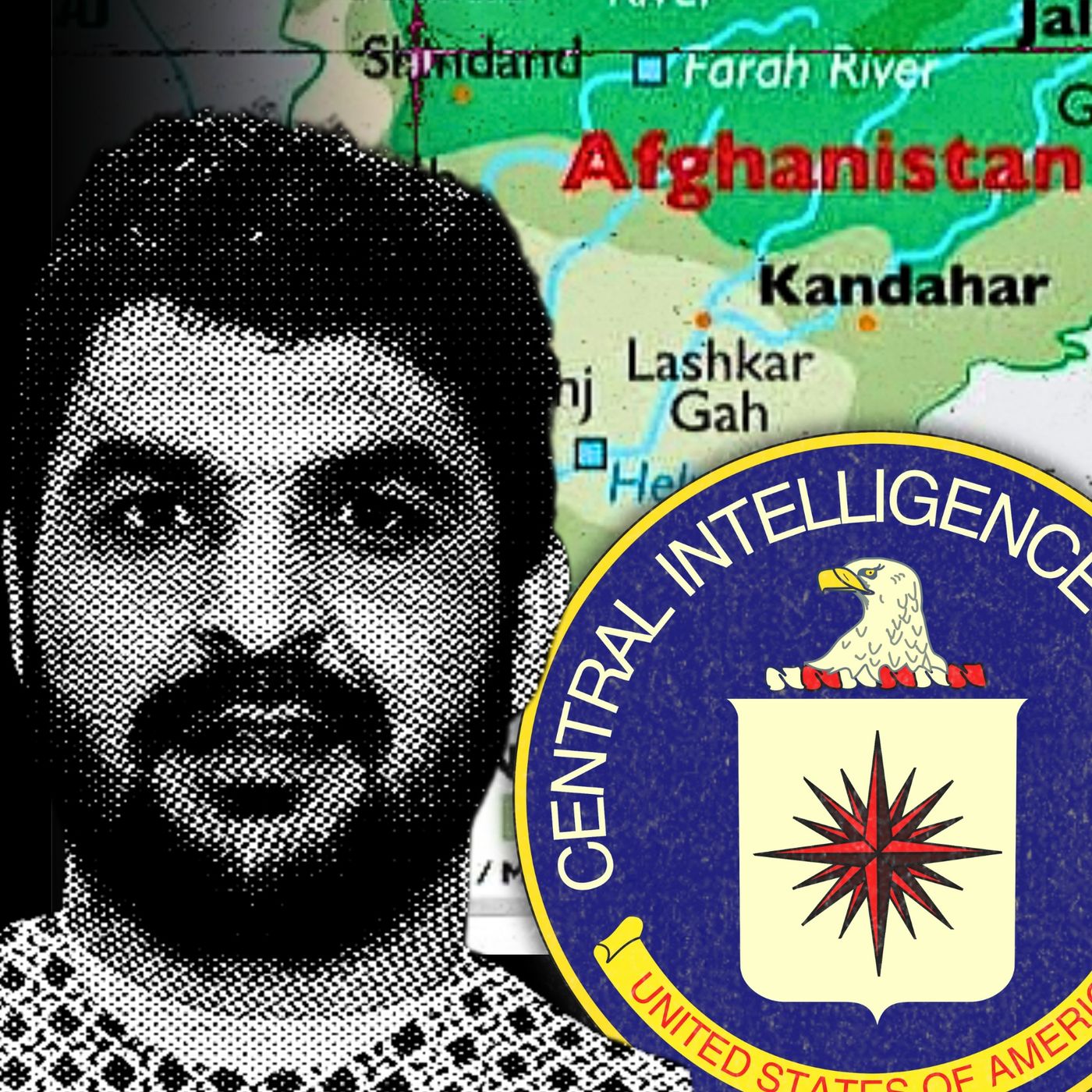
The Team House
The DC Shooter Worked for CIA | EYES ON GEOPOLITICS
00:53:16
In this episode, the hosts discuss various geopolitical issues, including a recent shooting incident involving National Guardsmen, the implications of PTSD on military personnel, and the challenges faced by Afghan allies seeking immigration to the...
Loading summary
Transcript99 lines
- [00:01]
Weight Watchers Narrator
If you're an H VAC technician and a call comes in, Grainger knows that you need a partner that helps you find the right product fast and hassle free. And you know that when the first problem of the day is a clanking blower motor, there's no need to break a sweat. With Grainger's easy to use website and product details, you're confident you'll soon have everything humming right along. Call 1-800-GRAINGER clickgrainger.com or just stop by Grainger for the ones who get it done. Weight Watchers now offers access to affordable GLP1s. It works for members like I'm Haley and I've lost 100 pounds. Weight Watchers has everything I need from weight loss medications to nutrition support and help with my side effects. It's all in one place. Weight Watchers handles the insurance for you and offers affordable cash pay options. With our program, our members are losing more weight with expert nutrition and side effects support.
- [00:55]
Mick Mulroy
I'm Mike and I've lost 135 pound watchers prescribing GLP1 medications. It's been life changing.
- [01:01]
Sharia
I'm Sharia and I lost 80 pounds on Weight Watchers.
- [01:04]
Weight Watchers Narrator
I realized that it would take more.
- [01:06]
Sharia
Than a prescription to lose weight and feel good on a GLP1.
- [01:10]
Weight Watchers Narrator
Better results, expert support, lose more weight, make it last.
- [01:14]
Andy Milburn
I can't imagine doing a GLP1 without Weight Watchers.
- [01:18]
Weight Watchers Narrator
Get started for as low as $25@weightwatchers.com GLP1. For over 60 years, we've helped millions of members find what works for them. Now it's your turn, Weight Watchers. Watch it.
- [01:30]
Dimitri Kontakos
Hey guys. Welcome to another episode of Eyes on Geopolitics. I'm Dimitri Kontakos. I'm here with Mick Mulroy. Andy Milburn going on as usual. Start off with we had that shooting incident that happened in D.C. where two National Guardsmen were shot. I believe one has passed away over the weekend. The other one is in critical condition. You know, it was a former Afghani. He was a, he wasn't a commander, he was a translator. Right. That worked for like the zero units that were connected with the CI, with the CIA make. You obviously have, you know, pretty intimate knowledge about what, you know, what the units were doing there and stuff like that. I saw a lot going on in terms, not, I guess politically where like, you know, the administration pulled away like any and all immigration and visas for like any pending visas for folks coming from Afghanistan to the United States. So there's, it's Become kind of this like back and forth. You see it in the veteran community and people who have worked with, you know, indigenous folks that helped us, you know, tremendously. We probably wouldn't have been able to do any of the things we did there without them. They're kind of being demonized and stuff. And obviously what this guy did was abhorrent and horrible and he should rot in jail. But I don't think that, you know, labels the entire community. Right. So Mick, what are you thinking about like that? I know you have, you're pretty tight with, you know, you know these people, a lot of these people and stuff like that. So you have intimate knowledge.
- [03:15]
Mick Mulroy
Okay, so I don't know this individual specifically. And I agree that this was a deplorable, cowardly act and the person that did it should be prosecuted to the full extent of the law. And now that this young soldier has passed who is simply doing her duty, the full extent of the law is going to include the potential for the death. So my thoughts are with the surviving soldier, the staff sergeant and obviously the family of both. It's just horrible. I do agree that don't condemn the entirety of the group based on the depraved actions of one individual. If you look at this year alone, we've had a service member run a car through people in New Orleans. We had and killed 14 people. We had another one. So the first one was the soldiers. Second one that I just off the top of my head attacked a church in Michigan Marine. The third one that I can think off the top of my head shut people on a pier in North Carolina, another Marine. So obviously horrible on all fronts. But we don't condemn the army and the Marine Corps in its entirety for the actions of those individuals. So that's where I'd start. And yes, I'm very familiar there's certain restrictions on what I can say the person to my knowledge, and this isn't from my bitten knowledge from being in the service in the agency, it's just from the press releases. He was a salter with one of the main units that we had over there and he, according to the Ken Media, 10 years he was in service and I could tell you that that unit saw some of the hardest fighting in Afghanistan. It was almost non stop. Right. So even if you look at folks that went over there and came back, went over, then came back on our side, these guys never left. So it was operations every night. I would like to point out, although it's not really relevant to this, is this idea that they were like a walking human rights violation is patently untrue. And if it was the case, then there's a whole generation of CIA officers and military officers that condoned it and essentially were okay with it because we were completely embedded in charge. So I just find that to be. It's one of those things. HCZ can't defend itself because we can't really talk. But it's just untrue, whether it's a foreign journalist writing it or a US and if it is the case, then they should have a. They should have had a DOJ investigation and the oversight committees should be going crazy. But you know why they're not? Because it's not true. That said so on, on. And I don't know the exact process. I was involved with the TF Dunkirk. This is long after I got out of the government of helping get Afghans that worked with us out and in this special Immigrant visa process, which is a law that was passed in, I think, the 2009 NDAA which gave the criteria, and I do believe that we had an obligation to get the ones out that met that. With the strong caveat that they still have to be vetted and if they're a threat to the United States, then that would void the obligation. Right. I think inherent in any obligation to bring you in and make you a potential citizen is that you're not a threat to our fellow citizens. So I do think what should happen here is they should follow the facts. This could. It's probably a PTSD thing. I don't know that. But if I'm looking at what happened, the revolver driving across the country, the ambush style thing. But again, the facts should lead or the facts lead, not speculation by me or anybody else. I don't think there's a problem with reviewing our vetting process, but I think we should accept that any vetting process is mitigation of a threat. It's never going to be elimination of a threat. And that includes us like going into the military or the CIA or vetting to be a doctor or a lawyer or whatever it's it is. I think we have a very effective system. There's nothing wrong with reviewing it to determine whether we actually do. That's one side of this. I also would strongly urge not condemning an entire population of people based on the actions of one. Obviously, that's un American. But some of the, you know, the flip side, not of that, but the flip side of relooking at who we're letting in is a lot of these countries don't have records. They don't actually have what we need to do vetting. Not, not this siv, because we kept those records. But a lot of people coming in from some countries, like, there isn't anything there there they can't really inspect. It is my understanding if. If that's not true, then, then I don't know why we would have a ban on them. If it is true, then we're going to need to review that. But that. Because this expanded from this individual in this program to, like, everybody coming from, you know, what is it, 30 countries, I would just caution that that should be reviewed. But ultimately, if we can do solid vetting, I don't think they should be restricted, but we should really look at our processes. I think that's very fair. But hopefully. And I saw several people who have been champions start coming out of these groups, and I, you know, on behalf of them, I appreciate that because it's not easy to be talking about this right now from that perspective. It's way easier just to be the one saying boot them all out and all that. And that's just not, I think, fair. Just like it wouldn't be fair to veterans to base. Base our value and worth on individuals that might have had a psychological event.
- [09:46]
Andy Milburn
Yeah, I, you know, whenever anything like this happens, there is always a surge of kind of a desire, understandable in the public for vengeance. Right. It's kind of closing the door, the stable door, after the horse has bolted. And yes, the, you know, the, the crimes are horrific. And so everyone feels compelled, of course, to say, to express rightfully sympathy for the victims. But these are such complex issues. Right. You know, Mick, you mentioned that PTSD was likely involved. Well, of course it was likely involved. You know, you mentioned, too, the scale of combat that these units were in. And, you know, I wish you could talk a little bit more about. About, you know, in general terms, about these units, because, yes, indeed, they were, and a degree of combat, and for a period far longer than most American troops could even imagine. You know, Americans rotated in and out, but the Afghans and the Iraqis, for that matter, they lived these wars. There was no escape from them. Again, you know, every time we start talking about this, we feel compelled to say, but what they did was horrible. But, you know, PTSD is an awful thing, too. You don't. And that sounds like such a vapid, facile thing to say, but it. It changes people traumatically. Right? I mean, doesn't it? You know, I mean, it. It turned it Makes good people do bad things. We know that. We have seen that. There's no denying it. We've. And, you know, on a. On a. On a. On a different scale, we've all known guys who've come back and taken their own lives as a. As a result of ptsd. And in every case that I've known of, in the months, sometimes years before, they have taken their lives. They were no longer the individuals that they used to be. So, again, I mean, this isn't. This isn't just an empty rant about the tragedy of life. It's the fact that we cannot. We want to feel this desire for vengeance. We want to strike back. We want to now say, okay, ban every Afghan from ever coming in. But that's not the solution, because the problems that cause, the things that have happened are infinitely more complex. It's the same thing with the Marines you mentioned, Mick, in the discussions that we had leading up to this podcast, the two Marines who did horrific things and murdered innocent people. Right. And you look back, though, at their career, they weren't always like that. So what changed them again? Okay, so what's the solution? Well, the solution, obviously, isn't to let these people off. And the solution, perhaps, is to.
- [13:03]
Mick Mulroy
Look.
- [13:04]
Andy Milburn
I mean, there's multiple things, but it's a social issue, deeply buried social issue. And the answer is not simply to cut off immigration. And last thing I'll say in this, Mick, I'm sure you agree. I like saying that anyway, because it gives me some sense of authority. But, you know, this country's made it hard enough for Afghan veterans, Friends of the United States to come in. The last thing that we need to do is make it even more difficult. That's my opinion. You know, we've deserted our allies in many ways. We've. We've raised barriers. We've left them, you know, not just the Afghans, you name it. I mean, before them, to some extent, Iraqis and. And, of course, you know, the Vietnamese. I mean, we haven't been good about. About enabling people who have helped us in these wars to come to the United States. We don't need to raise even more barriers. That's just my thought.
- [14:00]
Mick Mulroy
Good point. And we have a long history of, unfortunately, leaving our allies behind. And then the community, military intel, special operations community stepping up. Right. So I'm in Montana. If you go down to Missoula on a Saturday during the summer. Right. Not now, there's a farmer's market. And you get there and you'll see a bunch of Hmong A lot of Hmong and they have most beautiful vegetables, by the way. And you're like, how did you guys get here? Well, how did they get here? Because a bunch of CIA paramilitary and military special operations vets brought them from Laos when we decided we didn't want to do that anymore and all those people were going to get slaughtered. A lot brought them, brought them over. And Vietnam. Right. So there's, now there's a memorial in Arlington. Not a lot of people know it, but you can, you can google it, find it. To our indigenous partners from Laos and Vietnam and their service to the United States during that conflict. That's not any different with the Afghans who put it all on the line. And quite frankly, they've been annihilated by the Taliban for working with us. So I'm all about making sure that they are sound and not a threat. I think if they're going to review things now, they should also review who's helping them. Right. So sometimes you get into a status where you can be here but you can't work. Think of the problem with that. Right? So if there's something keeping somebody from going get gainfully employment and then we're complaining about them not being employed, you can see the problem there.
- [15:47]
Dimitri Kontakos
Right.
- [15:47]
Mick Mulroy
So. And I understand there's a lot of bureaucracy and there's only so much folks can do, but I think if we're going to do a review, if we see it, we ought to also do a review to how to help people essentially help themselves. So if they're in some status that doesn't allow them to work, let's change that. Let's change that and let them work and basically make a living and not be a burden to others, either taxpayers or other folks. It's a big issue of self worth. I think we all know that. So let's review it for everything, both suitability to be here and what are we doing to make them successful, because that's, I think, in all of our interests, including society at large. But again, absolutely horrible event and I certainly understand and share any outrage.
- [16:40]
Andy Milburn
Mick, what can you tell us about the program that he was involved in?
- [16:45]
Mick Mulroy
So it's, you know, obviously I usually just talk analytical stuff, but there's a lot out there on this program. It's a sensitive issue, you know, because it's easy to write about CIA stuff and then write all this bad stuff and the CIA generally doesn't answer. So I want to take the opportunity to point out that that's not the case. And I can tell you there's people in the US Military Special Operations, SOCOM all the way to the top, and the AHC all the way to the top that have worked on these programs and spent a lot of time, years, like myself with these programs. They, I think, to put it bluntly, we would have lost thousands of more soldiers, sailors, airmen and marines if it wasn't for these units. Not just what they're referring to as the zero units, but also the commandos and the other units that work directly with the US Military exclusively. If it wasn't for them, we would have lost. We can Google how many casualties they had. Those would have been Americans. Right? And by the time we left in that really disastrous withdrawal, very few Americans were on the front lines. We were losing very. Had very few casualties, which is why I was so opposed to just the way we left. Rather than leaving a residual force. We largely got to that position because of these other units, stepped up to the fight, and they did so without hesitation. And I think that has to be remembered. Another interesting point for these particular units is, is there was never a friendly fratricide ever. And that was an unfortunate occurrence in other units, but we never had one. We never one attempted one. In fact, when I was at the Pentagon, I would be asked because they did a review of the whole green on blue fratricide in Afghanistan. And I was pulled in not as the policy guy, but the guy who spent a lot of time with these units. And the question was why? I think it was because we were completely embedded with them. We had folks that went back continuously to the same area. And, you know, I'm not saying that wasn't done, but just wasn't really done, but by the military. And I don't really know the answer, but that's important point and it's actually been studied. So the idea that this person would come here and then do this is just, it's. It's an anathema to me. And it's just horrible, obviously for the individuals, but also for the community and everything that's been done by so many people to try to help these folks get into the United States. I just hope we review that and do the right thing going forward. And that's both the security of our citizens and also carrying out our obligations to those that should be here.
- [19:46]
Andy Milburn
You know, picking up on something that you just kind of mentioned, Mick, that perhaps people don't realize now because it's been a long time, but it's been 11 years since really the conventional war in Afghanistan ended. I know people are going to critique me for that. But that's true. Conventional troops pulled out basically in 2014. And from then on, the war was being fought by units like the agency and by special operations forces, by, with and through Afghan forces. You know, obviously in the end, the war was not successful, but by and large, those efforts were more successful. I'm generalizing here than our law, than our conventional type operations. And that's kind of a trend. Right? Wouldn't you agree? See how I do that? But, you know, the lighter touch that we have with more specialist troops, the better we do. Now. You think about El Salvador, you think about Colombia, you think about the Afghanistan after 2014, as you put it, that we were continuing the war, we were holding ground, we were doing relatively well with very. With relatively low casualties because of our use of indigenous troops and special operations troops. It's a really. It's kind of an interesting comment. And yet when we go in large scale conventional forces, we kind of make ourselves a target. And operating in that sort of environment and counterinsurgency does require. It requires specialist troops. People are going to disagree with me for that, but it does. You know, I think about our time. I was with a conventional infantry unit. I was commander of a conventional infantry battalion before I went over to special Operations. And yeah, we did. You know, of course, we. I like to say we did a great job, but we paid heavily for it. And the average battalion going through Anbar back then was losing. You know, this is no exaggeration, between 25 and 45, sometimes higher than that, dead and several hundred wounded. And our gains were very temporary. But then going back as a commander of a siege of Sodef where we took very few casualties, we were able to have tremendous effect on the Islamic State. Yes. Different environment. But my point is simply this. That is, I think an important thing to learn about going ahead. That the light touch is maybe we consider going into Venezuela now that it's that the big invasions just don't work so well for us. Right. But the influence, the putting in of highly trained teams to work with indigenous forces, that's worked pretty well over the years. Even in campaigns, things did not.
- [22:54]
Mick Mulroy
I agree. In fact, I mean, we obviously have the best, most powerful military in the world. Conventional forces are what's going to be necessary to fight and win wars. Right. But the long term irregular warfare type scenarios of counterinsurgency, it's in many ways counterproductive. It's counterproductive as it tends to build more insurgents. It's counterproductive because it's very, I mean, politically sensitive, which matters in a democracy when you see young men and women coming back and wars don't have an end date. So it's, it's absolutely essential that we have the ability to do partner force operations in these long term low intensity conflict, although they don't look so low intensity to the people that are in them. But you know what I mean, it's, it's imperative. So, and this is now, now you can see how this is coming back around on each other. In order to have the ability to do this, you have to have trust.
- [23:52]
Weight Watchers Narrator
You know, this is the new Weight Watchers. It works for members like Joj, who's learning simple, healthy habits. Sharia who's making progress with meds, and Kim who still gets to eat what she loves. For over 60 years, we've helped millions of members find what works for them. Now it's your turn. Watch your life open up. Watch your story shift. Watch what you're capable of. Watch it work. Get started today@weight watchers.com did you know.
- [24:23]
Rebel.com Advertiser
You can save up to 70% on the best brands just by shopping at from rebel.com we're talking about strollers, cars, car seats, high chairs, espresso machines, cookware, everything you need for way less. Here's how it works. Every single day, Rebbl drops thousands of new products on the site for up to 70% off. It is a constant stream of endless deals from top brands like Uppababy, Nuna, Baby bjorn, Breville, Nespresso, KitchenAid, Le Creuset and more. But you have to act fast because every deal is one of a kind. So if you see something you love, make sure you add to cart fast. So stop paying full price when you don't have to. Whether it's baby gear, kitchen upgrades or a treasure for your home you didn't know you needed, Rebel has it for way less. Up to 70% less. Shop from rebel.com and save big.
- [25:18]
Sharia
You know that goal you set at the start of the year. You can still do it. Whether you're committed to a thru hike with friends, lifting heavier or simply walking more. It's not too late to stick with it and make your future self proud. Especially with the all in one nutrition shake from Kachava. Because quality nutrition shouldn't be complicated. Just two scoops of Kachava's all in One Nutrition Shake and you've got 25 grams of protein, 6 grams of fiber, greens, adaptogens and so much more. Plus it actually tastes delicious. No fillers no nonsense, just the good stuff your body craves. So instead of adding to your backstock of supplements that over promise and under deliver, simplify your progress with just two scoops of the highest quality ingredients. Stick with your wellness goals. Go to kachava.com and use code fitness for 15% off. That's kachava.com and use Code Fitness K A C H-A V A.com code fitness.
- [26:18]
Mick Mulroy
If you don't maintain your obligations, if it's simply everything's temporary and no commitment is valid, it's going to make it very difficult for the US to do significant partner force operations in the future. And not that I'm running to get into the next one at all, but if it happens, we have to have the ability to do that. And it really is a combination of the advisors, for lack of a better description, and the force itself. It's a combination of the two. You can't just have like some remote proxy force like Iran does and expect it to be that effective. It has to be the combination which fuses experience, operational planning, intelligence, support, all these things in with a unit that's willing and able to have this joint mission and of course abide by human rights just like it was a U.S. unit. But that's going to be necessary going forward. You never know what's going to happen. And we tend to find ourselves in more regular wars than we do conventional wars. But we have to be ready for both. And I think this kind of ties the two together. And I know, I think we're talking about Venezuela next. Hopefully we're not talking about a long term counterinsurgency operation there, but we need to have the capacity in our quiver, if you will, going forward. You know, I was, I was there when we did the irregular war fanatics. That was a big part of it. You know, we got to understand that the history of warfare is primarily, if you look at the majority of them, irregular. Right. So we have to be able to do both. And one's not better than the other or anything like that. Conventional forces, you know, if there's, if, you know, if there's a third world war, you know, the special operations folks like myself and Andy are going to be, I think, participants. But a sideshow compared to the major efforts are going to be conventional. But the irregular wars, we got to be ready to fight it. Part of it is having a word that you can trust from all the groups around the world.
- [28:24]
Andy Milburn
The other thing that I thought was very interesting that you said, Mick, about the low number of incidents of green on blue. And by the way, for everyone, green on blue is when we refer to that as intentional fratricide, right from our partner nation, indigenous forces. And that became a prevalent trend in Afghanistan. Sadly, for a period of time towards the end of conventional force involvement, these advisor teams were taking casualties. Not from the Taliban, well, from, from hidden Taliban as it were among Afghan troops. And yet among special operations forces, those incidents were far lower. And I think, you know, what is different? I think part of it is, and again, you hit on this, Mick, was just the nature of how we operate. The special operations forces operate deeply embedded in indigenous forces. They don't go home in the evening to a separate camp. You know, the contrast was clearly there in Afghanistan. You can look at the numbers and the fact that yes, fratricide, it did occur on the special operations side, but it was at a lower level rate. And in Iraq it was almost unheard of among special operations forces. And yet it did occur among some of the advisor teams and certainly against conventional forces. I mean, in Mosul, 2005, Forbe Mahrez, one of the worst suicide bombings in Iraq against US troops occurred. Sadly, an Iraqi soldier blew himself up in the Mess hall on Fob Mares, killed 14 soldiers, number of contractors and some locals. And yet, you know, I was, I was in Mosul at the time, living in a, in a ruined hospital with Iraqi, an Iraqi company with, you know, six other gringos and same, you know, literally living in the same room as these guys. And it never, just never occurred to us, you know, even after that incident. And I think it gets to, you know, why am I talking about this? Because it gets into the nature of what special operations do, right? Our security is that trust, that sense of shared danger with people. And I know, for instance, serving in Iraqi, with an Iraqi battalion as advisor, I know some of those dudes were bad dudes, but for some reason they didn't try and kill us. You know, perhaps because we were maybe just too close to them, I don't know. But it didn't happen. But again, it gets back to this mentality of what is security, right? Security is not, is not. And the Israelis learning this will learn this, have learned this. Security isn't putting itself behind layers of security, fences and high tech automated weapons, et cetera, et cetera. Security comes from really understanding not just your adversary, but the, but you know, the population, the people you're working with, what motivates them. And as, as hokey though it may sound, it comes with sharing their experiences and the danger with them. And the last thing I'll say on that is, so returning as siege of Soda Commander to Iraq in 2016, when there was this policy of remote advise and assist. I don't know if you remember that, Mick. You know where you virtual advise and assist, right. You had this virtual kit that you could give your partner, and they went on and fought the enemy, the Islamic State, and you stayed on the FOB and you could track them like it was a game. Right. And you knew where the lead traits were so you could call in air support. And there were people who really thought that was going to work just as well as having soft teams moving with, living with Iraqi, Iraqi and Kurdish security forces. And of course, we learned that. No, it doesn't. In the end, we ended up having to accompany them. And of course you do. And there's always going to be that human element. It's never going to be replaced by technology. And that is, you know, that's your security and that's your path to success, really, in those environments.
- [32:54]
Mick Mulroy
Yeah. And if I could, I'll throw in something for D here. There's a pretty famous episode in Greek history during the Peloponnesian War and Sicily, right. So Sicily was aligned with Sparta, and the Athenians had decided to go take out basically a proxy or partner with Sparta. Sparta couldn't, you know, obviously was outnumbered during the whole Peloponnesian War. Couldn't send too many. So they sent what would be what we would call advisors, like six of them.
- [33:28]
Andy Milburn
Right.
- [33:29]
Mick Mulroy
And there's a. It's actually written about as the Athenians were coming up and they were trying to take the last elevated area that the Sicilians were in control of. And then they saw the Scarlet Capes, right. They saw the Spartans standing there. And part of it was just already the Spartans had the reputation of the ultimate warrior. And part of it, they didn't know how many more Spartans would be coming. But it completely changed the battle. It inspired the Sicilians, it challenged the fortitude of the Athenians who were slaughtering the Sicilians until then. And so I use that often because it really does, I think, show what advisors or special operation forces, Green Berets, SEALs, MARSOC raiders, paramilitary folks, can do with a willing and capable indigenous partner force. And it's not new, obviously, that was Peloponnese War, but it has that effect. And I think we could do a lot more, which would save a lot of American lives if we embrace that as one of our main models in irregular warfare. And it can play a Part obviously in a substantial confessional fight too. Right. Because that was as we saw in the last 20 years we had both going on at the same time. So it's almost always relevant. And I know this is. We've gotten now talking about partner forces, but it does have relevance to what we started which is this, this event. Terrible.
- [35:12]
Andy Milburn
Hugely. You know and I think, I think conventional forces understand that, but they, but I don't think that for instance Army Marine Corps leadership has struck the right turn in how do you select and train these guys? Right. It's not any soldier Marine can do this type of stuff. That's why special operations guys tend to be so good at it. But they're low density, high demand. So you know there have been efforts like building this SFAB brigades which have now been, you know that that plan has been abandoned. And in, in the Marine Corps I know we.
- [35:54]
Dimitri Kontakos
What does SFAB mean?
- [35:56]
Andy Milburn
Security Force assistance. Right. Brigade. So they were brigades whose sole mission was to do what we were talking about working with indigenous forces. The British have formed a Raider regiment and not Ranger regiment right out of you know, it's not, it's mission not the same as U. S. Raider regimen. Sorry. Okay. Ranger. I keep defaulting to the Rangers do real well too. Yeah. But you know, but it, they formed a Ranger regiment out of three infantry battalions and their purpose was security force assistance which is, you know, working with foreign militaries because everyone realizes that. Yeah, that's. That that is one of the aspects, likely aspects future war. And we could talk on this show about the rise of private military companies too and the, the resurgence of private military companies across the battlefield. You know, whether you're talking Ukraine from my own experience of, you know, most recently in Israel because they fulfill a lot of, you know, a lot of functions. Of course using soldiers to do the same thing is a little bit different. The governments have more skin in the game, but nevertheless the principle is the same that you're leveraging foreign forces to do frankly your dirty work. Right. To take the casualties with the brunt of the fighting. And it's, it's, it's a good idea. But striking that right formula of using the right guys because again not every soldier or marine makes a good advisor. So you have to have some kind of selection process. Maybe it doesn't have to be as tight as the special operations selection process, but you need something there.
- [37:52]
Dimitri Kontakos
There's a unit called the. What's it seesaw in Canada. I think they do fit and also like direct action.
- [37:58]
Mick Mulroy
They're Like a mix.
- [37:59]
Andy Milburn
Yeah, it's Canadian Special Operations Regiment.
- [38:02]
Dimitri Kontakos
Yeah.
- [38:02]
Andy Milburn
Very, very similar actually in makeup to the Marine Raider Regiment. We, I had contingent of those guys in the siege of Soda in Iraq. They're very. They're very good for Canadians.
- [38:21]
Dimitri Kontakos
We just had a guy on too, a few weeks back on the team house that was in seesaw. Who was in. Yeah, who's there? Also, if you guys are interested in learning more about the Zero units or the Omega teams or whatever, Jack Murphy and Sean Naylor wrote a pretty in depth article about them on the high side, so you could check that out. No comment from Mick. I think Mick was commented in it, but he. You didn't. It was like you didn't do anything. It was like a normal regular comment. You didn't confirm or deny anything. Yeah. So let's push on to Venezuela and what's going on there. It seems like, you know, every week we're. We're hearing more and more that it's going to happen. More staging happening. There were some pictures that came out today of some F35s and stuff like that. In Puerto Rico, President Trump tweeted out something that like. Like what is it? It was like an unofficial no dam, basically. Like no one should be flying or doing anything near around the area of Venezuela. Where are we at with that? What's it look like? Is there any diplomatic talks? Why are we even doing this? I mean, we've asked that question a million times.
- [39:37]
Andy Milburn
Yeah. Have you noticed before Mick says something that's insightful and serious? Have you noticed though, that when we talk about Venezuela, our numbers plummet? No one gives a shit. I mean, we could be, I think.
- [39:53]
Dimitri Kontakos
The national security, like people who are interested in this world do give a shit. But I think for the vast majority of American citizens, they can give two fucks.
- [40:02]
Andy Milburn
Yeah. Doesn't affect their lives.
- [40:03]
Dimitri Kontakos
No.
- [40:04]
Mick Mulroy
Only 30% support any military action in Venezuela. But the buildup is there. Right. We've talked about it a lot, so I don't reiterate. Everything's set for some kind of action. And when you're making statements like closing the airspace over an entire country, one can expect that that means something. Unless this is some giant bluff. We have also talked about how poorly run Venezuela is and how abhorrent Maduro is, which is all true. Just to give you an idea, it should be one of the wealthiest countries in Latin America has been said of that. And 8 million people had to leave the country because they couldn't find food. Right. So it is terribly run and Maduro's illegitimate. So if they were to uprise and install somebody like the recent Nobel Peace Prize recipient Maria Machado, that'd be great. I just don't know how we can necessarily orchestrate that unless that's what's going on right now behind the scenes with the clandestine diplomacy, if you want to call it that, probably led by the agency. If he leaves then I think he will get credit. He'd be in. The President will get credit for Oy conge and that would be good for the people of Venezuela if it doesn't work and there's stuff on the Internet saying that he is scared to try to leave because there's Cuban intelligence officers around him that won't let him. I don't know if that's true then it's either a big bluff or we do something. And I think this something is probably going to be limited to airstrikes. But it's important to note that if we start, you know, attacking them, even if it's the drug infrastructure which could include ports, airports, they might attack us. Right. So conventionally it's not even a match. But it's important to point out they do have anti ship missiles air launch from the SU 30s. I think they have KH31 Alphas which are Russian made supersonic launch from an aircraft. I think there's like 140 kilometer range and they do this weird deal where they. It's kind of like nap the earth or the ocean. It stays very close so it makes it very difficult to intercept. And then as you get closer it gets closer and closer to the water.
- [42:36]
Andy Milburn
Right.
- [42:38]
Mick Mulroy
They are effective against destroyers which we have destroyers, I'm not an expert in that. If we have listeners that are, they should hopefully they'll chime in and say yeah, it's a threat but it's not that big of a threat. I think from people I talk to that they're like yes, it is a threat. And if they launch them all at the same time it could be problematic. But we have a lot of ways to mitigate it. But my point being is we blow up a drug factory, they launch these anti ship missiles and there's also sea based ones so they have Iranian versions. One destroyer's hit casualties Americans. That's how this escalates. We all know us, if we take casualties, we're not going to stop, we're not going to say okay let's turn around and go home. That's not the way America rolls. That's how this could escalate. So I would just highlight that that is a potential. And if we are actually going to do any kind of ground based operations with troops, potentially like special operations to apprehend Maduro, that brings a lot of risks too. A lot of risks. You know there is, the place is completely apparently submersed in surface to air missiles thanks to Russia. So that's also a significant issue. We dealt with that before. I'm not saying that means we don't go, but these are the risks that the administration is taking, especially with the level of support that you pointed out of the American people and no authorization of Congress that I can see. So that looks like where we're headed. Your guess as good as mine, but we see all the indicators. This is either a big bluff and hopefully it works or they're going to have to transition into an actual air missile campaign or something to that effect in Venezuela and that brings risk with it. I would, I think, you know, not that anybody's asking me if this is where we were headed, I would seriously talk about the consequences, the worst case scenarios and try to bring the US population on board rather than just drive toward it. Listen.
- [44:51]
Andy Milburn
Yeah, it kind of gets back to the, the end of the day. What, what do we get out of it really? How are, and, and it's a, I'm not arguing either way. I'm just, I don't see, I suppose I am. I mean, I don't see, I don't see solid American interests being forwarded. And as you pointed out, there's a significant risk. I mean, we've all been at the pointy end of American foreign policy before. And sometimes when it's for a coherent purpose, of course that's the way it goes. And when there are discernible American interests that justify that risk. But it's hard to discern what those interests are right now. They're not connected to the drug trade. Are we going to overturn an unpopular and tyrannical despot? Maybe, but we don't have a good history in doing that either. I mean we can overturn them, but we're not good at dealing what comes afterwards. And we just don't seem to be collectively learning that lesson.
- [45:56]
Dimitri Kontakos
Right. And there's no guarantee that Machado is going to be like on a ticker tape parade and they're going to crown her queen and everything is going to be perfect and democratic. Right.
- [46:05]
Mick Mulroy
It'd probably be his henchmen that take over. So that's a very good point. The other thing, of course, if we go into a Full conflict. Our adversaries are going to make hay of it. So Russia, Iran, all of them. And the issues that we're concerned about, Venezuela could likely intensify. So they already have a significant humanitarian issue thanks to the incompetence of the government. 40% at least are on humanitarian assistance of the country. That could go up to 80. Right. If there's an actual conflict. And what are they going to do? They're going to leave? Are they going to try to come here? That's an issue that's caused the consternation against Maduro. Potentially a large scale conflict could enhance it and give our adversaries an opportunity to try to further embed themselves in a country in our hemisphere. So these are all. I mean there's never going to be a right or a perfect decision in this complicated manner. But hopefully all these factors are being considered when it comes to. Because this could go in the wrong way and.
- [47:11]
Andy Milburn
Right.
- [47:11]
Mick Mulroy
And even at the start there doesn't seem to be a US interest from the population, from the polls in doing anything against them because the poll question is simply military action which could include just airstrikes for one day. Right. So this should probably be talked through and they should either gain some support or rethink what they're doing. Obviously I think stopping the drug flow is important, but this is well beyond that. Colombia, Peru, even Mexico are bigger contributors to the drug and I don't think anybody's talking about going to war in all three of those countries.
- [47:56]
Dimitri Kontakos
And yeah, you could just keep double tapping narcoboats, you know, to stop the drug flow.
- [48:03]
Mick Mulroy
That's gonna be. We have to see what the true facts of that are. That's serious, serious situation. I think that that should basically let the facts and it shouldn't be condemned.
- [48:16]
Weight Watchers Narrator
Weight Watchers now offers access to affordable GLP1s. It works for members like. I'm Hailey and I've lost 100 pounds. Weight Watchers has everything I need from weight loss medications to nutrition support and help with my side effects. It's all in one place. Weight Watchers handles the insurance for you and offers affordable cash pay options. With our program, our members are losing more weight with expert nutrition and side effects support.
- [48:41]
Mick Mulroy
I'm Mike and I've lost 135 pounds. Weight Watchers prescribing GLP1 medications. It's been life changing.
- [48:47]
Sharia
I'm Sharia and I lost 80 pounds on Weight Watchers.
- [48:50]
Weight Watchers Narrator
I realized that it would take more.
- [48:52]
Sharia
Than a prescription to lose weight and.
- [48:54]
Weight Watchers Narrator
Feel good on a GLP1 better results expert support Lose more weight, make it.
- [49:00]
Andy Milburn
Last I can't imagine doing a GLP1 without Weight Watchers.
- [49:04]
Weight Watchers Narrator
Get started for as low as $25@weightwatchers.com GLP1 for over 60 years, we've helped millions of members find what works for them. Now it's your turn. Weight Watchers.
- [49:15]
Fora Travel Advertiser
Watch it work from taco night in.
- [49:17]
Mick Mulroy
Tulum to sushi in Tokyo, make every.
- [49:20]
Dimitri Kontakos
Bite rewarding with gold from Amex. Wherever you dine four times Membership rewards.
- [49:24]
Mick Mulroy
Points at restaurants worldwide are piling up. Learn more@americanexpress.com Explore Gold terms and points.
- [49:31]
Fora Travel Advertiser
Cap apply Ever feel like planning a trip is almost as fun as taking it? Hotel comparisons, Restaurant reservations? A perfectly timed itinerary? What if your love of planning travel could actually become a source of income as a Fora advisor? It can. Fora is a modern travel agency built for people who love to plan travel and help others travel well. With best in class training, powerful booking tech and a vibrant global community of experts sharing real insider knowledge, you can confidently build your own travel business on your terms from anywhere. Every hotel cruise and experience you book earns you commission. And with access to more than 7,000 preferred travel partners, from iconic brands to boutique gems, you'll unlock VIP perks like upgrades, resort credits and late checkout, the kind of elevated travel experiences most travelers never get. Now's the time to turn your passion for travel into a fulfilling business with Fora. Become a Fora advisor today@fora travel.com advisor. That's f o r a travel.com advisor.
- [50:33]
Mick Mulroy
That'D be condemning folks up and down the military chain of command. And I don't think that's fair to them just based on.
- [50:39]
Andy Milburn
Yeah, yeah. Because, you know, and I, I don't need. We don't need to go down this path five minutes from the end of the show. But. But this whole thing about following orders. Illegal. Illegal. It's. They. One of the hardest parts about this topic is there isn't always a clear distinction between legal and an illegal order. I mean, there just isn't. You know what I mean? We've. There is. When you look historically, right, because the victor decides what is legal and what is not illegal. So quite rightly and Mick, I know you saw this movie. I want to see it quite rightly, we held the Nuremberg trials and that was good, right? Not just because we're the victors, but those were in accordance with international norms. And there are such a thing as international norms of behavior and murdering people, killing unarmed civilians, killing innocents Killing prisoners, let alone, you know, what happened during the Holocaust. All those things are clearly on the dark side of good and bad. Right? But there is definitely a gray area. And when you're working for. When you're serving the military of the United States of America and your automatic default is that what you're going to be ordered to do is legal, it's not always easy to tell what is legal and what is not. We've dealt with this ourselves in our own recent history with enhanced interrogation. Okay. And I'm not, you know, I'm not taking sides on. On that. I'm saying that Supreme Court came out and said subsequently that a whole bunch of stuff was illegal that at the time, people. Some people thought was legal and were ordered to do. You know, so it's not easy. And people need to be aware of that. It's not. You know, I think a lot of us senior military leaders, I hope, are knowledgeable enough and think enough about that profession that they know that there is that gap. There's that space where we are supposed to not be automatons and simply follow orders. There's supposed to be a space where we make that decision, deliberate decision. Is this a legal, ethical order? Right. And that is why we're the United States of America. And that is why those of us who held commissions held commissions. Because we're not automatons. We don't simply. We're not something. You press the button, we do it. And if we don't do it, we're disloyal fucks and we get charged with treason. That's not the way the United States military works. It's an immensely. It is a complex issue. So I just want to throw that out there without. Without jumping on either side. Just to say that in this debate right now about illegal and legal orders, it's clear to me that many people do not understand the issue.
- [53:32]
Mick Mulroy
And they're going to do an inquiry into this from the Senate Armed Services Committee. I mean, that was said by both the chairman and vice chairman. So that should be what leads this. Not just, in my opinion, speculation. Based on one.
- [53:51]
Dimitri Kontakos
Yeah. And it is good to see the Senate actually doing its fucking job for once.
- [53:56]
Mick Mulroy
Oversight is supposed to be done over every element, really, especially in national security. You know, this oversight committee on Foreign Relations, Military intel. And that's their job. Bipartisan review. And yeah, you're right. They need to. They need to do that. Not just because there's an article written up. It's just in general.
- [54:16]
Dimitri Kontakos
That's their job. Yeah. Right. It's what they're paid to do. A part of, why they get paid, why they're on those committees. And.
- [54:24]
Andy Milburn
Yeah, Congress is supposed to do many things constitutionally. Right. I mean, they, they, they don't always. But I, I mean, I agree with you. The Senate is generally the, the more mature, obviously, the more mature chamber. But they. You. You hope that Senate can be counted upon to carry out their constitutional duties regardless of. Regardless of political affiliation.
- [54:53]
Dimitri Kontakos
Sure. I mean, yeah, I brought it up because of. I brought it up because of, like, the, the vote that they did to not have a vote about.
- [55:00]
Andy Milburn
Yeah, we talked about that. Yeah.
- [55:02]
Dimitri Kontakos
Yeah, that's why.
- [55:04]
Andy Milburn
And, and that's concerning because the role is oversight. The role is absolutely supposed to be a check on the power of the executive. I mean, that's part of, that's all part of our Constitution. Right. It's supposed to be messy and at times a seesaw. That was the intent of the Founding Fathers. I know that's an overused argument, but it's absolutely the case we should be frightened by the prospect of a weak Congress, of a Congress that does not ever want to challenge the executive, regardless of who's in power.
- [55:38]
Dimitri Kontakos
Anything else, guys?
- [55:40]
Mick Mulroy
That's it.
- [55:42]
Dimitri Kontakos
I want everyone listening and watching to do us a favor. I want you to like and subscribe. I want you to rate it 5 stars on Apple or. Or Spotify. I want you to check out Mick's new podcast, the Pub and the Porch, Applied Stoicism. Those links are in the description as well. Andy Milburn's got a great book, when the Tempest Gathers. That link is also in the description. And you two are working on something new that should be coming out soon, and I'm excited about that. So I don't know if you want to say anything now or. We'll hold it for later. It's up to you guys.
- [56:13]
Mick Mulroy
Unless you want to talk a little bit. Let's. Let's get it done first. So we're talking about. Yeah, we are working on it. It's. It's. It's real. We're working on. It's a regular warfare study.
- [56:26]
Dimitri Kontakos
Yeah. So, you know, keep your eyes on. Ears off for that. We'll obviously let you guys know when it comes out. And thanks, guys. This is great.
- [56:35]
Andy Milburn
We're. We're also awaiting our invitation to the team house Christmas party.
- [56:41]
Dimitri Kontakos
There is no team house Christmas party this year. I don't know. Just decided against it. You guys wouldn't have came anyway. You're halfway around the world. Mick is too is in Montana virtually.
- [56:54]
Andy Milburn
How the mighty fallen and the weapons of war perish. Thanks, guys.
- [57:00]
Mick Mulroy
You guys gonna have to come out here one time and do it at the Whitefish via bfw. I'd love to talk from the Whitefish vf.
- [57:09]
Andy Milburn
Yeah.
- [57:09]
Mick Mulroy
Crazy bunch.
- [57:11]
Andy Milburn
I bet it is. No shortage of snow either, I would imagine.
- [57:16]
Mick Mulroy
No, not at all.
- [57:17]
Andy Milburn
Is that snow in the background?
- [57:18]
Dimitri Kontakos
Yeah.
- [57:19]
Mick Mulroy
Oh, yeah.
- [57:20]
Andy Milburn
Great.
- [57:22]
Dimitri Kontakos
Everyone must be happy in Montana. Thanks, Mick. Thank you, Andy.
- [57:25]
Andy Milburn
All right, fellas. Hey.
- [57:27]
Sean Naylor
Hey, guys. I want to tell all of you today about a new newsletter that we're launching that encompasses both the Teamhouse podcast, the Eyes on podcast, and the High side news outlet, which I run with Sean Naylor. The newsletter is going to be once a week, it's going to come into your inbox and you're going to get the most current podcasts on Eyes on and the Team House and whatever's topical or current on the High side. So it's another way for us to get the information out to you. As social media algorithm algorithms are pretty iffy and you never really know what you're going to get. So this is a once a week email. It'll slide into your inbox and it will have, you know, the greatest hits of that week.
- [58:08]
Mick Mulroy
It's really good, man.
- [58:10]
Andy Milburn
Checking it out.
- [58:11]
Sean Naylor
The website for it is teamhousepodcast.kit.com join teamhousepodcast.kit.com Join go there and you enter into your email list, or you enter your email into the little thing on the website and you're good to go and that'll be it. So we really appreciate your support and hope you'll consider signing up. The link will also be down in the description if you're looking for it there.
- [58:39]
Mick Mulroy
And that's Teamhousepodcast, Kitkit, Kilo India, tango.combackslash join.