← The Times Tech Podcast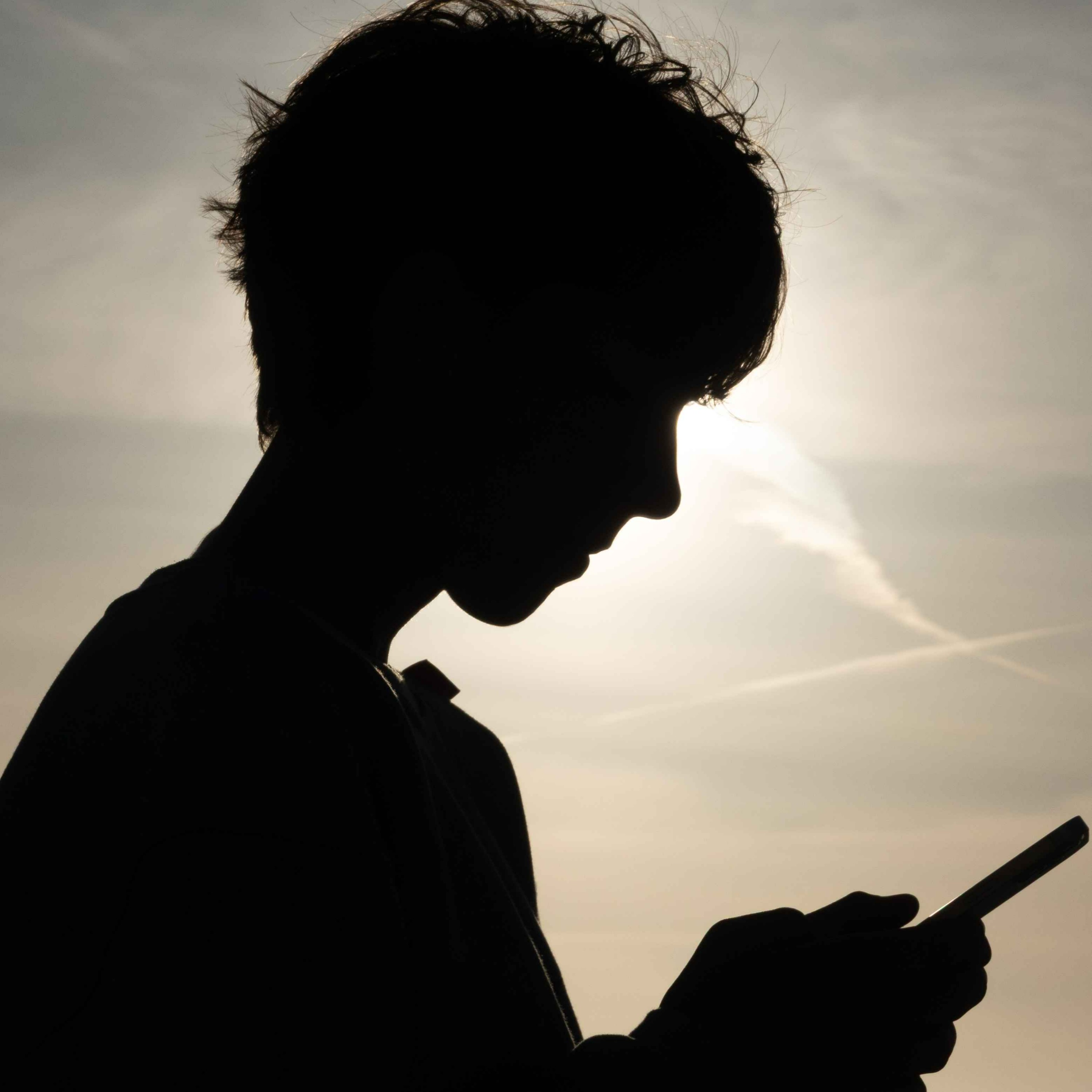
The Times Tech Podcast
Keir Starmer vs Big Tech - the UK's under-16s social media ban
00:34:22
Plus Trump kills Anthropic's Mythos AI
Loading summary
Transcript110 lines
- [00:00]
Katie King
Foreign.
- [00:08]
Katie Prescott
Hello and welcome to the Times Tech Podcast, where each week we unpack how technology is reshaping business, culture and everyday life. I'm Katie Prescott, finally back in the City of London after a busy week of hobnobbing. And I know, I know we promised you that replacing Danny this week would be Norman the AI chatbot, but we have gone one better and I am joined by my brilliant colleague, Mark Selman. And I'm so pleased you're here, Mark, I can't tell you.
- [00:43]
Mark Selman
Do you really mean that?
- [00:44]
Katie Prescott
I do.
- [00:45]
Mark Selman
Because, like, you gave Norman such a big kind of billing.
- [00:50]
Katie Prescott
I mean, sorry, Danny's not here. I was just bigging him up to kind of make Danny feel bad. Okay, but you are the person who's been most across the social media ban that was finally introduced on Monday. It feels like Will they, won't they? Has been going on for ages.
- [01:06]
Mark Selman
Yeah.
- [01:07]
Katie Prescott
So we are going to unpick a lot of that today and we'll be
- [01:13]
Mark Selman
answering all your burning questions about it. Which platforms will be banned, how it will be enforced and actually, will it work?
- [01:23]
Katie Prescott
Everyone has lots of questions. My 11 year old was peppering me with things that I don't know the answer to because it's not something that I've been as across as you have. So we'll get into all of that. And we're also going to be talking about another massive ban which came in right at the end of last week, which was the White House putting an export ban on two AI models from Anthropic, which has been a massive wake up call not only in the States, but also over here in Europe and the uk, where everyone is wondering, if he can ban that, what else can he ban? And we'll also be hearing from the founder and CEO of Bio Orbit, which is a space tech business, about her mission to build a lab in space and transform the way that we treat cancer. A little reminder as well, we are now also terrifyingly being filmed and this is on YouTube, so head to the Times business page if you feel like watching. So, Mark, let's dive straight into the social media ban because huge news this week and actually huge news on my parent groups who are all delighted about this, that under 16s in Britain are going to be banned from using social media from next year. Huge numbers of questions though, as you said, about how it's actually going to work and what it means. How will it work? My 11 year old said to me, quite fairly, won't people just get their older brothers and sisters to log in for them.
- [02:49]
Mark Selman
And actually, funnily enough, this week, the companies that have to deal with the age checks, they admit that. Collusion, they call it.
- [03:00]
Katie Prescott
What. When you get your older brother to
- [03:01]
Mark Selman
jump in, collusion in their technical speech is hard to get round. But they say that's the same with booze. When your older sister or brother goes to get some, yeah, it's the same, but this isn't always about the edge cases, it's about the middle. But should we go back to the beginning and just try and kind of work out how we got here? Yeah, it's been a. I mean, it's been a journey.
- [03:23]
Katie Prescott
Well, six months.
- [03:24]
Mark Selman
Six, like, almost exactly six months ago, Keir Starmer said no blanket ban. I don't like him.
- [03:30]
Katie Prescott
So what's changed?
- [03:31]
Katie King
Why.
- [03:31]
Katie Prescott
Why now?
- [03:32]
Mark Selman
Well, the politics of it changed, that's for sure. So his backbenchers made pretty clear in large numbers they wanted a ban. That was, you know, point one. And then obviously, his position as leader came under pressure from two rivals who made it clear they wanted to go a bit further on this issue. One of them definitely backed a ban. And actually, parliamentary wise, you know, the opposition, the Tories and the Lib Dems played a pretty canny game in Parliament, using lots of mechanisms and lots of ways to force the government to. To essentially promise to do something. But I think also they just realized it was really popular amongst. Amongst adults, obviously, and not amongst the teenagers who they want to give a vote.
- [04:20]
Katie Prescott
I mean, as I say, like, from what I've seen on parent groups, and my kids are younger than yours, everyone is delighted about it. I think they feel that it gives them the right to say no to their kids. Sort of a sense that it gives them more authority, that stops them perhaps being an outlier in groups where, you know, often if you feel like other people's kids or your kids are saying, my friends are all on social media, you've got to let them.
- [04:48]
Mark Selman
Yeah.
- [04:49]
Katie Prescott
So it does feel university for me. I mean, how has the reaction been?
- [04:53]
Mark Selman
If you listen to the statement in Parliament, I mean, virtually everyone that stood up, whichever side of the house they were on, basically supported it. The only difference was the opposition liked to crow and said, what took you so long? And you're just following us. But. But essentially there was massive support for this. Parliamentary wise. The government was very reluctant, I think, given that these are American tech companies and they were trying to do business with them on the other side of the ledger. So they were always reluctant to wind up the Trump administration, historically. But actually, when you look at the Trump administration, there's a lot of them in there who are pro child safety as well. So on this particular kind of regulation, I think you could probably come to a deal.
- [05:36]
Katie Prescott
And what have the child safety groups said about this?
- [05:39]
Mark Selman
So I think broadly, everyone wanted something to be done. The argument really was about how you do it. And there are some groups, quite prominent groups, that said the blanket ban isn't the way to do it. Don't copy Australia. There are other ways to do it. But generally speaking, everyone wanted something to be done for a line to be drawn in the sand and to move on from there. And, you know, we will see over the next year or two years or even three years, whether this way of doing it is right. And they've essentially copied Australia and added and bolted on a couple of things. If you want to get into the weeds of it, Essentially, those who argue against this, people like Ian Russell, who tragically lost his daughter Molly, they believe that you have to change the product.
- [06:27]
Katie Prescott
I see.
- [06:28]
Mark Selman
And the way you do that is by essentially banning certain features like Infinite scroll or notifications. And you say to the companies, this is banned. And either you are banned unless you get rid of this, or it is banned and we give you some time to get rid of it and then you are banned. You know, this ban at the moment is gonna say these platforms are banned. It doesn't really get into the knotty weeds of whether the bits on their platform should be got rid of.
- [07:01]
Katie Prescott
So it's just a. You're not allowed to use. And what does it encompass Facebook?
- [07:05]
Mark Selman
We don't really know yet. Okay, we don't really know yet. But they've given an indication that the main ones will be covered, like Australia. So, yes, TikTok, Instagram X, Facebook, Snapchat, all the ones you've heard of, Reddit, they will all probably be banned. We haven't got a definitive list. They are going to ban some features, we know that, but that'll come later.
- [07:27]
Katie Prescott
And how about the mechanics of it? How will the under 16s be stopped? Getting onto TikTok.
- [07:33]
Mark Selman
So this is the heart of it. And any band like this has to have age checks at the heart of it. Now, we've sort of seen this before. When the Online Safety act came in, they said no porn for under 18s. And that seems to have gone pretty well in the sense that, you know, most porn sites or platforms that offer adult material, check whether you're over 18 or under 18. And it's pretty hard to get round. And it's pretty accurate. The difficulty of doing it at 16 is that you don't have the documents and the automated systems. Like the most popular one is taking a picture of yourself and letting AI decide how old you are. That's pretty accurate at 18, not as good at 16. So there are practical problems with checking at 16, but the industry that does this says it is possible.
- [08:29]
Katie Prescott
You followed this for a long time now. What do you, what do you think of it?
- [08:33]
Mark Selman
The thing I sort of latch on to, that I probably can understand, is twofold. It's a sort of cultural moment. It is democratic governments saying two things. We hear you public parents and we hear your pain and we want to give you backing. And so us saying this, we think if the government says this is not safe, then parents will either think twice or have a way to combat their child's pester power. And it's actually about breaking networks. So this isn't about 15 and 14 year olds now, really, because essentially those networks are in place and those kids will probably try and stay on those networks and find a way around it. Or it's really about your children, actually, the younger children, about breaking the network that they are on and making sure their peers are not on that network so they don't have this fomo, this feeling that they're being left out and this sort of drive to get back on that network. And this is what, you know, smartphone free childhood was so effective at. It's a very successful grassroots movement that was, you know, essentially behind this, I would say, one of the big drivers behind this. And they got parents to sign pacts in whole school groups to say at the age of 4 and 5, we're not going to buy our kids phones until 14. And that breaks the network at that age. And I think that's what the governments are trying to do here in Europe, Asia, etc. They're trying to do that. And they're doing one other thing which is saying to the tech companies, no, actually we're in charge and these are our rules and you have to follow it. And they don't get the chance to do that very much.
- [10:33]
Katie Prescott
No, it's a really, really interesting power shift.
- [10:36]
Mark Selman
Yeah, it's a hard. And I think they're sort of emboldened by it. I mean, you can see in Parliament, the legislators and MPs and peers saying, we did it with Grok in January, we fought Elon Musk and we won. And they're like, and now we're doing it again. And it sort of gives them either an illusion or the reality of being in power, because a lot of the times they don't feel when they come up against these companies, that they have very much power because they are huge, they're international and they're very powerful, and they have an ally in the Trump administration. Administration. So I think this is a sort of, you know, moment for them.
- [11:12]
Katie Prescott
It's interesting. I remember covering this a few years ago and being heavily lobbied by the tech companies. I can't remember which particular stage. There was some white paper going through Parliament, I think, about it, and the company saying, well, you know, it's going to be really difficult for young teenagers to go and get the information or talk to the people that they need to. For example, if you're a young gay man and you want to explore coming out of the closet, you know, social media is a really effective way. So there was all of this going on in the background as well.
- [11:42]
Mark Selman
And there will be those arguments. I mean, this is a. This is a dual use technology, like all of them. Yeah, there are bits to it that are positive, but ultimately, you know, the lawmakers have decided, yeah, but in the balance of things, the negative outweighs the positive. Not this time, though.
- [11:57]
Katie Prescott
And it's a really fascinating point about how tech is so entwined with geopolitics. Which brings us neatly onto our next story. Yeah, we can jump into that, which is this extraordinary ban of two anthropic models which came late on Friday night, apparently. And you know, there's a huge amount of he said and she said in this story about who's right and who's wrong between the White House and Anthropic. But apparently with only 90 minutes notice, this ban was issued. The White House denies that and says, actually no, Anthropic was in discussion with us and we couldn't come to an agreement. But essentially these very, very powerful models that Anthropic released to a very select group of people initially, and then with tight guardrails around them more broadly to the public. And the White House said, we've discovered, apparently with the help of the CEO of Amazon, Andy Jassy, which is another interesting twist to this tale, that these guardrails can be circumvented. And so we don't want them being rolled out internationally. And Anthropic said, well, we're just going to pull them. But I've never seen the European tech ecosystem blow up in the way that it has probably, I guess, since maybe the collapse of Silicon Valley bank in the aftermath of that, because People are so worried here about what that means and the control, as you said, that the White House has over tech.
- [13:20]
Mark Selman
Yeah. And I think you know this, as you, as you've noted before, this conversation about sovereignty was going on literally in the week and two weeks beforehand. And this just gave it a little bit of a supercharge, because this is what's on everyone's lips at the moment. And we've sort of been here before when, say, Amazon Web Services went down and everyone slightly freaked out at how much we all depend on Amazon Web Services. And it just fuels this inferiority complex that Europe and the UK has with regards to not having a huge tech company to rely on.
- [13:57]
Katie Prescott
And all these fears about a kill switch. People call it, the White House, has this button that it can go, right, you're not going to have cloud computing access anymore, so you're not going to be able to access your NHS data and just stop it.
- [14:10]
Mark Selman
It's amazing. You know, we obviously talk about this technology moving really fast. At the AI Summit in Paris, which was only, you know, just last year, February, we have members of the Trump administration standing up and saying, we're not talking about AI safety. AI safety is not the right word. It shows that you're scared of this technology. We're not scared of this technology, we're enthused by it. And a week later, we changed the AI Safety Institute into the AI Security Institute to essentially come into line with that view. And now, funnily enough, the Trump administration's full on with safety. And it shows you how far the modern models have come and how worried they are. And in some ways, I guess, if you think about it, it's good that they're deciding not to release a model into the wild that's unsafe. But obviously, the mechanism and the speed and the way it was done, and
- [15:09]
Katie Prescott
obviously the suspicions and the understanding of why.
- [15:11]
Mark Selman
Yeah. And the history to this dispute between the White House and Anthropic, which has so many twists and turns into it, it is almost, you know, difficult to follow. Yeah, it's flipped and flopped. But I think those in the safety community, the people who were being told, you know, virtually a lot of what they said is coming true, you know, what they were saying a year ago or 18 months ago, you can tick the boxes. Starting to tick the boxes, and that is worrying, because if you keep going forward and ticking the boxes, it's really terrifying. What could happen in 18 months time or two years time.
- [15:45]
Katie King
Yeah.
- [15:45]
Katie Prescott
This is one of these stories. It really depends where your center of Gravity is, doesn't it? Because if you're in the U.S. it becomes a story about anthropic versus the White House. Over here in Europe, it's the White House's control of our most important technologies. And as you say in the safety community, everybody's watching the power of these models thinking, oh, maybe it's a good thing that they're not out in the world.
- [16:06]
Mark Selman
Yeah. So it's got many different angles. Like a lot of tech stories, I
- [16:11]
Katie Prescott
should say it's interesting that the G7 is meeting this week and that all the tech bros are there too. Just had the text of Sam Altman's speech which talk about power. He's calling on the G7 essentially to put international standards in place. And he said, which I thought was fascinating in light of especially the social media ban, do not cede your responsibilities to AI labs like mine.
- [16:36]
Mark Selman
We've heard that before. And then we've obviously seen the company lobby pretty hard against the AI act in Europe. So you know, there's a high, always a high level political statement. But you know, they've got lawyers and when it comes down to the nitty gritty of the wording, we see them lobby against it. So we'll see which way you know, the wind blows when someone wants to put pen to paper with regulation. Because ultimately that's when you see things, the mechanisms, the lobbyists, the lawyers, all that sort of stuff really kick into
- [17:12]
Katie Prescott
gear or maybe like social media in 25 years time or whenever, you know, whenever I think we are from, from when Facebook launch will get there. It's certainly building ahead of Steam and I'm sure it's going to be more talked about at the G7 and talking about different centers of gravity. We'll hear what Danny thinks about it from Silicon Valley next week. Coming up we'll be hearing from a British entrepreneur who's building a pharmaceutical lab in space to try and transform cancer treatment. Stay with us.
- [17:38]
Katie King
Foreign.
- [17:46]
Katie Prescott
Hello and welcome back to the Times Tech podcast where it's time for our guest today who is a space entrepreneur, which feels very apt given the recent SpaceX IPO and Space I think becoming one of the hottest and most talked about areas in tech. But let me set the scene for you about how I met her because last week I went to Founders Forum, which. Have you been before, Mark?
- [18:10]
Mark Selman
I've not. You always get me a ticket.
- [18:12]
Katie Prescott
Sorry. Maybe next year. Next year. It is extraordinary. I mean it's one of Europe's top tech conferences, certainly my favorite day of the year. And it's a really eclectic bunch of people. So you've got investors, all the tech entrepreneurs and CEOs that you would recognize. Boss of Lovable. The boss of Waves are big European tech CEOs, plus a healthy contingent from the US as well. So this year, the chief strategy officer of OpenAI was there, and they take over Soho Farmhouse, which is like a very fancy private members club in the Oxfordshire countryside. And they set up bell tents in a field with hay bales and comfy chairs and posh coffees and nice lunches. And people sit around listening to talks from these people.
- [19:01]
Mark Selman
All right, can I be a plus one next year?
- [19:02]
Katie King
And thank you.
- [19:03]
Katie Prescott
A few celebrities and it is very eclectic. So Davina McCall was there this year. Will I am Al Gore. It was pouring with rain, so not maybe the best setting for a field. And I kept apologizing to the Americans about, you know, June in Britain, because it was that really, really rainy day. But it did mean that everybody was huddled in the central barn for a lot of it. And it was quite fun watching, like, George Osborne was there because obviously now he works for OpenAI. Nick Clegg, who's now at Hero Capital, but obviously was at Meta.
- [19:33]
Mark Selman
You can't get away from Nick Clegg and every single tech event you go to.
- [19:38]
Katie Prescott
Exactly. Bad knock was there doing a session with Harry Stebbings. I'm gonna stop name dropping. Anyway, it was great. It was a great day despite the rain. But Founders Forum also has a cohort of people that they call their rising stars. So these are entrepreneurs who they think are going to go on to great things. And in the past, one, Demis Hassabis, was one of them. So they've got form in picking talent. And so, as you can imagine, kind of lots of chat on the day about sovereignty, space, quantum, everything else. But these rising stars get a chance to speak on stage to the investors and people who are there. So it's a chance to show off their businesses. And one of those was Katie King, and she really stood out to me. She's the founder and CEO of something called Bio Orbit. And essentially, they're building a pharmaceutical lab in space, the idea being to use microgravity to change how you manufacture drugs. And it's quite complicated to explain, so I'll leave it to her.
- [20:44]
Katie King
So at biowarbit, we are building a pharmaceuticals lab and factory in microgravity to change the way in which cancer treatments can be given to a patient. So, ultimately, in space, you don't have gravity and you can form different Structures of drugs that you cannot form here on Earth. Namely making better crystals of drugs in space versus what you can make here on Earth. So gravity impacts the crystallization process for whatever it is. And the more flexible that a drug is, the more significant that impact is. But what this all means in real terms is that through forming crystals of cancer treatments, cancer antibody treatments, we can take them from something that needs to be injected in the vein and turn them into a self injectable, like a
- [21:31]
Katie Prescott
shot, which, which means for a patient, they don't have to go to hospital, they can do it themselves at home.
- [21:36]
Katie King
Correct.
- [21:37]
Katie Prescott
Okay, yes.
- [21:38]
Katie King
So it's all about changing the accessibility. But the solution is a material science problem. It's how do we get all that drug from that IV bag into a tiny volume. And if you were to just make it really concentrated, just like concentrating up Ribena effectively, it becomes so thick and viscous like honey that it doesn't get through the needle. But if you use tiny crystals of the drug, you can fit more into that tiny volume and you don't get this viscosity spike. So crystals can enable this switch from IV into a self injectable pen.
- [22:10]
Katie Prescott
And so essentially what you're doing is putting molecules into a box and sending them into space in order for this process to happen.
- [22:21]
Katie King
Correct.
- [22:22]
Katie Prescott
So we'll take drugs for many people. Sounds completely side by and out there,
- [22:26]
Katie King
but so we have to take, make the drugs as you would normally on Earth, load them into our hardware, take them into space and then induce the crystallization process. They will then form these beautiful crystals and come back down to earth and then we can then use those crystals in these new drug formulations.
- [22:46]
Katie Prescott
How did you come up with this idea as a concept?
- [22:49]
Katie King
Well, I'd say like space manufacturing is not a new idea as such. You know, sci fi has been like, oh, we're making products here and there. And again, the research that this is based off, it's like decades of work on the International Space Station showing just how much better the space environment is for forming these crystals. But where Biowarbit came in, and what I recognized was that like now is the time that this can be financially viable to start mass producing and turn it from an R and D experiment into something real and commercializable. And that's because of how space infrastructure has changed, costing has changed, and that I recognized that a few years ago I was like, right, we have to jump now because I can see the trends that are coming. So that by the time infrastructure is already, we're also ready and we can just move quickly.
- [23:38]
Katie Prescott
And you're already doing this?
- [23:39]
Katie King
Yes, we actually launched last month. Last month we launched our first prototype manufacturing line to the space station and it is looking wonderful in terms of the results coming through. And we are producing crystals in space. It's a world record breaking scale of production and we'll wait to get it back in about a month's time and we can do full analysis of that system to see how we could improve it. But it's working beautifully from what we can see so far.
- [24:07]
Katie Prescott
And is it right? I was reading that you're putting your hardware into SpaceX rockets.
- [24:11]
Katie King
Yes. So this launch was a SpaceX launch to the International Space Station. So it went up in a Dragon capsule. And then again that is one of the most trusted routes in space. SpaceX are brilliant. And again the space station is safe, so that's just to de risk a lot. But we won't be dependent on the space station again. It's being decommissioned soon, so. So we have to move over to the next bit of infrastructure which will be the re entry capsules and commercial space stations.
- [24:43]
Katie Prescott
I was going to say, because they're not building another international space Station. Right. They're going to, as you say, the commercial model. What does that mean for you?
- [24:50]
Katie King
So it's actually very interesting. There are going to be several commercial space stations coming online, which is exciting. The interesting thing about it being commercial is that they will have to compete with each other for price points in terms of renting space on their space stations. So it's going to become a very interesting market in that sense because there is space. But how did they. How will they get the returning customers like us? They'll have to give us a good deal to want to fly with them rather than with someone else. So yes, it's just very interesting how much change is happening so quickly.
- [25:28]
Katie Prescott
How much do you put down SpaceX's existence to what you were saying about space between becoming more accessible, I mean cheaper.
- [25:36]
Katie King
Yeah. SpaceX has changed the entire industry again. When they first started wanting to do reusable rockets, many people thought that was impossible and said it was dangerous or laugh them out the room early days. But that reusability has meant that the cost has come all the way down, which has meant that so many more commercial applications are viable that never previously were. And as that cost continues to fall, there are going to be more commercial applications that become viable in time. So I imagine that in 10 years time there will be many more businesses utilizing the space environment that would just be Wouldn't make sense right now. But SpaceX have, they are the single handedly in my opinion have, have completely changed the game.
- [26:28]
Katie Prescott
And they talk about medication. I saw in their IPO document as well.
- [26:32]
Katie King
Yes. So again data centers and AI took up a lot of the IPO document and it would be very easy to miss what they said about manufacturing. But they did say they want to build facilities for production and for manufacturing in space and explicitly said about the benefits of microgravity for drug production. So I think it's great that, that they've named it explicitly and like we want to like to have the facilities to provide like have that infrastructure for these companies. It's great for me because then I'm just renting the space off them. Great. I don't need to build it myself. So I think that it's very easy to miss it. But it was accounted for a lot that it was in that document as well.
- [27:13]
Katie Prescott
And how much of the pharma companies jumped on this in terms of, in terms of big pharma thinking? Right. We're also going to, you know, aim for microgravity as part of our manufacturing processes. Yes.
- [27:23]
Katie King
So I think for pharma everything needs to be regulated. In terms of pharmaceutical production there's very, very tight regulation and currently there isn't regulation for using the space environment. However, we are spearheading work with the MHRA Rio. So MHRA is like our version of the fda, a Regulation Innovation Office and the CAA as well to make that pathway for pharma production in space according to normal regulation. And they are, we are spearheading it here in the uk.
- [27:55]
Katie Prescott
That's interesting. So you're seeing smaller businesses actually forging a path here rather than some of the bigger companies again.
- [28:00]
Katie King
Yes. So we've said this is a need, this is what it can open up and then these big institutions, we can't obviously make that change. Then they've pledged like we are going to find a way to make this happen. So once the UK sought that across all these institutions that will then become the blueprint for others to then copy. So it's very exciting because this barrier will be disappearing in the next however many years and to be a part of that process is a real honour to be honest.
- [28:30]
Katie Prescott
How long do you think it will take? Have you got a sense of that?
- [28:33]
Katie King
So in terms of regulated commercial production I think that will be in the next five plus years. But before that in terms of drug development that can happen from next year we have hardware that we can use, we can Start working with pharma companies because there's still a lot to get to before you do your clinical batches and your commercial production. So there's still a lot that can happen within those five years. I mean, a lot of progress that we can make before the regulation becomes a real blocker.
- [29:05]
Katie Prescott
And you've just raised funding. Yeah. Right, tell us about that.
- [29:09]
Katie King
Yes. So we raised the world's largest seed round for in space manufacturing, we raised about £10 million. It's not like an AI round, but for this sector, I mean, again, it's the world's largest seed. We've got some fantastic investors behind us backing us to make this possible and again to de risk the technology and then build the next generation product. And we've already de risked it last month. So it was. There's a lot to do, but we are moving very, very quickly.
- [29:39]
Katie Prescott
And what does that allow you to do in terms of expansion?
- [29:43]
Katie King
So we have opened up in the US already, so we've been able to expand it and bring on some world experts in this industry from public space companies, from pharma companies have joined us to then make bio orbit and make this vision a reality. And I'd say where we are different compared to some other space companies is that we're really focusing on the, the engineering of the manufacturing part and also on the science, the biotech science of it as well. So we are more like a biotech that uses space rather than a space that does biotech, which is subtly different but very important in terms of the services that you then offer.
- [30:22]
Katie Prescott
So as you'd expect from a tech conference, there are robots here today. Formula one car, Formula one simulator. There's also a massive rocket on the lawn.
- [30:35]
Katie King
Yeah.
- [30:37]
Katie Prescott
How much do you feel that space is having a moment? That there is more interest in your area than there has been before, maybe driven by SpaceX. I know. What does that feel like?
- [30:48]
Katie King
I love it. I love that space has become more than just thinking about astronauts. It's like these are commercial businesses and Also this, the SpaceX, in terms of launch, yes, we need that, that's infrastructure. But the conversation has turned into how can we use space to serve earth markets like data centers. That's not a space market, that's an earth market. What we're doing is using space for the health market and the pharma market. So I think that I love how it's becoming part of public conversation because it's sort of changes people's perception as to what space can be used for and I hope will Inspire the next generation into building the future companies as well. So I'm really excited about that.
- [31:39]
Katie Prescott
And what are the biggest challenges for someone working in space?
- [31:43]
Katie King
To be honest, the space industry needs all skill sets, so you don't have to be an engineer or a scientist to work in space. And I hope that we will stop referring to these companies as space companies, because we don't.
- [31:56]
Katie Prescott
It feels a bit Star Trekkie or
- [31:58]
Katie King
it's just, I hope it becomes like, meaningless. It's like we don't refer to all the companies here as Earth companies. It's like it's just an environment, but it's like, I hope that it is that we are just a pharma company and that this is just a data center company. Yeah. And we don't need to mention the space bit because it all gets lumped together. But they're so different, just like, you know, all the different industries here on Earth. So I think that if people are interested in wanting to work in a space company, then it's like there are so many opportunities, no matter what your skill set, because it's just an environment.
- [32:35]
Katie Prescott
So, last question. How do you feel about going to space?
- [32:38]
Katie King
I'd go, yeah. If someone offered me to go to space, I would bite their hand off. I'd love to. I hope you get a chance.
- [32:49]
Katie Prescott
Thanks so much for taking the time and come back and tell us how it's all going as well. It'd be really interesting to keep following the business.
- [32:55]
Katie King
Thank you very much.
- [32:58]
Mark Selman
That's fascinating. What did you make of it?
- [33:00]
Katie Prescott
I think what is becoming clearer and clearer is that space companies are not just about sending rockets to space, sending people to the International Space Station. Of course that's going to be decommissioned soon, but it's actually about what you do in space and how it can affect things here on Earth. So I'm hearing more and more companies that are interested in this idea of microgravity that she talked about, but also businesses, for example, that are using satellite data to improve agriculture. And that seems to me to be the real trend at the moment. So it's not necessarily what we heard from the SpaceX IPO and, you know, colonizing Mars. It's actually what we do up there and how it affects us down here.
- [33:42]
Mark Selman
Well, so many people are enraptured with space. It's a story that really does capture the imagination. Obviously, I think that's what a lot of people who are buying into the IPO are also invested in. So, you know, it's great.
- [33:57]
Katie Prescott
Just got to see if that continues to rocket.
- [33:59]
Katie King
Boom, boom.
- [34:01]
Katie Prescott
Well, that is it for this week's episode of the Times Tech podcast. If you're enjoying the show, drop us a line and let us know@techpodimes.co.uk.
- [34:11]
Mark Selman
and we'd love to know your thoughts on the social media ban. Do let us know techpodatthetimes.co.uk See you next week.
- [34:20]
Katie King
Goodbye.
- [34:21]
Katie Prescott
Bye. Bye.