Loading summary
Transcript10 lines
- [00:00]
A
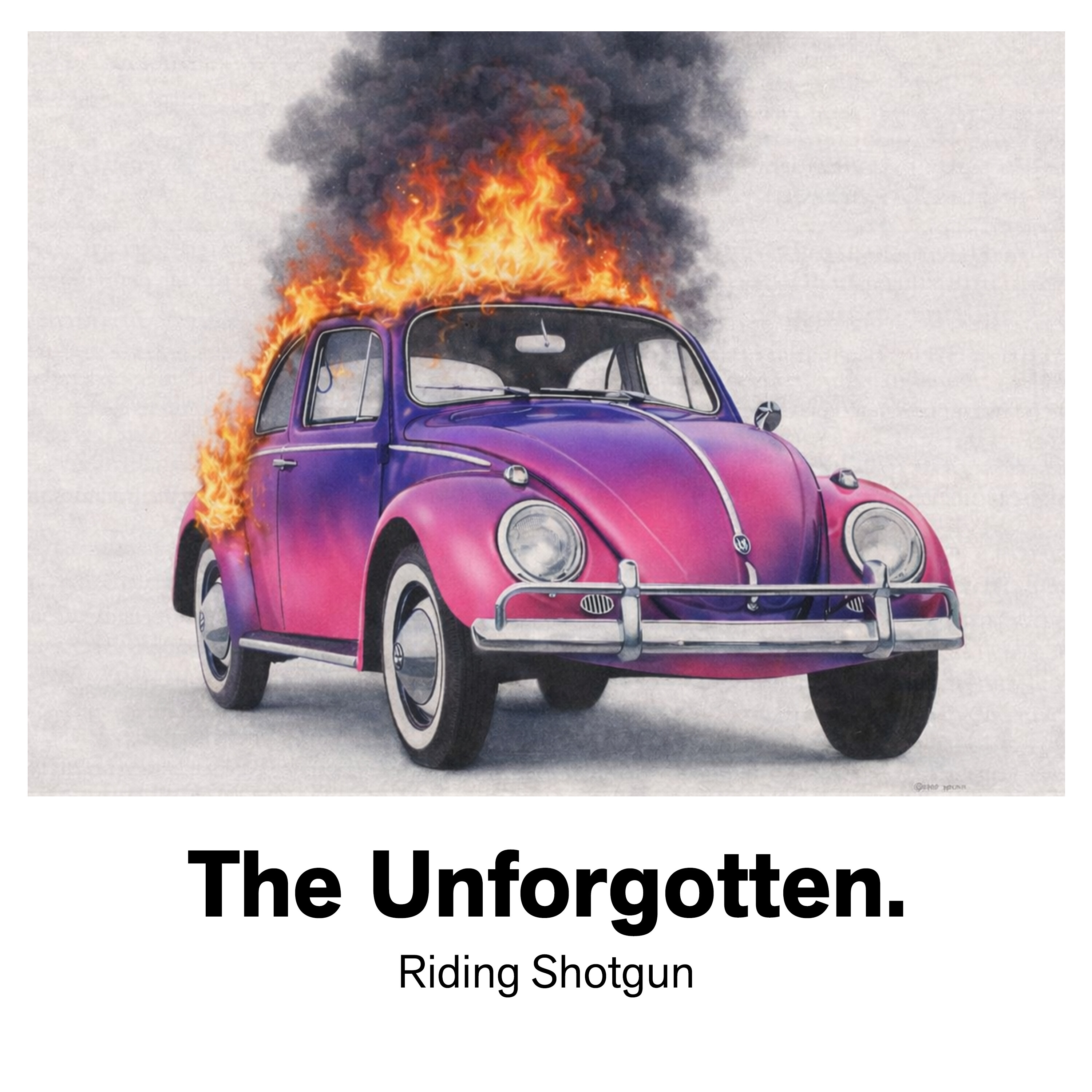
Imagine a quiet morning in your neighborhood. You're getting your kids ready for school when you look out the window and you see two guys outside of your neighbor's house. Guys you've never seen before, but in a car you'll never forget. An old Volkswagen Beetle with a crazy paint job. Purple and pink. Then you find out that the two guys you saw getting out of that pink and purple Bug, they just murdered your neighbor. Her name was Betty Black. She was 64, and her family says she was kind and loving. It turns out the guys in the Bug were looking for drug money hidden inside the house where Mrs. Black lived in a North Texas suburb. And they shot her dead. All of a sudden, you're a key witness to a murder case. You want to help any way you can, but there's just one problem. You remember a white guy getting out of the passenger seat of the Bug. A white guy with a medium build and long hair down to his shoulders. But police think you should have seen a tall, overweight Hispanic guy. A Hispanic guy with a shaved head. So a white guy or a Hispanic guy, long hair or bald. Would you undergo forensic hypnosis to help you remember?
- [01:15]
B
We're going to count down from 100 to 0. We're going to do a breathing specimen to help you get more aligned, to help you switch deeper and deeper into hypnosis. 199.
- [01:25]
A
Because that's exactly what happened. And that large Hispanic guy, his name is Charles Flores, and he's been sitting on death row for Mrs. Black's murder for the last quarter century. But some say police got the wrong guy.
- [01:41]
C
They have no DNA. They have no fingerprints, they have no ballistics, they have no fibers. They have nothing that you would think of as objective evidence connecting Charles to this crime scene.
- [01:53]
B
People say you run when you're guilty and this and that. But, yeah, you also run when you're afraid. You also run when you know you've been set up.
- [02:02]
A
I'm investigative reporter Michelle Pitcher, and I've spent months looking into the investigation and prosecution of Charles Flores. The case against him was built on no forensic evidence and conflicting stories from people who had a lot to lose. And a key witness who looked out her window that morning and saw a white guy with long hair. Then she let police hypnotize her. By the time the trial rolled around a year later, her memory had changed.
- [02:30]
B
The complexity of memory is mind boggling. Most people don't understand, but it is.
- [02:34]
A
Whose memories do we believe? And how do we define justice? The man who admitted to shooting and killing Mrs. Black has been out on parole for a decade. The other who maintains his innocence sits on Texas death row, and state leaders want him gone.
- [02:55]
C
Charles has done many stupid things, but he's never killed anybody.
- [03:00]
A
This is season five of the unforgotten riding shotgun.