
Podcast
The USF Data Science Podcast
Hosted by Robert Clements · EN
Faculty from the Master of Science in Data Science (MSDS) program at the University of San Francisco (USF) discuss important topics in AI, DS, and ML with data science practitioners, educators, and leaders. Hear stories and advice about getting into the field of DS and navigating the complex landscape of data-related roles, tools, and technologies.
Hosted by Robert Clements (Assistant Professor at USF) and Cody Carroll (Assistant Professor at USF)
16episodes
Episodes
Newest firstAll episodes
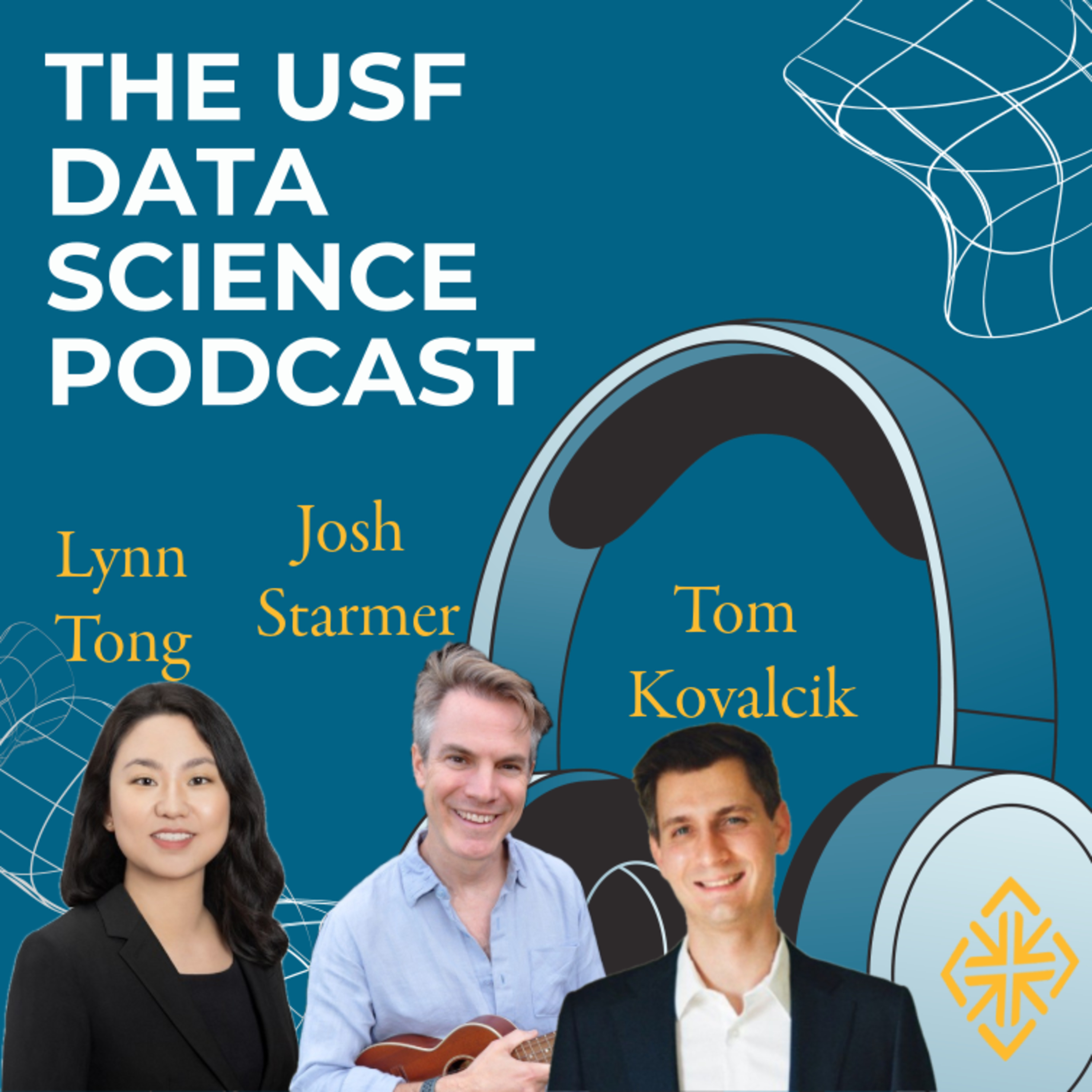
Always Be Curious: Josh Starmer on StatQuest, AI Agents, and Building Math Intuition - Part 1
5d ago00:32:22Tap to summarizeIn this episode of the USF Data Science podcast, we welcome StatQuest creator and author Josh Starmer, along with data science students Lynn Tong and Tom Kolvacik and Professors Robert Clements and Cody Carroll. The conversation covers Starmer's recent work, including his newly published books on statistics and children's literature, while exploring his initial hesitation to write about statistics due to common misinterpretations of frequentist concepts like confidence intervals. Starmer shares his learning techniques, emphasizing the translation of complex mathematical notation into plain language to build intuition, and discusses the importance of foundational math for data scientists adapting to industry changes. The group also delves into content creation in the era of generative AI, discussing how topics can be reframed around LLM error-checking, Starmer's audience-focused approach to YouTube over algorithm chasing, and his thoughts on emerging concepts like world models and AI agents.
Transcribe →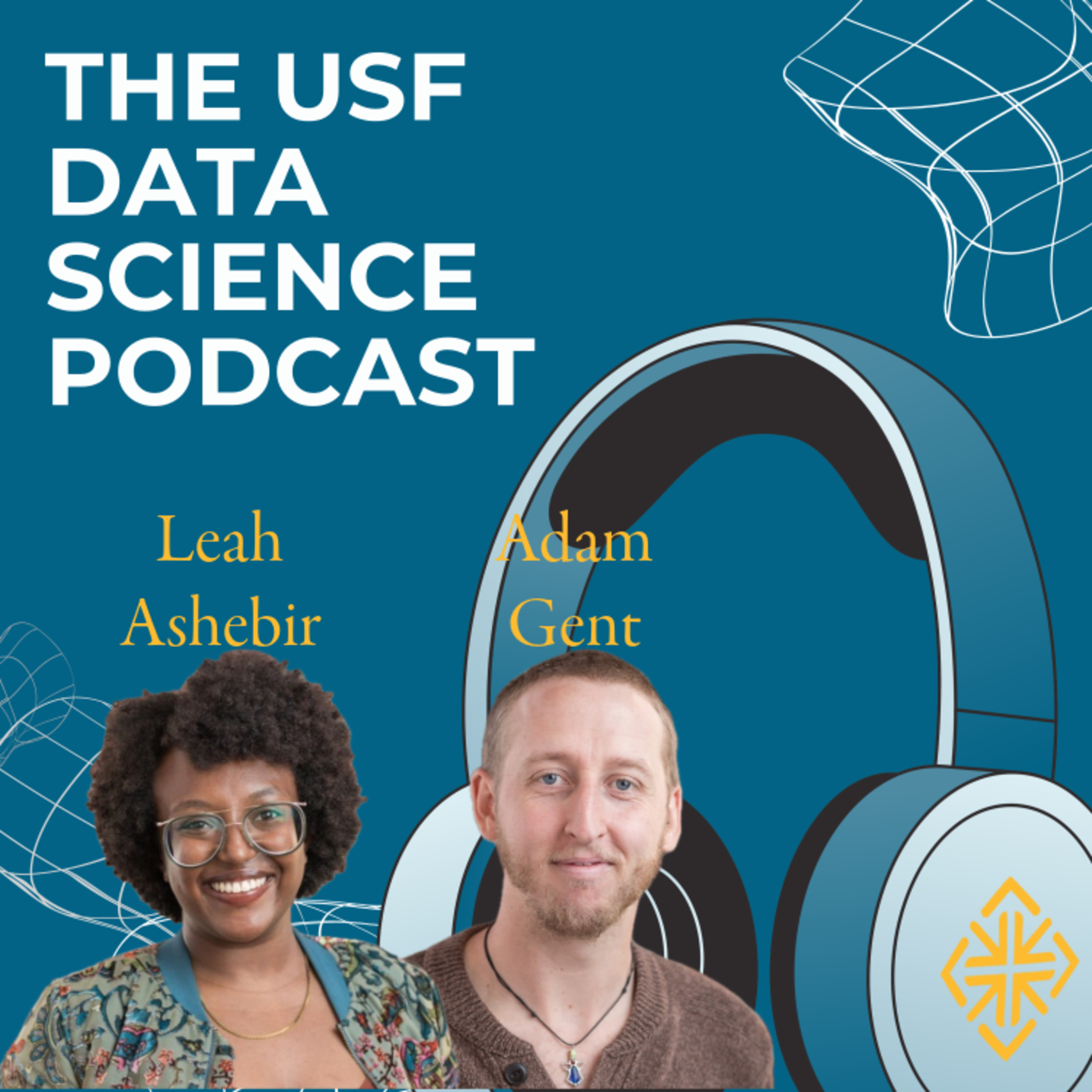
Supporting Bio Research and City Safety with Leah Ashebir and Adam Gent
2w ago00:59:39Tap to summarizeThis podcast episode of the USF Data Science Podcast, hosted by Cody Carroll and Robert Clements, features an engaging conversation with two graduating students from Cohort 13 of the Master of Science in Data Science (MSDS) program: Leah Ashebir and Adam Gent. Join us as we discuss their diverse backgrounds, their intensive year in the program, and the impactful real-world projects they tackled during their practicums.
Transcribe →Tech for Good: Uplifting communities through Data Science - Part 2
May 2600:27:37Tap to summarizeIn the second and final part of this interview, Georgia and Trevor talk about the importance of access and equitability in the tech space when it comes to working with nonprofits and other NGOs. They also chat about finding the balance between a fast-paced program like MSDS and how to still enjoy all that San Francisco has to offer.
Transcribe →Tech for Good: Uplifting communities through Data Science - Part 1
May 1800:32:46Tap to summarizeIn the first part of this two part episode, Georgia and Trevor sit down and discuss what it means to use high-powered data science techniques to uplift and support underserved communities. Georgia also talks about her experience in the MSDS program, and Trevor talks about how his background in mathematics made a difference in challenging courses.
Transcribe →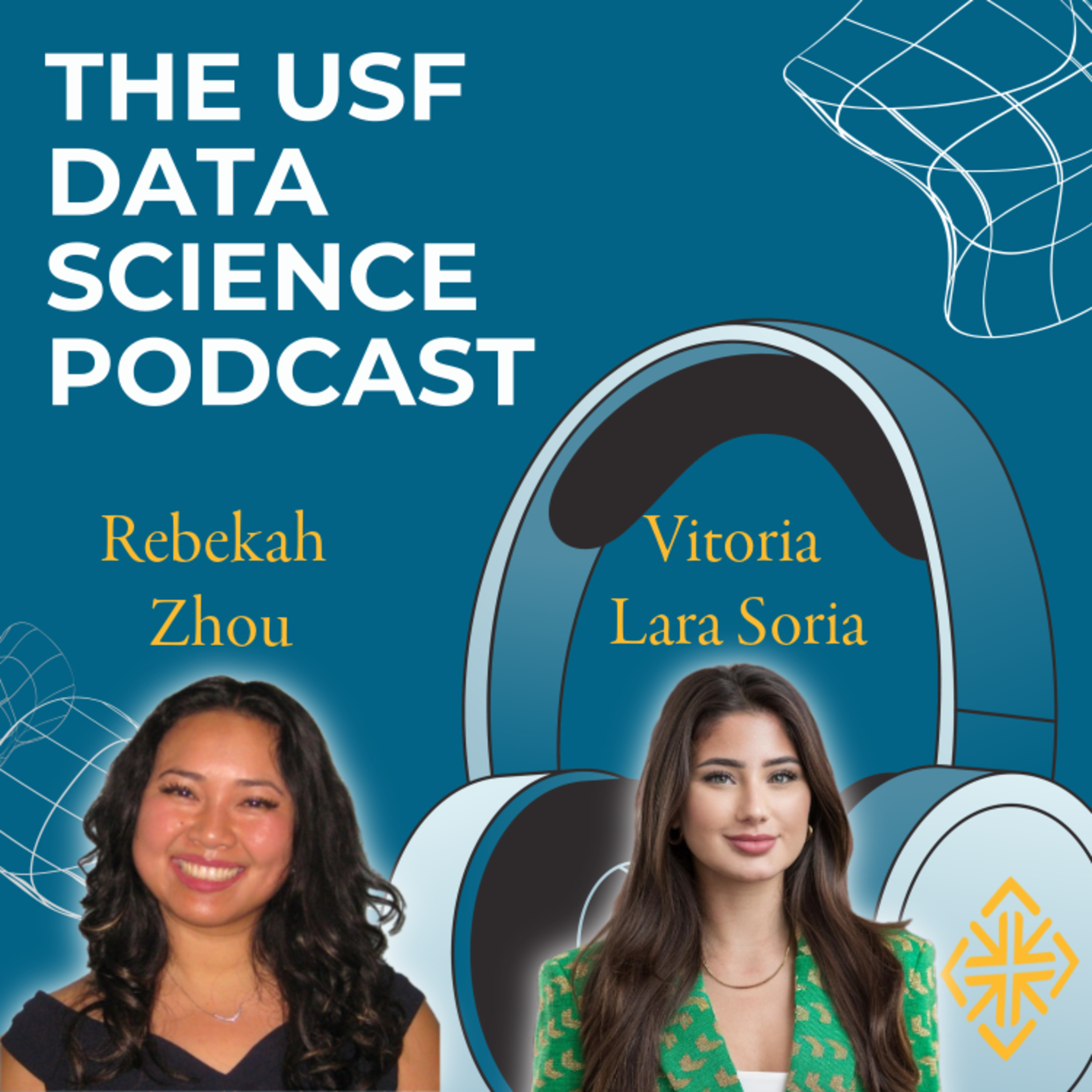
Storytelling: Leveraging your EDA knowledge
Jan 1200:33:55Tap to summarizeIn this episode, Rebekah and Vitoria share how the Bootcamp EDA project pushed them beyond “just making plots” and into building a clear, credible narrative that a real stakeholder could act on. They talk through how they chose what to show, how they structured the story, and how design and interpretation choices can change what an audience takes away. If you’ve done EDA before but want to communicate insights with more impact, this one is for you.
Transcribe →A Conversation on the Future of Data Science Education
Aug 14, 202500:28:23Tap to summarizeCody and Robert speak with Shan Wang, the Program Director for the Master of Science in Data Science program at University of San Francisco, about data science education and where it may be going during these quickly changing times.
Transcribe →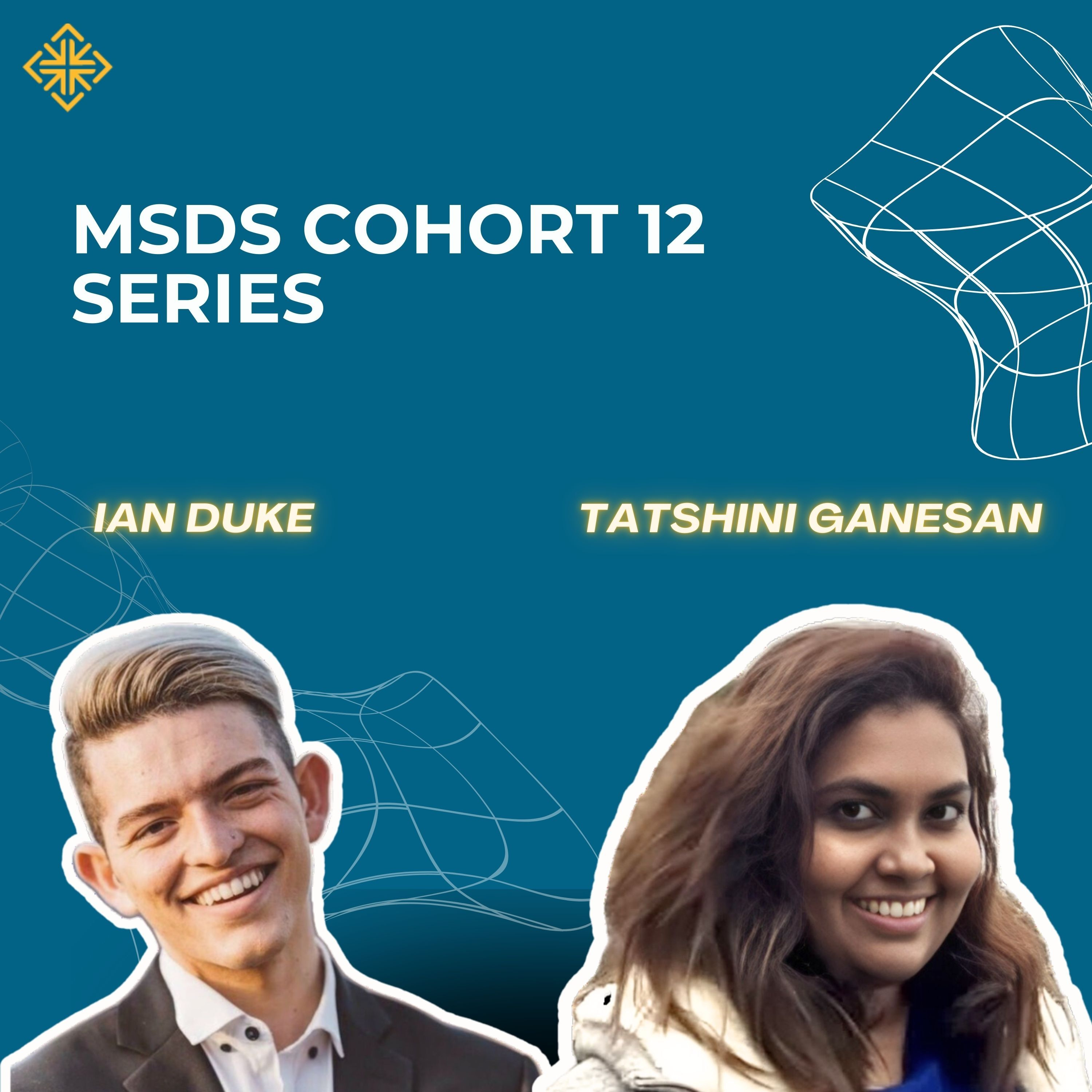
MSDS Cohort 12 Series: Tatshini Ganesan and Ian Duke
Aug 13, 202400:38:27Tap to summarizeIn the final episode of Cohort 12's student series, we talk with Ian Duke and Tatshini Ganesan about their year in the MSDS program. Ian discusses his practicum at the ACLU training ML models on massive amounts of police body cam footage to flag videos for specific topics like searches or arrests. Tatshini shares about her experience working with Vibrant Data Labs to disseminate climate change-related financial data to companies and researchers who need it. They also give their insights on working in hybrid environments, navigating the work/life balance, and forming community and friendships in MSDS.
Transcribe →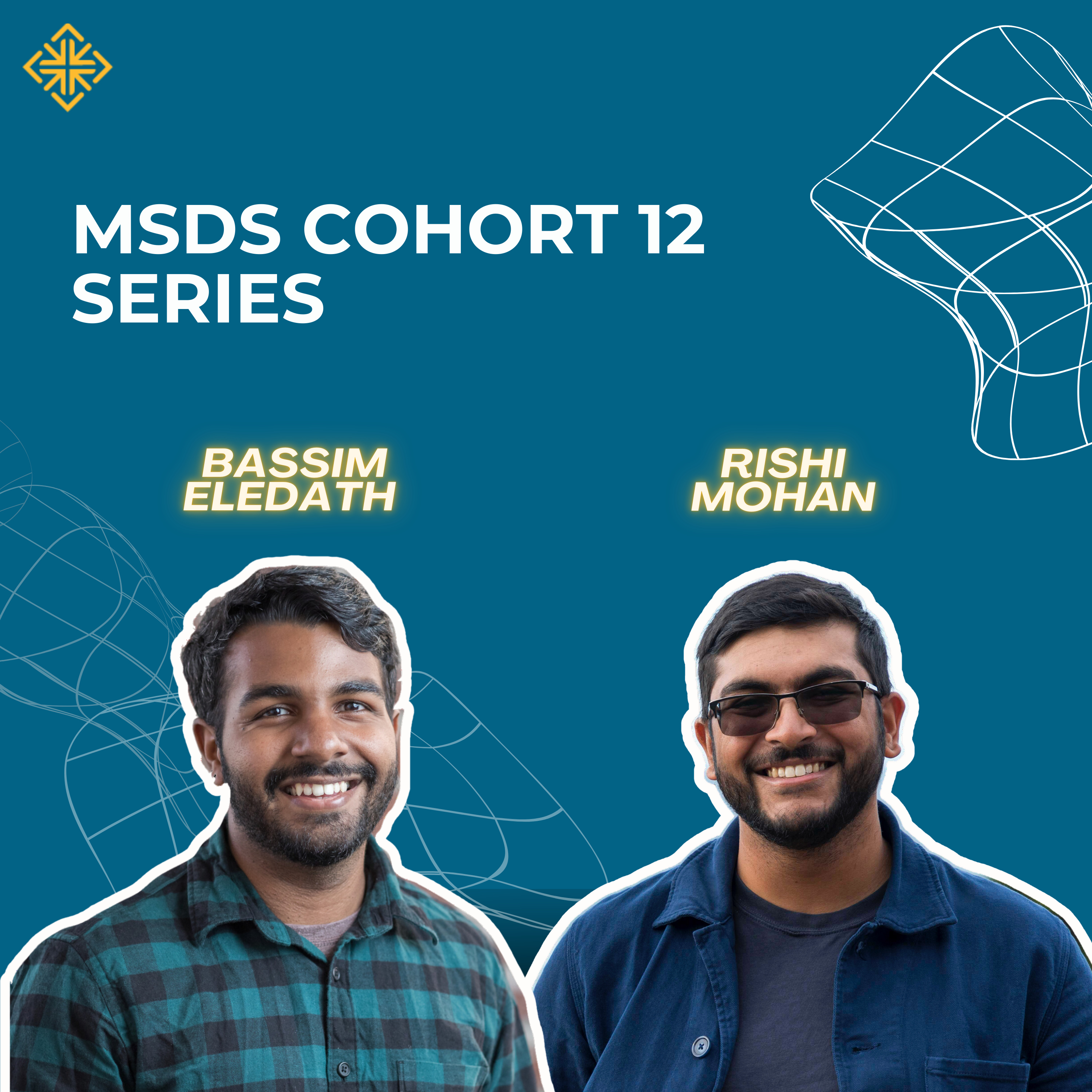
MSDS Cohort 12 Series: Bassim Eledath and Rishi Mohan
Jul 17, 202400:38:03Tap to summarizeIn this episode we talk to two more students from our most recent cohort, Bassim and Rishi, about their experiences in the MSDS program. Bassim shares some insights into how he has optimized his job search process with some noticeable success, and Rishi walks us through his data engineering practicum and decision to enroll in the data engineering concentration.
Transcribe →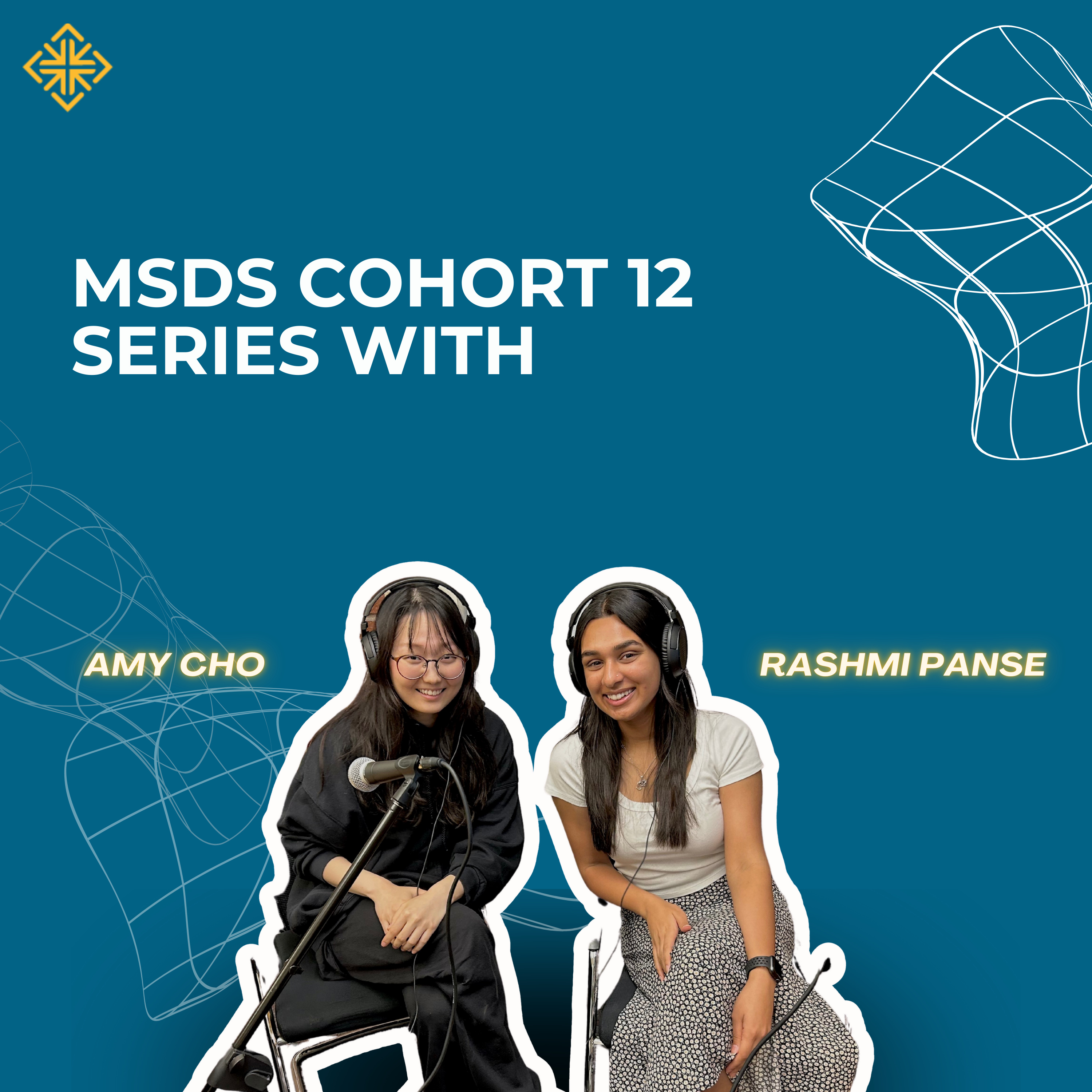
MSDS Cohort 12 Series: Amy Cho and Rashmi Panse
Jul 2, 202400:35:35Tap to summarizeIn this episode we talk to two of our graduating MSDS students, Amy and Rashmi, about their experiences in the MSDS program, their strategies for selecting their practicum companies, and the things that most surprised them about getting their MS degrees in Data Science at USF.
Transcribe →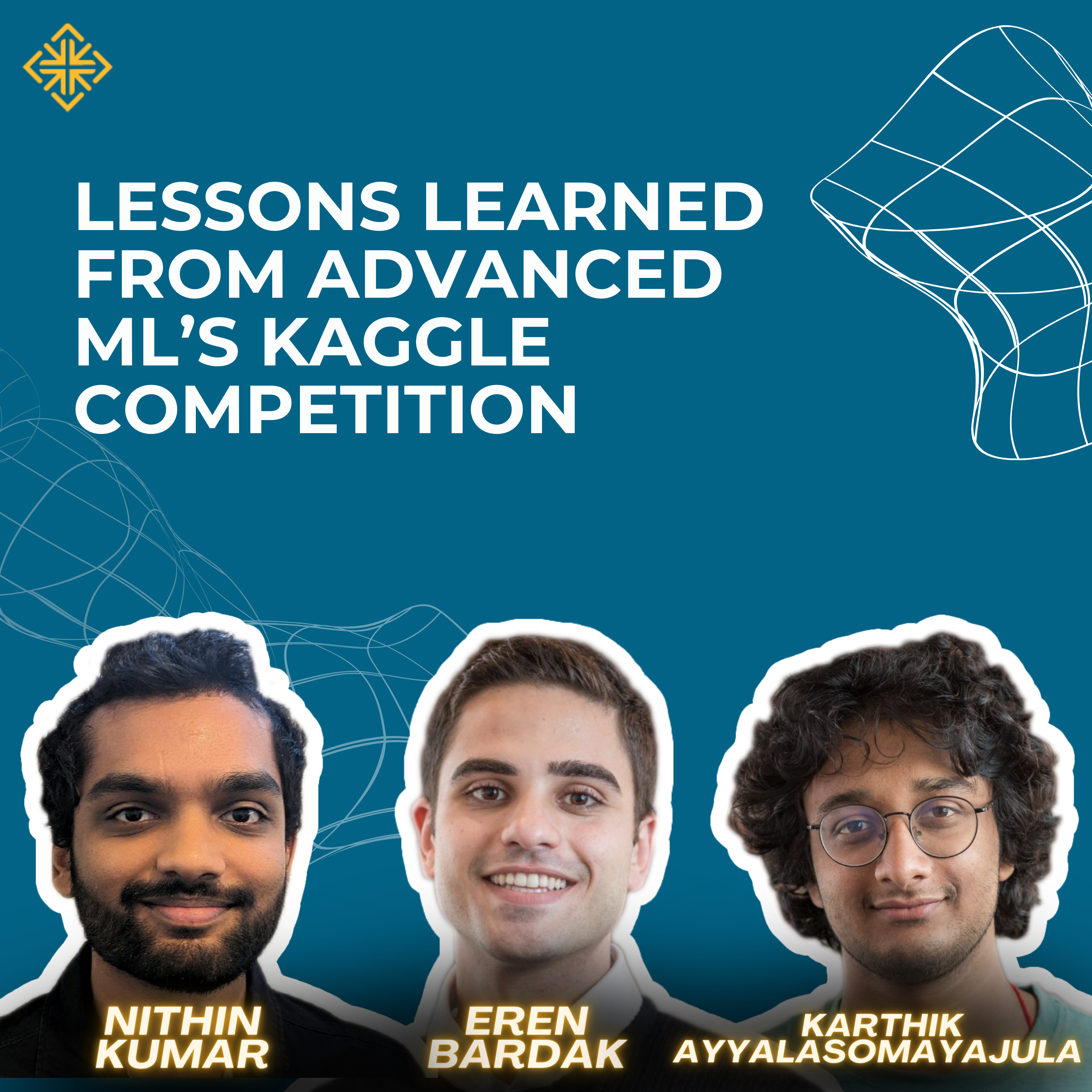
Lessons Learned from Advanced ML’s Kaggle Competition
Jun 4, 202400:24:56Tap to summarizeThe top three winners of our Advanced ML course Kaggle competition join us to share their strategies and lessons learned from training models on real estate listing price data from houses in Spain. Hear how they navigated the decisions involved in model building, including feature engineering, the curse of dimensionality, and the challenge of handling text descriptions in a foreign language.
Transcribe →