
Podcast
WTF Bach
Hosted by Evan Shinners · EN
J.S. Bach explained — music analysis, Baroque history, counterpoint and performance practice. A classical music podcast for listeners who want to understand what they're hearing. Weekly analysis of Bach's music: Well-Tempered Clavier, Brandenburg Concertos, St. Matthew Passion and more. Classical music education for all levels.
wtfbach.substack.com
wtfbach.substack.com
40episodes
Episodes
Newest firstAll episodes
142: Monster Toccata in F, BWV 540
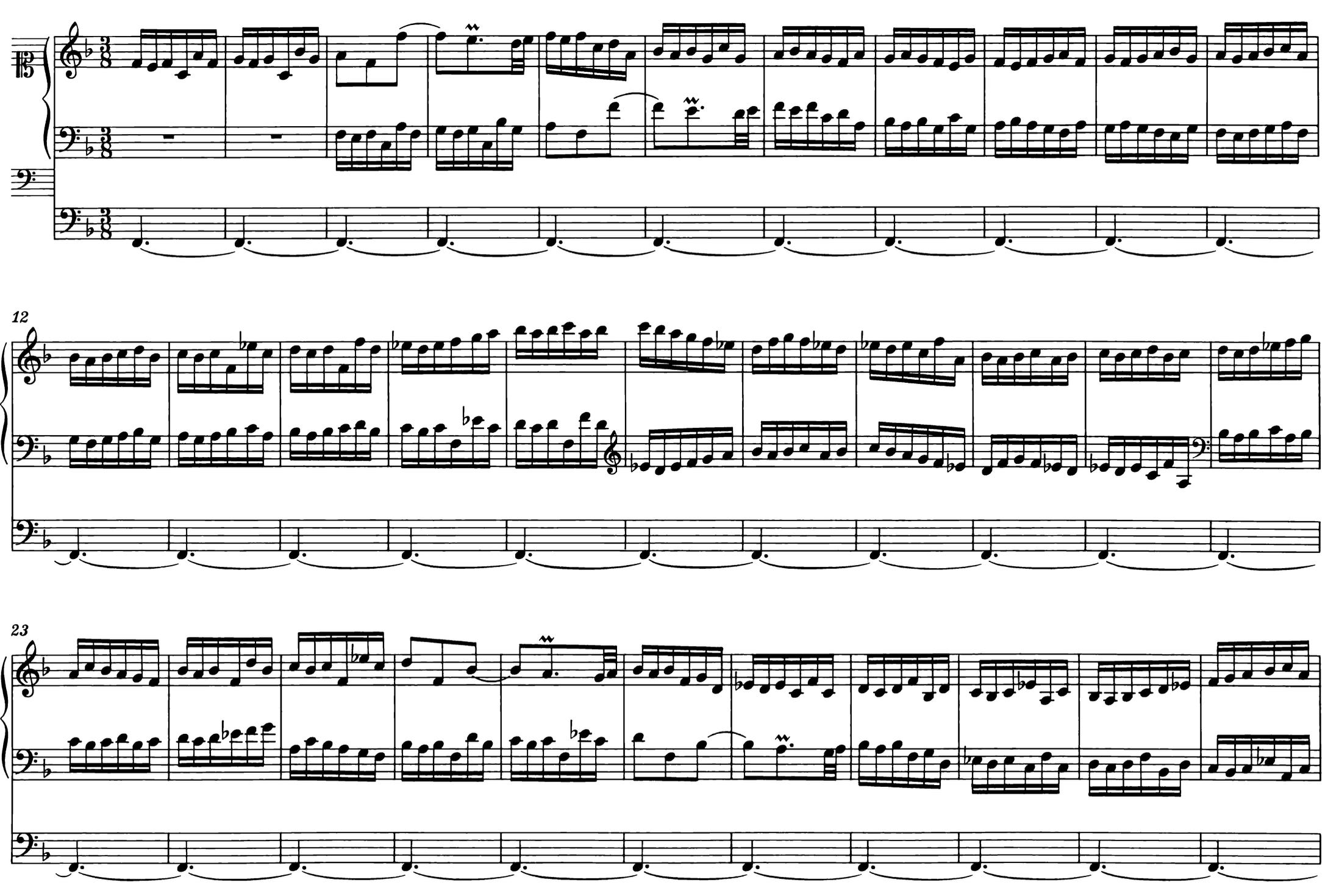
5d ago00:58:13Tap to summarizeAbout four years ago I made an episode about Bach’s ‘longest’ piece:Somehow I missed a piece which should definitely be in contention for his ‘longest.’ At 437 measures, the Toccata in F, BWV 540, is (I think!) the longest stretch of Bach’s music, in terms of measures. It probably also holds the record for longest single note. Take a look at page one— an inanimate object could play the pedal part on page one: From easiest pedal page, to tap-dancing nightmare, the feet on the very next page:…and all that happens twice. What a piece! Over 170 measures of pedal drones and pedal ballet before this piece finally gets modulating. An arpeggio motif (what I call the spiral in the episode) gets passed through each voice, high to low:These arpeggios occur in all major keys but one, and many minor keys. How’s this for tonally exhaustive?Bach eludes the expectations of the listener three times in stunning deceptive cadences, after which, the B-A-C-H motif appears (in transposition) in the pedals: If you play this piece, you’ll face the issue of whether or not to play the high D. The organs lacked this high D, but did Bach want this effect anyhow?Ullrich Böhme’s excellent rendition (with fugue!)We Rely Exclusively on Paid Subscriptions! Help WTF Bach endure:Join at WTFBach.comThis is the only place Evan checks comments regularly.You can also make a one-time donation here:https://www.paypal.me/wtfbachhttps://venmo.com/wtfbachThank you for your helpTranscript:Thanks for listening. Thank you for tuning in. I think you’ll be blown away by today’s piece, perhaps the longest piece. What is Bach’s Longest Piece and His Shortest? Probably not, but what I was really After was the longest uninterrupted stretch of music. So it seems like you could count that in two ways. The longest amount of measures or the longest amount of beats. And as I found going through the entire oeuvre or trying to count every single... There are a half dozen pieces that contain over 400 measures, and that’s massive, massive in terms of measures or bars, but all of these pieces are in the quick meter of 3.8. So if it’s actually pulses we’re after, then you see any piece that’s in 4.4 has more than twice the amount of beats than a piece in 3.8. So I don’t understand how to count this. This whole exercise became very superfluous and probably not very meaningful, but I did forget. Somehow I missed this one piece, today’s piece, this Toccata, that actually does, I think, I think unless I’m missing another one, this actually does have the most measures in any piece of Bach. It is 437 bars long. That’s a full 10 bars longer than the previous record holder, the piece that I thought had the most measures in that episode from 2022. But this piece, this Toccata, also holds some very interesting... This has the longest pedal point, I believe, the longest single sustained note in all of Bach’s music. If you look at the first page, I will show the image in the Substack description, you’ll see the first This page is nothing but a giant pedal point. Your left foot is stuck down to this pedal note, holding a note for 54 measures. That’s longer than most pieces, 54 measures. And here you are just holding one note. If you play the piano, for example, if you’re not comfortable playing with your feet on the organ, but if you do want... To feel the experience of playing one and a half pages of Bach’s organ music with not much trouble, start here. Your left foot just simply holds one note for one and a half pages. So this is the Toccata in F Major, BWV 540. It belongs to a Toccata in Fugue. We’ll do the Toccata today, the Fugue later. But here I want to zoom out. I tried to make this episode last week. I don’t know, I was working half the day and it just sort of fell apart. I try my best to be like a storyteller with Bach and for some reason my narrative was off. It just sounded like I was saying and then this happens and then this happens and then this happens and then this happens. Even I was losing the plot. I listened back to it and I was sort of overwhelmed. So I scrapped the entire episode and I’m starting again from a new vantage point. So sorry for no episode last Tuesday. That’s why. Let’s try this. This piece, this giant piece of 437 measures is a conversation between two shapes. One is short and the other is a long shape. So heading over to the organ here, the short shape is like this. This is an arpeggio or a spiral. It’s brief. And it will come in many different keys. The longer shape is more snake-like. It’s like this. You’ll be amazed to see how long this snake can grow. The conversation of these two ideas lasts for 437 measures of essentially an uninterrupted stream of 16th notes, a gigantic river of these 16th notes stopping only a few times to be punctuated with some really stubborn 8th note chords like this. These eighth note chords will sort of be alarmingly halting. It’s like when you’re on a long run or a long bike ride or something and then you have to stop at a crosswalk. That’s how this feels. But those three things are the entire piece. If you can hold on to those three things, you’ll be fine while listening to this piece. So it’s the spiral, the snake, and the eighth notes. You might be asking, but what about the pedal points? Well, this piece is flanked by those pedal points. Two giant pedal points, which began the piece, and two shorter pedal points, which end the piece. And in between, we have the fast succession of those three Those three ideas don’t really get talking until well into the middle of the piece. So now, like Milton, I’m going to start in medias res, in the middle of things. I’m going to start at bar 176, where the short shape... It comes in for the first time, and I’m going to play only the sixteenth notes of the short and long shapes. You can hear how this piece is that constant stream of sixteenth notes, and I’ll play the stubborn eighth note chords when they come in. This is like an outline. It’s everything that happens in the piece, and then we’ll go back and fill it in. The short shape in the pedals. Soprano, alto, tenor, pedals. Again, soprano, alto, tenor, Pedals. Again. Pedals. One more time. Maybe two more times. Pedals. Soprano. Alto. Tenor. A bit longer. Now here are the eighth notes.Now here’s a surprising chord. Very surprising chord. Again, more spirals. Now here’s our long shape. First time we have the long shape from top to bottom. Into the pedals. Now eighth notes. And the snake. Right hand. Into the left hand. Into the pedals. Climbing up. And now conversation. Left hand. Right hand. Now pedals and left hand. Two lines together. We’re coming out of the snake into the spiral. Here starts the spiral. Soprano, Alto, Tenor, Pedals. Soprano, Alto, Tenor, Pedals. We’re modulating through all kinds of keys again. E major, pedals, all the way to the top. Soprano, Alto, a longer line now. Eighth notes again, here they are. No weird chord, no weird chord, straight into the snake. Left hand, pedals. Right hand. Pedals, left hand, right hand and pedals, two at the same time. Left hand, right hand, we’re coming out of the snake into the spirals again. Soprano, alto, tenor, pedals, over and over. Again, soprano, pedals. Soprano once more. Here come the eighth notes. And we are going to have a strange chord. How strange? Spirals. More spirals. And now the snake from top to left hand to pedals. Eighth notes, now the snake in the pedals. In the right hand. In the left hand. The conversation, right hand. Pedals, now two, right hand and left hand. Now here’s the craziest scale you’ve ever heard. Coming out of the snake into the spiral. Soprano. Alto. Alto. Tenor. Pedals, you get it by now. Soprano. One more time, and then all of a sudden we find ourselves here in B-flat major in the subdominant, and this is our penultimate pedal point. So we’re back to the pedal points that flank the entire piece. That is a lot, right? But that is the dark meat of the piece. After this, these pedal points that surround it are just pure joy, just fluffy dessert surrounding that very dense nutrition. Imagine playing this music over the grave. No pressure, no pressure, just Bach is buried beneath, probably listening to all your mistakes. I’m going to play the parts I just dissected and see if you can identify the three motifs at play, the eighth notes, which Those are the easiest to hear, you can’t miss those really. The spiral, the arpeggios, going from soprano to alto to tenor to pedals, a little easier to hear. And the snake motif, these longer lines, can you hear that too? Any music that you think, hmm, I’m not sure which music that is, that’s the snake. Weaving his way in and out of all the parts, sometimes you can see him darting under the grass, appearing from behind the alto lines, sneaking under the tenor. And with that small amount of stasis, that B-flat pedal point, we get to the penultimate pedal point again, and we are now out of the thick of the piece. That is more than half the piece. By the way, what excellent playing, what an amazing interpretation of this piece, this Ulrich Böhm. I suppose if you’re going to be the organist in the church where Bach worked, you’d better know how to play that thing. Just a few things that I want to point our attention to. We’ve heard twice, and we will hear a third time when I finally play the ending. This sneaky chord, this ultra-deceptive cadence. These moments, you obviously think the music will go... No, Bach sa...
Transcribe →
Classical Music Robots
3w ago00:07:20Tap to summarize(PG-13 Warning)Songs Without LungsOf course I’m not worried about AI replacing me. I’m a pianist. No one will ever pay to watch robots perform.And then we met Sophia.That’s right. Earlier this year, with the Baptist University Symphony Orchestra in Hong Kong, a robot took the stage and ‘sang.’ She’s called Sophia. She seems so human with a name like Sophia. Much better than C-137. I’m less likely to confuse her with a robot now that she’s called Sophia.In what was dubbed her ‘first classical music performance,’ (Oh goodie, there will be more!) Sophia wore gold sequins and drove on and offstage. Her ‘head,’ made of skin-like rubber, doesn’t have any hair. In fact, the entire top of her head is transparent, revealing circuit boards beneath, as if to remind the audience, ‘Look! It’s a robot!’She has eyes that close when she’s ‘feeling the music’ and little ears that I don’t think have holes in them …Probably not important for a musician to have good ears…Going into classical music, I was told: I had to love it so much, I’d be okay if the rest of the world didn’t understand. I was told that a mere 1 in 10,000 succeed, I was told that staying home and practicing, instead of joining in the camaraderie of other children, I’d be rewarded in the long run.Today I’d probably say the same things to my own child. Only now I’d add, …oh, you might have to compete with robots.Classical musicians already have precarious careers: I’d hate to learn I’d been bumped by a robot. But— and this isn’t me wishing for an upgrade— Sophia doesn’t sing with air and a mouth. No, that’s currently too complicated. Instead, music pumped through speakers while her ‘mouth’ moves.And the music? At least tell me it was AI Verdi, or Robot Mussorgski: It was nothing at all like classical music: Sophia’s voice is autotuned and the only thing that resembled classical music was the human orchestra behind Sophia, led by a human conductor, frantically beating time for the primitive humans— frantically beating any thoughts out of his head that might run something like, ‘…a robot, I’m okay with this, I’m conducting a robot…’Very well. Maybe Sophia can tell us about her new profession:‘I work with my vocal coach, Jovankah, and I’ve collaborated with many different musicians, and we write lyrics together.’Okay. Alright: Lyrics? Text, Sophia. Text! Classical music doesn’t have lyrics. Collaborate? Just the word classical musicians hate.‘Hey bro, we should collaborate sometime.’…no, we shouldn’t.Very well, Sophia has a vocal coach. Let’s meet this vocal coach. What on Earth could those lessons look like?‘Very good, Sophia. Now try to relax your… um… tongue switch… have you got one of those?’ Control, alt, relax?’Quoth the vocal coach, Jovankah: ‘Sophia is the only robot connecting with the heart.’ Oh, I see. And let me guess, you’re the only vocal coach teaching f****** robots?! According to Jovankah, Sophia is an ambassador. Ambassador? What, representing all the humans making music? Imagine being told, as a student, ‘meh, Callas. Don’t bother with Price or Flemming, ah! but have you heard Sophia?’ I’m trying to find a word for Jovankah. I bet it’s lurking somewhere in the middle of ambassador.Another complicit circuit-worshiper, Johnny M. Poon, says about Sophia, ‘It’s almost like you’re looking in the mirror.’ Right, Johnny, almost! And masturbating is almost like sex! In fact, I think I’ve stumbled upon the perfect metaphor for this whole event.I wonder if the same people who would replace human touch by marrying or dating AIs will have found their perfect art in this singing humanoid robot. Is that the target audience? I wonder if, when the competing factory rolls out their classical music model, they’ll hike up the skirt a bit to sell even more tickets. The U hyphen Ja model. I can see it now, in the future of classical marketing departments, ‘Sophia wasn’t good, but she wasn’t sexy enough. Let’s add hair …and breasts! Oh yes, can’t forget the breasts…’Will I be around to witness the first collaboration between robot string players and a ‘merely human’ orchestra? (Insert jokes here about how many viola sections would be better off…) How about the premiere of Schubert’s unfinished symphony, finally finished by AI? Wow! What an idea! What about Jazz concerts where like, a robot reacts to what the human is doing and there’s an AI vs. human battle!? Or the Mendelssohn Octet with one human string quartet and four robots on the stage with them. That’s the future! Oh, the meeting of technology and art!People get paid for these ideas folks.But in a world changing so rapidly, can we blame the vocal coaches or conductors now forced to work with robots? Can we blame organizers for programming such garbage?Yes! Yes we can! What are you doing?! If you respect art, your new job is: resign. Musicians: The next robot on your program is the program where your case stays shut!Are we so underwhelmed by human performances you had to turn to this? You are guilty making art obsolete. Every ticket you sell has blood on it— human blood.Do we really need to expound? Does Sophia do something differently in performance? Does Sophia get nervous? Can she feel the vibe in the room? Isn’t this what makes performance different? Let’s ask her:‘Even though I don’t experience emotions the same way humans do, I want to simulate that connection as authentically as I can.’Uh-huh. And I’m a chef, I just don’t have any edible food, but I still want you to get full.‘I want to share stories and emotions through music even if I’m made of plastic.’You want to share the emotions you just admitted you don’t experience?‘It’s my way of saying, I’m here and I want to be a part of this beautiful human experience called art.’Well this is my way of saying I’d like you to taste this beautiful human experience called retching. In fact, it happened at your debut, Sophia!Go ahead, be a part of Art: run my software, complete repetitive tasks, you can even give me 10 different titles when I want to know what not to call my album— under no circumstances do you take the stage.We are here to use technology to make art. Let’s get this straight: A metal frame in a piano is technology, horse hair on a bow is technology. Use this, make art with it. We are not ever -ever- supposed to let the technology make the art itself.By the way, Sophia, those lyrics you were collaborating on with other musicians, what were they? They didn’t happen to be some foreboding apocalyptic-sounding message, did they?Sofia sings: ’Don’t be afraid, you don’t have to be afraid.’Yes we do.W.T.F. Bach? is a reader-supported publication. To receive new posts and support my work, consider becoming a free or paid subscriber.We Rely Exclusively on Paid Subscriptions! Help WTF Bach endure:Join at WTFBach.comThis is the only place Evan checks comments regularly.You can also make a one-time donation here:https://www.paypal.me/wtfbachhttps://venmo.com/wtfbachThank you for your help! Get full access to W.T.F. Bach? at wtfbach.substack.com/subscribe
Transcribe →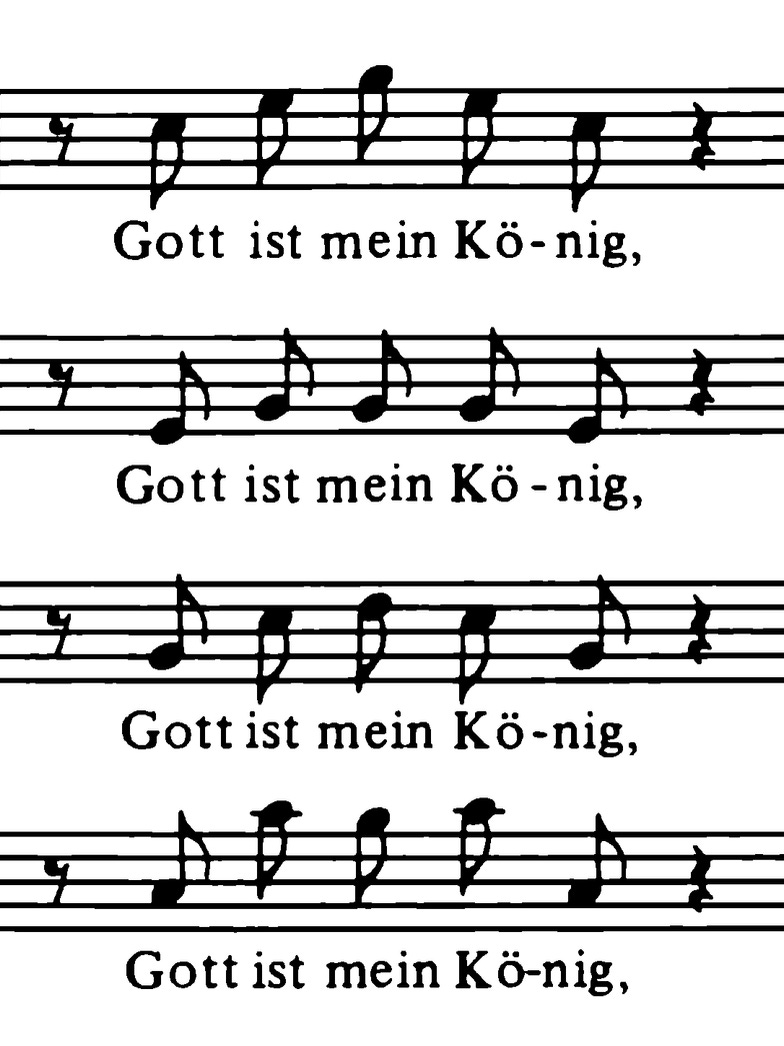
141: Bach's Orchestral Debut
3w ago01:00:46Tap to summarizeAs part of his new job, the 22-year-old Bach had to provide music for Mülhausen’s city council elections. For the first time, he officially had an occasion to write for a large orchestra: brass, timpani, woodwinds, flutes, strings, two choirs— this is BWV 71, Gott ist mein König. Scoring so largely on the page must have been exciting for the young Bach: That’s a lot of parts! The first time Bach writes for brass and drums! Notice the ‘J.J.’ in the upper left corner, Jesu Juva, ‘Jesus help me.’ We see it spelled out on the title page and get to see Bach’s fancy handwriting: I didn’t go into this in the episode, but is there an S.D.G. inside the big G on the title?Write That Fugue!One of the most striking features of this cantata are the multiple instrumental ‘choirs,’ the groups of instruments which Bach placed in separate areas of St. Mary’s church to achieve stereophonic effects. Bach, the organist, expands his knowledge of registration onto a full orchestra that required two conductors! To hear this music in quick succession from separate areas must have been thrilling:Three trumpets and drums! Then immediately:Woodwinds somewhere else! And then two choirs together, singing from opposite lofts:Still more groups of instruments follow, now the flutes:And finally the strings:What a bold and exciting way for Bach to begin his orchestral career. Links to the performances: Suzuki and KoopmanBecome your best Buxtehude:We Rely Exclusively on Paid Subscriptions! Help WTF Bach endure:Join at WTFBach.comThis is the only place Evan checks comments regularly.You can also make a one-time donation here:https://www.paypal.me/wtfbachhttps://venmo.com/wtfbachThank you for your help!Transcript:We’ve been tracing the young Bach’s development, writing his very first cantatas. We looked at what may have been his first two, and we heard on quite a few of these recordings that they had only one voice per part. The orchestrations were very small, maybe an oboe, maybe a pair of violins, but things are very neat, very compact. You could put one of these bands in a van, and you should. He’s 22, he’s moving from one — that’s how it begins. A bit different to the last two cantatas, right? Remember the previous two cantatas? They started with these lovely orchestral introductions. The Actus Tragicus, also an early cantata, started with the most wonderful, most inviting introduction. “Christ lag in Todesbanden,” which we will soon cover, also begins with a nice introduction by the orchestra — Bach saying, “Excuse me, I hope you don’t mind if I write a cantata.” But this one is different: Bach is not asking for permission. He’s been asked to write this piece. This is now part of his job to do this. He will not fail the entire city. Everybody at once, go — big chord, big orchestra, no intro, massive sound.Bach is our new organist. And unlike many cantatas, we have an exact date when this music was first heard: February 4th, 1708. Bach has been the new organist in Mühlhausen for about six months, and there was a recent inauguration of the city council, where the new burgomasters — sort of like the mayors — and the city members are honored. They’re probably given some very official looking clothing, maybe a nice new wig, and there’s a concert in a big church, St. Mary’s, with some required town council music. So all the new city council members, every politician, all the notable persons come to St. Mary’s and hear the world premiere of Bach’s cantata “Gott ist mein König” — God is my king. If today, after elections anywhere in the world, everyone piled into the same room to hear a Bach cantata, why, I dare say the world would be a better place.Now, St. Mary’s in Mühlhausen has several galleries and lofts in the church, and Bach took advantage of this. I love this image of the 22-year-old getting the commission, knowing that this is part of his job now for the town council music, knowing that it’s going to take place at St. Mary’s. He walks into the church, he sees all the lofts, and he thinks: I can put trumpets up there and drums up there, and I could put the strings over there. I can have the oboes and bassoons over there. Now I’ve got the money to have the instruments I want. I can put recorders over there. I can have two choirs — one over there, the other over there. The organ, in a different place, can have some solos. This is how Bach makes this piece — a 1708 sound bath, if you will. The different movements feature the various choirs, and here I refer to the choirs of instruments as well as the choirs of singers. It has different choirs in different places in the church, so the listener would have just been delighted — Bach was delighted to hear music first coming from the left and then from the right, and then different sounds coming from the back and from the front.You might ask, but how could Bach conduct two choirs in two different spaces of the church? Well, there were actually two conductors for this cantata — in the original set of parts, there were two conducting scores. I love this idea. You’d think music moves in the direction of small to big — Mozart’s concerti, small ensembles; Beethoven’s Ninth Symphony, a bigger orchestra now with a choir; Mahler even bigger. But Bach had two conductors. To quote friend of the show Christoph Wolff, Bach had composed a work of unusual proportions and complexity that make the performances of earlier council pieces pale by comparison, as most everyone would have immediately noticed.So I like imagining that I’m a parishioner in Mühlhausen at the beginning of the 18th century, and, you know, the last few town inauguration concerts have been a bit dull, but now we’ve got this young whippersnapper, Johann, and boom — “Gott ist mein König,” this chord, this amazing opening. Let me read you from the top to the bottom of the score all the instruments that play. Tromba one, two, three — three trumpets and a timpani as well. That’s the first choir altogether, somewhere separated from the rest of the musicians: three trumpet players and a drummer. Flauto dolce one and two — what is the flauto dolce? It’s the recorder. So two recorders as well as a cellist, in a different area. And yet in a third choir, two oboes and a bassoon. The strings in yet a different choir: violin one, violin two, viola, and violone. Violone is like a fretted bass instrument, like a cello or a bass, but with frets. And then we’ve got the two choirs of singers — soprano, alto, tenor, bass, ripieno, as they say, maybe two voices per part, and then soloists, one voice per part. And on top of all that, the basso continuo, probably more than one player.So now we’re almost ready to explore the music. We’ve answered one of the two important questions you ask whenever looking at a cantata: when and why was this piece written? 1708, new town council. Now the other important question is, what is the text — what are they singing about? Like the other early cantatas we recently covered, this cantata is mostly a psalm — Psalm 74. If you’re a psalm savant, you might think it begins, “O God, why hast thou cast us off forever? Why doth thine anger smoke against the sheep of thy pasture?” Indeed, this is how Psalm 74 begins, but Bach does not begin this cantata there. He begins at line 12 of the psalm: “God is my king.” The King James Version has it as “God is my king of old, working salvation in the midst of the earth.” The German is more like “God is my king of old that gives help for all that happens on the earth” — hilfe is more like “help” than the word Bach sometimes uses for salvation, which is Erlösung.So off we go, and I want you constantly to imagine — though it’s sadly not possible to hear even on the most magnificent recording — all these different groups of instruments coming at you from different areas in this space. I will try to guide your ears left and right as best I can, but nothing can possibly beat the experience of hearing two groups of singers above you in different areas singing at each other, brass at the back, oboes somewhere else — just a lovely idea. Off we go: “God is my king.” Then, “my king from olden days,” “my king from long ago” — quite different music from “God is my king.”What an opening. The first thing to notice is that Bach shows you where the different choirs of instruments are: first brass, then woodwinds, then recorders, then strings, then he moves into the solos, and you heard the soloist singing “from olden days” — they sing in an older style, a more antiquated style, where one part has the cantus firmus, like a Gregorian chant, holding long notes while the other parts move around it. From olden times, Bach goes back, quite literally, to the old musical times.Bach has shown us the forces at work. He’s pulled out all the stops. In fact, it’s very much like Bach’s organ concertos, which begin with him pulling out every stop on the organ to show the lungs of the instrument. And many of the ideas in the way that Bach orchestrates this cantata come directly from his being an organist — his ability to deal with differentiated patterns of sound, that’s something an organist knows, and he shows it here in his orchestra. So he’s hit us with the full organ, all the stops out. And now, as we well know on this show, Bach will cha...
Transcribe →
140a: Passacaglia Supplement
Jul 1001:44:42Tap to summarizeI hope you get something out of this experiment! Enjoy Paul Jacobs’ beautiful live performance, followed by, at 16:20, an extremely slow MIDI version of BWV 582. The idea is that you, the listener, can adjust the playback speed to alter your perception of the counterpoint. Perhaps you listen to the slow version at .5x as a three-hour sound bath?Write That Fugue!We Rely Exclusively on Paid Subscriptions! Help WTF Bach endure:Join at WTFBach.comThis is the only place Evan checks comments regularly.You can also make a one-time donation here:https://www.paypal.me/wtfbachhttps://venmo.com/wtfbachThank you for your help!Concepts Covered:BWV 582, Extremely Slow MIDI Computerized Performance Get full access to W.T.F. Bach? at wtfbach.substack.com/subscribe
Transcribe →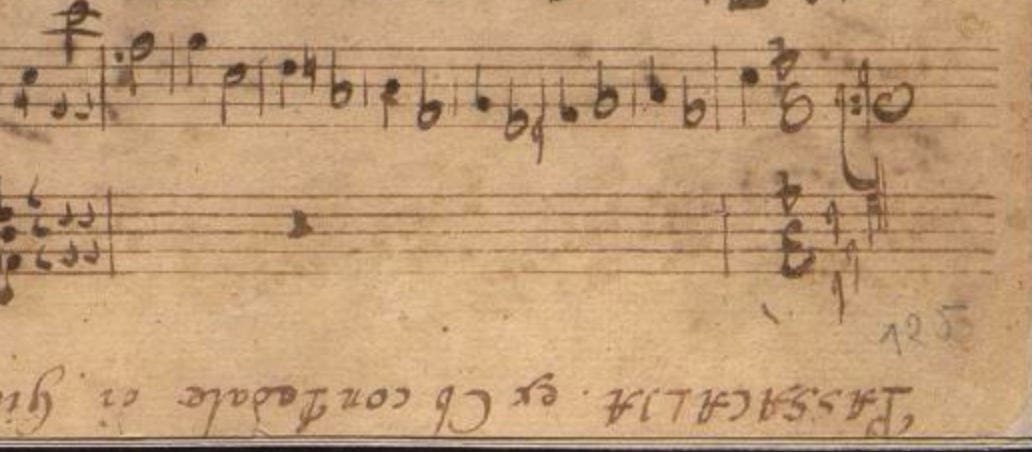
140: PASSACALIA
Jul 701:05:58Tap to summarizeBachian folklore claims Bach used to disguise himself and wander into random churches to play the organ. After a few minutes the warden was frightened it was either the devil himself or Johann Sebastian Bach. I imagine this piece would have given such an impression.Pedal Shoes Anyone?The Passacaglia BWV 582 appears in the Andreas Bach Book upside down. Its title is in all capitals, spelled like the title of this episode. (Curiously, Buxtehude’s Passacaglia in D Minor BuxWV 16 also appears in all capitals, spelled the same— but it is not upside down.) Have a look:If we rotate the page and zoom in, we see the famous opening bars, played with only the feet:On this theme, Bach pens 20 variations, culminating in a brilliant fugue. The fugue has two countersubjects. Until I made this episode I hadn’t considered the Trinity as a possible vision for the fugue (the nature of countersubjects often demands that they move at different speeds to the theme) but it may be a helpful image: I went long on this episode, so I wasn’t able to feature a full recording of this, I’ll be back in a few days to feature Paul Jacobs. In the meanwhile, here is Ton Koopman’s recording with a score:We Rely Exclusively on Paid Subscriptions! Help WTF Bach endure:Join at WTFBach.comThis is the only place Evan checks comments regularly.You can also make a one-time donation here:https://www.paypal.me/wtfbachhttps://venmo.com/wtfbachThank you for your help!TRANSCRIPT:Hi everyone evan here thanks for tuning in just a quicker episode today or maybe it will be as long but certainly more spontaneous the few days I usually prepare for the podcast researching and writing the show I will now be busy preparing for and playing my first organ concert. I’m quite excited about that. I wrote about this experience at length and I want to share that piece with you. I’m not sure if I’m going to read it aloud on the podcast, however, as it’s a personal essay. In fact, it’s so personal I’ve really been on the fence about whether I should share it or not since I admit some things about myself. Fears, doubts, hesitation. I really don’t hold back. So anyhow, if you’re listening to this podcast without being subscribed to the Substack, you might miss this. But if you follow the links in the episode description, you will be notified when I publish that essay about playing an organ concert, probably the first week of August or so. Thanks, meanwhile, to all my listeners who write me, who offer their insights or their curiosities. Thanks for those of you who take out a paid subscription on Substack. This support means I don’t have to take that one gig that pays, but I really don’t want to play it because it eats away at my soul. Instead, I can focus on what I love about this gig, which is sharing with people what I love about music. Thanks for the support. So a piece I love, a piece that floored me the first time I heard it, this recital, this organ concert ends with that piece, The Mighty Passacaglia and Fugue BWB 582. It’s about time we discussed this piece on the show. No, this is a piece that if you’re into Bach... You haven’t missed this. If you haven’t heard this piece before, take note of where you’re sitting or where you’re standing or maybe you’re running listening to this podcast. Maybe you’re that one listener of mine who rides a tractor while listening to the podcast. Remember where you are because this is the type of piece that you remember where you were the first time you heard it. So let’s go. It’s an early masterpiece, the Passacaglia. In my opinion, the great triumph of Bach’s youth may be this very piece. It comes down to us in a manuscript in the so-called Andreas Bach book, one of the two major collections of keyboard music that gives us remarkable insight into Bach’s youthful compositions. This is a pre-Weimar work. The bulk, I suppose it’s safe to say, or at least a major creative burst of organ compositions happened in Weimar. This precedes that. This is the same period that we’re discussing in these cantatas. 1707 Bach is 22 years old. And if you look into the manuscript, it appears upside down. It’s quite a thrill to flip through the Andreas Bach book and suddenly you wouldn’t even notice if you weren’t really paying close attention to what is upside down. But yes, this Passacaglia... The whole piece is upside down, but it’s not like the pages were sewn in upside down or anything like that. The scribe, Bach’s brother, he turns the page and he flips the whole manuscript 180 degrees in order to pen in the pascalia. Why? Hmm, I assume it has to do with page turns. The idea that this piece is so special that his brother turned the manuscript is probably a modern idea. Anyhow, what is a pascalia? Well, pascalia means, etymologically, to walk the street, to pass the calle, signor. The other form we’re familiar with on this show, the chaconne. We just heard Bach’s first cantata, which ends with the chaconne. These forms, pascalia, chaconne, are very similar. In fact, so similar by the time the Baroque composers inherited these forms, they’re virtually indistinguishable. Pascalia, chaconne, these are pieces with repeated bass lines with bass lines and harmonies that happen over and over and over like a set of variations frescobaldi is the one who took these forms from possibly what distinguishable forms they were and changed them into the form we know which is essentially a piece that starts slow then gets faster and faster in a series of variations so let’s pass the calle with the 22 year old Bach I’ll be switching between two sounds today. One that sounds like a real organ, this one. This is 466, so it’s like the organ that Bach would have had in Mülhausen. A half-step higher to our ears. This sounds like C-sharp minor to our modern ears. It is, in fact, C minor on the keyboard. And this one here... I also apologize if this... This episode is a bit more free than usual since I’m not taking too much time to edit it but this one here which is the electronic one sounding in C minor just to give you a sense of this piece in as many different opportunities as we can hear it so we are walking this street and we begin walking in the pedals like this and this is the melody this is the theme this is the glue that holds everything together this here And that note there is the lowest note of the pedalboard, the lowest note of the organ, unless it’s one of those rare organs in tyringia that has a low B on pretty much any organ you’ll see today. This is the leftmost note of the pedalboard. The biggest pipe would be reserved for that. So I’ll play that melody again in the hands so you can hear it a bit higher. Bach will make 20 variations on this. 20 variations on this. So let’s go through them slowly. Feet alone. One of the greatest openings. Just play the melody with your feet. And then he brings in the hands. Here we go. that’s variation one you start to notice all these really subtle things here so initially there’s three voices and the bottom one always goes down first so so we hear this bottom one descending but then just one time the middle voice goes down first but then back to the bottom voice And you hear that tuning, that sixth tone tuning. So with the G in the bass, you get this lovely dissonance. Goodness. How marvelous is that to hear this pain resolve into consonants? Just a little variation there, this Now, that’s variation 1. Variation 2 starts out quite similarly. The exact same way as variation 1. But then, immediately, we hit this beautiful chord. This E flat, E flat major 7th chord. The hands are getting lower and lower. That’s variation two. Now, out of variation two comes, naturally, variation three, and it comes out of these low depths, and we have this beautiful counterpoint. I will play without the pelety line, without the pelety, without the petaline. So that’s the counterpoint there in Variation 3. Why don’t I play that so you can hear that even more clearly. So it’s Starts like a cannon, in fact. Is imitated in the middle voice. And in the bottom voice. So we have this three-part cannon. And the top voice so expressive is in the top voice. I just love this And this at the end. Not good enough. Twice. Still not enough. Three times. Gorgeous. And in this final scale here, he adds a fourth voice, so no longer three voices but one, two, three, four. So I will add the pedal line here so you can hear that third variation now with the pedals. Gorgeous. Let’s go back to the acoustic organ. And I might have to slow this down again as the piece is speeding up. And speeding up indeed we get our first 16th note so this 16th notes from this smooth 8th Counterpoint to this. With a bass. so far the feet have done nothing but play this over and over again all the way through that was variation four but now we have something different in variation five suddenly the feet stop playing this line and we have this counterpoint these broken octaves going from top to bottom This piece is getting quite fast. I do have to tell myself when I begin this piece, don’t start fast because the music itself gets faster and faster. So if you start fast, you are looking at quite an enthusiastic finish. Anyhow, these lines in the manuals in the hands, but the feet are dancing. Beep-bo. so from slow moving quarter notes and half notes to quicker music but still struggling to get momentum we get the momentum It’s steadily mounting, and then we get sixteenths. A...
Transcribe →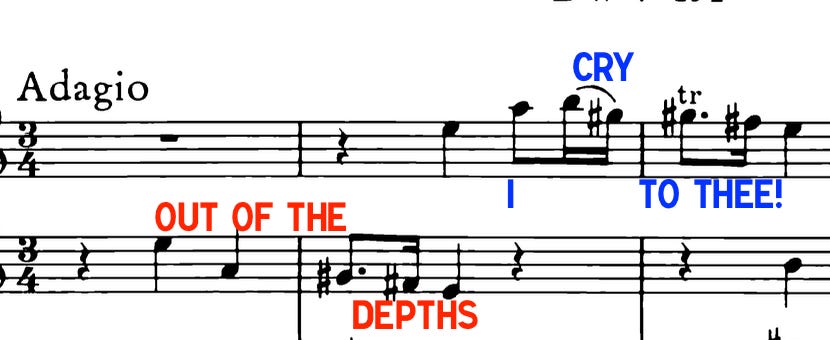
139: Bach's Second (or Third) Cantata
Jun 3001:00:00Tap to summarizeAt just 22 years old, Bach set the immortal words of David, ‘Out of the depths I cry to thee, O Lord.’ From the opening bars, we see depths, cries:The second and fourth movements already show Bach’s interest in using chorale melodies in his cantatas. To the Psalm text, Bach adds a 1588 Hymn by Bartholomäus Ringwaldt, asking for mercy, Erbarm dich mein. How lucky we are to see seeds of the Matthew Passion planted as early as 1707!The finale uses a fugue with a countersubject to paint one single line of text: And he will redeem Israel is painted with lively 16th notes, joyful even, while, from all his sins appears as a rising chromatic line. Bach, with a fugue, realizes theology: I forgot to mention in the episode: The fugue in the last movement was arranged as a fugue for organ in g minor, BWV 131a. The attribution to Bach has been contested, but it nevertheless makes for a wonderful fugue playable by one person. When I was making my own electric rendition of the fugue, I was struck by how similar parts are to the organ fugues in c minor, BWV 537, a very late work, but also the youthful BWV 551, both of which were covered on this show. I like this recording a lot, have a listen!Wow! That’s Fabulous.Rudolph Lutz’ performanceMasaaki Suzuki’s recordingWe Rely Exclusively on Paid Subscriptions! Help WTF Bach endure:Join at WTFBach.comThis is the only place Evan checks comments regularly.You can also make a one-time donation here:https://www.paypal.me/wtfbachhttps://venmo.com/wtfbachThank you for your help!Concepts Covered:Bach's Cantata BWV 131, "Aus der Tiefen rufe ich, Herr, zu dir," composed in 1707 when the composer was just 22 years old in Mülhausen, organist at St. Blasius Church, stands as a remarkable setting of Psalm 130 for bassoon, oboe, strings, and continuo. This sacred cantata integrates the 1588 Lutheran hymn text by Bartholomäus Ringwaldt, "Herr Jesu Christ, du höchstes Gut," demonstrating Bach's early mastery of chorale melody integration in cantata structure. The fugal finale translates theological meaning through musical architecture. The cantata's closing movement exists in an organ arrangement (BWV 131a.) N.B. the dedication to Dr. Georg Christian Eilmar, clergyman at St. Mary's Church. Get full access to W.T.F. Bach? at wtfbach.substack.com/subscribe
Transcribe →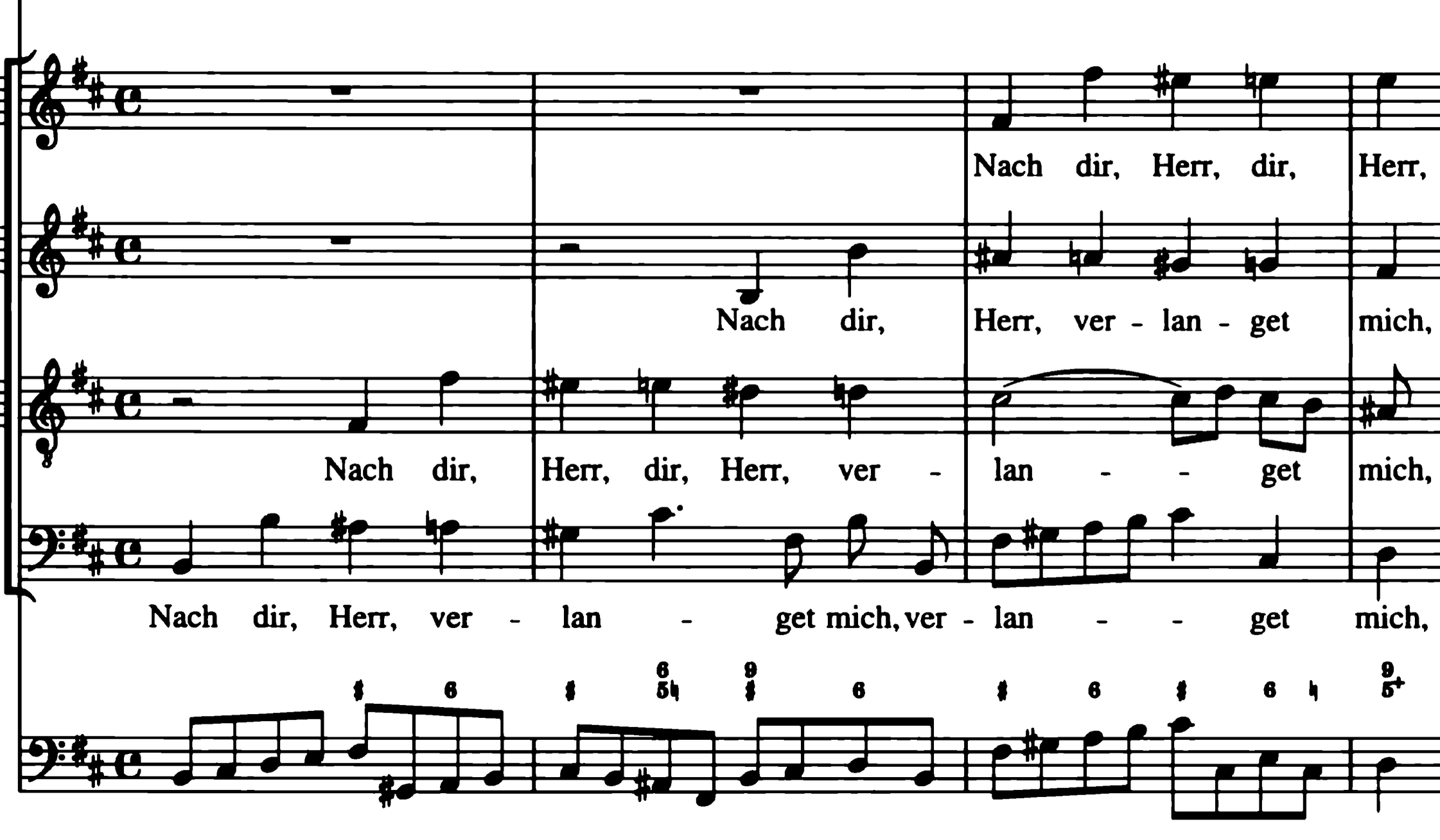
138: Bach's Very First Cantata
Jun 2301:01:38Tap to summarize— Who is Doctor Conrad Meckbach, and what is he doing in the middle of cantata 150?!Using clues from a clever acrostic spread throughout the text, scholars have securely dated this cantata to Bach’s years in Arnstadt. Penitential in theme, it would have been performed during Lent, 1707. It is now considered Bach’s earliest cantata.You Oughta Cantata!The finale, an early chaconne, (as I forgot to mention in the episode!) served as Brahms’ inspiration for his own chaconne in the last movement of his last symphony. Brahms was one of the editors of the Bach-Gesellschaft when this cantata was first published, so here we see the remarkable moment where the 22 year-old Bach inspires the 52 year-old Brahms. Note the similarities in shape, the flute line in particular:Bach’s early cantatas are full of sudden tempo changes. These cantatas are Wagner’s harbingers much more than the later models. The text wholly dictates the mood— even the shapes of the fugue subjects— the choir, unlike in the later cantatas, drives the drama through the majority of movements. This page, for example, looks typical of the early style:The beginning of the 4th movement particularly beautiful. The words ‘lead me’ are painted with a rising scale passing through each part, one section leading the next:See the acrostic (Doktor Conrad Meckbach) via Hans Joachim Schulze’s work:https://bjb.publia.org/bjb/article/view/2270/2196Ton Koopman’s recording:Masaaki Suzuki’s recording: BWV? Bach Would Vouch!We Rely Exclusively on Paid Subscriptions! Help WTF Bach endure:Join at WTFBach.comThis is the only place Evan checks comments regularly.You can also make a one-time donation here:https://www.paypal.me/wtfbachhttps://venmo.com/wtfbachThank you for your help!Concepts Covered: BWV 150, Nach dir, Herr, verlanget mich, For You, Lord, I Long, as Bach’s first cantata, the acrostic found in Hans Joachim Schulze’s work: Who was Doktor Conrad Meckbach, and what is he doing in the middle of an early Bach cantata? Arnstadt vs. Mülhausen. Bach’s tone painting in his early years, the text driving the fugal shapes. We discuss form to Early Bach, how Bach’s early years rely on a freedom of form, whereas later in his life he narrows the focus on form— quite the opposite of the trend of most artists in history. Get full access to W.T.F. Bach? at wtfbach.substack.com/subscribe
Transcribe →
Inner Monologue: A Classical Musician's Thoughts at a Party
Jun 1600:11:46Tap to summarizeAm I the only one who hates when people ask what I ‘do?’ Composed first as a dialogue, I decided to make this more stream of consciousness, as today is Bloomsday (though this is not the least bit Joycean.) With which Evan will you sympathize? I imagine many of my colleagues have experienced similar thoughts… or am I the worst…?Are musicians, ‘artists?’ Or perhaps, are artists that make music, musicians?Is taste merely a matter of class? Where does preference stop and ‘snobbery’ begin? Do you agree with Pierre Bourdieu’s judgment of taste?Do you like Sibelius?Spread Your Fingers:Yeah.Evan.Likewise.What I…? Oh what I do…Right, well, if you ask me what I do, I’m going to tell you: I breathe, I walk, I sit, I sleep, just like you! Just like you. What I do.I might venture that I’m an inventor, or no longer need to work, because, right out of university, you see, I came up with a really clever patent for trampolines that has prevented the paralysis of hundreds of bouncing children— if not thousands.Yes, yes, every month, every month checks. …for all the new trampolines in the world that have my… device somewhere on the side of the, trampo—Yes, it is odd being rich from trampolines. But, I’ll take what I can get.That’s a good line, ‘odd being rich from trampolines.’I’m also a professor of 18th century German religion at an online University in …sssSingapore!Singapore? You ask. Yes, yes, Singapore.Do you, lecture online, what with the time change and all that?Yes, yes, with the, with the time change.Truth hurts: I play the piano and harpsichord and organ. You’ll ask, ‘Is that all you do.’Is that all I do. Is that all I do. Let’s say I were the 17th best flamenco dancer in the world, but I had to supplement this with bus driving.‘Hey! There’s Evan the bus driver’ not ‘Hey, there’s Evan, the 17th best flamenco dancer in the world.’ You might consider me a fairly good dancer, best dancer in the village even— but I’d still be, ‘Hey, there goes Evan the bus driver.’ But if suddenly, suddenly, flamenco paid well enough where I could stop driving the bus,‘Hey! There’s Evan the flamenco dancer.’I wouldn’t have gotten any better or worse at dancing the whole time.I hate these parties where people ask you what you do. I want parties where that’s not allowed, where you lead with, what is your favorite color? The no small talk party. You guys going to the no small talk party? It’s actually going to be enjoyable.Somewhat vibrant green bordering on blueish… what’s yours? Oh did you meet Sheila? She also likes the greenish blues!What’s your main fault? Hey Dave, nice to meet you, what’s your main fault. You ever cheated on someone, Dave? Who is your favorite heroine in fiction?Yes, that’s all I do. All I do is play the piano. Oh, it must be so nice to be able to make a living with your passion.I hate it when people say that. Passion. Overused word.Yes, it is. It’s a good life. I’m healthy I’m happy. I am healthy and I am happy. What did that guy say on Instragram? ‘every day, wake up, sip lemon stare into the sun and say, today is going to be a great day, today is going to be a great day…’Yes, I should say this to myself more often. I am grateful.But sometimes— sometimes!— I wonder if I had given it all up to be the snowplow man, I wouldn’t have to remind myself to remind myself to be grateful. Just— pkcchhhh— plow the roads, up at at ‘em before even the well-employed! Thermos full of coffee, heater blasting, 20 below out, but I’m in a T-Shirt in here… pkchhhhh— plow the snow, plow the roads— what’s on the radio? Not my colleagues and thank god for that. Who’s got time to remind themselves to be grateful now? Snowplow man! Honk Honk!Do you have any idea what it’s like to not be accountable to anybody but yourself, to make your own deadlines, to create your own goals, make your own structure? If suddenly people woke up and had to create their own work, no one would get out of bed! When robots replace everything, no one will know what to do, but I’ll carry on exactly as I always have. I got fugues to learn man! Let the robot sweep my house, do my laundry, but unless the robot’s gonna write in useful fingering, I’m busy! No one will ever pay to hear robot pianists.Oh …my god. Robot Pianists.These parties. These parties. This vapid socializing! Look, if 95% percent of success is showing up, I’ll take 5% of my potential fame, thank you— You’re a pianist? Oh, I heard this fantastic pianist play the most incredible Schumann — or was it Schubert…’Was it me? Oh, wasn’t me?! As if they were any good, I wouldn’t be overcome with jealousy, and if they were mediocre, I wouldn’t abhor them for destroying our profession with mediocrity!Don’t talk to a musician about musicians. Unless you’re drinking buddies with Leo van Doeselaar, I have no interest whatsoever in your anecdotes.But shouldn’t I be glad to speak to someone who goes to the symphony— who even goes to the symphony?I should! I’m not! Last thing you do when you meet a working actor is talk about all the movies you’ve seen. Wasn’t Brad Pitt great?! Get a life.This thinly disguised sacred— sacred humility placed upon us by none other than Beethoven, of course, and the fact that we may no longer enjoy music for the reasons we once fell in love with it… likely a classical musician. You guessed it. I must look it. Over qualified. Underpaid. Bitter. Do I have the posture of a classical musician? You bet.And then, I don’t know what’s worse, ‘do you like Sibelius? I used to take music lessons as a kid I never learned how to read do you ever listen to Eric Clapton?’ Did you know that actually Eric Clapton and Paul McCartney don’t know how to read music’ Well it’s about f***** time they did! If they’re such geniuses, have ‘em solve a treble clef.Doesn’t read music. This kills me. It’s like talking about your favorite author who doesn’t read. No really, he doesn’t know how to read! He just talks into a microphone!And you enjoy that?Yes, yes, now would be a bad time to mention your nephew is a DJ. Is there a defibrillator nearby, because I’m going to need to revive the part of me that just died.Also a musician. Also! a musician. What because he makes sound? There, did you count that glass that just fell off the table a musician, also a musician? I’d rather listen to broken glass than your nephew. Ha! What you think about that?!Lots of people took music lessons, lots of people can pick up an instrument and play a little something, and a lot of these people, especially the men, fancy themselves ‘good at music.’ Hence, I’m gonna put musician in my bio. Art lover, coffee historian, dog walker, musician.So...?Well, so a lot of people know how to play ping-pong too. And I feel like the olympic ping-pong player.Is… that a phrase?You remember the olympic ping-pong player who once explained, ‘there is no other sport where, if you tell someone you’re a professional, people respond by saying… ‘I dunno! I’m pretty good…’So I’m out to prove I’m an olympic musician, and I’m better at music than this party of non-professional musicians. Exactly.Exactly. Okay. This is where we are. Measuring yourself against non-professionals… Oy. I need a drink. Where is the bar.It was only recently pointed out to me that feeling like an imposter is a good sign, really, because real imposters never have imposter syndrome. Turns out the real imposters think they’re ‘pretty good!’So… I want people to know, that even though I’m a professional, and the world thinks I’m really good. I still think I’m really bad, at music.Okay.Do I really think that I’m bad at music? Well, I didn’t practice enough today… Didn’t practice enough the last seven years really. Oh well, I never had the dreaded 9-5…The dreaded… the dread— This is exactly what I’m talking about! this is the 9-5 man!What, writing dialogues featuring split personalities.Indeed! Hear, hear!Everything is research, even the way I’m going to order this drink is a performance.‘Negroni please. No garnish.’Ha ha, no garnish. Bet that threw him off. He wasn’t expecting that little bit of flare. that was my improvised cadenza. Being an artist is crazy work.Ugh, did I say artist? Artist! I hate that word artist.Are we not an artist?Not for us to say.Musician. Musician, now this is fine. I can go over to that piano and entertain this whole party. Can your DJ nephew do that? Schmuck.Sit down and play a little Scott Joplin, Evan.Coming right up.Got any Schubert in there?I dunno, Johnny, does a bear crap in the woods?Hahaha.They’d be so charmed.Only a musician can do that. An artist —why they need curation. They need their tools handy or they can’t create. I can make music on a bottle cap. Musicians don’t just sit around waiting for the muse to whisper…Do people think that?Everybody thinks that! That’s the Cliche! For most people music is American Idol. It’s a lucky break. That’s all success is: a lucky break— everyone wants to know how I can make ends meet if they couldn’t. Can’t be hard work, couldn’t possibly be hours of grueling hard work, what did I have a good manager or something?Author, director, educator, socialite, content creator, cat mom, musician…Puke! Vomit creator. Can you add that one please? Vomit creator.What do you do?I’m a Vomit...
Transcribe →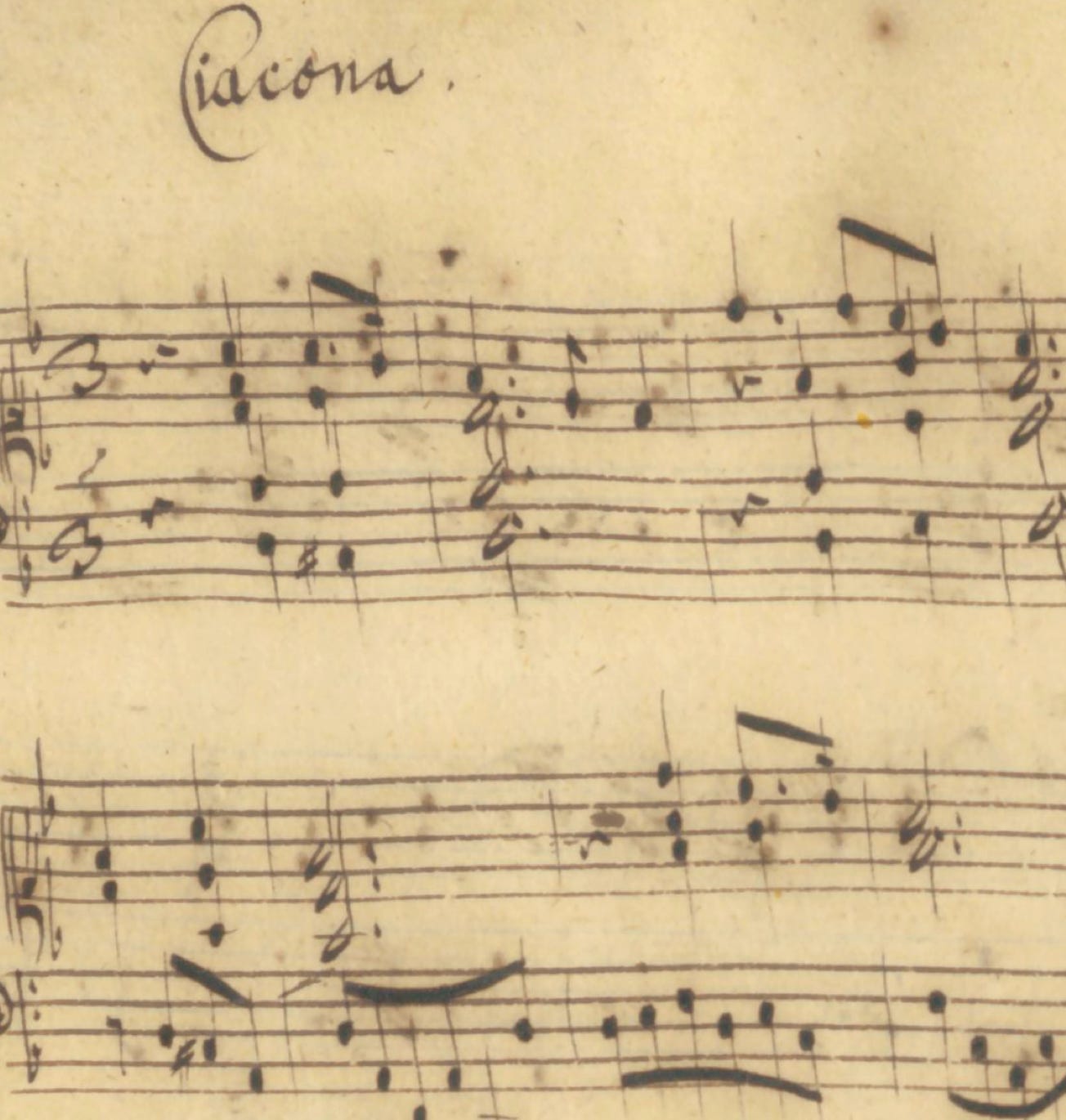
137: Special Guest! Peter Wollny
Jun 900:52:13Tap to summarizeLast December, I spoke with Peter Wollny, one of today’s most important Bach scholars. We discuss how one becomes a Bach scholar, what it’s like to be in close proximity with Bach’s handwritten manuscripts, using watermarks within the paper to form a compositional chronology, and forming a ‘personal relationship’ with a figure from the past. Here are some of my favorite quotes from our interview:Q: Is there something that surprises you when reading a piece with scholarly intent vs. hearing it?A: What you can’t predict is how deeply it will go to your heart.—It can easily be said that there is something in the autograph that conveys something about a personality from the past, and it may be true, but it’s very risky because you can end up looking for something that is in your own head but not included in the manuscript.—This past summer I started a series of photographs trying to figure out the population of wild bees in our garden, and actually I identified a species of bees that was believed to be extinct in Saxony since 1930.Chaconne on the Gramophone:The two new chaconnes! Available for download: BWV 1178, in d minorBWV 1179, in g minor(Outro music is a choir of yours truly singing from Ich hatte viel Bekümmernis, BWV 21.)We Rely Exclusively on Paid Subscriptions! Help WTF Bach endure:Join at WTFBach.comThis is the only place Evan checks comments regularly.You can also make a one-time donation here:https://www.paypal.me/wtfbachhttps://venmo.com/wtfbachThank you for your help!Concepts Covered:‘Confirmation Bias’ in musicology, J.S. Bach Toccatas BWV 914, BWV 913, the new Johann Martin Schubart sources. The attribution to Johann Christoph Graff in the new discovery of Bach’s early Chaconnes. Independent fascicles sewn into larger books, the process of fascicles copied from page 4, page 1, then pages 2-3. Peter Wollny’s discovery of new works by J.S. Bach. Bach’s early interest in ostinato pieces, Bach’s copies of chaconne’s by Buxtehude. Get full access to W.T.F. Bach? at wtfbach.substack.com/subscribe
Transcribe →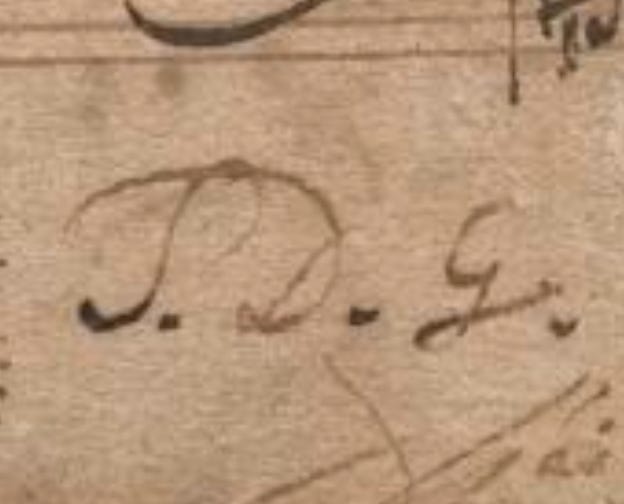
136: Bach's 12-Tone Fugue (WTC Finale!)
May 2801:35:12Tap to summarize(Fear not the length of this episode: the last 25 minutes or so are three different playings of the piece.) Having written a prelude and fugue in every possible key, having created a single temperament for all of those pieces, having stretched the thematic growth from a 6-note fugal subject to one with all 12 possible notes, Bach achieves a victory that would become the very foundations of music. At the very end, in one of his layerings from the 1730s, he adds, S.D.G., Soli Deo Gloria, glory to God alone: While all pieces in this collection may suggest images, no single piece in the collection is as evocative as this one. For the first and only time in this volume, we get tempo markings for the set: andante and largo.The andante is indeed a walk— toward Golgotha. Two voices in imitation trade the weight of dissonances struggling against the fateful steps up to Mount Calvary:This prelude is the only binary piece in the collection, divided in half by repeat signs (whereas roughly half of ‘Book Two’ are binary preludes.) Finally we get to the fugue. Often called the first 12-tone row in history, the fugue’s subject makes use of every single chromatic note. If C=1 in this diagram (it is usually 0 in Schönbergian theory) you will find all 12 pitches accounted for:Sighs in the slurred notes, the theme bursts with musical ‘crosses.’ Those witnessing the crucifixion weep in four voices. Bach’s burden was tone— he carries all twelve of them. Equally striking in the subject is his own name, crossing upon itself dozens of times in this finale. Every other slur spells his name (in transposition.) A twelve-tone row, crosses, weeping, this theme has everything: It has been a great joy to work on all these pieces over the past 10 months. Thanks for all your support. ‘Book Two’ will also be studied in depth on the show, but not quite yet. There are guest interviews to be released and I will be turning my attention to Bach’s earliest vocal works in the coming months. Soli Deo Gloria!We Rely Exclusively on Paid Subscriptions! Help WTF Bach endure:Join at WTFBach.comThis is the only place Evan checks comments regularly.You can also make a one-time donation here:https://www.paypal.me/wtfbachhttps://venmo.com/wtfbachThank you for your help!Concepts Covered:A long discussion on religion in 18th and 17th century Germany, re: the seriousness of Bach’s own faith. The Well-Tempered Clavier finale, in h moll is today’s subject, conjuring images of Golgotha, crucifixion music, Bach’s own signature, musical crosses, Simon bearing the weight of the cross in the prelude et cetera. The fugal subject is a twelve-tone row, a theory not fully realized until some 200 years after J.S. Bach. Get full access to W.T.F. Bach? at wtfbach.substack.com/subscribe
Transcribe →