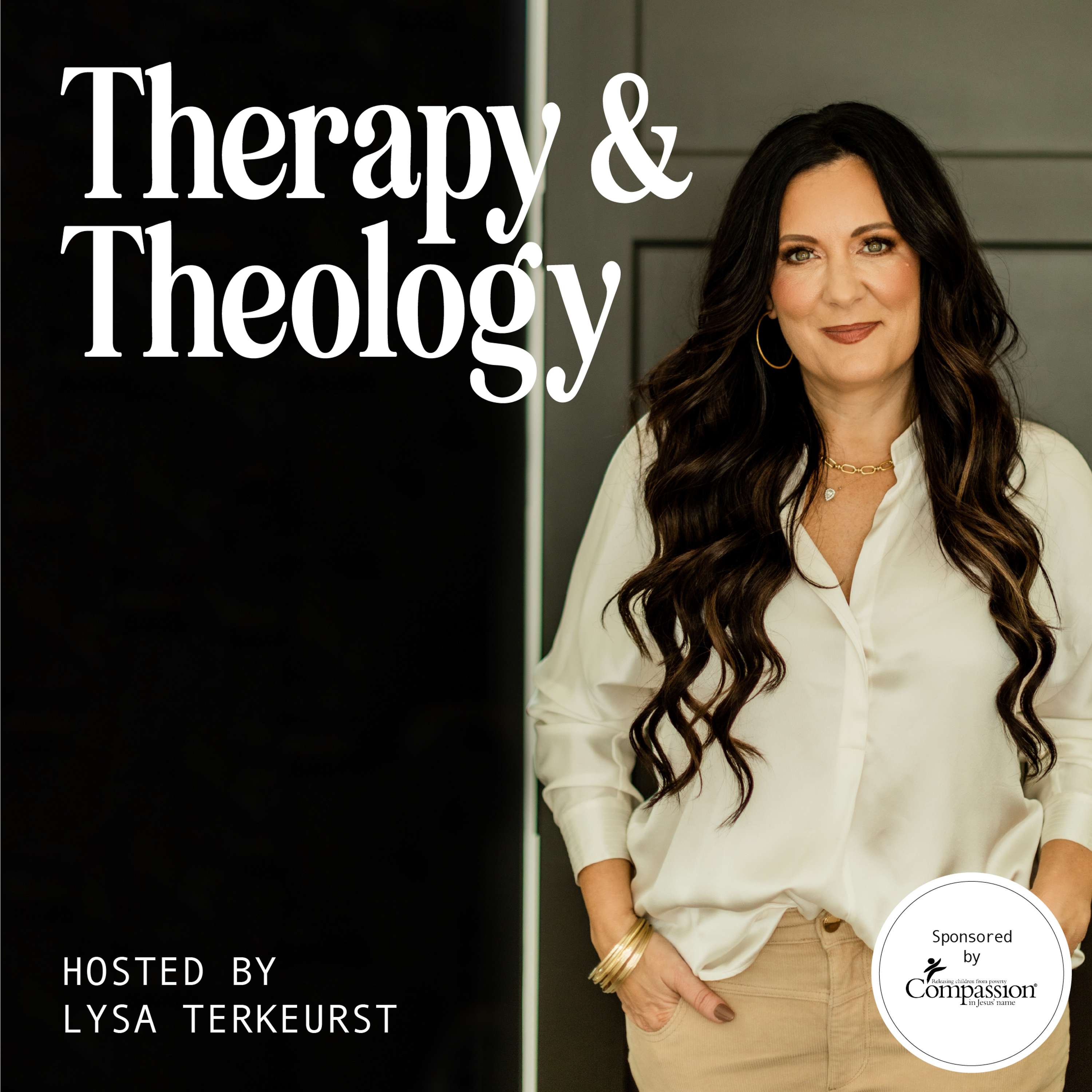
Podcast Summary: Therapy and Theology
Episode: Season 9 | Red Flags in Relationships
Release Date: July 3, 2025
Host/Author: Lysa TerKeurst
Guests: Jim Cress (Licensed Professional Counselor), Dr. Joel Muddamalle (Director of Theological Research at Proverbs 31 Ministries)
Introduction
In the premiere episode of Season 9, titled "Red Flags in Relationships," Lysa TerKeurst, along with her co-hosts Jim Cress and Dr. Joel Muddamalle, delve into the intricate dynamics of recognizing and addressing red flags within various types of relationships. The episode sets the stage for a summer miniseries aimed at equipping listeners with the tools to identify and navigate potential pitfalls in their personal connections.
Defining Red Flags (00:02 - 10:15)
Lysa TerKeurst begins by contextualizing the concept of red flags, emphasizing that they are not merely minor inconveniences but significant indicators that a relationship may require attention or reevaluation.
"Red flags aren't just annoyances; they're signals that something deeper needs our attention," (Lysa, 02:45).
Jim Cress complements this by outlining common red flags across different relationship types, including communication breakdowns, lack of trust, and inconsistent behavior.
"Identifying red flags early can save us from deeper emotional turmoil down the line," (Jim, 08:20).
Dr. Joel Muddamalle adds a theological perspective, discussing how biblical principles can guide individuals in discerning healthy versus unhealthy relationships.
"Scripture provides a framework for understanding our relationships and recognizing when they align with our values and faith," (Joel, 09:50).
Common Red Flags in Various Relationships (10:16 - 25:30)
The discussion transitions into specific red flags pertinent to different relationship contexts:
-
Romantic Relationships:
- Control Issues: One partner attempting to dominate decisions or restrict the other's freedom.
- Emotional Unavailability: Difficulty in expressing feelings or commitment.
"When one partner consistently undermines the other's autonomy, it erodes the foundation of trust and respect," (Jim, 12:40).
-
Friendships:
- One-Sided Effort: When only one person invests time and energy.
- Lack of Support: Absence during critical times or dismissive attitudes.
"Friendships should be reciprocal, where both parties feel valued and supported," (Lysa, 17:55).
-
Family Dynamics:
- Enmeshment: Overly involved relationships that blur individual boundaries.
- Constant Criticism: Unconstructive feedback that diminishes self-worth.
"Healthy family relationships respect individual boundaries while fostering connection," (Joel, 23:10).
Personal Red Flags: Self-Reflection (25:31 - 35:50)
The conversation shifts inward, addressing the importance of self-awareness in recognizing one's own red flags within relationships.
Lysa TerKeurst encourages listeners to engage in honest self-reflection to identify patterns that may be detrimental.
"Sometimes the red flags we see are also reflections of our own struggles and areas for growth," (Lysa, 28:15).
Jim Cress provides practical steps for self-assessment, such as journaling and seeking feedback from trusted individuals.
"Understanding our triggers and behaviors is crucial in fostering healthier interactions," (Jim, 33:05).
Dr. Joel Muddamalle integrates theological insights, suggesting that personal transformation is attainable through faith and intentional effort.
"Embracing change is a spiritual journey that aligns our actions with our higher purpose," (Joel, 34:40).
Addressing Red Flags in Professional and Casual Relationships (35:51 - 45:20)
The hosts explore how red flags manifest in professional settings and casual acquaintances, emphasizing the universality of these signs.
-
Professional Relationships:
- Lack of Respect: Disregard for ideas and contributions.
- Unethical Behavior: Compromising integrity for personal gain.
"A toxic work environment can significantly impact our mental and emotional well-being," (Jim, 38:10).
-
Casual Acquaintances:
- Manipulative Behavior: Subtle attempts to control or influence without consent.
- Inconsistent Communication: Erratic interactions that cause confusion and instability.
"Even in fleeting connections, recognizing red flags helps maintain personal boundaries," (Lysa, 42:30).
Strategies for Navigating Red Flags (45:21 - 55:45)
The hosts offer actionable strategies to address and manage red flags effectively:
-
Open Communication: Encouraging honest dialogues about concerns and boundaries.
"Clear communication is the cornerstone of resolving misunderstandings and preventing escalation," (Jim, 46:15).
-
Setting Boundaries: Establishing and maintaining personal limits to protect emotional health.
"Boundaries are not barriers; they are bridges to healthier relationships," (Lysa, 50:00).
-
Seeking Support: Utilizing professional counseling and spiritual guidance when needed.
"Reaching out for support is a strength, not a weakness," (Joel, 52:45).
-
Evaluating Relationships: Assessing the value and impact of relationships on one's life.
"Not all relationships are meant to last, and it's okay to let go of those that hinder our growth," (Jim, 54:30).
Conclusions and Takeaways (55:46 - 60:00)
In wrapping up the episode, Lysa TerKeurst reiterates the importance of vigilance and proactive measures in cultivating healthy relationships.
"Recognizing red flags is the first step towards fostering meaningful and supportive connections," (Lysa, 58:20).
Dr. Joel Muddamalle underscores the integration of therapy and theology as a holistic approach to personal and relational well-being.
"Combining professional counseling with spiritual wisdom offers a comprehensive path to healing and growth," (Joel, 59:50).
Closing Remarks
The episode concludes with an encouragement to listeners to stay engaged throughout the summer miniseries, promising deeper dives into various red flag scenarios and providing continued support on the journey to self-awareness and healthier relationships.
Notable Quotes with Timestamps:
- "Red flags aren't just annoyances; they're signals that something deeper needs our attention." — Lysa TerKeurst (02:45)
- "Identifying red flags early can save us from deeper emotional turmoil down the line." — Jim Cress (08:20)
- "Scripture provides a framework for understanding our relationships and recognizing when they align with our values and faith." — Dr. Joel Muddamalle (09:50)
- "Sometimes the red flags we see are also reflections of our own struggles and areas for growth." — Lysa TerKeurst (28:15)
- "Combining professional counseling with spiritual wisdom offers a comprehensive path to healing and growth." — Dr. Joel Muddamalle (59:50)
Key Takeaways
- Awareness: Recognizing red flags is crucial across all types of relationships.
- Self-Reflection: Understanding one's own behaviors and triggers enhances relationship health.
- Communication: Open and honest dialogue is essential in addressing and resolving issues.
- Boundaries: Establishing personal limits safeguards emotional well-being.
- Integration of Therapy and Theology: Combining professional guidance with spiritual insights fosters holistic healing.
This episode serves as an invaluable resource for anyone looking to deepen their understanding of relationship dynamics and take actionable steps towards healthier, more fulfilling connections.