Loading summary
Transcript81 lines
- [00:11]
Dr. Joy Harden Bradford
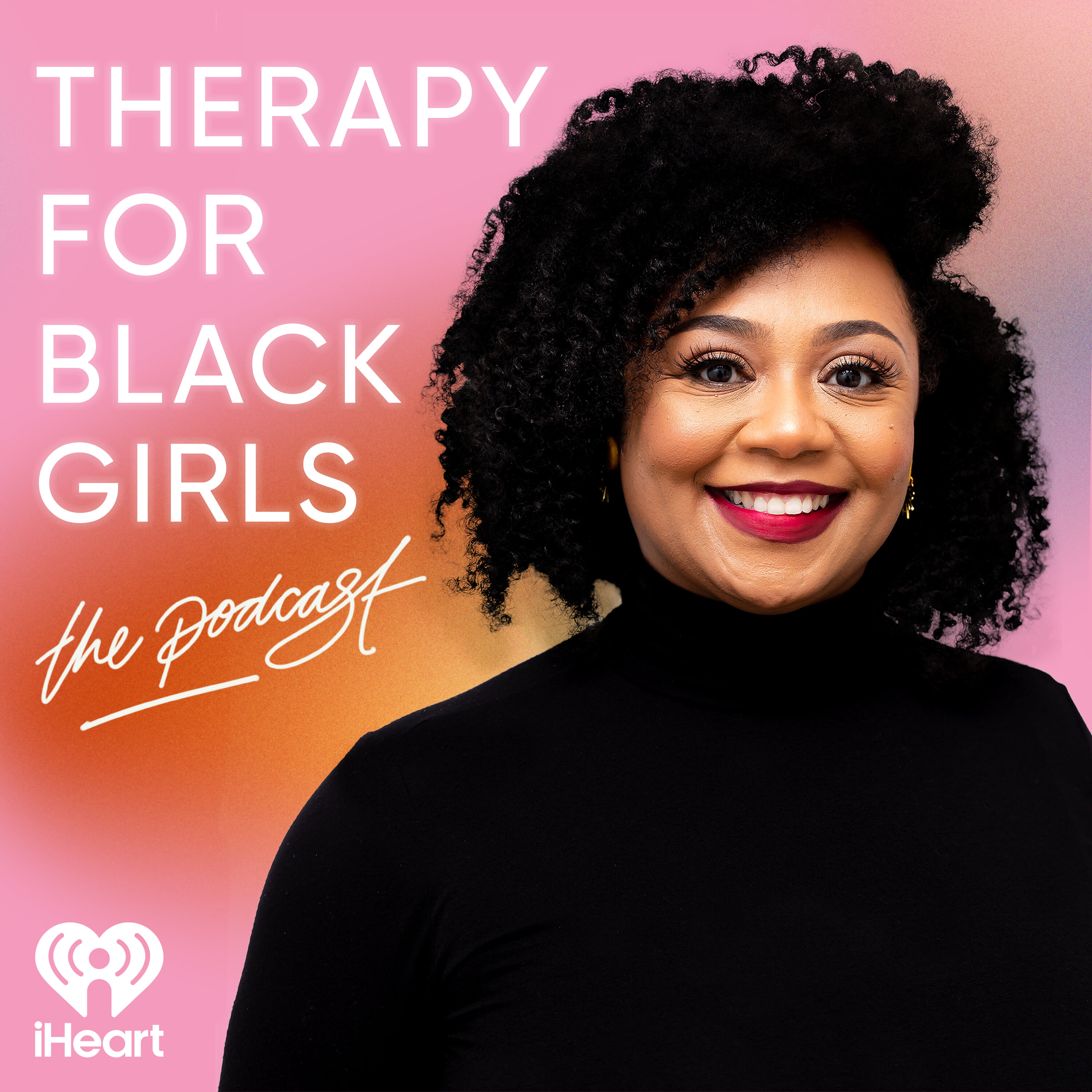
Welcome to the Therapy for Black Girls Podcast, a weekly conversation about mental health, personal development and all the small decisions we can make to become the best possible versions of ourselves. I'm your host, Dr. Joy Hardin Bradford, a licensed psychologist in Atlanta, Georgia. For more or to find a therapist in your area, visit our website@therapyforblackgirls.com while I hope you love listening to and learning from the podcast, it is not meant to be a substitute for a relationship with a licensed mental health professional. Hey y', all, thanks so much for joining Me for session 403 of the therapy for Black Girls Podcast. We'll get right into our conversation after a word from our sponsors. Have you heard the news? Therapy for Black Girls is launching our Community on Patreon. It's your space to be seen, heard and understood in an even more connected way. We're excited to bring you new segments like so My Therapist Said, where we break down viral therapy, hot takes with real mental health professionals, TBG Community Chats where we unpack trending pop culture topics that have us all in our feelings and opportunities to connect with other sisters all over the world. Sign up now at therapy for black girls.com join patreon for all the details about what we're planning and to be the first to know when the doors are open. We can't wait to see you inside. This is an I Heart podcast.
- [01:54]
AT&T/Chase/Advertisement Voice
The best kind of help is the kind you don't have to ask for, like your friend pulling up on Move in day with a truck, a speaker and snacks ready to go. Well, that's the energy you get with AT&T's new guarantee. If there's ever a network interruption, they make it right by giving you credit for a full day of service. Proactively credit for fiber downtime lasting 20 minutes or more or wireless downtime lasting 60 minutes or more caused by a single incident impacting 10 or more towers. Restrictions and exclusions apply. See att.comcash guarantee for full details. AT&T connecting Changes Everything.
- [02:32]
Dr. Joy Harden Bradford
Many of us play lots of different roles in life partner, employee, caregiver. And many of us also think about another role that could take our life where we want it to be. Degree holder that's where National University comes in. They've been busy since 1971 creating more ways for you to work earning a degree into your hectic life. NU confers more graduate degrees to diverse populations than any other institution in the country, with more than half being earned by women. With flexible online formats, NU makes higher education possible and ACHIEVABLE for busy working adults. Learn more today at nu.edu. this episode of therapy for Black girls is brought to you by Chase Sapphire Reserve. Whether you are booking your next trip or a weekend escape, Chase Sapphire Reserve is your gateway to the world's most captivating destinations. When you use your Chase Sapphire Reserve card, you get eight times points on all purchases made through Chase Travel and even access to one of a kind experiences like music festivals and sports events. And that's not even mentioning how the card gets you into the Sapphire Lounge by the Club at select airports nationwide. Travel is more rewarding with Chase Sapphire Reserve. Trust me. Discover more@chase.com Sapphire Reserve cards issued by JP Morgan Chase Bank NA member FDIC subject to credit approval terms apply. Parents of Tweens if you're familiar with.
- [03:52]
AT&T/Chase/Advertisement Voice
Far off drop offs dad, stop.
- [03:54]
Dr. Joy Harden Bradford
Stop.
- [03:54]
Asia Miliah Aware
Stop right here or get DMs about what's for D? You may be experiencing tween milestones for your son or daughter. These can start at age 9. HPV vaccination, a type of cancer prevention against certain HPV related cancers, can start then too.
- [04:08]
AT&T/Chase/Advertisement Voice
For most, HPV clears on its own, but for those who don't clear the virus, it can cause certain cancers later in life.
- [04:14]
Asia Miliah Aware
Embrace this phase, help protect them in the next. Ask their doctor today about HPV vaccination brought to you by Merck.
- [04:25]
Dr. Joy Harden Bradford
As we close out our 400th episode celebration, we wanted to shift the focus to how media representation has impacted Black women over the years and how changes in the industry inform how we will continue to see ourselves. Joining me are the cuts beauty Editor Asia Wear and founder of Black Girls in Media, Tasha McCaskill. With their separate but interconnected experience as journalists and media strategists, we unpack how one even begins a career in journalism, how the state of the industry shifts, where we find authentic Black stories, and the importance of not skipping out on the work. If something resonates with you while enjoying our conversation, please share it with us on social media using the hashtag tbginsession. Here's our conversation. Thank you both for joining me today. I'm very excited to chat with you.
- [05:16]
Asia Miliah Aware
Thank you for having us.
- [05:17]
Tasha McCaskill
Super excited. Yes, thank you.
- [05:20]
Dr. Joy Harden Bradford
Yeah. Very, very excited to hear more about you and your incredible career. So Asia, we'll start with you if you could just introduce yourself and tell us a little bit about how you actually got started in your career.
- [05:31]
Asia Miliah Aware
Woo. It's been a journey. I am now a beauty editor @ New York magazine's the Cut. To make a long story short, I'VE always known that I wanted to work in magazines, work in fashion and beauty. But I really started interning when I was at Hampton University. I would intern at Essence magazine. I'd intern for radio stations. And when I graduated college, I had an internship at InStyle magazine, which kind of just catapulted my career from there. And, yeah, that's how I started.
- [06:02]
Dr. Joy Harden Bradford
Okay. What about you, Tasha?
- [06:04]
Tasha McCaskill
Yeah, so I started off with internships too. I'm from Charlotte, so I was like, how can I get to a bigger city? So I went to grad school at nyu, majored in pr, and I majored in PR undergrad at A and T. And then, yeah, when I was in New York, I just took advantage, did internships, went from one to another, and just, you know, learned what I like in terms of media and the media industry. And then after I graduated, that's when I wanted to network with other black women, and that's when I started Black Girls Media.
- [06:37]
Dr. Joy Harden Bradford
Perfect. So it's like you both have had, I would say, pretty traditional routes into media, right? Like the internship kind of funnel. And I definitely want to hear more about that, but I wonder if there is any, like, particular moment that made you think, like, oh, this is definitely the career for me. Well, what about you, Tasha? We'll start with you.
- [06:58]
Tasha McCaskill
It took me a while, I would say. So I went into undergrad undecided. I really didn't know what I wanted to do when it came to media or let alone my career. So that's when ant I just really started testing, doing PR classes, doing journalism classes. And I realized, okay, I like to talk a lot. I like to help people with their brands. So it took me a while. I started off in pr, and then once I moved to LA doing more of it, I kind of realized the PR life wasn't really for me. And then that's when, you know, I started going into social media, growing my personal social media, but then also joining companies on their social media team. So, yeah, just giving myself that freedom to explore what I liked, whether it was pr, social media, branding, and entrepreneurship in general.
- [07:51]
Dr. Joy Harden Bradford
What about you, Asia?
- [07:52]
Asia Miliah Aware
Yeah, I'd have to agree. I knew from very early what I wanted to do, but my mom would always be like, you need to try everything to make sure that is really what you want to do. And so when I was in high school, I grew up in New York. When I was in high school, my senior year, I was in a journalism class, and we would go to magazines as class trips. And I just remember going to See, So we went to People magazine and we went to the fashion and beauty closet. And I was like, oh my gosh. I had always known I wanted to work in fashion and beauty, but seeing that closet and seeing the people working there, I was like, oh my gosh, this is actually a real job. And I just remember all my classmates being like, asia, we can see you doing this. Like, this is so you. But there was nobody black and there was nobody over a size 2. And when I went to Hampton, I actually didn't major in communications for my first semester because I was like, I want to do that, but it seems like it is just a dream. It doesn't seem like it's a reality because I didn't see myself represented. And I had a professor my first year at Hampton who read my writing and she was like, you do not. So I was. I went into Hampton majoring in education because I was like, well, I like kids. I'll just be a teacher and I'll have a style blog. Because I just needed fashion to be a part of my day to day somehow. And my professor was like, you do not want to do this. If you want to do journalism, you need to just go for it and your lane will make way for you. And that is exactly what happened. But speaking to just trying different things, I too had like Tasha said, I had a PR internship and I was like, okay, well, this isn't for me. I had a marketing internship in radio. I really tried everything, but at my core, I knew I wanted to be an editorial. I knew I wanted to be in magazines. And I think when it came down to that and I was doing that, I felt really settled and. And okay, I know this is exactly what I want to do because I've tried everything else and this is still what makes me happiest. And this is where I still feel the most fulfilled.
- [09:55]
Dr. Joy Harden Bradford
So, Aja, do you remember what magazines did you kind of really grow up reading and were very influential to you?
- [10:04]
Asia Miliah Aware
Team Vogue was one, which is amazing because I spent two and a half years of my career working at Teen Vogue Seventeen magazine. But even like early days like Vibe, I remember my older cousins having Vibe magazine and like having the posters on their wall like that. I would so look forward to just taking posters out and putting them on my wall, flipping through like People Style Watch and People Style Watch was a thing seeing what is celebrities wear and where can you find the look for less. I was just always like this obsessive teenager with magazines. And so, yeah, like I said, especially Teen Vogue. Being able to work for Teen Vogue later in my career after growing up with it was completely full circle.
- [10:48]
Dr. Joy Harden Bradford
So, Tasha, I would imagine you have a very unique vantage point because of the organization that you founded. And it sounds like a part of the reason why you founded Black Girls in Media was because of the underrepresentation and really wanting to have an outlet to talk with other black women in media. But what are your thoughts about, like, the current landscape of black women in media?
- [11:08]
Tasha McCaskill
I see a lot of opportunity for us for black women in the media landscape. I think that the world knows, and also we know now that we are the media, we are the culture. We shape what's happening. We shape what's trending. And so us knowing that now and walking in that power through content creation and being able to have our own platforms now, just like Asia said, like, when we first started off, I remember when I went to New York for the first time, I worked Fashion Week in those rooms and not seeing anybody that looks like you. We had to fight for those opportunities. And so now the fact that we're able to have our own platforms on social media, I see a great trend of us being able to, you know, just dominate when it comes to media, create more outlets and more projects, and just really own the narrative.
- [12:02]
Asia Miliah Aware
I think, for me, it's been really influential to have black women as mentors in my career. And so I think, like Tasha said, the landscape is changing. I think in fashion and beauty especially, it has been a slow. It's been very slow to build with seeing more black women. But again, like, having black women as mentors in my career has completely changed my career. And so I think the big thing there is just, like, reaching as we climb, right? Like, when we get in, like, not closing the door behind us. Like, we are in these spaces not only to be representative of just black women as a whole in the media, but we are also in these spaces to make sure that other black women are coming up behind us.
- [12:50]
Dr. Joy Harden Bradford
And I'd love to stay with you, Asia, to talk a little bit, because you are in a more traditional kind of media space. Right. And we know, you know, especially with, like, Joy and Reese show being canceled and, like, there's been lots of commentary, commentary around traditional media spaces and Black women. How do you. Besides mentorship, are there other things you can think of in terms of black women continuing to create lanes for themselves in traditional media?
- [13:14]
Asia Miliah Aware
Yeah, I mean, I. I always tell people all the time. I remember when I was interning, before I could get an internship in Magazines, everyone would always say, you need experience. You need experience. You need experience, right? And I was like, well, I can't get experience if you're not giving me experience. And so I started my own blog when I was in college. I was probably a freshman, I think, still in college. I started my own blog. And I was like, look, if you aren't going to give me an opportunity, I'm going to create an opportunity myself. And I think with a lot of black women, that is ultimately what it comes down to. Because, again, like, a lot of times, they just need black women to check off a box. Like, okay, we've done our hire. And especially in today's political climate with DEI and everything, like, we aren't a first thought. Right? And so I think a lot of times, like, what I've always learned is just as a black woman, we have to be great at everything. Right? And so I felt like I didn't have a choice but to create my own platform. And even now, working at a magazine, I still do my own thing, because you just have to. You just have to. And so I think along with mentorship, it's been, like, always having your own lane. Like, it's been the most important thing to me. And it's. I think learning to be great at everything is something that, as black women, we just have to do in these positions. But it also is what kind of helps to build our career, because it's, oh, you said you need somebody for this, but. But we're not good enough for this. Okay, well, I can also do that. And does it put us at a disadvantage? A lot of something. Is it unfair? Absolutely. But it's just from what I've always seen in this traditional media landscape, it is what sets us apart.
- [15:07]
Dr. Joy Harden Bradford
So I'd love to hear you both kind of talk about. Because, you know, the independent space is like substacks and even podcasts and I think blogs you mentioned several times. Asia. Right. It does definitely feel like black women thrive in those spaces and continue to set up shops there because we don't know if traditional spaces will be available to us. So how viable do you think these more independent lanes of media are?
- [15:32]
Asia Miliah Aware
I think it's extremely viable. I mean, even when we. When we look at, you know, having your own platform, whether it's a substack, whether that's a podcast, you have no limits to what you can say. Right. And I think a lot of times, me, I'm grateful that I work for a publication that never tries to turn down my voice or anything. Like that. Right. But I have been in that space before. I've been in places where it's like, oh, this. This may be too urban or something like that. Right. But when you have your own platform, there are no limits to what you can say. And I think that is when your audience and your community find you. And a lot of times that community looks just like you. Right. When a black woman starts a podcast, like, yes, the audience can vary, but a lot of times the community is built on black women because black women support black women. Especially, like somebody being in the beauty industry and looking at the black dollar and look at how black women spend money on beauty. Like, we are each other's community, and we will never let each other fail. And so I think just having your own platforms, in that way, it comes down to not being limited on what you say, not being limited on the community that comes to you. And so I think it's extremely viable. And I love seeing more women go into it.
- [16:47]
Tasha McCaskill
Yeah, I agree. And even from the exposure aspect, right, like, back in the day when we were starting off our careers and you would see black women in the rarity of it, but whenever we would see a black woman in a higher position in a corporate setting, we would look up to her, but it's like, we would have to be in the building to actually contact her. And I think the fact that we have our own platforms, like, you know how many young girls see Asia's content? And it's like, I want to do exactly what she does. So the importance of us sharing what we do as a person, as a black woman, but also as a career, that inspiration through that value through our platforms is super important. And it's like, if you're given a platform, if you're given these gifts, why not share it? So, yeah, I'm loving it.
- [17:35]
Dr. Joy Harden Bradford
I would like to kind of go back to talking to the people who may be listening to you, who may be in college or thinking like, oh, I want to do what Asia and Tasha do. Like, it seems like they have really cool jobs. I do know that, like, a lot of the internships and things that maybe you had a chance to participate in either don't exist or they're extremely competitive. So what would you say to people who are maybe looking at what you're doing and trying to carve out a lane for themselves? What advice would you give them?
- [17:59]
Tasha McCaskill
The advice I would give is still the same thing. Kind of how I'm sure Asia can attest to this is being hungry. I think we shouldn't lose that aspect of starting off our careers. When I did my internships, you know, a lot of them, some of them were, you know, a stipend, but some of them, like Fashion Week, were free. And I wasn't looking to necessarily be comfortable or get paid. It's just I was willing to do anything to get started, to learn and get my foot in the door, so. So I think that it's important to not forget that, yes, realize our value and especially want to get paid as black women because we're so far behind, but also be willing to find humility when first starting off and just making those connections. When I did my first internship at VH1, I went on LinkedIn and I messaged a black woman who works at VH1, and she pretty much gave me that foot in the door. So, you know, don't be afraid to step outside the box to contact women that look like you. And when you get in those doors, put the work in.
- [19:03]
Asia Miliah Aware
You said exactly what I was about to say. Put the work in. I always tell young women right now, do not steer away from the work. I think that. I think it can become very smoke and mirror sometimes, right? Because I have so many young girls tell me, like, oh, my gosh, I love your life. You know, I love that you get to travel here, and I love that you get to do this with this brand and all these things. And that is all so lovely and so great. But that is not even, like, 10% of the job. You cannot steer away from the work. And so I think it's even. Tasha, like you were saying, like, majority of the internships I did were free. Even when I was interning at InStyle, I was barely making any money weekly. Like, barely. And all the money I was making, I was just putting back into my blog, but I didn't care about the money. And it was like you said, building the connections. I would reach out to anybody. If I was just free in the office, I'd be like, hey, if you need my help, I'm here. Hey, if you need my help, I'm here. And I think especially with social media nowadays, it can become such a like, oh, my gosh, I want to do this because this looks cool, or, I want to do this because, you know, I want to do all these things. I want to go to this event. I want to do that. And like I said, those are all, all great things. But I think the biggest advice I would give is to just not steer away from the work. Like, we work so hard to be able to be in positions like we are now. And then there's black women before us, right, that came and were able to be in these rooms. And because they showed up in the great way that they did, we are now able to be in those rooms. But again, you cannot steer away from the work. And it is so much more than just the cool, pretty outside things, like there's real work that goes into what we do.
- [20:53]
Dr. Joy Harden Bradford
More from our conversation after the break.
- [21:01]
AT&T/Chase/Advertisement Voice
There's something special about folks who come through without being asked. Like your coworker surprising you with your favorite coffee just because, or your friend handing you the aux cord the moment you get in the car. No debate, no fight, just positive vibes that kind of love. It just hits different and that's exactly the energy AT&T is on with their new guarantee. If there's ever a network interruption, AT&T will proactively credit you for a full day of service. No calls, no emails, no jumping through hoops. It's just handled. It's like the universe saying, I got you. Except this time it's not the stars aligning. No, it is your network. And let's be real, that connection is everything. So whether you're holding down the group chat, checking in on your parents, scrolling through TikTok, your network's gotta come through. And if there's a problem, AT&T is on the case. No stress, no drama, just real backup when it counts. Credit for Fiber downtime lasting 20 minutes or more or wireless downtime lasting 60 minutes or more caused by a single incident impacting 10 or more towers. Restrictions and exclusions apply. See att.com guarantee for full details. AT&T connecting changes everything.
- [22:15]
Dr. Joy Harden Bradford
Many of us play lots of different roles in life partner, employee, caregiver. And many of us also think about another role that could take our life where we want it to be. Degree holder. That's where National University comes in. They've been busy since 1971 creating more ways for you to work, earning a degree into your hectic life. NU confers more graduate degrees to diverse populations than any other institution in the country, with more than half being earned by women. With flexible online formats, NU makes higher education possible and achievable for busy working adults. Learn more today at nu.edu. this episode of therapy for Black girls is brought to you by Chase Sapphire Reserve. Whether you're booking your next trip or a weekend escape, Chase Sapphire Reserve is your gateway to the world's most captivating destinations. When I travel somewhere, I'm typically determined to try the best local pizza and find the best spa experience with Chase Sapphire Reserve. You have access to everything from private dinners hosted by award winning chefs to VIP treatment at the most sought after events. Chase Sapphire Reserve allows you to take advantage of one of a kind experiences while earning three times points on dining worldwide. No matter your destination, travel is more rewarding with Chase Sapphire Reserve. Discover more with Chase sapphire reserve@chase.com Sapphire Reserve cards issued by JPMorgan Chase Bank NA member FDIC subject to credit approval terms apply. Parents of Tweens if you're familiar with.
- [23:50]
AT&T/Chase/Advertisement Voice
Far off drop offs dad, stop.
- [23:51]
Dr. Joy Harden Bradford
Stop.
- [23:52]
Asia Miliah Aware
Stop right here. Or get DMs about what's for dinner. You may be experiencing tween milestones for your son or daughter. These can start at age 9. HPV vaccination, a type of cancer prevention against certain HPV related cancers, can start then too.
- [24:05]
AT&T/Chase/Advertisement Voice
For most, HPV clears on its own, but for those who don't clear the virus, it can cause certain cancers later in life.
- [24:11]
Asia Miliah Aware
Embrace this phase, help protect them in the next.
- [24:14]
Dr. Joy Harden Bradford
Ask their doctor today about HPV vaccination.
- [24:17]
Asia Miliah Aware
Brought to you by Merck.
- [24:21]
Dr. Joy Harden Bradford
Asia I wonder if you could talk a little bit more because I feel like this has been a conversation I've seen online about people trying to skip steps essentially, right? Which is kind of the look you gave me. Seems like you've seen this conversation too. Because I do think because of social media and like because of the advent of like lots of independent platforms, it is easy enough for like a brand to send me something and I can review a product and like I have my own version of like the column that you have at the cut. Right? But what are some challenges or things for people to kind of be aware of that they might not know if they are thinking they can just skip steps.
- [24:55]
Asia Miliah Aware
I. Skipping steps. Skipping steps. Just. It doesn't get you to where you're looking to be, right? Like you, you just. I'm trying to figure out the best way to put this, but it's like when, when I look back at my career and again like I say, things have changed drastically. And so I know that when I was interning and it was for free and all these things, like certain things just aren't looked at the same nowadays. And I have one of my best friends, Blake, she always says it is expensive to dream, right? I say that because I tell people all the time, like I was able to intern for free or to stay at publications making barely any money for years, right? Because I was able to have a mom that was like, look, you can stay home and you can hustle and you can do this. I believe in you, things like that. And so I say it is expensive to dream in that way, because I know that that is a privilege, right? And so I get that sometimes people want to skip steps because sometimes you genuinely can't afford to be in these spaces, you know? And it's even, like, it comes down to looking the part. So I understand how hard it can be, and I, too, understand how much of a privilege it was for me to not skip steps. But what happens when you skip steps is you get into rooms sometimes, and you. There's just certain things that you learn in the process and throughout the journey that you need for when you get to where you actually want to be. I think what. What makes my job different, right, is that journalism is actually a hard skill. Having journalistic integrity and all these things. Like, these are things that you learn throughout the process and throughout the journey, right? It's very different than just popping up a camera and going on screen. And I think that both are respectable. But I just think that there are things that you learn throughout the process. There's a certain grit that you get throughout the process. There are certain relationships that you build throughout the process. I mean, if I would have skipped steps, I wouldn't be where I am today, because half of the. The bosses that I had connected the dots for me to be where I am. And so the. The people you meet along the way, the lessons you learn along the way, they all add up. But again, you. When you skip the steps, you. You end up in rooms, and a lot of times have no idea what to say, what to do. And so, as privileged as it is to not skip steps, it is something that is. It's necessary.
- [27:29]
Tasha McCaskill
It just reminds me, as Asia was talking, my favorite rapper, Nipsey, he just says, it's a marathon. And I think that it's so important to remember that we're in such a fast world, you know, fast everything. Even when we listen to our podcast, we're in the car, I'm rushing to yoga. And then you get on TikTok, you see viral TikToks, and people might become famous overnight. But it's just important to realize, what are you in it for. If you're in it for the long game, like Asia said, you can't miss steps, and you want to do it the right way. You want to be here for a while. You want your work to be purposeful. You don't want it to be here today. And gone tomorrow. So, yeah, it's important to have that mindset and learn and be patient. It's not going to happen overnight. I started Black Girls in Media in 2018, and I'm still learning. I still feel it's still a startup. You know, I'm still growing, learning. Nobody's done this before in my family, so it's just being able to be patient, not compare, and just keep going forward day by day. I think that's key.
- [28:34]
Dr. Joy Harden Bradford
So, Asia, you mentioned something earlier that I want to go back to specifically around what I think is, like, the mental health toll of kind of being a black woman in a space where there are not a lot of us. Right. Like, you mentioned this idea of having to do all the things great so that, like, if one door closes, you can kind of be ready for another. And while I do think it can help you to be propelled into opportunities, I do think that there is also a toll. And you mentioned. Right. Like, it's not fair, but it is what it is. I wonder if you could talk about maybe some of the mental health implications or some of the challenges kind of related to being a black woman in the media.
- [29:09]
Asia Miliah Aware
Yeah. I remember just being an intern, and I think I was 21 years old when this was said to me. I came into an internship and I said, I went to an hbcu, and they were like, oh, is that a sorority? And of course, HBCU stands for Historically Black Colleges and Universities. And I just remember I didn't even know how to respond because I'm like, no. And the fact that you'd even say that, I mean, the amount of things that were said to me, whether it was, like, about being black or whether it was about my body and things that I wore, I mean, I even now have things that are said to me, and I can't even believe that people will be comfortable saying it around me. And the mental health toll that that takes is real, because a lot of times what that looks like is like, swallowing your pride in that moment. Right. Because if a lot of times I speak up the way I want to speak up. Right. Then it's like, oh, there goes the black girl being aggressive. Or it's like, that is exactly what we expected. That's the exact type of reaction that we expected from her. And it does take a mental health toll on you. I mean, I started therapy, I think, when I was 25, and a big part of it was because I remember telling my mom, like, I cannot make it through this industry without having some type of Therapy, it's also a very vain industry, Right. When you talk about fashion and beauty, like, again, a lot of times sometimes it's like, I am, again, grateful for being at a publication and having a boss that is amazing. And so I don't have to deal with these things right now. But in the past, it was very much like, you know, the promotions you get are based on, like, what do you look like? Or what? Like, it is rooted in vanity, but it's also rooted in, like, politics of years of racism. And it is a lot. And so, like I said, I had to turn to therapy while being in this industry, because I remember a lot of times when I started with my first therapist, everything would always be about work, work, work, work, work, and even trying to explain. Explain to her what this industry is, because I think when you're on the outside looking in, sometimes you just sometimes don't understand how much it can take a toll on your mental health. But, I mean, yeah, I think the biggest thing for me has always just being like, okay, I really was told that, and I need to swallow that and keep it pushing and talk about it in my next therapy session. Because again, if I react, then it's like, oh, well, will I not get that promotion because I reacted that way? Or, again, it's just gonna be like, there she go, acting the way we expect her to act. It's also very rough for me because I've always been very committed to being real and to being authentic, which I know is, like, such a cliche word, but I'm like, I am a real hardcore black girl, and I think that sometimes that can be a lot to digest. And I'm big on, like, who I'm for, I'm for and who I'm not. I'm not everybody's cup of tea. But that also comes with mental health implications, right? Because it's like, you have to be okay with, like, okay, I'm not this person's cup of tea. But then they may treat me a certain way when I'm at an event. I think that I've had to build really, really, really tough skin. I don't think 10 years ago, you could have never told me that I would even have skin this tough.
- [32:39]
Tasha McCaskill
Yeah, I would love to add to that. I know when I first started off, like, even at my internships, you know, we mentioned how we were a lot of the times the only black girl in the space and just how isolating that can be. Especially me from North Carolina coming all the way to New York and Going into these internships and really, for one, feeling secluded, you know, in a big city by myself, but then also going into office and not seeing anyone that looks like me, not really seeing anyone who I can confide in. Just that isolation was a lot for me. And when I moved to New York, that's actually when I first started having anxiety. I had like, my first, like, panic attacks when I lived in New York. And so I think that that might have been. I'm just now realizing that why I started Black Girls in Media. I started it then because I'm thinking like, okay, who can I talk to? Who can I get support from? I know I'm not the only one feeling this way. And that's just the importance of community and therapists or platforms like this, Black Girls in Therapy, where we can be able to have that safe space. And I feel like we didn't always have it. So that's also the importance of media and the growth that we're doing.
- [33:53]
Dr. Joy Harden Bradford
Natasha, I'd love for you to talk more about people finding that sense of community in their networks, whether that be in the places they work or outside of that, like, what tips would you have for people, people looking for community in the industry?
- [34:05]
Tasha McCaskill
So I think that for one, when I and Asia, you can attest to this or let me know. I feel like we didn't have ergs back then. Now I think a lot of companies have ergs. I was at HBO last year when I was living in la and yeah, we had monthly gatherings with the ergs within the organization where all the black people in the company would come together. I don't know how what's going to happen with those now that the dni, things are changing. But yeah, those finding those kind of networks within your company can really help with that support and being able to vent. But, you know, still recognize like these still your co workers, so be mindful. And then also, yeah, external communities like Black Girls in Media, other organizations where you can come together outside of work have webinars. We had a webinar last week about imposter syndrome within Black Girls Media, and a member in the group shared something that happened at work where she felt really isolated. So, you know, being able to decompress after a workday and have that safe space and group chat. I think it's important to seek out those kind of groups that are outside of your family and friends who, you know, like Asia said, not everybody. If you're not in the media industry, you might not understand what's going on. So being Able to have people who understand the industry who look like you, who can feel you, that can just really help you with that isolation feeling and just being supported and to be able to keep thriving as well.
- [35:35]
Asia Miliah Aware
I'd say for me, what worked is really just in addition to having ergs and having those communities within our companies, I think when it came to just meeting people in the industry, I always gravitated toward who was real, like, who. Who do I not have to be this like, industry version of Asia for? Right? Because a lot of times you almost feel like you have to have a veil up around these people. And so I've been very grateful to find certain people in the industry who are just like family. And I think that is very hard because a lot of times people can be just very superficial in these industries and things like that. And so for me, it's just been leaning on who is real, who is raw, and who you don't need a veal up around. And that is true community, right? Because we don't only have to come together to talk about industry things, but we can just, we can talk about everything together and you become family. And I think it's hard and rare to find in the industry, but when you find that, you hold on to it. Because again, like what we were saying before, it's just not everybody can understand the things you go through. Right? You want to be able to have those people who you can turn to like, girl, can you believe X, Y and Z happened? And it doesn't just sound like this crazy story or sometimes it can sound like really privileged again, you need people who just are real and raw and you can lean on them. They're like family.
- [37:00]
Dr. Joy Harden Bradford
So what would you say the landscape of media, and specifically black women in media looks like in the next five to 10 years?
- [37:08]
Tasha McCaskill
I would say I see it growing and thriving. Like we mentioned earlier. Just, I see new platforms developing. I see more just opportunities developing. When it comes to the content creator space, the corporate space, I see a lot of. I feel like traditional media is coming back. I know a lot of times people still want to have like physical copies in their hand. A lot of people these days are feeling nostalgic.
- [37:34]
Asia Miliah Aware
We.
- [37:35]
Tasha McCaskill
We want to sometimes go away from this digital life. We want to feel things that feel real. So I see just us really dominating when it comes to all forms of media and controlling that narrative and talking about things that matter, talking about things that are deep, meaningful, while getting paid what we're worth too that part.
- [37:59]
Asia Miliah Aware
Pay black women what they are worth because I just think the pay disparities, the fact that in 2025 the gap is still as huge as it is, I think in the next five to 10 years that is what I want to see change. But I also, I just, in these opportunities that come, I want to see all types of Black women being able to get these opportunities. I think that is not enough to just say, okay, we have Black women here. I think you need Black women from different socioeconomic backgrounds. You need Black women who have different educational backgrounds. Where we grow up has such an impact on us. Right where we study has such an impact on U.S. family background. And so I think there is diversity within diversity and that is what I really hope to see in the next five to 10 years. I just want to see all types of Black women being able to have these opportunities.
- [38:56]
Dr. Joy Harden Bradford
More from our conversation after the break. Have you heard the news? Therapy for Black Girls is launching our Community on Patreon. It's your space to be seen, heard and understood in an even more connected way. We're excited to bring you new segments like so My Therapist Said, where we break down viral therapy, hot takes with real mental health professionals, TBG community chats where we unpack trending pop culture topics that have us all in our feelings and opportunities to connect with other sisters all over the world. Sign up now at therapyforblackgirls.com joinpatreon for all the details about what we're planning and to be the first to know when the doors are open. We can't wait to see you inside. Many of us play lots of different roles in life partner, employee, caregiver. And many of us also think about another role that could take our life where we want it to be. Degree Holder that's where National University comes in. They've been busy since 1971 creating more ways for you to work earning a degree into your hectic life. NU confers more graduate degrees to diverse populations than any other institution in the country, with more than half being earned by women. With flexible online formats, NU makes higher education possible and achievable for busy working adults. Learn more today at nu.edu. this episode of Therapy for Black Girls is brought to you by Chase Sapphire Reserve. Whether you're booking your next trip or a weekend escape, Chase Sapphire Reserve is your gateway to the world's most captivating destination. When I travel somewhere, I'm typically determined to try the best local pizza and find the best spa experience. With Chase Sapphire Reserve, you have access to everything from private dinners hosted by award winning chefs to VIP treatment at the most sought after events. Chase Sapphire Reserve allows you to take advantage of one of a kind experiences while earning three times points on dining worldwide. No matter your destination, travel is more rewarding with Chase Sapphire Reserve. Discover more with Chase sapphire reserve@chase.com Sapphire Reserve cards issued by JP Morgan Chase Bank NA member FDIC subject to credit approval terms apply. Parents of twins if you're familiar with.
- [41:17]
AT&T/Chase/Advertisement Voice
Far off drop offs dad, stop.
- [41:19]
Dr. Joy Harden Bradford
Stop.
- [41:19]
Asia Miliah Aware
Stop right here or get DMs about what's for dinner. You may be excited experiencing tween milestones for your son or daughter. These can start at age 9. HPV vaccination, a type of cancer prevention against certain HPV related cancers, can start then too.
- [41:33]
AT&T/Chase/Advertisement Voice
For most, HPV clears on its own, but for those who don't clear the virus, it can cause certain cancers later in life.
- [41:39]
Asia Miliah Aware
Embrace this phase, help protect them in the next. Ask their doctor today about HPV vaccination brought to you by Merck.
- [41:49]
Dr. Joy Harden Bradford
So what are some of the media spaces that are particularly inspirational or exciting to you right now? Like, are there any substacks or independent creators that you found very exciting right now?
- [42:02]
Asia Miliah Aware
Oh, I was having this conversation a few weeks ago at a dinner. There's one content creator, Kyra Amonique, and she's an Atlanta based creator and I was at a black owned brand dinner actually a few weeks ago with a lot of black creators. We were talking about her and how her content is like commercials. The girl does full productions and it's so interesting because we look at white women, right? And I'm not gonna say any names but they can just go on social media and be like oh my gosh, I haven't washed laundry in five days and get these like crazy partnerships just because like people think that's cute or people think it's cool, right? Whereas black women, to get even half of the same opportunities we have to do these grand productions and all these things, I just think that alone speaks to pay disparities and everything. But if I wanted to highlight one person, I think Kyra would be it because she just absolutely kills it when it comes to production. And I know I was talking to her about a year ago and she's like she doesn't have any management anything like and I'm just like girl. But I think she alone speaks to just the amount of creativeness that black women have. She'd be one I spell a highlight.
- [43:20]
Tasha McCaskill
On I love Kyra, I really do. I love her content and like you said, just I I posted a thread about that the other day. Like the girlies, the black women, we are putting actual content out there. We're showing how creative we are, how talented we are, how multi hyphenated we are. I'm really loving that trend. And also I do love sub stacks. I'm loving reading, being able to read from CEOs. I know Imani with CultureCon. She has a substack where, you know, and then even Donye Taylor, they talk in their substacks. It's like they really get intimate with their audience. They talk about personal relationships, they talk about burnout, they talk about a vacation they just went on and what they learned from it. So I'm really loving to, aside from social media, being able to read what people are really feeling behind their content and you know, on a personal level.
- [44:14]
Dr. Joy Harden Bradford
So Asia and Tasha, you are both underscoring. Asia, you've talked about like blogs, like as a part of your personal experience. But also, hasha, with you highlighting substacks, it feels like blogs are kind of making a resurgence. Where do you feel like blogs will play a role in the future of media?
- [44:30]
Asia Miliah Aware
I feel like it's absolutely having a resurgence. Especially when I saw substack come around and I saw everybody go to substack. I mean, you even have media brands now. Turning to substack, which has been really interesting for me to see. I mean, I see a lot of journalists going there. But I think, I mean, I think the only reason we really ever strayed away from blogs is because video content and everything and social media just started growing so rapidly. But I think there's such an intimacy to blogs. It's such a personal thing. And I think again, just the community that you build with that is like no other. Blogging is like so personal to me because again, I started blogging when I was in college and so I love seeing this resurgence of it. But I feel like in the next five to 10 years, like, I don't feel like it's going anywhere. If anything, I feel like it is. It is going to be larger than it's ever been.
- [45:28]
Tasha McCaskill
Yeah, I was kind of nervous because I thought I was the only one or not the only one. But I didn't know, you know, like with tick tock and like this video content, I didn't know if the world was ready to slow down and still read because even me sometimes it's hard. I've been wanting to read before bed, like an actual book and I have like five books that I haven't even cracked open. I keep buying new Books. It's like, why? So, yeah, I love to hear that. You know, it's definitely a trend that, you know, we're desiring and I see it growing as well also, along with, yeah, just like traditional print magazines and just being able to step away and get intimate. So, yeah, I'm excited to see that come back.
- [46:12]
Dr. Joy Harden Bradford
I wonder if there are any careers that maybe young people might not even know existed that you've run across recently, maybe in your organization to kind of put on the radar that people like are making money doing xyz. Are there any kind of new media spaces that people should be aware of?
- [46:29]
Tasha McCaskill
Yes, I would say for one, like content creation, editing, even just social media editing. Because I have so much footage on my phone and I want to, you know, showcase more of like the behind the scenes and like my struggles when it comes to entrepreneurship and business. But it's like I try to do work and I can't even edit. So it's like I've hired a few people before to, hey, can you just edit these TikToks for me? So I see that. I see what else? Like copywriting, grant applying. Like if you're just good at writing in general, you can help people apply to grants. So yeah, I would say, like when it comes to just figuring out new opportunities in media, like figuring out what you like, if you like writing, there's so much that you can do. You can copyright when it comes to email, newsletters for corporations, social media captions, and even at hbo, like, if you're good at writing, you can write the descriptions of movies and shows and things like that on the platform. So so much when it comes to writing videography, you know, there's producing, there's being a pa, you know, helping set up the sets and being behind the scenes. So yeah, I love the fact that media has so many roles in it already, but then just these new creations coming up, there's even like specific roles that you can get into these days. So I'm really loving that.
- [47:57]
Dr. Joy Harden Bradford
So, Asia, something that I have seen journalists talking about is that it is not only that you have to now write well and like do your pieces, but you also have to kind of be a content creator in some ways yourself. Right. To get eyeballs on your pieces. Can you say more about that and maybe some of the things that journalists may not be aware of about how to be successful these days?
- [48:18]
Asia Miliah Aware
Yeah, so I, I always struggle with this because I don't think you have to be. I think that it puts you at an advantage if you are. But I always tell people, social media isn't for everybody, right? And I think that everyone doesn't necessarily want to post their life. Everyone doesn't necessarily like being online, everything like that. And so I think my trajectory, my personal trajectory has been doing content and being a creator influencer and also being in the journalism space. There are majority of my co workers don't care about social media at all. And so I always try to tell people I don't think, I don't think you should force yourself to have to do content creation if you want to be in journalism. If that's not for you, that is okay, because journalism is a great hard skill to have and learning how to write, learning how to report, all of those things are just as important. Like I said, for me it's worked amazing because I can have a community for myself who also reads my work and all these things and they follow me as I travel from different publications. But I do always tell people, I don't want them to be discouraged because I remember when, when I was interning and I was blogging and I had a lot of followers, there were so many people that would tell me, oh, they feel like they're not going to get hired for a job, like, because they didn't have a lot of followers on Instagram. And I never wanted anybody to feel like that. And I also would always tell people, like, don't just think because I have a lot of followers on Instagram, that means that I didn't put in work or do all the internships and all these things and do the real hustling. And so again, while I think it can put you at an advantage of doing both, I don't think it's necessary. I don't think it's necessary. And I say that as again, like, I have a lot of peers who do not care about social media at all, but they're thriving and their work in journalism is amazing.
- [50:26]
Dr. Joy Harden Bradford
Perfect. Well, I have enjoyed learning so much more about you both. I personally appreciate you spending some time with me today. Tasha, can you tell us where we can stay connected with you? What is your website as well as any social media handles you'd like to share?
- [50:38]
Tasha McCaskill
Yes. So my Personal Instagram is Tash T A S H J Mac with 2Ks. I'm on LinkedIn to Tasha McCaskill and then my business is Black Girls in Media. That is really our username on everything, threads, Instagram, all of that Facebook. We still have a Facebook group in LinkedIn. So yeah, connect with us. There we have a membership where we do events, monthly, virtual and everything, conferences and all. So if you're looking to get in the media industry or wanting to learn more, definitely check us out on Instagram and our website.
- [51:15]
Dr. Joy Harden Bradford
Perfect. We'll be sure to include that in the Show Notes. And what about you Asia?
- [51:19]
Asia Miliah Aware
For me, my social media across all platforms is Ms. Asiamalaya M I S S A S I A M I L I A on LinkedIn. I'm Asia Miliah Aware and you can follow my work at the Cut on at the Cut. Literally.
- [51:35]
Dr. Joy Harden Bradford
Perfect. Thank you again for being here with me today. I appreciate it.
- [51:38]
Asia Miliah Aware
Thank you so much. This has been amazing.
- [51:41]
Dr. Joy Harden Bradford
Thank you.
- [51:41]
Tasha McCaskill
Yes, thanks for all you do.
- [51:43]
Dr. Joy Harden Bradford
Thank you. I'm so glad AJ and Tasha were able to join me for this conversation. To learn more about them and their work, be sure to visit the Show Notes at therapy for black girls.com session 403. And don't forget to text two of your girls right now and tell them to check out the episode. Did you know you can leave us a voicemail with your questions for the podcast? If you have a movie or a book you want to suggest for us to review or even thoughts around topics you'd like us to discuss, drop us a message at Memo FM Therapy for Black Girls and let us know what's on your mind. If you're looking for a therapist in your area, visit our Therapist Directory at therapy for black girls.com directory. This episode was produced by Elise Ellis, Inde Chubu and Tyree Rush. Editing was done by Dennison Bradford. Thank y' all so much for joining me again this week. I look forward to continuing this conversation with you all real soon. Take good care. Many of us play lots of different roles in life partner, employee, caregiver. And many of us also think about another role that could take our life where we want it to be. Degree Holder that's where National University comes in. They've been busy since 1971 creating more ways for you to work, earning a degree into your hectic life. NU confers more graduate degrees to diverse populations than any other institution in the country, with more than half being earned by women. With flexible online formats, NU makes higher education possible and achievable for busy working adults. Learn more today at nu.edu. this episode of Therapy for Black Girls is brought to you by Chase Sapphire Reserve. Whether you are booking your next trip or a weekend escape, Chase Sapphire Reserve is your gateway to the world's most captivating destinations. When you use your Chase Sapphire Reserve card, you get eight times points on all purchases made through Chase Travel and even access to one of a kind experiences like music festivals and sports events. And that's not even mentioning how the card gets you into the Sapphire Lounge by the club at select airports nationwide. Travel is more rewarding with Chase Sapphire Reserve Trust me. Discover more@chase.com Sapphire Reserve cards issued by JP Morgan Chase Bank NA member FDIC subject to credit approval terms apply. This is an iHeart podcast.